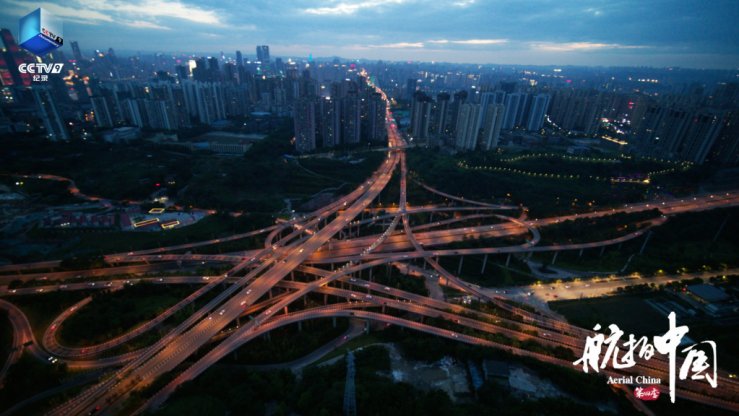
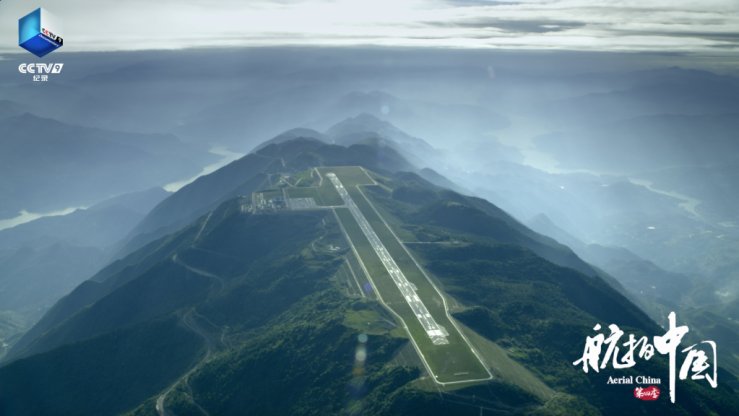
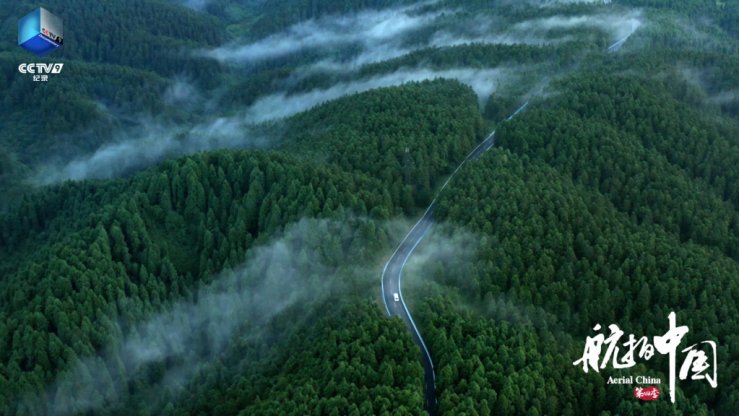
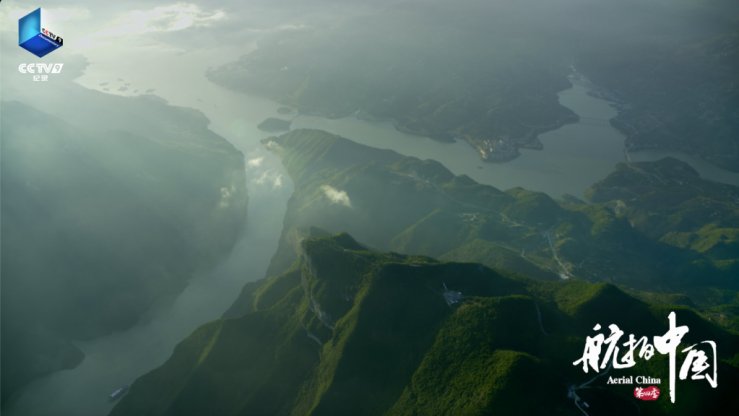
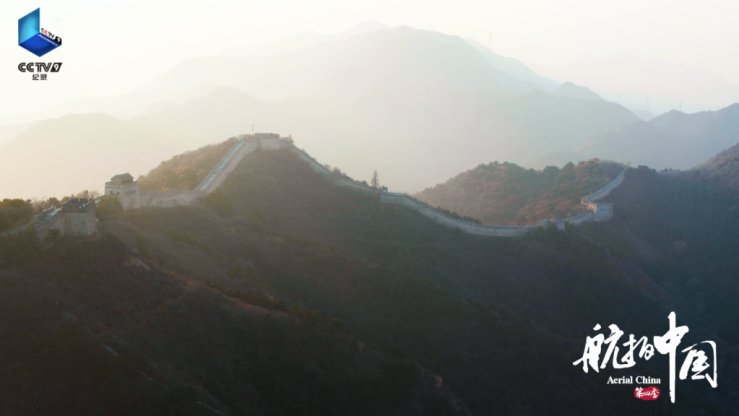
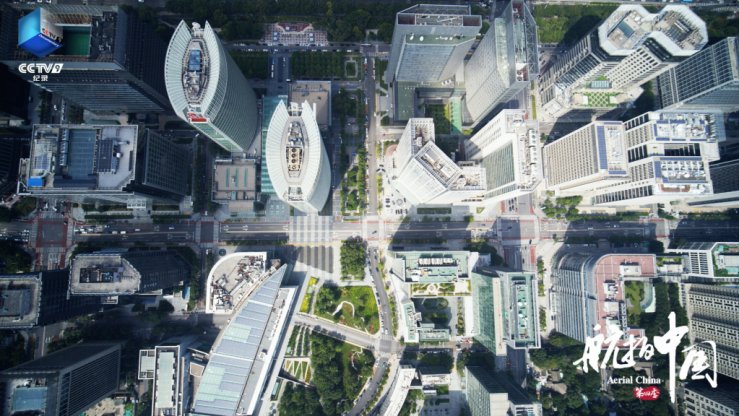
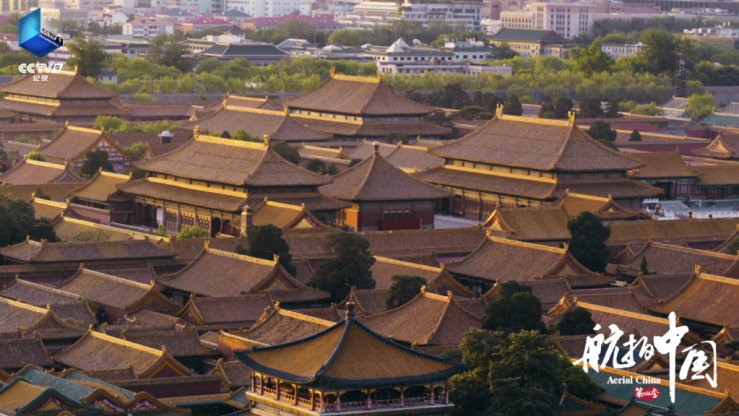
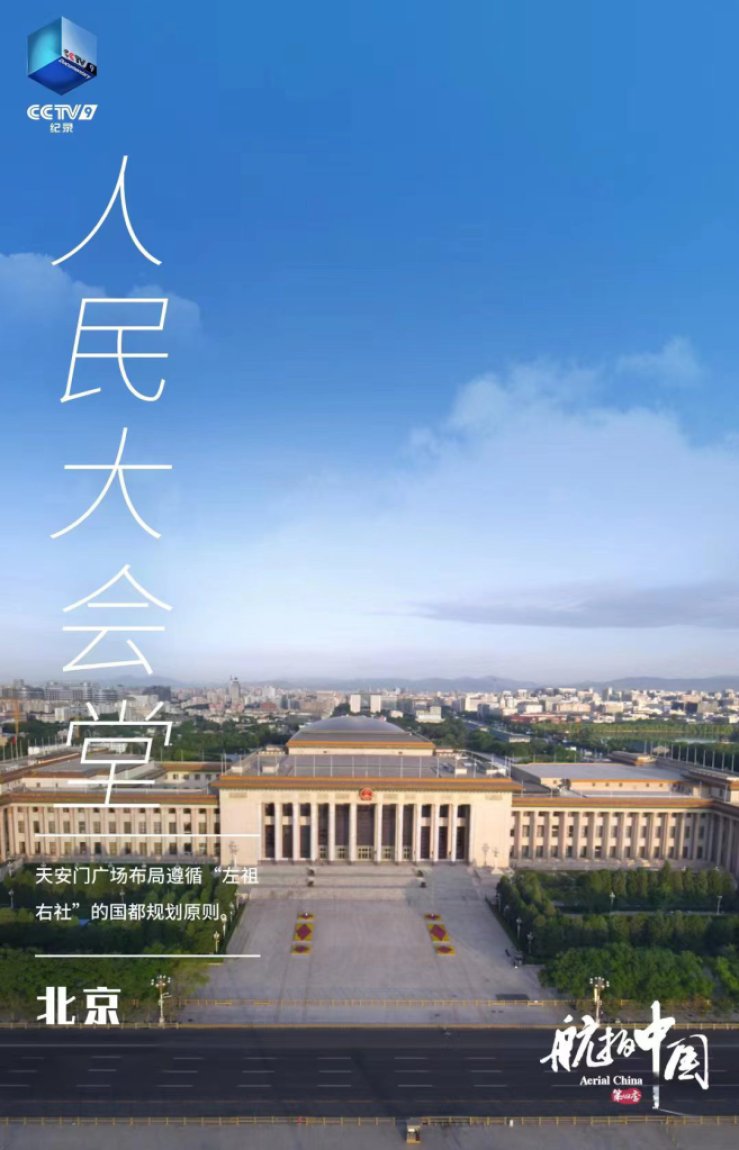
Currently for the Month of November 2022 CCTV China Central Televisionhas been running a yearlong in the making Aerial view documentary of views of China with stunning drone videography documentary detail the whole lives of the Numerous Cites of China, People’s Republic of China on multiple layers recording the real face of China presently.
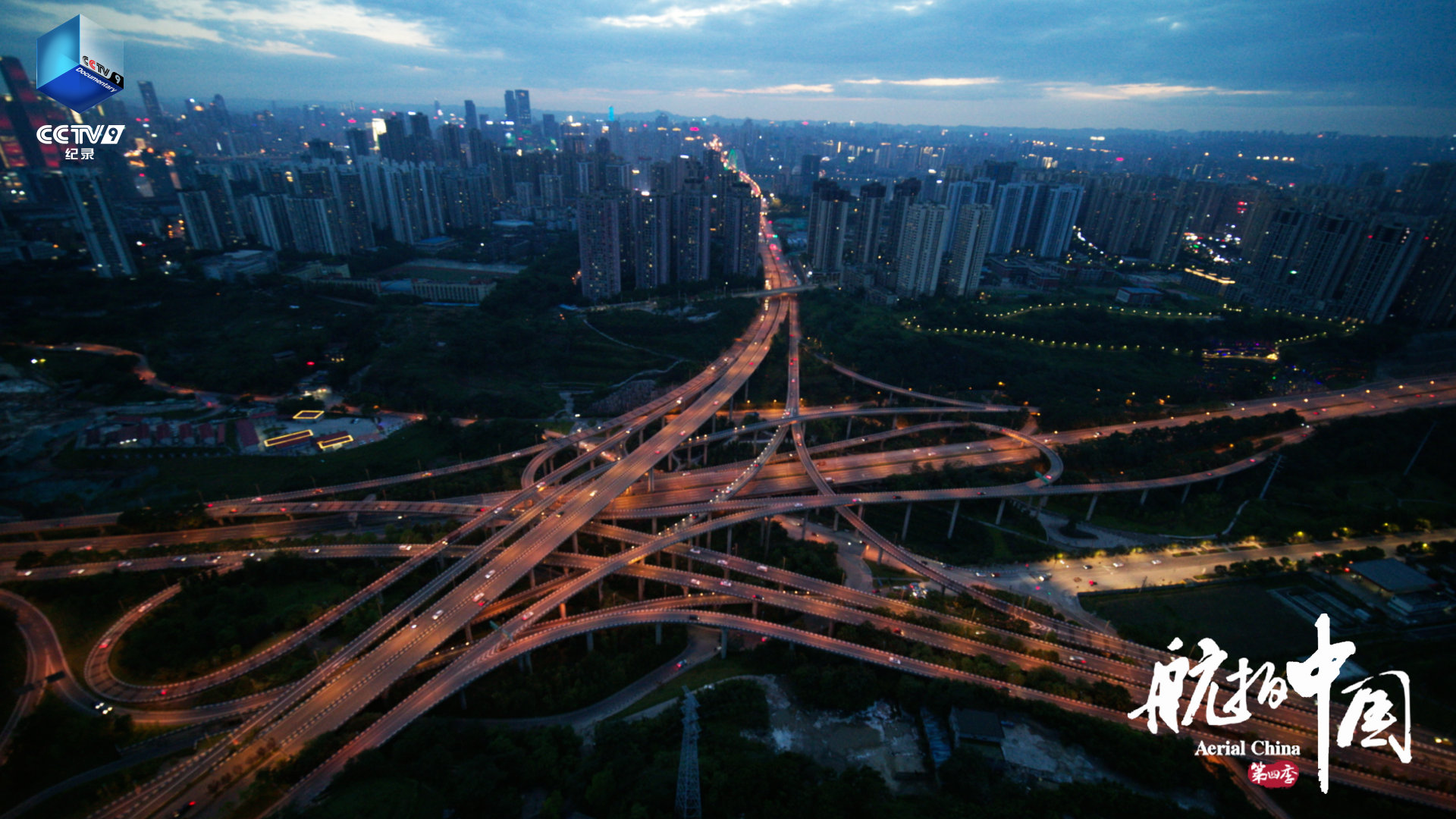
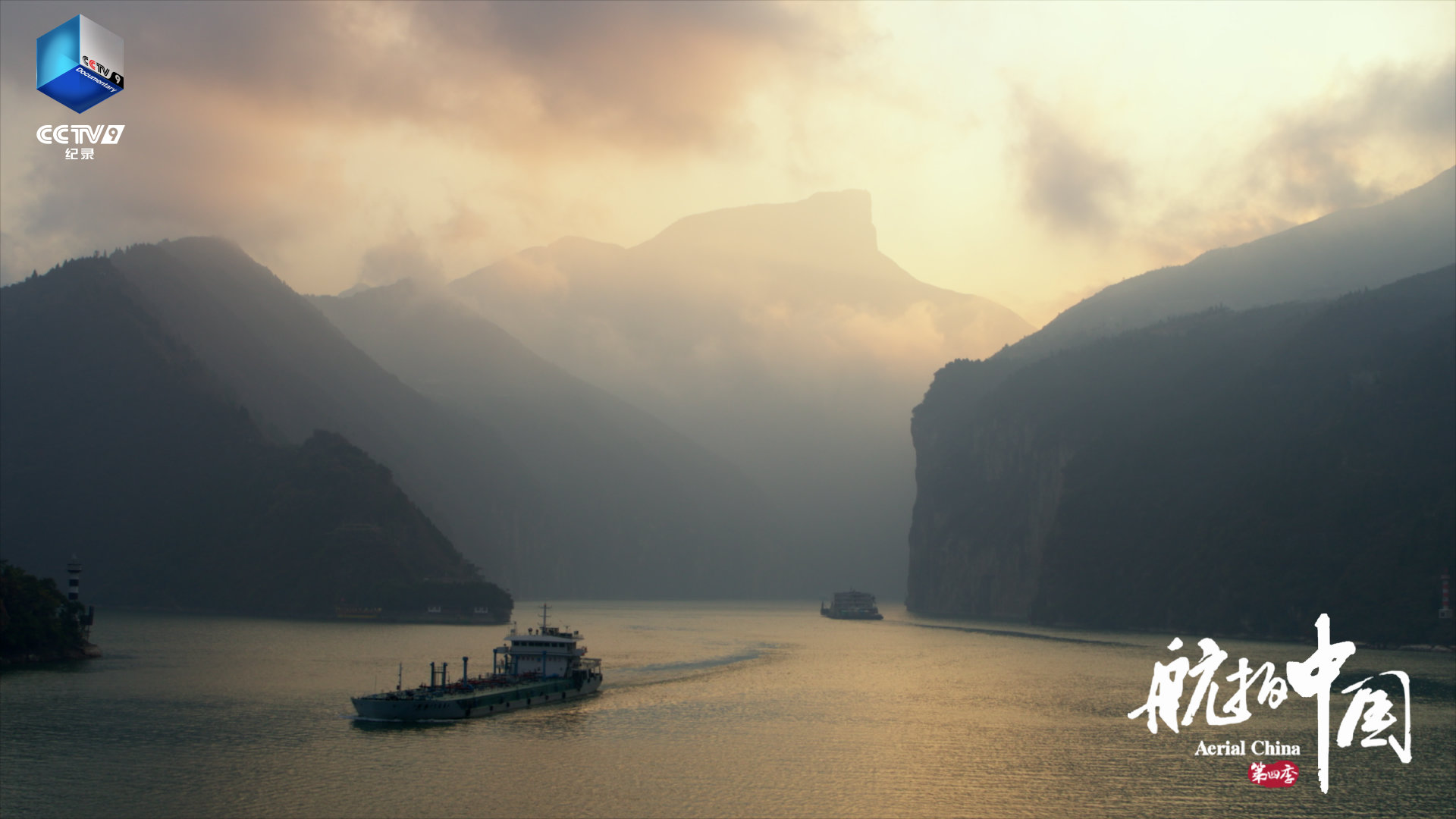
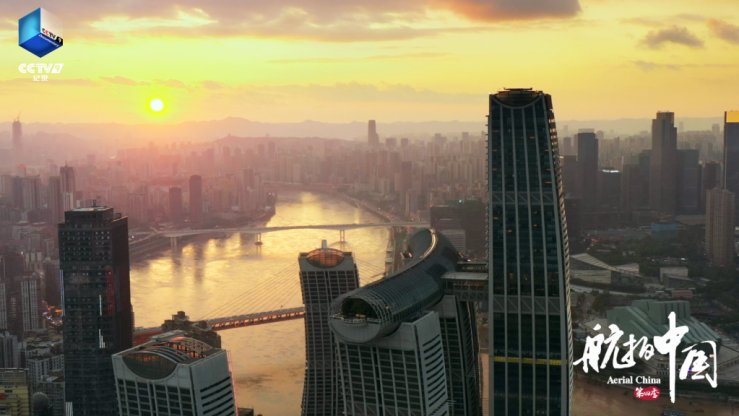
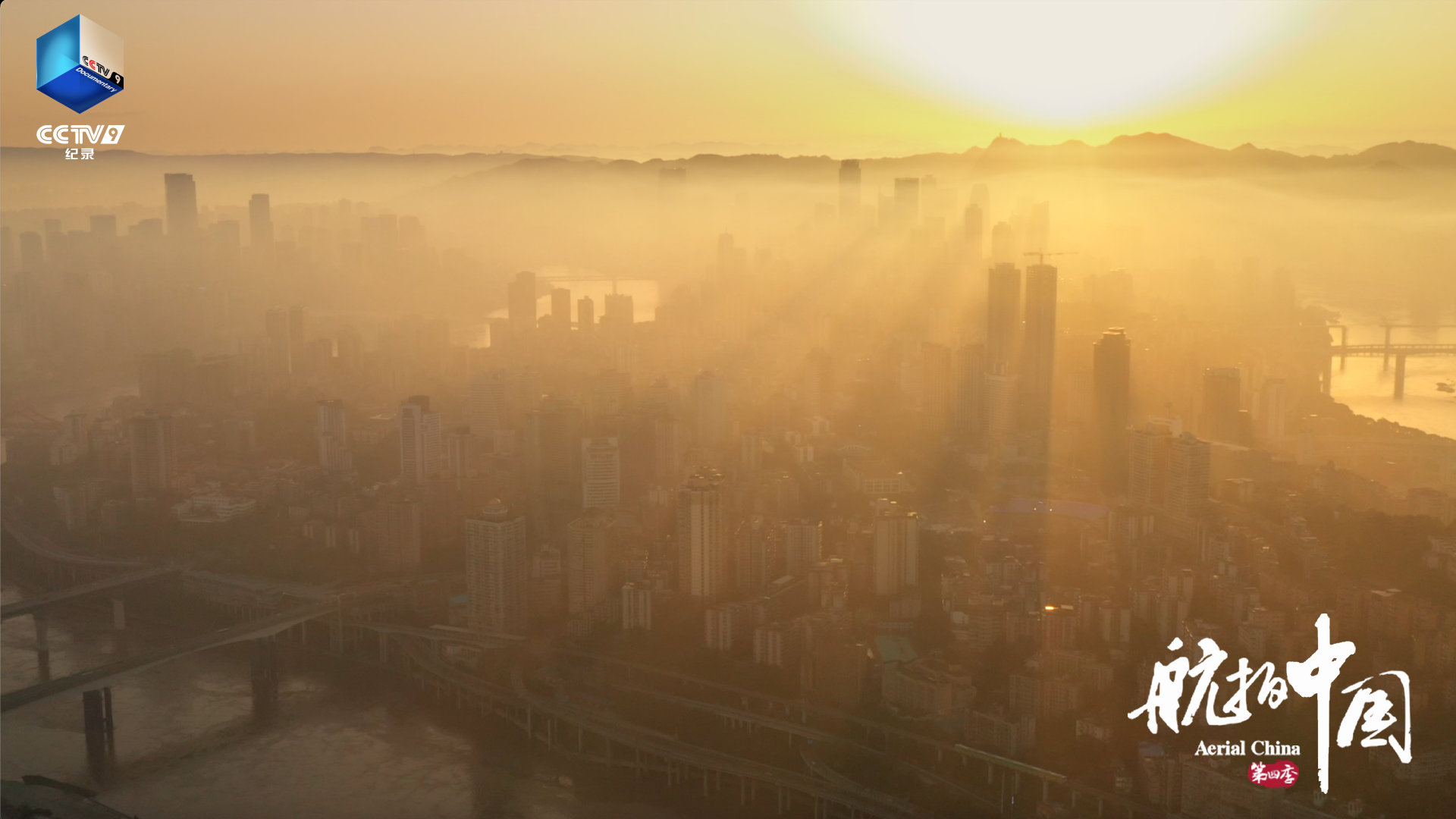
Contents of this issue: Chongqing is located in the southwestern region of my country, with more than 90% of the mountainous area, hence the name “Mountain City”. Our journey starts from the mother city of Chongqing, exploring how the cableway can shape the three-dimensional transportation; we go to the flyovers with different styles and encounter the masterpieces of space utilization masters; finally we follow the train and gently get into a building.
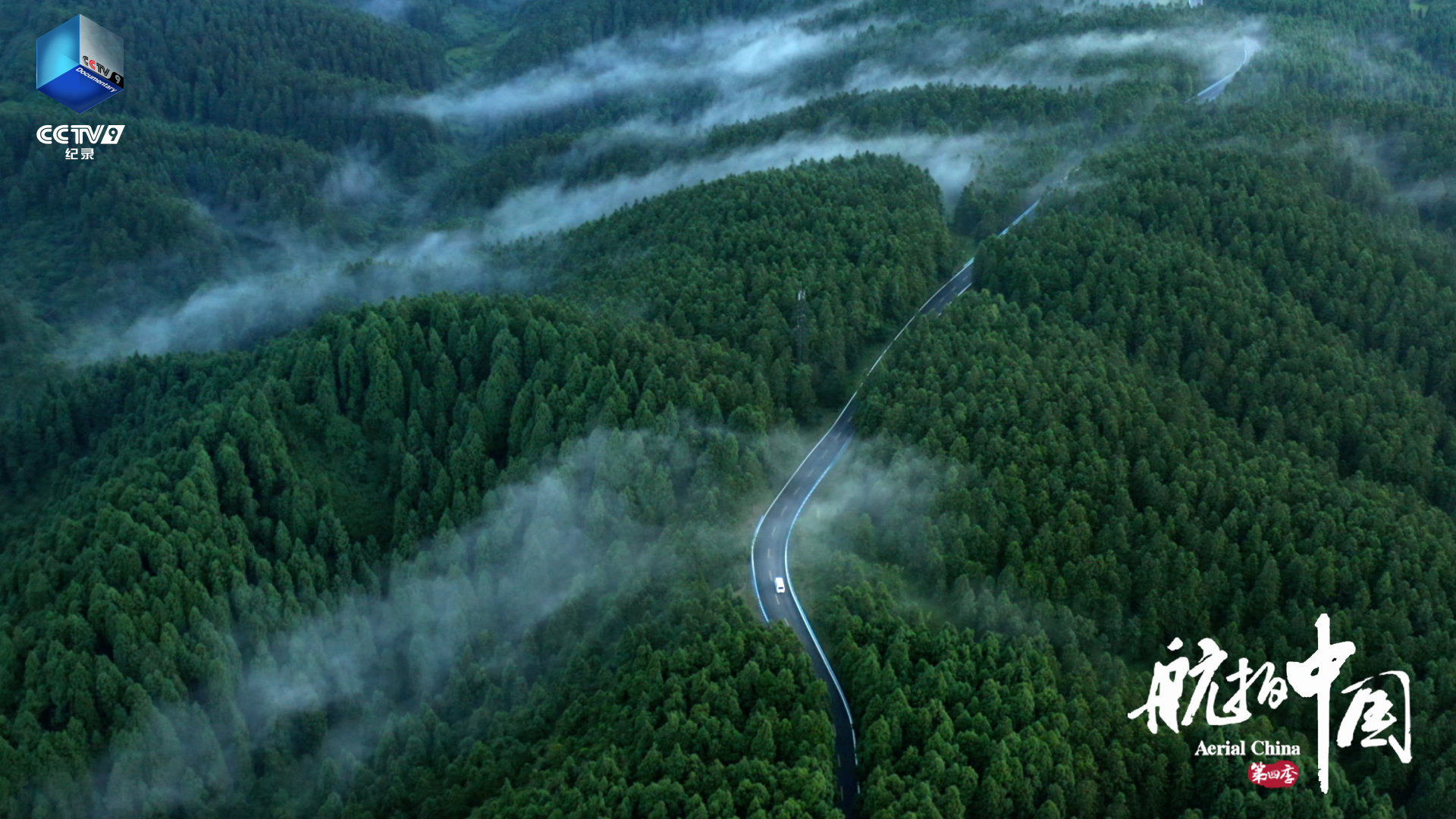
The fourth season of “Aerial Photography China” does not come to Chongqing once! You never know how magical the mountain city is? “Going to the sky” Chongqing rail transit will also drill “residential buildings”
“Aerial Photography of China” (the fourth season) shows the beautiful scenery of the land of China, evokes the nostalgic situation, and embodies the ideological and artistic conception of history and culture. It presents Beijing, Guangxi, Qinghai, Hubei, Hong Kong, Tibet, The natural ecology, cultural landscape, and economic and social development of 11 provincial-level administrative regions including Macao, Liaoning, Taiwan Province, Chongqing, and Henan show the image of China, Chinese culture, Chinese spirit, and Chinese governance in the new era, so that “Aerial Photography of China” The series of documentaries has become the first large-scale series of documentaries in the history of Chinese documentaries to cover the whole country from the air and record the real face of China at present.
Currently for the Month of November 2022 CCTV China Central Televisionhas been running a yearlong in the making Aerial view documentary of views of China with stunning drone videography documentary detail the whole lives of the Numerous Cites of China, People’s Republic of China on multiple layers recording the real face of China presently.
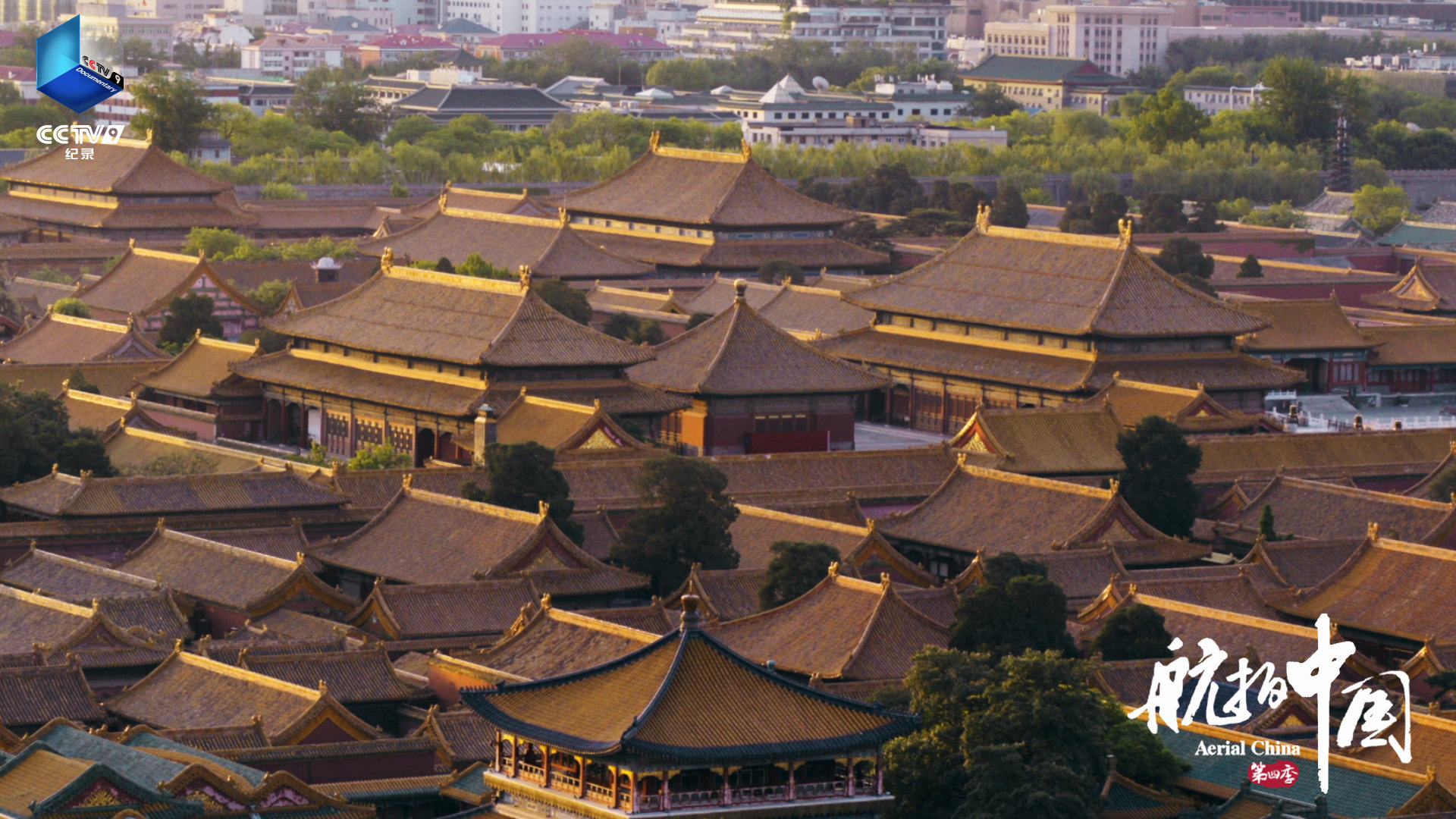
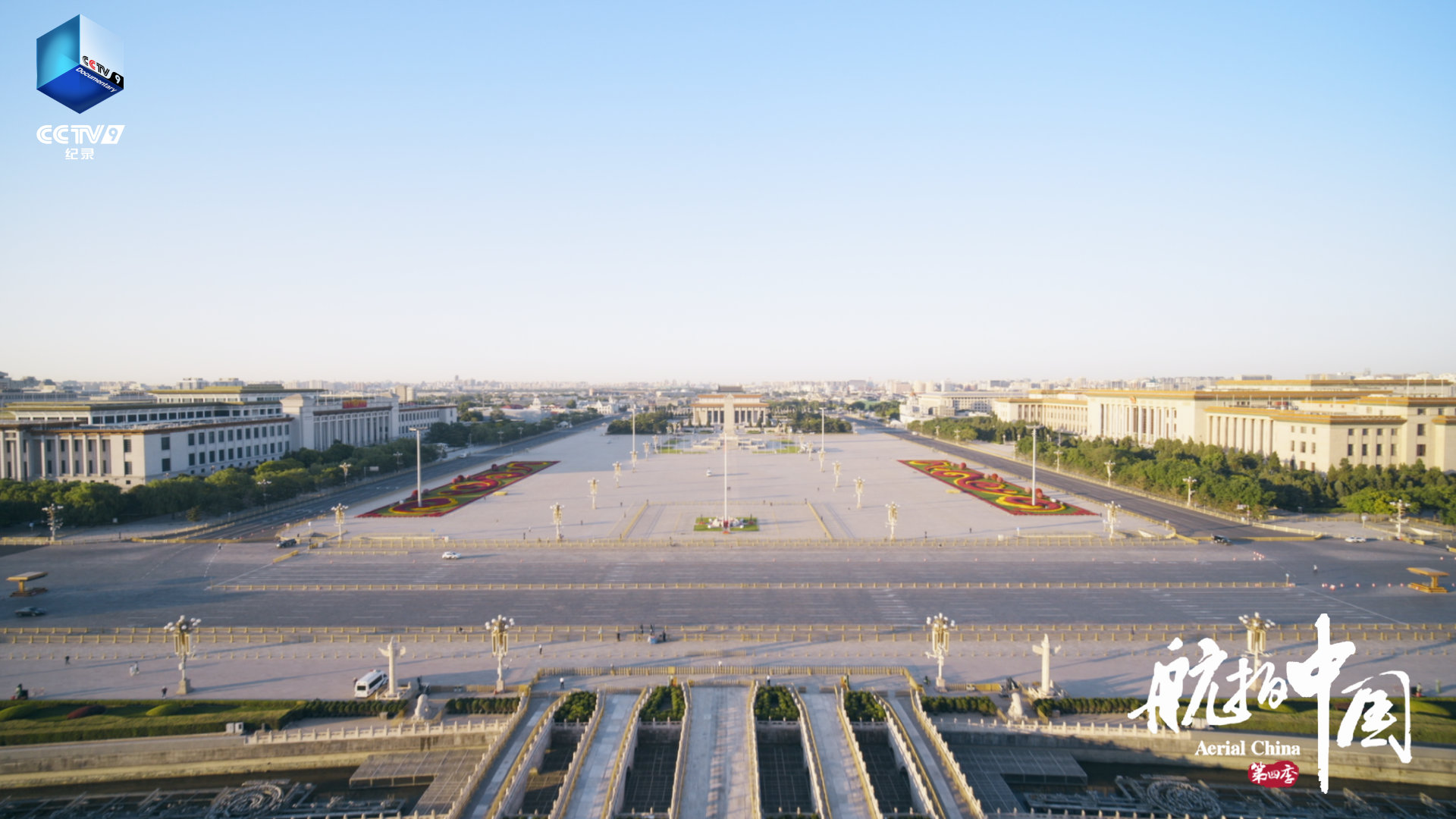
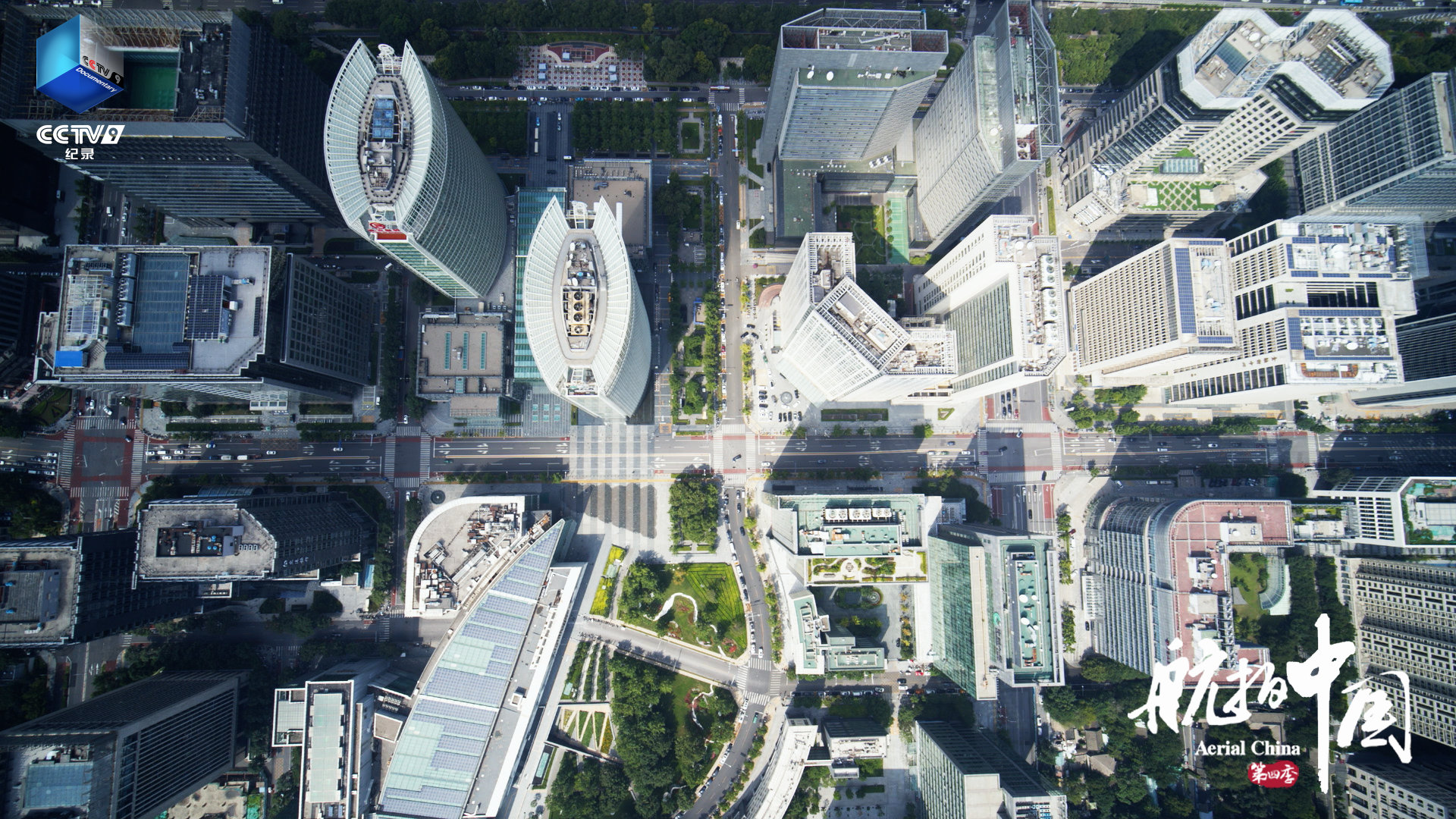
《航拍中国》第四季 首站北京!空中俯瞰这座历史悠久而又不失时尚的繁华都市 逛一逛北京必去打卡地 EP1 Aerial China Ⅳ【CCTV纪录】
Contents of this issue: Beijing is located in the northern part of the North China Plain, the capital of China, People’s Republic of China. In the heart of the motherland, above the capital Beijing, overlooking from an unprecedented perspective, what kind of ancient charm of the capital and various folk styles are revealed in the urban texture of this huge center of politics, culture, international exchanges and technological innovation.
“Aerial Photography of China” (the fourth season) shows the beautiful scenery of the land of China, evokes the nostalgic situation, and embodies the ideological and artistic conception of history and culture. It presents Beijing, Guangxi, Qinghai, Hubei, Hong Kong, Tibet, The natural ecology, cultural landscape, and economic and social development of 11 provincial-level administrative regions including Macao, Liaoning, Taiwan province, Chongqing, and Henan show the image of China, Chinese culture, Chinese spirit, and Chinese governance in the new era, so that “Aerial Photography of China” The series of documentaries has become the first large-scale series of documentaries in the history of Chinese documentaries to cover the whole country from the air and record the real face of China at present.
It’s Early October 2022 1320 Hours Afternoon Monday Beijing time during this month week of the Suzhou Walking through Suzhou exploring the Walking around Suzhou Industrial Park, perhaps due to COVID-19, the commercial area was deserted and some areas were being renovated…… In which Suzhou is only a least One Hour away from Shanghai, Hangzhou by High speed Rail. Niccolo Suzhou 苏州尼依格罗酒店Suzhou Culture and Arts Centre 苏州文化艺术中心Moon Harbour 月光码头Yuanrong Times Square 圆融时代广场are in this clear fine day walking tour..
蘇州 Suzhou, a city west of Shanghai, is known for its canals, bridges and classical gardens. The Humble Administrator’s Garden, dating to 1513, contains zigzag bridges over connected pools and islands. The Lingering Garden features ornate viewing pavilions and the Crown of Clouds Peak, a striking limestone rockery. Tiger Hill is home to the 7-story, leaning Cloud Rock Pagoda at its summit. ……Suzhou, referred to as “Su”, was known as Gusu and Pingjiang in ancient times. It is a prefecture-level city under the jurisdiction of Jiangsu Province. As of 2021, Suzhou has 5 districts and 4 county-level cities under its jurisdiction, with a total area of 8,657.32 square kilometers, a built-up area of 477.63 square kilometers, and a resident population of 12.7483 million. In 2021, the city’s GDP will be 2,271.83 billion yuan….
Suzhou is located in East China, the south-eastern part of Jiangsu Province, and the middle of the Yangtze River Delta. It is located between 119°55′-121°20′ east longitude and 30°47′-32°02′ north latitude. It is an important part of the Yangtze River urban agglomeration. It borders Shanghai in the east; Jiaxing and Huzhou in Zhejiang in the south, Taihu Lake in the west and adjacent to Wuxi, and the north and Nantong face each other across the Yangtze River. The terrain of the city is low and flat, with plains accounting for 54.8% of the total area, about 4 meters above sea level, and hills accounting for 2.7% of the total area. Suzhou has a subtropical monsoon oceanic climate with four distinct seasons and abundant rainfall. It grows rice, wheat, rapeseed, and produces cotton, sericulture, and forest fruit…. Suzhou is one of the first national historical and cultural cities with a history of nearly 2,500 years. It is one of the important birthplaces of Wu culture and has the reputation of “paradise on earth”. The representative of Chinese private gardens – Suzhou classical gardens and the Suzhou section of China’s Grand Canal are listed as world cultural heritage by UNESCO….
Niccolo Suzhou 苏州尼依格罗酒店is located in Tower 1, Suzhou IFS 409 Suzhou Avenue East, Suzhou Industrial Park, Suzhou Jiangsu 215028, China, People’s Republic of China. Crowning the top floors of Suzhou International Finance Square (IFS), the city’s tallest skyscraper and the Beacon of the Future, Niccolo Suzhou is located in Jiangsu Province’s prestigious Suzhou Industrial Park. The hotel’s surrounding locale is embellished with tree-lined boulevards and willow trees along its picturesque canals and Jinji Lake. Niccolo Suzhou is the fifth property to the group’s collection of luxury hotels following the Niccolo success stories in Chengdu, Chongqing, Changsha and the brand’s flagship in Hong Kong, The Murray, a Niccolo Hotel.
Suzhou Culture and Arts Centre 苏州文化艺术中心Suzhou Culture and Arts Centre, formerly known as Suzhou Science and Culture Arts Centre, located to the east of Jinji Lake at the China–Singapore Suzhou Industrial Park, Suzhou, Jiangsu, is a cultural centre in China. It occupies an area of 138,000 m², and its total gross floor area is 150,000 square metres Suzhou Culture and Art Center is a landmark cultural and art complex in Suzhou, covering an area of nearly 150,000 square meters… It is also the residence of the Suzhou Symphony Orchestra and the Suzhou Ballet. Suzhou Culture and Art Center is an important image window in the field of culture and art in Suzhou, an important production and popularization base for the city’s elegant art, and an important ideological position for strengthening mainstream ideology, promoting the main theme and transmitting positive energy..Located in 1 Guanfeng St, Wuzhong District, Suzhou, Jiangsu, China, 215027, People’s Republic of China.
Rec Shanghai is about his walking, driving, riding running around views of China – People’s Republic of China sharing his immersive experiences in his video hope you could have a pure view about China today, sharing some 4K UHD videos to show pure China daily scenes for you I shoot in Shanghai and other locations in China. Let’s walk around China together… BEST VIEWED ON 2160px60 with the Volume turned on way up for immersiveness immersion…
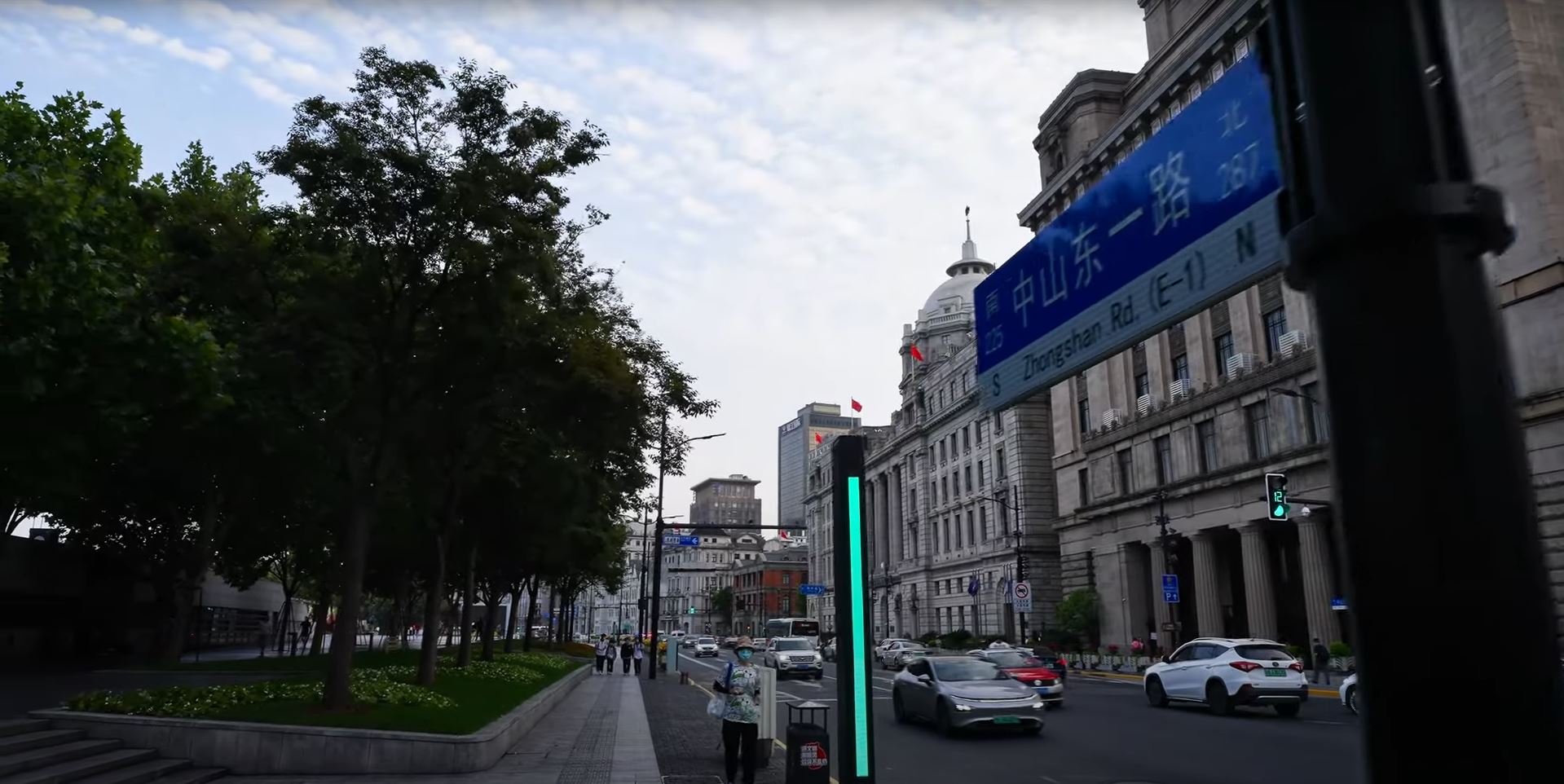
It’s late September 23rd Friday 2022 at 1640 in the Afternoon Beijing time during this month week of the Shanghai Walking through Shanghai in during the…. Walk along Zhapu Road, one of the coolest streets in Shanghai. This area is the former Shanghai International Settlement… Walking through North Sichuan Road Station Area 四川北路站地区, Wusong Road 吴淞路, Hengshui Road 衡水路, Zhapu Road 乍浦路, Zhapu Road Bridge 乍浦路桥, Huqiu Road 虎丘路, Middle Sichuan Road 四川中路, Dianchi Road 滇池路, East Zhongshan No.1 Road 中山东一路, The Bund Viewing Platform 外滩观景平台……
North Sichuan Road Station Area 四川北路站地区– Streets of Hongkou District, Shanghai North Sichuan Road is a north-south street in Hongkou District, Shanghai, with a total length of 3.7 kilometers [1] . With the North Suzhou Road as the boundary, the southern section and the northern section belong to Sichuan North Road Street There is such a description in “Shanghai Customs Miscellaneous Notes”: “North Sichuan Road dance hall, middle and low-level movie theatres, Cantonese restaurants, Cantonese teahouses, Japanese restaurants, bathrooms, brothels, European brothels, beauty salons, massage parlours and even In addition to Nanjing Road , Hengshan Road , Rongle East Road , and Fuzhou Road in Shanghai [2] , Sichuan North Road is the most prosperous, and vehicles and pedestrians are crowded day and night
East Zhongshan No.1 Road 中山东一路– A road in Huangpu District, Shanghai Zhongshan East Road is located in Huangpu District , Shanghai , north of the old city of Shanghai , outside the old city.
In fact, the side facing the river is called “wai”. For example, the bridge on the Suzhou River facing the river is called Waibaidu Bridge, and the bridge facing the river on Yangjingbang is also called “Waiyangjing Bridge”.
Before Shanghai opened as a port, the Huangputan area was sparsely populated, and the Banghe River was a barren beach overgrown with reeds. After the Opium War, the British colonists coveted Huangpu Beach, which is “favorable for trade and transportation and has room for development”. Today’s The Bund has become an image window of Shanghai’s international metropolis, a gathering place for major cultural events in Shanghai, the best place to visit in Shanghai, and a new highlight of urban landscape.
Rec Shanghai is about his walking, driving, riding running around views of China – People’s Republic of China sharing his immersive experiences in his video hope you could have a pure view about China today, sharing some 4K UHD videos to show pure China daily scenes for you I shoot in Shanghai and other locations in China. Let’s walk around China together… BEST VIEWED ON 2160px60 with the Volume turned on way up for immersiveness immersion…
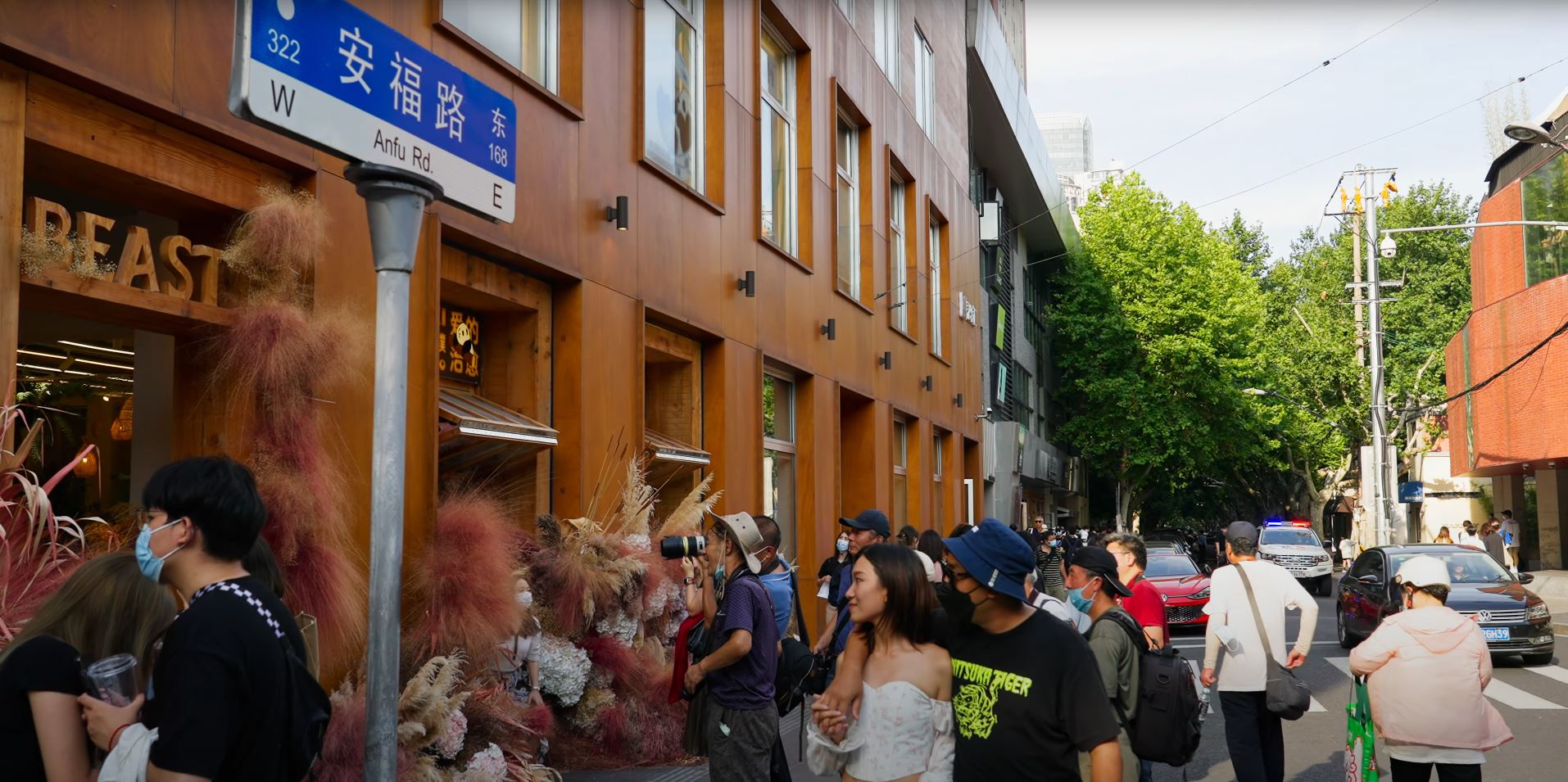
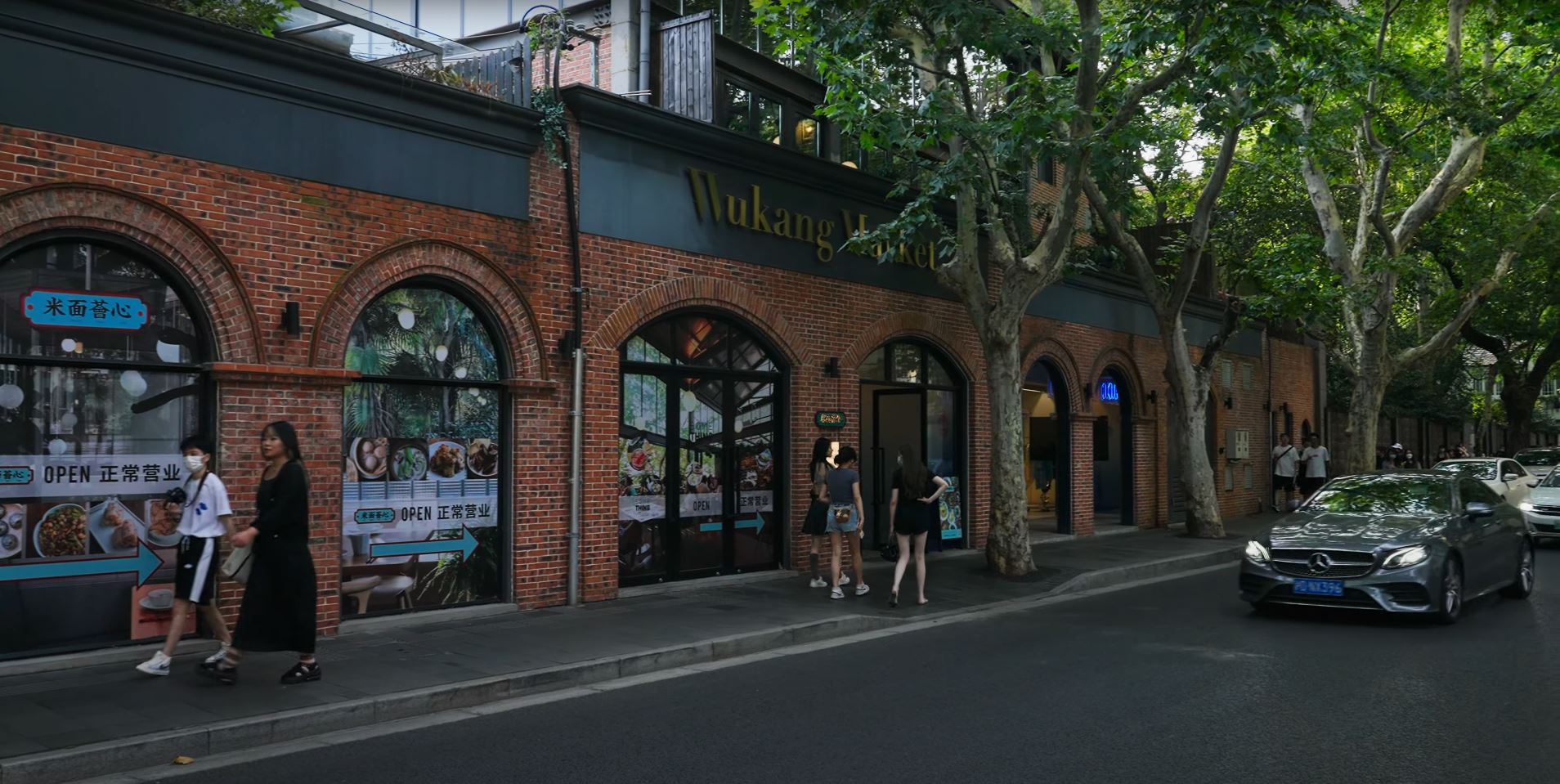
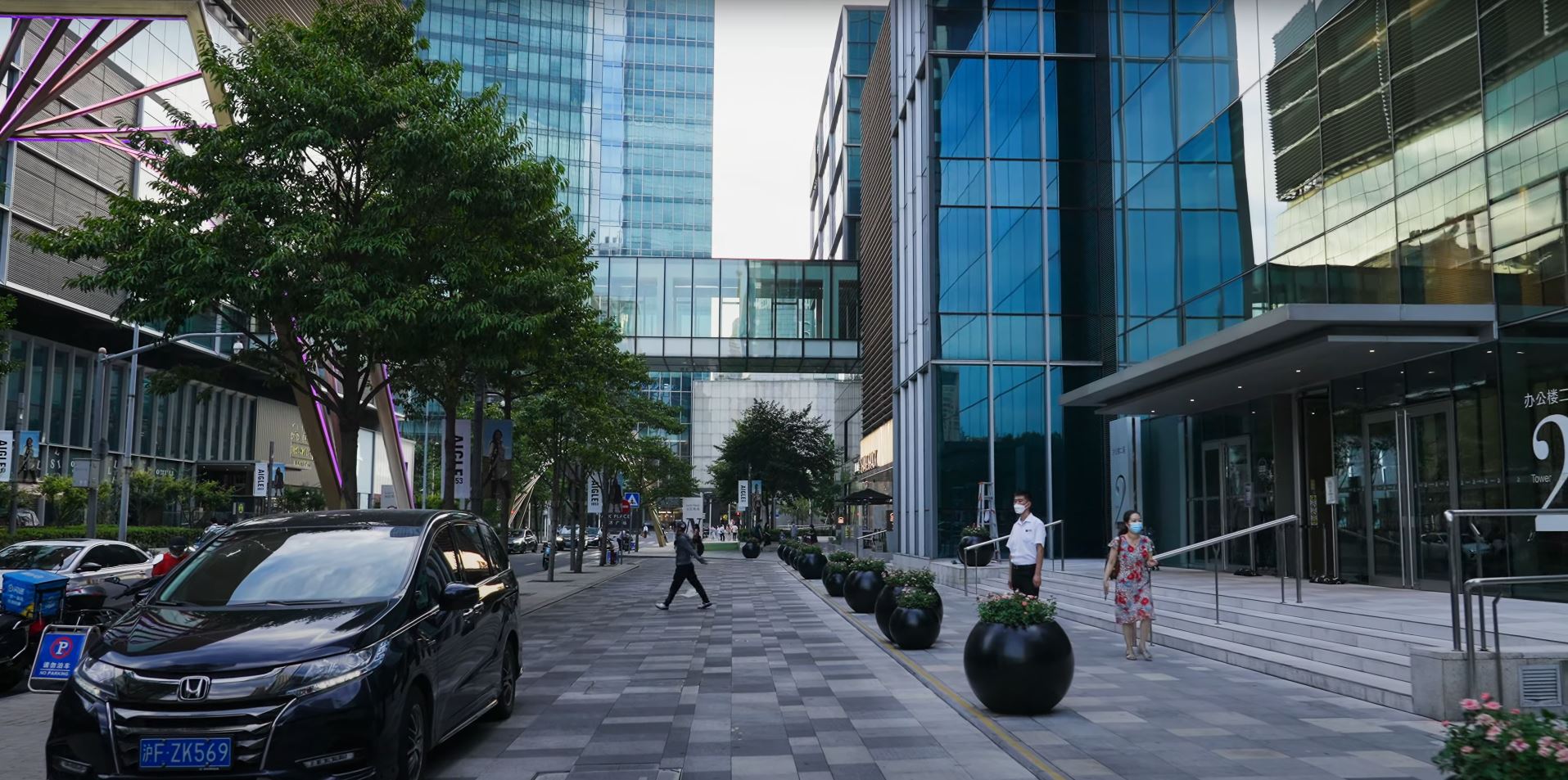
It’s late August 2022 at 1645 in the Afternoon Beijing time during this month week of the Shanghai Walking through Shanghai in during the…. Walk through three main areas of central Shanghai…. From the shopping area of Anfu Road, popular among young tourists, to the area around South Shaanxi Road Station, and finally to the area around Jing’an Temple Station…. Anfu Road x Wukang Road 安福路 x 武康路, Wuyuan Road 五原路, Middle Huaihai Road 淮海中路, IAPM Mall 上海环贸iapm商场, South Shaanxi Road 陕西南路, Nanyang Road 南阳路, Area around Jing’an Temple Station 静安寺站周边地区……
Anfu Road安福路Anfu Luis located in the northeast of Xuhui District, Shanghai. It starts from Changshu Road in the east and ends at Wukang Road in the west. It was built in 4-5 years of the Republic of China (1915-1916) and named Route Dupleix after the French admiral. In the 32nd year of the Republic of China, it changed its name to Jiangxi Anfu. Anfu Lu is located in the northeast of Xuhui District, Shanghai. It starts from Changshu Road in the east and ends at Wukang Road in the west. It is 862 meters long, 12.0 to 13.0 meters wide, and the roadway is 7.0 to 8.0 meters wide. Along the road are residences, art theatres and schools. On January 10, 2022, the Wukang Road-Anfu Road block in Xuhui District, Shanghai was selected as the first batch of national-level tourist resort……..
Wukang Road武康路Wukang Road is a road in Xuhui District , Shanghai . It is known as the “Celebrity Road” that “condenses Shanghai’s modern century history”. There are 14 outstanding historical buildings along the route, and 37 historical buildings are preserved. On June 11, 2011, Wukang Road, Xuhui District, Shanghai was selected as the third ” Famous Street of Chinese History and Culture ” approved by the Ministry of Culture and the State Administration of Cultural Heritage
Wukang Road was built in 1907. According to the Records of Geographical Names in Xuhui District , Shanghai : “The road was originally named Fu Kaisen Road, named after the American Fu Kaisen surname. In 1943, it was renamed Wukang Road and was named after the old county in Zhejiang Province.” [1-2]
In the late Qing Dynasty, Sheng Xuanhuai , a minister of the Westernization faction , was entrusted by Li Hongzhang to supervise the operation of Nanyang Public School (the predecessor of today’s Shanghai Jiaotong University). Equivalent to a 21st-century provost). After Fu Kaisen took office, in order to facilitate the travel of teachers and students, he built the road with his own salary. At first, there was no exact name. Later, because the French Concession was expanding its territory, it conflicted with the “Siming Office” of the Shanghai Ningbo Association. There were also conflicts with the United Kingdom, the United States, Russia and other countries. Fukaisen adjusted from it, and finally resolved to the satisfaction of all parties. In order to thank Fukaisen, the local people named the road Fukaisen Road. Since the professors hired by Fukaisen live in the urban area, it is much more convenient for teachers to go to work and school since the construction of this road. Therefore, it is highly praised by teachers and students. Wukang Road was originally a dirt road, with rice and vegetable gardens and farmhouses on sides, dense rivers and ponds, scattered with many graves. In 1914, Fukaisen Road was officially included in the French Concession, and Mintini, the first French consul in Shanghai, implemented the overall planning along Wukang Road in accordance with the most modern urban construction concept in the West at that time. This plan is gradually advancing to the surrounding area.
Wukang Road is 1,183 meters long and 12 to 16 meters wide. The whole road is curved and roughly runs north-south. From Huashan Road in the north, you can see Li Hongzhang ’s Lilac Garden, an important official in the late Qing Dynasty , and in the south, Huaihai Middle Road connects Tianping Road, Yuqing Road, and Soong Ching Ling’s former residence faces each other. On Wukang Road, where the phoenix trees are swirling, there are about 30 former residences of famous celebrities with a high “density”. The Spanish-style and French-Renaissance-style buildings along the route are very distinctive, making it one of the most European-style neighbourhoods in the central city of Shanghai.
Jing’an Temple Station 静安寺站周边地区…… Jing’an Temple, also known as Jing’an Ancient Temple, is located in Jing’an District , Shanghai. According to legend, its history can be traced back to the 10th year (247) of Sun Wu Chiwu of the Three Kingdoms. It was originally named Hudu Chongxuan Temple. In the first year of Xiangfu in the Song Dynasty (1008), it was renamed Jing’an Temple. In the ninth year of Jiading in the Southern Song Dynasty (1216), the temple moved from the Wusong River to the side of Lupu Feijingbang (now Nanjing West Road ), which was earlier than Shanghai. Jing’an Temple has a total construction area of 22,000 square meters. The entire temple forms a pattern of front temple and rear tower. It consists of three main buildings: Daxiong Hall , Tianwang Hall and Sansheng Hall . It is the oldest Buddhist temple in Shanghai. The temple houses the famous paintings of Bada Shanren and the cursive scroll of Wen Zhengming’s original work “Pipa Xing” . Jing’an District is also famous for its Jing’an Temple. The architectural style of Jing’an Temple is imitating the architectural style before the Ming Dynasty, and the typical representative is the shape of the bucket arch.
Jing’an Temple is the name of an interchange station between Lines 2, 7 and 14 of the Shanghai Metro. This station is located in Jing’an District, below the historic Jing’an Temple and the Jiu Guang shopping mall. It is part of the initial section of Line 2 that opened from Zhongshan Park to Longyang Road that opened on 20 September 1999; the interchange with line 7 opened on 5 December 2009 as part of that line’s initial section between Shanghai University and Huamu Road and the interchange with line 14 opened on 30 December 2021.
There are shuttle buses between Jing’an Temple and Hongqiao or Pudong airports. The shuttle bus from Pudong leaves the airport as ‘Airport Bus Line 2’ towards the ‘Airport City Terminal’ which is the official name of the Jingan Temple shuttle bus station and costs 22 ¥ as of January 2015. The ride takes about half an hour from Hongqiao Airport and 45–60 minutes depending on traffic from Pudong Airport. From Pudong the bus is usually faster and more convenient than the subway connection.
Rec Shanghai is about his walking, driving, riding running around views of China – People’s Republic of China sharing his immersive experiences in his video hope you could have a pure view about China today, sharing some 4K UHD videos to show pure China daily scenes for you I shoot in Shanghai and other locations in China. Let’s walk around China together… BEST VIEWED ON 2160px60 with the Volume turned on way up for immersiveness immersion…