


寧壽宮The Palace of Tranquil Longevity literally, “peaceful old age palace,” also called the Qianlong Garden, Qianlong Palace, Qianlong District or the Palace of Tranquillity and Longevity, is a palace in Beijing, China, located in the northeast corner of the Inner Court of the Forbidden City- Beijing – China – People’s Republic of China.
Construction of the palace began on the Qianlong Emperor’s orders in 1771, in preparation for his retirement, although the emperor himself never moved into the palace. Its beautiful apartments, pavilions, gates and gardens feature “some of the most elegant spaces at a time widely considered being the pinnacle of Chinese interior design.” Throughout the Qing dynasty, the palace was almost never used, largely because of the Qianlong Emperor’s imperial decree ordering his retirement retreat remain unaltered.

Forbidden City Hundred Excellent Books for Public reading activities …… The ancient buildings of the Forbidden City have gone through calamities and are treasures of the years, and they are still shining today. Wandering in the Forbidden City, we respect the splendour of the Hall of Supreme Harmony, the solemnity of the Hall of Fengxian, the serenity of the Hall of Mental Cultivation, the wealth of ancient times in the Wenyuan Pavilion…
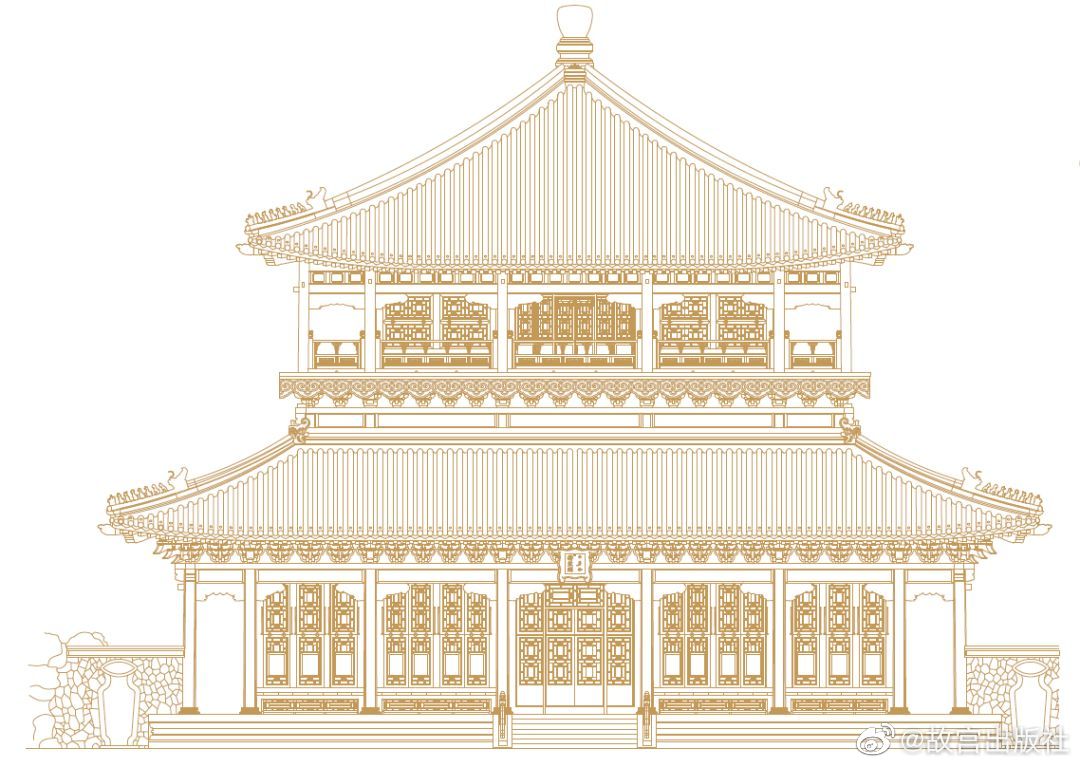
Not only that, we are also amazed at the A very special place in the Forbidden City’s Inner Tingwai East Road is the Ningshou Palace Garden, also known to the public by the name of “Qianlong Garden”.
This garden is the most well-preserved royal garden in the Forbidden City with the most architectural art style of the Qianlong period. The ingenious and rigorous form of the ancient buildings in the garden is enviable, the architectural space and garden layout are fascinating, and the delicate and complicated decoration of the eaves of the building is dazzling.
In such an environment, there is still a building that is unique. This is a magical attic called “Mission House” by later generations. It is also a great architectural artwork, and it is also an extremely rare existence in the ancient buildings of the Forbidden City. This mysterious building is Fuwang Pavilion. Its completion was praised by Emperor Qianlong as “its sincerity meets my expectations”, and now looking back on the past of Fuwang Pavilion, it has indeed lived up to Emperor Qianlong’s holy family.
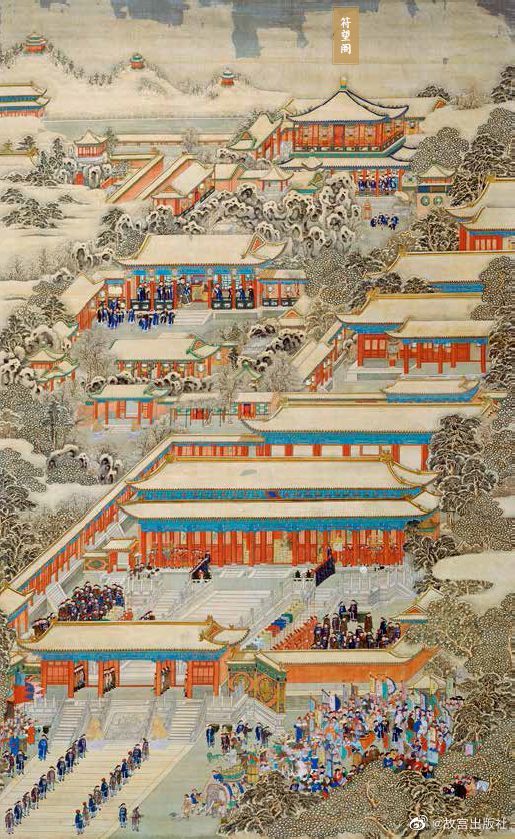
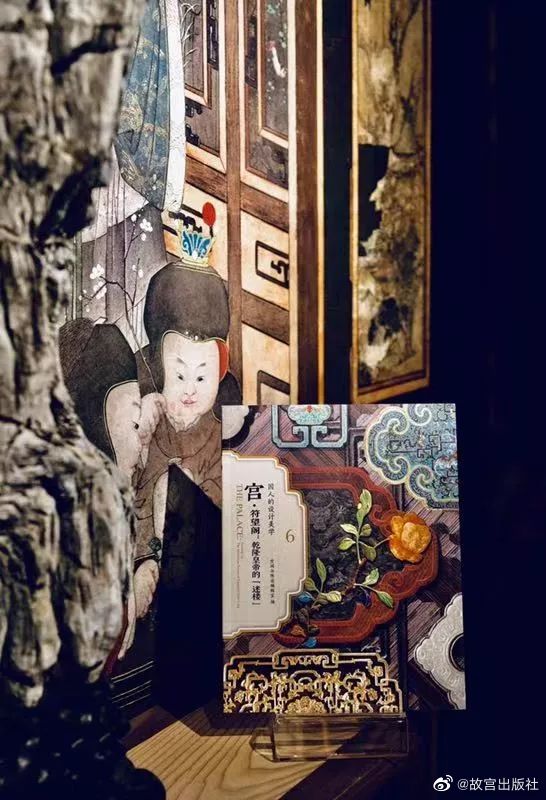


Fuwang Pavilion is one of the few remaining palace remains in the Forbidden City that has not been interfered by modern humans. It contains a lot of real historical information, such as why Fuwang Pavilion was built, when and why it was repaired, and how the interior eaves were furnished in different periods. ….. where to make the various craftsmanship of the interior eaves decoration, when to pay tribute, and so on. The records of Fuwang Pavilion (including the entire Ningshou Palace area) in the various archives of the inner court of the Qing Dynasty were detailed, which was a great blessing to later scholars. This not only accomplished the research and protection project of Qianlong Garden, but also enabled us to have a more detailed and in-depth understanding of Fuwang Pavilion’s space and interior eaves decoration techniques, but also discovered many modern relics of Fuwang Pavilion’s inner eaves decoration technology, protecting these traditional crafts. ‘s craftsman.
It goes without saying that Fuwang Pavilion enriches the study of ancient architecture. It is of great significance for contemporary interior design to carry forward Chinese traditions and broaden the artistic thinking of display. Cultural creativity can also understand the spirit and get inspiration from it.
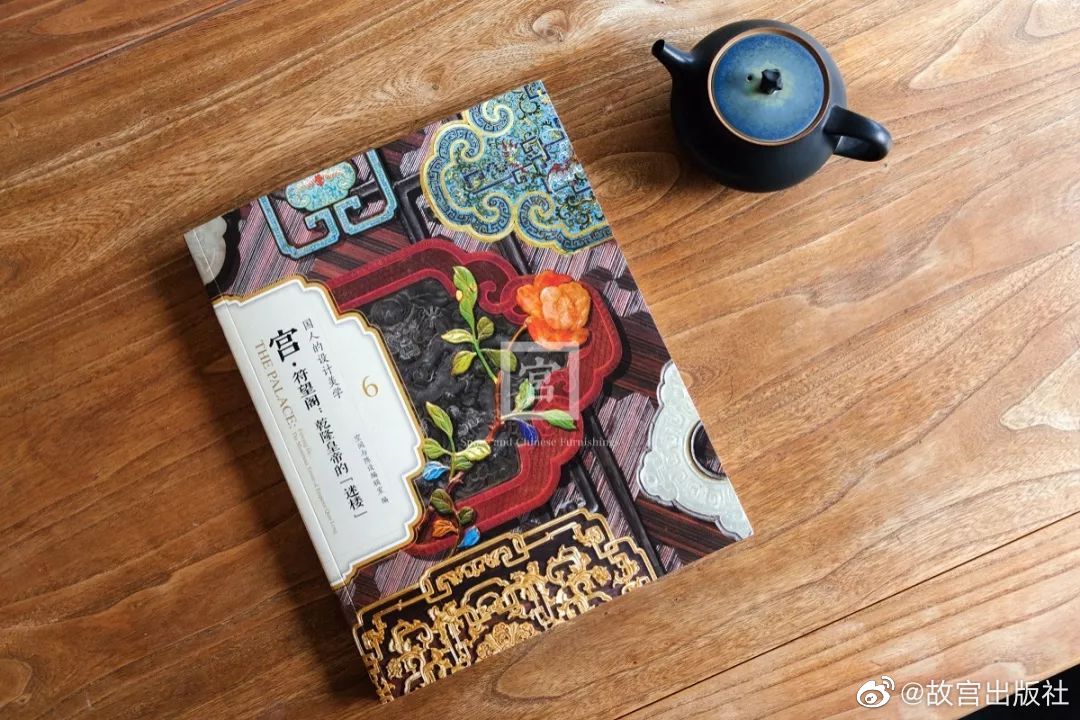
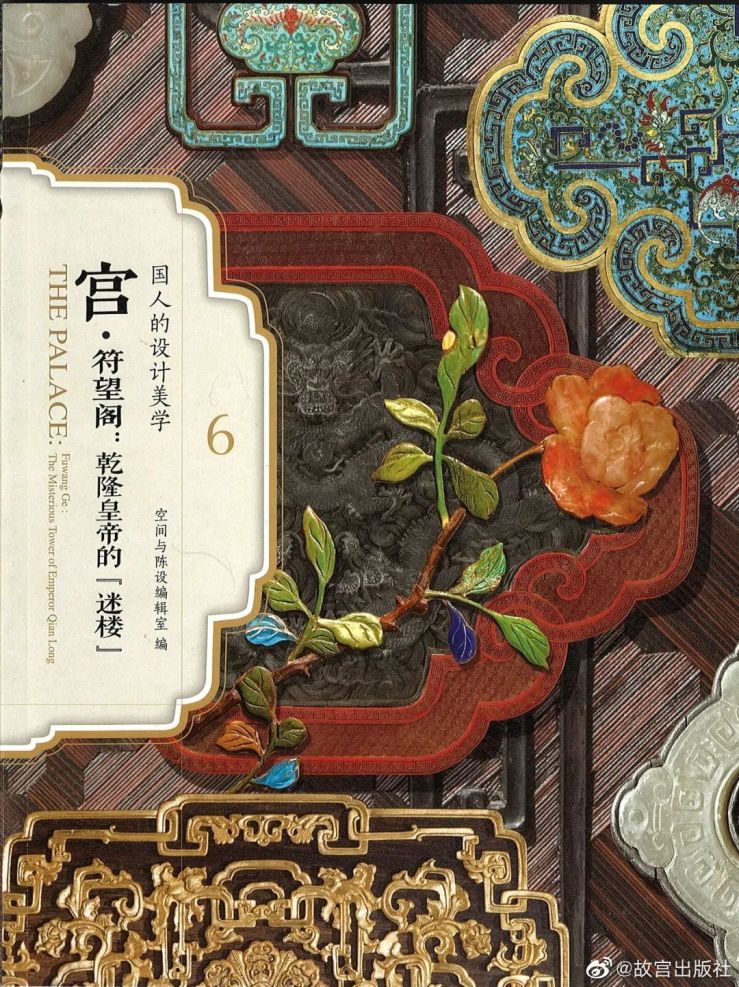
“Palace·Fuwang Pavilion: The “Lost Tower” of Emperor Qianlong” takesspace furnishings as the theme, tells about the art and technology of Chinese court environment design in the 18th century, and comprehensively displays the history of Fuwang Pavilion’s construction, original furnishings, architectural space, The decoration of the inner eaves reveals the story behind the construction of the Fuwang Pavilion in the Qianlong Garden of the Forbidden City, and explains why the Fuwang Pavilion can be called the highest representative of the inner eaves decoration skills of the ancient buildings in the Qianlong Garden and even the Forbidden City.
Imagines credits are of the Forbidden City –Imperial Palace –Beijing – China- People’s Republic of China also from the Series Weibo北京卫视上新了故宫 Treasures in the Forbidden City…


