

The corridors of the Forbidden City are whitening, the stone bridges are whitening, the deep courtyards are whitening, the wind is together, the begonia blossoms and rains, and the beauty is so beautiful that you almost forget the time. Such beautiful scenery …..

The newly layering florally snow blossoms blooming covered Beijing landscape has just become a hot spot for netizens after it has just blossoms snowed in which now it’s now spring in China in which most of Asia.. In which during that time it’s the Cherry Blossoms bloom with radiant pink pastel hues….. Begonia does not rain but radiantly starry blossoms, pear blossoms first snow; lilac branches, cardamom tops. Half of spring is full, hello, April…..
Magnolia blooms flowers, in which also termed Mulan… in which they say long time ago Grand General Mulan name came from the Magnolia flower tree that her father also a General planted in front of their Manor Homestead in which her father when to a nearby mountain that blooms like starry Globular clusters of Magnolia flowers…….In which to find a Magnolia flower tree to take back home for landscaping. In which translated into the imperial Shenyang Qipao garments ….

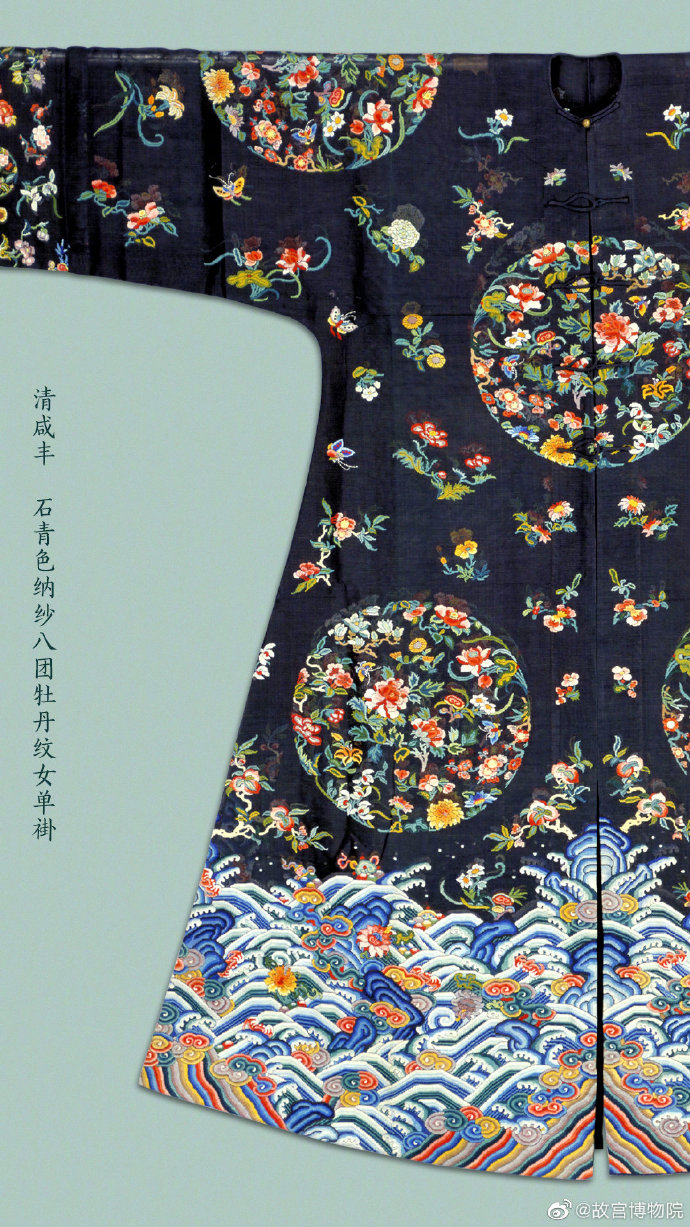
“Who doesn’t love peony flowers; occupy the good things in the broken city.” After Gu Yu’s solar term, the flowering period of the Forbidden City is about to come to an end. King picks eight regiment peony, rich and elegant embroidery onwards with the Qing Dynasty imperial Qipao in which originally inspired by the first Qing Dynasty Capital Shenyang… In which translated from Han Dynasty Ming Dynasty Clothing …..


There should be nowhere to go in spring, so pitiful for those who cherish flowers.” The light of spring was short, and after the rain, flowers fell and returned to spring. But for six hundred years, they have all blossomed here, decorating this palace year after year. Magnolia is known as “Spring Flower”. Next to the shallow pond in the imperial garden, the magnolia is swaying and swaying, giving the Forbidden City a light makeup of early spring. In the late spring, look forward to the beauty of spring and share the beauty of the four o’clock changes in the Forbidden City
……the second decade from the turn of the century in Beijing the Capital of China also the People’s Republic of China, in which is also the year of the rat, marking its six hundred years anniversary of the Forbidden city that marks the transitional point of in between the middle of the Ming Dynasty (1368- 1644) transitionally from Nanjing to Beijing towards the Qing Dynasty (1636-1644-1911) …. The Imperial Palace seen so many countless seasonally transitional equinoxes but further its six hundred years is iconic, but it’s five hundred ninety nine years it marks it Autumn Equinox…. In which it only took twelve years to build the same of the Daming Palace of The Tang Dynasty Xian Imperial Capital only it was least twenty times larger……
QIPAO 旗袍 Cheongsam …. In which from historically Shenyang is the birth place of the Qing Dynasty 1636-1912plus …. In which Qipao is termed for Qing Dynasty Clothing that the Manchu ethnic adoptively wore…… in which the Shenyang Palace Museum was an imperial palace towards two Qing Dynasty emperors. Previously two years ago during the event it which was an eight day forums, with exhibitions also related workshops illustrating the birth place of the Old Capital of Cheongsam where the Qing Dynasty- Qipao was inspired from…
Before that Shanghai 1930’s Qipao-Cheongsam revolution, the Manchurian Cheongsam was the fashion of choice of the Qing Dynasty (1636-1912) throughout as it standardised that style during the dynasty… Replacing the previous clothing standard Han Fu – Han Dynasty clothing style, in which also is form fitting towards the women’s silhouette but with a higher degree of freedom of flare of personal, individual style…
Qipao-Cheongsam is uniquely hand crafted tailored Chinese dress to the customer’s various measurements… in which you can still have them brought of the rack in which is accustomed to the standard measurements… in which you can tell which is western influenced with the back zipped in which the Eastern traditional Chinese Tailors would have the side zipped of the Qipao dress due it interrupts the flow of the pattern work at the back of the dress.. Also it creates a continuous seamless back look… after as the measurements are translated drafted onto the silk or the customer desired accustomed fabric of choice, from the measurements book with the associated look of the design elements with additional accessories the sexiness of Qipao lies subtlety.. Measuring, patterning, cutting, and button making are crucial, in where passion and art comes together in tailoring
In which traditionally Qipao- Cheongsam dresses are worn for from straight forwardly every day towards after work evening wear in without having to change to another set of wardrobe dressing only to accessories for the required occasion… … in which the Qipao dress pattern silhouette is design for the lady’s figure in which accentuating the silhouette without giving away too much of what’s underneath in retaining…. its timeless classic silhouettes in which are designed to be worn every day, from work, evening, casually towards to the weekend… with sleek simple, elegant, sexy intelligent sophistication in which are easy to be accessorised with any pieces of clothing in your current or upcoming wardrobe…


