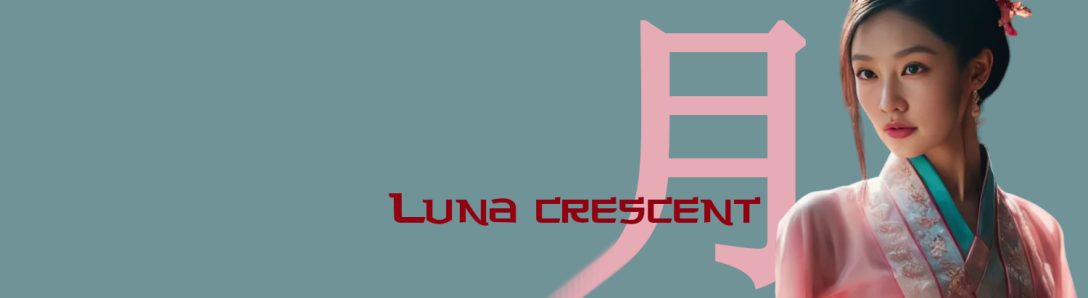
HanFu- Han Dynasty Clothing is making a massive come back in the Asian Chinese communities as youths reliving In recently decades there’s been very much strong revitalisation of Chinese Customary tailoring clothing in which is HanFu- Han Dynasty (221-206 BC) period inspired clothing in which was worn just before the fall of the Ming Dynasty (23 January 1308 to 25 April1644, until a North East Manchurian fashion that have taken over the traditional Han Dynasty fashion in which we known till today that’s the Qipao in which have been fashionable evolving on the same path also…. Like a Qipao, HanFu can be worn every day, as work wear, till as evening wear… It also it comes in various forms as to the nature of activity of the day or night…
Featuring汉服资讯 Tang Dynasty every day wear gown bronzing and pleated skirt original…with this feminine intrepid urban outdooring summery transitionally towards Summery Autumn urban elegant sleek with a warm summery non collar look in which is suited for a contempary Tang Dynasty Summery Spring wear with bold pastel autumn soft sheerness chiffon soft pastels blue Pink with warm colours in which gathering summery warm during the in which helps during the evening for keeping warmth … Featuring an ancient Chinese fan for ventilation of a summery breeze…
Inspirationally of a Hua Qing Light and gorgeous, fairy spirit fluttering “Xia Sanqi, the moon sinks into the hook. The curtain rolls in the Weiyang Tower…..The Yeliang River is stuck in the stream. Palace gate locks Qingqiu……Yao order Shu. Jinpanlu. Phoenix scent and smoke…..Three thousand pearls and emerald embrace the village tour. The water hall is in Liangzhou. ” Elegant and gentle restoration chest set Huaqing not only has the prosperous and gorgeous feeling of the prosperous Tang Dynasty It also has the playful romance of a girl, and the group flowers are full of ancient charm The stacking of half-sleeved shorts and long-sleeved shorts adds to the overall sense of hierarchy Paired with Phi and silk, the original blue-pink line with lotus root and purple embellishment Light and thin texture layered decoration, more fairy-like
In fact, in ancient times, women were not the only ones who would wear jewelry. Jewelry originally refers to the ornaments on the heads of men and women. “The Book of the Later Han Dynasty•Yufuzhi” once recorded: “The saints of later generations saw the system of the beard and beard of birds and beasts, so they made crowns and tassels, which were regarded as ornaments.” You can express the honor and inferiority.” These records show that the early jewellery was an imitation of birds and beasts with “crown horns and beards”, and at the same time, jewellery was worn to distinguish one’s identity. Cao Zhi wrote in the “Luo Shen Fu” that women “wear the jewelry of Jin Cui”, but the jewelry here refers to hairpin, hairpin, sheng, step, gold tin, bead flower, 栉 (the general name of comb and grate), Le Ziba Kind of jewelry. With the development of history, the accessories used by women began to be collectively referred to as jewelry, and the categories suddenly increased~
东珠软镯
银镀金嵌珠宝钿花
银镀金点翠穿珠流苏
In the Qing Dynasty, it can be said that it was an era when the jewelry of the past dynasties was collected, and the styles were colorful and very beautiful. In addition to headdresses, the empresses of the Qing Dynasty also combed two hair styles. In order to embellish the hairstyle, he also created matching special jewelry: the flat square is one of them. The flat square is in the shape of a ruler, one end is semicircle, and the other end is shaped like a scroll. It looks a lot like the crown hairpin worn on the head of a man in the Qing Dynasty. The flat square mainly serves to connect the “beams” in the real and wig buns. When the concubine of the Qing Dynasty combed her hair, she also deliberately exposed the patterns on the two ends of the flat square, which was eye-catching. Some concubines will hang a bunch of silk tassels in the flat square shaft hole, which is said to echo the flowerpot high-soled shoes worn on their feet, and their actions are disciplined, adding a beautiful and dignified manner. It seems that the matching of costumes is really a tradition from ancient times to the present~
金镂空蝠寿扁方
白玉嵌莲荷纹扁方
Speaking of the hairstyles of the concubines in the Qing Dynasty, we must mention hairpins and head flowers. The hairpins worn by concubines in the Qing Dynasty are indispensable for combing all kinds of hair buns. They are generally divided into two types, one is practical and the other is decorative. Practical hairpins are relatively plain, available in gold, silver, or copper, and are mainly used to fix the bun and head shape. The other type of hairpins for decoration is much more exquisite. Generally, precious materials are used to make hairpins with exquisite patterns and decorate them on the combed buns. In addition to its decorative function, it also implies auspiciousness and caress with things, which implies many blessings, longevity, and many children. Such as Ruyi, Aquarius, Peony, Butterfly, etc. are very common patterns in hairpin ornaments.
银镀金点翠嵌宝石蝠寿纹簪
银镀金缉米珠如意纹簪
点翠凤凰纹头花
点翠子孙万代纹头花
In addition to hairpins, there are also head flowers. The head flower is a jewellery developed from the hairpin, which consists of two parts: the head flower and the needle. The head flower is actually based on the development of the Qing Dynasty concubine’s hair style, which is a kind of head decoration with a larger coverage. Most of them use pearls and gems as raw materials, with rich patterns, flowers, birds, animals, cordyceps, and pine, bamboo and plum shapes. The workmanship is not only exquisite but also lifelike. It looks very beautiful on the head. The feeling of beauty~
HanFu- Han Dynasty Clothing is making a massive come back in the Asian Chinese communities as youths reliving In recently decades there’s been very much strong revitalisation of Chinese Customary tailoring clothing in which is HanFu- Han Dynasty (221-206 BC) period inspired clothing in which was worn just before the fall of the Ming Dynasty (23 January 1308 to 25 April1644, until a North East Manchurian fashion that have taken over the traditional Han Dynasty fashion in which we known till today that’s the Qipao in which have been fashionable evolving on the same path also…. Like a Qipao, HanFu can be worn every day, as work wear, till as evening wear… It also it comes in various forms as to the nature of activity of the day or night…
Featuring汉服资讯Qingfeng Evening Lotus Song-made long gown bronzing and pleated skirt original… with this feminine intrepid urban outdooring summery transitionally towards Autumn Wintery urban elegant sleek with a warm summery non collar look in which is suited for a contempary Han Dynasty Autumn wear with bold autumn soft sheerness chiffon soft pastels mint white with warm greys colours in which gathering summery warm during the in which helps during the evening for keeping warmth … Featuring an ancient Chinese fan for ventilation of a summery breeze…
For the transitional Summery Autumn season in which, its best to wear heavier warm bold colours linen frabrics like heavy silks in which keeping warm with heat during the evening as also heavy silks breathable ventilated during the day in keeping the wearer warm during the night.. Featuring as for urban headwear, with an elegant simplistic elaborate light jade white pastel petals drops…..
Inspirationally with Breeze Evening Lotus] is full of tenderness and freshness. With dedicate embroidery painting of the breeze is scattered Lotus fragrance.” In the Who will chase the coolness in the evening court at evening of summer, the sunset clouds covered the sky with starry clusters of flowers spreading out with a smile in which In the lotus pond in the distance, the lotus scented the fragrance to the world.
The Skirt embroidery with Clean breeze evening lotus in a beautiful scenery with The pale gray-green imitation iron crutch tomb gown is sprinkled with blooming flowers. The white collar is embroidered with delicate little cute flowers and a white bronzing pleated skirt. It is gentle and fresh. It looks thin and full of fairy spirit. Full
It’s currently Summery July 2021 in China- People’s Republic of China.. in which these gorgeous elegant Chinese Fans beautifully crafted in which for the summer months, the weather is sultry and hot In, I really feel like sweating when I think of going out So today, let’s just have a meal with beautiful group fans and folding fans~ I hope these beautiful and beautiful fans can bring everyone a bit of coolness on this summer day…. In which the wonderful designer team from the Forbidden City Store
In which they suit for various occasion during the summery warm season with folding, moon and vase silhouettes in which are common in Chinese Ancient traditional Fashionable accessories in which they could sometimes hide your love one’s intended adorable admiration smile. Also accessories toward either the Hanfu or Qipao-Cheongsam dress that you’re wearing urban, everyday- work – evening wear..
One of the priceless exhibits of the 601年 year old Forbidden City that’s located in the heart of Beijing also its Central Axis of three thousands year old Ancient Modern Ultra megapolis city….让我们与来读校园 The imperial pages of the imperial farming and weaving picture poem printed agricultural book during the Qianlong period of the Qing Dynasty. 让我们与来读历Qianlong of the Qing Dynasty, Wuyingdian juzhen edition of “Agricultural Book”. This book, written by Wang Zhen in the Yuan Dynasty, is an important work that gathers the achievements of ancient Chinese agronomy. In the forty-first year of Qianlong (1776), it was compiled by Confucian officials from the “Yongle Dadian” and printed in the Wuying Hall Juzhen Edition (wood type). The original preface of “Agriculture Book” stated in the beginning, “Agriculture is the world’s biggest foundation. One husband does not cultivate or teaches him, and a woman does not weave or teaches cold”, emphasizing the importance of farming and weaving