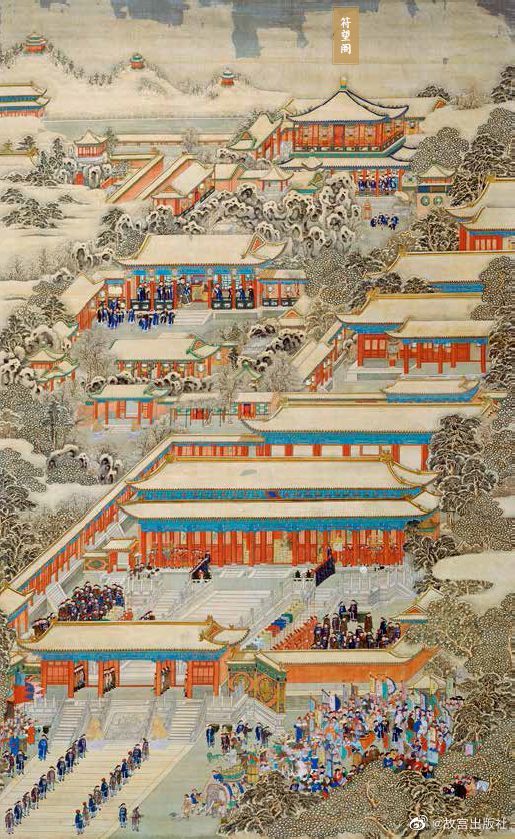
In this year’s 2022, the second decade from the turn of the century in Beijing the Capital of China also the People’s Republic of China, in which is also the year of the rat, marking its six hundred and two years anniversary of the Forbidden city that marks the transitional point of in between the middle of the Ming Dynasty (1368- 1644) transitionally from Nanjing to Beijing towards the Qing Dynasty (1636-1644-1911) …. The Imperial Palace seen so many countless seasonally transitional equinoxes but further its six hundred years is iconic, but it’s five hundred ninety nine years it marks it Autumn Equinox…. In which it only took twelve years to build the same of the Daming Palace of The Tang Dynasty Xian Imperial Capital only it was least twenty times larger….
After 5 years of project research and 4 months of non-stop documentary filming, the CCTV documentary “Masters in Forbidden City” presents three episodes of the repair process of various artifacts and conservators with distinct personalities. The first episode tells stories of the repair process of bronze ware, royal timepieces, and ceramics.
The CCTV documentary “I Repair Cultural Relics in the Forbidden City” has undergone 5 years of project research and 4 months of uninterrupted documentary shooting. There are three episodes in total. Each episode shows several types of closely related cultural relic’s restoration and restoration masters with different temperaments. The first episode tells the story of the restoration of bronzes, court clocks and ceramics.
Chinese people have a very special feeling for wood. For thousands of years, the Chinese have been building their homes with wood, which is far more fragile than stone. Living by trees, living in wooden houses, eating on wooden tables, sleeping on wooden beds, starting from wood, making paper with wood, printing with wood engraving, planting, cultivating, and carving one by one, wood carving The statue of Buddha seems to have more kindness that contains life.
The film focuses on recording the Forbidden City’s painting and calligraphy, bronzes, palace clocks, woodware, ceramics, lacquerware, treasure inlay, palace embroidery, etc., the restoration process of rare and rare cultural relics in this field and the life stories of the restorers. For the first time, the film fully presents the world’s top restoration process and technology of Chinese cultural relics, showing the original state and collection state of cultural relics; for the first time, it shows the inner world and daily life of cultural relic restoration experts at close range; for the first time, the restoration of Chinese cultural relics is completely sorted out. For the first time, through the interaction of “temples” and “jianghu” in the field of cultural relic restoration, it shows the inheritance code of the only “workers” in the four traditional Chinese strata “scholars, farmers, industry and commerce”, and their beliefs. And change.
Let’s go back to the Forbidden City this week and take a look at the interesting roofs in the Forbidden City~
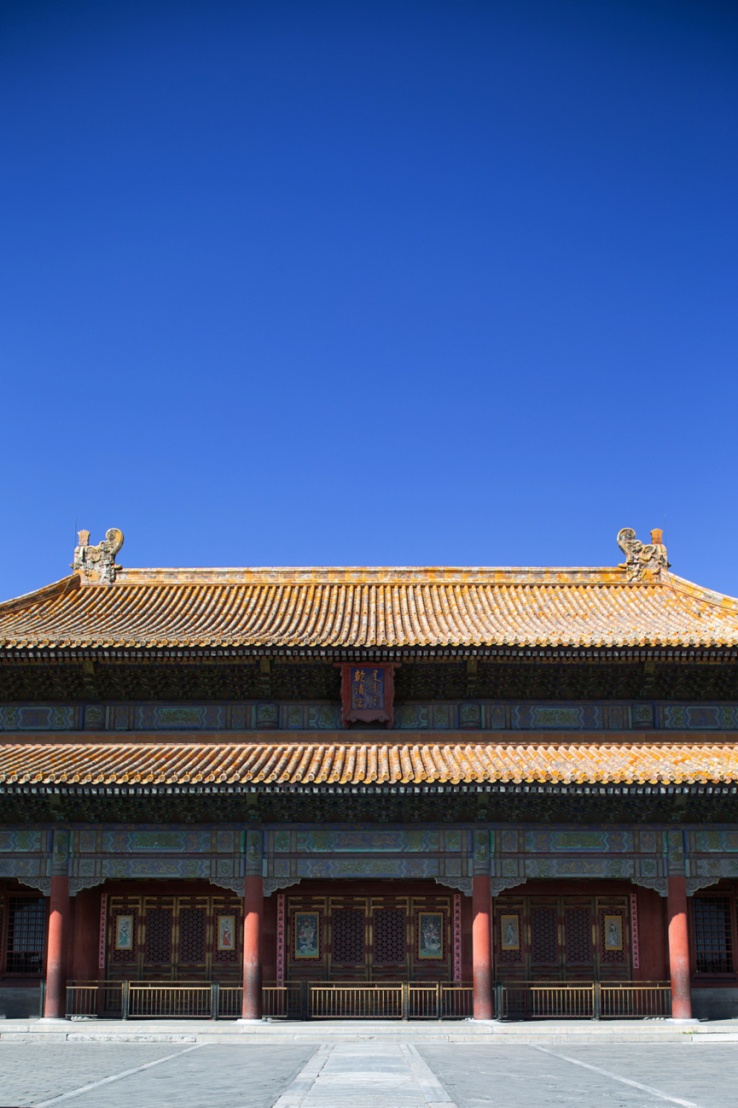
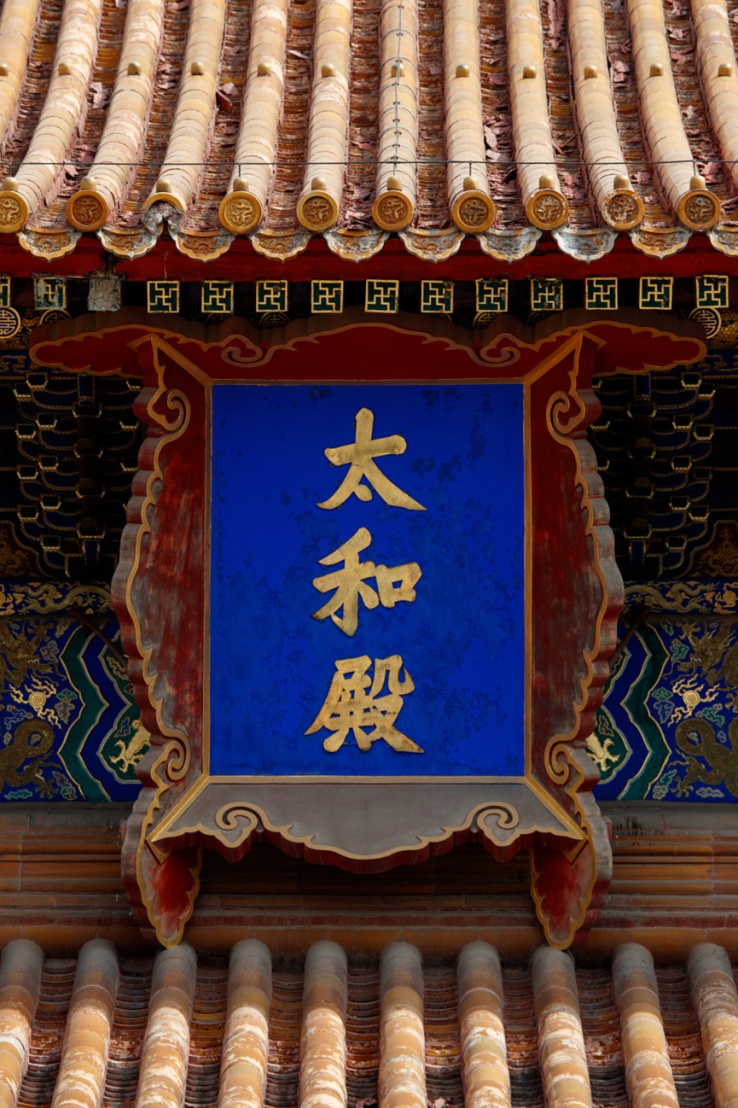
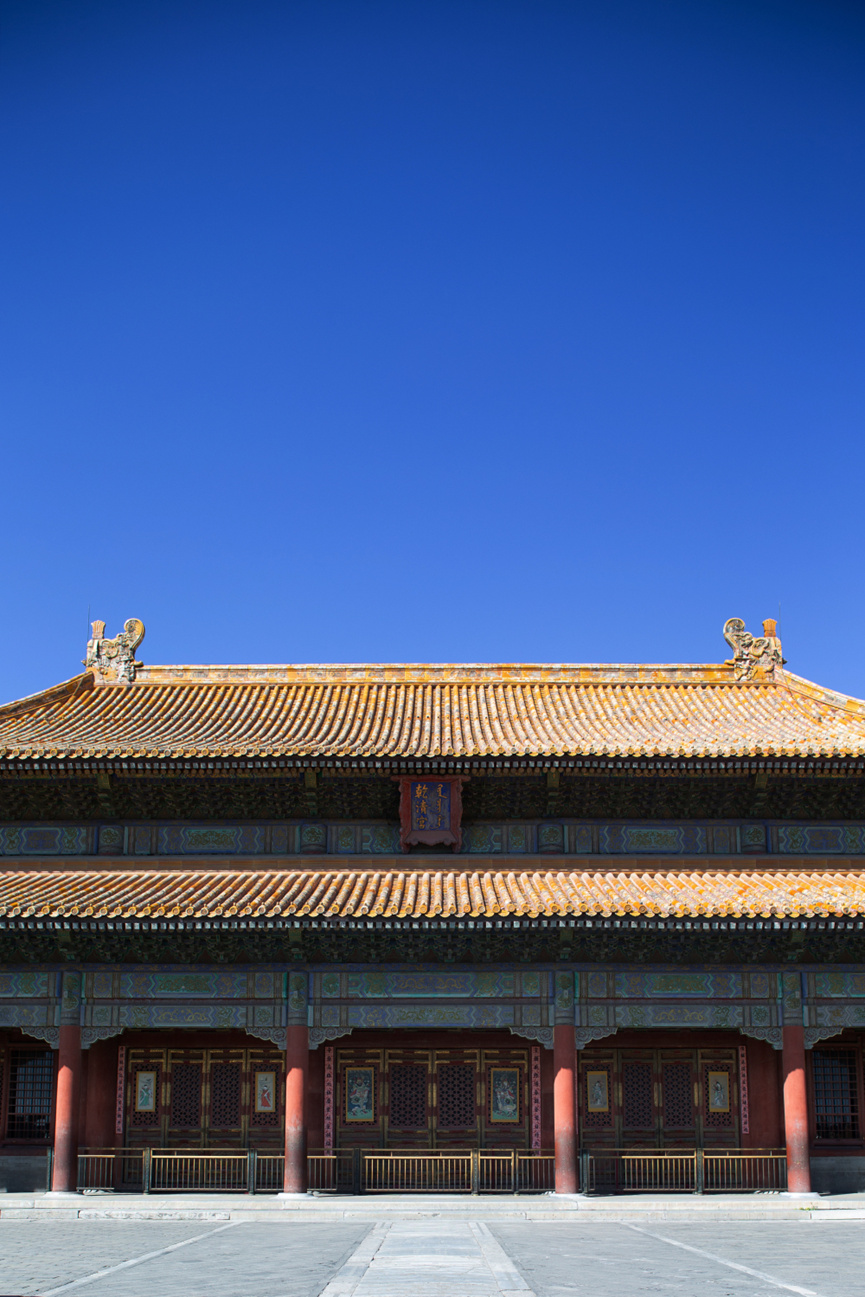
Hall of Supreme Harmony
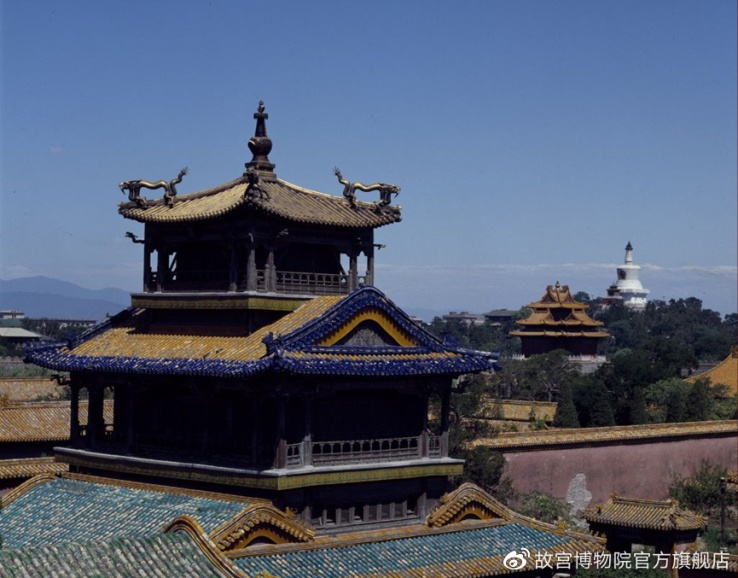
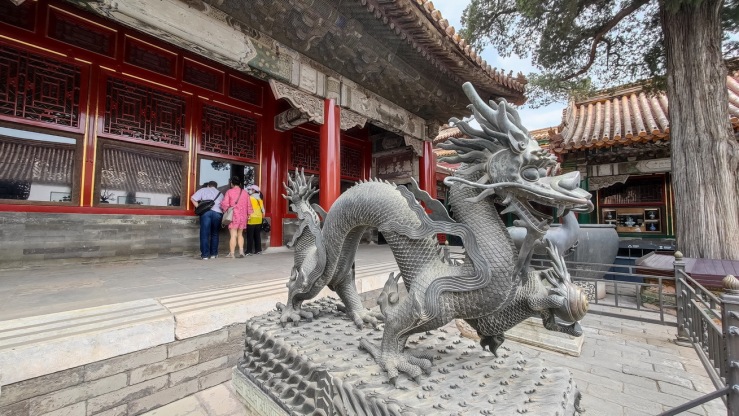
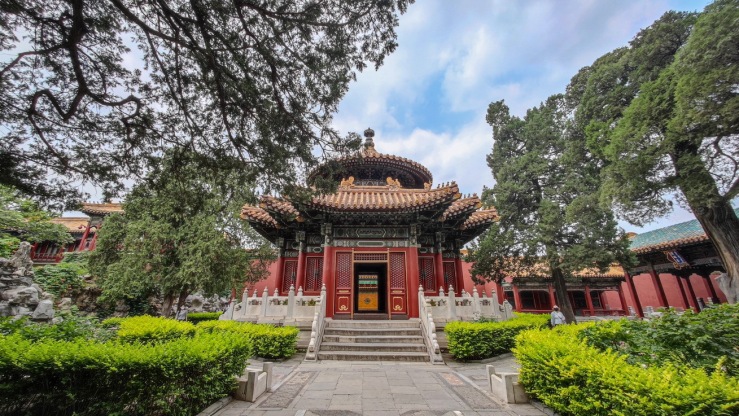
Speaking of the various palaces, halls and halls, pavilions and corridors in the Forbidden City, from the outside, these roofs look very similar, almost all of them are glazed tiles. But a closer look reveals that these roofs actually come in a variety of different types. For example, the main palace used by the emperor not only has a tall base and a magnificent shape, but also has special decorations on the roof, while other houses are not only small in size, but also not too complicated in roof decoration. The side halls and the bungalows will be different according to the status of the main palace, and the roof style will also be different. So today, let’s take a look at the various roofs in the Forbidden City with you~
South Sansuo
Yuhua Pavilion
The first one is the “Dianding Roof”. Those who are familiar with the architecture of the Forbidden City should be familiar with this roof. It is suitable for rectangular buildings. Since the face width is longer than the depth, the front and rear slopes of the roof become positive ridges. In the Qing Dynasty The “Engineering Practice” called it “big ridge”. The left and right slopes intersect with the front and rear slopes to form four vertical ridges, so the single-ridged temple is also called the “Five-ridged Hall” of the four major slopes. In addition, there are two layers of eaves called “double eaves hall”. The top of the double-eave roof is the most noble form of roof style. The Hall of Supreme Harmony that everyone is most familiar with is the roof of the double-eave roof.
Fengxian Hall
Next is “hard top and hanging top”. The hard top is on the two ends of the base of the house foundation. Build the gable to the top, and build the purlin into the gable to seal it, so that four vertical ridges and two slopes will be formed. roof. Hanging tops (also known as “pick tops”), the roof form is generally the same as the hard tops, but also has a positive ridge, four vertical ridges and two slopes. The difference between the two roofs is that the purlins of the roofs extend beyond the gables, and the wind panels are nailed along the two purlin heads to protect the purlins from decay and also protect the gables. This design is really very delicate, considering the appearance and protection.
Emperor Palace
Yunguang Building
The Yunguang Building is in the shape of a curved ruler, leaning against the palace wall in the west, folded from north to south and then eastward. There are two floors up and down. The north side of the upper roof is the Xieshan Peak, and the east side is the Hard Peak.
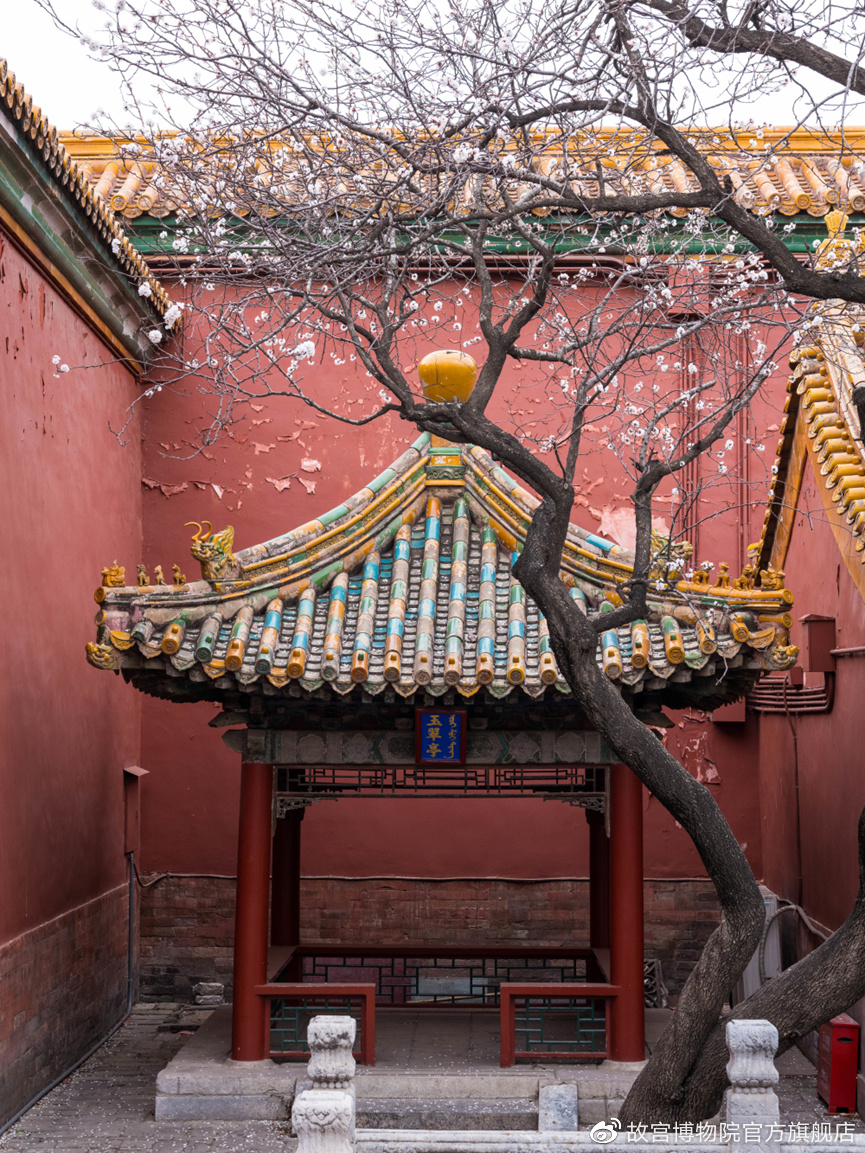
Concord Gate The Xiehe Gate is a house-style gate, with yellow glazed tiles and single eaves on the top of the mountain.
There is also a roof design that combines the top of the temple and the top of the hanging mountain, that is, the “Xieshan Peak”. On the upper part of the roof, the four vertical ridges at both ends of the main ridge are similar to those on the top of the hanging mountain. The lower part of the roof has four ridges plus the main ridge, a total of nine ridges, so it is also called “Nine Ridges Hall”. There are also single eaves and double eaves on Xieshan Peak. In addition to the Xieshan Peak, there is also a “Zanjiao”, which is generally used for square plane buildings, and its form is divided into four-corner Zanjiao and round Zanjiao. The four-cornered pointed roof is divided into four equal parts, with four vertical ridges on top of the Anbaoding. The round and pointed roof has no ridges, and the roof tiles gradually shrink from bottom to top, which is called “bamboo roof”. Seeing this, the editor thinks that the roof really contains a lot of interesting little knowledge. When you come to visit, you might as well take a look at which roofs are in the Forbidden City~
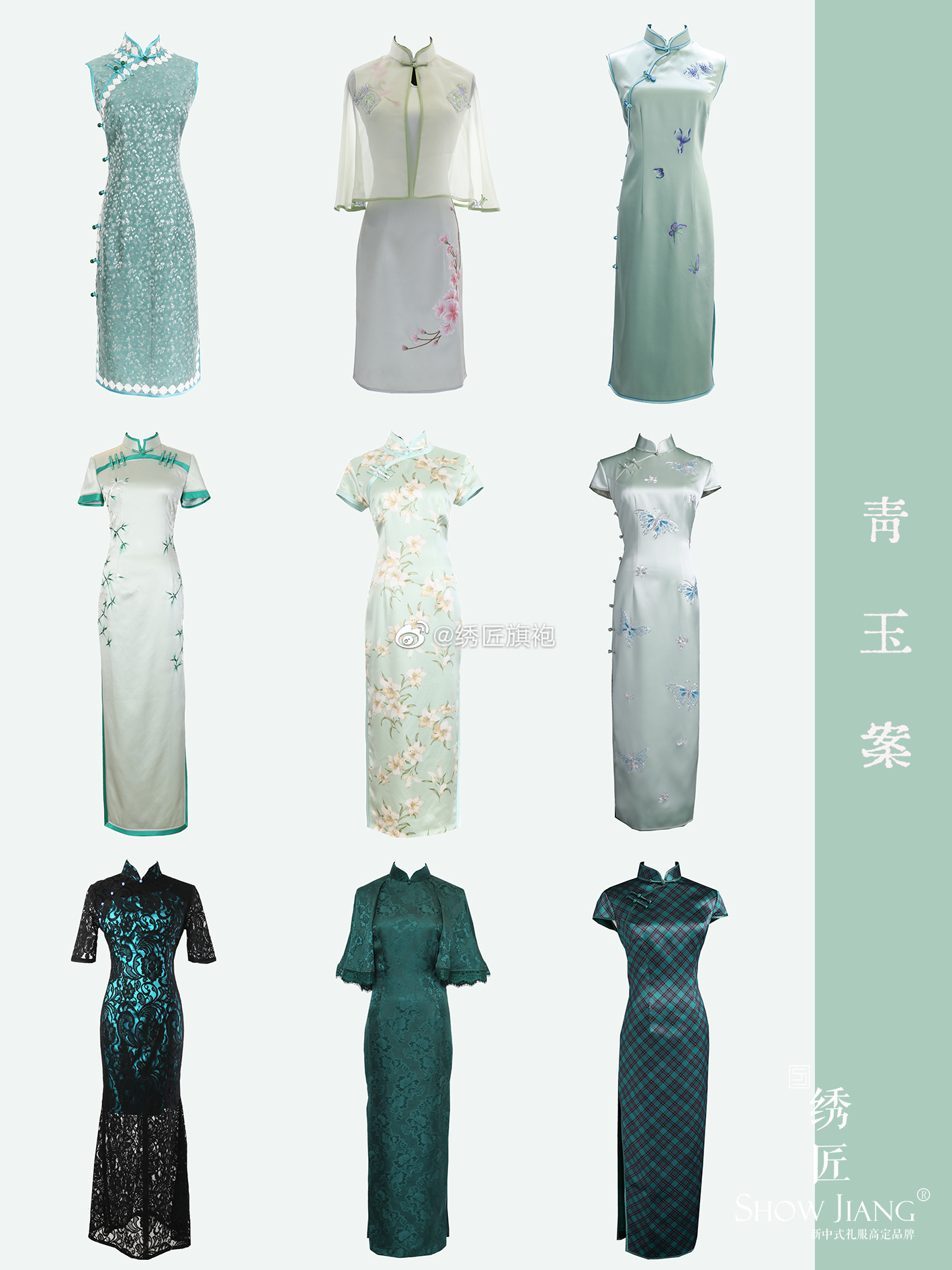
Located in Chengdu City the Province Capital of South-western China’s Sichuan Province of China-People’s Republic of China of a two thousand and five hundred year old Mega-metropolis city… is 成都绣匠旗袍 – Chengdu Embroiderers Cheongsam- Show Jiang (Chengdu Embroidery Apparel Co., Ltd.) in which innovatively bringing a New Chinese style cheongsam-Qipao high-end brand-Embroiderer, with Shu embroidery and Suzhou embroidery among the four famous embroidery in China as the design theme, it is committed to the high-end private specialization of Chinese Shanghai style cheongsam… in which each dress is customised towards the wear’s in which tailoring takes least in between 20-60 days depending on the extremely level of detailing of brocade in which using the most finest heavy silks are hand sewn and crafted … as seen in recent 成都绣匠旗袍 – Chengdu Embroiderers Cheongsam- Show Jiang’s Collection of Embroiderer’s 2020 original Shu embroidery…
Dressed in Imperial romantically Chinese hand crafted texturing embroidery youthfully cheongsam with embroidery delicately Chinese texturing Painting of delicate moonlighting white pearl button with Qipao collar Spring is in full bloom andthe most beautiful cheongsam to give you countless possibilities. In the warm spring season, let’s be a goddess of all kinds coolness to you ….with beautifully dressed in Beautiful Chinese Painting embroidery of Modern Qipao featuring with heritage Shu Embroidery series in which embroidery is hand sewn in Original Shu embroidery techniques on to a very durable heavy silk…style wise recommends temperamental oriental aesthetics, gentle to the bones tenderness with an timeless elegant wear with in with the simplest details in which complement your wardrobe inventively.. Whetherness it is suitable from every day wear to work to evening wear gauze reminiscing of Ancient Chinese painting with one stitch, one thread, one world, one brocade, one satin Silk ….
To be mature and gentle, but I still want you to be funny and cute. Add something to your girly color this time to make your wardrobe jacket to elegantly classically of a silk jacket…. in accompany with the mid length Qipao –Cheongsam Skirt is great for the Summery season with elegant silk ribbon buttons… ……the intricate needle work outlines of the spring of the breath of life in which embroidery encountering between silk and yarn……
….…… In which timeless gorgeous hand crafted embroidery youthfully cheongsam Qipao Chinese Qipao –Cheongsam makes a most treasured embroidery art center piece on you and after on a mannequin as your fashion art piece memorable…….
QIPAO 旗袍 Cheongsam …. In which from historically Shenyang is the birth place of the Qing Dynasty 1636-1912plus …. In which Qipao is termed for Qing Dynasty Clothing that the Manchu ethnic adoptively wore…… in which the Shenyang Palace Museum was an imperial palace towards two Qing Dynasty emperors. Previously two years ago During the event it which was an eight day forums, with exhibitions also related workshops illustrating the birth place of the Old Capital of Cheongsam where the Qing Dynasty- Qipao was inspired from..
Before that Shanghai 1930’s Qipao-Cheongsam revolution, the Manchurian Cheongsam was the fashion of choice of the Qing Dynasty (1636-1912) throughout as it standardised that style during the dynasty… Replacing the previous clothing standard Han Fu – Han Dynasty clothing style, in which also is form fitting towards the women’s silhouette but with a higher degree of freedom of flare of personal, individual style…
Qipao-Cheongsam is uniquely hand crafted tailored Chinese dress to the customer’s various measurements… in which you can still have them brought of the rack in which is accustomed to the standard measurements… in which you can tell which is western influenced with the back zipped in which the Eastern traditional Chinese Tailors would have the side zipped of the Qipao dress due it interrupts the flow of the pattern work at the back of the dress.. Also it creates a continuous seamless back look… after as the measurements are translated drafted onto the silk or the customer desired accustomed fabric of choice, from the measurements book with the associated look of the design elements with additional accessories the sexiness of Qipao lies subtlety.. Measuring, patterning, cutting, and button making are crucial, in where passion and art comes together in tailoring
In which traditionally Qipao- Cheongsam dresses are worn for from straight forwardly every day towards after work evening wear in without having to change to another set of wardrobe dressing only to accessories for the required occasion… … in which the Qipao dress pattern silhouette is design for the lady’s figure in which accentuating the silhouette without giving away too much of what’s underneath in retaining…. its timeless classic silhouettes in which are designed to be worn every day, from work, evening, casually towards to the weekend… with sleek simple, elegant, sexy intelligent sophistication in which are easy to be accessorised with any pieces of clothing in your current or upcoming wardrobe…
零青子Hanfu – Han Dynasty Clothing blogger –Vlogger based in historical modern richness of two thousand and four hundred year old ultra megapolis ancient – postmodern Chengdu city Sichuan province of China – People’s Republic of China. She is one of many leading fashion blogger-Vlogger fashionably trending setting vlogs of how to wear of her collection of sort after Chinese –Han Dynasty Clothing of Hanfu- Han ethnic Traditional clothing in which dressing traditional from various dynasties to its postmodern twentieth first century trending setting ….
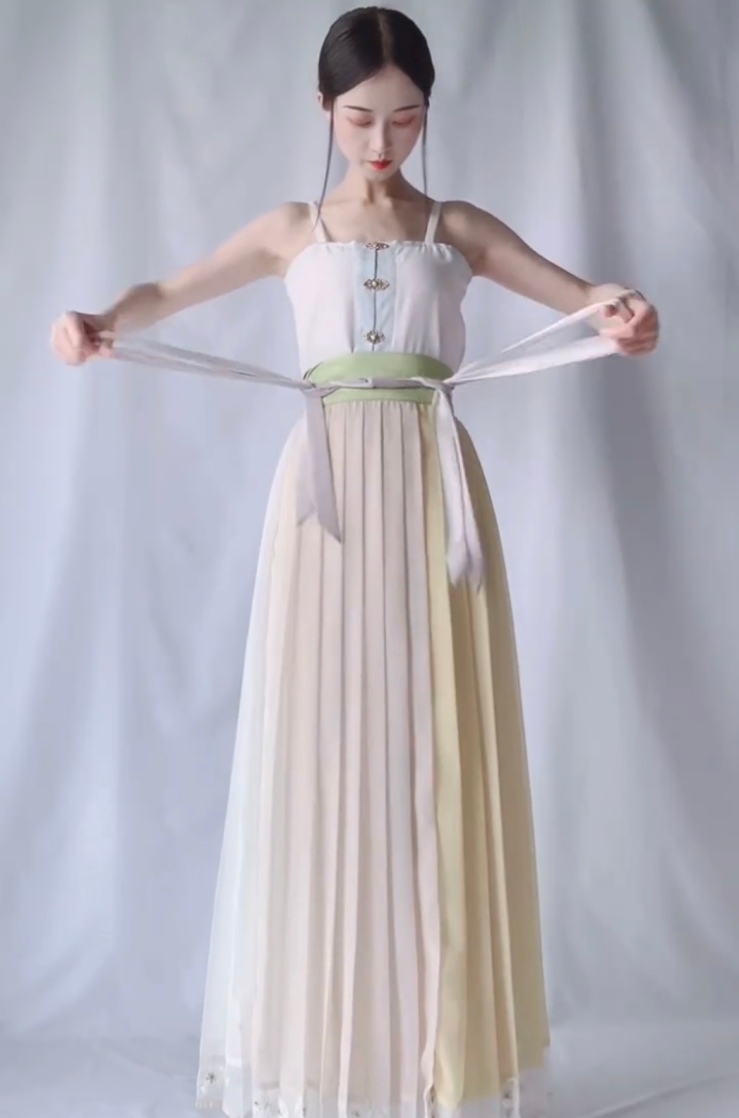
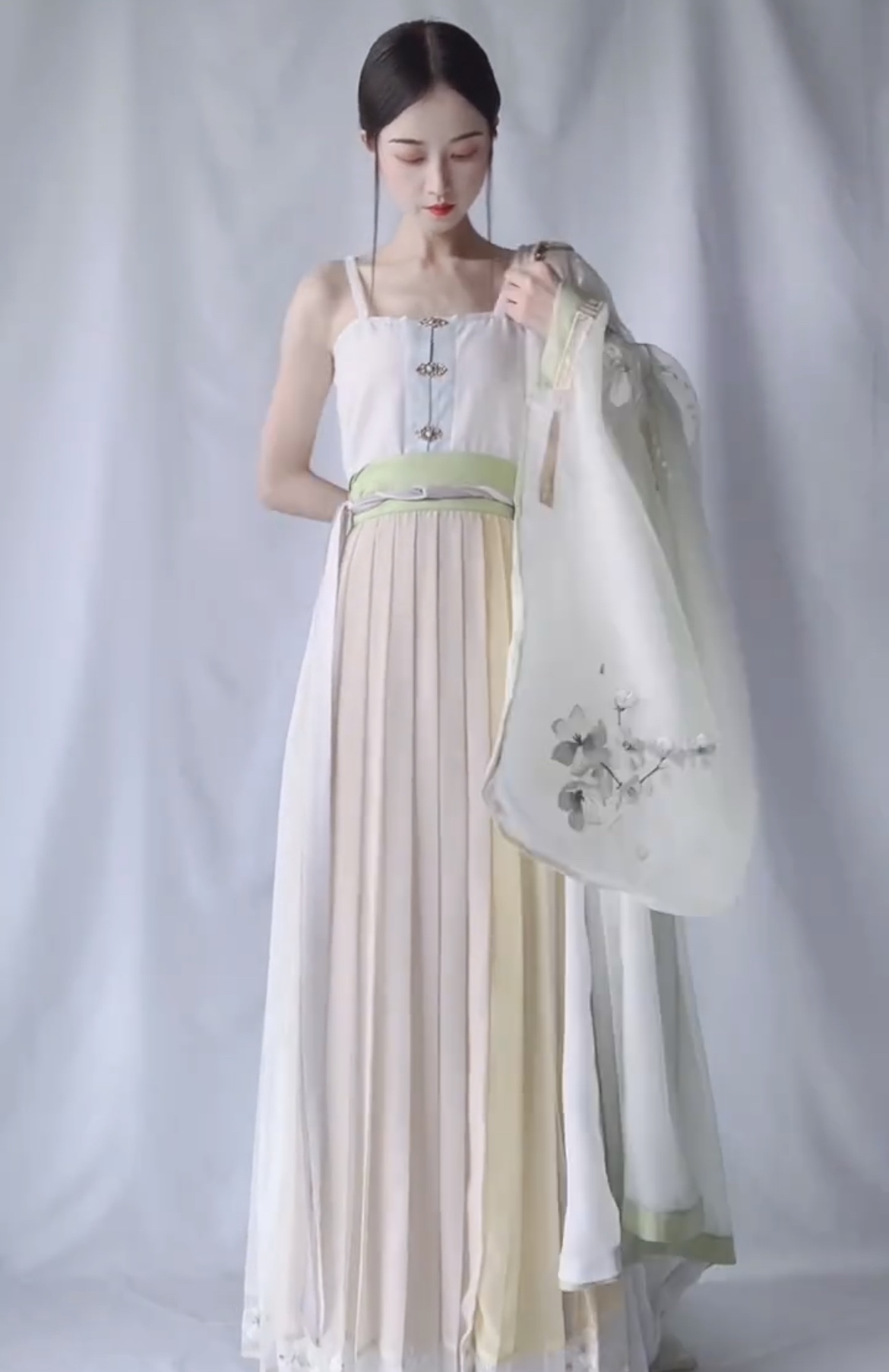
The pastel sheerness Hanfu that is gentle like Chinese purple aqua pavilion painting, this is probably the gentleness of this softness…. This color scheme is too fresh and elegant. It feels like spring …. First it’ how to wear the Horse-face skirt, also known as “horse-face pleated skirt” is a Swirl Skirt variant, is one of the main skirt styles of ancient Chinese Han women. There are four skirt doors inside and outside, overlapping in two. The outer skirt door is decorated, and the inner skirt door is decorated with little or no decoration. For decoration, the side of the horse-faced skirt is tucked up, and the waist of the skirt is mostly white cloth, which means white head and old age, and it is fixed with rope or button…..
The horse-main skirt is the most typical style of Han women’s dress during the Ming and Qing Dynasties. Its style has undergone a series of changes from the freshness and elegance of the Ming Dynasty to the magnificence and wealth of the Qing Dynasty to the beauty and simplicity of the People’s Republic of China, but its “horse-faced” structure has always been deeply ingrained….,
During the Ming Dynasty Most women wore three collars with narrow sleeves during this dynasty. This is what made up their upper clothing most of the time. Pleated skirts were also popularized in this period and made clothing more graceful for women. Light colours became very popular during the start of the Ming Dynasty. Embroidered capes also became part of the ensemble for women’s clothing. It was worn over the shoulders which were called “Rosy Cloud Cape” due to its rosy and cloud-like shape.
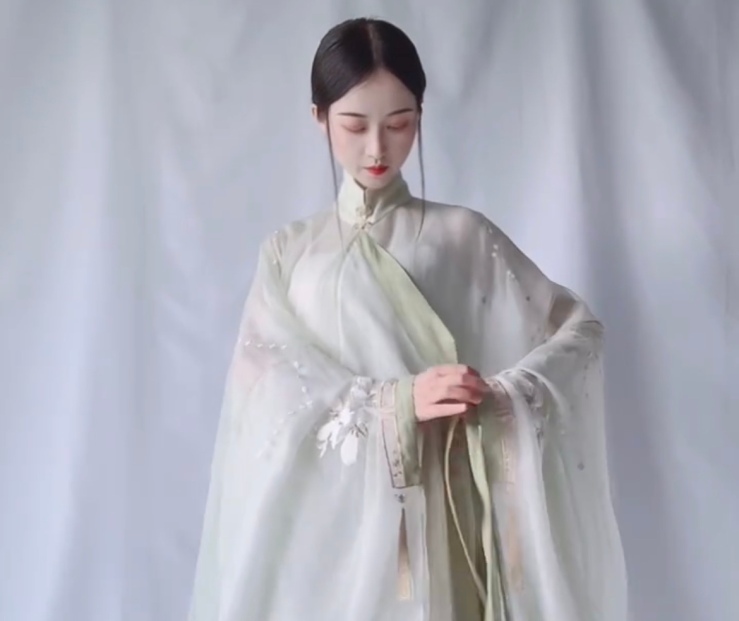
How to wear a Ming Dynasty urban wear every day wear clothing on for a every day wear first apply the undergarment in which is the Short front Button Cami with the undergarment skirt/ long bloomers with soft silk Swirl Skirt in very simple pastel colours fabrics with fun Printed playfully keeping warm and cool throughout the seasons then apply wearing the Sheer Fabric Shirt 竖领对襟纱衫in which it has a Standing Collar with opening shirt with Sheerness Standing collar . 披風 Pi Feng The sheerness is general worn at private areas at Home in which the sheerness is informal wear.. However there’s a heavier moderate for formal wear for urban wear.
HanFu- Han Dynasty Clothing – Han Traditional Clothing is making a massive come back in the Asian Chinese communities as youths reliving In recently decades there’s been very much strong revitalisation of Chinese Customary tailoring clothing in which is HanFu- Han Dynasty (221-206 BC) period inspired clothing in which was worn just before the fall of the Ming Dynasty (23 January 1308 to 25 April1644, until a North East Manchurian fashion that have taken over the traditional Han Dynasty fashion in which we known till today that’s the Qipao in which have been fashionable evolving on the same path also…. Like a Qipao, HanFu can be worn every day, as work wear, till as evening wear… It also it comes in various forms as to the nature of activity of the day or night…
Images visuals are from Weibo and their respectives of 零青子.
Dressed in Imperial auspiciousness Imperial evening postmodern delicate white Qipao on Chinese hand crafted embroidery youthfully cheongsam Qipao ….with beautifully dressed in Beautiful Chinese Painting embroidery of Oriental women’s uniquebeautiful and imperial Femininity is the ultimate expression of condensed femininity……..in which traditional Chinese evening dresses have been in various colouring silk, in which now it’s changing to Innovating with the Qipao Cheongsam Dress The color of the beautiful dress of the new Chinese dress is very simple Imperial white evening moonlighting fresh and pure. The cheongsam collar elements are fused inside, revealing a dignified and elegant atmosphere. The fairy-like white light-colored embroidered cheongsam with elegant silk fabric is glowing with evening warmth..
Everyday cheongsam- New Style Film style moonlight white lined with porcelain skin new Chinese dresses necessary for lawn weddings Lawn evening ceremony……. is not suitable for too long trailing wedding dresses, it is not only inconvenient to move, but also easy to stain the skirt, simple and elegant small trailing wedding dresses are more suitable for lawn weddings. A small A pendulum or mermaid wedding dress is not only not cumbersome and heavy, but also makes the bride look more sexy and shows the charming figure of the bride.
Rongti Design’s classic double-ribbon trailing dress has a smooth skirt in the front, no clutter, and highlights at the back. The open-back design adds streamers, swaying with the steps, and the magnolia ribbon embroidery on the streamers symbolizes pure and single-minded love.
The new fishtail dress has a new Chinese style. It adopts the stand-up collar and slanted lapel design of the cheongsam. The pattern of the phoenix scroll grass goes down along the slanted lapel. The combination of gold and white ingeniously enhances the overall texture and delicacy
Feminine traits are often hidden in the body lines, followed by looks, but they are more important than looks……… The silky shoulders, neck and arm lines… the slenderness and extension of the calves and ankles… the rhythm of each step… Based on this, there is really no dress that is more suitable for showing the temperament of the goddess than “cheongsam”….. Expressing in with its embroidery interwoven with traditional high Qing Dynasty Collars embroidery in traditional embroidered jade light pearls with intervened embroidered cheongsam, which has inherited significance, emphasizes the splendid beauty and momentum……
Hand woven storytelling with golden silver threads are hovered on the embroidery The pattern extends from the shoulder to the waist, highlighting the female curve with a flowing melody Only one color can express the layering the elegance of the smooth embroidery, the continuation of the purity and elegance of the cherry blossoms, the grand beauty and the elegance and freshness. Refreshing patterns create a dynamic temperament of “bright in front of you”.
Rongti cheongsam is customized. The exquisite body measurer reshapes the body’s lines with the lines of the cheongsam between the tightness and the retracted square inches, magnifying the original advantages of the figure, and using ingenuity to modify your anxiety, and the panorama shows your goddess temperament…….
….…… In which timeless gorgeous hand crafted embroidery youthfully cheongsam Qipao Chinese Qipao –Cheongsam makes a most treasured embroidery art center piece on you and after on a mannequin as your fashion art piece memorable…….
QIPAO 旗袍 Cheongsam …. In which from historically Shenyang is the birth place of the Qing Dynasty 1636-1912plus …. In which Qipao is termed for Qing Dynasty Clothing that the Manchu ethnic adoptively wore…… in which the Shenyang Palace Museum was an imperial palace towards two Qing Dynasty emperors. Previously two years ago during the event it which was an eight day forums, with exhibitions also related workshops illustrating the birth place of the Old Capital of Cheongsam where the Qing Dynasty- Qipao was inspired from…
Before that Shanghai 1930’s Qipao-Cheongsam revolution, the Manchurian Cheongsam was the fashion of choice of the Qing Dynasty (1636-1912) throughout as it standardised that style during the dynasty… Replacing the previous clothing standard Han Fu – Han Dynasty clothing style, in which also is form fitting towards the women’s silhouette but with a higher degree of freedom of flare of personal, individual style…
Qipao-Cheongsam is uniquely hand crafted tailored Chinese dress to the customer’s various measurements… in which you can still have them brought of the rack in which is accustomed to the standard measurements… in which you can tell which is western influenced with the back zipped in which the Eastern traditional Chinese Tailors would have the side zipped of the Qipao dress due it interrupts the flow of the pattern work at the back of the dress.. Also it creates a continuous seamless back look… after as the measurements are translated drafted onto the silk or the customer desired accustomed fabric of choice, from the measurements book with the associated look of the design elements with additional accessories the sexiness of Qipao lies subtlety.. Measuring, patterning, cutting, and button making are crucial, in where passion and art comes together in tailoring
In which traditionally Qipao- Cheongsam dresses are worn for from straight forwardly every day towards after work evening wear in without having to change to another set of wardrobe dressing only to accessories for the required occasion… … in which the Qipao dress pattern silhouette is design for the lady’s figure in which accentuating the silhouette without giving away too much of what’s underneath in retaining…. its timeless classic silhouettes in which are designed to be worn every day, from work, evening, casually towards to the weekend… with sleek simple, elegant, sexy intelligent sophistication in which are easy to be accessorised with any pieces of clothing in your current or upcoming wardrobe…