#北京 #中國 #China #Beijing | #紫禁城 #ForbiddenCity #August2024 | #ForbiddenCityDairies -The Palace Museum #ChineseIntangibleCulturalHeritage. #Hohhot #InnerMongolia 中國 – International The 10th China Museum and Related Products and Technology Expo…..

On July 19th 2023 , the multilingual website of the Forbidden City Palace Museum- Beijing, China, People’s Republic of Chinawas officially released at the Digital Cultural Tourism Development Forum of the 2023 China Internet Civilization Conference! The website covers five languages: English, French, Russian, Japanese, and Spanish, and will meet the needs of audiences with different languages.

在呼和浩特看第十届博博会

On the week 26th August 2024.. The 10th China Museum and Related Products and Technology Expo is being held in Hohhot, Inner Mongolia, China, People’s Republic of China..  In addition to the Expo, there are also these museums in Hohhot, which are worth visiting …… Introduction: From August 23 to 26, the 10th “China Museum and Related Products and Technology Expo” (referred to as “Expo”) will be held at the Chilechuan International Convention and Exhibition Center in Hohhot. Let’s come to Hohhot to experience the excitement of “checking in 300 museums in one day and spanning five thousand years in one day”!

This year’s “Museum Expo” lasts for 4 days. 394 domestic museums including the Palace Museum, the National Museum of China, and the Shanghai Museum make a collective appearance. The total exhibition area exceeds 50,000 square meters, showcasing the fruitful achievements of China’s museum industry. The series of academic activities and more than 40 public activities held in conjunction with it also open a window for the public to understand cultural heritage and get in touch with historical civilization.

 At the “Museum Expo”, intelligent and digital technologies have become a highlight of the exhibition. Cutting-edge technologies such as virtual reality (VR), augmented reality (AR), and artificial intelligence (AI) are gradually being integrated into the exhibition and management of museums, opening up a new dimension of cultural display.

During the four days, the exhibition hall was packed with people, the interactive exhibition area formed long queues, and various academic lectures, forums and cultural activities were packed with people. The discussion about the “Museum Expo” on social media also continued to rise, and various short videos, graphic reports emerged, stimulating more people’s interest in museums and cultural heritage.

“You can’t see the real thing in such detail.” In the exhibition hall of the Palace Museum, visitors can not only see the real scene of the Palace Museum through the big screen, but also “play” with exquisite cultural relics at their fingertips. The 360-degree rotating cultural relics are clearly visible on the high-resolution screen, and the text explanation of their origins and development easily brings people into the story of the cultural relics. “Currently, more than 100,000 of the 1.86 million pieces (sets) of cultural relics have been digitized, and this number increases by at least 20,000 every year.” Li Yingchong, section chief of the public education group of the Palace Museum, told reporters that the transformation of physical collections into digital collections will not reduce the value of cultural heritage, but will be more conducive to the protection and inheritance of cultural heritage.

The 10th “Museum Expo” held in Hohhot came to a close today On the 26th August 2024…! During the four-day exhibition, the exhibition area of ​​the Palace Museum provided visitors with professional and meticulous viewing, experience and explanation services. The exhibition area was crowded with people. Various digital cultural content, educational activities and cultural and creative products attracted visitors to stop and experience and check in. It also attracted many museum colleagues to visit and exchange ideas, and conduct in-depth discussions in the fields of digital applications, social education activities, and cultural and creative publishing. The exhibition area of ​​the Palace Museum won three awards in this “Museum Expo”: “Best Display Gold Award”, “Best Education Activity Display Case”, and “Best Digital Display Case Award in Digital Exhibition Area”. We will continue to focus on promoting the social sharing services and effective revitalization of high-quality digital cultural resources!

Images and visuals are from – Forbidden City –Palace Museum Beijing- China –People’s Republic of China…..

#北京。 #中國 #China #Beijing | #紫禁城 #ForbiddenCity #October2022 | #ForbiddenCityDairies in an association with #PalaceMuseumRestaurant #VankeFoundation #UnitedNationsGlobalImpact on #ZeroWaste Environmental Food Power Party – Zero Waste Catering Culture Week…

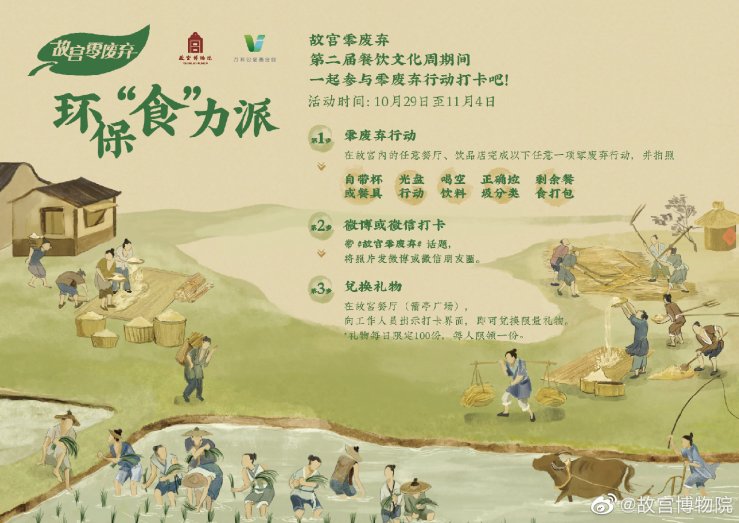
Everything knows autumn 2022, it is advisable to collect happy! From October 29th to November 4th 2022, the Palace Museum invites you to participate in the 2nd “Environmental Food Power Party – Zero Waste Catering Culture Week”! When enjoying the beautiful scenery of late autumn, we also start with one meal and one meal, so that the concept of “zero waste” can be integrated into the daily life. During the event, complete any one of the “Zero Waste Action List” and post a photo with the Forbidden CityZeroWaste topic on Weibo, then you can receive limited gifts at the Forbidden City Restaurant (Jianting Square)

Forbidden City Zero Waste awareness “One porridge and one meal are hard to come by”, what exactly is zero-waste catering culture? This popular science video, you can understand it at a glance! From October 29th to November 4th, the “Environmental Food Power Pie – Zero Waste Food and Beverage Culture Week” is about to start. Complete your zero waste action tasks lists during the event to receive limited gifts! Click here to quickly learn how to participate…

Previously 10th October 2022 the Forbidden City – Beijing performed Summary of Zero Waste Bi-Weekly Activities in bringing attention to the general public of Zero Waste of Zero Waste Day ….. In collaboration with Vanke Foundation and United Nations Global Impact the awareness of the  Forbidden City Zero Waste Zero Waste Day  Come and review the splendid “‘Zero’ Waste Discovery Fun in the Forbidden City” 2022 Forbidden City Zero Waste Public Experience Bi-weekly event! The newly upgraded ecological composting flower bed, the zero-waste picture scrolls painted by teenagers, the zero-waste tour and biodiversity experience, the game of identifying ancient characters in trash cans… Four themes at a glance! Click on the video to bring you an immersive experience of the fun of zero-waste tours In a association with Vanke Foundation United Nations Global Impact..

Vanke Foundation is a China- People’s Republic of China Vanke Public Welfare Foundation Company Welfare Foundation was initiated by Vanke Enterprise Co., Ltd. and approved by the Ministry of Civil Affairs and the State Council. It was established in 2008 and is a national non-public foundation under the supervision of the Ministry of Civil Affairs. In 2017, it was recognized as a charitable organization.                      

Vanke Public Welfare Foundation, with the concept of “Facing the Future, Dare to Be the First”, pays attention to issues that have far-reaching influence on the future, and aims at “sustainable community” to promote environmental protection and community development.

Waste management…..It aims to explore and promote a scalable urban and rural community domestic waste management model and promote it, so as to achieve zero waste become a reality in the Chinese community and become everyone’s way of life.

Images and visuals are from – Forbidden City –Palace Museum Beijing- China –People’s Republic of China…..
#北京。 #中國 #China #Beijing | #紫禁城 #ForbiddenCity #July2022 | #ForbiddenCityMoments #ForbiddenCityArchitecture the Intriguingly interesting rooftops Architecture of  the Forbidden City……

On this week on July 2022 let’s take a look at the interesting rooftops in the Forbidden City this week in its intriguiness… it was hot humid very warmingly  Saturday now it’s the Summery Days of  , the summery  days are gradually approaching, the weather is sultry, everyone must pay attention to heatstroke prevention and cooling by keeping Hydrated cool water..  ~

Let’s go back to the Forbidden City this week and take a look at the interesting roofs in the Forbidden City~

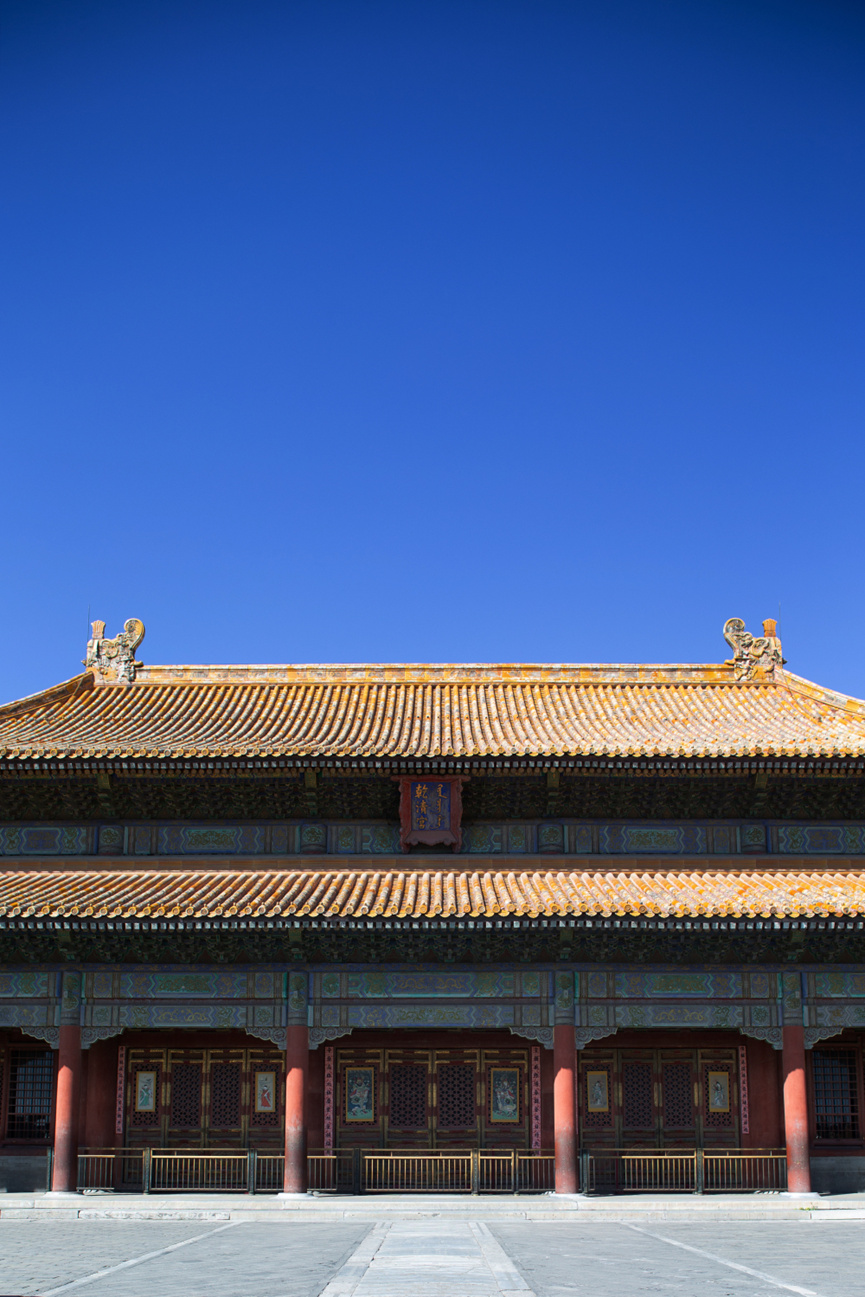
Hall of Supreme Harmony

Speaking of the various palaces, halls and halls, pavilions and corridors in the Forbidden City, from the outside, these roofs look very similar, almost all of them are glazed tiles. But a closer look reveals that these roofs actually come in a variety of different types. For example, the main palace used by the emperor not only has a tall base and a magnificent shape, but also has special decorations on the roof, while other houses are not only small in size, but also not too complicated in roof decoration. The side halls and the bungalows will be different according to the status of the main palace, and the roof style will also be different. So today, let’s take a look at the various roofs in the Forbidden City with you~

South Sansuo
Yuhua Pavilion

The first one is the “Dianding Roof”. Those who are familiar with the architecture of the Forbidden City should be familiar with this roof. It is suitable for rectangular buildings. Since the face width is longer than the depth, the front and rear slopes of the roof become positive ridges. In the Qing Dynasty The “Engineering Practice” called it “big ridge”. The left and right slopes intersect with the front and rear slopes to form four vertical ridges, so the single-ridged temple is also called the “Five-ridged Hall” of the four major slopes. In addition, there are two layers of eaves called “double eaves hall”. The top of the double-eave roof is the most noble form of roof style. The Hall of Supreme Harmony that everyone is most familiar with is the roof of the double-eave roof.

Fengxian Hall

Next is “hard top and hanging top”. The hard top is on the two ends of the base of the house foundation. Build the gable to the top, and build the purlin into the gable to seal it, so that four vertical ridges and two slopes will be formed. roof. Hanging tops (also known as “pick tops”), the roof form is generally the same as the hard tops, but also has a positive ridge, four vertical ridges and two slopes. The difference between the two roofs is that the purlins of the roofs extend beyond the gables, and the wind panels are nailed along the two purlin heads to protect the purlins from decay and also protect the gables. This design is really very delicate, considering the appearance and protection.

Emperor Palace
Yunguang Building

The Yunguang Building is in the shape of a curved ruler, leaning against the palace wall in the west, folded from north to south and then eastward. There are two floors up and down. The north side of the upper roof is the Xieshan Peak, and the east side is the Hard Peak.

Concord Gate The Xiehe Gate is a house-style gate, with yellow glazed tiles and single eaves on the top of the mountain.

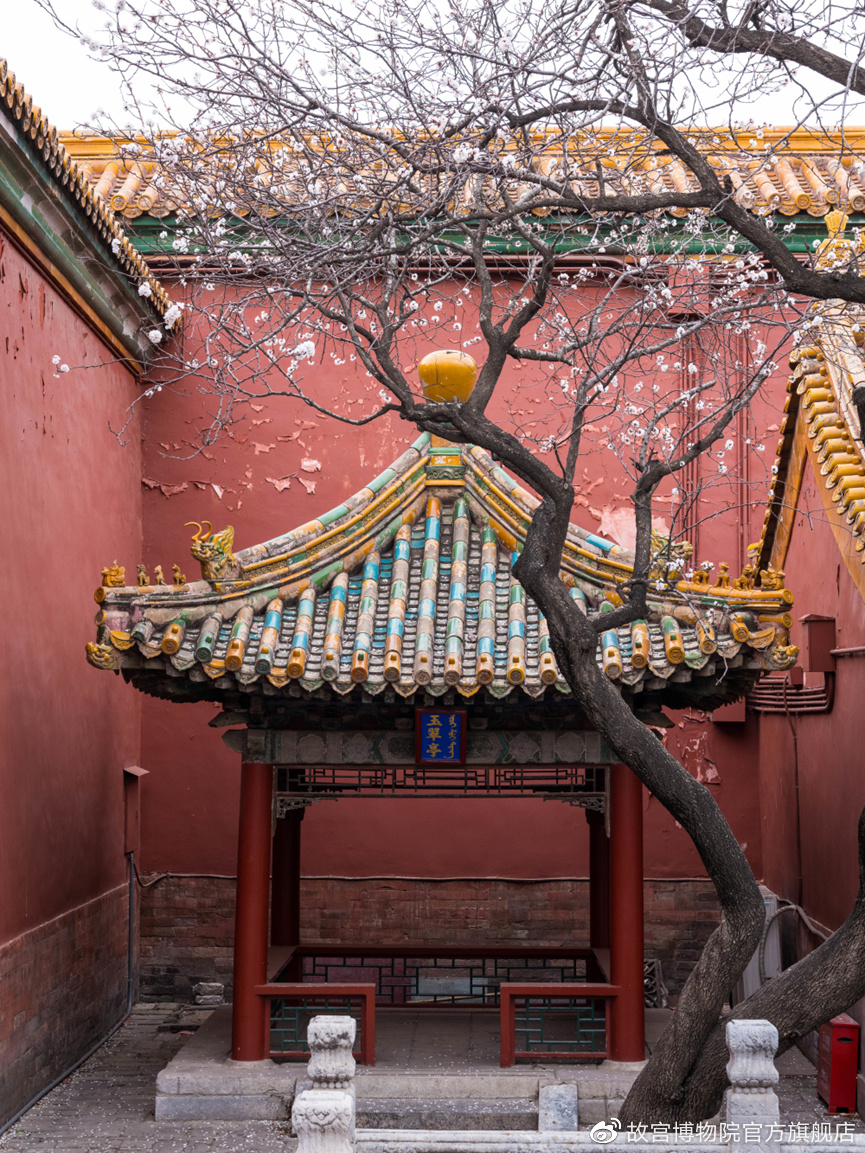
There is also a roof design that combines the top of the temple and the top of the hanging mountain, that is, the “Xieshan Peak”. On the upper part of the roof, the four vertical ridges at both ends of the main ridge are similar to those on the top of the hanging mountain. The lower part of the roof has four ridges plus the main ridge, a total of nine ridges, so it is also called “Nine Ridges Hall”. There are also single eaves and double eaves on Xieshan Peak. In addition to the Xieshan Peak, there is also a “Zanjiao”, which is generally used for square plane buildings, and its form is divided into four-corner Zanjiao and round Zanjiao. The four-cornered pointed roof is divided into four equal parts, with four vertical ridges on top of the Anbaoding. The round and pointed roof has no ridges, and the roof tiles gradually shrink from bottom to top, which is called “bamboo roof”. Seeing this, the editor thinks that the roof really contains a lot of interesting little knowledge. When you come to visit, you might as well take a look at which roofs are in the Forbidden City~ 

Yucuiting, square spires

Imagines credits are of the Forbidden City –Imperial Palace –Beijing – China- People’s Republic of China also from the Series Weibo北京卫视上新了故宫 Treasures in the Forbidden City…

#北京。 #中國 #China #Beijing | #紫禁城 #ForbiddenCity #July2022 | #ForbiddenCityPress #ForbiddenCityPublishingHouse – #DigitalPalaceMuseum #DigitalForbiddenCity #DigitalForbiddenCity365  is new again in  intense immersion experiences exploring educationally through #MobileApp is officially launched …. 

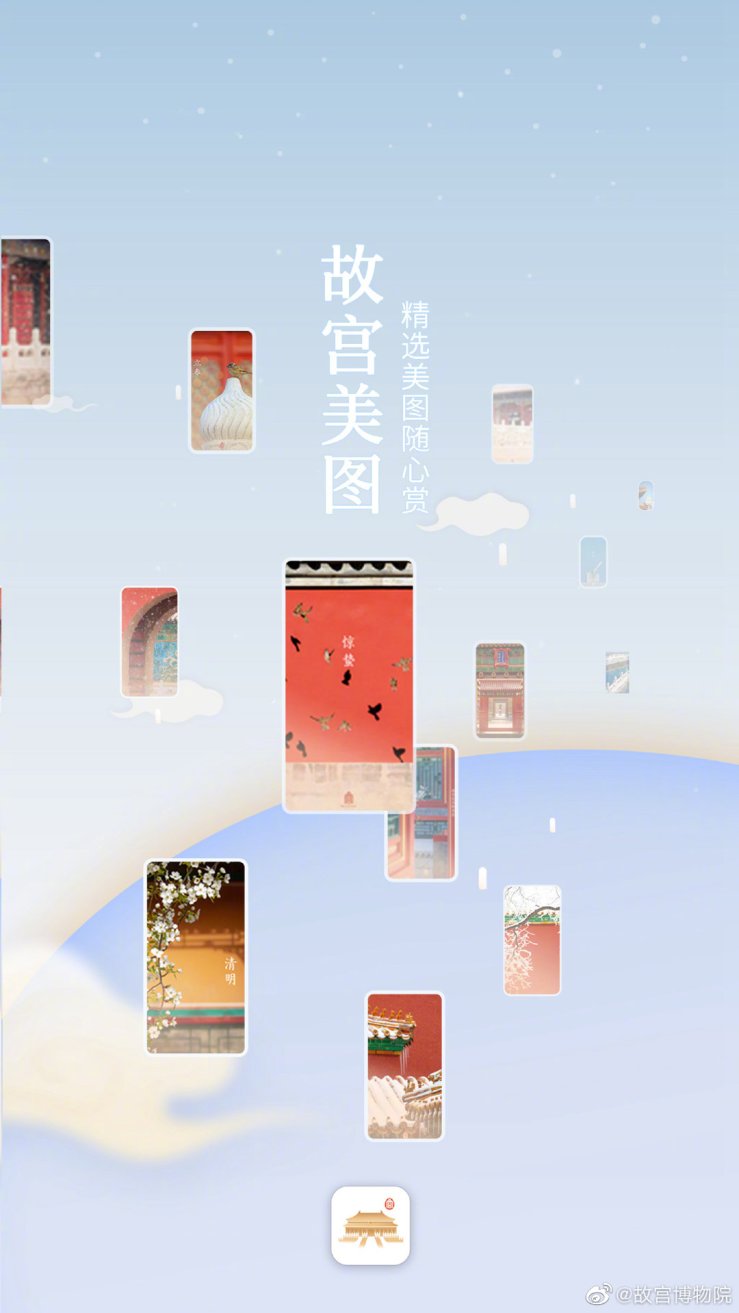
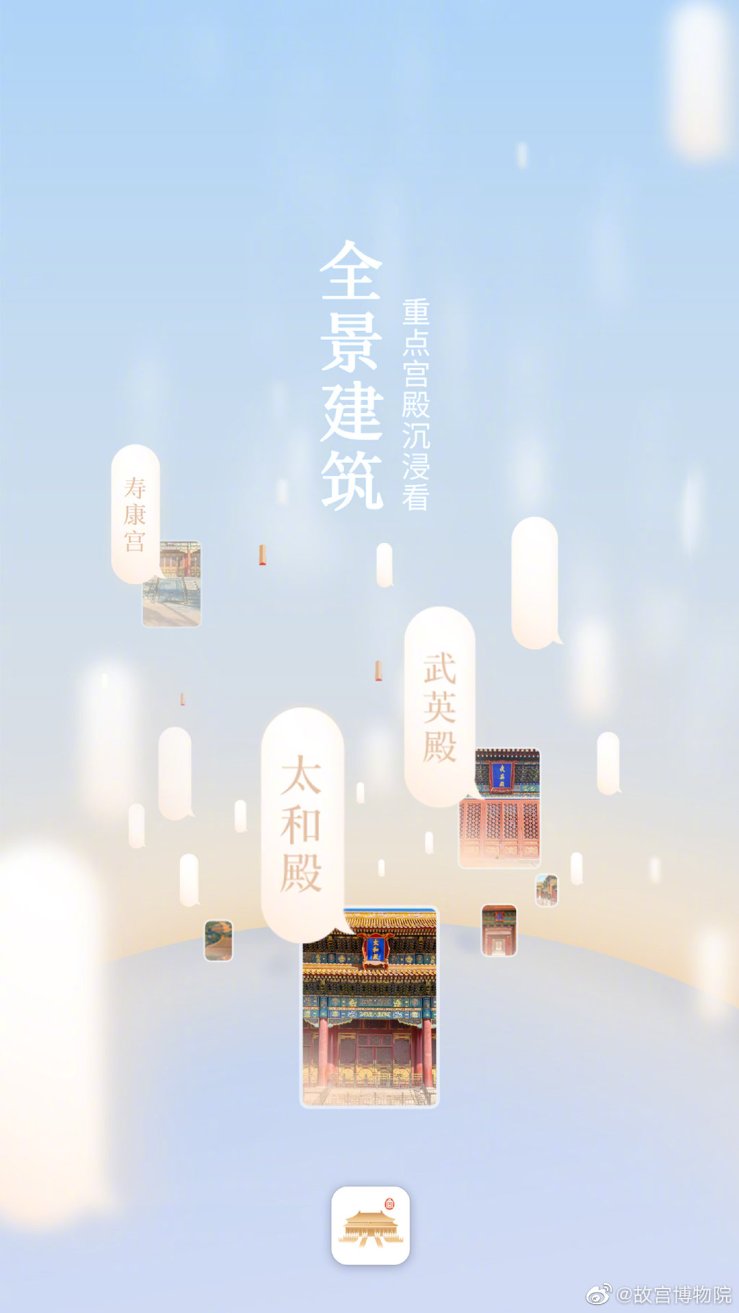
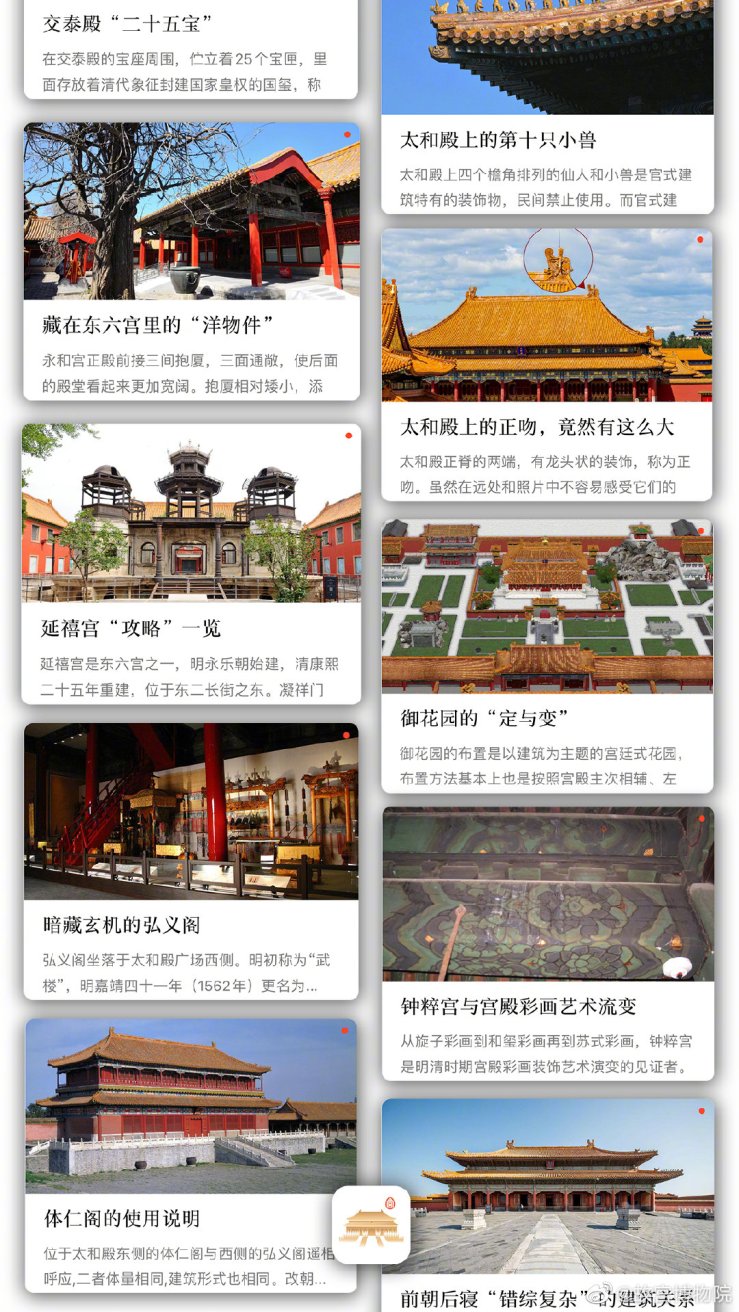
On the 17th July 2022  Hong Kong SAR –Beijing Time it’s the officially release day of the all new Digital Forbidden City is new again  ” Forbidden City365 “ App is officially launched today!…. Focusing on the ancient buildings of the Forbidden City, focus on displaying beautiful pictures of ancient buildings, provide a panoramic tour experience, and integrate “seeing the beautiful scenery” with “learning knowledge”; you can also answer questions and collect badges, and experience the fun of exploration and learning while harvesting achievements. “Forbidden City 365” App is now available on iOS version, click on the link web link to download. The applet is coming soon, and the Android version is on the way…

On previously 15th July 2022 Hong Kong SAR-Beijing Time afternoon a new collaboration is under way to rebuilding the Digital Forbidden city  on a newest immersion of its 360 Degrees on that day it was announced on  the press conference of the pinianxinyanlai  Digital Forbidden City was held in the Forbidden City Palace Museum Beijing- China – People’s Republic of China. The project was in collaboration with DingDing- Ding Talk China information Technology Co.Ltd.. 

Digital Forbidden City is new again On the afternoon of July 15th, The Palace Museum and DingDing will jointly explore the new digital office scene of the Palace Museum introducing an extremely educationally fun fill adventuring exploring though the app ” ForbiddenCity365 ” produced by the Palace Museum was also officially released at the meeting, adding a new window for the audience to enjoy the beauty of the Palace Museum online and understand the ancient architectural culture of the Palace Museum. (The product will be officially launched on July 17th, so stay tuned!). In the future, the Palace Museum will continue to strengthen exchanges and cooperation with technology companies, continuously optimize and improve digital products, and provide more high-quality digital cultural services for the audience….

DingDing- Ding Talk China information Technology Co.Ltd..  Based in Zhejiang province of in Eastern China in which its province Capital is Hangzhou..

Imagines credits are of the Forbidden City –Imperial Palace –Beijing – China- People’s Republic of China also from the Series Weibo北京卫视上新了故宫 Treasures in the Forbidden City…

#北京。 #中國 #China #Beijing | #紫禁城 #ForbiddenCity #May2022 | #ForbiddenCityMoments #ForbiddenCityPress #ForbiddenCityBookStore #ForbiddenCityBooks The Forbidden City 100 #ForbiddenCityArchitecture ancient Chinese architecture….

The Forbidden City Book Store which in the grounds of the Forbidden City Complex Forbidden City Hundred Excellent Books Public welfare reading activities! ” Forbidden City Hundred Excellent Books  “故宫出版社 紫禁城100 Forbidden City 100 Excellent “The Forbidden City 100” is a work carefully created by Mr. Zhao Guangchao, his design, cultural team and the Forbidden City cultural research and development team for many years. This book can firstly understand the six hundred years of history of the Forbidden City. During the Ming and Qing dynasties, a total of 24 emperors lived, lived and exercised the highest state power here. In 1911, the Qing emperor abdicated. In 1913, the Antiquities Exhibition Center was established in the outer court of the Forbidden City. In 1924, Puyi left the palace. In 1925, the Palace Museum was established ….

The Forbidden City 100 Excellent Books  is one  is “The Forbidden City 100″ is a work carefully created by Mr. Zhao Guangchao, his design, cultural team and the cultural research and development team of the Forbidden City for many years. This book can firstly understand the six hundred years more of history of the Forbidden City. During the Ming and Qing dynasties, a total of 24 emperors lived, lived and exercised the highest state power here. In 1911, the Qing emperor abdicated. In 1913, the Antiquities Exhibition was built in the Forbidden City. In 1924, Puyi left the palace. In 1925, the Palace Museum was established.

One Hundred Excellent Books in the Forbidden City The Ming Empire initially chose Fengyang as the capital, and then settled in Nanjing (1368). When Zhu Di, the third emperor of the Ming Dynasty, had just ascended the throne (1406 in the fourth year of Shui Le), he dispatched the imperial court to China. The officers collected building materials from all over the country, distributed 100,000 craftsmen, more than one million people, and built the Forbidden City in Beijing on a larger scale on the former site of the palace in the Yuan Dynasty, based on the Nanjing Palace City. In the eighteenth year of Yongle’s reign (1420), the palace city was completed, and Zhu Di immediately moved the capital from Nanjing to his own land of Longxing, and Peiping became the largest city in the country (and the world at that time) from the beginning.

The newly built Miyagi moved about 1,000 meters eastward from the ruins of the Forbidden City in the Yuan Dynasty, and moving away from today’s Beihai Park means to some extent from the Yuan people’s customs of “living by water and grass”, back to the stable farming in the Han culture. on the pattern. The new palace pushes the fate of the Yuan people’s annihilation to the position of the white tiger killed by the main Tibetan in the five elements in the west, and then uses the building materials left over from the construction of the palace, together with the soil for excavating the moat, to build a hill behind the palace (Jingshan Mountain). ), creating a barrier against the cold north wind for the originally flat Miyagi, becoming the commanding height of the Forbidden City and even the city of Beijing at that time, and also the backing of Wanshi Foundation.

“Forbidden City 100” entered the Forbidden City. Jingren Palace is one of the six east palaces that everyone is familiar with, and it retains a relatively complete appearance of the Ming Dynasty. In the early Ming Dynasty, it was called Chang’an Palace and was renamed Jingren Palace in Jiajing. The Qing Dynasty followed the old name of the Ming Dynasty. The most special feature of Jingren Palace is that there is a stone screen in the front yard that was passed down from the Yuan Dynasty (the symmetrical Yongshou Palace also has the same stone screen). Although the center of the screen is only about 2 cm thick, the patterns on both sides are different. In addition, the shape of the seated beast on Shiping is very rare in the palace, and it is exquisite and vivid. “Animal style” has existed in China since ancient times. The beauty of masonry in the Yuan and Ming dynasties and the concise style of the Qing Dynasty are placed in the same space. All of a sudden, this palace seems to have become a history of modern Chinese sculpture, and it even evokes the legendary antecedents of the masters who once lived here. Here, it was originally the birthplace of Emperor Kangxi in the early Qing Dynasty, and the palace of the legendary concubine Zhen in the late Qing Dynasty… The

owner of the Ming Dynasty: Empress Hu (Hu Shanxiang) of Xuanzong of the Ming Dynasty. Emperor Xuande favored concubine Sun Gui and Cricket, and ordered Empress Hu to resign on the grounds of “no children and many illnesses”, and placed them in Chang’an Palace (Jingren Palace) to practice Taoism, and was given the title “Jingci Immortal Master”. The owner of the Qing Dynasty: In the eleventh year of Shunzhi (1654), the 15-year-old Shunzhi Concubine Tong gave birth to the future Kangxi here. Concubine Xi (Qianlong’s biological mother, Niuhulu), who ascended the throne under Yongzheng, moved from Lama Temple to Jingren Palace. Concubine Zhen of Guangxu entered the palace with her elder sister Concubine Jin at the age of 14, and lived in the east and west side halls of Jingren Palace, and was finally drowned by order of the Empress Dowager Cixi…

Among the six east palaces, the history of Yanxi Palace can be described as troubled. When it was completed in the early Ming Dynasty, it was renamed Yanqi Palace after its initial name Changshou Palace, and was renamed Yanxi Palace in Qing Dynasty. Since its completion, the Yanxi Palace has suffered repeated fires: it was rebuilt in the 25th year of Kangxi (1686) and the 7th year of Jiaqing (1802). In the twelfth year of Daoguang (1832), a fire broke out, which burned down the entire Yanxi Palace and rebuilt it again. In the 25th year of Daoguang (1845), a fire broke out in the Yanxi Palace, leaving only the palace gate. Xianfeng five years (1855) fire, rebuilt again. In the first year of Xuantong’s reign (1909), Empress Dowager Longyu spent 4 million to build a Western-style building “Water Palace” Lingzhao Xuan (commonly known as Crystal Palace). Lay the glass, and when you’re done it’ll be a walk-in super aquarium. This move has the meaning of suppressing the anger and revival of the Qing Dynasty, but until Xuantong abdicated, the project was not completed. When Zhang Xun was restored in 1917, the northern part of Yanxi Palace was unfortunately destroyed by plane bombs. In the entire palace, only the wellhead is in line with the original location of the well pavilion, leaving the only remaining remains. In 1931, the Palace Museum built a new cultural relic warehouse, which eventually became the first reinforced concrete building in the palace. In recent years, the story of the palace has been exaggerated by the media, and the little-known Yanxi Palace has once again aroused everyone’s curiosity. In fact, the concubines living in this secluded palace are living in hardship and poverty, and it is said that they do not even have enough food, even clothes, shoes and socks. The owner of Yanxi Palace in the Ming Dynasty is unknown, and the owners of the Qing Dynasty include Kangxi Chang in Xu and two people whose emblems are unknown and promised to live here.

The biggest difference between the West Six Palaces and the East Six Palaces in “100 Forbidden City” is that Taiji Palace and Changchun Palace, Yikun Guan and Chuxiu Palace are all connected into one. It makes the whole palace area have a strong color of life, and also makes the remaining Yongshou Palace and Xianfu Palace appear dull. Today, we look at Yikun Palace and Chuxiu Palace through “Forbidden City 100”. The Yikun Palace was originally called Wan’an Palace, and was renamed Yikun Palace in the Jiajing Period of the Ming Dynasty .

Imagines credits are of the Forbidden City –Imperial Palace –Beijing – China- People’s Republic of China also from the Series Weibo北京卫视上新了故宫 Treasures in the Forbidden City…