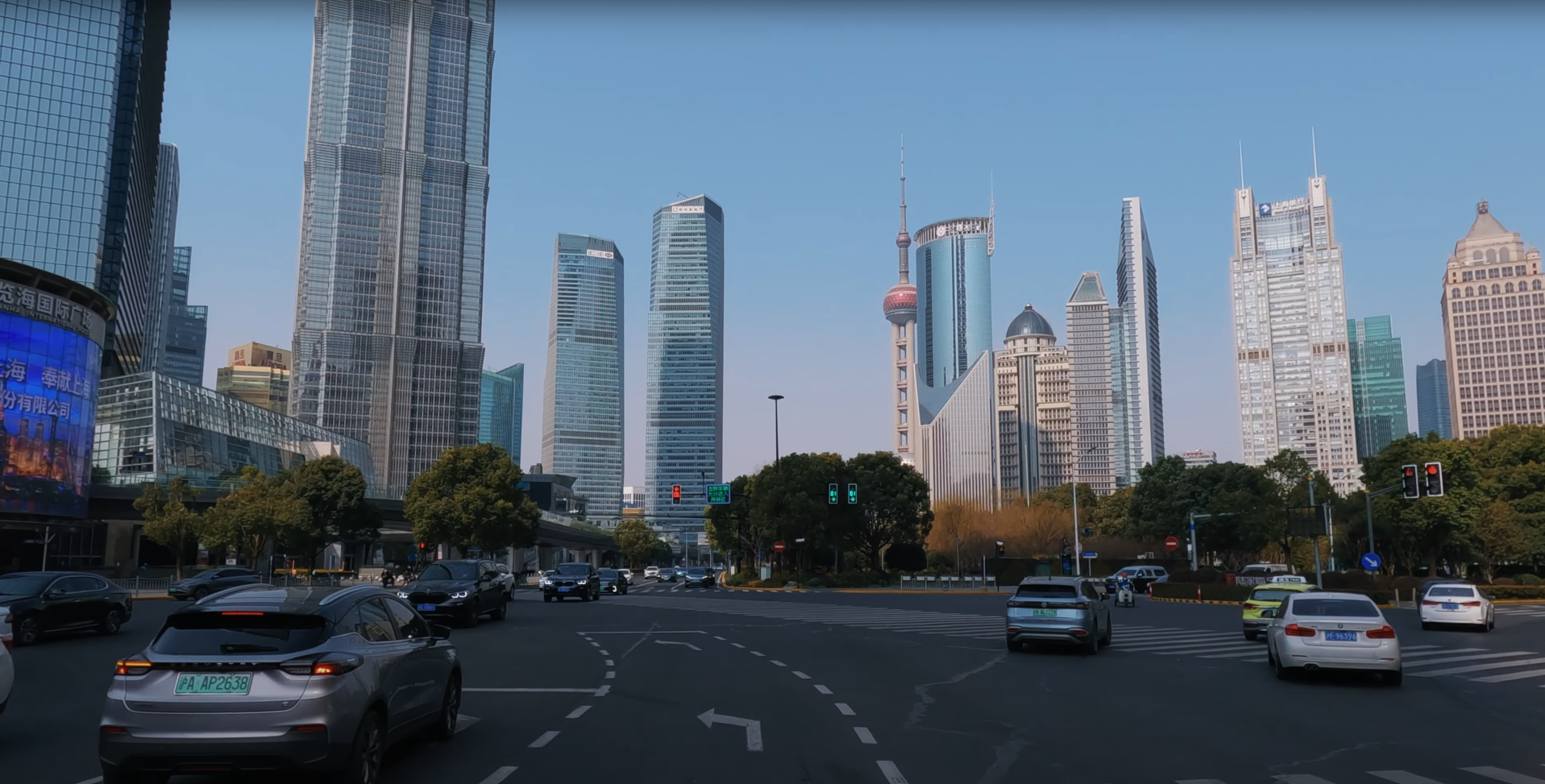
#中國 #中華人民共和國 #China #PeoplesRepublicOfChina #4KHDR #CitywalkingTour | #WalkEast #March2023 |#上海 [4K HDR] Shanghai March 2023 Driving Tour, The Most Developed City in China….

Love Shanghai, love the city and love Lujiazui!

Lujiazui is Shanghai’s glitzy financial district, known for futuristic skyscrapers like the Shanghai Tower, with its lofty observation deck, and the needle-like Oriental Pearl TV Tower, home to the Shanghai Municipal History Museum.

The area is also noted for its luxe-hotel nightlife, with European fine dining, stylish bars and posh dance clubs offering panoramic views.

Lying on the east bank of Huangpu River and facing the Bund, Lujiazui Finance and Trade Zone occupies 28 square kilometers (10.8 square miles) and is studded with around 100 high-rise buildings.

Many are landmark buildings of Shanghai, making the area a great place to experience the modern flavor of this metropolis.

Often called the ‘Wall Street of China’, Lujiazui is the largest financial zone in mainland China, with more than 400 banks and financial institutions from both home and abroad, including HSBC, Citibank, and Standard Chartered Bank.


In addition, it is home to the headquarters of over 70 international giants and about 5,000 companies engaged in trade, investment, and intermediary services. The sum of transactions in the Shanghai stock market ranks it the 2nd in the world only behind the New York Stock Exchange.

Since the reform and opening-up policy carried out in 1978, Shanghai has enjoyed a great economic boom, and Lujiazui is gradually becoming more widely known. However, few know the origin of the name (Lu Jia Zui in Chinese), which literally means Lu family dwelling on a mouth-shaped alluvial beach.

In fact, the name is associated with Lu Shen, a noted scholar of Imperial Academy in the Ming Dynasty (1368 – 1644). After Lu retired, he lived on this land until his death. Today, you can still find Lu Shen’s calligraphy in Shanghai Museum. His former residence and family cemetery are located in this area.

In Lujiazui, the charm of the city as an international metropolis is unfolded to the largest degree. One can admire the modern skyscrapers along Binjiang Avenue as well as various buildings of different architectural styles across the Huangpu River.

The four tallest landmarks of the city – the Oriental Pearl Tower, Jin Mao Tower, Shanghai World Financial Center, and Shanghai Tower are constructed next to each other. When night comes, all the buildings are decorated with shining colorful lights, presenting a gorgeous scene before your eyes. The Bund, facing this financial zone across the river, is the most wonderful place to enjoy the night view.

Oriental Pearl Tower Oriental Pearl Tower, measuring 468 meters (1,536 feet) in height, has three viewing floors. An exhibition hall, demonstrating the history of the city, is at the base of the tower. The lower sphere has a viewing hall at a height of 90 meters (295 feet), providing a wonderful position to see the Bund and the graceful scenery along the Huangpu River. Visitors can also have a panoramic view of the whole city on the transparent observatory at 259 meters (850 feet) or the Capsule Sightseeing Floor at 351 meters (1,152 feet).

Jin Mao Tower Jin Mao Tower, with a height of 420.5 meters (1,380 feet), is also a good place to view the city. The superfast elevator takes only 45 seconds to take visitors from the basement to the viewing hall on the 88th floor, providing visitors magnificent metropolitan cityscapes along Huangpu River, and views of the distinctive rosy dawn and sunset.

Shanghai World Financial Center As the tallest flat-roof building in the world, it is 492 meters (1,614 feet) high with 101 stories. Sightseeing area occupies storeys from the 94th to the 100th floor. The viewing hall on the 100th floor is at a height of 474 meters (1,555 feet). The sightseeing bridge on the 97th floor seems to be constructed in the air. It would give you an illusion that you are wandering in the sky.

Shanghai Tower At present, it is the tallest building in China, measuring 632 meters (2,073 feet) in height. The exterior of the building spirals upward to the top with one degree twist per storey to reduce the wind effect.

Walk East | Max Channel is about his walking, driving, riding running around views of China – People’s Republic of China  sharing his immersive experiences in his video hope you could have a pure view about China today, sharing  some 4K UHD videos to show pure China daily scenes for you…. BEST VIEWED ON 2160px60 with the volume up for immersive immersion..

#中國 #中華人民共和國 #China #PeoplesRepublicOfChina #4KHDR #CitywalkingTour | #RecShanghai #November2022 #December2022 #上海 [4K HDR] 上海圣诞灯饰 徐家汇Shanghai Christmas Lights 2022 – Xujiahui

It’s Sunday late November 2022 1950 Hours Beijing time during of the designated month week of on the Shanghai walking on This year’s Christmas tree at Grand Gateway 66 in Xujiahui is by Pixar. Last year, the Christmas tree was by Louis Vuitton…. Walking alongside the Metro City 美罗城, Grand Gateway 66 港汇恒隆广场, Xujiahui ITC 徐家汇ITC商场, “Megaliths in the Garden” by team Lab….

Metro City 美罗城-A massive mega mall in Shanghai.. in which Metro City is jointly designed by Singapore BJ Architects and Shanghai East China Architectural Design Institute. Shanghai Metro City Culture and Entertainment Co., Ltd. and Shanghai Huimei Real Estate Co., Ltd. are jointly designed by Shanghai Xujiahui Mall (Group) Co., Ltd. The holding company was established in April 1993 through a joint venture and cooperation.

Metro City is located at No. 1111, Zhaojiabang Road, Shanghai, with eight floors and a giant glass sphere as its unique symbol. It is known as the “Landmark” of Xujiahui. With its iconic landmark With the unique symbol of a giant glass sphere, Metro Building is like a bright pearl inlaid in Xujiahui Square. It is known as the “landmark” of Xujiahui; In the complex of square buildings, it highlights its vigorous vitality. Settling in Metro will undoubtedly become a wise choice for merchants……

Grand Gateway 66 港汇恒隆广场 is a High End top business district Grand Gateway Plaza [1]  (Grand Gateway 66) is located at the junction of Huashan Road and Hongqiao Road, on top of Xujiahui Station of Shanghai Rail Transit Line 1 , overlooking Shanghai Xujiahui commercial center area, with a total area of ​​more than 400,000 square meters….. Commercial trade, modern office building, business suite and residential three functions.

Grand Gateway 66 is a large shopping center, Grand Gateway 66 is a twin-tower Grade A office building, and Grand Gateway 66 Serviced Apartments is a high-end foreign-related serviced apartment.

With 11 years of rich experience, Grand Gateway 66 has become a landmark building in Shanghai in the 21st century with its unique shape.

Rec Shanghai is about his walking, driving, riding running around views of China – People’s Republic of China sharing his immersive experiences in his video hope you could have a pure view about China today, sharing some 4K UHD videos to show pure China daily scenes for you I shoot in Shanghai and other locations in China. Let’s walk around China together… BEST VIEWED ON 2160px60 with the Volume turned on way up for immersiveness immersion…

#中國  #中華人民共和國 #China #PeoplesRepublicOfChina #4KHDR #CitywalkingTour | #WalkEast #October2022 |#廣州 [4K HDR] Guangzhou Ultra Mega City, Guangdong Province Capital, China’s City of Flowers, A Rich Bustling City, Guangzhou Walking tour | Haixin Bridge

It’s October 2022 Beijing time during this month walking on street walking on Center of Guangzhou Ultra Mega City Guangzhou is a prefecture-level city under the jurisdiction of Guangdong Province . It is connected to Boluo and Longmen counties in Huizhou City in the east , Sanshui, Nanhai and Shunde District in Foshan City in the west, Qingyuan City in the north, Fogang County and Xinfeng County in Shaoguan City in the north, Dongguan City and Zhongshan City in the south , separated by The sea faces Hong Kong and Macau Special Administrative Regions .  As of 2021, the city has 11 districts under its jurisdiction, with a total area of ​​7,434.40 square kilometers, resident population of 18.8706 million. In 2021, Guangzhou will realize a GDP of 2,823.197 billion yuan

Guangzhou is one of the first national historical and cultural cities and the birthplace of Cantonese culture. Guangzhou is the provincial capital of Guangdong Province, a sub-provincial city, a national central city , a mega city ,  the core city of the Guangzhou metropolitan area , an important central city, an international business center and a comprehensive transportation hub in China approved by the State Council.  Guangzhou is the headquarters of China’s Southern Theater Command,  National Logistics Hub , National Comprehensive Gateway City , International Comprehensive Transportation Hub , the central city of the Guangdong-Hong Kong-Macao Greater Bay Area , the Pan-Pearl River Delta Economic Zone and the hub city of the Belt and Road …

Guangzhou has been an important port city for China’s foreign trade for more than 2,000 years from the Qin and Han Dynasties to the Ming and Qing Dynasties. It is the starting point of China’s Maritime Silk Road. According to the “New Book of Tang Geography”, in the Tang Dynasty, this maritime “Silk Road” was called “Guangzhou Tonghai Yidao”. To the south coast, this was the longest ocean route in the world until the 16th century. By the Tang and Song Dynasties, Guangzhou had developed into a world-famous eastern port, and it was the first institution in the country to manage foreign trade affairs, Shiboshi; in the Ming and Qing Dynasties, Guangzhou was a special open port, and it was a long-term port. During the time..

A buzzing metropolis that’s home to ancient temples and shimmering skyscrapers, Guangzhou is where old and new China collides. The capital of Guangdong province, the city has a rich history, making it ripe for exploration. If you’re visiting Guangzhou, here are several things you need to know about this exciting city. It’s one of China’s largest cities Behind the likes of Beijing and Shanghai, Guangzhou is one of the largest cities in China, with a population of around 14m. It’s also one of China’s nine ‘National Central Cities’. It has its own sky-piercing tower Shanghai has The Pearl. Guangzhou has Canton Tower. Once the world’s tallest building, Canton Tower stands at a dizzying 600m tall. Climb up to its observation deck for a bird’s-eye view of the city, and witness it at night in all its Technicolor glory as it illuminates the sky. It’s known as the ‘City of Flowers’Thanks to a subtropical climate, Guangzhou is blessed with flowers all year round. So many that it has earned itself the nickname, ‘City of Flowers’. Its striking blooms are celebrated annually with the Spring Festival Flower Fair, when the streets and alleyways are awash with colour….. It’s the birthplace of Cantonese cuisine Chinese cuisine has many regional styles but the most renowned is Cantonese, which came out of Guangzhou. As a trading port, the city’s cuisine has been influenced by the availability of meats and ingredients. Beef and chicken stir fries, dim sum and dishes seasoned with ginger, chilli and five-spice powder are particularly popular….

It has more restaurants than any other Chinese city.. Given its status as the birthplace of Cantonese cuisine, it’s no surprise Guangzhou has an abundance of restaurants to choose from. The Liwan and Tianhe Districts are great foodie areas to visit. It’s home to one of the world’s oldest mosques Huaisheng Mosque is China’s oldest and one of the world’s earliest mosques. Originally built over 1,300 years ago, the pagoda-style building is characterised by its striking minaret tower. It has a French-English quarter The legacy of Guanghzou’s brief 19th-century occupation by the French and British is the beautiful Shamian Island. This reclaimed sandbank is full of elegant, tree-lined boulevards, European-style buildings and quaint boutiques. It’s China’s most important port , Situated on the Pearl River, Guangzhou has a maritime heritage stretching back over 2,000 years and its vast port is China’s main transport and trading hub. It was also one of the starting points of the old Silk Road, a trading route that stretched across Asia. It’s a shopper’s paradise, From luxury labels at TaiKoo Hui and CTF Finance Centre Mall, to local souvenirs and handicrafts along Shangxiajiu Street, Guangzhou is an excellent shopping destination.

Walk East | Max Channel is about his walking, driving, riding running around views of China – People’s Republic of China  sharing his immersive experiences in his video hope you could have a pure view about China today, sharing  some 4K UHD videos to show pure China daily scenes for you…. BEST VIEWED ON 2160px60 with the volume up for immersive immersion..

#中國 #中華人民共和國 #China #PeoplesRepublicOfChina| #4KHDR #CitywalkingTour | #RecShanghai #September 2022 #October2022 |#上海 #Shanghai [4K HDR] Walking along Zhapu Road, one of the coolest streets in Shanghai 漫步在乍浦路,上海最酷的街道之一 #September 23NDFriday2022

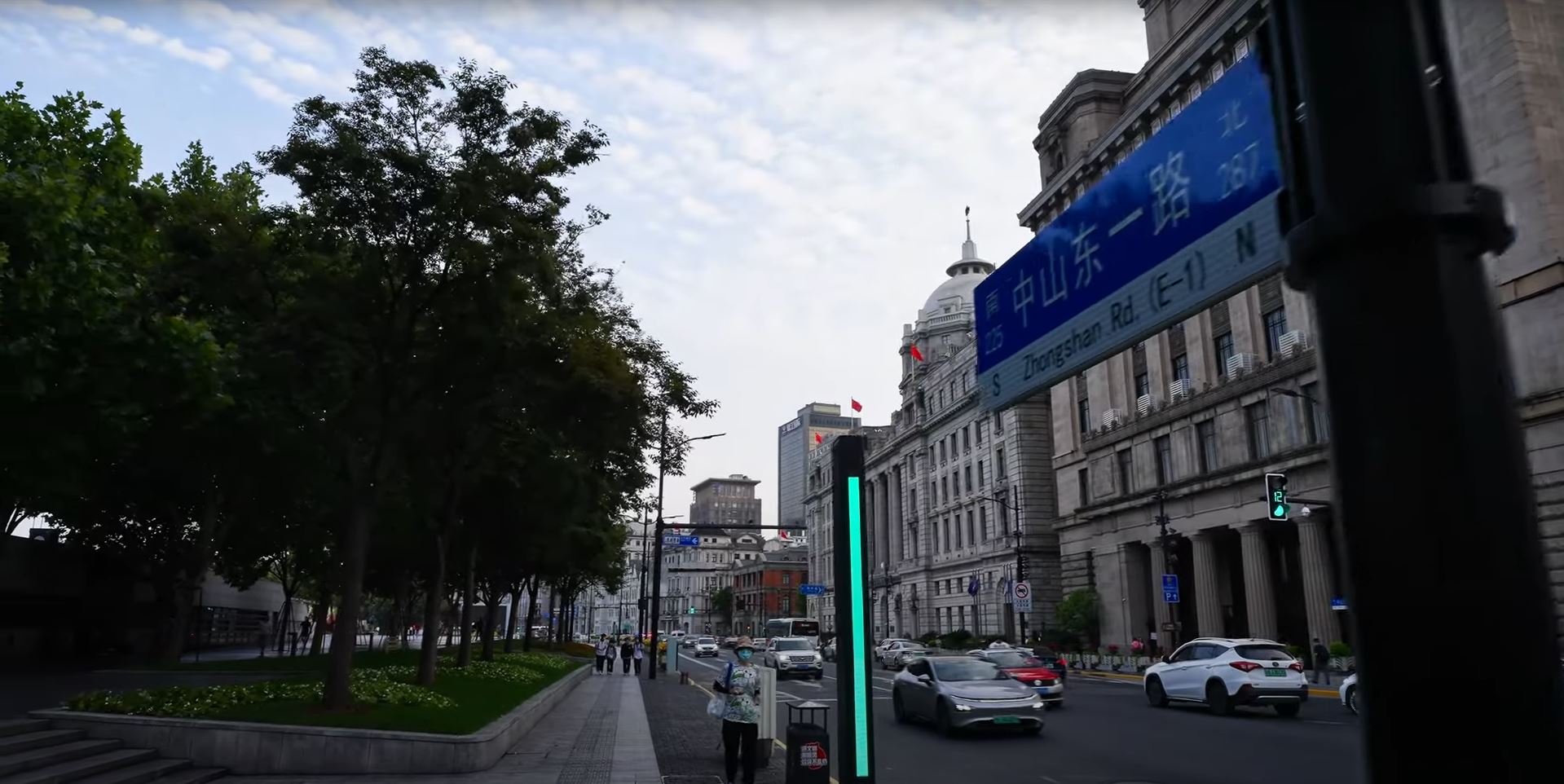
It’s late September  23rd Friday  2022 at 1640 in the Afternoon Beijing time during this month week of the Shanghai Walking through Shanghai in during the…. Walk along Zhapu Road, one of the coolest streets in Shanghai. This area is the former Shanghai International Settlement… Walking through North Sichuan Road Station Area 四川北路站地区, Wusong Road 吴淞路, Hengshui Road 衡水路, Zhapu Road 乍浦路, Zhapu Road Bridge 乍浦路桥, Huqiu Road 虎丘路, Middle Sichuan Road 四川中路, Dianchi Road 滇池路, East Zhongshan No.1 Road 中山东一路, The Bund Viewing Platform 外滩观景平台……

North Sichuan Road Station Area 四川北路站地区– Streets of Hongkou District, Shanghai North Sichuan Road is a north-south street in Hongkou District, Shanghai, with a total length of 3.7 kilometers [1]  . With the North Suzhou Road as the boundary, the southern section and the northern section belong to Sichuan North Road Street There is such a description in “Shanghai Customs Miscellaneous Notes”: “North Sichuan Road dance hall, middle and low-level movie theatres, Cantonese restaurants, Cantonese teahouses, Japanese restaurants, bathrooms, brothels, European brothels, beauty salons, massage parlours and even In addition to Nanjing Road , Hengshan Road , Rongle East Road , and Fuzhou Road in Shanghai [2]  , Sichuan North Road is the most prosperous, and vehicles and pedestrians are crowded day and night

East Zhongshan No.1 Road 中山东一路– A road in Huangpu District, Shanghai Zhongshan East Road is located in Huangpu District , Shanghai , north of the old city of Shanghai , outside the old city.

In fact, the side facing the river is called “wai”. For example, the bridge on the Suzhou River facing the river is called Waibaidu Bridge, and the bridge facing the river on Yangjingbang is also called “Waiyangjing Bridge”.

Before Shanghai opened as a port, the Huangputan area was sparsely populated, and the Banghe River was a barren beach overgrown with reeds. After the Opium War, the British colonists coveted Huangpu Beach, which is “favorable for trade and transportation and has room for development”. Today’s The Bund has become an image window of Shanghai’s international metropolis, a gathering place for major cultural events in Shanghai, the best place to visit in Shanghai, and a new highlight of urban landscape.

Rec Shanghai is about his walking, driving, riding running around views of China – People’s Republic of China sharing his immersive experiences in his video hope you could have a pure view about China today, sharing some 4K UHD videos to show pure China daily scenes for you I shoot in Shanghai and other locations in China. Let’s walk around China together… BEST VIEWED ON 2160px60 with the Volume turned on way up for immersiveness immersion…

#中國 #中華人民共和國 #China #PeoplesRepublicOfChina #4KHDR #CitywalkingTour | #RecShanghai #August2022 #September 2022 |上海 [4K HDR] Walking in the heart of Shanghai Beautiful historic streets 漫步在上海的心脏地带 #AnfuRoad x #WukangRoad # 安福路 x #武康路#Jing’anTempleStation #静安寺站周边地区

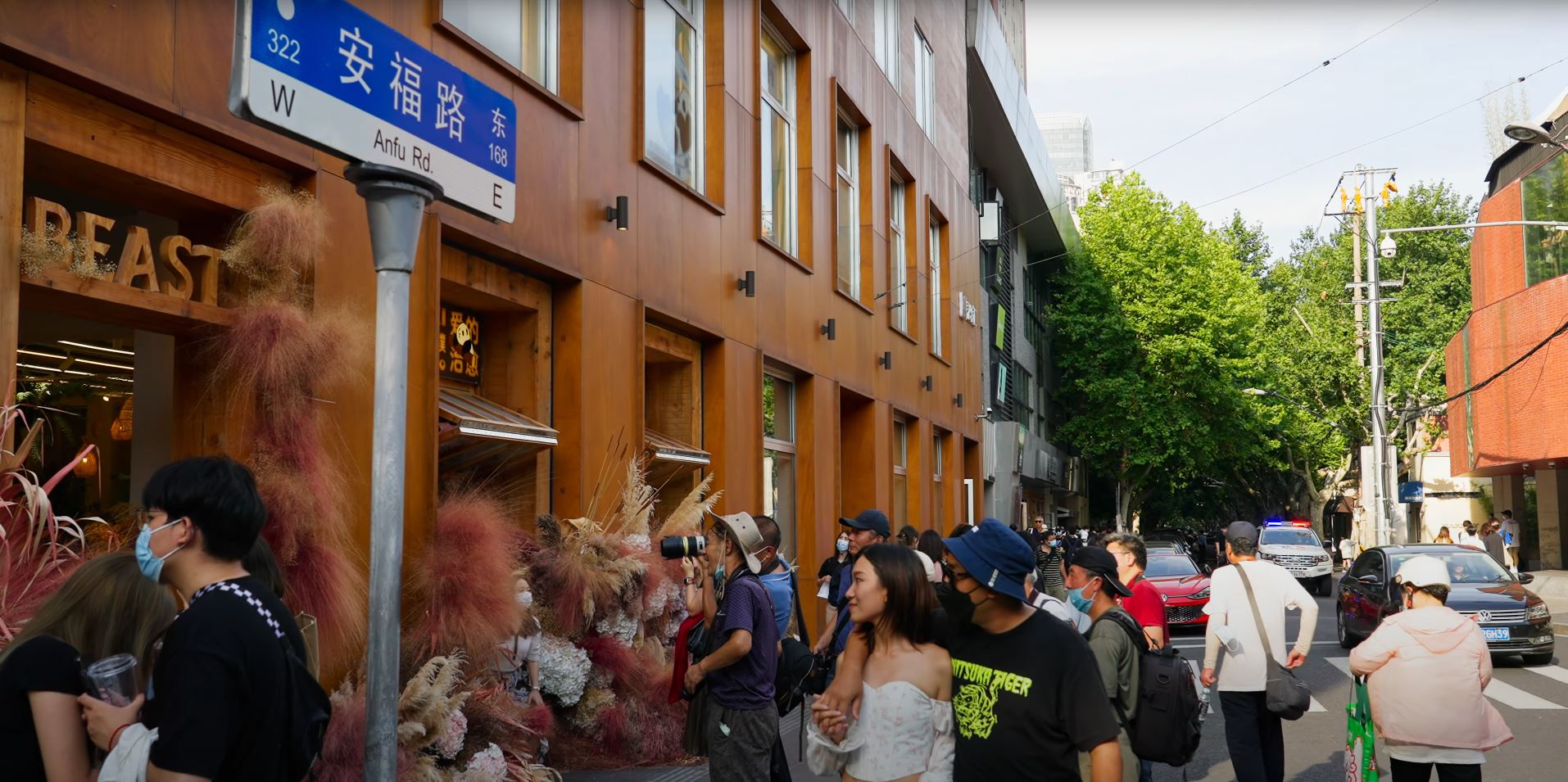
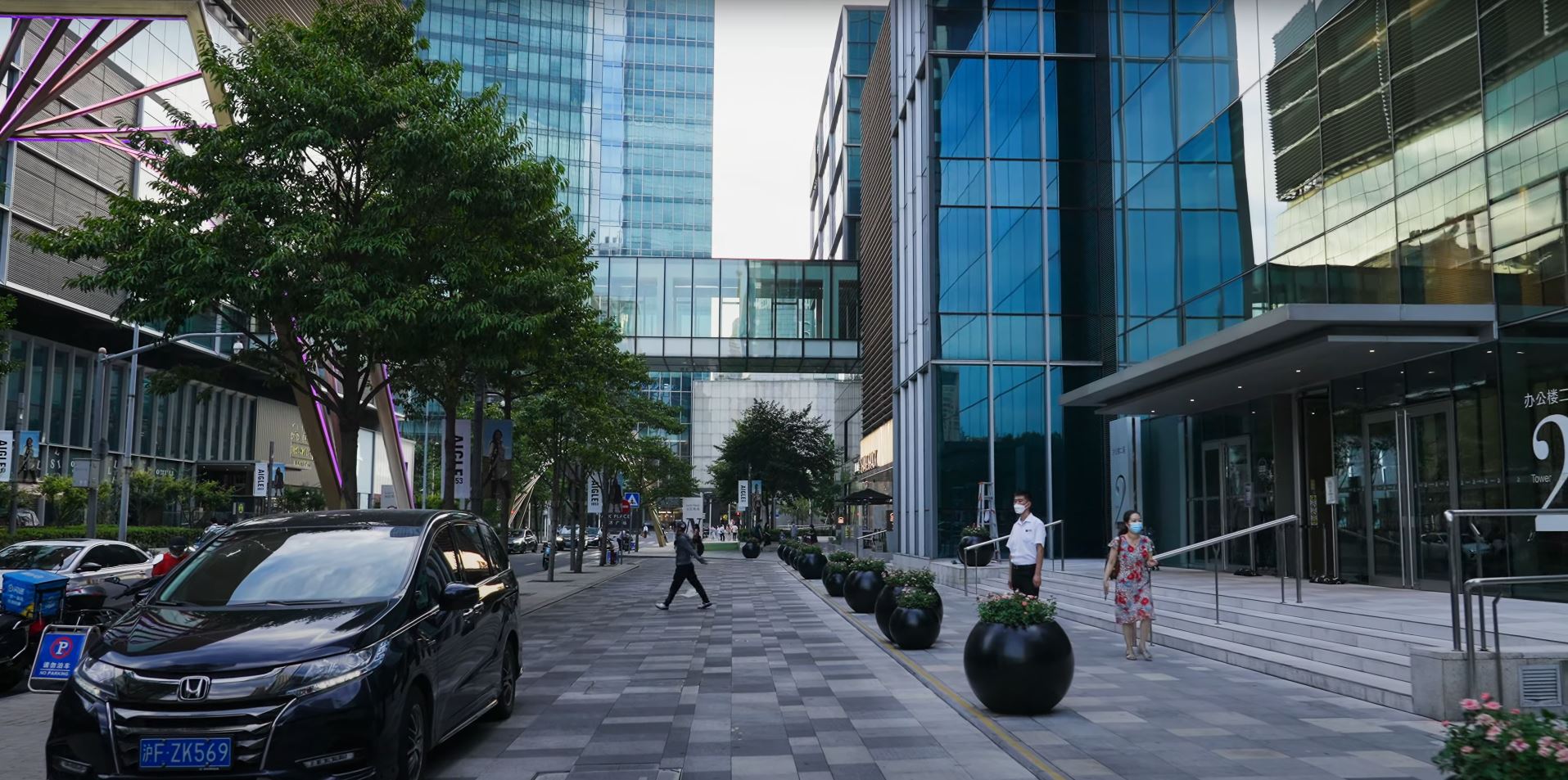
It’s late August 2022 at 1645 in the Afternoon Beijing time during this month week of the Shanghai Walking through Shanghai in during the…. Walk through three main areas of central Shanghai…. From the shopping area of Anfu Road, popular among young tourists, to the area around South Shaanxi Road Station, and finally to the area around Jing’an Temple Station…. Anfu Road x Wukang Road 安福路 x 武康路, Wuyuan Road 五原路, Middle Huaihai Road 淮海中路, IAPM Mall 上海环贸iapm商场, South Shaanxi Road 陕西南路, Nanyang Road 南阳路, Area around Jing’an Temple Station 静安寺站周边地区……

Anfu Road安福路Anfu Lu is located in the northeast of Xuhui District, Shanghai. It starts from Changshu Road in the east and ends at Wukang Road in the west. It was built in 4-5 years of the Republic of China (1915-1916) and named Route Dupleix after the French admiral. In the 32nd year of the Republic of China, it changed its name to Jiangxi Anfu. Anfu Lu is located in the northeast of Xuhui District, Shanghai. It starts from Changshu Road in the east and ends at Wukang Road in the west. It is 862 meters long, 12.0 to 13.0 meters wide, and the roadway is 7.0 to 8.0 meters wide. Along the road are residences, art theatres and schools. On  January 10, 2022, the Wukang Road-Anfu Road block in Xuhui District, Shanghai was selected as the first batch of national-level tourist resort……..

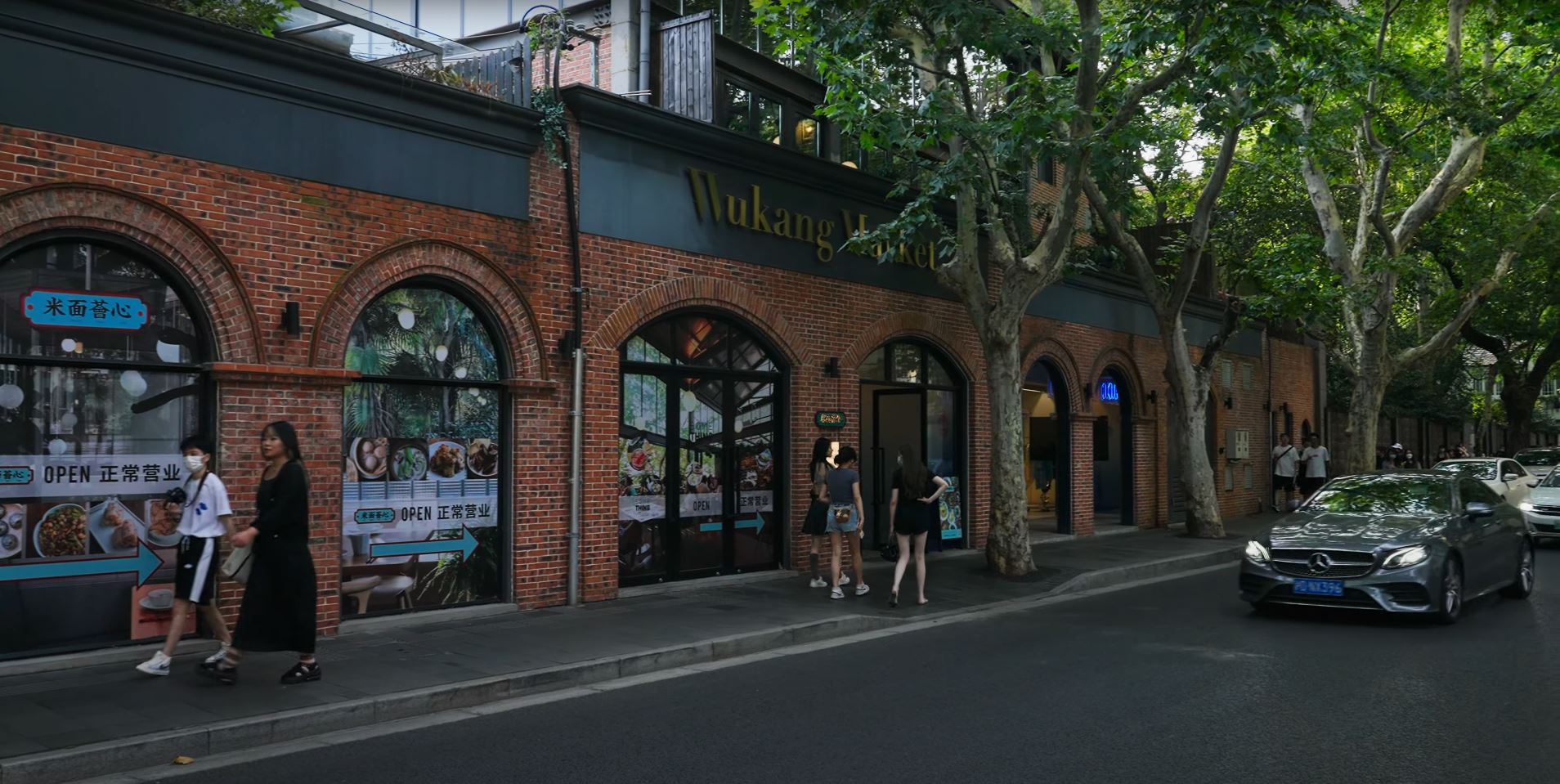
Wukang Road武康路Wukang Road is a road in Xuhui District , Shanghai . It is known as the “Celebrity Road” that “condenses Shanghai’s modern century history”. There are 14 outstanding historical buildings along the route, and 37 historical buildings are preserved. On June 11, 2011, Wukang Road, Xuhui District, Shanghai was selected as the third ” Famous Street of Chinese History and Culture ” approved by the Ministry of Culture and the State Administration of Cultural Heritage

Wukang Road was built in 1907. According to the Records of Geographical Names in Xuhui District , Shanghai : “The road was originally named Fu Kaisen Road, named after the American Fu Kaisen surname. In 1943, it was renamed Wukang Road and was named after the old county in Zhejiang Province.” [1-2]  

In the late Qing Dynasty, Sheng Xuanhuai , a minister of the Westernization faction , was entrusted by Li Hongzhang to supervise the operation of Nanyang Public School (the predecessor of today’s Shanghai Jiaotong University). Equivalent to a 21st-century provost). After Fu Kaisen took office, in order to facilitate the travel of teachers and students, he built the road with his own salary. At first, there was no exact name. Later, because the French Concession was expanding its territory, it conflicted with the “Siming Office” of the Shanghai Ningbo Association. There were also conflicts with the United Kingdom, the United States, Russia and other countries. Fukaisen adjusted from it, and finally resolved to the satisfaction of all parties. In order to thank Fukaisen, the local people named the road Fukaisen Road. Since the professors hired by Fukaisen live in the urban area, it is much more convenient for teachers to go to work and school since the construction of this road. Therefore, it is highly praised by teachers and students. Wukang Road was originally a dirt road, with rice and vegetable gardens and farmhouses on sides, dense rivers and ponds, scattered with many graves. In 1914, Fukaisen Road was officially included in the French Concession, and Mintini, the first French consul in Shanghai, implemented the overall planning along Wukang Road in accordance with the most modern urban construction concept in the West at that time. This plan is gradually advancing to the surrounding area.

Wukang Road is 1,183 meters long and 12 to 16 meters wide. The whole road is curved and roughly runs north-south. From Huashan Road in the north, you can see Li Hongzhang ’s Lilac Garden, an important official in the late Qing Dynasty , and in the south, Huaihai Middle Road connects Tianping Road, Yuqing Road, and Soong Ching Ling’s former residence faces each other. On Wukang Road, where the phoenix trees are swirling, there are about 30 former residences of famous celebrities with a high “density”. The Spanish-style and French-Renaissance-style buildings along the route are very distinctive, making it one of the most European-style neighbourhoods in the central city of Shanghai.

Jing’an Temple Station 静安寺站周边地区…… Jing’an Temple, also known as Jing’an Ancient Temple, is located in Jing’an District , Shanghai. According to legend, its history can be traced back to the 10th year (247) of Sun Wu Chiwu of the Three Kingdoms. It was originally named Hudu Chongxuan Temple. In the first year of Xiangfu in the Song Dynasty (1008), it was renamed Jing’an Temple. In the ninth year of Jiading in the Southern Song Dynasty (1216), the temple moved from the Wusong River to the side of Lupu Feijingbang (now Nanjing West Road ), which was earlier than Shanghai. Jing’an Temple has a total construction area of ​​22,000 square meters. The entire temple forms a pattern of front temple and rear tower. It consists of three main buildings: Daxiong Hall , Tianwang Hall and Sansheng Hall . It is the oldest Buddhist temple in Shanghai. The temple houses the famous paintings of Bada Shanren and the cursive scroll of Wen Zhengming’s original work “Pipa Xing” . Jing’an District is also famous for its Jing’an Temple. The architectural style of Jing’an Temple is imitating the architectural style before the Ming Dynasty, and the typical representative is the shape of the bucket arch.

Jing’an Temple is the name of an interchange station between Lines 2, 7 and 14 of the Shanghai Metro. This station is located in Jing’an District, below the historic Jing’an Temple and the Jiu Guang shopping mall. It is part of the initial section of Line 2 that opened from Zhongshan Park to Longyang Road that opened on 20 September 1999; the interchange with line 7 opened on 5 December 2009 as part of that line’s initial section between Shanghai University and Huamu Road and the interchange with line 14 opened on 30 December 2021.

There are shuttle buses between Jing’an Temple and Hongqiao or Pudong airports. The shuttle bus from Pudong leaves the airport as ‘Airport Bus Line 2’ towards the ‘Airport City Terminal’ which is the official name of the Jingan Temple shuttle bus station and costs 22 ¥ as of January 2015. The ride takes about half an hour from Hongqiao Airport and 45–60 minutes depending on traffic from Pudong Airport. From Pudong the bus is usually faster and more convenient than the subway connection.

Rec Shanghai is about his walking, driving, riding running around views of China – People’s Republic of China sharing his immersive experiences in his video hope you could have a pure view about China today, sharing some 4K UHD videos to show pure China daily scenes for you I shoot in Shanghai and other locations in China. Let’s walk around China together… BEST VIEWED ON 2160px60 with the Volume turned on way up for immersiveness immersion…