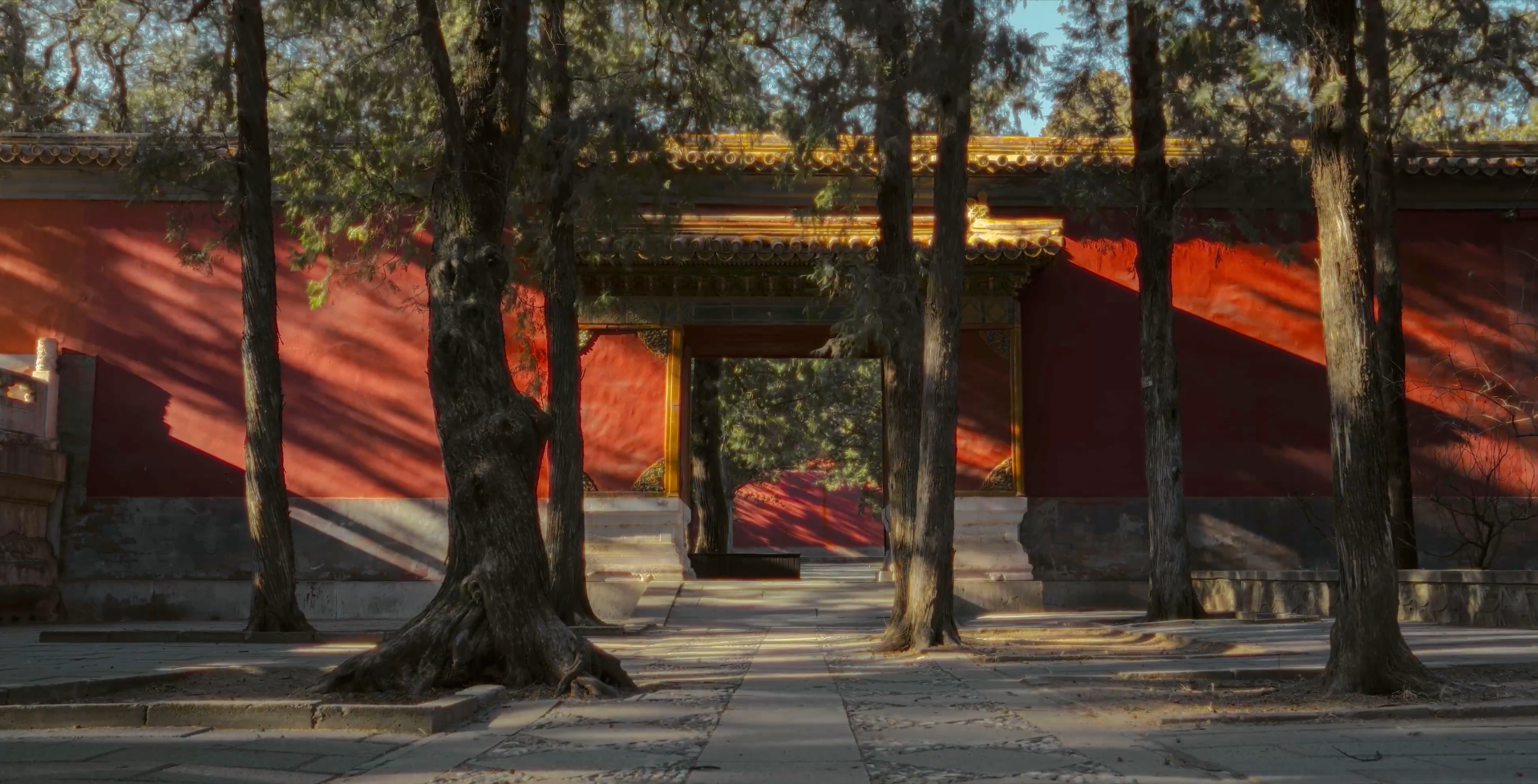
#北京。 #中國 #China #Beijing | #紫禁城 #ForbiddenCity #June2023 | #ForbiddenCityDairies #星球研究所 # Planet Research Institute #MingDynastyTombs Travelling into #MingDynasty walking down living history mystery solving…

The Ming Tombs are located at the foot of Tianshou Mountain in Changping District , Beijing China, People’s Republic of China , about 50 kilometers away from Tiananmen. The Ming Tombs are located in a small basin surrounded by mountains on three sides in the east, west and north. The area around the tomb is surrounded by mountains, the central part is a plain, and there is a meandering river in front of the tomb. From the beginning of Changling in May of the seventh year of Yongle (1409) to the burial of Chongzhen, the last emperor of the Ming Dynasty, in Siling.

The Ming Tombs have a total of 13 imperial tombs, including the Changling Mausoleum of Chengzu Zhu Di, Xianling Mausoleum of Renzong Zhu Gaochi, Jingling Mausoleum of Xuanzong Zhu Zhanji, Yuling Mausoleum of Yingzong Zhu Qizhen, Xianzong Zhu Jianshenmao Mausoleum, Xiaozong Zhu Youtang’s Tai Mausoleum. The Kangling Mausoleum of Wuzong Zhu Houzhao, the Yongling Mausoleum of Sejong Zhu Houcong, the Zhao Mausoleum of Mu Zong Zhu Zaihou, and the Ding Mausoleum of Shenzong Zhu Yijun. The Qingling Mausoleum of Guangzong Zhu Changluo, and the Deling Mausoleum of Xizong Zhu Youxiao. The Siling Mausoleum of Chongzhen Emperor Zhu Youjian. In addition, there are 8 accompanying tombs, including 7 concubine (prince) tombs and 1 eunuch tomb. Its architectural form embodies the feudal rules and regulations of the Ming Dynasty. Both the emperor’s mausoleum and the rear mausoleum are covered with yellow glazed tiles. 

The Ming Tombs area covers an area of ​​40 square kilometers. It is famous for its magnificent scale, complete cemetery system, solemn and harmonious layout, beautiful and quiet scenery, and elegant and simple style.

In 1957, it was listed as the first batch of key ancient buildings and cultural relic’s protection units in Beijing. In 1961, it was listed as a national key cultural relic protection unit by the State Council of the People’s Republic of China. In 1982, the Ming Tombs and Badaling were listed as one of the national key scenic spots protection areas as a complete scenic spot. On July 3, 2003, the Ming Tombs, as an expansion project of the royal tombs of the Ming and Qing Dynasties, were approved by the 27th United Nations World Heritage Conference and included in the “World Heritage List
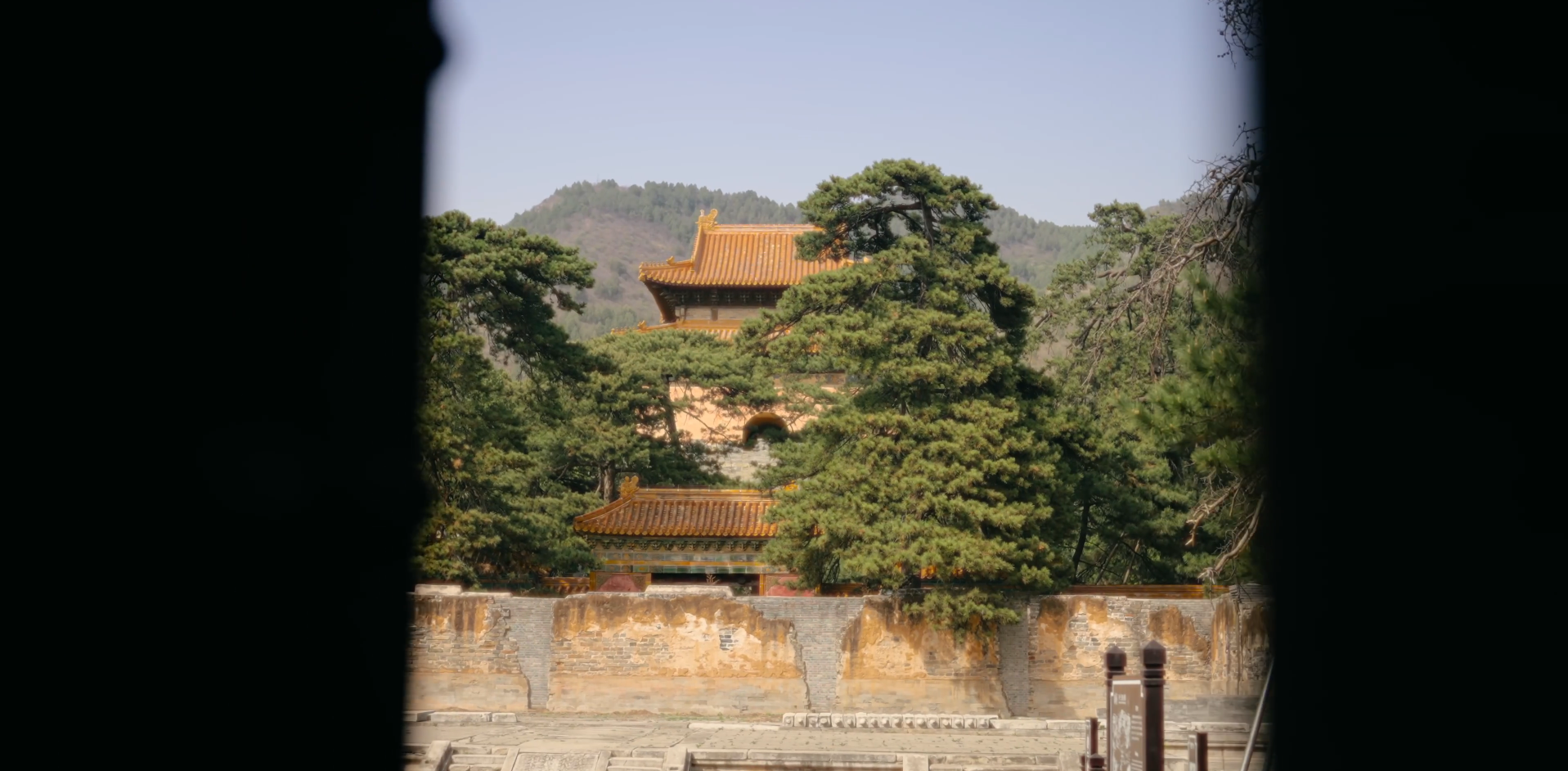
The Ming tombs are a collection of mausoleums built by the emperors of the Ming dynasty of China. The first Ming emperor’s tomb is located near his capital Nanjing. However, the majority of the Ming tombs are located in a cluster near Beijing and collectively known as the Thirteen Tombs of the Ming dynasty. 

The Ming dynasty, officially the Great Ming, was an imperial dynasty of China, ruling from 1368 to 1644 following the collapse of the Mongol-led Yuan dynasty. The Ming dynasty was the last imperial dynasty of China ruled by the Han people, the majority ethnic group in China…

Enjoy the cool air! I should be the first science popularization master who entered the Ming Tombs at night.

This is the largest and most complete royal cemetery in China, and the resting place of 13 emperors of the Ming Dynasty. When the hustle and bustle of the day fades away, this cemetery has more vicissitudes of history. The purpose of this trip is to find the answer to a question.


Regardless of whether it is the imperial tombs of the Han and Tang Dynasties, the imperial tombs of the Song Dynasty, or the imperial tombs of the Qing Dynasty, they were either severely damaged or completely looted. But why is it that only the Ming Tombs are relatively intact above and below ground? 明圣圣陵Why can survive to this day ?

Walk! Go down to the imperial mausoleum to solve the mystery that has been covered in dust for many years…
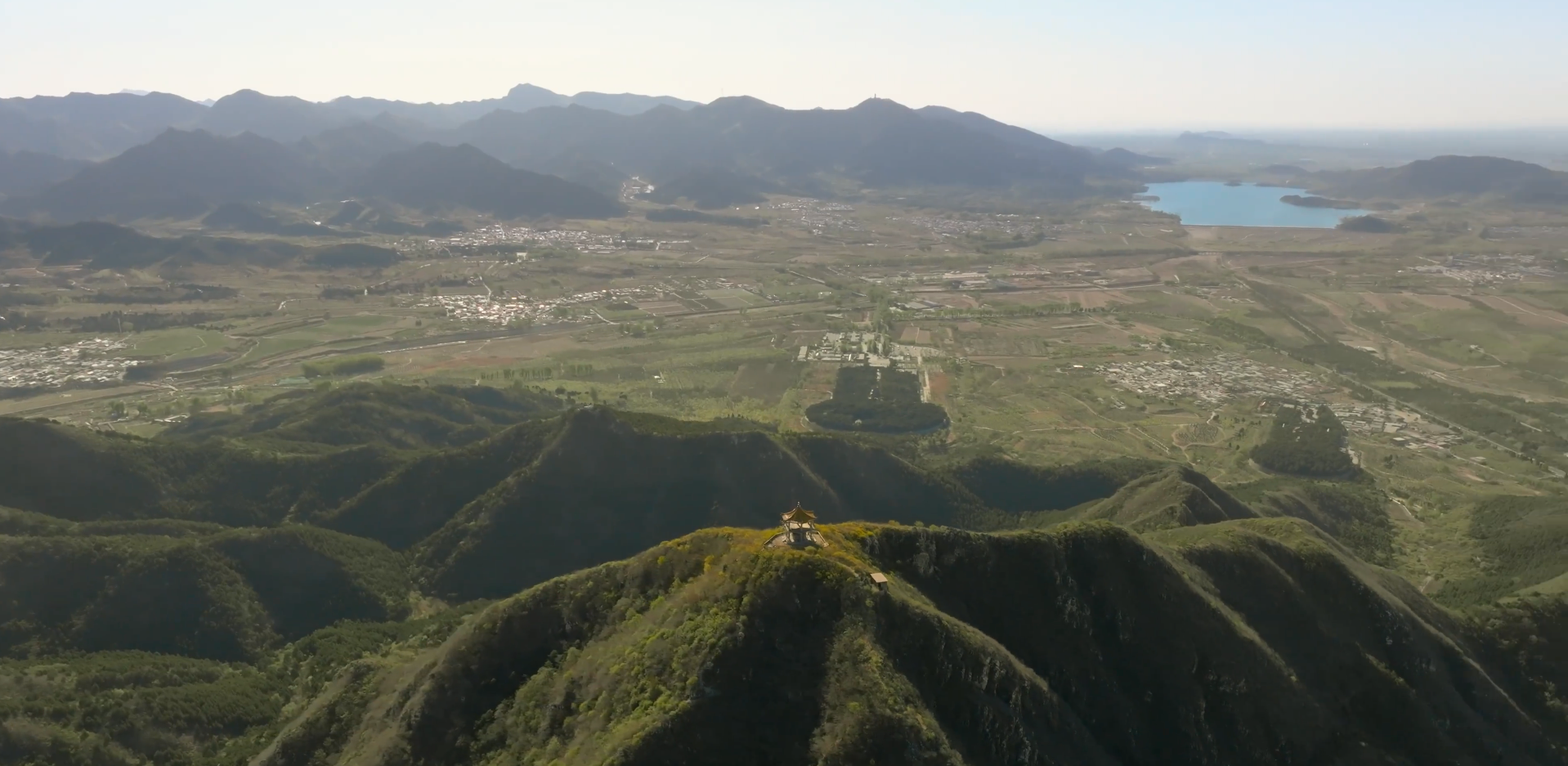
 The Ming Tombs are located in Changping District, 50km northwest of Beijing, and are the general name of the tombs of 13 emperors of the Ming Dynasty. The mausoleum area covers an area of ​​80km2, and it is the relatively complete mausoleum building and the tomb group with the most buried emperors in the world today.
  The construction of the Ming Tombs began in the seventh year of Ming Yongle (1409) and ended in the early Qing Dynasty, which lasted more than 200 years. According to the order of the construction time of the mausoleum, they are: Changling (Tomb of Emperor Yongle), Xianling (Tomb of Emperor Hongxi), Jingling (Tomb of Emperor Xuande), Yuling (Tomb of Emperor Zhengtong (that is, Emperor Tianshun)), Maoling (Tomb of Emperor Tianshun) Chenghua Emperor’s Tomb), Tailing (Hongzhi Emperor’s Tomb), Kangling (Zhengde Emperor’s Tomb), Yongling (Jiajing Emperor’s Tomb), Zhaoling (Longqing Emperor’s Tomb), Dingling (Wanli Emperor’s Tomb), Qingling (Taichang Emperor’s Tomb) Emperor’s Mausoleum), Deling (Tianqi Emperor’s Mausoleum), Siling (Chongzhen Emperor’s Mausoleum). In addition to the 13 emperors buried in the mausoleum area, there are also 23 empresses, 1 imperial concubine and dozens of palace officials who were buried. In addition, there are 7 concubine graves in the mausoleum area (East Well, West Well, Tomb of Concubine Wangui, Mourning Tomb, Tomb of Four Concubines and Two Princes, Tomb of Concubine Xian, Tomb of Concubine Zheng and Tombs of Concubines Erli, Liu, and Zhou) ) and a eunuch’s burial tomb (Wang Chengen’s tomb), as well as various buildings such as palaces and gardens serving the emperor’s mausoleum. City walls were built at 10 natural mountain passes (Dongshan Pass, Zhongshan Pass, Zhazikou, Xishan Pass, Desheng Pass, Yanzi Pass, Zhuishi Pass, Xianzhuang Pass, Huiling Pass, and Laojuntang Pass) around the mausoleum. , Barrier walls and other defensive facilities to protect the safety of the mausoleum area.
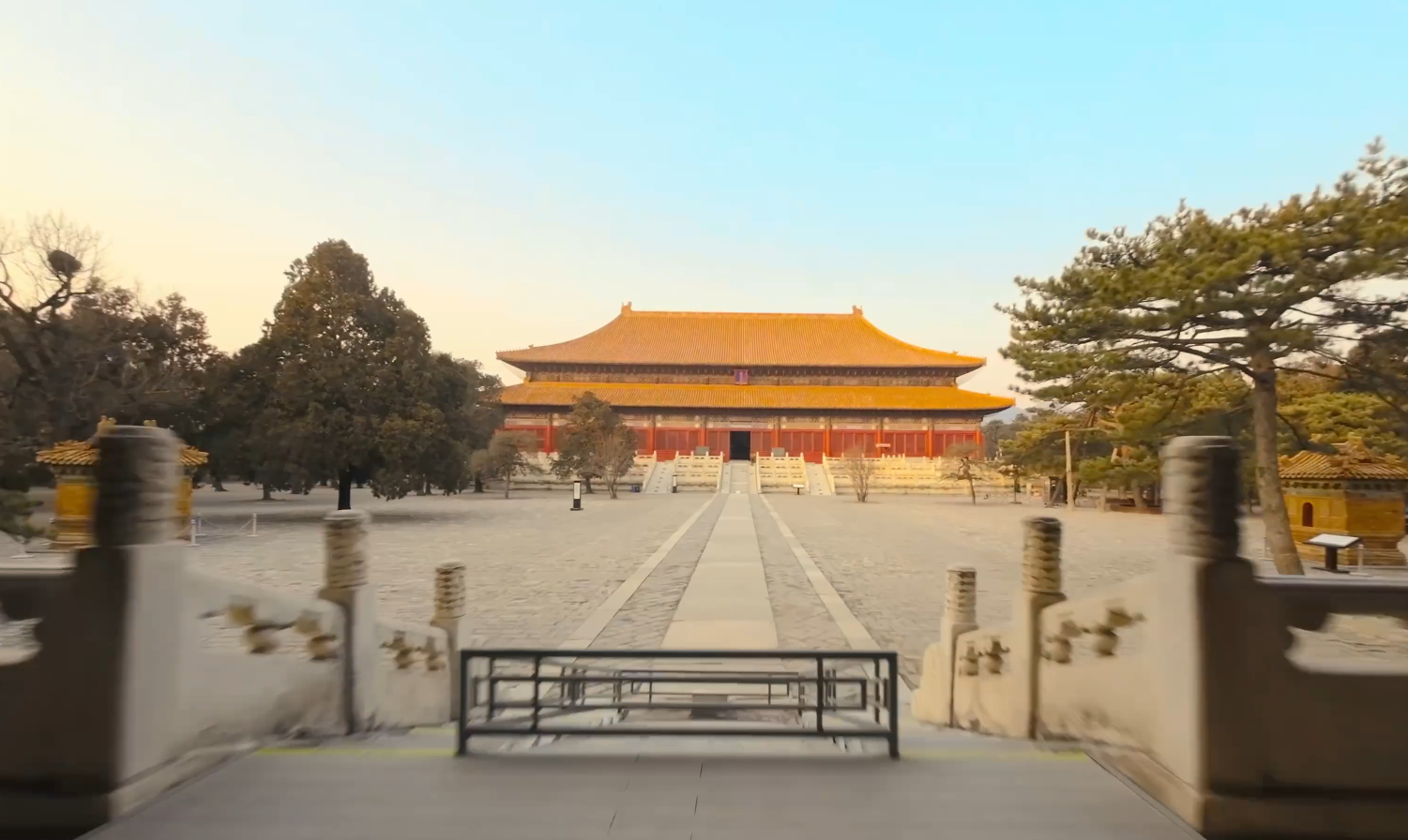

  The construction of the imperial mausoleum of the Ming Dynasty was divided into several steps: the selection of the mausoleum site, the formulation of regulations, and the preparation of materials for construction. The selection of the mausoleum site is the primary link in the construction of the mausoleum. Generally, firstly, the first and second-rank officials of the DPRK will lead the Fengshui surveyors to follow the theory of Fengshui, “the shape of the mountain from the outside, and the land veins from the inside”. The emperor, if necessary, draws a picture, pastes a description, and finally decides by the emperor.
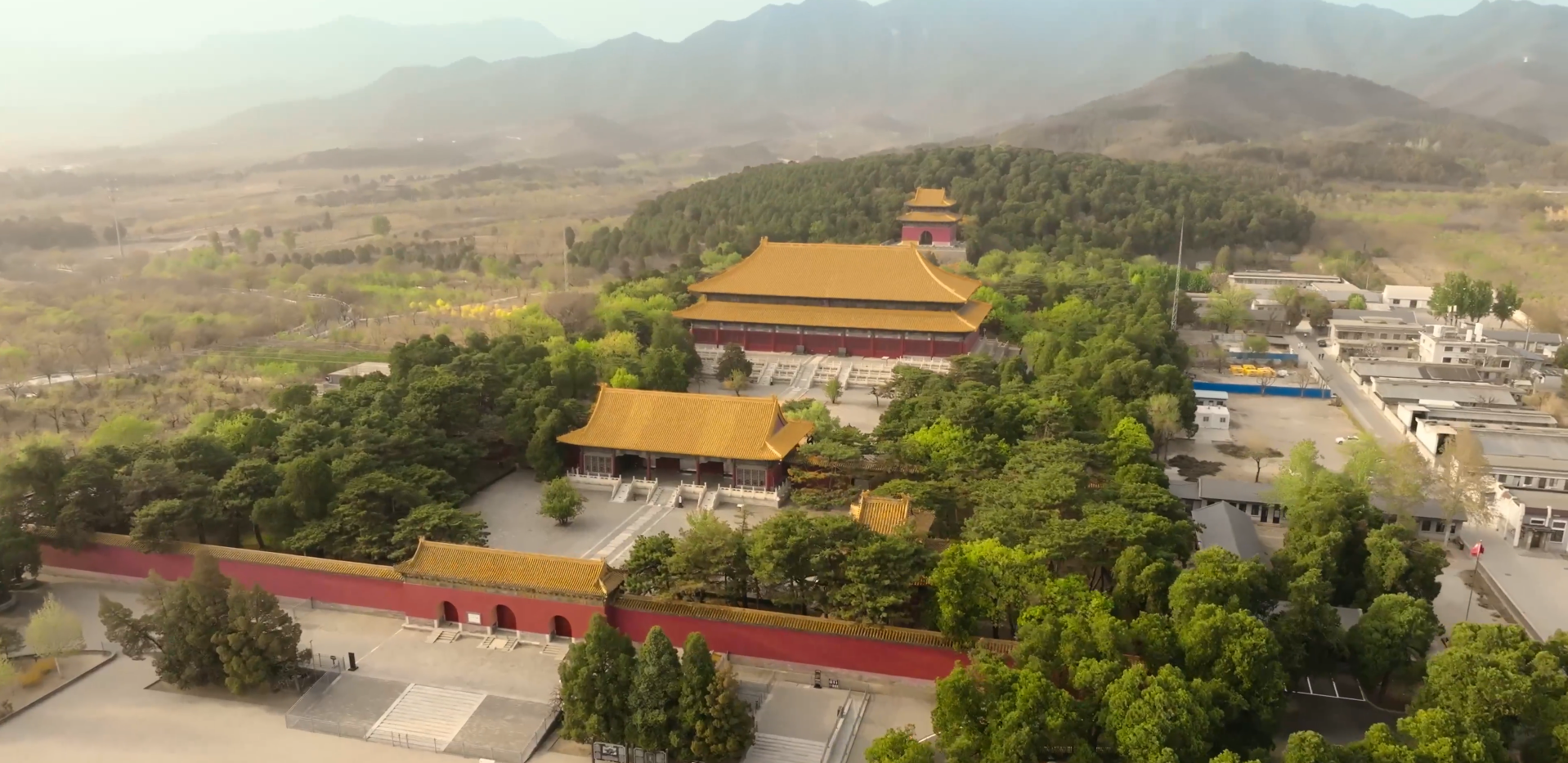

  After Cheng Zu Zhu Di proclaimed himself emperor, he planned to move the capital from Nanjing to Beijing. In the sixth year of Yongle in the Ming Dynasty (1408), Zhu Di ordered Zhao Yan, Minister of Rites, to lead Jiangxi warlock Liao Junqing and others to visit the mausoleum near Beijing. After more than a year, the auspicious soil for thousands of years was finally found in the Huangtu Mountain in Changping. Zhu Di then sealed Huangtu Mountain as Tianshou Mountain, and decreed to encircle the area with a radius of 80 li as the forbidden area of ​​the mausoleum.


  The layout of the tombs of the Ming Tombs is not in accordance with the “Zhou Li” method of left and right, but with the respected ones in the main veins and the humble ones in the secondary veins (remaining veins). Changling is the first tomb of the Ming Tombs. It is located in the middle of the main peak of Tianshou Mountain, and other tombs are arranged around it. Among the Ming Tombs, Changling is the largest, followed by Yongling and Dingling, and Siling is the smallest. Mausoleum construction methods can be divided into three types: one is the mausoleum built by the emperor during his lifetime, which is large in scale and richly decorated (such as Changling Tomb, Yongling Mausoleum, and Ding Tomb); The posthumous edict of “building a mausoleum” may be affected by the burial period and national power, and the scale is small and relatively simple (such as Xianling and Jingling); the third is that the emperor will not have time to build the mausoleum during his lifetime, and the next dynasty will build it after the change of dynasty (such as Siling).
  The Ming Tombs are famous all over the world for their majestic scale, complete cemetery system, solemn and harmonious layout, beautiful and quiet scenery, and elegant and simple style. In 1957, it was listed as the first batch of key ancient buildings and cultural relics protection units in Beijing. In 1961, it was listed as a national key cultural relics protection unit. In 1982, the Ming Tombs and Badaling were listed as one of the national key scenic spots protection areas as a complete scenic spot. On July 3, 2003, the Ming Tombs, as an expansion project of the royal tombs of the Ming and Qing Dynasties, were approved by the 27th United Nations World Heritage Conference and included in the “World Heritage List”.

Images and visuals are from their respectives..

#中國 #中華人民共和國 #China #PeoplesRepublicOfChina #4KHDR #CitywalkingTour | #WalkEast #March2023 |#上海 [4K HDR] Shanghai March 2023 Driving Tour, The Most Developed City in China….

Love Shanghai, love the city and love Lujiazui!

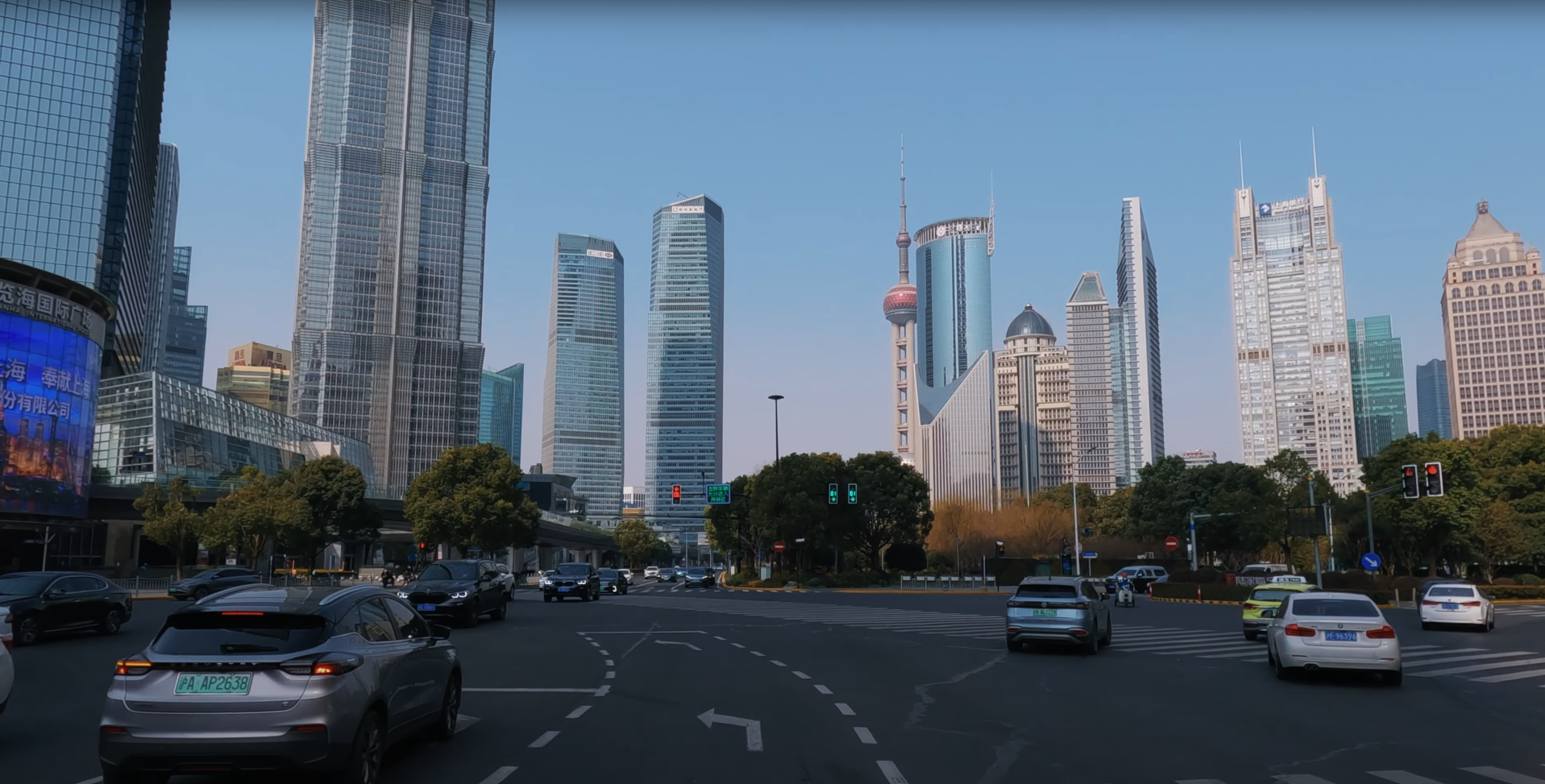
Lujiazui is Shanghai’s glitzy financial district, known for futuristic skyscrapers like the Shanghai Tower, with its lofty observation deck, and the needle-like Oriental Pearl TV Tower, home to the Shanghai Municipal History Museum.

The area is also noted for its luxe-hotel nightlife, with European fine dining, stylish bars and posh dance clubs offering panoramic views.

Lying on the east bank of Huangpu River and facing the Bund, Lujiazui Finance and Trade Zone occupies 28 square kilometers (10.8 square miles) and is studded with around 100 high-rise buildings.

Many are landmark buildings of Shanghai, making the area a great place to experience the modern flavor of this metropolis.

Often called the ‘Wall Street of China’, Lujiazui is the largest financial zone in mainland China, with more than 400 banks and financial institutions from both home and abroad, including HSBC, Citibank, and Standard Chartered Bank.


In addition, it is home to the headquarters of over 70 international giants and about 5,000 companies engaged in trade, investment, and intermediary services. The sum of transactions in the Shanghai stock market ranks it the 2nd in the world only behind the New York Stock Exchange.

Since the reform and opening-up policy carried out in 1978, Shanghai has enjoyed a great economic boom, and Lujiazui is gradually becoming more widely known. However, few know the origin of the name (Lu Jia Zui in Chinese), which literally means Lu family dwelling on a mouth-shaped alluvial beach.

In fact, the name is associated with Lu Shen, a noted scholar of Imperial Academy in the Ming Dynasty (1368 – 1644). After Lu retired, he lived on this land until his death. Today, you can still find Lu Shen’s calligraphy in Shanghai Museum. His former residence and family cemetery are located in this area.

In Lujiazui, the charm of the city as an international metropolis is unfolded to the largest degree. One can admire the modern skyscrapers along Binjiang Avenue as well as various buildings of different architectural styles across the Huangpu River.

The four tallest landmarks of the city – the Oriental Pearl Tower, Jin Mao Tower, Shanghai World Financial Center, and Shanghai Tower are constructed next to each other. When night comes, all the buildings are decorated with shining colorful lights, presenting a gorgeous scene before your eyes. The Bund, facing this financial zone across the river, is the most wonderful place to enjoy the night view.

Oriental Pearl Tower Oriental Pearl Tower, measuring 468 meters (1,536 feet) in height, has three viewing floors. An exhibition hall, demonstrating the history of the city, is at the base of the tower. The lower sphere has a viewing hall at a height of 90 meters (295 feet), providing a wonderful position to see the Bund and the graceful scenery along the Huangpu River. Visitors can also have a panoramic view of the whole city on the transparent observatory at 259 meters (850 feet) or the Capsule Sightseeing Floor at 351 meters (1,152 feet).

Jin Mao Tower Jin Mao Tower, with a height of 420.5 meters (1,380 feet), is also a good place to view the city. The superfast elevator takes only 45 seconds to take visitors from the basement to the viewing hall on the 88th floor, providing visitors magnificent metropolitan cityscapes along Huangpu River, and views of the distinctive rosy dawn and sunset.

Shanghai World Financial Center As the tallest flat-roof building in the world, it is 492 meters (1,614 feet) high with 101 stories. Sightseeing area occupies storeys from the 94th to the 100th floor. The viewing hall on the 100th floor is at a height of 474 meters (1,555 feet). The sightseeing bridge on the 97th floor seems to be constructed in the air. It would give you an illusion that you are wandering in the sky.

Shanghai Tower At present, it is the tallest building in China, measuring 632 meters (2,073 feet) in height. The exterior of the building spirals upward to the top with one degree twist per storey to reduce the wind effect.

Walk East | Max Channel is about his walking, driving, riding running around views of China – People’s Republic of China  sharing his immersive experiences in his video hope you could have a pure view about China today, sharing  some 4K UHD videos to show pure China daily scenes for you…. BEST VIEWED ON 2160px60 with the volume up for immersive immersion..

#中國  #中華人民共和國 #China #PeoplesRepublicOfChina #4KHDR #CitywalkingTour | #WalkEast #January 2023 #February2023 |#深圳 [4K HDR] Shenzhen 2023 Tour, Walking in the City of the Future | Cool Metro Stations and Shopping Areas the World’s Most Advance City…..

On the day of January 2023 … Shenzhen Ultra Mega Metropolis City is located right next to the Hong Kong SAR in the Greater Bay Area, Guangdong Province of China, and People’s Republic of China. Shenzhen is One is the world’s Advanced City Shenzhen is ranked as an Alpha- (global first-tier) city by the Globalization and World Cities Research Network. Its nominal GDP has surpassed neighbouring cities of Guangzhou and Hong Kong and is now among the top ten cities with the largest economies in the world….. Shenzhen is growing rapid at warp speeds that year, it was declared a special economic zone, which opened the city to foreign investment, technology, and managerial expertise through the establishment of foreign-owned, joint-venture, and other business enterprises. From 1980 the city grew at a phenomenal rate, a rate known in China as “Shenzhen speed.” Shenzhen is known as one of the top 20 High-Tech cities in the world, and definitely one of the more modern in China. Despite its incredible development, it’s not a very polluted city.

Shenzhen is Special through many ways Shenzhen is now the hi-tech home of leading Chinese tech firms such as the internet giant Tencent, telco Huawei, and the drone maker DJI. Shenzhen is also home to the Shenzhen Stock Exchange and is one of the busiest financial centers in the world. Shenzhen is ranking globally In the Global Urban Competitiveness Report 2021, Shenzhen’s economic competitiveness ranked 7th in the world. Shenzhen has 169 national-level “Little Giant” enterprises, ranking 4th among Chinese cities….. In which the city is a great place to live Shenzhen has fantastic transport links and is one of the best connected cities in the east. It has the world’s fourth busiest port, which is a major part of its economic success, while expats living in Shenzhen can fly to most domestic cities from Shenzhen Bao’an International Airport.

Attractions to Shenzhen Modern architecture at its boldest With sleek skyscrapers stretching to the sky, bold museums, and a monumental library and exhibition center, the city is a space for visionaries to experiment. It’s no surprise then that Shenzhen earned the status of UNESCO City of Design. Shenzhen, which borders Hong Kong, is often referred to as China’s ‘Instant City’. Municipal leaders from around the world come to see the glossy urban environment of high rise offices and apartment buildings, chaotic yet ordered traffic, automated payments, data management built on environmental sensors, and other innovations built in one unified ecosystem. Shenzhen is a city of astounding growth and smart technologies. Through careful planning, inclusion of innovative technologies like artificial intelligence, the internet of things and the attraction of new partners to the growing technological environment, the city has doubled its population in the last 20 years. The founders of Tencent and Alibaba – Ma Huateng and Jack Ma – graduated from Shenzhen University. But that doesn’t mean only top-to-bottom strategic planning is key to a successful smart city. All players in the social and economic ecosystem must work together, developing and investing in new technologies, improving internet infrastructure as Huawei and Tencent do by sharing the hardware and software market, watching for shifting preferences of city dwellers and using big data to respond to these changes. Shenzhen’s application of new technologies in urban infrastructure and operations is more advanced than its neighbouring city of Hong Kong. The city that was built in close proximity has overtaken it as a leading example of a smart city.

Walk East | Max Channel is about his walking, driving, riding running around views of China – People’s Republic of China  sharing his immersive experiences in his video hope you could have a pure view about China today, sharing  some 4K UHD videos to show pure China daily scenes for you…. BEST VIEWED ON 2160px60 with the volume up for immersive immersion..

#中國 #中華人民共和國 #China #PeoplesRepublicOfChina #4KHDR #CitywalkingTour | #RecShanghai #January2023 #上海 [4K HDR] Shanghai #NewYear2023 #StreetWalkingTour

Its 31s December 2022 almost midnight crossing towards Hours Beijing time during counting down towards the new years on Shanghai, China –People’s Republic of China. In which most of the Covid-19 restrictions have been moderately lessen to a modest level in which now people across China can now travel throughout the Country to Celebrate the New Year of 2023 also the 2023 Chinese Lunar New Years of the Rabbit.. The Lunar New Year, or Spring Festival, marks the transition of the Chinese zodiac sign from one animal to the next. 2023 sees in the Year of the Rabbit, which begins on January 22. In Chinese culture, the Rabbit is a symbol of longevity, peace and prosperity. 2023 is predicted to be a year of hope…..

Countdown to 2023 on the Bund, Shanghai Happy New Year!  新年倒计时 上海外滩 新年快乐

Walk the Bund from 10:30 p.m. on New Year’s Eve 2022 until the New Year.

New Year’s Day, 2023, walking 10 minutes before sunrise.

Shanghai after New Year holidays. Walking in the center of Lujiazui and the shopping area around Yaohan Department Store Featuring The Center of Lujiazui 陆家嘴中心区, Century Avenue 世纪大道, The shopping area around Yaohan Department Store 八佰伴周围的购物区….

Shanghai on the first Sunday after New Year holidays. Walk along East Nanjing Road, the Bund and the North Bund.  Featuring East Nanjing Road 南京东路, The Bund 外滩, North Bund 北外滩

Rec Shanghai is about his walking, driving, riding running around views of China – People’s Republic of China sharing his immersive experiences in his video hope you could have a pure view about China today, sharing some 4K UHD videos to show pure China daily scenes for you I shoot in Shanghai and other locations in China. Let’s walk around China together… BEST VIEWED ON 2160px60 with the Volume turned on way up for immersiveness immersion…

#中國 #中華人民共和國 #China #PeoplesRepublicOfChina #4KHDR #CitywalkingTour | #RecShanghai #November2022 #December2022 #上海 [4K HDR] 上海圣诞灯饰 徐家汇Shanghai Christmas Lights 2022 – Xujiahui

It’s Sunday late November 2022 1950 Hours Beijing time during of the designated month week of on the Shanghai walking on This year’s Christmas tree at Grand Gateway 66 in Xujiahui is by Pixar. Last year, the Christmas tree was by Louis Vuitton…. Walking alongside the Metro City 美罗城, Grand Gateway 66 港汇恒隆广场, Xujiahui ITC 徐家汇ITC商场, “Megaliths in the Garden” by team Lab….

Metro City 美罗城-A massive mega mall in Shanghai.. in which Metro City is jointly designed by Singapore BJ Architects and Shanghai East China Architectural Design Institute. Shanghai Metro City Culture and Entertainment Co., Ltd. and Shanghai Huimei Real Estate Co., Ltd. are jointly designed by Shanghai Xujiahui Mall (Group) Co., Ltd. The holding company was established in April 1993 through a joint venture and cooperation.

Metro City is located at No. 1111, Zhaojiabang Road, Shanghai, with eight floors and a giant glass sphere as its unique symbol. It is known as the “Landmark” of Xujiahui. With its iconic landmark With the unique symbol of a giant glass sphere, Metro Building is like a bright pearl inlaid in Xujiahui Square. It is known as the “landmark” of Xujiahui; In the complex of square buildings, it highlights its vigorous vitality. Settling in Metro will undoubtedly become a wise choice for merchants……

Grand Gateway 66 港汇恒隆广场 is a High End top business district Grand Gateway Plaza [1]  (Grand Gateway 66) is located at the junction of Huashan Road and Hongqiao Road, on top of Xujiahui Station of Shanghai Rail Transit Line 1 , overlooking Shanghai Xujiahui commercial center area, with a total area of ​​more than 400,000 square meters….. Commercial trade, modern office building, business suite and residential three functions.

Grand Gateway 66 is a large shopping center, Grand Gateway 66 is a twin-tower Grade A office building, and Grand Gateway 66 Serviced Apartments is a high-end foreign-related serviced apartment.

With 11 years of rich experience, Grand Gateway 66 has become a landmark building in Shanghai in the 21st century with its unique shape.

Rec Shanghai is about his walking, driving, riding running around views of China – People’s Republic of China sharing his immersive experiences in his video hope you could have a pure view about China today, sharing some 4K UHD videos to show pure China daily scenes for you I shoot in Shanghai and other locations in China. Let’s walk around China together… BEST VIEWED ON 2160px60 with the Volume turned on way up for immersiveness immersion…