It’s Sunday 17th July 2022 its 2015 Evening Beijing time during this month week of the Shanghai in summer raining Walking through Shanghai in on the Bund in light rain Rock Bund and along the Suzhou River….. This summery raining walking route Rock Bund and along the Suzhou River 洛克·外滩源和苏州河沿岸, Garden Bridge 外白渡桥, The Bund Viewing Platform 外滩观景平台, East Zhongshan No.1 Road 中山东一路, East Nanjing Road 南京东路……
Garden Bridge 外白渡桥The Garden Bridge of Shanghai is a river crossing channel connecting Huangpu District and Hongkou District in Shanghai, China, People’s Republic of China. The high truss structure bridge is also an excellent historically protected building in Shanghai In 1856, the first generation of Waibaidu Bridge was built, named “Wells Bridge”. In 1876, the second-generation Waibaidu Bridge was built and named “Park Bridge”. In 1907, the Waibaidu Bridge was built and is still in use today. Waibaidu Bridge starts from Nansu Road in the south and ends on Beisu Road in the north. The whole bridge is 104.24 meters long The bridge deck is a three-lane urban main road, with a design speed of 40 km/h.
East Nanjing Road 南京东路Nanjing East Road is an east- west pedestrian street in the center of Shanghai, China , starting from the Bund of Zhongshan East Road in the east and ending with Tibet Middle Road in the west . Nanjing East Road was built in 1851. It was the earliest road built in Shanghai after the opening of the port. It has gradually developed into one of the most prosperous commercial streets in Shanghai and even in the world. It is known as “the first street in China”.
Rec Shanghai is about his walking, driving, riding running around views of China – People’s Republic of China sharing his immersive experiences in his video hope you could have a pure view about China today, sharing some 4K UHD videos to show pure China daily scenes for you I shoot in Shanghai and other locations in China. Let’s walk around China together… BEST VIEWED ON 2160px60 with the Volume turned on way up for immersiveness immersion…
零青子Hanfu – Han Dynasty Clothing blogger –Vlogger based in historical modern richness of two thousand and four hundred year old ultra megapolis ancient – postmodern Chengdu city Sichuan province of China – People’s Republic of China. She is one of many leading fashion blogger-Vlogger fashionably trending setting vlogs of how to wear of her collection of sort after Chinese –Han Dynasty Clothing of Hanfu- Han ethnic Traditional clothing in which dressing traditional from various dynasties to its postmodern twentieth first century trending setting ….
零青子 shows how to wear a Han Traditional Ming Dynasty era Wedding Dress without the crown in which is similar to the an female Ming Dynasty official or towards the Empress wears most luxurious wedding dress is called Dashan Xiapei (大衫霞帔) in which when a Commoner Woman gets married she can enjoy the honour of wearing the phoenix crown and Xiapei
First is how to wear the Horse-face skirt, also known as “horse-face pleated skirt” is a Swirl Skirt variant, is one of the main skirt styles of ancient Chinese Han women. There are four skirt doors inside and outside, overlapping in two. The outer skirt door is decorated, and the inner skirt door is decorated with little or no decoration. For decoration, the side of the horse-faced skirt is tucked up, and the waist of the skirt is mostly white cloth, which means white head and old age, and it is fixed with rope or button…..
The horse-main skirt is the most typical style of Han women’s dress during the Ming and Qing Dynasties. Its style has undergone a series of changes from the freshness and elegance of the Ming Dynasty to the magnificence and wealth of the Qing Dynasty to the beauty and simplicity of the People’s Republic of China, but its “horse-faced” structure has always been deeply ingrained….,
During the Ming Dynasty Most women wore three collars with narrow sleeves during this dynasty. This is what made up their upper clothing most of the time. Pleated skirts were also popularized in this period and made clothing more graceful for women. Light colours became very popular during the start of the Ming Dynasty. Embroidered capes also became part of the ensemble for women’s clothing. It was worn over the shoulders which were called “Rosy Cloud Cape” due to its rosy and cloud-like shape.
How to wear a Ming Dynasty urban wear every day wear clothing on for a every day wear first apply the undergarment in which is the Short front Button Cami with the undergarment skirt/ long bloomers with soft silk Swirl Skirt in very simple pastel colours fabrics with fun Printed playfully keeping warm and cool throughout the seasons then apply wearing the Sheer Fabric Shirt 竖领对襟纱衫in which it has a Standing Collar with opening shirt with Sheerness Standing collar . 披風 Pi Feng The sheerness is general worn at private areas at Home in which the sheerness is informal wear.. However there’s a heavier moderate for formal wear for urban wear.
HanFu- Han Dynasty Clothing – Han Traditional Clothing is making a massive come back in the Asian Chinese communities as youths reliving In recently decades there’s been very much strong revitalisation of Chinese Customary tailoring clothing in which is HanFu- Han Dynasty (221-206 BC) period inspired clothing in which was worn just before the fall of the Ming Dynasty (23 January 1308 to 25 April1644, until a North East Manchurian fashion that have taken over the traditional Han Dynasty fashion in which we known till today that’s the Qipao in which have been fashionable evolving on the same path also…. Like a Qipao, HanFu can be worn every day, as work wear, till as evening wear… It also it comes in various forms as to the nature of activity of the day or night…
Images visuals are from Weibo and their respectives of 零青子.
On 15th July 2022 Hong Kong SAR-Beijing Time afternoon a new collaboration is under way to rebuilding the Digital Forbidden city on a newest immersion of its 360 Degrees on that day it was announced on the press conference of the pinianxinyanlai Digital Forbidden City was held in the Forbidden City Palace Museum Beijing- China – People’s Republic of China.
Digital Forbidden City is new again On the afternoon of July 15th, The Palace Museum and DingDing will jointly explore the new digital office scene of the Palace Museum introducing an extremely educationally fun fill adventuring exploring though the app ” ForbiddenCity365 ” produced by the Palace Museum was also officially released at the meeting, adding a new window for the audience to enjoy the beauty of the Palace Museum online and understand the ancient architectural culture of the Palace Museum. (The product will be officially launched on July 17th, so stay tuned!). In the future, the Palace Museum will continue to strengthen exchanges and cooperation with technology companies, continuously optimize and improve digital products, and provide more high-quality digital cultural services for the audience.
Ding Ding- Ding Talk China information Technology Co.Ltd.. Based in Zhejiang province of in Eastern China in which its province Capital is Hangzhou..
十三余官方微博More than 13 Hanfu – Han Traditional Clothing blogger –Vlogger Fashion designer label based in historical modern richness of two thousand and four hundred year old ultra megapolis ancient – postmodern Chaoyang District Beijing Capital of China – People’s Republic of China. She is one of many leading fashion blogger-Vlogger Designers labels fashionably trending setting Hanfu and Hand Traditional clothing also founder and design director vlogs of how to wear of her collection of sort after Chinese –Han Dynasty Clothing of Hanfu- Han ethnic Traditional clothing in which dressing traditional from various dynasties to its postmodern twentieth first century trending setting ….
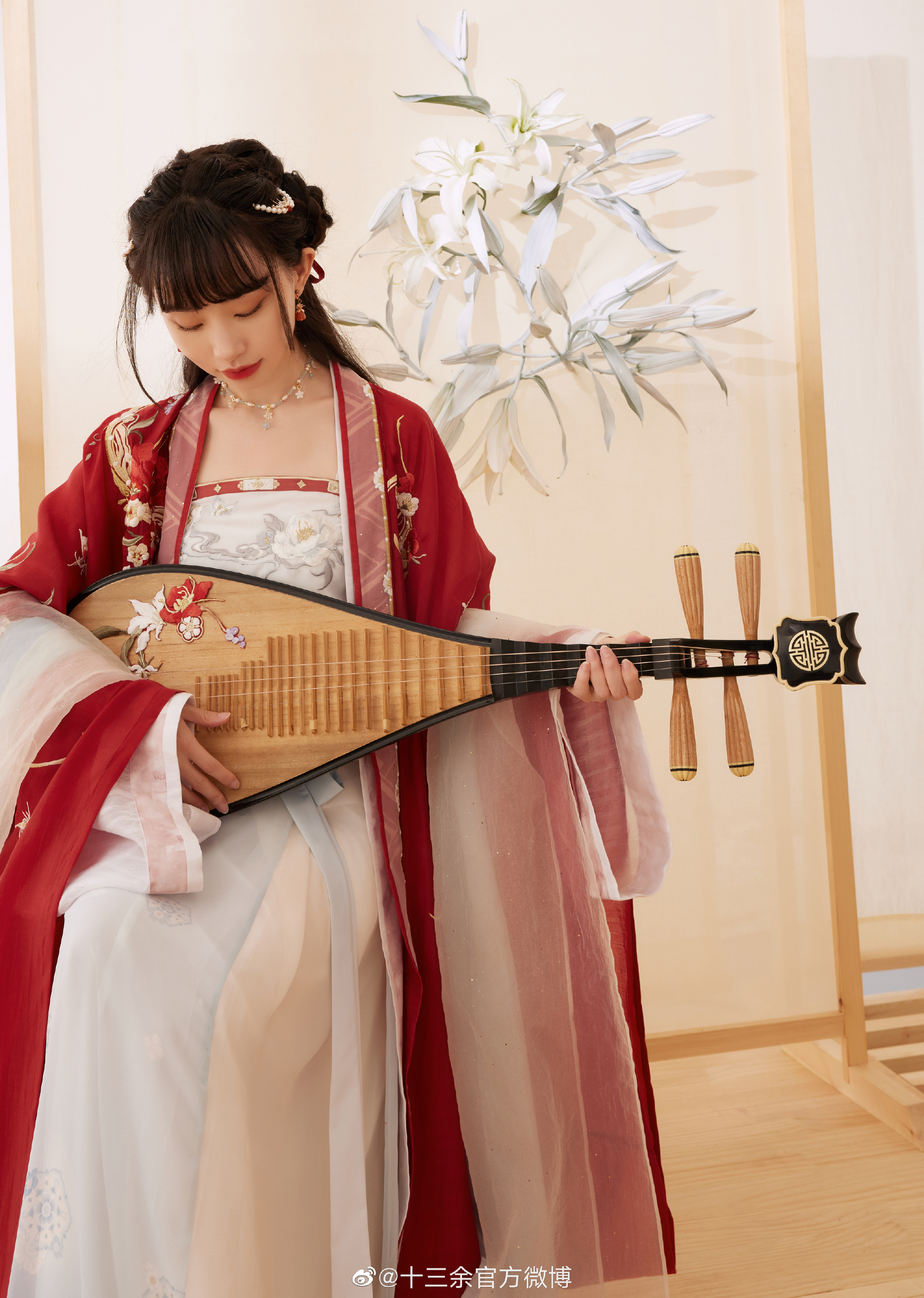
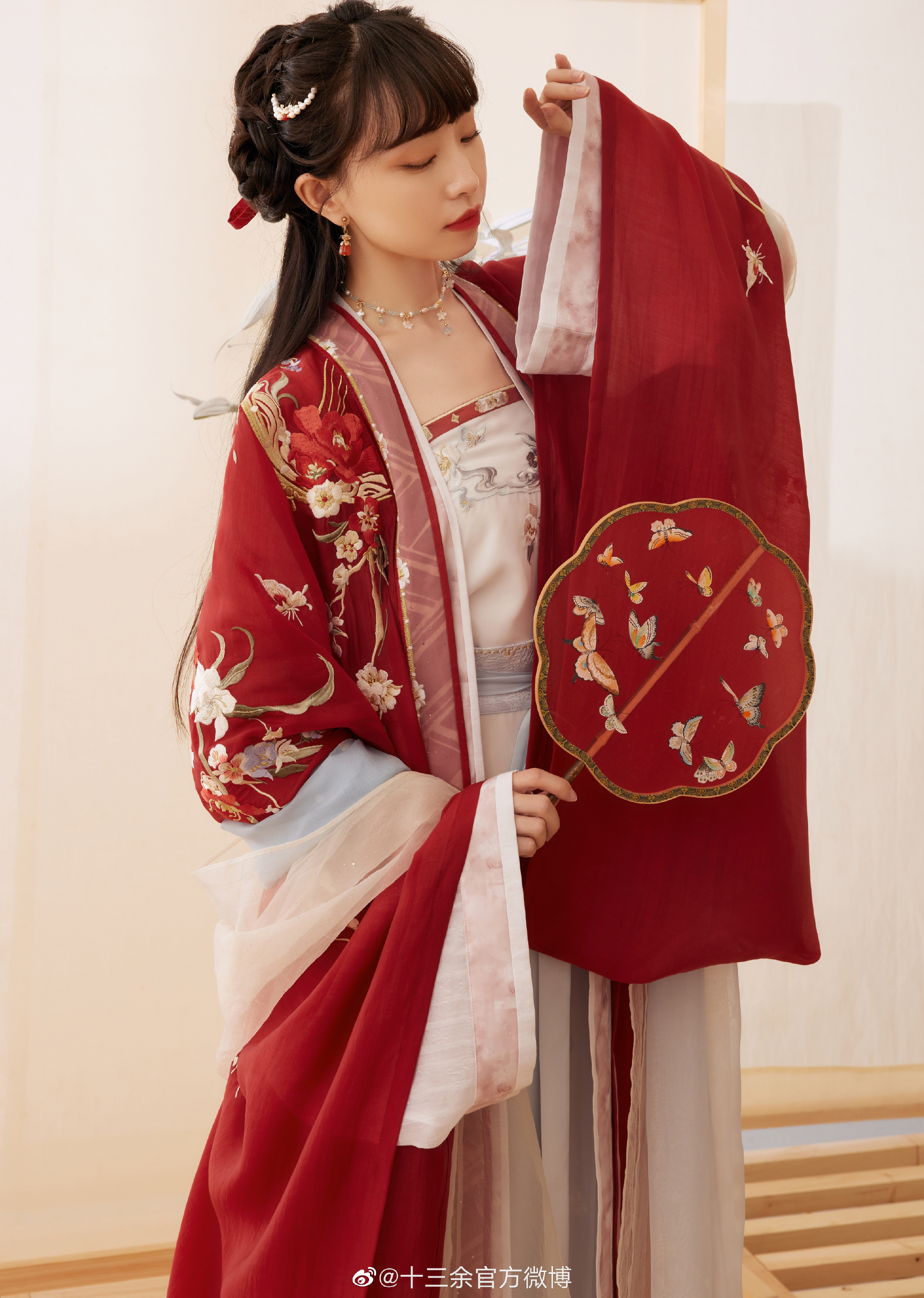
On the late of June 2022十三余官方微博More than 13 Hanfu – Han Traditional Clothing Designer store has release a new inspirational collection on three strong willed female characters in collaboration with the梦华录 A Dream of Splendour- Meng Hualu’s three female characters of Zhao Paner, Song Yinzhang and Sun Sanniang…. In this collection featuring劉亦菲 Liu Yifei- 赵盼儿 Zhao Paner….
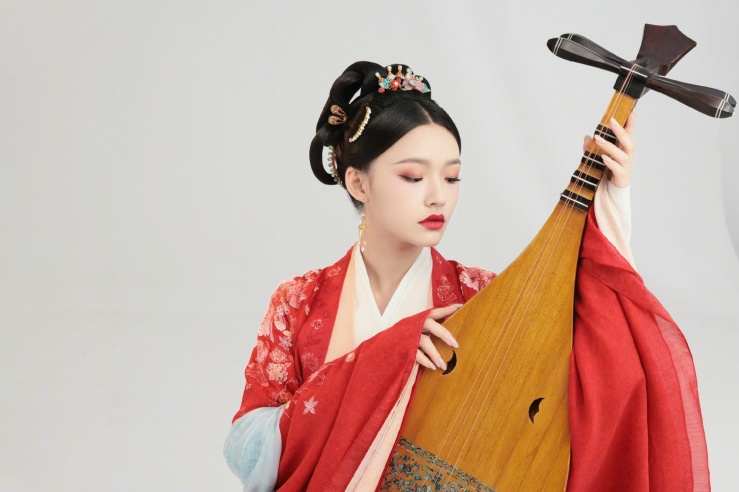
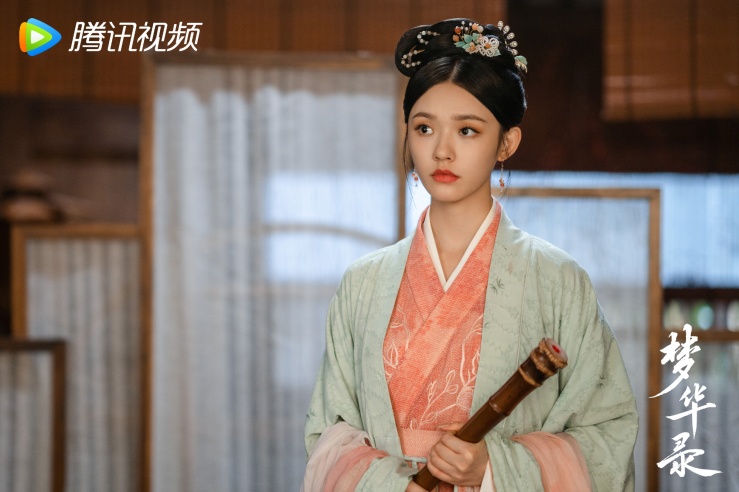
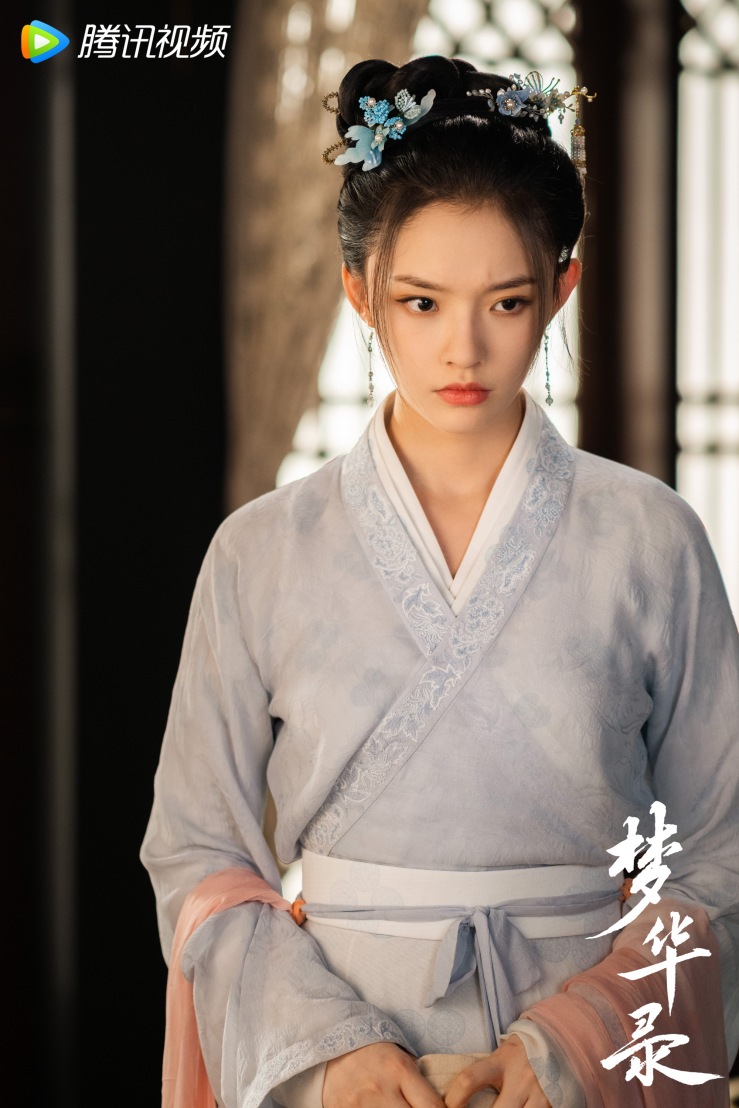
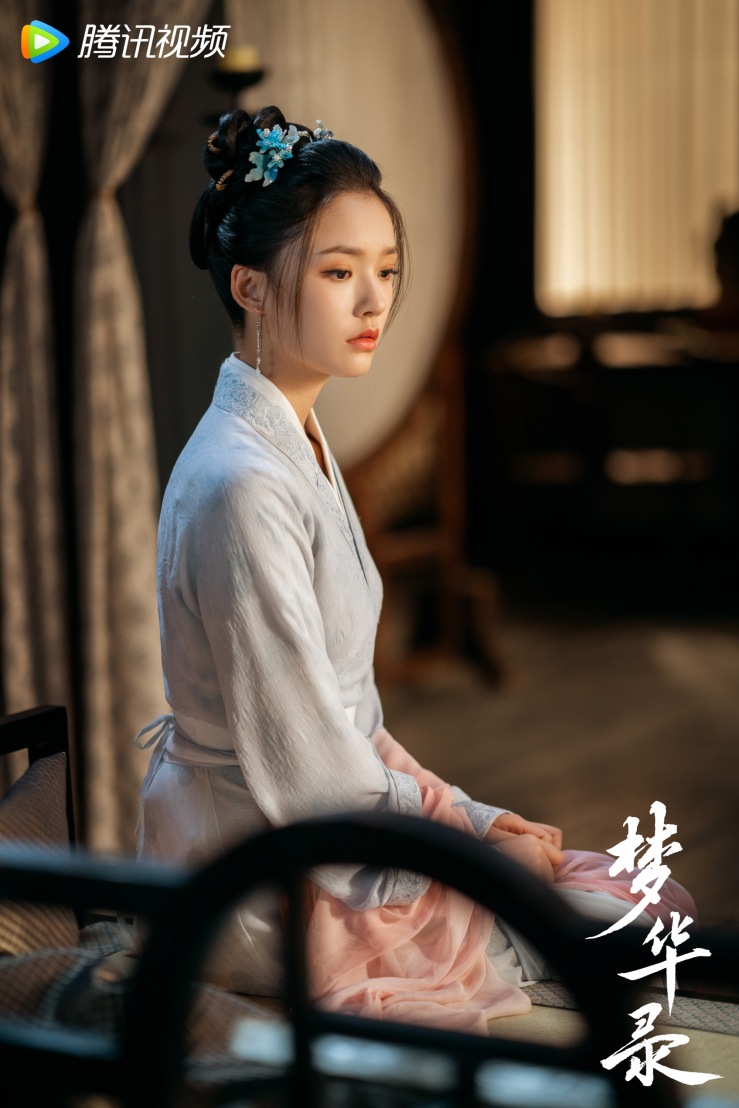
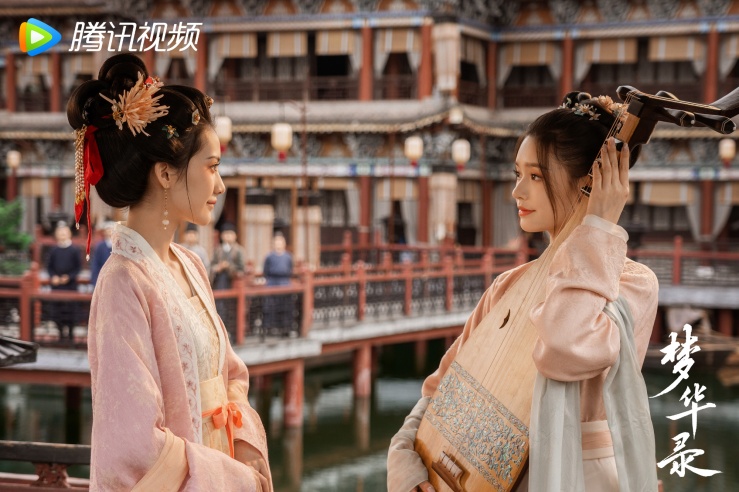
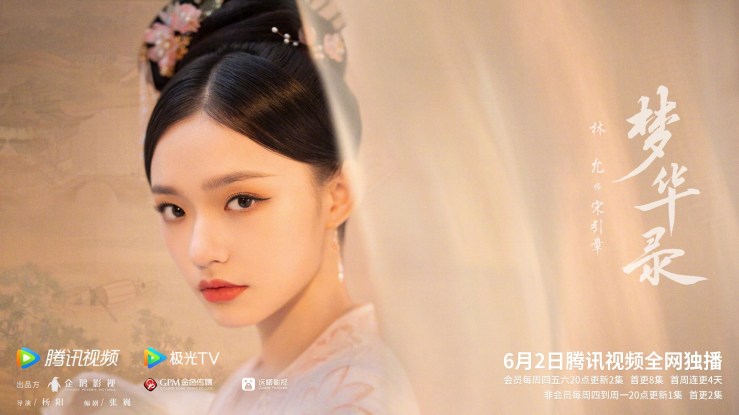
梦华录 A Dream of Splendour- 宋引章Song Yin Zhang Lin Yun (Jelly Lin), She is the teacher of pipa in the Jiaofang, a woman who was cheated and abused by marriage but later she divorce from her abusive husband During the first few episodes With wisdom, Zhao Paner rescued Song Yinzhang (Lin Yun) , the “number one pipa master in the south of the Yangtze River” who was abused by cheating marriage, later whom was by court banished from province , and a good sister of Zhao Paner. Later, she became famous in the capital with her superb pipa skills in which she is a respected and gifted Pipa Musician…
“Pipa Song Yin”
beauty is like a flower across the clouds.
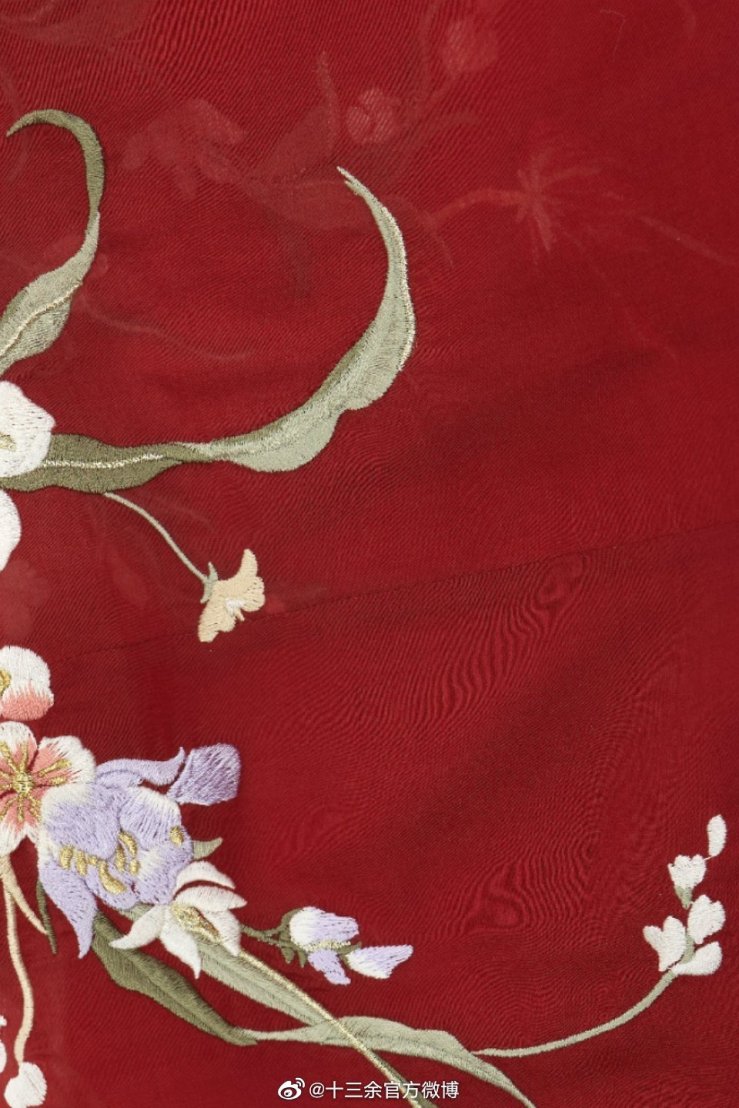
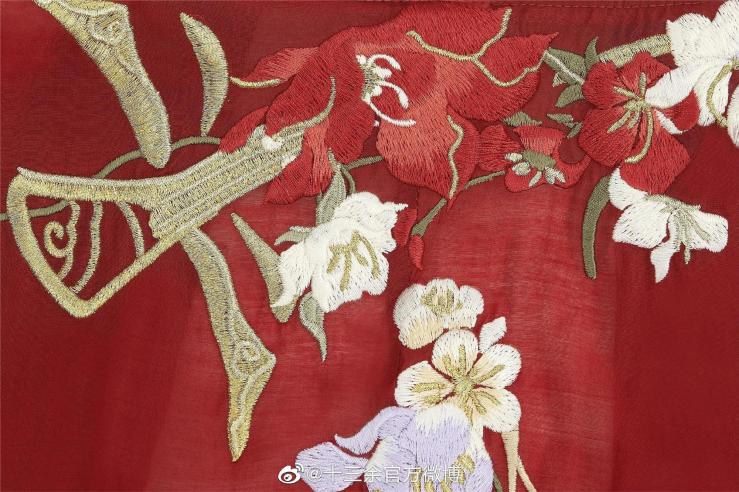
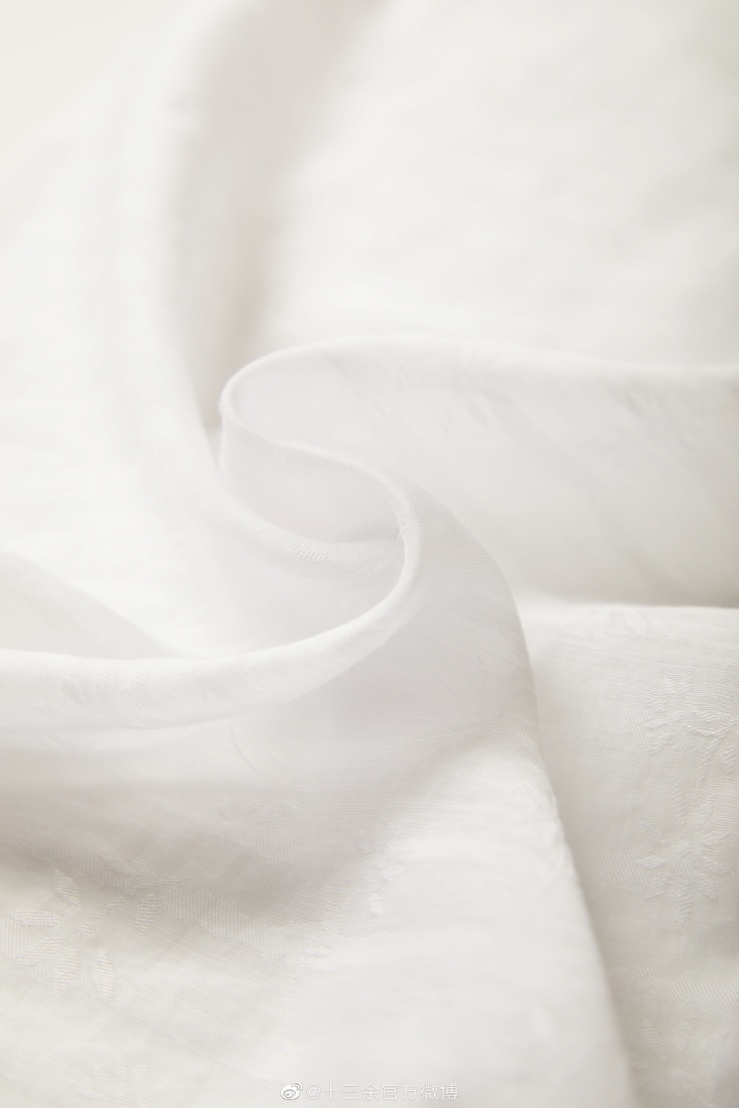
The large-sleeved shirts and cardigans are made of Tencel, with a soft texture like clouds. On the bright red clothes, the embroidery also hides Song Yinzhang’s pipa in flowers. The torn skirts and shawls are in yellow and blue colours, fluttering like a sea of clouds, and the graceful circles add to the dream. It seems that the beauty in the crowd cannot be forgotten at a glance, even if she just sits quietly alone, it is difficult to hide the beauty of the beauty.
梦华录 Meng Hualu or known as Dream Hualu2021, written on a theme premise on period drama with strong Feminine inspirationally characters in which the production finished its production and post-production on August 2021 month at the world’s largest filming production studio Hengdian – Dongyang- Zhejiang Province –China – People’s Republic of China. 梦华录 Meng Hualu
The play is based on Guan Hanqing’s Yuan verse ”Zhao Pan’er Fengyue Saves the Wind and Dust “. It tells the story of Zhao Paner, Song Yinzhang, and Sun Sanniang who have gone through all kinds of hardships and hardships. The three sisters finally managed the small teahouse into the largest restaurant in Bianjing ….. Directed by YangYang, Screen written by Zhang Wei, in which production started of 16th February- 5th July 2021 with production with Tencent – Penguin Films, Golden Media, Yuanxi Films …..
Zhao Pan’er (Liu Yifei), who opened a tea shop in Hangzhou , finally received the good news that her fiancé Ouyang Xu was looking for flowers in Beijing High School, but was abandoned. Unwilling to accept her fate, she vowed to go to Beijing to seek justice. On the way to Beijing, she had to rush to rescue her good sister Song Yinzhang (Lin Yun) who was cheated on marriage and was abused . At the same time, she also saved her marriage life on the way to Beijing, which unfortunately caused her to fall into the water. Sun Sanniang (played by Liu Yan) who committed suicide but later survived ….
When Ouyang Xu learned that Zhao Pan’er had come to Beijing to find her door, he managed to drive her out of Bianjing. Zhao Pan’er, Song Yinzhang, and Sun Sanniang decided to stay in Bianjing, relying on their own ability to make a fortune. After experiencing difficulties and various tribulations, the three sisters finally managed the small tea house into the largest restaurant in Bianjing. After arduous struggle, Zhao Pan’er saw more scenery and solved the obsession with hating Ouyang Xu. At the same time, he also opened the door of equal salvation for the humble women in ancient times
On the 30th May 2022 on continuing the topic of “beauty” today, the editor will find the exquisite and beautiful “Linghua” in the windows of the 602 year old Forbidden City together with you…… Beijing – China – People’s Republic of China- at the Forbidden City in which The weather has reached over 30 degrees in the past few days, everyone must be prepared to prevent heatstroke and cool down
Speaking of windows, its history can be traced back to primitive society. At that time, human beings lived in cave dwellings or semi-cave dwellings, with an opening at the top of the dwelling to meet the needs of lighting. With the passage of time, the window began to form as a house structure. During the Yin and Zhou Dynasties, there were cross-grid windows. In the Warring States period, the cross-grid had new changes, and slanted grid windows appeared at the same time. In the Han Dynasty, the form of windows has been greatly developed, and there are square, rectangular, and circular and so on. Not only that, there are also mullioned windows and lock windows.
Gyeonggi Ruixue Figure Fan
During the Sui and Tang Dynasties, mullioned windows began to occupy the main advantage, and in the Song Dynasty, doors and windows with a rich combination of mullioned strips became popular. Such doors and windows can not only be opened, but also improve indoor lighting and ventilation conditions, which is really convenient. After the Yuan Dynasty, sash windows that could not be opened were rare. Although there were still mullioned windows in the Ming and Qing Dynasties, they were generally no longer used in main buildings. At this time, the types and forms of windows have been greatly developed. The most common forms are the diamond window and the branch window.
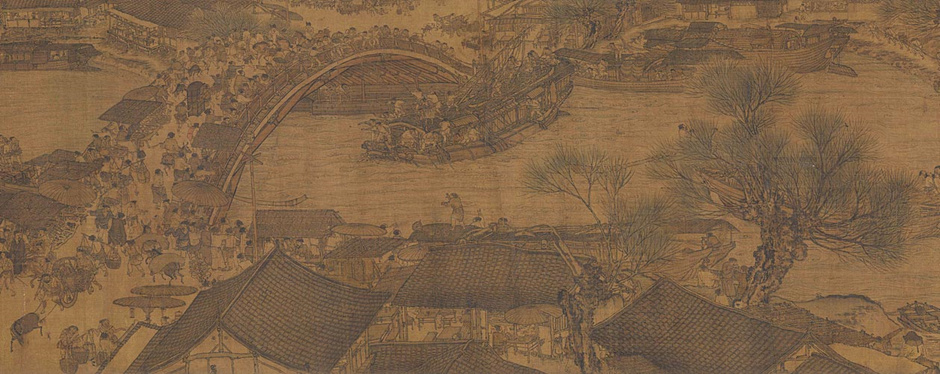
Zhang Zeduan’s Scroll of Shanghe River during Qingming Festival
In fact, the forms of windows can be said to be various in ancient Chinese architecture. If they are divided into sill windows, horizontal windows, transparent windows, elephant eye windows, wind windows, and transom windows according to their positions, there are also the above-mentioned windows. There are also various windows, such as wood windows, brick windows, stone windows, iron windows, etc., as well as real windows and fake windows by function. (blind window). It’s really diverse, and the editor feels a little dizzy….
Hall of Mental Cultivation
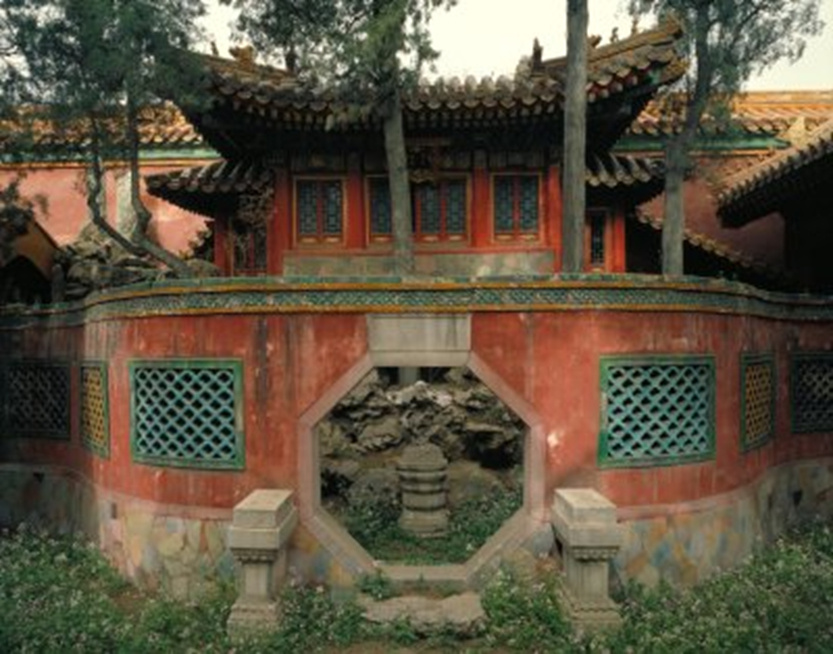
Although there are so many different windows, it is not complicated to subdivide them: For example, sill windows are used on the top of the sill wall, and the transversal windows are used on the partitions and sill windows. The most common diamond window is actually a kind of sill window. The window is a switch fan, and the heart is made of a diamond pattern. You can really tell the style from the name. The three-cross and six-bowl and double-cross four-bowl mentioned above are the two main styles of the diamond window. Among them, there are also There are different patterns. Most of the palaces in the Forbidden City use rhombus windows. Of course, in addition to the rhombus windows, there are also branch-pick windows, which are also a type of sill windows: the windows are two layers inside and outside, divided into upper and lower sections. The upper section of the outer layer can be branched upwards. The lower part can be taken off, and the panes are carved with various patterns~ It is really full of various ingenious designs~
Kunning Palace
Jiangxuexuan Fushou Wanzi Window
I believe that many readers are not unfamiliar with “three crosses and six bowls of Linghua”, so what kind of expression is this kind of door and window decoration? It is actually made up of three lattices that are crossed and connected, and the intersection is fixed with bamboo or wooden pegs and decorated into a flower center. In the orthogonal method, each included angle is 60 degrees, and in the oblique method, the median line intersects at 30 degrees. It can form various patterns such as circles, diamonds, triangles, etc., and can also be changed into balls composed of turtle back brocade lines, round lines, and petal lines. Patterned rhombus, turtle-backed brocade raspberry, six-bowl with gypsophila and mugwort raspberry, etc., are very rich in forms and are high-level forms in the decoration of ancient buildings. Most of the palaces in the Forbidden City use diamond-shaped windows, and they also use changes in form to avoid repetition. Thinking about it, I feel that the design of these doors and windows is elegant and full of whimsy…..