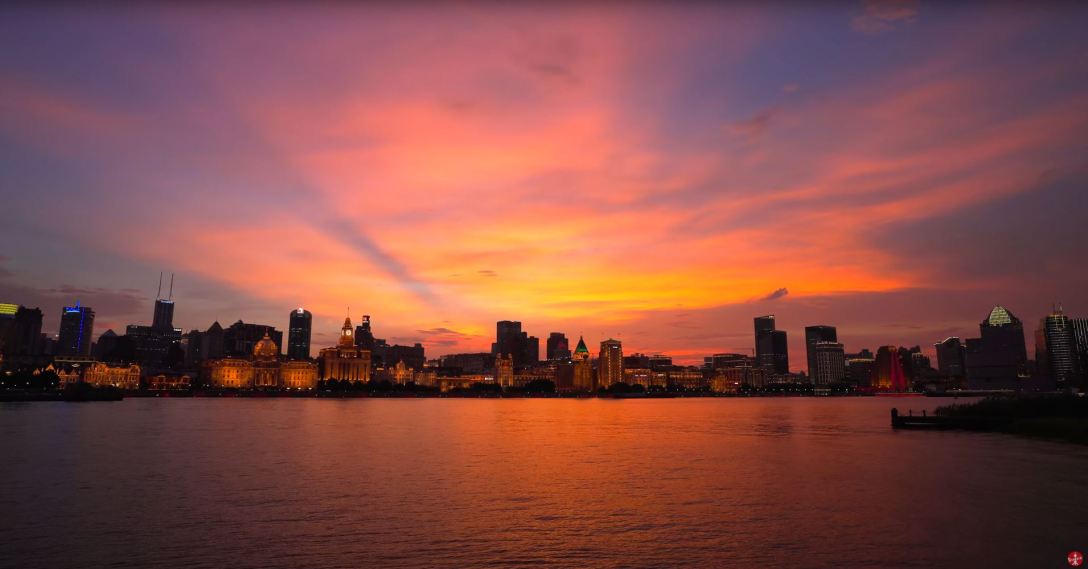
It’s Friday 8th July 2022 sunset 18.50 Beijing Time. Lujiazui– Shanghai – China – People’s Republic of China.. A very beautiful sunset Rec Shanghai Quoted “ is in front of me while I was taking a video of Lugujiazui. It is a pity that I brought only one lens.” In which he did a wonderfully skilfully sunset of the Bund of Shanghai in which Taking a video from Lujiazui.. in which Lujiazui is Shanghai’s glitzy financial district, known for futuristic skyscrapers like the Shanghai Tower, with its lofty observation deck, and the needle-like Oriental Pearl TV Tower, home to the Shanghai Municipal History Museum. The area is also noted for its luxe-hotel nightlife, with European fine dining, stylish bars and posh dance clubs offering panoramic views…..
Lujiazui is located in the Pudong New District on the eastern bank of Huangpu River. It forms a peninsula on a bend of the Huangpu River, which turns from flowing north to flowing east. The importance of Lujiazui stems from the fact that it lies directly across the river from the Bund, the old financial and business district of Shanghai, and just south of the confluence of the Suzhou Creek with the Huangpu River. Until the 1980s, Lujiazui was a relatively low-built area, featuring residential houses, warehouses, and factories…….Following the allocation of Lujiazui as a special investment zone in 1992, the development of Lujiazui’s skyline begun. This was largely driven by Chinese state owned enterprises investing and developing the property within the area, with the inaugural landmark, the Oriental Pearl Tower, being completed in 1994.
▶Timestamps 0:00 Intro 简介 0:40 Sunset on the Bund 外滩夕照 4:00 Start of lighting up the Bund 开始点亮外滩
Rec Shanghaiis about his walking, driving, riding running around views of China – People’s Republic of China sharing his immersive experiences in his video hope you could have a pure view about China today, sharing some 4K UHD videos to show pure China daily scenes for you I shoot in….
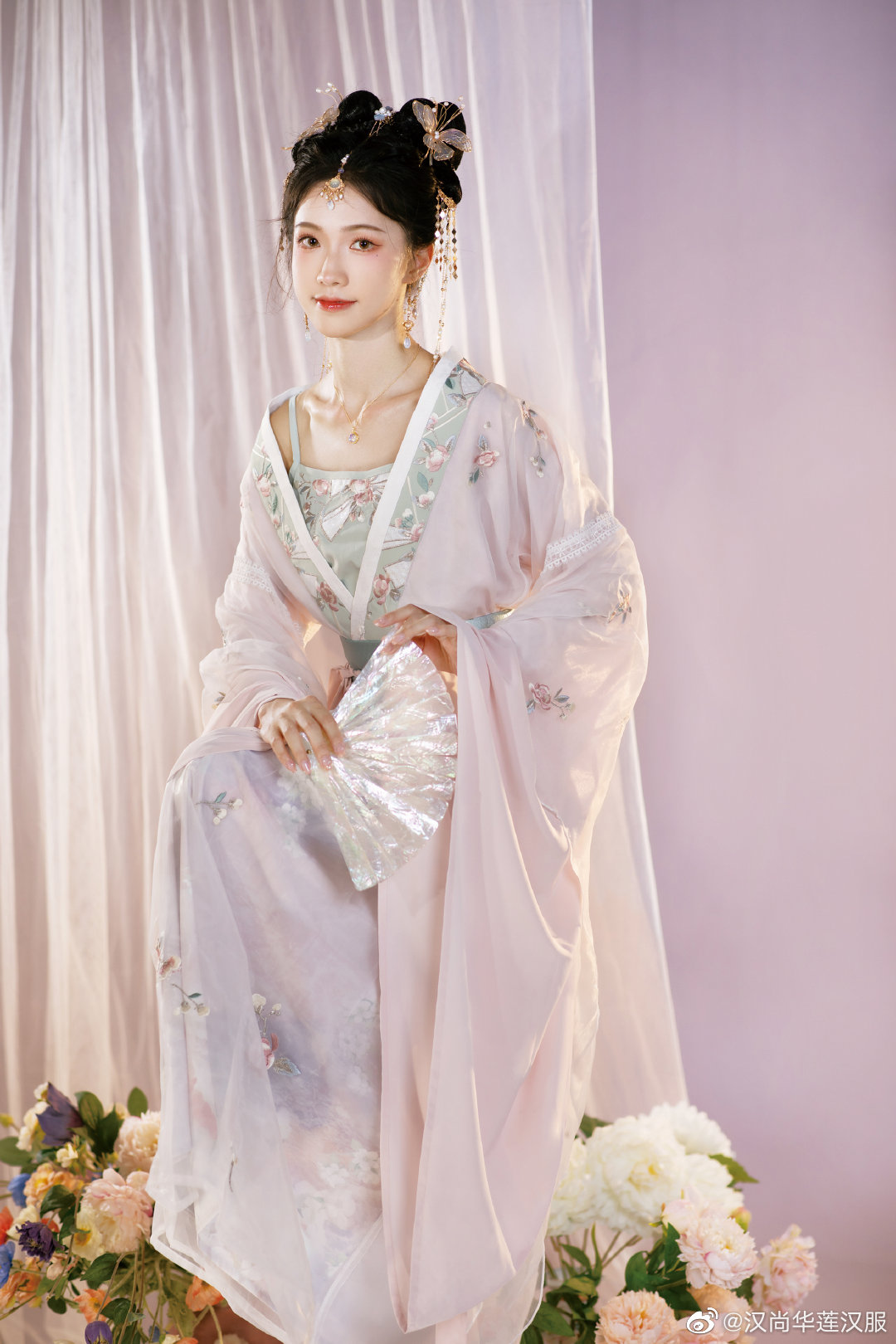
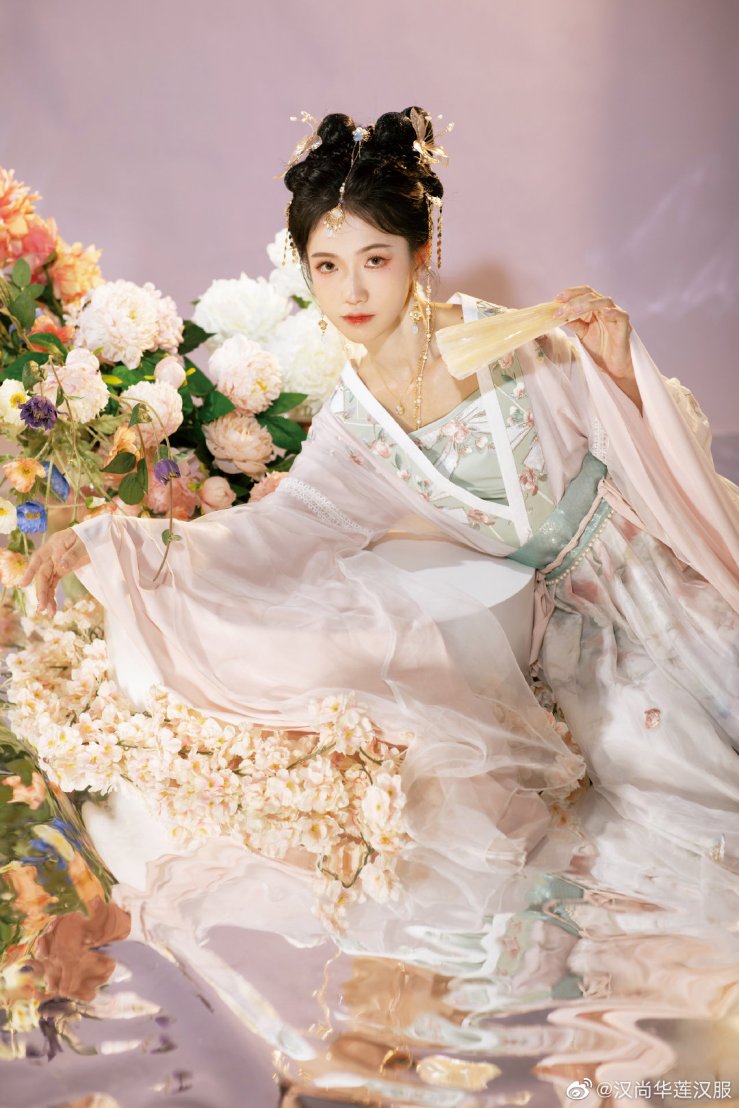
Featuring is in between various collections of Hanfu in between various dynast Dynasty style Hanfu of汉尚华莲汉服 HanShangHualian- Guangzhou Hanlian Trading Co., Ltd… of the new of Hanshang Hualian Hanfu Colorless Zhanzhong in which the featured collection will be the shelves on the online and store shelves on time…
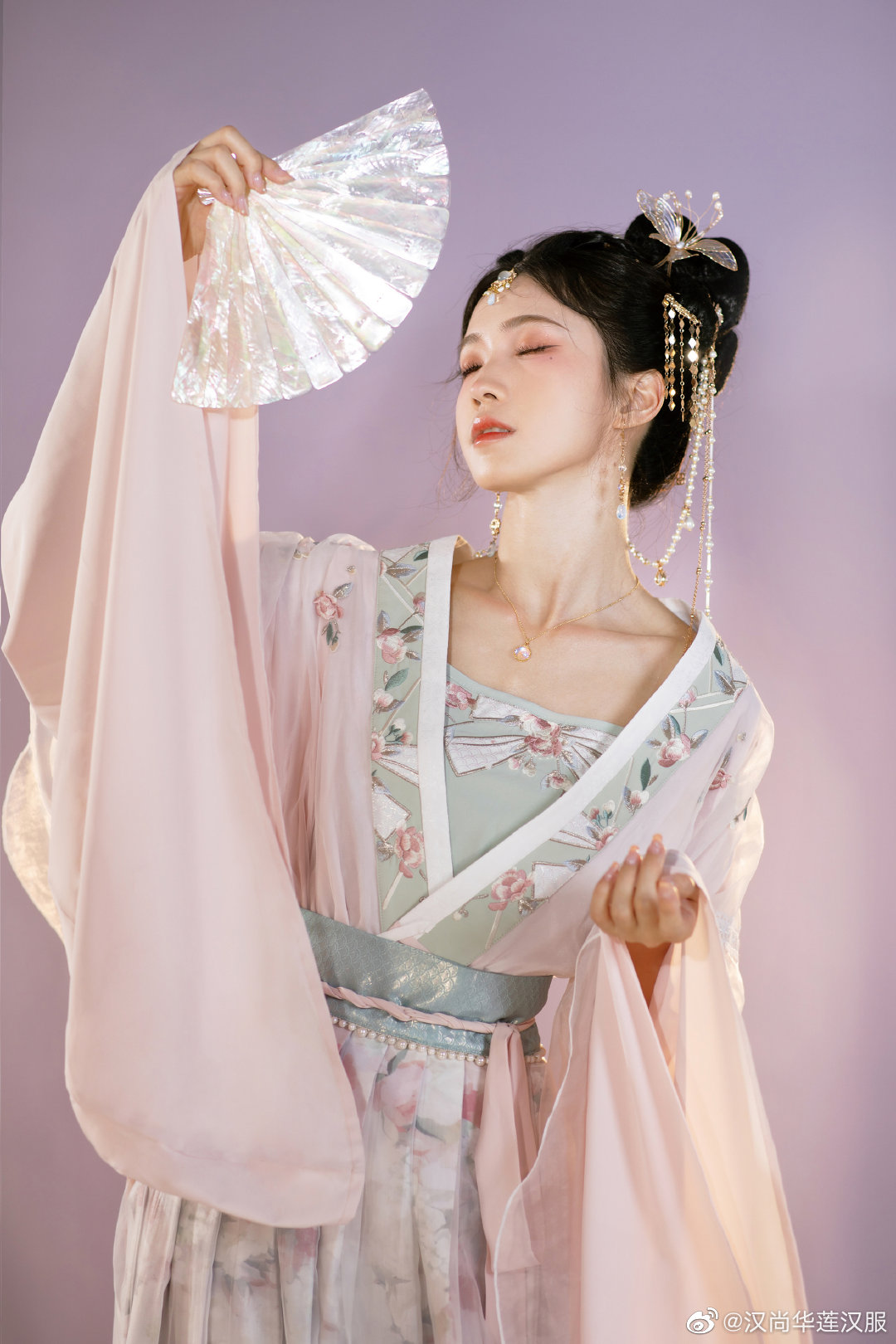
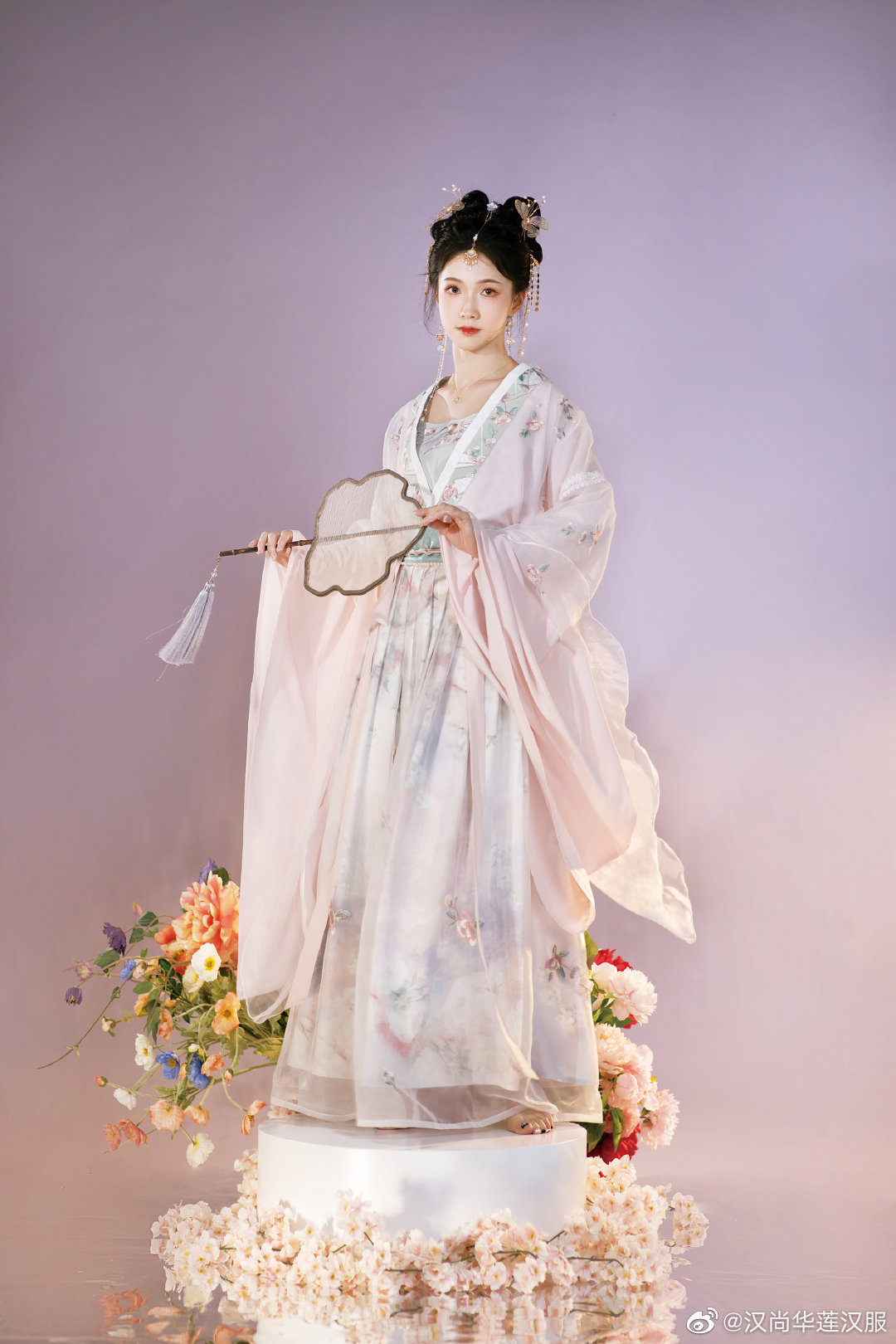
The Song Dynasty Han Traditional clothing July 2022 collection features from various selection from the Song dynasty with featuring modern elements of causally wearing post –modern or modern Hanfu – Han Traditional clothing in which the skirt is very knee length shorter with while remainingly the cute style and degree of that era with sense of practically the collection is set to be release on July 27th 2022 for the August 2022 release inspired by gentle evening wind will always blow away many disappointments with Butterfly dances with snowing blossom flowers…
elegantly embroidered suspenders – the gray-green suspenders are embellished with fresh embroidery, which makes you feel elegant with a Scholarly inspiration
with fairy embroidery big sleeves – soft pink inner layer with white The outer layer is embellished with exquisite embroidery, which makes it even more fairy-like, elegant and
dreamy. Embroidered pleated skirt-the double-layer skirt is scattered with flying flower embroidery, as if walking through the spring misty mountains
HanFu- Han Dynasty Clothing is making a massive come back in the Asian Chinese communities as youths reliving In recently decades there’s been very much strong revitalisation of Chinese Customary tailoring clothing in which is HanFu- Han Dynasty (221-206 BC) period inspired clothing in which was worn just before the fall of the Ming Dynasty (23 January 1308 to 25 April1644, until a North East Manchurian fashion that have taken over the traditional Han Dynasty fashion in which we known till today that’s the Qipao in which have been fashionable evolving on the same path also…. Like a Qipao, HanFu can be worn every day, as work wear, till as evening wear… It also it comes in various forms as to the nature of activity of the day or night…
Images and visuals are from汉尚华莲汉服 HanShangHualian- Guangzhou Hanlian Trading Co., Ltd
零青子Hanfu – Han Dynasty Clothing blogger –Vlogger based in historical modern richness of two thousand and four hundred year old ultra megapolis ancient – postmodern Chengdu city Sichuan province of China – People’s Republic of China. She is one of many leading fashion blogger-Vlogger fashionably trending setting vlogs of how to wear of her collection of sort after Chinese –Han Dynasty Clothing of Hanfu- Han ethnic Traditional clothing in which dressing traditional from various dynasties to its postmodern twentieth first century trending setting ….
零青子 shows how to wear a Han Traditional Ming Dynasty era Wedding Dress without the crown in which is similar to the an female Ming Dynasty official or towards the Empress wears most luxurious wedding dress is called Dashan Xiapei (大衫霞帔) in which when a Commoner Woman gets married she can enjoy the honour of wearing the phoenix crown and Xiapei
First is how to wear the Horse-face skirt, also known as “horse-face pleated skirt” is a Swirl Skirt variant, is one of the main skirt styles of ancient Chinese Han women. There are four skirt doors inside and outside, overlapping in two. The outer skirt door is decorated, and the inner skirt door is decorated with little or no decoration. For decoration, the side of the horse-faced skirt is tucked up, and the waist of the skirt is mostly white cloth, which means white head and old age, and it is fixed with rope or button…..
The horse-main skirt is the most typical style of Han women’s dress during the Ming and Qing Dynasties. Its style has undergone a series of changes from the freshness and elegance of the Ming Dynasty to the magnificence and wealth of the Qing Dynasty to the beauty and simplicity of the People’s Republic of China, but its “horse-faced” structure has always been deeply ingrained….,
During the Ming Dynasty Most women wore three collars with narrow sleeves during this dynasty. This is what made up their upper clothing most of the time. Pleated skirts were also popularized in this period and made clothing more graceful for women. Light colours became very popular during the start of the Ming Dynasty. Embroidered capes also became part of the ensemble for women’s clothing. It was worn over the shoulders which were called “Rosy Cloud Cape” due to its rosy and cloud-like shape.
How to wear a Ming Dynasty urban wear every day wear clothing on for a every day wear first apply the undergarment in which is the Short front Button Cami with the undergarment skirt/ long bloomers with soft silk Swirl Skirt in very simple pastel colours fabrics with fun Printed playfully keeping warm and cool throughout the seasons then apply wearing the Sheer Fabric Shirt 竖领对襟纱衫in which it has a Standing Collar with opening shirt with Sheerness Standing collar . 披風 Pi Feng The sheerness is general worn at private areas at Home in which the sheerness is informal wear.. However there’s a heavier moderate for formal wear for urban wear.
HanFu- Han Dynasty Clothing – Han Traditional Clothing is making a massive come back in the Asian Chinese communities as youths reliving In recently decades there’s been very much strong revitalisation of Chinese Customary tailoring clothing in which is HanFu- Han Dynasty (221-206 BC) period inspired clothing in which was worn just before the fall of the Ming Dynasty (23 January 1308 to 25 April1644, until a North East Manchurian fashion that have taken over the traditional Han Dynasty fashion in which we known till today that’s the Qipao in which have been fashionable evolving on the same path also…. Like a Qipao, HanFu can be worn every day, as work wear, till as evening wear… It also it comes in various forms as to the nature of activity of the day or night…
Images visuals are from Weibo and their respectives of 零青子.
Changsha, the capital of central China’s Hunan province of China – People’s Republic of China , is a large city with a history dating to the Zhou dynasty (1046–256 B.C.). Today it’s known for its rare collection of excavated Western Han dynasty tombs, known as the Mawangdui. It’s also associated with Mao Zedong, who studied and lived here before joining the Chinese Communist Party in the 1920s.
July 2022 Changsha hot humid summery season
Changsha is an Internet celebrity city in central my country. Whether it is stinky tofu or Hunan Satellite TV variety shows, it is almost a household name in China, such as Juzizhoutou, Yuelu Academy, Wenheyou and other Internet celebrity IPs,
It is a must to check in when visiting Changsha. What measures the height of a city? Economy, culture, talent, system… Of course, including towering skyscrapers A wider view than the sky Only the ambition of people to keep building miracles such as Changsha The beautiful Xiangjiang River creates two sides of the river Unique landscape city environment Heaven has reserved infinite imagination for Changsha’s skyline Construction works on both sides of the Xiangjiang River, and high-rise buildings emerge from the ground undulating lines Outline every arc over the star city This is the unique scenery of the city When Skyscrapers Become Tropical Rain-forests Fireworks on the ground, the sky is magnificent A cement forest that breathes silently during the day At night, it turns into a neon flashing, full of colourful eyes Changsha becomes “New York” and “Los Angeles” Let’s feel the sky with the skyline lifting up the star city.
Walk East | Max Channelis about his walking, driving, riding running around views of China – People’s Republic of China sharing his immersive experiences through videos, he wishes hope you could have a pure view about China today, sharing some 4K UHD videos to show pure China daily scenes for you….…. BEST VIEWED ON 2160px60
Let’s go back to the Forbidden City this week and take a look at the interesting roofs in the Forbidden City~
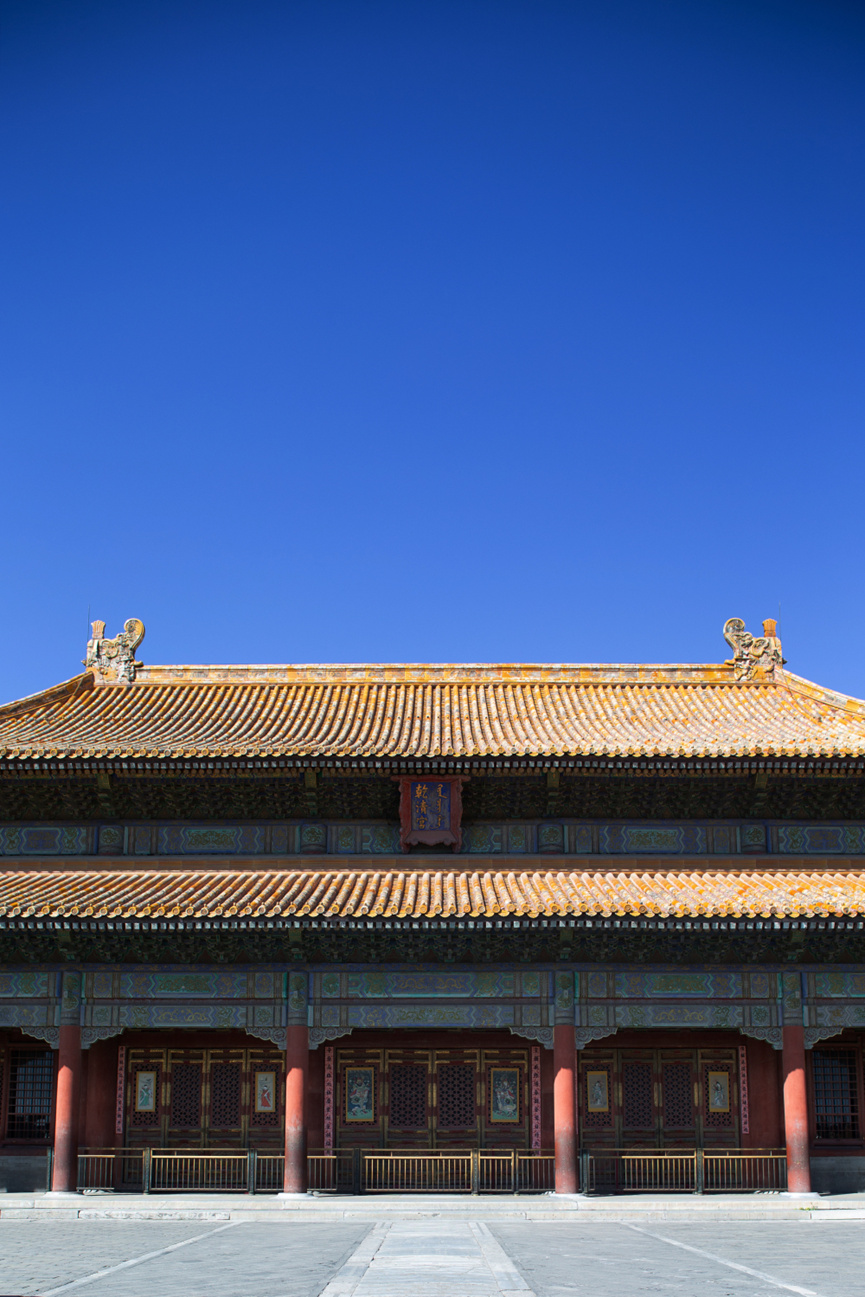
Hall of Supreme Harmony
Speaking of the various palaces, halls and halls, pavilions and corridors in the Forbidden City, from the outside, these roofs look very similar, almost all of them are glazed tiles. But a closer look reveals that these roofs actually come in a variety of different types. For example, the main palace used by the emperor not only has a tall base and a magnificent shape, but also has special decorations on the roof, while other houses are not only small in size, but also not too complicated in roof decoration. The side halls and the bungalows will be different according to the status of the main palace, and the roof style will also be different. So today, let’s take a look at the various roofs in the Forbidden City with you~
South Sansuo
Yuhua Pavilion
The first one is the “Dianding Roof”. Those who are familiar with the architecture of the Forbidden City should be familiar with this roof. It is suitable for rectangular buildings. Since the face width is longer than the depth, the front and rear slopes of the roof become positive ridges. In the Qing Dynasty The “Engineering Practice” called it “big ridge”. The left and right slopes intersect with the front and rear slopes to form four vertical ridges, so the single-ridged temple is also called the “Five-ridged Hall” of the four major slopes. In addition, there are two layers of eaves called “double eaves hall”. The top of the double-eave roof is the most noble form of roof style. The Hall of Supreme Harmony that everyone is most familiar with is the roof of the double-eave roof.
Fengxian Hall
Next is “hard top and hanging top”. The hard top is on the two ends of the base of the house foundation. Build the gable to the top, and build the purlin into the gable to seal it, so that four vertical ridges and two slopes will be formed. roof. Hanging tops (also known as “pick tops”), the roof form is generally the same as the hard tops, but also has a positive ridge, four vertical ridges and two slopes. The difference between the two roofs is that the purlins of the roofs extend beyond the gables, and the wind panels are nailed along the two purlin heads to protect the purlins from decay and also protect the gables. This design is really very delicate, considering the appearance and protection.
Emperor Palace
Yunguang Building
The Yunguang Building is in the shape of a curved ruler, leaning against the palace wall in the west, folded from north to south and then eastward. There are two floors up and down. The north side of the upper roof is the Xieshan Peak, and the east side is the Hard Peak.
Concord Gate The Xiehe Gate is a house-style gate, with yellow glazed tiles and single eaves on the top of the mountain.
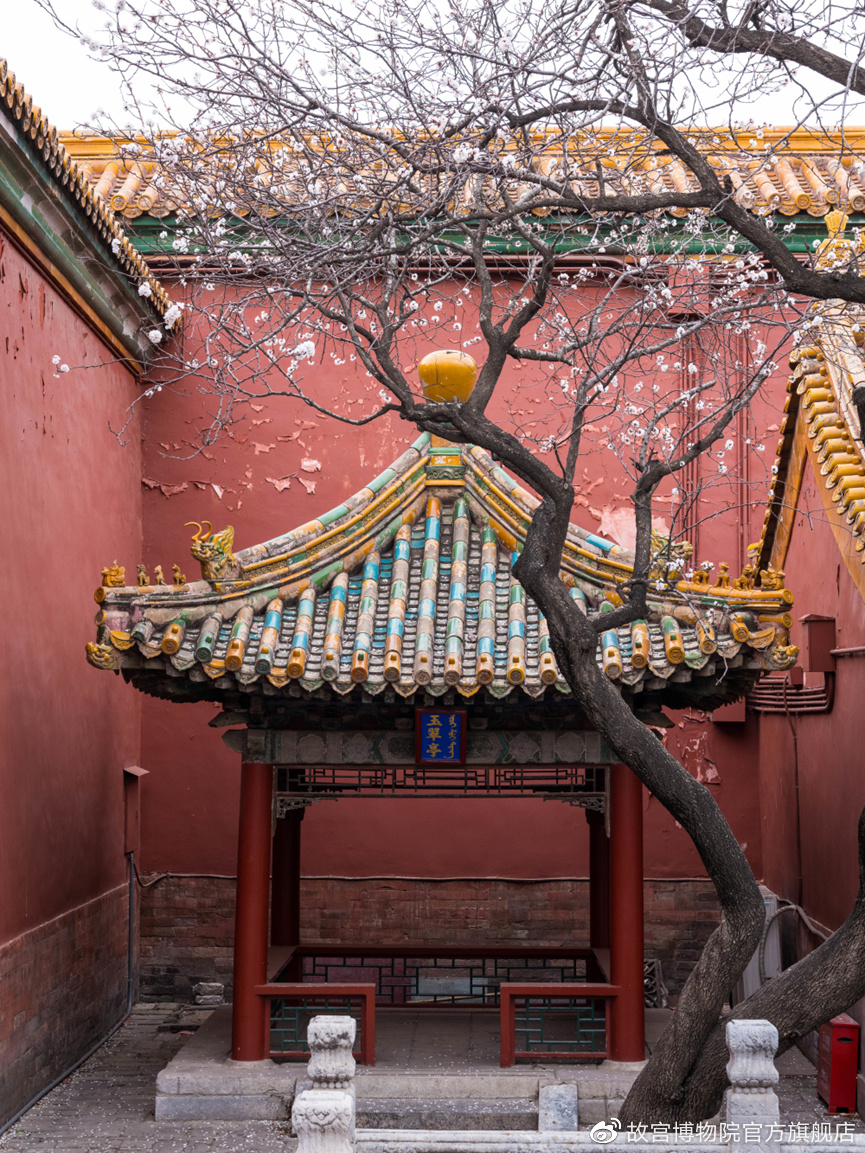
There is also a roof design that combines the top of the temple and the top of the hanging mountain, that is, the “Xieshan Peak”. On the upper part of the roof, the four vertical ridges at both ends of the main ridge are similar to those on the top of the hanging mountain. The lower part of the roof has four ridges plus the main ridge, a total of nine ridges, so it is also called “Nine Ridges Hall”. There are also single eaves and double eaves on Xieshan Peak. In addition to the Xieshan Peak, there is also a “Zanjiao”, which is generally used for square plane buildings, and its form is divided into four-corner Zanjiao and round Zanjiao. The four-cornered pointed roof is divided into four equal parts, with four vertical ridges on top of the Anbaoding. The round and pointed roof has no ridges, and the roof tiles gradually shrink from bottom to top, which is called “bamboo roof”. Seeing this, the editor thinks that the roof really contains a lot of interesting little knowledge. When you come to visit, you might as well take a look at which roofs are in the Forbidden City~