

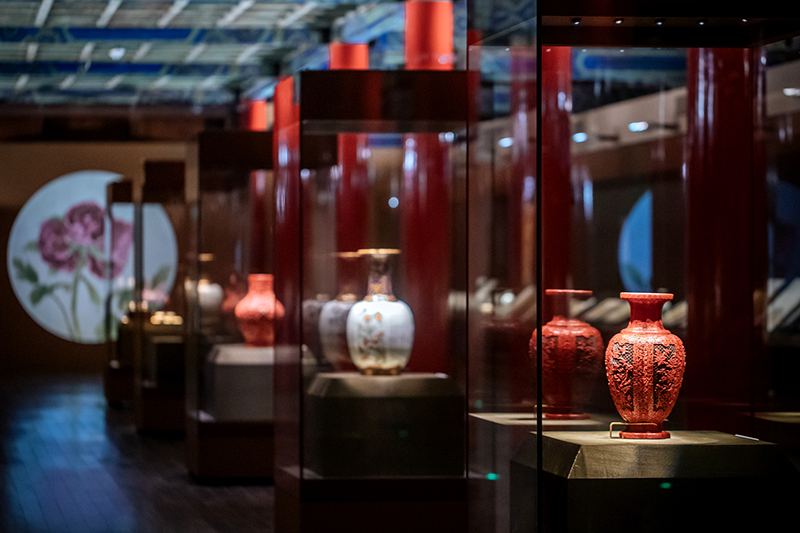
At the moment currently during the Month of May 2021 opening at the 1st May 2021, within the Forbidden city Palace– Beijing- People’s Republic of China in the Palace halls of WuyingHall in which is Two years later, the Ceramics Hall of the Palace Museum reopened to the audience in Wuying Hall on May 1, 2021. The new ceramic hall moved from the Wenhua Hall to the Wuying Hall, and innovated in terms of exhibition space, content theme design, number of exhibits, and the integration of display forms with ancient buildings, and strive to give the audience a brand-new look and feel and experience the profound and profound China. The charm of ceramic culture. China’s FAW Hongqi brand has become the only auto brand in the exhibition.

On April 30, the opening ceremony of the Ceramics Museum of the Palace Museum was held in the Wuying Hall of the Palace Museum. Wang Xudong, member of the Party Leadership Group of the Ministry of Culture and Tourism and Dean of the Palace Museum, Chen Xu, Secretary of the Party Committee and General Manager of FAW Hongqi Automobile Sales Co., Ltd., Old leaders and experts attended the opening ceremony, and the event was hosted by Du Haijiang, Secretary of the Party Committee and Vice President of the Palace Museum.
Wang Xudong, member of the Party Leadership Group of the Ministry of Culture and Tourism and Dean of the Palace Museum, said in his speech that in recent years, ceramic researchers in the Palace Museum have developed a series of outstanding issues in the ceramics field based on the rich collections, combined with the latest archaeological excavations and scientific and technological testing methods. Research and obtain fruitful academic results, show and publicize the profound and profound Chinese ceramic culture to the general public. The fruitful results of these academic researchers have provided strong academic support for the renovation of the ceramic museum. In the first year of the “14th Five-Year Plan”, the Palace Museum will fully, accurately and comprehensively understand and implement the new development concept. With the support of the construction of the “Four Forbidden City”, it will continue to promote the creative transformation and innovation of the excellent traditional Chinese culture carried by the Forbidden City. Develop and achieve high-quality development of the Palace Museum.
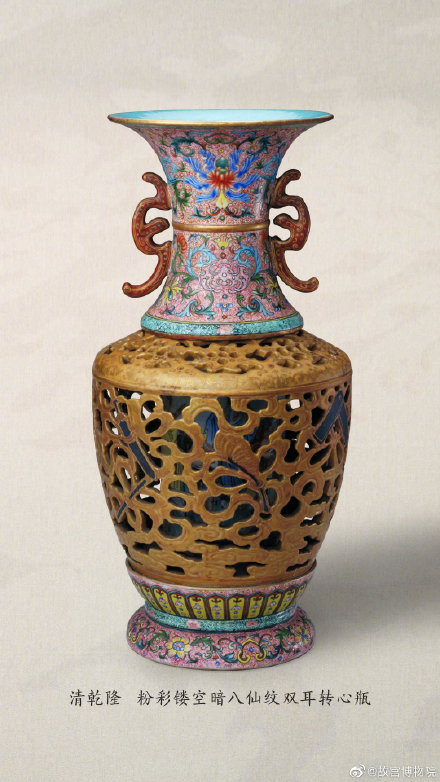
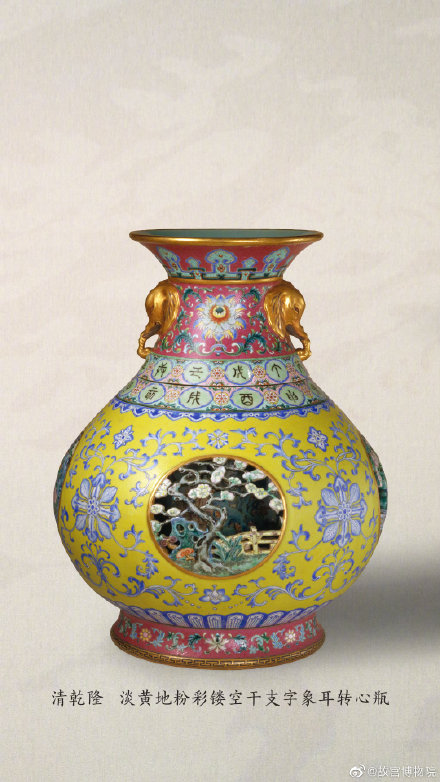

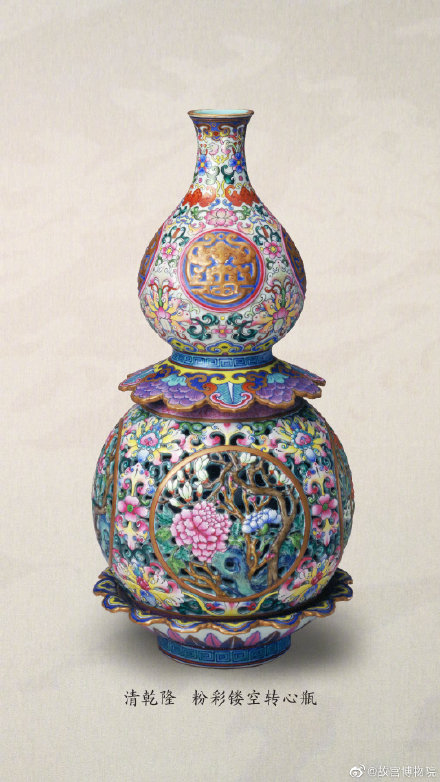
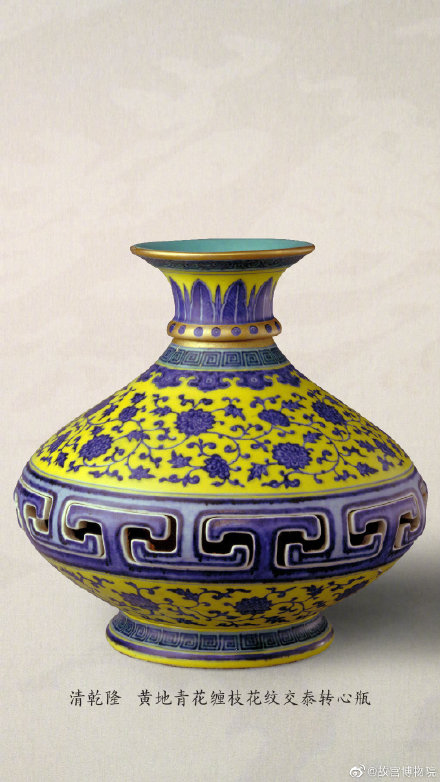
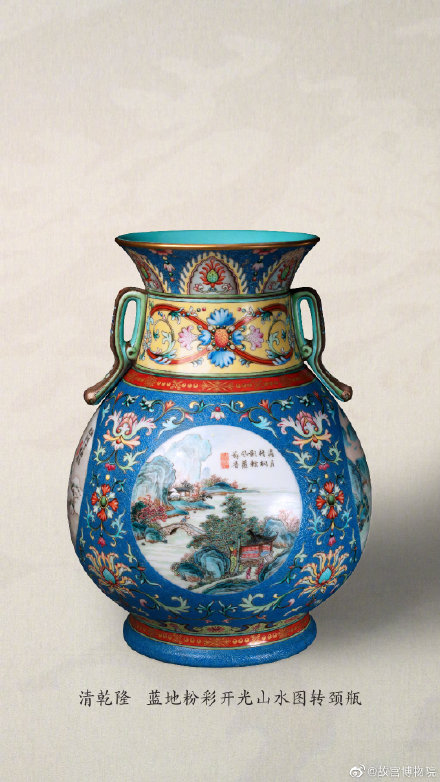

Chen Xu, Secretary of the Party Committee and General Manager of FAW Hongqi Automobile Sales Co., Ltd., stated that, adhering to the purpose of “craftsmanship and innovation”, the Hongqi brand started strategic cooperation with the Palace Museum in 2019. The cooperation between the two parties is a demonstration of the strength of Chinese brands. The charm of Chinese culture and the cross-border cooperation to create cultural classics is a collision between outstanding cultural representatives of the automobile industry and traditional culture. At the same time, the Hongqi brand, which is similar to the ancient Chinese craftsmen, is also writing the history of the development of China’s national automobile industry with superb skills, leading Chinese national brands to make breakthroughs
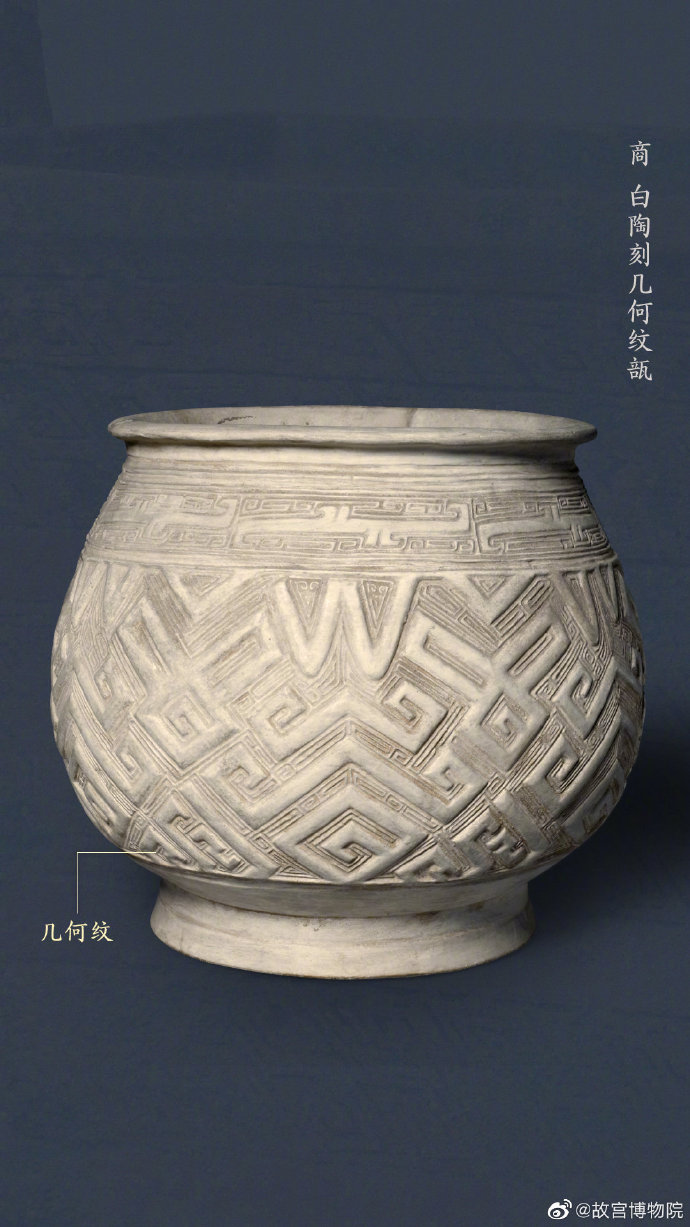
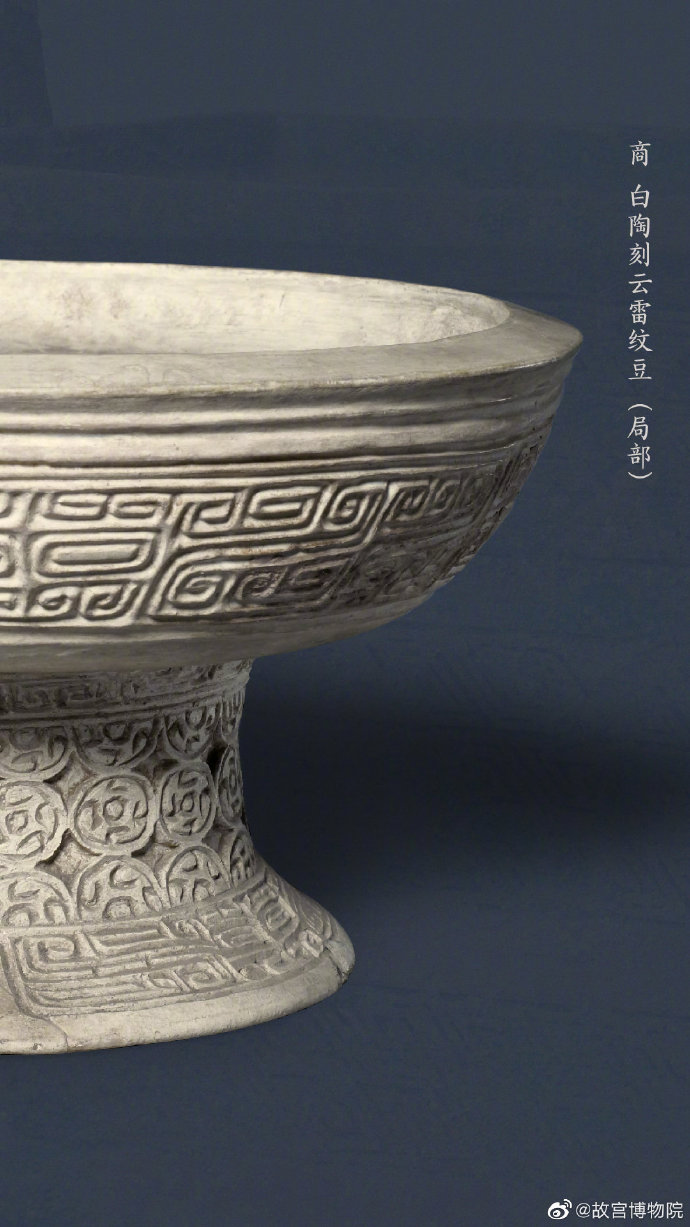
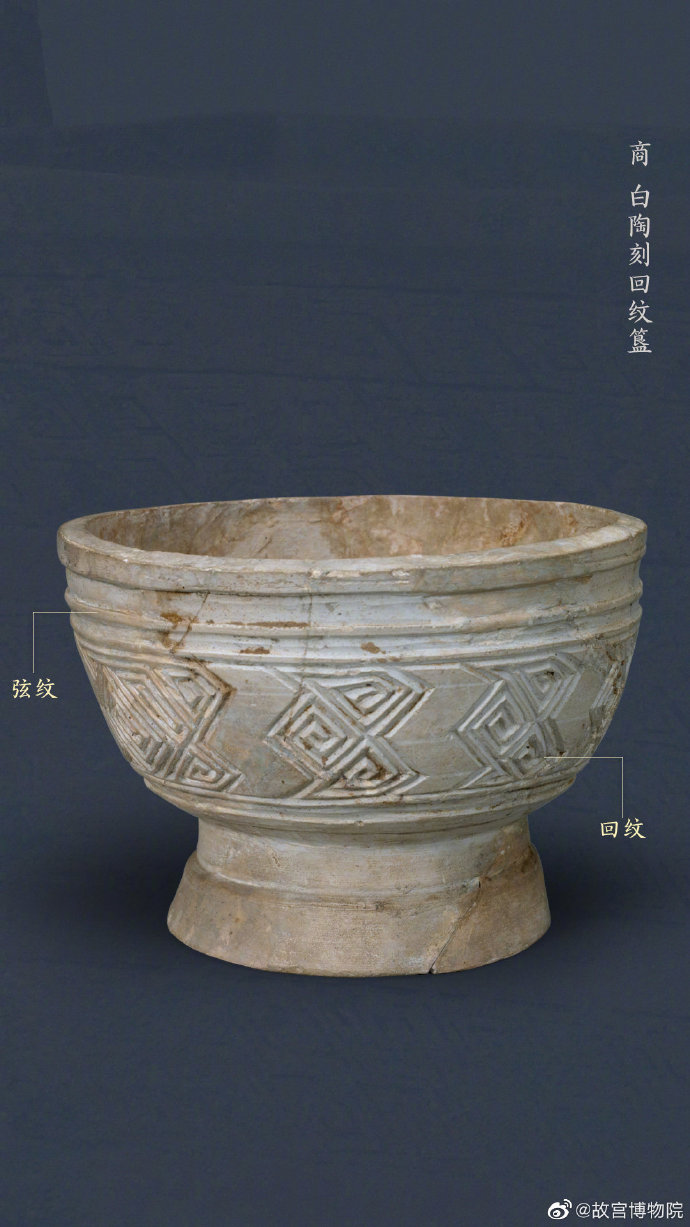
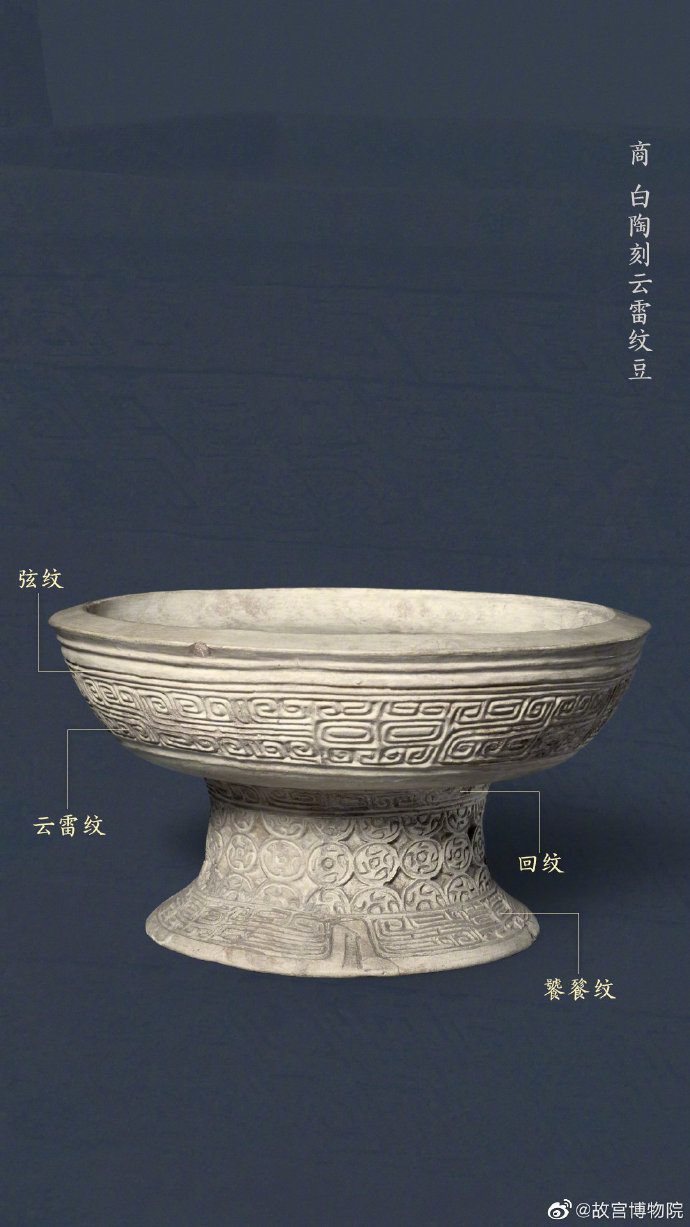
One of the many exhibit ceramics is Entering the Shang dynasty part of the 古宫瓷馆 exhibition hall, you can see several exquisite and detailed white pottery exhibits. Historical records record the Shang dynasty as “shangbai”, so white pottery with white and delicate crafting, regular shapes, and similar shapes and patterns to bronze wares at that time appeared during this period. The white pottery of the Shang Dynasty was a special product for the royal family and nobles.
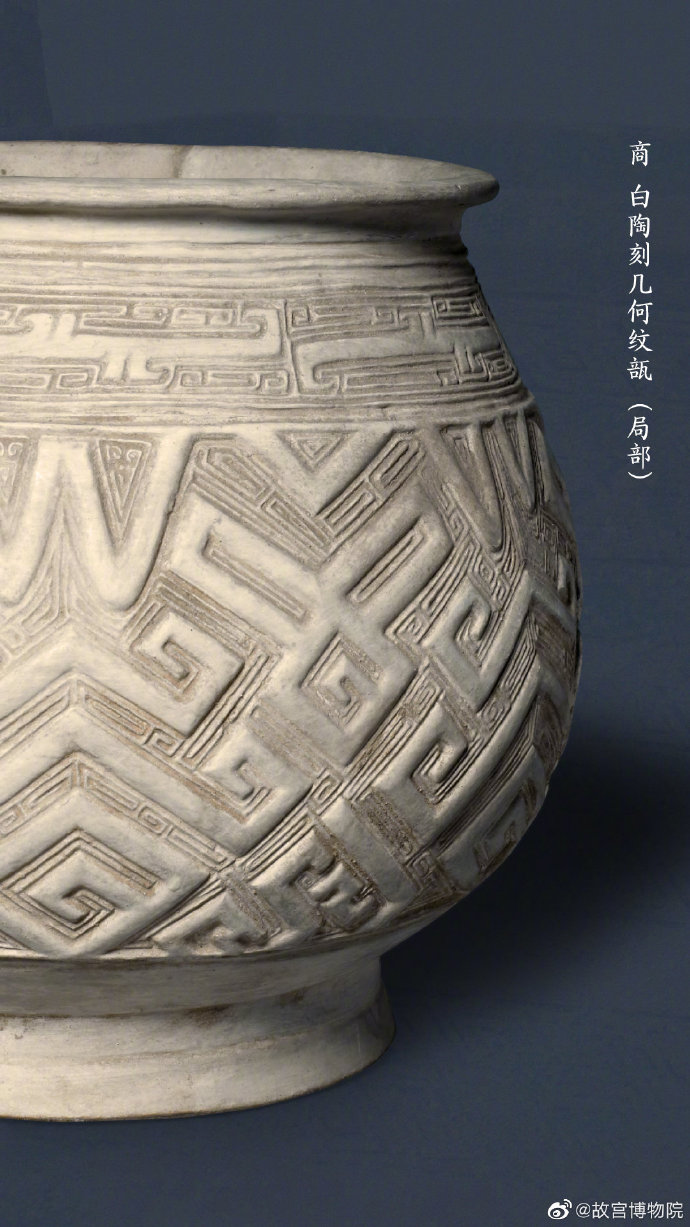

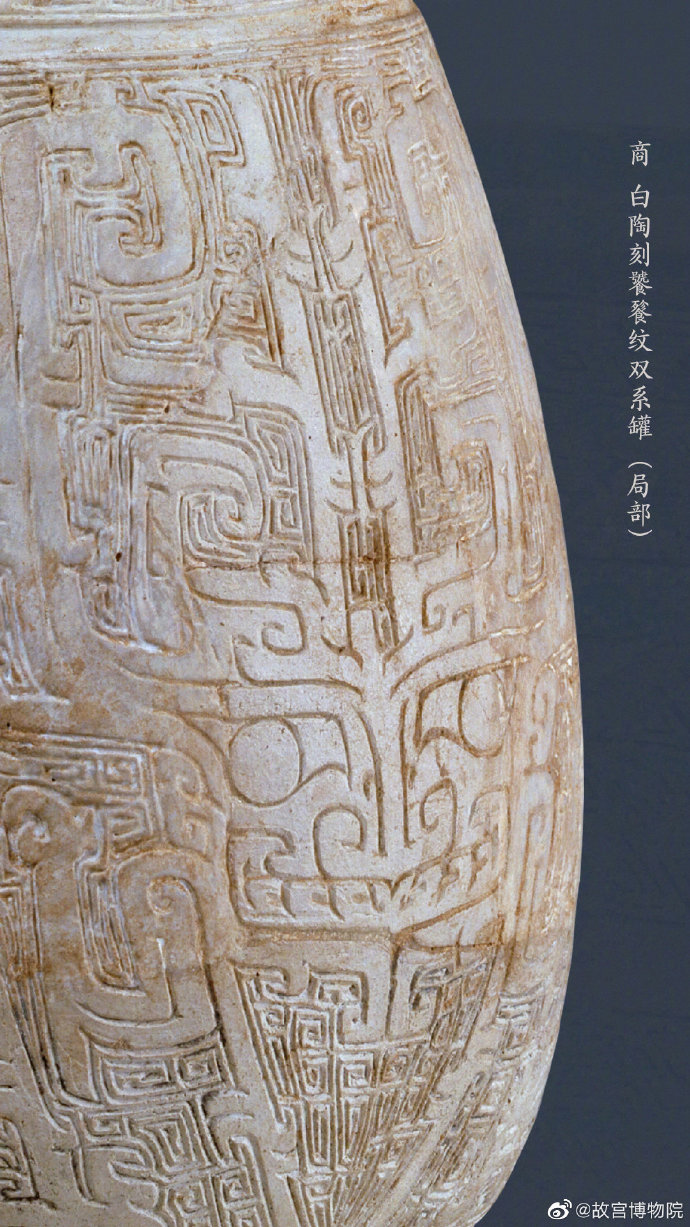

Ceramics Research of the Palace Museum China is a world-renowned ancient civilization, and has created splendid and rich material civilization and spiritual civilization in the long course of development. Ceramics are an outstanding representative of Chinese excellent traditional culture. From rustic pottery to primitive porcelain, celadon, black porcelain, white porcelain, as well as colourful glazed porcelains, to ingenious under glaze and over glazed porcelain, Chinese ceramics have a long history and endless varieties. It has left a strong mark in the history of world craftsmanship.
The Palace Museum is China’s largest comprehensive museum of heritage sites established on the basis of the imperial palaces of the Ming and Qing dynasties and their collections. It has a collection of more than 1.86 million cultural relics, including more than 370,000 ceramic cultural relics, most of which are inherited from the Qing Dynasty. On behalf of the court, after several generations of experts concentrated research and appraisal, it has high reliability. In recent years, the ceramic researchers of the Palace Museum have done a lot of research on the outstanding issues in the ceramics field based on the rich collections, combined with the latest archaeological excavations and scientific and technological testing methods, and held a series of exhibitions to show and promote the broad and profound knowledge to the general public. Chinese ceramic culture. For example, from 2010 to 2017, the Ceramic Research Institute of the Palace Museum successively carried out a series of researches on the “Five Famous Kilns” of Ru, Guan, Ge, Ding and Jun kilns, held special exhibitions and held international academic seminars. From 2015 to 2020, the Palace Museum and the People’s Government of Jingdezhen City took advantage of their respective advantages to jointly carry out a series of research on imperial kiln porcelain of the Ming Dynasty, held 7 comparison exhibitions and held academic symposiums. By comparing the porcelain specimens unearthed from the Ming Dynasty Jingdezhen imperial kiln site in Jingdezhen with the artifacts handed down from the Palace Museum, it more comprehensively reflects the artistic achievements made in the Ming Dynasty imperial kiln porcelain production. The above-mentioned series of studies that have been carried out have obtained fruitful academic results and achieved very good social benefits, which are welcomed and praised by the public. The fruitful results of these academic researchers also provided strong academic support for the refurbishment of the ceramic museum.
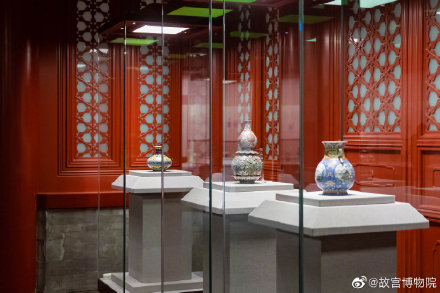
Highlights of the refurbishment of the Ceramic Museum The “Porcelain Pavilion” of the Palace Museum was founded in 1952. It was originally located in the Cining Palace area. Since then, it has been relocated and refurbished several times. Now, after more than two years of preparation, the newly refurbished ceramics hall meets the audience in the Wuyingdian area. In terms of content, this reform still uses the Palace Museum’s advantages in the collection of ancient ceramics in large numbers, complete varieties, and authentic and reliable ages. Based on the development history of Chinese ceramics, it showcases the continuous development of Chinese ceramics for about 8,000 years, but the whole content It has been greatly enriched and improved, from the original 11 themes of the ceramic museum to 17 themes, and the additional 6 themes are aimed at further highlighting the characteristics of ancient Chinese ceramics in the Palace Museum. The “five famous kilns” and the imperial kiln porcelains of the Ming and Qing dynasties are the highlights of the porcelain collection in the Palace Museum. In addition, the lower limit of the exhibition of ceramic cultural relics will be extended to the Republic of China, and the total number of exhibits will be increased to more than 1,000. It strives to fully demonstrate the long history of Chinese ceramics and the profound culture contained in it, and fully reflect the ancient collections of the Palace Museum. The rich connotation of ceramics.
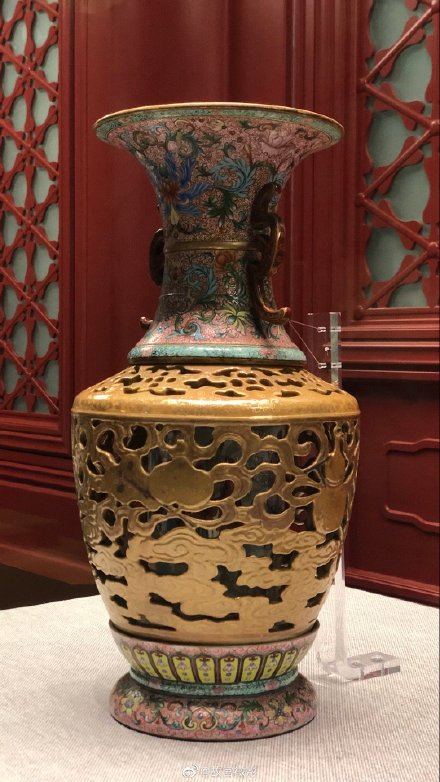


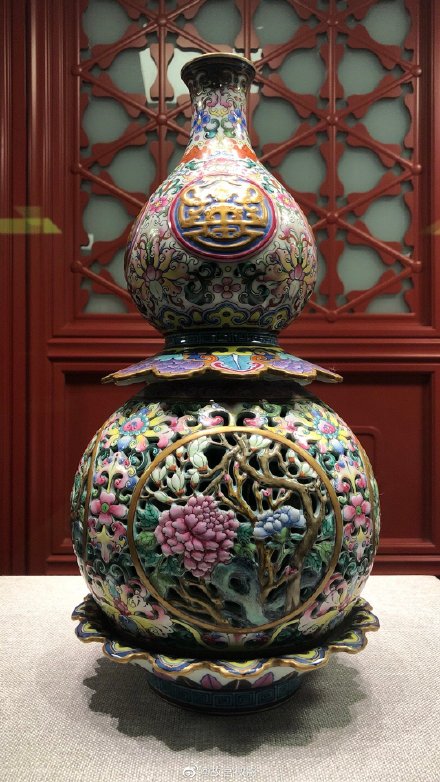
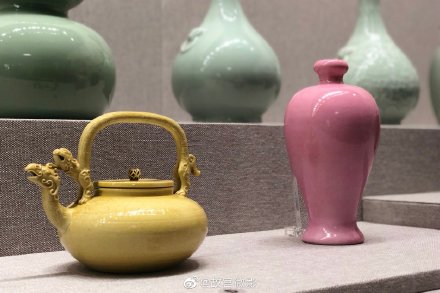
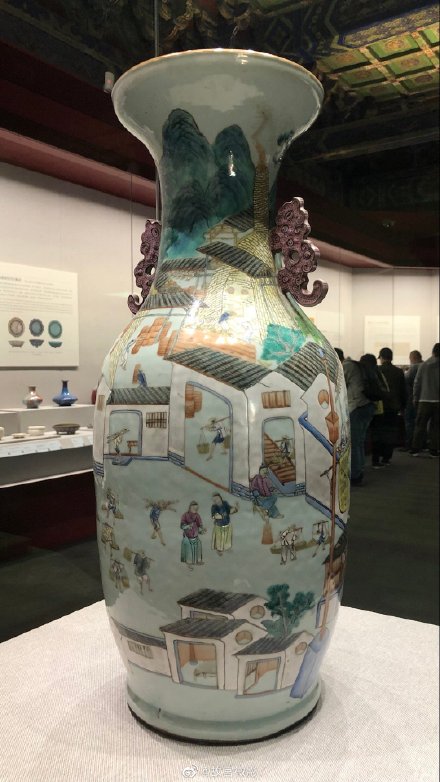

The ceramic hall is composed of the main hall of the Wuying Hall, the “Work” gallery and the back hall of Jingsi Hall. It displays the development of Chinese ceramics from the Neolithic Age to the Republic of China in 10 themes according to the order of the times (i.e., the General History Exhibition). The independent display cabinet highlights large exhibits such as “various glaze bottles”. An “exhibition in exhibition” space is built at the entrance of the main hall of Wuying Hall. The exterior adopts the ancient architectural elements of the Forbidden City, and the exhibits are changed from time to time. Bottles, etc.). The east and west side halls of Wuying Hall exhibited six themes of Qing Dynasty palace wedding, sacrifice, meal, furnishings and rewards, longevity, and religious porcelain according to their functions. The Yude Hall in the northwest corner of the courtyard is dedicated to displaying the export porcelain of the Palace Museum. In addition, the “Chinese Ancient Ceramic Kiln Site Specimen Exhibition” and the “Ancient Ceramic Materials Observation Room” originally located in the west side hall of Yanxi Palace will also be moved to the north value rooms of the east and west side halls of Wuying Hall respectively, making the area of Wuying Hall into the Forbidden City. There is a permanent special hall that focuses on displaying different types of ceramic cultural relics.
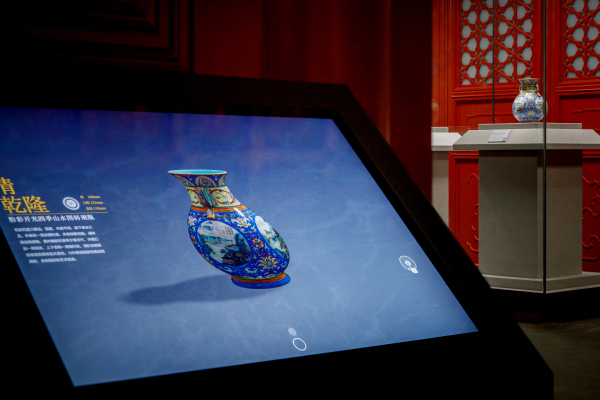
Digital application: APP, applet, QR code of exhibition hall, ultra-high-precision digital cultural relics
, each collection in the new ceramic hall is placed with a QR code, and the audience scans it and enters the “Forbidden City Ceramics Gallery” applet. Introduce the cultural relics in detail, “Like” the cultural relics you like, put it in the “Favourites”, write down your experiences and impressions in the “Notes”, and share them with friends.
The Forbidden City also digitized the 20 collections in the ceramic hall with ultra-precision. The audience can zoom in, zoom out, and flip at will on the touch screen of the exhibition hall, and feel the desire to “hold in their hands” to appreciate the collection carefully. You can also visit the “Digital Duobao Pavilion” column on the official website of the Palace Museum http://www.dpm.org.cn to view more three-dimensional ceramic collections. And in the “General Catalogue of Cultural Relics Collection” and “Digital Cultural Relics Library” columns, inquire and appreciate as many as 8,000 ceramic cultural relics in the courtyard collection.
In addition, the “Ceramic Pavilion” in the “Forbidden City Exhibition” app and the newly revised and upgraded “Ceramic Pavilion” app will be launched this year, so that friends who can’t come to the exhibition hall can feast their eyes and learn about the long history along the digital “long axis” Brilliant history of ceramic development.
Publication: “The Palace Museum of Ceramics” In order to cooperate with the newly opened Ceramics Hall of the Palace Museum in Wuying Hall, the Palace Publishing House has released a catalogue of exhibitions of the “Forbidden City Ceramics Hall”. The catalogue consists of 5 volumes, which are “Forbidden City Ceramics Museum• Juan I• Neolithic Age to Five Dynasties”, “Forbidden City Ceramics Museum• Juan Two•Song Liaoxi Xia Jinyuan”, “Forbidden City Ceramics Museum• Juan Three•Ming and Early Qing Dynasty” and “Forbidden City” “Porcelain Museum•Volume IV•Qing and the Republic of China” and “Forbidden City Ceramic Museum•Volume V•Special Topics” include more than 1,000 ceramic artifacts on display. At present, Volume 1, Volume 2, and Volume 5 have been published, and Volume 3 and Volume 4 are expected to be available in mid-to-late May. At the same time, in order to meet the needs of different readers, the Palace Publishing House has also launched a small catalogue of the Palace Ceramics Museum, which will select 100 cultural relics on display in the new ceramics museum, which will also be released soon.
Tips for visiting the Ceramic Hall – Ceramic Hall is located in the Wuying Hall of the Palace Museum. It will be open to the audience from May 1, 2021. The exhibition is a permanent exhibition and does not sell separate tickets. According to the current situation of epidemic prevention and control, and in accordance with the principle of appointment, current limitation, and peak shifting, the exhibition will be admitted by appointment, and appointments will be started 10 days in advance. The whole day will be divided into morning and afternoon sessions (2000 in the morning and 1000 in the afternoon). . Audiences can use the online ticketing website of the Palace Museum and WeChat Palace Museum audience service number to make real-name reservations using second-generation ID cards or passport information. To visit the hospital, you need to check the health code, take the temperature, and swipe the reserved ID card (when checking the ticket, you must have an ID card that matches the number reserved at the time of booking).
Imagines visuals credit are from the Forbidden city –Imperial Palace –Beijing – China- People’s Republic of China…


