#北京。 #中國 #China #Beijing | #紫禁城 #ForbiddenCity #June2022 | #ForbiddenCityMoments #ForbiddenCityPress #ForbiddenCityBookStore #ForbiddenCityBooks #ForbiddenCityArchitecture ancient #寧壽宮 The Palace of Tranquil Longevity – Ningshou Palace Garden known as Qianlong Garden….

寧壽宮The Palace of Tranquil Longevity literally, “peaceful old age palace,” also called the Qianlong Garden, Qianlong Palace, Qianlong District or the Palace of Tranquillity and Longevity, is a palace in Beijing, China, located in the northeast corner of the Inner Court of the Forbidden City- Beijing – China – People’s Republic of China.

Construction of the palace began on the Qianlong Emperor’s orders in 1771, in preparation for his retirement, although the emperor himself never moved into the palace. Its beautiful apartments, pavilions, gates and gardens feature “some of the most elegant spaces at a time widely considered being the pinnacle of Chinese interior design.” Throughout the Qing dynasty, the palace was almost never used, largely because of the Qianlong Emperor’s imperial decree ordering his retirement retreat remain unaltered.

Forbidden City Hundred Excellent Books for Public reading activities …… The ancient buildings of the Forbidden City have gone through calamities and are treasures of the years, and they are still shining today. Wandering in the Forbidden City, we respect the splendour of the Hall of Supreme Harmony, the solemnity of the Hall of Fengxian, the serenity of the Hall of Mental Cultivation, the wealth of ancient times in the Wenyuan Pavilion…


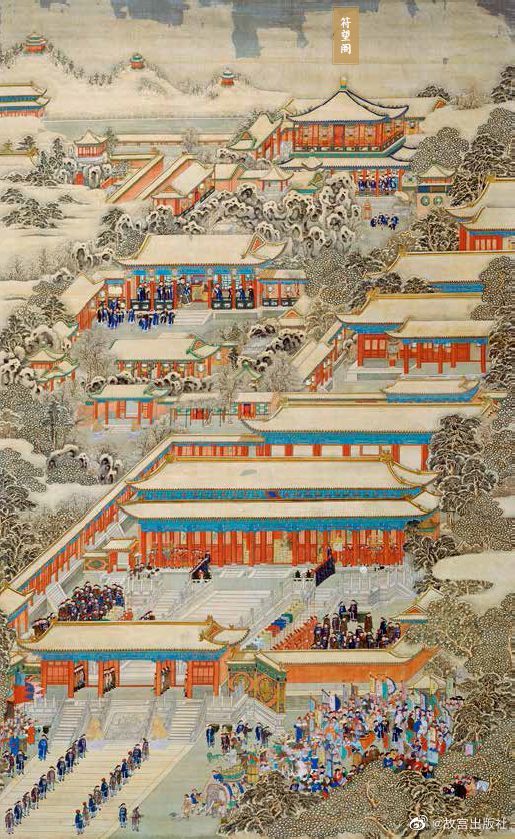
Not only that, we are also amazed at the A very special place in the Forbidden City’s Inner Tingwai East Road is the Ningshou Palace Garden, also known to the public by the name of “Qianlong Garden”.

This garden is the most well-preserved royal garden in the Forbidden City with the most architectural art style of the Qianlong period. The ingenious and rigorous form of the ancient buildings in the garden is enviable, the architectural space and garden layout are fascinating, and the delicate and complicated decoration of the eaves of the building is dazzling.

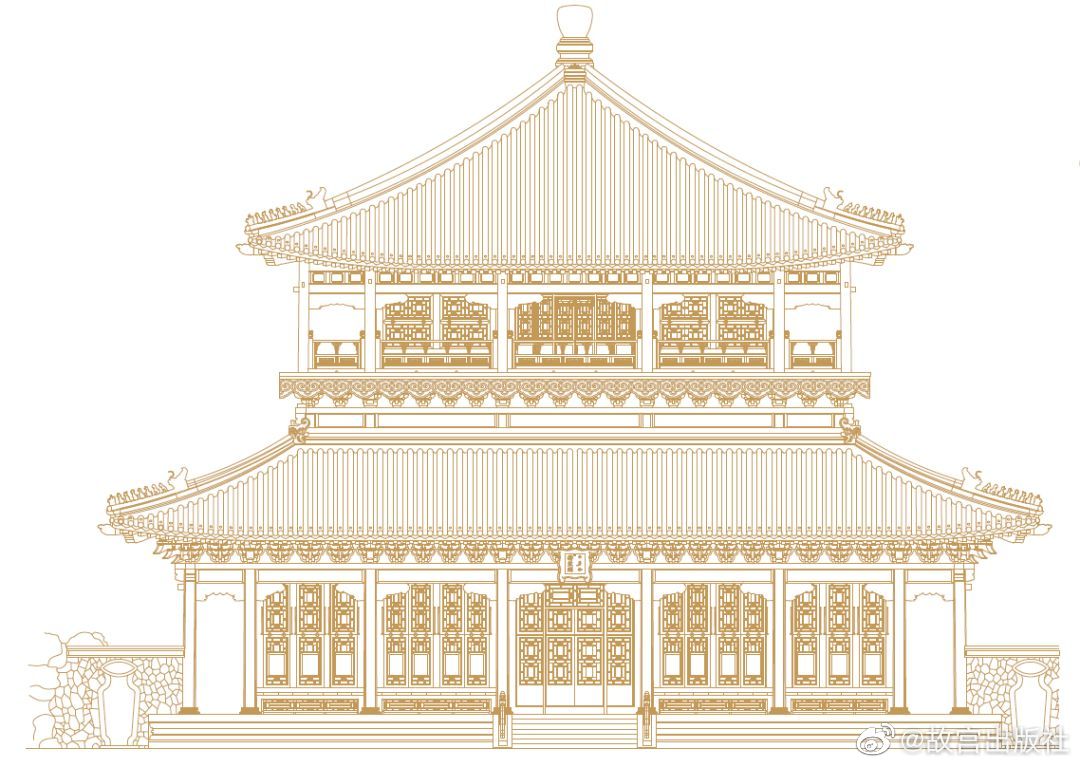
In such an environment, there is still a building that is unique. This is a magical attic called “Mission House” by later generations. It is also a great architectural artwork, and it is also an extremely rare existence in the ancient buildings of the Forbidden City. This mysterious building is Fuwang Pavilion. Its completion was praised by Emperor Qianlong as “its sincerity meets my expectations”, and now looking back on the past of Fuwang Pavilion, it has indeed lived up to Emperor Qianlong’s holy family.
Fuwang Pavilion is one of the few remaining palace remains in the Forbidden City that has not been interfered by modern humans. It contains a lot of real historical information, such as why Fuwang Pavilion was built, when and why it was repaired, and how the interior eaves were furnished in different periods. …..  where to make the various craftsmanship of the interior eaves decoration, when to pay tribute, and so on. The records of Fuwang Pavilion (including the entire Ningshou Palace area) in the various archives of the inner court of the Qing Dynasty were detailed, which was a great blessing to later scholars. This not only accomplished the research and protection project of Qianlong Garden, but also enabled us to have a more detailed and in-depth understanding of Fuwang Pavilion’s space and interior eaves decoration techniques, but also discovered many modern relics of Fuwang Pavilion’s inner eaves decoration technology, protecting these traditional crafts. ‘s craftsman.


It goes without saying that Fuwang Pavilion enriches the study of ancient architecture. It is of great significance for contemporary interior design to carry forward Chinese traditions and broaden the artistic thinking of display. Cultural creativity can also understand the spirit and get inspiration from it.
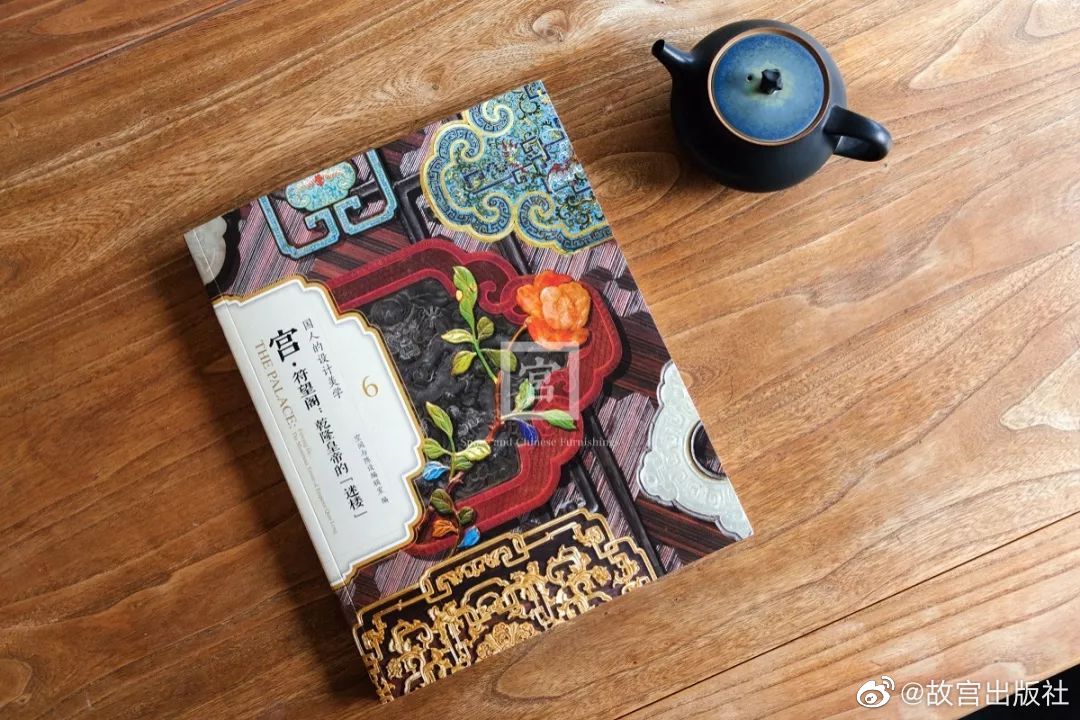

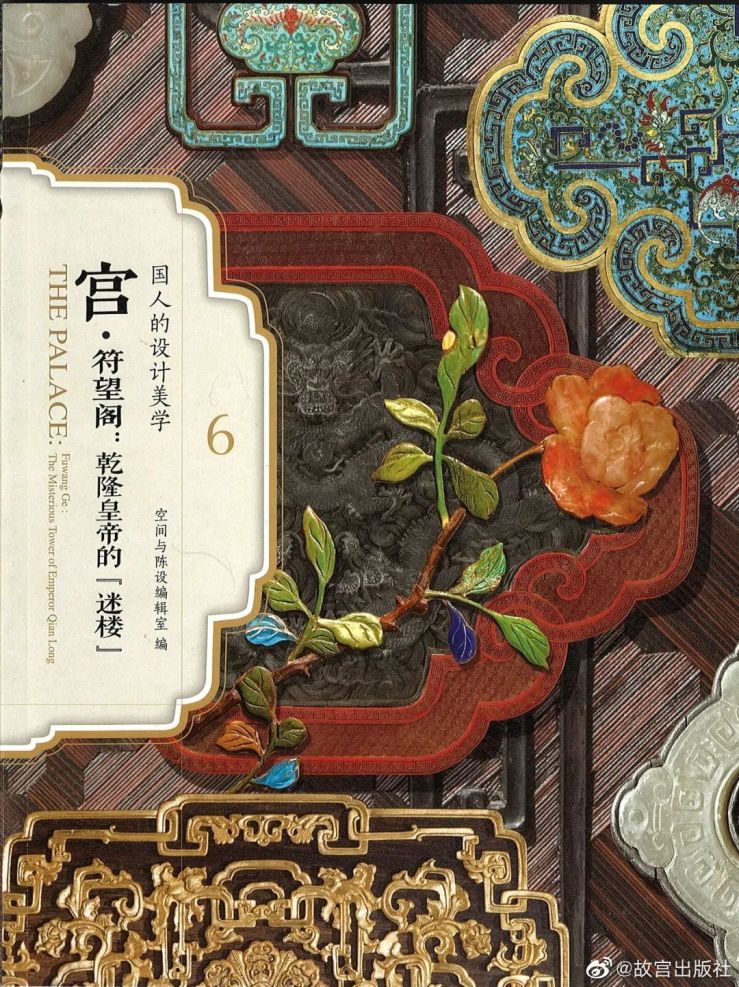
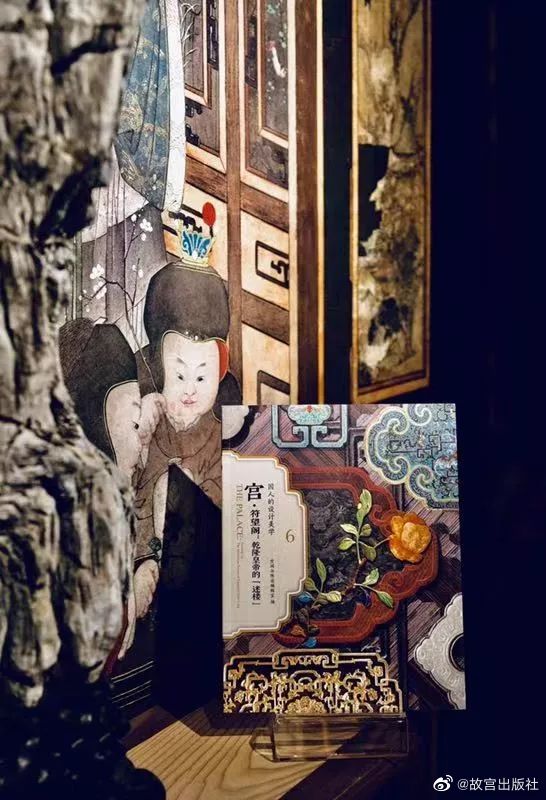
“Palace·Fuwang Pavilion: The “Lost Tower” of Emperor Qianlong” takesspace furnishings as the theme, tells about the art and technology of Chinese court environment design in the 18th century, and comprehensively displays the history of Fuwang Pavilion’s construction, original furnishings, architectural space, The decoration of the inner eaves reveals the story behind the construction of the Fuwang Pavilion in the Qianlong Garden of the Forbidden City, and explains why the Fuwang Pavilion can be called the highest representative of the inner eaves decoration skills of the ancient buildings in the Qianlong Garden and even the Forbidden City.

Imagines credits are of the Forbidden City –Imperial Palace –Beijing – China- People’s Republic of China also from the Series Weibo北京卫视上新了故宫 Treasures in the Forbidden City…

#北京。 #中國 #China #Beijing | #紫禁城 #ForbiddenCity #October2020 | #北京卫视上新了故宫The new Series of Treasures in the Forbidden City on #BeijingSatelliteTV #BeijingTV for the season three with more intriguing adventuring mysteries solving with featuring guest #AGallery …….


In this year’s 2020, the second decade from the turn of the century in Beijing the Capital of China also the People’s Republic of China, in which is also the year of the rat, marking its six hundred years anniversary of the Forbidden city that marks the transitional point of in between the middle of the Ming Dynasty (1368- 1644) transitionally from Nanjing to Beijing towards the Qing Dynasty (1636-1644-1911) …. The Imperial Palace seen so many countless seasonally transitional equinoxes but further its six hundred years is iconic, but it’s five hundred ninety nine years it marks it Autumn Equinox…. In which it only took twelve years to build the same of the Daming Palace of The Tang Dynasty Xian Imperial Capital only it was least twenty times larger…

In which coming back to season three is 北京卫视上新了故宫 Treasures in the Forbidden City … in which during September 2020 this month film for the Trendy Documentary show started film in Beijing with the same host of cast but company of new host celebrities from all walks of life…..among the core production of the 北京卫视上新了故宫 Treasures in the Forbidden City is spin off series that relates to the parent series in which is the Summer Palace, the Great Wall, the Temple of Heaven also the Historical site that located around the Beijing’s central axis ….. in which  season three will air on 24th October 2020 at Nine in the evening streaming continuing with two seasons featuring with new guest exploring adventuring in the forbidden city 张鲁一 , 魏晨 , 聂远 雷佳音 , 李沁 , 何穗 ,郭京飞 celebrating that adventuring six hundred years of Forbidden City historically through time and space …..

” 北京卫视上新了故宫 Treasures in the Forbidden City ” is the Chinese Beijing Palace Museum and Beijing TV station produced, co-produced Huazhuan Wen of Springfield’s cultural film and television production season broadcast programs. originally planned three quarters will be produced quarterly 10, it is the third season aired Forbidden City built 600 anniversary of the foundation of the 95 anniversary of the National Palace Museum. In the first quarter since November 9, 2018, every Friday at 21:05 Beijing TV and iQIYI broadcast simultaneously , and on January 11, 2019 ending.

The show was awarded the right to be recorded in the Forbidden City in Beijing. The opening was made by Shan Jixiang , the director of the Palace Museum, who made a guest appearance and recommended a cultural and creative theme to the show.

In the first quarter by two artists Deng Lun and Monday around playing in “the new Institute,” as the Forbidden City cultural and creative new product development staff of the Palace Brothers, by the second quarter of Zhang Lu a take over the role of Monday Wai. After receiving the task issued by the dean, the brothers of the Forbidden City divided their troops into two groups to collect information, explored the unopened areas of the Forbidden City up close with the program guests, and accompanied the Forbidden City experts to search for the secrets of the Forbidden City, solicit creative designs that fit the relevant themes , and invite designs. Teachers and college students develop cultural innovations.

Each episode will focus on a historical figure and explore the clues of the character’s life in the Forbidden City. In some scenes, there are interspersed short dramas , passing through the “new” and “old”, showing the situation of the court characters at that time. The actors are in the play. The props used and the costumes worn are all restored based on research.

In each episode, different flying guests will appear on stage, including tranquility , Cai Shaofen , Wang Likun and others, most of whom have played roles in costume dramas.

Imagines credits are of the Forbidden city –Imperial Palace –Beijing – China- People’s Republic of China also from the Series Weibo北京卫视上新了故宫 Treasures in the Forbidden City…


#北京。 #中國 #China #Beijing | #紫禁城 #ForbiddenCity #October2020 | #北京卫视上新了故宫 #TraditionalChineseArchitecture #ForbiddenCityEaves Explained …….

In this year’s 2020, the second decade from the turn of the century in Beijing the Capital of China also the People’s Republic of China, in which is also the year of the rat, marking its six hundred years anniversary of the Forbidden city that marks the transitional point of in between the middle of the Ming Dynasty (1368- 1644) transitionally from Nanjing to Beijing towards the Qing Dynasty (1636-1644-1911) …. The Imperial Palace seen so many countless seasonally transitional equinoxes but further its six hundred years is iconic, but it’s five hundred ninety nine years it marks it Autumn Equinox…. In which it only took twelve years to build the same of the Daming Palace of The Tang Dynasty Xian Imperial Capital only it was least twenty times larger…

In which coming back to season three is 北京卫视上新了故宫 Treasures in the Forbidden City … in which during September 2020 this month film for the Trendy Documentary show started film in Beijing with the same host of cast but company of new host celebrities from all walks of life…..among the core production of the 北京卫视上新了故宫 Treasures in the Forbidden City is spin off series that relates to the parent series in which is the Summer Palace, the Great Wall, the Temple of Heaven also the Historical site that located around the Beijing’s central axis …..

Wooden Construction. The Forbidden City’s beams and columns are made of wood, as are the walls that separate the halls into different rooms. Culturally, wood was the favoured material in traditional Chinese buildings.

The Forbidden City is the world’s largest collection of well-preserved medieval wooden structures. All the buildings in the Forbidden City are made using high quality wooden beams and columns, and there are many examples of outstanding carpentry.

For instance, its intricate interlocking roof brackets, known as dougong, which literally means “cap and block,” not only look impressive; they also have a crucial practical application. The brackets transfer the weight to the structure’s vertical columns, reducing the strain on the horizontal beams, which reduces the risk of the beams splitting or cracking. What is most impressive is that they don’t require glue or fasteners; they fit together perfectly because of the quality and precision of the carpentry. It is an innovation that could be up to 2,500 years old.

As well as using them for their practicality, architects later focused on making them more decorative, which is very apparent when you look at the intricate carpentry of the Forbidden City’s roofs.

Painting and Decorations. Most of the decorations on the buildings can be classified into three types: imperial drawings of dragons and phoenixes, geometric motifs, and Suzhou garden motifs.

Dragons and phoenixes are the major motifs found throughout the Forbidden City. Dragons were used to represent emperors while phoenixes represented empresses. The dragons within the Forbidden City, of which there are more than 10,000, are in many different styles.

Besides the major buildings, other pavilions and towers are decorated with Suzhou garden motifs. The same style of motif within the Forbidden City can be found in the classical gardens of Suzhou.

Auspicious Colours Though the majority of the Forbidden City’s walls are made of grey brick and many of the stairs and terraces are made from bright white marble, there are also many bold and colourful elements, and there are very deliberate choices behind the colours used.

Yellow is a dominant colour; it can be seen in the glazed tiles that are used for the roofs and the many decorations that are painted yellow. Even many of the bricks on the ground are made yellow using a special process. Since the days when myths of the Yellow Emperor became “history”, yellow has been said to be auspicious and imperial, and was used exclusively by Ming (1368–1644) and Qing dynasty (1636–1912) imperial families,

Red is also an auspicious colour, associated with happiness, wealth and power; it features prominently on window frames and exterior columns.

Green is also quite an important colour, because it signifies growth; it can be found of the roof tiles of buildings such as the princes’ quarters.

The Roofs and Eaves and Animal Decorations…One of the most beautiful parts of the Forbidden City’s architecture is its roofs and their eaves.

Yellow Tiles and Stately Roof Shapes……Only the imperial buildings of the Forbidden City were permitted to have yellow tiles: yellow was the emperor’s colour.

The roof shape of the Forbidden City’s most important buildings also had significance. Double-eave hip roofs were the classiest roofs in the empire, reserved for the top imperial buildings.

Animal statuettes have been used on the eaves of important Chinese buildings since at least the Han Dynasty (206 BC – 220 AD). There are many kinds of animals on the Forbidden City’s roofs.

Each animal has different meanings. For example, dragons are used to protect against fire while phoenixes bring good luck and represent virtue. A lion represents the power of the owner and a Haetae (a bull-like beast reputed to butt wrongdoers) stands for justice.

The number of animals reflected the status of a building, with 9 being the highest number permitted in China.

The roof of the Hall of Supreme Harmony, the most important building in China, housing the emperor’s throne, is the classiest roof in all of China’s history and the highest roof in the Forbidden City. There are 9 mythical animals at each of the roof’s corners: a dragon, a phoenix, a lion, a horse, a seahorse, a lion-like dragon, a fish dragon, a Haetae (bull-like dragon), and a flying monkey.

Imagines credits are of the Forbidden City –Imperial Palace –Beijing – China- People’s Republic of China also from the Series Weibo北京卫视上新了故宫 Treasures in the Forbidden City…

#東京。 #中國 #China #Beijing | #紫禁城 #ForbiddenCity #July2020 |#宫囍龙凤呈祥# 皇帝大婚典礼 #Wedding in #TheImperialPalace of the Emperor and Empress… a very cute #StopMotionAnimation recreation..


In this year’s 2020, the second decade from the turn of the century in Beijing the Capital of China also the People’s Republic of China, in which is also the year of the rat, marking its six hundred years anniversary of the Forbidden city that marks the transitional point of in between the middle of the Ming Dynasty (1368- 1644) transitionally from Nanjing to Beijing towards the Qing Dynasty (1636-1644-1911) …. The Imperial Palace seen so many countless seasonally transitional equinoxes but further its six hundred years is iconic, but it’s five hundred ninety nine years it marks it Autumn Equinox…. In which it only took twelve years to build the same of the Daming Palace of The Tang Dynasty Xian Imperial Capital only it was least twenty times larger..

In which one of the most important of many ceremonies of the Forbidden City is the Imperial Marriage of the Emperor and the Empress or Consorts in which wedding of the The Dragon the Phoenix…..  as this very short very cute short motion capture animation shows that Chinese Tradition of Countless Wedding Marriage ceremonies of many thousands years each unique of its own storyline storytelling..

The couple playing musical instruments together makes great harmony,  a famous saying from the Book of Songs has been a good wish for happy marriages for thousands of years in Chinese Traditions … The Chinese People like to use Myriads of things in nature to depict the beauty of love and marriage.. Because the marriage is an important part of life …

The Family is the smallest Nation and nation is thousands of families … Creating a harmonious family is foundation governing the nation Harmony is the Prerequisites for prosperity…. This is also the driving force for Chinese Nation to obtain continuous well- being Development and Prosperity ….. All the Visitors, Welcome to attend The Dragon the Phoenix Grand Royal Wedding Ceremony… Lets us Hope we have happiness and joy altogether today.. …

Gong Feng Long Feng Cheng Xiang is a kind of long-term companionship, with a lifetime of emotional expression

Become the most tender and stable guardian in life.

This emotional expression is touching!

It is overflowing with words and mouths rising!

We hope that an ignorant teenager can understand and recognize what love is

You can walk into the palace of marriage with the palace, and grow old together with the palace.

宫囍龙凤呈祥是一种长久的陪伴,伴随一生的情感表达

成为人生中最温情、最稳定的守护。

这种情感的表达是触动人心的!

是溢于言表而又嘴角上扬的!

我们希望可以让一个懵懂的少年了解并认知什么是爱

可以伴随着宫囍步入婚姻的殿堂,并在宫囍的陪伴下白头偕老。 ​​​​

Images and visuals are from Weibo- Forbidden City –Palace Museum- China –People’s Republic of China

#QIPAO #Cheongsam #旗袍 #QingDynasty | #延禧攻略 – #StoryOfYanxiPalace #TelevisionWardrobe first time in #Macau #MGM symposium to explore traditional Chinese Culture heritage – The ‘Ancient Costumes Exhibition’ and the ‘Living Transmission Seminar’

During the week of 17th November 2018 across the Already Tomorrow In Hong Kong, from Hong Kong, Macau, Zhuhai Bridge is the Macau in which on that week that the MGM Theatre at  MGM COTAI in which explored a Symposium which was tittle hosting “ living heritage to explore Traditional Culture” in which attached over five hundred people in traditional, ancient Chinese Culture also various art forms of intangible heritage… in which during the symposium there was various in-depth articles, talks in between various featured speakers and the audiences in which how to coexist Chinese Heritage merging with Modern creative innovation in transferring that concept towards the future generations from the past, present to the presently soon..


One of the various asspects of the symposium is the highly acclaimed watched Chinese made Qing Dynasty period drama” Story of the Yanxi Palace” series that’s attracted an international viewership attention is the Story life premise of Empress Xiaoyichun- 孝儀純皇后, Wei Yingluo, Consort Ling (令) in which she is the wife, consort of Qing Dynasty Qianlong Emperor – in which she is story played by Actress Wu Jinyan…..  Started as an imperial seamstress towards becoming a mother to the future Emperor…


During the symposium the featured speakers, the guest of honoured explored the featured television series “Story of the Yanxi Palace” that features timeless handmade Qing Dynasty Qipao wardrobes… In which Ms Bi Hong, collector and expert in Qing Dynasty culture and fashion, Mr. Zhang Bin, Ms Emily Chan, spoken in very in depth of creative innovations of preserving that tailoring craftsmanship also integrating those ancient tailoring with innovative modern tailoring methods today in which was wardrobe tailored for the series.. In which the Symposium analysed the historically every aspects of elements symbolism of each piece of the wardrobe within exhibition that held in co-junction duration of the symposium ….


 In which the collection of the symposium exhibition collection shown the tour continued with an exhibition of the exquisitely crafted costumes from the “Story of Yanxi Palace” which are on display for the first time ever in Macau. The Chinese couture includes costumes worn by the Emperor Qianlong, Consort Ling, Empress Fucha Rongyin and Consort Xian… From the wardrobe, towards the jewellery created for each piece of the characters storytelling allowing the view enticed back few hundred years ago towards wearable embroidery in which can be found today in a simpler form the modern Qipao which innovative revolutionised in 1930’s Shanghai…..