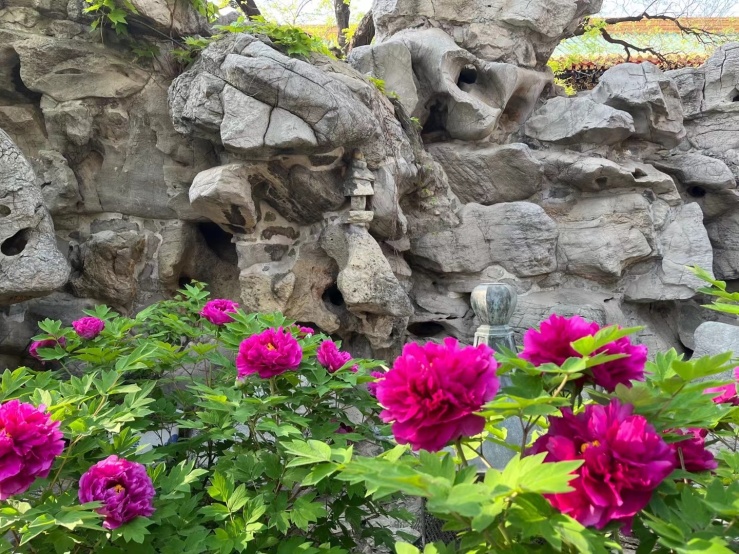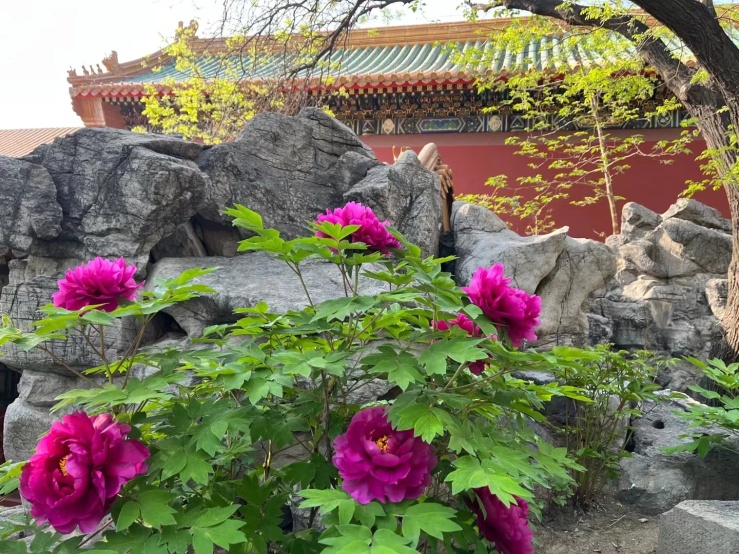
#北京。 #中國 #China #Beijing | #紫禁城 #ForbiddenCity #April2022 | #ForbiddenCityMoments #ForbiddenCitySeason #谷雨 #Gogu  #GrainRain The petals illuminated by the sun turn into a shining rain of flowers, welcoming a colourful and splendid summer! Today…..

谷雨

谷雨 Qingming breaks snow from the 5th April  in which , 谷雨Grain Rain breaks frost”, Grain Rain (Journal of April 20th -4th may 2022 ) is the last solar term in spring. The arrival of Grain Rain means that the temperature will rise faster. In such a breath of spring, be sure to go out go! Grain rain, grain is born of rain!

谷雨# Today’s Grain Rain on the 20th April 2022  The late spring will turn into summer, rain produces all the grains and all things are lovely…. Rain produces all the grains, and all things spring. Grain Rain is the sixth solar term of the twenty-four solar terms and the last solar term in spring. At this time, the weather is getting warmer, the rain is increasing, and all the newly planted seedlings are eager for moisture.

It is recorded in “The Collection of the Seventy-two Hours of the Moon Order”: “In the middle of the third month, after the rain, the soil ointment pulsates, and now it rains its grains in water. Sow seeds at this time, from top to bottom.” Grain Rain, like rain, small man, light snow, heavy snow and other solar terms, is a solar term that reflects the phenomenon of precipitation, and is a reflection of the ancient farming culture on the season.


In traditional farming culture, the Grain Rain solar term links “gu” and “rain” to indicate precipitation conditions and “rain produces a hundred grains”. The most important feature of Grain Rain is the continuous spring rain, and the rain produces hundreds of grains, which reflects the agro-climatic significance of “Grain Rain”, which is the reflection of the ancient farming culture on the seasons. After the Grain Rain solar term, the temperature rises, the rainfall increases, and the humidity in the air further increases, which is very suitable for the growth of cereal crops, which is the best season for the growth of crops.

At this time, the southern part of China began to be significantly rainy, and especially in southern China, once the cold air meets the warm and humid air, it often forms a long-term rainy weather. Qinling-Huaihe is a transition area between the southern spring rain and the northern spring drought. From the vicinity of Qinling-Huaihe to the north, the spring rain decreases sharply. In the northern region, Grain Rain is a symbol of the “final frost”. There are fewer cases of cold air invading the south, but the cold air activities affecting the north have not stopped, and early thunder will occur in many places.
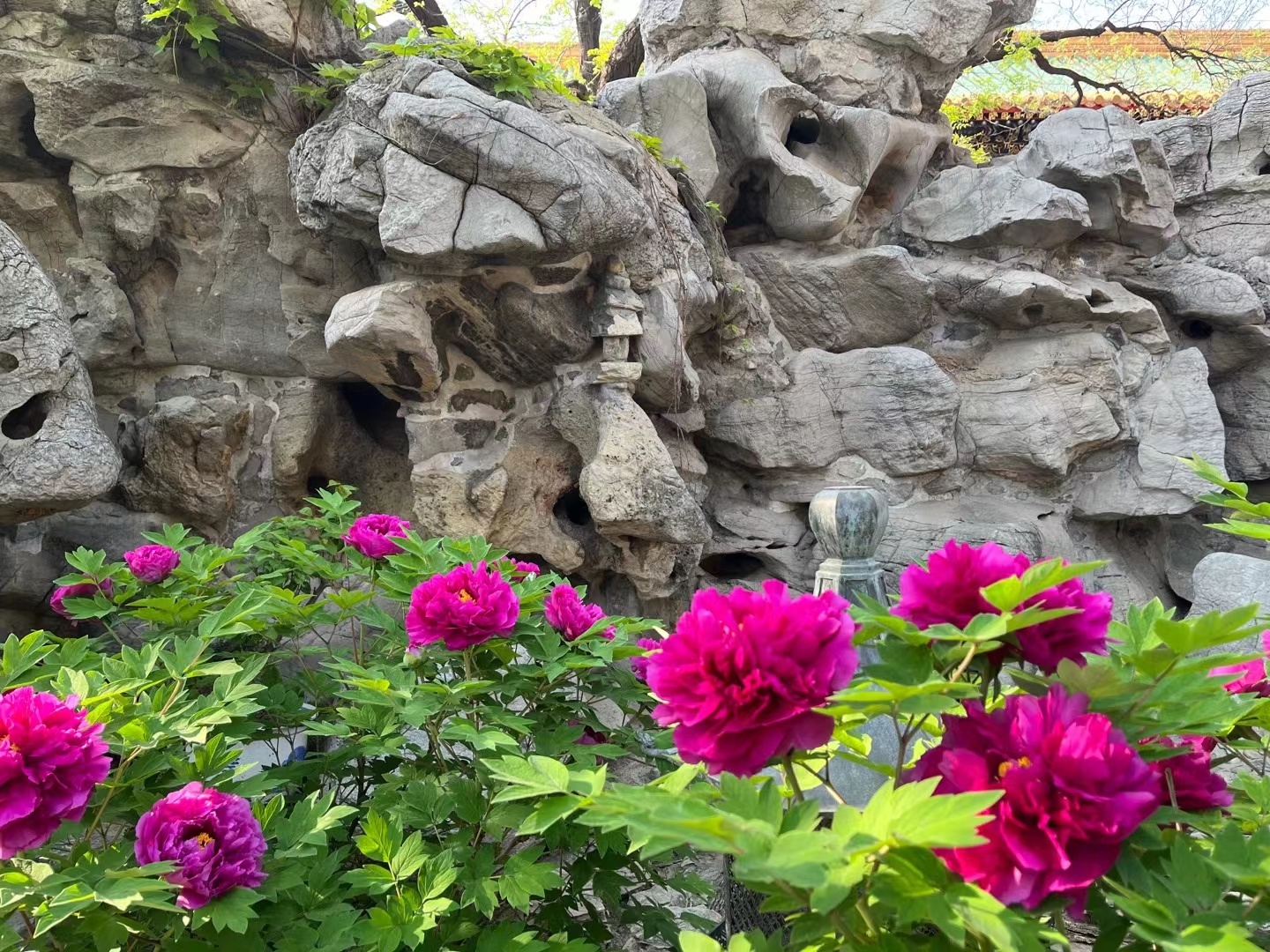


Grain Rain has three stages: the first stage when Ping is born; the second stage when the dove is singed and its feathers fluttered; the third stage when Dai Sheng falls to the mulberry. After Grain Rain, the rainfall increased, the duckweed began to grow, then the cuckoo began to remind people to sow, and then the hoopoe began to be seen on the mulberry tree.

During the Grain Rain solar term, you should eat more food that dispels dampness and benefits water. Since the humidity in the air gradually increases after the Grain Rain solar term, it is necessary to prevent “dampness” from invading and hurting the body. Pay attention to opening windows for ventilation, strengthening warmth, not catching a cold, getting more sunlight, and exercising appropriately. If the “dampness evil” has invaded, you can add some foods that dilute water and dampness in your daily diet, such as corn, poria, wax gourd, barley, and red bean. In addition to nourishing the liver and protecting the liver, Grain Rain health care also needs to pay attention to strengthening the spleen and stomach, because after the Grain Rain, it means that the spring is almost over, summer is coming, and the summer is mainly hot and humid. At this time, you should eat more according to your physical condition Foods that strengthen the spleen and stomach and dispel dampness, such as toona sinensis, black beans, barley, yam, crucian carp, etc., lay the foundation for summer.


Grain Rain Customs:

Drinking Grain Rain Tea. Guyu tea is the tea made from fresh tea leaves picked on the day of Guyu, and it must be picked in the morning. Guyu tea is green in color, soft in leaves, rich in vitamins and amino acids, and has a pleasant aroma. Legend has it that the tea of ​​Guyu on this day will clear fire, ward off evil spirits, and improve eyesight. So no matter what the weather is on Guyu day, people will go to Chashan to pick some new tea and come back to drink it.
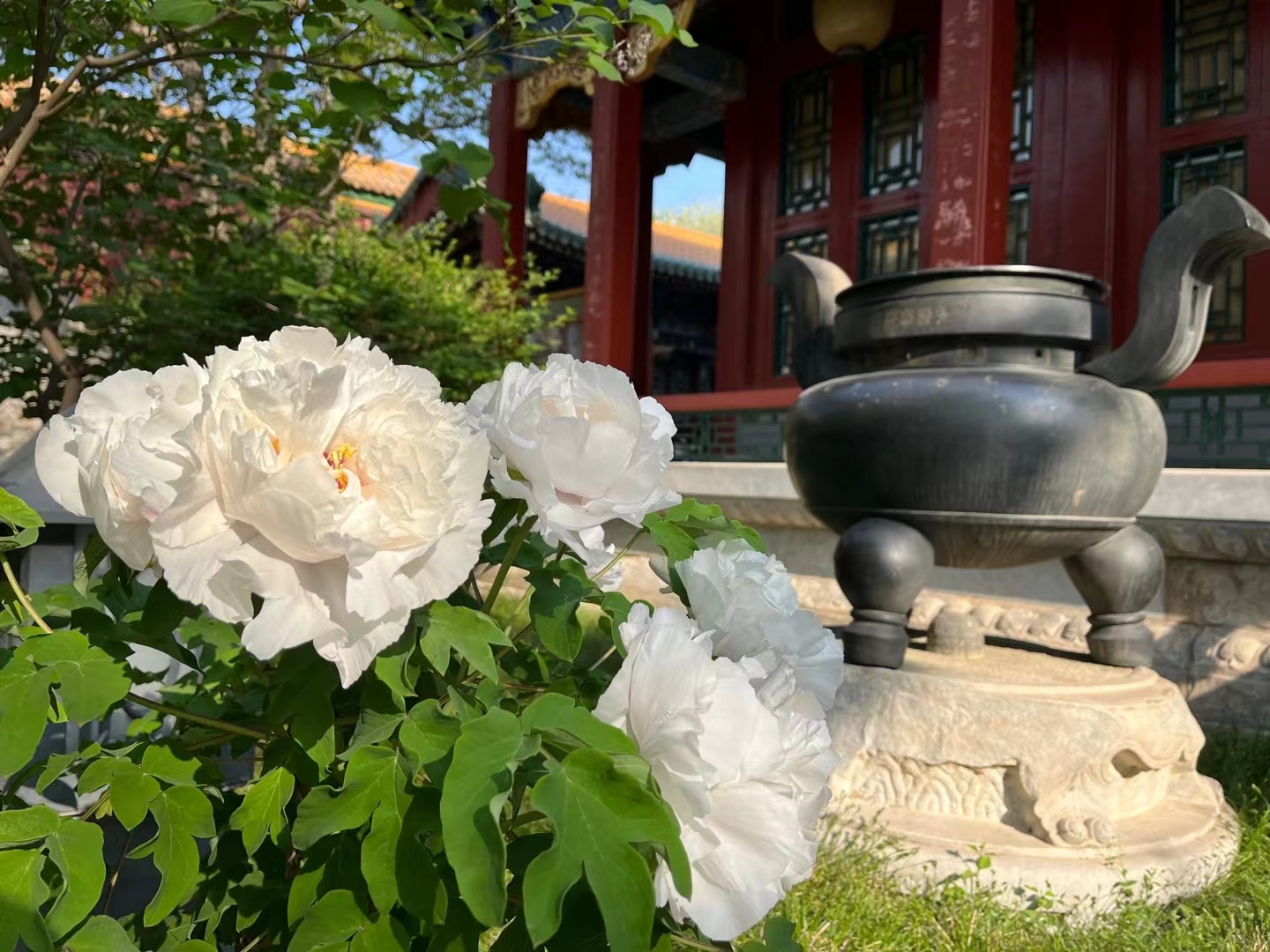

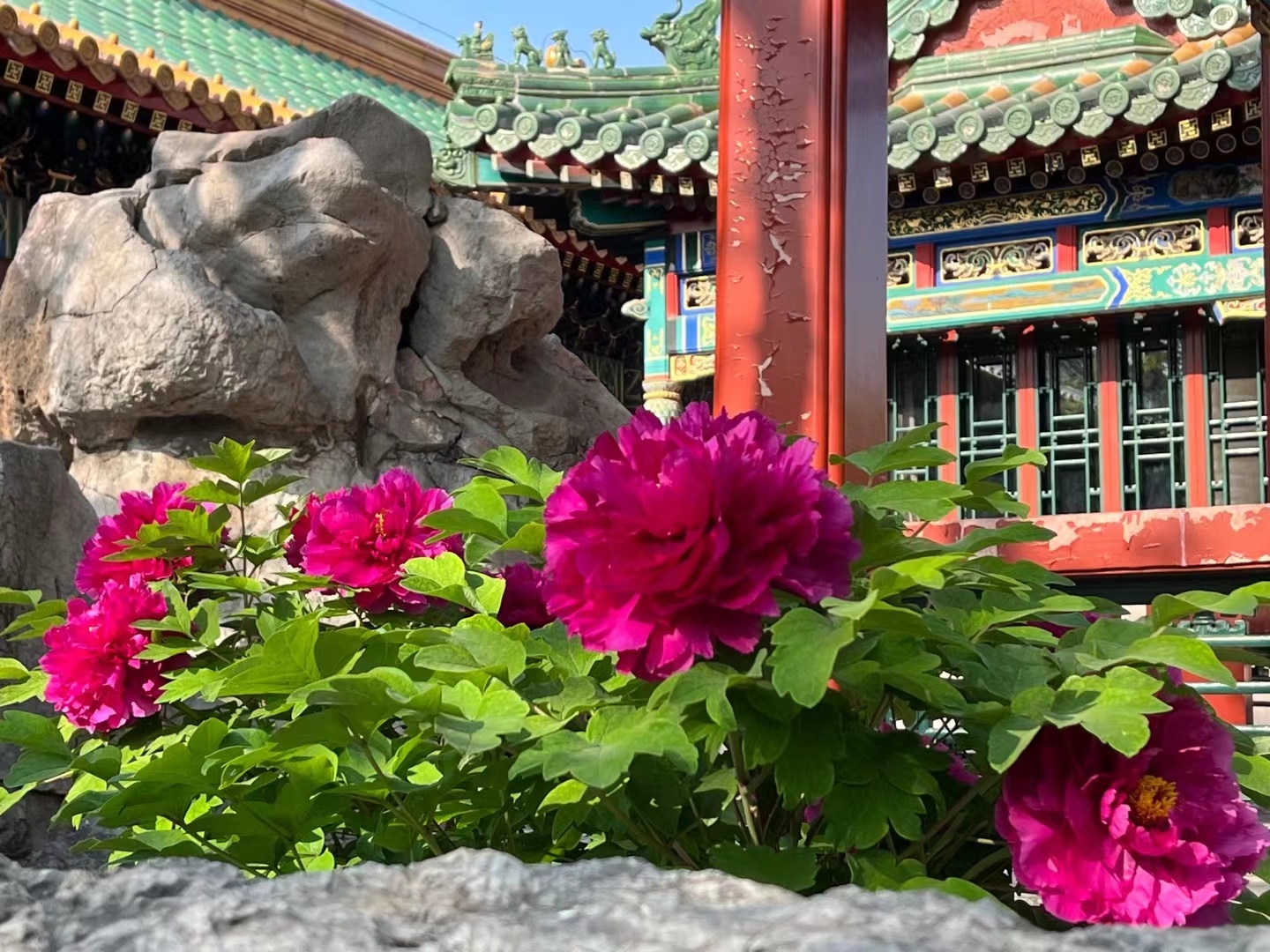
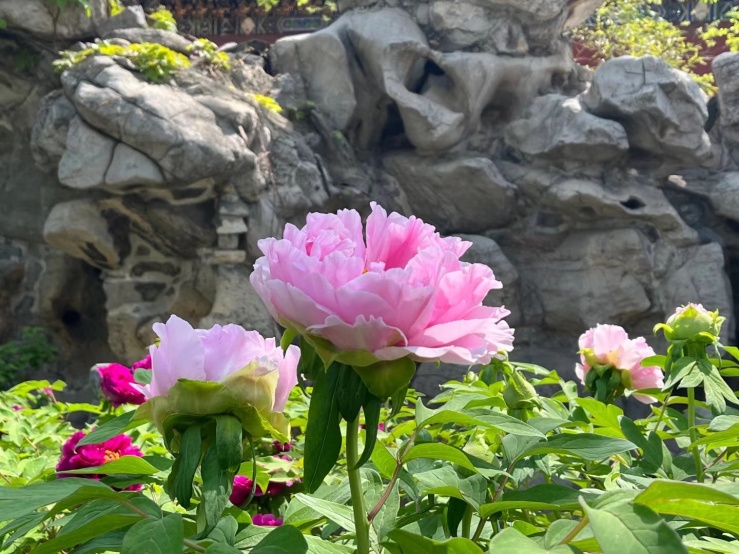
Appreciate peonies. “Seeing Peony in Three Dynasties of Grain Rain”, peony flowers are known as Grain Rain Flowers and Flowers of Fortune. Qing Gu Lu’s “Qing Jialu” said: “The merchants who built the temple and the other halls will look at the flowers in a new way. If you don’t believe that there is no national color when you meet, Jin Peng only protects the spring of Yulou.” So far, Heze in Shandong and Luoyang in Henan will be in the rain season. A peony festival is held for people to watch and play.

Festival Cangjie. Qingming festivals to the Yellow Emperor and Guyu to Cangjie are folk traditions that have been passed down for thousands of years since the Han Dynasty. According to the “Huainanzi”, the Yellow Emperor issued an edict in late spring and early summer, announcing that Cangjie had succeeded in creating Chinese characters, and there was a rain of millet that day. After Cangjie’s death, people buried him in his hometown, the north of Shiguan Town, Baishui County. A couplet was engraved on the door of the tomb: “Yusu felt the emperor in the past, and the bridge mausoleum with Wen Yongshi.” The annual Gu Yu, “Cangjie Temple Fair” It will be held as scheduled in Baishui County, Shaanxi Province.
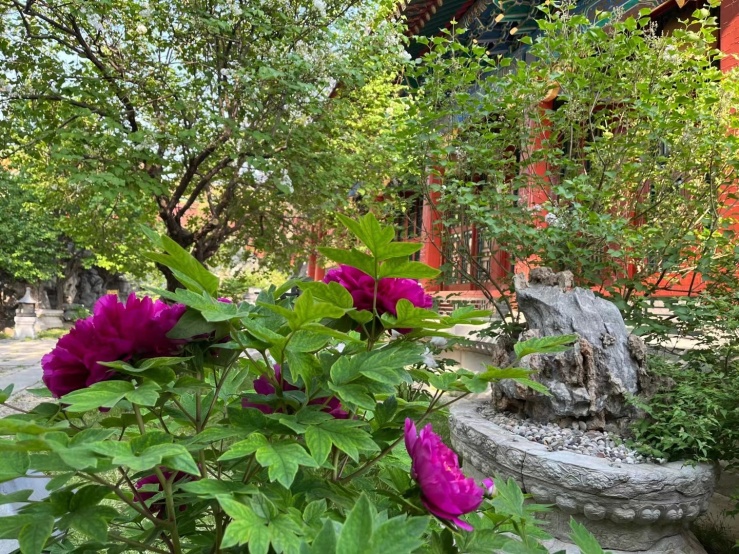
“Eat Spring”. Before and after the Grain Rain, toona sinensis is mellow and refreshing, with high nutritional value, so there is a saying that “the toona sinensis is as tender as silk before the rain”. People say that picking and eating Chinese toon in spring is “eating spring”. Toona sinensis is generally divided into purple toon buds and green toon buds, especially the purple toon buds. Fresh toon sprouts are rich in protein, carotene and a lot of vitamin C. Its leaves, buds, roots, skins and fruits can be used as medicine, which has various effects such as invigorating the stomach and regulating qi, preventing diarrhea and moisturizing the skin.

sacrificing sea. The Grain Rain Festival is also known as the “Zhuang Xing Festival” for fishermen to go fishing. In the coastal areas of northern China, fishermen have been celebrating the Grain Rain Festival for more than 2,000 years. When the sea sacrifice time arrives, the fishermen will carry offerings to the Sea Temple and the Niangniang Temple to offer sacrifices. It is still popular in the Rongcheng area of ​​Jiaodong today.

Go Grain Rain. In ancient times, there was a custom of “walking the Grain Rain”. On the day of Grain Rain, young women would go to the village to join their relatives, and some would come back after a walk in the wild. The meaning is to integrate with nature and strengthen the body

Imagines credits are of the Forbidden City –Imperial Palace –Beijing – China- People’s Republic of China also from the Series Weibo北京卫视上新了故宫 Treasures in the Forbidden City…

#漢服 #HanFu #HanDynastyClothing #HanTraditionalClothing |#零青子 #HowToWearHanfu #FashionLookBook #March2022 |#SongDynasty #MingDynasty #EveryDayWear how to wear an Elegant  Pastel Mint #SwirlSkirt towards #UrbanWear for #EveryDayWear #WorkWear #LookBookGallery

零青子 Hanfu – Han Dynasty Clothing blogger –Vlogger based in historical modern richness of two thousand and four hundred year old ultra megapolis ancient – postmodern Chengdu city Sichuan province of China – People’s Republic of China. She is one of many leading fashion blogger-Vlogger  fashionably trending setting vlogs of how to wear of her collection of sort after Chinese –Han Dynasty Clothing of Hanfu- Han ethnic Traditional clothing in which dressing traditional from various dynasties to its postmodern twentieth first century trending setting ….

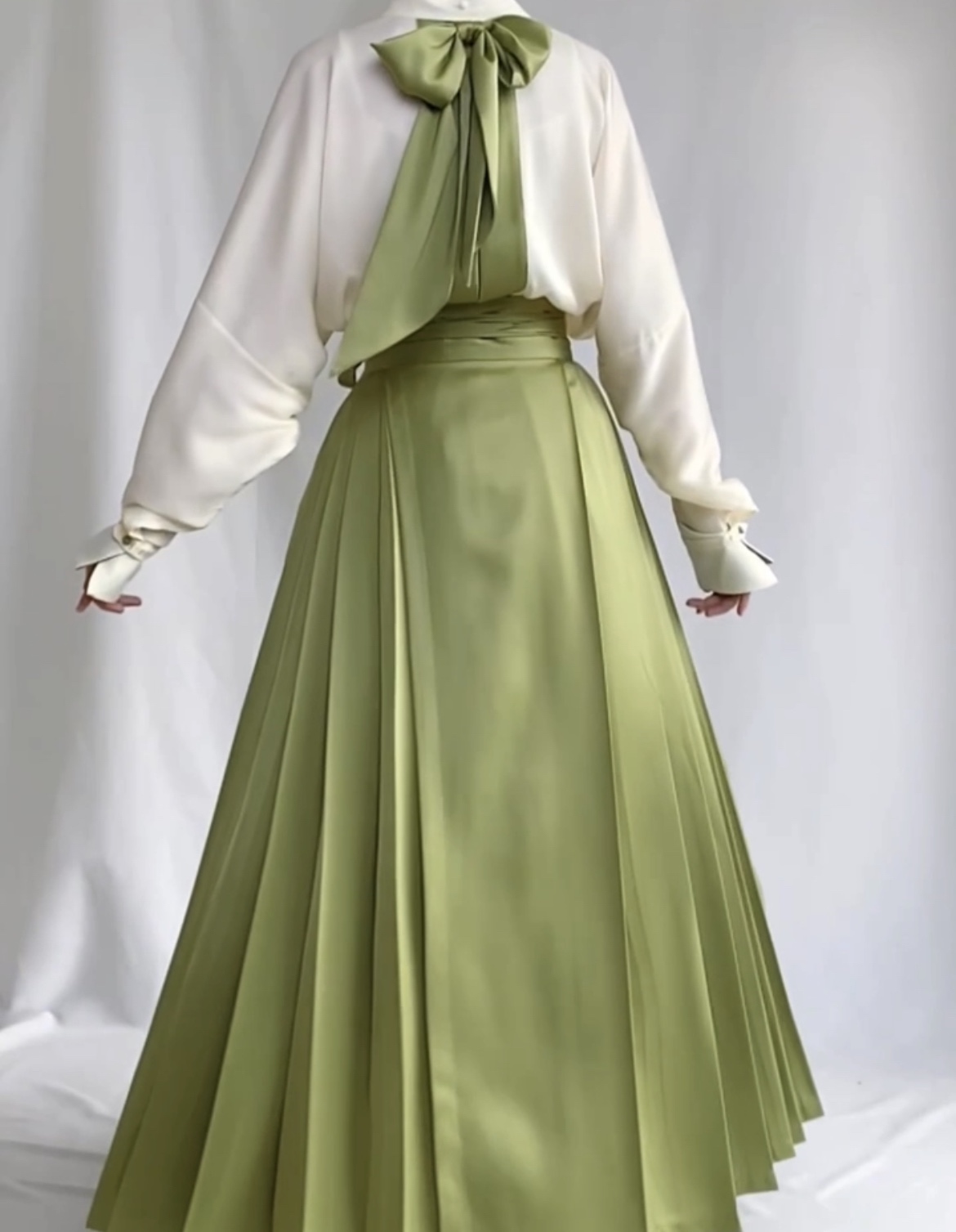
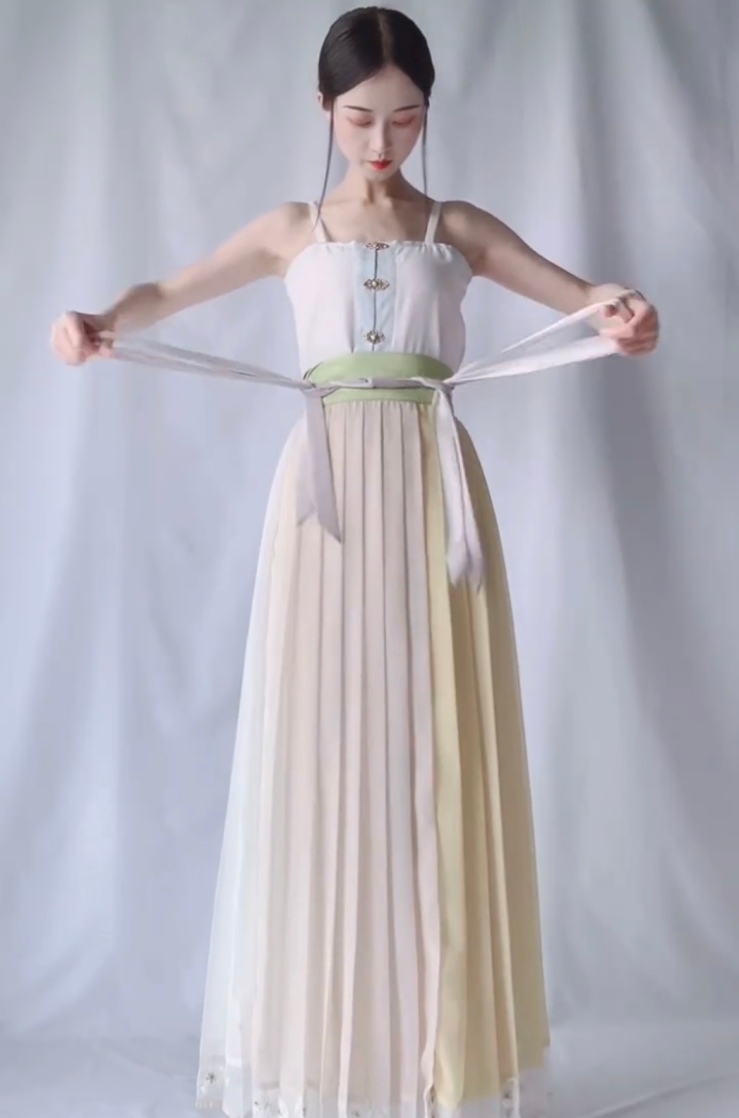
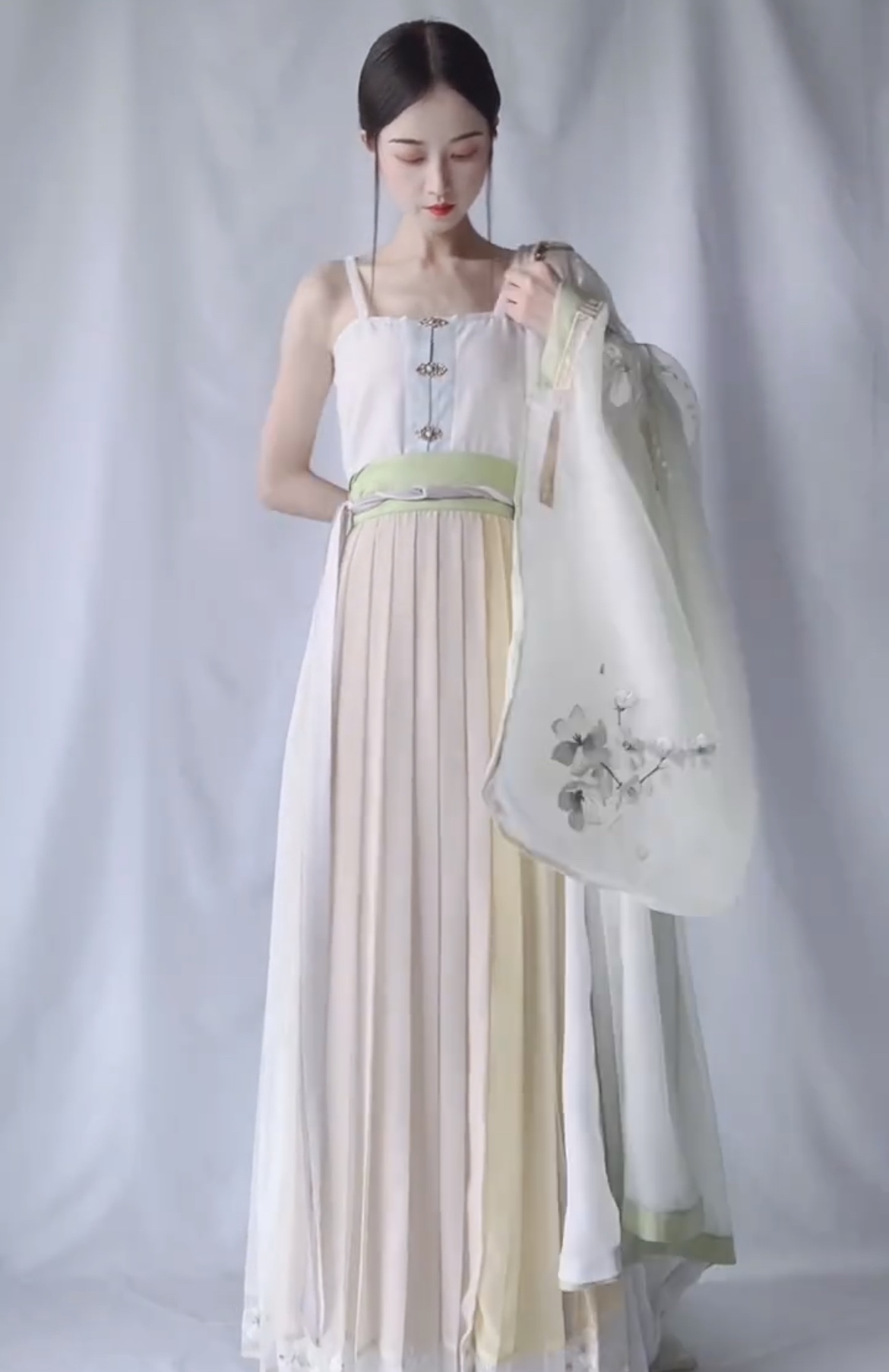
The pastel sheerness Hanfu that is gentle like Chinese pastel mint bamboo leaves pavilion painting, this is probably the gentleness of this softness….  This color scheme is too fresh and elegant. It feels like spring …. First it’ how to wear the Horse-face skirt, also known as “horse-face pleated skirt” is a Swirl Skirt variant, is one of the main skirt styles of ancient Chinese Han women. There are four skirt doors inside and outside, overlapping in two. The outer skirt door is decorated, and the inner skirt door is decorated with little or no decoration. For decoration, the side of the horse-faced skirt is tucked up, and the waist of the skirt is mostly white cloth, which means white head and old age, and it is fixed with rope or button…..

The horse-main skirt is the most typical style of Han women’s dress during the Ming and Qing Dynasties. Its style has undergone a series of changes from the freshness and elegance of the Ming Dynasty to the magnificence and wealth of the Qing Dynasty to the beauty and simplicity of the People’s Republic of China, but its “horse-faced” structure has always been deeply ingrained….,

During the Ming Dynasty Most women wore three collars with narrow sleeves during this dynasty. This is what made up their upper clothing most of the time. Pleated skirts were also popularized in this period and made clothing more graceful for women. Light colours became very popular during the start of the Ming Dynasty. Embroidered capes also became part of the ensemble for women’s clothing. It was worn over the shoulders which were called “Rosy Cloud Cape” due to its rosy and cloud-like shape.

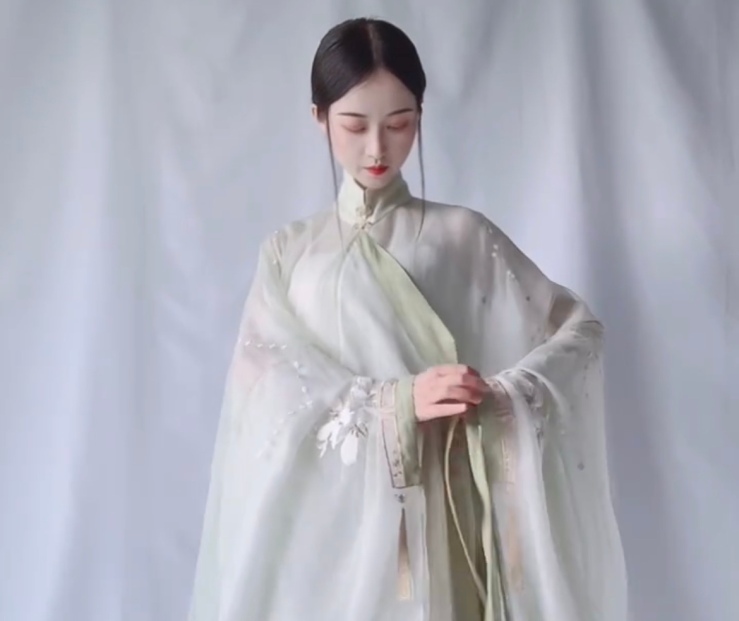
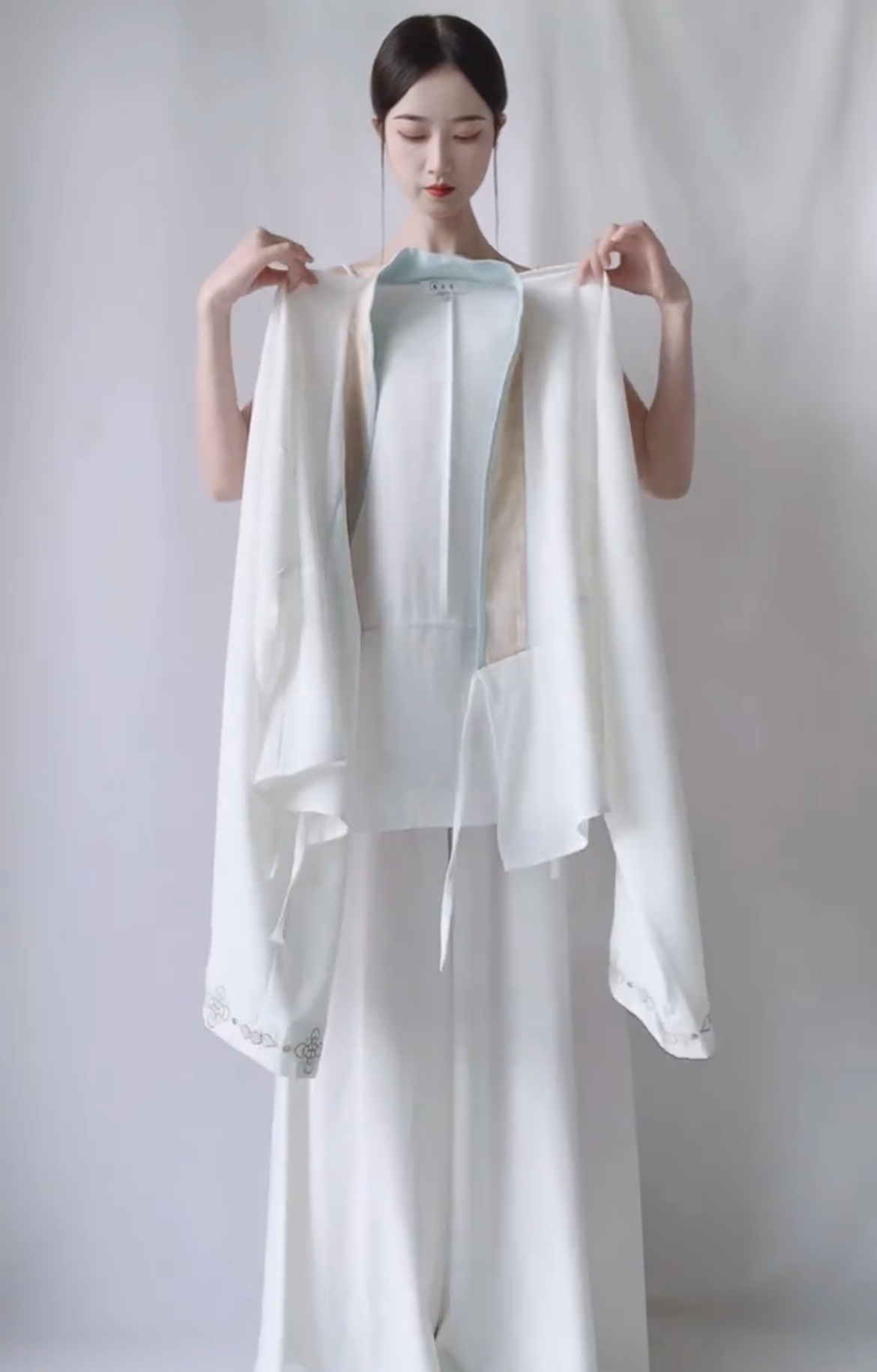
How to wear a Ming Dynasty urban wear every day wear clothing on for a every day wear  first apply the undergarment in which is the Short front Button Cami with the undergarment skirt/ long bloomers  with soft silk Swirl Skirt in very simple pastel colours fabrics with fun Printed playfully keeping warm and cool throughout the seasons then apply wearing the Sheer Fabric Shirt  竖领对襟纱in which it has a Standing Collar with opening shirt with Sheerness Standing collar . 披風 Pi Feng The sheerness is general worn at private areas at Home in which the sheerness is informal wear..  However there’s a heavier moderate for formal wear for urban wear.

HanFu- Han Dynasty Clothing – Han Traditional Clothing is making a massive come back in the Asian Chinese communities as youths reliving In recently decades there’s been very much strong revitalisation of Chinese Customary tailoring clothing in which is HanFu- Han Dynasty (221-206 BC) period inspired clothing in which was worn just before the fall of the Ming Dynasty (23 January 1308 to 25 April1644, until a North East Manchurian fashion that have taken over the traditional Han Dynasty fashion in which we known till today that’s the Qipao in which have been fashionable evolving on the same path also…. Like a Qipao, HanFu can be worn every day, as work wear, till as evening wear… It also it comes in various forms as to the nature of activity of the day or night…

Images visuals are from Weibo and their respectives of 零青子.

#漢服 #HanFu #HanDynastyClothing #HanTraditionalClothing |#零青子 #HowToWearHanfu #FashionLookBook #February2022 |#SongDynasty #MingDynasty #EveryDayWear how to wear #SwirlSkirt towards #UrbanWear for #EveryDayWear #WorkWear of Which dynasty’s Hanfu do you like?…

零青子 Hanfu – Han Dynasty Clothing blogger –Vlogger based in historical modern richness of two thousand and four hundred year old ultra megapolis ancient – postmodern Chengdu city Sichuan province of China – People’s Republic of China. She is one of many leading fashion blogger-Vlogger  fashionably trending setting vlogs of how to wear of her collection of sort after Chinese –Han Dynasty Clothing of Hanfu- Han ethnic Traditional clothing in which dressing traditional from various dynasties to its postmodern twentieth first century trending setting ….

The pastel sheerness Hanfu that is gentle like Chinese purple aqua pavilion painting, this is probably the gentleness of this softness….  This color scheme is too fresh and elegant. It feels like spring …. First it’ how to wear the Horse-face skirt, also known as “horse-face pleated skirt” is a Swirl Skirt variant, is one of the main skirt styles of ancient Chinese Han women. There are four skirt doors inside and outside, overlapping in two. The outer skirt door is decorated, and the inner skirt door is decorated with little or no decoration. For decoration, the side of the horse-faced skirt is tucked up, and the waist of the skirt is mostly white cloth, which means white head and old age, and it is fixed with rope or button…..

The horse-main skirt is the most typical style of Han women’s dress during the Ming and Qing Dynasties. Its style has undergone a series of changes from the freshness and elegance of the Ming Dynasty to the magnificence and wealth of the Qing Dynasty to the beauty and simplicity of the People’s Republic of China, but its “horse-faced” structure has always been deeply ingrained….,

During the Ming Dynasty Most women wore three collars with narrow sleeves during this dynasty. This is what made up their upper clothing most of the time. Pleated skirts were also popularized in this period and made clothing more graceful for women. Light colours became very popular during the start of the Ming Dynasty. Embroidered capes also became part of the ensemble for women’s clothing. It was worn over the shoulders which were called “Rosy Cloud Cape” due to its rosy and cloud-like shape.

How to wear a Ming Dynasty urban wear every day wear clothing on for a every day wear  first apply the undergarment in which is the Short front Button Cami with the undergarment skirt/ long bloomers  with soft silk Swirl Skirt in very simple pastel colours fabrics with fun Printed playfully keeping warm and cool throughout the seasons then apply wearing the Sheer Fabric Shirt  竖领对襟纱in which it has a Standing Collar with opening shirt with Sheerness Standing collar . 披風 Pi Feng The sheerness is general worn at private areas at Home in which the sheerness is informal wear..  However there’s a heavier moderate for formal wear for urban wear.

HanFu- Han Dynasty Clothing – Han Traditional Clothing is making a massive come back in the Asian Chinese communities as youths reliving In recently decades there’s been very much strong revitalisation of Chinese Customary tailoring clothing in which is HanFu- Han Dynasty (221-206 BC) period inspired clothing in which was worn just before the fall of the Ming Dynasty (23 January 1308 to 25 April1644, until a North East Manchurian fashion that have taken over the traditional Han Dynasty fashion in which we known till today that’s the Qipao in which have been fashionable evolving on the same path also…. Like a Qipao, HanFu can be worn every day, as work wear, till as evening wear… It also it comes in various forms as to the nature of activity of the day or night…

Images visuals are from Weibo and their respectives of 零青子.

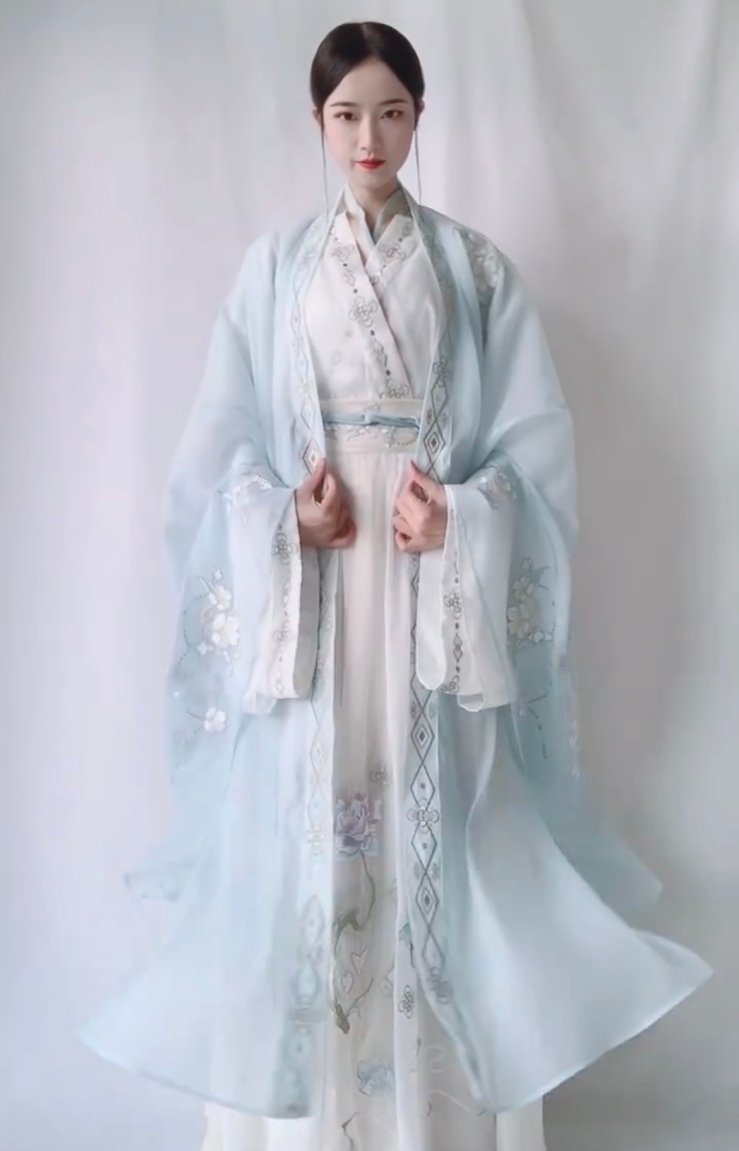
#漢服 #HanFu #HanDynastyClothing #HanTraditionalClothing |#零青子 #HowToWearHanfu #FashionLookBook #February2022 |#SongDynasty how to wear an elegant sheer spring blue pastel white scheme is the gentleness tenderness #EveryDayWear of urban #SwirlSkirt towards #UrbanWear for #EveryDayWear #WorkWear…

零青子 Hanfu – Han Dynasty Clothing blogger –Vlogger based in historical modern richness of two thousand and four hundred year old ultra megapolis ancient – postmodern Chengdu city Sichuan province of China – People’s Republic of China. She is one of many leading fashion blogger-Vlogger  fashionably trending setting vlogs of how to wear of her collection of sort after Chinese –Han Dynasty Clothing of Hanfu- Han ethnic Traditional clothing in which dressing traditional from various dynasties to its postmodern twentieth first century trending setting ….

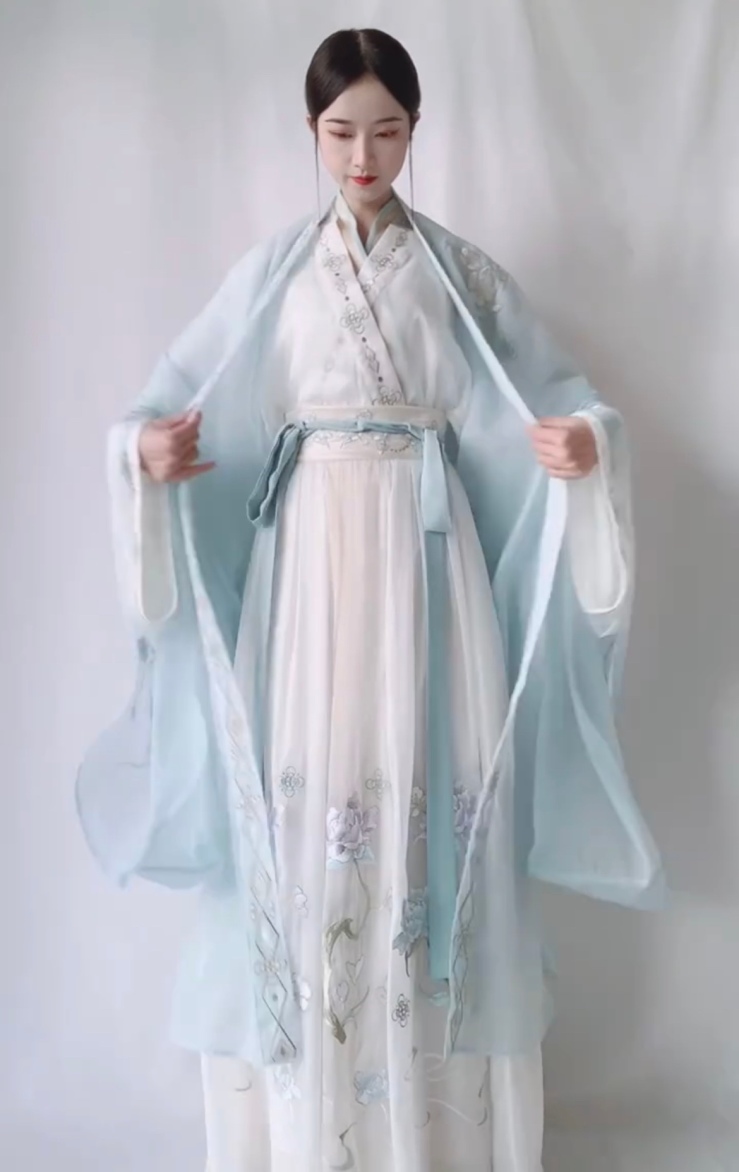
The pastel sheerness Hanfu that is gentle like Chinese water pastel blue white pavilion painting , this is probably the gentleness of this softness This color scheme is too fresh and elegant. It feels like spring …. First it’ how to wear the Horse-face skirt, also known as “horse-face pleated skirt” is a Swirl Skirt variant, is one of the main skirt styles of ancient Chinese Han women. There are four skirt doors inside and outside, overlapping in two. The outer skirt door is decorated, and the inner skirt door is decorated with little or no decoration. For decoration, the side of the horse-faced skirt is tucked up, and the waist of the skirt is mostly white cloth, which means white head and old age, and it is fixed with rope or button…..

The horse-main skirt is the most typical style of Han women’s dress during the Ming and Qing Dynasties. Its style has undergone a series of changes from the freshness and elegance of the Ming Dynasty to the magnificence and wealth of the Qing Dynasty to the beauty and simplicity of the Republic of China, but its “horse-faced” structure has always been deeply ingrained….,

 During the Ming Dynasty Most women wore three collars with narrow sleeves during this dynasty. This is what made up their upper clothing most of the time. Pleated skirts were also popularized in this period and made clothing more graceful for women. Light colours became very popular during the start of the Ming Dynasty. Embroidered capes also became part of the ensemble for women’s clothing. It was worn over the shoulders which were called “Rosy Cloud Cape” due to its rosy and cloud-like shape.

How to wear a Ming Dynasty urban wear every day wear clothing on for a every day wear  first apply the undergarment in which is the Short front Button Cami with the undergarment skirt/ long bloomers  with soft silk Swirl Skirt in very simple pastel colours fabrics with fun Printed playfully keeping warm and cool throughout the seasons then apply wearing the Sheer Fabric Shirt  竖领对襟纱in which it has a Standing Collar with opening shirt with Sheerness Standing collar . 披風 Pi Feng The sheerness is general worn at private areas at Home in which the sheerness is informal wear..  However there’s a heavier moderate for formal wear for urban wear.

HanFu- Han Dynasty Clothing – Han Traditional Clothing is making a massive come back in the Asian Chinese communities as youths reliving In recently decades there’s been very much strong revitalisation of Chinese Customary tailoring clothing in which is HanFu- Han Dynasty (221-206 BC) period inspired clothing in which was worn just before the fall of the Ming Dynasty (23 January 1308 to 25 April1644, until a North East Manchurian fashion that have taken over the traditional Han Dynasty fashion in which we known till today that’s the Qipao in which have been fashionable evolving on the same path also…. Like a Qipao, HanFu can be worn every day, as work wear, till as evening wear… It also it comes in various forms as to the nature of activity of the day or night…

Images visuals are from Weibo and their respectives of 零青子.

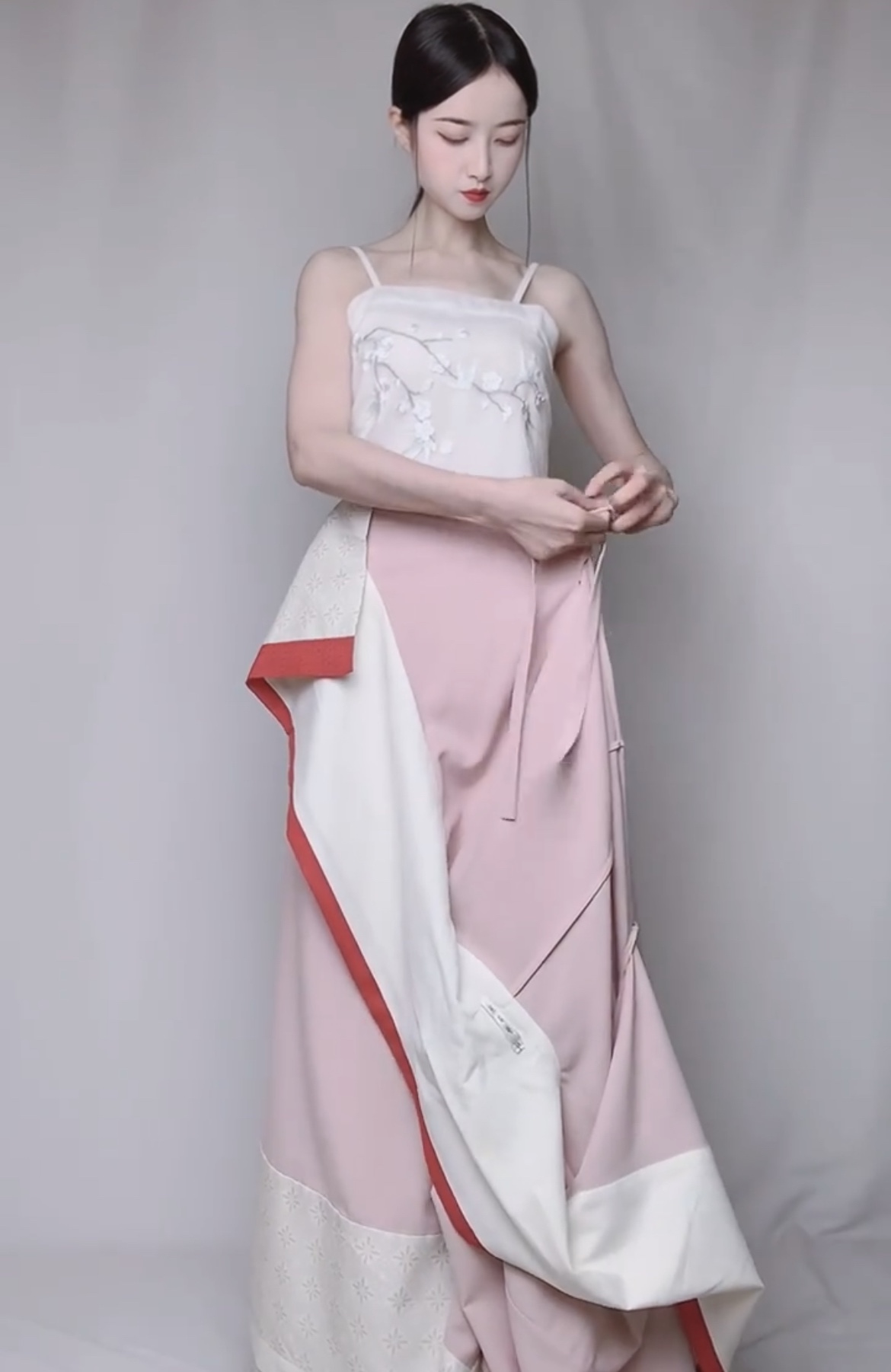
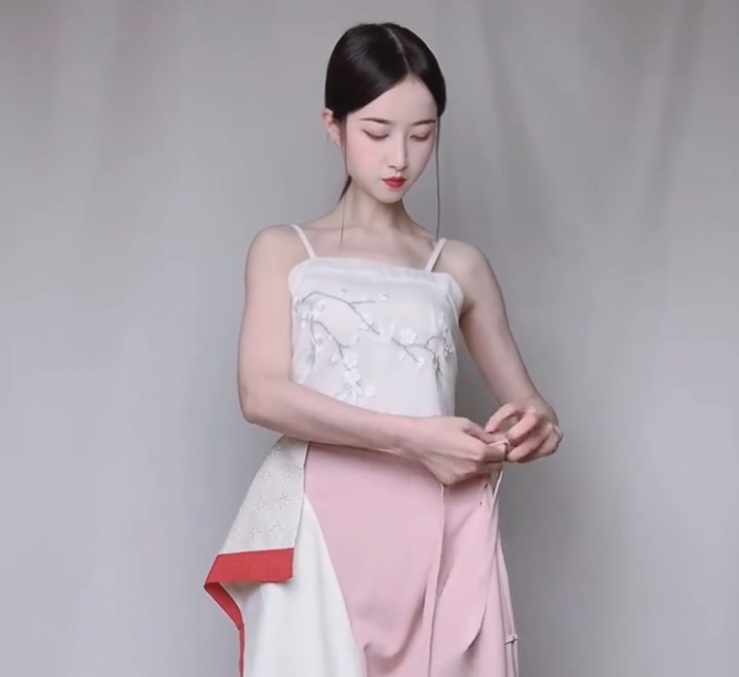
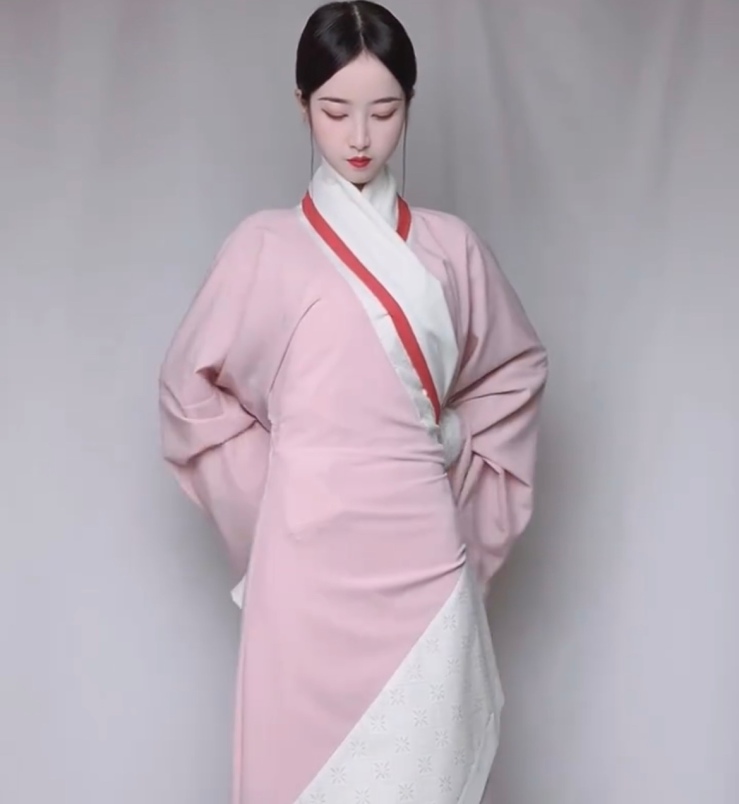
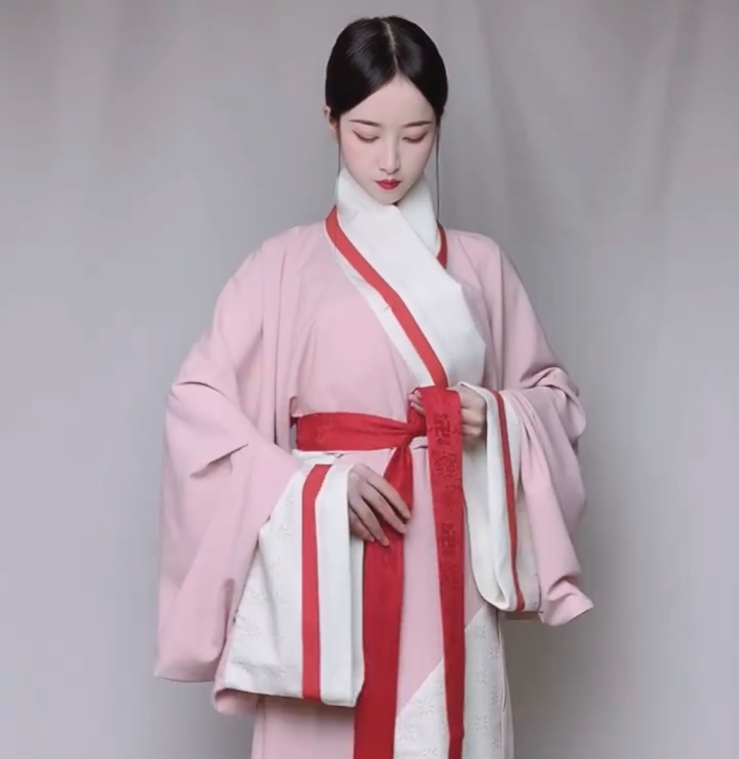
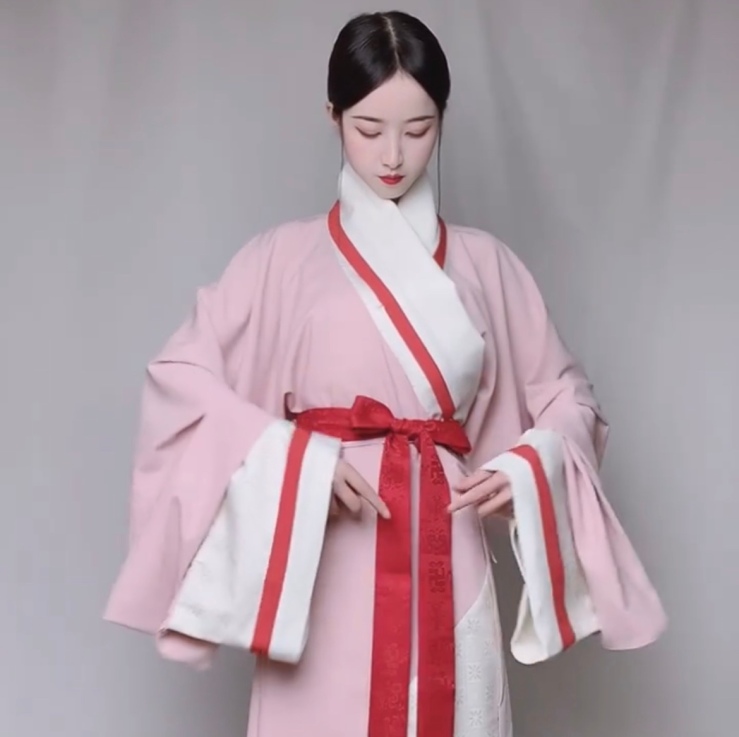
#漢服 #HanFu #HanDynastyClothing #HanTraditionalClothing |#零青子 #HowToWearHanfu #FashionLookBook #January2022 |#XiaDynasty how to wear an elegant sheer elegant spring scheme is the gentleness spring white pink with red ribbons tenderness #EveryDayWear of #UrbanWear

零青子 Hanfu – Han Dynasty Clothing blogger –Vlogger based in historical modern richness of two thousand and four hundred year old ultra megapolis ancient – postmodern Chengdu city Sichuan province of China – People’s Republic of China. She is one of many leading fashion blogger-Vlogger  fashionably trending setting vlogs of how to wear of her collection of sort after Chinese –Han Dynasty Clothing of Hanfu- Han ethnic Traditional clothing in which dressing traditional from various dynasties to its postmodern twentieth first century trending setting ….

The pastel light pink white Xia Dynasty era clothing  Hanfu that is practically gentle for all seasons  in which is great for warmth for wintery season where it’s insulating the body’s warmth decorative  like Chinese water pavilion painting , this is probably the gentleness of this softness This color scheme is too fresh and elegant. It feels like spring as blossom ….

The ancient Chinese wore tunics like long- and short-sleeved robes with or without belts. Women mostly wore long tunics with a belt that touched the ground and men wore shorter ones that touched their knees. Initially, there were no buttons, as these were developed much later on. Some people wore an outer jacket to keep them warm during the winter, and this was commonly used during the Xia dynasty (2070–1600 BC).

The Hanfu refers to a traditional outfit worn by the Han Chinese. It was also commonly known as the Hanzhuang or Huafu, which was a unisex outfit assembled from several pieces of clothing.

Yi (unisex): Open cross-collar garment

Pao (men’s costume): Closed full-body garment

Ru: Open cross-collar shirt

Shan: Open cross-collar jacket worn over the yi

Qun or chang: Skirt for women and ku for men

The Hanfu was derived from the Book of Han, that described how “he [Qu Li] came to the court several times to pay homage and was extravagant by the dressing style of the Han.” The Hanfu was designed for comfort and ease. It had a crossing collar, waistband, and a right lapel.

Traditionally First it’ how to wear the Horse-face skirt, also known as “horse-face pleated skirt” is a Swirl Skirt variant, is one of the main skirt styles of ancient Chinese Han women. There are four skirt doors inside and outside, overlapping in two. The outer skirt door is decorated, and the inner skirt door is decorated with little or no decoration. For decoration, the side of the horse-faced skirt is tucked up, and the waist of the skirt is mostly white cloth, which means white head and old age, and it is fixed with rope or button…..

The horse-main skirt is the most typical style of Han women’s dress during the Ming and Qing Dynasties. Its style has undergone a series of changes from the freshness and elegance of the Ming Dynasty to the magnificence and wealth of the Qing Dynasty to the beauty and simplicity of the Republic of China, but its “horse-faced” structure has always been deeply ingrained….,

 During the Ming Dynasty Most women wore three collars with narrow sleeves during this dynasty. This is what made up their upper clothing most of the time. Pleated skirts were also popularized in this period and made clothing more graceful for women. Light colours became very popular during the start of the Ming Dynasty. Embroidered capes also became part of the ensemble for women’s clothing. It was worn over the shoulders which were called “Rosy Cloud Cape” due to its rosy and cloud-like shape.

How to wear a Ming Dynasty urban wear every day wear clothing on for a every day wear  first apply the undergarment in which is the Short front Button Cami with the undergarment skirt/ long bloomers  with soft silk Swirl Skirt in very simple pastel colours fabrics with fun Printed playfully keeping warm and cool throughout the seasons then apply wearing the Sheer Fabric Shirt  竖领对襟纱in which it has a Standing Collar with opening shirt with Sheerness Standing collar . 披風 Pi Feng The sheerness is general worn at private areas at Home in which the sheerness is informal wear..  However there’s a heavier moderate for formal wear for urban wear.

HanFu- Han Dynasty Clothing – Han Traditional Clothing is making a massive come back in the Asian Chinese communities as youths reliving In recently decades there’s been very much strong revitalisation of Chinese Customary tailoring clothing in which is HanFu- Han Dynasty (221-206 BC) period inspired clothing in which was worn just before the fall of the Ming Dynasty (23 January 1308 to 25 April1644, until a North East Manchurian fashion that have taken over the traditional Han Dynasty fashion in which we known till today that’s the Qipao in which have been fashionable evolving on the same path also…. Like a Qipao, HanFu can be worn every day, as work wear, till as evening wear… It also it comes in various forms as to the nature of activity of the day or night…

Images visuals are from Weibo and their respectives of 零青子.