#北京。 #中國 #China #Beijing | #紫禁城 #ForbiddenCity #June2023 | #ForbiddenCityDairies #星球研究所 # Planet Research Institute #MingDynastyTombs Travelling into #MingDynasty walking down living history mystery solving…

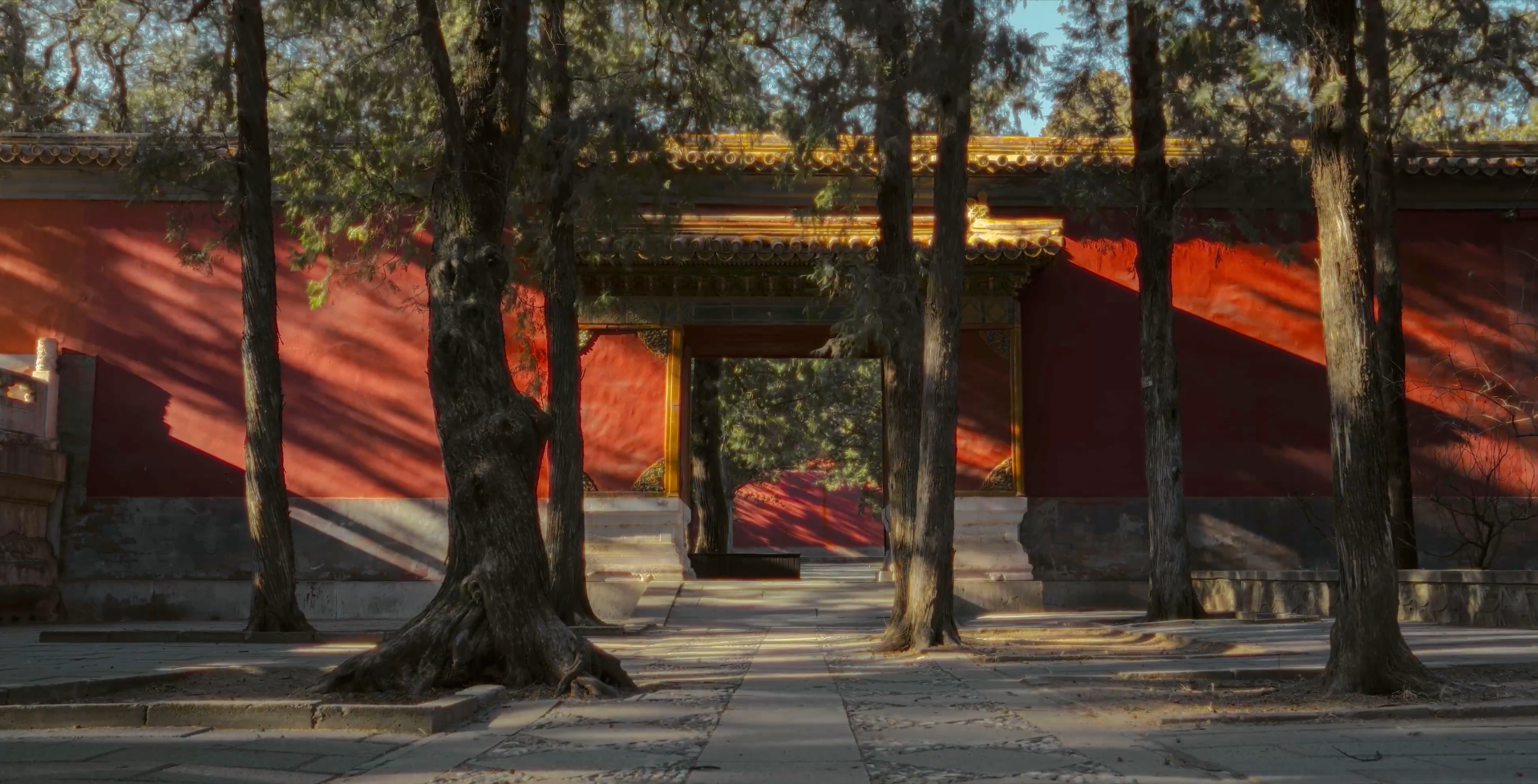
The Ming Tombs are located at the foot of Tianshou Mountain in Changping District , Beijing China, People’s Republic of China , about 50 kilometers away from Tiananmen. The Ming Tombs are located in a small basin surrounded by mountains on three sides in the east, west and north. The area around the tomb is surrounded by mountains, the central part is a plain, and there is a meandering river in front of the tomb. From the beginning of Changling in May of the seventh year of Yongle (1409) to the burial of Chongzhen, the last emperor of the Ming Dynasty, in Siling.

The Ming Tombs have a total of 13 imperial tombs, including the Changling Mausoleum of Chengzu Zhu Di, Xianling Mausoleum of Renzong Zhu Gaochi, Jingling Mausoleum of Xuanzong Zhu Zhanji, Yuling Mausoleum of Yingzong Zhu Qizhen, Xianzong Zhu Jianshenmao Mausoleum, Xiaozong Zhu Youtang’s Tai Mausoleum. The Kangling Mausoleum of Wuzong Zhu Houzhao, the Yongling Mausoleum of Sejong Zhu Houcong, the Zhao Mausoleum of Mu Zong Zhu Zaihou, and the Ding Mausoleum of Shenzong Zhu Yijun. The Qingling Mausoleum of Guangzong Zhu Changluo, and the Deling Mausoleum of Xizong Zhu Youxiao. The Siling Mausoleum of Chongzhen Emperor Zhu Youjian. In addition, there are 8 accompanying tombs, including 7 concubine (prince) tombs and 1 eunuch tomb. Its architectural form embodies the feudal rules and regulations of the Ming Dynasty. Both the emperor’s mausoleum and the rear mausoleum are covered with yellow glazed tiles. 

The Ming Tombs area covers an area of ​​40 square kilometers. It is famous for its magnificent scale, complete cemetery system, solemn and harmonious layout, beautiful and quiet scenery, and elegant and simple style.

In 1957, it was listed as the first batch of key ancient buildings and cultural relic’s protection units in Beijing. In 1961, it was listed as a national key cultural relic protection unit by the State Council of the People’s Republic of China. In 1982, the Ming Tombs and Badaling were listed as one of the national key scenic spots protection areas as a complete scenic spot. On July 3, 2003, the Ming Tombs, as an expansion project of the royal tombs of the Ming and Qing Dynasties, were approved by the 27th United Nations World Heritage Conference and included in the “World Heritage List
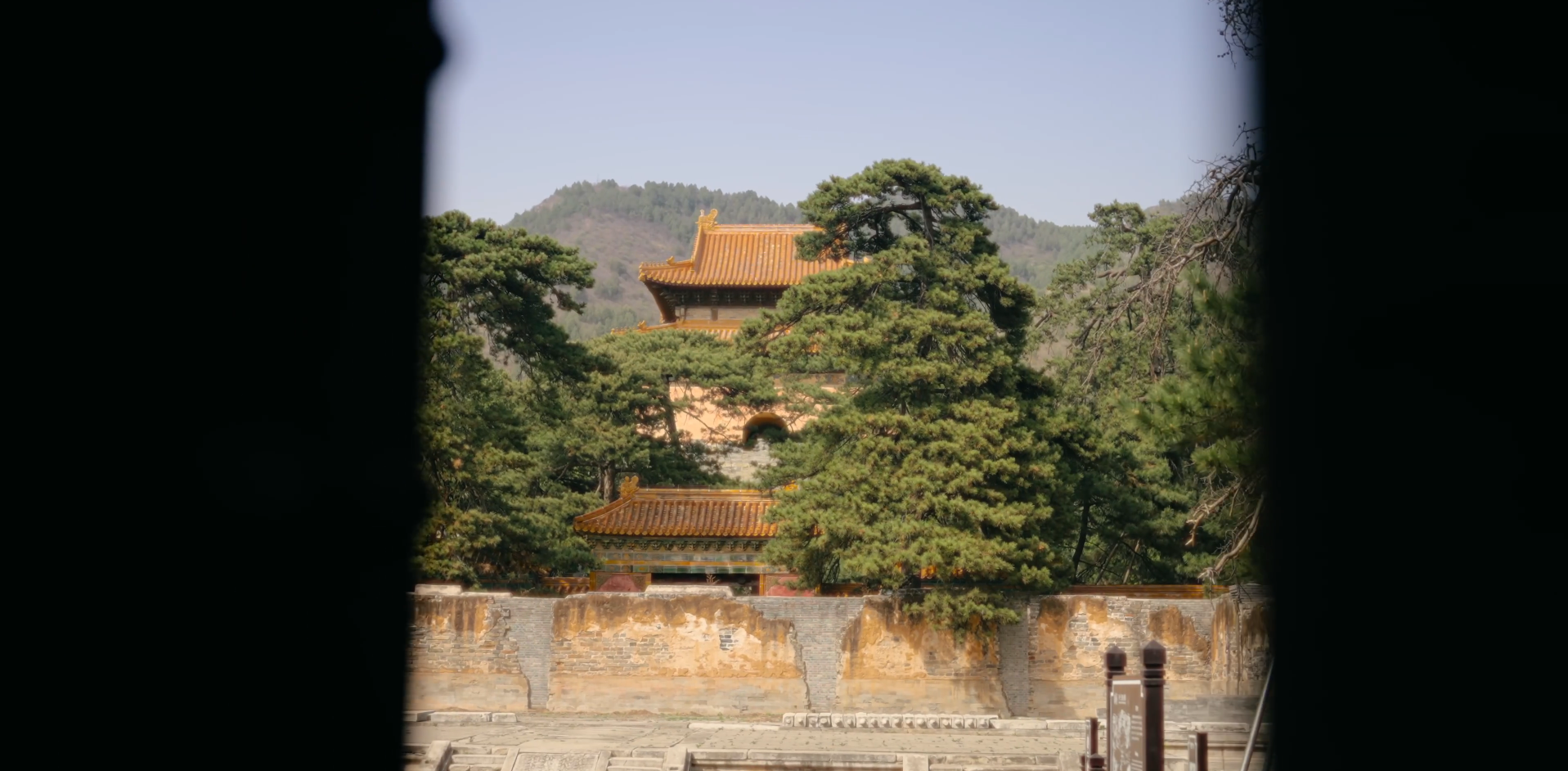
The Ming tombs are a collection of mausoleums built by the emperors of the Ming dynasty of China. The first Ming emperor’s tomb is located near his capital Nanjing. However, the majority of the Ming tombs are located in a cluster near Beijing and collectively known as the Thirteen Tombs of the Ming dynasty. 

The Ming dynasty, officially the Great Ming, was an imperial dynasty of China, ruling from 1368 to 1644 following the collapse of the Mongol-led Yuan dynasty. The Ming dynasty was the last imperial dynasty of China ruled by the Han people, the majority ethnic group in China…

Enjoy the cool air! I should be the first science popularization master who entered the Ming Tombs at night.

This is the largest and most complete royal cemetery in China, and the resting place of 13 emperors of the Ming Dynasty. When the hustle and bustle of the day fades away, this cemetery has more vicissitudes of history. The purpose of this trip is to find the answer to a question.


Regardless of whether it is the imperial tombs of the Han and Tang Dynasties, the imperial tombs of the Song Dynasty, or the imperial tombs of the Qing Dynasty, they were either severely damaged or completely looted. But why is it that only the Ming Tombs are relatively intact above and below ground? 明圣圣陵Why can survive to this day ?

Walk! Go down to the imperial mausoleum to solve the mystery that has been covered in dust for many years…
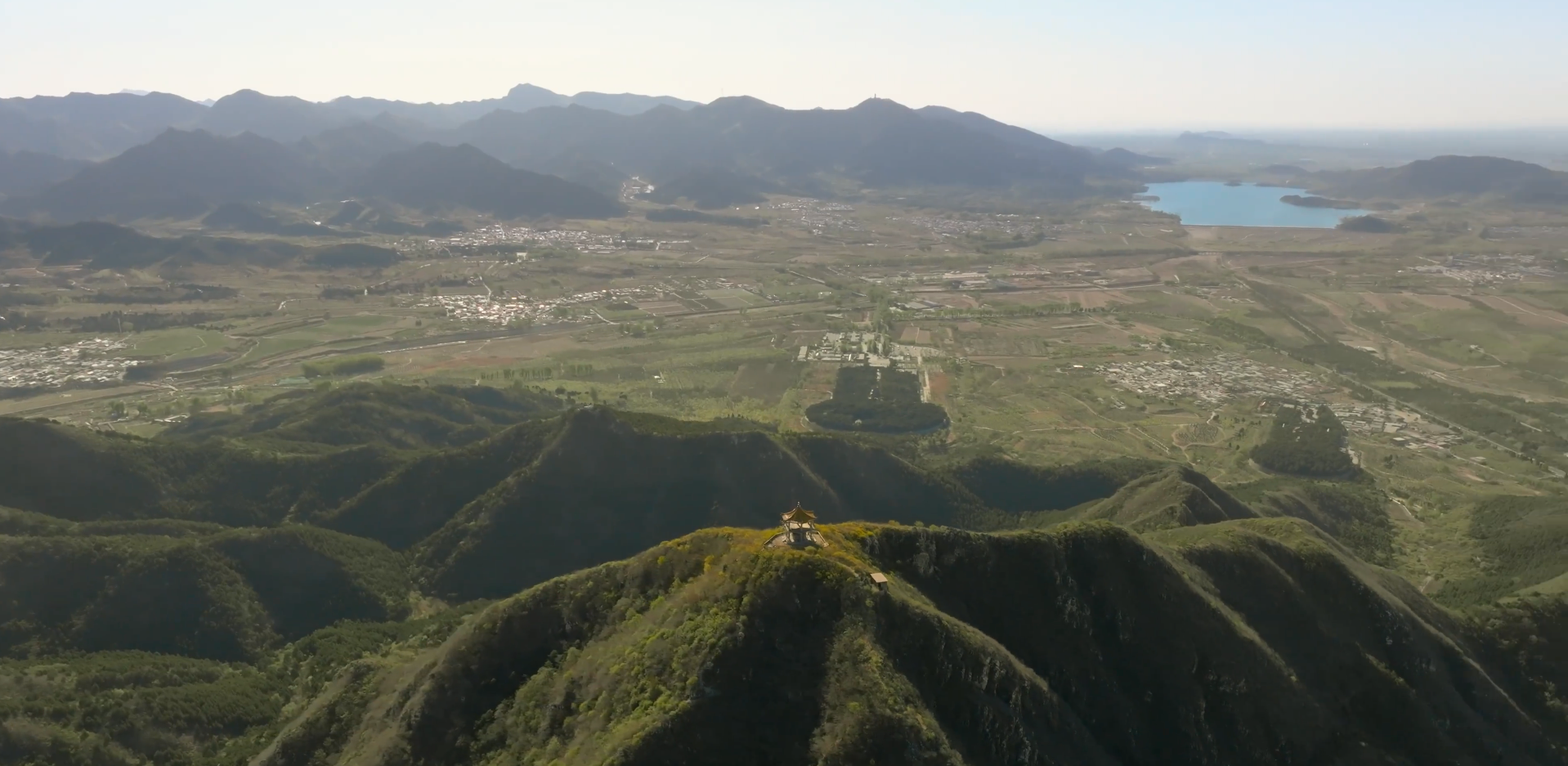
 The Ming Tombs are located in Changping District, 50km northwest of Beijing, and are the general name of the tombs of 13 emperors of the Ming Dynasty. The mausoleum area covers an area of ​​80km2, and it is the relatively complete mausoleum building and the tomb group with the most buried emperors in the world today.
  The construction of the Ming Tombs began in the seventh year of Ming Yongle (1409) and ended in the early Qing Dynasty, which lasted more than 200 years. According to the order of the construction time of the mausoleum, they are: Changling (Tomb of Emperor Yongle), Xianling (Tomb of Emperor Hongxi), Jingling (Tomb of Emperor Xuande), Yuling (Tomb of Emperor Zhengtong (that is, Emperor Tianshun)), Maoling (Tomb of Emperor Tianshun) Chenghua Emperor’s Tomb), Tailing (Hongzhi Emperor’s Tomb), Kangling (Zhengde Emperor’s Tomb), Yongling (Jiajing Emperor’s Tomb), Zhaoling (Longqing Emperor’s Tomb), Dingling (Wanli Emperor’s Tomb), Qingling (Taichang Emperor’s Tomb) Emperor’s Mausoleum), Deling (Tianqi Emperor’s Mausoleum), Siling (Chongzhen Emperor’s Mausoleum). In addition to the 13 emperors buried in the mausoleum area, there are also 23 empresses, 1 imperial concubine and dozens of palace officials who were buried. In addition, there are 7 concubine graves in the mausoleum area (East Well, West Well, Tomb of Concubine Wangui, Mourning Tomb, Tomb of Four Concubines and Two Princes, Tomb of Concubine Xian, Tomb of Concubine Zheng and Tombs of Concubines Erli, Liu, and Zhou) ) and a eunuch’s burial tomb (Wang Chengen’s tomb), as well as various buildings such as palaces and gardens serving the emperor’s mausoleum. City walls were built at 10 natural mountain passes (Dongshan Pass, Zhongshan Pass, Zhazikou, Xishan Pass, Desheng Pass, Yanzi Pass, Zhuishi Pass, Xianzhuang Pass, Huiling Pass, and Laojuntang Pass) around the mausoleum. , Barrier walls and other defensive facilities to protect the safety of the mausoleum area.
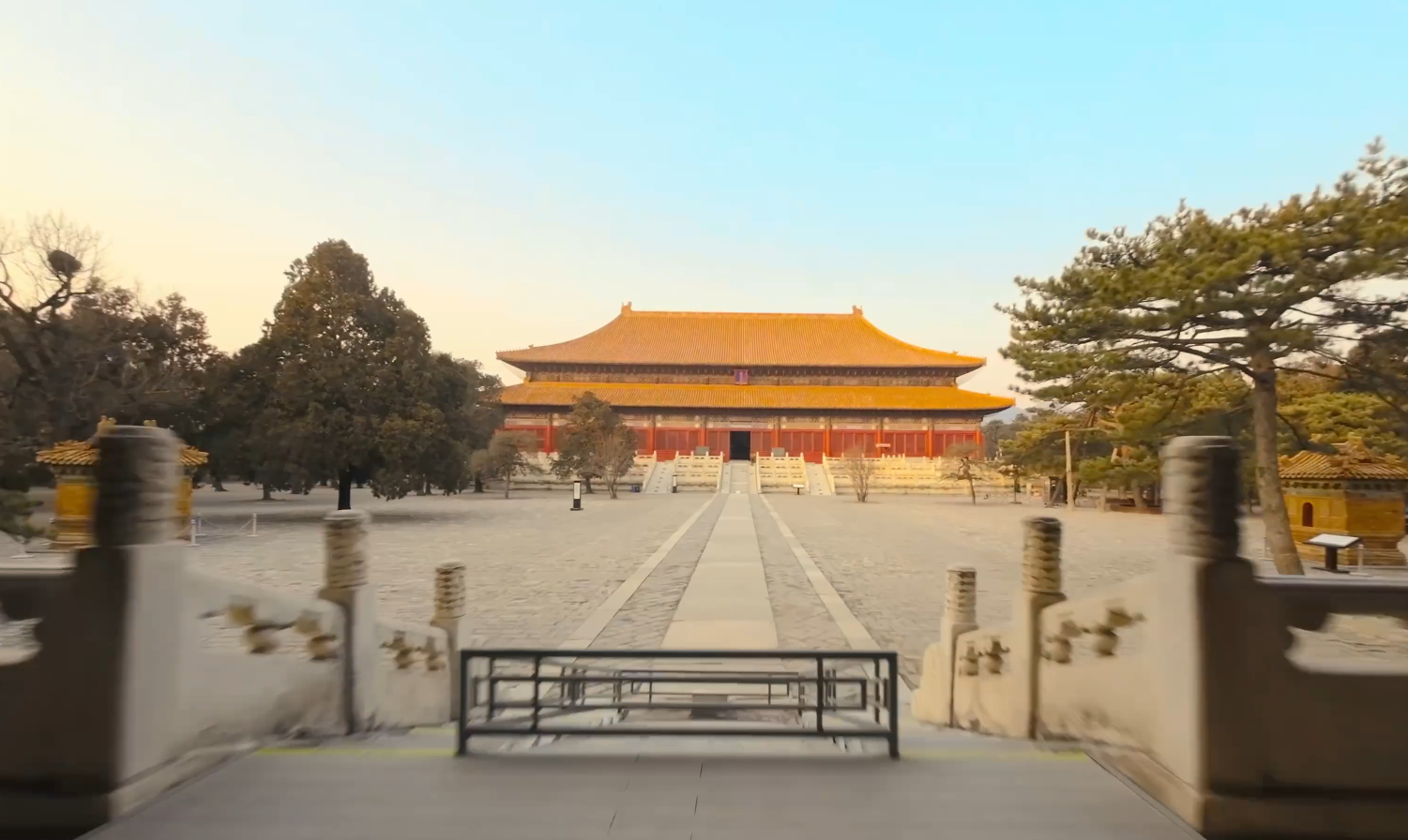

  The construction of the imperial mausoleum of the Ming Dynasty was divided into several steps: the selection of the mausoleum site, the formulation of regulations, and the preparation of materials for construction. The selection of the mausoleum site is the primary link in the construction of the mausoleum. Generally, firstly, the first and second-rank officials of the DPRK will lead the Fengshui surveyors to follow the theory of Fengshui, “the shape of the mountain from the outside, and the land veins from the inside”. The emperor, if necessary, draws a picture, pastes a description, and finally decides by the emperor.
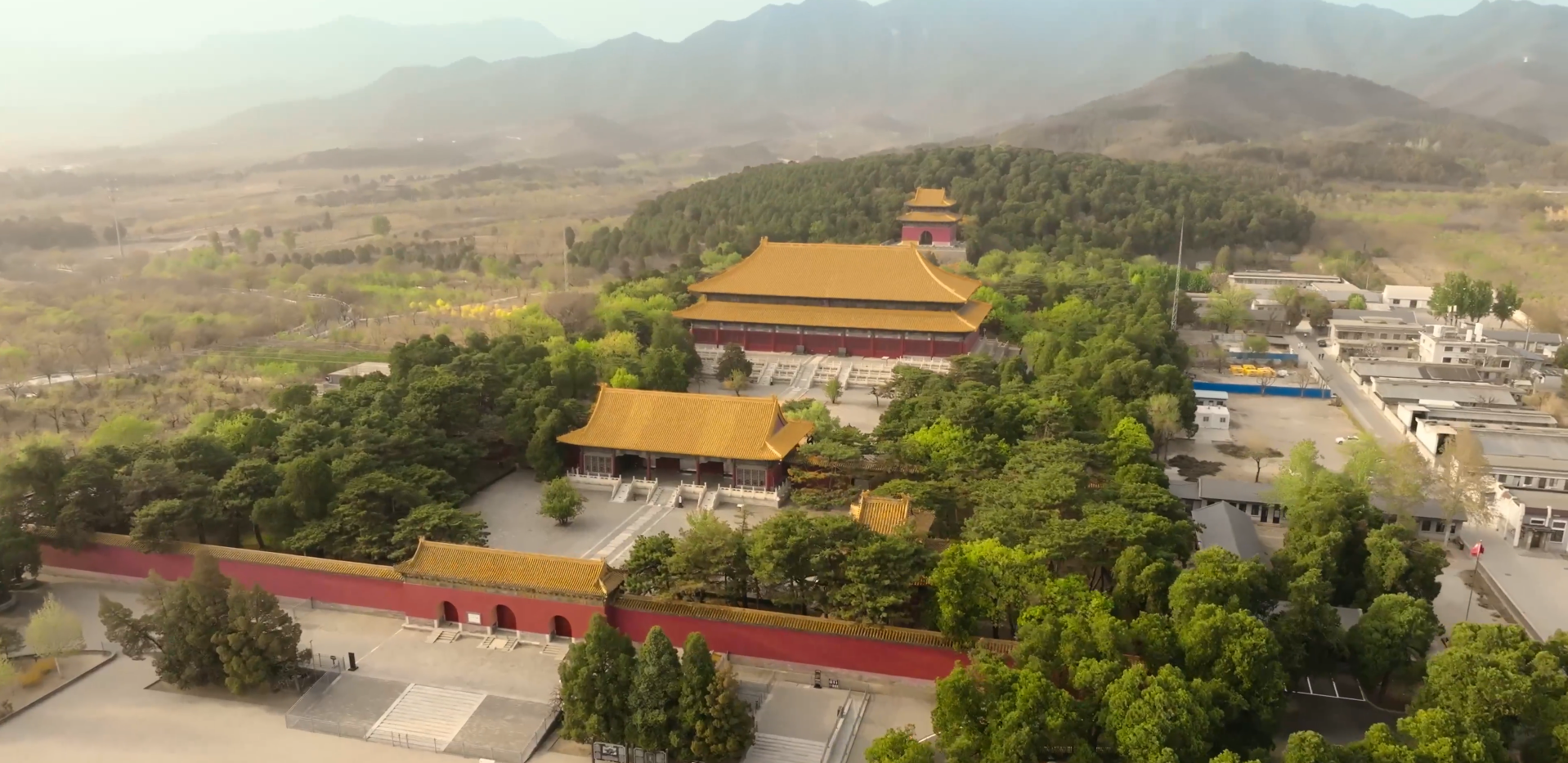

  After Cheng Zu Zhu Di proclaimed himself emperor, he planned to move the capital from Nanjing to Beijing. In the sixth year of Yongle in the Ming Dynasty (1408), Zhu Di ordered Zhao Yan, Minister of Rites, to lead Jiangxi warlock Liao Junqing and others to visit the mausoleum near Beijing. After more than a year, the auspicious soil for thousands of years was finally found in the Huangtu Mountain in Changping. Zhu Di then sealed Huangtu Mountain as Tianshou Mountain, and decreed to encircle the area with a radius of 80 li as the forbidden area of ​​the mausoleum.


  The layout of the tombs of the Ming Tombs is not in accordance with the “Zhou Li” method of left and right, but with the respected ones in the main veins and the humble ones in the secondary veins (remaining veins). Changling is the first tomb of the Ming Tombs. It is located in the middle of the main peak of Tianshou Mountain, and other tombs are arranged around it. Among the Ming Tombs, Changling is the largest, followed by Yongling and Dingling, and Siling is the smallest. Mausoleum construction methods can be divided into three types: one is the mausoleum built by the emperor during his lifetime, which is large in scale and richly decorated (such as Changling Tomb, Yongling Mausoleum, and Ding Tomb); The posthumous edict of “building a mausoleum” may be affected by the burial period and national power, and the scale is small and relatively simple (such as Xianling and Jingling); the third is that the emperor will not have time to build the mausoleum during his lifetime, and the next dynasty will build it after the change of dynasty (such as Siling).
  The Ming Tombs are famous all over the world for their majestic scale, complete cemetery system, solemn and harmonious layout, beautiful and quiet scenery, and elegant and simple style. In 1957, it was listed as the first batch of key ancient buildings and cultural relics protection units in Beijing. In 1961, it was listed as a national key cultural relics protection unit. In 1982, the Ming Tombs and Badaling were listed as one of the national key scenic spots protection areas as a complete scenic spot. On July 3, 2003, the Ming Tombs, as an expansion project of the royal tombs of the Ming and Qing Dynasties, were approved by the 27th United Nations World Heritage Conference and included in the “World Heritage List”.

Images and visuals are from their respectives..

#北京。 #中國 #China #Beijing | #紫禁城 #ForbiddenCity #August2022 | #ForbiddenCityDairies The first episode of our Qingming Riverside Scene is ingenious to “painting”…..

The first episode of our Qingming Riverside Scene is ingenious to “painting”

National Treasure Detective is the Premise theme of the all new restoration process techniques of the wonderful team of Forbidden City Restorers of  Copy, restore, record, and research, in the courtyard of the Forbidden City with red walls, yellow tiles, and blue bricks flying eaves, time suddenly stands still in the hands of generations of cultural relic restorers, cultural relic photographers, and cultural relic researchers, who are touching the millennium Every corner of the former Northern Song Dynasty faces history affectionately. They bury themselves deep in each work, just to keep the limited life of the cultural relics going. The documentary Our Qingming Shanghe Tu tells the legendary story of people and ancient paintings in the Forbidden City..

Paper has a thousand-year lifespan, and silk is preserved for 800 years. The limitation of material is the problem of the preservation of calligraphy and painting from ancient times to the present. As a silk version of “Along the River during the Qingming Festival”, it has been around for nearly a thousand years. How do people in the Forbidden City protect the ancient paintings and cultural relics from generation to generation and leave a precious legacy for future generations? Documentary Our Qingming Shanghe Tu The first episode “Ingenuity to “Painting”, tells about “copying”, this ancient but handed down ancient painting protection method, tomorrow morning at 11:30, so stay tuned!

In this year’s 2022, the second decade from the turn of the century in Beijing the Capital of China also the People’s Republic of China, marking its six hundred and Two years anniversary of the Forbidden city that marks the transitional point of in between the middle of the Ming Dynasty (1368- 1644) transitionally from Nanjing to Beijing towards the Qing Dynasty (1636-1644-1911) …. The Imperial Palace seen so many countless seasonally transitional equinoxes but further its six hundred years is iconic, but it’s five hundred ninety nine years it marks it Autumn Equinox…. In which it only took twelve years to build the same of the Daming Palace of The Tang Dynasty Xian Imperial Capital only it was least twenty times larger..

Images and visuals are from – Forbidden City –Palace Museum Beijing- China –People’s Republic of China…..

#北京。 #中國 #China #Beijing | #紫禁城 #ForbiddenCity #April2022 | #ForbiddenCityMoments #ForbiddenCitySeason #谷雨 #Gogu  #GrainRain The petals illuminated by the sun turn into a shining rain of flowers, welcoming a colourful and splendid summer! Today…..

谷雨

谷雨 Qingming breaks snow from the 5th April  in which , 谷雨Grain Rain breaks frost”, Grain Rain (Journal of April 20th -4th may 2022 ) is the last solar term in spring. The arrival of Grain Rain means that the temperature will rise faster. In such a breath of spring, be sure to go out go! Grain rain, grain is born of rain!

谷雨# Today’s Grain Rain on the 20th April 2022  The late spring will turn into summer, rain produces all the grains and all things are lovely…. Rain produces all the grains, and all things spring. Grain Rain is the sixth solar term of the twenty-four solar terms and the last solar term in spring. At this time, the weather is getting warmer, the rain is increasing, and all the newly planted seedlings are eager for moisture.

It is recorded in “The Collection of the Seventy-two Hours of the Moon Order”: “In the middle of the third month, after the rain, the soil ointment pulsates, and now it rains its grains in water. Sow seeds at this time, from top to bottom.” Grain Rain, like rain, small man, light snow, heavy snow and other solar terms, is a solar term that reflects the phenomenon of precipitation, and is a reflection of the ancient farming culture on the season.


In traditional farming culture, the Grain Rain solar term links “gu” and “rain” to indicate precipitation conditions and “rain produces a hundred grains”. The most important feature of Grain Rain is the continuous spring rain, and the rain produces hundreds of grains, which reflects the agro-climatic significance of “Grain Rain”, which is the reflection of the ancient farming culture on the seasons. After the Grain Rain solar term, the temperature rises, the rainfall increases, and the humidity in the air further increases, which is very suitable for the growth of cereal crops, which is the best season for the growth of crops.

At this time, the southern part of China began to be significantly rainy, and especially in southern China, once the cold air meets the warm and humid air, it often forms a long-term rainy weather. Qinling-Huaihe is a transition area between the southern spring rain and the northern spring drought. From the vicinity of Qinling-Huaihe to the north, the spring rain decreases sharply. In the northern region, Grain Rain is a symbol of the “final frost”. There are fewer cases of cold air invading the south, but the cold air activities affecting the north have not stopped, and early thunder will occur in many places.


Grain Rain has three stages: the first stage when Ping is born; the second stage when the dove is singed and its feathers fluttered; the third stage when Dai Sheng falls to the mulberry. After Grain Rain, the rainfall increased, the duckweed began to grow, then the cuckoo began to remind people to sow, and then the hoopoe began to be seen on the mulberry tree.

During the Grain Rain solar term, you should eat more food that dispels dampness and benefits water. Since the humidity in the air gradually increases after the Grain Rain solar term, it is necessary to prevent “dampness” from invading and hurting the body. Pay attention to opening windows for ventilation, strengthening warmth, not catching a cold, getting more sunlight, and exercising appropriately. If the “dampness evil” has invaded, you can add some foods that dilute water and dampness in your daily diet, such as corn, poria, wax gourd, barley, and red bean. In addition to nourishing the liver and protecting the liver, Grain Rain health care also needs to pay attention to strengthening the spleen and stomach, because after the Grain Rain, it means that the spring is almost over, summer is coming, and the summer is mainly hot and humid. At this time, you should eat more according to your physical condition Foods that strengthen the spleen and stomach and dispel dampness, such as toona sinensis, black beans, barley, yam, crucian carp, etc., lay the foundation for summer.


Grain Rain Customs:

Drinking Grain Rain Tea. Guyu tea is the tea made from fresh tea leaves picked on the day of Guyu, and it must be picked in the morning. Guyu tea is green in color, soft in leaves, rich in vitamins and amino acids, and has a pleasant aroma. Legend has it that the tea of ​​Guyu on this day will clear fire, ward off evil spirits, and improve eyesight. So no matter what the weather is on Guyu day, people will go to Chashan to pick some new tea and come back to drink it.


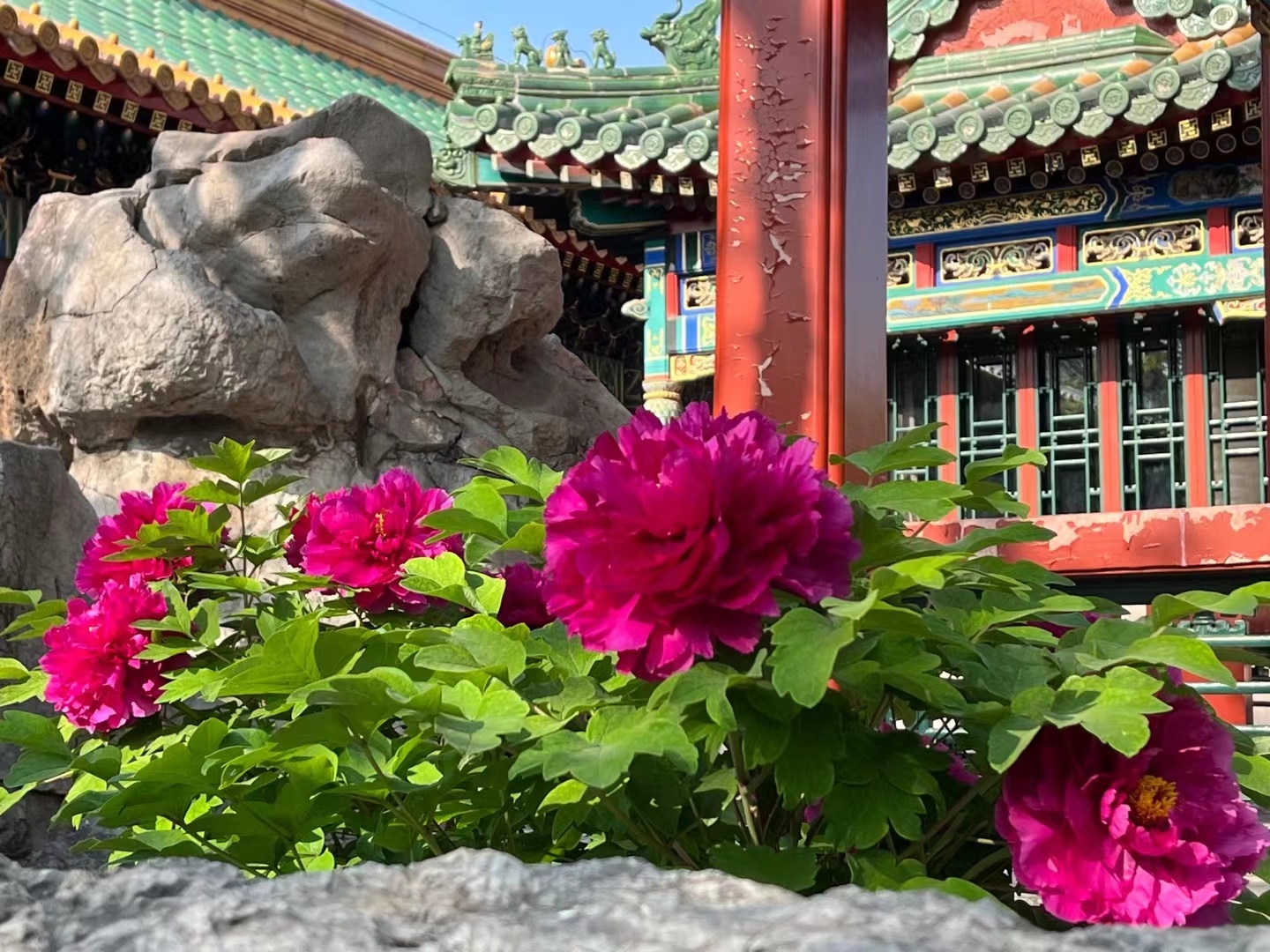
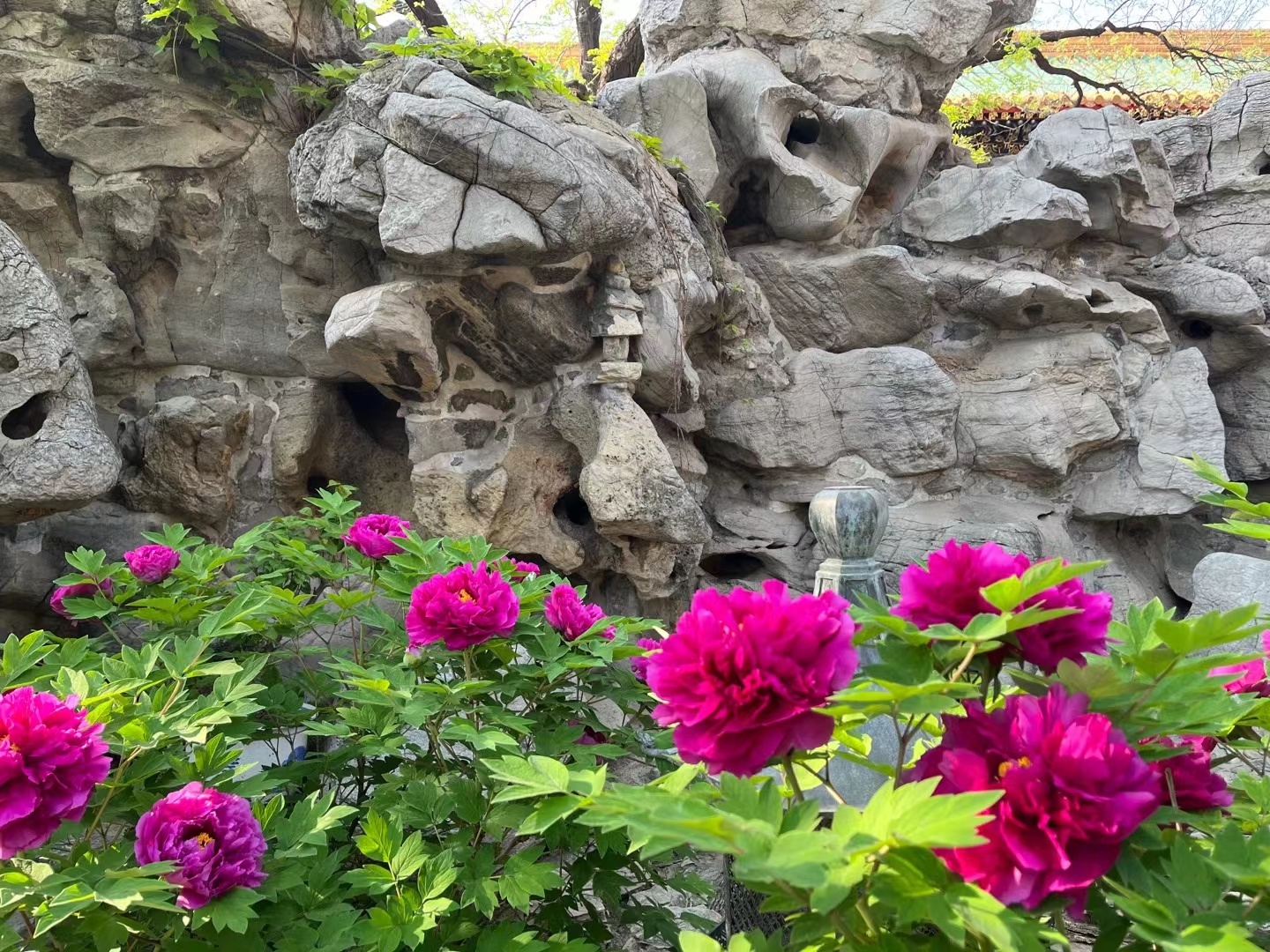
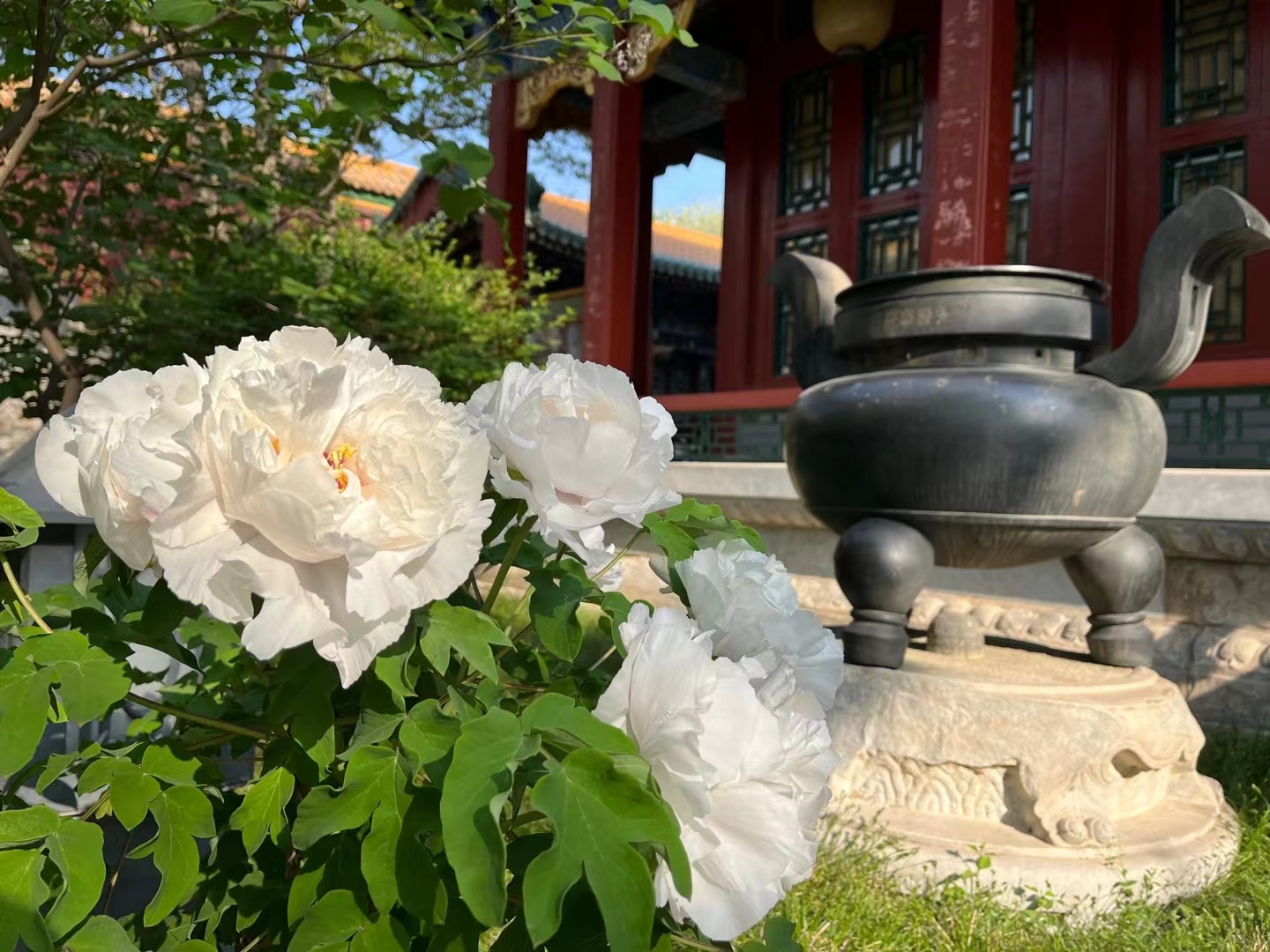
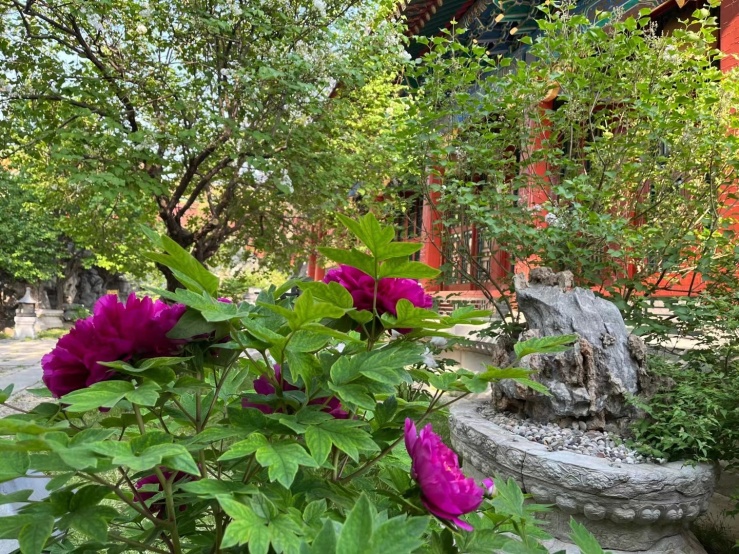
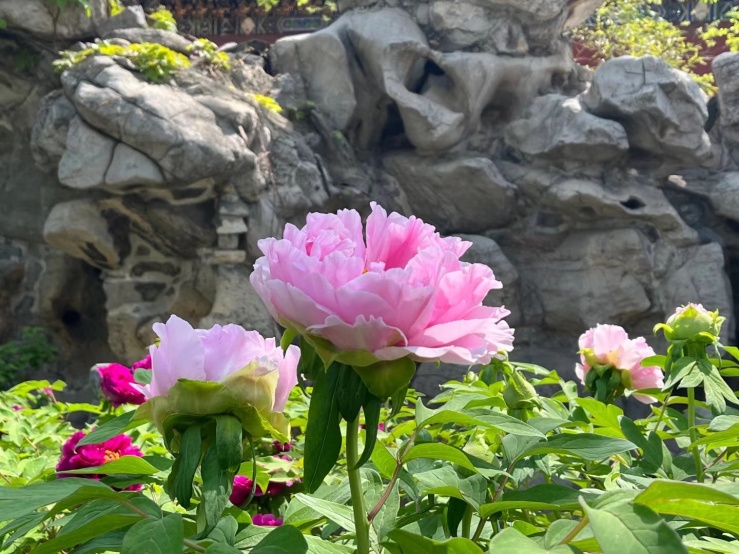
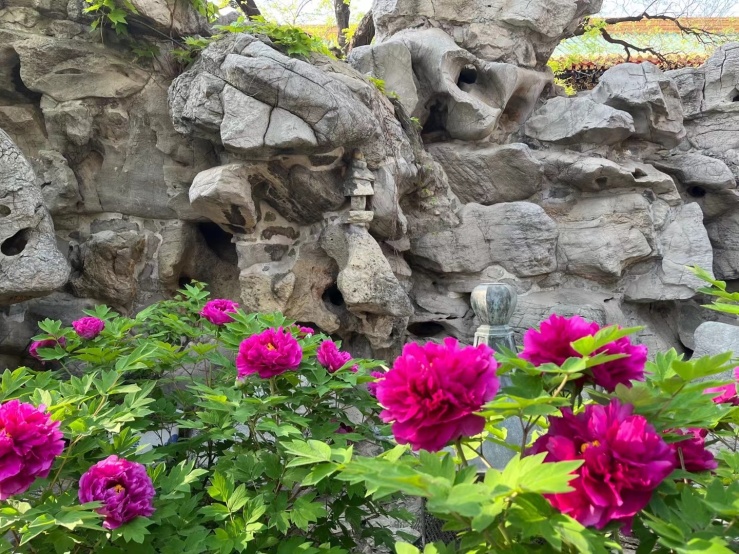
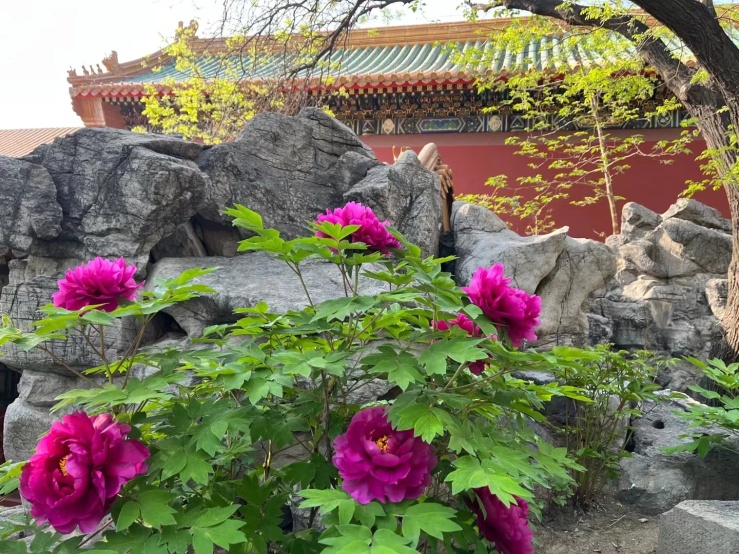
Appreciate peonies. “Seeing Peony in Three Dynasties of Grain Rain”, peony flowers are known as Grain Rain Flowers and Flowers of Fortune. Qing Gu Lu’s “Qing Jialu” said: “The merchants who built the temple and the other halls will look at the flowers in a new way. If you don’t believe that there is no national color when you meet, Jin Peng only protects the spring of Yulou.” So far, Heze in Shandong and Luoyang in Henan will be in the rain season. A peony festival is held for people to watch and play.

Festival Cangjie. Qingming festivals to the Yellow Emperor and Guyu to Cangjie are folk traditions that have been passed down for thousands of years since the Han Dynasty. According to the “Huainanzi”, the Yellow Emperor issued an edict in late spring and early summer, announcing that Cangjie had succeeded in creating Chinese characters, and there was a rain of millet that day. After Cangjie’s death, people buried him in his hometown, the north of Shiguan Town, Baishui County. A couplet was engraved on the door of the tomb: “Yusu felt the emperor in the past, and the bridge mausoleum with Wen Yongshi.” The annual Gu Yu, “Cangjie Temple Fair” It will be held as scheduled in Baishui County, Shaanxi Province.


“Eat Spring”. Before and after the Grain Rain, toona sinensis is mellow and refreshing, with high nutritional value, so there is a saying that “the toona sinensis is as tender as silk before the rain”. People say that picking and eating Chinese toon in spring is “eating spring”. Toona sinensis is generally divided into purple toon buds and green toon buds, especially the purple toon buds. Fresh toon sprouts are rich in protein, carotene and a lot of vitamin C. Its leaves, buds, roots, skins and fruits can be used as medicine, which has various effects such as invigorating the stomach and regulating qi, preventing diarrhea and moisturizing the skin.

sacrificing sea. The Grain Rain Festival is also known as the “Zhuang Xing Festival” for fishermen to go fishing. In the coastal areas of northern China, fishermen have been celebrating the Grain Rain Festival for more than 2,000 years. When the sea sacrifice time arrives, the fishermen will carry offerings to the Sea Temple and the Niangniang Temple to offer sacrifices. It is still popular in the Rongcheng area of ​​Jiaodong today.

Go Grain Rain. In ancient times, there was a custom of “walking the Grain Rain”. On the day of Grain Rain, young women would go to the village to join their relatives, and some would come back after a walk in the wild. The meaning is to integrate with nature and strengthen the body

Imagines credits are of the Forbidden City –Imperial Palace –Beijing – China- People’s Republic of China also from the Series Weibo北京卫视上新了故宫 Treasures in the Forbidden City…