#北京 #中國 #China #Beijing | #紫禁城 #ForbiddenCity #December2023 | #ForbiddenCityDairies -The Palace Museum #ForbiddenCity Collections of Chinese intangible cultural heritage.  22nd – 24th December 2023…. Winters Snow of 2023

On July 19th 2023 , the multilingual website of the Forbidden City Palace Museum- Beijing, China, People’s Republic of Chinawas officially released at the Digital Cultural Tourism Development Forum of the 2023 China Internet Civilization Conference! The website covers five languages: English, French, Russian, Japanese, and Spanish, and will meet the needs of audiences with different languages.

 The multilingual website of the Palace Museum is committed to establishing an international website that is concise, clear, easy to use for overseas audiences, and fits the construction of the modern civilization of the Chinese nation, including tour guides, information, panoramic tours, online exhibitions, collection appreciation, cultural topics, etc. Rich immersive content describing of the most detail collection that housed within the Forbidden City collection…. 

Dyeing, powdering, and drawing different patterns on various colours of silk can be used as writing materials. The silk paper without writing is already beautiful!

Qianlong of the Qing Dynasty, Jin Tingbiao, and the scroll of the baby’s play. This picture was created by Jin Tingbiao, a court painter of the Qianlong Dynasty, and depicts a scene of children playing in the countryside. Some of the childish and lively children picked flowers, and some competed in “grass fighting” by pulling the stems of flowers and plants together. The children’s naughty expressions are fully displayed, and the cheerful atmosphere overflows the picture. Emperor Qianlong, who was looking forward to having many children and grandchildren, was very satisfied with this picture and wrote an imperial poem on it: “Weeping poplars, strange stones, and luxuriant grass, red and green baskets are pouring out to fight against each other. The heart of a child loves business, and the famous saying is that there is a stream of water in the river.” “He also stamped more than ten square seals and included the picture in “Shiqu Baoji” to show his love.

冬至 At the winter solstice, Yang is born, and the sundial begins to grow. Today Winter solstice , the wall tiles, eaves corners, and plaques of a city are lit up with warmth, and we can’t help but look forward to the coming of the New Year….

Qianlong Qing Dynasty, anonymous, Kesi Sanduo Youqing Picture Scroll (partial). “Three mores” refers to many descendants, more blessings, and longer life. Having these “three mores” at the same time is truly a blessing in life, so “three mores are celebrated” has become a traditional blessing. In this tapestry scroll with its warp and weft cut through, the craftsman cleverly displayed the theme of “three mores” in the way of children playing: the children gathered together represent “many children”; the red bats flying in the sky allude to “the flood”. (Red) Fu (bat) Qitian” means “many blessings”; the boy holds longevity peaches in his hands, which represents “many lifespan”; and at the end of the scroll, there is a boy lifting a hammer to strike a chime, which means “chime” is homophonic to “celebration”, which completely completes the whole story. It expresses the creative theme of “three more times bring celebration”.

The pearl-necked turtle dove is a small wild resident bird of the family Dove and Columbidae that is common in cities, and is also one of the most common birds in the Forbidden City. The sides of their necks are black and densely covered with white spots, like many “pearls” scattered around their necks. This feature is only found after the Pearl-necked Turtle Dove reaches adulthood, so it can also be regarded as their “coming-of-age ceremony”.

Sun Zhiwei, a poet in the early Qing Dynasty, said in his poem “Doves in the Rain”: “The sun rises in the southeast corner, and the pigeon calls his wife.” “Banjiu” means “turtle dove”. The poem depicts a turtle dove and its partner staying together and inseparable. Pearl-necked turtle doves are usually monogamous and behave respectfully in daily life. They breed once a year, and the breeding period is from May to July. Usually the male bird first looks for a location, and then takes the female bird to choose a place that both parties think is suitable, and then build a nest with branches.

Qing, anonymous, baby play picture album page. The “Baby Play Pictures” album was created by a court painter. This page is one of the pages, depicting a scene of five children picking lotus flowers and playing in the water by a lotus pond, with the sun burning like fire in June. The author uses meticulous and rigorous writing and rich and gorgeous colors to humorously depict the cute, lively and interesting image of children. In particular, the staggering and unsteady steps of children wearing crotchless pants when walking ashore are vividly depicted, showing the author’s keen observation. The expressive power of describing God through form…

Images and visuals are from – Forbidden City –Palace Museum Beijing- China –People’s Republic of China…..

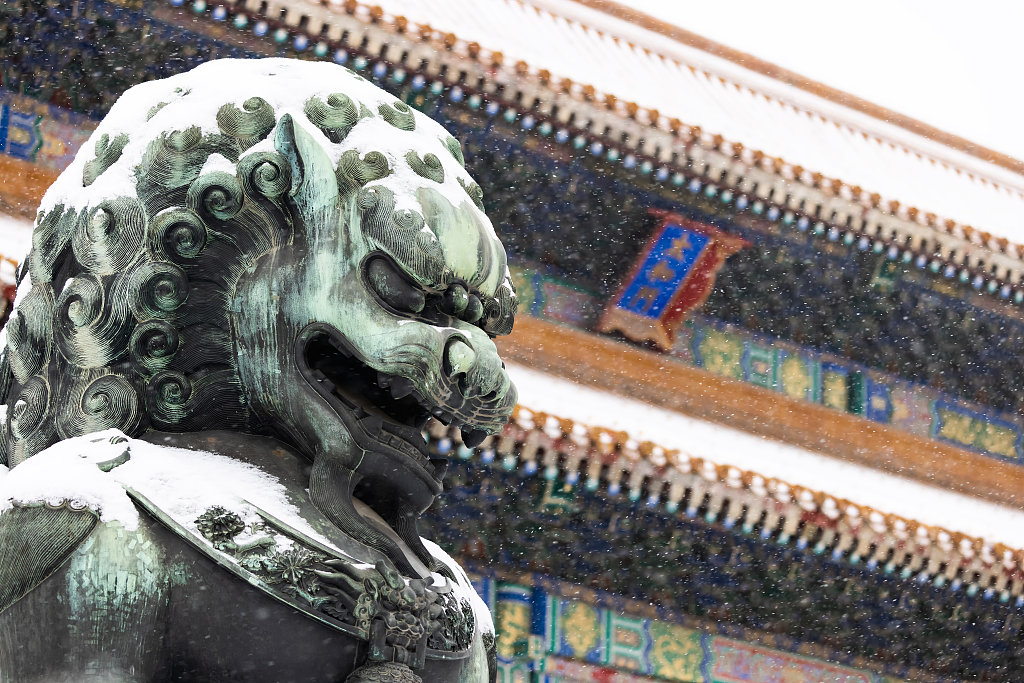
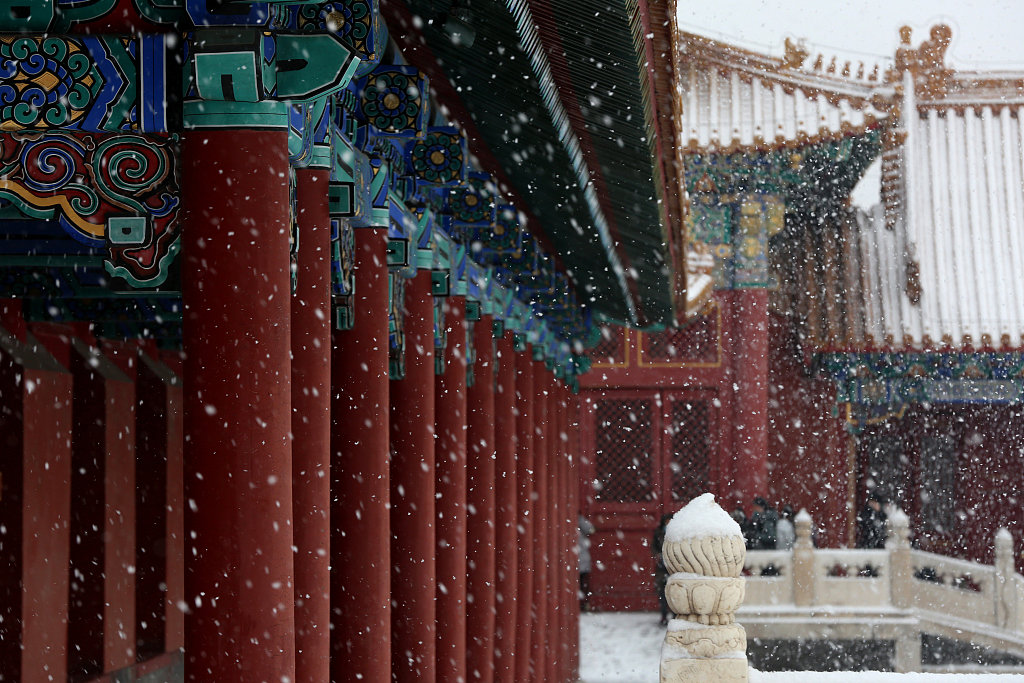
#北京。 #中國 #China #Beijing | #紫禁城 #ForbiddenCity #January2023 | #ForbiddenCityDairies #CCTV #ChinaCentralTelevision celebrating the first snowfall on the Forbidden City Complex like living a real life ancient Snowy #ChinesePainting #AGallery on the 12th January 2023 ..

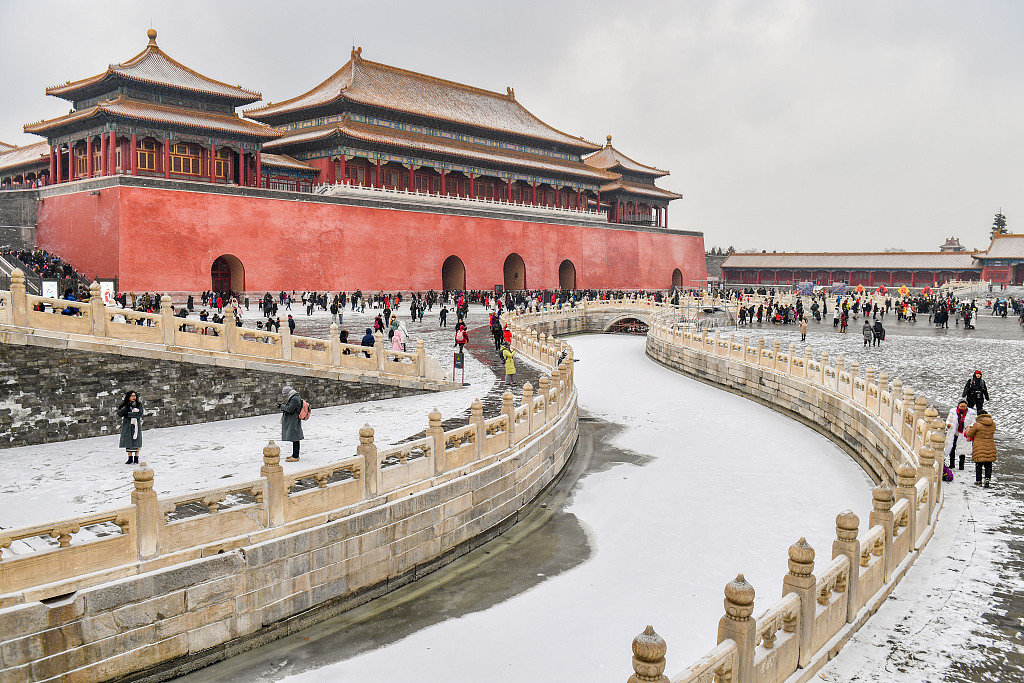
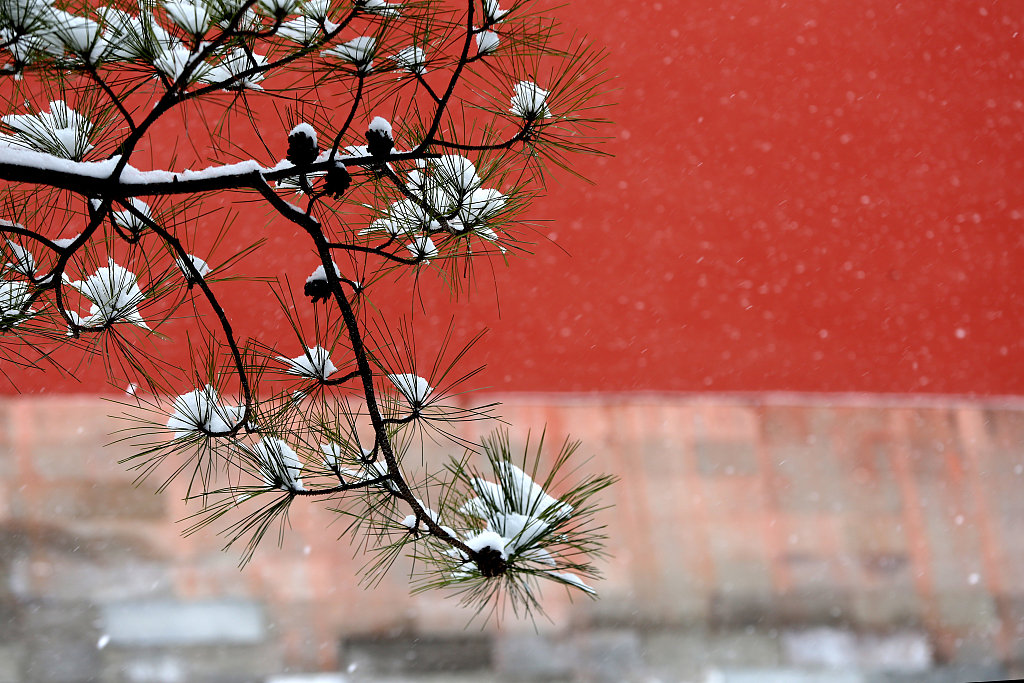
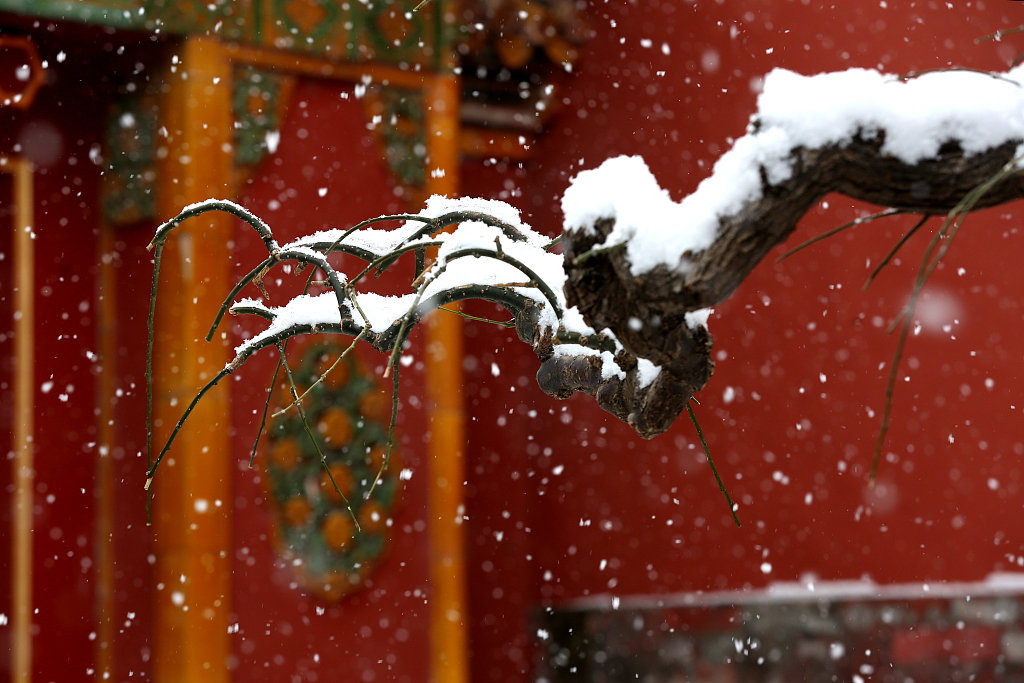
On the 12th January 2023 marks the first Snow Fall on the more than 603 year old Forbidden City, in which during the Beijing, China, People’s Republic of China in which Brushfully a Chinese Painting anciently of snow view on the bold imperial red walls, snow landings on white snow, on golden yellow jade glazed tiles in which the Forbidden City snowingly has a intriguingly unique view..

Today 12th January 2023, Beijing ushered in snowy weather, and the Forbidden City has once again become a popular spot for snow viewing. Red walls, white snow, glazed tiles… The Forbidden City in the snow has a unique view

From the perspective of aerial photography to see the beautiful Forbidden City in the snow …. Whenever it snows, the Forbidden City will become a popular attraction for enjoying the snow scenery. The layers of snow and the shades of red complement each other, creating a unique scene

The Chinese capital saw its first snow of the year 2023 on Thursday. Join our live broadcast to appreciate the spectacle at Beijing’s one of the most iconic landmarks, the Forbidden City…

……the second decade three from the turn of the century in Beijing the Capital of China also the People’s Republic of China, in which is also the year of the rabbit, marking its six hundred years anniversary of the Forbidden city that marks the transitional point of in between the middle of the Ming Dynasty (1368- 1644) transitionally from Nanjing to Beijing towards the Qing Dynasty (1636-1644-1911) …. The Imperial Palace seen so many countless seasonally transitional equinoxes but further its six hundred years is iconic, but it’s five hundred ninety nine years it marks it Autumn Equinox…. In which it only took twelve years to build the same of the Daming Palace of The Tang Dynasty Xian Imperial Capital only it was least twenty times larger……  

Images and visuals are from – Forbidden City –Palace Museum Beijing- China –People’s Republic of China…..
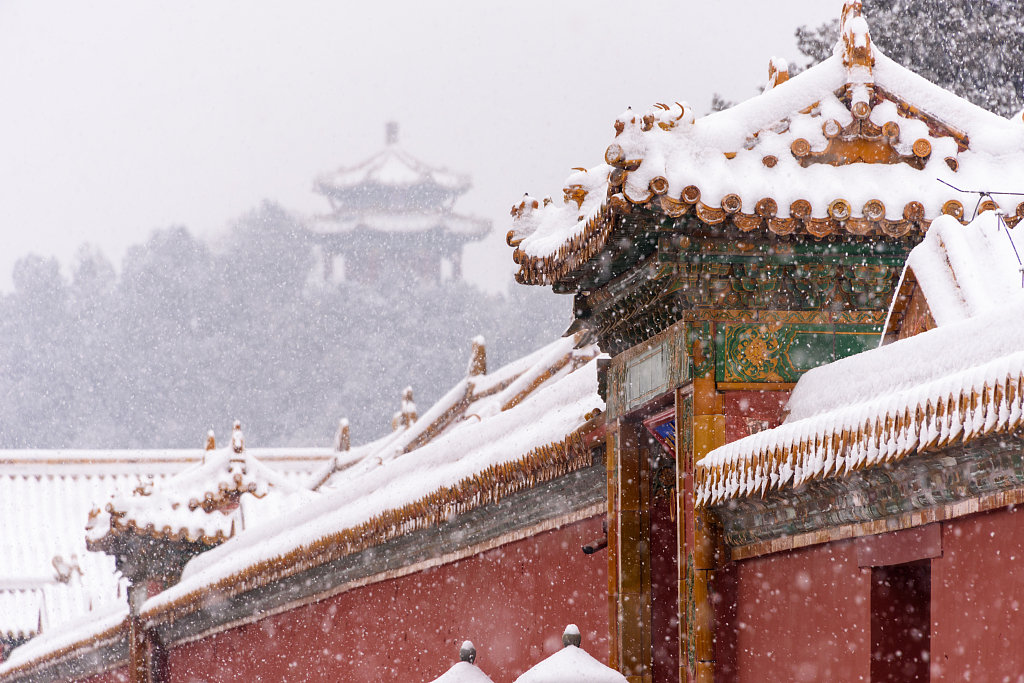
#北京 #中國 #China #Beijing | #紫禁城 #ForbiddenCity #March2022|#ForbiddenCityMoments first March snow fall of #Spring #ChinesePaintings of flowers florally of the Forbidden city #AGallery …..

In this year’s 2022, the second decade from the turn of the century in Beijing the Capital of China also the People’s Republic of China, in which is also the year of the Tiger, marking its six hundred and two years anniversary of the Forbidden city that marks the transitional point of in between the middle of the Ming Dynasty (1368- 1644) transitionally from Nanjing to Beijing towards the Qing Dynasty (1636-1644-1911) …. The Imperial Palace seen so many countless seasonally transitional equinoxes but further its six hundred years is iconic, but it’s five hundred ninety nine years it marks it Autumn Equinox…. In which it only took twelve years to build the same of the Daming Palace of The Tang Dynasty Xian Imperial Capital only it was least twenty times larger…

On the 17th March 2022 it was the love of the first snowfall of the spring in which the view of Beijing with snowflakes… painting a Chinese painting through seasonally time

Heavy snowfall has blanketed China’s capital in white. China’s meteorological authorities on Friday issued a blue alert for heavy snow in some regions of the country of China – People’s Republic of china. In which was Snowfall was least than Zero Degrees Celsius

Imagines credits are of the Forbidden city –Imperial Palace –Beijing – China- People’s Republic of China

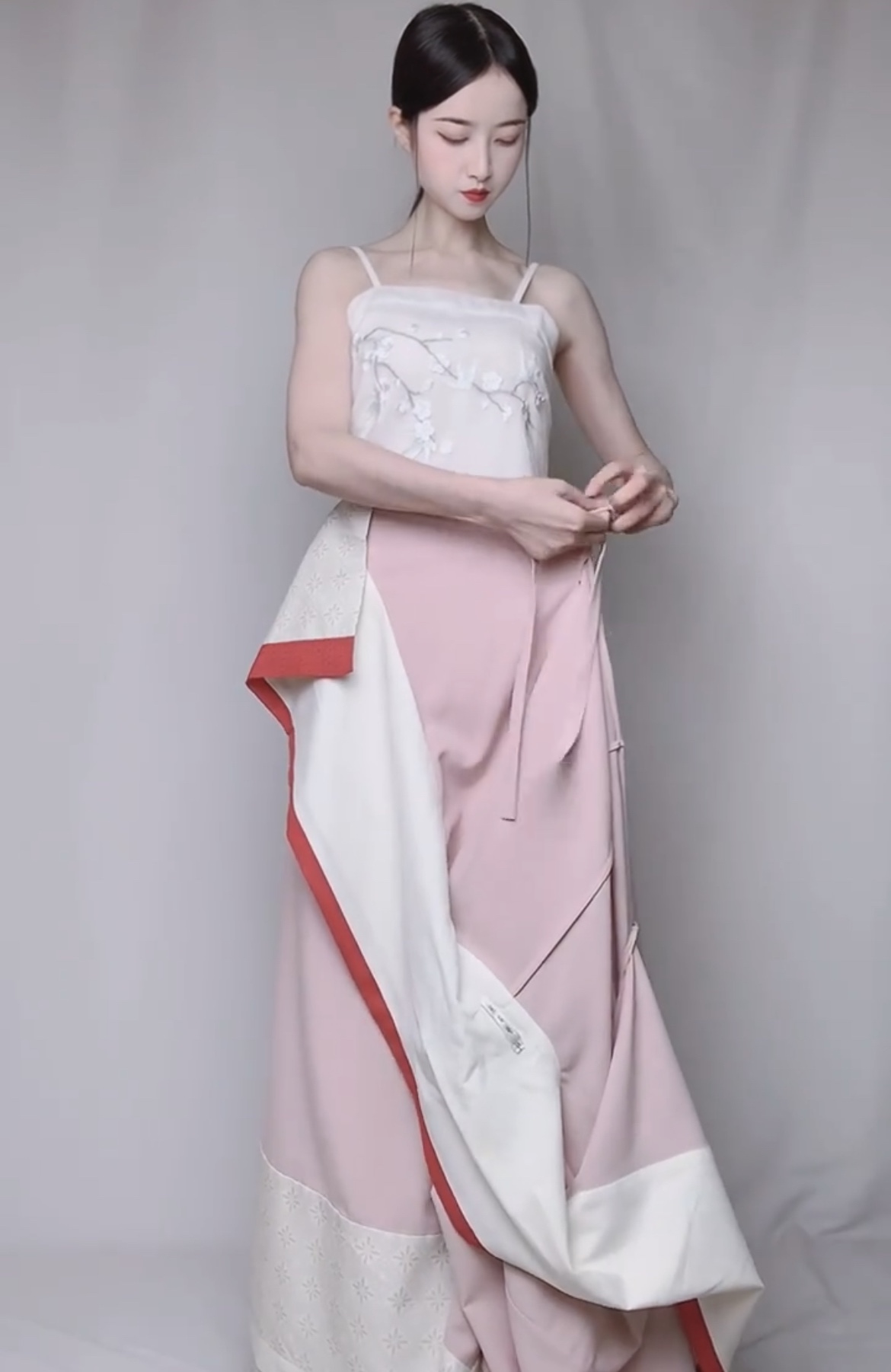
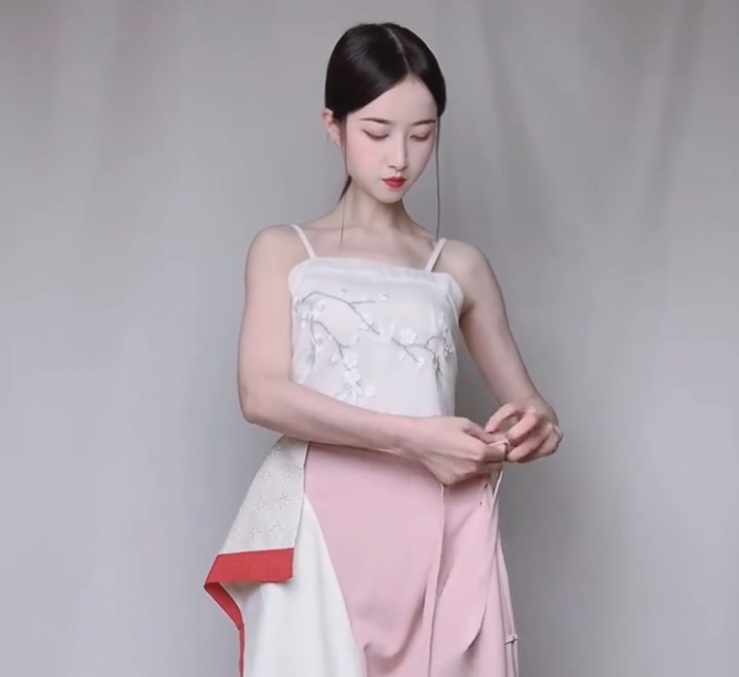
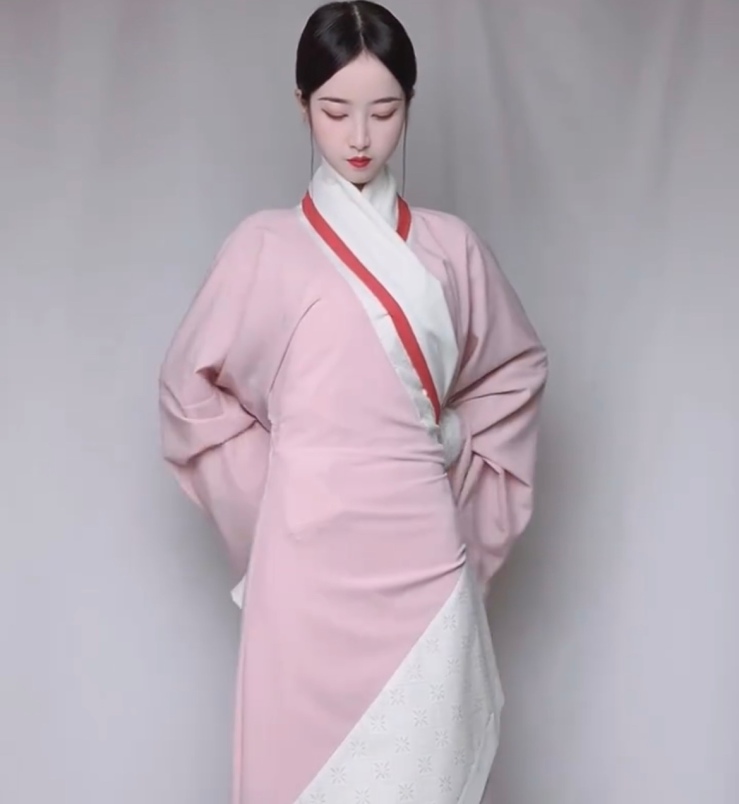
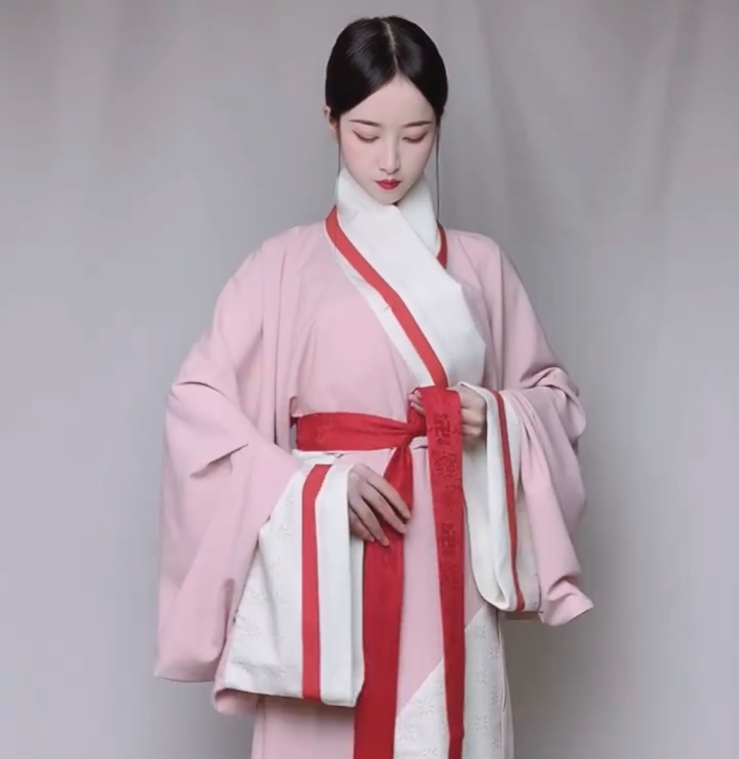
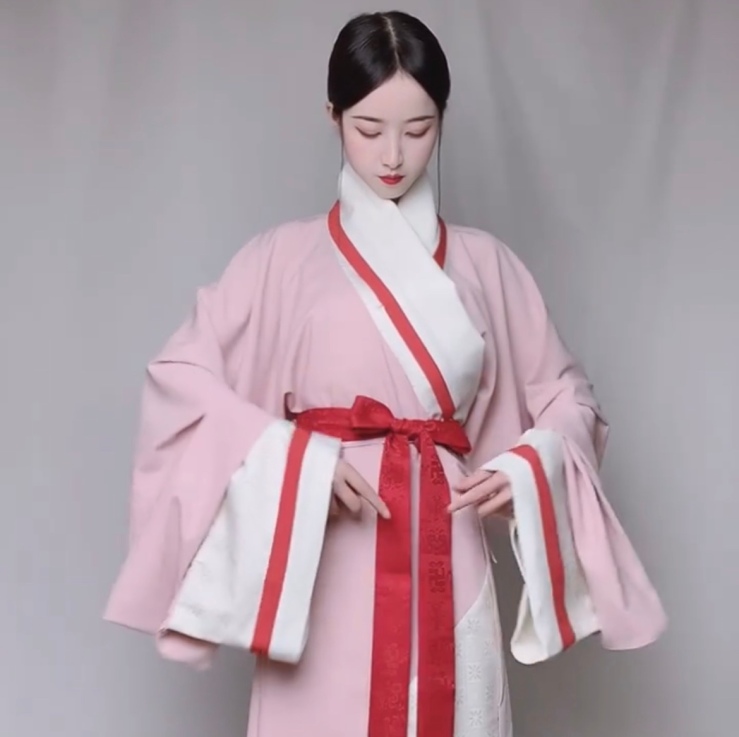
#漢服 #HanFu #HanDynastyClothing #HanTraditionalClothing |#零青子 #HowToWearHanfu #FashionLookBook #January2022 |#XiaDynasty how to wear an elegant sheer elegant spring scheme is the gentleness spring white pink with red ribbons tenderness #EveryDayWear of #UrbanWear

零青子 Hanfu – Han Dynasty Clothing blogger –Vlogger based in historical modern richness of two thousand and four hundred year old ultra megapolis ancient – postmodern Chengdu city Sichuan province of China – People’s Republic of China. She is one of many leading fashion blogger-Vlogger  fashionably trending setting vlogs of how to wear of her collection of sort after Chinese –Han Dynasty Clothing of Hanfu- Han ethnic Traditional clothing in which dressing traditional from various dynasties to its postmodern twentieth first century trending setting ….

The pastel light pink white Xia Dynasty era clothing  Hanfu that is practically gentle for all seasons  in which is great for warmth for wintery season where it’s insulating the body’s warmth decorative  like Chinese water pavilion painting , this is probably the gentleness of this softness This color scheme is too fresh and elegant. It feels like spring as blossom ….

The ancient Chinese wore tunics like long- and short-sleeved robes with or without belts. Women mostly wore long tunics with a belt that touched the ground and men wore shorter ones that touched their knees. Initially, there were no buttons, as these were developed much later on. Some people wore an outer jacket to keep them warm during the winter, and this was commonly used during the Xia dynasty (2070–1600 BC).

The Hanfu refers to a traditional outfit worn by the Han Chinese. It was also commonly known as the Hanzhuang or Huafu, which was a unisex outfit assembled from several pieces of clothing.

Yi (unisex): Open cross-collar garment

Pao (men’s costume): Closed full-body garment

Ru: Open cross-collar shirt

Shan: Open cross-collar jacket worn over the yi

Qun or chang: Skirt for women and ku for men

The Hanfu was derived from the Book of Han, that described how “he [Qu Li] came to the court several times to pay homage and was extravagant by the dressing style of the Han.” The Hanfu was designed for comfort and ease. It had a crossing collar, waistband, and a right lapel.

Traditionally First it’ how to wear the Horse-face skirt, also known as “horse-face pleated skirt” is a Swirl Skirt variant, is one of the main skirt styles of ancient Chinese Han women. There are four skirt doors inside and outside, overlapping in two. The outer skirt door is decorated, and the inner skirt door is decorated with little or no decoration. For decoration, the side of the horse-faced skirt is tucked up, and the waist of the skirt is mostly white cloth, which means white head and old age, and it is fixed with rope or button…..

The horse-main skirt is the most typical style of Han women’s dress during the Ming and Qing Dynasties. Its style has undergone a series of changes from the freshness and elegance of the Ming Dynasty to the magnificence and wealth of the Qing Dynasty to the beauty and simplicity of the Republic of China, but its “horse-faced” structure has always been deeply ingrained….,

 During the Ming Dynasty Most women wore three collars with narrow sleeves during this dynasty. This is what made up their upper clothing most of the time. Pleated skirts were also popularized in this period and made clothing more graceful for women. Light colours became very popular during the start of the Ming Dynasty. Embroidered capes also became part of the ensemble for women’s clothing. It was worn over the shoulders which were called “Rosy Cloud Cape” due to its rosy and cloud-like shape.

How to wear a Ming Dynasty urban wear every day wear clothing on for a every day wear  first apply the undergarment in which is the Short front Button Cami with the undergarment skirt/ long bloomers  with soft silk Swirl Skirt in very simple pastel colours fabrics with fun Printed playfully keeping warm and cool throughout the seasons then apply wearing the Sheer Fabric Shirt  竖领对襟纱in which it has a Standing Collar with opening shirt with Sheerness Standing collar . 披風 Pi Feng The sheerness is general worn at private areas at Home in which the sheerness is informal wear..  However there’s a heavier moderate for formal wear for urban wear.

HanFu- Han Dynasty Clothing – Han Traditional Clothing is making a massive come back in the Asian Chinese communities as youths reliving In recently decades there’s been very much strong revitalisation of Chinese Customary tailoring clothing in which is HanFu- Han Dynasty (221-206 BC) period inspired clothing in which was worn just before the fall of the Ming Dynasty (23 January 1308 to 25 April1644, until a North East Manchurian fashion that have taken over the traditional Han Dynasty fashion in which we known till today that’s the Qipao in which have been fashionable evolving on the same path also…. Like a Qipao, HanFu can be worn every day, as work wear, till as evening wear… It also it comes in various forms as to the nature of activity of the day or night…

Images visuals are from Weibo and their respectives of 零青子.

#北京。 #中國 #China #Beijing | #紫禁城 #ForbiddenCity #November2020 |#AGallery first snow November fall over the Forbidden city – Snow falling onto Beijing creating a real life #ChinesePainting illustrating….

Yesterday in a very 21st November 2020 Beijing- China – People’s Republic of China wintery from autumn transitionally snowy in a very wintery in which brushing real life Chinese paintings falling on the its six hundred year anniversary of the Forbidden city – Palace city Museum….

In which White snow inlaid red walls, broken pieces fall into Qiongfang… The Forbidden City after the snow, the red walls, black tiles, cornices and horns are all beautiful…. In which on November 21st 2020 Saturday, with local headlines focused on this topic all day. Many people visited the Forbidden City on this day because it’s the best place to see the snow. White snow with red bricks of ancient palaces immediately takes people back in time.

In this year’s 2020, the second decade from the turn of the century in Beijing the Capital of China also the People’s Republic of China, in which is also the year of the rat, marking its six hundred years anniversary of the Forbidden city that marks the transitional point of in between the middle of the Ming Dynasty (1368- 1644) transitionally from Nanjing to Beijing towards the Qing Dynasty (1636-1644-1911) …. The Imperial Palace seen so many countless seasonally transitional equinoxes but further its six hundred years is iconic, but it’s five hundred ninety nine years it marks it Autumn Equinox…. In which it only took twelve years to build the same of the Daming Palace of The Tang Dynasty Xian Imperial Capital only it was least twenty times larger……

The newly layering snow covered Beijing map has just become a hot spot for netizens after it has just snowed in which now makes a great  winter innovating creative photography also videography for winter has finally arrived in introduction of Snow that Chinese Painting the ancient Chinese Capital landscape within the palace halls golden yellow ceramic  tiles of the Forbidden city in which painting a white snowy pavement fluffiness on the summer season almost six hundred year old pavements of the palace grounds..  Making the snowy daytime sky like a white canvas replacing the blue skies..

Imagines credit are of the Forbidden city –Imperial Palace –Beijing – China- People’s Republic of China