#北京。 #中國 #China #Beijing | #紫禁城 #ForbiddenCity #July2022 | #ForbiddenCityMoments #ForbiddenCityArchitecture the Intriguingly interesting rooftops Architecture of  the Forbidden City……

On this week on July 2022 let’s take a look at the interesting rooftops in the Forbidden City this week in its intriguiness… it was hot humid very warmingly  Saturday now it’s the Summery Days of  , the summery  days are gradually approaching, the weather is sultry, everyone must pay attention to heatstroke prevention and cooling by keeping Hydrated cool water..  ~

Let’s go back to the Forbidden City this week and take a look at the interesting roofs in the Forbidden City~

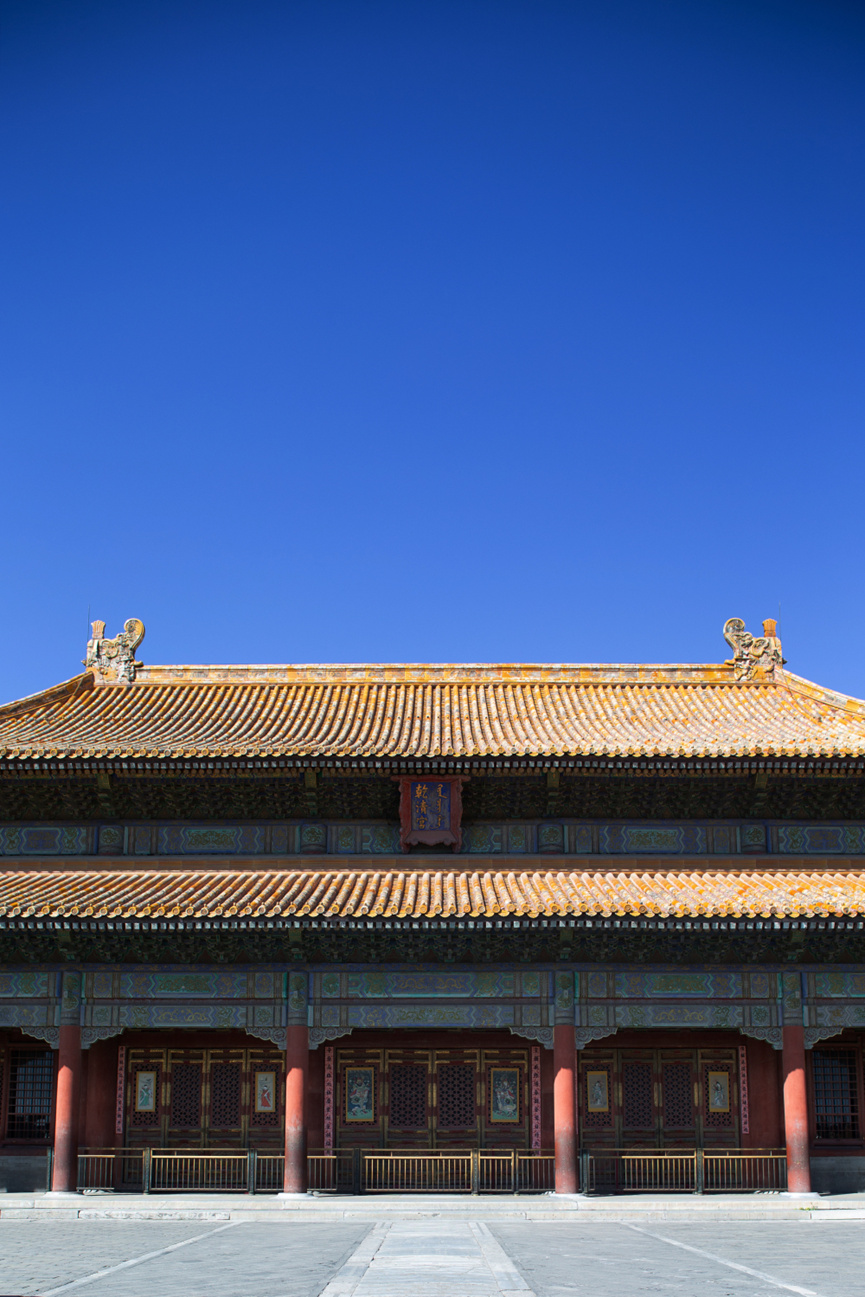
Hall of Supreme Harmony

Speaking of the various palaces, halls and halls, pavilions and corridors in the Forbidden City, from the outside, these roofs look very similar, almost all of them are glazed tiles. But a closer look reveals that these roofs actually come in a variety of different types. For example, the main palace used by the emperor not only has a tall base and a magnificent shape, but also has special decorations on the roof, while other houses are not only small in size, but also not too complicated in roof decoration. The side halls and the bungalows will be different according to the status of the main palace, and the roof style will also be different. So today, let’s take a look at the various roofs in the Forbidden City with you~

South Sansuo
Yuhua Pavilion

The first one is the “Dianding Roof”. Those who are familiar with the architecture of the Forbidden City should be familiar with this roof. It is suitable for rectangular buildings. Since the face width is longer than the depth, the front and rear slopes of the roof become positive ridges. In the Qing Dynasty The “Engineering Practice” called it “big ridge”. The left and right slopes intersect with the front and rear slopes to form four vertical ridges, so the single-ridged temple is also called the “Five-ridged Hall” of the four major slopes. In addition, there are two layers of eaves called “double eaves hall”. The top of the double-eave roof is the most noble form of roof style. The Hall of Supreme Harmony that everyone is most familiar with is the roof of the double-eave roof.

Fengxian Hall

Next is “hard top and hanging top”. The hard top is on the two ends of the base of the house foundation. Build the gable to the top, and build the purlin into the gable to seal it, so that four vertical ridges and two slopes will be formed. roof. Hanging tops (also known as “pick tops”), the roof form is generally the same as the hard tops, but also has a positive ridge, four vertical ridges and two slopes. The difference between the two roofs is that the purlins of the roofs extend beyond the gables, and the wind panels are nailed along the two purlin heads to protect the purlins from decay and also protect the gables. This design is really very delicate, considering the appearance and protection.

Emperor Palace
Yunguang Building

The Yunguang Building is in the shape of a curved ruler, leaning against the palace wall in the west, folded from north to south and then eastward. There are two floors up and down. The north side of the upper roof is the Xieshan Peak, and the east side is the Hard Peak.

Concord Gate The Xiehe Gate is a house-style gate, with yellow glazed tiles and single eaves on the top of the mountain.

There is also a roof design that combines the top of the temple and the top of the hanging mountain, that is, the “Xieshan Peak”. On the upper part of the roof, the four vertical ridges at both ends of the main ridge are similar to those on the top of the hanging mountain. The lower part of the roof has four ridges plus the main ridge, a total of nine ridges, so it is also called “Nine Ridges Hall”. There are also single eaves and double eaves on Xieshan Peak. In addition to the Xieshan Peak, there is also a “Zanjiao”, which is generally used for square plane buildings, and its form is divided into four-corner Zanjiao and round Zanjiao. The four-cornered pointed roof is divided into four equal parts, with four vertical ridges on top of the Anbaoding. The round and pointed roof has no ridges, and the roof tiles gradually shrink from bottom to top, which is called “bamboo roof”. Seeing this, the editor thinks that the roof really contains a lot of interesting little knowledge. When you come to visit, you might as well take a look at which roofs are in the Forbidden City~ 
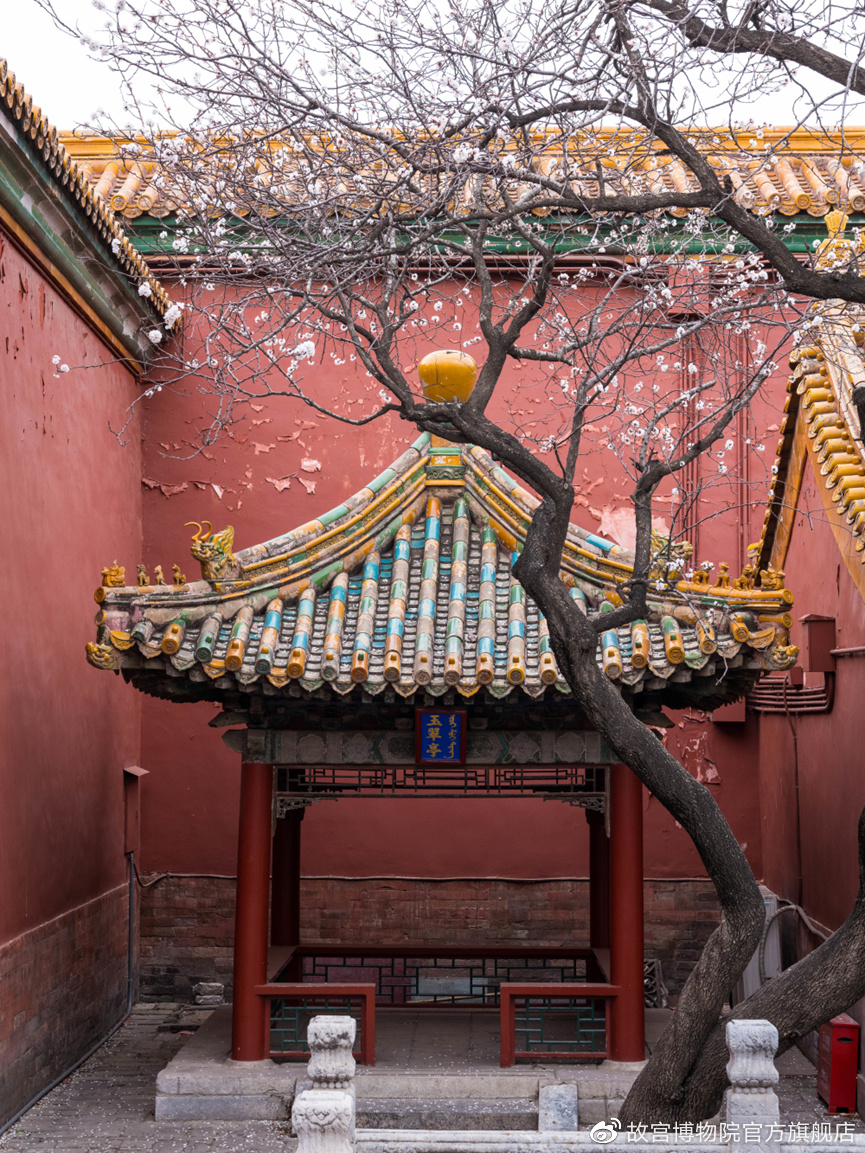
Yucuiting, square spires

Imagines credits are of the Forbidden City –Imperial Palace –Beijing – China- People’s Republic of China also from the Series Weibo北京卫视上新了故宫 Treasures in the Forbidden City…

#北京。 #中國 #China #Beijing | #紫禁城 #ForbiddenCity #June2022 | #ForbiddenCityMoments #ForbiddenCityPress #ForbiddenCityBookStore #ForbiddenCityBooks #ForbiddenCityArchitecture ancient #寧壽宮 The Palace of Tranquil Longevity – Ningshou Palace Garden known as Qianlong Garden….

寧壽宮The Palace of Tranquil Longevity literally, “peaceful old age palace,” also called the Qianlong Garden, Qianlong Palace, Qianlong District or the Palace of Tranquillity and Longevity, is a palace in Beijing, China, located in the northeast corner of the Inner Court of the Forbidden City- Beijing – China – People’s Republic of China.

Construction of the palace began on the Qianlong Emperor’s orders in 1771, in preparation for his retirement, although the emperor himself never moved into the palace. Its beautiful apartments, pavilions, gates and gardens feature “some of the most elegant spaces at a time widely considered being the pinnacle of Chinese interior design.” Throughout the Qing dynasty, the palace was almost never used, largely because of the Qianlong Emperor’s imperial decree ordering his retirement retreat remain unaltered.

Forbidden City Hundred Excellent Books for Public reading activities …… The ancient buildings of the Forbidden City have gone through calamities and are treasures of the years, and they are still shining today. Wandering in the Forbidden City, we respect the splendour of the Hall of Supreme Harmony, the solemnity of the Hall of Fengxian, the serenity of the Hall of Mental Cultivation, the wealth of ancient times in the Wenyuan Pavilion…


Not only that, we are also amazed at the A very special place in the Forbidden City’s Inner Tingwai East Road is the Ningshou Palace Garden, also known to the public by the name of “Qianlong Garden”.

This garden is the most well-preserved royal garden in the Forbidden City with the most architectural art style of the Qianlong period. The ingenious and rigorous form of the ancient buildings in the garden is enviable, the architectural space and garden layout are fascinating, and the delicate and complicated decoration of the eaves of the building is dazzling.

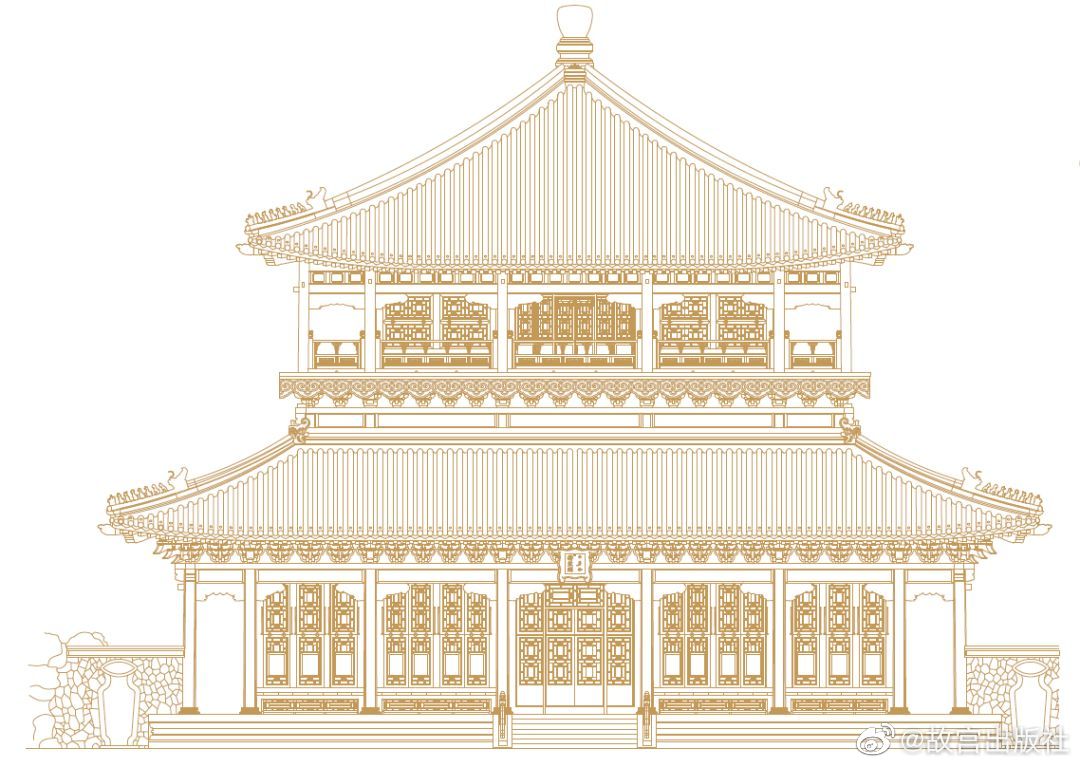
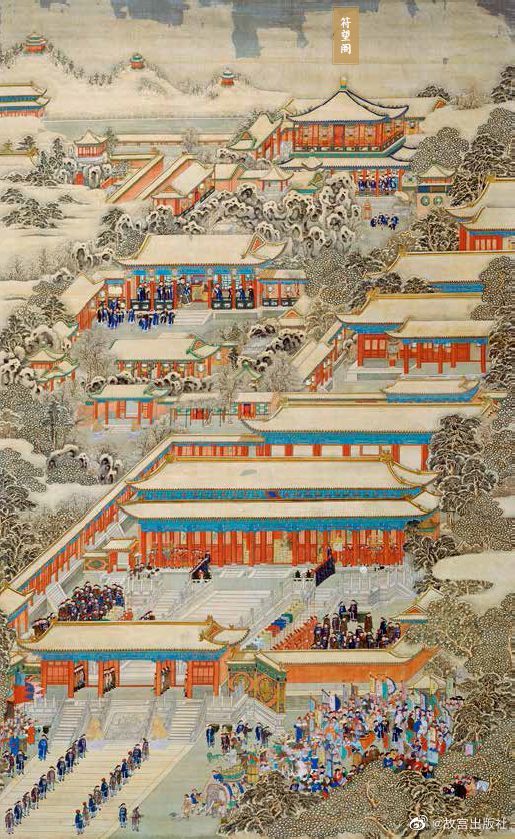
In such an environment, there is still a building that is unique. This is a magical attic called “Mission House” by later generations. It is also a great architectural artwork, and it is also an extremely rare existence in the ancient buildings of the Forbidden City. This mysterious building is Fuwang Pavilion. Its completion was praised by Emperor Qianlong as “its sincerity meets my expectations”, and now looking back on the past of Fuwang Pavilion, it has indeed lived up to Emperor Qianlong’s holy family.


Fuwang Pavilion is one of the few remaining palace remains in the Forbidden City that has not been interfered by modern humans. It contains a lot of real historical information, such as why Fuwang Pavilion was built, when and why it was repaired, and how the interior eaves were furnished in different periods. …..  where to make the various craftsmanship of the interior eaves decoration, when to pay tribute, and so on. The records of Fuwang Pavilion (including the entire Ningshou Palace area) in the various archives of the inner court of the Qing Dynasty were detailed, which was a great blessing to later scholars. This not only accomplished the research and protection project of Qianlong Garden, but also enabled us to have a more detailed and in-depth understanding of Fuwang Pavilion’s space and interior eaves decoration techniques, but also discovered many modern relics of Fuwang Pavilion’s inner eaves decoration technology, protecting these traditional crafts. ‘s craftsman.


It goes without saying that Fuwang Pavilion enriches the study of ancient architecture. It is of great significance for contemporary interior design to carry forward Chinese traditions and broaden the artistic thinking of display. Cultural creativity can also understand the spirit and get inspiration from it.


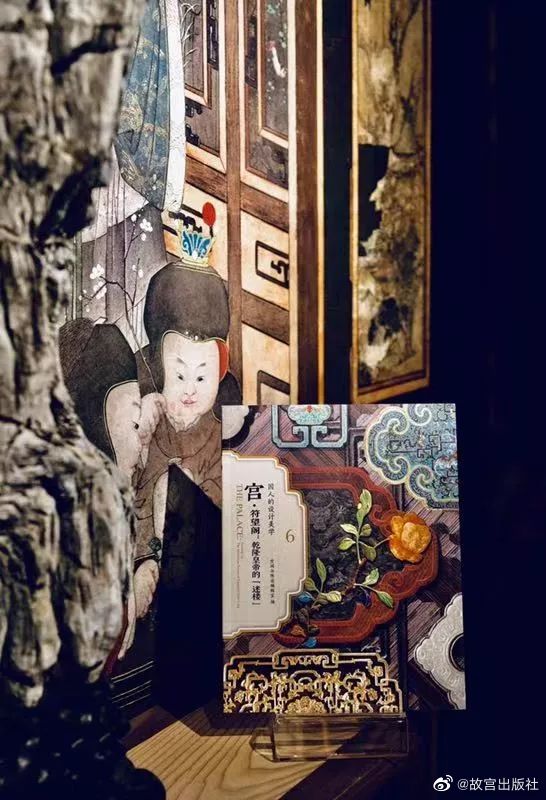
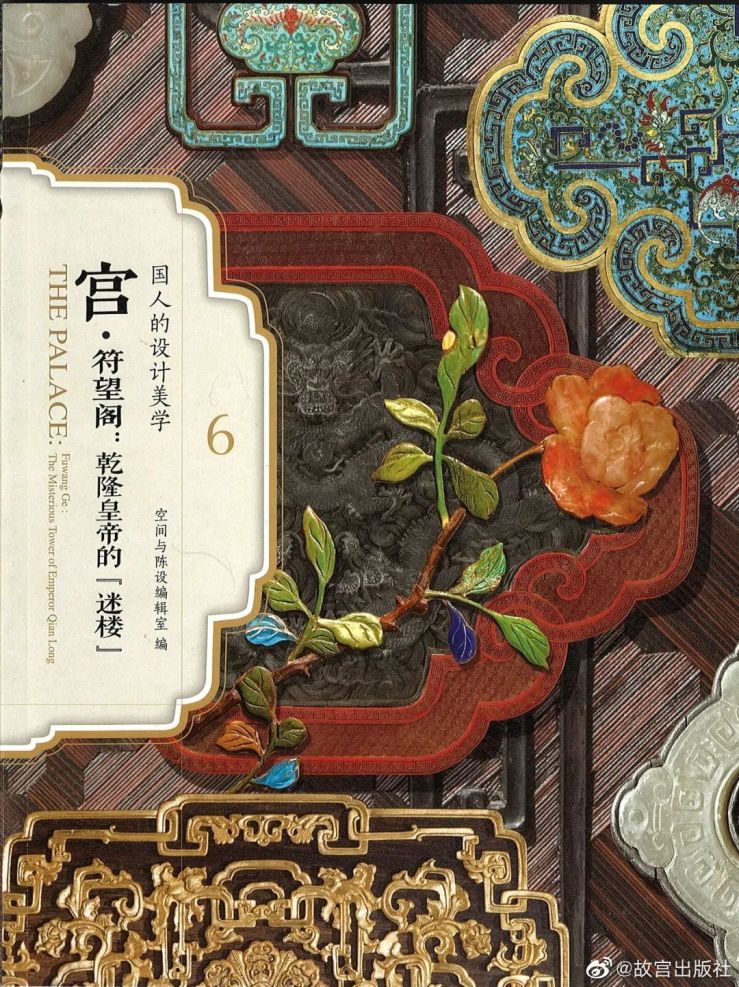
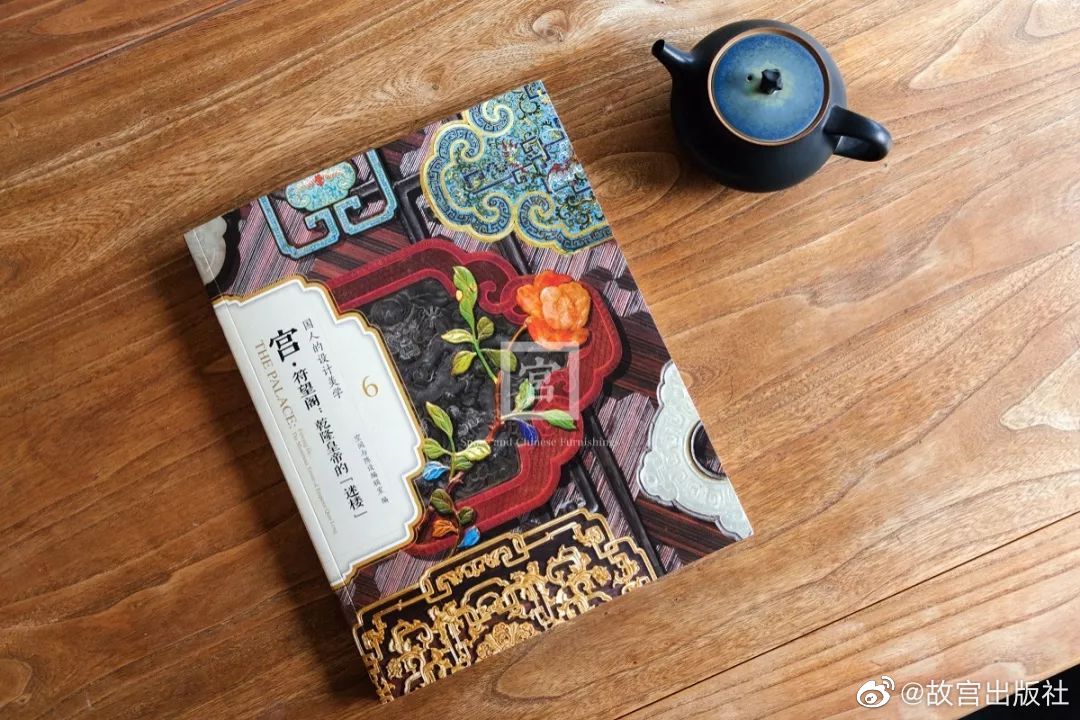
“Palace·Fuwang Pavilion: The “Lost Tower” of Emperor Qianlong” takesspace furnishings as the theme, tells about the art and technology of Chinese court environment design in the 18th century, and comprehensively displays the history of Fuwang Pavilion’s construction, original furnishings, architectural space, The decoration of the inner eaves reveals the story behind the construction of the Fuwang Pavilion in the Qianlong Garden of the Forbidden City, and explains why the Fuwang Pavilion can be called the highest representative of the inner eaves decoration skills of the ancient buildings in the Qianlong Garden and even the Forbidden City.

Imagines credits are of the Forbidden City –Imperial Palace –Beijing – China- People’s Republic of China also from the Series Weibo北京卫视上新了故宫 Treasures in the Forbidden City…

#東京。 #中國 #China #Beijing | #紫禁城 #ForbiddenCity | the symmetrically of the Consorts West and East Palaces …..


In this year’s 2020, the second decade from the turn of the century in Beijing the Capital of China also the People’s Republic of China, in which is also the year of the rat, marking its six hundred years anniversary of the Forbidden city that marks the transitional point of in between the middle of the Ming Dynasty (1368- 1644) transitionally from Nanjing to Beijing towards the Qing Dynasty (1636-1644-1911) …. The Imperial Palace seen so many countless seasonally transitional equinoxes but further its six hundred years is iconic, but it’s five hundred ninety nine years it marks it Autumn Equinox…. In which it only took twelve years to build the same of the Daming Palace of The Tang Dynasty Xian Imperial Capital only it was least twenty times larger..

The location of the Forbidden city in which is located symmetrically palace halls arrangements is the East and West palaces are symmetrically distributed on both sides of the Qianging Palaces and Kunning Palaces are the main residences of the  Concubines…

Qianging Palace The Palace of Heavenly Purity, or Qianqing Palace (Chinese: 乾清宫; pinyin: qiánqīng gōng; Manchu:ᡴᡳᠶᠠᠨᠴᡳᠩᡤᡠᠩ; Möllendorff: kiyan cing gung) is a palace in the Forbidden City in Beijing, China. It is the largest of the three halls of the Inner Court (the other two being the Hall of Union and the Palace of Earthly Tranquillity), located at the northern end of the Forbidden City. During the Qing dynasty, the palace often served as the Emperor’s audience hall, where he held council with the Grand Council.

Kunning Palace the Palace of Earthly Tranquillity (simplified Chinese: 坤宁宫; traditional Chinese: 坤寧宮; pinyin: Kūn Níng Gōng) is the northernmost of the three main halls of the Inner Court of the Forbidden City in Beijing, China. The other two halls are the Palace of Heavenly Purity and Hall of Union.

The Palace of Earthly Tranquillity is a double-eaved building, nine bays wide and three bays deep. In the Ming dynasty, it was the residence of the Empress. In the Qing dynasty, large portions of the Palace were converted for Shamanist worship by the Manchu rulers. Thus, the front part of the hall featured shrines, icons, prayer mats, and a large kitchen where sacrificial meat was prepared. From the reign of the Yongzheng Emperor onwards, the Empress moved out of the Palace following the Emperor’s move out of the Palace of Heavenly Purity. However, two rooms in the Palace of Earthly Harmony were retained for use on the Emperor’s wedding night. The wedding ceremony would be held in the main room, and afterwards the Emperor and Empress would retire to one of these rooms

The East Six Places is divided into two groups by the Middle East South Channel East Second Long Street in which  looking at the west side in which East side is another post to tell..

The West side is Jingren Palace, Chengqian Palace and Zhongzu Palace ….. Each Palace has an independent courtyard with two entrances… In which there’s a Linzhmen in the South of the East Second long street

Jingren Palace, originally called Chang’an Palace, was built in 1420 in the Ming Dynasty and got its present name in the Jiajing Period. It was rebuilt in 1655, the 12th year of Shunzhi Emperor of the Qing Dynasty. “Jingren” means great humanity. This two-row courtyard remains the layout of the original construction built at the beginning of the Ming Dynasty. There is a white jade screen wall at the gate of the Jingren Palace. The wall is said to be a relic of the Yuan Dynasty.

In the Ming and Qing dynasties, the Jingren Palace was the residence of concubines. It is worth noticing that Concubine Tunggiya gave birth to Xuanye, the future Kangxi Emperor the Qing Dynasty, in the palace in March, 1654, the 11th year of Shunzhi’s reign. Besides, Senior Concubine Xi of Emperor Yongzheng and the mother of Emperor Qianlong and Concubine Zhen of Emperor Guangxu once lived in the palace.

Chengqian Palace…. Located in the Six Eastern Palaces, the Palace of Celestial Favor (Chengqian gong) is the Bronze Gallery with selected bronze ware datable to the Shang and Zhou (16th century-256 BCE) dynasties. During the Ming and Qing dynasties, it was the residence of imperial consorts and concubines, notable of whom are Lady Donggo, the beloved empress of the Shunzhi Emperor (r. 1644-1661), and Empress Xiaoquan (Lady Niuhuru), the biological mother of the Xianfeng Emperor (r. 1851-1861)…..

Imagines credit are from the Forbidden cityImperial Palace –Beijing – China- People’s Republic of China..