#北京。 #中國 #China #Beijing | #紫禁城 #ForbiddenCity #December2021 |#ForbiddenCityMoments #Culture + #Technology” International Forum and Forbidden City #Tencent #ImmersiveDigitalExperienceExhibition opened in #Shenzhen

“Culture + Technology” International Forum and “Forbidden City Tencent Immersive Digital Experience Exhibition” opened in Shenzhen

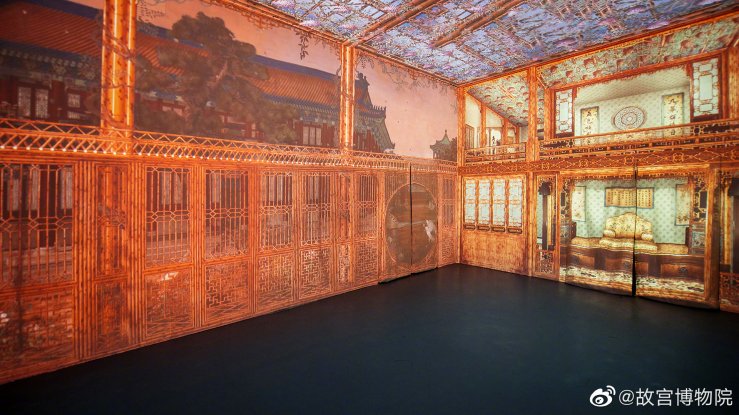
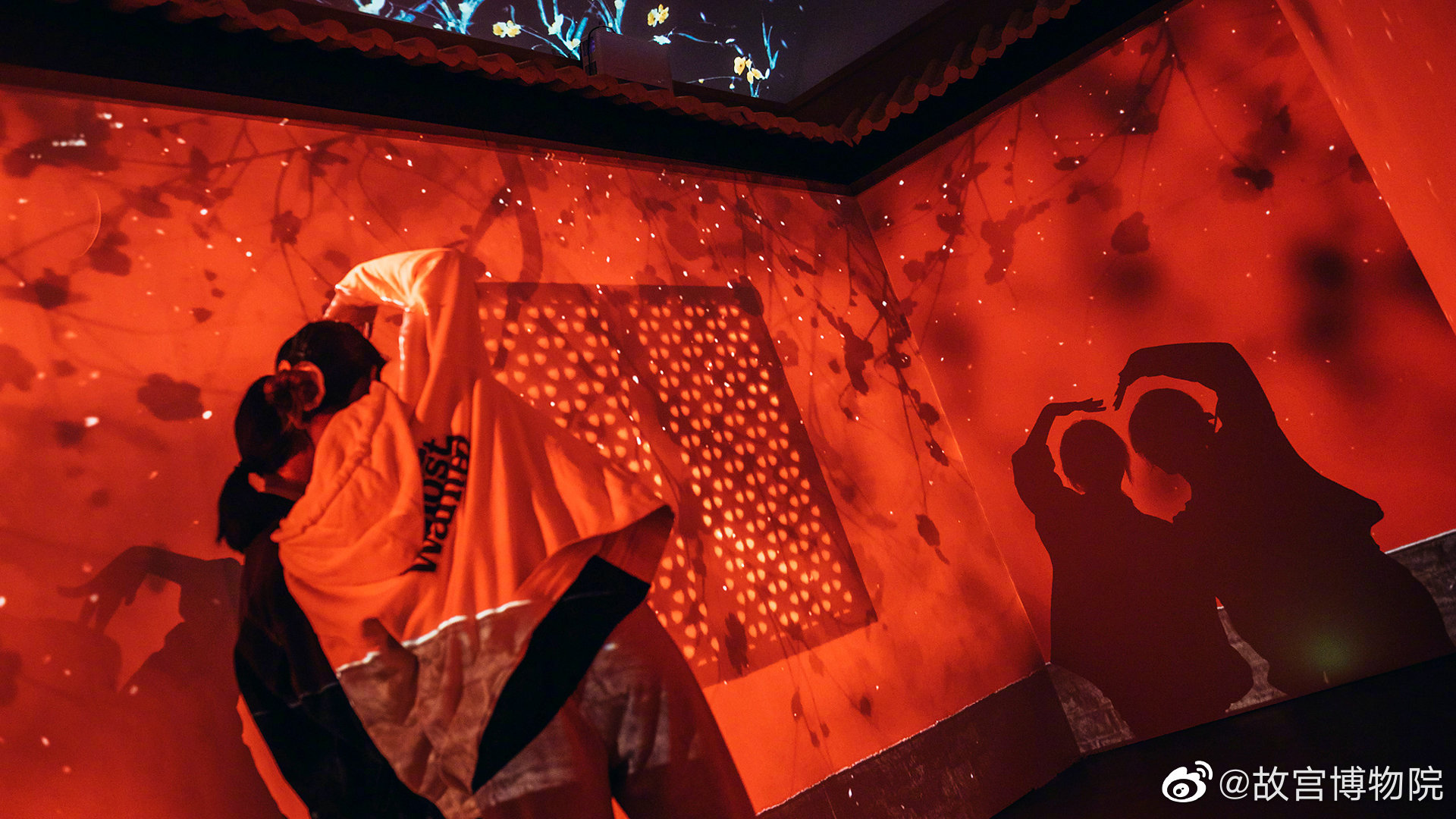
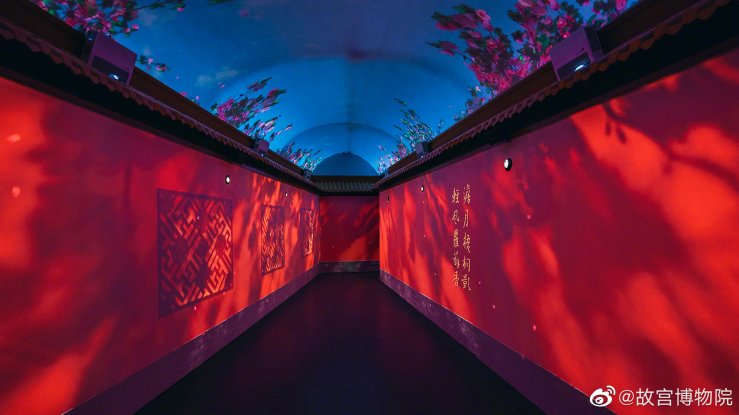
On December 15, 2021, with the opening of the “Culture + Technology” International Forum, the opening ceremony of “Tencent Immersive Digital Experience Exhibition of Forbidden City” was held at Shenzhen Sea World Culture and Art Center. The exhibition reproduces the traditional patterns of the Forbidden City through digital technology, and provides a subtle insight into the spiritual world of the Forbidden City’s architecture and decorations. This exhibition is 古宫超高高高實寫物深圳首見. The audience can enjoy the 5.3-meter-high naked-eye 3D cultural relics and 22 times the high-definition magnified cultural relics. Through VR and AR, they can experience the “Jiangnan Dream” in Tienqinzhai, and even more “Check in” the red wall and window pattern of the Forbidden City, leaving an exclusive streamer image. The exhibition will be open to the public free of charge from December 18, 2021 to February 12, 2022, and you can make an appointment to visit through the “Digital Forbidden City” applet.
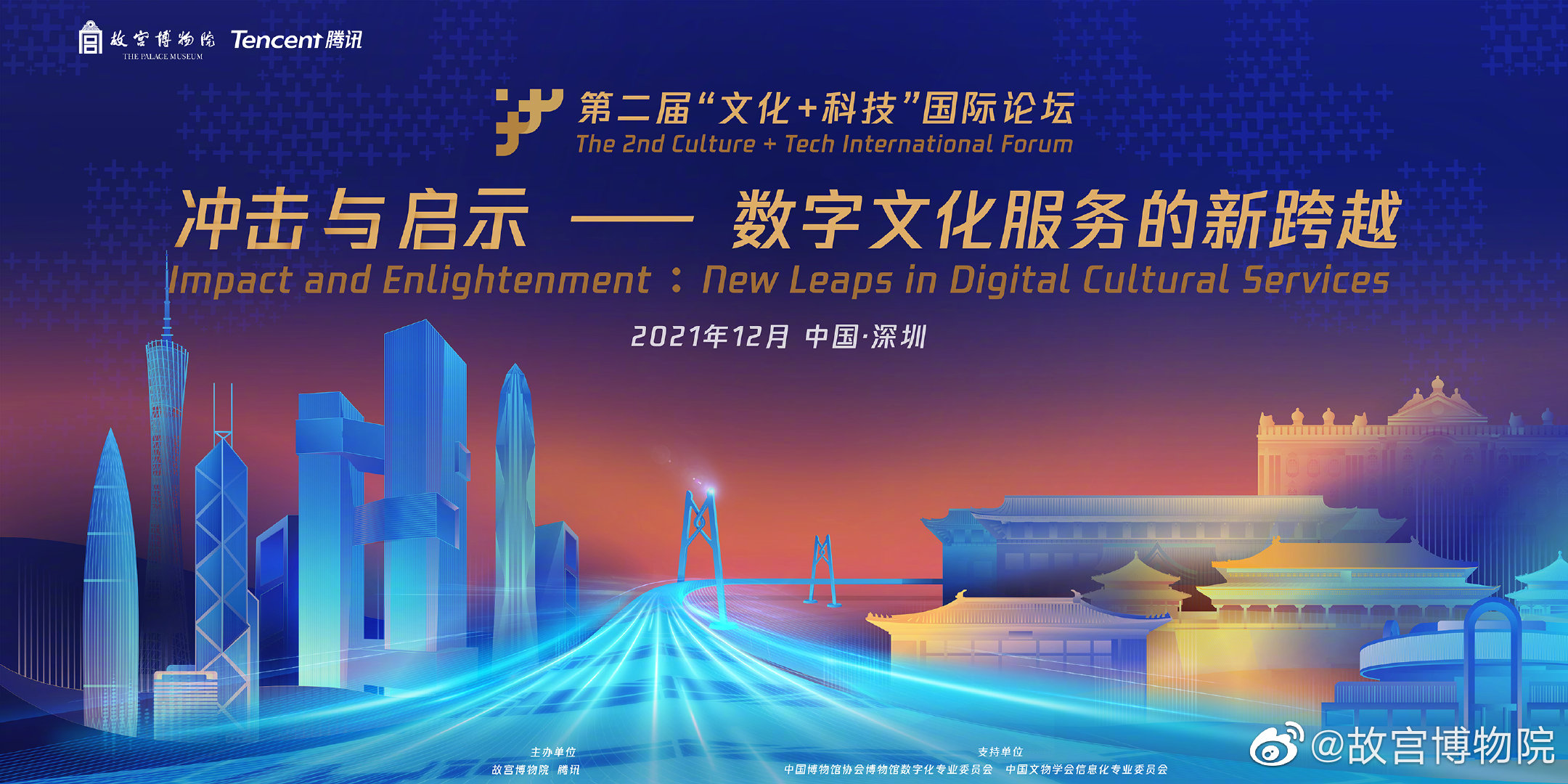
Providing also On December 15, 2021, the second “Culture + Technology” International Forum, co-sponsored by the Palace Museum and Tencent, supported by the Museum Digitalization Professional Committee of the Chinese Museum Association, and the Informationization Professional Committee of the Chinese Cultural Heritage Society, opened in Shenzhen Tencent Binhai Building. The forum invited more than 50 experts and scholars from many well-known cultural and cultural institutions, universities and technology companies at home and abroad to gather to discuss the future of museums in the digital age

  In November 2017, the Palace Museum and Tencent successfully held the first “Culture + Science and Technology” International Forum in Beijing. After 4 years of development and precipitation, especially since the COVID-19 pandemic, what kind of impact will science and technology have on the cultural and expedition field? And change? On December 15, 2021, the second “Culture + Technology” International Forum, co-sponsored by the Palace Museum and Tencent, supported by the Museum Digitalization Professional Committee of the Chinese Museum Association and the Informationization Professional Committee of the Chinese Cultural Heritage Society, opened in Shenzhen Tencent Binhai Building.

The theme of this forum is “Impact and Enlightenment-A New Leap in Digital Cultural Services”, which aims to further promote the digital concept of museums, promote the application and innovation of new technologies, and jointly explore the development direction of culture and technology. More than 50 experts and scholars from many well-known cultural and cultural institutions, universities and technology companies at home and abroad gathered to discuss the future of museums in the digital age.

  Guests from the Shenzhen Municipal Government, UNESCO and the Chinese Museum Association (in the order of their speeches) came to Shenzhen or participated in the conference via video and delivered speeches.
  At the opening ceremony, Wang Xudong, Dean of the Palace Museum, mentioned: “The’Culture + Technology’ International Forum aims to integrate the superior resources of culture and technology and build a cutting-edge academic exchange platform for all parties in the world. In the digital age and the epidemic, we should With a more long-term perspective, re-examine the positioning and mission of the museum, deeply explore and interpret the diverse values ​​of cultural heritage, give cultural heritage new vitality, and answer the propositions of the times of creative transformation and innovative development.”

  Cheng Wu, Vice President of Tencent Group, said in his speech: “In 2016, the Palace Museum and Tencent explored the digitalization of cultural museums. On the one hand, through the’new cultural creation’, they created screen-level works such as ancient paintings and singing, making traditional culture a trend for the younger generation. Culture; At the same time, “new technology” is used to help digital infrastructure such as the digital collection of cultural relics, and to create WeChat applets such as the digital Forbidden City, so that cultural relics are within reach in the cloud. Helping China’s cultural museums to plug in a pair of new technology and new cultural and creative wings , Stepping out of an innovative model with Chinese characteristics, and contributing Chinese solutions to the development of global cultural museums. This is also an important practice for Tencent to fulfill its mission of “Technology for Good”.”
The vice chairman of the International Association of Museums and the directors of several well-known museums at home and abroad delivered keynote speeches.

  This forum lasts for two days and consists of three sub-forums. Forum 1 “Resonance•New Development of Digital Culture from a Global Perspective” focuses on the development of digital cultural services under the impact of the epidemic, while Forum 2 focuses on the deep integration of traditional culture and digital technology. , Forum 3 “Burst • Convergence and Improvement of Digital Cultural Services” combined with specific cases to explore practical methods for the further integration of culture and technology, and conduct multi-dimensional professional seminars on the overall development, efficiency enhancement and ecological construction of digital cultural services.
  This forum specially set up the Greater Bay Area Salon session. Five guests from the Cultural Affairs Bureau of the Macao Special Administrative Region Government, the Palace Museum, the Guangdong Provincial Museum, the Hong Kong Museum of History, and Tencent focused on the cultural policy and construction of the Greater Bay Area and the cultural resources of the Greater Bay Area. , The exchange and training of talents between Hong Kong, Macau and the Mainland (including the traditional cultural exchanges of youth in the Greater Bay Area, and the training of cultural talents between Hong Kong, Macau and the Mainland) and other specific directions were discussed.

  The “Tencent Immersive Digital Experience Exhibition” co-sponsored by the Palace Museum and Tencent will also be unveiled during the forum. This is the first time that the Forbidden City’s ultra-high-precision “digital cultural relics” have been exhibited in Shenzhen, and part of the scenes of Juanqinzhai have been restored with the help of VR and AR technologies. After showing the beauty of the patterns contained in the cultural relics of the Palace Museum through the “Changyou Duobao Pavilion” mini program in 2020, the Palace Museum and Tencent once again joined forces to lead the audience in an immersive experience with Tencent’s immersive rendering, image search and panoramic sound technologies. Appreciate the beauty and wisdom in the world of patterns in ancient buildings and collections.

  There are 7 exhibition areas in the exhibition. Visitors can enjoy naked-eye 3D “digital cultural relics” with a height of 5.3 meters and 22x high-definition magnified cultural relics, experience the experience of transcending physical cultural relics exhibition, and may discover hidden mysterious three-dimensional space “Eggs”. The exhibition also meticulously created 10 annual check-in points, allowing the audience to experience the four seasons of the Forbidden City, leaving an exclusive streamer image.

  The exhibition will be held at the Shenzhen Sea World Culture and Art Center. It will be open to the public free of charge from December 18, 2021 to February 12, 2022. Visits can be reserved through the “Digital Forbidden City” applet.

  Attachment: Participants of the 2nd “Culture + Technology” International Forum (47 companies in total, sorted by the first letter of Pinyin)

Museum units (19 companies)
Sackler Archaeology at Peking University And Art MuseumDunhuang AcademyHermitage, Russia National MuseumThe Palace Museum
Guangdong Provincial MuseumNational LibraryHenan MuseumNational Museum of the Netherlands
Hubei Provincial MuseumNanjing MuseumEmperor Qin Shi Huang’s Mausoleum MuseumTokyo National Museum, Japan
Xias Historical MeseumShangHai museumShanghai History Museumcapital Museum
Suzhou MuseumHong Kong Palace MuseumBritish V&A Museum
Cultural relic institutions and industry organizations (13 companies)
Cultural Affairs Bureau of Macao Special Administrative Region GovernmentFederation of French MuseumsInternational Museum AssociationInternational Association of Museums Audiovisual, New Technology and Social Media Committee
Unesco Representative Office in ChinaBritish Scottish Historical Environmental Management AgencyChinese Museum AssociationMuseum Digitalization Professional Committee of Chinese Museum Association
Chinese Cultural Heritage Research InstituteChina Cultural Relics Conservation FoundationChina Cultural Relic Exchange CenterChina Cultural Relics Information Consultation Center
Informatization Professional Committee of Chinese Society of Cultural Relics
University units (7 companies)
Beijing UniversityBeijing Institute of TechnologyFudan UniversityOxford university
Ryukoku UniversityWuhan UniversityNingbo Institute of Technology, Zhejiang University
Enterprise units (8 companies)
Beijing SuperMap Software Co., Ltd.DJI Innovation Technology Co., Ltd.Huachuan Cultural Communication GroupToppan Printing Co., Ltd.
TencentArtron Culture GroupChina Mobile Communications Group Beijing Co., Ltd. Central Radio and Television Station

Imagines visuals credit are from the Forbidden city –Imperial Palace –Beijing – China- People’s Republic of China…  also from their respectives from the Series Weibo北京卫视上新了故宫 Treasures in the Forbidden City…

#北京。 #中國 #China #Beijing | #紫禁城 #ForbiddenCity  #November2021 | #北京2022年冬奥会 #Beijing2022WinterOlympics #MusicVideo Featuring #ChineseSinger #ChineseArtist #ChineseActress #张韶涵 #AngelaZhang – #ADateInBeijing ..

Building an inspirational dream for the Winter Olympics and gather in Beijing again for the 2022 year of winter Olympics for the 4th to 20th February 2022 n Beijing and towns in the neighbouring Hebei province China in the People’s Republic of China…… . The second session of 冬奥优音乐作品 “A Date in Beijing” seems to have opened a tunnel of time. Let us follow the voice of featuring Angela Zhang 张韶涵to listen to the echoes of the Olympic years that year. Recall the past, sweat and create miracles; look at the present, the ice and snow event, and invite the world again. In 2022, Beijing will have an appointment with you again ….

Angela Zhang was born in Zhongli City, Taoyuan County, Taiwan Province of China –People’s Republic of China. In 2001, starred in his first TV series ” Never Give Up “, thus formally entering the entertainment industry. In 2003, she played the heroine Yi Tianbian in the love inspirational idol drama ” Dolphin Bay Lovers “. In 2004, he released his first personal music album ” Over The Rainbow ” . In 2005, with the album ” Aurora “, she was shortlisted for the 16th Taiwan Golden Melody Award Best Chinese Female Singer ; in the same year, she appeared in her first film ” SMS in January ” . In 2006, the third personal music album ” Pandora ” was released ; in the same year, with the TV series ” Love Killing 17 ” , she was nominated for the Best Actress in the 41st Taiwan TV Golden Bell Awards . In 2007, he successively released his personal music albums ” Dream of Flowers ” , ” Ang 5.0 ” and won the Singapore Golden Melody Award There are many awards such as the Best Performing Female Singer Award and the Annual All-round Artist Award . In 2008, with the TV series ” Princess Little Sister “, she was nominated for the heroine of the 43rd Taiwan TV Golden Bell Awards. In 2009, the 6th solo music album ” Season 5 ” was released

In 2012, the 7th solo music album ” Tangible Wings ” was released  ; in the same year, he won the 20th China Song Ranking Award for the most popular female singer in Hong Kong and Taiwan  . In 2013, the personal music brand “Tianhan Music” was established, and he personally served as the CEO  . In 2014, with the album ” Angela Zhang “, he won many awards such as the Best Almighty Artist Award on the Global Chinese Songs Ranking and the Best Album Producer of the Year Award   . In 2016, released the 9th solo music album ” Total Occupation ”   . In 2018, as the starting lineup, he participated in Hunan Satellite TV’s original singer competition reality show ” Singer 2018 ”  . In 2019, released the 10th solo music album

Images and Visuals are from their respectives.

#北京。 #中國 #China #Beijing | #紫禁城 #ForbiddenCity #北京服装学院 #November2021 | #午門 MeridianGate – Beyond the Bounds of History: A Collaborative Exhibition between the Palace Museum and #Dunhuang …

午門  紫禁城 Locating of the Meridian Gate Wu Men palace in the Forbidden city- Beijing –China People’s Republic of China  On 17th September 18th November 2021, “Beyond the Bounds of History: A Collaborative Exhibition Between the Palace Museum and Dunhuang Academy” opened atop the Meridian Gate in the Forbidden City. Hu Heping, secretary of the leading Party group and minister of the Ministry of Culture and Tourism; Li Qun, vice-minister of the Ministry of Culture and Tourism and director of the National Cultural Heritage Administration; He Wei, member of the leading Party group and vice-governor of the People’s Government of Gansu Province; Wang Xudong, member of the leading Party group of the Ministry of Culture and Tourism and the director of the Palace Museum; Zhao Shengliang, secretary of the Party committee at the Dunhuang Research Academy; Su Bomin, director of the Dunhuang Research Academy; and others were present at the opening ceremony. Representing the exhibition’s organizers, Wang Xudong and Su Bomin spoke during the event, which was hosted by Du Haijiang, secretary of the Party committee and deputy-director of the Palace Museum.

The exhibition is sponsored by the Ministry of Culture and Tourism and the People’s Government of Gansu Province and organized by the Palace Museum and Dunhuang Research Academy as an important measure of implementation by the Ministry of Culture and Tourism and the People’s Government of Gansu Province of the spirit of President Xi Jinping’s important talk at the Dunhuang Research Academy.

During the 1950s, Dunhuang Research Academy mounted an exhibition in the gallery atop the Meridian Gate (Wu men) in the Forbidden City. Seventy years later, the Palace Museum and Dunhuang once again gather as a duo of cultural pillars to transcend time and space and combine unique ancient and contemporary charisma to offer visitors with an opportunity to deeply understand the great fusion, creativity, and vitality of the Chinese people. The exhibition is divided into three sections—“Splendors of the Silk Road”, “Myriad Phenomena in the Mortal Realm”, and “Protection of the Legacy”—with displays of 188 pieces of cultural relics from the Gansu Province and collection of the Palace Museum as well as hand-painted reproductions of Dunhuang murals, high-fidelity digital reproductions of murals, and reproductions of caves 285, 220, and 320, etc. These offerings afford visitors with a close-up experience of a millennium of two of the greatest representatives of Chinese civilization while presenting the best of the two sites’ research on cultural heritage protection.

As important guardians of culture, the Palace Museum and Dunhuang Research Academy have witnessed the extraordinary development of China’s cultural heritage industries. The exhibition’s third section, “Protection of the Legacy”, presents archives, media, documents, and cultural artifacts as a demonstration of the Party and Nation’s leadership and concern for the issue. As two great institutions of preserving world cultural heritage, the Palace Museum and Dunhuang Research Academy have made important contributions to cultural heritage research and the promotion of cultural legacies since before the establishment of New China.

Additional support for the exhibition is provided by the Gansu Provincial Musuem, Gansu Bamboo Slips Museum, Gansu Provincial Institute of Cultural Relics and Archaeology, Chinese Academy of Cultural Heritage, Tianshui Museum, Wuwei Museum, Jiayuguan Great Wall Museum, Dunhuang Museum, Sandan County Rewi Alley Memorial Hall, Lingtai Museum, and Jingchuan Museum. Further support is provided by special sponsor China Silk Corporation; joint support from China Dunhuang Grottoes Conservation Research Foundation and Hongqi; and construction support from Crown Homes of Suzhou.

“Beyond the Bounds of History: A Collaborative Exhibition Between the Palace Museum and Dunhuang Academy” is on view atop the Meridian Gate (Wu men) from 17 September – 26 November 2021. Tickets may be purchased ten days in advance via the Palace Museum’s online ticketing service or the Palace Museum’s official WeChat account by real-name registration with a second-generation ID card (for Chinese residents) or passport (for foreigners).

Imagines credits are of the also from their respectives  Forbidden city –Imperial Palace –Beijing – China- People’s Republic of China also from the Series Weibo北京卫视上新了故宫 Treasures in the Forbidden City…

#北京。 #中國 #China #Beijing | #紫禁城 #ForbiddenCity #北京服装学院 #November2021 | #后海#Houbai #RearLake ushering the #小雪 #Xiaoxue #LightSnow for the wintery season..

On the 22 November 2021 10:34 today, we welcome 小雪  in which as wintery season settle in for China –People’s Republic of China as cold air descends for the twentieth solar term Xiaoxue in which begins today in which during this time the North-western winds usually frequents the Ancient Post Modern civilisation Continent that is China- People’s Republic of China in which that season of小雪 ends on seventh of December 2021….. Astronomically The traditional Chinese calendars divide a year into 24 solar terms. Xiǎoxuě, Shōsetsu, Soseol, or Tiểu tuyết is the 20th solar term. It begins when the Sun reaches the celestial longitude of 240° and ends when it reaches the longitude of 255°. It more often refers in particular to the day when the Sun is exactly at the celestial longitude of 240°. In the Gregorian calendar, it usually begins around 22 November and ends around 7 December.

During the “light snow” period, the north ushered in cold days. As the cold air descends south, the temperature of the Jiangnan Water Village is cooling in a large area. …….小雪节气 does not mean that there will be a small amount of snow…….. In some years, the first snow in winter will be ushered in “Lidong”. …….. It is recommended to go outdoors and get more sunshine; eat a balanced diet and add clothes in time. The cold winter is coming, are you ready? 

Houhai is a lake and its surrounding neighbourhood in Xicheng District of central Beijing, China. Houhai is the largest of the three lakes, along with Qianhai ‘Front Lake’ and Xihai ‘Western Lake’, that comprise Shichahai, the collective name for the three northernmost lakes in central Beijing Houhai is the largest of the three lakes, along with Qianhai ‘Front Lake’ and Xihai ‘Western Lake’, that comprise Shichahai, the collective name for the three northernmost lakes in central Beijing. Since the early 2000s, the hutong neighbourhood around Houhai has become known for its nightlife as many residences along the lake shore have been converted into restaurants, bars, and cafes. The area is especially popular with foreign tourists visiting Beijing and is also often visited by the expatriate community and the younger generations of locals.

Historically The artificial lake of Houhai was built during the Yuan dynasty, and formed part of the ancient waters of the dynasty. The area was gentrified by the Yuan, and was exclusively reserved to the royal family. Built in the Yuan winter capital of Dadu, today it is located in the center of Beijing. It faces the Forbidden City, and today is renowned as a place of relaxation for Beijingers, and for its nightlife

Also the street network of Houhai was created during the Yuan dynasty. The Yuan’s 787-meter long Nanluogu Lane is considered one of the oldest hutongs in Beijing, located in one of its oldest neighbourhoods. Many buildings are very old, and exhibit the traditional Beijing architectural features… for the November in the early winter; there is no trace of the hustle and bustle of the alleys in the narrow alleys of Houhai. Being in it, it seems as if your thoughts are flying to the horizon with the birds in the sky….

Imagines credits are of the Forbidden city –Imperial Palace –Beijing – China- People’s Republic of China also from the Series Weibo北京卫视上新了故宫 Treasures in the Forbidden City…

#漢服 #HanFu #HanDynastyClothing |#零青子 #HowToWearHanfu #FashionLookBook #November2021 |#SongDynastyClothing of a gorgeous elegant #EveryDayWear of urban Tan #SwirlSkirt #UrbanWear for #EveryDayWear…

零青子 Hanfu – Han Dynasty Clothing blogger –Vlogger based in historical modern richness of two thousand and four hundred year old ultra megapolis ancient – postmodern Chengdu city Sichuan province of China – People’s Republic of China. She is one of many leading fashion blogger-Vlogger  fashionably trending setting vlogs of how to wear of her collection of sort after Chinese –Han Dynasty Clothing of Hanfu- Han ethnic Traditional clothing in which dressing traditional from various dynasties to its postmodern twentieth first century trending setting ….

Horse-face skirt, also known as “horse-face pleated skirt” is a Swirl Skirt variant, is one of the main skirt styles of ancient Chinese Han women. There are four skirt doors inside and outside, overlapping in two. The outer skirt door is decorated, and the inner skirt door is decorated with little or no decoration. For decoration, the side of the horse-faced skirt is tucked up, and the waist of the skirt is mostly white cloth, which means white head and old age, and it is fixed with rope or button.

The horse-main skirt is the most typical style of Han women’s dress during the Ming and Qing Dynasties. Its style has undergone a series of changes from the freshness and elegance of the Ming Dynasty to the magnificence and wealth of the Qing Dynasty to the beauty and simplicity of the Republic of China, but its “horse-faced” structure has always been deeply ingrained….,

How to wear a Song Dynasty urban wear every day wear clothing on for a every day wear for a summery autumn wear with bold white cool colours with soft  silk  Swirl Skirt in very simple pastel colours fabrics keeping warm and cool throughout the seasons in which helps to match a contempary style within your wardrobe with a Ming Dynasty blouse on. ..  

HanFu- Han Dynasty Clothing is making a massive come back in the Asian Chinese communities as youths reliving In recently decades there’s been very much strong revitalisation of Chinese Customary tailoring clothing in which is HanFu- Han Dynasty (221-206 BC) period inspired clothing in which was worn just before the fall of the Ming Dynasty (23 January 1308 to 25 April1644, until a North East Manchurian fashion that have taken over the traditional Han Dynasty fashion in which we known till today that’s the Qipao in which have been fashionable evolving on the same path also…. Like a Qipao, HanFu can be worn every day, as work wear, till as evening wear… It also it comes in various forms as to the nature of activity of the day or night…

Images visuals are from Weibo and their respectives of 零青子.