#北京。 #中國 #China #Beijing | #紫禁城 #ForbiddenCity #December 2021 | #北京卫视上新了故宫 The Forbidden City on Beijing Satellite TV| December gorgeous sunset and crescent moon of the #SummerPalace nights of #BeihaiPark ….

During the Month of December 2021, in which current Beijing – China – People’s Republic of China the Beijing the three thousand more ancient postmodern ultra-metropolis mega city in which the evening of 12  December 2021  there was in the evening of Beihai Park, the afterglow of the setting sun is sprinkled on Yong’an Bridge, and the gorgeous sunset glows on the lake, and the white pagoda is reflected in each other, like a fairy mountain and Qiongyu, making the night of Beihai beautiful

Beihai Park 北海公園; 北海公园is a public park and former imperial garden located in the north-western part of the Imperial City, Beijing. First built in the 11th century, it is among the largest of all Chinese gardens and contains numerous historically important structures, palaces, and temples. Since 1925, the place has been open to the public as a park. It is also connected at its northern end to the Shichahai.

The park has an area of more than 69 hectares (171 acres), with a lake that covers more than half of the entire park. At the center of the park is an island called Jade Flower Island (瓊華島; 琼华岛; whose highest point is 32 meters.

Beihai literally means “Northern Sea”. There are also corresponding Central (Zhonghai) and Southern (Nanhai) “Seas” elsewhere. These latter two are joined inside a complex of buildings known after them as Zhongnanhai; it is the home of China’s paramount leaders.

The Beihai Park, as with many of Chinese imperial gardens, was built to imitate renowned scenic spots and architecture from various regions of China such as Lake Tai, the elaborate pavilions and canals of Hangzhou and Yangzhou, the delicate garden structures in Suzhou and others all served as inspirations for the design of the numerous sites in this imperial garden. The structures and scenes in the Beihai Park are described as masterpieces of gardening technique that reflects the style and the superb architectural skill and richness of traditional Chinese garden art….

On previously on 11th December 2021 on the night of the Summer Palace in the winter is charming with crescent moon waxing towards the full moon from the first quarter in winter romantically walks of romance mystery walks.

Imagines credits are of the Forbidden City –Imperial Palace –Beijing – China- People’s Republic of China also from the Series Weibo北京卫视上新了故宫 Treasures in the Forbidden City…

#北京。 #中國 #China #Beijing | #紫禁城 #ForbiddenCity #北京服装学院 #November2021 | #后海#Houbai #RearLake ushering the #小雪 #Xiaoxue #LightSnow for the wintery season..

On the 22 November 2021 10:34 today, we welcome 小雪  in which as wintery season settle in for China –People’s Republic of China as cold air descends for the twentieth solar term Xiaoxue in which begins today in which during this time the North-western winds usually frequents the Ancient Post Modern civilisation Continent that is China- People’s Republic of China in which that season of小雪 ends on seventh of December 2021….. Astronomically The traditional Chinese calendars divide a year into 24 solar terms. Xiǎoxuě, Shōsetsu, Soseol, or Tiểu tuyết is the 20th solar term. It begins when the Sun reaches the celestial longitude of 240° and ends when it reaches the longitude of 255°. It more often refers in particular to the day when the Sun is exactly at the celestial longitude of 240°. In the Gregorian calendar, it usually begins around 22 November and ends around 7 December.

During the “light snow” period, the north ushered in cold days. As the cold air descends south, the temperature of the Jiangnan Water Village is cooling in a large area. …….小雪节气 does not mean that there will be a small amount of snow…….. In some years, the first snow in winter will be ushered in “Lidong”. …….. It is recommended to go outdoors and get more sunshine; eat a balanced diet and add clothes in time. The cold winter is coming, are you ready? 

Houhai is a lake and its surrounding neighbourhood in Xicheng District of central Beijing, China. Houhai is the largest of the three lakes, along with Qianhai ‘Front Lake’ and Xihai ‘Western Lake’, that comprise Shichahai, the collective name for the three northernmost lakes in central Beijing Houhai is the largest of the three lakes, along with Qianhai ‘Front Lake’ and Xihai ‘Western Lake’, that comprise Shichahai, the collective name for the three northernmost lakes in central Beijing. Since the early 2000s, the hutong neighbourhood around Houhai has become known for its nightlife as many residences along the lake shore have been converted into restaurants, bars, and cafes. The area is especially popular with foreign tourists visiting Beijing and is also often visited by the expatriate community and the younger generations of locals.

Historically The artificial lake of Houhai was built during the Yuan dynasty, and formed part of the ancient waters of the dynasty. The area was gentrified by the Yuan, and was exclusively reserved to the royal family. Built in the Yuan winter capital of Dadu, today it is located in the center of Beijing. It faces the Forbidden City, and today is renowned as a place of relaxation for Beijingers, and for its nightlife

Also the street network of Houhai was created during the Yuan dynasty. The Yuan’s 787-meter long Nanluogu Lane is considered one of the oldest hutongs in Beijing, located in one of its oldest neighbourhoods. Many buildings are very old, and exhibit the traditional Beijing architectural features… for the November in the early winter; there is no trace of the hustle and bustle of the alleys in the narrow alleys of Houhai. Being in it, it seems as if your thoughts are flying to the horizon with the birds in the sky….

Imagines credits are of the Forbidden city –Imperial Palace –Beijing – China- People’s Republic of China also from the Series Weibo北京卫视上新了故宫 Treasures in the Forbidden City…

#QIPAO #旗袍 #Cheongsam |#煊氏旗袍 #XuansCheongsam #November2021| #FashionLookBook your everyday classic timeless #ModernQipao #TraditionalChineseQipao #Cheongsam #PostModernQipoa #EveryDayWear from #WorkWear in the Summery Chinese Pavilions of Teal ancient Chinese roof tiles.

煊氏旗袍  Xuan’s Cheongsam is located in Chengdu in Sichuan Province of China- People’s Republic of China in which is also named Chengdu Xuandi Clothing Co., Ltd Adhering  to original design, of high end Chengdu  embroidery craftsmanship, and manual customization, with traditional culture as the core, and actively promote the Chinese Chengdu style cheongsam…

Dressed in Imperial auspiciousness Imperial Teal  Qipao dress with featuring short lacy sleeves with  golden yellow detailing trims on Chinese hand crafted embroidery youthfully cheongsam Qipao …. With beautifully dressed in Beautiful Chinese Painting embroidery of a Chinese Pavilion Summery garden with Mulan and fern leaves expressing Femininity is the ultimate expression of condensed femininity of romantic literature….

Of romantic literature….with silky shoulders, neck and arm lines… the slenderness and extension of the calves and ankles… the rhythm of each step… Based on this, there is really no dress that is more suitable for showing the temperament of the goddess than “cheongsam- Qipao” expression of that is the new Xuan’s series of Intangible Cultural Heritage Series in featuring a gorgeous silk for the old sense of vision, Active Interface dye years of the old times of Shanghai like a old time of the wind had Ming yarn.  With a pot of tea deep feelings for times past, leisurely life fanning with the Lotus shape …

QIPAO 旗袍 Cheongsam …. In which from historically Shenyang is the birth place of the Qing Dynasty 1636-1912plus ….  In which Qipao is termed for Qing Dynasty Clothing that the Manchu ethnic adoptively wore…… in which the Shenyang Palace Museum was an imperial palace towards two Qing Dynasty emperors. Previously two years ago During the event it which was an eight day forums, with exhibitions also related workshops illustrating the birth place of the Old Capital of Cheongsam where the Qing Dynasty- Qipao was inspired from..  

Before that Shanghai 1930’s Qipao-Cheongsam revolution, the Manchurian Cheongsam was the fashion of choice of the Qing Dynasty (1636-1912)   throughout as it standardised that style during the dynasty… Replacing the previous clothing standard Han Fu – Han Dynasty clothing style, in which also is form fitting towards the women’s silhouette but with a higher degree of freedom of flare of personal, individual style… 

Qipao-Cheongsam is uniquely hand crafted tailored Chinese dress to the customer’s various measurements… in which you can still have them brought of the rack in which is accustomed to the standard measurements… in which you can tell which is western influenced with the back zipped in which the Eastern traditional Chinese Tailors would have the side zipped of the Qipao dress due it interrupts the flow of the pattern work at the back of the dress..  Also it creates a continuous seamless back look…  after as the measurements are translated drafted onto the silk or the customer desired accustomed fabric of choice, from the measurements book with the associated look of the design elements with additional accessories the sexiness of Qipao lies subtlety.. Measuring, patterning, cutting, and button making are crucial, in where passion and art comes together in tailoring

 In which traditionally Qipao- Cheongsam dresses are worn for from straight forwardly every day towards after work evening wear in without having to change to another set of wardrobe dressing only to accessories for the required occasion… … in which the Qipao dress pattern silhouette is design for the lady’s figure in which accentuating the silhouette without giving away too much of what’s underneath in retaining…. its timeless classic silhouettes in which are designed to be worn every day, from work, evening,  casually  towards to the weekend… with sleek simple, elegant, sexy intelligent sophistication in which are easy to be accessorised with any pieces of clothing in your current or upcoming wardrobe…

Images and visuals are from Weibo also from Xuan’s Cheongsam High-end Private Customization|Coordinates|China•Chengdu Yintai Center In99 Building 3, 10th Floor, No. 10, phone number: 18780284205 – China – People’s Republic of China.

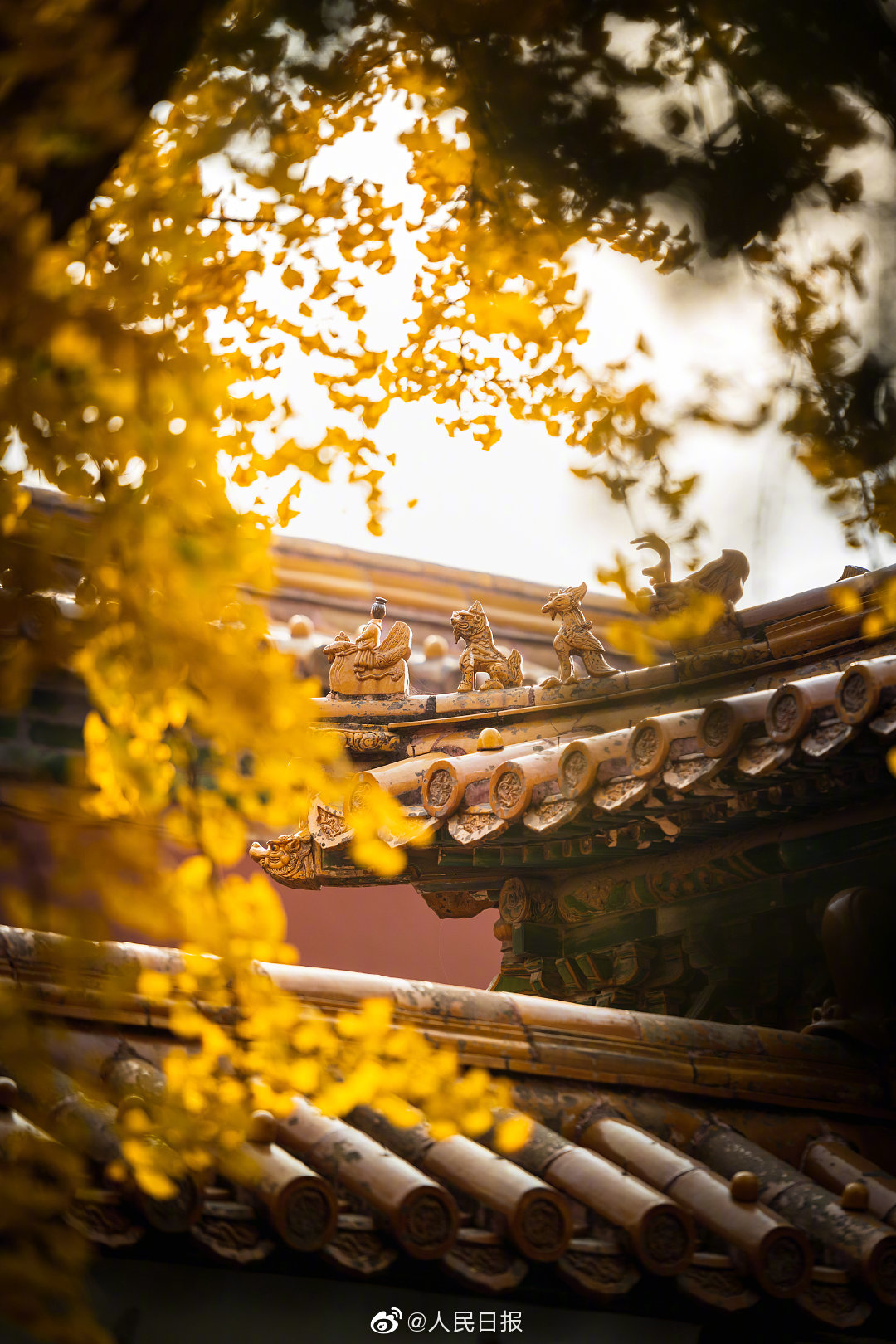
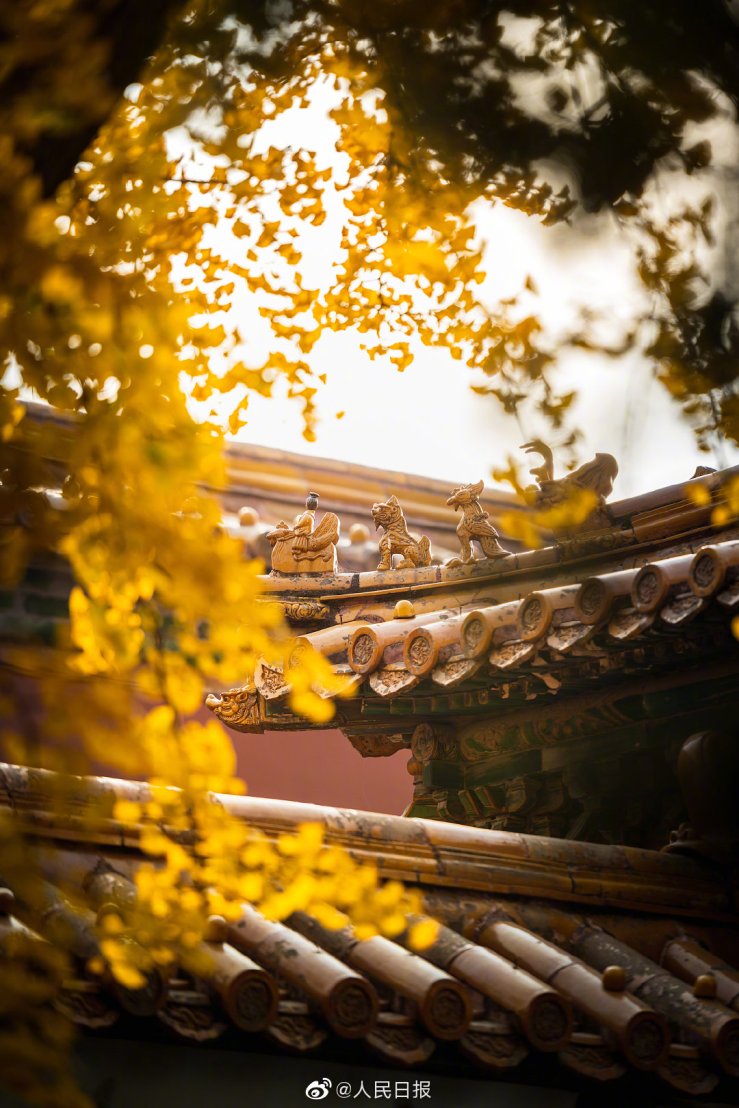
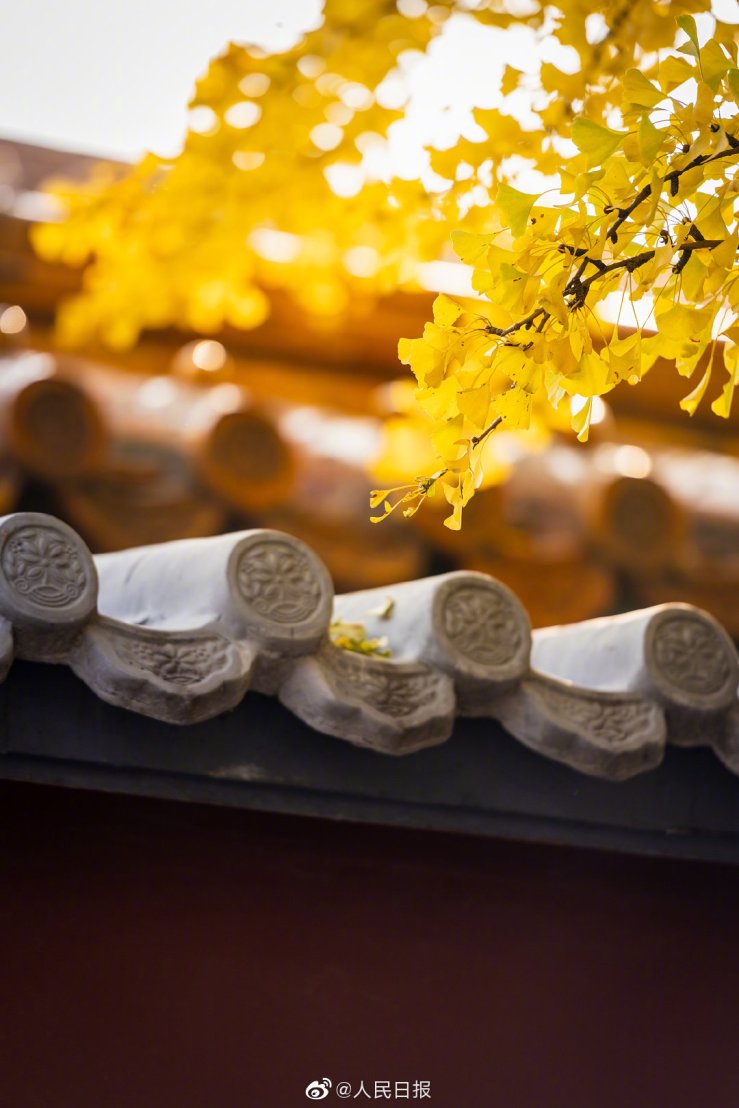
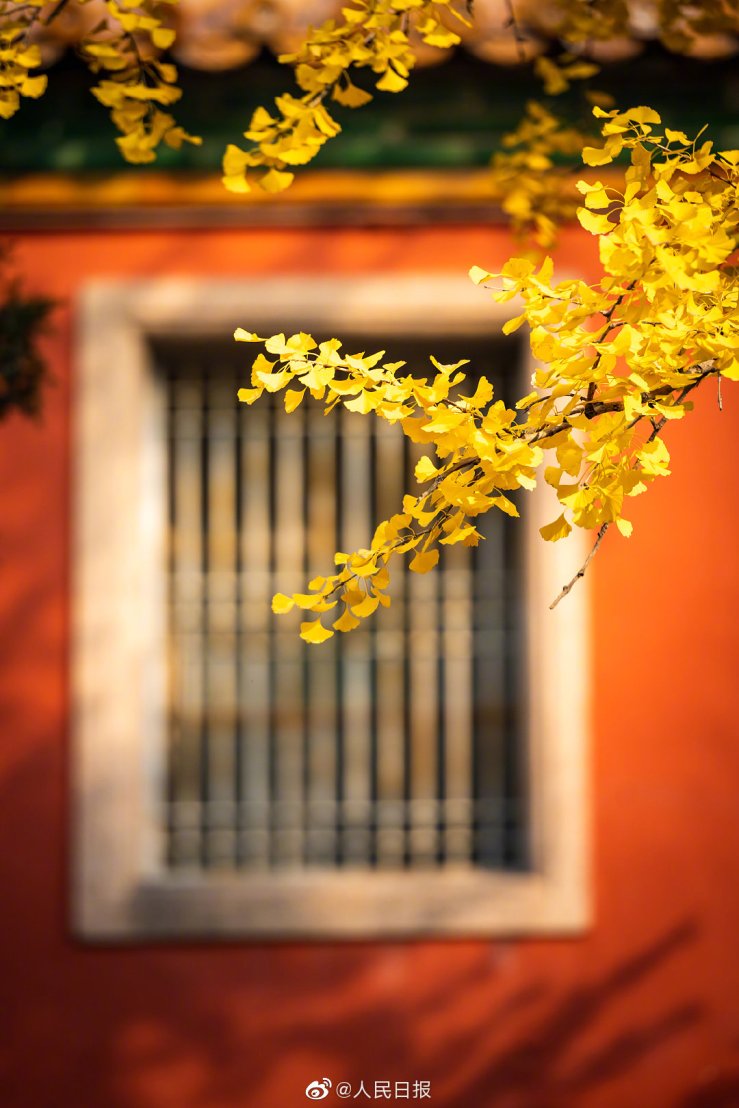
#北京。 #中國 #China #Beijing | #紫禁城 #ForbiddenCity #November2021 |  #延禧攻略 #YanxiPalace – Golden amberically #Autumn #GinkgoTree leaves glow in the branches for the seasons within the forbidden city palaces within the Gates of Yanxi Palace … #AGallery

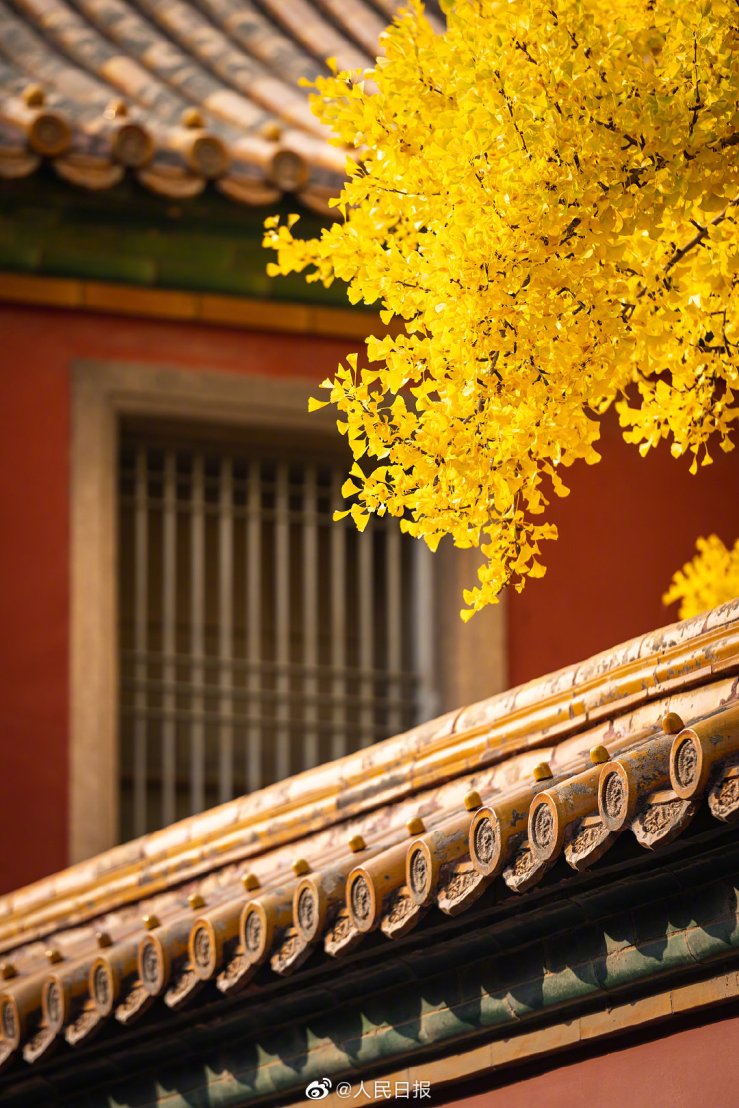
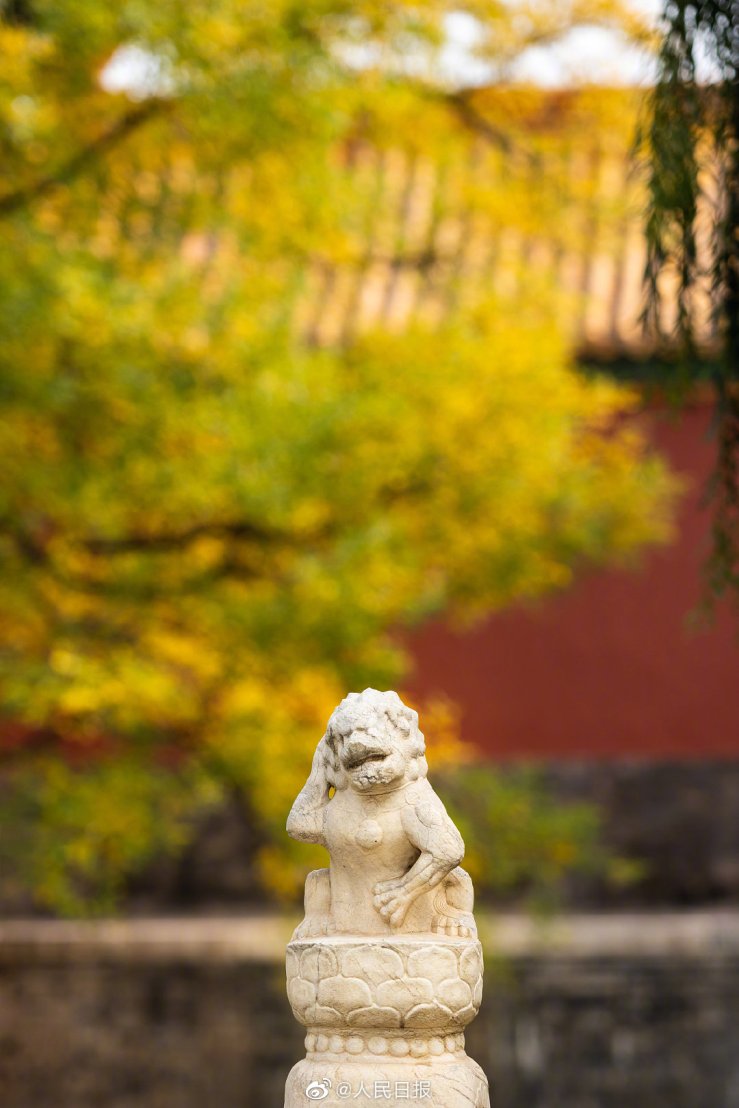
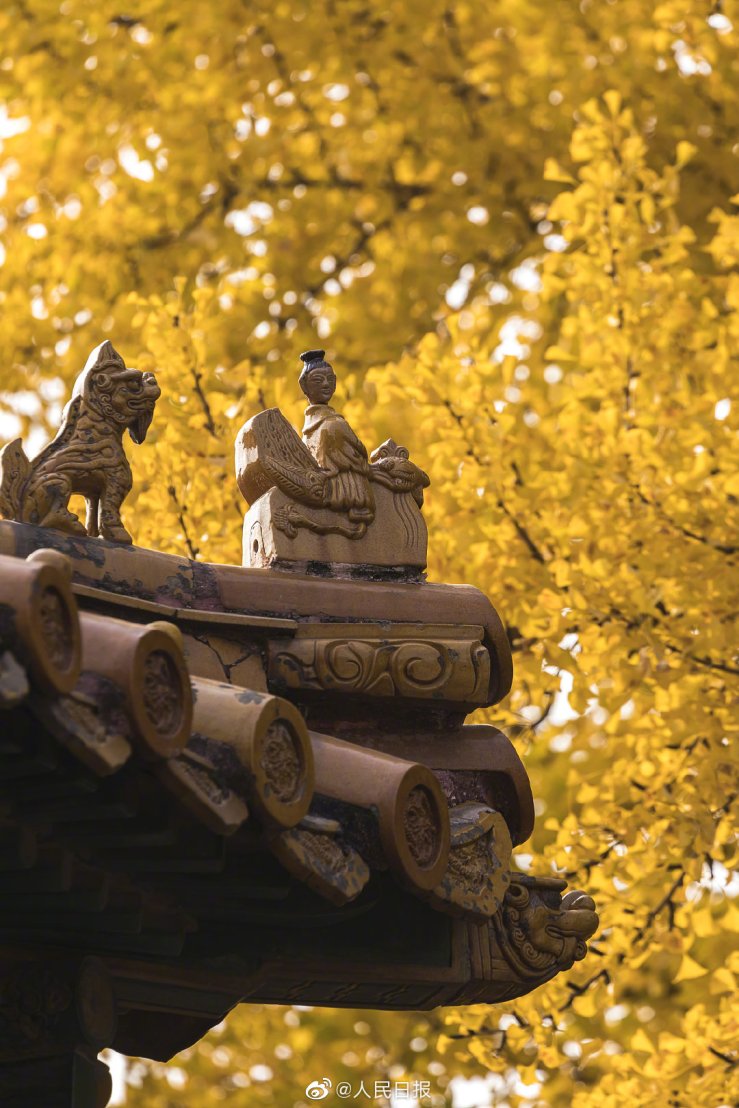
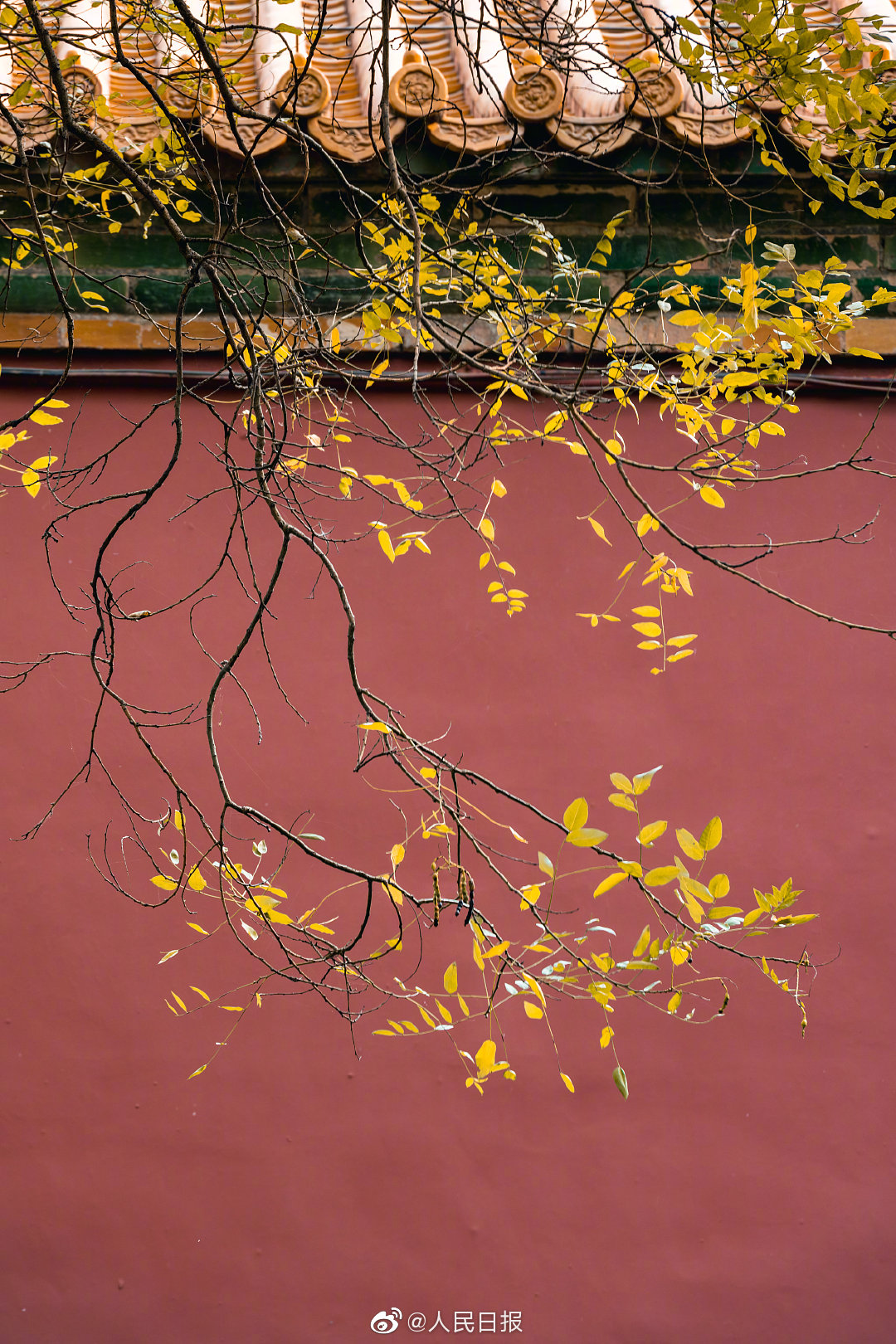
On the 31st October 2021 Sunday week it’s Autumn in the Forbidden City palace – Beijing –China- People’s Republic of China, in which it has been with beautiful blue skies with Chinese Painting white Clouds storytelling Beijing Ancient postmodern megatroplis city scape… along the 601 year old Forbidden city is looking from inside of the Forbidden city in which it’s trees glow in the Autumn Sunlight …  in which photographer on 31st October 2021 OneDayFoto旅行摄影 have brilliant captured the Autumn sunlight amberically glowing the Ginkgo trees of the Grounds of the Forbidden city on the grounds of the gate of the Yanxi Palace in which has a strong rich history..  

The Hall of Prolonging Happiness (Yanxi gong) was destroyed by fire during the Daoguang reign (1821-1850). In 1931, a few years after the Palace Museum was founded, three two-storied warehouses were built for storing artifacts. In 2005, the museum installed the Research Center for Traditional Calligraphy and Paintings in the east warehouse, the Research Center for Ceramics in the west warehouse, and a Ceramics Laboratory in the central warehouse. 


  It used to be the residence of consorts and concubines during the Ming and the Qing dynasties. After the destruction, it remained in ruin. In 1909, the Qing government initiated the construction of a western-style “Hall of water” in a pool. The hall is built on a white marble base, with iron cast and glass walls and floors. By its completion, water would be filled into the poll surrounding the hall, so that people inside the pavilion could view the swimming fish through the transparent glass walls. It is popularly known as the “crystal palace”. However, not long after the project was launched it stopped due to the tight budget. Now, the marble carvings and the iron cast are only for visitors to imagine.

……the second decade from the turn of the century in Beijing the Capital of China also the People’s Republic of China, in which is also the year of the rat, marking its six hundred years anniversary of the Forbidden city that marks the transitional point of in between the middle of the Ming Dynasty (1368- 1644) transitionally from Nanjing to Beijing towards the Qing Dynasty (1636-1644-1911) …. The Imperial Palace seen so many countless seasonally transitional equinoxes but further its six hundred years is iconic, but it’s five hundred ninety nine years it marks it Autumn Equinox…. In which it only took twelve years to build the same of the Daming Palace of The Tang Dynasty Xian Imperial Capital only it was least twenty times larger……  

Imagines visuals credit are from the Forbidden city –Imperial Palace –Beijing – China- People’s Republic of China…  also from their respectives from the Series Weibo北京卫视上新了故宫 Treasures in the Forbidden City…

#北京。 #中國 #China #Beijing | #紫禁城 #ForbiddenCity  #October2021 |  #人民日報 #PeoplesDaily – Golden amberically #Autumn #GinkgoTree leaves glow in the branches for the seasons within the forbidden city … #AGallery

On the 31st October 2021 Sunday week it’s Autumn in the Forbidden City palace – Beijing –China- People’s Republic of China, in which it has been with beautiful blue skies with Chinese Painting white Clouds storytelling Beijing Ancient postmodern megatroplis city scape…  along the 601 year old Forbidden city is looking from inside of the Forbidden city in which it’s trees glow in the Autumn Sunlight …

……the second decade from the turn of the century in Beijing the Capital of China also the People’s Republic of China, in which is also the year of the rat, marking its six hundred years anniversary of the Forbidden city that marks the transitional point of in between the middle of the Ming Dynasty (1368- 1644) transitionally from Nanjing to Beijing towards the Qing Dynasty (1636-1644-1911) …. The Imperial Palace seen so many countless seasonally transitional equinoxes but further its six hundred years is iconic, but it’s five hundred ninety nine years it marks it Autumn Equinox…. In which it only took twelve years to build the same of the Daming Palace of The Tang Dynasty Xian Imperial Capital only it was least twenty times larger……  

Imagines visuals credit are from the Forbidden city –Imperial Palace –Beijing – China- People’s Republic of China…  also from their respectives from the Series Weibo北京卫视上新了故宫 Treasures in the Forbidden City…