

On July 19th 2023 , the multilingual website of the Forbidden City Palace Museum- Beijing, China, People’s Republic of Chinawas officially released at the Digital Cultural Tourism Development Forum of the 2023 China Internet Civilization Conference! The website covers five languages: English, French, Russian, Japanese, and Spanish, and will meet the needs of audiences with different languages.
The multilingual website of the Palace Museum is committed to establishing an international website that is concise, clear, easy to use for overseas audiences, and fits the construction of the modern civilization of the Chinese nation, including tour guides, information, panoramic tours, online exhibitions, collection appreciation, cultural topics, etc. Rich immersive content describing of the most detail collection that housed within the Forbidden City collection….

Qing Qianlong, Yao Wenhan, etc., Chongqing Empress Dowager’s eighty-year longevity picture is posted (partial). This picture depicts the grand occasion of Emperor Qianlong’s 80th birthday celebration held for his mother, Empress Dowager Chongqing, in the Cining Palace in the Forbidden City where she lived in November of the 36th year of Qianlong’s reign (1771). In the palace, the Queen Mother was sitting on the throne enjoying the banquet, and Emperor Qianlong was sitting sideways to accompany her. In the east and west rooms were Emperor Qianlong’s concubines and Prince Fujin, etc., and on the platform outside the palace were the princes and grandchildren. At this time, the person in charge of the Sixth Palace was the imperial concubine Wei Jia, the biological mother of Emperor Jiaqing Yong Yan, who was posthumously named Queen Xiaoyi. This picture is the only existing painting that truly shows the emperor and his family congratulating the Queen Mother on her birthday. It has precious historical value.

Qianlong of the Qing Dynasty, anonymous, all nations come to court. In order to promote the majesty of the Qing Dynasty, Emperor Qianlong ordered the court painters to create several works that reflected the envoys from various countries coming to the Forbidden City to congratulate them on the New Year. This picture is one of them. The coming of all nations to court was both a family and a state matter for Emperor Qianlong. Therefore, he not only ordered the court painters to depict the lively scenes of envoys from the surrounding vassal states of the Qing Dynasty and Western countries paying homage to him, but also ordered the painters to depict the lively scenes in the paintings…


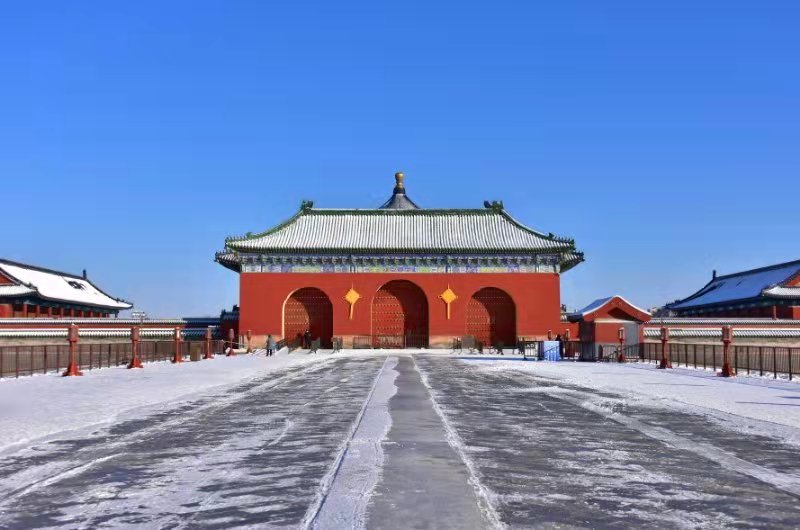
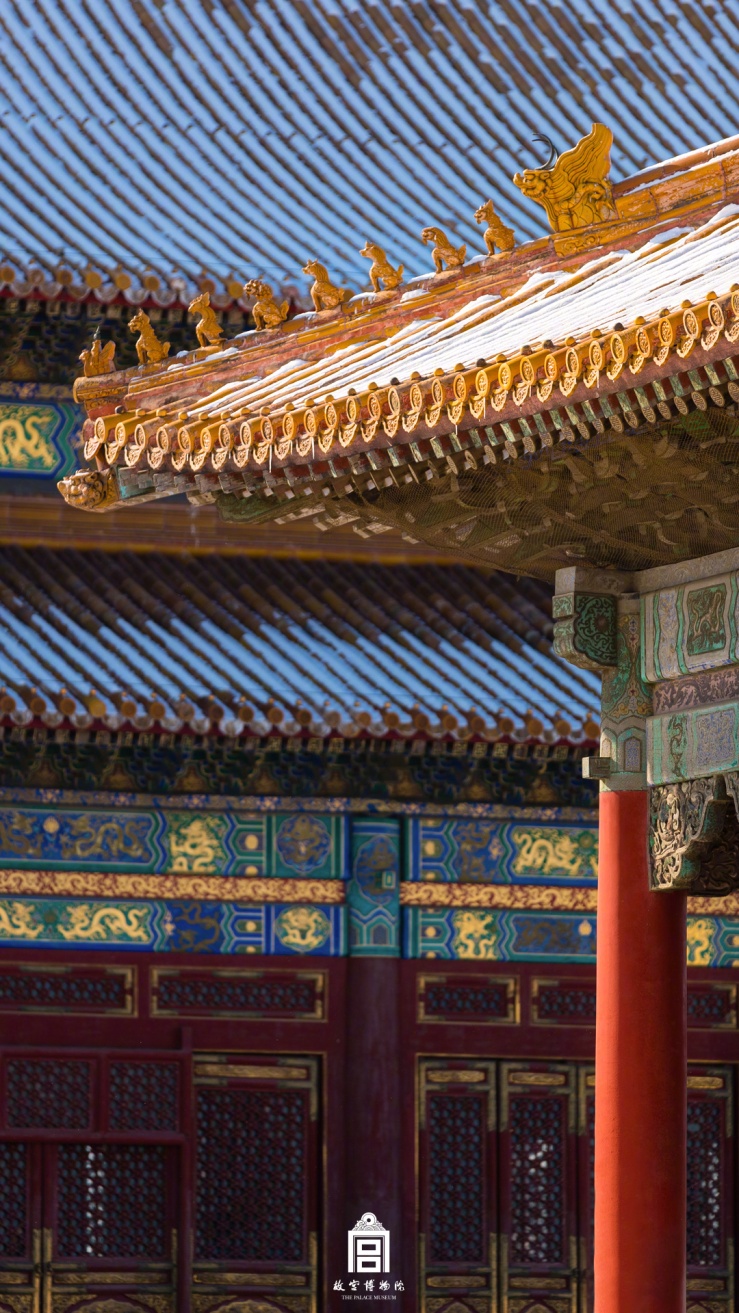
On the 7th December 2023 The warm sun is shining, gently touching the painted pillars and caressing the railings. Today 大雪 , together with the spine beasts, we are looking forward to a heavy snowfall that will decorate the Forbidden City!

Emperor Qianlong of the Qing Dynasty, unknown, scroll of all nations coming to court (detail). This picture is part of the axis of “The Map of All Nations Coming to Court”. It shows the elderly Emperor Qianlong embracing the descendants of the royal family, sitting in the Ningshou Palace area that was rebuilt for him to take care of himself after returning to power, and receiving New Year’s congratulations from envoys from various countries. For Emperor Qianlong, the dynasty was important, but the prosperity of his descendants was also a top priority. Emperor Qianlong had a total of twenty-seven children in his life. In the forty-ninth year of Qianlong’s reign (1784), his great-great-grandson was born, and he was very excited about the five generations living under the same roof. Afterwards, he added the inscription “Five Blessings and Five Dynasties Hall” to the Gyeongbokgung Palace in the Forbidden City to commemorate his wishes, and then engraved “Five Blessings and Five Dynasties Hall Ancient and Rare Emperor Treasure” to express his contented imperial life. There is no date of creation for this painting, but according to the records of the Qing Palace Construction Office, it was painted in December of the 44th year of Qianlong’s reign (1779), so the infant in his arms at this time must be his great-grandson.

Qing Jiaqing, anonymous, Emperor Jiaqing’s ancient costumes and entertainment scroll. This picture depicts Emperor Jiaqing and his concubines dressed in traditional Han costumes, relaxing and entertaining in the courtyard. Although it is a picture of a couple having fun, Emperor Jiaqing not only occupies the main position in the painting, but is also taller than his concubines who are also seated and even the standing waiters, highlighting his supreme status as the king of a country and the head of a family. The waiter came towards them with a scroll of calligraphy and painting in his hand. The gathering of couples was about to begin in the imperial garden where peonies and magnolias were in full bloom, forming an enviable scene of love.


The 40th Anniversary Exhibition of the Palace Museum Publishing House” will be officially opened to the public on December 9 in the Wenhua Hall of the Palace Museum! This exhibition unfolds the 40-year development history of the Palace Museum Press in five units, and for the first time adopts the innovative exhibition format of “books + cultural relics”. In the exhibition hall, there are not only the “Forbidden City Book Mountain” and the “Forbidden Book City” built with thousands of fine books, but also 22 precious cultural relics, including fine porcelain from the five famous kilns of the Song Dynasty, and the Qianlong Jasper Dragon Button from the Qing Dynasty. “An ancient rare treasure of the emperor” and other exquisite cultural relics. The exhibition will last until February 25, 2024. The general audience can make an appointment to visit through the “Forbidden City Museum” applet

Daoguang of the Qing Dynasty, anonymous, empress Xiaoshencheng’s lotus scroll. Daoguang Emperor Minning had four queens in his life, the second of whom was Queen Xiaoshencheng. She is the daughter of Shu Ming’a, the third-class Chengen Gong. She entered the palace during the Jiaqing Dynasty and married Minning, who was the prince at the time. In the 13th year of Jiaqing (1808), Emperor Renzong granted her the title of successor to the Jin Dynasty. In the second year of Daoguang (1822), she was canonized as queen. She was the eldest daughter of Emperor Daoguang, Princess Duan Ming Lun, but unfortunately she died in infancy. This picture shows Empress Xiaoshencheng holding a folding fan and wearing seasonal flowers as headdress while admiring the flowers and scenery in the picturesque imperial garden. A pair of mandarin ducks in the lotus pond made her stop and watch. Obviously, the flowers in the garden could not touch her heart as much as the loving mandarin ducks.

Daoguang of the Qing Dynasty, anonymous, Xiao Quancheng, Queen Xuan Palace’s spring mist scroll. This picture is a portrait of Empress Xiao Quancheng holding the prince’s hand. Empress Xiao Quancheng (1808-1840) entered the palace in the early years of Daoguang and was given the title of Quanbi. She gave birth to the third and fourth daughters of Emperor Daoguang. In the eleventh year of Daoguang (1831), when she was twenty-four years old, she gave birth to The fourth son of the emperor was Emperor Xianfeng. In the thirteenth year of Daoguang’s reign (1833), she was granted the title of Imperial Concubine by the Jin Dynasty. In October of the fourteenth year of Daoguang (1834), she was officially appointed by Emperor Daoguang as the third queen after Queen Xiao Shencheng. When she passed away, Yi𬣞 was just over nine years old. The prince she is holding in the picture may be the still young Yi𬣞. The mother and son are holding lotus leaves and lotus flowers respectively, implying the inseparable affection between flowers and leaves.


In order to implement the spirit of the “Opinions on Promoting the Work of Ancient Books in the New Era” and deepen the protection and revitalization of ancient literature and cultural relics, the Palace Museum, on the basis of sorting, protecting and researching the engraving cultural relics in the museum’s collection, has established a monastery in the southeast of Taihe Gate. The ” 九牌馆 ” was opened in the building and the court room , and the ” 吉光片雨 – Exhibition of Qing Dynasty palace engraving cultural relics collected by the Palace Museum” was held at the same time, with more than 15,000 pieces (groups) of cultural relics displayed in a warehouse-style display. This is the first time the Palace Museum has held a special cultural relics exhibition of this type since its establishment. The exhibition will be officially open to the public from October 31, 2023, in the Southeast Chonglou and Chaofang Engraving Hall inside the Taihe Gate of the Palace Museum.

Daoguang of the Qing Dynasty, anonymous, the scroll of Emperor Daoguang’s joyful autumn garden. This painting depicts the scene of Emperor Daoguang having fun in the courtyard with his concubine, elder brother and princess. With Emperor Daoguang in the open pavilion was the 26-year-old imperial concubine, Queen Xiao Quancheng, the mother of Emperor Xianfeng. At this time, she was dignified in appearance and had just been promoted to imperial concubine due to the death of Empress Xiao Shencheng. She was in charge of the affairs of the Sixth Palace and assumed the power of the empress. Therefore, she was qualified to sit with Emperor Daoguang, but according to regulations, she could not sit side by side with the emperor, so she could only sit respectfully to the side. In front of the pavilion are the lively princes, princesses and elegant concubines. In the happiness of his family, Emperor Daoguang couldn’t help but write the title of the picture “Happiness Overflowing the Autumn Garden” in his own handwriting…..


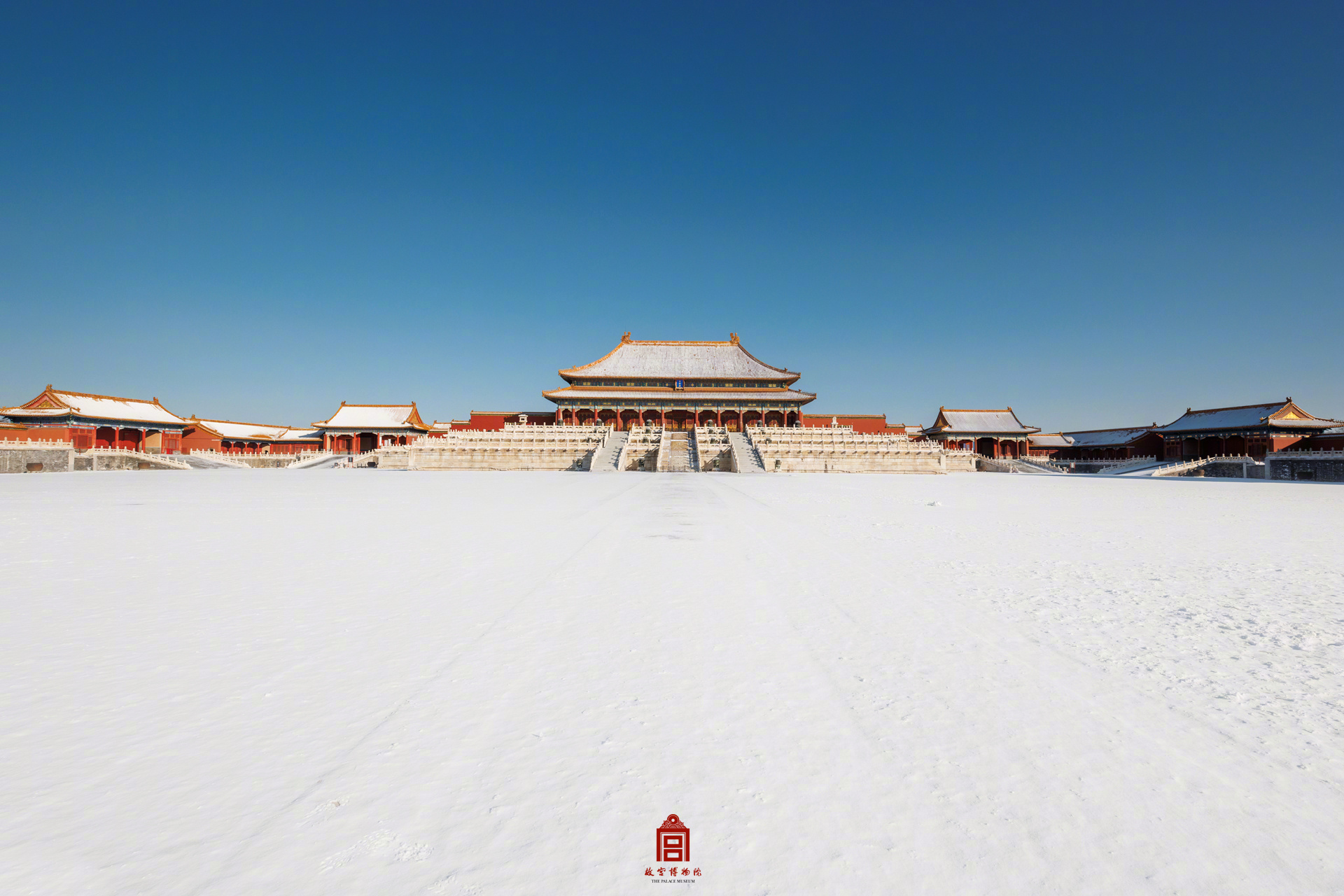
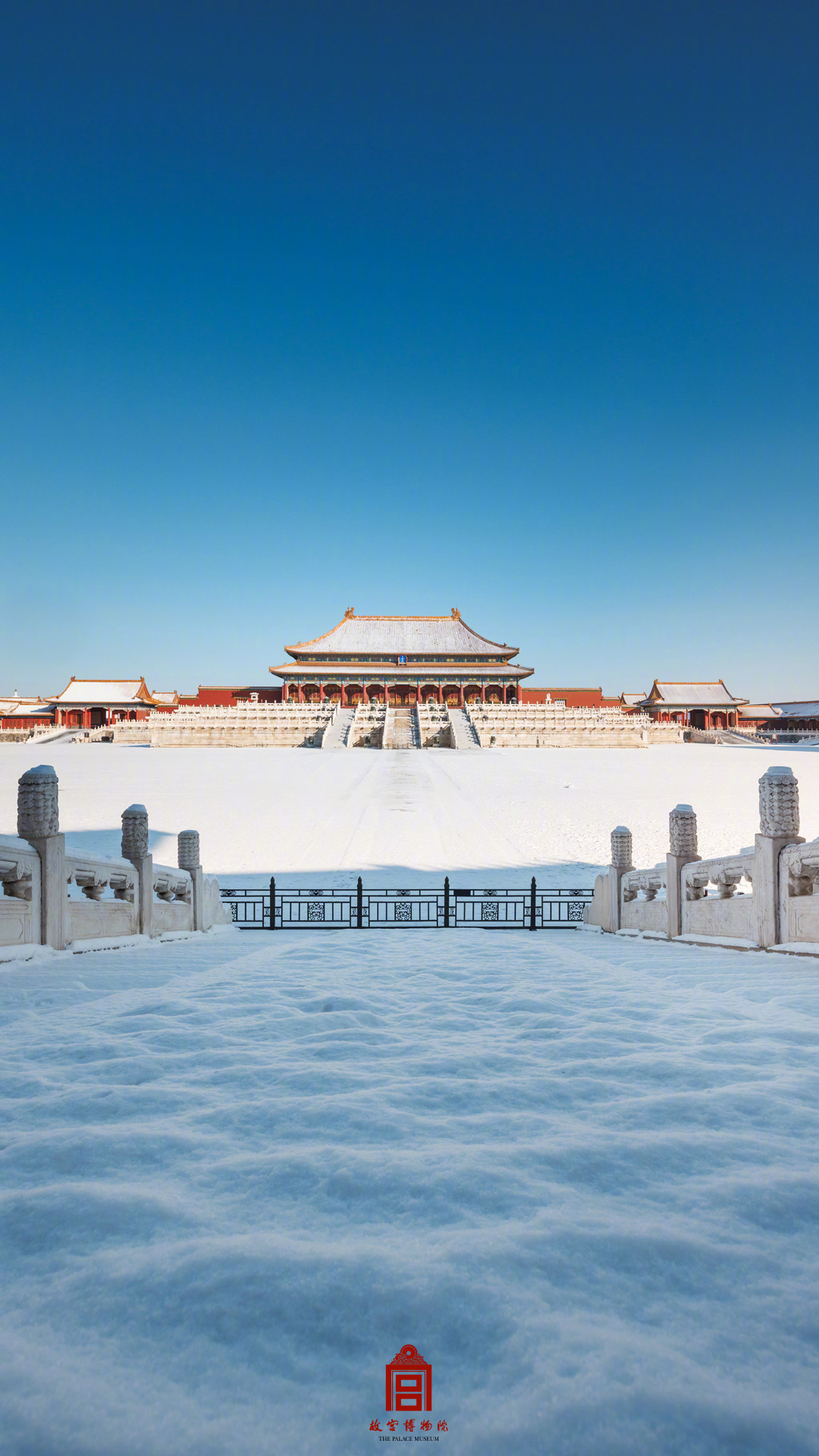
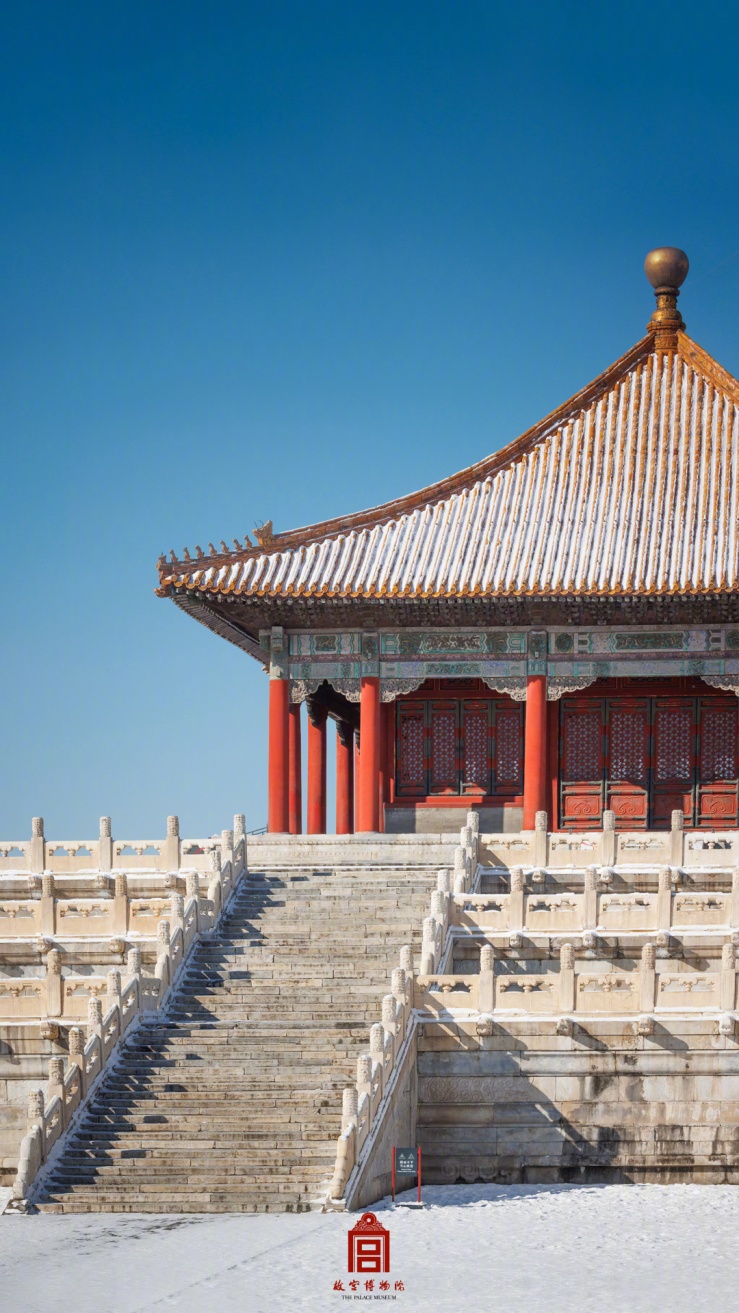
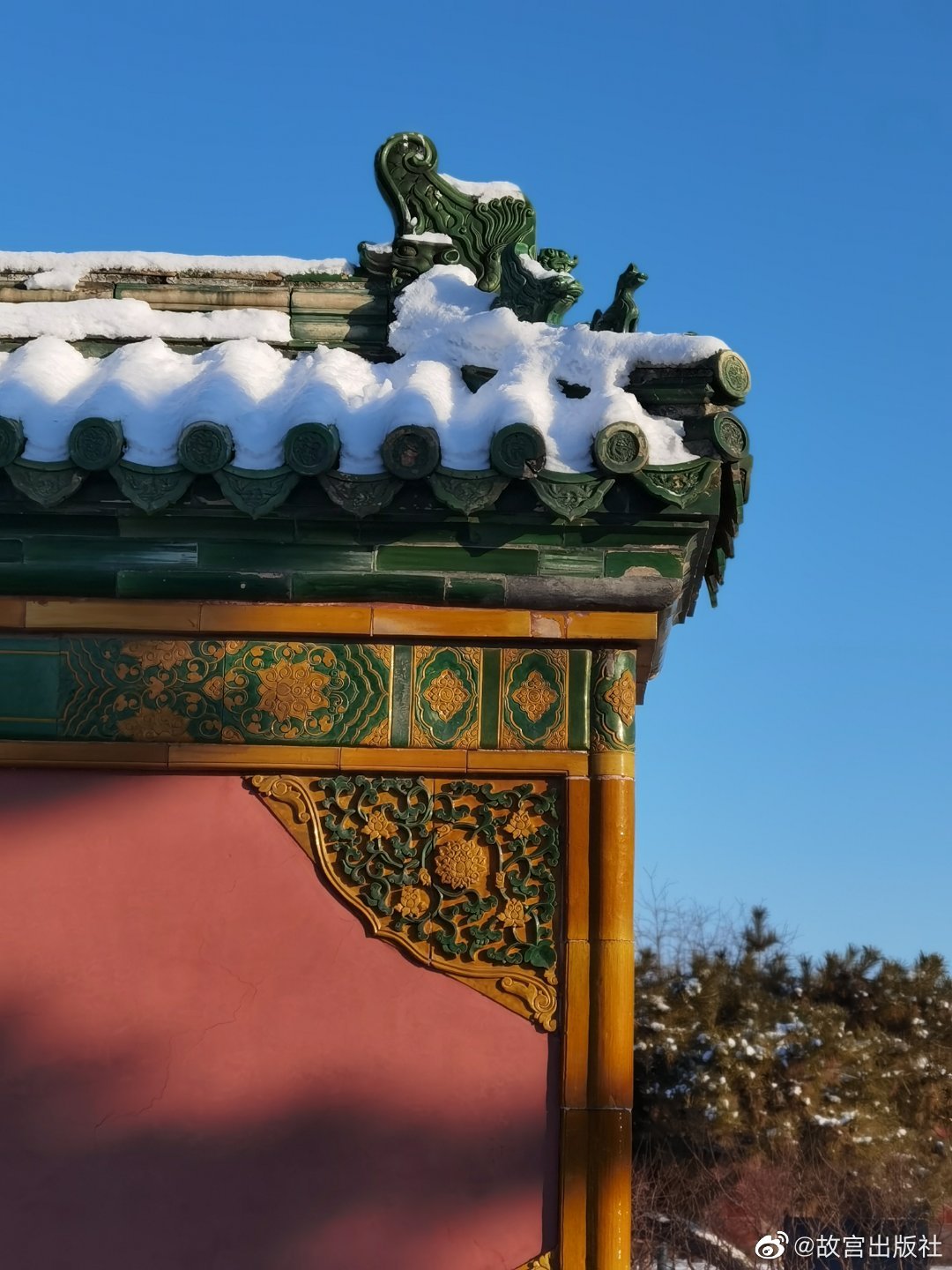
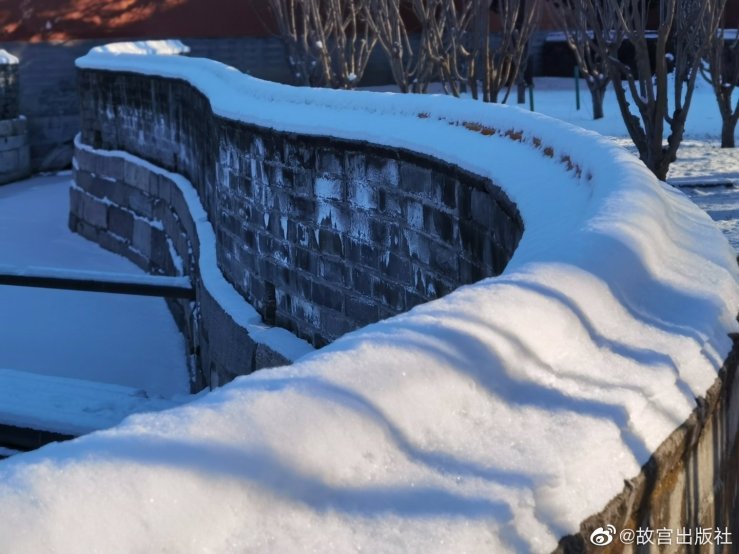
On the 11th December 2023 Overnight, the inside and outside of the palace were wrapped in white. The glazed golden roof is covered with jade dust, and the red walls and corridors are covered with silver stars. Looking far into the distance, Danchen and green tiles meet the snow, which is the same color as the sky.


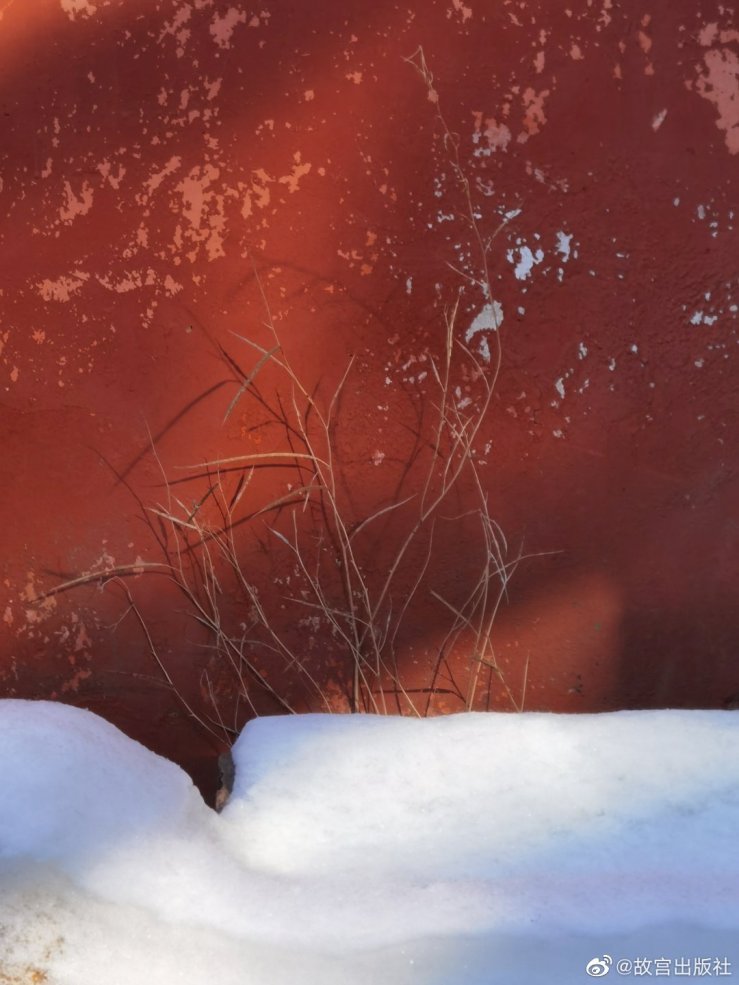
There is flying snow on the red steps, and the green branches are cold and crisp. Under the city full of silver, dots of red and golden stars are scattered among them, forming a moving picture of the Forbidden City in winter.


The white snow is the base, the yellow eaves are the lines, and the dots of vermilion dance like musical notes, like falling jade beads on a plate, composing a majestic movement of snow falling on the Danchen!


The cold stamens are rustling, and the flying feathers are fluttering. The winter elves break the tranquility among the ice and snow, adding infinite vitality…

Qing Xianfeng, Anonymous, Mei Guifei, Chun Guiren and other carnival scrolls. This picture depicts Emperor Xianfeng’s concubine Mei, the noble concubine of the spring, and Qi Chang enjoying their summer fishing activities. There is a yellow paper tag with their name stuck next to each person. Among them, the highest-ranking concubine Mei Guifei is among them, with a look of joy on her face. Their eyebrows are slender and their lower lips are a little bright red, which is the typical makeup of court women in the late Qing Dynasty. As a concrete realistic painting, this picture provides relatively precious image data for studying the costumes of concubines and palace entertainment life in the Qing Dynasty….


The river body is smooth, the eaves and ridges are smooth, and the viewing pillars are in order. The captivating sky and earth trace the changes, and the charm of six hundred years becomes more apparent.
Images and visuals are from – Forbidden City –Palace Museum Beijing- China –People’s Republic of China…..