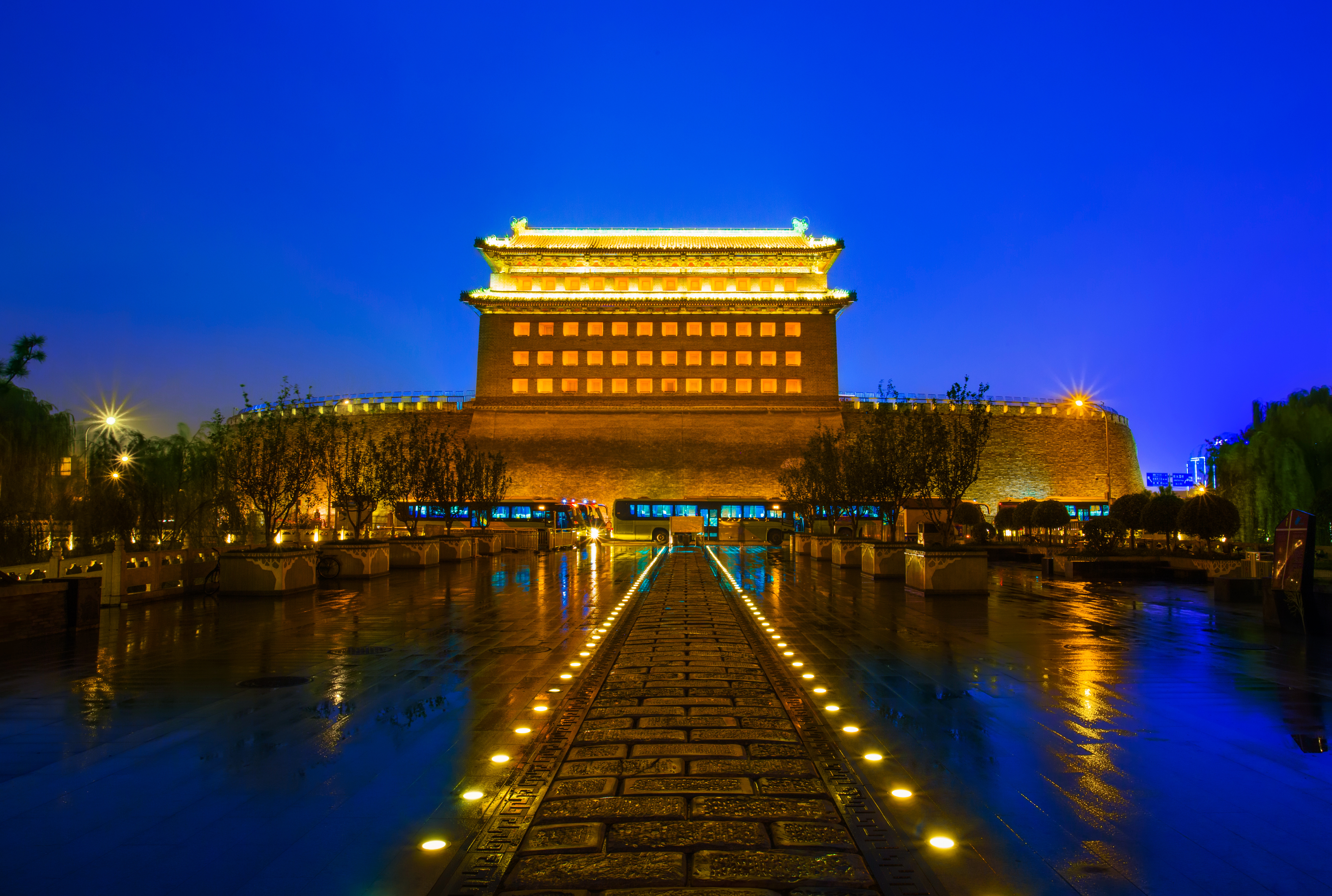
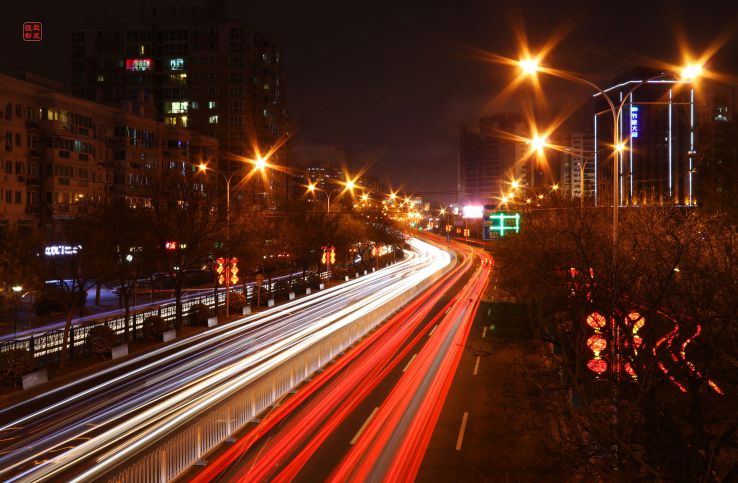
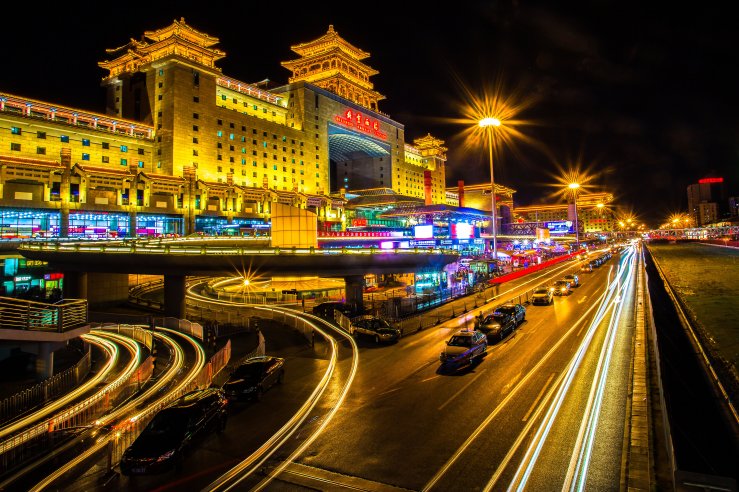
On a very clear wonderful elegant beautiful 13th January 2022 week in which following Least than a month time 4 February 2022 is the Beijing winter Olympics in which The Capital of China – People’s Republic of China – Beijing night can be so beautiful …… As night falls, neon lights adorn the streets and alleys of Beijing, and the bustling streets flow like rivers, like a dragon, as if bringing people into a wonderful world!
In this year’s 2020, the second decade from the turn of the century in Beijing the Capital of China also the People’s Republic of China, in which is also the year of the rat, marking its six hundred years and two anniversary of the Forbidden city that marks the transitional point of in between the middle of the Ming Dynasty (1368- 1644) transitionally from Nanjing to Beijing towards the Qing Dynasty (1636-1644-1911) …. The Imperial Palace seen so many countless seasonally transitional equinoxes but further its six hundred years is iconic, but it’s five hundred ninety nine years it marks it Autumn Equinox…. In which it only took twelve years to build the same of the Daming Palace of The Tang Dynasty Xian Imperial Capital only it was least twenty times larger…
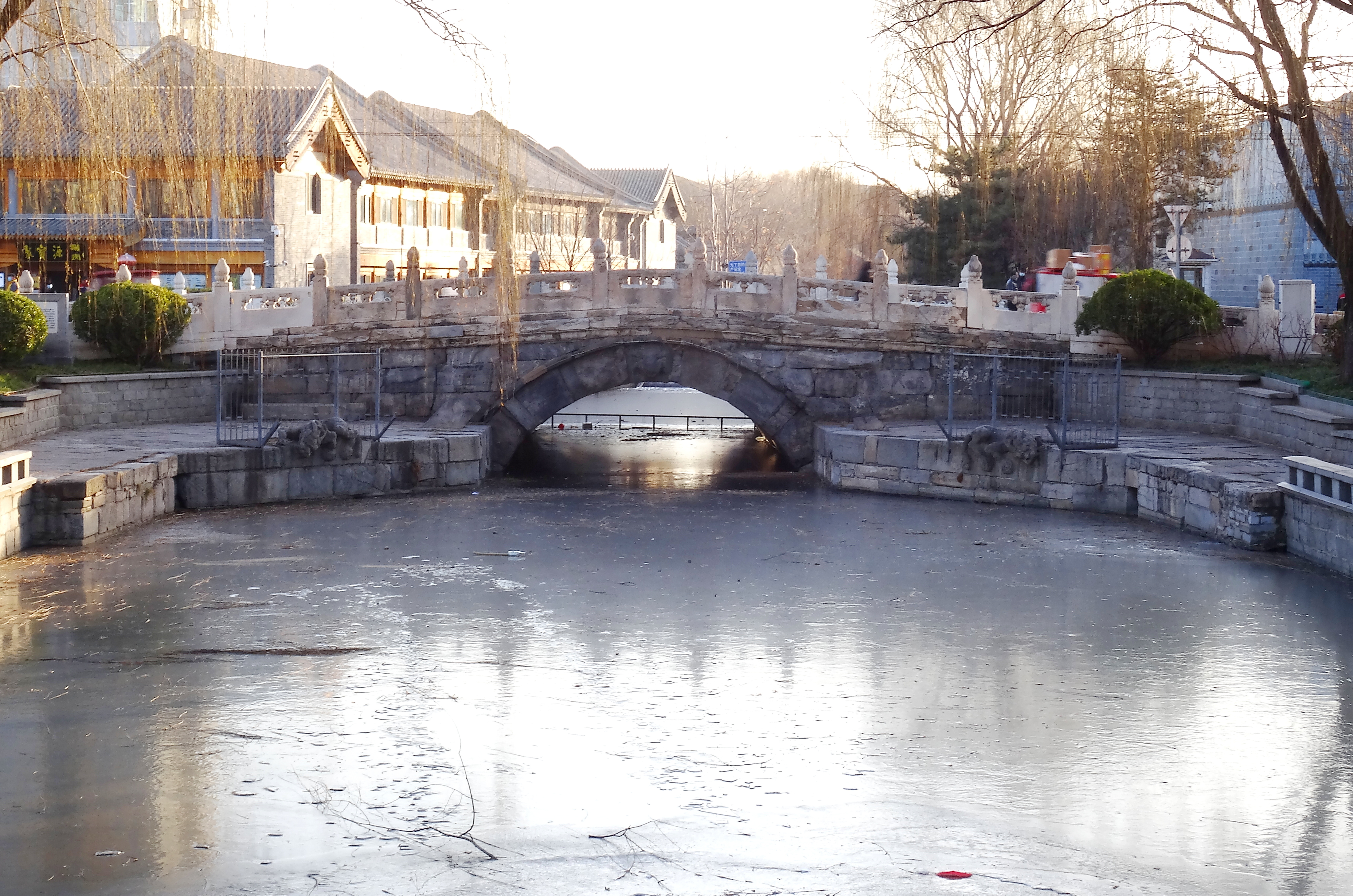
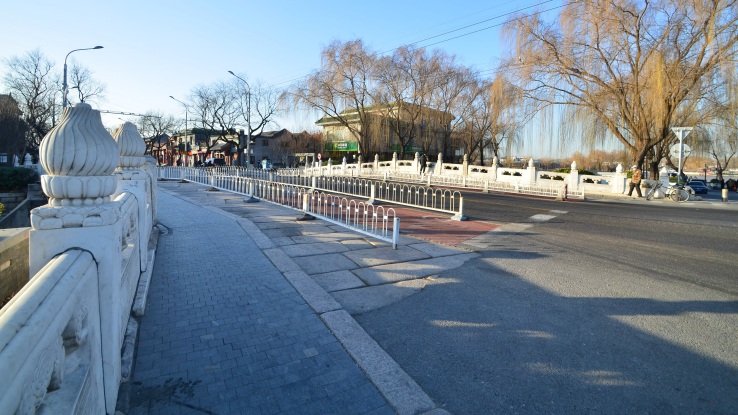
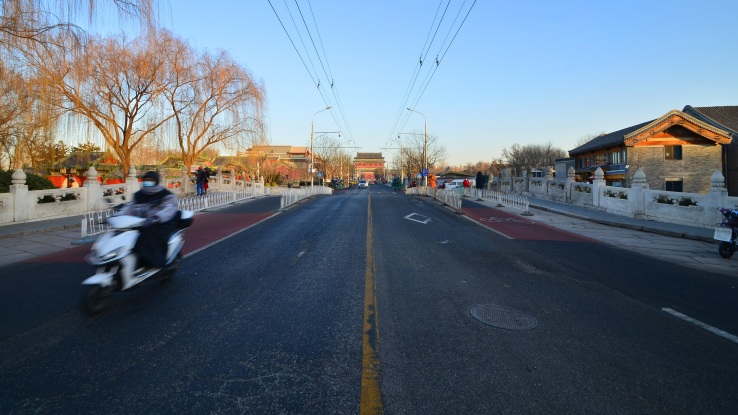
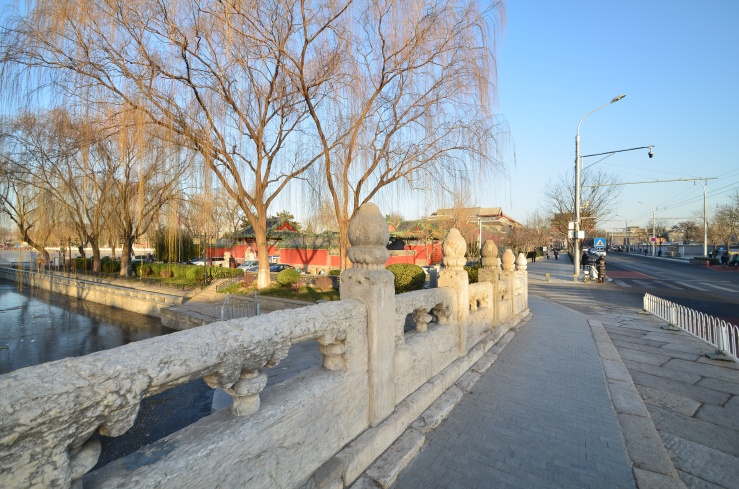
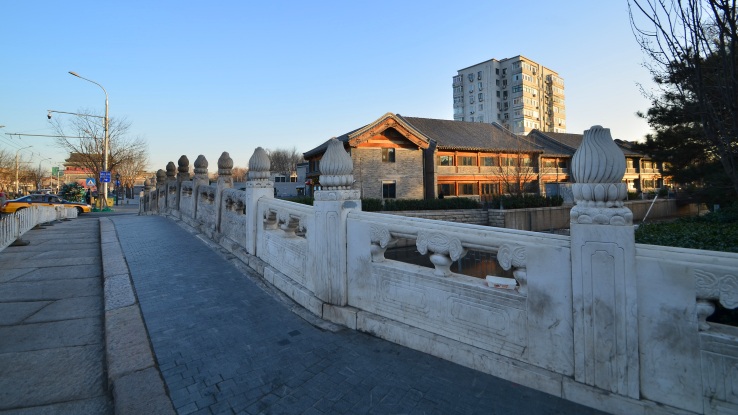
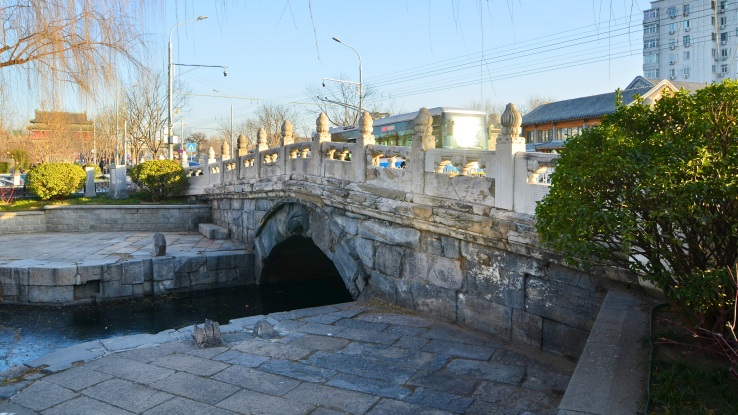
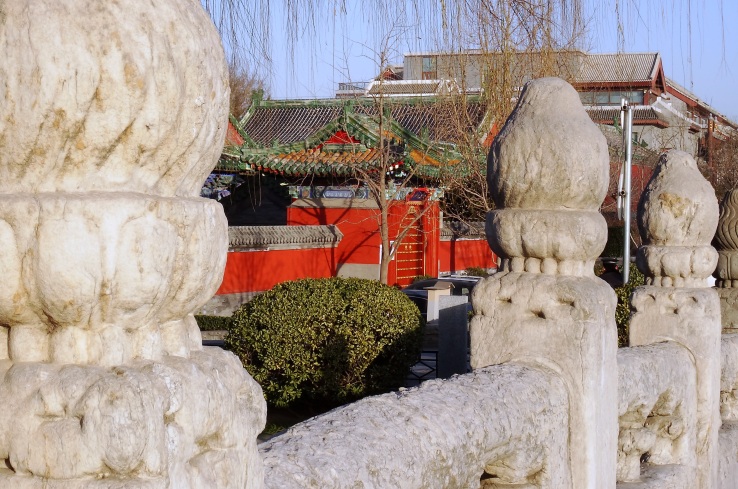
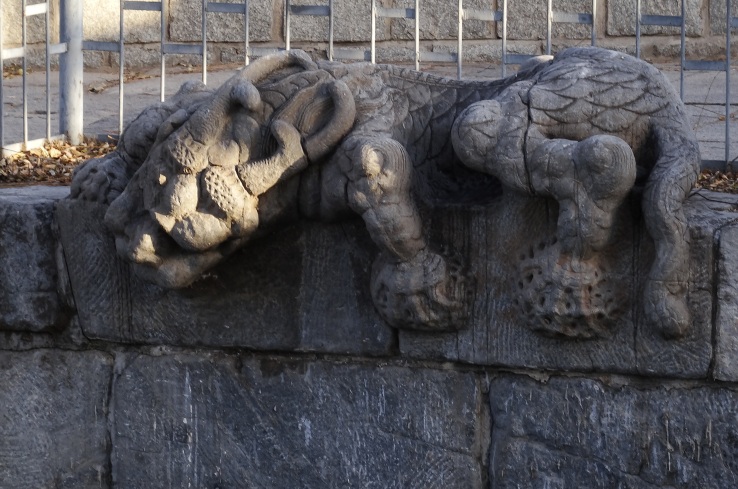
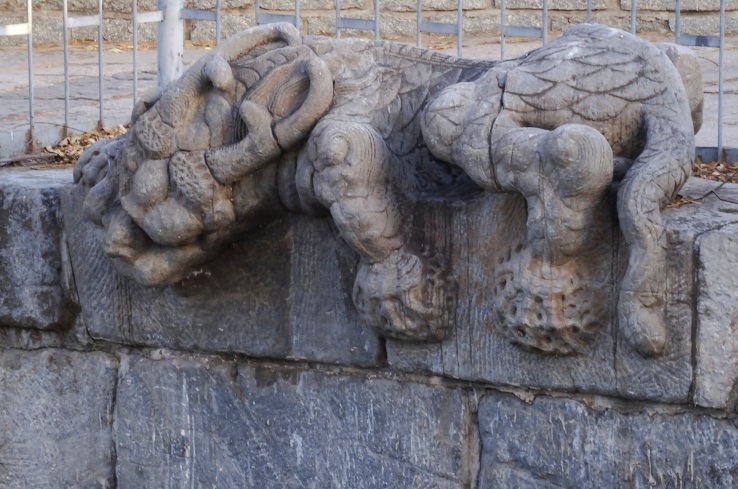
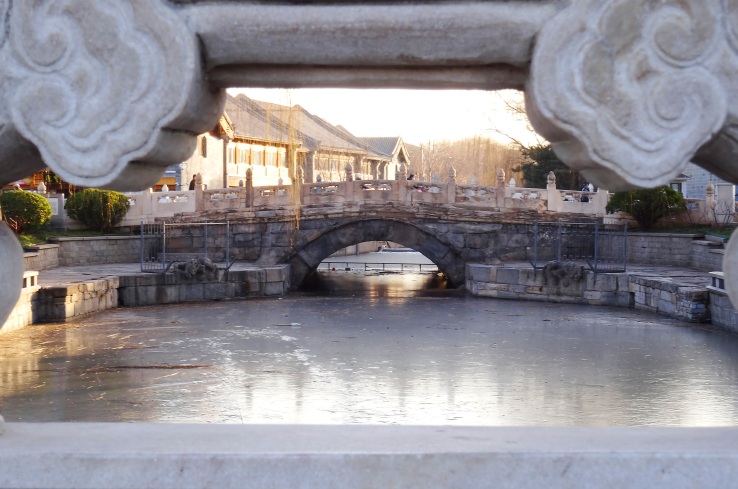
On the 21st December 2021 it was the Winter Solstice 2021 in which during the Beijing – China – People’s Republic of China was a clear blue skies with Located in Di’anmenwai Ave, 什刹海 Xicheng District, Beijing, China, 100009 the 736 year old Yuan Dynasty Bridge named the后门桥 Wanning Bridge or known as the Houmen Bridge .. located near Shichahai, was built in 1285. A sluice is installed under the bridge, and the sluice is lifted and released to stop the water from passing the boat. This “high-tech” stone bridge was the starting point for grain transportation on the Grand Canal in the Yuan Dynasty, and all grain ships entering the imperial city of Beijing would pass here. There are dragon-shaped water-separating beasts on all four sides of the bridge, which have the meaning of blessing the safety of water transport. This century-old bridge is still in use today!
后门桥 Wanning Bridge, also known as the Bridge , the Bridge , is located in Beijing Tiananmen Square , the Shichahai near, a bridge located in Beijing’s central axis. It was built in the 22nd year of Yuan Shizu to Yuan Dynasty (1285), originally named Wanning Bridge. Because the bridge is to the north of Di’anmen, Di’anmen is the back gate of the imperial city, so it is called the Houmen Bridge. Municipal cultural relics protection unit.
Located in Di’anmenwai Street, Xicheng District. It was built in the twenty-second year of Yuan Zhi Yuan (1285). Originally a wooden bridge, it was changed to a stone arch bridge in the Yuan Dynasty, named Wanning Bridge. Also known as Haizi Bridge and Houmen Bridge…….. was built from the Yuan Dynasty to the 22nd of the Yuan Dynasty. It was called Wanning Bridge at that time. It was the most prosperous period of the Yuan Dynasty under Kublai Khan’s rule. The Wanning Bridge at that time was a wooden bridge. At that time, its “little name” was not called “Houmen Bridge”. Historical materials record Wanning Bridge in Yuan Dynasty, also known as “Sky Bridge”. In the Yuan Dynasty, Kublai Khan repaired the end of the Beijing-Hangzhou Grand Canal to today’s Jishuitan, and this Wanning Bridge is the northernmost gate of the Beijing-Hangzhou Grand Canal . The water transport ships entering the Imperial City of Beijing must pass here. The “Tonghui River” in the Beijing section was not only built by Kublai Khan’s decree, but the Tonghui River was also named by Kublai Khan on the Wanning Bridge, and it is also a bridge that Kublai Khan must walk in and out of Beijing. That’s why its nickname is qualified to be called “Tianqiao”.
Wanning Bridge is a “bridge gate” with dual functions: it can be used as a bridge to pass through, and it can also be used as a gate to control water. Guo Shoujing dug a canal, used Jishuitan as a reservoir, and set up ten locks and dams along the Tonghui River for control. There are boats to release the water from the Fangti locks, but they are usually closed. It seems to be energy efficient. Set up under the Wanning Bridge is the Qingcheng sluice, also known as the Haizi sluice. It is the first checkpoint for the water flow in Jishuitan (formerly known as Haizi). At the same time, it serves as the terminal of the Grand Canal. The sail passes through the tunnel of the Wanning Bridge and enters a safe haven for anchoring and unloading.
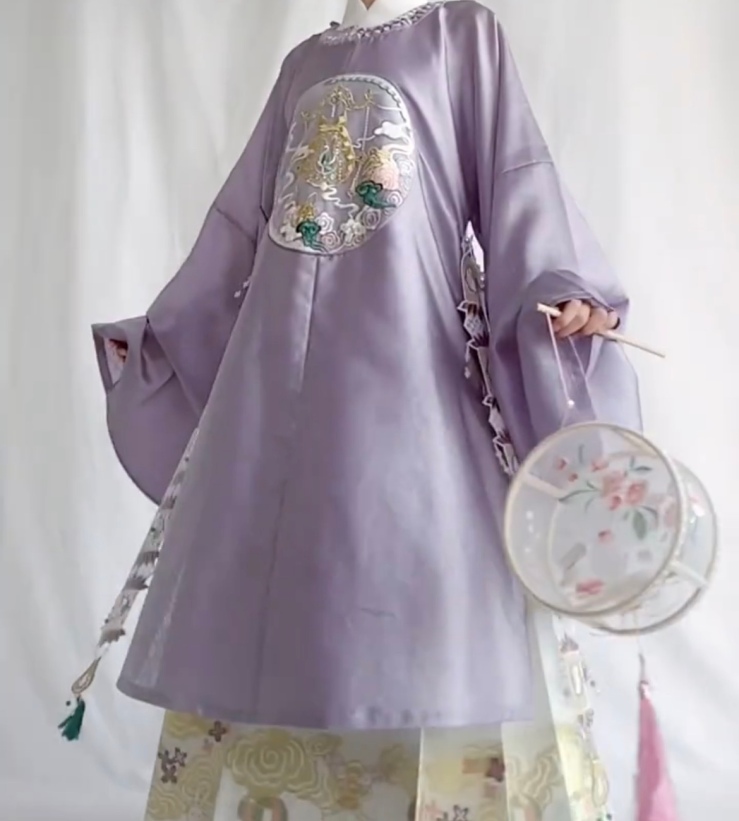
零青子 Hanfu – Han Dynasty Clothing blogger –Vlogger based in historical modern richness of two thousand and four hundred year old ultra megapolis ancient – postmodern Chengdu city Sichuan province of China – People’s Republic of China. She is one of many leading fashion blogger-Vlogger fashionably trending setting vlogs of how to wear of her collection of sort after Chinese –Han Dynasty Clothing of Hanfu- Han ethnic Traditional clothing in which dressing traditional from various dynasties to its postmodern twentieth first century trending setting ….
How to wear a Ming Dynasty urban wear every day wear clothing on for a every day wear for a summery autumn wear with bold white cool colours with soft pastel with heavy silk fabrics keeping warm and cool throughout the seasons..
HanFu- Han Dynasty Clothing is making a massive come back in the Asian Chinese communities as youths reliving In recently decades there’s been very much strong revitalisation of Chinese Customary tailoring clothing in which is HanFu- Han Dynasty (221-206 BC) period inspired clothing in which was worn just before the fall of the Ming Dynasty (23 January 1308 to 25 April1644, until a North East Manchurian fashion that have taken over the traditional Han Dynasty fashion in which we known till today that’s the Qipao in which have been fashionable evolving on the same path also…. Like a Qipao, HanFu can be worn every day, as work wear, till as evening wear… It also it comes in various forms as to the nature of activity of the day or night…
Images visuals are from Weibo and their respectives of 零青子.
In this year’s 2020, the second decade from the turn of the century in Beijing the Capital of China also the People’s Republic of China, in which is also the year of the rat, marking its six hundred years anniversary of the Forbidden city that marks the transitional point of in between the middle of the Ming Dynasty (1368- 1644) transitionally from Nanjing to Beijing towards the Qing Dynasty (1636-1644-1911) …. The Imperial Palace seen so many countless seasonally transitional equinoxes but further its six hundred years is iconic, but it’s five hundred ninety nine years it marks it Autumn Equinox…. In which it only took twelve years to build the same of the Daming Palace of The Tang Dynasty Xian Imperial Capital only it was least twenty times larger……
How does the Forbidden City worship the moon-What kind of moon cakes are in the Forbidden City?…? In which this year of the Rat on 1st October 2020 it’s the Mid-Autumn festival in which on the Same Day it’s the National Day of the China- People’s Republic of China …… In the Qing Dynasty, the most distinctive mooncakes in the Forbidden City during the Mid-Autumn Festival. There are many types of Qing Gong moon cakes, including sesame oil and flour pastry moon cakes, refined butter and flour butter- butter moon cakes, and lard and flour moon cakes. There are sugar filling, fruit filling (candied preserved fruit), Chengsha (fine bean paste after filtering) filling, date filling, and sweet and salty moon cakes with sesame and salt. The wooden molds used in the Qing palace to make moon cakes have eight sizes, which constitute the “disparity” between the size and weight of the moon cakes in the Qing palace. Whether the moon cakes of the Qing palace are used by the emperor and queen of the Qing Dynasty, or used for sacrifices and rewards, the specifications and sizes of the moon cakes are all complete sets. According to the archives, the mooncakes on the table of the Qing Palace Festival Moon Offerings are arranged in a tower shape from small to large. The top mooncake has a diameter of two inches (about 6.6 cm), and the bottom of the large mooncake is two feet (about 70 cm) in diameter. The pear-wood moon cake mold is printed with patterns of Guanghan Palace, laurel and jade rabbit holding a pestle.
HanFu- Han Dynasty Clothing is making a massive come back in the Asian Chinese communities as youths reliving In recently decades there’s been very much strong revitalisation of Chinese Customary tailoring clothing in which is HanFu- Han Dynasty (221-206 BC) period inspired clothing in which was worn just before the fall of the Ming Dynasty (23 January 1308 to 25 April1644, until a North East Manchurian fashion that have taken over the traditional Han Dynasty fashion in which we known till today that’s the Qipao in which have been fashionable evolving on the same path also…. Like a Qipao, HanFu can be worn every day, as work wear, till as evening wear… It also it comes in various forms as to the nature of activity of the day or night… among it comes with many accessories with associated customs and traditionalism..
Among with the many Han Dynasty Chinese clothing accessories with associated customs and traditionalism.. In ancient times, when a woman had a sweetheart, she always gave a purse to show her affection, but the purse was originally used by men to hold fragrances herbs spices perfume scent leaves or intentional Chinese romantic aromatic written notes that helps in ever so constant reminding of her or him…….. In which they beautifully hand embroidery fashioned with specifics charms that represent good luck, romantic aromatic messages that represents from the attendant towards the indent love… in which are occasionally worn on the belt waist belt side of the woman’s or men’s attire in which comes on Chinese Valentine’s Day is just around the corner …………. Also known as the Qixi Festival or the Qiqiao Festival, this holiday is based on a romantic legend about a weaver girl and an ox herd. Each year, it falls on the seventh day of the seventh month of the lunar calendar; this year it’s celebrated on August 25. ..