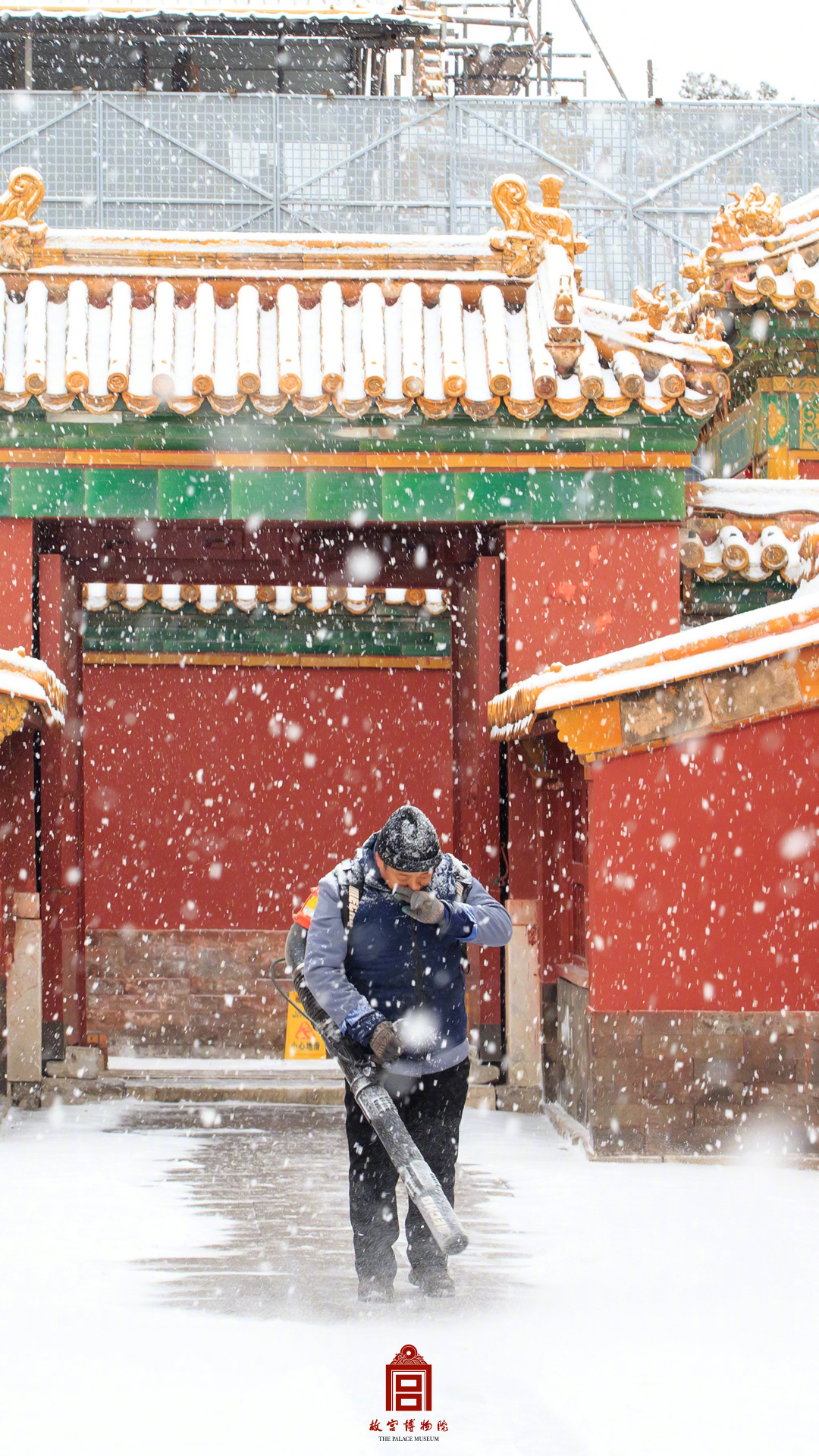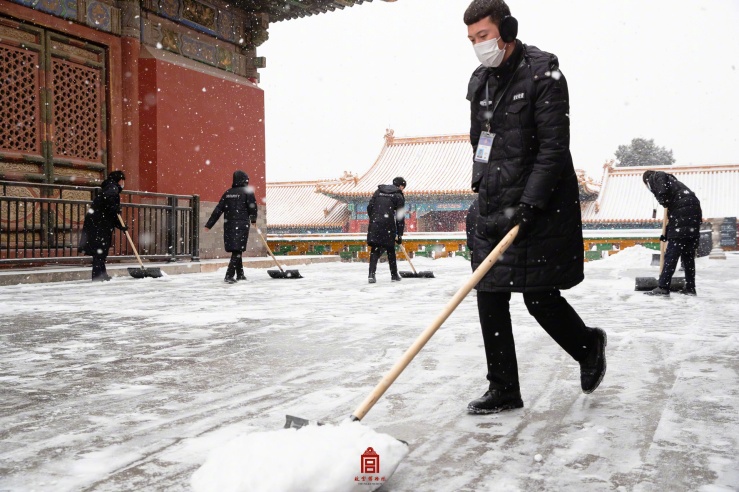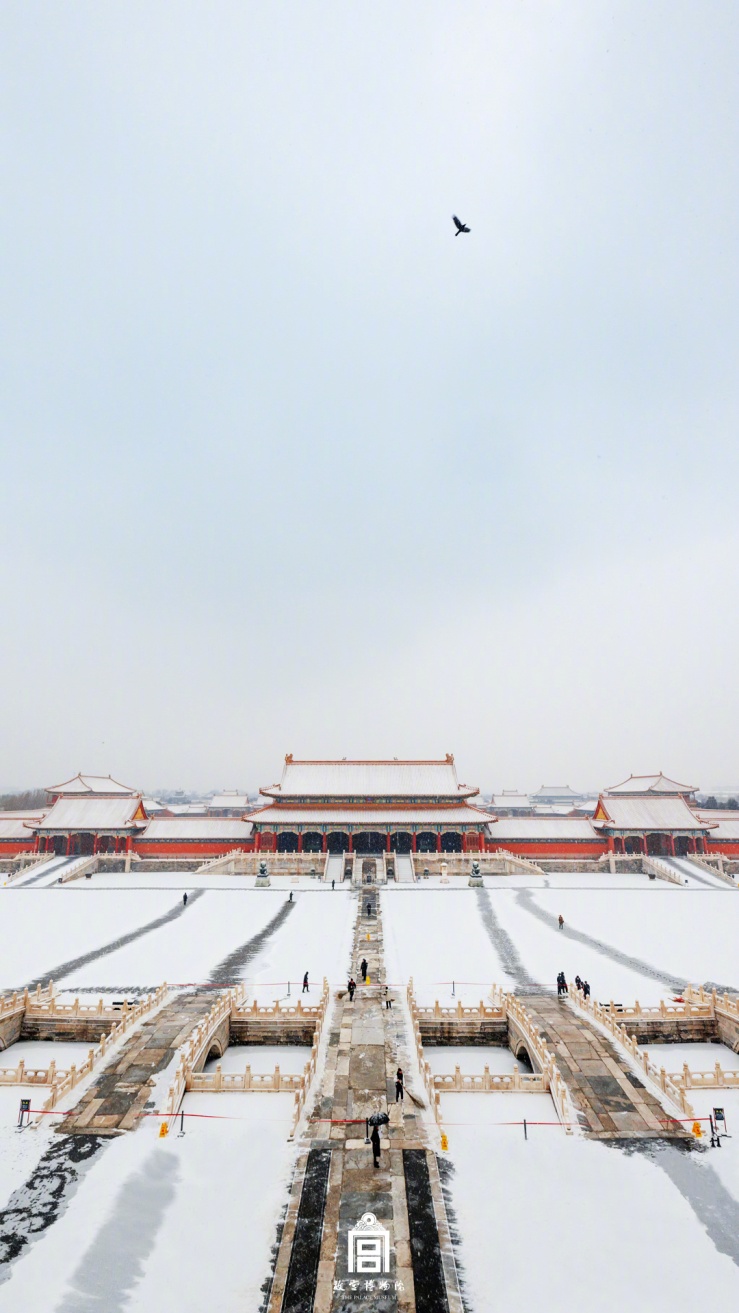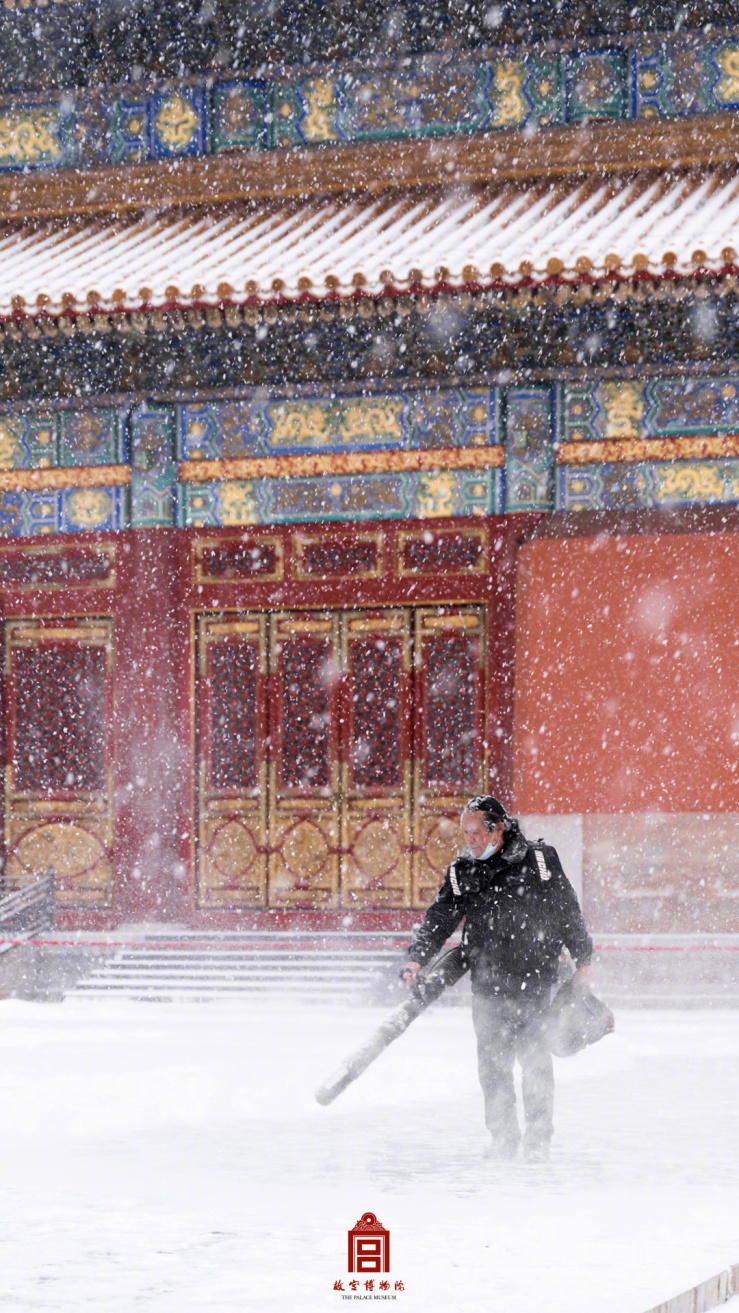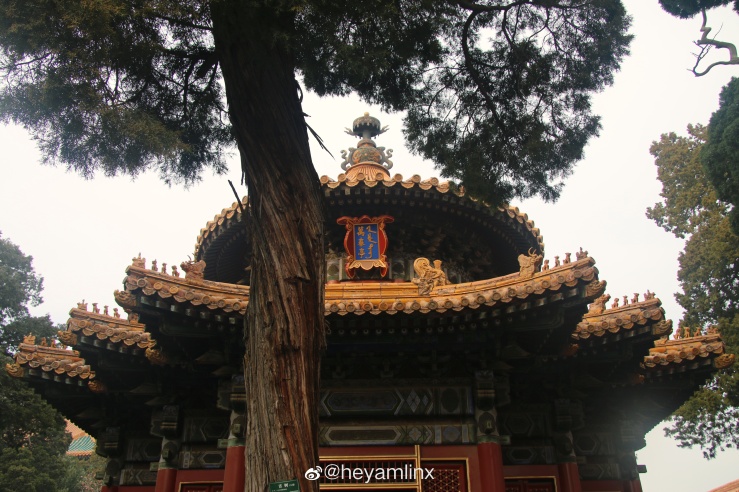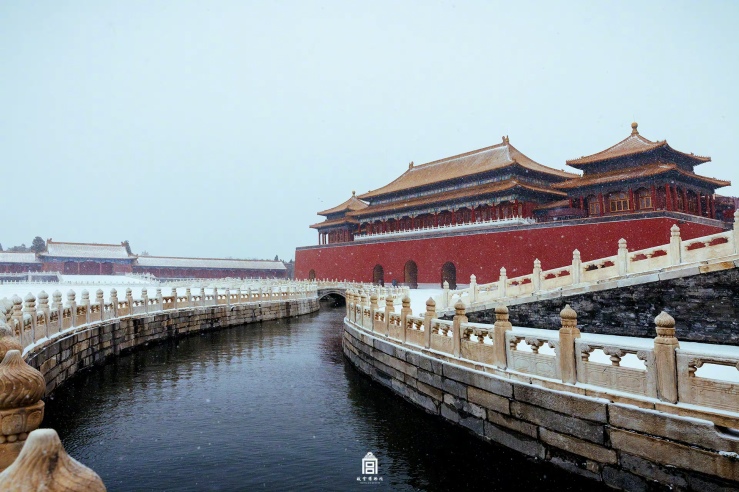
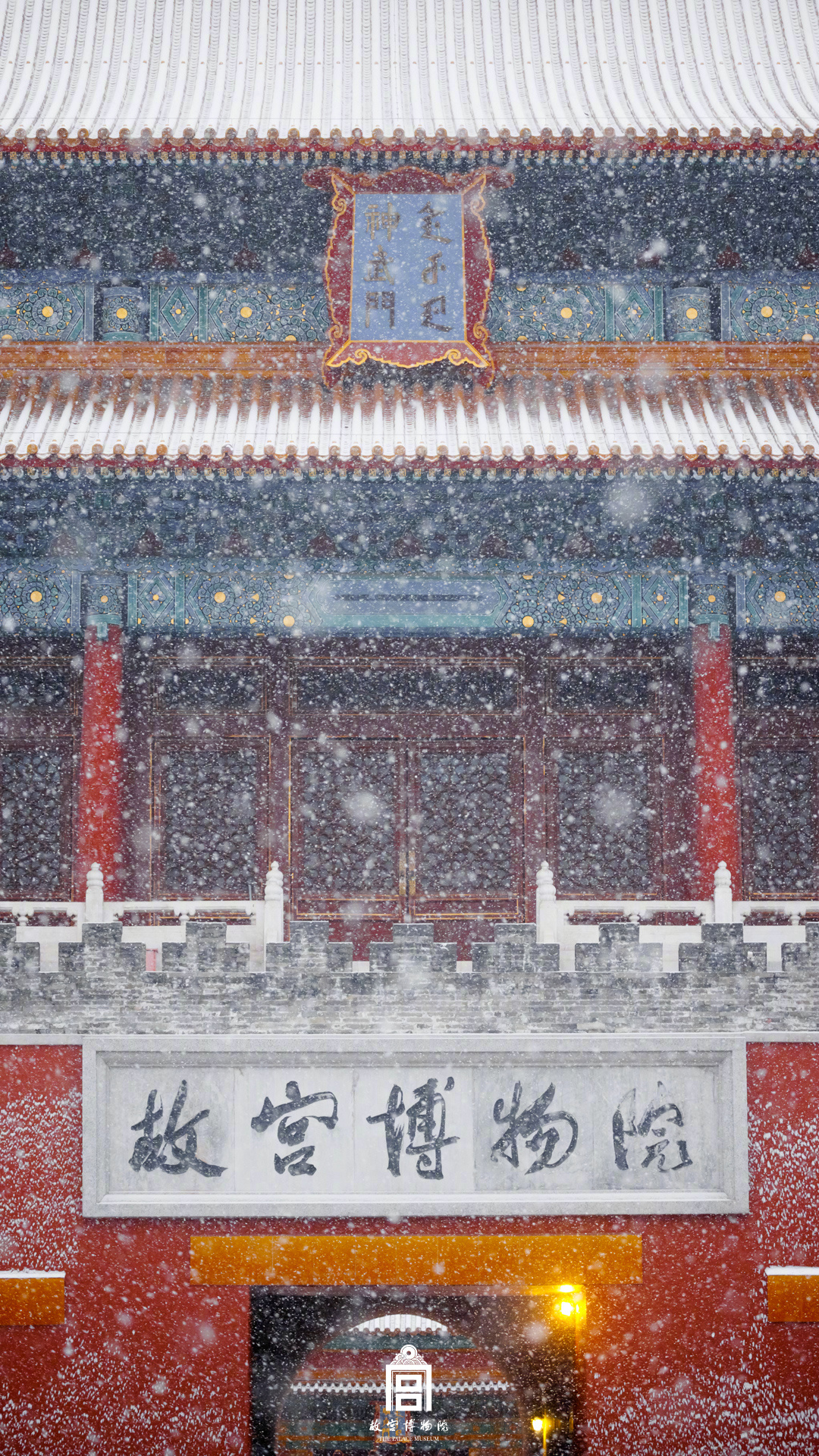
#北京。 #中國 #China #Beijing | #紫禁城 #ForbiddenCity #北京卫视上新了故宫 #February2022 | #ForbiddenCityMoments Beijing Scenes February Snow the #NewYears2022   the #YearoftheTiger the first snow fall heavy 13th February 2022 during the #WinterOlympics2022 #Beijing2022 #AGallery

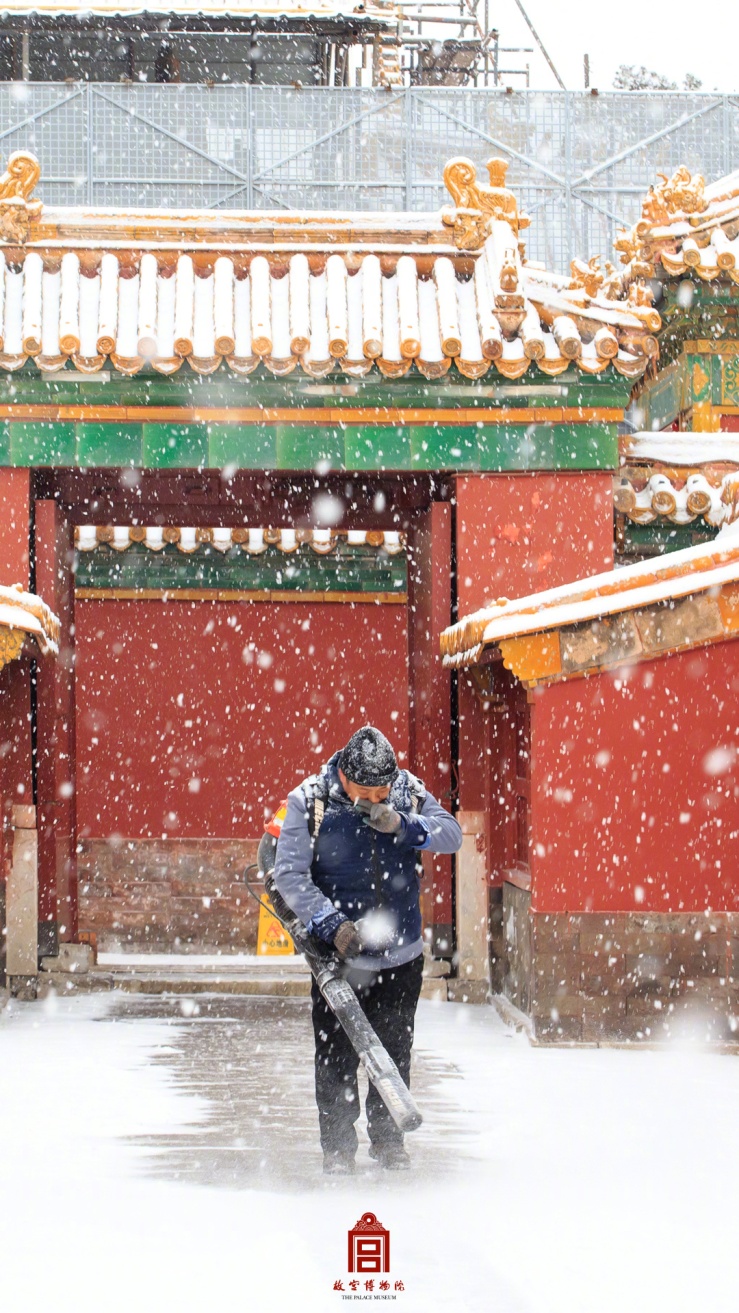
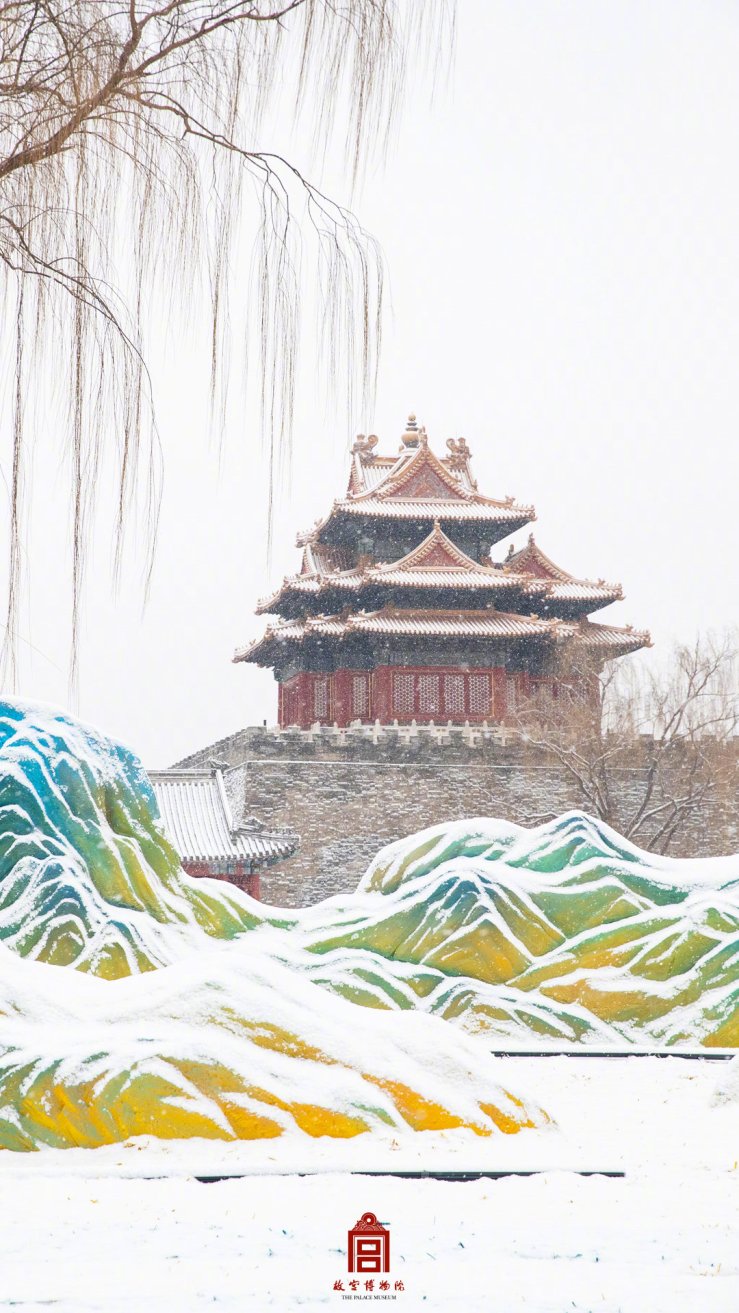
On 13th February 2022 Sunday Beijing – China – People’s Republic of China welcomes its first snowfall heavy snowfall in the Year of the Tiger on creating a live Ancient post Modern Chinese Painting the glass world, with white snow and red walls, dances with ice and snow in the vast world. In the “city of two Olympics” in which romantic historical and modern scenes of falling in love with the Forbidden City again..
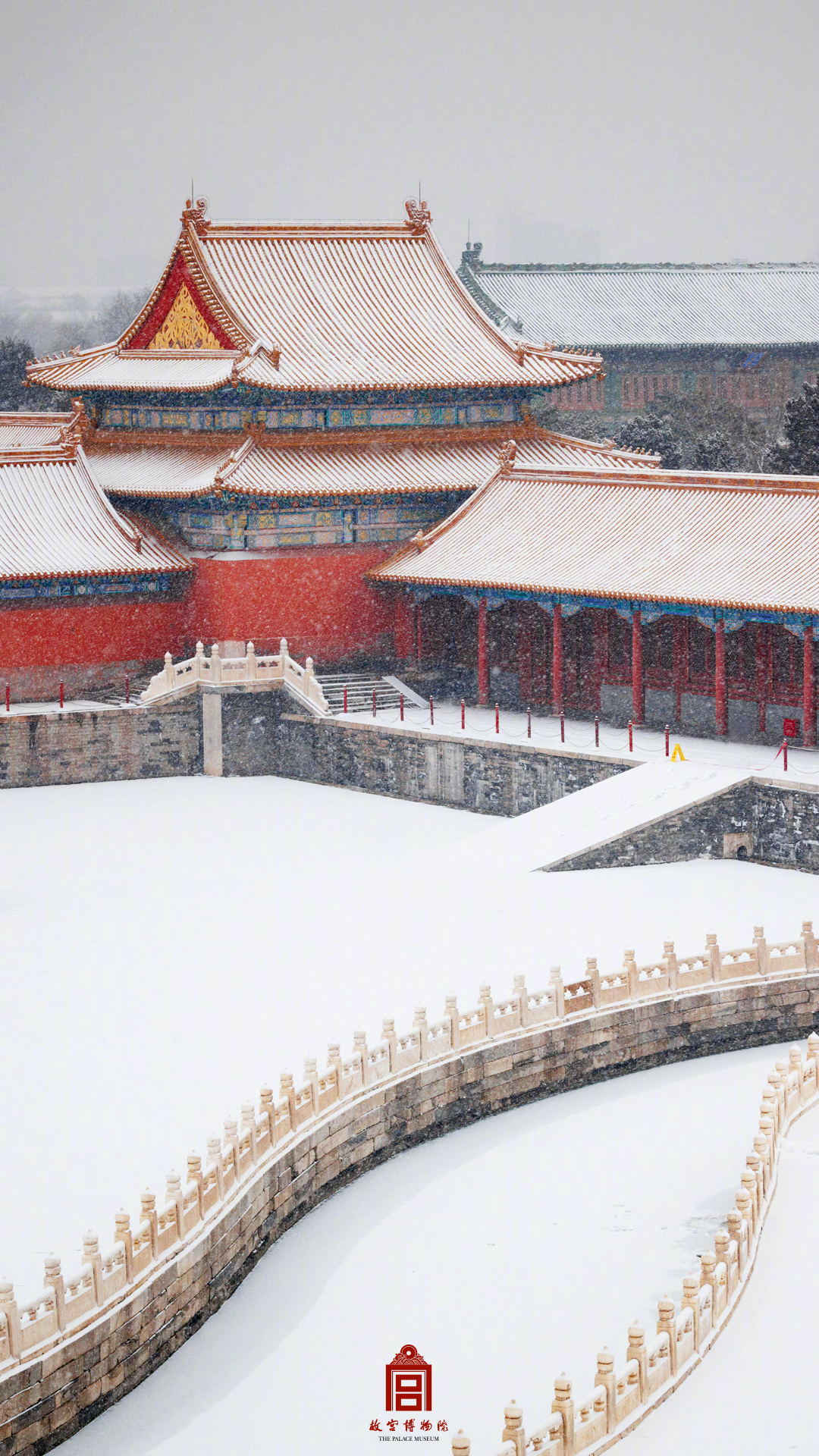
In which the ice is on the face, and the snow is like wings. A timely snow fell on the Forbidden City at this moment, and it also fell in the City of Double Olympics….

When it snows, the Forbidden City will become the Forbidden City.
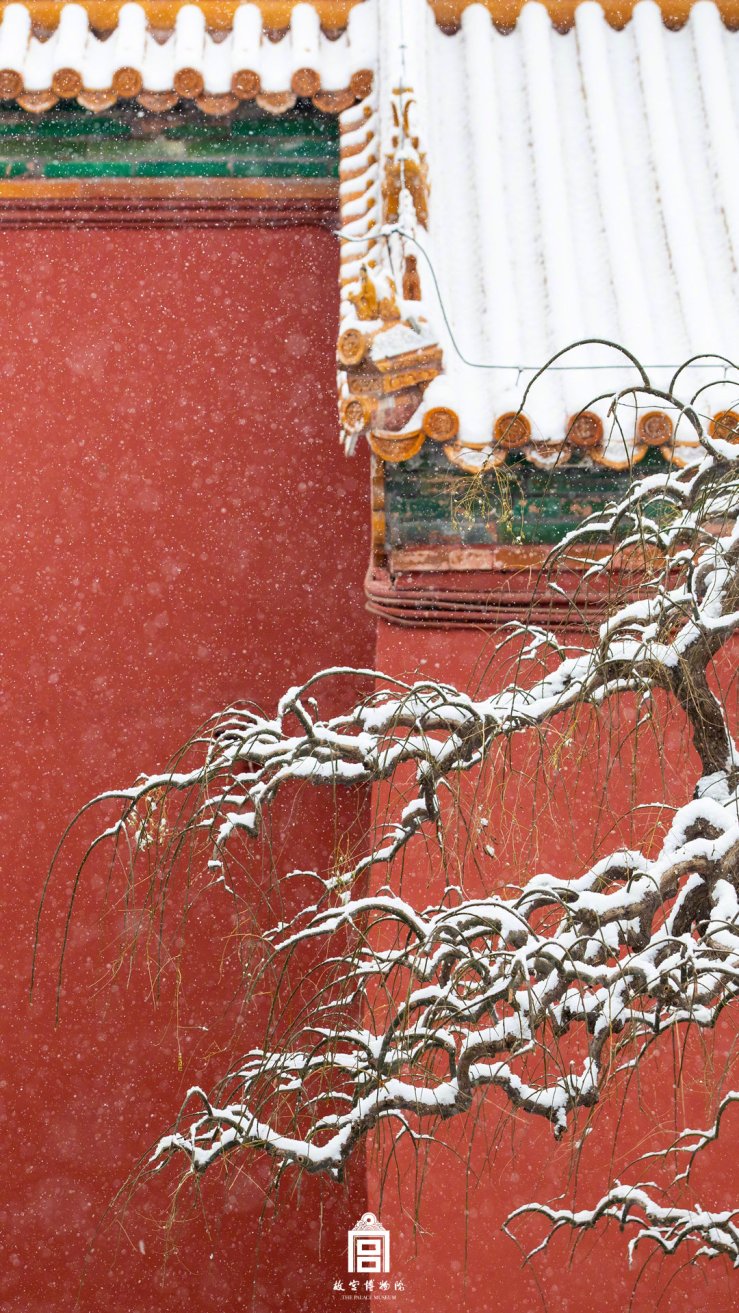
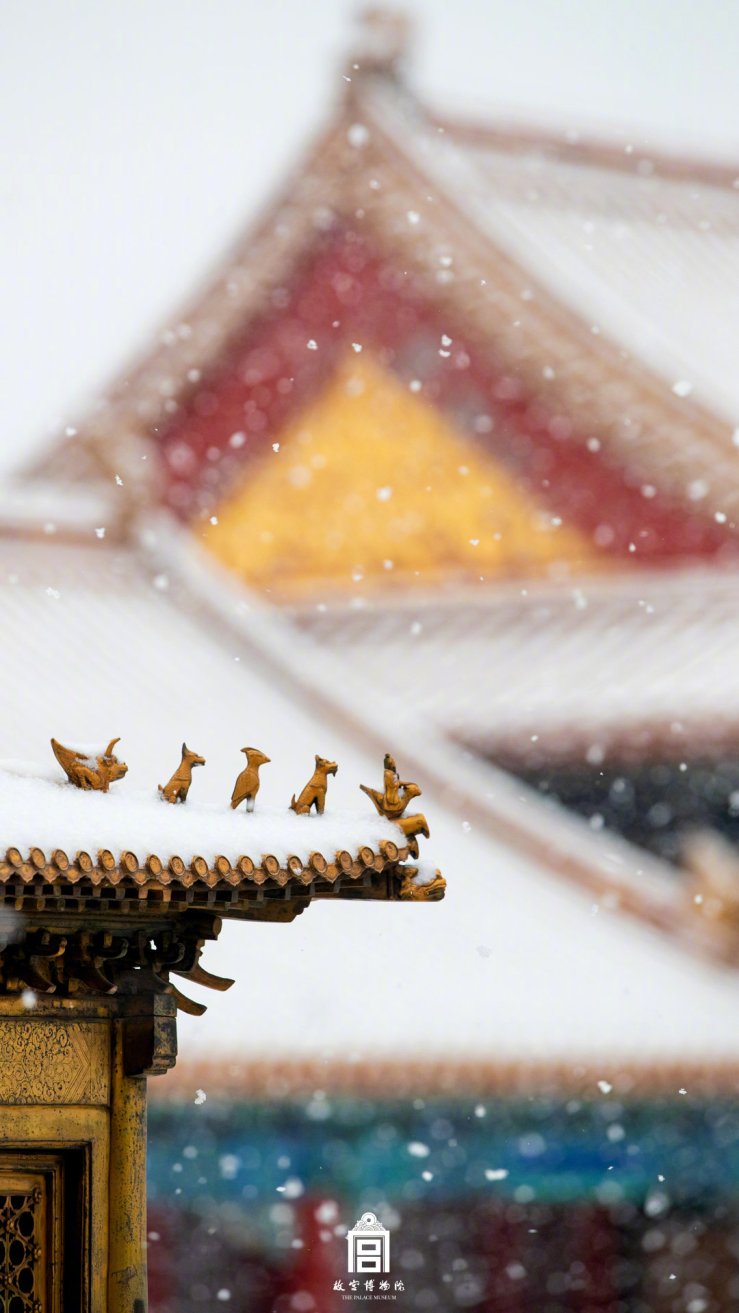
Pieces of snowflakes dance freely, and the red walls and golden tiles appear more quiet and deep in the snow.
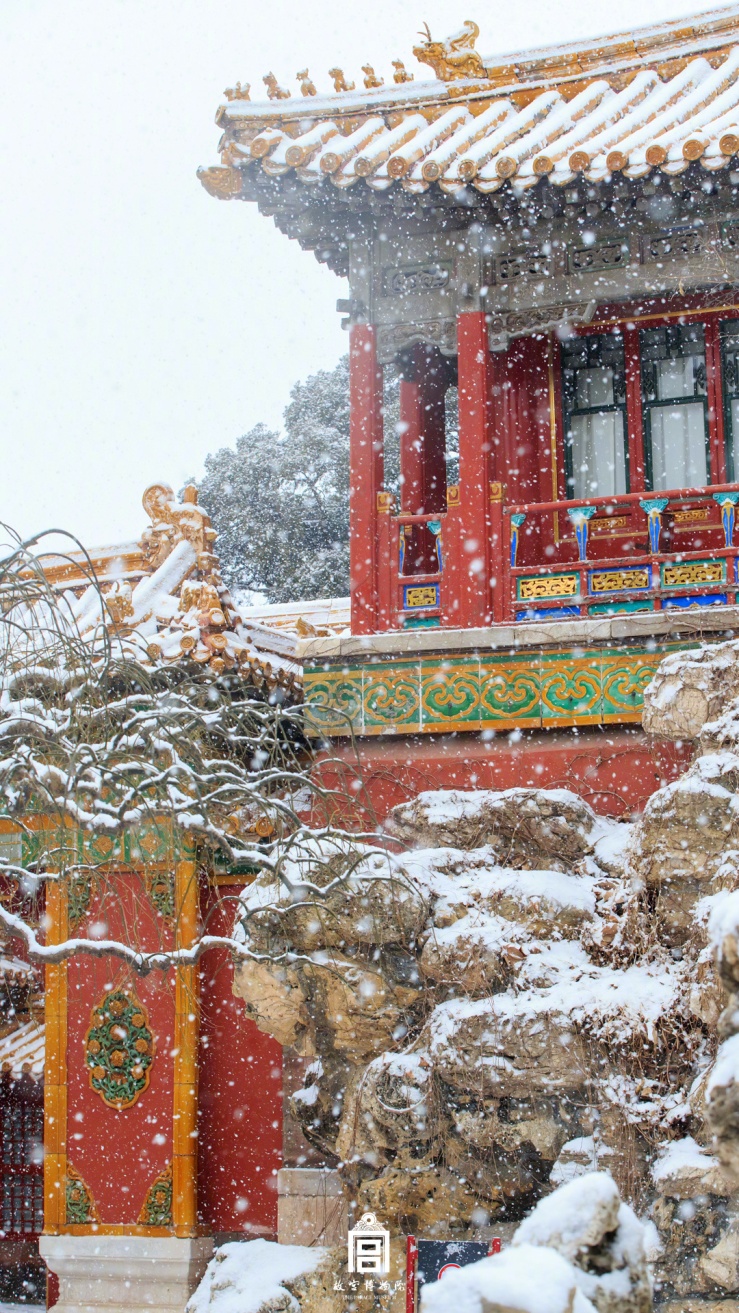
The snow at the beginning of the tiger will instantly fill the atmosphere of the Winter Olympics! The behind-the-scenes heroes of the Forbidden City have been dispatched to escort the safety of this “ice and snow event”

Ice and snow are used as a medium to bring life to the cold Forbidden City in winter. Let the infinite charm of the ice and snow world dance on the red walls and yellow tiles, blooming in the vast world
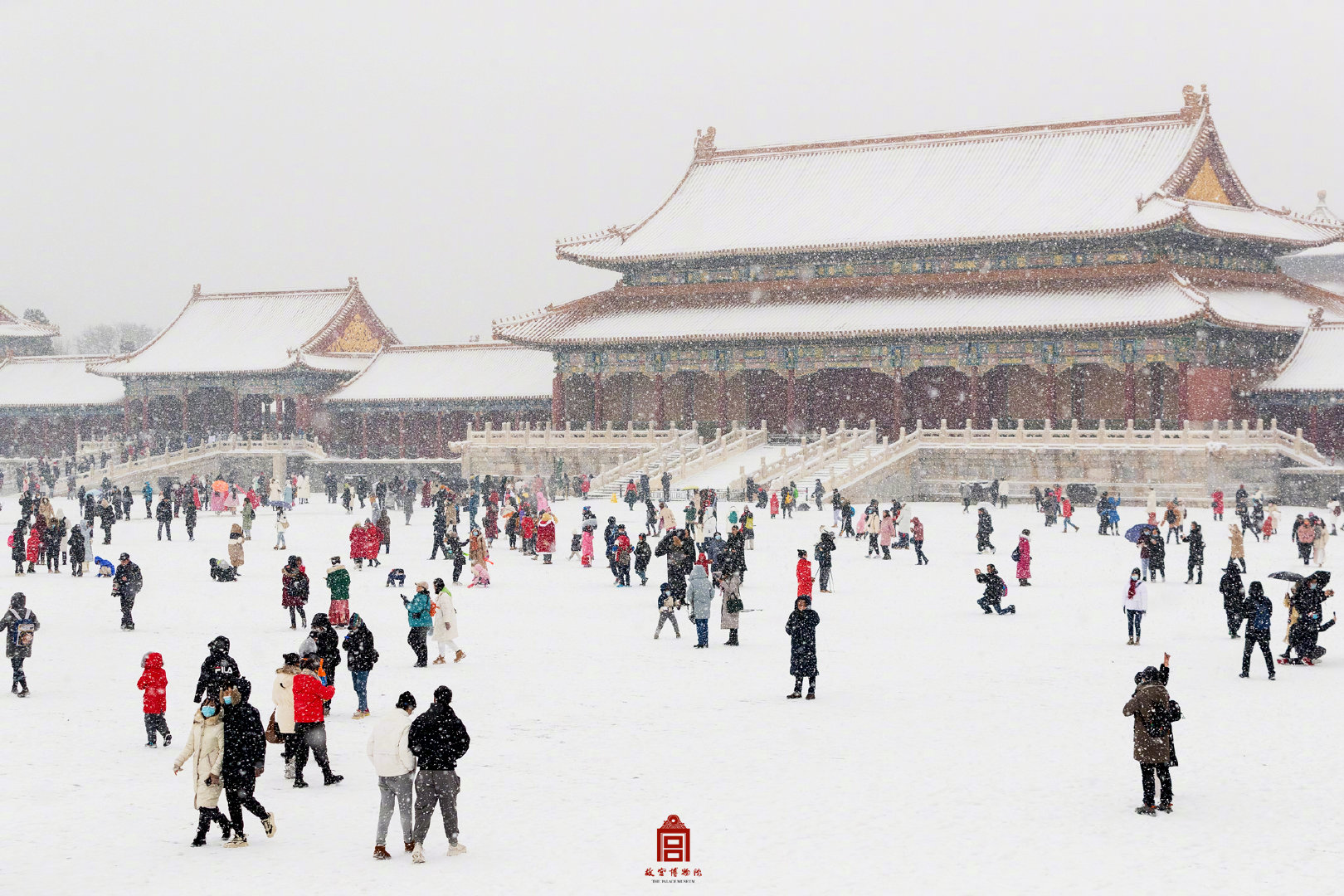
Wrapped in silver, hot “snow” boils! This ice and snow is shared by everyone, and constitutes a bit of ice and snow for 300 million people, and constitutes the unique pride of the “city of two Olympics”. The ice and snow dreams of 1.4 billion people are beautiful because of you, and because of you

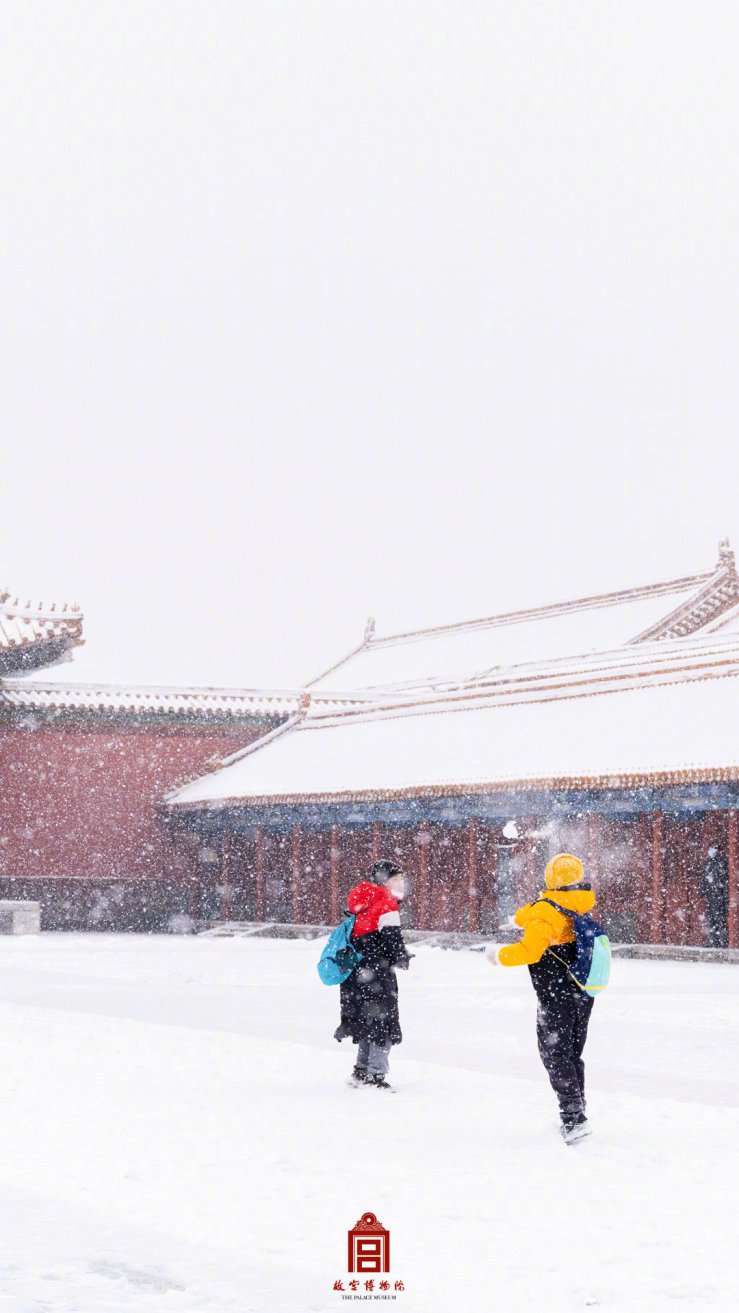
In this year’s 2022, the second decade from the turn of the century in Beijing the Capital of China also the People’s Republic of China, in which is also the year of the Tiger, marking its six hundred and two years anniversary of the Forbidden city that marks the transitional point of in between the middle of the Ming Dynasty (1368- 1644) transitionally from Nanjing to Beijing towards the Qing Dynasty (1636-1644-1911) …. The Imperial Palace seen so many countless seasonally transitional equinoxes but further its six hundred years is iconic, but it’s five hundred ninety nine years it marks it Autumn Equinox…. In which it only took twelve years to build the same of the Daming Palace of The Tang Dynasty Xian Imperial Capital only it was least twenty times larger..

Imagines credits are of the Forbidden City –Imperial Palace –Beijing – China- People’s Republic of China also from the Series Weibo北京卫视上新了故宫 Treasures in the Forbidden City…

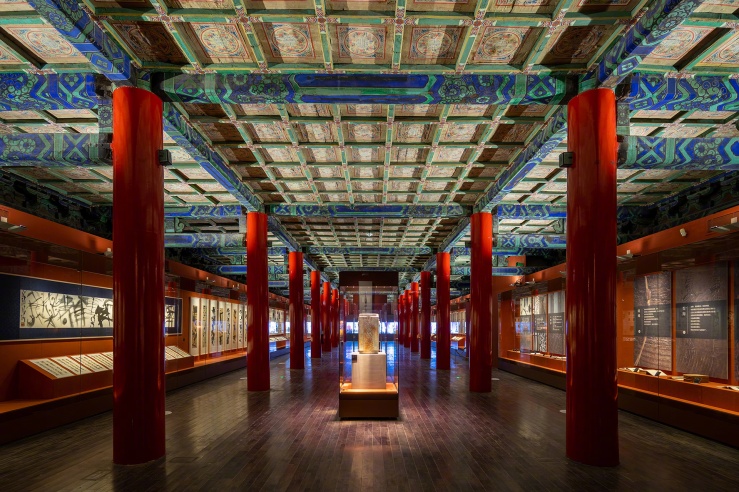
#北京。 #中國 #China #Beijing | #紫禁城 #ForbiddenCity #December2021 | #WinterSolstice marking the upgrading #VirtualReality #AugmentedReality the #DigitalForbiddenCity #MiniProgram #DigtalMuseum #App ….

On the 21st December 2021 it was the Winter Solstice 2021 in which during the Beijing – China – People’s Republic of China  it was the winter solstice in which during that day there was a special moment where it happens on during that day where the Every year around Winter Solstice, the 22nd solar term of the Chinese lunar year, meaning the “summit of the winter,” the Palace Museum welcomes an annual spectacle-the signboard inscription with “Upright and Pure in Mind” (“Zhengda guangming” in Chinese) and the five golden dragons below it in the Palace of Heavenly Purity (Qianqing Gong in Chinese) are illuminated from west to east…. Featuring on CGTN live streaming that day…

数码御宫小程序冬至暖心保护# It’s the winter solstice, and the sun will resume: The Digital Forbidden City Mini Program 2.0 is officially released! In addition to the overall visual renewal, the new version of the Mini Program also optimizes and adds practical functions such as online ticket purchase, exhibition reservation, and shopping in the courtyard to further improve the “one-stop” visit experience! Smarter, friendlier, simpler, and more open, just to serve you better….

Imagines credits are of the Forbidden City –Imperial Palace –Beijing – China- People’s Republic of China also from the Series Weibo北京卫视上新了故宫 Treasures in the Forbidden City…

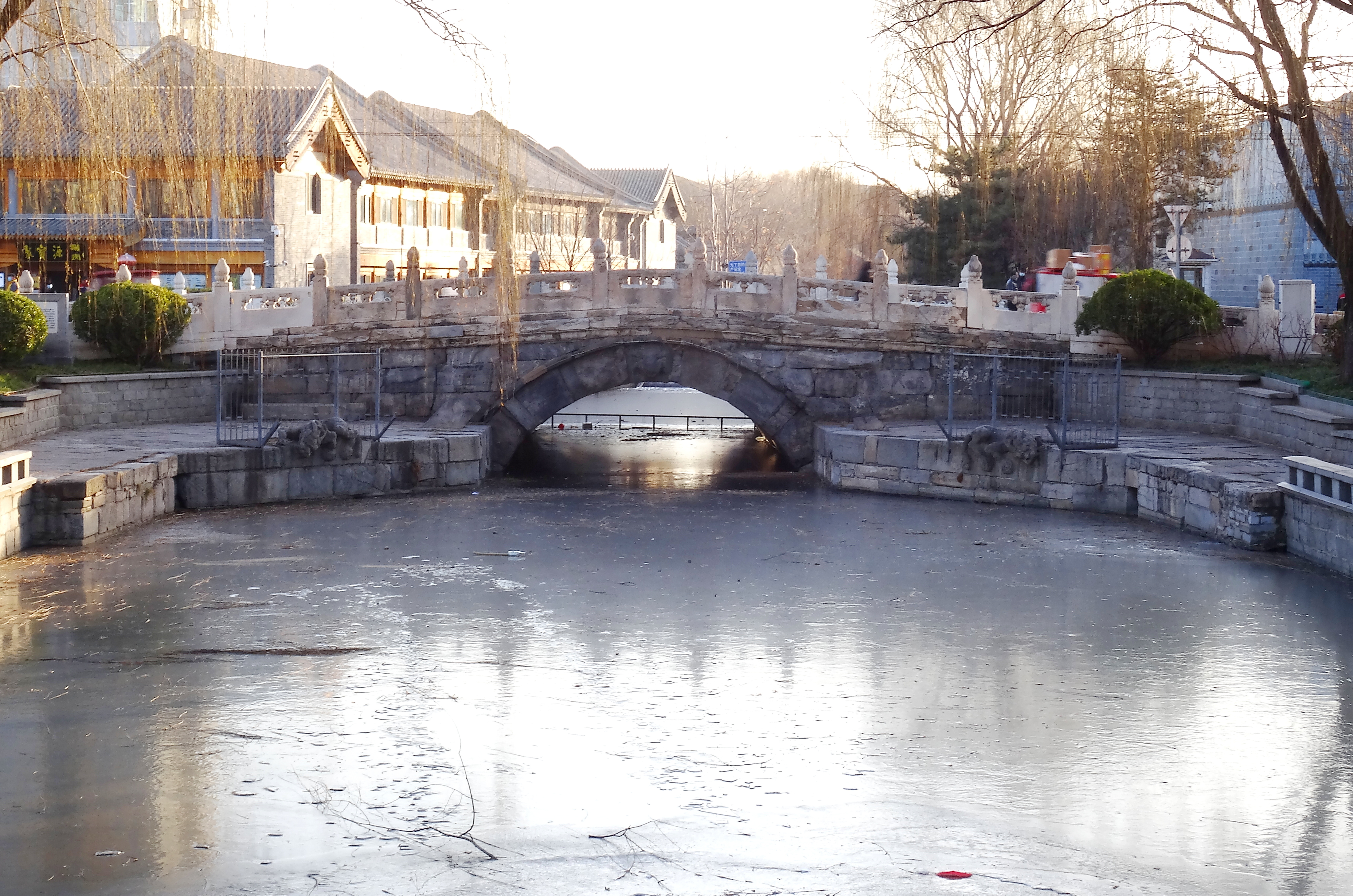
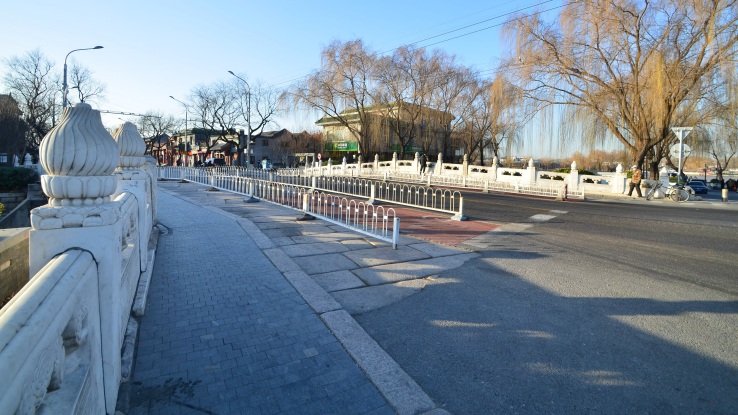
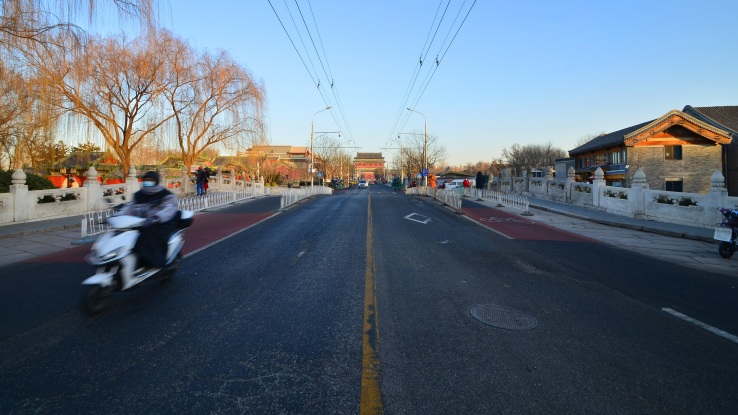
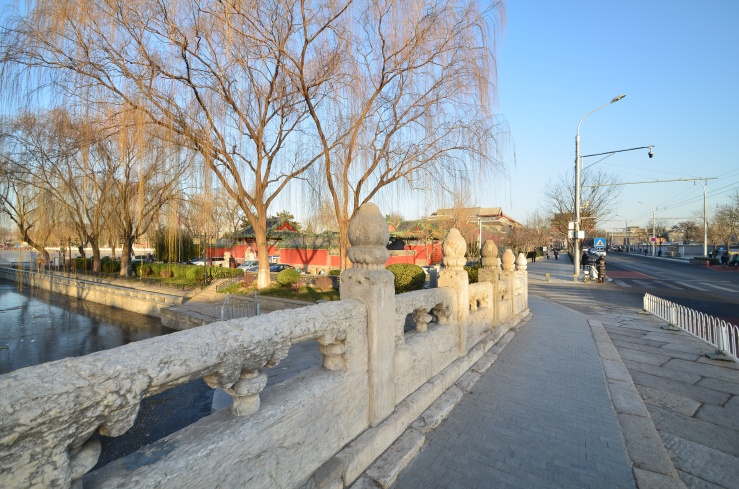
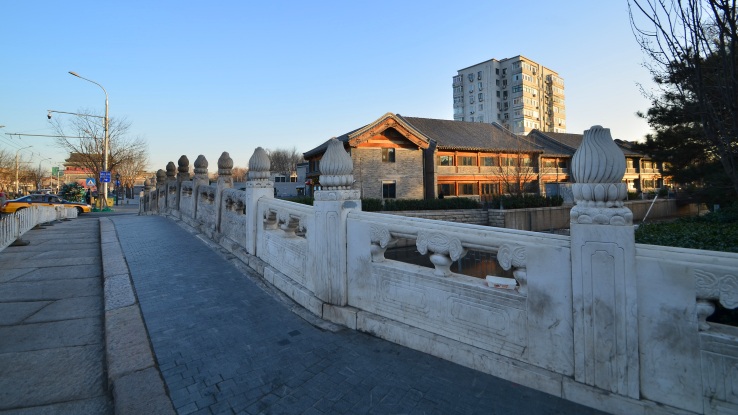
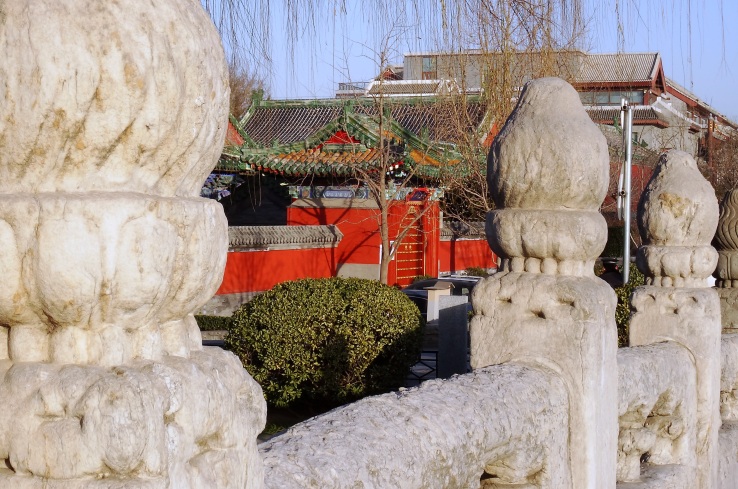
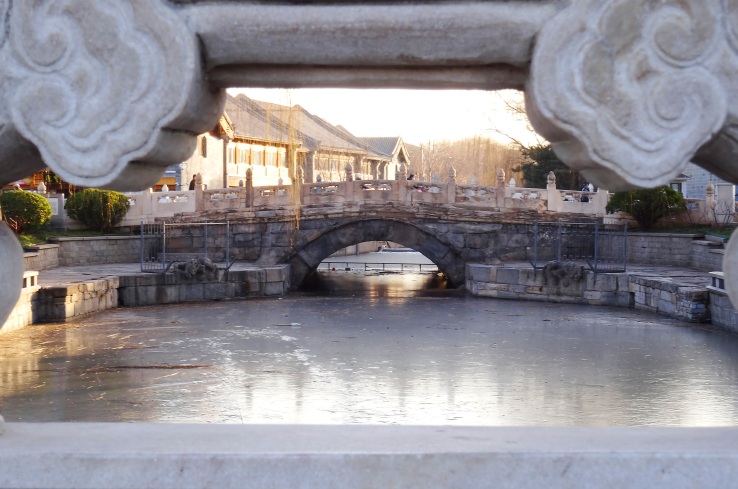
#北京。 #中國 #China #Beijing | #紫禁城 #ForbiddenCity #December 2021 | #北京卫视上新了故宫 The Forbidden City on Beijing Satellite TV| December gorgeous sunset #YuanDynasty   #后门桥#WannignBrigde of the #GrandCanal on the Winter Solstice   ….

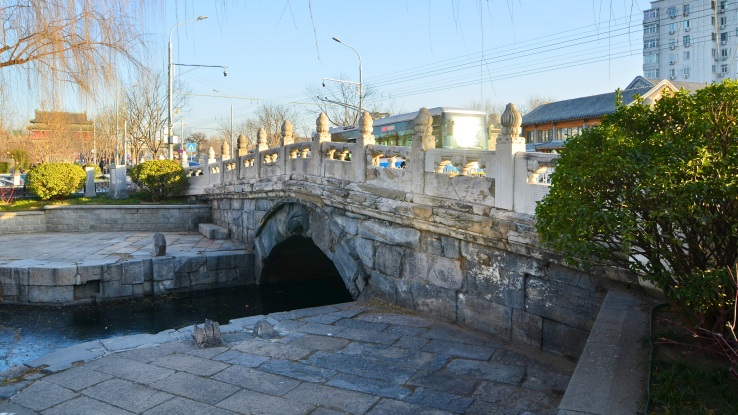
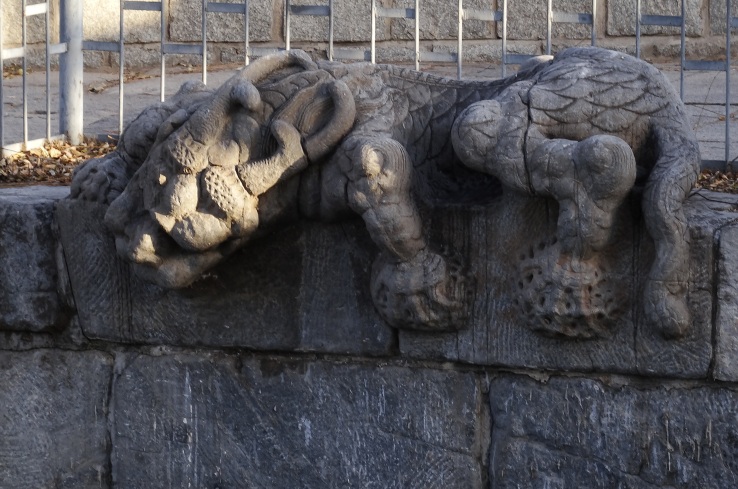
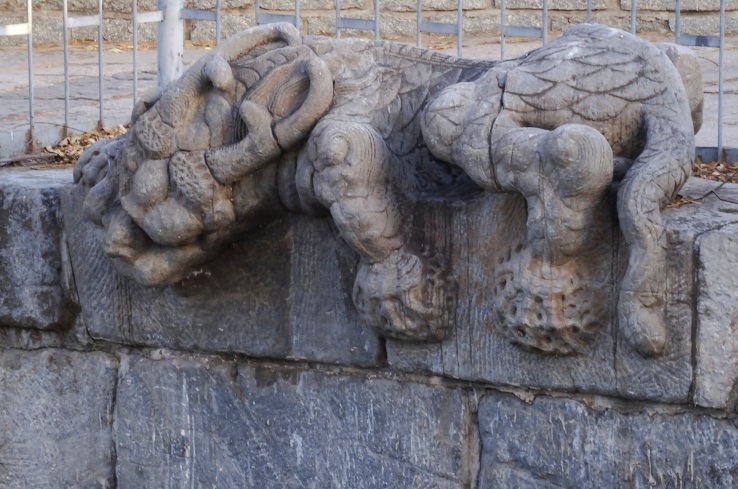
On  the 21st December 2021  it was the Winter Solstice 2021 in which during the Beijing – China – People’s Republic of China  was a clear blue skies with  Located in Di’anmenwai Ave, 什刹海 Xicheng District, Beijing, China, 100009 the 736 year old Yuan Dynasty Bridge named the后门桥 Wanning Bridge or known as the Houmen Bridge .. located near Shichahai, was built in 1285. A sluice is installed under the bridge, and the sluice is lifted and released to stop the water from passing the boat. This “high-tech” stone bridge was the starting point for grain transportation on the Grand Canal in the Yuan Dynasty, and all grain ships entering the imperial city of Beijing would pass here. There are dragon-shaped water-separating beasts on all four sides of the bridge, which have the meaning of blessing the safety of water transport. This century-old bridge is still in use today!

后门桥 Wanning Bridge, also known as the Bridge , the Bridge , is located in Beijing Tiananmen Square , the Shichahai near, a bridge located in Beijing’s central axis. It was built in the 22nd year of Yuan Shizu to Yuan Dynasty (1285), originally named Wanning Bridge. Because the bridge is to the north of Di’anmen, Di’anmen is the back gate of the imperial city, so it is called the Houmen Bridge. Municipal cultural relics protection unit.

Located in Di’anmenwai Street, Xicheng District. It was built in the twenty-second year of Yuan Zhi Yuan (1285). Originally a wooden bridge, it was changed to a stone arch bridge in the Yuan Dynasty, named Wanning Bridge. Also known as Haizi Bridge and Houmen Bridge…….. was built from the Yuan Dynasty to the 22nd of the Yuan Dynasty. It was called Wanning Bridge at that time. It was the most prosperous period of the Yuan Dynasty under Kublai Khan’s rule. The Wanning Bridge at that time was a wooden bridge. At that time, its “little name” was not called “Houmen Bridge”. Historical materials record Wanning Bridge in Yuan Dynasty, also known as “Sky Bridge”. In the Yuan Dynasty, Kublai Khan repaired the end of the Beijing-Hangzhou Grand Canal to today’s Jishuitan, and this Wanning Bridge is the northernmost gate of the Beijing-Hangzhou Grand Canal . The water transport ships entering the Imperial City of Beijing must pass here. The “Tonghui River” in the Beijing section was not only built by Kublai Khan’s decree, but the Tonghui River was also named by Kublai Khan on the Wanning Bridge, and it is also a bridge that Kublai Khan must walk in and out of Beijing. That’s why its nickname is qualified to be called “Tianqiao”.

Wanning Bridge is a “bridge gate” with dual functions: it can be used as a bridge to pass through, and it can also be used as a gate to control water. Guo Shoujing dug a canal, used Jishuitan as a reservoir, and set up ten locks and dams along the Tonghui River for control. There are boats to release the water from the Fangti locks, but they are usually closed. It seems to be energy efficient. Set up under the Wanning Bridge is the Qingcheng sluice, also known as the Haizi sluice. It is the first checkpoint for the water flow in Jishuitan (formerly known as Haizi). At the same time, it serves as the terminal of the Grand Canal. The sail passes through the tunnel of the Wanning Bridge and enters a safe haven for anchoring and unloading.

Imagines credits are of the Forbidden City –Imperial Palace –Beijing – China- People’s Republic of China also from the Series Weibo北京卫视上新了故宫 Treasures in the Forbidden City…