#北京。 #中國 #China #Beijing | #紫禁城 #ForbiddenCity #May2023 | #ForbiddenCityDairies -“Xiangkai Vientiane–The Forbidden City and Tibetan Cultural Relics Joint Exhibition” reflecting the history of ethnic relations in the Yuan, Ming and Qing dynasties….

The Forbidden City Palace Museum Beijing, China, People’s Republic of China holds a large-scale exhibition reflecting the history of ethnic relations in the Yuan, Ming and Qing dynasties, “Xiangkai Vientiane–The Forbidden City and Tibetan Cultural Relics Joint Exhibition” will be on display at the Meridian Gate on April 29th 2023 towards 30th of September 2023.

On April 28, 2023, the opening ceremony of “Auspicious Opening of Vientiane—Joint Exhibition of the Forbidden City and Tibetan Cultural Relics” was held at the Palace Museum. Wang Xudong, member of the Party Leadership Group of the Ministry of Culture and Tourism and director of the Palace Museum, Zhong Tingxiong, deputy director of the Propaganda Department of the State Ethnic Affairs Commission, Zhang Xuxia, deputy director of the General Office of the Ministry of Culture and Tourism, Lian Xiangmin, deputy director-general of the China Tibetology Research Center, protection of historical sites in China Song Xinchao, chairman of the association and former deputy director of the State Administration of Cultural Heritage, Qu Zhen, deputy secretary of the party group and director of the Tibet Autonomous Region Cultural Relics Bureau, Yang Fan, secretary of the Party Committee of the National Museum of China, Fayan, deputy director of the National Cultural Palace, Zha Xia, director of the Tibetan Culture Museum, Chinese Buddhist Master Yanjue, the president of the association, relevant departments and bureaus of the Central Propaganda Department and the Central United Front Work Department, relevant comrades in charge of cultural museums in Beijing, relevant associations, team members of the Palace Museum, and leaders of retirement homes attended the opening ceremony. Du Haijiang, Secretary of the Party Committee and Vice President of the Palace Museum, Deji Zhuoga, Deputy Secretary of the Party Group and Director of the Department of Culture of the Tibet Autonomous Region, and Yang Xun, the representative of the Xuri Charity Foundation and the vice chairman and general manager of Xuri Group Co., Ltd. Speech at the ceremony. Ren Wanping, vice president of the Palace Museum, presided over the opening ceremony of the exhibition.

“Xiangkai Vientiane-The Forbidden City and Tibetan Cultural Relics Joint Exhibition” is jointly organized by the Palace Museum and the Cultural Relics Bureau of the Tibet Autonomous Region, with special support from the Rising Sun Charity Foundation. The exhibition hall of Yanchi Building is open to the audience. Guided by General Secretary Xi Jinping’s thought that “cultural identity is the deepest level of identity, the root of national unity and the soul of national harmony”, combined with the construction of the “Four Forbidden City” system of the Palace Museum, it is a cultural and The display of the results of the Ministry of Tourism’s Tibet-aid project “Research on the Chinese Nation Community Based on the Forbidden City and Tibetan Cultural Relics” is also a large-scale comprehensive exhibition reflecting the history of ethnic relations in the Yuan, Ming, and Qing dynasties. The exhibition reflects the latest relevant scientific research achievements of the Palace Museum in the past five years, explores the cultural connotations behind the cultural relics, shows the exchanges, exchanges and integration between Tibet and the mainland and the court embodied in the cultural relics, and composes a splendid chapter of national unity and progress.

  Du Haijiang, Secretary of the Party Committee and Vice President of the Palace Museum, said in his speech that the exhibition takes forging the consciousness of the Chinese nation’s community as its starting point and foothold. The emotional bond and spiritual belonging of the nation prove the necessity and forward-lookingness of forging a sense of community of the Chinese nation. For thousands of years, people of various ethnic groups in Tibet and inland have been in frequent contact with each other, helping each other, and being brothers and sisters. The Forbidden City, where the Palace Museum is located, is a witness to the exchanges, exchanges, and integration between Tibet and the mainland of the motherland, and a historical witness to the continuous formation of the consciousness of the Chinese nation community. Based on the close historical relationship between cultural relics and the interaction between cultural relics and the design of the exhibition hall, the exhibition reproduces the historical facts of exchanges, exchanges and integration between Tibet and the mainland, and restores the great process of the Chinese nation’s community consciousness from formation to consolidation in history.

Deji Zhuoga, director of the Cultural Department of the Tibet Autonomous Region, said in his speech that this exhibition is an in-depth implementation of the spirit of the 20th National Congress of the Communist Party of China and the spirit of General Secretary Xi Jinping’s important exposition on cultural relics work by the Tibet Autonomous Region and the Palace Museum. It is an important exhibition held to firmly grasp the consciousness of the community of the Chinese nation and build a common spiritual home for the Chinese nation. The exhibition showcases the long history and splendid culture of the Forbidden City and Tibet, demonstrates the extensive exchanges and in-depth integration between Tibet and other parts of the motherland, and witnesses the diverse and colorful Chinese culture. As a large area of ​​cultural relics resources, Tibet has made all-round progress and historic achievements in promoting the protection and utilization of cultural relics in recent years. Cultural relics have played an important role in forging the consciousness of the Chinese nation community and promoting Tibet’s long-term stability and high-quality development.

Yang Xun, the representative of the Xuri Charity Foundation and the vice chairman and general manager of Xuri Group Co., Ltd., who specially supported the exhibition, said that Chinese culture is a synthesis of the cultures of all ethnic groups and a common spiritual home for people of all ethnic groups. “Prosperity in Vientiane—Joint Exhibition of Cultural Relics from the Forbidden City and Tibet” tells the moving story of exchanges, exchanges, and integration between Tibet and various ethnic groups in the mainland through cultural relics research. Glorious Sun Group has strengthened its cultural self-confidence for many years and helped the inheritance and protection of Chinese culture. This support for the exhibition is what Glorious Sun Group should and must do for the inheritance and protection of Chinese culture.

“Auspicious Blossoms – The Forbidden City and Tibetan Cultural Relics Joint Exhibition” is divided into three parts: “Flowers Blooming All Over the Road – Communication between Tibet and the Mainland”, “Flowers and Leafs – Identity and Destination” and “Spring Blossoms and Autumn Fruits – Fruitful Cultural Achievements”. The theme unit uses “flowers” to symbolize the process of integration between Tibet and various ethnic groups in the interior. The exhibition exhibited 108 pieces (sets) of cultural relics, including 13 pieces (sets) of cultural relics from various units under the Tibet Autonomous Region Cultural Relics Bureau and the Sakya Monastery Management Committee, and 95 pieces (sets) of cultural relics from the Palace Museum. In addition to the well-known calligraphy and painting exhibits such as Yan Liben of the Tang Dynasty “Bucharian Picture” and Zhao Mengfu’s “Emperor’s Danba Stele Scroll” of the Yuan Dynasty, there are also a large number of cultural relics that meet the audience for the first time, such as the “Manchu Collection” collected by the Palace Museum. The Sutra, the statue of Emperor Yongle in the Potala Palace, and the thangkas of Kublai Khan first seen in the Sakya Temple, etc., fully demonstrate the diversity of styles and artistic charm of Tibetan-themed cultural relics.

According to the protection requirements of cultural relics and reference practices, the calligraphy and painting works of the Song and Yuan Dynasties and before in the exhibition will be replaced with replicas after one month of exhibition.

Images and visuals are from – Forbidden City –Palace Museum Beijing- China –People’s Republic of China…..

#北京。 #中國 #China #Beijing | #紫禁城 #ForbiddenCity #September2022 | #ForbiddenCityDairies the Qingming Riverside Scene is ingenious to “painting” restoration the four episodes of the Restoration of timeless untold stories …..

The four episode of our Qingming Riverside Scene is ingenious to “painting”

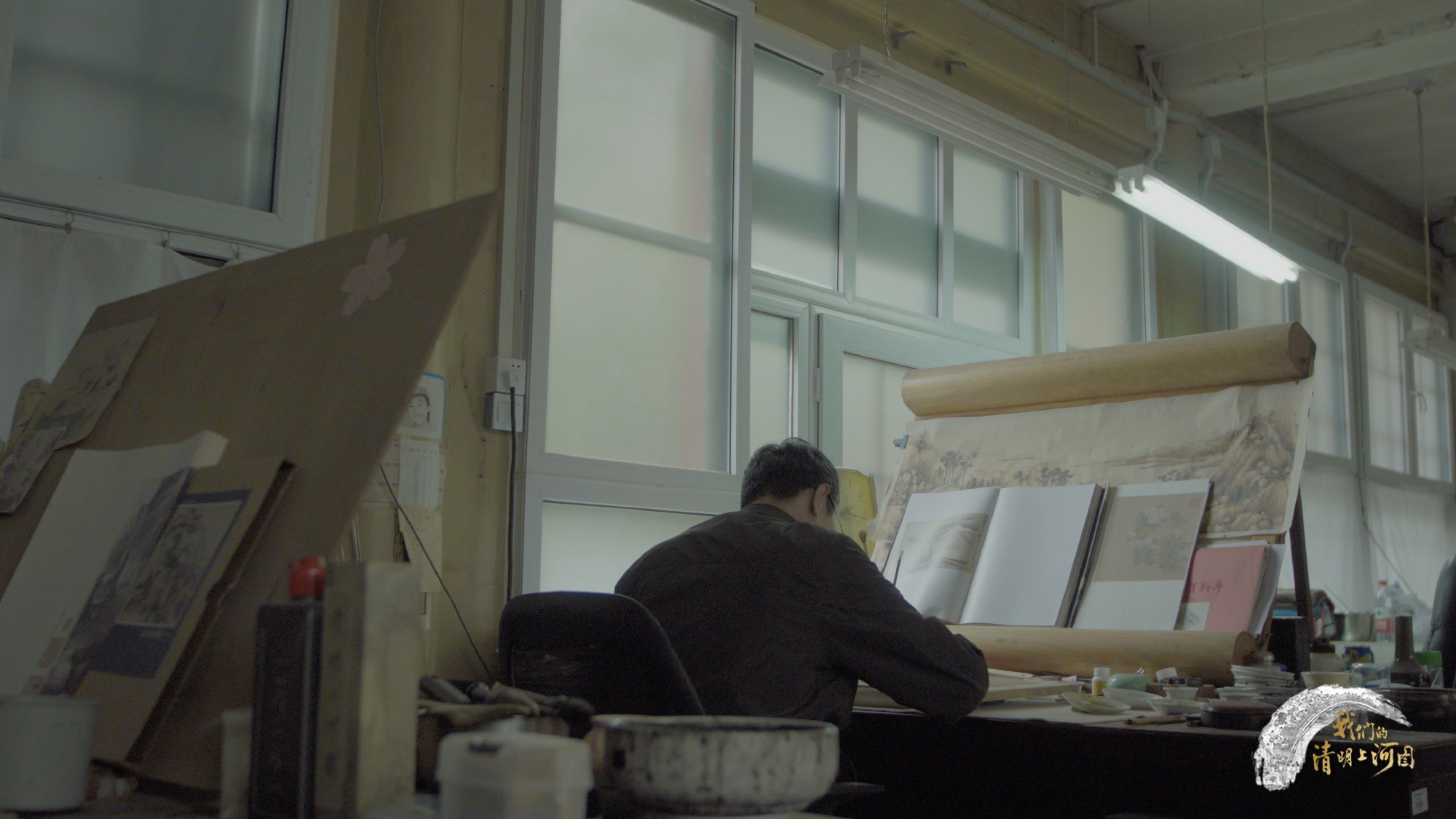
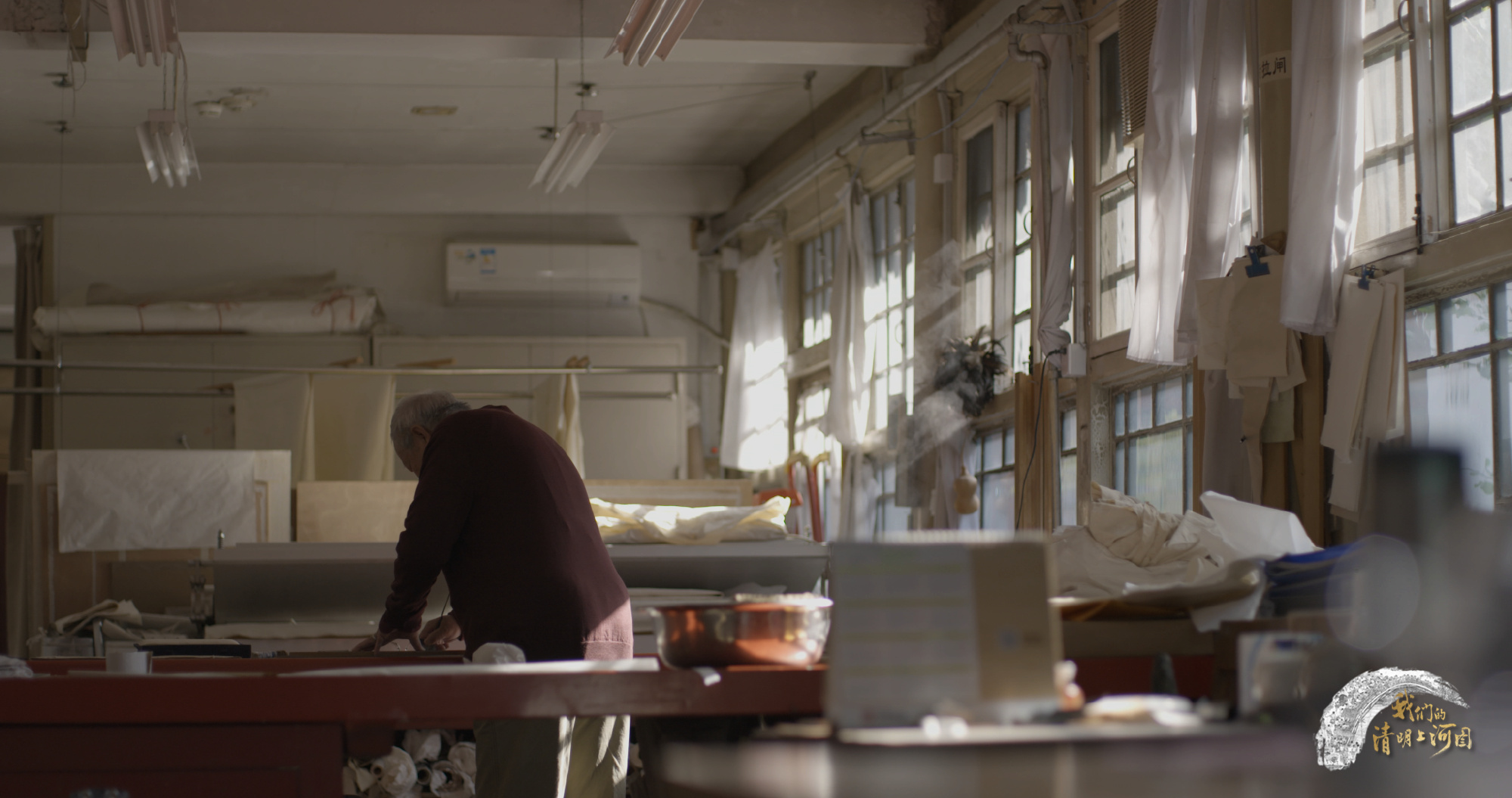
National Treasure Detective is the Premise theme of the all new restoration process techniques of the wonderful team of Forbidden City Restorers of  Copy, restore, record, and research, in the courtyard of the Forbidden City with red walls, yellow tiles, and blue bricks flying eaves, time suddenly stands still in the hands of generations of cultural relic restorers, cultural relic photographers, and cultural relic researchers, who are touching the millennium Every corner of the former Northern Song Dynasty faces history affectionately. They bury themselves deep in each work, just to keep the limited life of the cultural relics going. The documentary Our Qingming Shanghe Tu tells the legendary story of people and ancient paintings in the Forbidden City..

Documentary Our Qingming Shanghe Tu The four-episode feature film was successfully concluded this week! Copying, repairing, recording, researching, and following the documentary, we entered another story about “Along the River during Qingming Festival”, how the scenery on both sides of the Bain River thousands of years ago is preserved to this day; who uncovered the various forms of life in the Song Dynasty; from a hidden palace to a household name… After watching the documentary, what new understanding did you have about “Across the River during Qingming Festival”? in a which The Qingming festival or Ching Ming Festival, also known as Tomb-Sweeping Day in English, is a traditional Chinese festival observed by the Han Chinese of mainland China, Hong Kong, Macau, Taiwan and by the ethnic Chinese of Malaysia, Singapore, Cambodia, Indonesia, Philippines, Thailand, Vietnam and South east Asia countries..

The first episode of our Qingming Shanghe Tu is ingenious to “painting”

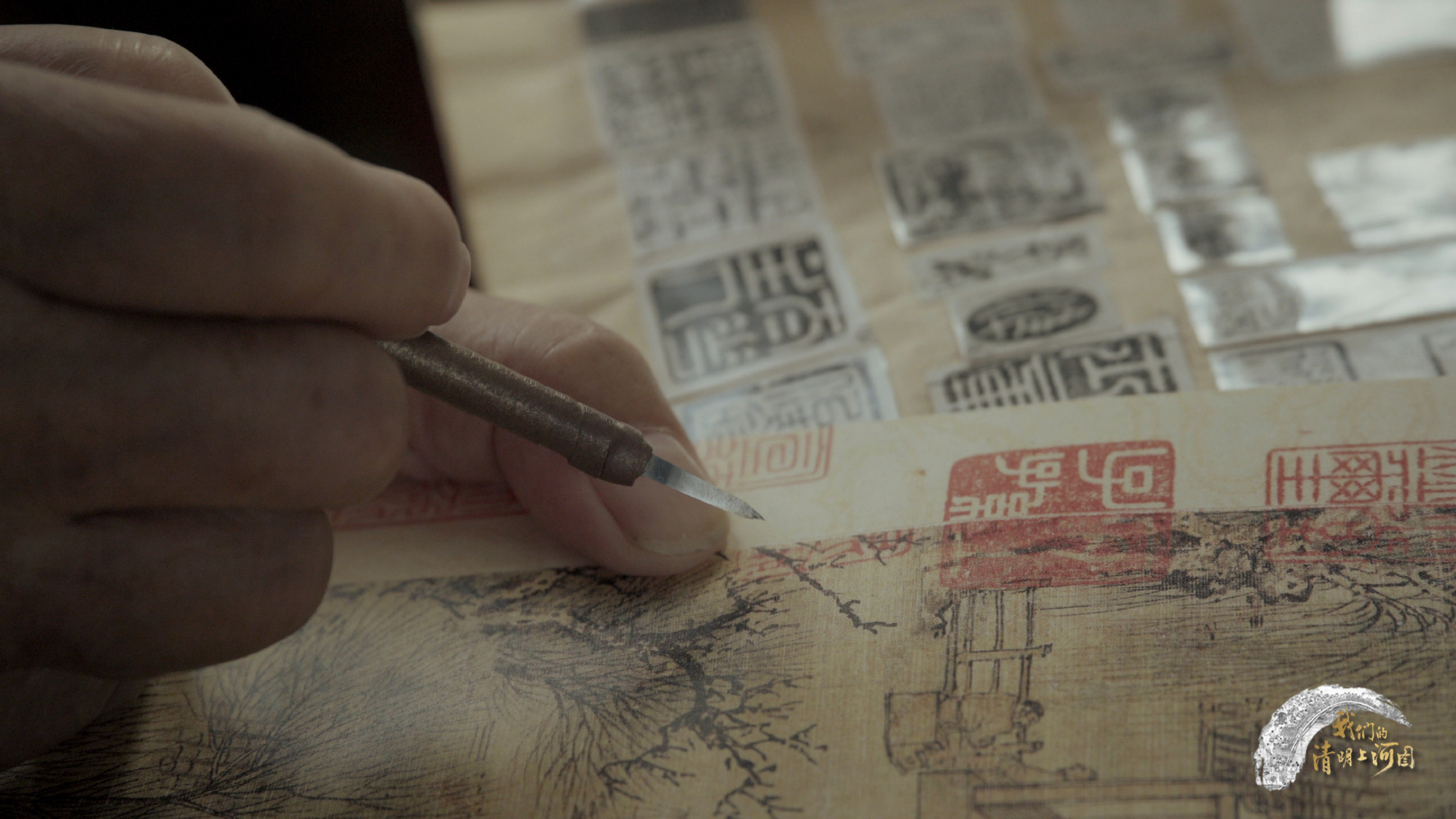
Our Qingming Shanghe Tu# In order to make the magnificent piece “Qingming Shanghe Tu” more visible to future generations, in the decades after the founding of New China, people in the Forbidden City copied ancient paintings and carved seals arduous task. A letter from home, a seal on the wall, restores this hardship. The vicissitudes of the “Across the River during Qingming Festival” complement each other with the ingenuity of the people in the Forbidden City, making the famous paintings copied in the whole volume also immortal…..

Episode 2: “Painting” at Risk

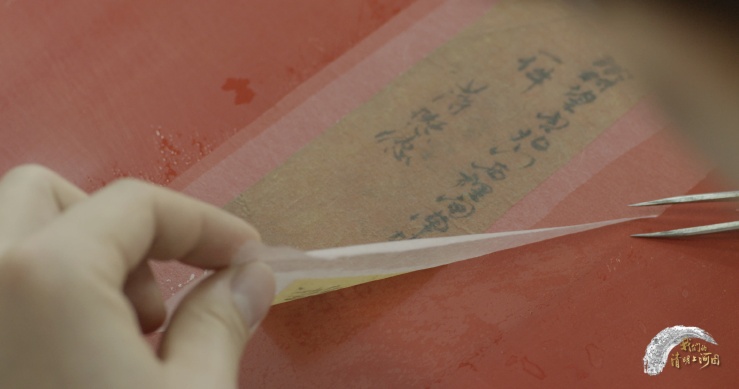
“Across the River During Qingming Festival”, which has been turbulent in history, how many steps does it take to heal the wounds? Three generations of people from the Forbidden City have gone through project initiation, consultation, discussion, and restoration to heal the scars of this famous painting. The restoration archive of “Along the River During Qingming Festival” restores the expert’s mental journey of “consulting” the ancient painting. A sticker behind the ancient painting witnesses the restoration skills of the people in the Forbidden City, as well as the stories and friendships contained in it

“Our Qingming Riverside Map” Episode 3: Changes to “Paintings” Thousands

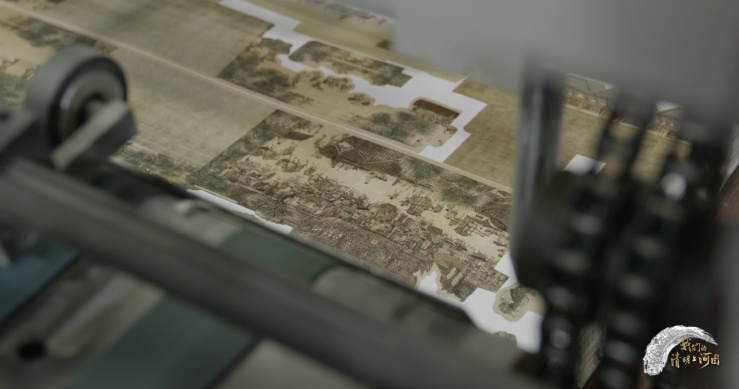
There is a young department in the Palace Museum, dedicated to making the ancient paintings in the hidden palace gardens come to the public. The long river of history has endowed “Along the River during Qingming Festival” with a profound background, and the ever-changing technology has endowed it with vitality. Behind it lies the infinite creativity and vitality of generations of young people in the Forbidden City.

The fourth episode of “Our Qingming Riverside Scene” is a fascinating “painting”

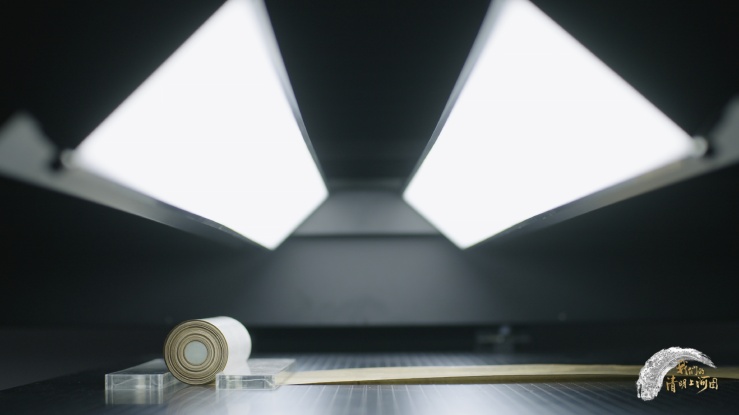
How to crack the historical password in “Shanghe Tu at Qingming Festival”? Is it to sort out the literature, bury your head in research, or go back to Zhang Zeduan’s life path and “talk over the air” with the ancients thousands of years ago? Along two different research paths, we have entered a more vivid picture of “Along the River During Qingming Festival”, exploring emotional resonance in rational exploration.

Paper has a thousand-year lifespan, and silk is preserved for 800 years. The limitation of material is the problem of the preservation of calligraphy and painting from ancient times to the present. As a silk version of “Along the River during the Qingming Festival”, it has been around for nearly a thousand years. How do people in the Forbidden City protect the ancient paintings and cultural relics from generation to generation and leave a precious legacy for future generations? Documentary Our Qingming Shanghe Tu The first episode “Ingenuity to “Painting”, tells about “copying”, this ancient but handed down ancient painting protection method, tomorrow morning at 11:30, so stay tuned!

In this year’s 2022, the second decade from the turn of the century in Beijing the Capital of China also the People’s Republic of China, marking its six hundred and Two years anniversary of the Forbidden city that marks the transitional point of in between the middle of the Ming Dynasty (1368- 1644) transitionally from Nanjing to Beijing towards the Qing Dynasty (1636-1644-1911) …. The Imperial Palace seen so many countless seasonally transitional equinoxes but further its six hundred years is iconic, but it’s five hundred ninety nine years it marks it Autumn Equinox…. In which it only took twelve years to build the same of the Daming Palace of The Tang Dynasty Xian Imperial Capital only it was least twenty times larger..

Images and visuals are from – Forbidden City –Palace Museum Beijing- China –People’s Republic of China…..
#北京。 #中國 #China #Beijing | #紫禁城 #ForbiddenCity #July2022 | #ForbiddenCityPress #ForbiddenCityPublishingHouse – #DigitalPalaceMuseum #DigitalForbiddenCity #DigitalForbiddenCity365  is new again in  intense immersion experiences exploring educationally through #MobileApp is officially launched …. 

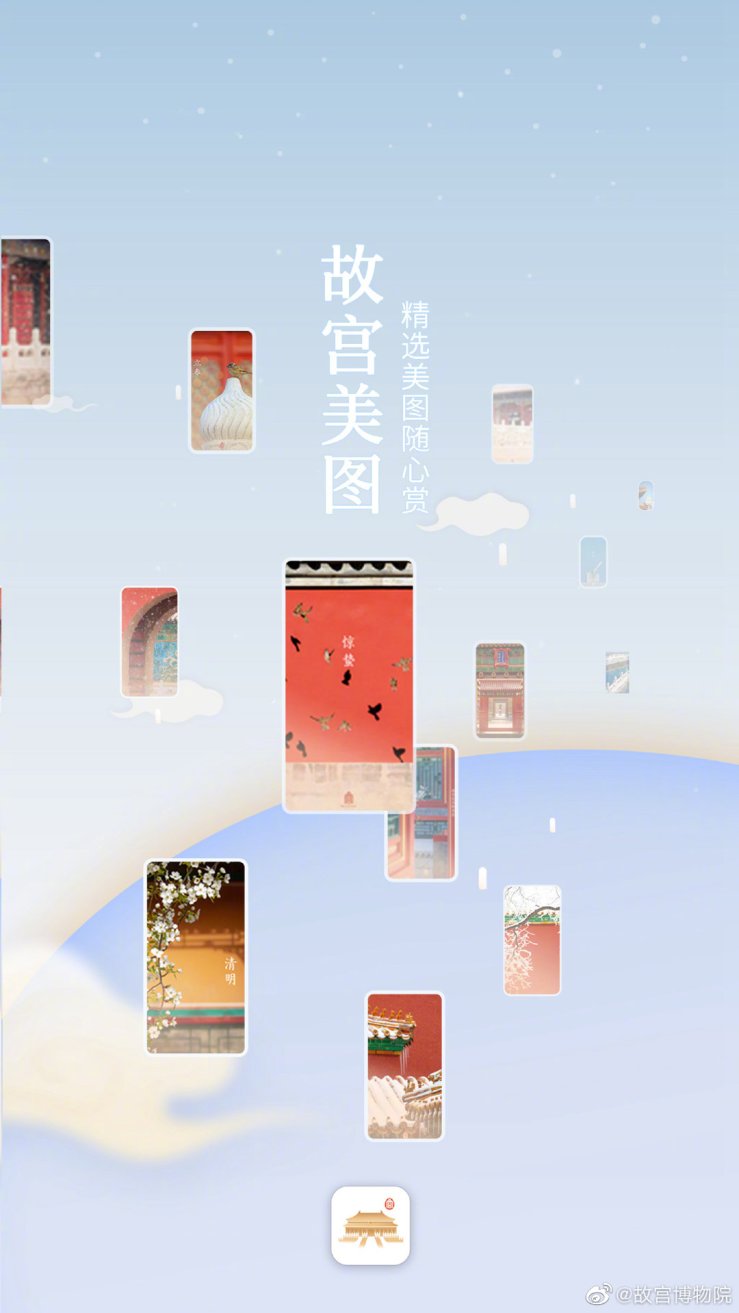
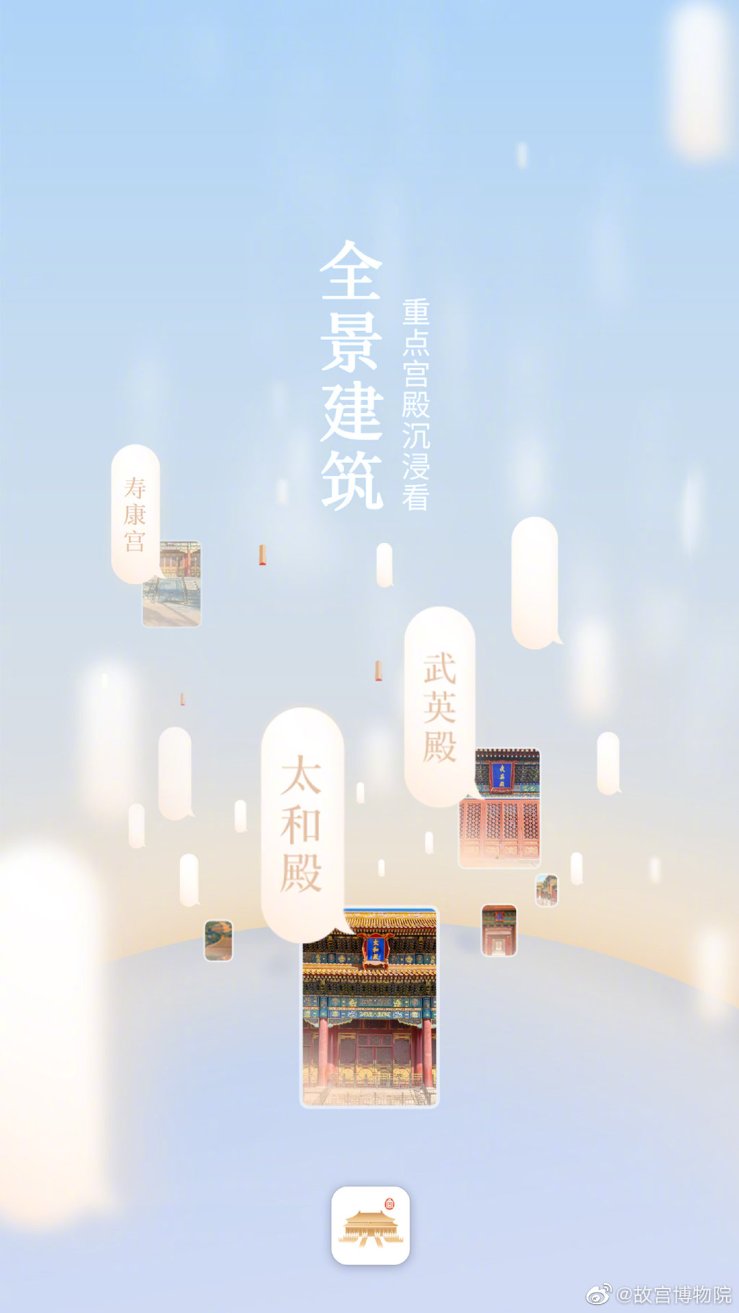
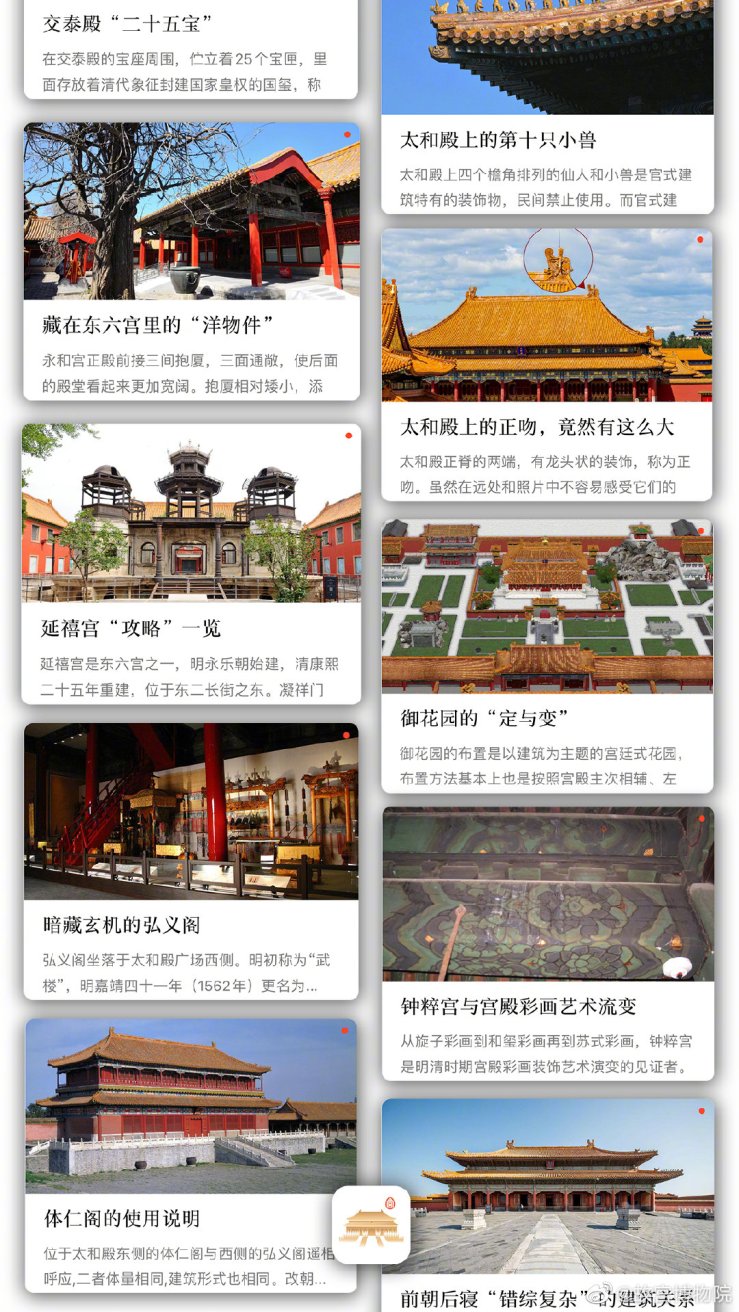
On the 17th July 2022  Hong Kong SAR –Beijing Time it’s the officially release day of the all new Digital Forbidden City is new again  ” Forbidden City365 “ App is officially launched today!…. Focusing on the ancient buildings of the Forbidden City, focus on displaying beautiful pictures of ancient buildings, provide a panoramic tour experience, and integrate “seeing the beautiful scenery” with “learning knowledge”; you can also answer questions and collect badges, and experience the fun of exploration and learning while harvesting achievements. “Forbidden City 365” App is now available on iOS version, click on the link web link to download. The applet is coming soon, and the Android version is on the way…

On previously 15th July 2022 Hong Kong SAR-Beijing Time afternoon a new collaboration is under way to rebuilding the Digital Forbidden city  on a newest immersion of its 360 Degrees on that day it was announced on  the press conference of the pinianxinyanlai  Digital Forbidden City was held in the Forbidden City Palace Museum Beijing- China – People’s Republic of China. The project was in collaboration with DingDing- Ding Talk China information Technology Co.Ltd.. 

Digital Forbidden City is new again On the afternoon of July 15th, The Palace Museum and DingDing will jointly explore the new digital office scene of the Palace Museum introducing an extremely educationally fun fill adventuring exploring though the app ” ForbiddenCity365 ” produced by the Palace Museum was also officially released at the meeting, adding a new window for the audience to enjoy the beauty of the Palace Museum online and understand the ancient architectural culture of the Palace Museum. (The product will be officially launched on July 17th, so stay tuned!). In the future, the Palace Museum will continue to strengthen exchanges and cooperation with technology companies, continuously optimize and improve digital products, and provide more high-quality digital cultural services for the audience….

DingDing- Ding Talk China information Technology Co.Ltd..  Based in Zhejiang province of in Eastern China in which its province Capital is Hangzhou..

Imagines credits are of the Forbidden City –Imperial Palace –Beijing – China- People’s Republic of China also from the Series Weibo北京卫视上新了故宫 Treasures in the Forbidden City…

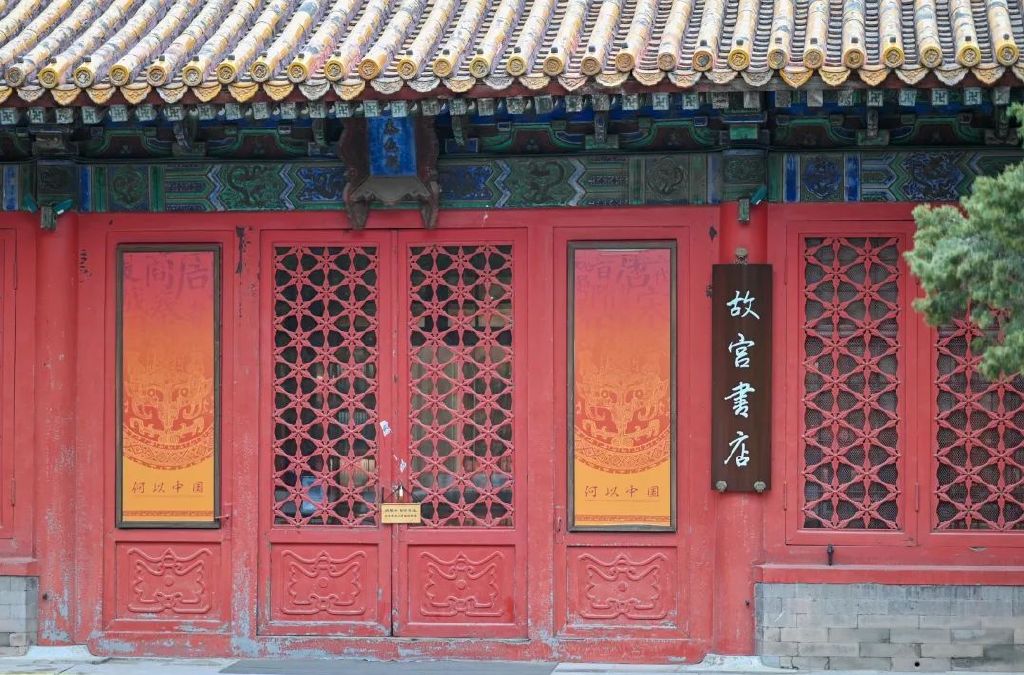
#北京。 #中國 #China #Beijing | #紫禁城 #ForbiddenCity #March2022 | #ForbiddenCityMoments #ForbiddenCityBookStore # WenhuaHall #WenhuadianPalaceMuseumBookstore #Spring is beautiful in books: a trip to appreciate spring in parks, museums and bookstores…. The Most Beautiful Bookstore

In this year’s 2022, the second decade from the turn of the century in Beijing the Capital of China also the People’s Republic of China, in which is also the year of the Tiger, marking its six hundred and two years anniversary of the Forbidden city that marks the transitional point of in between the middle of the Ming Dynasty (1368- 1644) transitionally from Nanjing to Beijing towards the Qing Dynasty (1636-1644-1911) …. The Imperial Palace seen so many countless seasonally transitional equinoxes but further its six hundred years is iconic, but it’s five hundred ninety nine years it marks it Autumn Equinox…. In which it only took twelve years to build the same of the Daming Palace of The Tang Dynasty Xian Imperial Capital only it was least twenty times larger…

Wenhuadian Palace Museum Bookstore

“The Most Beautiful Bookstore” Hidden in the “Palace”

Spring is beautiful in books: a trip to appreciate spring in parks, museums and bookstores… ​​​Beijing has not only the Palace Museum, a place for enjoying spring, which condenses the cultural context of a hundred years, but also has beautiful scenery, and the old Beijing Siheyuan, which is full of Beijing flavor and pleasant, and has a large area like the Canal Forest Park. , A place for outings, where natural scenery and cultural scenery are unique, what kind of leisurely and pleasant experience should I walk into a bookstore, sit down to watch the scenery, enjoy the spring, and read? Try it yourself.

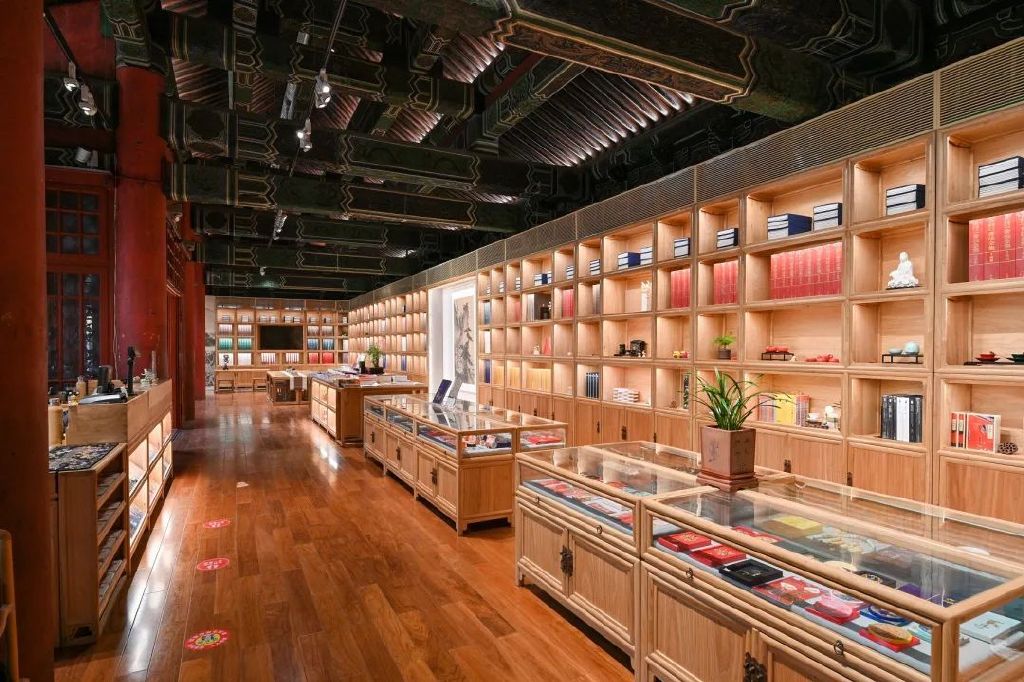
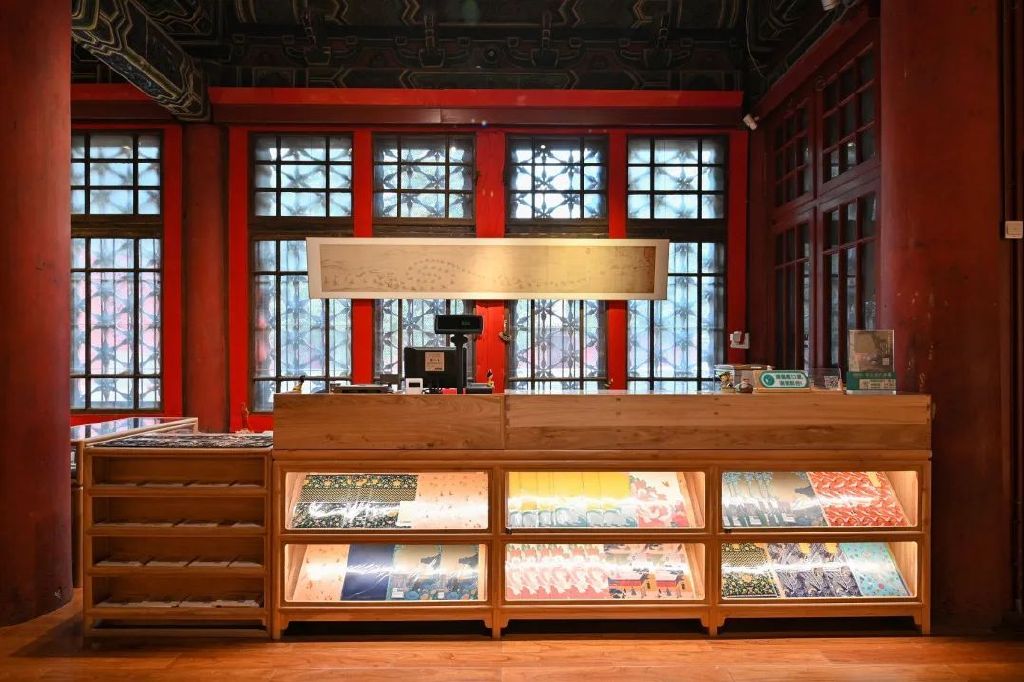
Known as “the most beautiful bookstore in the Forbidden City”, Wenhuadian Bookstore is located in the first district of Wenhuadian in the Forbidden City. The temple was built in the early Ming Dynasty and is located to the east of the Xiehe Gate of the Outer Dynasty.

Wenhua Hall is an important building in the Forbidden City, both in terms of architectural function and cultural symbol. In the Ming and Qing dynasties, every year in the spring, autumn and mid-month, the emperor held a banquet in the Wenhua Hall to teach the “Four Books and Five Classics”. The famous Wenyuan Pavilion is located behind the Wenhua Hall, and the largest series of books in Chinese history, the “Siku Quanshu” in Wenyuan Pavilion, was once collected here.

It can be said that the history of Wenhua Palace for hundreds of years is the history of the fragrance of calligraphy and ink. Opening a bookstore here brings together the essence and aura of Wenhua Palace. Walking into the bookstore, the fragrance of history condensed seems to be gently blowing towards the face, so exquisite and elegant, which makes readers feel particularly cherished.

Outside the bookstore, hundreds of Xifu Begonias are blooming in spring, and readers can read, enjoy flowers, browse the scenery, and chat. And they themselves will become an unforgettable scenery in the Forbidden City.

Imagines credits are of the Forbidden City –Imperial Palace –Beijing – China- People’s Republic of China also from the Series Weibo北京卫视上新了故宫 Treasures in the Forbidden City…

#北京。 #中國 #China #Beijing | #紫禁城 #ForbiddenCity #December 2021 | #北京卫视上新了故宫 The Forbidden City on Beijing Satellite TV| #恭王府 #PrinceGongMansion -#PrinceKungMansion #QingDynastyMansion of the Official Residence of the Respectful

恭王府Prince Gong- Kung Mansion Located in 17 Qianhai W St, Xicheng District, Beijing, China, 100035- China – People’s Republic of China Prince Gong’s Mansion, also known as the Prince Kung Mansion, is a museum and tourist attraction located in Xicheng District, Beijing, just north of the Shichahai Lake. It consists of large siheyuan-style mansions and gardens. In which It consists of large siheyuan-style mansions and gardens. Originally constructed for Heshen, an official highly favoured by the Qianlong Emperor, it was later renamed after Prince Gong, a Manchu prince and influential statesman of the late Qing dynasty, who inhabited the mansion in the late 19th century.  covers an area of ​​6.112 hectares. In the forty-five year of Qianlong (1780), the academician He Shen was ordered to build this mansion. In the first year of Xianfeng (1851), the Qing court awarded this mansion to Prince Gong Aixinjueluo Yixin. Therefore, the name of the mansion was given.

Prince Gong’s Mansion is the largest palace complex in the Qing Dynasty. It has gone through the historical process of the Qing Dynasty from its heyday to its decline. It carries extremely rich historical and cultural information. Therefore, there is “a Prince Gong’s mansion, half of the history of the Qing Dynasty”. Statement.

The historical evolutionally elements of恭王府Prince Gong- Kung Mansion consisting many elements of halls, buildings and great halls. Heshen Mansion In the forty-five year of Qianlong (1780), the academician He Shen was ordered to build the ten princess mansion.

Bestowed to Yonglin  In the fourth year of Jiaqing (1799), Emperor Jiaqing gave Heshen’s house to his younger brother (the seventeenth son of Qianlong) Qingjun Wang Yonglin, who was the palace of the Qing Dynasty. In the 25th year of Jiaqing, Wang Yonglin of Qingjun died and was inhabited by his son and descendants…..

Prince Gong Mansion In the 30th year of Daoguang (1850), Emperor Xianfeng bestowed the palace of Qing Dynasty to his sixth brother, Prince Gong Yixin. On April 22 of the second year of Xianfeng, Prince Gong Yixin moved to this mansion and was originally called Prince Gong’s Mansion. In the 20th year of Guangxu (1894), Prince Gong died, and his grandson Puwei attacked Prince Gong…..

Architectural Pattern Summary

The buildings of Prince Gong’s Mansion are clearly divided into East Road buildings, Middle Road buildings and West Road buildings. The buildings of each road run through the entire residence and courtyard from south to north in a rigorously symmetrical manner, with a clear layout.

Mansion Building

Middle Road Building  There are mainly two buildings on the middle road, Yin’an Temple and Jiale Hall. Yin’an Temple, commonly known as Yinluan Temple, is the main building in the palace and the main hall of the palace. It is mainly used to hold major ceremonial activities in the palace and is only used for major events or festivals. In 1921, because the owner accidentally burned incense and caught fire, the main hall was burned down together with the east and west halls. However, the grandness of this hall can still make us feel the majestic and majestic style of the palace. Yin’an Temple is five rooms wide, with the top of Xieshan Mountain, and the main hall is made of green glazed tiles. The architectural paintings cannot use the emperor’s exclusive Hexi colored paintings, but the highest grades in the revolver paintings can be used, such as the gold-cut ink stone grinds the jade, the dragon brocade and the heart. Sitting dragon is available.

Jialetang is located behind Yin’an Temple. It is the last entrance of the building on Gongwangfu Middle Road, the front corridor, the five-bay room, and the hard top of the mountain. The “Jia Le Tang” plaque hangs directly above the gate.

East Road Building – The front yard of East Road is Duofuxuan, and the back yard is Ledaotang.

Duofuxuan in the front yard is the living room through the hall. The main function of the second hall is to receive guests, relatives or subordinates who give back and forth to things, and can also store gifts from the emperor. At that time, the hall was surrounded by plaques with the words “Fu Shou”. The decorations in the house were all based on historical photos and were arranged according to the original situation. Many historical photos of Prince Gong’s Mansion were displayed.

The main house in the courtyard behind it is named “Le Dao Tang”, which is the largest one in the building on the East Road. In the time of Prince Gong, this was his daily residence. At this time, Prince Gong, Prince Yixin, Emperor Daoguang once bestowed the “Ledaotang” plaque, so this place may also be named for it.

West Road Building – The buildings and courtyards on West Road are more elegant than those on Middle Road and East Road. The main buildings are Baoguang Room and Xijinzhai.

The Baoguang Room is located on the west road of the mansion. It was used as a living room during the period of Heshen and King Qing. In the period of Prince Gong, it was a secret living room for receiving the prince and relatives. The most exquisite among them is the Baoguang Room. The inner and outer eaves are painted with colorful paintings. The most amazing is the painted paintings of the Chinese and foreign eaves, which were painted by the highest-level color painting technicians in the country at that time. The inner eaves are also beautifully painted. Lun Meihuan, “The golden patterns under the eaves of the mansion are all plated with real gold.” As early as the Qing Dynasty, this place was a resting place for Emperor Daoguang to pay homage to his ancestors. After this rebuilding, it is mainly used to display the ancient relics left by Prince Gong’s Mansion. The plaque in the Baoguang room is the inscription of Prince Gong Yixin when Emperor Xianfeng was visiting Prince Gong’s residence. It is of far-reaching significance.

Xijinzhai is a classic in the architecture of Prince Gong’s Mansion, and the one with the most historical memory is Xijinzhai. Plane convex shape, the east, west and north sides of the hall are two-story fairy buildings, and the upper and lower floors are separated by beautifully carved nanmu partitions. According to historical records, the construction of Xijinzhai with nanmu is the thirteenth crime of Heshen. It is said that the eunuchs under the Heshen faction studied and borrowed the architecture of the Forbidden City, requiring craftsmen to imitate the architectural layout of the Ningshou Palace. , Far beyond the building specifications that ministers can have. In the 6th year of Guangxu, Prince Gong Yixin obtained the earliest surviving calligraphy work of famous masters in my country from Chengxin Wangfu-“Ping Fu Tie” handwritten by the great scholar of the Jin Dynasty, Lu Ji, which he treasured very much. Xijinzhai”.

Back Cover or South – At the junction of the mansion and the garden, there is a second-story back cover building that connects the buildings on the East, Middle, and West Roads. The length of the entire building is about 180 meters, and there are 108 rooms on the facade, commonly known as “ninety-nine and a half rooms”, which means “surplus upon expiration” in Taoism. It is called “Zhanji Tower” in the east and “Baoyue Tower” in the west, which is particularly stylish. There is the only indoor landscape garden in the country to the west of the back cover building, using a “small labyrinth” created by five rooms. The front eaves of the back cover building are out of the gallery, and each opening on the back eaves wall is equipped with a window. There are assorted windows of different forms on the upper floor. In the shape of silver ingots, there are also “fuqingyu” composed of bats, chime and fish. The windows have fine brick carvings, simple and elegant, and are harmoniously unified with the style of the garden on the north side. There is an aisle door on the lower level of the one west of the middle of the building, leading to the garden at the back of the house. It is said that there are countless treasures from the gentry family. In order to remember where the various treasures are, it can be said that he racked his brains. He marked each room, that is, the shape of each window is different.

Travelling Information

Tickets

40 yuan/person.

transportation

subway

Take Beijing Metro Line 6, get off at Beihai North Station, and exit at the northeast exit of B.

Bus

Take Beijing Bus No. 3 , No. 4, No. 13, No. 42, No. 107, 111, No. 118, No. 612 or Sightseeing No. 3 and get off at Beihai Beimen Station.

Imagines credits are of the Forbidden City –Imperial Palace –Beijing – China- People’s Republic of China also from the Series Weibo北京卫视上新了故宫 Treasures in the Forbidden City…