#北京。 #中國 #China #Beijing | #紫禁城 #ForbiddenCity #April2022 | #ForbiddenCityMoments #ForbiddenCitySeason # InternationalDay for Monuments and Sites | in the thousands of weather, the Forbidden City is guarded by them #AGallery ……

On 18th April 2022 it was International Day for Monuments and Sites | In the thousands of weather, the Forbidden City – Beijing – China – People’s Republic of China is guarded by them and this year’s theme is “Heritage and Climate”. Wind, frost, rain and snow, the four seasons rotate, and the lights and shadows belonging to the Forbidden City are constantly changing. Share with you the headline article “In the thousands of weather, the Forbidden City is guarded by them” (including many high-definition pictures of the Forbidden City

The theme of this year’s International Day of Monuments and Sites is “Heritage and Climate”, and we will share with you the stories of the protection of the Forbidden City under different “climates”.

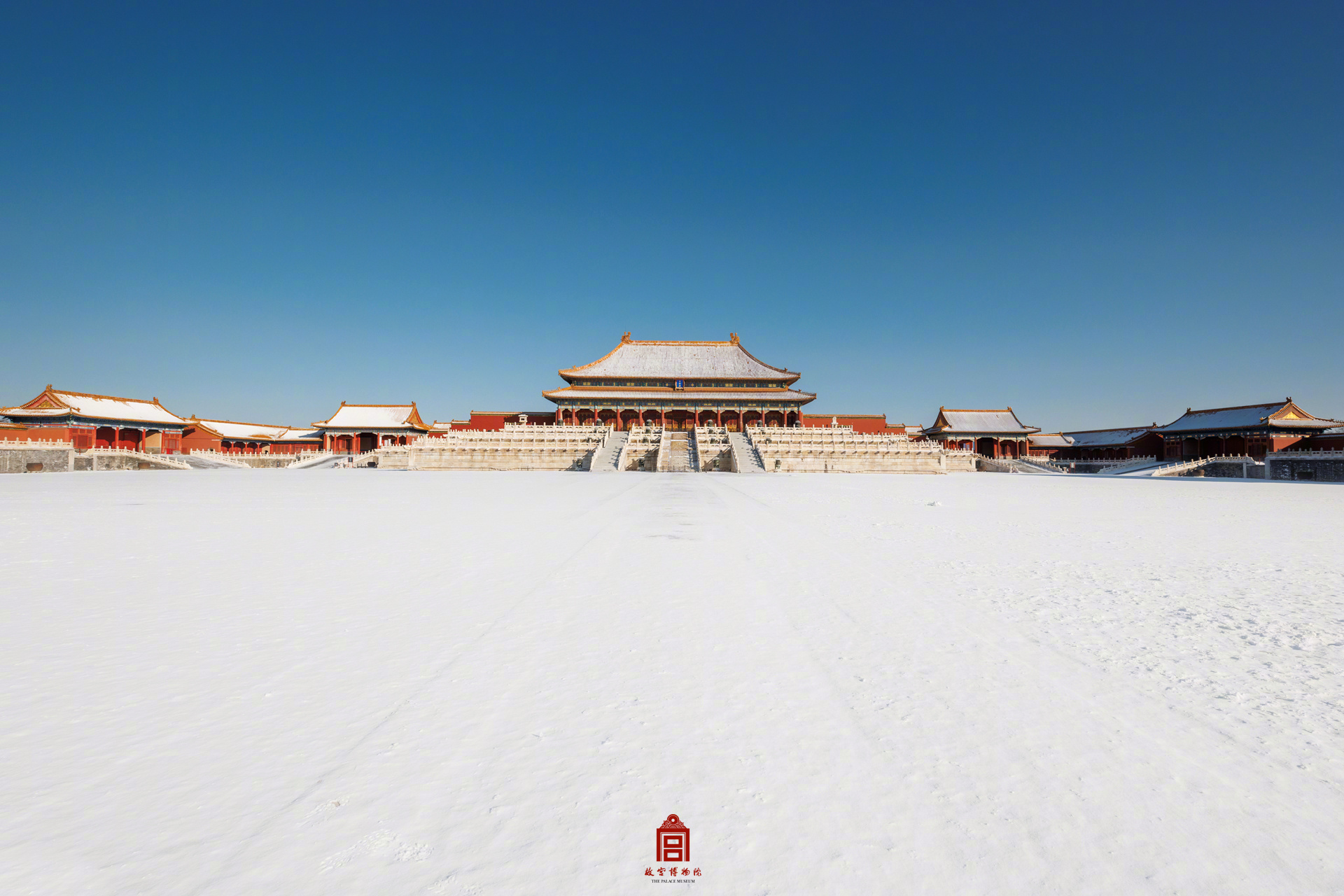
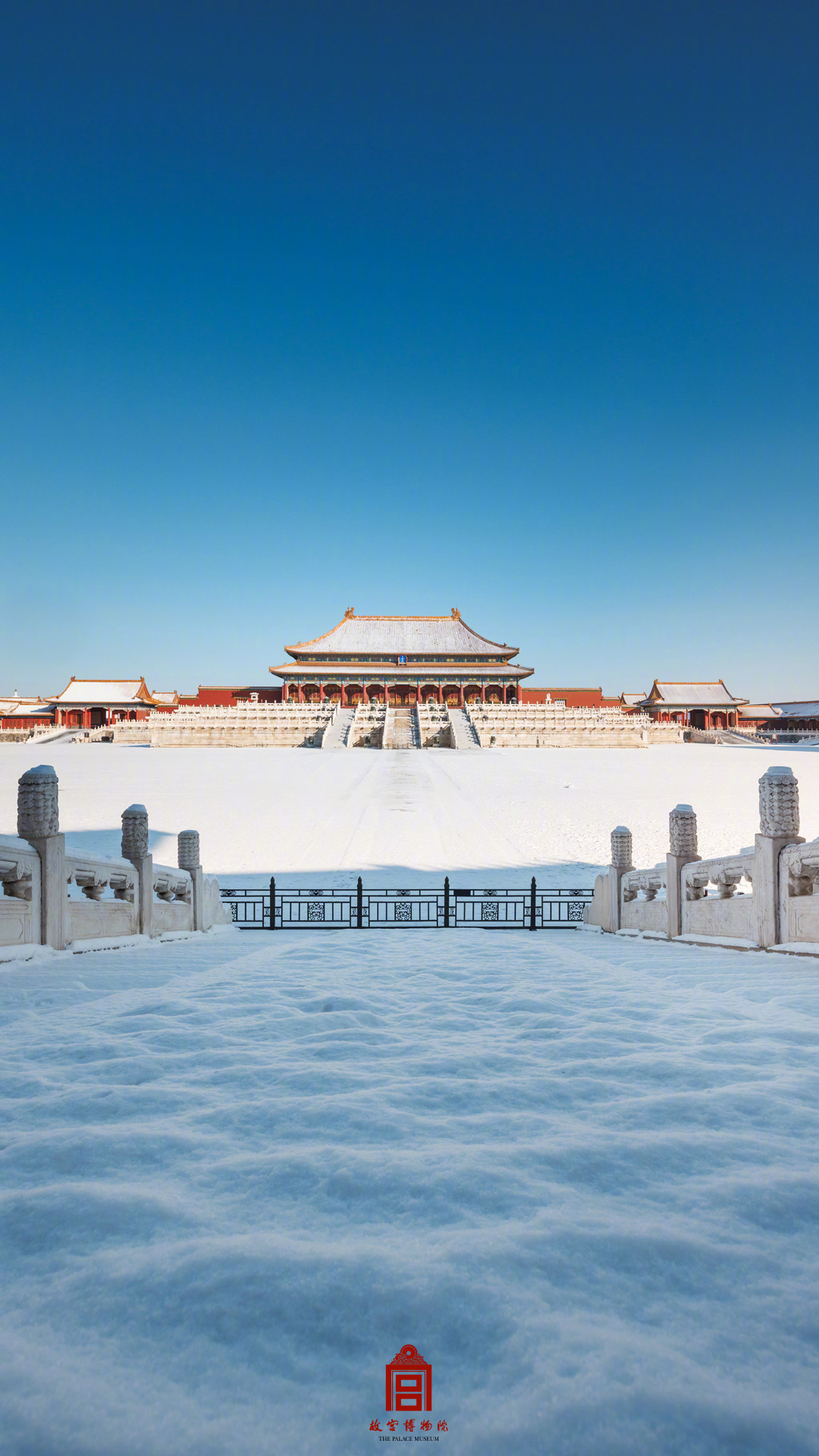
​​In mid-March this year, the constantly loaded spring in Beijing was suddenly interrupted by a heavy snow. Changes in weather have brought a landscape of “snow” and “flowers” in the same frame to the Forbidden City.

Whether it is sunny or raining, frost or snow, the Forbidden City under thousands of weather attracts the attention of the world with its unique momentum as a world cultural heritage site.

Since ancient times, the ever-changing weather has always affected people’s lives. From farming, to dressing and commuting, many of our actions depend on observing and responding to the weather.

For the Forbidden City, the weather is not only its changing and “atmospheric” dress, but also determines its state of breathing and breathing, as well as the actions of a group of guardians.

Every crystal snow, every roar of thunder and lightning, every rain, what kind of weather-related stories are happening here?

Snow

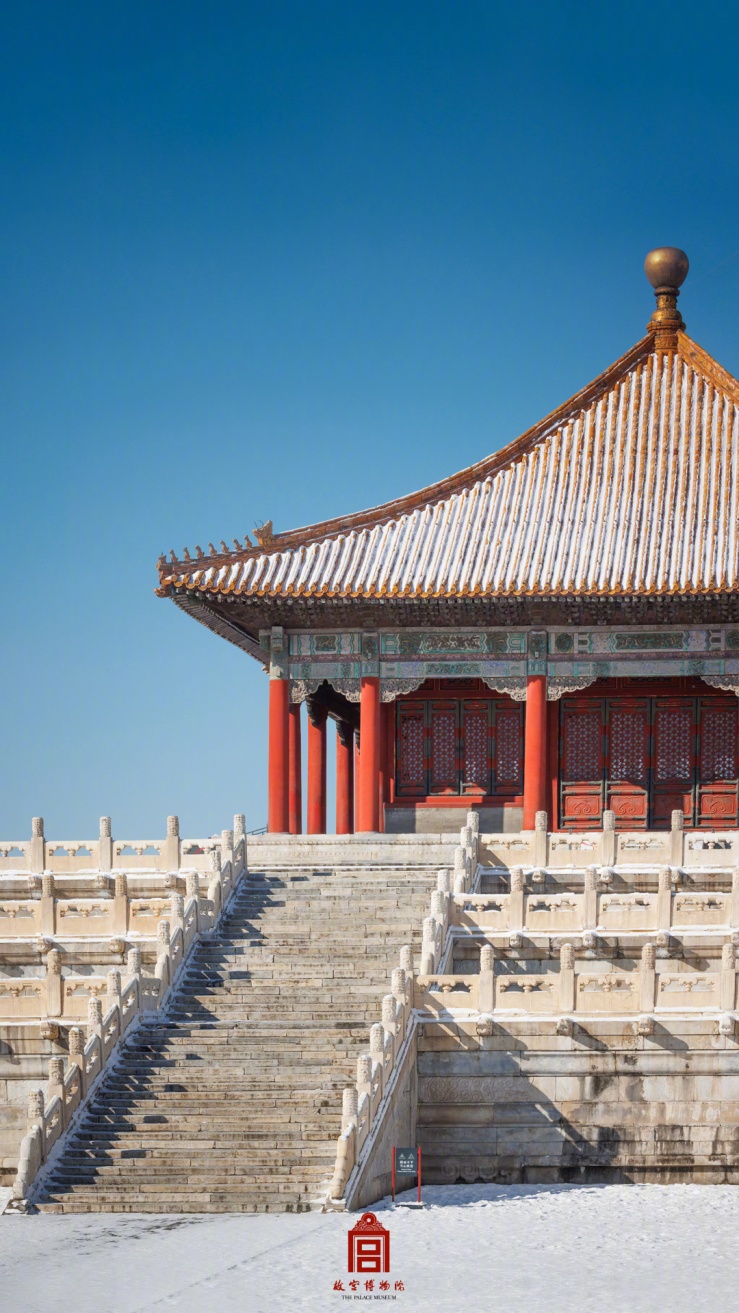
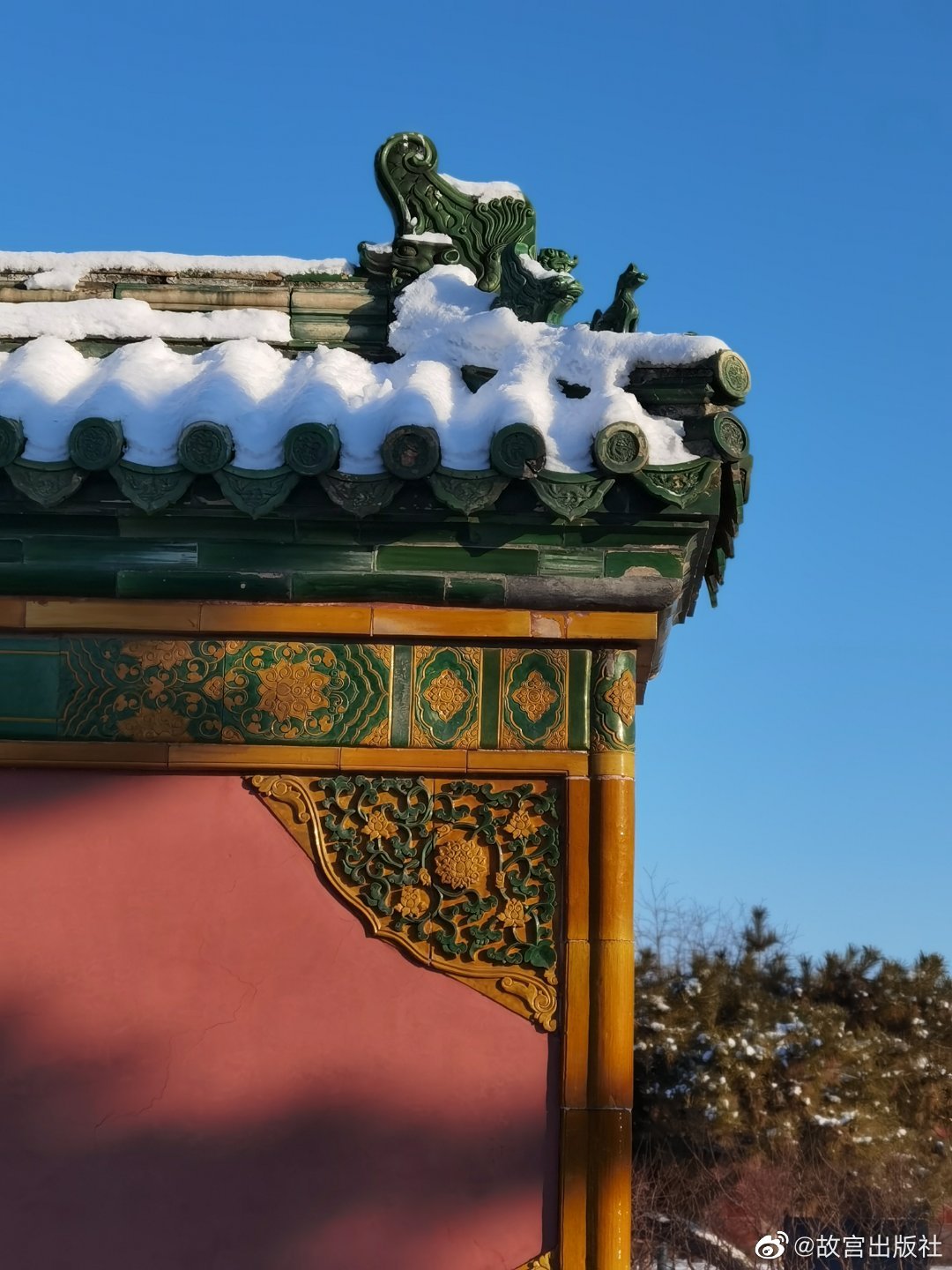
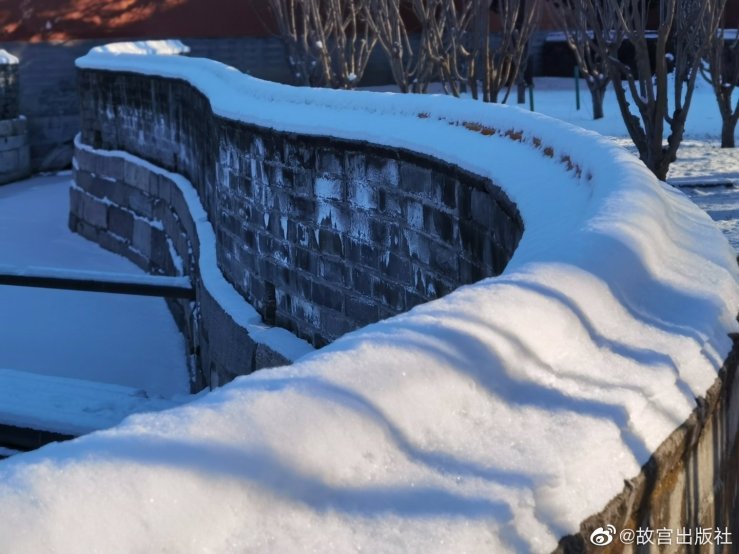
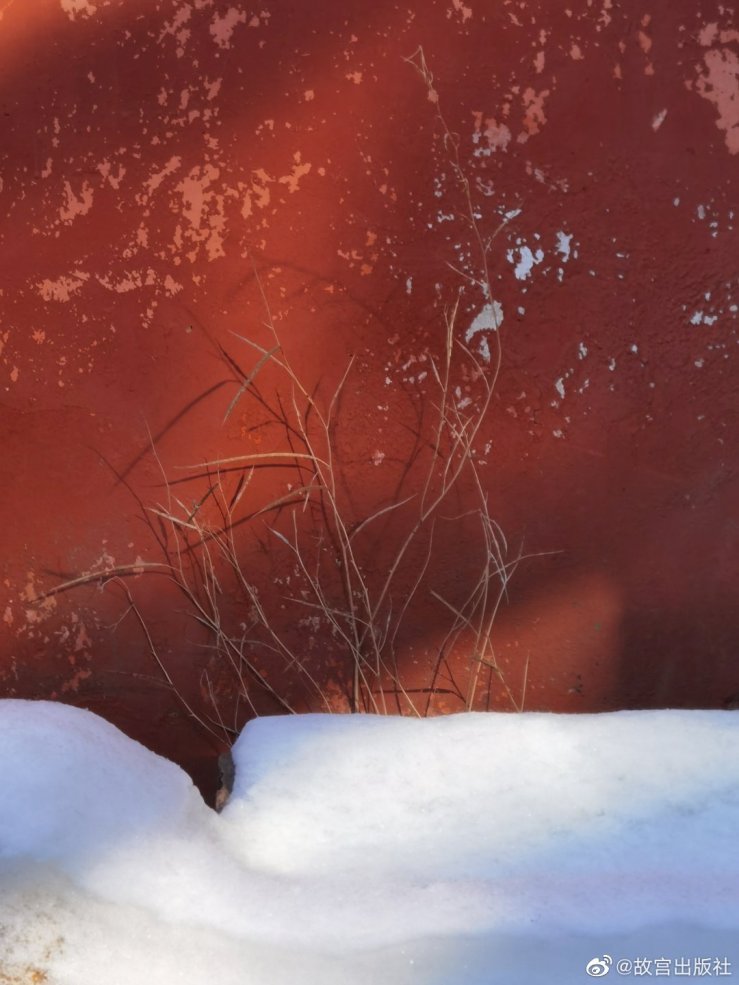
The most eye-catching Forbidden weather is snow. It brings a “winter limited” plain silver outfit to the Forbidden City. In the winter wind hunting, jade butterflies dance in the air, and the melting snow turns into ice under the eaves.

In the winter when the Beijing Winter Olympics were successfully held, the capital was snowy. The snowflakes falling one after another fell on the city, which matched the unique surprise of “red wall and white snow”.

In addition to the picture of “Smashed and Falling Qiongfang”, a group of hurrying figures are fighting in every corner of the Forbidden City.

In order to ensure a safe and comfortable visiting experience for tourists, the Palace Museum has launched an emergency plan for opening up in snow in a timely manner according to the weather forecast.

 In three days, the Forbidden City has accumulated a snow-cleared area of ​​900,000 square meters and transported more than 500 vehicles.

In the silver-white world, the palace walls and palaces stand majestically, and the people who are busy in it become a different embellishment.

Perseverance in the cold wind has never changed. This warmth has always been stationed in this city, accompanying everyone who comes.

Thunder

When winter comes to spring, the breeze blows away the cold air and greens the willow branches along the river bank. The flow of air brings vitality to the city and promotes the renewal of everything.
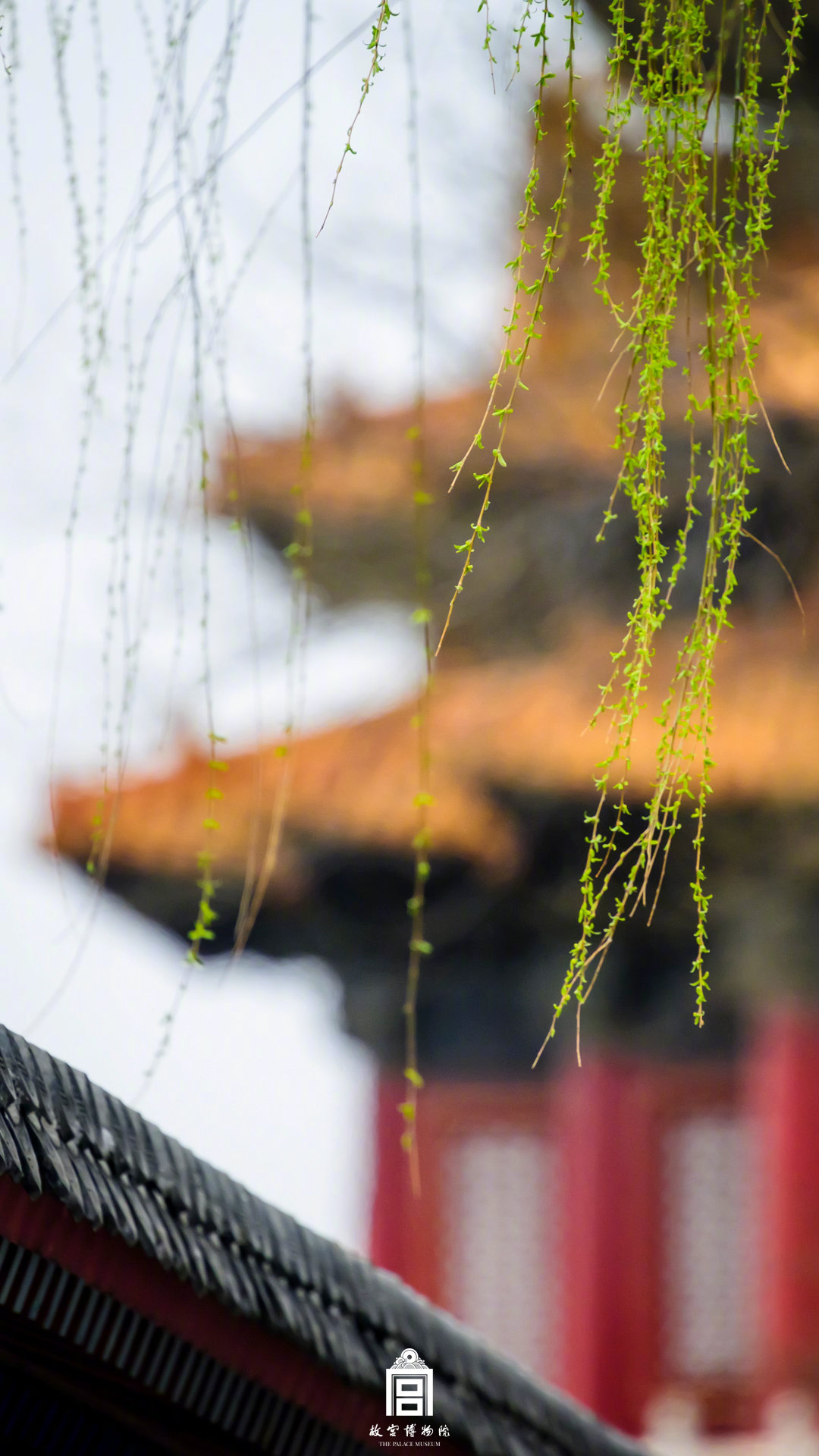
“In the second month of the month, all things are out of shock, and the shock is thunder, so it is called Jingzhe.”

Spring thunder sprouting, all things grow, but where there is thunder, it is easy to make fire. This is undoubtedly a major safety risk for wood-structured buildings.

Looking inside the palace walls, the towering three halls, turrets and other buildings were struck by lightning several times and caught fire during the Ming and Qing Dynasties, resulting in heavy losses.

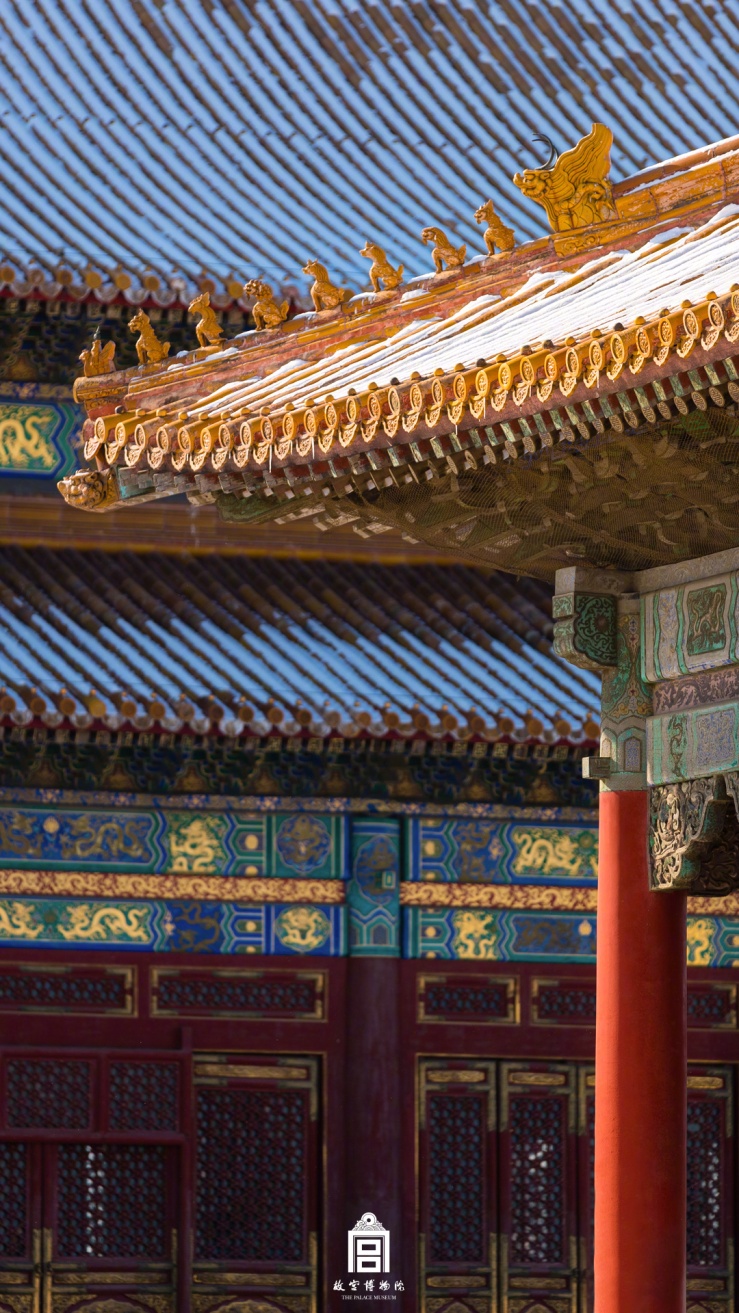
In order to pray to avoid lightning, the tenth ridge beast “Xingshi” was added to the roof of the Hall of Supreme Harmony during the Kangxi period. Its shape is similar to the image of Lei Gong in myths and legends, which means controlling thunder, suppressing thunder and eliminating disasters.

In addition to the careful thought of praying for blessings, the design of the metal top connected to the down-conduct under the glazed tile also realizes a simple “lightning avoidance” function that is quite labor-intensive.

The picture shows the lightning protection roof of Zhonghe Hall

In the 1980s, with the promulgation of the National Code for Design of Lightning Protection for Buildings, the renovation of lightning protection facilities in the Forbidden City was officially put on the agenda.

The Palace Museum and the Institute of Electrical Engineering of the Chinese Academy of Sciences jointly conducted a survey to improve the lightning protection design of the Palace Museum and carry out a large number of facilities repair work according to factors such as the law of lightning strikes in the Palace Museum and the material of the building roof.

Today, the modern lightning protection system has accompanied the Forbidden City to survive many lightning strikes. The single lightning rod on the kiss, the lightning protection belt on the roof… are the “lifelines” for the city’s lightning protection and disaster prevention.

The thunder sounded, and the rain came in time. Rolling spring thunder and falling rain are another feature of the Forbidden weather.

RAIN

When it comes to the rain in the Forbidden City, people often have many associations. The little ripples of the Jinshui River and the pavilions in the mirror like the fairy palace form the beautiful picture of the Forbidden City in the rain and after the rain.

The magnificent Forbidden City complex has survived countless showers, thanks to its exquisite drainage system.

In the large and small halls, whether it is a Xieshan top, a hard top, or a pointed or helmet top, the design of various roofs follows the characteristics of high ridge and steep slope, and the purpose is to drain rainwater quickly.

On the roof, raised tube tiles and sunken slabs form “drainage channels” – tile ridges. The rainwater that falls from the sky flows down in an orderly manner along the tile ridges, collects at the dripping places of the eaves, and flows to the ground.

The water accumulated on the eaves inside the palace wall is drained out of the wall along the drain.

Thousands of chi heads on the base of the hall also dutifully “spit” the accumulated water to the ground.

Countless streams of water leaked into the sewer channel along the money eye and groove on the ground, and finally all drained into the Inner Jinshui River, completing another flow cycle.

The rainy day story of the Forbidden City is not limited to the long and complete outdoor drainage system.

The temperature and humidity of the indoor environment have a direct impact on the health and longevity of buildings and cultural relics. In 2005, the Palace Museum began to monitor the temperature and humidity of the exhibition halls, and gradually selected pilots and established a data platform. Today, the Forbidden City has already achieved comprehensive monitoring of the temperature and humidity of the exhibition halls.

At present, the Palace Museum has installed 207 monitoring equipment in 63 cultural relics buildings and warehouses, focusing on data collection of the preservation environment of indoor color paintings, decoration and ceiling decoration.

In addition to the regular temperature and humidity monitoring, there are also monitoring of carbon dioxide concentration in the exhibition halls such as Wuying Hall. In some original exhibition halls such as Kunning Palace and Chuxiu Palace, the monitoring of light is also added to prevent visible light and ultraviolet rays from affecting cultural relics. The damage caused is supported by data.

The figurative monitoring data provides accurate and powerful reference for the repair of many ancient buildings in the Forbidden City and the protection of cultural relics.

Wind, frost, rain and snow, the four seasons rotate. The thousands of lights and shadows belonging to the Forbidden City are constantly changing, but what remains unchanged is the diligent pursuit of generations of guardians for the continuation of civilization.

The humidity of the exhibition hall can be monitored in real time through the background of the monitoring system

Bathed in thousands of years of wind and rain, the ancestors formed a unique building construction wisdom in the long years ; today, modern scientific and technological means are escorting the Forbidden City .

In 2011, the Palace Museum built an automatic meteorological monitoring station. Since then, the meteorological “codes” such as precipitation, snow depth, and illumination of this ancient building complex can be measured, providing accurate data for the formulation of plans to prevent unexpected meteorological events.

When the rain ends and the sky clears, I hope that the majestic Forbidden City, which has experienced thousands of weather, will continue to write more exciting weather stories under the joint protection of you and me, and walk through the next 600 years safely!

参考资料

​1. 桑颖新,紫禁城内的排水,《紫禁城》2003年3期。

​2. 李全庆,古建筑屋顶奇妙的排水方法,《紫禁城》1987年4期。

​3. 白丽娟,故宫博物院古建筑防雷保护工作的回顾,《故宫博物院院刊》2005年第5期。

摄影/ 柳叶氘 朱楷 余宁川 孙志远 高欣 金悦平 孙文静 郑文玥

​ 制图/ 韩雪辉 责任编辑/ 刘丹阳 盛馨艺

Imagines credits are of the Forbidden City –Imperial Palace –Beijing – China- People’s Republic of China also from the Series Weibo北京卫视上新了故宫 Treasures in the Forbidden City…

#北京 #中國 #China #Beijing | #紫禁城 #ForbiddenCity #March2022|#ForbiddenCityMoments first March snow fall of #Spring #ChinesePaintings of flowers florally of the Forbidden city #AGallery …..

In this year’s 2022, the second decade from the turn of the century in Beijing the Capital of China also the People’s Republic of China, in which is also the year of the Tiger, marking its six hundred and two years anniversary of the Forbidden city that marks the transitional point of in between the middle of the Ming Dynasty (1368- 1644) transitionally from Nanjing to Beijing towards the Qing Dynasty (1636-1644-1911) …. The Imperial Palace seen so many countless seasonally transitional equinoxes but further its six hundred years is iconic, but it’s five hundred ninety nine years it marks it Autumn Equinox…. In which it only took twelve years to build the same of the Daming Palace of The Tang Dynasty Xian Imperial Capital only it was least twenty times larger…

On the 17th March 2022 it was the love of the first snowfall of the spring in which the view of Beijing with snowflakes… painting a Chinese painting through seasonally time

Heavy snowfall has blanketed China’s capital in white. China’s meteorological authorities on Friday issued a blue alert for heavy snow in some regions of the country of China – People’s Republic of china. In which was Snowfall was least than Zero Degrees Celsius

Imagines credits are of the Forbidden city –Imperial Palace –Beijing – China- People’s Republic of China

#北京。 #中國 #China #Beijing | #紫禁城 #ForbiddenCity #北京卫视上新了故宫 #February2022 | #ForbiddenCityMoments Beijing Scenes February Snow the #NewYears2022   the #YearoftheTiger After the first snow fall heavy 14th February 2022 during the #WinterOlympics2022 #Beijing2022 now a clear day #AGallery

On 13th February 2022 Sunday Beijing – China – People’s Republic of China welcomes its first snowfall heavy snowfall in the Year of the Tiger on creating a live Ancient post Modern Chinese Painting the glass world, with white snow and red walls, dances with ice and snow in the vast world. In the “city of two Olympics” in which romantic historical and modern scenes of falling in love with the Forbidden City again..

In today its the 14th February 2022 Monday which the day after it’s a clear minus four degrees Celsius with clear Chinese Cobalt Painted blue skies illuminating the white snow painting it’s landscaping  he weather is bright, the snow is half melted. The two magpies stepped on the snow to announce the good news, and it was a good year again…..

In which on yesterday it’s heavy snowfall when it snows, the Forbidden City will become the Forbidden City.Pieces of snowflakes dance freely, and the red walls and golden tiles appear more quiet and deep in the snow.

The snow at the beginning of the tiger will instantly fill the atmosphere of the Winter Olympics! The behind-the-scenes heroes of the Forbidden City have been dispatched to escort the safety of this “ice and snow event”

In this year’s 2022, the second decade from the turn of the century in Beijing the Capital of China also the People’s Republic of China, in which is also the year of the Tiger, marking its six hundred and two years anniversary of the Forbidden city that marks the transitional point of in between the middle of the Ming Dynasty (1368- 1644) transitionally from Nanjing to Beijing towards the Qing Dynasty (1636-1644-1911) …. The Imperial Palace seen so many countless seasonally transitional equinoxes but further its six hundred years is iconic, but it’s five hundred ninety nine years it marks it Autumn Equinox…. In which it only took twelve years to build the same of the Daming Palace of The Tang Dynasty Xian Imperial Capital only it was least twenty times larger..

Imagines credits are of the Forbidden City –Imperial Palace –Beijing – China- People’s Republic of China also from the Series Weibo北京卫视上新了故宫 Treasures in the Forbidden City…

#北京。 #中國 #China #Beijing | #紫禁城 #ForbiddenCity #December2021 |#ForbiddenCityMoments #養心殿Hall of Mental Cultivation temporarily closed for restoration now awaitingly for its reopening with new Stories #ForbiddenCityDairy ….  

Four years of light and shadow circulation, five years of prosperity……  古宫新事 the fifth episode will be released soon. We will go to the annual appointment in the 601 year old Forbidden City – Beijing –China – People’s Republic of China , within the Forbidden City  the Awaitingly opening renovated –restoration of  養心殿Hall of Yangxin to witness the new stories in the Hall of Yangxin during this year. Stay tuned on December 17th 2021 in which currently it has been undergoing a massive restoration in the year 3rd September 2018  in which before After two years of preparation, renovation of The Hall of Mental Cultivation was officially kicked off with a ceremony held on Monday in the Palace Museum, which is housed within the Forbidden City

The Hall of Mental Cultivation (Yangxin dian) was built in 1537 and rebuilt during the Qing emperor Yongzheng’s reign (1723-1735). The “I”-shaped buildings are divided into two parts – the front halls and the rear halls. The chamber was moved to the rear halls after the emperor Yongzheng Originally used a Residence of the emperor, governance, administration

The Hall of Yangxin is about 94.8 meters long from north to south and 81.3 meters wide from east to west, covering an area of ​​about 7707 square meters. The Hall of Yangxin is an I-shaped hall. The front hall is three rooms wide, 36m wide, 3 rooms deep, and 12m deep. The yellow glazed tiles rest on the top of the mountain , the Ming and Xici indirect rolling sheds embrace the building.

The Hall of Mental Cultivation (Yangxin dian) was built in 1537 and rebuilt during the Qing emperor Yongzheng’s reign (1723-1735). The “I”-shaped buildings are divided into two parts – the front halls and the rear halls. The chamber was moved to the rear halls after the emperor Yongzheng. The central rooms and the west rooms of the front halls were changed into the place where emperor handled the state routine affairs, reviewed memoranda and received his officials.

The east room was the place where the empress dowagers Cixi and Cian took charge of the state affairs behind a screen when the emperors Tongzhi and Guangxu were in their childhood. The Qing last emperor Puyi (r. 1909-1911) convinced the “presence meeting” and made the decision to give up the throne after the revolution of 1911 broke out.

Imagines visuals credit are from the Forbidden city –Imperial Palace –Beijing – China- People’s Republic of China…  also from their respectives from the Series Weibo北京卫视上新了故宫 Treasures in the Forbidden City…

#北京。 #中國 #China #Beijing | #紫禁城 #ForbiddenCity #December 2021 | #北京卫视上新了故宫 The Forbidden City on Beijing Satellite TV| December sunset and roof guardians of the Palace City complex ..

During the Month of December 2021, in which current Beijing – China – People’s Republic of China the Beijing the three thousand more ancient postmodern ultra-metropolis mega city in which the evening, with gorgeous sunset glows on the capital, and the lights of the corner tower of Dongbianmen gradually come on. The ancient buildings and the sunset glow together, attracting the public to stop and watch…. In which one of Beijing city fortifications in東便門Dongbianmen Eastern Convenient Gate’) was located at the north-eastern corner of the Outer city walls at the point where the outer wall stopped.. The defense system of Beijing during the Ming and Qing dynasties included city walls, moats, gate towers, barbicans, watchtowers, corner guard towers, enemy sight towers, and military encampments both outside and inside the city. The mountains immediately north of the city and the interior Great Wall sections on those mountain ranges also acted as a defensive perimeter…..

‘Eastern Upright Gate’) was located on the northern section of the Inner city eastern wall. It was built on the location of the Chongrenmen (崇仁門) gate of the Yuan era, the central gate of the eastern city wall of Dadu. In 1419 the name was changed, quoting “东方盛德属木、为春” and “直东方也,春也”. Dongzhimen’s gate tower was five rooms long (31.5 metres), three rooms wide (15.3 metres), and two floors high (34 metres). It was built in the multi-eaved Xieshanding style, with grey tiles with green glazed edges. The watchtower was similar to the one at Zhengyangmen, but on a slightly smaller scale. The barbican was built during the final years of the Yuan dynasty (ended 1368). It was nearly square, and was the smallest barbican of any of the nine Inner city gates. The northern and southern walls were 68 metres long, and the eastern and western walls were 62 metres long. Archways and sluice gates were present on the eastern and western sides. A Guandi Temple was located on the northeast corner, facing southward. The temple had no proper statue of Guandi; a minor deity made of wood was located there instead. This gave rise to the old Beijing saying: “Nine gates, ten temples, one without morality”. The sluice gate towers and the barbican were dismantled in 1915 when the circum-city railway was built. The watchtower was dismantled in 1930 and its platform in 1958. The gate tower was dismantled in 1965.

Outside Dongzhimen was a pagoda made completely from iron, with a stone statue of Yaowangye. Many carts carrying raw wood entered the city through Dongzhim

In During 2020, the second decade from the turn of the century in Beijing the Capital of China also the People’s Republic of China, in which is also the year of the rat, marking its six hundred years anniversary of the Forbidden city that marks the transitional point of in between the middle of the Ming Dynasty (1368- 1644) transitionally from Nanjing to Beijing towards the Qing Dynasty (1636-1644-1911) …. The Imperial Palace seen so many countless seasonally transitional equinoxes but further its six hundred years is iconic, but it’s five hundred ninety nine years it marks it Autumn Equinox…. In which it only took twelve years to build the same of the Daming Palace of The Tang Dynasty Xian Imperial Capital only it was least twenty times larger…

Previously season three is 北京卫视上新了故宫 Treasures in the Forbidden City … in which during September 2020 this month film for the Trendy Documentary show started film in Beijing with the same host of cast but company of new host celebrities from all walks of life…..

 ” 北京卫视上新了故宫 Treasures in the Forbidden City ” is the Chinese Beijing Palace Museum and Beijing TV station produced, co-produced Huazhuan Wen of Springfield’s cultural film and television production season broadcast programs. originally planned three quarters will be produced quarterly 10, it is the third season aired Forbidden City built 600 anniversary of the foundation of the 95 anniversary of the National Palace Museum. In the first quarter since November 9, 2018, every Friday at 21:05 Beijing TV and iQIYI broadcast simultaneously, and on January 11, 2019 ending…..

Roof beasts are sculptures placed on the ridges of houses and palaces in ancient Chinese traditional architecture. Distributed on the vertical ridges at both ends of the houses, the ancients decorated the buildings with these beasts, making the ancient buildings more majestic, magnificent, and full of artistic charm.. In which are Mysterious Animals on the Palace Roofs of the Forbidden City….  In which show the palace building importance’s in which for example of the Hall of Supreme Harmony is the most important and highest ranked palace in the Forbidden City. It is also called Golden Carriage Palace, which was used to hold significant activities like emperors’ birthdays and wedding ceremonies. Why the Hall of Supreme Harmony is the most special and highest ranked one? It is not only because of its size and architecture style, but also because it has 10 animal statues on each roof ridge, which cannot be seen anywhere else. 


The 10th animal statue is Hangshi. It is like a standing monkey with wings on its back, and holding a vajra pestle. The image is like a Thunder God in Chinese legend. Its function is to prevent lighting strokes. Thus it is usually placed on the roof. There are only 8 Hang Shi statues in China’s ancient buildings, which are all located on the roof of the Hall of Supreme Harmony in the Forbidden City. 

There are more or less rows of small animal statues on the roofs of each palace in the Forbidden City. They are mythical creatures in ancient Chinese legends, which represent all kinds of magic and wonderful things. Generally speaking, there are 3, 5, 7, or 9 animal statues on the roofs, and the order is also fixed, by Dragon, Phoenix, Lion, Sea Horse, Heavenly Steed, Suan Ni, Ya Yu, Xie Zhi, Dou Niu. The more animal statues, the higher palace rank. But there is an exception: Hall of Supreme Harmony, the highest-ranking ancient building in China. It has 10 mysterious animal statues on the roof. Also, they are arranged in a different order. 

1. Dragon

It is one of mythical creatures living in the sea in ancient China myths and legends. Dragon is honored as the leader of marine benthos, having abilities of carrying rain with clouds. As the master of wind and rain, it is often used to symbolize auspiciousness. In ancient times, Dragon was also a symbol of the emperor and the imperial power.
 

2. Phoenix

In Chinese legend, it is the king of all birds with a crown on its head, which is similar to today’s peacock. Its appearance is a sign of peace in the world. People will obtain happy lives blessed by it. Like a Dragon, it is considered as a noble and magical animal too. Phoenix can also symbolize the empress.
 

3. Lion

The lion, a symbol of bravery and majesty, is the custodian in Buddhism. The lion is the king of the beasts. It has a sturdy and strong body, and great momentum. Lion is regarded as the beast that guarantees the peace of the palace. The governors think that the lion can not only avoid evil, but also bring auspicious things.
 

4. Sea Horse

The Sea Horse comes and the calamities can be turned into blessings. It is a heroic mythical creature in China’s ancient mythologies. At the same time, it symbolizes the royal’s stateliness.  
 

5. Heavenly Steed 

In Chinese mythology, Heavenly Steed is a galloping steed with no horns and no wings. In order to show the difference with other horses, clouds are often drawn under the horse, which reflects that it can run across the sky. It is said that Heavenly Steed can chase the wind and sun. 
 

6. Suan Ni

Shaped like a lion, it likes smoke very much. Therefore, the image generally appears on the incense burner. The ancient book records that it looks fierce that can eat tigers and leopards. Suan Ni is a symbol of the mighty beasts. 
 

7. Ya Yu

As a kind of combination of fish and beast, Ya Yu is the leader of all kinds of fishes. It is generally believed that Ya Yu is the ‘Qiu Long’, a kind of small dragon with horns in ancient legends. It has the magical power to change weather into rainy days in order to avoid fire disasters.
 

8. Xie Zhi

Xie Zhi is similar to a unicorn, who has thick hair all over its body with bright eyes. It usually has a horn on its forehead. In ancient Chinese culture, Xie Zhi has always been regarded as a symbol of fairness and justice. It is capable of discriminating evil and loyalty. Its positive image is intended to inherit the spirit of the law.
 

9. Dou Niu (Ox)

It is an auspicious animal which can bring good luck to people. Dou Niu has the functions of relieving evil and protecting the house.

Imagines credits are of the Forbidden city –Imperial Palace –Beijing – China- People’s Republic of China also from the Series Weibo北京卫视上新了故宫 Treasures in the Forbidden City…