#北京 #中國 #China #Beijing | #紫禁城 #ForbiddenCity #February2022 | #北京卫视上新了故宫#BeijingSatelliteTV #BeijingTV |#ForbiddenCityMoments of天壇 #TempleOfHeaven the first snow of the #YearoftheTiger   ….  #AGallery

In this year’s 2022, the second decade from the turn of the century in Beijing the Capital of China also the People’s Republic of China, in which is also the year of the Tiger, marking its six hundred and two years anniversary of the Forbidden city that marks the transitional point of in between the middle of the Ming Dynasty (1368- 1644) transitionally from Nanjing to Beijing towards the Qing Dynasty (1636-1644-1911) …. The Imperial Palace seen so many countless seasonally transitional equinoxes but further its six hundred years is iconic, but it’s five hundred ninety nine years it marks it Autumn Equinox…. In which it only took twelve years to build the same of the Daming Palace of The Tang Dynasty Xian Imperial Capital only it was least twenty times larger…

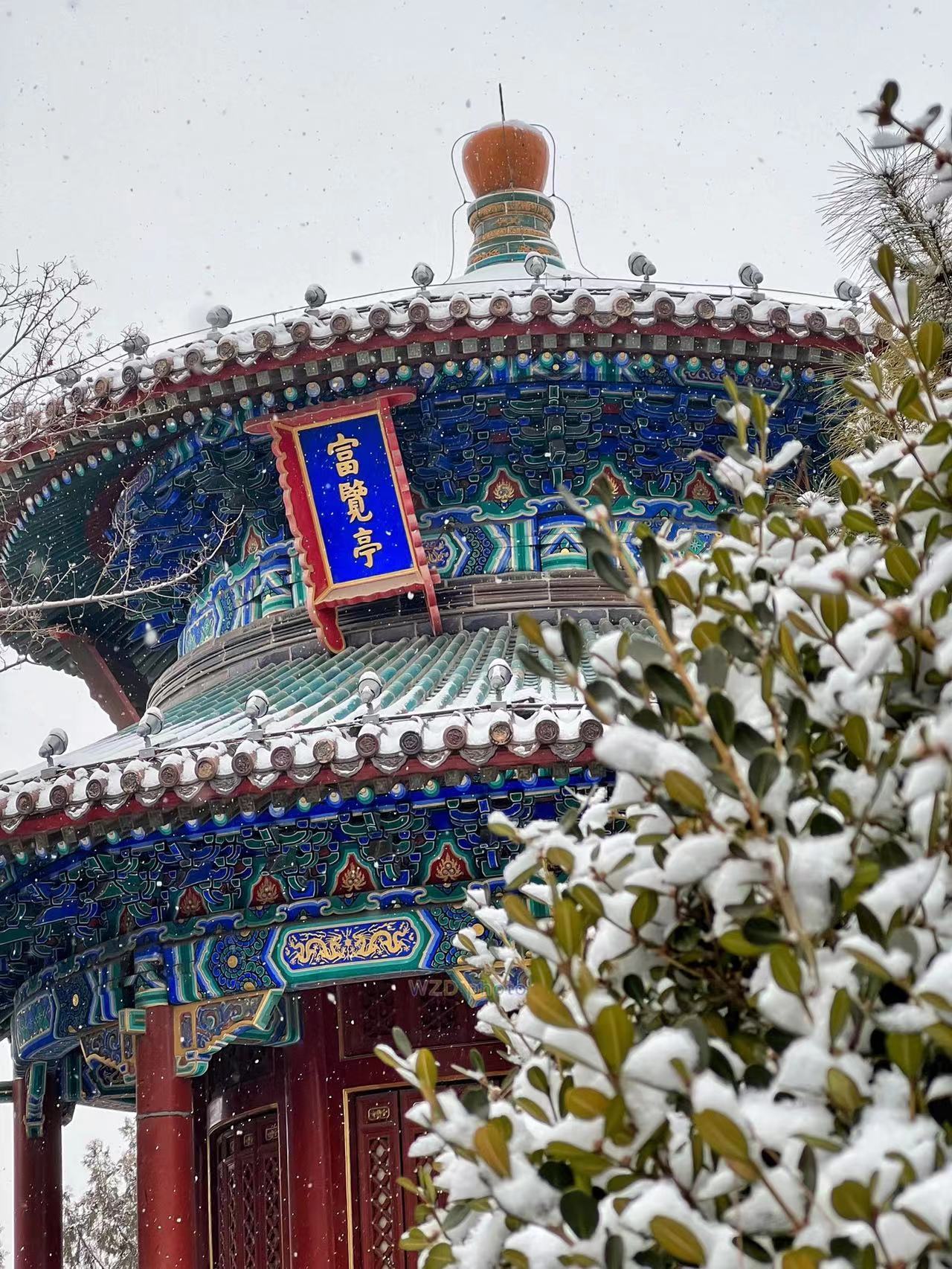
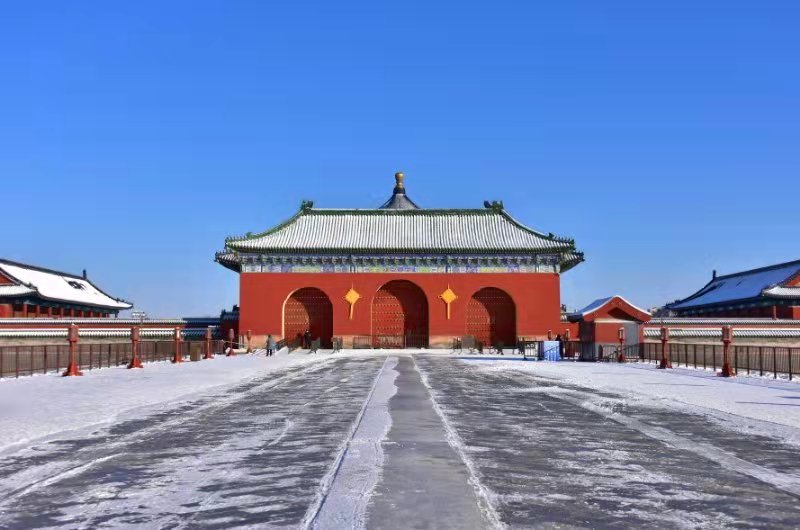
On the 25th February 2022 week for the year of the Tiger it which was on 1st February 2022  it was the first snow in Beijing in 2022 for, the Temple of Heaven Park was wrapped in silver and dressed in a thin white coat to welcome the arrival of the New Year. The red walls and blue tiles have been covered with snow, as if entering a fairy tale world, as if to tell us that the Temple of Heaven Park is already dressed in good costumes to welcome the arrival of the New Year….

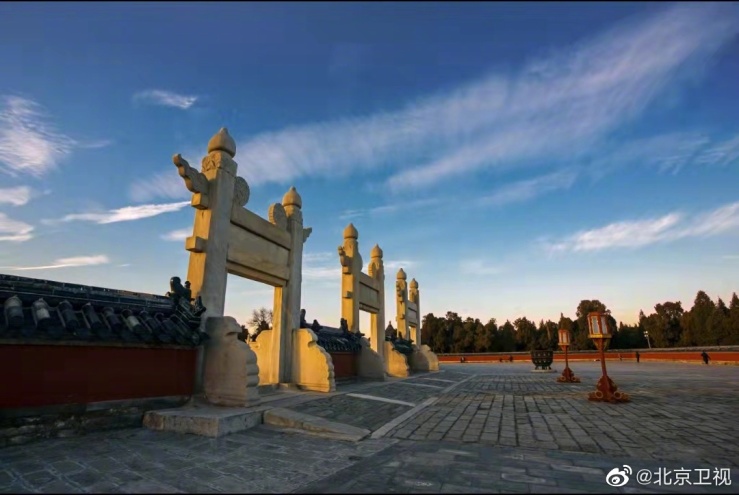
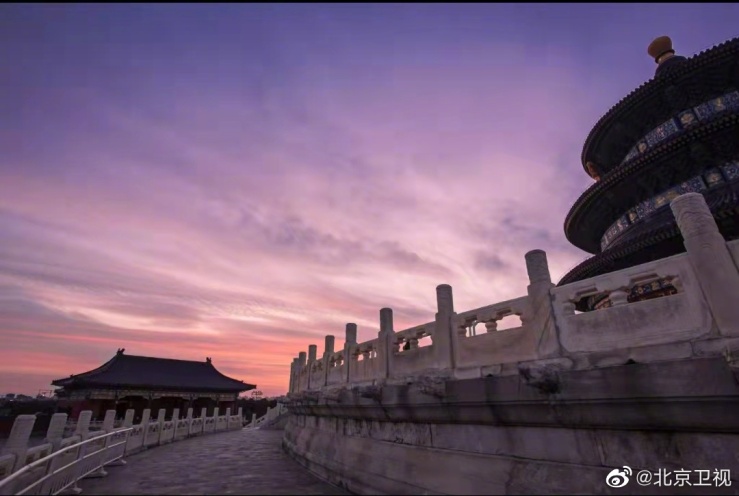
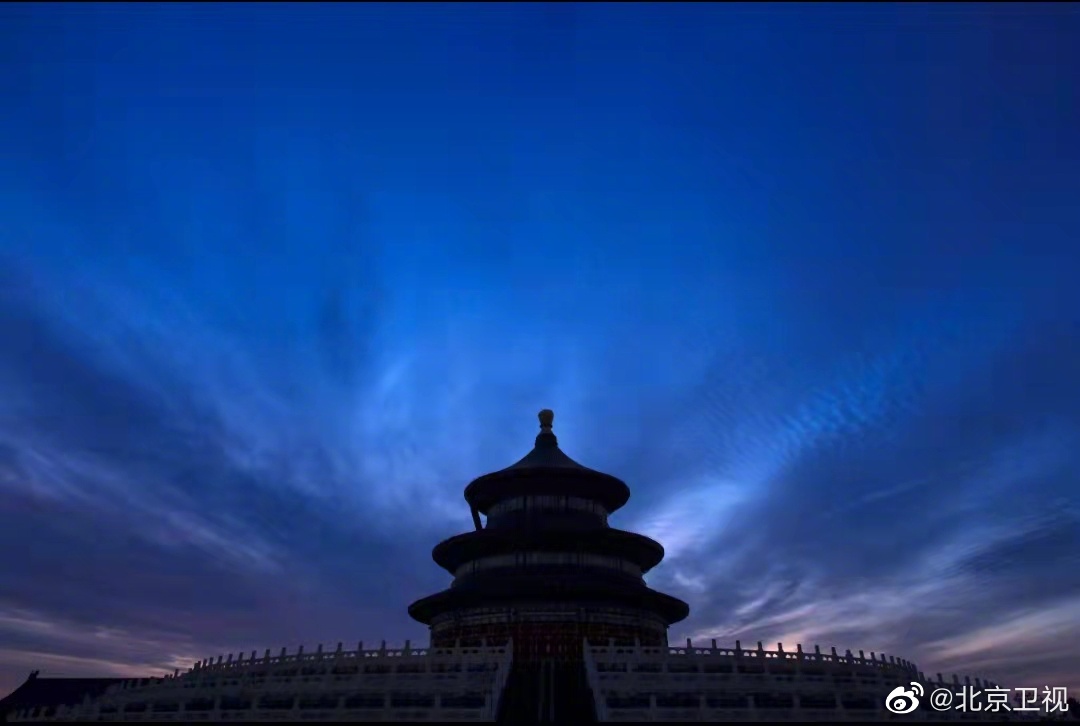
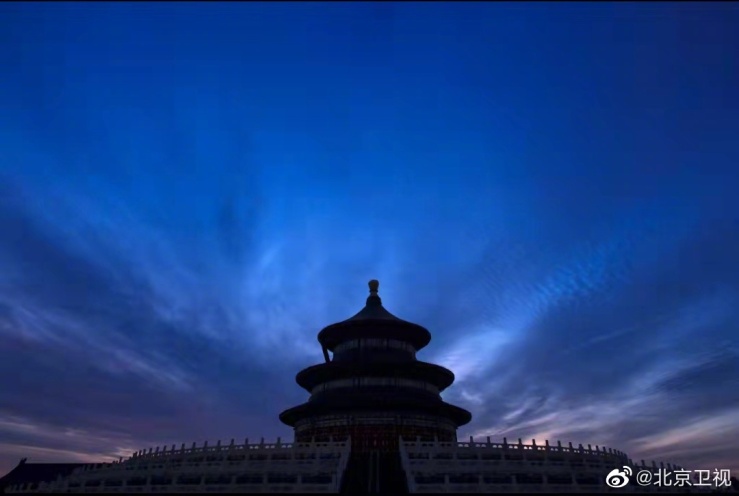
天壇 The Temple of Heaven In winter- Temple of Heaven: an Imperial Sacrificial Altar in Beijing…….the Temple of Heaven Park is full of a peaceful atmosphere. The sun is rising, and the sky is full of purple clouds. Between the clouds and clouds, the morning glow spreads over the earth. The glazed tiles of the Hall of Prayer for Good Harvest shone with stars and stars under the rays of the sun, as if the beauty of the Heavenly Palace had fallen into the world. Beijing turns out to be so beautiful

The Temple of Heaven Park is located in the south of Beijing, on the east side of Yongdingmen Inner Street in Dongcheng District. It covers an area of ​​about 2.73 million square meters. The Temple of Heaven was built in the eighteenth year of Yongle in the Ming Dynasty (1420), and was rebuilt during the reign of Emperor Qianlong and Guangxu of the Qing Dynasty. It is now a world cultural heritage , a national key cultural relics protection unit , a national AAAAA-level tourist attraction , and a demonstration site of a national civilized scenic tourist area .

In the Ming and Qing dynasties, the Temple of Heaven Park was the place where emperors offered sacrifices to the emperor and prayed for the harvest of the five grains. The Temple of Heaven is a general term for the two altars of Yuanqiu and Qigu. There are two altar walls, forming an inner and outer altar. The main building is the inner altar, the round mound altar is in the south, the Qigu altar is in the north, and the two altars are on the same north-south axis, separated by a wall. The main buildings in the Circular Mound Altar are the Circular Mound Altar, the Emperor Vault, etc. The main buildings in the Praying Valley Altar are the Hall of Prayer for Good Harvest, the Hall of Emperor Qiang, and the Gate of Prayer for Chinese New Year’s .

During the Ming and Qing Dynasties According to historical records, there are formal sacrifices to heaven and earth, which can be traced back to the Xia Dynasty in the second millennium BC, which was still a slave society. Ancient Chinese emperors called themselves “Son of Heaven”, and they revered heaven and earth very much.

The Temple of Heaven was built in the shape of Nanjing in the eighteenth year of Yongle in Ming Dynasty (1420). In the ninth year of Jiajing (1530), Emperor Jiajing listened to the minister’s words: “In ancient times, people worshipped the sky on Yuanqiu and the earth on Fangqiu. Those on Yuanqiu were the hills on the ground in the southern suburbs. The hills were round and high, so they resembled the sky. The hill in Zezhong in the northern suburbs, the hill goes down from the side, is like the earth.” So it was decided to divide the sacrifices between heaven and earth, building a round hill in the south of the Great Sacrificial Hall to worship the sky, and building a Fangze altar outside the Anding Gate of the northern city to worship the earth . In the thirteenth year of Jiajing (1534), Yuanqiu was renamed the Temple of Heaven, and Fang Ze was renamed the Temple of Earth. After the Great Sacrificial Hall was abandoned, it was changed to the Altar of Prayers. In the seventeenth year of Jiajing (1538), the altar of prayer for grain was abolished. In the nineteenth year, another Daxiang Hall was built on the altar, and it was completed in twenty-four years.

In the 16th year of Emperor Qianlong’s reign (1751), it was renamed the Hall of Prayer for Harvest. It has been repaired and expanded many times since then.

Imagines credits are of the Forbidden city –Imperial Palace –Beijing – China- People’s Republic of China also from the Series Weibo北京卫视上新了故宫 Treasures in the Forbidden City…

#北京。 #中國 #China #Beijing | #紫禁城 #ForbiddenCity #北京卫视上新了故宫 #January2022 | #ForbiddenCityMoments Beijing Scenes January Snow the #NewYears2022 #大寒 #Hutongs #BeihaiPark #BellAndDrumTower ……making ways for the #YearoftheTiger #WinterOlympics2022 #Beijing2022  #AGallery

大寒 Solar Term Dahan it’s was on the 20th January 2022 – 4th February 2022 Hong Kong SAR-Beijing time the eighteenth Day of the twelfth  Lunar Month Snowfall , first on the snowfall glitter on 602 year old Forbidden city also on the ancient postmodern ultra-Mega Beijing City …….Qiongfang washes away the dirt and says goodbye to the last solar term of the Year of the Ox. In the crystal clear and pure 羅雪雪, I look forward to the beginning of a new round of twenty-four solar terms, and hope that all things will grow, warm and bright in the new year! Fell in love Forbidden City celebration snow Forbidden City …..

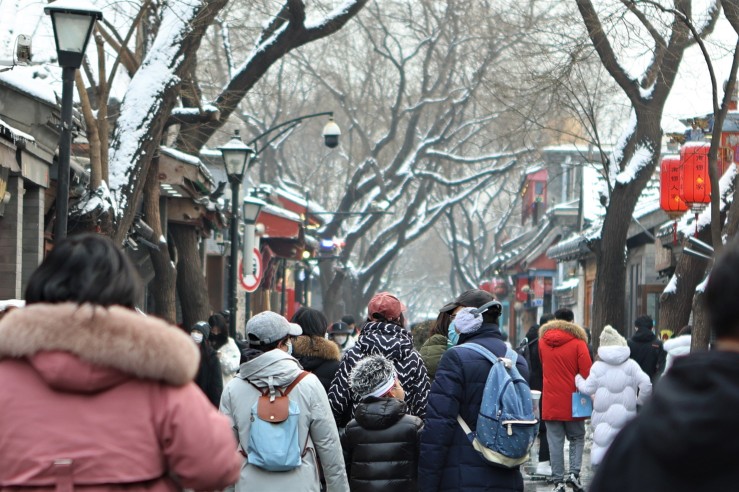
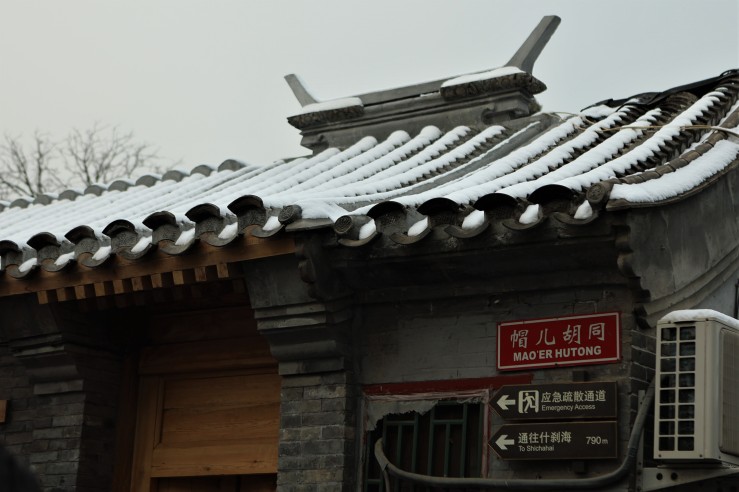
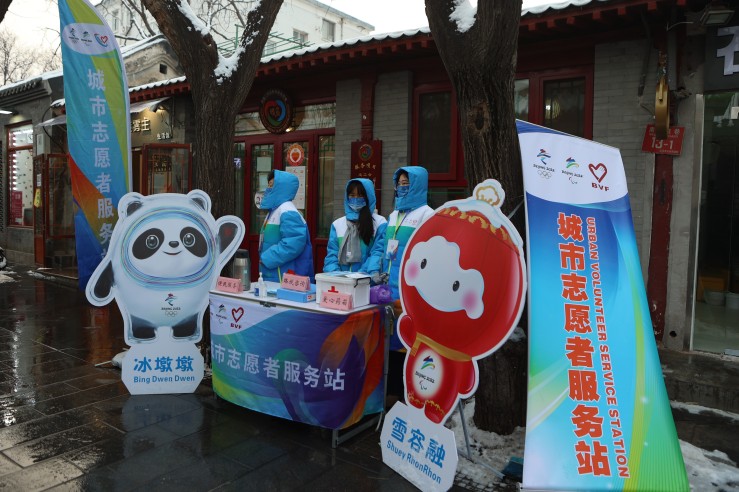
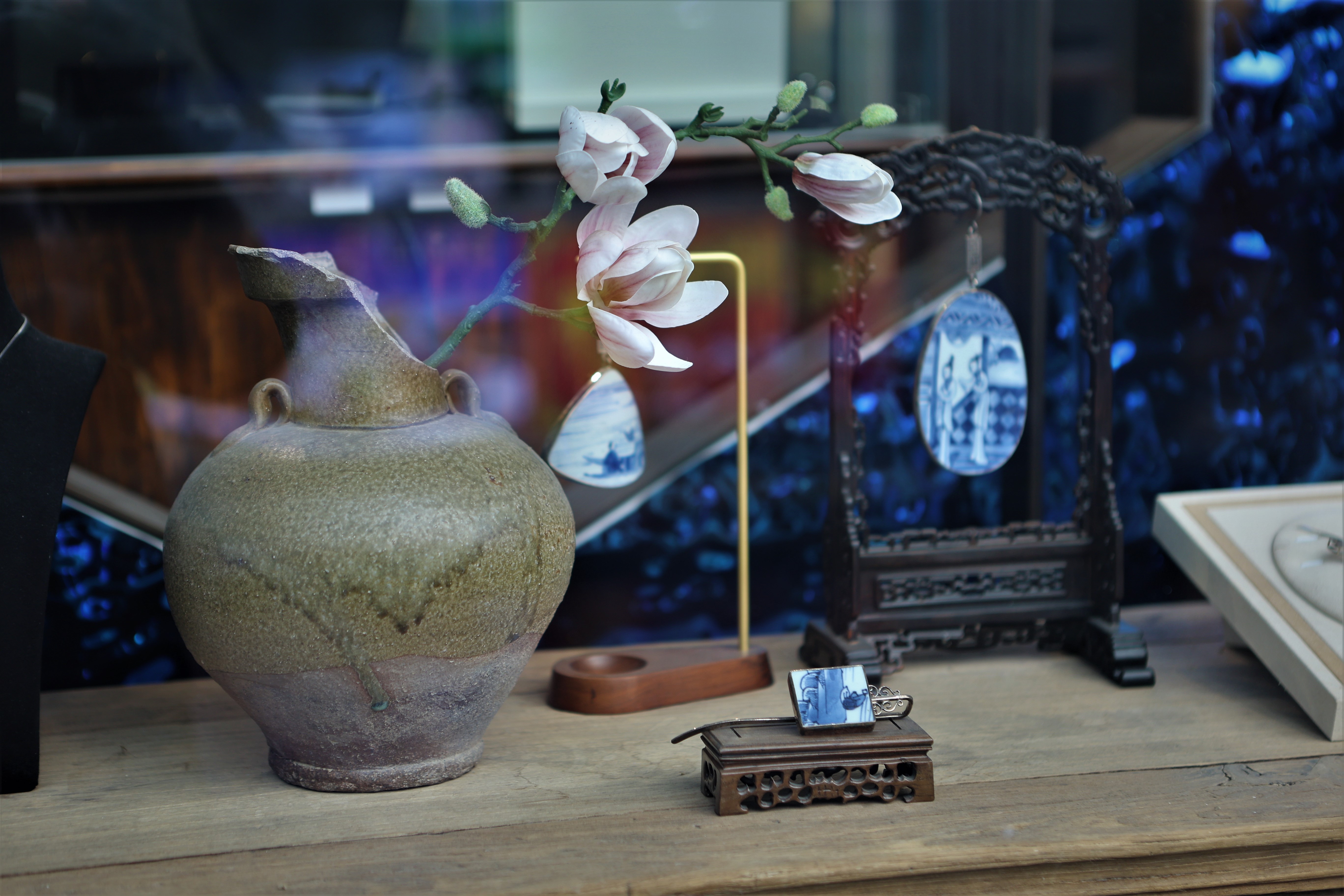
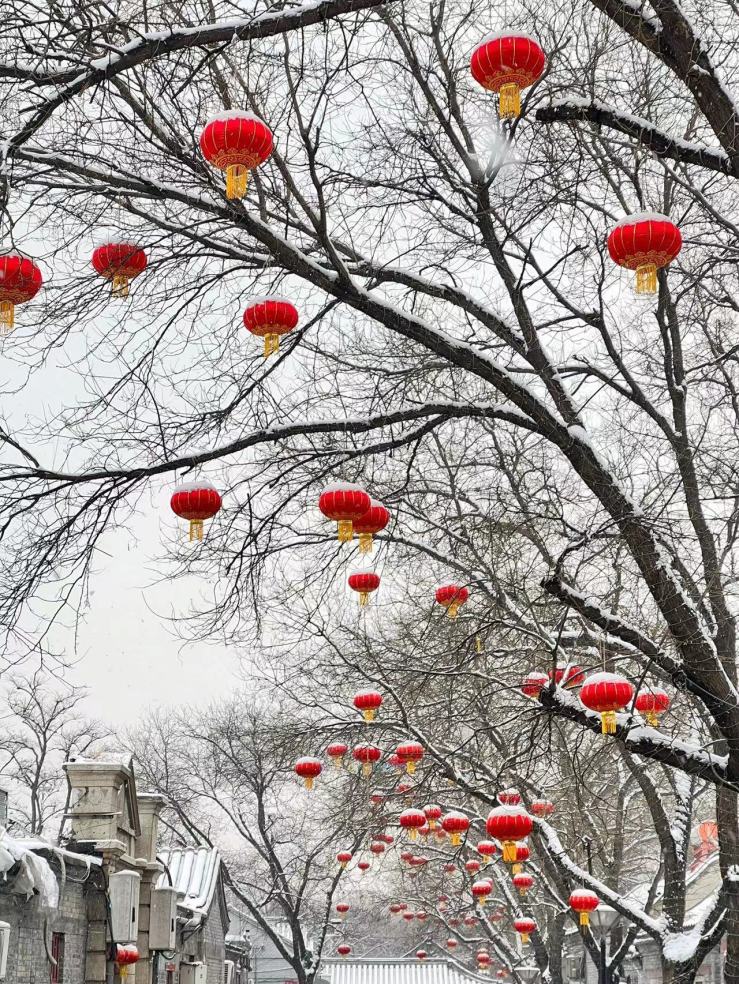
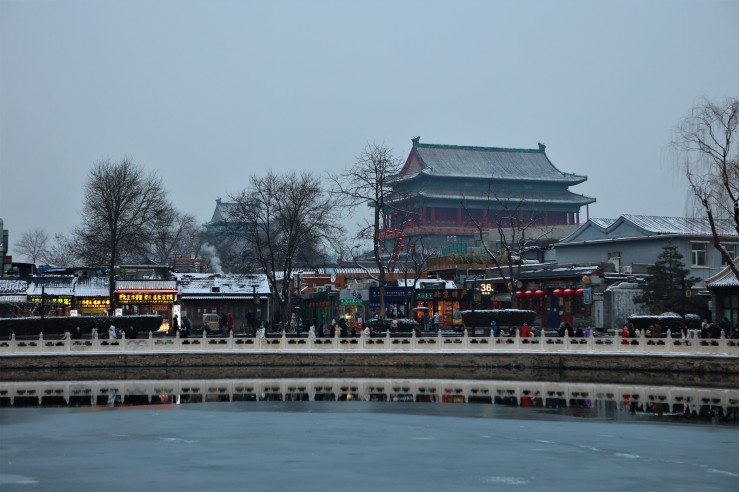
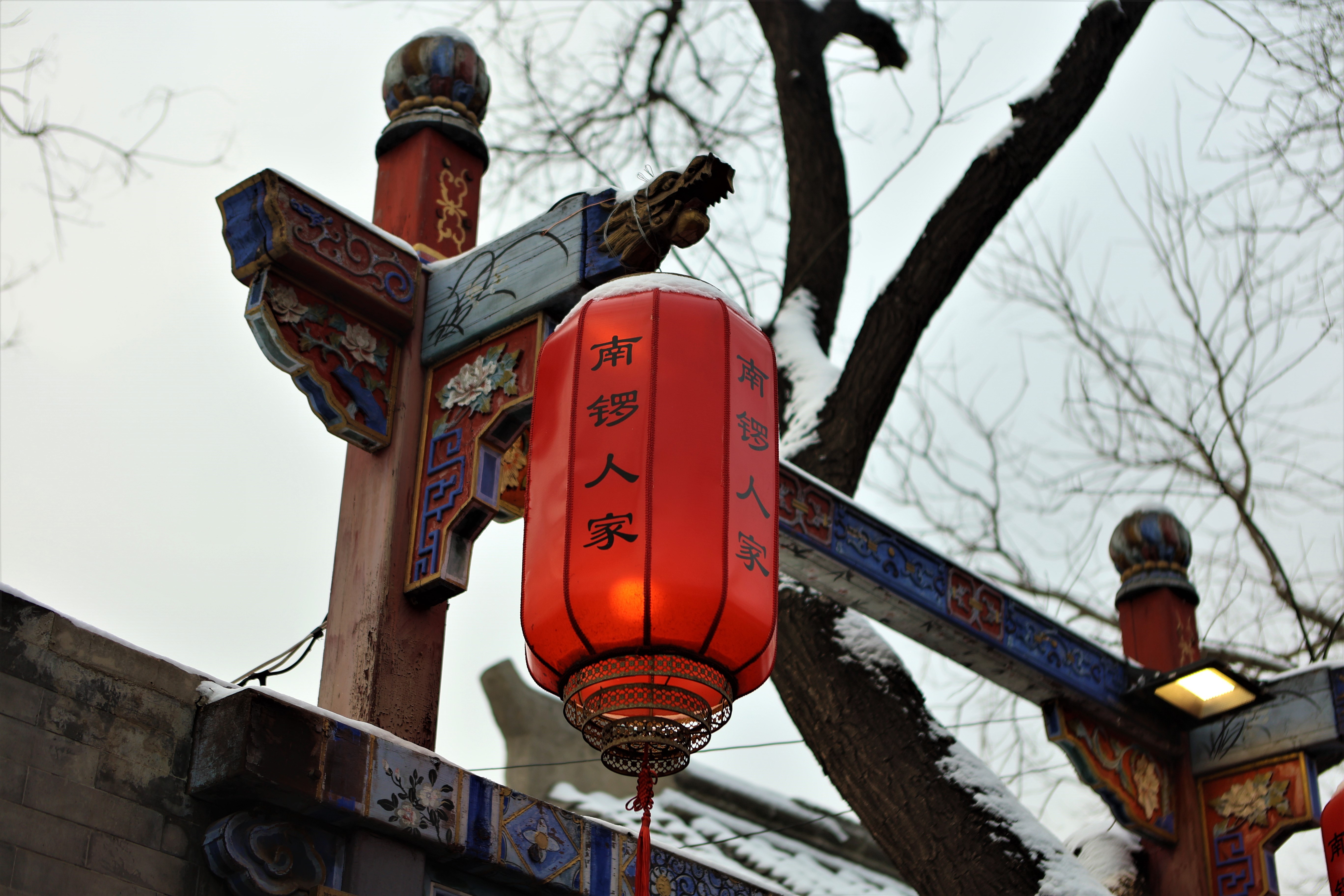
Beijing’s most lively hutong with a strong New Year’s flavor Nanluoguxiang is full of antiques after the snow. Bai Xue made the quaint hutong extraordinarily charming. Under the red lanterns, the bustling crowd was very lively. There is also a Winter Olympics Volunteer Service Station on the side of the road, providing convenient services such as route consultation for friends who come and go! #Beijing can be so beautiful Today Xiaonian Meet the beautiful the most stunning street scenes …

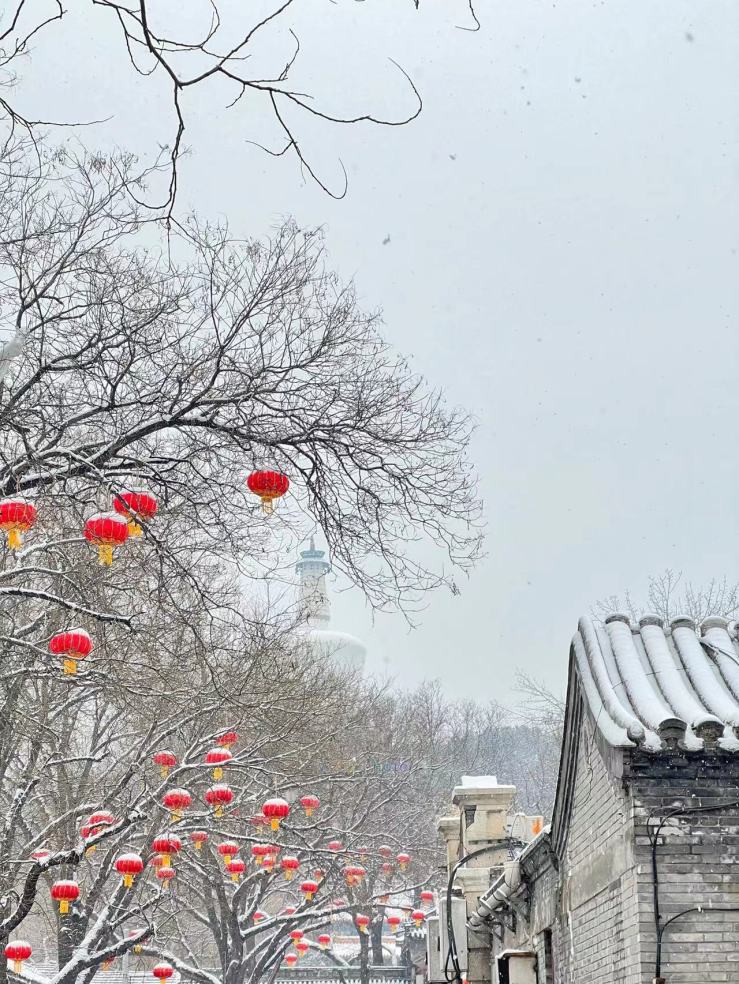
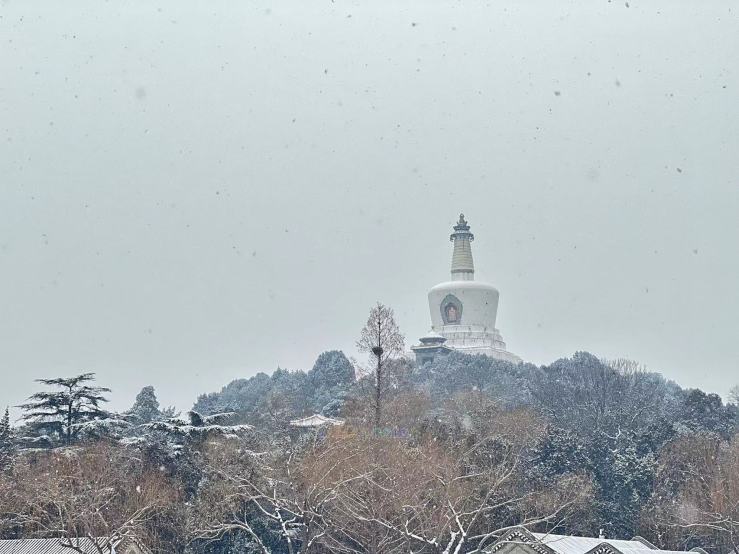
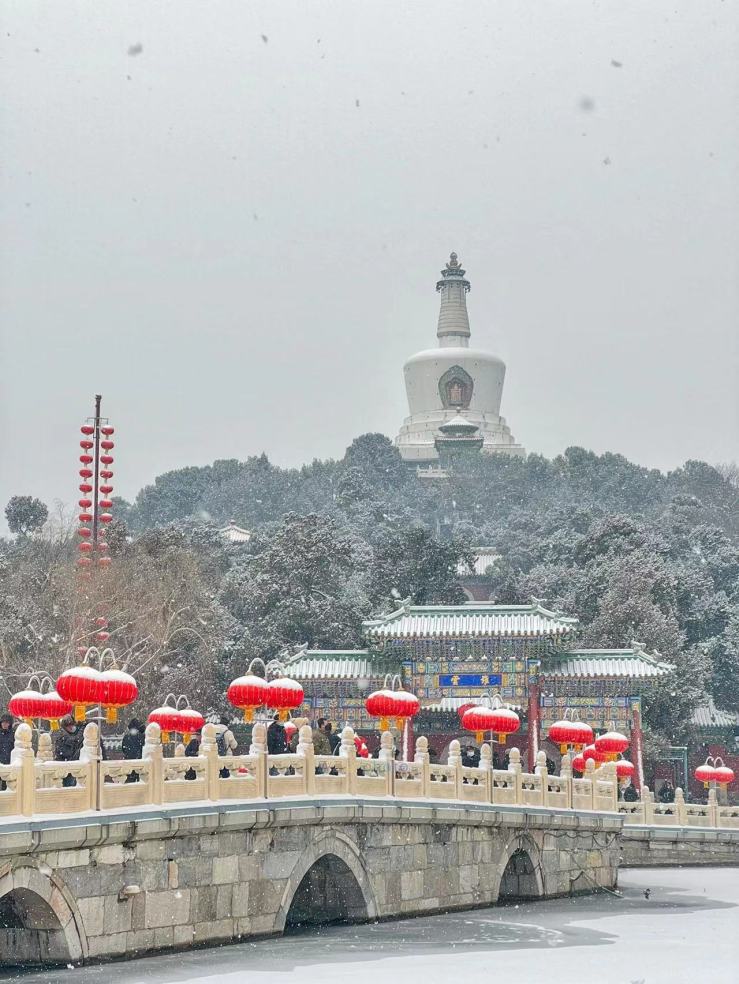
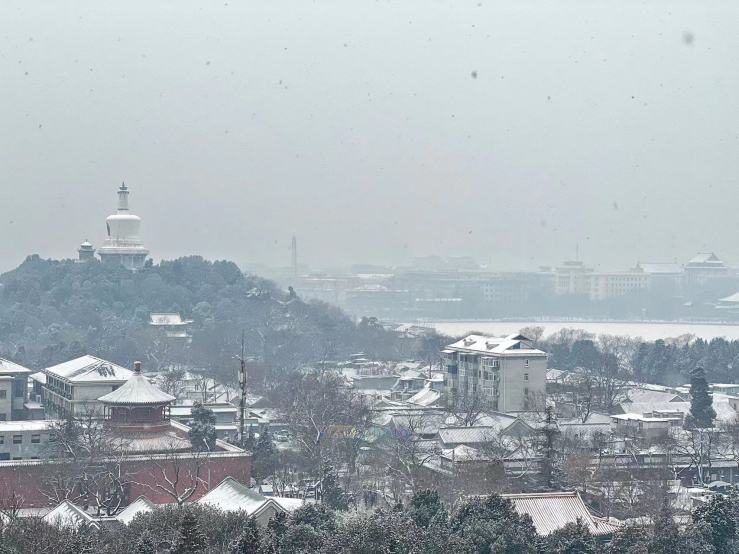
Red Lantern Yingbai Pagoda A snowy snow made Beihai Park extra romantic, and the bright red lanterns added a bit of color to Beihai Park. It is also more agile under the background of white snow! #Beijing can be so beautiful Meet the beautiful Beijing….

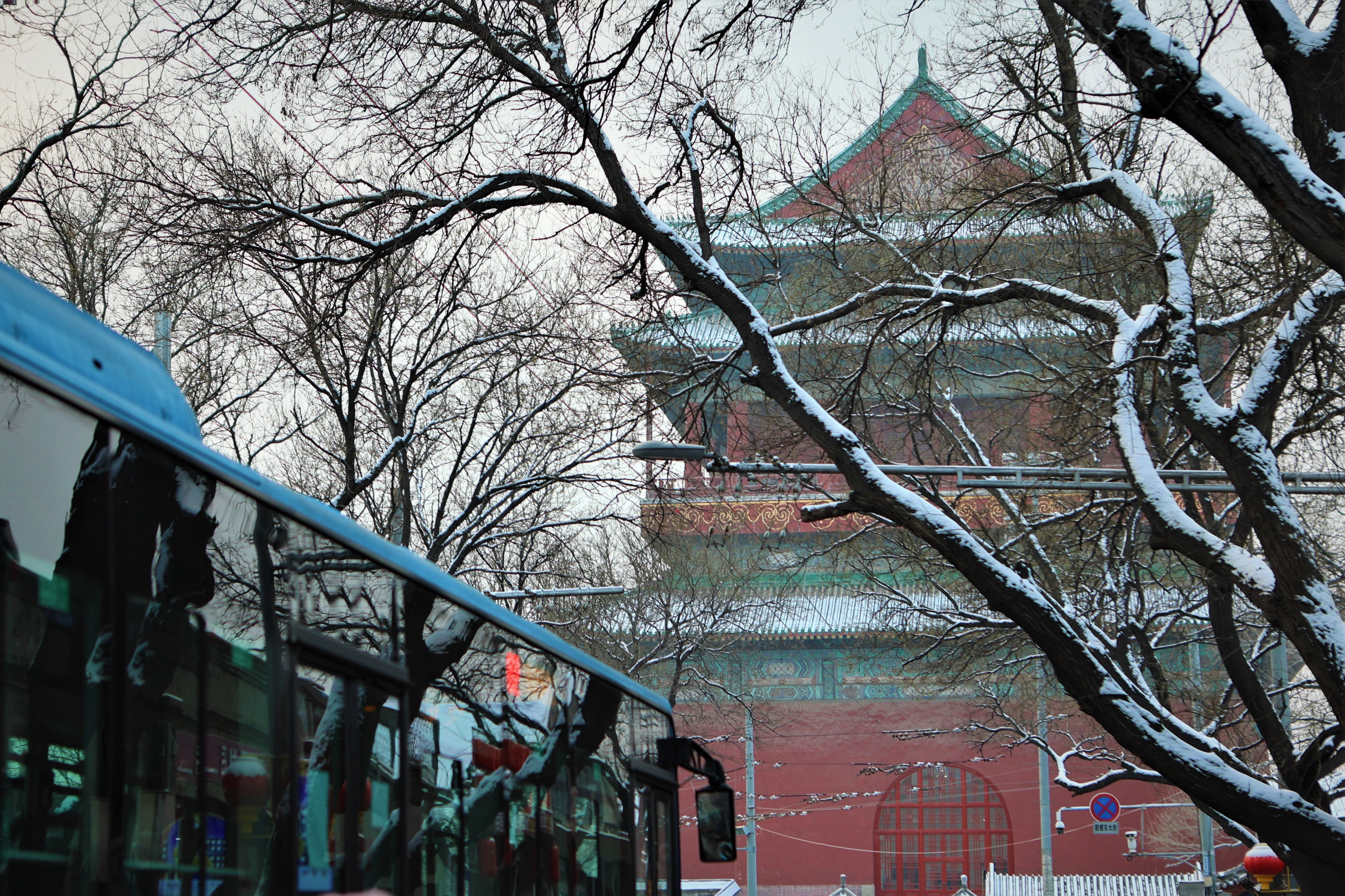
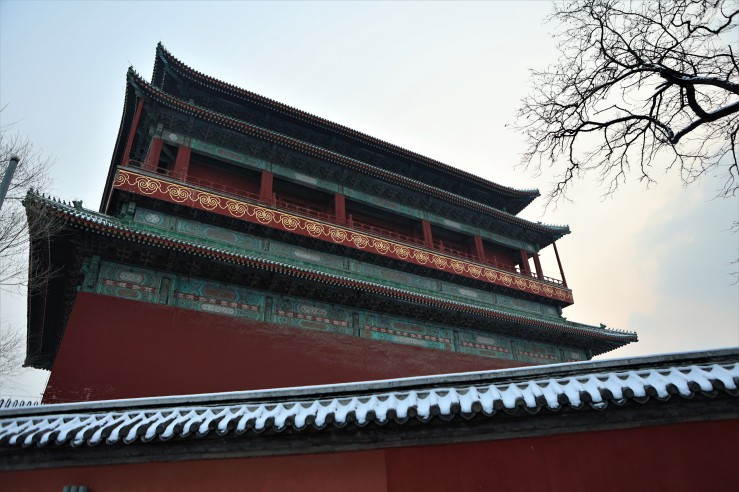
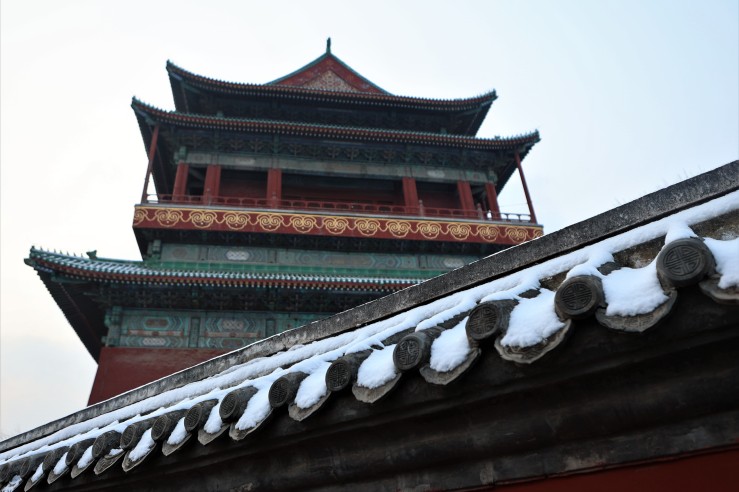
的地儿The Bell and Drum Tower after the snow turned into a silvery white. Walking in it is like being in a thousand years away. When it snows, Beijing becomes Beiping. Who can refuse to go to the Bell and Drum Tower to experience the beauty of winter charm of the ancient capital in this swirling season……

Imagines credits are of the Forbidden City –Imperial Palace –Beijing – China- People’s Republic of China also from the Series Weibo北京卫视上新了故宫 Treasures in the Forbidden City…

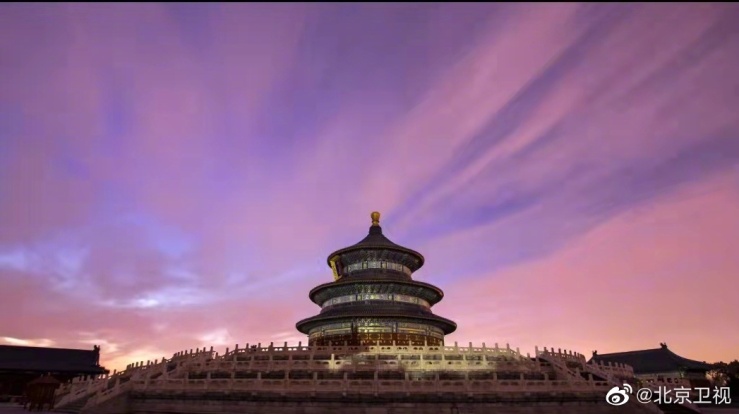
#北京  #中國 #China #Beijing | #紫禁城 #ForbiddenCity #January2022 | #北京卫视上新了故宫 The Forbidden City on Beijing Satellite TV| In Beijing turns out to be so beautiful# #天坛#TempleOfHeaven 13th January 2022…… #AGallery

天壇 The Temple of Heaven In winter- Temple of Heaven: an Imperial Sacrificial Altar in Beijing…….the Temple of Heaven Park is full of a peaceful atmosphere. The sun is rising, and the sky is full of purple clouds. Between the clouds and clouds, the morning glow spreads over the earth. The glazed tiles of the Hall of Prayer for Good Harvest shone with stars and stars under the rays of the sun, as if the beauty of the Heavenly Palace had fallen into the world. Beijing turns out to be so beautiful

The Temple of Heaven Park is located in the south of Beijing, on the east side of Yongdingmen Inner Street in Dongcheng District. It covers an area of ​​about 2.73 million square meters. The Temple of Heaven was built in the eighteenth year of Yongle in the Ming Dynasty (1420), and was rebuilt during the reign of Emperor Qianlong and Guangxu of the Qing Dynasty. It is now a world cultural heritage , a national key cultural relics protection unit , a national AAAAA-level tourist attraction , and a demonstration site of a national civilized scenic tourist area .

In the Ming and Qing dynasties, the Temple of Heaven Park was the place where emperors offered sacrifices to the emperor and prayed for the harvest of the five grains. The Temple of Heaven is a general term for the two altars of Yuanqiu and Qigu. There are two altar walls, forming an inner and outer altar. The main building is the inner altar, the round mound altar is in the south, the Qigu altar is in the north, and the two altars are on the same north-south axis, separated by a wall. The main buildings in the Circular Mound Altar are the Circular Mound Altar, the Emperor Vault, etc. The main buildings in the Praying Valley Altar are the Hall of Prayer for Good Harvest, the Hall of Emperor Qiang, and the Gate of Prayer for Chinese New Year’s .

During the Ming and Qing Dynasties According to historical records, there are formal sacrifices to heaven and earth, which can be traced back to the Xia Dynasty in the second millennium BC, which was still a slave society. Ancient Chinese emperors called themselves “Son of Heaven”, and they revered heaven and earth very much.

The Temple of Heaven was built in the shape of Nanjing in the eighteenth year of Yongle in Ming Dynasty (1420). In the ninth year of Jiajing (1530), Emperor Jiajing listened to the minister’s words: “In ancient times, people worshipped the sky on Yuanqiu and the earth on Fangqiu. Those on Yuanqiu were the hills on the ground in the southern suburbs. The hills were round and high, so they resembled the sky. The hill in Zezhong in the northern suburbs, the hill goes down from the side, is like the earth.” So it was decided to divide the sacrifices between heaven and earth, building a round hill in the south of the Great Sacrificial Hall to worship the sky, and building a Fangze altar outside the Anding Gate of the northern city to worship the earth . In the thirteenth year of Jiajing (1534), Yuanqiu was renamed the Temple of Heaven, and Fang Ze was renamed the Temple of Earth. After the Great Sacrificial Hall was abandoned, it was changed to the Altar of Prayers. In the seventeenth year of Jiajing (1538), the altar of prayer for grain was abolished. In the nineteenth year, another Daxiang Hall was built on the altar, and it was completed in twenty-four years.

In the 16th year of Emperor Qianlong’s reign (1751), it was renamed the Hall of Prayer for Harvest. It has been repaired and expanded many times since then.
Imagines credits are of the Forbidden City –Imperial Palace –Beijing – China- People’s Republic of China also from the Series Weibo北京卫视上新了故宫 Treasures in the Forbidden City…

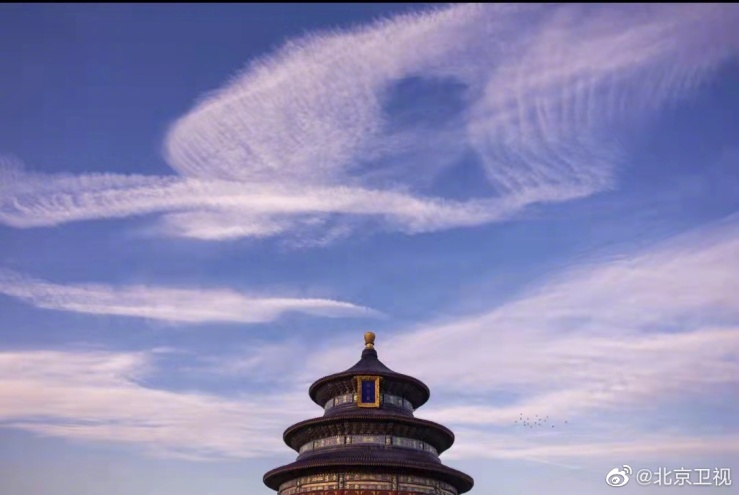
#北京  #中國 #China #Beijing | #紫禁城 #ForbiddenCity #January2022 | #北京卫视上新了故宫 The Forbidden City on Beijing Satellite TV| In Beijing in winter the clouds in the sky are like blooming hibiscus flowers 12th January 2022…… #AGallery

On  a very clear wonderful elegant beautiful 12th January 2022 week  in which following  Least  than a month time 4 February 2022 is the Beijing winter Olympics  in which  The Capital of China – People’s Republic of China –  万多洛云大美京城  In Beijing in winter, the clouds in the sky are like blooming hibiscus flowers, which are very beautiful. The rising sun will turn thousands of miles of clouds into golden yellow, rendering the dreamiest colours. The moat still reflects the sky in the rippling blue waves, like water and sky….

In this year’s 2022 , the second decade from the turn of the century in Beijing the Capital of China also the People’s Republic of China, in which is also the year of the rat, marking its six hundred years anniversary of the Forbidden city that marks the transitional point of in between the middle of the Ming Dynasty (1368- 1644) transitionally from Nanjing to Beijing towards the Qing Dynasty (1636-1644-1911) …. The Imperial Palace seen so many countless seasonally transitional equinoxes but further its six hundred years is iconic, but it’s five hundred ninety nine years it marks it Autumn Equinox…. In which it only took twelve years to build the same of the Daming Palace of The Tang Dynasty Xian Imperial Capital only it was least twenty times larger…

Imagines credits are of the Forbidden City –Imperial Palace –Beijing – China- People’s Republic of China also from the Series Weibo北京卫视上新了故宫 Treasures in the Forbidden City…
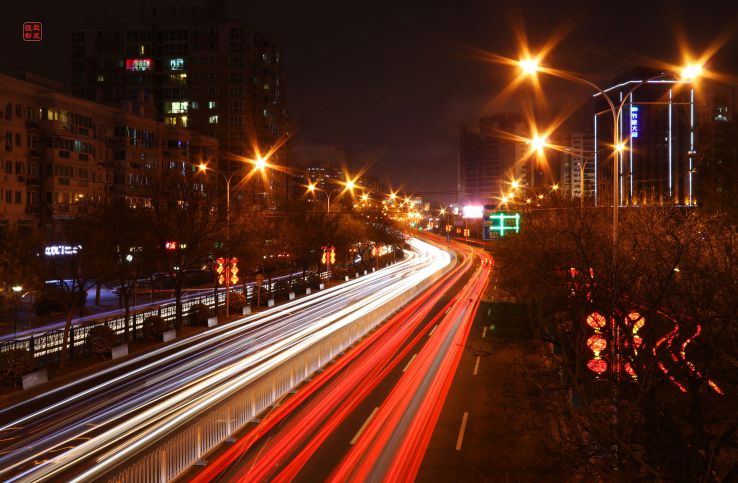
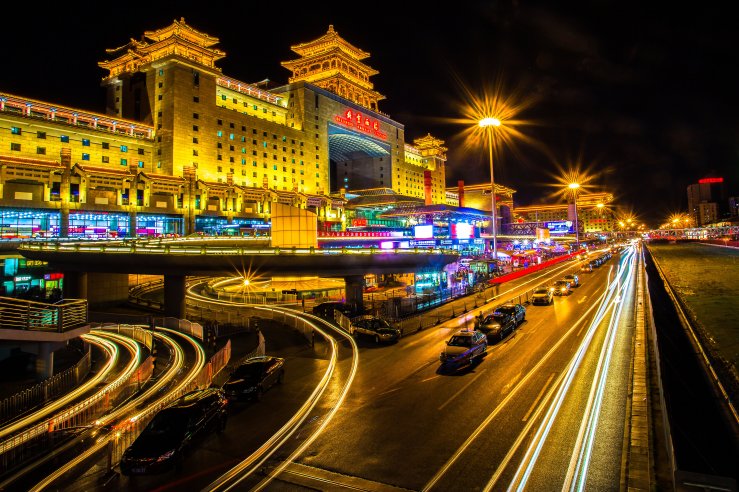
#北京。 #中國 #China #Beijing | #紫禁城 #ForbiddenCity #January2022 | #北京卫视上新 了故宫 The Forbidden City on Beijing Satellite TV|#北京夜色原来可以这么美- Beijing night can be so Beautiful …… #AGallery

On  a very clear wonderful elegant beautiful 13th January 2022 week  in which following  Least  than a month time 4 February 2022 is the Beijing winter Olympics  in which  The Capital of China – People’s Republic of China –  Beijing night can be so beautiful …… As night falls, neon lights adorn the streets and alleys of Beijing, and the bustling streets flow like rivers, like a dragon, as if bringing people into a wonderful world!

In this year’s 2020, the second decade from the turn of the century in Beijing the Capital of China also the People’s Republic of China, in which is also the year of the rat, marking its six hundred years and two anniversary of the Forbidden city that marks the transitional point of in between the middle of the Ming Dynasty (1368- 1644) transitionally from Nanjing to Beijing towards the Qing Dynasty (1636-1644-1911) …. The Imperial Palace seen so many countless seasonally transitional equinoxes but further its six hundred years is iconic, but it’s five hundred ninety nine years it marks it Autumn Equinox…. In which it only took twelve years to build the same of the Daming Palace of The Tang Dynasty Xian Imperial Capital only it was least twenty times larger…

Imagines credits are of the Forbidden City –Imperial Palace –Beijing – China- People’s Republic of China also from the Series Weibo北京卫视上新了故宫 Treasures in the Forbidden City…