On the 7th November 2021 Monday week the Forbidden City palace – Beijing –China- People’s Republic of China, in which it is the first day of winter in which early this morning on pasting Thursday midnight in which it previously it was raining in which then is finally snowed showing the first sign for winter. As the Chinese 24 solar terms indicate, November 7 is the beginning of winter this year. What does Beijing look like when winter arrives of Beijing First Snow..
Previously week it was autumn in with beautifully blue skies painted the canvas of Amberically Ginkgo tree leaves of the Beijing Forbidden city landscape Chinese Painting white Clouds storytelling Beijing Ancient postmodern megatroplis city scape… along the 601 year old Forbidden city is looking from inside of the Forbidden city in which it’s trees glow in the Autumn Sunlight… in which Autumn sunlight amberically glowing the Ginkgo trees of the Grounds of the Forbidden city in which as Autumn folds towards transitionally changing like those scenes of storytelling of 延禧攻略 Story of the Yanxi Palace where then Wei Yinglu –Empress Imperial Noble Consort imperial Noble Consort Ling Empress Xiaoyichun (孝儀純皇后 played by Actress Wu Jinyan character in which show case many leading world Chinese inventions elements of how keep warmth from hand held warmers, to Central Heating beds and Under Floor heating. In the Same Era of Qing Dynasty Emperor Qianlong of storytelling如懿传Ruyi’s Royal Love in the Palace of Empress Ula Nara Ruyi 乌拉那拉·如懿 Empress Xian played by Zhou Xun on the grounds of the gate of the Yanxi Palace in which has a strong rich history…..
Its the second decade from the turn of the century in Beijing the Capital of China also the People’s Republic of China, in which is also the year of the rat, marking its six hundred years anniversary of the Forbidden city that marks the transitional point of in between the middle of the Ming Dynasty (1368- 1644) transitionally from Nanjing to Beijing towards the Qing Dynasty (1636-1644-1911) …. The Imperial Palace seen so many countless seasonally transitional equinoxes but further its six hundred years is iconic, but it’s five hundred ninety nine years it marks it Autumn Equinox…. In which it only took twelve years to build the same of the Daming Palace of The Tang Dynasty Xian Imperial Capital only it was least twenty times larger……
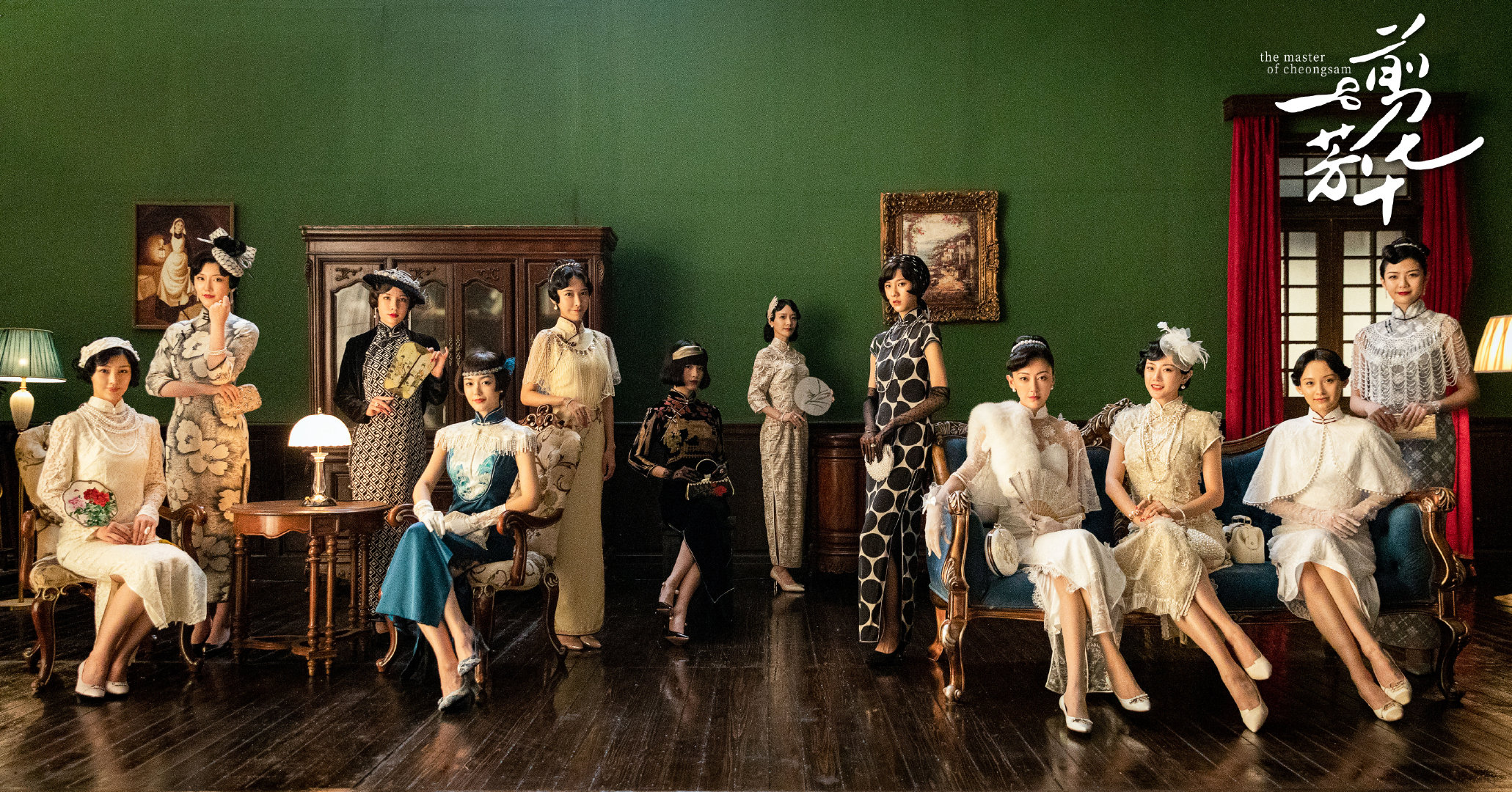
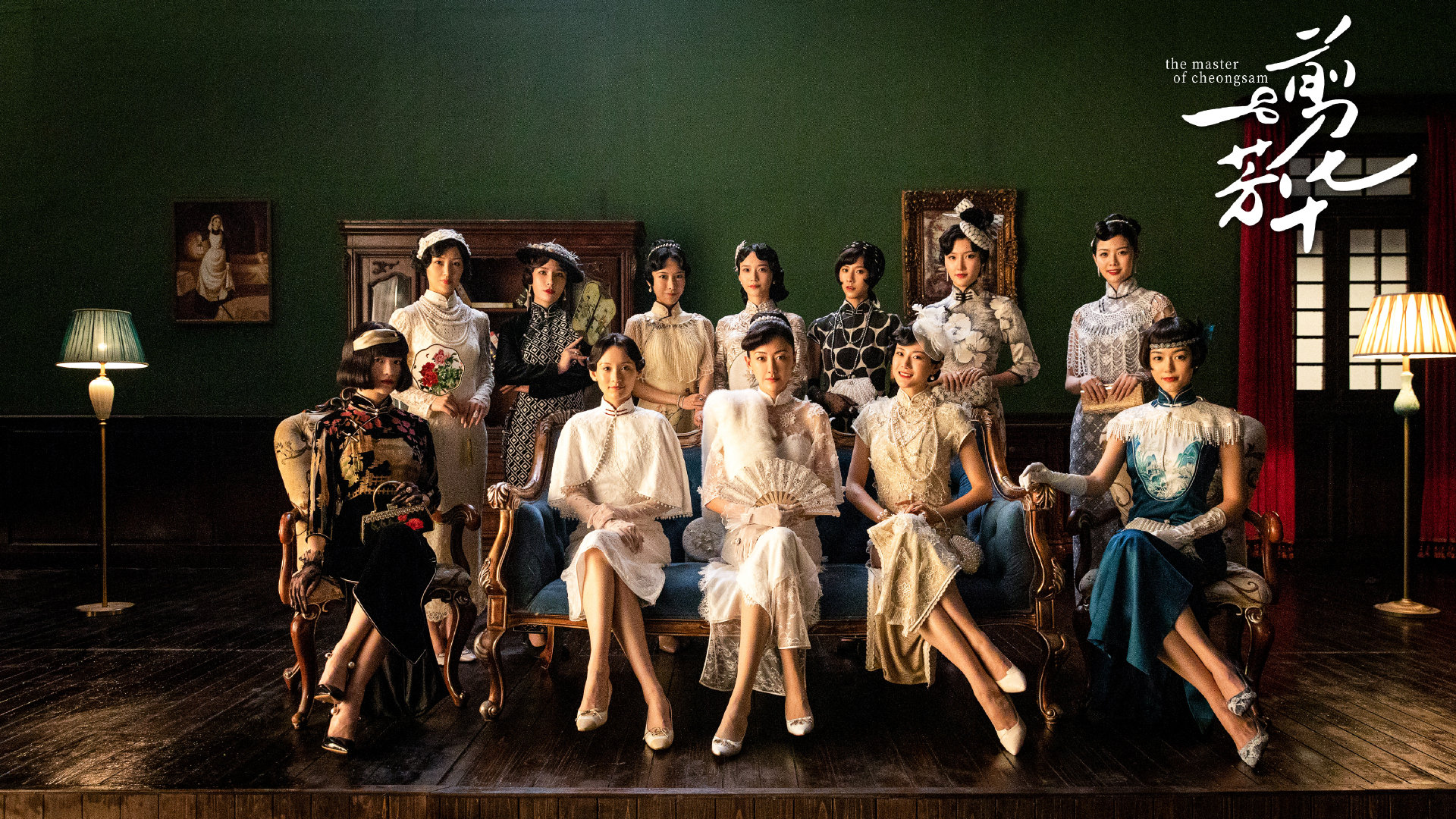
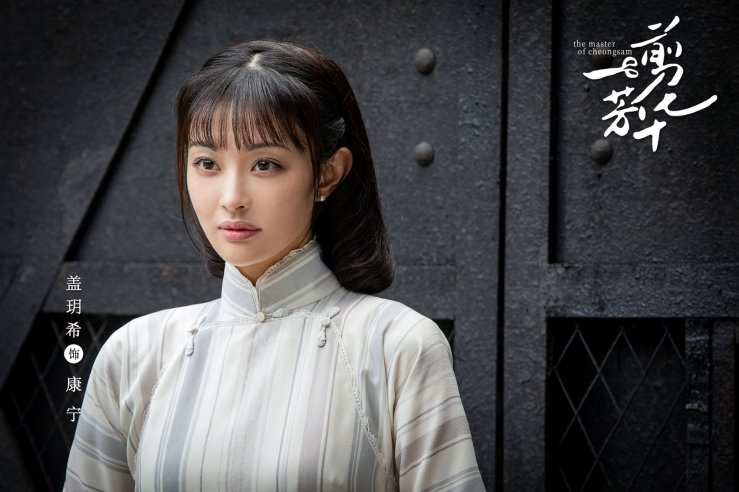
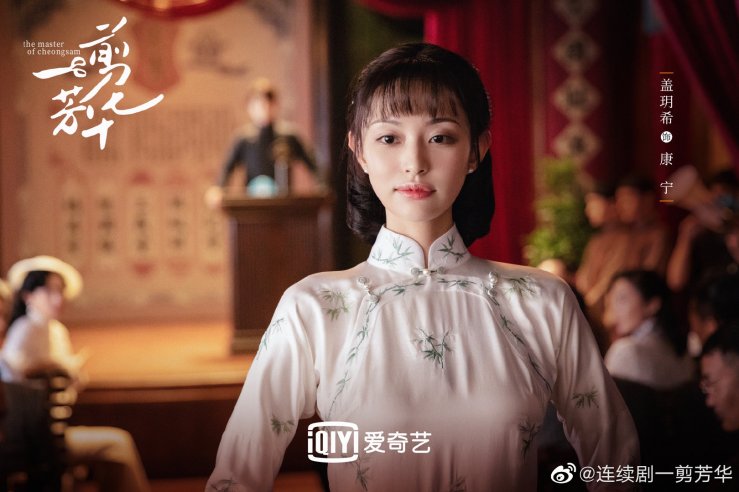
Currently watching on an October 2021 month 一剪芳华 The Master of Cheongsam in which is set in as a period drama with forty episodes broadcasting on iQyi- Tencent in which first aired on 31st August 2021, written by Hua Fu Chuan Qi (华服传奇) by Er Huo (尔火), Director Zhang Feng, in which film on iQiyi, Xu Dong Film… Featuring Zhang Hao Wei as Lu Yuanzhi also Gai Yue Xi as Kang Ning….
The story line sets out in the later period of the Qing Dynasty Era 1908 Guangxu Emperor and the powerful Empress Dowager Cixi in which its premise is as Historical Romance Drama, in which sets on the Historical Fiction of the illegal Fallen Republican Era from the Qing Dynasty ear in which the Series is adapted from the Novel “Hua Fu Chuan Qi” (华服传奇) by Er Huo (尔火)
The premise After Lu Yuan Zhi fell apart with his teacher and suffered oppression from his seniors, he left Beiping in which was the now Beijing the imperial and existing modern Capital of China- People’s Republic of China… the lead character Lu Yuan Zhi heads to Shanghai. With his hard work, he earns recognition in Shanghai. When war erupts in Beiping- Beijing , Lu Yuan Zhi heads back and swore not to make cheongsams for the Japanese. He uses his skills to become one of the greatest 20th Century fashion Tailors designers of China.
Synopsising is The rebellious Lu Yuanzhi caused a disaster to the Su family because of a dispute. Senior brother Jiang Mosheng was forced to recognize Master’s old enemy Baihe Nian as his father. Lu Yuanzhi was determined to share the worries for his master Su Jingan and take on the important responsibilities of the Su family. In the chaos and ups and downs, the tailor’s talent for making clothes gradually shined in the capital. The new style of cheongsam he designed made him famous and led the new trend of dressing in the capital. But with ill-fated fate, Lu Yuanzhi was forced to flee to Shanghai in order to save his beloved. He repeatedly hit the wall and hit the beach by himself. Lu Yuanzhi returned to Beijing again, but because he mistrusted his partners, he risked an unprecedented crisis in the capital garment industry. No matter how turbulent the world is, Lu Yuanzhi has worked hard to study, inherit, and innovate to make the cheongsam he wants to make. The great feelings of a little tailor eventually become a legend
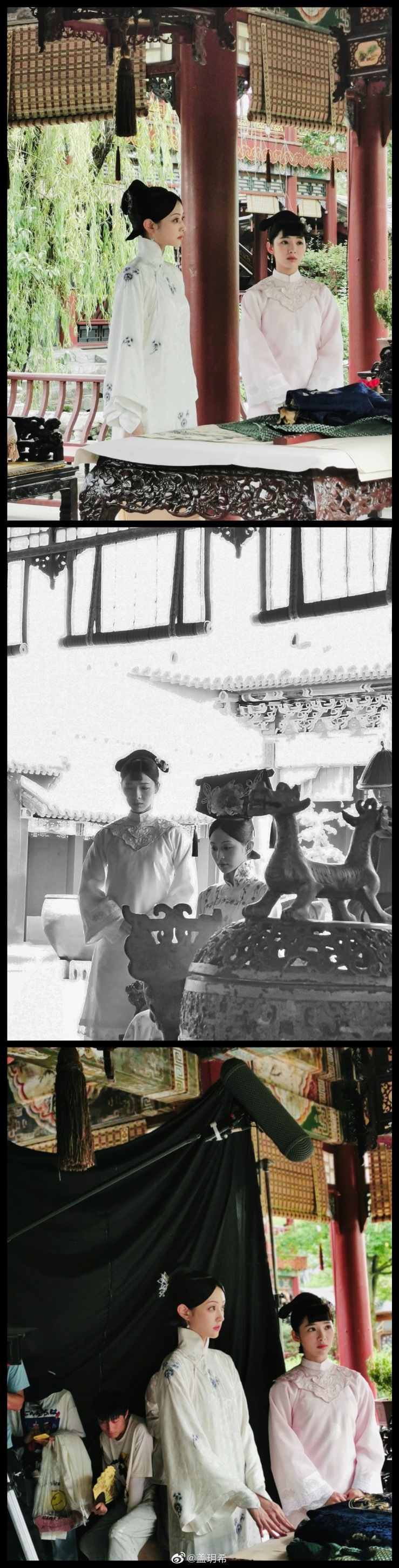
盖玥希 Gai Yue Xi whom cast as Princess Kang Ning (her late mother was the former Princess Royal, sister to Guangxi Emperor). Kang Ning lives with her father and stepmother who hates her and vice versa………in as leading character actress盖玥希 #Gai Yue Xi born in 18th November 1992 in Chengdu – Sichuan Province China – People Republic of China . s an actress and model from Mainland China……….In 2013, Ge Yuexi won the national championship of Ruili Cover Girl Model Contest and officially debuted as a model. In 2015, starred in his first movie “Magic Wheel “, playing the role of “Long-legged Hot Girl”. In 2016, co-starred with Wu Qian in the youth inspirational drama ” The World Doesn’t Look at the Face “. In 2019, starring in the urban drama “Youth Fight ” directed by Zhao Baogang ; in July of the same year, starring in the youth movie ” Back to the Past and Embrace You ” Also in which 2020, starring in the urban suspenseful love drama “The First Encounter, The Last Parting “.
QIPAO 旗袍 Cheongsam …. In which from historically Shenyang is the birth place of the Qing Dynasty 1636-1912plus …. In which Qipao is termed for Qing Dynasty Clothing that the Manchu ethnic adoptively wore…… in which the Shenyang Palace Museum was an imperial palace towards two Qing Dynasty emperors. Previously two years ago During the event it which was an eight day forums, with exhibitions also related workshops illustrating the birth place of the Old Capital of Cheongsam where the Qing Dynasty- Qipao was inspired from..
Before that Shanghai 1930’s Qipao-Cheongsam revolution, the Manchurian Cheongsam was the fashion of choice of the Qing Dynasty (1636-1912) throughout as it standardised that style during the dynasty… Replacing the previous clothing standard Han Fu – Han Dynasty clothing style, in which also is form fitting towards the women’s silhouette but with a higher degree of freedom of flare of personal, individual style…
Qipao-Cheongsam is uniquely hand crafted tailored Chinese dress to the customer’s various measurements… in which you can still have them brought of the rack in which is accustomed to the standard measurements… in which you can tell which is western influenced with the back zipped in which the Eastern traditional Chinese Tailors would have the side zipped of the Qipao dress due it interrupts the flow of the pattern work at the back of the dress.. Also it creates a continuous seamless back look… after as the measurements are translated drafted onto the silk or the customer desired accustomed fabric of choice, from the measurements book with the associated look of the design elements with additional accessories the sexiness of Qipao lies subtlety.. Measuring, patterning, cutting, and button making are crucial, in where passion and art comes together in tailoring
In which traditionally Qipao- Cheongsam dresses are worn for from straight forwardly every day towards after work evening wear in without having to change to another set of wardrobe dressing only to accessories for the required occasion… … in which the Qipao dress pattern silhouette is design for the lady’s figure in which accentuating the silhouette without giving away too much of what’s underneath in retaining…. its timeless classic silhouettes in which are designed to be worn every day, from work, evening, casually towards to the weekend… with sleek simple, elegant, sexy intelligent sophistication in which are easy to be accessorised with any pieces of clothing in your current or upcoming wardrobe…
Images and visuals are from Weibo also from their respectives
Located in an ancient post-modern Two Thousand four Hundred years old ultra Megatroplis city Chengdu City, Sichuan Province – China – People’s Republic of China, 乐婵华服 Lecha Huafu – Chengdu Shikoudi Cultural Communication Co., Ltd…. Innovatingly Post Modern Qipao- Cheongsam …. in which innovatively bringing a New Chinese style cheongsam-Qipao high-end brand-Embroiderer…….it is committed to the high-end private specialization of Chinese Shanghai style cheongsam… in which each dress is customised towards the wear’s in which tailoring takes least in between 20-60 days depending on the extremely level of detailing of brocade in which using the most finest heavy silks are hand sewn and crafted …..
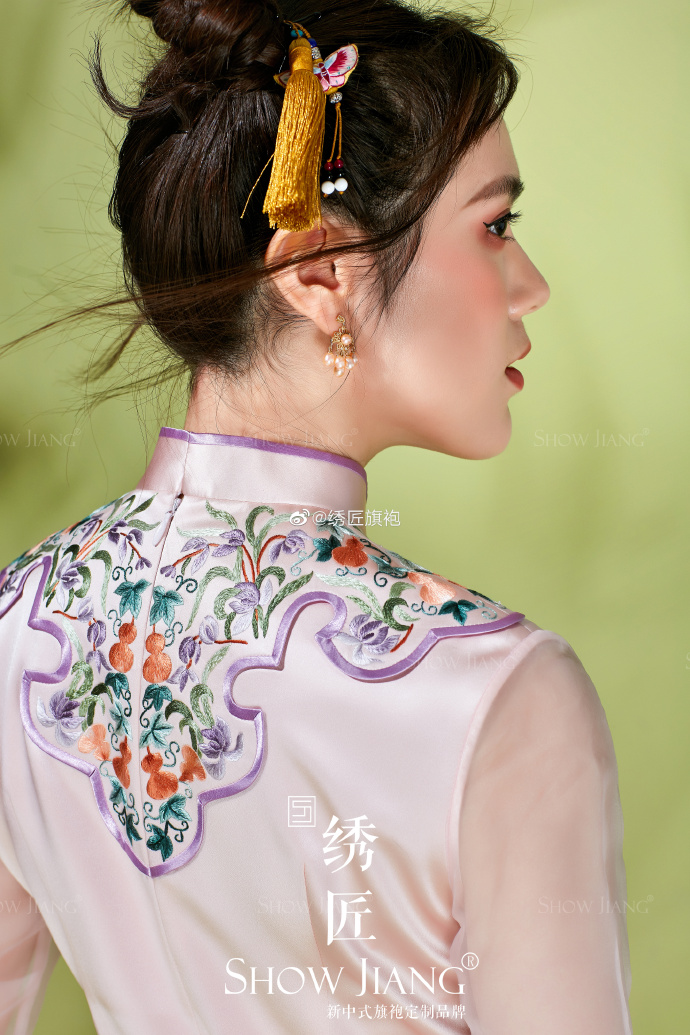
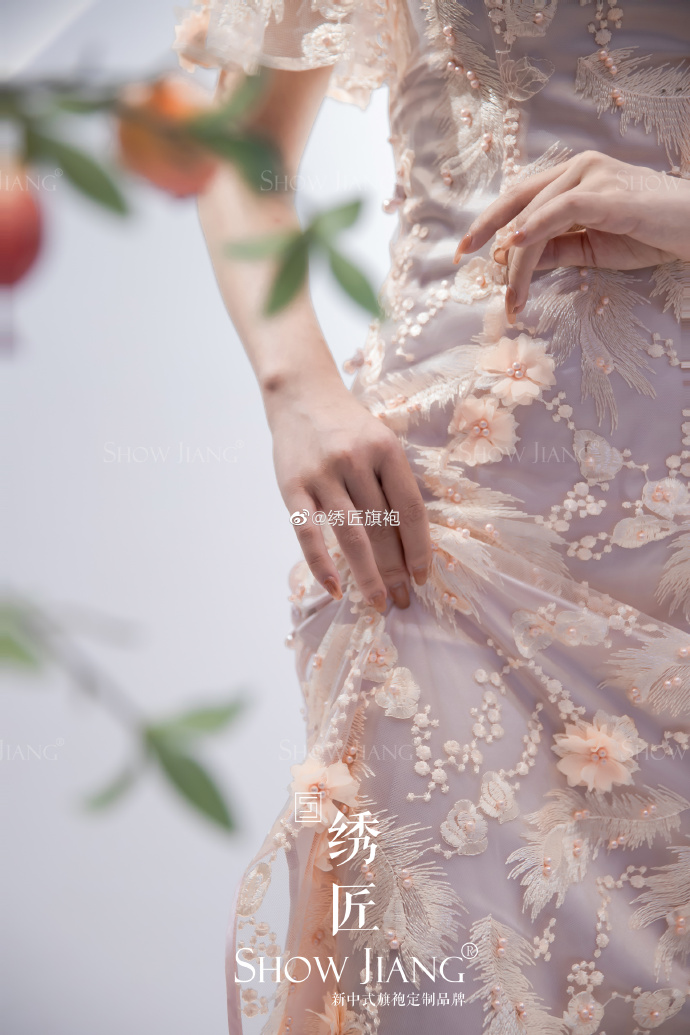
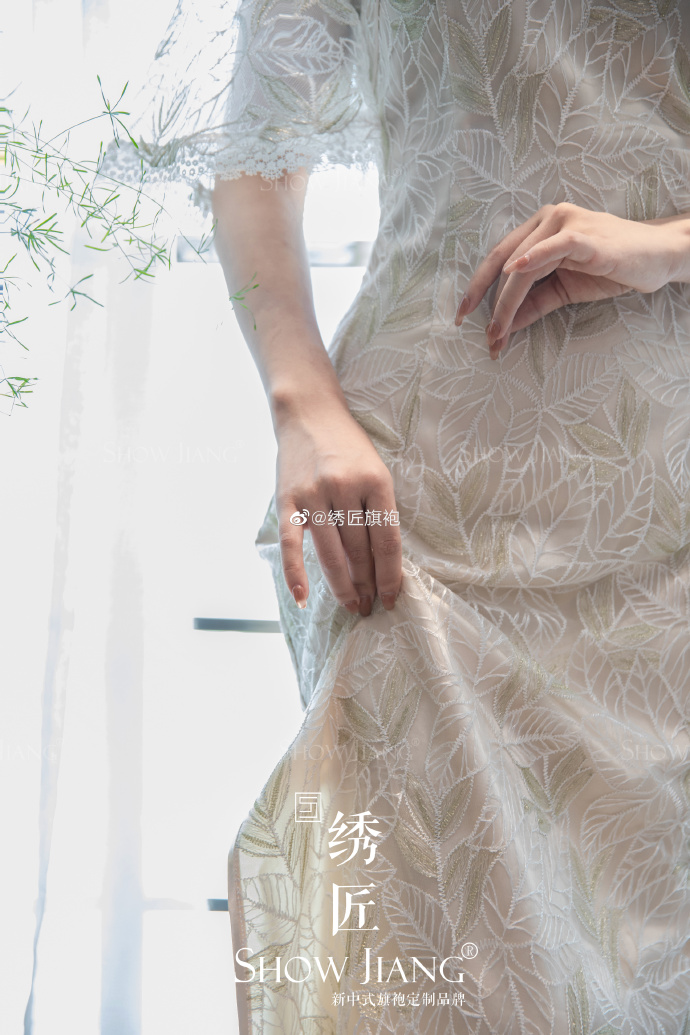
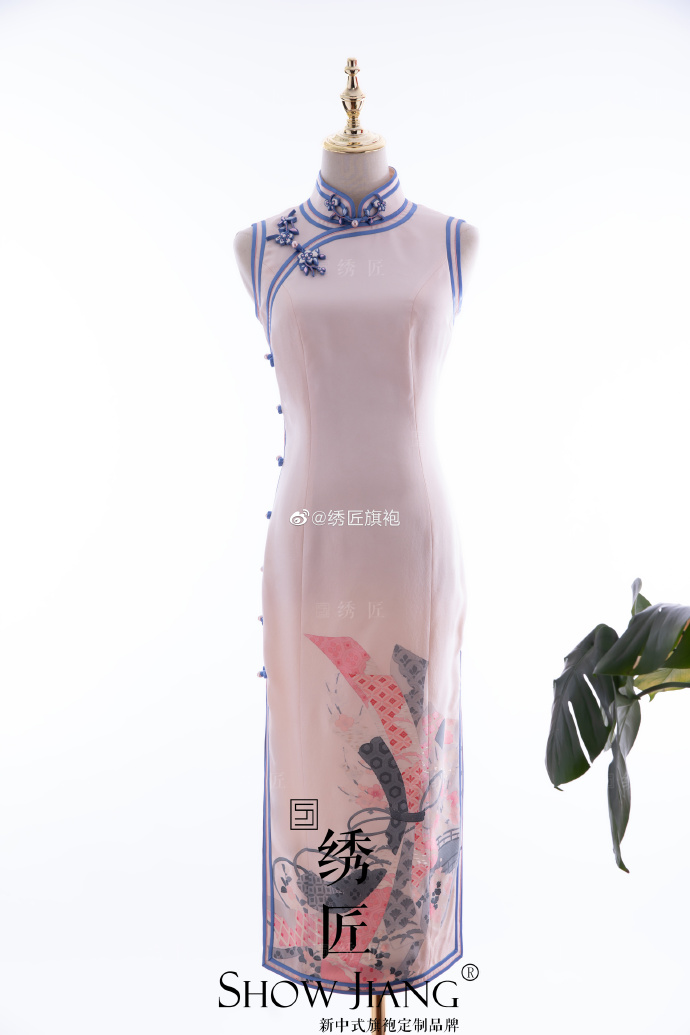
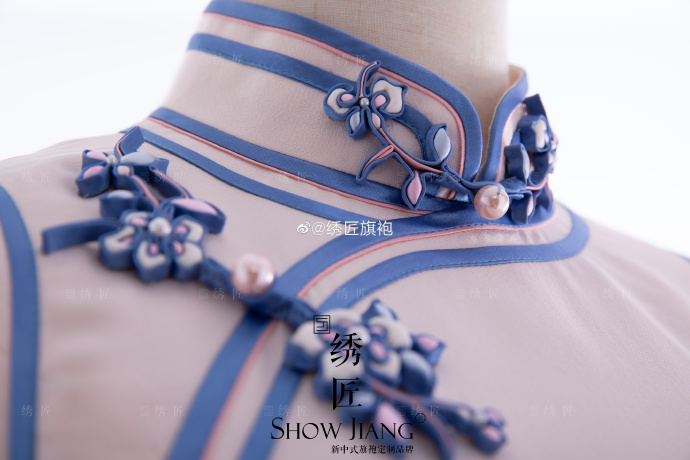
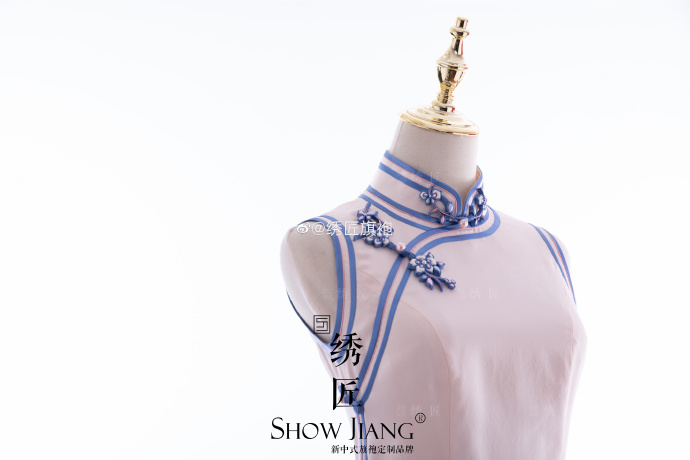
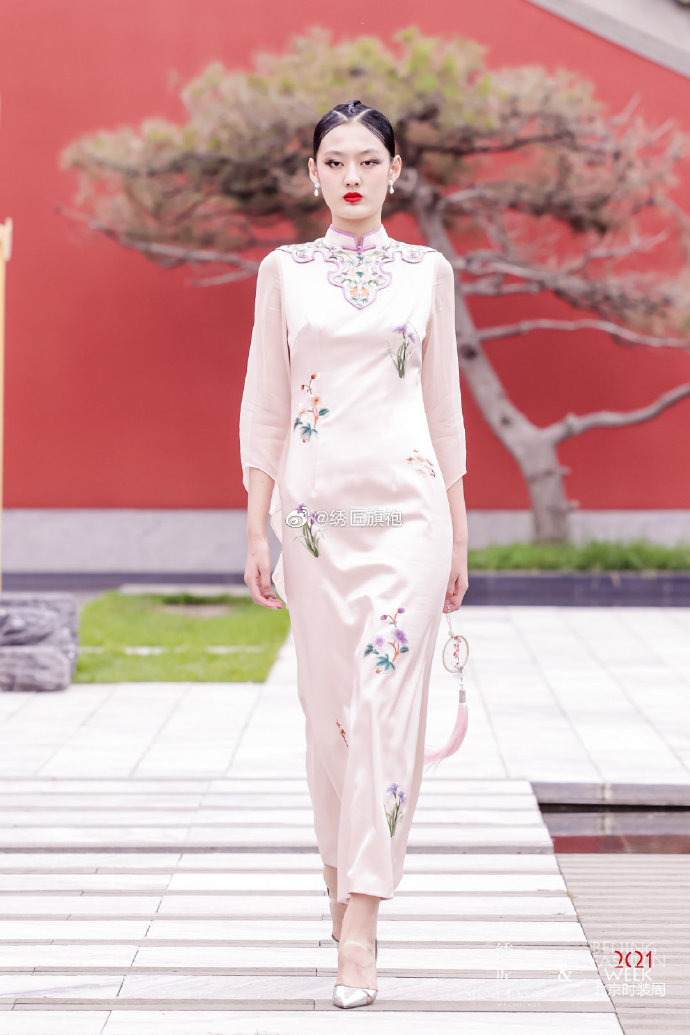
Dressed in summery pastel Pink romantically elegant Chinese hand crafted texturing embroidery youthfully cheongsam with embroidery delicately Chinese texturing Painting of moonlighting pearl buttoning assembling the Qipao- Cheongsam ….with beautifully dressed in Beautifully Chinese leaves of blossoms embroidery of forest summery pavilion peonies embroidery ribbon painting….. with the soft texturing Chinese Painting embroidery of Modern beautifully elegant summery pastel Pink Qipao- Cheongsam featuring with Traditionally hand sewn crafted Tailoring heritage in which embroidery is hand sewn in Original Shu embroidery techniques on to a very durable heavy silk…. In an refreshing spring with intricate hand sewn embroidery pink silvery blossom leaves pavilion Qing- Ming Dynasty Collars curves with embroidered texturing pearl moonlight buttons with, with softness according to the body creating a slender sophisticated intelligent femininity curves… embroidery with of with ancient Chinese gardens landscaping on the prosperity Forbidden City reminiscing of Ancient Chinese painting with one stitch, one thread, one world, one brocade, one satin one silk….
To be mature and gentle, but I still want you to be funny and cute. Add something to your girly white color this time to make your wardrobe jacket to elegantly classically of a silk jacket…. in accompany with the mid length Qipao –Cheongsam Skirt is great for the Summery season with elegant silk ribbon buttons… ……the intricate needle work outlines of the spring of the breath of life in which embroidery encountering between silk and yarn……
….…… In which timeless gorgeous hand crafted embroidery youthfully cheongsam Qipao Chinese Qipao –Cheongsam makes a most treasured embroidery art center piece on you and after on a mannequin as your fashion art piece memorable…….
QIPAO 旗袍 Cheongsam …. In which from historically Shenyang is the birth place of the Qing Dynasty 1636-1912plus …. In which Qipao is termed for Qing Dynasty Clothing that the Manchu ethnic adoptively wore…… in which the Shenyang Palace Museum was an imperial palace towards two Qing Dynasty emperors. Previously two years ago During the event it which was an eight day forums, with exhibitions also related workshops illustrating the birth place of the Old Capital of Cheongsam where the Qing Dynasty- Qipao was inspired from..
Before that Shanghai 1930’s Qipao-Cheongsam revolution, the Manchurian Cheongsam was the fashion of choice of the Qing Dynasty (1636-1912) throughout as it standardised that style during the dynasty… Replacing the previous clothing standard Han Fu – Han Dynasty clothing style, in which also is form fitting towards the women’s silhouette but with a higher degree of freedom of flare of personal, individual style…
Qipao-Cheongsam is uniquely hand crafted tailored Chinese dress to the customer’s various measurements… in which you can still have them brought of the rack in which is accustomed to the standard measurements… in which you can tell which is western influenced with the back zipped in which the Eastern traditional Chinese Tailors would have the side zipped of the Qipao dress due it interrupts the flow of the pattern work at the back of the dress.. Also it creates a continuous seamless back look… after as the measurements are translated drafted onto the silk or the customer desired accustomed fabric of choice, from the measurements book with the associated look of the design elements with additional accessories the sexiness of Qipao lies subtlety.. Measuring, patterning, cutting, and button making are crucial, in where passion and art comes together in tailoring
In which traditionally Qipao- Cheongsam dresses are worn for from straight forwardly every day towards after work evening wear in without having to change to another set of wardrobe dressing only to accessories for the required occasion… … in which the Qipao dress pattern silhouette is design for the lady’s figure in which accentuating the silhouette without giving away too much of what’s underneath in retaining…. its timeless classic silhouettes in which are designed to be worn every day, from work, evening, casually towards to the weekend… with sleek simple, elegant, sexy intelligent sophistication in which are easy to be accessorised with any pieces of clothing in your current or upcoming wardrobe…
Embroiderer Inheritance of Shu Brocade “Shu Brocade”- Shu Brocade, also known as Shujiang Brocade.
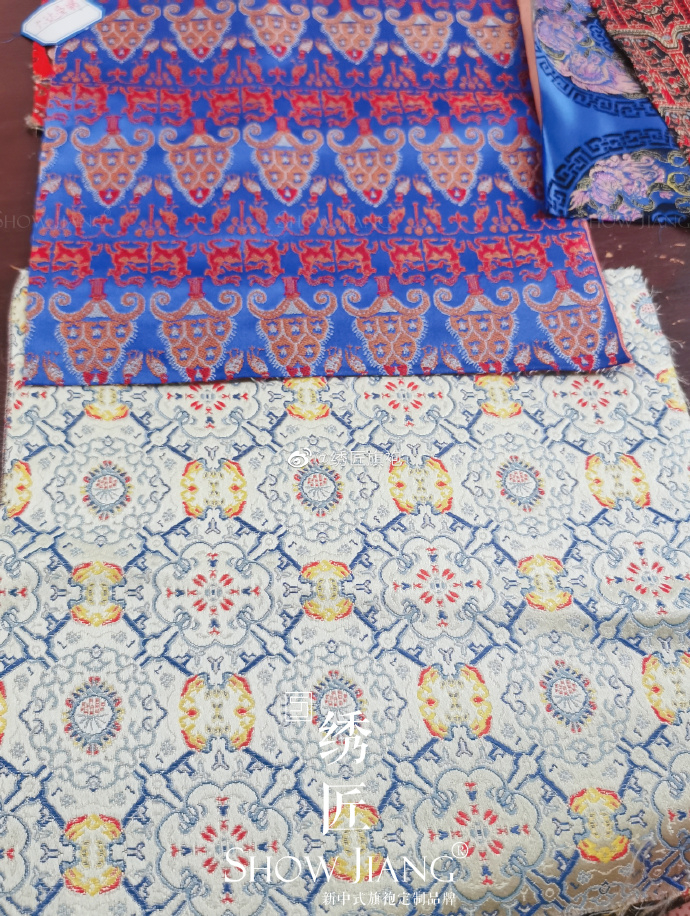
Shu Brocade, also known as Shujiang Brocade……..It refers to the brocade silk fabric produced in Chengdu, Sichuan Province, China during the Warring States Period. Shu brocade has two meanings. One refers to the colourful brocade woven from silk in Chengdu, and the other refers to the general name of silk brocade produced in Sichuan.)
Together with the Yunjin brocade in Nanjing, the Song brocade in Suzhou, and the Zhuang brocade in Guangxi, they are called China’s four famous brocades.
In 2006, Shu brocade weaving technology was approved by the State Council to be included in the first batch of national intangible cultural heritage lists. Chengdu Shu Brocade Embroidery Museum is the inheritance unit of Shu brocade craftsmanship.
Shu brocade is also the predecessor of the “Nishijin-ori” in Kyoto, a traditional Japanese national treasure.
Origin……………… Bashu was one of the first regions to develop sericulture, silk control, and brocade technology. As early as the spring and Autumn Period and the Warring States Period, the cloth produced in Shu was already well-known among the vassals. In the Western Han Dynasty, with the opening of the North-South Silk Road, Shu brocade appeared in Central Asia, West Asia, and the Mediterranean region through commerce and trade. This exquisitely patterned Shu brocade has successfully harvested a large number of foreign fans.
Featuring ……..Shu brocade is a colourful brocade woven from silk.
Shu brocade attaches great importance to the collocation of the ratio of warp and weft. According to the difference between multi-warp and multi-color weft blossom, Shu brocade is divided into warp brocade and weft brocade.
Shu brocade is famous for its prosperous patterns, fine weaves, and elegant color matching. To weave a piece of Shu brocade, four steps are required: material selection, design weaving and techniques used, raw material processing (dyeing, winding silk, drawing warp/ weft rolling) , Weaving by loom.
It can be said that every piece of Shu brocade contains the craftsman’s pursuit of beauty and love for the world, so that such a beautiful and colourful brocade can be woven.
In addition, the key to keeping the popularity of Shu Brocade in the long history lies in innovation.
This kind of innovation includes both technology and style. Craftsmen continue to inject new ideas into it based on the integration of national and local characteristics. This is the key to its longevity. For example, the common images in the Shu brocade in the Tang Dynasty are lotus flowers, tortoise shell flowers, Lianzhu, etc.; the Shu brocade in the Song and Yuan dynasties are mostly images of birds, clouds, cranes, flowers and animals.
To a certain extent, the Shu Brocade carries the spiritual qualities of Sichuan people who are proactive, innovative, hardworking and kind.
Tips………….. Chengdu is the cultural starting point of the Southern Silk Road.
In Noting The western route of the Southern Silk Road starts from Chengdu, passes through Yunnan to Myanmar, India, and then to Central Asia, West Asia and the Mediterranean. Zhang Qian saw Shu brocade in Afghanistan, which means that in the eyes of foreign businessmen, Shu brocade is a very valuable commodity.
At that time, the Greeks and Romans called China the “Silk Country”, which shows that on the Silk Road, “silk” has become the image label of Chinese civilization in the eyes of foreigners.
And after the Shu brocade was spread to Japan, it has greatly inspired Japan’s technological progress in silk weaving, bleaching and dyeing. This is the “Nishijin weaving” we mentioned earlier.
Walking on the streets of Chengdu, the cultural imprints left by the Shu brocade can still be seen everywhere. The nickname of the city is “Jincheng”. There is a “Jinjiang District” in the central city of Chengdu. “Jinjiang” refers to the “South River” in the southern part of Chengdu that was used by the weavers in ancient times. At that time, brocade was the most lively industry in Chengdu, “women’s industry covering the world”, “a home of tricks and cleverness, a hundred rooms leave the room, the machine is harmonious, Beijinfeicheng, and the color of the river”.
Economic value of Shu brocade……………..The economic value of Shu brocade is very high. The “Shi Ming” describes its price as higher than gold: brocade and gold also work hard, and its price is like gold.
During the Three Kingdoms period, Prime Minister Zhuge was able to complete several Northern Expedition missions with the help of one state. The main reason was that Shu brocade was so popular at that time, which brought huge financial income to Shu.
Since the Western Han Dynasty, Shu brocade has gained a large number of loyal fans with its exquisite patterns, elegant colours and unique creativity, and it has bloomed with dazzling light on the Silk Road.
In the millennia, the people of Sichuan have created the glorious history of Shu brocade, and at the same time, the Shu brocade has also witnessed the development of Sichuan.
Today, the weaving technology of Shu brocade has been included in the intangible cultural heritage list by UNESCO. I believe that in the days to come, this beautiful artwork can continue to create new legends.
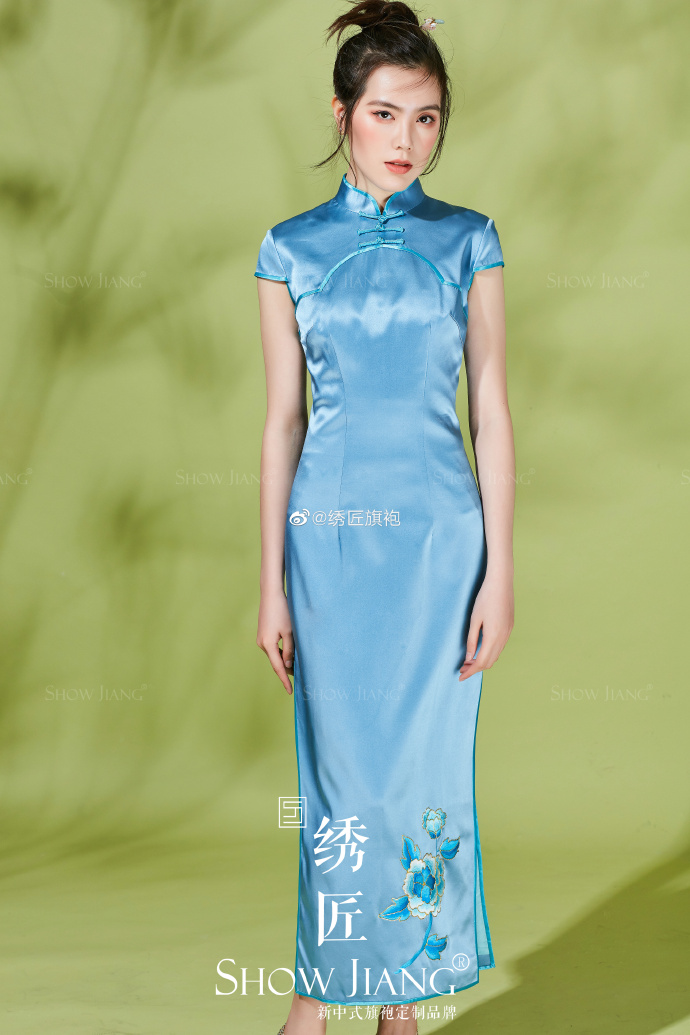
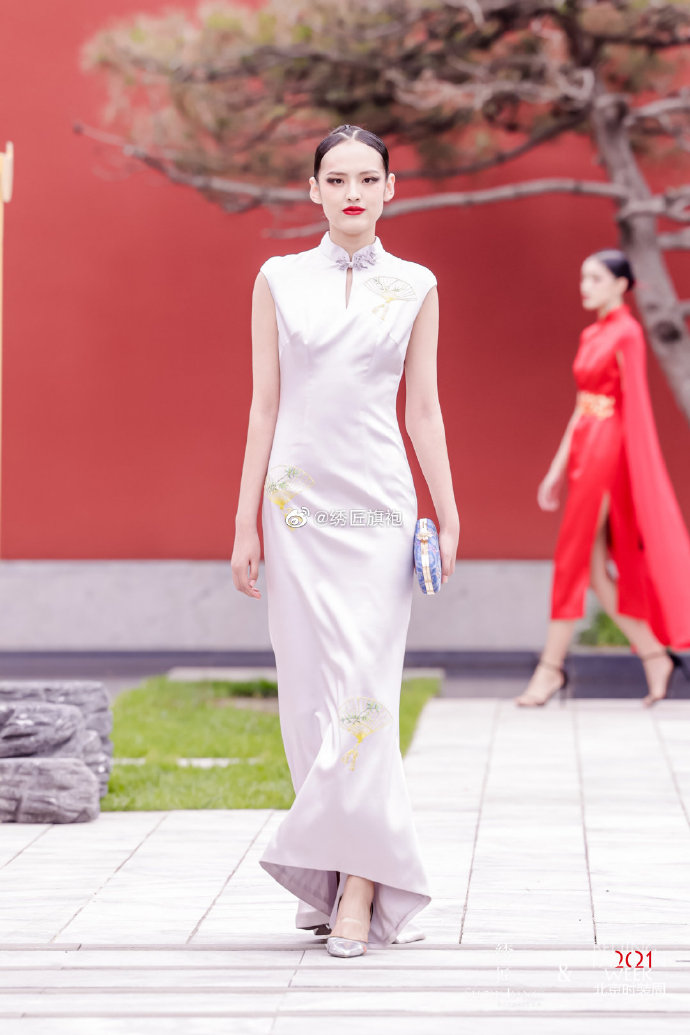
Located in Chengdu City the Province Capital of South-western China’s Sichuan Province of China-People’s Republic of China of a two thousand and five hundred year old Mega-metropolis city… is 成都绣匠旗袍 – Chengdu Embroiderers Cheongsam- Show Jiang (Chengdu Embroidery Apparel Co., Ltd.) in which innovatively bringing a New Chinese style cheongsam-Qipao high-end brand-Embroiderer, with Shu embroidery and Suzhou embroidery among the four famous embroidery in China as the design theme, it is committed to the high-end private specialization of Chinese Shanghai style cheongsam… in which each dress is customised towards the wear’s in which tailoring takes least in between 20-60 days depending on the extremely level of detailing of brocade in which using the most finest heavy silks are hand sewn and crafted … as seen in recent 成都绣匠旗袍 – Chengdu Embroiderers Cheongsam- Show Jiang’s Collection of Embroiderer’s 2020 original Shu embroidery…
….…… In which timeless gorgeous hand crafted embroidery youthfully cheongsam Qipao Chinese Qipao –Cheongsam makes a most treasured embroidery art center piece on you and after on a mannequin as your fashion art piece memorable…….
QIPAO 旗袍 Cheongsam …. In which from historically Shenyang is the birth place of the Qing Dynasty 1636-1912plus …. In which Qipao is termed for Qing Dynasty Clothing that the Manchu ethnic adoptively wore…… in which the Shenyang Palace Museum was an imperial palace towards two Qing Dynasty emperors. Previously two years ago During the event it which was an eight day forums, with exhibitions also related workshops illustrating the birth place of the Old Capital of Cheongsam where the Qing Dynasty- Qipao was inspired from..
Before that Shanghai 1930’s Qipao-Cheongsam revolution, the Manchurian Cheongsam was the fashion of choice of the Qing Dynasty (1636-1912) throughout as it standardised that style during the dynasty… Replacing the previous clothing standard Han Fu – Han Dynasty clothing style, in which also is form fitting towards the women’s silhouette but with a higher degree of freedom of flare of personal, individual style…
Qipao-Cheongsam is uniquely hand crafted tailored Chinese dress to the customer’s various measurements… in which you can still have them brought of the rack in which is accustomed to the standard measurements… in which you can tell which is western influenced with the back zipped in which the Eastern traditional Chinese Tailors would have the side zipped of the Qipao dress due it interrupts the flow of the pattern work at the back of the dress.. Also it creates a continuous seamless back look… after as the measurements are translated drafted onto the silk or the customer desired accustomed fabric of choice, from the measurements book with the associated look of the design elements with additional accessories the sexiness of Qipao lies subtlety.. Measuring, patterning, cutting, and button making are crucial, in where passion and art comes together in tailoring
In which traditionally Qipao- Cheongsam dresses are worn for from straight forwardly every day towards after work evening wear in without having to change to another set of wardrobe dressing only to accessories for the required occasion… … in which the Qipao dress pattern silhouette is design for the lady’s figure in which accentuating the silhouette without giving away too much of what’s underneath in retaining…. its timeless classic silhouettes in which are designed to be worn every day, from work, evening, casually towards to the weekend… with sleek simple, elegant, sexy intelligent sophistication in which are easy to be accessorised with any pieces of clothing in your current or upcoming wardrobe…
On the 6th September 2021 Monday Forbidden City – Beijing- China- People’s Republic of China, it’s here The 2022 “Forbidden City Calendar” the official launch of conference will be held on the 6th September 2021 at Jianfu Palace of the Forbidden City Palace Museum. An official MV “Forbidden City Time”, composed by a professional team of music and photography, and composed of lyrics by the Forbidden City, is also newly released! In the exquisite pictures of the four seasons of the Forbidden City and the cultural relics exhibition, in which storytelling the indicated places of the forbidden City’s moments as reading together Walking together in Calendaring’s Palace and looked at the lucky tigers, the tigers welcoming the rui, the tigers blessing the peace, and the tigers rejuvenating, looking forward to a new year with more wings… in which the tiger is a Chinese Zodiac sign in which view during the summery night sky of constellation Orion in which it’s constellation components makeup of the body of the white tiger in which is a symbolism for good luck charm for Chinese Military personals and there’s family. As to that sayngly it’s also the imperial military Commanding mandate seal order in which comes in pair for conformation.
The year of Renyin, the zodiac tiger. 2022 “Forbidden City Calendar” selects cultural relics related to tigers from the vast collections of the Forbidden City, expressing the lucky tiger welcoming the auspiciousness, the safety of the tiger, the winter ice play, etc., forming the auspicious picture of the lucky tiger welcoming the New Year and the mountains and rivers celebrating the prosperity. AR interaction is also added. With the electronic calendar reading function. Feel the Calendaring’s Palace, and accompany you to usher in a new year with a new year!
Jihu welcomes the New Year, and the mountains and rivers celebrate the rise of peace. The newly revised 2022 “Forbidden City Calendar” is here! The cover image is selected from the “Flying Tiger Flag with Red Gauze Embroidered Cloud Patterns in the Qing Dynasty”, which reflects 国潮正当红#. The character “tiger” in the background is a collection of Weibei, with lingering charm. In addition, the new calendar also adds AR interaction and electronic calendar reading functions in which gives you the reader a more interactive experience as if you’re still in the Forbidden City exploring its’ untold stories. ….