#北京 #中國 #China #Beijing | #紫禁城 #ForbiddenCity #December2023 | #ForbiddenCityDairies -The Palace Museum #ForbiddenCity Collections of Chinese intangible cultural heritage.  – 13th- 21st  December 2023 winters snow …..

On July 19th 2023 , the multilingual website of the Forbidden City Palace Museum- Beijing, China, People’s Republic of Chinawas officially released at the Digital Cultural Tourism Development Forum of the 2023 China Internet Civilization Conference! The website covers five languages: English, French, Russian, Japanese, and Spanish, and will meet the needs of audiences with different languages.

 The multilingual website of the Palace Museum is committed to establishing an international website that is concise, clear, easy to use for overseas audiences, and fits the construction of the modern civilization of the Chinese nation, including tour guides, information, panoramic tours, online exhibitions, collection appreciation, cultural topics, etc. Rich immersive content describing of the most detail collection that housed within the Forbidden City collection…. 

Tongzhi of the Qing Dynasty, anonymous, portrait of Empress Xiaoqinxian in auspicious clothes. Empress Xiao Qinxian (1835-1908), the Empress Dowager Cixi, commonly known as the Queen Mother of the West, entered the palace in the second year of Xianfeng (1852) and was given the title Lan Guiren. In the eleventh year of Xianfeng (1861), his son Zaichun became the successor emperor, namely Emperor Mu Zong Tongzhi. Mother is more precious than child, and she is revered as the Holy Mother Queen Mother. In the nearly fifty years of Tongzhi and Guangxu dynasties, she listened to politics behind the curtain several times. This picture depicts Empress Xiao Qinxian relaxing outdoors alone

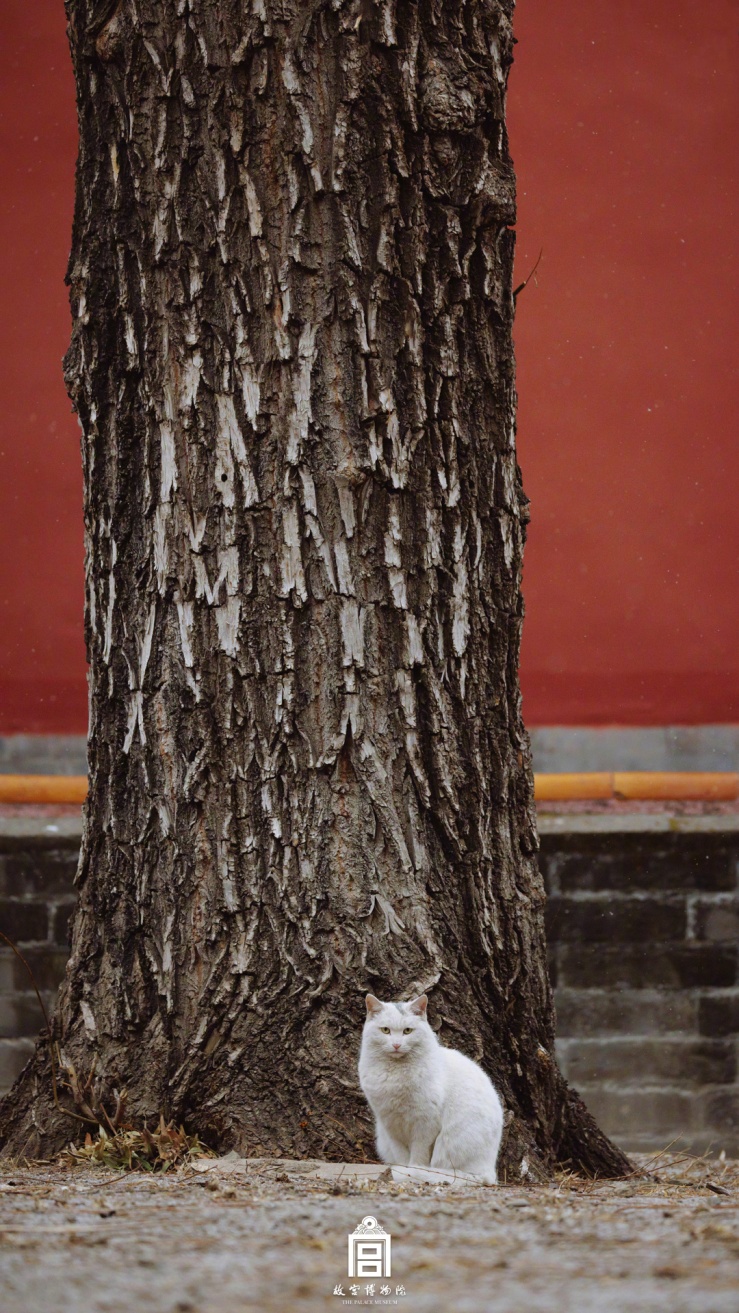
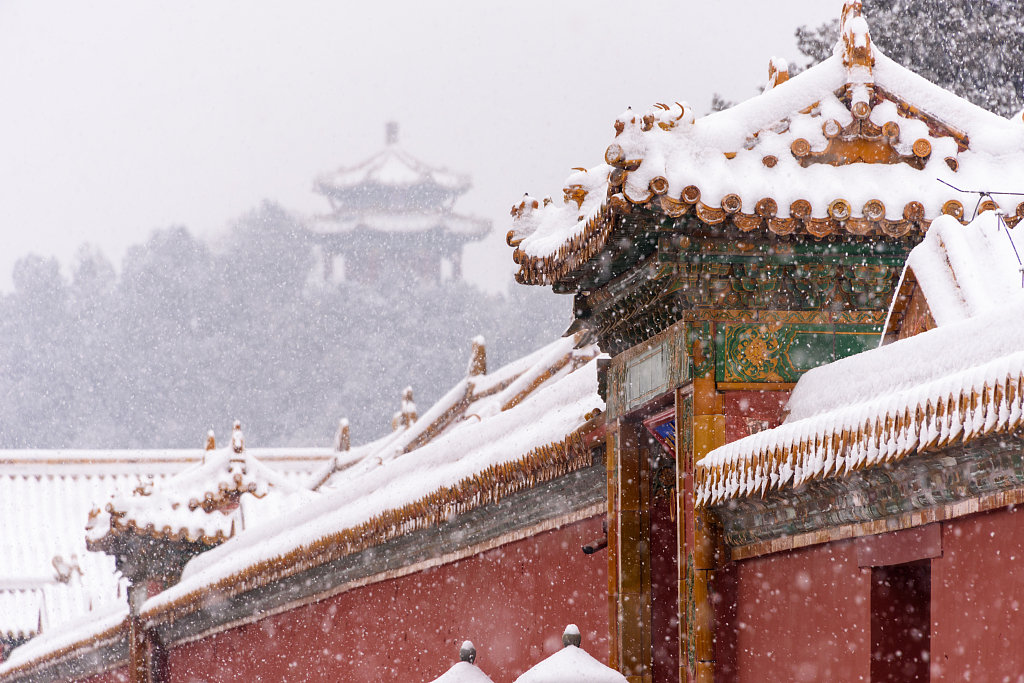
13th December 2023 The flying snow is silent, and the sky and earth are vast.

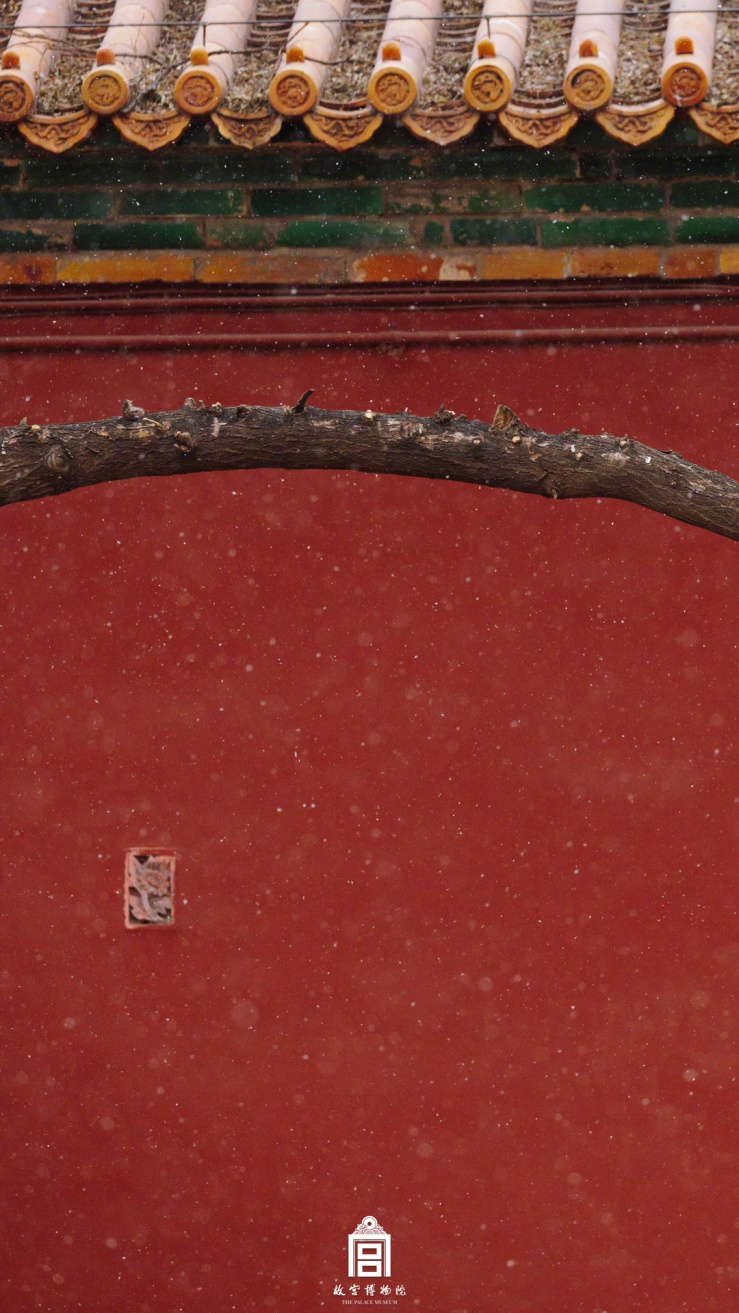
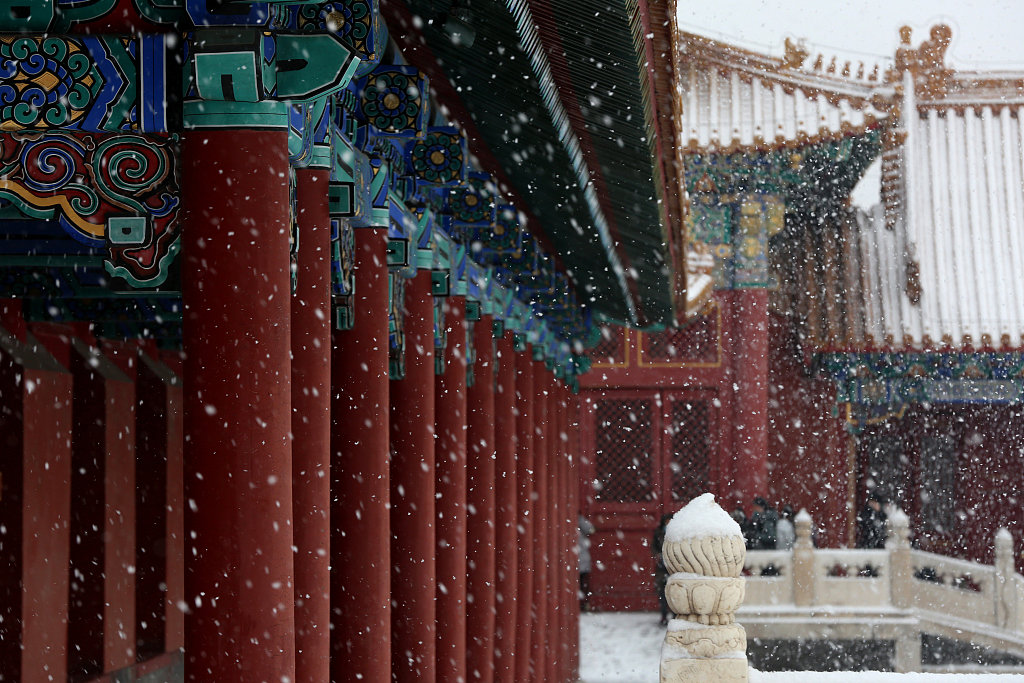
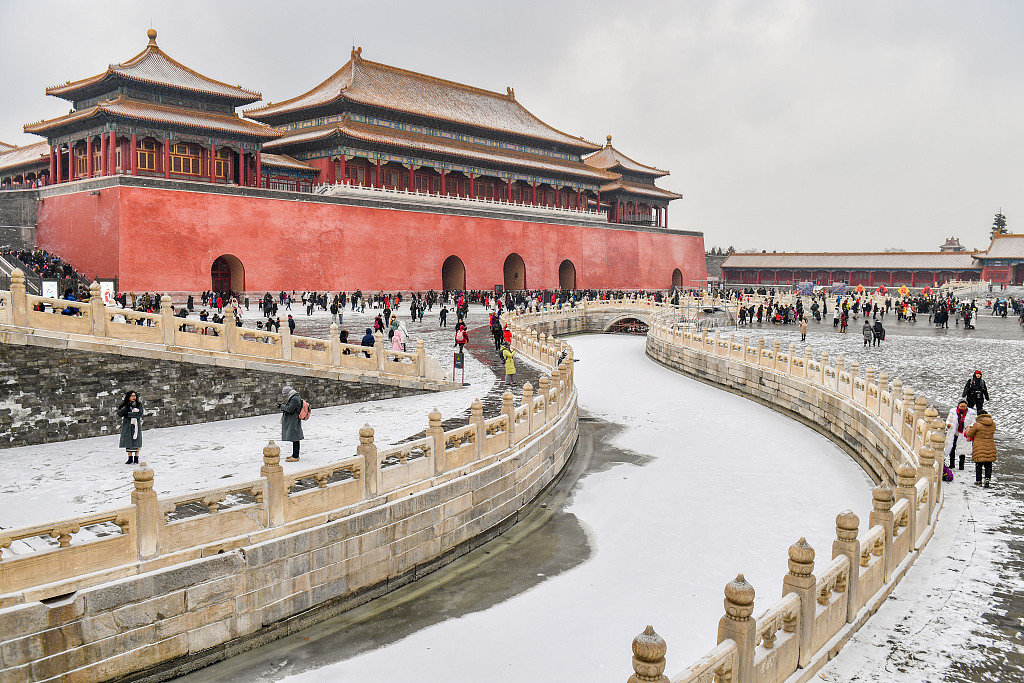
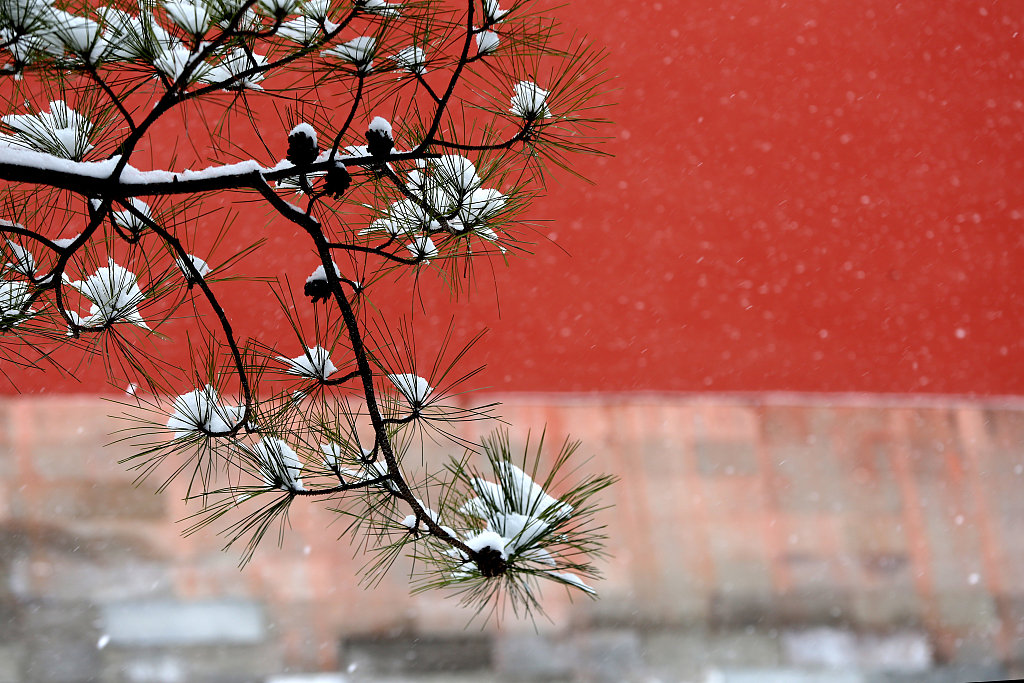
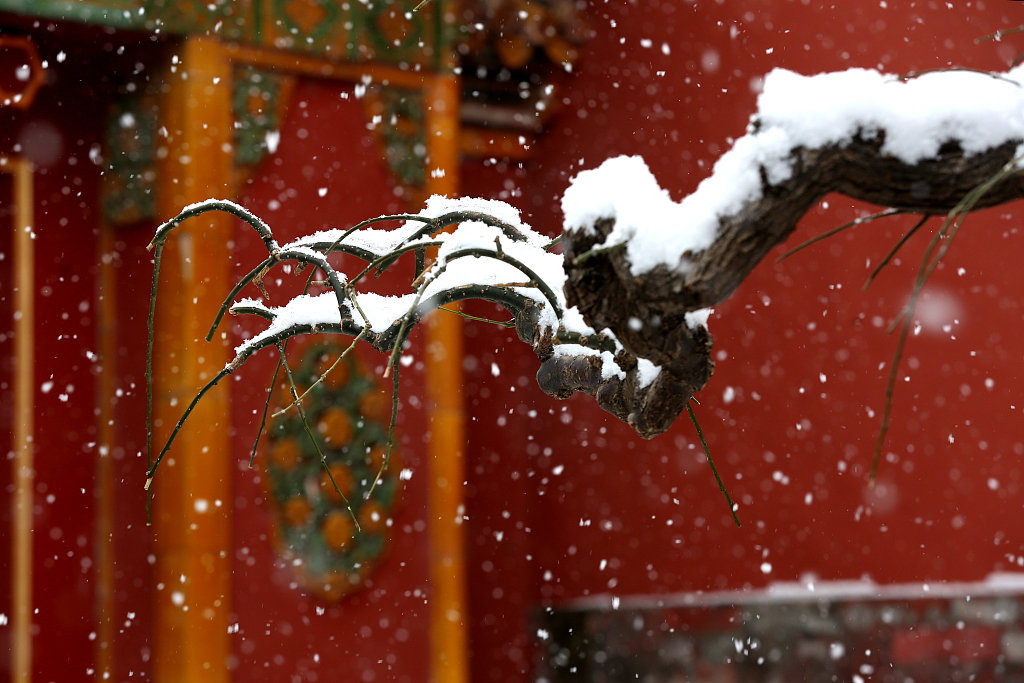
14th December 2023 – A group of red walls and white snow send everyone a limited-time winter good morning. The snowfall in Beijing is still continuing today. Everyone must slide carefully when traveling and pay attention to safety!

The image axis of Xuanwei Riyong, the queen of Xiaozhenxian, who was anonymous in Tongzhi of the Qing Dynasty. Empress Xiaozhenxian (1837-1881), the Empress Dowager Ci’an, commonly known as the Empress Dowager of the East, was deeply loved by Emperor Xianfeng for her gentle personality. She entered the palace in February of the second year of Xianfeng (1852) and was granted the title of concubine. In May, she was promoted to Concubine Zhen, and in October she was enshrined as Queen. In the picture, she looks dignified, sitting calmly and calmly in a courtyard with blooming peonies. The four characters “Xuanwei Riyong” were inscribed by Emperor Tongzhi. The brushwork throughout the painting is neat and precise, the portraits are vivid and expressive, and the clothes are realistically depicted, leaving important image data for understanding the appearance of Empress Xiao Zhenxian when she was young.

I don’t know if the raindrops in the courtyard have fallen this morning, but I suspect that the forest flowers bloomed last night.

On the 14th December 2023 It snowed for two full days, meeting all our expectations for a snowy day. What winter wishes do you have yet to come true? willing____________.

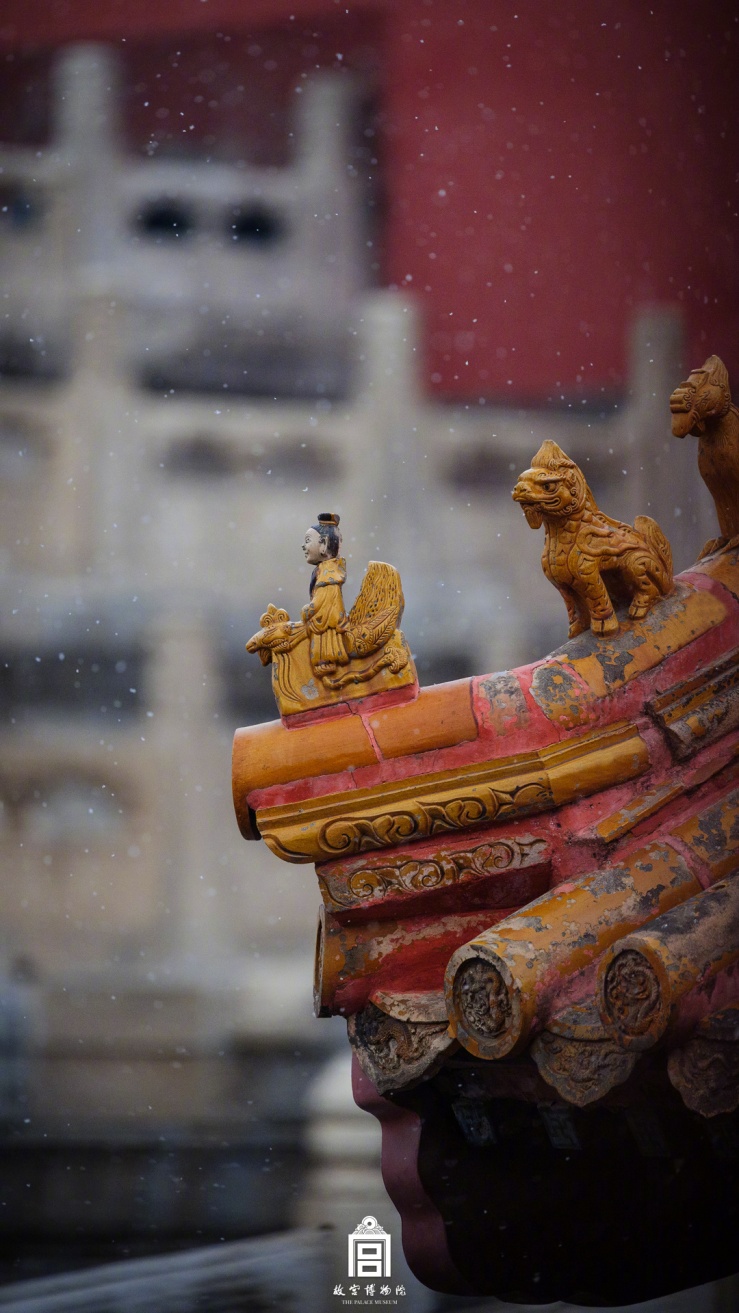
There are flowers dancing outside the eaves, and the feeling of winter is deep in front of the window.

15th December 2023 Good morning on a Snowy Forbidden City Morning ..

Qianlong Emperor of the Qing Dynasty, unknown, scroll of Emperor Qianlong enjoying himself during his reign. The Qing Dynasty continued the tradition of the Han nation’s isomorphism of the country and the country. As the ruler, the Qing royal family often ordered painters or craftsmen to express lively scenes of baby play or to show them and their children together through painting, weaving, embroidery, sculpture and other artistic means in order to express their good wishes of having children and grandchildren around their knees. warm time. This picture depicts the scene of Qianlong Emperor Hongli holding his young son in his arms and watching the royal children lighting firecrackers in the palace garden to celebrate New Year’s Day. Emperor Qianlong’s gentle demeanor showed his paternal side besides being an emperor, making the picture full of infinite love and tenderness.

Qing Qianlong, Jia Quan, etc., the character pictures are posted. This hanging painting was painted by Jia Quan, a court painter of the Qianlong Dynasty, and others. It was used as an interior decoration painting and was posted in the Yucuixuan in the Ningshou Palace Garden (commonly known as the Qianlong Garden) in the Forbidden City. Yucuixuan was built in the thirty-seventh year of Qianlong’s reign (1772). The pavilion is divided into three rooms with 槅 fans. This picture is posted on the back eaves wall of the main room. This picture shows the indoor leisure life of concubines and royal family members enjoying themselves in early spring. The cheerful atmosphere dispels the chill and expresses the royal family’s good wishes for the happiness and peace of the people in the world. As the couplet on the picture says: “Hundreds of millions of people live longer, and a peaceful year brings a peaceful spring.

Qianlong, Fugui, and Sui Dynasty axis of the Qing Dynasty. New Year’s Day is New Year’s Day. At the beginning of the new year, people celebrate in various ways. From the inscription “Chen Fu Gui Gong Painting” on this picture, we can know that this picture was a work dedicated to Emperor Qianlong by the court painter Fu Gui. He cleverly used the theme of bidding farewell to the old year and welcoming the new year as the theme. By depicting children wearing colorful beaded shoes, colorful crane cloaks, playing musical instruments, skating, setting off firecrackers and other lively scenes, he expressed his hope for the prosperity of the royal descendants and the prosperity of the hundred sons. Sincere blessings…

Have you ever wondered why the electric ironing tools we use in our daily lives are called “irons”? Because its initial form is “fighting”! Our country has been using irons for more than 2,000 years. A copper bucket-shaped container has a built-in charcoal fire, and the iron can be pressed from above to smooth the fabric. As time goes by, the style of irons continues to change. During the Eastern Han Dynasty, an iron with its own “storage” base appeared. When not in use, the handle can be inserted back into the base, which is another exquisite decoration in the house; in the Wei and Jin Dynasties, there were also A “portable” iron with a long handle that can be folded appeared; in addition, heating the soldering iron tip directly in the fire is also a way to use the iron. Although the shape is constantly changing, the name “iron” is still used today, fulfilling the mission of “mediating the yang and harmony in the sky, flattening the beauty and fragrance of the world”, and “ironing” our beautiful life.

During the Qianlong reign of the Qing Dynasty, there was a case of a colorful treasure. The top of the carved treasure case is in the shape of a rectangular plate, with a girdle underneath and double Kui patterns decorated with flowers between the tooth bars and horizontal beams. It has four curved legs and a square foot with mud support. The paint colors are red, yellow and green, and the surface is carved with a garden corridor. In the middle is a giant gourd with the word “大吉” and eight treasure patterns on it. There are many children around the gourd, holding flags, carrying lanterns, holding halberds and chimes, beating gongs and drums, watching calligraphy, or riding elephants. Most of them are scenes with auspicious meanings such as dramatic plots or treasure maps. interpretation. The bottom of the case is painted with black lacquer and is engraved with the name “Da Ji Bao Case” and the inscription “Made in the Qianlong Year” in gold.

In the mid-Qing Dynasty, ivory carvings flourished. The work is carved from ivory into a simulated pomegranate shape. The outer wall is divided into five petals. There is a mechanism on the top and a living axis on the bottom, which can be opened and closed freely. When closed, it looks like a complete pomegranate, with the skin dyed and lightly engraved with flowers and butterflies. When opened, it looks like a blooming flower. The inner wall is embossed with bat-flowing cloud patterns, and the bats are dyed red, which is homophonic to “Hongfu”. In the center is a round platform with carved railings on the edge. There is a two-story pavilion inside, which is exquisite and clear. Many characters are divided into several groups: some hold umbrellas and flags, as if they are traveling as ceremonial guards; some climb poles, perform horse tricks, and play lions, performing a variety of acrobatics; some pay homage, offer incense, and chat with each other… it is lively. street market scene. The craftsmanship is extremely exquisite and has a considerable degree of micro-carving. The pomegranate has many seeds, which means the pomegranate will bloom with hundreds of seeds. It is a common theme in the crafts of the Ming and Qing Dynasties. In the Work Documents of the Ministry of Internal Affairs of the Qing Dynasty, there are related records of the “ivory ashes-colored durian box with a hundred seeds” in the Yongzheng period; in the forty-fifth year of Qianlong’s reign (1780), the toothsmith Huang Zhao painted a paper pattern of “a hundred pomegranates opened in ivory” by another The toothsmith Yang Youqing made it; in the 15th year of Jiaqing (1810), the toothsmith Mo Chengji also drew and carved “Liu Kai Bai Zi”. This is the only known example of a similar work that has been handed down from generation to generation, or it may be one of the above records.

On December 20, “Cultural Confidence of Contemporary Museum People—Exhibition of Works by Staff of the Palace Museum and Anhui Museum” will be officially opened to the audience in the Zhai Palace Exhibition Hall of the Palace Museum. Through many types of art works such as calligraphy and painting, seal cutting, sculpture, lacquerware, etc., this exhibition fully demonstrates the vigorous and enterprising attitude of contemporary cultural experts, their broad and profound business skills, their sincere heart of dedication and dedication, and their determination to make new achievements. The ambition of boxing. This exhibition will be on display until January 21, 2024…

During the Qianlong reign of the Qing Dynasty, a red sandalwood inlaid with jade picture of a hundred children was inserted into the screen. The screen is carved from rosewood, and inside the glass cover are double-sided openwork carvings of palaces, pavilions, mountains, rocks, trees, boats, lotuses, courtyards and other scenes. Among them are hundreds of white jade carved boys, some climbing high, some riding boats, some riding geese, and some holding lotuses. They are lively and lively, implying auspiciousness and the prosperity of a hundred children. The frame is inlaid with a silver piece and the words “engraved jade Baizi screen” indicate its product name. The base of the screen is engraved with many poems from the “Inscribed Jade Baizi Screen” made by Emperor Qianlong, including Wang Jihua, Liang Shizheng, Liu Tongxun and other ministers.

During the Qianlong reign of the Qing Dynasty, there was a strong pot with a pink color baby play picture on a rouge red ground and a white ground. The jar has a straight mouth, short neck, cylindrical belly and ring feet. Attached is an umbrella-shaped cover with a raised folded edge and a bead-shaped button on the top. The inner wall of the jar is glazed with turquoise green. The cover, the shoulders of the outer wall of the jar, and near the bottom are made of purple rolling tracks, on which are painted in pastel colors a pattern of upturned clouds, and the interior is decorated with folded branches. The belly is painted with the fire scene of the Infant Play Club. In the picture, some babies are holding lanterns, some are playing drums, cymbals, and trumpets, some are holding lions and playing with balls, some are riding horses, and some are setting off firecrackers. They are surrounded by rocks, houses, plantains, and travertine. Wait, it’s a joyous and lively scene. The neck and shins are painted with blue material for a week. The outer sole is glazed with turquoise green, and the six-character and three-line inscription “Made in the Qianlong Year of the Qing Dynasty” written in alum red color is left blank.

Images and visuals are from – Forbidden City –Palace Museum Beijing- China –People’s Republic of China…..

#北京。 #中國 #China #Beijing | #紫禁城 #ForbiddenCity #February2023 | #ForbiddenCityDairies #Spring First Snowfall of the Forbidden City of the #YearOftheRabbit #AGallery …

元宵喜乐 During the Lantern Festival on February 5th 2023 at the Forbidden City, Beijing, China, People’s Republic of China on the 10th February 2023 it is the first Beijing Snowfall of Spring also the Year of the Rabbit in which Beijing, China, People’s Republic of China ushered in snowy weather in forbidden city was exceptional quiet.  . Among the red walls and green tiles, green pines and ancient cypresses, falling snowflakes are dancing in the air, which is as beautiful as poetry and painting… also ushering the Snowfall on summer palace.

The Forbidden City in Beijing is the royal Imperial palace of the Ming and Qing dynasties in China. It used to be called the Forbidden City and is located in the center of the central axis of Beijing. The Forbidden City in Beijing is centered on three main halls, covering an area of ​​about 720,000 square meters, with a construction area of ​​about 150,000 square meters. There are more than 70 palaces of different sizes and more than 9,000 houses.

The Forbidden City in Beijing began construction in the fourth year of Yongle (1406), Emperor Chengzu of the Ming Dynasty. It was built on the basis of the Nanjing Forbidden City. It was completed in the eighteenth year of Yongle (1420) and became the palace of 24 emperors in the Ming and Qing dynasties. On the National Day of the 14th year of the Republic of China (October 10, 1925), the Palace Museum was officially established and opened. The Forbidden City in Beijing is 961 meters long from north to south and 753 meters wide from east to west. It is surrounded by 10-meter-high walls and a 52-meter-wide moat outside the city. There are four gates in the Forbidden City, the Meridian Gate in the south , the Shenwu Gate in the north , the Donghua Gate in the east and the Xihua Gate in the west . Each of the four corners of the city wall has a graceful turret . There is a folk saying that there are nine beams, eighteen pillars and seventy-two ridges, which describe the complexity of its structure. 

The buildings in the Forbidden City in Beijing are divided into two parts: the outer court and the inner court . The center of the Outer Dynasty is the Hall of Supreme Harmony , the Hall of Central Harmony , and the Hall of Preserving Harmony , collectively referred to as the Three Great Halls , where the state holds grand ceremonies. The left and right wings of the three halls are supplemented by two groups of buildings, the Wenhua Hall and the Wuying Hall . The center of the inner court is Qianqing Palace , Jiaotai Palace , and Kunning Palace , collectively referred to as the Housan Palace, which is the main palace where the emperor and empress live. Then there is the Royal Garden . On both sides of the Housan Palace are the East and West Sixth Palaces, which are the places where the concubines live and rest. On the east side of the East Sixth Palace is the Tianqiong Palace and other Buddhist temple buildings, and on the west side of the West Sixth Palace is the Zhongzheng Hall and other Buddhist temple buildings. In addition to the Outer Dynasty and the Inner Court, there are two parts of the Outer East Road and the Outer West Road.

Images and visuals are from – Forbidden City –Palace Museum Beijing- China –People’s Republic of China…..

#北京。 #中國 #China #Beijing | #紫禁城 #ForbiddenCity #January2023 | #ForbiddenCityDairies #CCTV #ChinaCentralTelevision celebrating the first snowfall on the Forbidden City Complex like living a real life ancient Snowy #ChinesePainting #AGallery on the 12th January 2023 ..

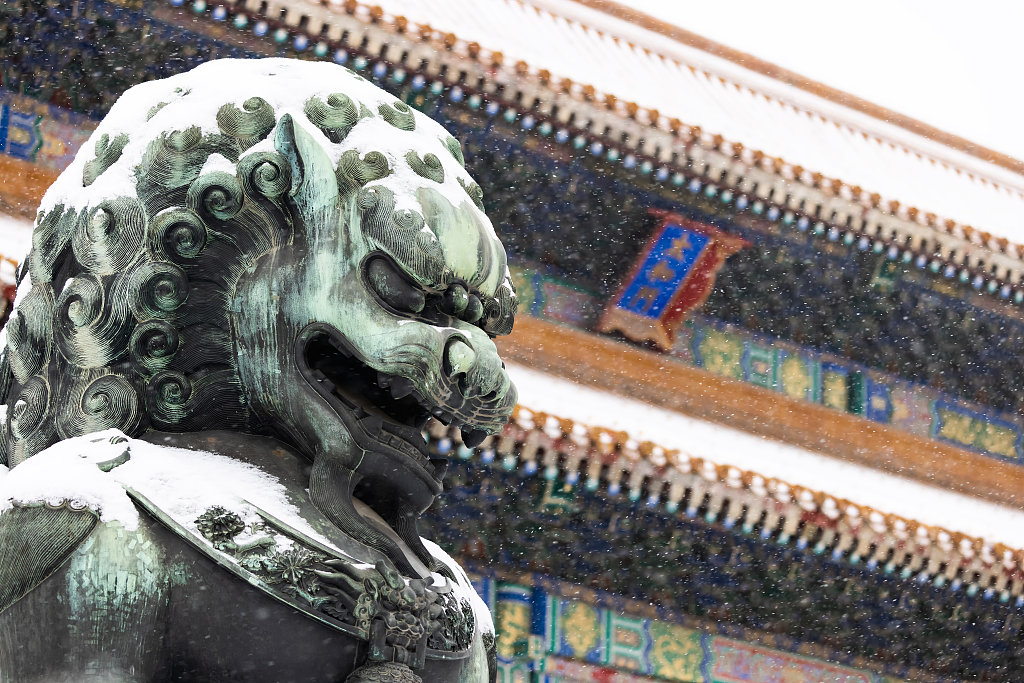
On the 12th January 2023 marks the first Snow Fall on the more than 603 year old Forbidden City, in which during the Beijing, China, People’s Republic of China in which Brushfully a Chinese Painting anciently of snow view on the bold imperial red walls, snow landings on white snow, on golden yellow jade glazed tiles in which the Forbidden City snowingly has a intriguingly unique view..

Today 12th January 2023, Beijing ushered in snowy weather, and the Forbidden City has once again become a popular spot for snow viewing. Red walls, white snow, glazed tiles… The Forbidden City in the snow has a unique view

From the perspective of aerial photography to see the beautiful Forbidden City in the snow …. Whenever it snows, the Forbidden City will become a popular attraction for enjoying the snow scenery. The layers of snow and the shades of red complement each other, creating a unique scene

The Chinese capital saw its first snow of the year 2023 on Thursday. Join our live broadcast to appreciate the spectacle at Beijing’s one of the most iconic landmarks, the Forbidden City…

……the second decade three from the turn of the century in Beijing the Capital of China also the People’s Republic of China, in which is also the year of the rabbit, marking its six hundred years anniversary of the Forbidden city that marks the transitional point of in between the middle of the Ming Dynasty (1368- 1644) transitionally from Nanjing to Beijing towards the Qing Dynasty (1636-1644-1911) …. The Imperial Palace seen so many countless seasonally transitional equinoxes but further its six hundred years is iconic, but it’s five hundred ninety nine years it marks it Autumn Equinox…. In which it only took twelve years to build the same of the Daming Palace of The Tang Dynasty Xian Imperial Capital only it was least twenty times larger……  

Images and visuals are from – Forbidden City –Palace Museum Beijing- China –People’s Republic of China…..
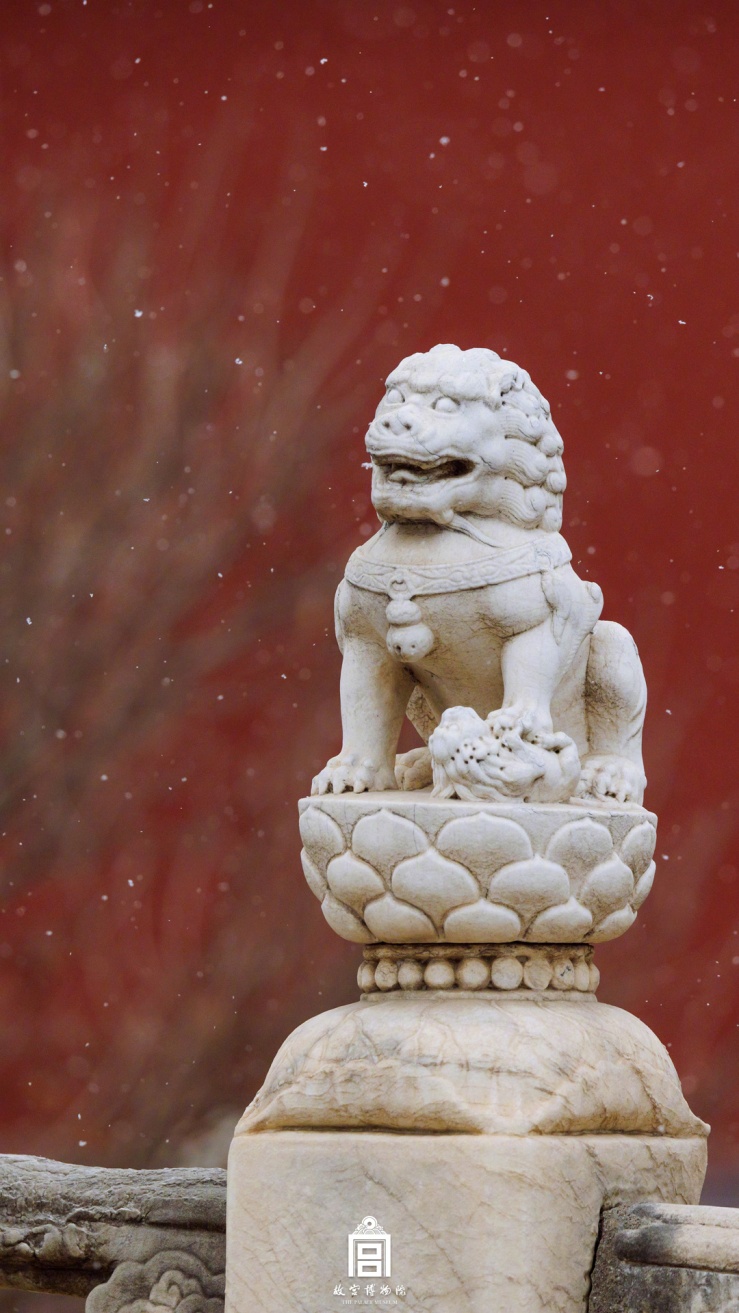
#北京。 #中國 #China #Beijing | #紫禁城 #ForbiddenCity #October2022 | #ForbiddenCityDairies Golden late autumn dyes hues of the Forbidden City closer. #AGallery

In this year’s 2022, the second decade from the turn of the century in Beijing the Capital of China also the People’s Republic of China, in which is also the year of the Tiger, marking its six hundred and two years anniversary of the Forbidden city that marks the transitional point of in between the middle of the Ming Dynasty (1368- 1644) transitionally from Nanjing to Beijing towards the Qing Dynasty (1636-1644-1911) …. The Imperial Palace seen so many countless seasonally transitional equinoxes but further its six hundred years is iconic, but it’s five hundred ninety nine years it marks it Autumn Equinox…. In which it only took twelve years to build the same of the Daming Palace of The Tang Dynasty Xian Imperial Capital only it was least twenty times larger…

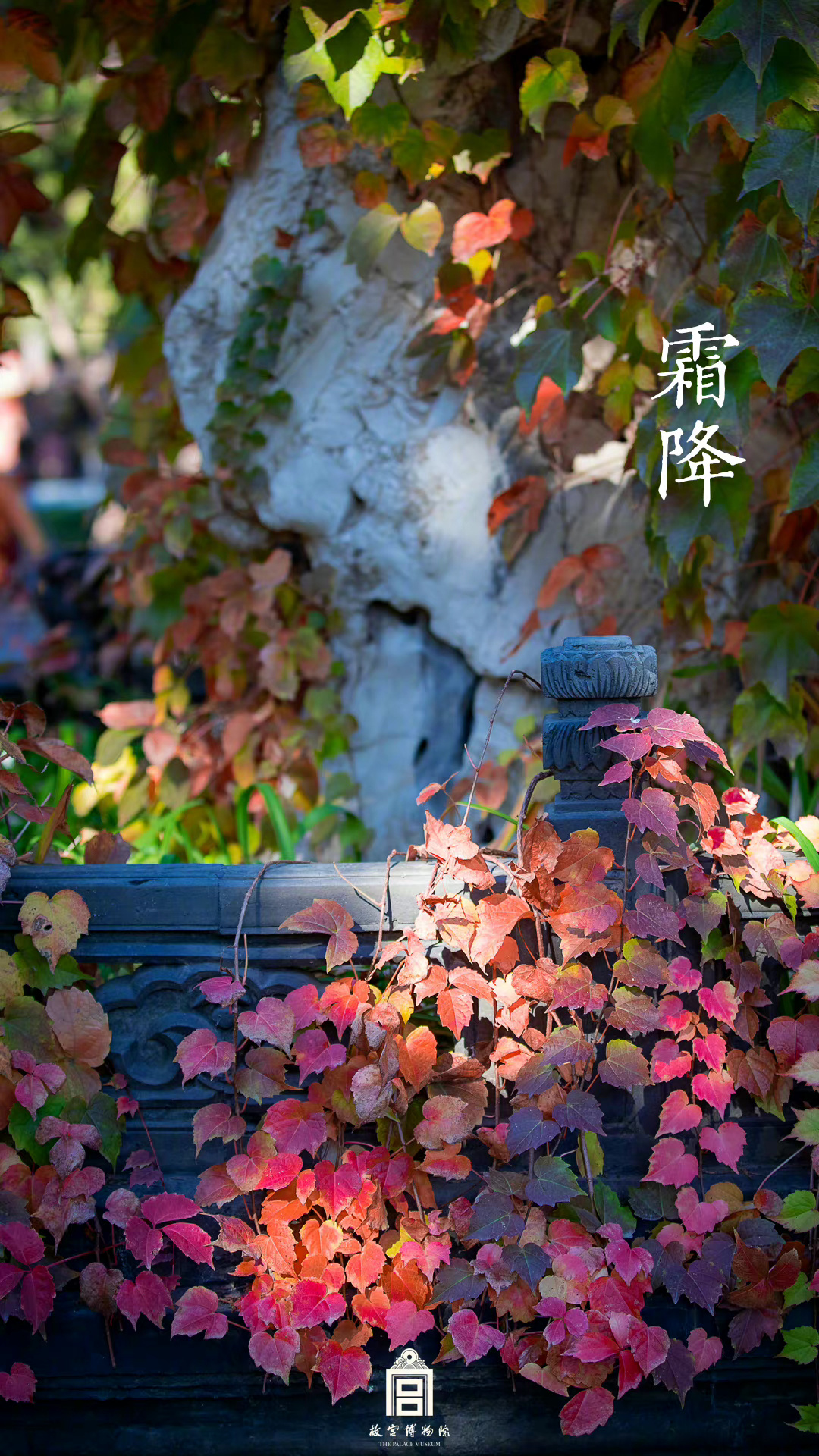
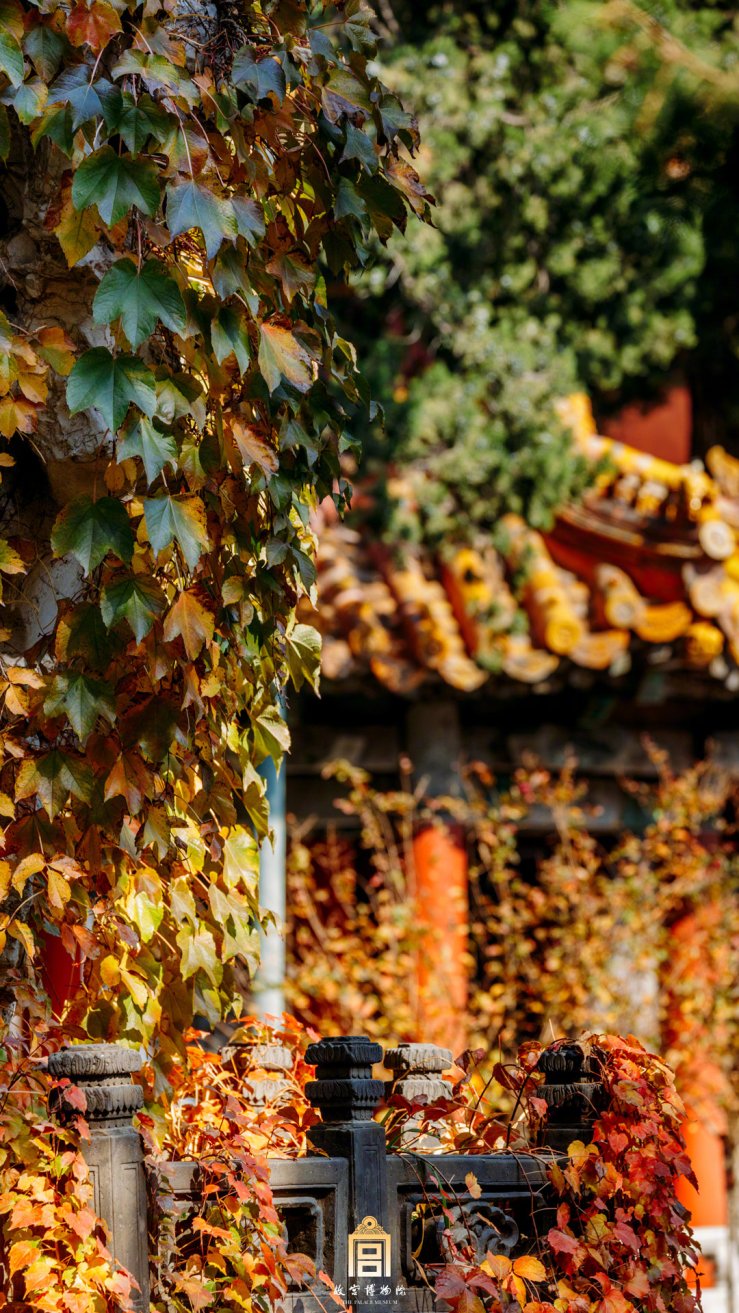
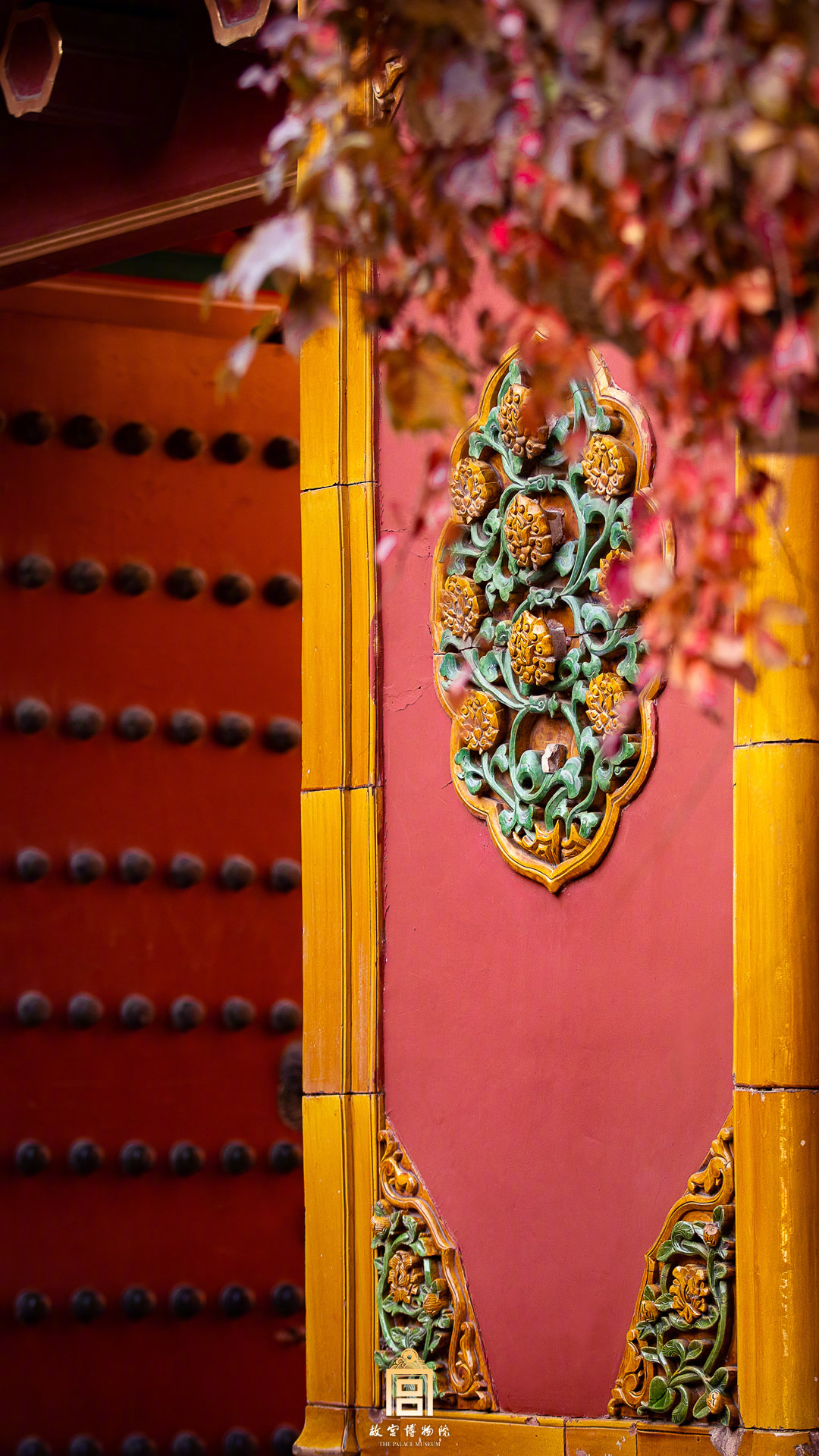
On this week on the 27th October 2022  on month of October Autumn The golden light and shadow of late autumn dyes the undulating vines on the eaves, lights up the fruit on the branches of begonia, retains the last yellow leaf in the bleak wind, and warms the autumn at the end of the year in this city. Fall in love with the Forbidden City …..

Imagines credits are of the Forbidden city –Imperial Palace –Beijing – China- People’s Republic of China

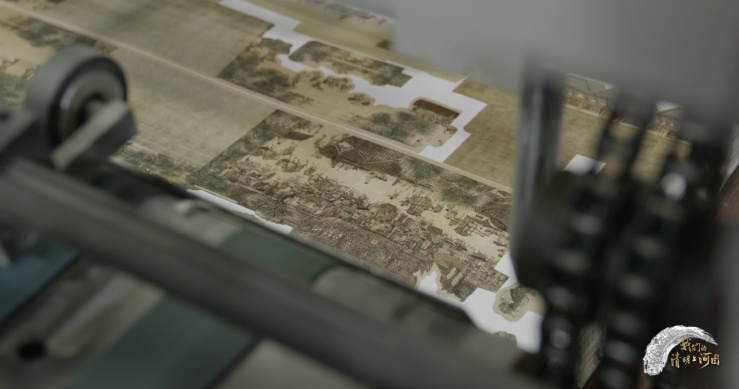
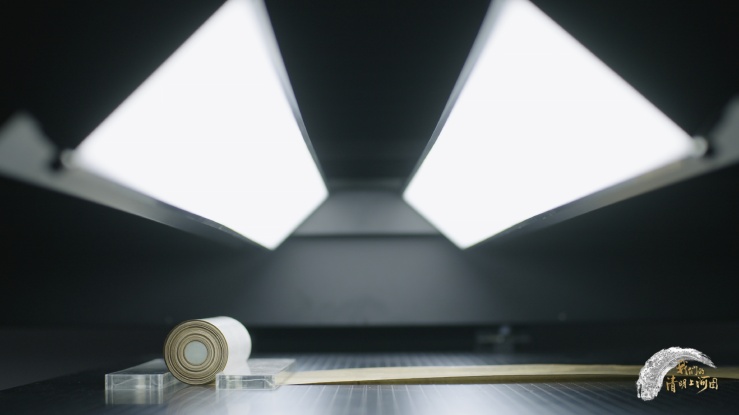
#北京。 #中國 #China #Beijing | #紫禁城 #ForbiddenCity #September2022 | #ForbiddenCityDairies the Qingming Riverside Scene is ingenious to “painting” restoration the four episodes of the Restoration of timeless untold stories …..

The four episode of our Qingming Riverside Scene is ingenious to “painting”

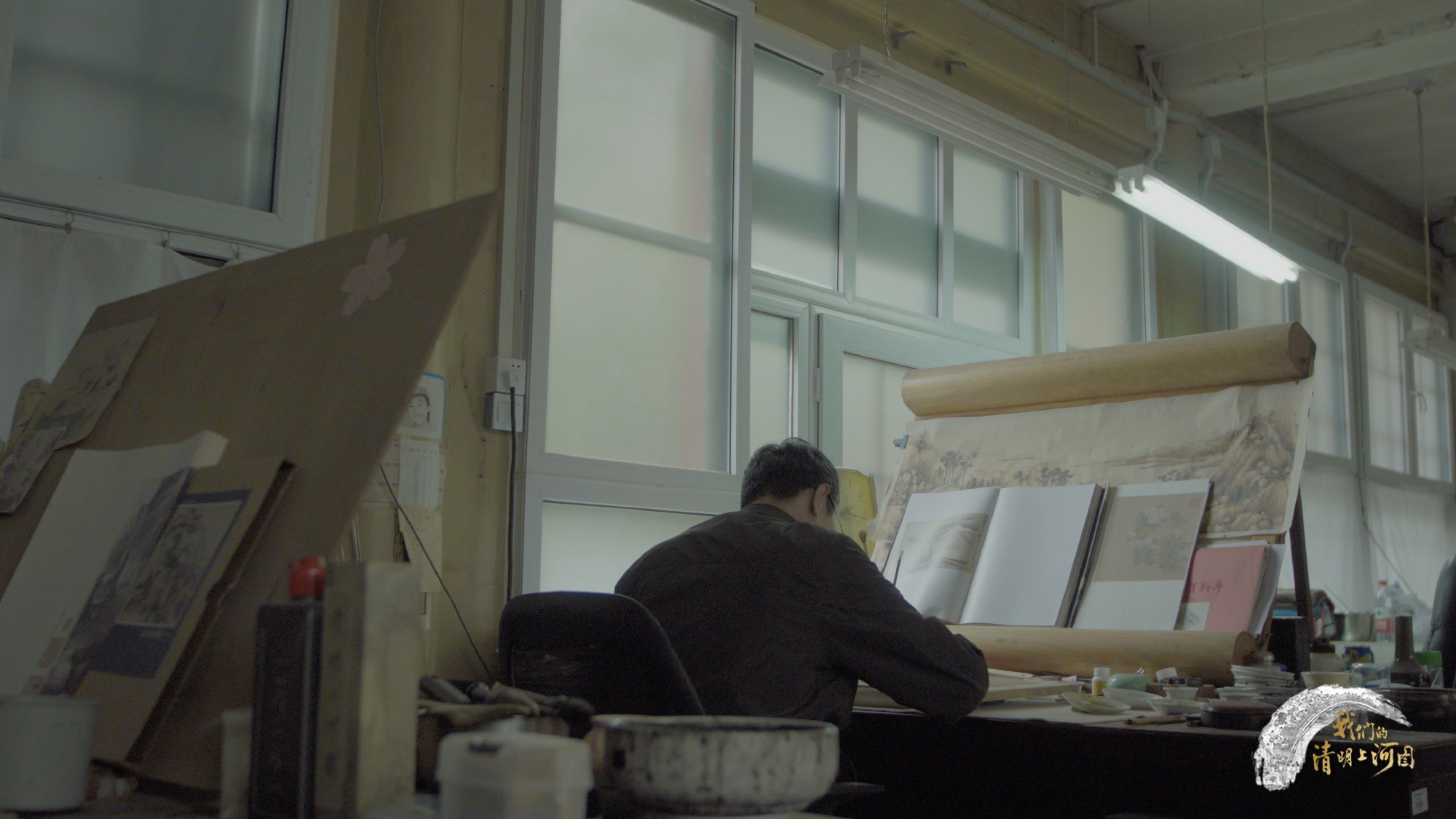
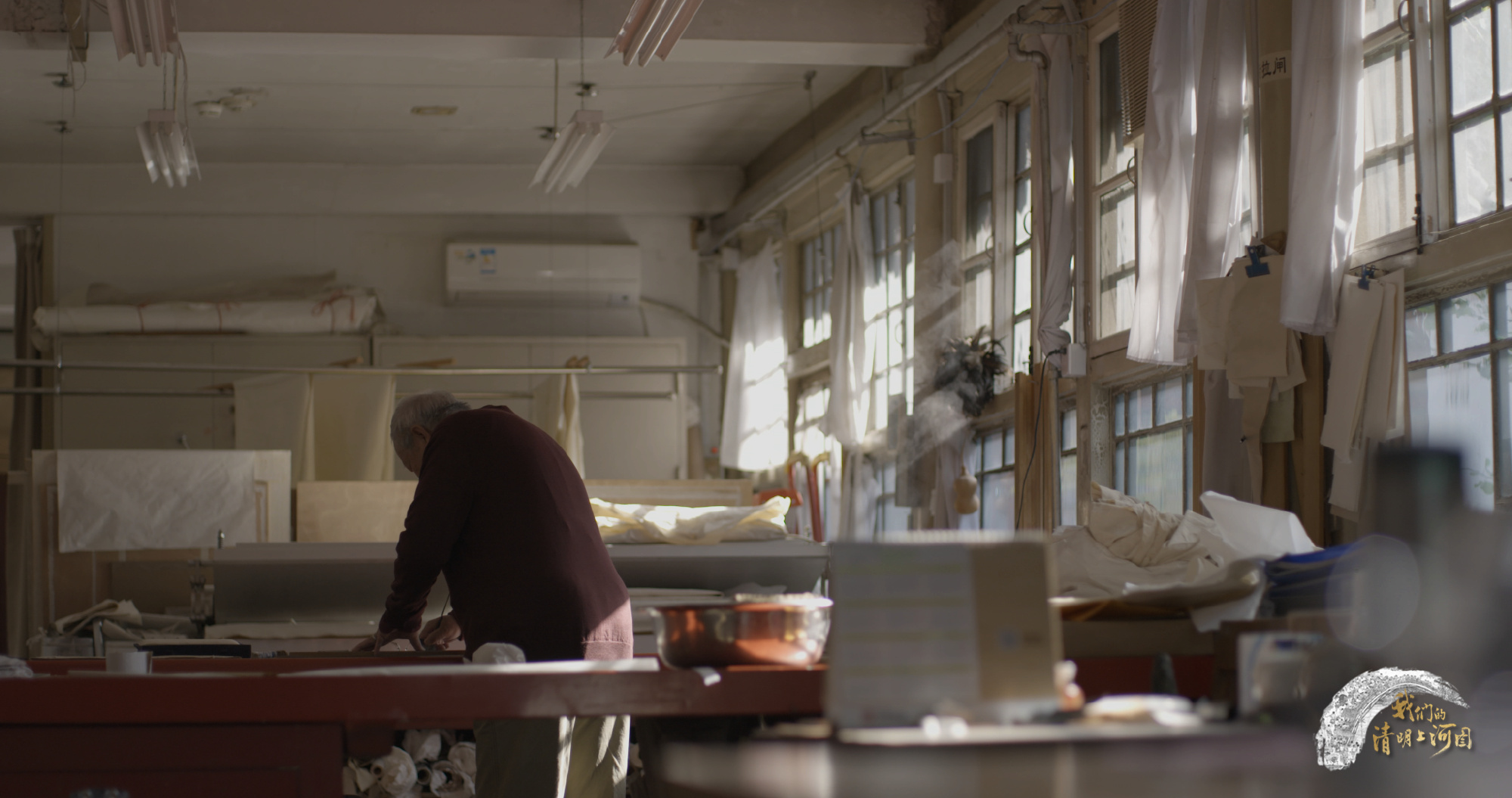
National Treasure Detective is the Premise theme of the all new restoration process techniques of the wonderful team of Forbidden City Restorers of  Copy, restore, record, and research, in the courtyard of the Forbidden City with red walls, yellow tiles, and blue bricks flying eaves, time suddenly stands still in the hands of generations of cultural relic restorers, cultural relic photographers, and cultural relic researchers, who are touching the millennium Every corner of the former Northern Song Dynasty faces history affectionately. They bury themselves deep in each work, just to keep the limited life of the cultural relics going. The documentary Our Qingming Shanghe Tu tells the legendary story of people and ancient paintings in the Forbidden City..

Documentary Our Qingming Shanghe Tu The four-episode feature film was successfully concluded this week! Copying, repairing, recording, researching, and following the documentary, we entered another story about “Along the River during Qingming Festival”, how the scenery on both sides of the Bain River thousands of years ago is preserved to this day; who uncovered the various forms of life in the Song Dynasty; from a hidden palace to a household name… After watching the documentary, what new understanding did you have about “Across the River during Qingming Festival”? in a which The Qingming festival or Ching Ming Festival, also known as Tomb-Sweeping Day in English, is a traditional Chinese festival observed by the Han Chinese of mainland China, Hong Kong, Macau, Taiwan and by the ethnic Chinese of Malaysia, Singapore, Cambodia, Indonesia, Philippines, Thailand, Vietnam and South east Asia countries..

The first episode of our Qingming Shanghe Tu is ingenious to “painting”

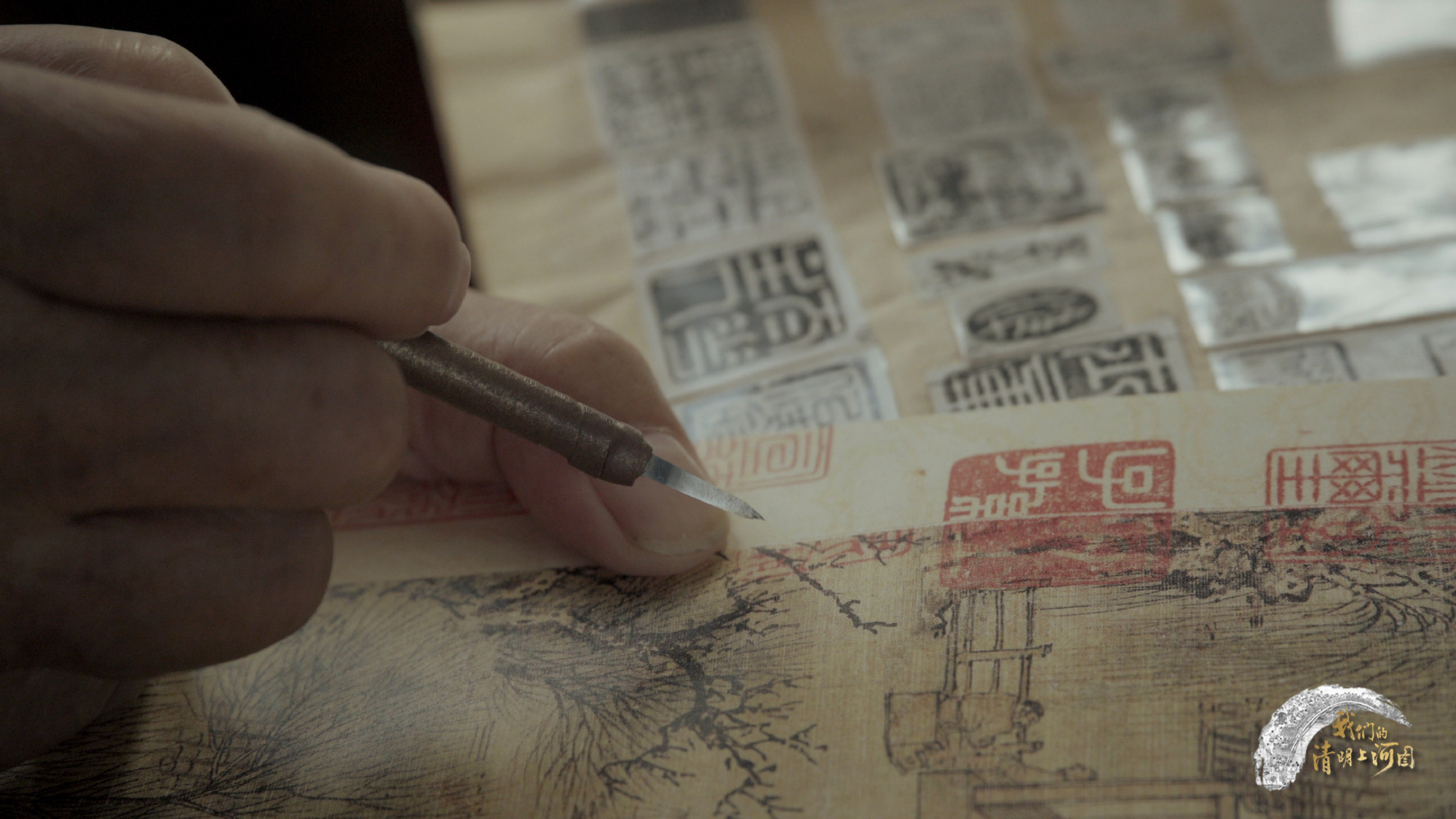
Our Qingming Shanghe Tu# In order to make the magnificent piece “Qingming Shanghe Tu” more visible to future generations, in the decades after the founding of New China, people in the Forbidden City copied ancient paintings and carved seals arduous task. A letter from home, a seal on the wall, restores this hardship. The vicissitudes of the “Across the River during Qingming Festival” complement each other with the ingenuity of the people in the Forbidden City, making the famous paintings copied in the whole volume also immortal…..

Episode 2: “Painting” at Risk

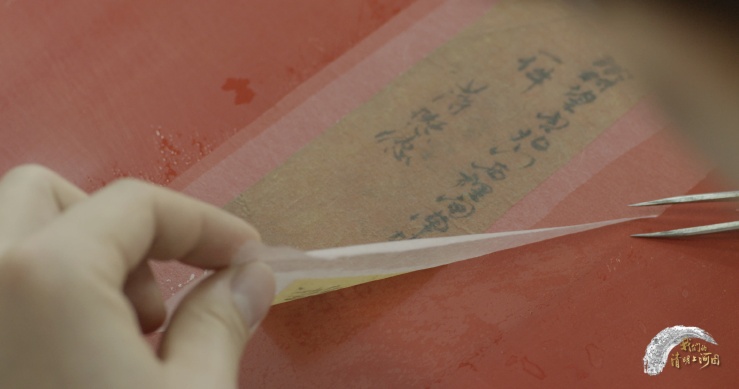
“Across the River During Qingming Festival”, which has been turbulent in history, how many steps does it take to heal the wounds? Three generations of people from the Forbidden City have gone through project initiation, consultation, discussion, and restoration to heal the scars of this famous painting. The restoration archive of “Along the River During Qingming Festival” restores the expert’s mental journey of “consulting” the ancient painting. A sticker behind the ancient painting witnesses the restoration skills of the people in the Forbidden City, as well as the stories and friendships contained in it

“Our Qingming Riverside Map” Episode 3: Changes to “Paintings” Thousands

There is a young department in the Palace Museum, dedicated to making the ancient paintings in the hidden palace gardens come to the public. The long river of history has endowed “Along the River during Qingming Festival” with a profound background, and the ever-changing technology has endowed it with vitality. Behind it lies the infinite creativity and vitality of generations of young people in the Forbidden City.

The fourth episode of “Our Qingming Riverside Scene” is a fascinating “painting”

How to crack the historical password in “Shanghe Tu at Qingming Festival”? Is it to sort out the literature, bury your head in research, or go back to Zhang Zeduan’s life path and “talk over the air” with the ancients thousands of years ago? Along two different research paths, we have entered a more vivid picture of “Along the River During Qingming Festival”, exploring emotional resonance in rational exploration.

Paper has a thousand-year lifespan, and silk is preserved for 800 years. The limitation of material is the problem of the preservation of calligraphy and painting from ancient times to the present. As a silk version of “Along the River during the Qingming Festival”, it has been around for nearly a thousand years. How do people in the Forbidden City protect the ancient paintings and cultural relics from generation to generation and leave a precious legacy for future generations? Documentary Our Qingming Shanghe Tu The first episode “Ingenuity to “Painting”, tells about “copying”, this ancient but handed down ancient painting protection method, tomorrow morning at 11:30, so stay tuned!

In this year’s 2022, the second decade from the turn of the century in Beijing the Capital of China also the People’s Republic of China, marking its six hundred and Two years anniversary of the Forbidden city that marks the transitional point of in between the middle of the Ming Dynasty (1368- 1644) transitionally from Nanjing to Beijing towards the Qing Dynasty (1636-1644-1911) …. The Imperial Palace seen so many countless seasonally transitional equinoxes but further its six hundred years is iconic, but it’s five hundred ninety nine years it marks it Autumn Equinox…. In which it only took twelve years to build the same of the Daming Palace of The Tang Dynasty Xian Imperial Capital only it was least twenty times larger..

Images and visuals are from – Forbidden City –Palace Museum Beijing- China –People’s Republic of China…..