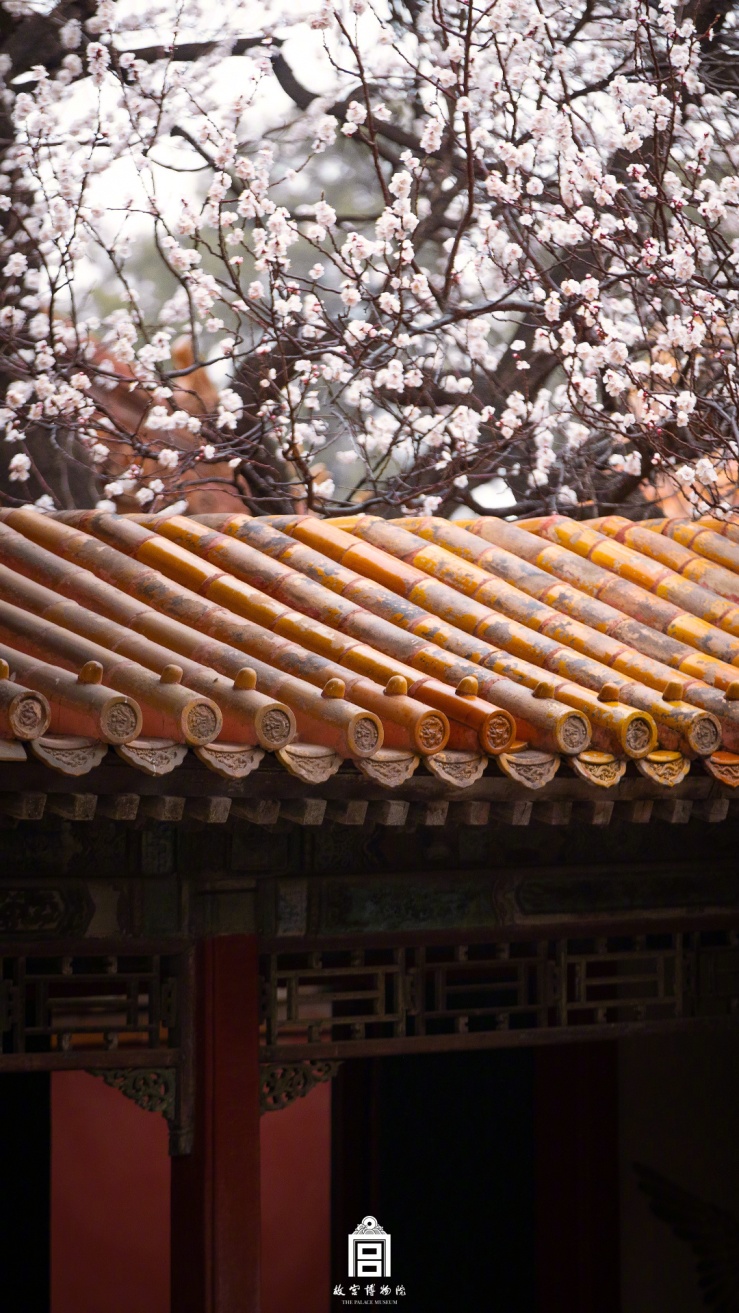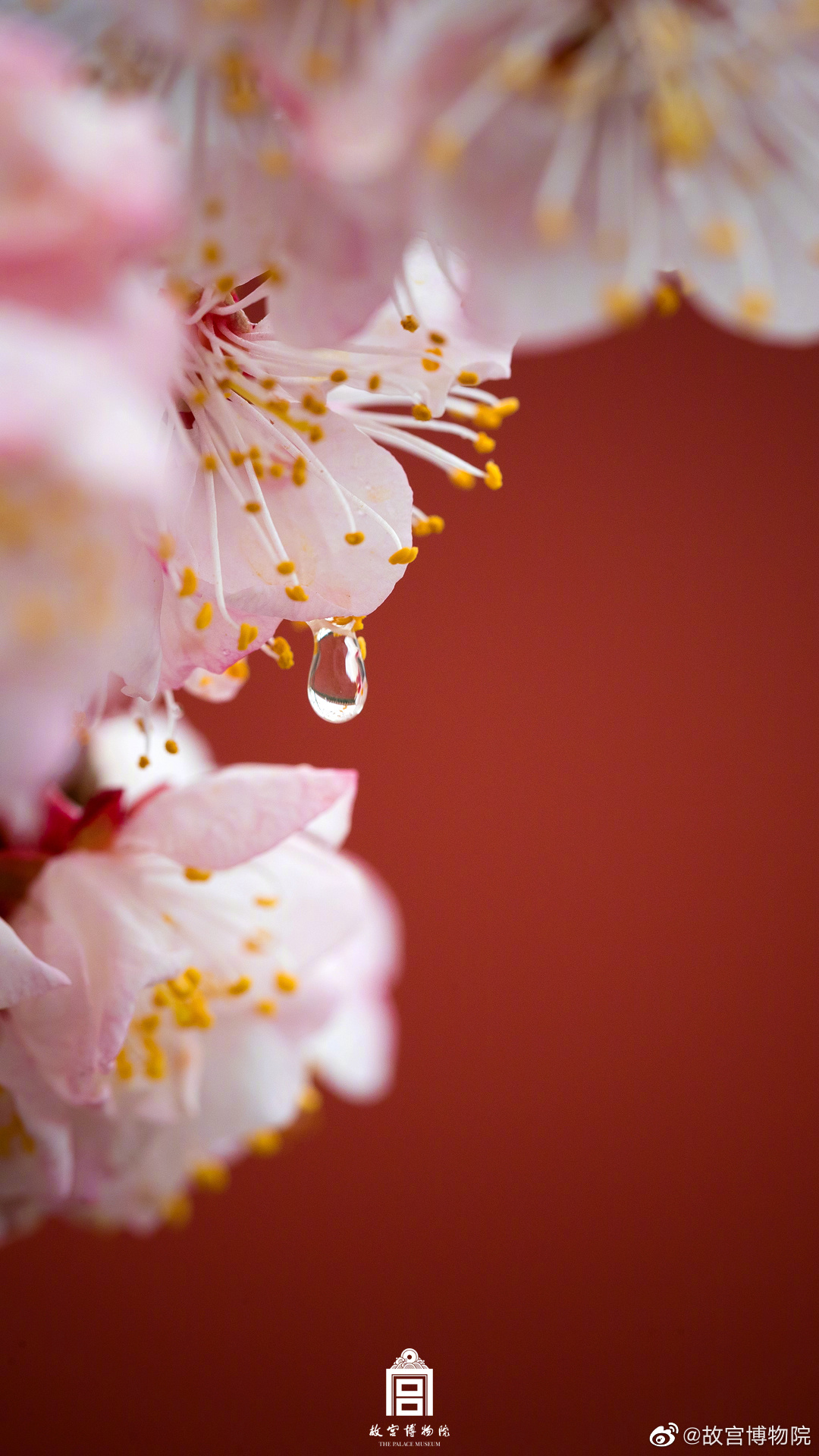
#北京。 #中國 #China #Beijing | #紫禁城 #ForbiddenCity #May2022 | #ForbiddenCityMoments #ForbiddenCityPress #ForbiddenCityBookStore #ForbiddenCityBooks The Forbidden City 100 #ForbiddenCityArchitecture ancient A little bit of color hidden in the Forbidden City….

Currently on 16th May 2022 on Beijing – China – People’s Republic of China in a critical month period during the critical period of Beijing’s epidemic prevention and control, can those wishing to visit the Forbidden City and see exhibitions have to be sealed again in which the announcement was made on the 11th May 2022 the Forbidden City Palace Museum Management “Dear audience: According to the latest situation of epidemic prevention and control in Beijing, in order to further reduce the risk of social spread of the epidemic caused by the flow of people, the Palace Museum will be temporarily closed from May 12, 2022 until further notice. Thank you for your understanding and cooperation….!

On 23rd May 2022 showing A little bit of color hidden in the Forbidden City…. Today, I will “walk” around the Forbidden City with you to find the beautiful colours hidden in the Forbidden City…

​​The Forbidden City is temporary closed. I believe many friends who like the Forbidden City and the Forbidden City exhibition will regret not being able to come to the Forbidden City, but don’t worry, the official website of the Forbidden City will definitely make everyone’s eyes shine, and you may find a lot of things that you haven’t discovered before. Little details….

Today, I will “walk” around the Forbidden City with you to find the beautiful colours hidden in the Forbidden City~

Pastel peach pattern straight neck bottle

Speaking of the colours in the Forbidden City, we must mention the Hall of Supreme Harmony….. This hall, commonly known as the “Golden Luan Hall”, is located in a prominent position on the main axis of the north and south of the Forbidden City. . In the 41st year of Jiajing (1562), it was renamed Huangji Hall. Finally, in the second year of Shunzhi in the Qing Dynasty (1645), it was officially renamed the “Taihe Hall” as we know it now. The Hall of Supreme Harmony has been burnt down and rebuilt many times since its completion. The Hall of Supreme Harmony you see now is actually the shape after the reconstruction in the 34th year of Emperor Kangxi of the Qing Dynasty (1695).

Hall of Supreme Harmony

Speaking of the decoration of the Hall of Supreme Harmony, it is really beautiful and unique. There are dense buckets, and the indoor and outdoor beams are decorated with Hexi colored paintings. The upper part of the doors and windows is inlaid with a rhombus pattern, the lower part is embossed with a cloud-dragon pattern, and a gilt copper leaf engraved with a dragon pattern is installed at the joint. The appearance alone makes people feel that this beautiful palace is full of beautiful and solemn colours then why does the Hall of Supreme Harmony give everyone such an impression? Very important role ….

Hall of Supreme Harmony

Speaking of Hexi color painting, everyone may have heard of it, so what kind of expression is it? Hexi color painting is the highest grade of architectural color paintings in the Qing Dynasty. It consists of three parts: Fangxin, looking for head, and hoop head. With connecting herringbone curves as intervals, it is painted with dragon and phoenix patterns, and the main lines are powdered and gilded. , and the ground is lined with green and red, and the colours are gorgeous, which can be said to be “resplendent” in the true sense…..

Forbidden City architectural color painting sample

Of course, the Hexi color painting is not unique to the Hall of Supreme Harmony. The Qianqing Palace and the Hall of Mental Cultivation in the Forbidden City, the Renshou Hall and the Hall of Paiyun in the Summer Palace, and the Hall of Prayer for the New Year of the Temple of Heaven are all painted with Hexi color paintings. Why did Hexi color painting occupy such an important position in the palace architecture of the Qing Dynasty? In fact, it also has a very strong cultural background and meaning. Before the Hexi color painting came into being, the architectural color paintings mostly used religious and folk patterns as the basic themes, the application of dragon and phoenix patterns was extremely limited, and the content of the color paintings mainly implied divine power and auspiciousness. With the passage of time, the idea of ​​imperial power began to strengthen ideologically, and color paintings with the theme of the dragon pattern symbolizing imperial power began to appear to show the rank and status of the building…..

Forbidden City architectural color painting sample

Of course, in addition to its unique connotations, Hexi Caihua also has a very special decorative technique, that is, a large number of gold stickers are used. Before the appearance of Hexi color painting, the use of “gold foil” was very limited, and it was only used to embellish the prominent position of the color painting. In the Qing Dynasty, Hexi color paintings far surpassed the previous color paintings in the use of gold foil, turning gold, which is only used for embellishment, into one of the main colours, and the area is second only to the two colours of blue and green. One of the reasons for choosing gold is because of all the colours; gold is the easiest color to express luxury and solemnity.
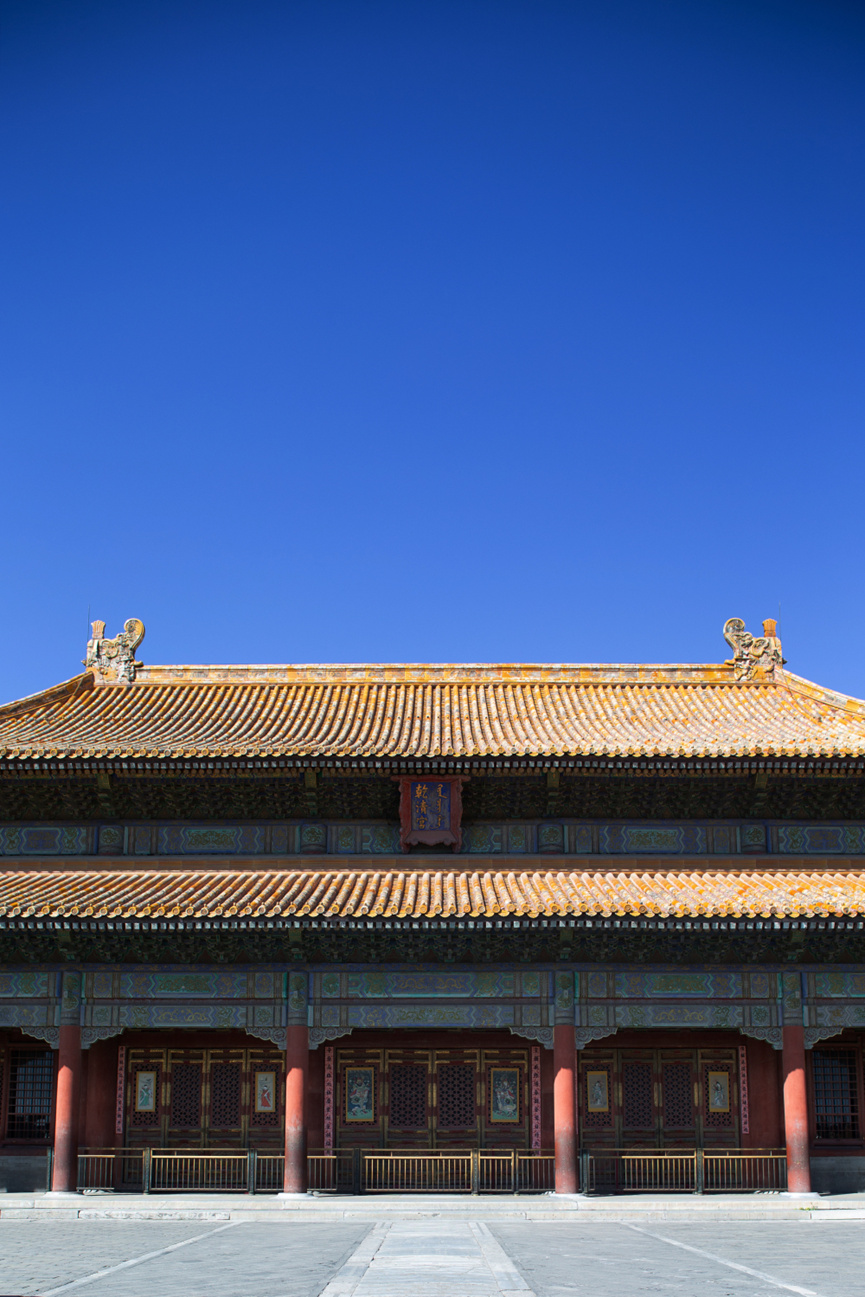
Qianqing Palace

But what is interesting is that although the palaces of princes and ministers have strict hierarchical regulations on the application of color paintings, there is no clear hierarchical system for color paintings in the palace. However, there is a clear difference from the color painting itself, which can be seen from the category of Hexi. For example: Dragon and Seal, which are generally used in Palaces where the emperor ascends the throne, manages affairs, and lives, such as the Hall of Supreme Harmony, Qianqing Palace, etc.; Dragon and Phoenix and Seals are used in Palaces where emperors and concubines live, such as Kunning Palace, etc.; Dragon grass and seal: used for important gates and palace gates of the Imperial City and the Forbidden City. You may wish to take a closer look at these beautifully colored Hexi colored paintings and see where their corresponding palaces are located……

Kunning Palace

Imagines credits are of the Forbidden City –Imperial Palace –Beijing – China- People’s Republic of China also from the Series Weibo北京卫视上新了故宫 Treasures in the Forbidden City…

#北京。 #中國 #China #Beijing | #紫禁城 #ForbiddenCity #April2022 | #ForbiddenCityMoments #ForbiddenCityPress #ForbiddenCityBookStore the Way of the #ForbiddenCityArchitecture elements of the #BookOfChanges —–

The Forbidden City Book Store which in the grounds of the Forbidden City Complex Forbidden City Hundred Excellent Books Public welfare reading activities! “The Way of the Forbidden City Architecture” is the work of Wang Zilin, an expert from the Palace Museum, to study the construction of the Forbidden City. The Forbidden City has a rich architectural language that emphasizes the principles of order, proportion and symmetry. The central axis is the backbone of the building and the pivot that supports the entire palace. The Forbidden City is upright, symmetrical and orderly, and is a “model student” of ancient Chinese official architecture. The architectural complex of the Forbidden City has a unique shape and cultural connotation rich in traditional charm.

For example, the frame structure of the Forbidden City—five gates and three dynasties, the front court and the back bed, the east and west six palaces, comes from the “Zhou Li”. The Qiankun hexagram in “Book of Changes” makes the combination of buildings have a metaphysical height and a solid foundation. For example, the plane structure of the east and west six palaces presents the three-painted hexagram, which symbolizes the Kun hexagram, while the Qianqing Palace, The names of Kunning Palace and Jiaotai Hall are directly derived from Qian Gua, Kun Gua and Tai Gua, which make the Forbidden City have the logical law of the positioning of heaven and earth and the intersection of heaven and earth. The red walls and yellow tiles constitute the color tone of the Forbidden City architecture. In traditional cognition, yellow symbolizes earth, red symbolizes fire, and earth is located in the center. Therefore, the three halls are built on earth-shaped platforms. The color is yellow, so the central emperor is called the Yellow Emperor.” According to the principle of the five elements, fire can generate soil, so the red wall symbolizes fire, and the yellow tile symbolizes soil. The building roofs in the Forbidden City include almost all the forms of ancient Chinese building roofs, such as hard hills, hanging hills, Xieshan, Hudian, Zanjian, cross ridges, double eaves, rolling tents, scorpion tops, etc. They have strict grades. The difference reflects the etiquette characteristics of that era.


In addition to deciphering the architectural language from the architecture itself, when the landscape and architecture are integrated and are no longer isolated natural landscapes, they also become part of the architectural language and shoulder the heavy responsibility of interpreting architectural ideals. The Jinshui River and Wansui Mountain in the Forbidden City are no longer natural mountains and waters in a pure sense, but have an inseparable relationship with architecture. Wansui Mountain is the backing of the Forbidden City. Without this mountain, the Forbidden City will lose its strongest barrier and become an isolated city. The Jinshui River also has this function. It not only provides water for the entire Miyagi city and ensures the water and drainage of the palace city, but also plays the role of connecting the northwest trunk with the southeast Sunda, making the Jinshui River an image of a trunk. The river of gold enables the communication between heaven and earth and the connection between mountains and lakes….

Imagines credits are of the Forbidden City –Imperial Palace –Beijing – China- People’s Republic of China also from the Series Weibo北京卫视上新了故宫 Treasures in the Forbidden City…

#北京。 #中國 #China #Beijing | #紫禁城 #ForbiddenCity #April2022 | #ForbiddenCityMoments #ForbiddenCitySeason # InternationalDay for Monuments and Sites | in the thousands of weather, the Forbidden City is guarded by them #AGallery ……

On 18th April 2022 it was International Day for Monuments and Sites | In the thousands of weather, the Forbidden City – Beijing – China – People’s Republic of China is guarded by them and this year’s theme is “Heritage and Climate”. Wind, frost, rain and snow, the four seasons rotate, and the lights and shadows belonging to the Forbidden City are constantly changing. Share with you the headline article “In the thousands of weather, the Forbidden City is guarded by them” (including many high-definition pictures of the Forbidden City

The theme of this year’s International Day of Monuments and Sites is “Heritage and Climate”, and we will share with you the stories of the protection of the Forbidden City under different “climates”.

​​In mid-March this year, the constantly loaded spring in Beijing was suddenly interrupted by a heavy snow. Changes in weather have brought a landscape of “snow” and “flowers” in the same frame to the Forbidden City.

Whether it is sunny or raining, frost or snow, the Forbidden City under thousands of weather attracts the attention of the world with its unique momentum as a world cultural heritage site.

Since ancient times, the ever-changing weather has always affected people’s lives. From farming, to dressing and commuting, many of our actions depend on observing and responding to the weather.

For the Forbidden City, the weather is not only its changing and “atmospheric” dress, but also determines its state of breathing and breathing, as well as the actions of a group of guardians.

Every crystal snow, every roar of thunder and lightning, every rain, what kind of weather-related stories are happening here?

Snow

The most eye-catching Forbidden weather is snow. It brings a “winter limited” plain silver outfit to the Forbidden City. In the winter wind hunting, jade butterflies dance in the air, and the melting snow turns into ice under the eaves.

In the winter when the Beijing Winter Olympics were successfully held, the capital was snowy. The snowflakes falling one after another fell on the city, which matched the unique surprise of “red wall and white snow”.

In addition to the picture of “Smashed and Falling Qiongfang”, a group of hurrying figures are fighting in every corner of the Forbidden City.

In order to ensure a safe and comfortable visiting experience for tourists, the Palace Museum has launched an emergency plan for opening up in snow in a timely manner according to the weather forecast.

 In three days, the Forbidden City has accumulated a snow-cleared area of ​​900,000 square meters and transported more than 500 vehicles.

In the silver-white world, the palace walls and palaces stand majestically, and the people who are busy in it become a different embellishment.

Perseverance in the cold wind has never changed. This warmth has always been stationed in this city, accompanying everyone who comes.

Thunder

When winter comes to spring, the breeze blows away the cold air and greens the willow branches along the river bank. The flow of air brings vitality to the city and promotes the renewal of everything.

“In the second month of the month, all things are out of shock, and the shock is thunder, so it is called Jingzhe.”

Spring thunder sprouting, all things grow, but where there is thunder, it is easy to make fire. This is undoubtedly a major safety risk for wood-structured buildings.

Looking inside the palace walls, the towering three halls, turrets and other buildings were struck by lightning several times and caught fire during the Ming and Qing Dynasties, resulting in heavy losses.

In order to pray to avoid lightning, the tenth ridge beast “Xingshi” was added to the roof of the Hall of Supreme Harmony during the Kangxi period. Its shape is similar to the image of Lei Gong in myths and legends, which means controlling thunder, suppressing thunder and eliminating disasters.

In addition to the careful thought of praying for blessings, the design of the metal top connected to the down-conduct under the glazed tile also realizes a simple “lightning avoidance” function that is quite labor-intensive.

The picture shows the lightning protection roof of Zhonghe Hall

In the 1980s, with the promulgation of the National Code for Design of Lightning Protection for Buildings, the renovation of lightning protection facilities in the Forbidden City was officially put on the agenda.

The Palace Museum and the Institute of Electrical Engineering of the Chinese Academy of Sciences jointly conducted a survey to improve the lightning protection design of the Palace Museum and carry out a large number of facilities repair work according to factors such as the law of lightning strikes in the Palace Museum and the material of the building roof.

Today, the modern lightning protection system has accompanied the Forbidden City to survive many lightning strikes. The single lightning rod on the kiss, the lightning protection belt on the roof… are the “lifelines” for the city’s lightning protection and disaster prevention.

The thunder sounded, and the rain came in time. Rolling spring thunder and falling rain are another feature of the Forbidden weather.

RAIN

When it comes to the rain in the Forbidden City, people often have many associations. The little ripples of the Jinshui River and the pavilions in the mirror like the fairy palace form the beautiful picture of the Forbidden City in the rain and after the rain.

The magnificent Forbidden City complex has survived countless showers, thanks to its exquisite drainage system.

In the large and small halls, whether it is a Xieshan top, a hard top, or a pointed or helmet top, the design of various roofs follows the characteristics of high ridge and steep slope, and the purpose is to drain rainwater quickly.

On the roof, raised tube tiles and sunken slabs form “drainage channels” – tile ridges. The rainwater that falls from the sky flows down in an orderly manner along the tile ridges, collects at the dripping places of the eaves, and flows to the ground.

The water accumulated on the eaves inside the palace wall is drained out of the wall along the drain.

Thousands of chi heads on the base of the hall also dutifully “spit” the accumulated water to the ground.

Countless streams of water leaked into the sewer channel along the money eye and groove on the ground, and finally all drained into the Inner Jinshui River, completing another flow cycle.

The rainy day story of the Forbidden City is not limited to the long and complete outdoor drainage system.

The temperature and humidity of the indoor environment have a direct impact on the health and longevity of buildings and cultural relics. In 2005, the Palace Museum began to monitor the temperature and humidity of the exhibition halls, and gradually selected pilots and established a data platform. Today, the Forbidden City has already achieved comprehensive monitoring of the temperature and humidity of the exhibition halls.

At present, the Palace Museum has installed 207 monitoring equipment in 63 cultural relics buildings and warehouses, focusing on data collection of the preservation environment of indoor color paintings, decoration and ceiling decoration.

In addition to the regular temperature and humidity monitoring, there are also monitoring of carbon dioxide concentration in the exhibition halls such as Wuying Hall. In some original exhibition halls such as Kunning Palace and Chuxiu Palace, the monitoring of light is also added to prevent visible light and ultraviolet rays from affecting cultural relics. The damage caused is supported by data.

The figurative monitoring data provides accurate and powerful reference for the repair of many ancient buildings in the Forbidden City and the protection of cultural relics.

Wind, frost, rain and snow, the four seasons rotate. The thousands of lights and shadows belonging to the Forbidden City are constantly changing, but what remains unchanged is the diligent pursuit of generations of guardians for the continuation of civilization.

The humidity of the exhibition hall can be monitored in real time through the background of the monitoring system

Bathed in thousands of years of wind and rain, the ancestors formed a unique building construction wisdom in the long years ; today, modern scientific and technological means are escorting the Forbidden City .

In 2011, the Palace Museum built an automatic meteorological monitoring station. Since then, the meteorological “codes” such as precipitation, snow depth, and illumination of this ancient building complex can be measured, providing accurate data for the formulation of plans to prevent unexpected meteorological events.

When the rain ends and the sky clears, I hope that the majestic Forbidden City, which has experienced thousands of weather, will continue to write more exciting weather stories under the joint protection of you and me, and walk through the next 600 years safely!

参考资料

​1. 桑颖新,紫禁城内的排水,《紫禁城》2003年3期。

​2. 李全庆,古建筑屋顶奇妙的排水方法,《紫禁城》1987年4期。

​3. 白丽娟,故宫博物院古建筑防雷保护工作的回顾,《故宫博物院院刊》2005年第5期。

摄影/ 柳叶氘 朱楷 余宁川 孙志远 高欣 金悦平 孙文静 郑文玥

​ 制图/ 韩雪辉 责任编辑/ 刘丹阳 盛馨艺

Imagines credits are of the Forbidden City –Imperial Palace –Beijing – China- People’s Republic of China also from the Series Weibo北京卫视上新了故宫 Treasures in the Forbidden City…

#北京 #中國 #China #Beijing | #紫禁城 #ForbiddenCity #April2022 | #北京卫视上新了故宫#BeijingSatelliteTV #BeijingTV |#ForbiddenCityMoments of The Magnolia Apricot Blossom Starry flowers of #AGallery —-

In this year’s 2022, the second decade from the turn of the century in Beijing the Capital of China also the People’s Republic of China, in which is also the year of the Tiger, marking its six hundred and two years anniversary of the Forbidden city that marks the transitional point of in between the middle of the Ming Dynasty (1368- 1644) transitionally from Nanjing to Beijing towards the Qing Dynasty (1636-1644-1911) …. The Imperial Palace seen so many countless seasonally transitional equinoxes but further its six hundred years is iconic, but it’s five hundred ninety nine years it marks it Autumn Equinox…. In which it only took twelve years to build the same of the Daming Palace of The Tang Dynasty Xian Imperial Capital only it was least twenty times larger…

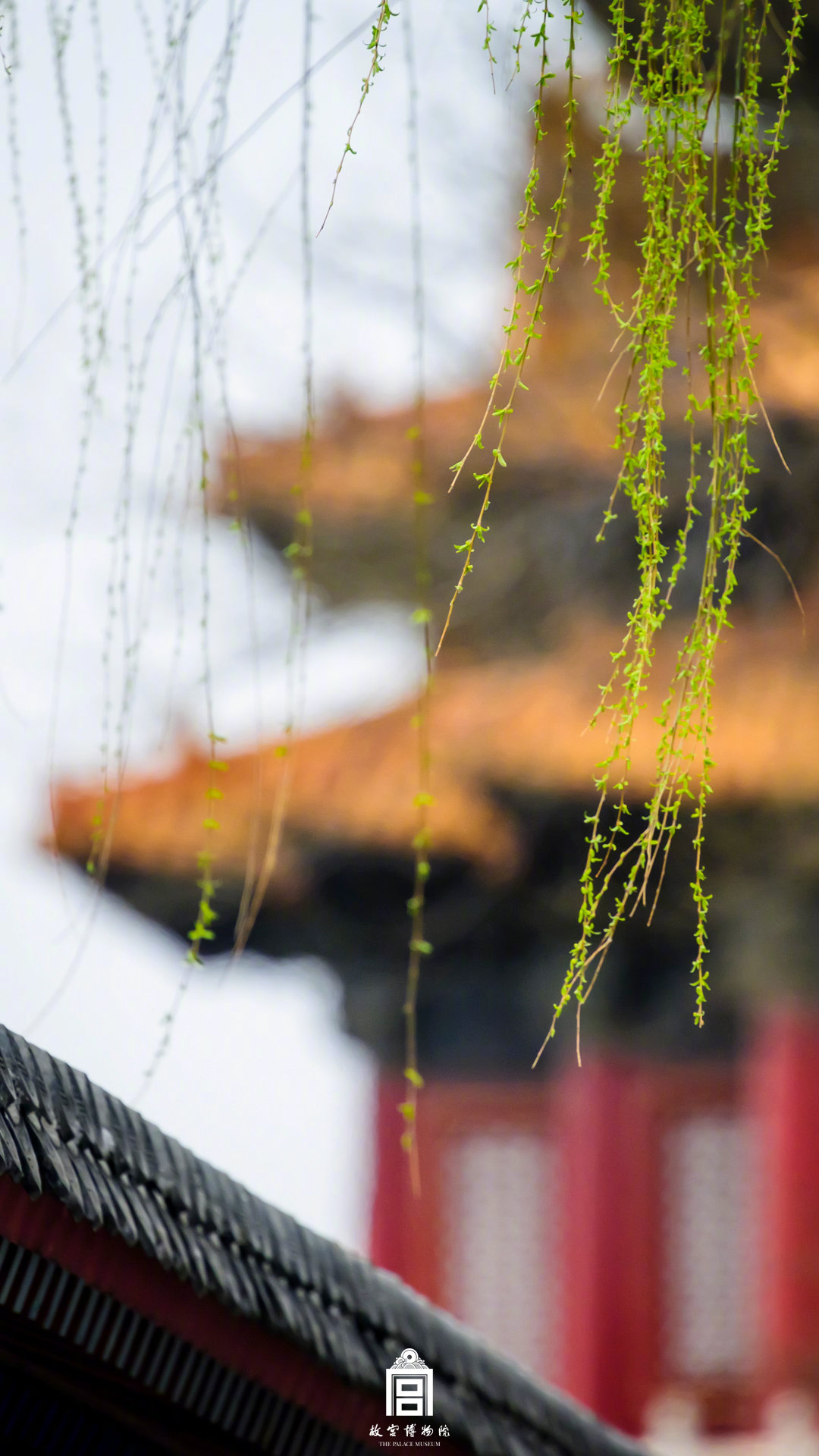
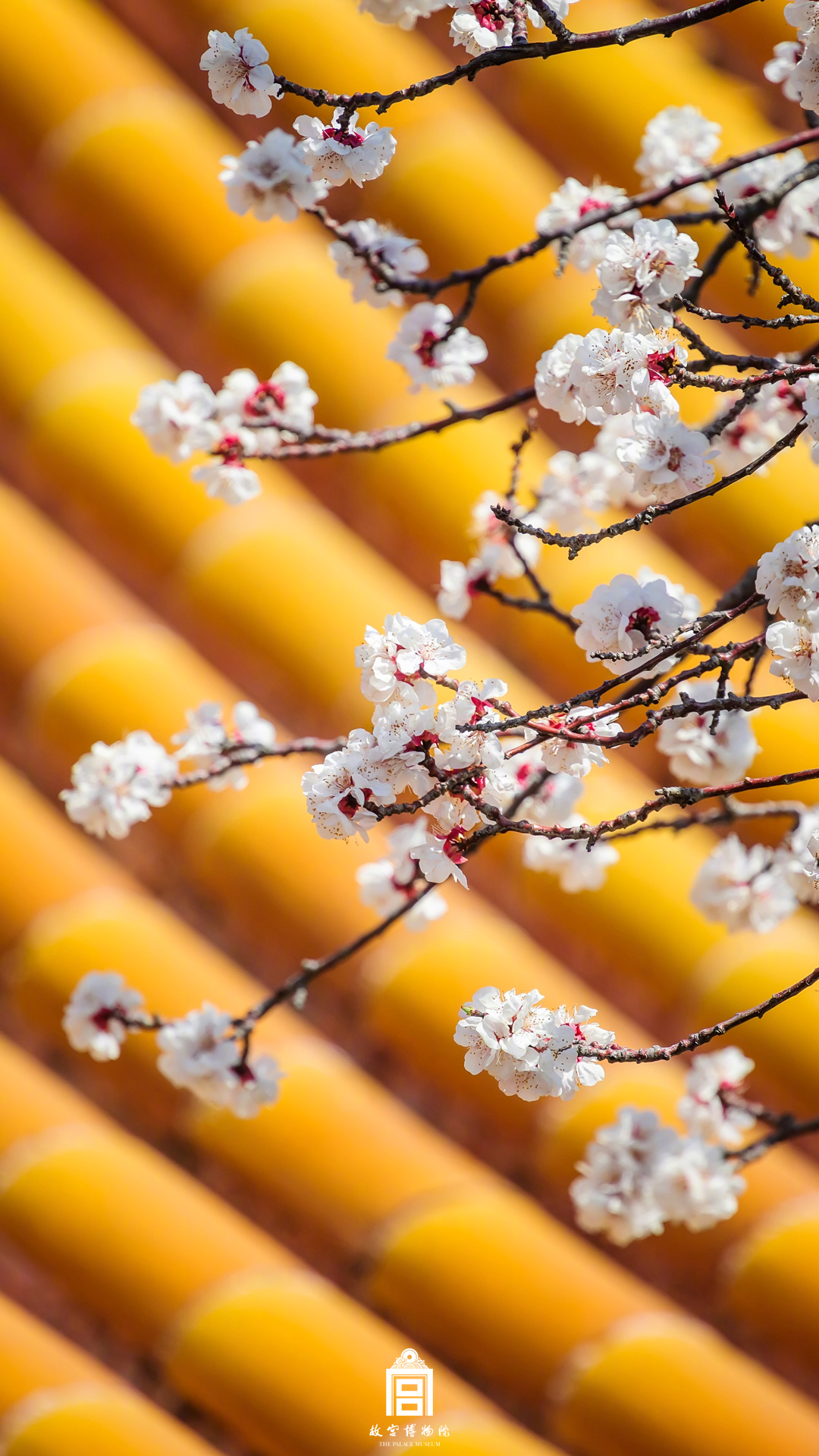
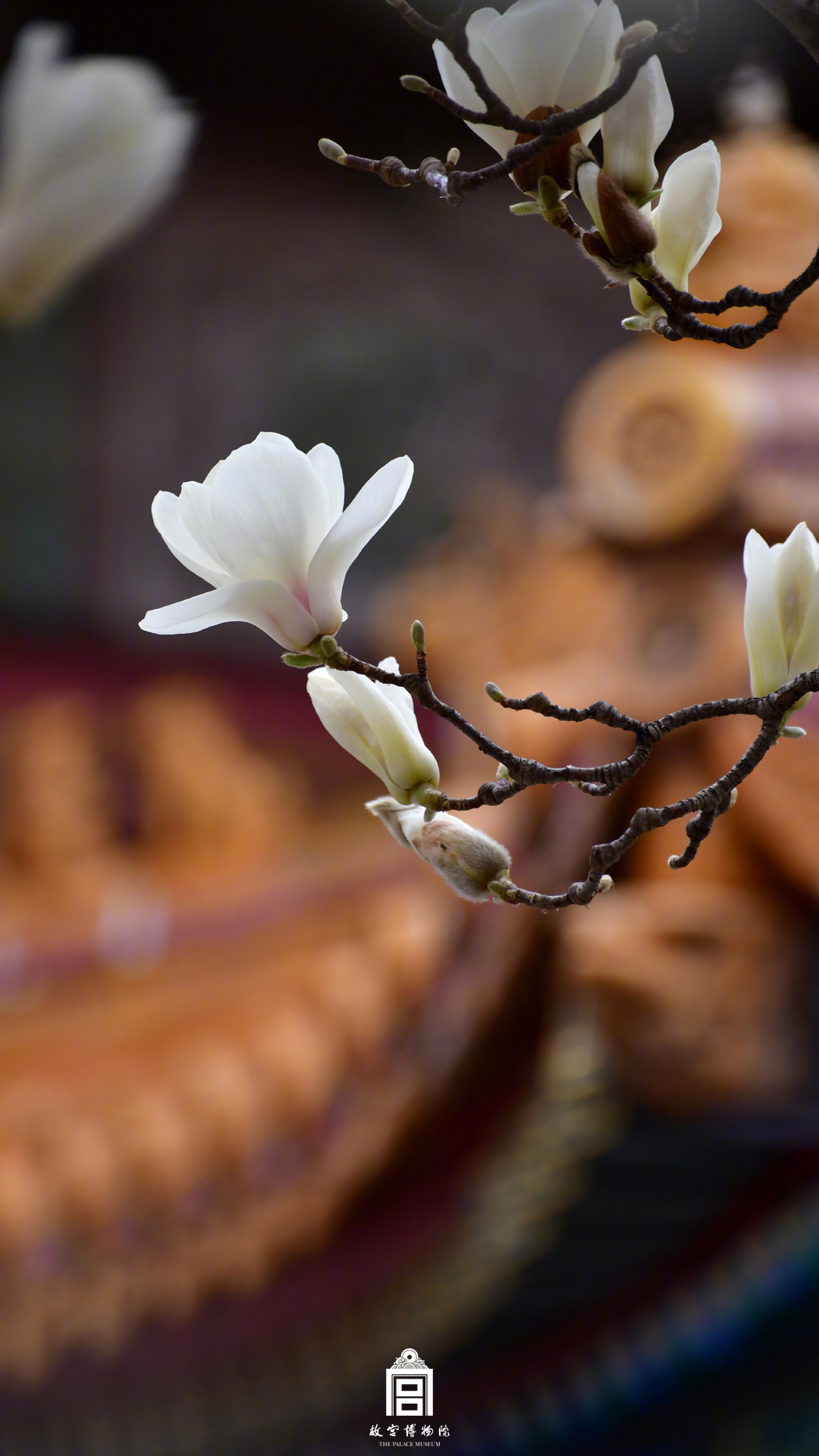
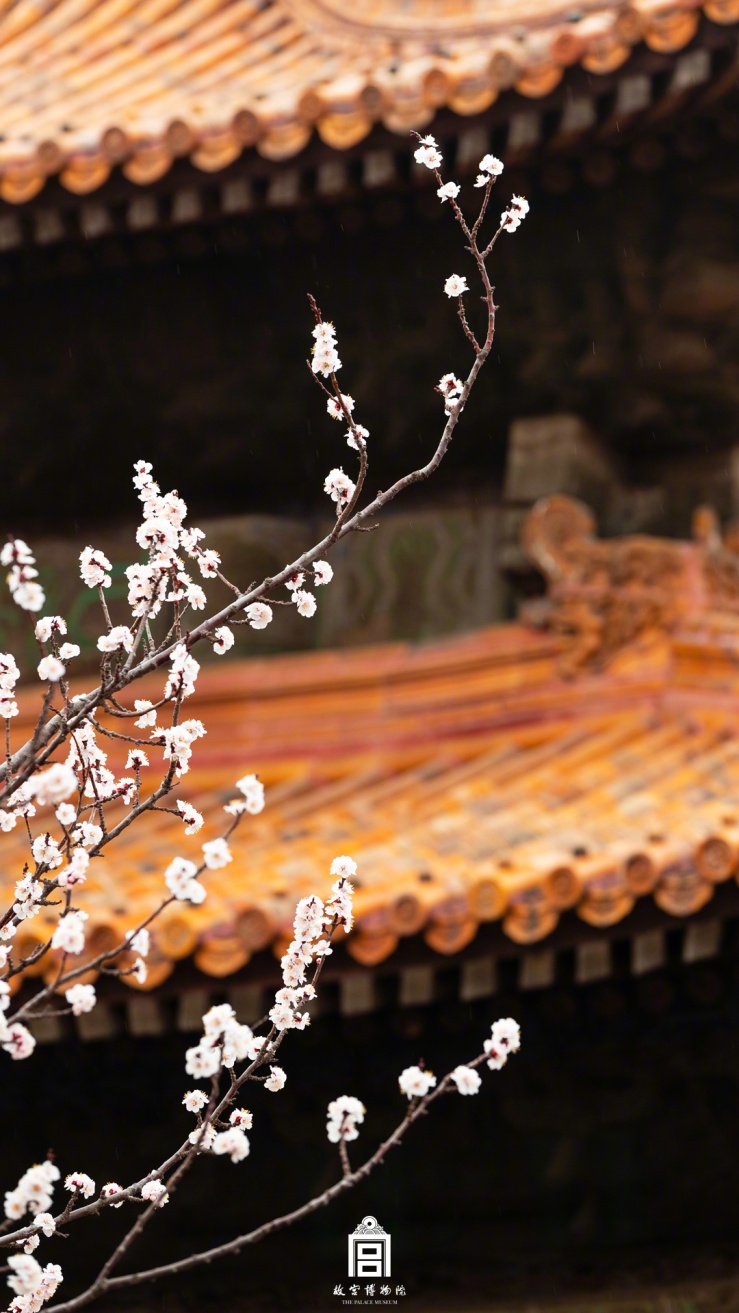
During the 8th  April 2022 its relative spring in which Cherries, apples, Apricot blossoms in which  Spring water surrounds the flower body, and each flower shadow occupies the spring. Slightly apricot blossoms, bright magnolias Mulan flowers which looks starry stellar constellations star fields , it is another year in full bloom! ….. Which is to fall in love with the Forbidden City…..

During outside the Forbidden city Summer Palace’s spring beauty has become a painting Spring is here, the peach blossoms of the Summer Palace are in full bloom, among the lakes and mountains, the blossoming peach blossoms bloom on the ten-mile lake embankment, and the gleaming water presents a style of Jiangnan water town, Beijing 大女….

Imagines credits are of the Forbidden city –Imperial Palace –Beijing – China- People’s Republic of China also from the Series Weibo北京卫视上新了故宫 Treasures in the Forbidden City…

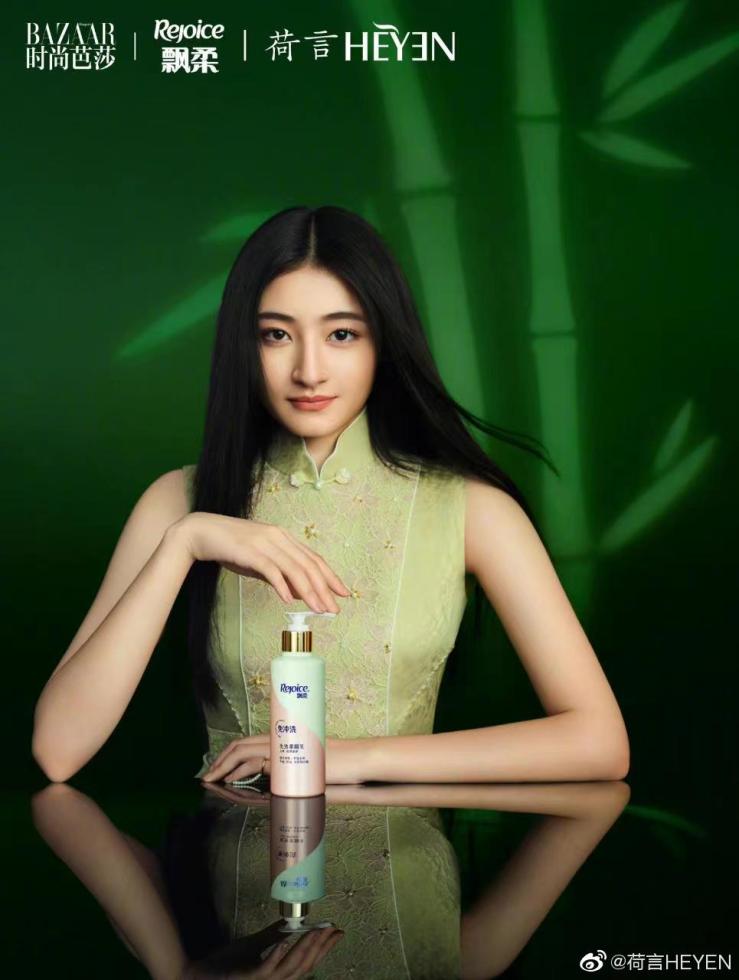
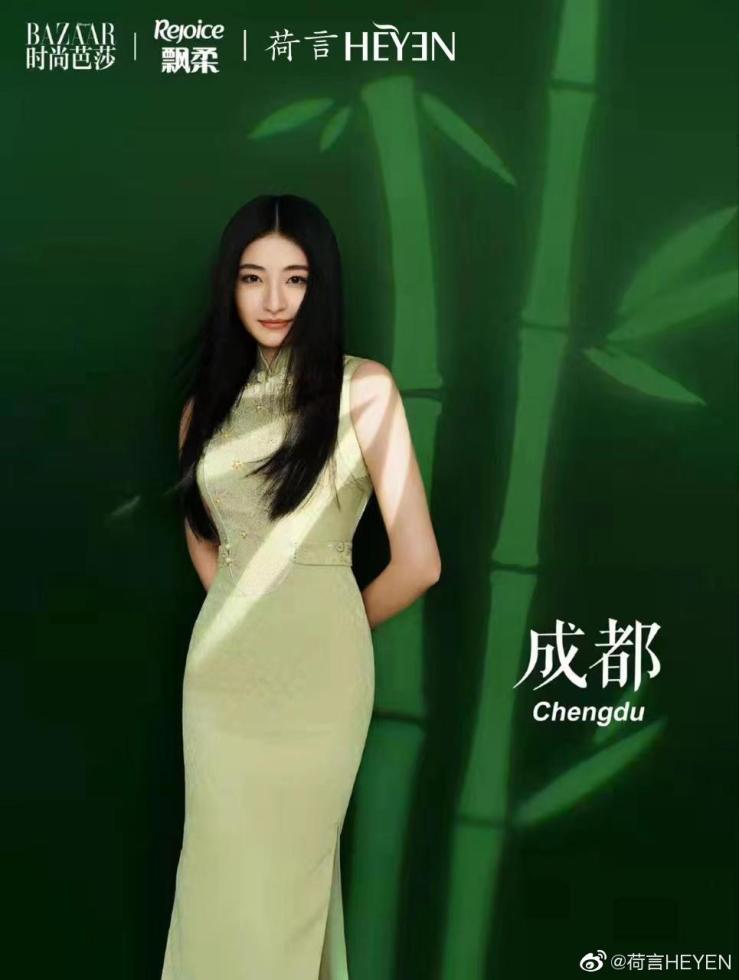
#QIPAO #旗袍 #Cheongsam |#荷言旗袍 #荷言#HEYEN #March2022| #FashionLookBook your timeless Brilliant Spring  Bamboo Mint #ModernQipao #TraditionalChineseQipao #Cheongsam #PostModernQipoa delicate lacy #EveryDayWear #WorkWear inspirational featured  on #BAZAAR #Rejoice

荷言旗袍 #荷言HEYEN…. Suzhou Heyan Culture Communication Co., Ltd. In which Heyan cheongsam– China – People’s Republic of China… is located in Suzhou City in which Heyan cheongsam is the first brand of Chinese Su embroidered cheongsam. Adhere to original design, Suzhou embroidery craftsmanship, and manual customization, with traditional culture as the core, and actively promote the Chinese Suzhou style cheongsam…

Traditionally the Qipao- Cheongsam dress is fasten assemblage with ribbon buttons of pearls or silk the traditionally wearing it has a back zip in which helps to emphasis the embroidery artwork of the Qipao-Cheongsam.

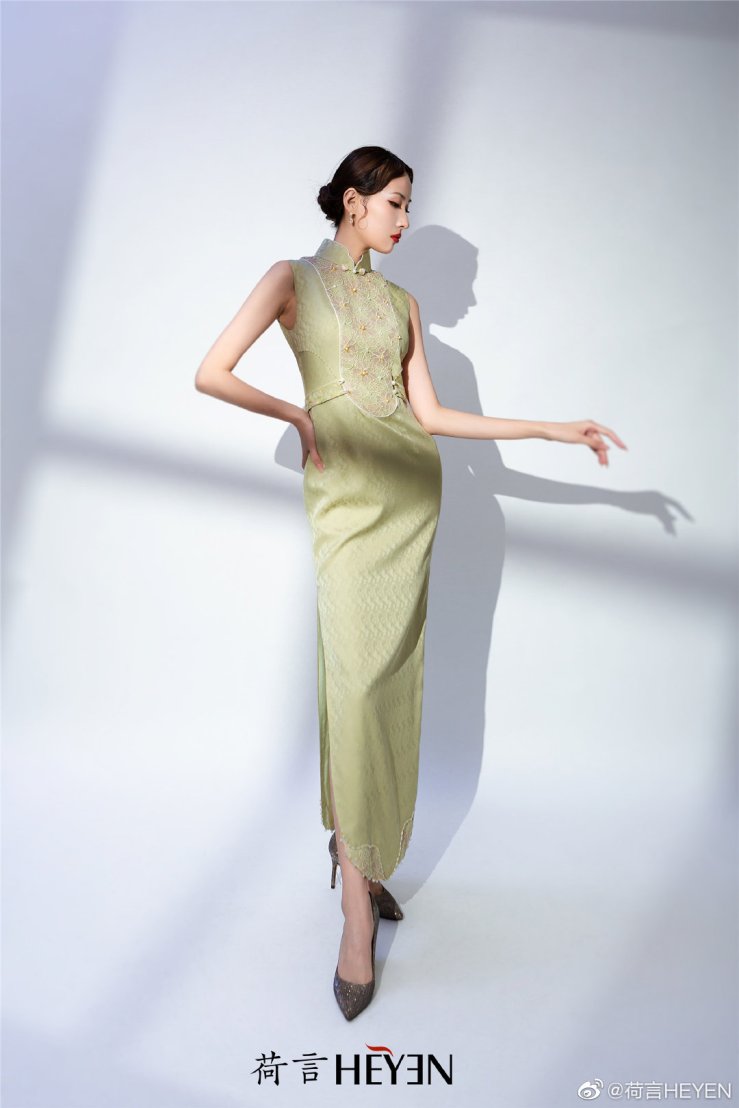
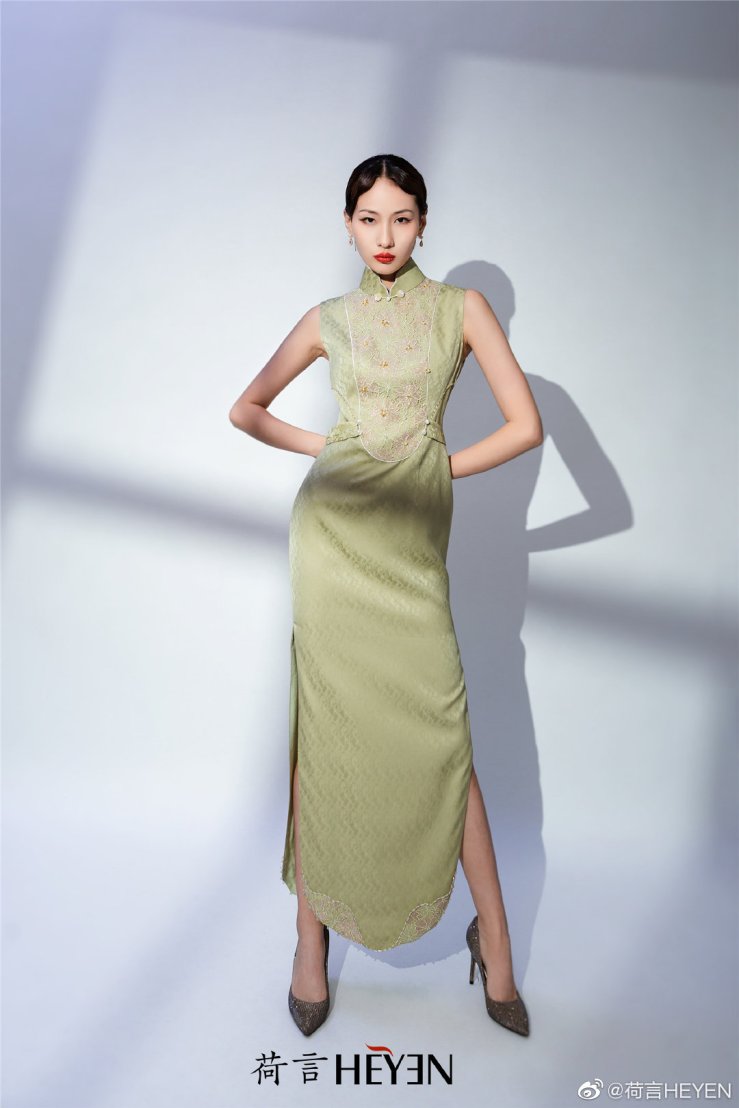
Heyan HEYEN Xiaoting Wulu cooperated with the fashionable bazaar & rejoice brand Everything grows in a brilliant spring 2022 HEYEN collection The cheongsam is new in March in spring with pastel mint colours in with intricate lacy sewn with  a high-end kimono fabric, detachable hand embroidered girdle, interpreting the new national style with post- modern everyday elegant trims, featuring spring  lacy blossoming  peonies with embroidery sheerness silk gothic lacy work  

With silky shoulders, neck and arm lines… the slenderness and extension of the calves and ankles… the rhythm of each step… Based on this, there is really no dress that is more suitable for showing the temperament of the goddess than “cheongsam- Qipao” expression of that is the new荷言旗袍 HEYEN modern Lacy silk with …. With a beautiful detailing of slide button fixtures in a traditional Qipao- Cheongsam design in replacement of the modern with the back zip opening in which is a non-traditional design ..

QIPAO 旗袍 Cheongsam …. In which from historically Shenyang is the birth place of the Qing Dynasty 1636-1912plus ….  In which Qipao is termed for Qing Dynasty Clothing that the Manchu ethnic adoptively wore…… in which the Shenyang Palace Museum was an imperial palace towards two Qing Dynasty emperors. Previously two years ago During the event it which was an eight day forums, with exhibitions also related workshops illustrating the birth place of the Old Capital of Cheongsam where the Qing Dynasty- Qipao was inspired from..  

Before that Shanghai 1930’s Qipao-Cheongsam revolution, the Manchurian Cheongsam was the fashion of choice of the Qing Dynasty (1636-1912)   throughout as it standardised that style during the dynasty… Replacing the previous clothing standard Han Fu – Han Dynasty clothing style, in which also is form fitting towards the women’s silhouette but with a higher degree of freedom of flare of personal, individual style… 

Qipao-Cheongsam is uniquely hand crafted tailored Chinese dress to the customer’s various measurements… in which you can still have them brought of the rack in which is accustomed to the standard measurements… in which you can tell which is western influenced with the back zipped in which the Eastern traditional Chinese Tailors would have the side zipped of the Qipao dress due it interrupts the flow of the pattern work at the back of the dress..  Also it creates a continuous seamless back look…  after as the measurements are translated drafted onto the silk or the customer desired accustomed fabric of choice, from the measurements book with the associated look of the design elements with additional accessories the sexiness of Qipao lies subtlety.. Measuring, patterning, cutting, and button making are crucial, in where passion and art comes together in tailoring

 In which traditionally Qipao- Cheongsam dresses are worn for from straight forwardly every day towards after work evening wear in without having to change to another set of wardrobe dressing only to accessories for the required occasion… … in which the Qipao dress pattern silhouette is design for the lady’s figure in which accentuating the silhouette without giving away too much of what’s underneath in retaining…. its timeless classic silhouettes in which are designed to be worn every day, from work, evening,  casually  towards to the weekend… with sleek simple, elegant, sexy intelligent sophistication in which are easy to be accessorised with any pieces of clothing in your current or upcoming wardrobe…

Images and visuals are from Weibo also from荷言旗袍 #荷言HEYEN…. Suzhou Heyan Culture Communication Co., Ltd. In which Heyan cheongsam –  China – People’s Republic..