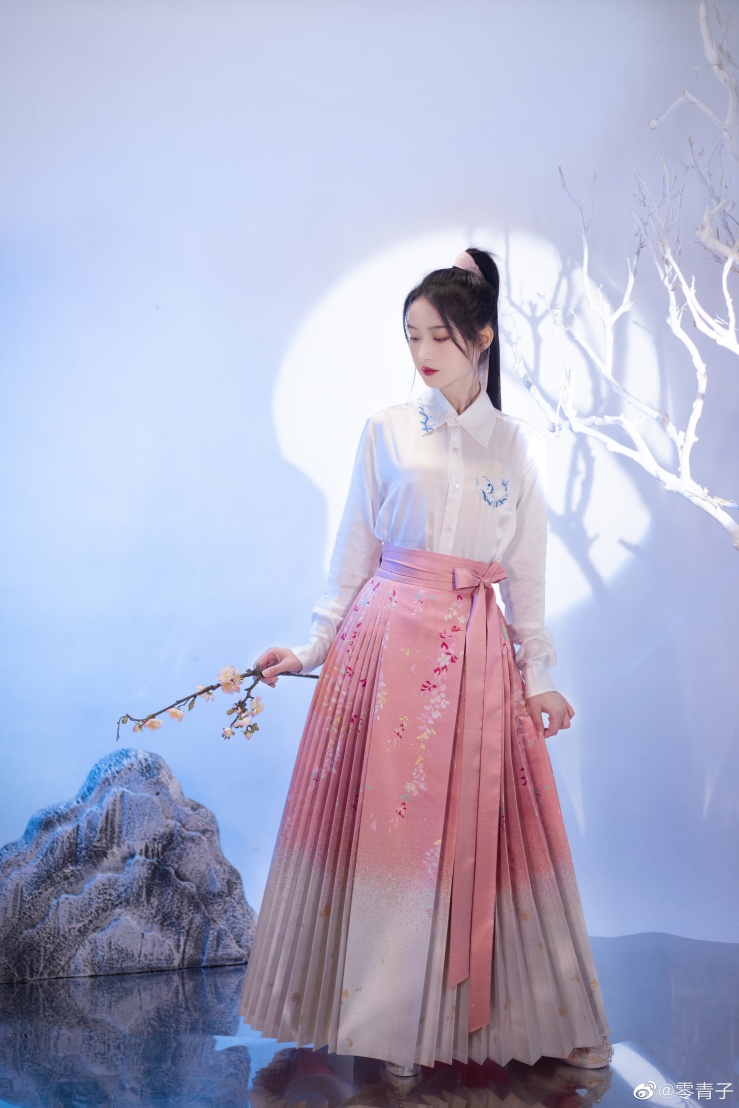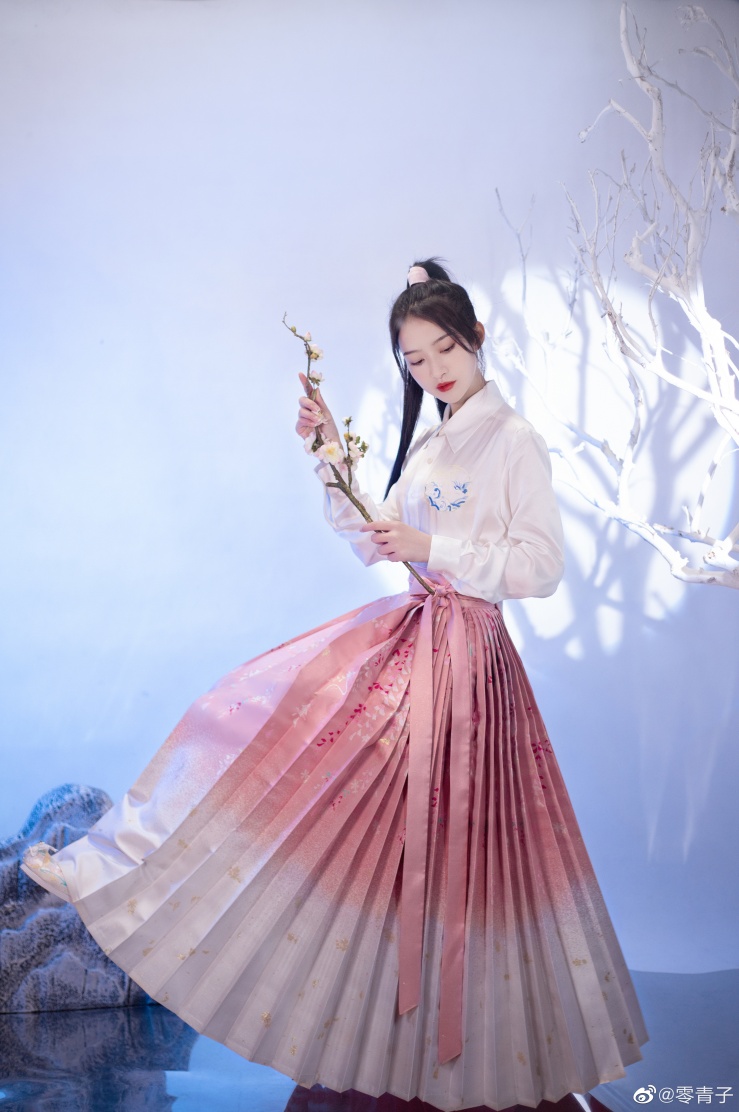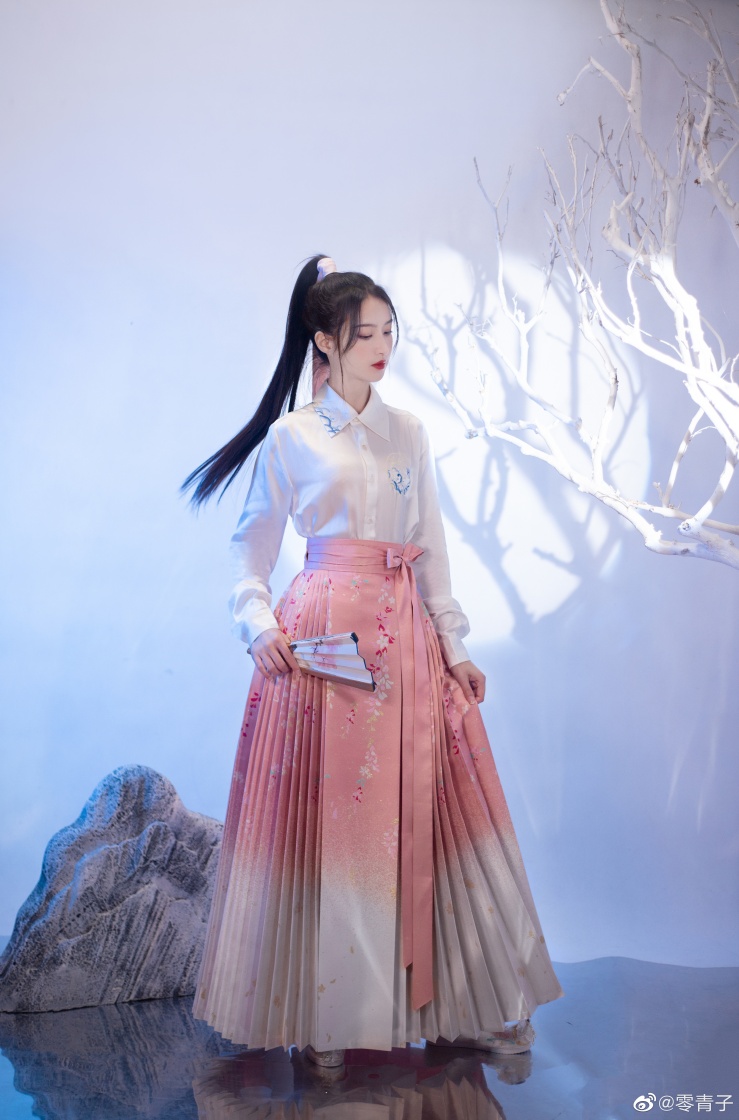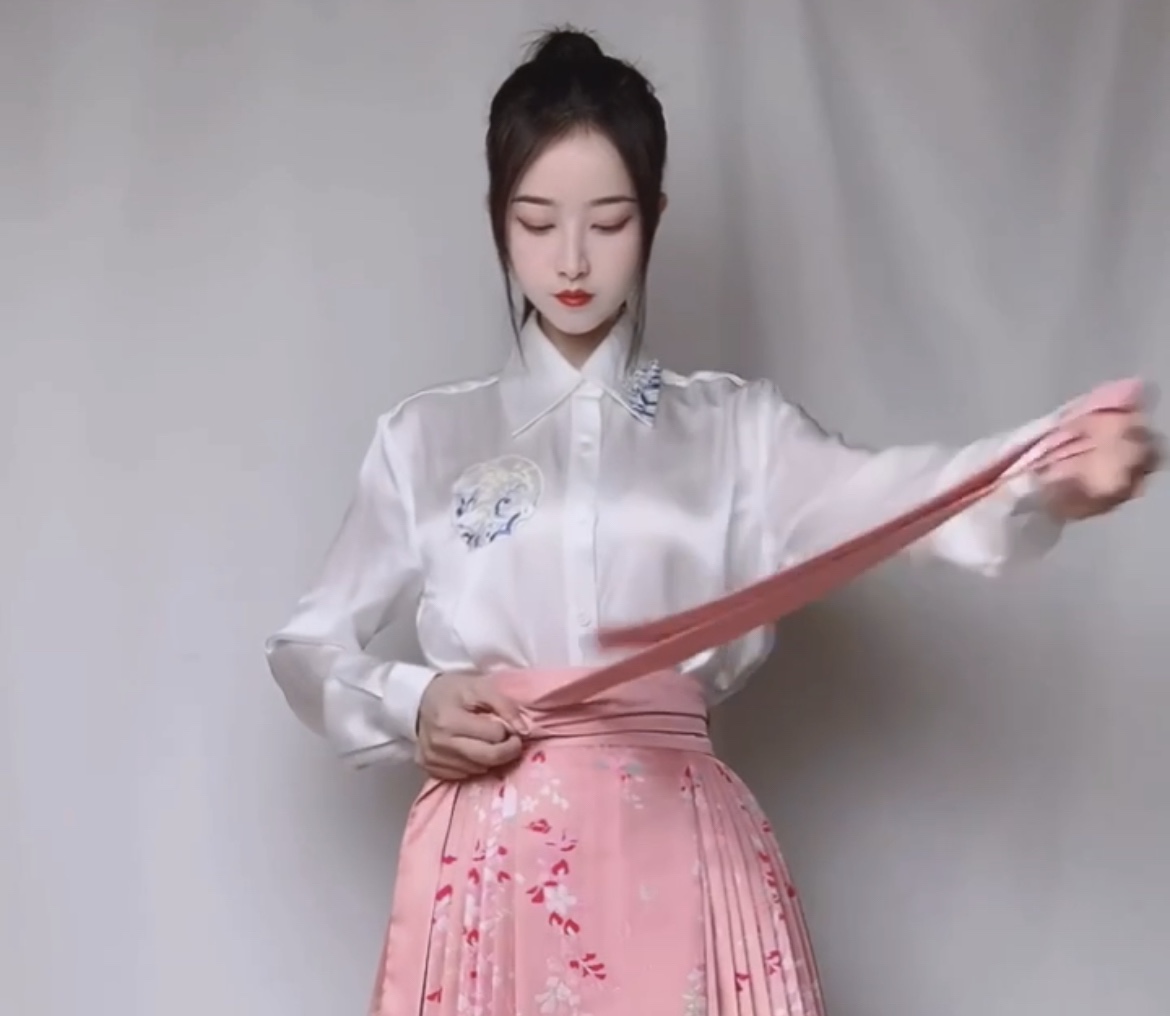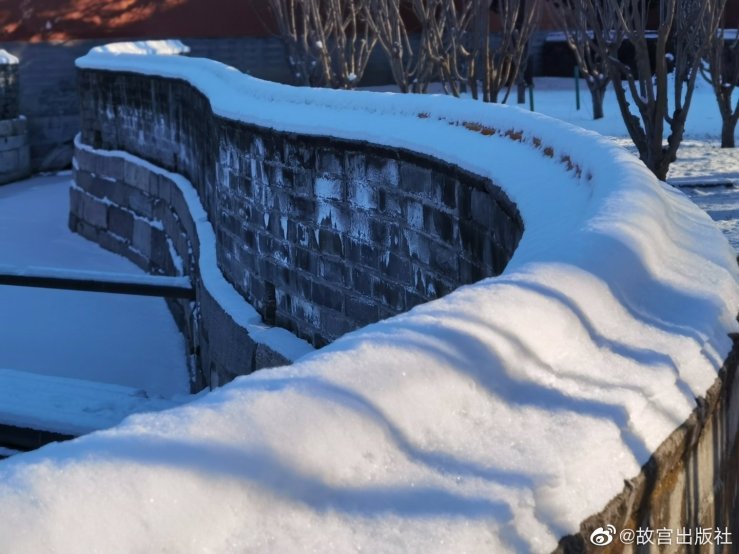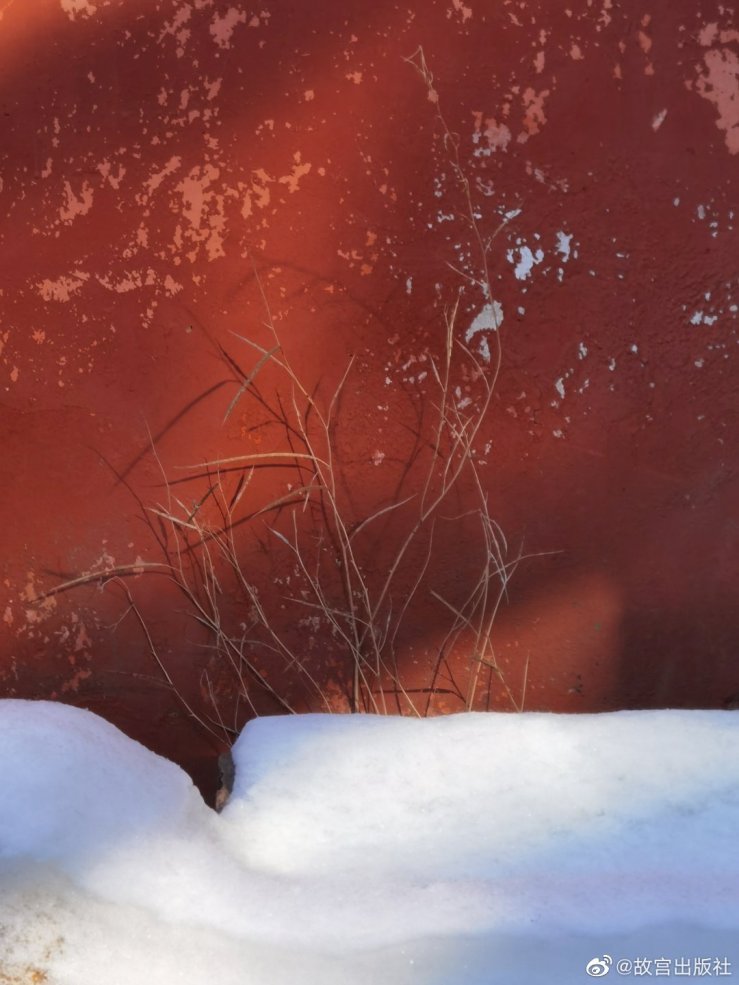
#漢服 #HanFu #HanDynastyClothing #HanTraditionalClothing |#零青子 #HowToWearHanfu #FashionLookBook #March2022 |#SongDynasty #MingDynasty #EveryDayWear how to wear an Elegant  Pastel Mint #SwirlSkirt towards #UrbanWear for #EveryDayWear #WorkWear #LookBookGallery

零青子 Hanfu – Han Dynasty Clothing blogger –Vlogger based in historical modern richness of two thousand and four hundred year old ultra megapolis ancient – postmodern Chengdu city Sichuan province of China – People’s Republic of China. She is one of many leading fashion blogger-Vlogger  fashionably trending setting vlogs of how to wear of her collection of sort after Chinese –Han Dynasty Clothing of Hanfu- Han ethnic Traditional clothing in which dressing traditional from various dynasties to its postmodern twentieth first century trending setting ….

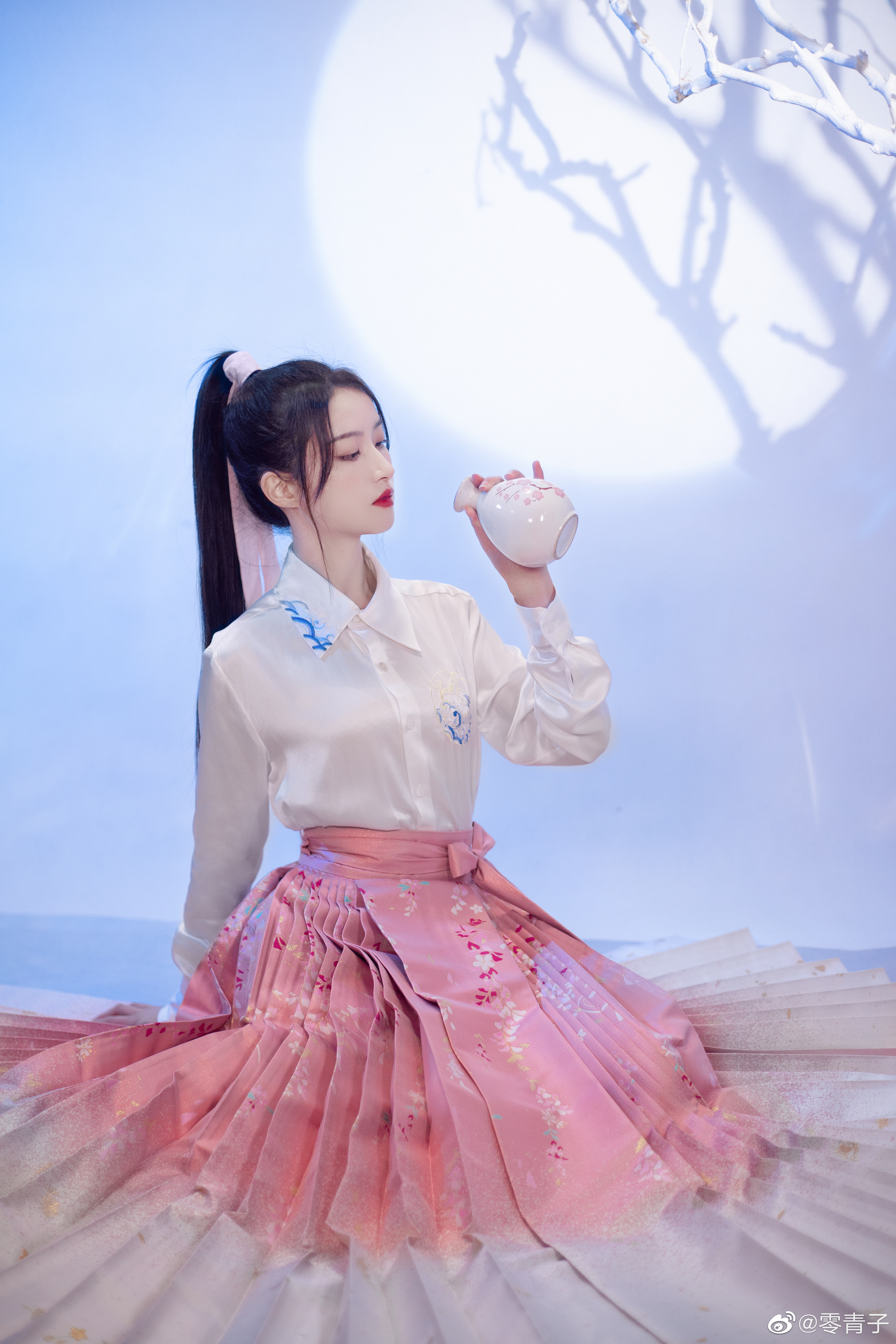
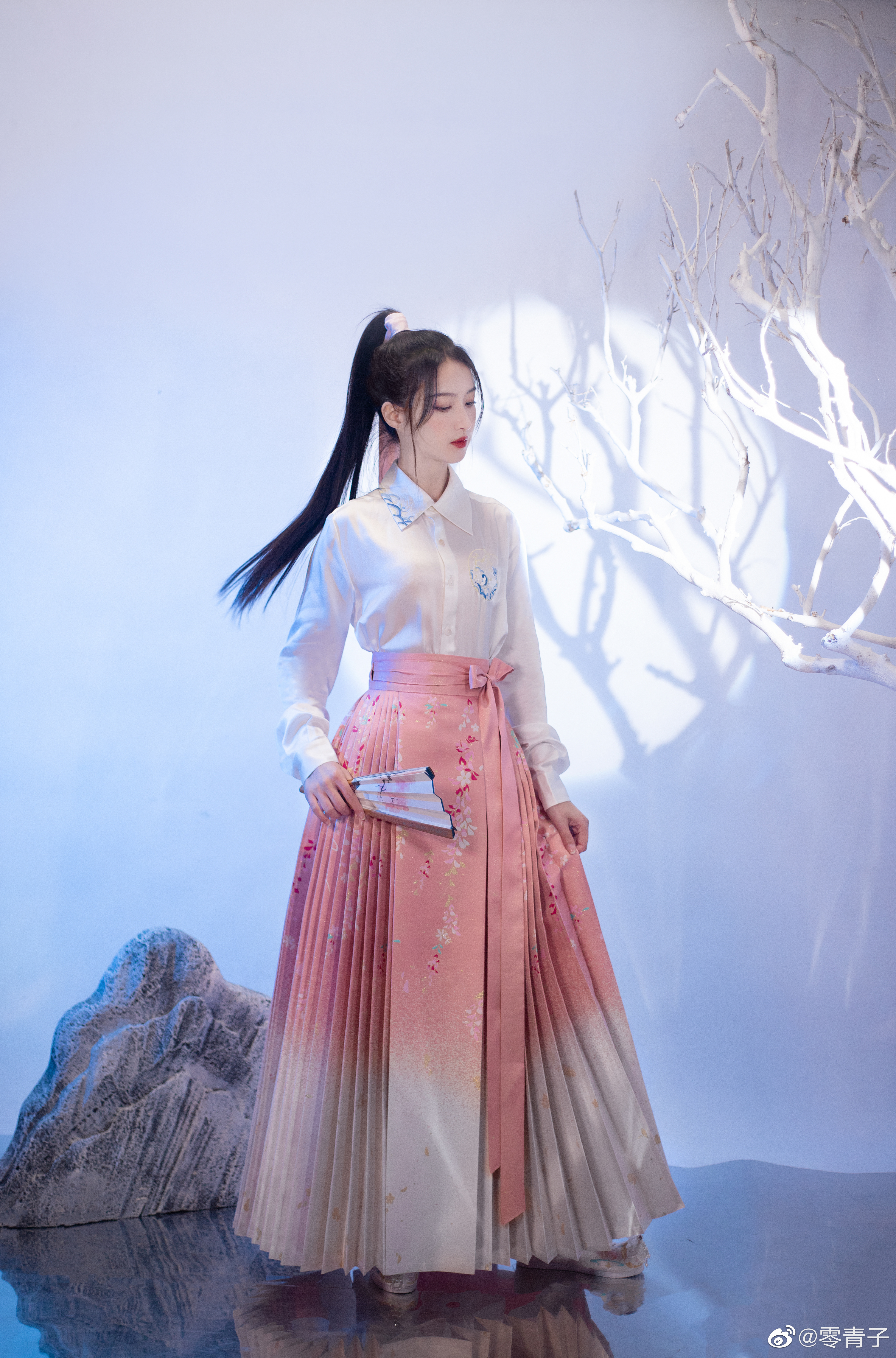
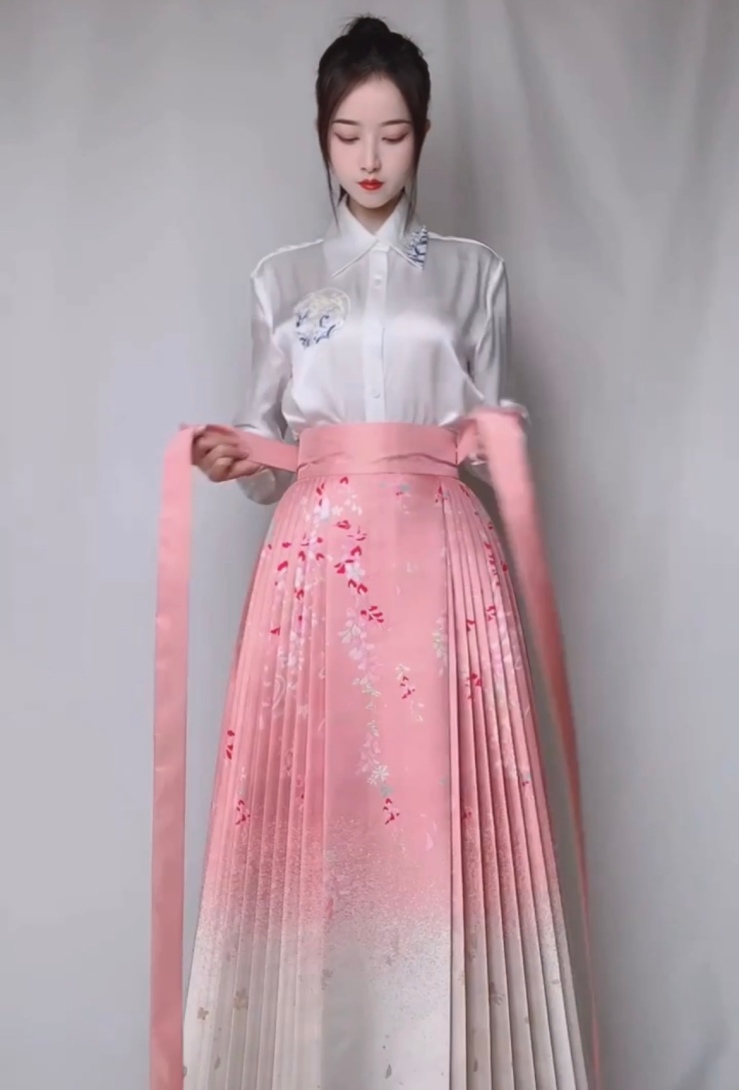
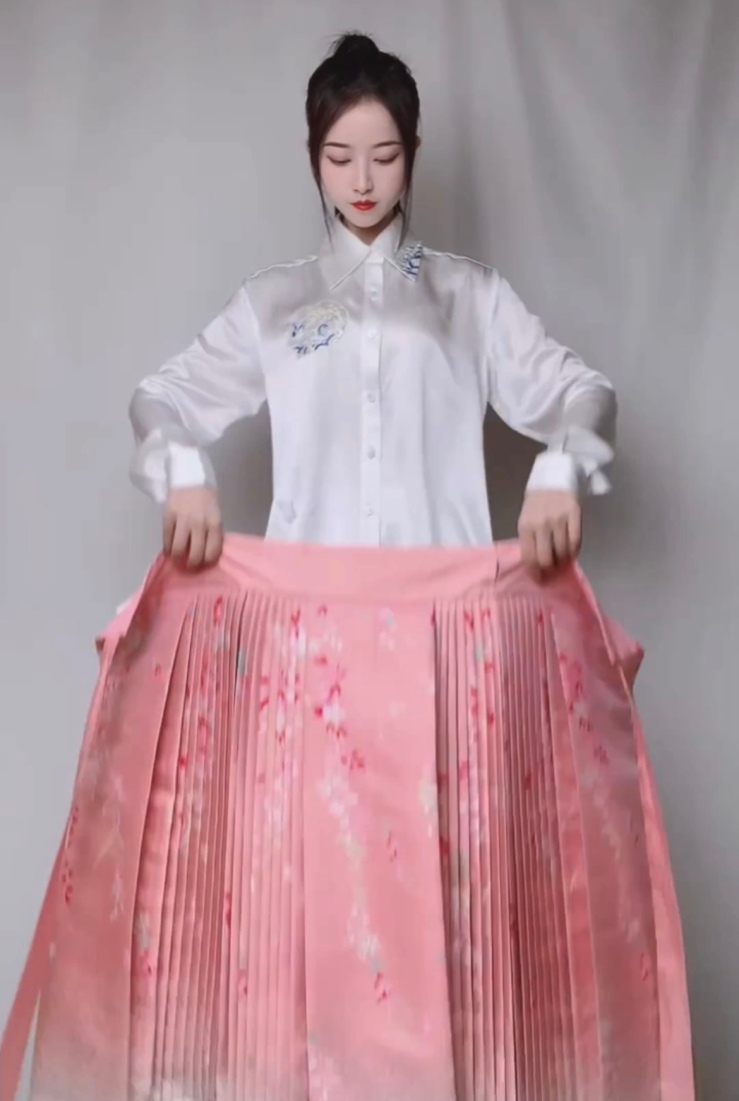
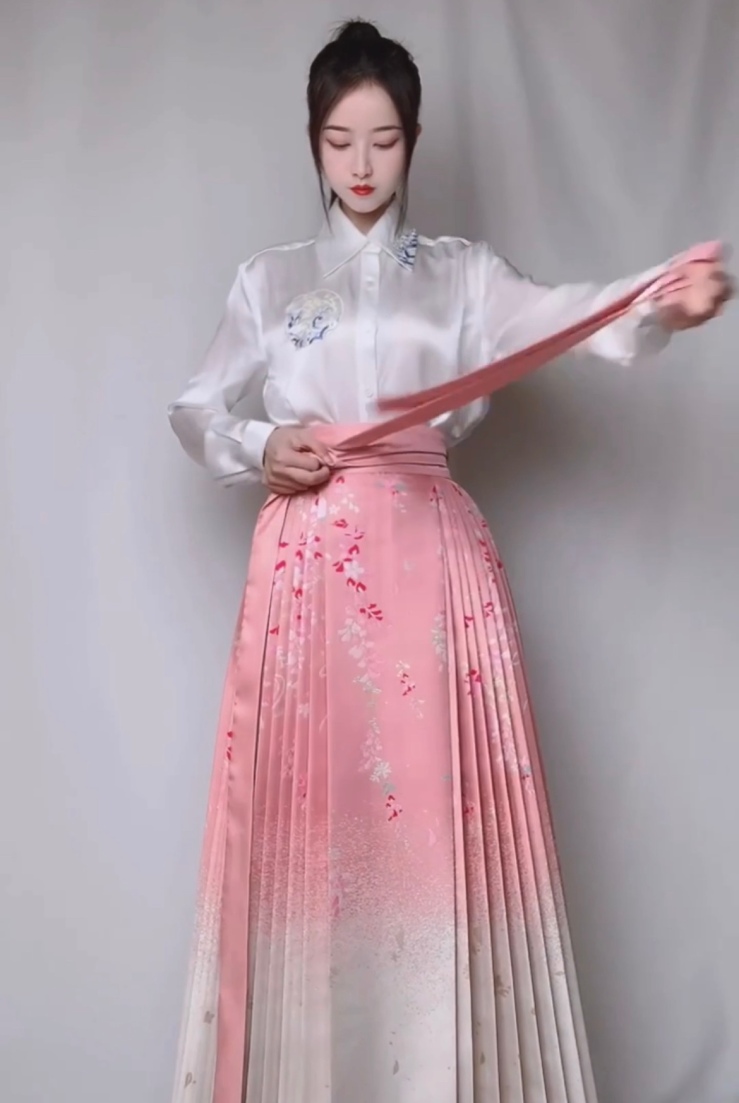
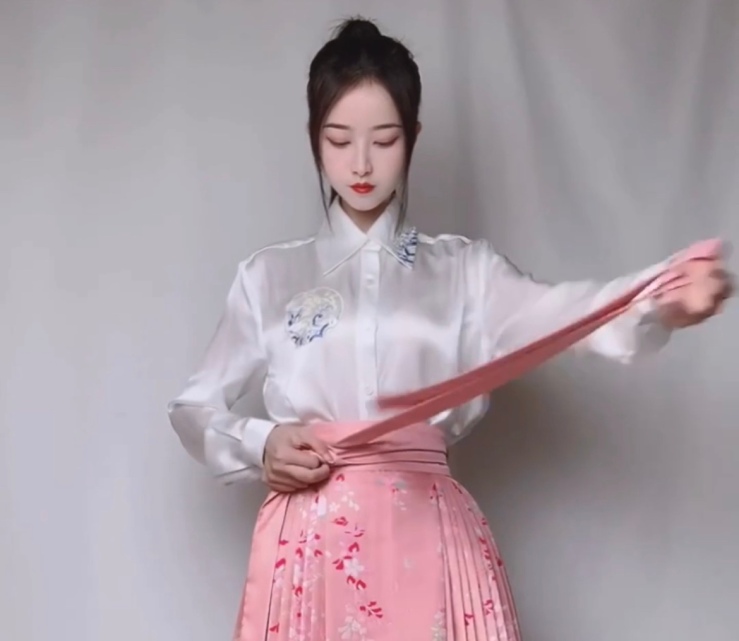
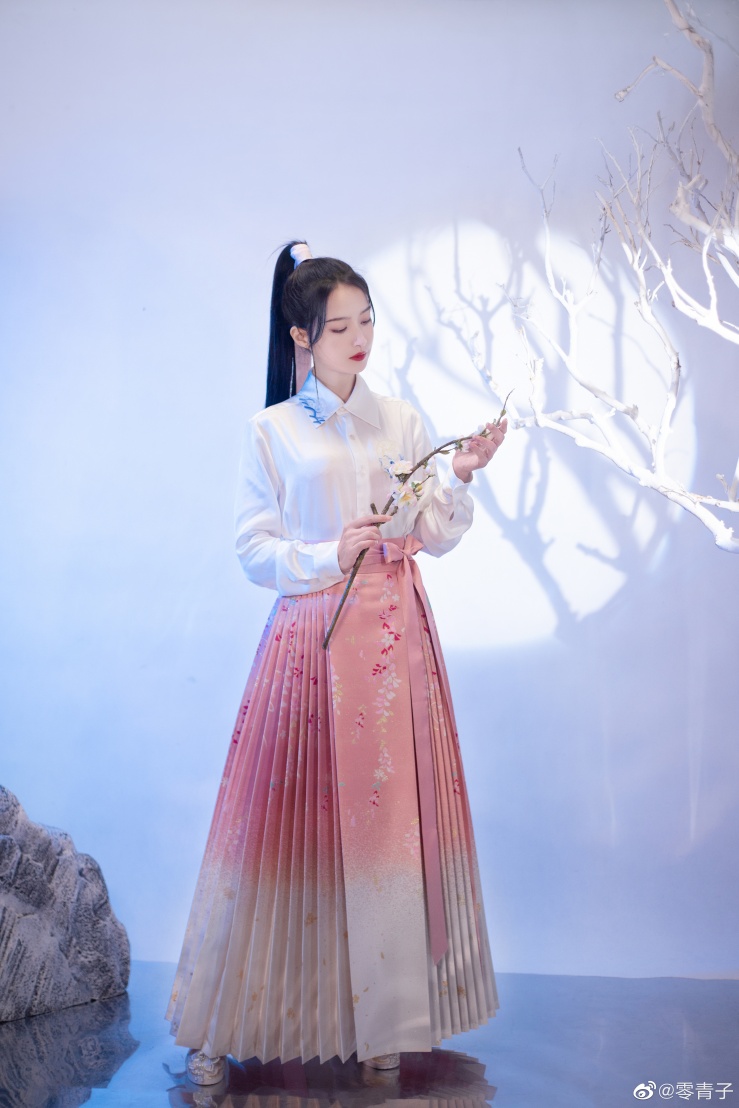
The pastel sheerness Hanfu that is gentle like Chinese pastel mint bamboo leaves pavilion painting, this is probably the gentleness of this softness….  This color scheme is too fresh and elegant. It feels like spring …. First it’ how to wear the Horse-face skirt, also known as “horse-face pleated skirt” is a Swirl Skirt variant, is one of the main skirt styles of ancient Chinese Han women. There are four skirt doors inside and outside, overlapping in two. The outer skirt door is decorated, and the inner skirt door is decorated with little or no decoration. For decoration, the side of the horse-faced skirt is tucked up, and the waist of the skirt is mostly white cloth, which means white head and old age, and it is fixed with rope or button…..

The horse-main skirt is the most typical style of Han women’s dress during the Ming and Qing Dynasties. Its style has undergone a series of changes from the freshness and elegance of the Ming Dynasty to the magnificence and wealth of the Qing Dynasty to the beauty and simplicity of the People’s Republic of China, but its “horse-faced” structure has always been deeply ingrained….,

During the Ming Dynasty Most women wore three collars with narrow sleeves during this dynasty. This is what made up their upper clothing most of the time. Pleated skirts were also popularized in this period and made clothing more graceful for women. Light colours became very popular during the start of the Ming Dynasty. Embroidered capes also became part of the ensemble for women’s clothing. It was worn over the shoulders which were called “Rosy Cloud Cape” due to its rosy and cloud-like shape.

How to wear a Ming Dynasty urban wear every day wear clothing on for a every day wear  first apply the undergarment in which is the Short front Button Cami with the undergarment skirt/ long bloomers  with soft silk Swirl Skirt in very simple pastel colours fabrics with fun Printed playfully keeping warm and cool throughout the seasons then apply wearing the Sheer Fabric Shirt  竖领对襟纱衫in which it has a Standing Collar with opening shirt with Sheerness Standing collar . 披風 Pi Feng The sheerness is general worn at private areas at Home in which the sheerness is informal wear..  However there’s a heavier moderate for formal wear for urban wear.

HanFu- Han Dynasty Clothing – Han Traditional Clothing is making a massive come back in the Asian Chinese communities as youths reliving In recently decades there’s been very much strong revitalisation of Chinese Customary tailoring clothing in which is HanFu- Han Dynasty (221-206 BC) period inspired clothing in which was worn just before the fall of the Ming Dynasty (23 January 1308 to 25 April1644, until a North East Manchurian fashion that have taken over the traditional Han Dynasty fashion in which we known till today that’s the Qipao in which have been fashionable evolving on the same path also…. Like a Qipao, HanFu can be worn every day, as work wear, till as evening wear… It also it comes in various forms as to the nature of activity of the day or night…

Images visuals are from Weibo and their respectives of 零青子.

#北京 #中國 #China #Beijing | #紫禁城 #ForbiddenCity #February2022 | #北京卫视上新了故宫#BeijingSatelliteTV #BeijingTV |#ForbiddenCityMoments of天壇 #TempleOfHeaven the first snow of the #YearoftheTiger   ….  #AGallery

In this year’s 2022, the second decade from the turn of the century in Beijing the Capital of China also the People’s Republic of China, in which is also the year of the Tiger, marking its six hundred and two years anniversary of the Forbidden city that marks the transitional point of in between the middle of the Ming Dynasty (1368- 1644) transitionally from Nanjing to Beijing towards the Qing Dynasty (1636-1644-1911) …. The Imperial Palace seen so many countless seasonally transitional equinoxes but further its six hundred years is iconic, but it’s five hundred ninety nine years it marks it Autumn Equinox…. In which it only took twelve years to build the same of the Daming Palace of The Tang Dynasty Xian Imperial Capital only it was least twenty times larger…

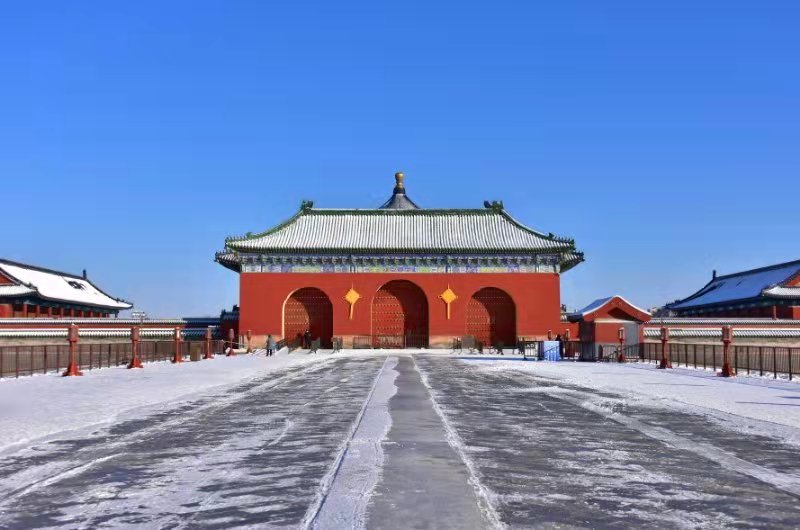
On the 25th February 2022 week for the year of the Tiger it which was on 1st February 2022  it was the first snow in Beijing in 2022 for, the Temple of Heaven Park was wrapped in silver and dressed in a thin white coat to welcome the arrival of the New Year. The red walls and blue tiles have been covered with snow, as if entering a fairy tale world, as if to tell us that the Temple of Heaven Park is already dressed in good costumes to welcome the arrival of the New Year….

天壇 The Temple of Heaven In winter- Temple of Heaven: an Imperial Sacrificial Altar in Beijing…….the Temple of Heaven Park is full of a peaceful atmosphere. The sun is rising, and the sky is full of purple clouds. Between the clouds and clouds, the morning glow spreads over the earth. The glazed tiles of the Hall of Prayer for Good Harvest shone with stars and stars under the rays of the sun, as if the beauty of the Heavenly Palace had fallen into the world. Beijing turns out to be so beautiful

The Temple of Heaven Park is located in the south of Beijing, on the east side of Yongdingmen Inner Street in Dongcheng District. It covers an area of ​​about 2.73 million square meters. The Temple of Heaven was built in the eighteenth year of Yongle in the Ming Dynasty (1420), and was rebuilt during the reign of Emperor Qianlong and Guangxu of the Qing Dynasty. It is now a world cultural heritage , a national key cultural relics protection unit , a national AAAAA-level tourist attraction , and a demonstration site of a national civilized scenic tourist area .

In the Ming and Qing dynasties, the Temple of Heaven Park was the place where emperors offered sacrifices to the emperor and prayed for the harvest of the five grains. The Temple of Heaven is a general term for the two altars of Yuanqiu and Qigu. There are two altar walls, forming an inner and outer altar. The main building is the inner altar, the round mound altar is in the south, the Qigu altar is in the north, and the two altars are on the same north-south axis, separated by a wall. The main buildings in the Circular Mound Altar are the Circular Mound Altar, the Emperor Vault, etc. The main buildings in the Praying Valley Altar are the Hall of Prayer for Good Harvest, the Hall of Emperor Qiang, and the Gate of Prayer for Chinese New Year’s .

During the Ming and Qing Dynasties According to historical records, there are formal sacrifices to heaven and earth, which can be traced back to the Xia Dynasty in the second millennium BC, which was still a slave society. Ancient Chinese emperors called themselves “Son of Heaven”, and they revered heaven and earth very much.

The Temple of Heaven was built in the shape of Nanjing in the eighteenth year of Yongle in Ming Dynasty (1420). In the ninth year of Jiajing (1530), Emperor Jiajing listened to the minister’s words: “In ancient times, people worshipped the sky on Yuanqiu and the earth on Fangqiu. Those on Yuanqiu were the hills on the ground in the southern suburbs. The hills were round and high, so they resembled the sky. The hill in Zezhong in the northern suburbs, the hill goes down from the side, is like the earth.” So it was decided to divide the sacrifices between heaven and earth, building a round hill in the south of the Great Sacrificial Hall to worship the sky, and building a Fangze altar outside the Anding Gate of the northern city to worship the earth . In the thirteenth year of Jiajing (1534), Yuanqiu was renamed the Temple of Heaven, and Fang Ze was renamed the Temple of Earth. After the Great Sacrificial Hall was abandoned, it was changed to the Altar of Prayers. In the seventeenth year of Jiajing (1538), the altar of prayer for grain was abolished. In the nineteenth year, another Daxiang Hall was built on the altar, and it was completed in twenty-four years.

In the 16th year of Emperor Qianlong’s reign (1751), it was renamed the Hall of Prayer for Harvest. It has been repaired and expanded many times since then.

Imagines credits are of the Forbidden city –Imperial Palace –Beijing – China- People’s Republic of China also from the Series Weibo北京卫视上新了故宫 Treasures in the Forbidden City…

#漢服 #HanFu #HanDynastyClothing #HanTraditionalClothing |#零青子 #HowToWearHanfu #FashionLookBook #February2022 |#SongDynasty #MingDynasty #EveryDayWear how to wear Pastel pink cherry blossom #SwirlSkirt towards #UrbanWear for #EveryDayWear #WorkWear #LookBookGallery

零青子 Hanfu – Han Dynasty Clothing blogger –Vlogger based in historical modern richness of two thousand and four hundred year old ultra megapolis ancient – postmodern Chengdu city Sichuan province of China – People’s Republic of China. She is one of many leading fashion blogger-Vlogger  fashionably trending setting vlogs of how to wear of her collection of sort after Chinese –Han Dynasty Clothing of Hanfu- Han ethnic Traditional clothing in which dressing traditional from various dynasties to its postmodern twentieth first century trending setting ….

The pastel sheerness Hanfu that is gentle like Chinese pastel cherry blossom pavilion painting, this is probably the gentleness of this softness….  This color scheme is too fresh and elegant. It feels like spring …. First it’ how to wear the Horse-face skirt, also known as “horse-face pleated skirt” is a Swirl Skirt variant, is one of the main skirt styles of ancient Chinese Han women. There are four skirt doors inside and outside, overlapping in two. The outer skirt door is decorated, and the inner skirt door is decorated with little or no decoration. For decoration, the side of the horse-faced skirt is tucked up, and the waist of the skirt is mostly white cloth, which means white head and old age, and it is fixed with rope or button…..

The horse-main skirt is the most typical style of Han women’s dress during the Ming and Qing Dynasties. Its style has undergone a series of changes from the freshness and elegance of the Ming Dynasty to the magnificence and wealth of the Qing Dynasty to the beauty and simplicity of the People’s Republic of China, but its “horse-faced” structure has always been deeply ingrained….,

During the Ming Dynasty Most women wore three collars with narrow sleeves during this dynasty. This is what made up their upper clothing most of the time. Pleated skirts were also popularized in this period and made clothing more graceful for women. Light colours became very popular during the start of the Ming Dynasty. Embroidered capes also became part of the ensemble for women’s clothing. It was worn over the shoulders which were called “Rosy Cloud Cape” due to its rosy and cloud-like shape.

How to wear a Ming Dynasty urban wear every day wear clothing on for a every day wear  first apply the undergarment in which is the Short front Button Cami with the undergarment skirt/ long bloomers  with soft silk Swirl Skirt in very simple pastel colours fabrics with fun Printed playfully keeping warm and cool throughout the seasons then apply wearing the Sheer Fabric Shirt  竖领对襟纱衫in which it has a Standing Collar with opening shirt with Sheerness Standing collar . 披風 Pi Feng The sheerness is general worn at private areas at Home in which the sheerness is informal wear..  However there’s a heavier moderate for formal wear for urban wear.

HanFu- Han Dynasty Clothing – Han Traditional Clothing is making a massive come back in the Asian Chinese communities as youths reliving In recently decades there’s been very much strong revitalisation of Chinese Customary tailoring clothing in which is HanFu- Han Dynasty (221-206 BC) period inspired clothing in which was worn just before the fall of the Ming Dynasty (23 January 1308 to 25 April1644, until a North East Manchurian fashion that have taken over the traditional Han Dynasty fashion in which we known till today that’s the Qipao in which have been fashionable evolving on the same path also…. Like a Qipao, HanFu can be worn every day, as work wear, till as evening wear… It also it comes in various forms as to the nature of activity of the day or night…

Images visuals are from Weibo and their respectives of 零青子.

#漢服 #HanFu #HanDynastyClothing #HanTraditionalClothing |#零青子 #HowToWearHanfu #FashionLookBook #February2022 |#SongDynasty #MingDynasty #EveryDayWear how to wear Pastel pink cherry blossom #SwirlSkirt towards #UrbanWear for #EveryDayWear #WorkWear

零青子 Hanfu – Han Dynasty Clothing blogger –Vlogger based in historical modern richness of two thousand and four hundred year old ultra megapolis ancient – postmodern Chengdu city Sichuan province of China – People’s Republic of China. She is one of many leading fashion blogger-Vlogger  fashionably trending setting vlogs of how to wear of her collection of sort after Chinese –Han Dynasty Clothing of Hanfu- Han ethnic Traditional clothing in which dressing traditional from various dynasties to its postmodern twentieth first century trending setting ….

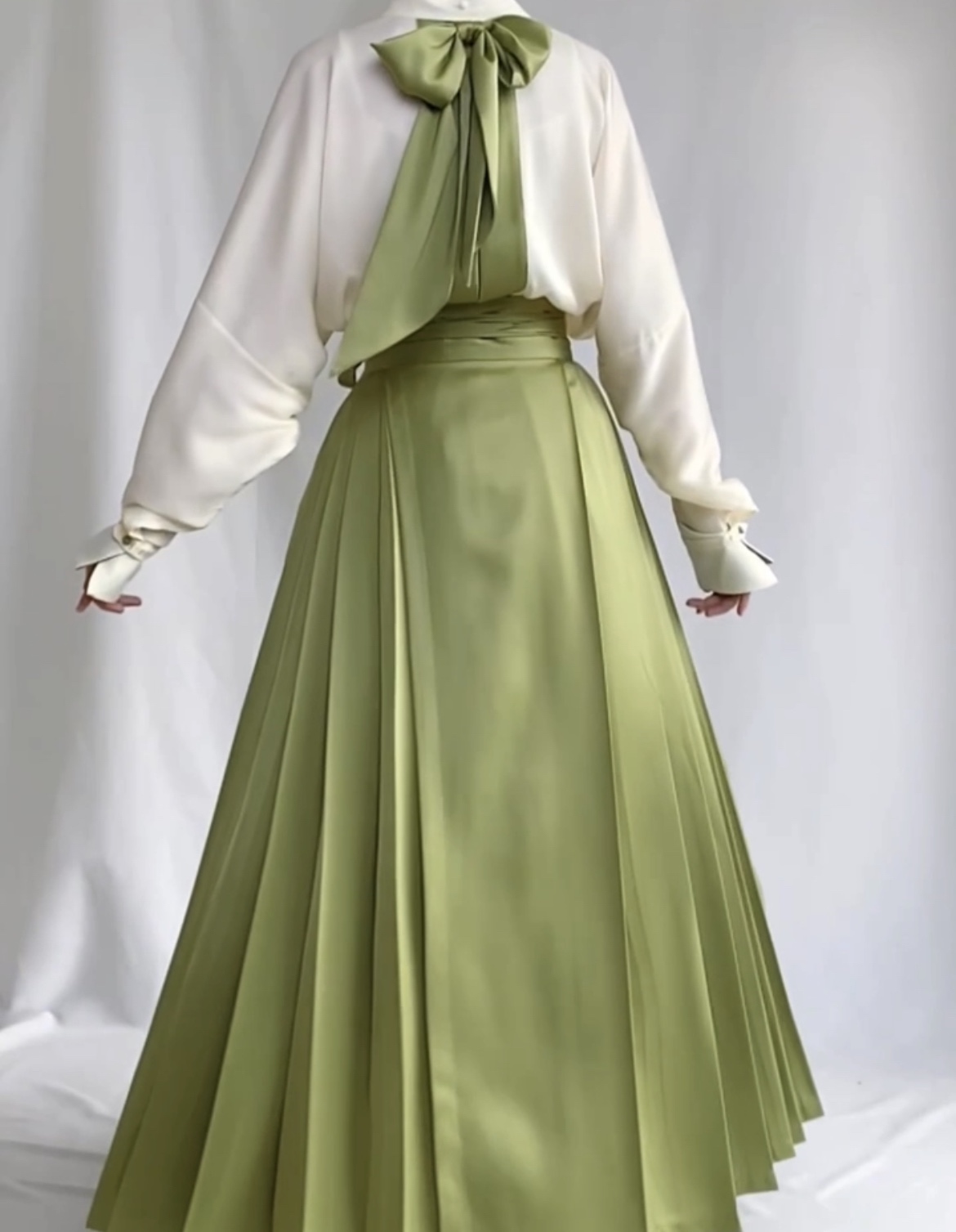
The pastel sheerness Hanfu that is gentle like Chinese pastel cherry blossom pavilion painting, this is probably the gentleness of this softness….  This color scheme is too fresh and elegant. It feels like spring …. First it’ how to wear the Horse-face skirt, also known as “horse-face pleated skirt” is a Swirl Skirt variant, is one of the main skirt styles of ancient Chinese Han women. There are four skirt doors inside and outside, overlapping in two. The outer skirt door is decorated, and the inner skirt door is decorated with little or no decoration. For decoration, the side of the horse-faced skirt is tucked up, and the waist of the skirt is mostly white cloth, which means white head and old age, and it is fixed with rope or button…..

The horse-main skirt is the most typical style of Han women’s dress during the Ming and Qing Dynasties. Its style has undergone a series of changes from the freshness and elegance of the Ming Dynasty to the magnificence and wealth of the Qing Dynasty to the beauty and simplicity of the People’s Republic of China, but its “horse-faced” structure has always been deeply ingrained….,

During the Ming Dynasty Most women wore three collars with narrow sleeves during this dynasty. This is what made up their upper clothing most of the time. Pleated skirts were also popularized in this period and made clothing more graceful for women. Light colours became very popular during the start of the Ming Dynasty. Embroidered capes also became part of the ensemble for women’s clothing. It was worn over the shoulders which were called “Rosy Cloud Cape” due to its rosy and cloud-like shape.

How to wear a Ming Dynasty urban wear every day wear clothing on for a every day wear  first apply the undergarment in which is the Short front Button Cami with the undergarment skirt/ long bloomers  with soft silk Swirl Skirt in very simple pastel colours fabrics with fun Printed playfully keeping warm and cool throughout the seasons then apply wearing the Sheer Fabric Shirt  竖领对襟纱衫in which it has a Standing Collar with opening shirt with Sheerness Standing collar . 披風 Pi Feng The sheerness is general worn at private areas at Home in which the sheerness is informal wear..  However there’s a heavier moderate for formal wear for urban wear.

HanFu- Han Dynasty Clothing – Han Traditional Clothing is making a massive come back in the Asian Chinese communities as youths reliving In recently decades there’s been very much strong revitalisation of Chinese Customary tailoring clothing in which is HanFu- Han Dynasty (221-206 BC) period inspired clothing in which was worn just before the fall of the Ming Dynasty (23 January 1308 to 25 April1644, until a North East Manchurian fashion that have taken over the traditional Han Dynasty fashion in which we known till today that’s the Qipao in which have been fashionable evolving on the same path also…. Like a Qipao, HanFu can be worn every day, as work wear, till as evening wear… It also it comes in various forms as to the nature of activity of the day or night…
Images visuals are from Weibo and their respectives of 零青子.

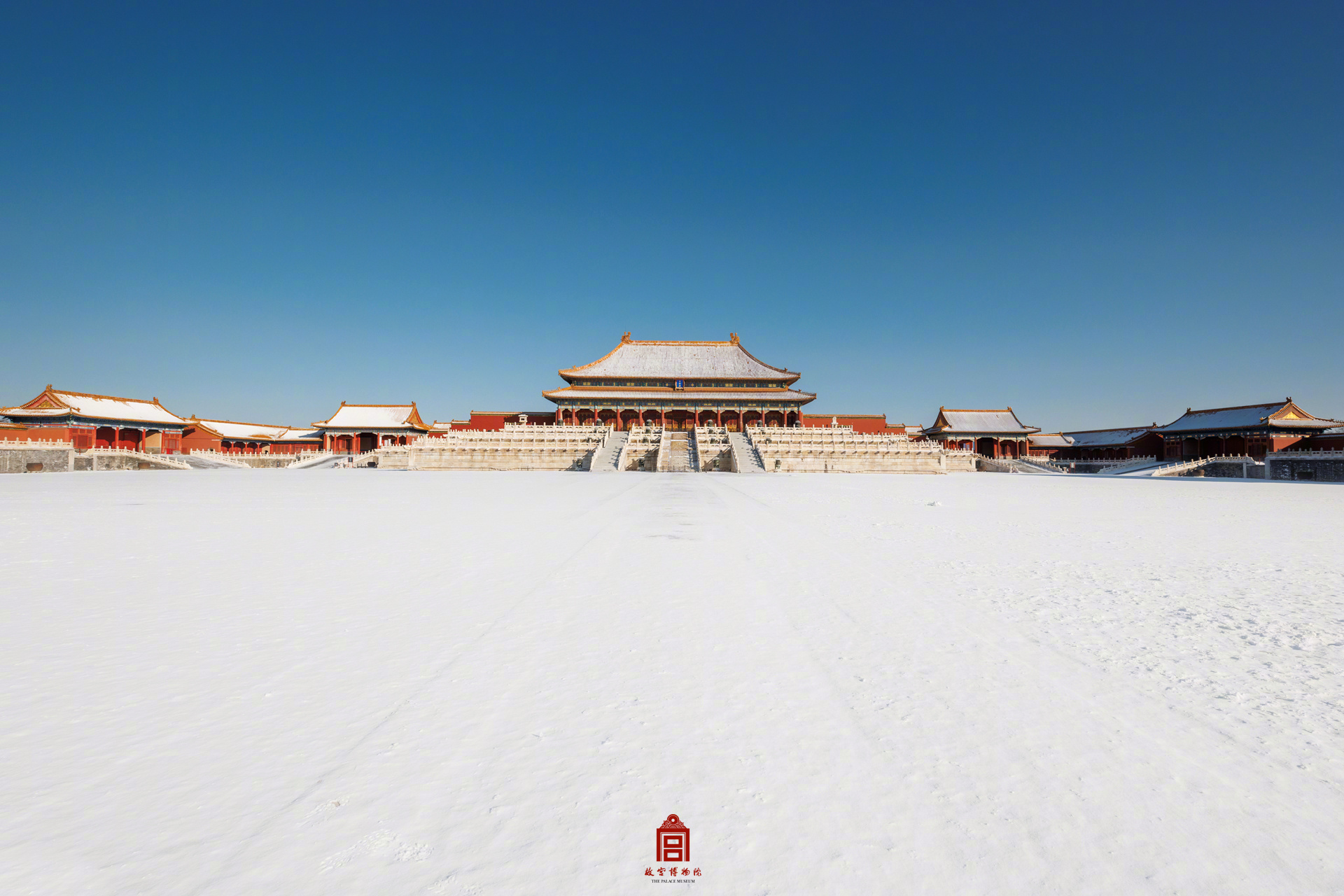
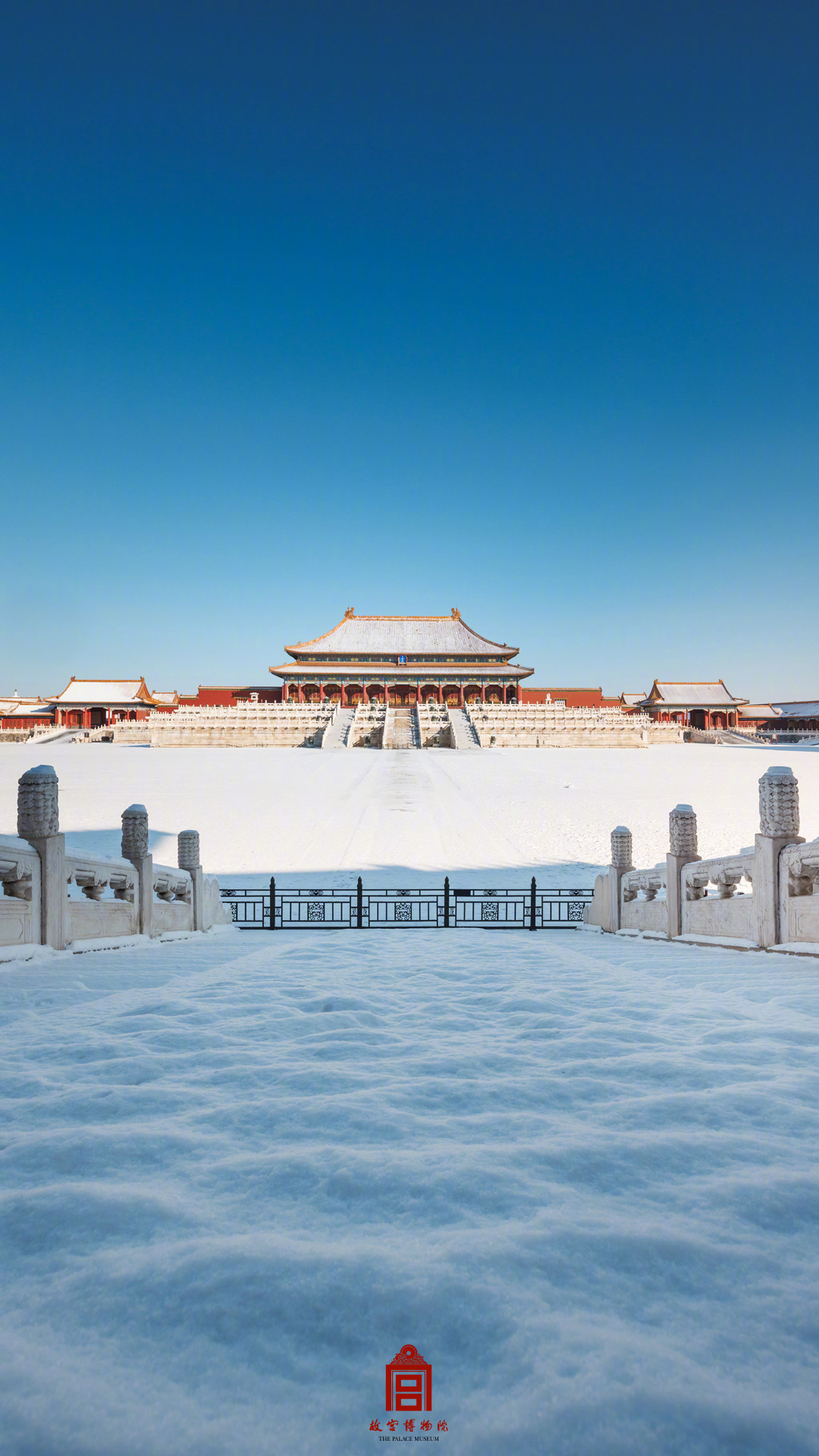
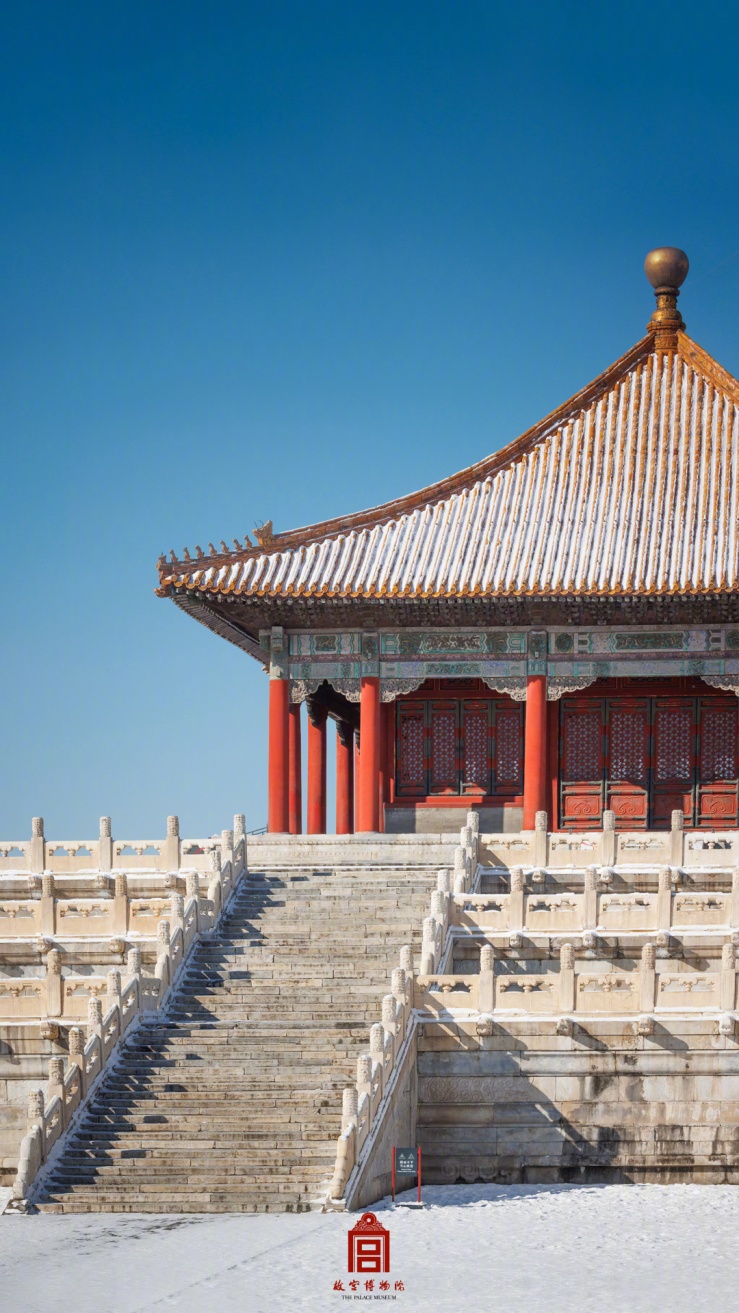
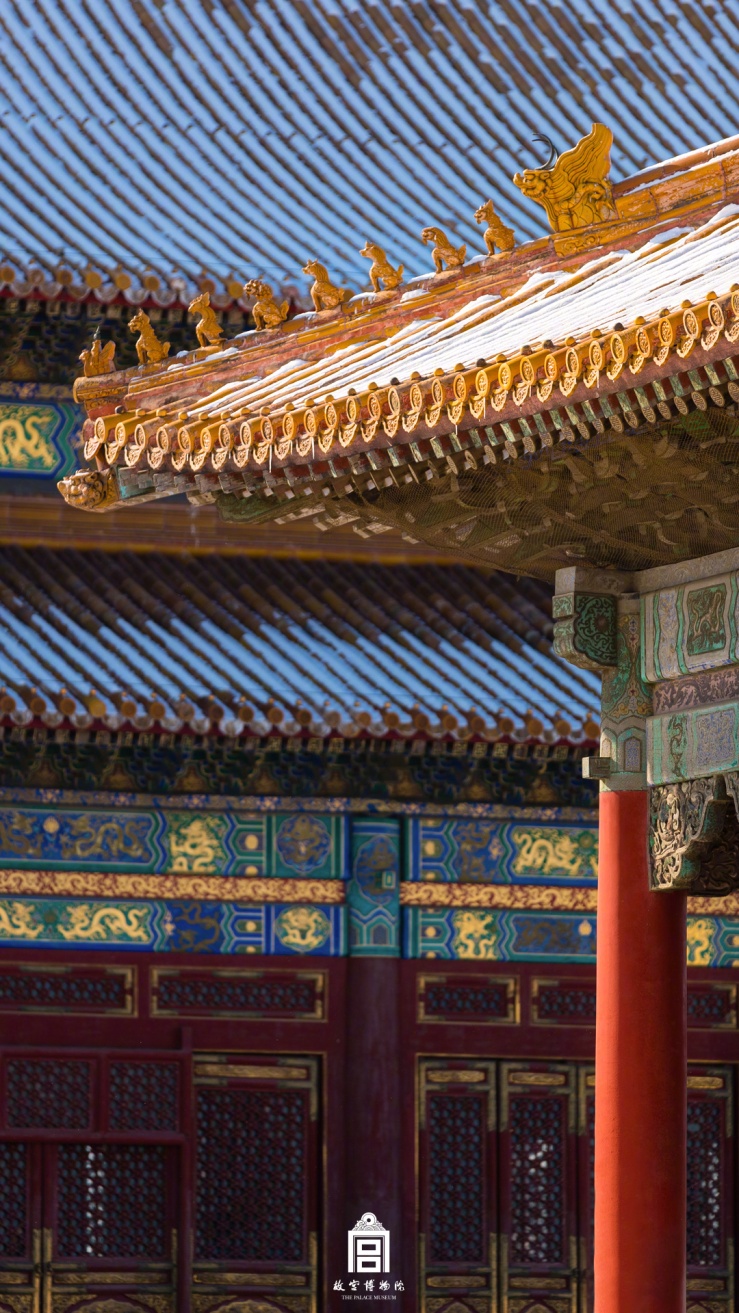
#北京。 #中國 #China #Beijing | #紫禁城 #ForbiddenCity #北京卫视上新了故宫 #February2022 | #ForbiddenCityMoments Beijing Scenes February Snow the #NewYears2022   the #YearoftheTiger After the first snow fall heavy 14th February 2022 during the #WinterOlympics2022 #Beijing2022 now a clear day #AGallery

On 13th February 2022 Sunday Beijing – China – People’s Republic of China welcomes its first snowfall heavy snowfall in the Year of the Tiger on creating a live Ancient post Modern Chinese Painting the glass world, with white snow and red walls, dances with ice and snow in the vast world. In the “city of two Olympics” in which romantic historical and modern scenes of falling in love with the Forbidden City again..
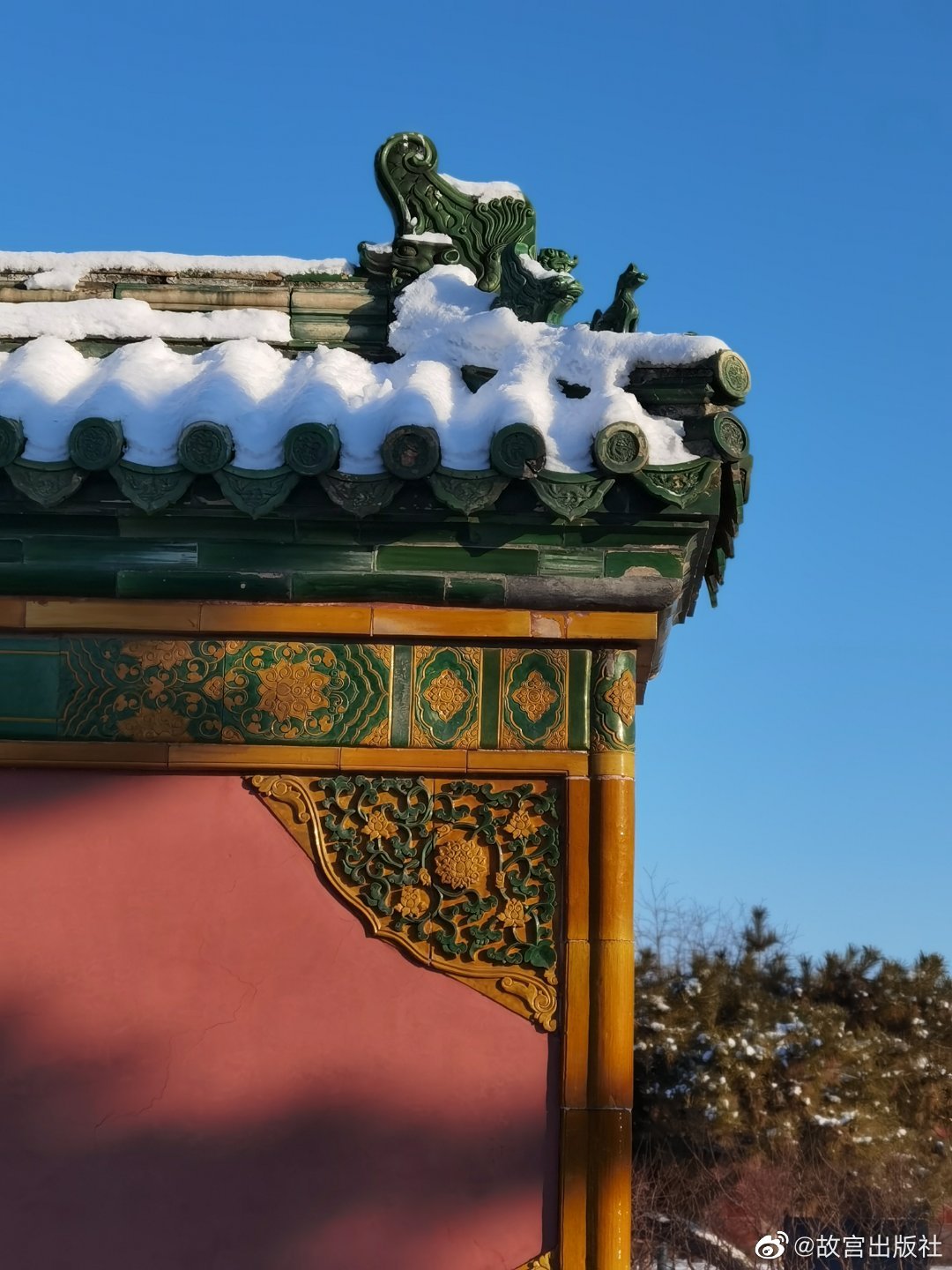
In today its the 14th February 2022 Monday which the day after it’s a clear minus four degrees Celsius with clear Chinese Cobalt Painted blue skies illuminating the white snow painting it’s landscaping  he weather is bright, the snow is half melted. The two magpies stepped on the snow to announce the good news, and it was a good year again…..

In which on yesterday it’s heavy snowfall when it snows, the Forbidden City will become the Forbidden City.Pieces of snowflakes dance freely, and the red walls and golden tiles appear more quiet and deep in the snow.

The snow at the beginning of the tiger will instantly fill the atmosphere of the Winter Olympics! The behind-the-scenes heroes of the Forbidden City have been dispatched to escort the safety of this “ice and snow event”

In this year’s 2022, the second decade from the turn of the century in Beijing the Capital of China also the People’s Republic of China, in which is also the year of the Tiger, marking its six hundred and two years anniversary of the Forbidden city that marks the transitional point of in between the middle of the Ming Dynasty (1368- 1644) transitionally from Nanjing to Beijing towards the Qing Dynasty (1636-1644-1911) …. The Imperial Palace seen so many countless seasonally transitional equinoxes but further its six hundred years is iconic, but it’s five hundred ninety nine years it marks it Autumn Equinox…. In which it only took twelve years to build the same of the Daming Palace of The Tang Dynasty Xian Imperial Capital only it was least twenty times larger..

Imagines credits are of the Forbidden City –Imperial Palace –Beijing – China- People’s Republic of China also from the Series Weibo北京卫视上新了故宫 Treasures in the Forbidden City…