The Forbidden City Book Store which in the grounds of the Forbidden City Complex Forbidden City Hundred Excellent Books Public welfare reading activities! ” Forbidden City Hundred Excellent Books “故宫出版社 紫禁城100 Forbidden City 100 Excellent “The Forbidden City 100” Forbidden City Hundred Excellent Books…… Public Reading Activities “Palace Emperor’s Garden” The Forbidden City, an emperor’s palace, was founded by Emperor Yongle in Ming Dynasty, until Emperor Xuantong of Qing Dynasty abdicated, where 24 emperors ruled all directions. Today, when we visit the Forbidden City, we seem to be traveling with the emperors of all generations, because the palaces, gardens, and even the culture of the Forbidden City are inseparable from the with rich cultural connotations……
There are four gardens in the Forbidden City, such as Imperial Garden, Cining Palace Garden, Jianfu Palace Garden, and Ningshou Palace Garden (or Qianlong Garden). All four gardens are closely related to Emperor Qianlong. What this book intends to present is the pursuit of the deep meaning of Chinese landscape culture by ancient emperors. Chinese people regard gardens as landscapes, which has its own profound meaning. The production of ancient society was mainly agricultural, and people had deep affection for the land, mountains and rivers; everyone can understand the term formed by selecting the most representative “mountain” and “water”. In addition, the rule of emperors is called “sitting on the country”, and the decline and fall of the dynasty is called “throwing the country”, which also reflects the popularity of the landscape culture.
The Forbidden City Book Store which in the grounds of the Forbidden City Complex Forbidden City Hundred Excellent Books Public welfare reading activities! ” Forbidden City Hundred Excellent Books “故宫出版社紫禁城100 Forbidden City 100 Excellent “The Forbidden City 100” is a work carefully created by Mr. Zhao Guangchao, his design, cultural team and the Forbidden City cultural research and development team for many years. This book can firstly understand the six hundred years of history of the Forbidden City. During the Ming and Qing dynasties, a total of 24 emperors lived, lived and exercised the highest state power here. In 1911, the Qing emperor abdicated. In 1913, the Antiquities Exhibition Center was established in the outer court of the Forbidden City. In 1924, Puyi left the palace. In 1925, the Palace Museum was established ….
The Forbidden City 100 Excellent Books is one is “The Forbidden City 100″ is a work carefully created by Mr. Zhao Guangchao, his design, cultural team and the cultural research and development team of the Forbidden City for many years. This book can firstly understand the six hundred years more of history of the Forbidden City. During the Ming and Qing dynasties, a total of 24 emperors lived, lived and exercised the highest state power here. In 1911, the Qing emperor abdicated. In 1913, the Antiquities Exhibition was built in the Forbidden City. In 1924, Puyi left the palace. In 1925, the Palace Museum was established.
One Hundred Excellent Books in the Forbidden City The Ming Empire initially chose Fengyang as the capital, and then settled in Nanjing (1368). When Zhu Di, the third emperor of the Ming Dynasty, had just ascended the throne (1406 in the fourth year of Shui Le), he dispatched the imperial court to China. The officers collected building materials from all over the country, distributed 100,000 craftsmen, more than one million people, and built the Forbidden City in Beijing on a larger scale on the former site of the palace in the Yuan Dynasty, based on the Nanjing Palace City. In the eighteenth year of Yongle’s reign (1420), the palace city was completed, and Zhu Di immediately moved the capital from Nanjing to his own land of Longxing, and Peiping became the largest city in the country (and the world at that time) from the beginning.
The newly built Miyagi moved about 1,000 meters eastward from the ruins of the Forbidden City in the Yuan Dynasty, and moving away from today’s Beihai Park means to some extent from the Yuan people’s customs of “living by water and grass”, back to the stable farming in the Han culture. on the pattern. The new palace pushes the fate of the Yuan people’s annihilation to the position of the white tiger killed by the main Tibetan in the five elements in the west, and then uses the building materials left over from the construction of the palace, together with the soil for excavating the moat, to build a hill behind the palace (Jingshan Mountain). ), creating a barrier against the cold north wind for the originally flat Miyagi, becoming the commanding height of the Forbidden City and even the city of Beijing at that time, and also the backing of Wanshi Foundation.
“Forbidden City 100” entered the Forbidden City. Jingren Palace is one of the six east palaces that everyone is familiar with, and it retains a relatively complete appearance of the Ming Dynasty. In the early Ming Dynasty, it was called Chang’an Palace and was renamed Jingren Palace in Jiajing. The Qing Dynasty followed the old name of the Ming Dynasty. The most special feature of Jingren Palace is that there is a stone screen in the front yard that was passed down from the Yuan Dynasty (the symmetrical Yongshou Palace also has the same stone screen). Although the center of the screen is only about 2 cm thick, the patterns on both sides are different. In addition, the shape of the seated beast on Shiping is very rare in the palace, and it is exquisite and vivid. “Animal style” has existed in China since ancient times. The beauty of masonry in the Yuan and Ming dynasties and the concise style of the Qing Dynasty are placed in the same space. All of a sudden, this palace seems to have become a history of modern Chinese sculpture, and it even evokes the legendary antecedents of the masters who once lived here. Here, it was originally the birthplace of Emperor Kangxi in the early Qing Dynasty, and the palace of the legendary concubine Zhen in the late Qing Dynasty… The
owner of the Ming Dynasty: Empress Hu (Hu Shanxiang) of Xuanzong of the Ming Dynasty. Emperor Xuande favored concubine Sun Gui and Cricket, and ordered Empress Hu to resign on the grounds of “no children and many illnesses”, and placed them in Chang’an Palace (Jingren Palace) to practice Taoism, and was given the title “Jingci Immortal Master”. The owner of the Qing Dynasty: In the eleventh year of Shunzhi (1654), the 15-year-old Shunzhi Concubine Tong gave birth to the future Kangxi here. Concubine Xi (Qianlong’s biological mother, Niuhulu), who ascended the throne under Yongzheng, moved from Lama Temple to Jingren Palace. Concubine Zhen of Guangxu entered the palace with her elder sister Concubine Jin at the age of 14, and lived in the east and west side halls of Jingren Palace, and was finally drowned by order of the Empress Dowager Cixi…
Among the six east palaces, the history of Yanxi Palace can be described as troubled. When it was completed in the early Ming Dynasty, it was renamed Yanqi Palace after its initial name Changshou Palace, and was renamed Yanxi Palace in Qing Dynasty. Since its completion, the Yanxi Palace has suffered repeated fires: it was rebuilt in the 25th year of Kangxi (1686) and the 7th year of Jiaqing (1802). In the twelfth year of Daoguang (1832), a fire broke out, which burned down the entire Yanxi Palace and rebuilt it again. In the 25th year of Daoguang (1845), a fire broke out in the Yanxi Palace, leaving only the palace gate. Xianfeng five years (1855) fire, rebuilt again. In the first year of Xuantong’s reign (1909), Empress Dowager Longyu spent 4 million to build a Western-style building “Water Palace” Lingzhao Xuan (commonly known as Crystal Palace). Lay the glass, and when you’re done it’ll be a walk-in super aquarium. This move has the meaning of suppressing the anger and revival of the Qing Dynasty, but until Xuantong abdicated, the project was not completed. When Zhang Xun was restored in 1917, the northern part of Yanxi Palace was unfortunately destroyed by plane bombs. In the entire palace, only the wellhead is in line with the original location of the well pavilion, leaving the only remaining remains. In 1931, the Palace Museum built a new cultural relic warehouse, which eventually became the first reinforced concrete building in the palace. In recent years, the story of the palace has been exaggerated by the media, and the little-known Yanxi Palace has once again aroused everyone’s curiosity. In fact, the concubines living in this secluded palace are living in hardship and poverty, and it is said that they do not even have enough food, even clothes, shoes and socks. The owner of Yanxi Palace in the Ming Dynasty is unknown, and the owners of the Qing Dynasty include Kangxi Chang in Xu and two people whose emblems are unknown and promised to live here.
The biggest difference between the West Six Palaces and the East Six Palaces in “100 Forbidden City” is that Taiji Palace and Changchun Palace, Yikun Guan and Chuxiu Palace are all connected into one. It makes the whole palace area have a strong color of life, and also makes the remaining Yongshou Palace and Xianfu Palace appear dull. Today, we look at Yikun Palace and Chuxiu Palace through “Forbidden City 100”. The Yikun Palace was originally called Wan’an Palace, and was renamed Yikun Palace in the Jiajing Period of the Ming Dynasty .
In this year’s 2022, the second decade from the turn of the century in Beijing the Capital of China also the People’s Republic of China, in which is also the year of the Tiger, marking its six hundred and two years anniversary of the Forbidden city that marks the transitional point of in between the middle of the Ming Dynasty (1368- 1644) transitionally from Nanjing to Beijing towards the Qing Dynasty (1636-1644-1911) …. The Imperial Palaceseen so many countless seasonally transitional equinoxes but further its six hundred years is iconic, but it’s five hundred ninety nine years it marks it Autumn Equinox…. In which it only took twelve years to build the same of the Daming Palace of The Tang Dynasty Xian Imperial Capital only it was least twenty times larger…
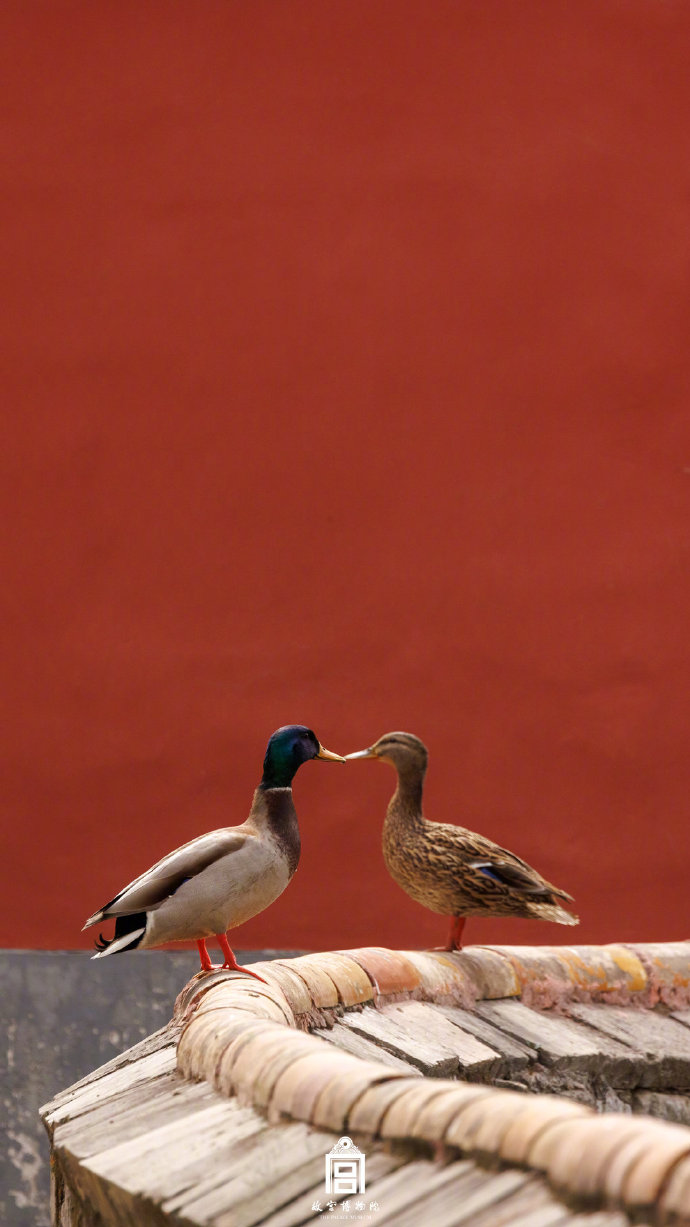
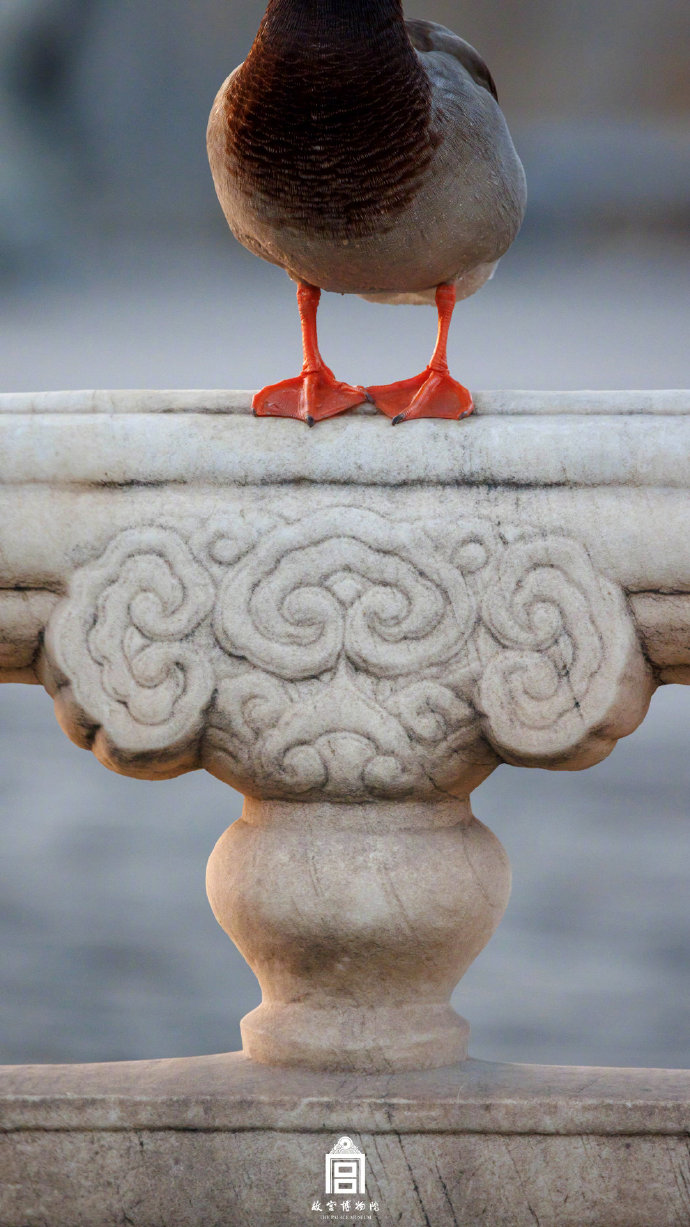
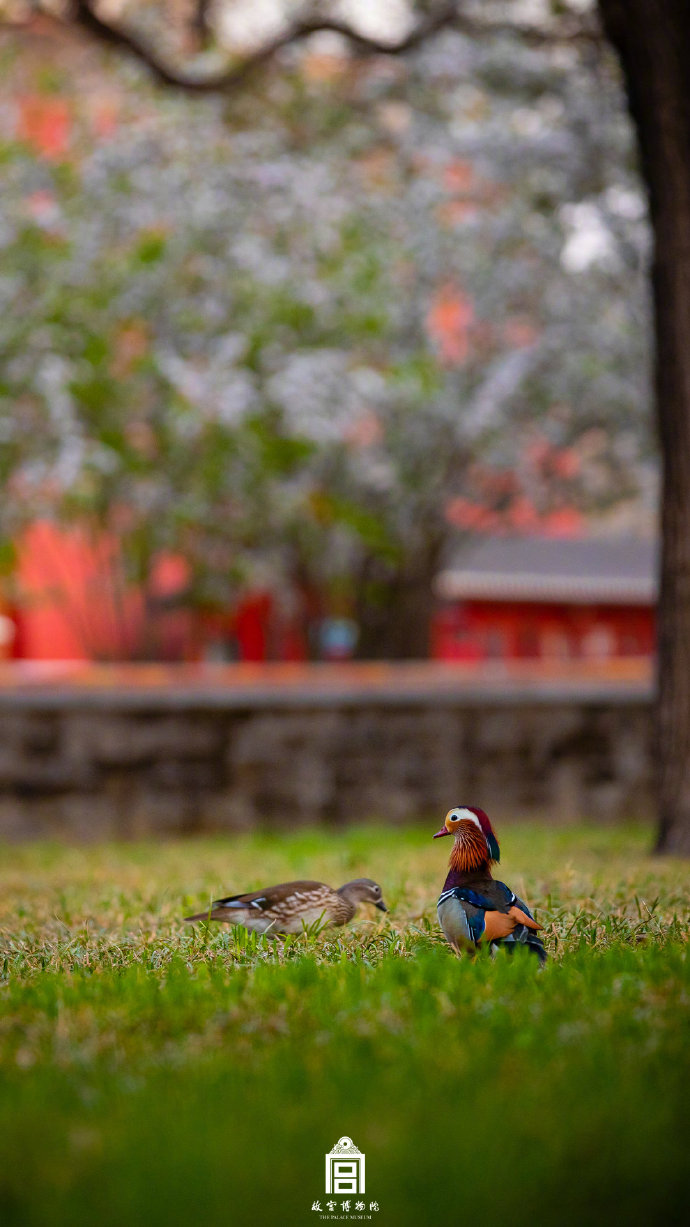
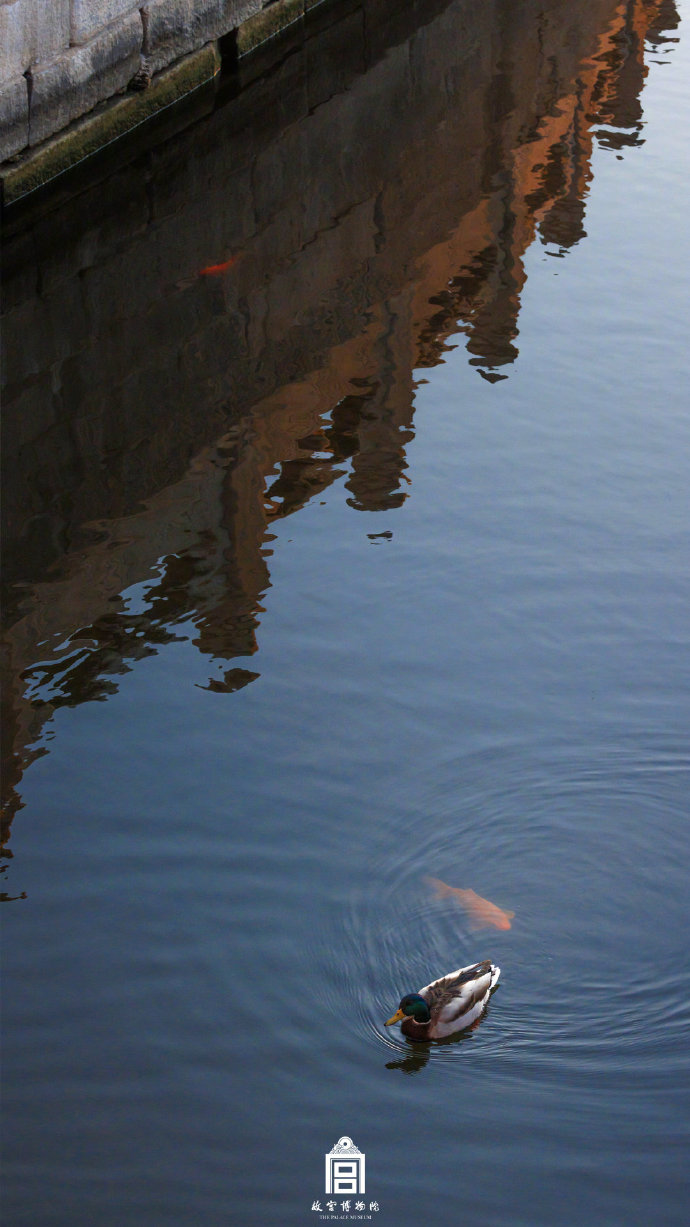
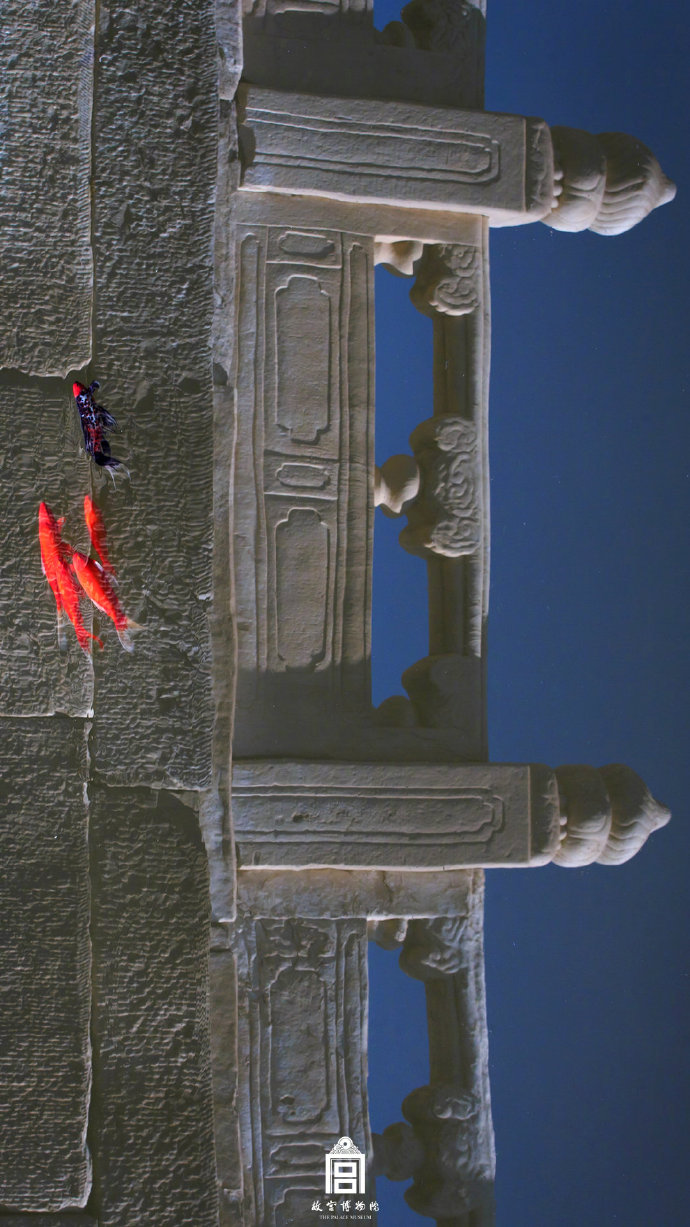
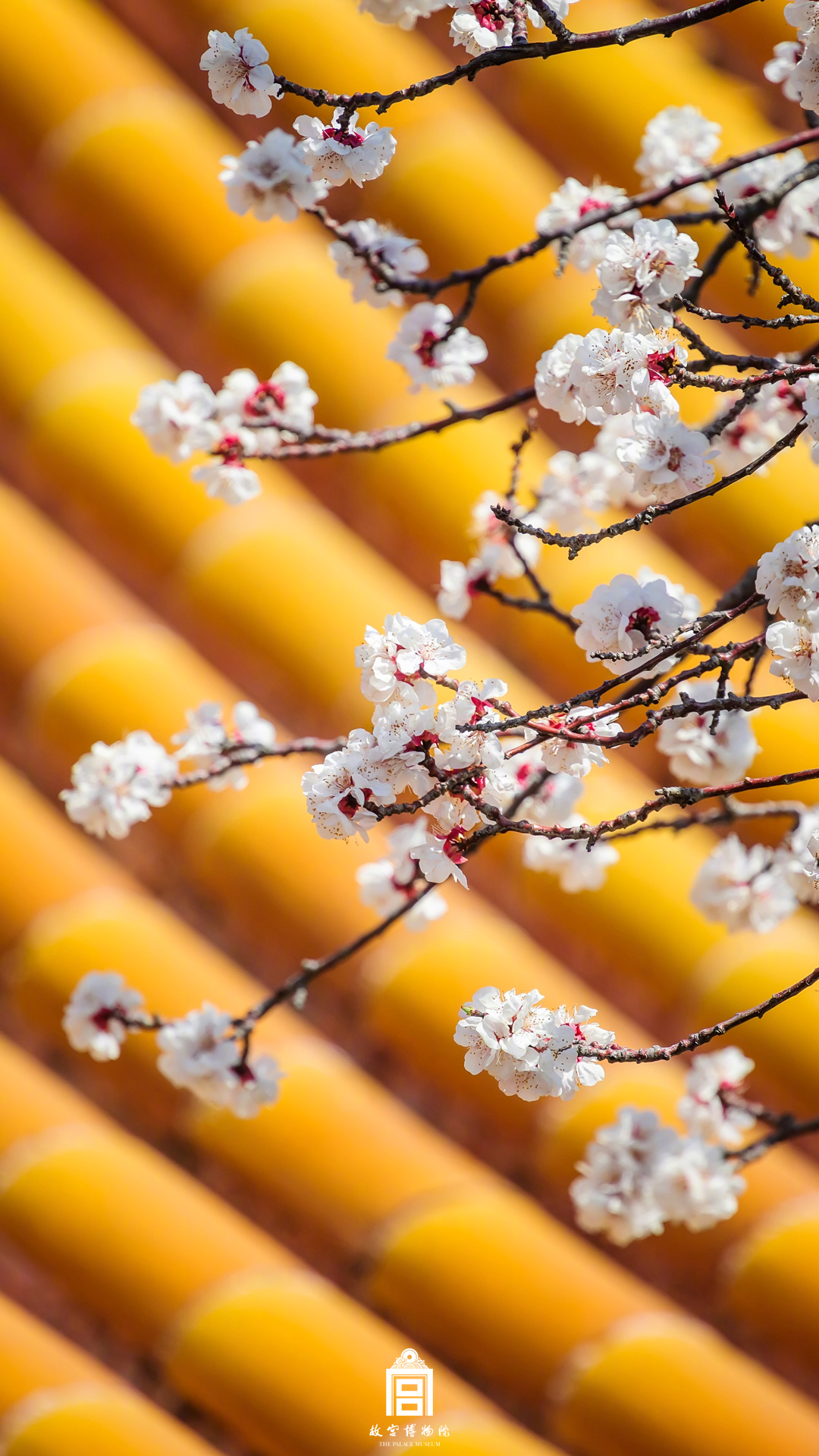
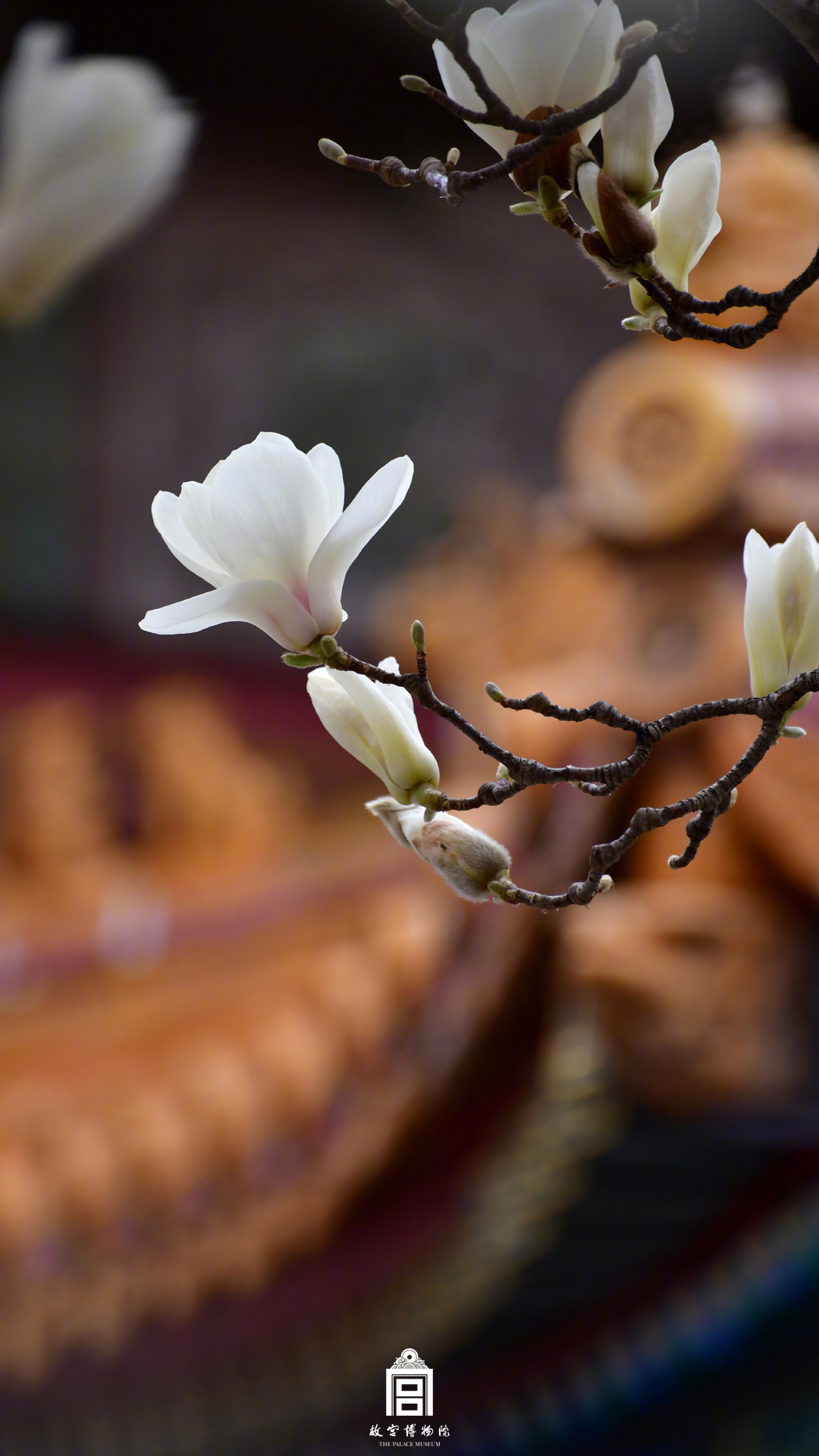
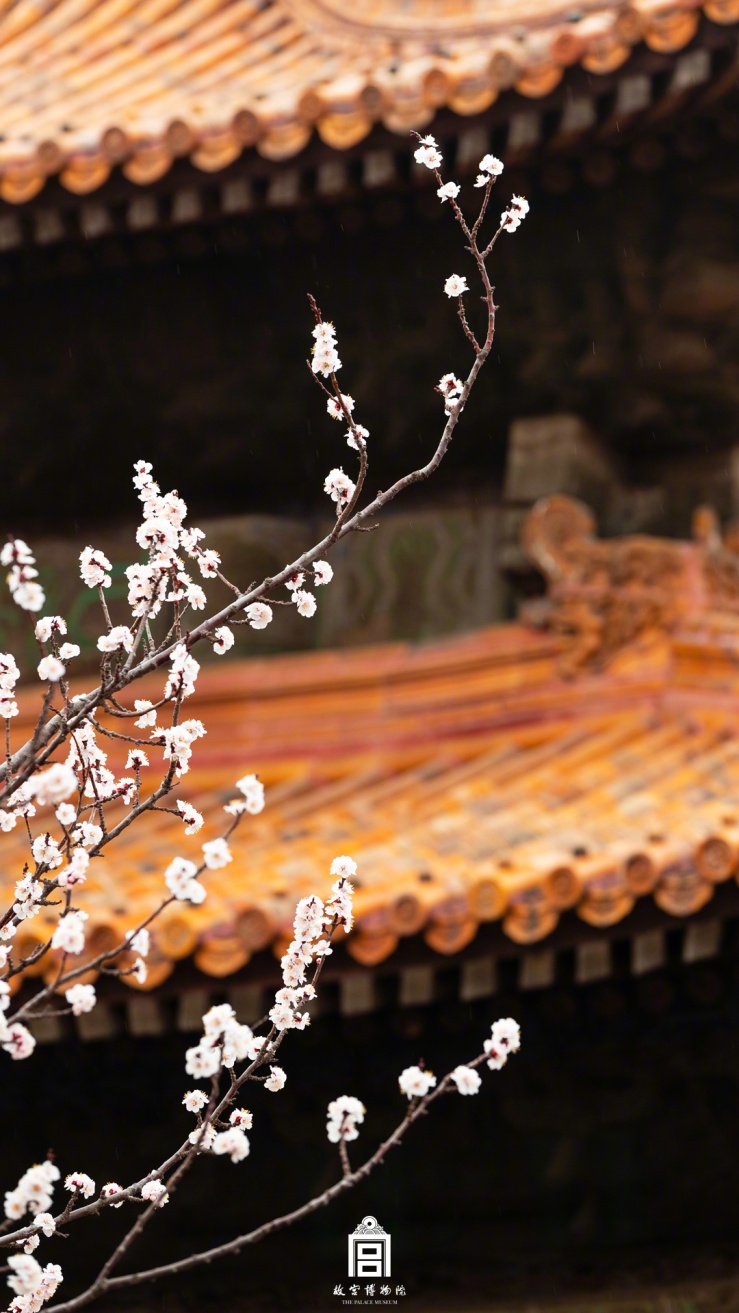
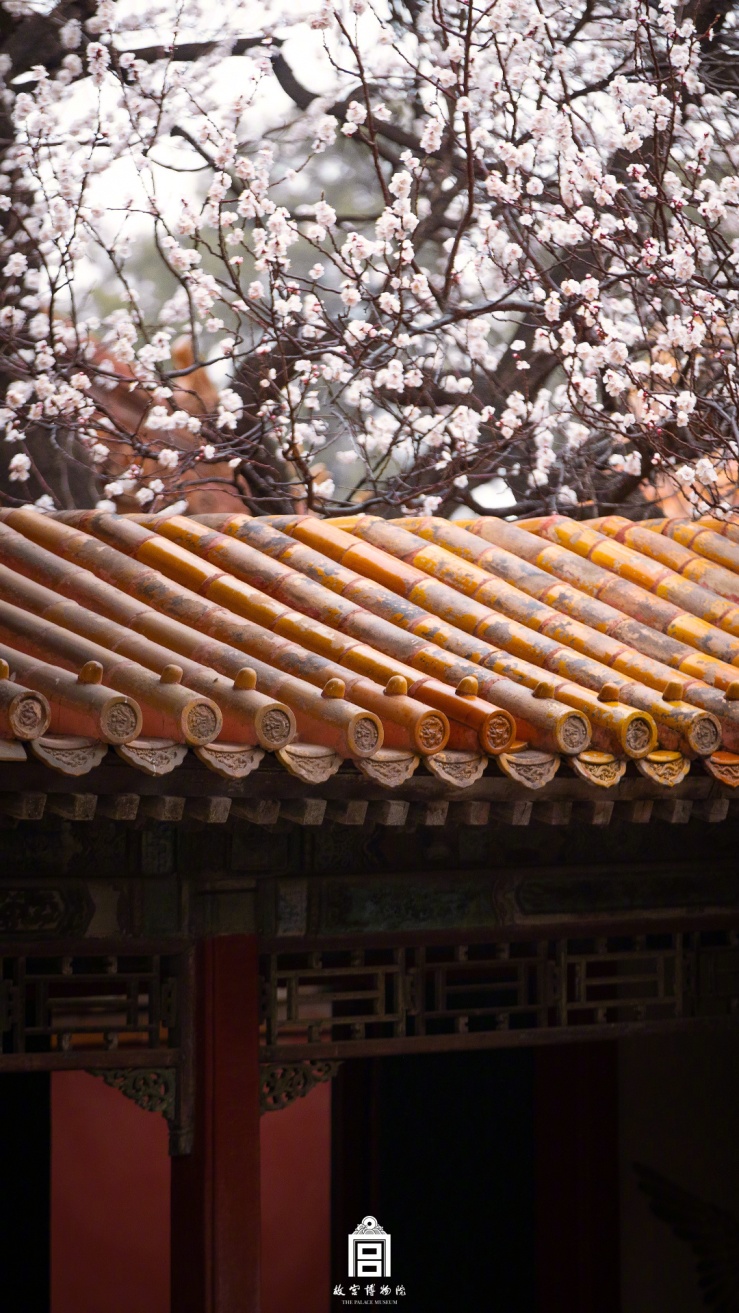
Falling in love with the Forbidden City in which the Star Fields of blossom petals snow on the grounds of the palaces halls of the six hundred and two year old forbidden city in which among The April 2022 spring warm sun is shining, the flowers are blooming, the fish are flying and the birds are playing. The weekend is coming, share with you the warm moments of spring in the Forbidden City!
In this year’s 2022, the second decade from the turn of the century in Beijing the Capital of China also the People’s Republic of China, in which is also the year of the Tiger, marking its six hundred and two years anniversary of the Forbidden city that marks the transitional point of in between the middle of the Ming Dynasty (1368- 1644) transitionally from Nanjing to Beijing towards the Qing Dynasty (1636-1644-1911) …. The Imperial Palaceseen so many countless seasonally transitional equinoxes but further its six hundred years is iconic, but it’s five hundred ninety nine years it marks it Autumn Equinox…. In which it only took twelve years to build the same of the Daming Palace of The Tang Dynasty Xian Imperial Capital only it was least twenty times larger…
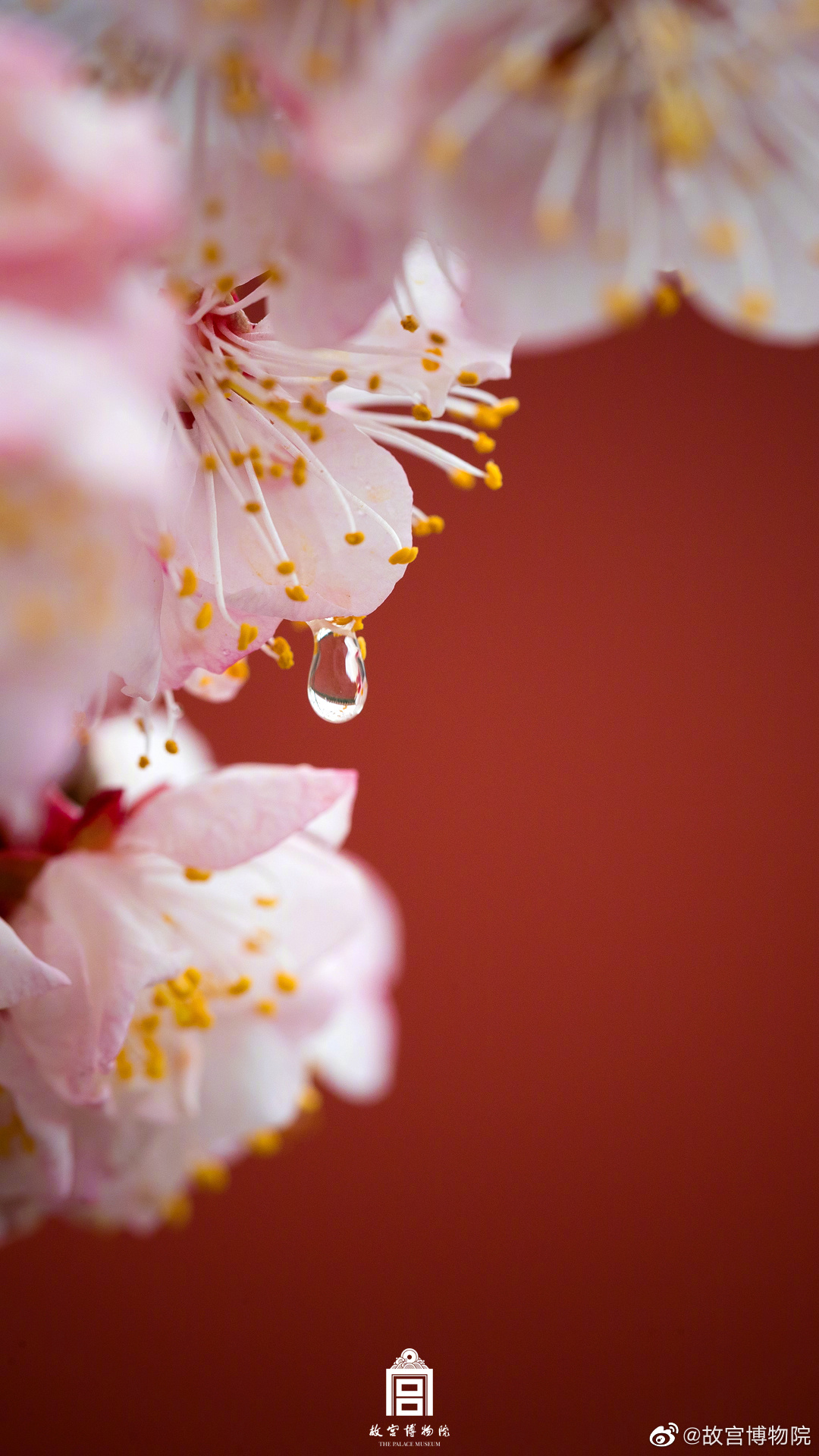
During the 8th April 2022 its relative spring in which Cherries, apples, Apricot blossoms in which Spring water surrounds the flower body, and each flower shadow occupies the spring. Slightly apricot blossoms, bright magnolias Mulan flowers which looks starry stellar constellations star fields , it is another year in full bloom! ….. Which is to fall in love with the Forbidden City…..
During outside the Forbidden city Summer Palace’s spring beauty has become a painting Spring is here, the peach blossoms of the Summer Palace are in full bloom, among the lakes and mountains, the blossoming peach blossoms bloom on the ten-mile lake embankment, and the gleaming water presents a style of Jiangnan water town, Beijing 大女….
In this year’s 2022, the second decade from the turn of the century in Beijing the Capital of China also the People’s Republic of China, in which is also the year of the Tiger, marking its six hundred and two years anniversary of the Forbidden city that marks the transitional point of in between the middle of the Ming Dynasty (1368- 1644) transitionally from Nanjing to Beijing towards the Qing Dynasty (1636-1644-1911) …. The Imperial Palaceseen so many countless seasonally transitional equinoxes but further its six hundred years is iconic, but it’s five hundred ninety nine years it marks it Autumn Equinox…. In which it only took twelve years to build the same of the Daming Palace of The Tang Dynasty Xian Imperial Capital only it was least twenty times larger…
On the 17th March 2022 it was the love of the first snowfall of the spring in which the view of Beijing with snowflakes… painting a Chinese painting through seasonally time
Heavy snowfall has blanketed China’s capital in white. China’s meteorological authorities on Friday issued a blue alert for heavy snow in some regions of the country of China – People’s Republic of china. In which was Snowfall was least than Zero Degrees Celsius