#北京。 #中國 #China #Beijing | #紫禁城 #ForbiddenCity #May2023 | #ForbiddenCityDairies -“Xiangkai Vientiane–The Forbidden City and Tibetan Cultural Relics Joint Exhibition” reflecting the history of ethnic relations in the Yuan, Ming and Qing dynasties….

The Forbidden City Palace Museum Beijing, China, People’s Republic of China holds a large-scale exhibition reflecting the history of ethnic relations in the Yuan, Ming and Qing dynasties, “Xiangkai Vientiane–The Forbidden City and Tibetan Cultural Relics Joint Exhibition” will be on display at the Meridian Gate on April 29th 2023 towards 30th of September 2023.

On April 28, 2023, the opening ceremony of “Auspicious Opening of Vientiane—Joint Exhibition of the Forbidden City and Tibetan Cultural Relics” was held at the Palace Museum. Wang Xudong, member of the Party Leadership Group of the Ministry of Culture and Tourism and director of the Palace Museum, Zhong Tingxiong, deputy director of the Propaganda Department of the State Ethnic Affairs Commission, Zhang Xuxia, deputy director of the General Office of the Ministry of Culture and Tourism, Lian Xiangmin, deputy director-general of the China Tibetology Research Center, protection of historical sites in China Song Xinchao, chairman of the association and former deputy director of the State Administration of Cultural Heritage, Qu Zhen, deputy secretary of the party group and director of the Tibet Autonomous Region Cultural Relics Bureau, Yang Fan, secretary of the Party Committee of the National Museum of China, Fayan, deputy director of the National Cultural Palace, Zha Xia, director of the Tibetan Culture Museum, Chinese Buddhist Master Yanjue, the president of the association, relevant departments and bureaus of the Central Propaganda Department and the Central United Front Work Department, relevant comrades in charge of cultural museums in Beijing, relevant associations, team members of the Palace Museum, and leaders of retirement homes attended the opening ceremony. Du Haijiang, Secretary of the Party Committee and Vice President of the Palace Museum, Deji Zhuoga, Deputy Secretary of the Party Group and Director of the Department of Culture of the Tibet Autonomous Region, and Yang Xun, the representative of the Xuri Charity Foundation and the vice chairman and general manager of Xuri Group Co., Ltd. Speech at the ceremony. Ren Wanping, vice president of the Palace Museum, presided over the opening ceremony of the exhibition.

“Xiangkai Vientiane-The Forbidden City and Tibetan Cultural Relics Joint Exhibition” is jointly organized by the Palace Museum and the Cultural Relics Bureau of the Tibet Autonomous Region, with special support from the Rising Sun Charity Foundation. The exhibition hall of Yanchi Building is open to the audience. Guided by General Secretary Xi Jinping’s thought that “cultural identity is the deepest level of identity, the root of national unity and the soul of national harmony”, combined with the construction of the “Four Forbidden City” system of the Palace Museum, it is a cultural and The display of the results of the Ministry of Tourism’s Tibet-aid project “Research on the Chinese Nation Community Based on the Forbidden City and Tibetan Cultural Relics” is also a large-scale comprehensive exhibition reflecting the history of ethnic relations in the Yuan, Ming, and Qing dynasties. The exhibition reflects the latest relevant scientific research achievements of the Palace Museum in the past five years, explores the cultural connotations behind the cultural relics, shows the exchanges, exchanges and integration between Tibet and the mainland and the court embodied in the cultural relics, and composes a splendid chapter of national unity and progress.

  Du Haijiang, Secretary of the Party Committee and Vice President of the Palace Museum, said in his speech that the exhibition takes forging the consciousness of the Chinese nation’s community as its starting point and foothold. The emotional bond and spiritual belonging of the nation prove the necessity and forward-lookingness of forging a sense of community of the Chinese nation. For thousands of years, people of various ethnic groups in Tibet and inland have been in frequent contact with each other, helping each other, and being brothers and sisters. The Forbidden City, where the Palace Museum is located, is a witness to the exchanges, exchanges, and integration between Tibet and the mainland of the motherland, and a historical witness to the continuous formation of the consciousness of the Chinese nation community. Based on the close historical relationship between cultural relics and the interaction between cultural relics and the design of the exhibition hall, the exhibition reproduces the historical facts of exchanges, exchanges and integration between Tibet and the mainland, and restores the great process of the Chinese nation’s community consciousness from formation to consolidation in history.

Deji Zhuoga, director of the Cultural Department of the Tibet Autonomous Region, said in his speech that this exhibition is an in-depth implementation of the spirit of the 20th National Congress of the Communist Party of China and the spirit of General Secretary Xi Jinping’s important exposition on cultural relics work by the Tibet Autonomous Region and the Palace Museum. It is an important exhibition held to firmly grasp the consciousness of the community of the Chinese nation and build a common spiritual home for the Chinese nation. The exhibition showcases the long history and splendid culture of the Forbidden City and Tibet, demonstrates the extensive exchanges and in-depth integration between Tibet and other parts of the motherland, and witnesses the diverse and colorful Chinese culture. As a large area of ​​cultural relics resources, Tibet has made all-round progress and historic achievements in promoting the protection and utilization of cultural relics in recent years. Cultural relics have played an important role in forging the consciousness of the Chinese nation community and promoting Tibet’s long-term stability and high-quality development.

Yang Xun, the representative of the Xuri Charity Foundation and the vice chairman and general manager of Xuri Group Co., Ltd., who specially supported the exhibition, said that Chinese culture is a synthesis of the cultures of all ethnic groups and a common spiritual home for people of all ethnic groups. “Prosperity in Vientiane—Joint Exhibition of Cultural Relics from the Forbidden City and Tibet” tells the moving story of exchanges, exchanges, and integration between Tibet and various ethnic groups in the mainland through cultural relics research. Glorious Sun Group has strengthened its cultural self-confidence for many years and helped the inheritance and protection of Chinese culture. This support for the exhibition is what Glorious Sun Group should and must do for the inheritance and protection of Chinese culture.

“Auspicious Blossoms – The Forbidden City and Tibetan Cultural Relics Joint Exhibition” is divided into three parts: “Flowers Blooming All Over the Road – Communication between Tibet and the Mainland”, “Flowers and Leafs – Identity and Destination” and “Spring Blossoms and Autumn Fruits – Fruitful Cultural Achievements”. The theme unit uses “flowers” to symbolize the process of integration between Tibet and various ethnic groups in the interior. The exhibition exhibited 108 pieces (sets) of cultural relics, including 13 pieces (sets) of cultural relics from various units under the Tibet Autonomous Region Cultural Relics Bureau and the Sakya Monastery Management Committee, and 95 pieces (sets) of cultural relics from the Palace Museum. In addition to the well-known calligraphy and painting exhibits such as Yan Liben of the Tang Dynasty “Bucharian Picture” and Zhao Mengfu’s “Emperor’s Danba Stele Scroll” of the Yuan Dynasty, there are also a large number of cultural relics that meet the audience for the first time, such as the “Manchu Collection” collected by the Palace Museum. The Sutra, the statue of Emperor Yongle in the Potala Palace, and the thangkas of Kublai Khan first seen in the Sakya Temple, etc., fully demonstrate the diversity of styles and artistic charm of Tibetan-themed cultural relics.

According to the protection requirements of cultural relics and reference practices, the calligraphy and painting works of the Song and Yuan Dynasties and before in the exhibition will be replaced with replicas after one month of exhibition.

Images and visuals are from – Forbidden City –Palace Museum Beijing- China –People’s Republic of China…..

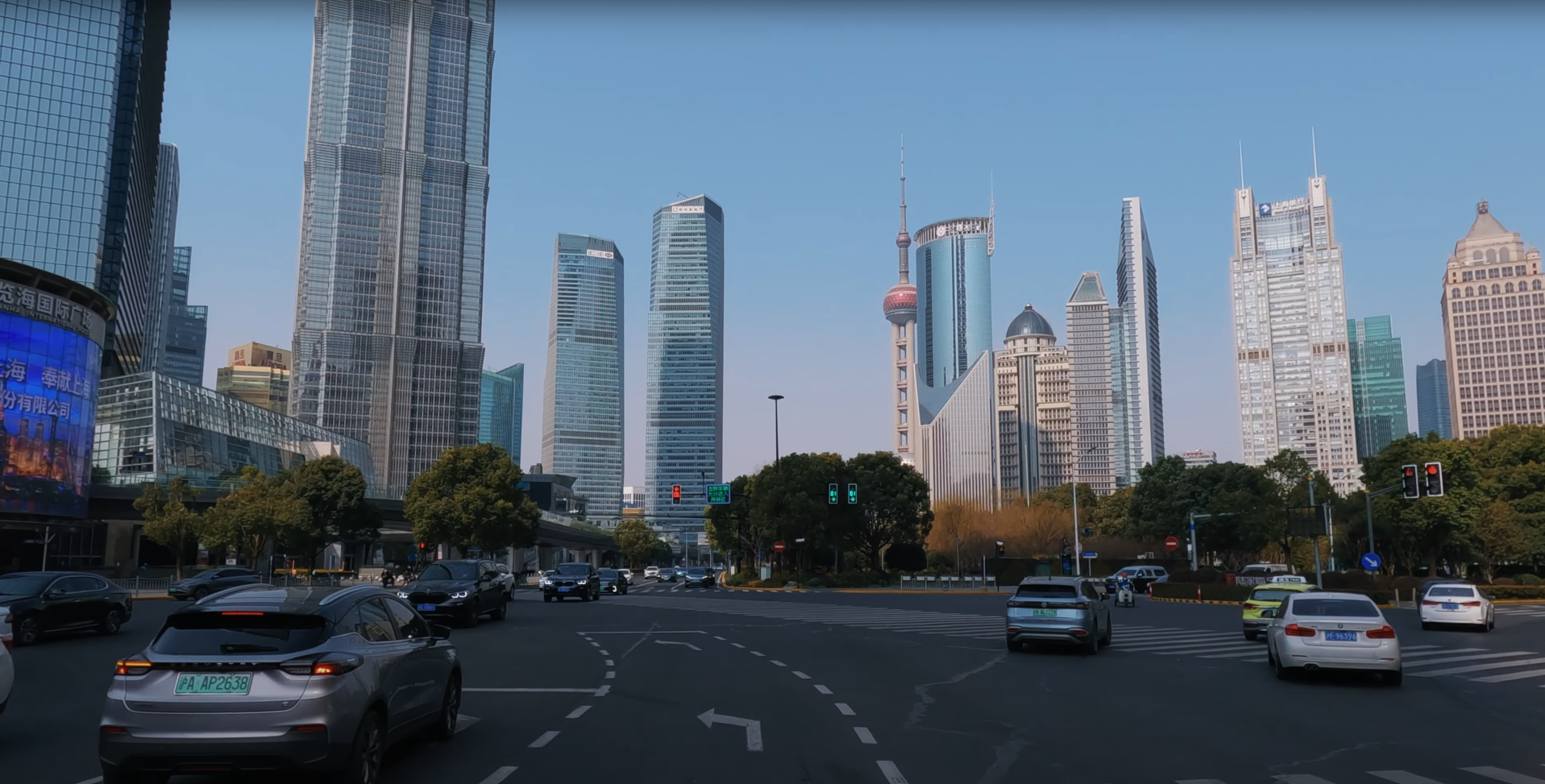
#中國 #中華人民共和國 #China #PeoplesRepublicOfChina #4KHDR #CitywalkingTour | #WalkEast #March2023 |#上海 [4K HDR] Shanghai March 2023 Driving Tour, The Most Developed City in China….

Love Shanghai, love the city and love Lujiazui!

Lujiazui is Shanghai’s glitzy financial district, known for futuristic skyscrapers like the Shanghai Tower, with its lofty observation deck, and the needle-like Oriental Pearl TV Tower, home to the Shanghai Municipal History Museum.

The area is also noted for its luxe-hotel nightlife, with European fine dining, stylish bars and posh dance clubs offering panoramic views.

Lying on the east bank of Huangpu River and facing the Bund, Lujiazui Finance and Trade Zone occupies 28 square kilometers (10.8 square miles) and is studded with around 100 high-rise buildings.

Many are landmark buildings of Shanghai, making the area a great place to experience the modern flavor of this metropolis.

Often called the ‘Wall Street of China’, Lujiazui is the largest financial zone in mainland China, with more than 400 banks and financial institutions from both home and abroad, including HSBC, Citibank, and Standard Chartered Bank.


In addition, it is home to the headquarters of over 70 international giants and about 5,000 companies engaged in trade, investment, and intermediary services. The sum of transactions in the Shanghai stock market ranks it the 2nd in the world only behind the New York Stock Exchange.

Since the reform and opening-up policy carried out in 1978, Shanghai has enjoyed a great economic boom, and Lujiazui is gradually becoming more widely known. However, few know the origin of the name (Lu Jia Zui in Chinese), which literally means Lu family dwelling on a mouth-shaped alluvial beach.

In fact, the name is associated with Lu Shen, a noted scholar of Imperial Academy in the Ming Dynasty (1368 – 1644). After Lu retired, he lived on this land until his death. Today, you can still find Lu Shen’s calligraphy in Shanghai Museum. His former residence and family cemetery are located in this area.

In Lujiazui, the charm of the city as an international metropolis is unfolded to the largest degree. One can admire the modern skyscrapers along Binjiang Avenue as well as various buildings of different architectural styles across the Huangpu River.

The four tallest landmarks of the city – the Oriental Pearl Tower, Jin Mao Tower, Shanghai World Financial Center, and Shanghai Tower are constructed next to each other. When night comes, all the buildings are decorated with shining colorful lights, presenting a gorgeous scene before your eyes. The Bund, facing this financial zone across the river, is the most wonderful place to enjoy the night view.

Oriental Pearl Tower Oriental Pearl Tower, measuring 468 meters (1,536 feet) in height, has three viewing floors. An exhibition hall, demonstrating the history of the city, is at the base of the tower. The lower sphere has a viewing hall at a height of 90 meters (295 feet), providing a wonderful position to see the Bund and the graceful scenery along the Huangpu River. Visitors can also have a panoramic view of the whole city on the transparent observatory at 259 meters (850 feet) or the Capsule Sightseeing Floor at 351 meters (1,152 feet).

Jin Mao Tower Jin Mao Tower, with a height of 420.5 meters (1,380 feet), is also a good place to view the city. The superfast elevator takes only 45 seconds to take visitors from the basement to the viewing hall on the 88th floor, providing visitors magnificent metropolitan cityscapes along Huangpu River, and views of the distinctive rosy dawn and sunset.

Shanghai World Financial Center As the tallest flat-roof building in the world, it is 492 meters (1,614 feet) high with 101 stories. Sightseeing area occupies storeys from the 94th to the 100th floor. The viewing hall on the 100th floor is at a height of 474 meters (1,555 feet). The sightseeing bridge on the 97th floor seems to be constructed in the air. It would give you an illusion that you are wandering in the sky.

Shanghai Tower At present, it is the tallest building in China, measuring 632 meters (2,073 feet) in height. The exterior of the building spirals upward to the top with one degree twist per storey to reduce the wind effect.

Walk East | Max Channel is about his walking, driving, riding running around views of China – People’s Republic of China  sharing his immersive experiences in his video hope you could have a pure view about China today, sharing  some 4K UHD videos to show pure China daily scenes for you…. BEST VIEWED ON 2160px60 with the volume up for immersive immersion..

#北京。 #中國 #China #Beijing | #紫禁城 #ForbiddenCity #February2023 | #ForbiddenCityDairies #Spring First Snowfall of the Forbidden City of the #YearOftheRabbit #AGallery …

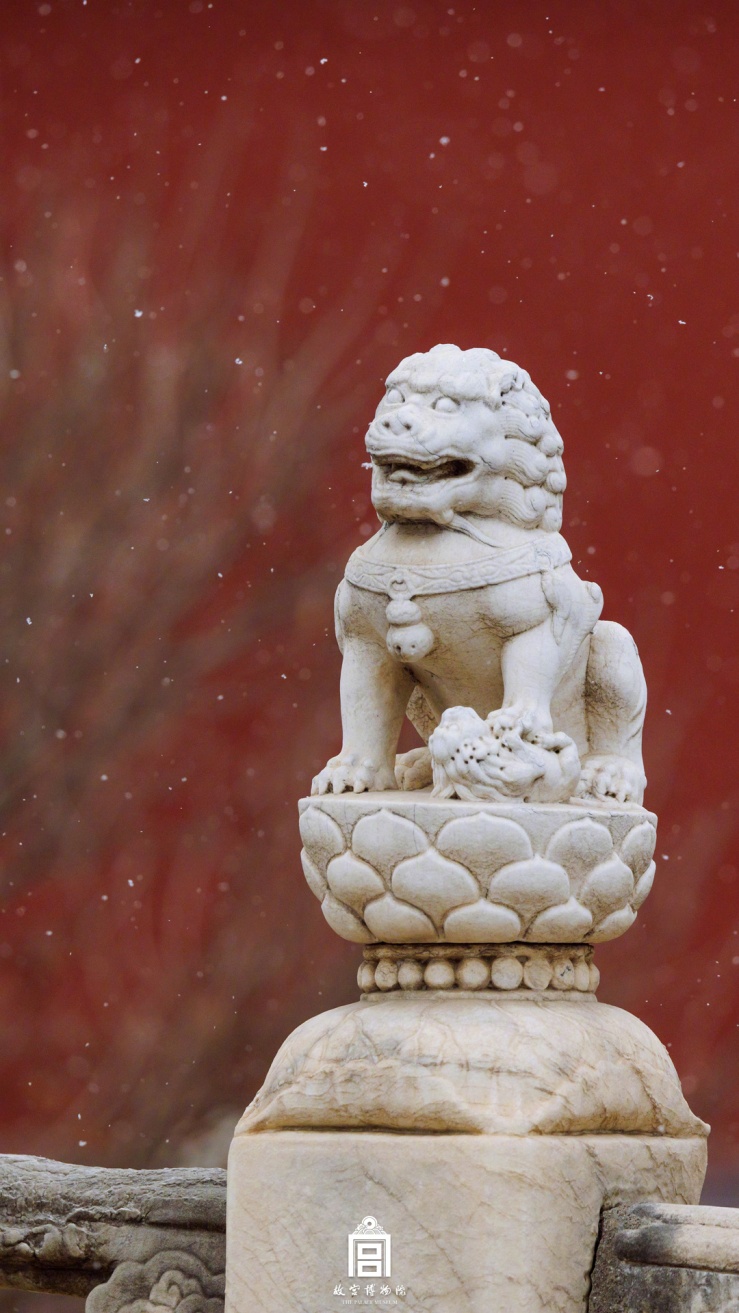
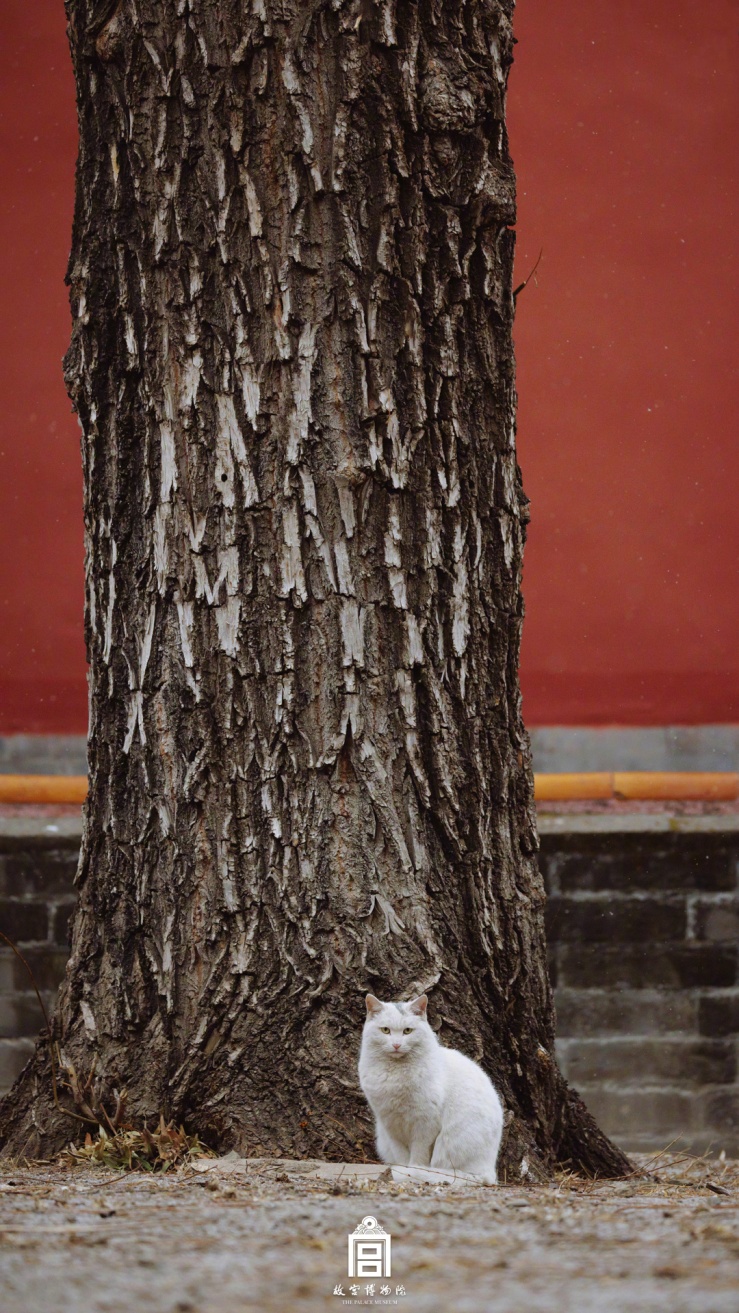
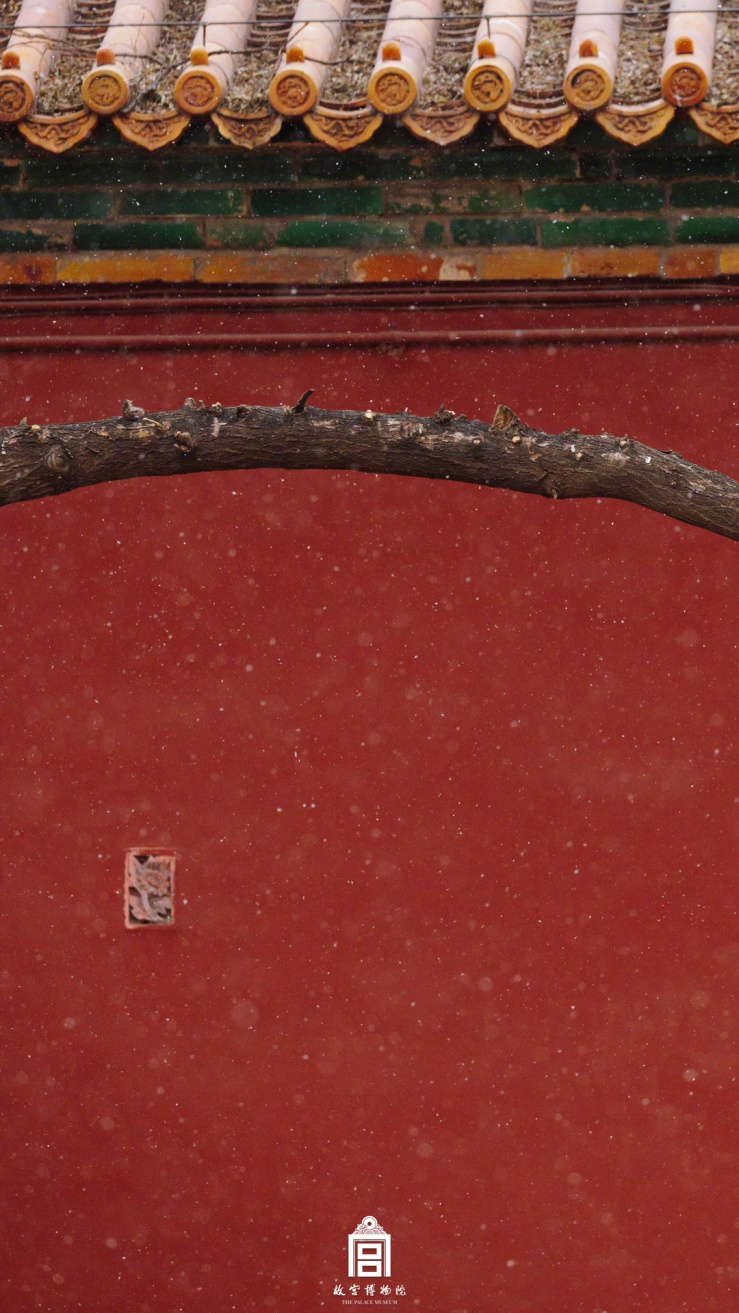
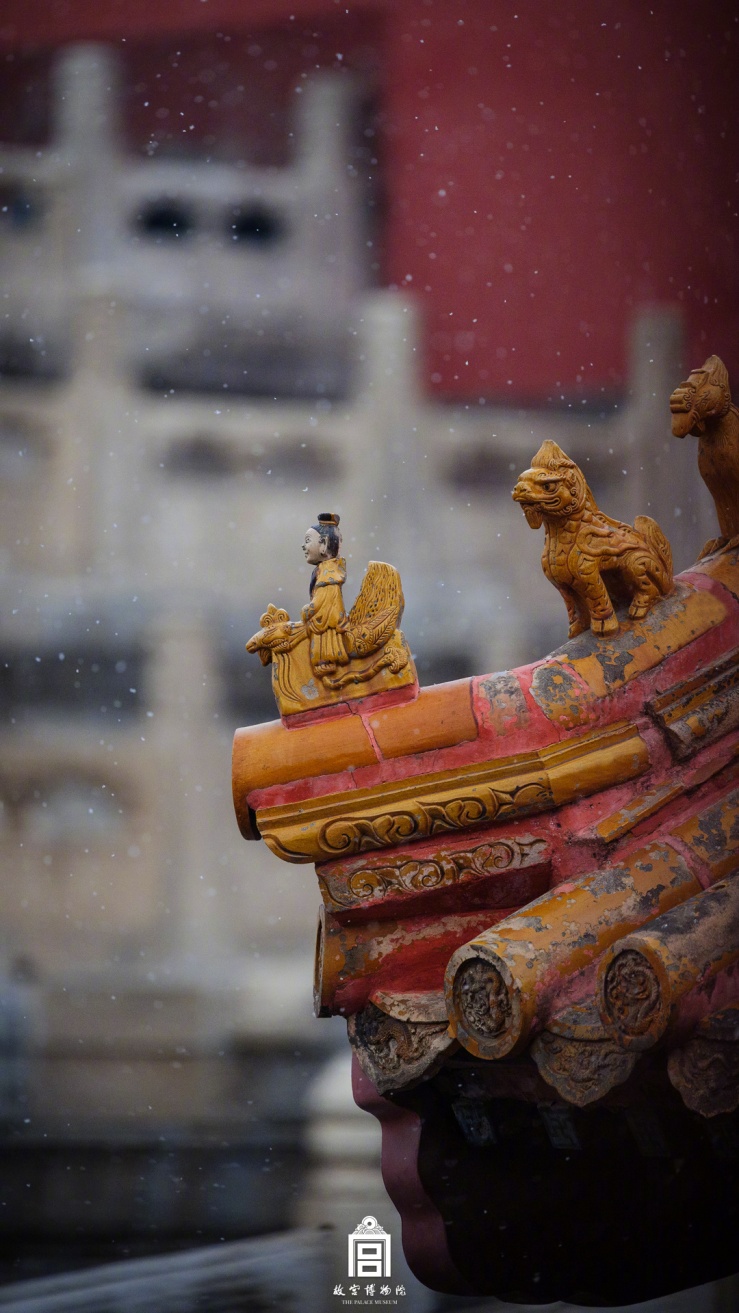
元宵喜乐 During the Lantern Festival on February 5th 2023 at the Forbidden City, Beijing, China, People’s Republic of China on the 10th February 2023 it is the first Beijing Snowfall of Spring also the Year of the Rabbit in which Beijing, China, People’s Republic of China ushered in snowy weather in forbidden city was exceptional quiet.  . Among the red walls and green tiles, green pines and ancient cypresses, falling snowflakes are dancing in the air, which is as beautiful as poetry and painting… also ushering the Snowfall on summer palace.

The Forbidden City in Beijing is the royal Imperial palace of the Ming and Qing dynasties in China. It used to be called the Forbidden City and is located in the center of the central axis of Beijing. The Forbidden City in Beijing is centered on three main halls, covering an area of ​​about 720,000 square meters, with a construction area of ​​about 150,000 square meters. There are more than 70 palaces of different sizes and more than 9,000 houses.

The Forbidden City in Beijing began construction in the fourth year of Yongle (1406), Emperor Chengzu of the Ming Dynasty. It was built on the basis of the Nanjing Forbidden City. It was completed in the eighteenth year of Yongle (1420) and became the palace of 24 emperors in the Ming and Qing dynasties. On the National Day of the 14th year of the Republic of China (October 10, 1925), the Palace Museum was officially established and opened. The Forbidden City in Beijing is 961 meters long from north to south and 753 meters wide from east to west. It is surrounded by 10-meter-high walls and a 52-meter-wide moat outside the city. There are four gates in the Forbidden City, the Meridian Gate in the south , the Shenwu Gate in the north , the Donghua Gate in the east and the Xihua Gate in the west . Each of the four corners of the city wall has a graceful turret . There is a folk saying that there are nine beams, eighteen pillars and seventy-two ridges, which describe the complexity of its structure. 

The buildings in the Forbidden City in Beijing are divided into two parts: the outer court and the inner court . The center of the Outer Dynasty is the Hall of Supreme Harmony , the Hall of Central Harmony , and the Hall of Preserving Harmony , collectively referred to as the Three Great Halls , where the state holds grand ceremonies. The left and right wings of the three halls are supplemented by two groups of buildings, the Wenhua Hall and the Wuying Hall . The center of the inner court is Qianqing Palace , Jiaotai Palace , and Kunning Palace , collectively referred to as the Housan Palace, which is the main palace where the emperor and empress live. Then there is the Royal Garden . On both sides of the Housan Palace are the East and West Sixth Palaces, which are the places where the concubines live and rest. On the east side of the East Sixth Palace is the Tianqiong Palace and other Buddhist temple buildings, and on the west side of the West Sixth Palace is the Zhongzheng Hall and other Buddhist temple buildings. In addition to the Outer Dynasty and the Inner Court, there are two parts of the Outer East Road and the Outer West Road.

Images and visuals are from – Forbidden City –Palace Museum Beijing- China –People’s Republic of China…..

#北京。 #中國 #China #Beijing | #紫禁城 #ForbiddenCity #February2023 | #ForbiddenCityDairies #中國元宵節 #元宵節 #ChineseLanternFestival #YearOftheRabbit with a distance smaller first #FullMoon illuminating the Forbidden City like an ancient Chinese lantern..   

元宵喜乐 During the Lantern Festival on February 5th 2023 at the Forbidden City, Beijing, China, People’s Republic of China , a full moon passes through the turrets of the Forbidden City, and it is in the same frame as the ridge beast, which is too beautiful to behold. According to astronomy science experts, the Lantern Festival of the Year of the Rabbit in Guimao is “15 moons and 16 rounds”, and the full moon will appear in the early morning of the 6th. This round of the roundest Lantern Festival moon is not only the first full moon this year, but also the smallest full moon in 2023. 

On this day on the 5th February 2023 on the fifteenth day of Chinese lunar new year festival is the lantern festival or known as Chinese Valentine’s Day…. in which this painting is inspired by the Hangzhou West lake storytelling of the legend of the white snake…..

The early days, young people were chaperoned in the streets in hopes of finding love. Matchmakers acted busily in hopes of pairing couples. The brightest lanterns were symbolic of good luck and hope…… Lantern Festival is one of the events they can go out and join in the celebration. And that’s when other young guys can get to meet the ladies. Therefore, the Lantern Festival is sometimes referred to as Chinese Valentine’s Day. There will also be big displays of lanterns in some major parks or open space.

Love inscribed in poems

The other evidence of the Lantern Festival being Chinese Valentine’s Day is recorded in Chinese literature. In the thousands of ancient poems passed on from the Tang and Song dynasties, many depicted ardent love for their partners.

Not only was love engraved in ancient poems, but also sceneries and the boisterous carnivals of the Lantern Festival, when the nights were as bright as the daytime with hundreds of lanterns burning.

The festive atmosphere, the performances, and the moonlight jointly created the best time for a date.

The history of the festival could be traced back to the Han Dynasty (202 B.C.-220 A.D.), and the celebrations were gradually enriched, expanded and settled in succeeding dynasties. But from the very beginning, lanterns have been an indispensable part of the day.

元宵喜乐 During the Lantern Festival on February 5, a full moon passes through the turrets of the Forbidden City, and it is in the same frame as the ridge beast, which is too beautiful to behold. According to astronomy science experts, the Lantern Festival of the Year of the Rabbit in Guimao is “15 moons and 16 rounds”, and the full moon will appear in the early morning of the 6th. This round of the roundest Lantern Festival moon is not only the first full moon this year, but also the smallest full moon in 2023. 

Images and visuals are from – Forbidden City –Palace Museum Beijing- China –People’s Republic of China…..

#北京。 #中國 #China #Beijing | #紫禁城 #ForbiddenCity #February2023 | #ForbiddenCityDairies #rainbowically #Sunhalo Stunning rings appear over the Beijing City landscape.

On the 2nd February 2023 at the Forbidden City Beijing, China, People’s Republic of China, on a wintery day of Beijing, China, People’s Republic of China, in which beautifully astronomical phenomena in which is total rare to see a massive combination of solar halos, double-sided parasols, circumzenithal arcs, and anti-solar arcs in the capital today in which a amazing Astronomical phenomena ….

Sun halos a halo is a ring or light that forms around the sun or moon as the sun or moon light refracts off ice crystals present in a thin veil of cirrus clouds. The halo is usually seen as a bright, white ring although sometimes it can have color.

Circumzenithal arcs are A circumzenithal arc (sometimes known as Bravais’ arc) is a type of Halo. They are formed when sunlight refracts through horizontal ice crystals at such an angle that the light enters the crystal through its flat top face and exits through a side prism face causing the distinctive upside-down rainbow effect. Circumzenithal arcs are relatively common, though a special set of circumstances are required. The sun needs to be more than five, and less than 32 degrees above the horizon, in order that the sunlight can refract in the correct way through the ice crystals to form the smiling, rather than frowning, halo

Via Weir Beijing Photographer  blogger…… It is rare to see a combination of solar halos, double-sided parasols, circumzenithal arcs, and anti-solar arcs in the capital today….

Images and visuals are from – Forbidden City –Palace Museum Beijing- China –People’s Republic of China…..