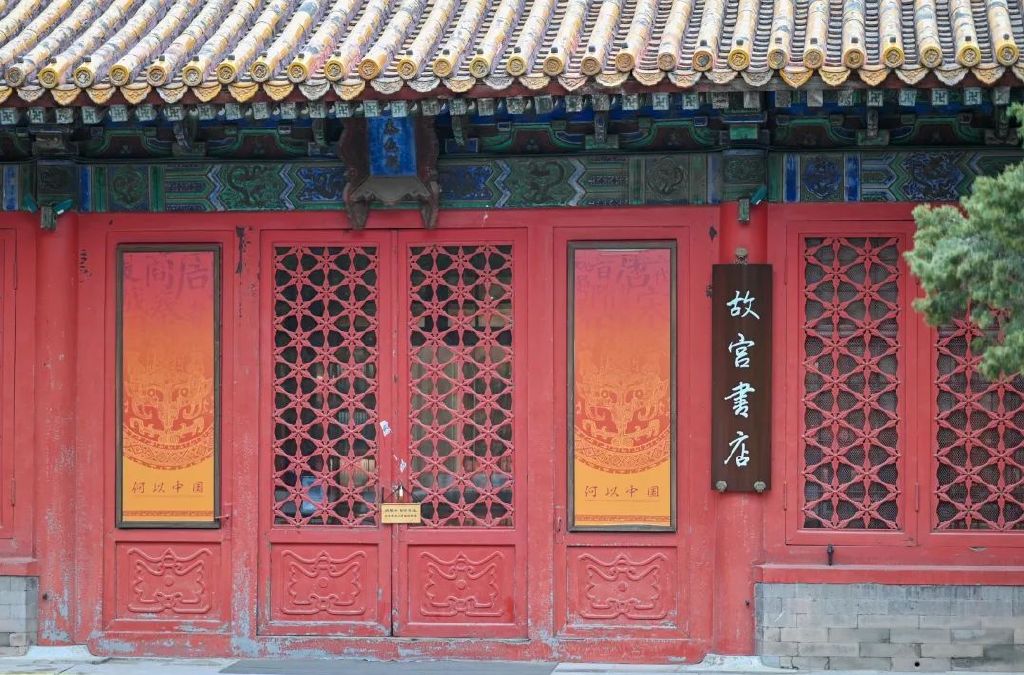
#北京。 #中國 #China #Beijing | #紫禁城 #ForbiddenCity #May2022 | #ForbiddenCityMoments #ForbiddenCityPress #ForbiddenCityBookStore #ForbiddenCityBooks The Forbidden City 100 #ForbiddenCityArchitecture ancient Chinese architecture….

The Forbidden City Book Store which in the grounds of the Forbidden City Complex Forbidden City Hundred Excellent Books Public welfare reading activities! ” Forbidden City Hundred Excellent Books  “故宫出版社 紫禁城100 Forbidden City 100 Excellent “The Forbidden City 100” is a work carefully created by Mr. Zhao Guangchao, his design, cultural team and the Forbidden City cultural research and development team for many years. This book can firstly understand the six hundred years of history of the Forbidden City. During the Ming and Qing dynasties, a total of 24 emperors lived, lived and exercised the highest state power here. In 1911, the Qing emperor abdicated. In 1913, the Antiquities Exhibition Center was established in the outer court of the Forbidden City. In 1924, Puyi left the palace. In 1925, the Palace Museum was established ….

The Forbidden City 100 Excellent Books  is one  is “The Forbidden City 100″ is a work carefully created by Mr. Zhao Guangchao, his design, cultural team and the cultural research and development team of the Forbidden City for many years. This book can firstly understand the six hundred years more of history of the Forbidden City. During the Ming and Qing dynasties, a total of 24 emperors lived, lived and exercised the highest state power here. In 1911, the Qing emperor abdicated. In 1913, the Antiquities Exhibition was built in the Forbidden City. In 1924, Puyi left the palace. In 1925, the Palace Museum was established.

One Hundred Excellent Books in the Forbidden City The Ming Empire initially chose Fengyang as the capital, and then settled in Nanjing (1368). When Zhu Di, the third emperor of the Ming Dynasty, had just ascended the throne (1406 in the fourth year of Shui Le), he dispatched the imperial court to China. The officers collected building materials from all over the country, distributed 100,000 craftsmen, more than one million people, and built the Forbidden City in Beijing on a larger scale on the former site of the palace in the Yuan Dynasty, based on the Nanjing Palace City. In the eighteenth year of Yongle’s reign (1420), the palace city was completed, and Zhu Di immediately moved the capital from Nanjing to his own land of Longxing, and Peiping became the largest city in the country (and the world at that time) from the beginning.

The newly built Miyagi moved about 1,000 meters eastward from the ruins of the Forbidden City in the Yuan Dynasty, and moving away from today’s Beihai Park means to some extent from the Yuan people’s customs of “living by water and grass”, back to the stable farming in the Han culture. on the pattern. The new palace pushes the fate of the Yuan people’s annihilation to the position of the white tiger killed by the main Tibetan in the five elements in the west, and then uses the building materials left over from the construction of the palace, together with the soil for excavating the moat, to build a hill behind the palace (Jingshan Mountain). ), creating a barrier against the cold north wind for the originally flat Miyagi, becoming the commanding height of the Forbidden City and even the city of Beijing at that time, and also the backing of Wanshi Foundation.

“Forbidden City 100” entered the Forbidden City. Jingren Palace is one of the six east palaces that everyone is familiar with, and it retains a relatively complete appearance of the Ming Dynasty. In the early Ming Dynasty, it was called Chang’an Palace and was renamed Jingren Palace in Jiajing. The Qing Dynasty followed the old name of the Ming Dynasty. The most special feature of Jingren Palace is that there is a stone screen in the front yard that was passed down from the Yuan Dynasty (the symmetrical Yongshou Palace also has the same stone screen). Although the center of the screen is only about 2 cm thick, the patterns on both sides are different. In addition, the shape of the seated beast on Shiping is very rare in the palace, and it is exquisite and vivid. “Animal style” has existed in China since ancient times. The beauty of masonry in the Yuan and Ming dynasties and the concise style of the Qing Dynasty are placed in the same space. All of a sudden, this palace seems to have become a history of modern Chinese sculpture, and it even evokes the legendary antecedents of the masters who once lived here. Here, it was originally the birthplace of Emperor Kangxi in the early Qing Dynasty, and the palace of the legendary concubine Zhen in the late Qing Dynasty… The

owner of the Ming Dynasty: Empress Hu (Hu Shanxiang) of Xuanzong of the Ming Dynasty. Emperor Xuande favored concubine Sun Gui and Cricket, and ordered Empress Hu to resign on the grounds of “no children and many illnesses”, and placed them in Chang’an Palace (Jingren Palace) to practice Taoism, and was given the title “Jingci Immortal Master”. The owner of the Qing Dynasty: In the eleventh year of Shunzhi (1654), the 15-year-old Shunzhi Concubine Tong gave birth to the future Kangxi here. Concubine Xi (Qianlong’s biological mother, Niuhulu), who ascended the throne under Yongzheng, moved from Lama Temple to Jingren Palace. Concubine Zhen of Guangxu entered the palace with her elder sister Concubine Jin at the age of 14, and lived in the east and west side halls of Jingren Palace, and was finally drowned by order of the Empress Dowager Cixi…

Among the six east palaces, the history of Yanxi Palace can be described as troubled. When it was completed in the early Ming Dynasty, it was renamed Yanqi Palace after its initial name Changshou Palace, and was renamed Yanxi Palace in Qing Dynasty. Since its completion, the Yanxi Palace has suffered repeated fires: it was rebuilt in the 25th year of Kangxi (1686) and the 7th year of Jiaqing (1802). In the twelfth year of Daoguang (1832), a fire broke out, which burned down the entire Yanxi Palace and rebuilt it again. In the 25th year of Daoguang (1845), a fire broke out in the Yanxi Palace, leaving only the palace gate. Xianfeng five years (1855) fire, rebuilt again. In the first year of Xuantong’s reign (1909), Empress Dowager Longyu spent 4 million to build a Western-style building “Water Palace” Lingzhao Xuan (commonly known as Crystal Palace). Lay the glass, and when you’re done it’ll be a walk-in super aquarium. This move has the meaning of suppressing the anger and revival of the Qing Dynasty, but until Xuantong abdicated, the project was not completed. When Zhang Xun was restored in 1917, the northern part of Yanxi Palace was unfortunately destroyed by plane bombs. In the entire palace, only the wellhead is in line with the original location of the well pavilion, leaving the only remaining remains. In 1931, the Palace Museum built a new cultural relic warehouse, which eventually became the first reinforced concrete building in the palace. In recent years, the story of the palace has been exaggerated by the media, and the little-known Yanxi Palace has once again aroused everyone’s curiosity. In fact, the concubines living in this secluded palace are living in hardship and poverty, and it is said that they do not even have enough food, even clothes, shoes and socks. The owner of Yanxi Palace in the Ming Dynasty is unknown, and the owners of the Qing Dynasty include Kangxi Chang in Xu and two people whose emblems are unknown and promised to live here.

The biggest difference between the West Six Palaces and the East Six Palaces in “100 Forbidden City” is that Taiji Palace and Changchun Palace, Yikun Guan and Chuxiu Palace are all connected into one. It makes the whole palace area have a strong color of life, and also makes the remaining Yongshou Palace and Xianfu Palace appear dull. Today, we look at Yikun Palace and Chuxiu Palace through “Forbidden City 100”. The Yikun Palace was originally called Wan’an Palace, and was renamed Yikun Palace in the Jiajing Period of the Ming Dynasty .

Imagines credits are of the Forbidden City –Imperial Palace –Beijing – China- People’s Republic of China also from the Series Weibo北京卫视上新了故宫 Treasures in the Forbidden City…

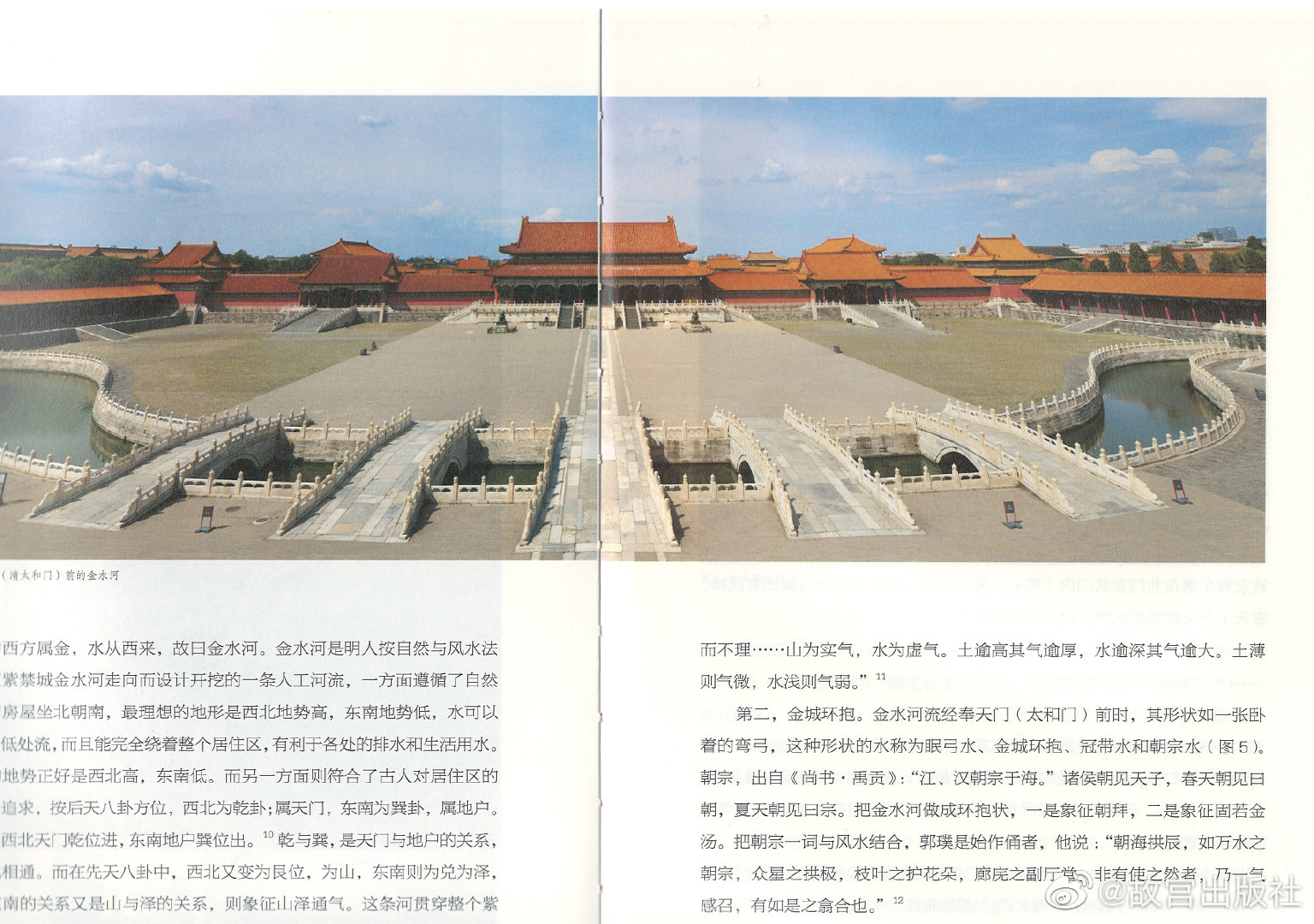
#北京。 #中國 #China #Beijing | #紫禁城 #ForbiddenCity #April2022 | #ForbiddenCityMoments #ForbiddenCityPress #ForbiddenCityBookStore the Way of the #ForbiddenCityArchitecture elements of Detailed explanation of the five-door and three-dynasty system of the Forbidden City .

The Forbidden City Book Store which in the grounds of the Forbidden City Complex Forbidden City Hundred Excellent Books Public welfare reading activities! ” Forbidden City Hundred Excellent Books  “The Way of Architecture of the Forbidden City”  with this in mind explanation of the Detailed explanation of the five-door and three-dynasty system of the Forbidden City Palace Complex  is the palace system of the Zhou Dynasty, representing orthodoxy, and it is the highest palace building level in ancient China, which has been almost inherited by all dynasties. Emperor Yongle of the Ming Dynasty transformed the city of Beijing, built the Forbidden City, and determined a new axis. However, he still followed the ancestral system and planned the Forbidden City in Beijing according to the Forbidden City in Nanjing.

Five gates and three dynasties were set up on the axis according to the “Rituals of Zhou”. During the Wanli period, the five gates were Daming Gate, Chengtian Gate, Duan Gate, Meridian Gate, and Huangji Gate, namely Fengtian Gate. The three dynasties were Huangji Hall (Fengtian Hall), Zhongji Hall (Huagai Hall), and Jianji Hall (Jinshen Hall). . When the Ming Dynasty brought chaos to order in the Yuan Dynasty, it simply razed the Yuan Dynasty to the ground, and set up five gates and three dynasties according to the orthodox thought of “Zhou Li”, indicating that the Ming Dynasty inherited the great power.


Now there is no Daming Gate, and the remaining four gates are Tiananmen, Duanmen, Meridian Gate, Taihemen, Taihe Hall, Zhonghe Hall, and Baohe Hall.


Why did the central axis of the Forbidden City move east? Where is the center of heaven and earth in the Forbidden City? What are the mysteries of the civil and military layout of Beijing City, the layout of the rear court of the Forbidden City, and the architectural methods of Emperor Qianlong that we are familiar with? With a book in hand, all doubts are solved

爱爱客国际官网

Imagines credits are of the Forbidden City –Imperial Palace –Beijing – China- People’s Republic of China also from the Series Weibo北京卫视上新了故宫 Treasures in the Forbidden City…
#北京。 #中國 #China #Beijing | #紫禁城 #ForbiddenCity #April2022 | #ForbiddenCityMoments #ForbiddenCitySeason #Spring full of blossoming snowing blossoms petals that snow starry like stars on the night skies.  #AGallery

In this year’s 2022, the second decade from the turn of the century in Beijing the Capital of China also the People’s Republic of China, in which is also the year of the Tiger, marking its six hundred and two years anniversary of the Forbidden city that marks the transitional point of in between the middle of the Ming Dynasty (1368- 1644) transitionally from Nanjing to Beijing towards the Qing Dynasty (1636-1644-1911) …. The Imperial Palace seen so many countless seasonally transitional equinoxes but further its six hundred years is iconic, but it’s five hundred ninety nine years it marks it Autumn Equinox…. In which it only took twelve years to build the same of the Daming Palace of The Tang Dynasty Xian Imperial Capital only it was least twenty times larger…

Falling in love with the Forbidden city Spring is in full bloom, and everything is bright. Want to pick up the beauty of spring and enjoy it again and again…….in which the Forbidden City press office has photographs  4K ultra-high-definition wallpapers, leave the beauty on the screen, and spend the whole spring with you recreating blossom stars snowing onto the Forbidden city !

Imagines credits are of the Forbidden City –Imperial Palace –Beijing – China- People’s Republic of China also from the Series Weibo北京卫视上新了故宫 Treasures in the Forbidden City…

#北京。 #中國 #China #Beijing | #紫禁城 #ForbiddenCity #March2022 | #ForbiddenCityMoments #ForbiddenCityBookStore # WenhuaHall #WenhuadianPalaceMuseumBookstore #Spring is beautiful in books: a trip to appreciate spring in parks, museums and bookstores…. The Most Beautiful Bookstore

In this year’s 2022, the second decade from the turn of the century in Beijing the Capital of China also the People’s Republic of China, in which is also the year of the Tiger, marking its six hundred and two years anniversary of the Forbidden city that marks the transitional point of in between the middle of the Ming Dynasty (1368- 1644) transitionally from Nanjing to Beijing towards the Qing Dynasty (1636-1644-1911) …. The Imperial Palace seen so many countless seasonally transitional equinoxes but further its six hundred years is iconic, but it’s five hundred ninety nine years it marks it Autumn Equinox…. In which it only took twelve years to build the same of the Daming Palace of The Tang Dynasty Xian Imperial Capital only it was least twenty times larger…

Wenhuadian Palace Museum Bookstore

“The Most Beautiful Bookstore” Hidden in the “Palace”

Spring is beautiful in books: a trip to appreciate spring in parks, museums and bookstores… ​​​Beijing has not only the Palace Museum, a place for enjoying spring, which condenses the cultural context of a hundred years, but also has beautiful scenery, and the old Beijing Siheyuan, which is full of Beijing flavor and pleasant, and has a large area like the Canal Forest Park. , A place for outings, where natural scenery and cultural scenery are unique, what kind of leisurely and pleasant experience should I walk into a bookstore, sit down to watch the scenery, enjoy the spring, and read? Try it yourself.

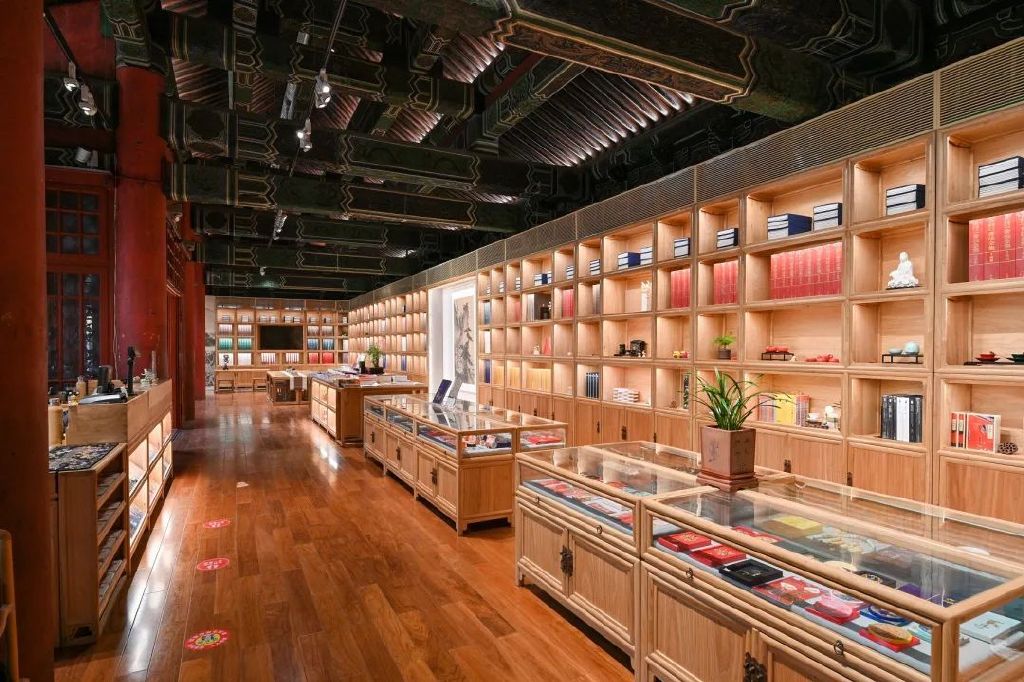
Known as “the most beautiful bookstore in the Forbidden City”, Wenhuadian Bookstore is located in the first district of Wenhuadian in the Forbidden City. The temple was built in the early Ming Dynasty and is located to the east of the Xiehe Gate of the Outer Dynasty.

Wenhua Hall is an important building in the Forbidden City, both in terms of architectural function and cultural symbol. In the Ming and Qing dynasties, every year in the spring, autumn and mid-month, the emperor held a banquet in the Wenhua Hall to teach the “Four Books and Five Classics”. The famous Wenyuan Pavilion is located behind the Wenhua Hall, and the largest series of books in Chinese history, the “Siku Quanshu” in Wenyuan Pavilion, was once collected here.

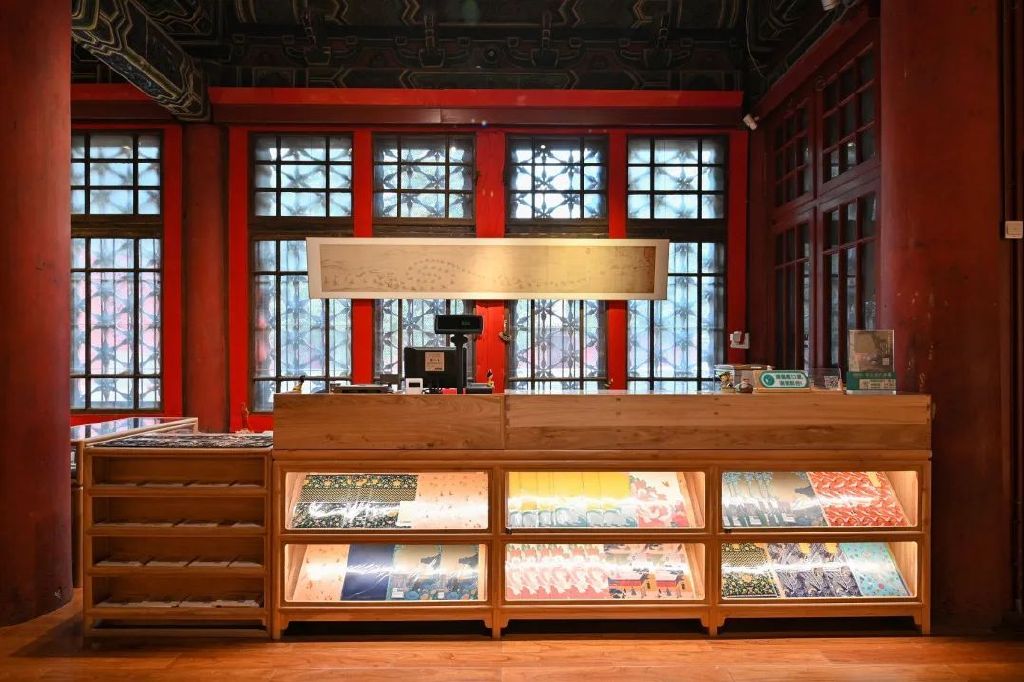
It can be said that the history of Wenhua Palace for hundreds of years is the history of the fragrance of calligraphy and ink. Opening a bookstore here brings together the essence and aura of Wenhua Palace. Walking into the bookstore, the fragrance of history condensed seems to be gently blowing towards the face, so exquisite and elegant, which makes readers feel particularly cherished.

Outside the bookstore, hundreds of Xifu Begonias are blooming in spring, and readers can read, enjoy flowers, browse the scenery, and chat. And they themselves will become an unforgettable scenery in the Forbidden City.

Imagines credits are of the Forbidden City –Imperial Palace –Beijing – China- People’s Republic of China also from the Series Weibo北京卫视上新了故宫 Treasures in the Forbidden City…

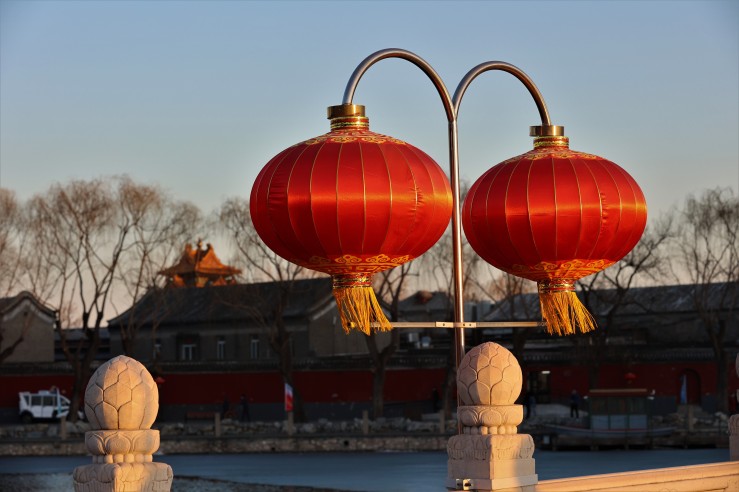
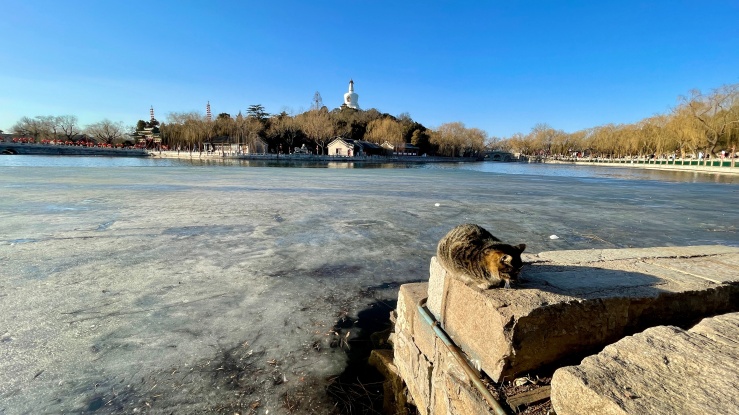
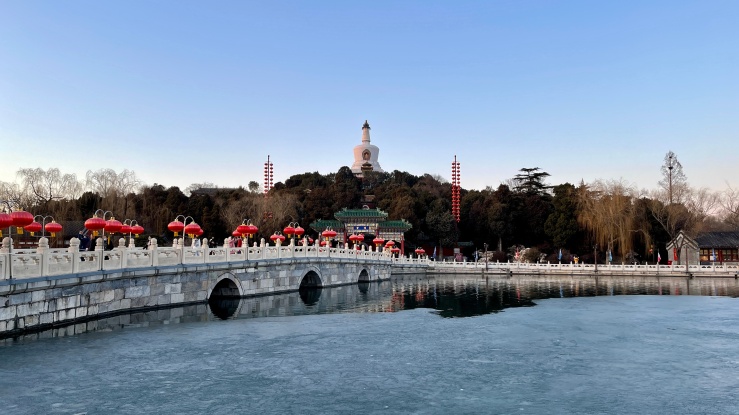
#北京 #中國 #China #Beijing | #紫禁城 #ForbiddenCity #February2022 | #北京卫视上新了故宫#BeijingSatelliteTV #BeijingTV |#ForbiddenCityMoments of #SummerPalace Sunset of Spring Daylight #BeihaiPark ….  #AGallery.

In this year’s 2022, the second decade from the turn of the century in Beijing the Capital of China also the People’s Republic of China, in which is also the year of the Tiger, marking its six hundred and two years anniversary of the Forbidden city that marks the transitional point of in between the middle of the Ming Dynasty (1368- 1644) transitionally from Nanjing to Beijing towards the Qing Dynasty (1636-1644-1911) …. The Imperial Palace seen so many countless seasonally transitional equinoxes but further its six hundred years is iconic, but it’s five hundred ninety nine years it marks it Autumn Equinox…. In which it only took twelve years to build the same of the Daming Palace of The Tang Dynasty Xian Imperial Capital only it was least twenty times larger…
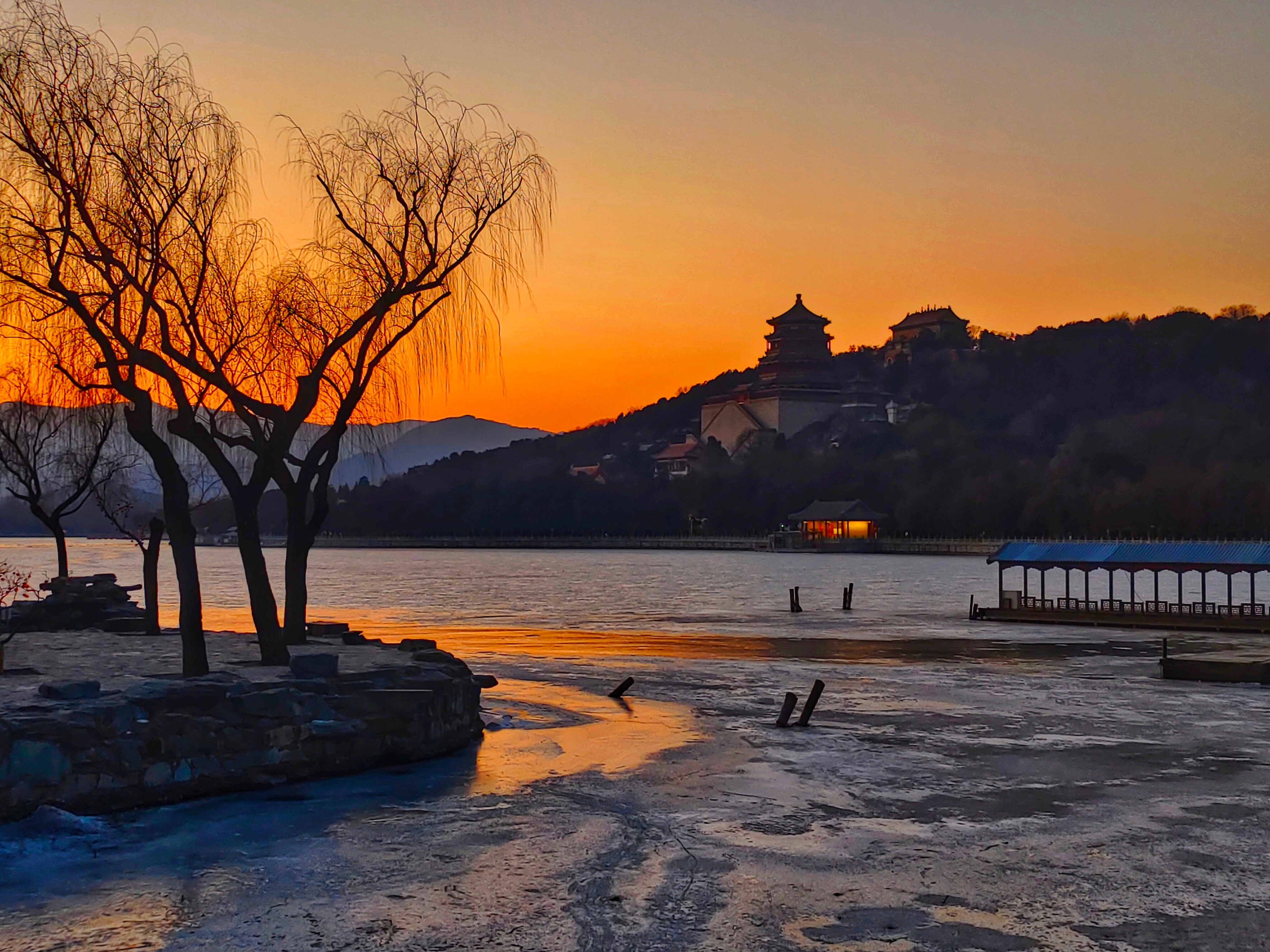
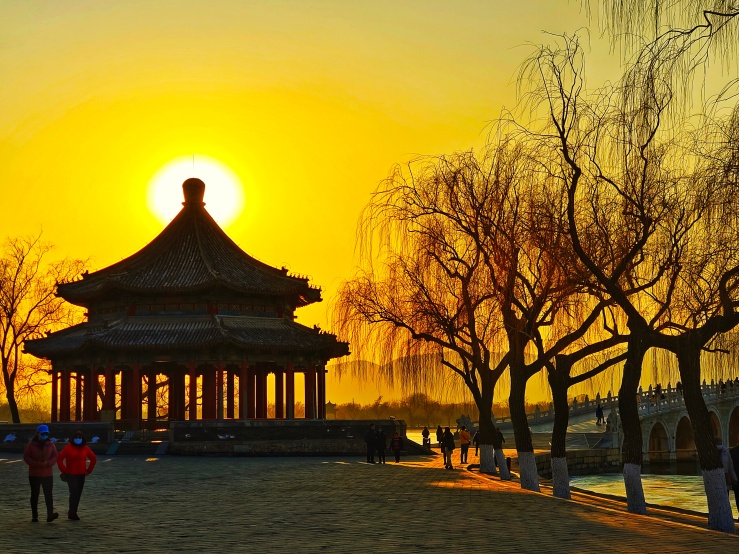
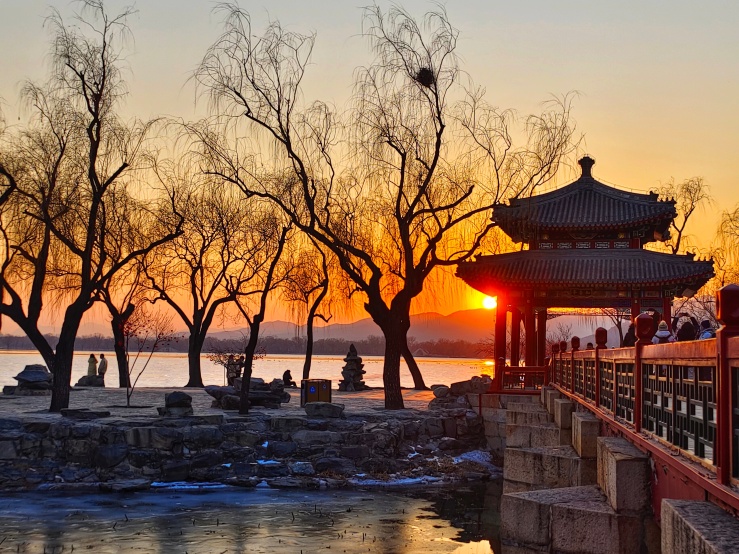
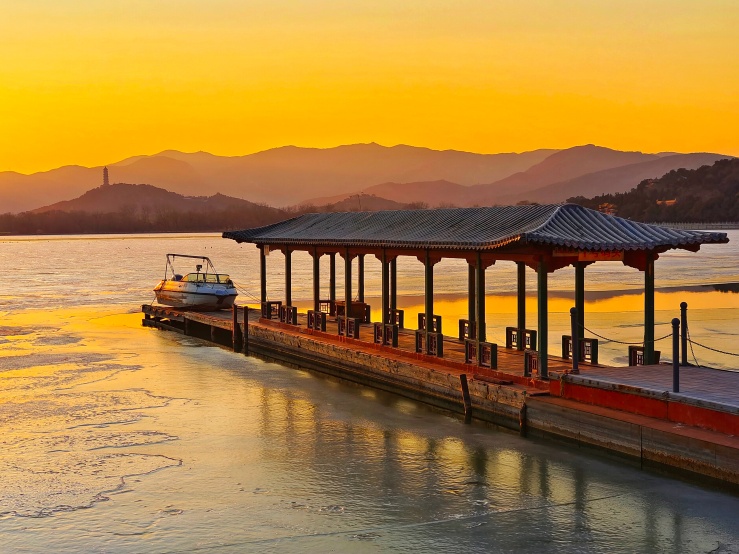
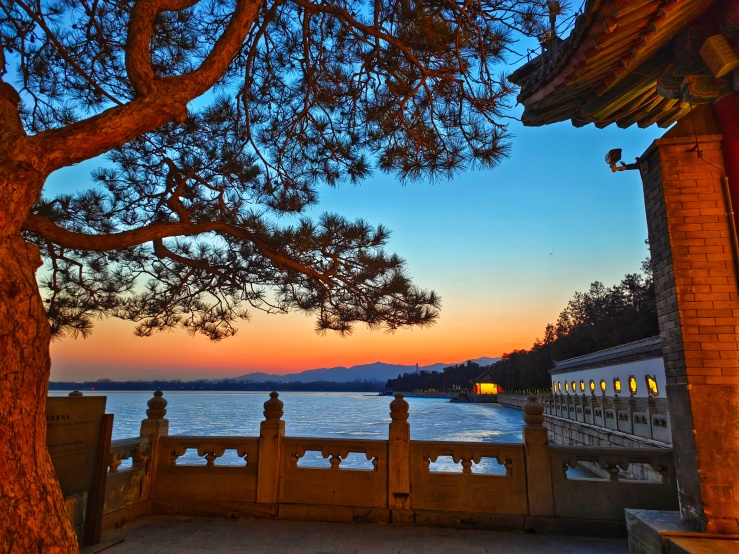
On the week of 26th February 2022 Sunsets of The Summer Palace in the sunset is like a ruby glowing The Summer Palace in the sunset is covered with a “coat” by the golden rays of the sun, exuding a strong and splendid charm like rubies, adding to this majestic atmosphere A bit of dream and romance!

 On the week of 26th February 2022 Meet the most beautiful spring light in Beihai Park In Beihai Park in spring , the sky is blue and the water is clear. People are enjoying the sunshine in the spring, and even the cats are very comfortable. Let’s go to this spring feast together in Beihai Park!

Imagines credits are of the Forbidden city –Imperial Palace –Beijing – China- People’s Republic of China also from the Series Weibo北京卫视上新了故宫 Treasures in the Forbidden City…