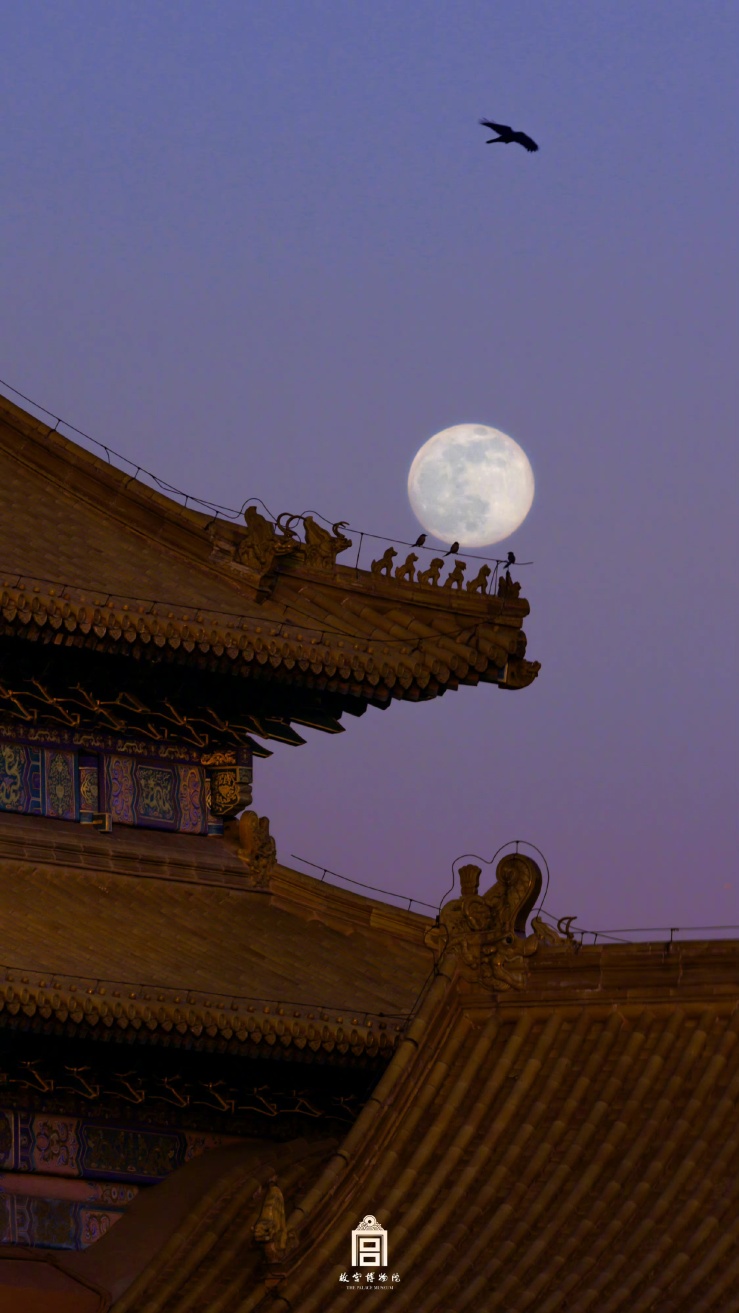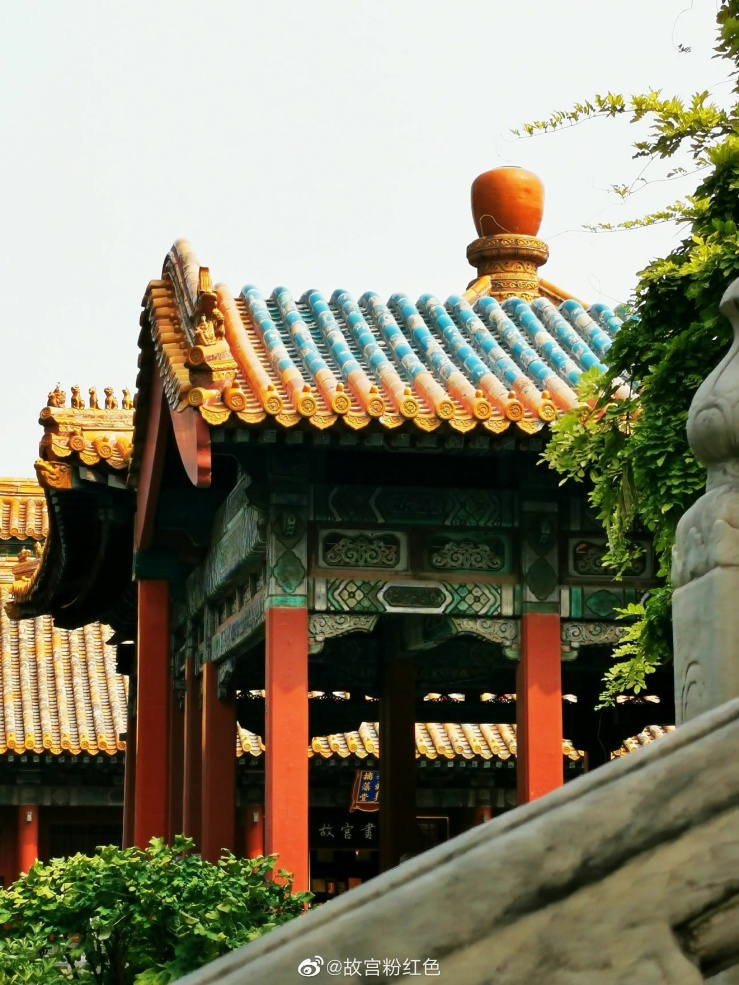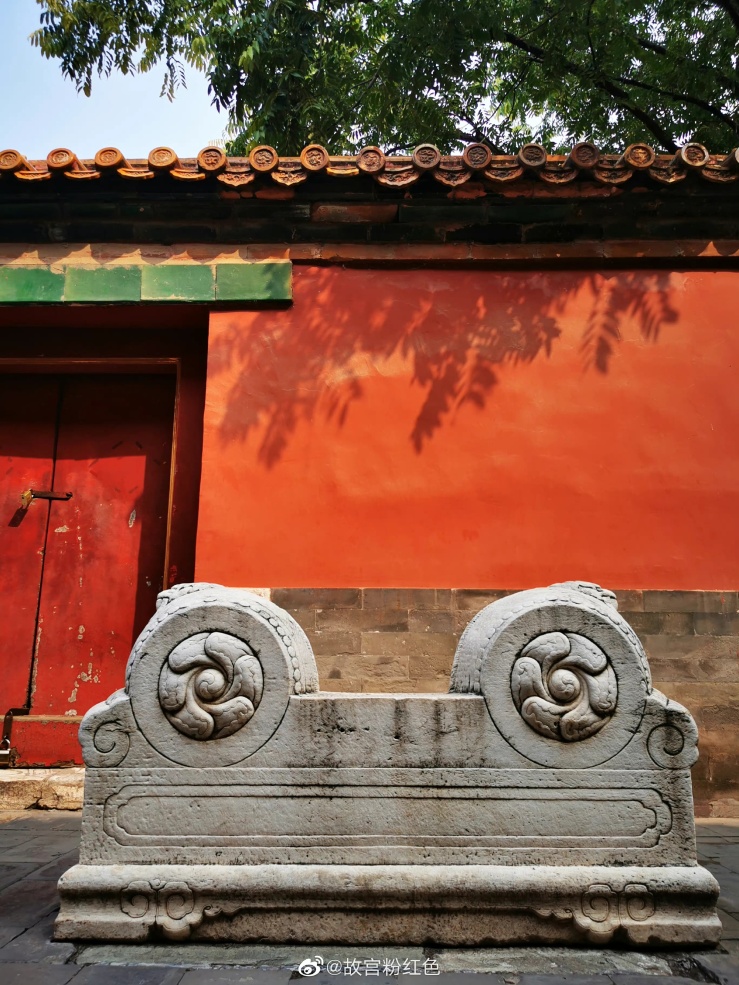
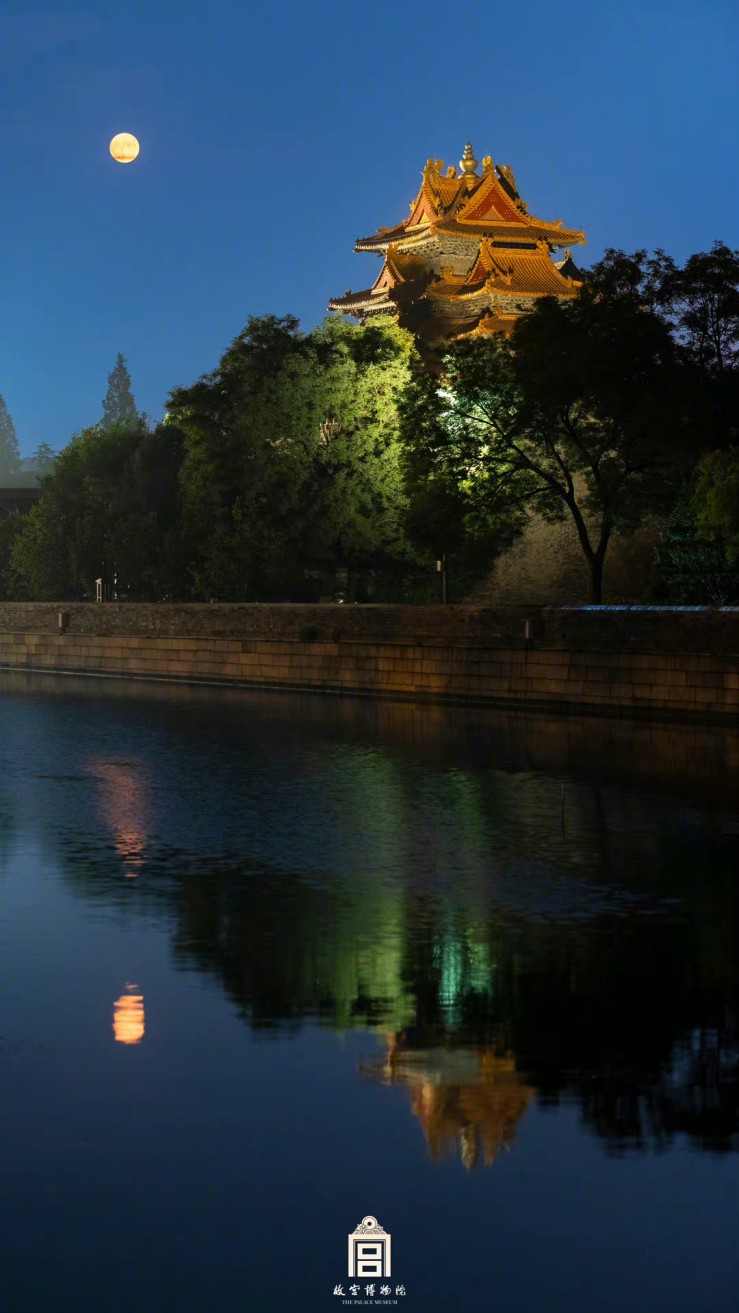
#北京 #中國 #China #Beijing | #紫禁城 #ForbiddenCity #September2022 | #中秋節 #MidAutumnFestival gorgeous stunning #LunarPhotography of the #FullMoon rising over the Forbidden City #神武门 #NorthernGate #TheGateOfDivineMight 

In this year’s 2022, the second decade from the turn of the century in Beijing the Capital of China also the People’s Republic of China, in which is also the year of the Tiger, marking its six hundred and two years anniversary of the Forbidden city that marks the transitional point of in between the middle of the Ming Dynasty (1368- 1644) transitionally from Nanjing to Beijing towards the Qing Dynasty (1636-1644-1911) …. The Imperial Palace seen so many countless seasonally transitional equinoxes but further its six hundred years is iconic, but it’s five hundred ninety nine years it marks it Autumn Equinox…. In which it only took twelve years to build the same of the Daming Palace of The Tang Dynasty Xian Imperial Capital only it was least twenty times larger…

On the 10th September 2022 it was height of the full moon also the中秋節mid-Autumn Festival is an important traditional festival in the cultural circle of Chinese characters. It originated in China and falls on the fifteenth day of the eighth lunar month every year , from the beginning of September to the beginning of October in the Gregorian calendar (between September 7 and October 7). Influenced by the cultural circle of Chinese characters, the Mid-Autumn Festival is also a traditional festival in some countries in East and Southeast Asia, especially the local Chinese and overseas Chinese. According to the lunar calendar, August is the second month of autumn. 
One of the four traditional festivals in China

The Mid-Autumn Festival, also known as the Moon Festival, Moonlight Birthday, Moon Night, Autumn Festival, Mid-Autumn Festival, Moon Worship Festival, Moon Festival, Moon Festival, Reunion Festival, etc., is a traditional Chinese folk festival. The Mid-Autumn Festival originated from the worship of celestial phenomena, and evolved from the Qiu Xi festival in ancient times. Since ancient times, the Mid-Autumn Festival has folk customs such as offering sacrifices to the moon, admiring the moon, eating moon cakes, watching lanterns, appreciating osmanthus flowers, and drinking osmanthus wine. 

The Mid-Autumn Festival originated in ancient times, popularized in the Han Dynasty, shaped in the early years of the Tang Dynasty, and prevailed after the Song Dynasty. The Mid-Autumn Festival is a synthesis of autumn seasonal customs, and most of the festival and customs elements it contains have ancient origins. The Mid-Autumn Festival uses the full moon to signify the reunion of people, as sustenance to miss the hometown, miss the love of relatives, pray for a good harvest and happiness, and become a colourful and precious cultural heritage. 

At first, the festival of “Sacrificial Moon Festival” was on the 24th solar term ” Autumn Equinox ” in the Ganzhi Calendar, and it was later adjusted to the 15th day of the eighth lunar month in the Xia Calendar The Mid-Autumn Festival, the Spring Festival, the Qingming Festival and the Dragon Boat Festival are also known as the four traditional festivals in China. Influenced by Chinese culture, the Mid-Autumn Festival is also a traditional festival for some countries in East and Southeast Asia, especially the local Chinese and overseas Chinese….

Imagines credits are of the Forbidden city –Imperial Palace –Beijing – China- People’s Republic of China

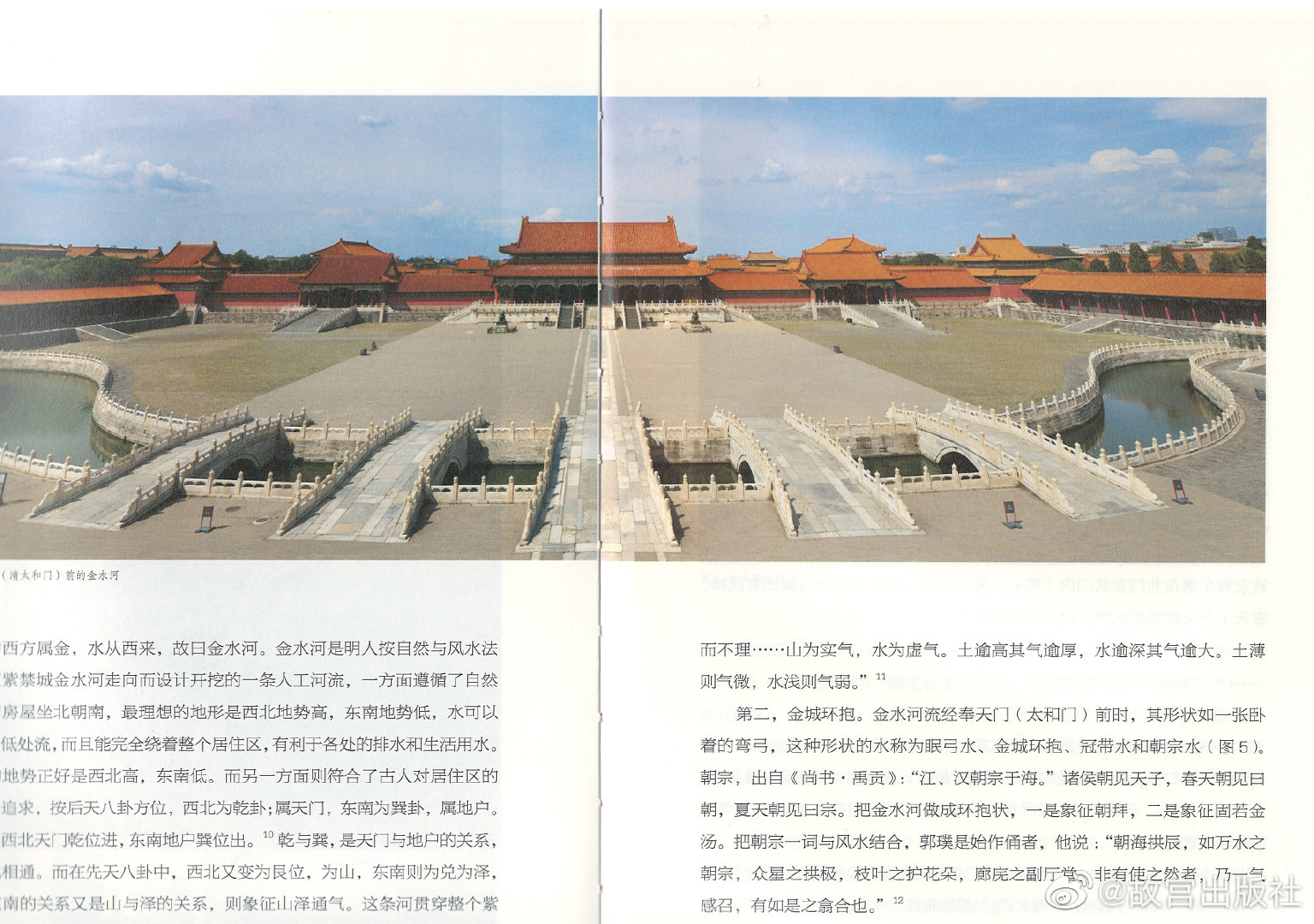
#北京。 #中國 #China #Beijing | #紫禁城 #ForbiddenCity #April2022 | #ForbiddenCityMoments #ForbiddenCityPress #ForbiddenCityBookStore the Way of the #ForbiddenCityArchitecture elements of Detailed explanation of the five-door and three-dynasty system of the Forbidden City .

The Forbidden City Book Store which in the grounds of the Forbidden City Complex Forbidden City Hundred Excellent Books Public welfare reading activities! ” Forbidden City Hundred Excellent Books  “The Way of Architecture of the Forbidden City”  with this in mind explanation of the Detailed explanation of the five-door and three-dynasty system of the Forbidden City Palace Complex  is the palace system of the Zhou Dynasty, representing orthodoxy, and it is the highest palace building level in ancient China, which has been almost inherited by all dynasties. Emperor Yongle of the Ming Dynasty transformed the city of Beijing, built the Forbidden City, and determined a new axis. However, he still followed the ancestral system and planned the Forbidden City in Beijing according to the Forbidden City in Nanjing.

Five gates and three dynasties were set up on the axis according to the “Rituals of Zhou”. During the Wanli period, the five gates were Daming Gate, Chengtian Gate, Duan Gate, Meridian Gate, and Huangji Gate, namely Fengtian Gate. The three dynasties were Huangji Hall (Fengtian Hall), Zhongji Hall (Huagai Hall), and Jianji Hall (Jinshen Hall). . When the Ming Dynasty brought chaos to order in the Yuan Dynasty, it simply razed the Yuan Dynasty to the ground, and set up five gates and three dynasties according to the orthodox thought of “Zhou Li”, indicating that the Ming Dynasty inherited the great power.


Now there is no Daming Gate, and the remaining four gates are Tiananmen, Duanmen, Meridian Gate, Taihemen, Taihe Hall, Zhonghe Hall, and Baohe Hall.


Why did the central axis of the Forbidden City move east? Where is the center of heaven and earth in the Forbidden City? What are the mysteries of the civil and military layout of Beijing City, the layout of the rear court of the Forbidden City, and the architectural methods of Emperor Qianlong that we are familiar with? With a book in hand, all doubts are solved

爱爱客国际官网

Imagines credits are of the Forbidden City –Imperial Palace –Beijing – China- People’s Republic of China also from the Series Weibo北京卫视上新了故宫 Treasures in the Forbidden City…
#東京。 #中國 #China #Beijing | #紫禁城 #ForbiddenCity #September2020|#ForbiddenCityarchitecture built 600 years of rich architectural language briefly explained- #ForbiddenCity #ChineseAnceintAstronomy #Astronomy linking the Palace buildings to the #貝迪烏 #BeiDou #Polaris #NorthernCelestialPole …..


In this year’s 2020, the second decade from the turn of the century in Beijing the Capital of China also the People’s Republic of China, in which is also the year of the rat, marking its six hundred years anniversary of the Forbidden city that marks the transitional point of in between the middle of the Ming Dynasty (1368- 1644) transitionally from Nanjing to Beijing towards the Qing Dynasty (1636-1644-1911) …. The Imperial Palace seen so many countless seasonally transitional equinoxes but further its six hundred years is iconic, but it’s five hundred ninety nine years it marks it Autumn Equinox…. In which it only took twelve years to build the same of the Daming Palace of The Tang Dynasty Xian Imperial Capital only it was least twenty times larger……


貝迪烏 Beidouqixing, which occupies an important position in ancient astronomy, is the most prominent symbol in the sky. The movement of the stars in the sky is due to its commands. . On the corresponding ground, on the central axis (from the Meridian Gate to the Shenwu Gate) line in the glorious Forbidden City, there are also 7 palaces symbolizing the Big Dipper.

They are the Hall of Supreme Harmony, the Hall of Zhonghe, the Hall of Baohe, the Palace of Qianqing, the Hall of Jiaotai, the Palace of Kunning and the Hall of Qin’an. In the book “The Road of Forbidden City Architecture” written by Wang Zilin, an expert from the Palace Museum, it is stated that in order to more prominently identify the Big Dipper, the seven stars are represented by architectural spheres on the seven roofs of the Forbidden City.

The plane of the Meridian Gate is in the shape of a concave. There are two double-edged Cuanding Pavilions on the north and south ends of the East and West Yanwing Towers. The four spheres on the roof are connected together to form a Big Dipper. The spheres and aquariums on the roofs of the Thai Hall and Qin’an Hall combine to form a bucket. 悦读旧宫…..

 北斗七星,在古代天文中占有重要位置,它是天空中最为显著的标志,天空星宿的运转,都是因为它的号令而运行。在与之对应的地上,辉煌的紫禁城内的中轴(指从午门至神武门)线上,也建筑了7座宫殿象征北斗七星。它们是太和殿、中和殿、保和殿、乾清宫、交泰殿、坤宁宫和钦安殿。在故宫博物院专家王子林所著的《紫禁城建筑之道》一书中写道:为了更显著地点明北斗七星,以紫禁城内七座屋顶上的建筑圆球来象征七颗星。午门平面呈一凹字形,东西燕翅楼南北两端各建有重檐攒顶阙亭一座,屋顶攒尖的四个圆球连在一起,呈一北斗星的斗魁,中和殿、交泰殿和钦安殿屋顶的圆球和宝瓶组合在一起,形成斗杓。悦读故宫…..


Imagines credit are of the Forbidden city –Imperial Palace –Beijing – China- People’s Republic of China