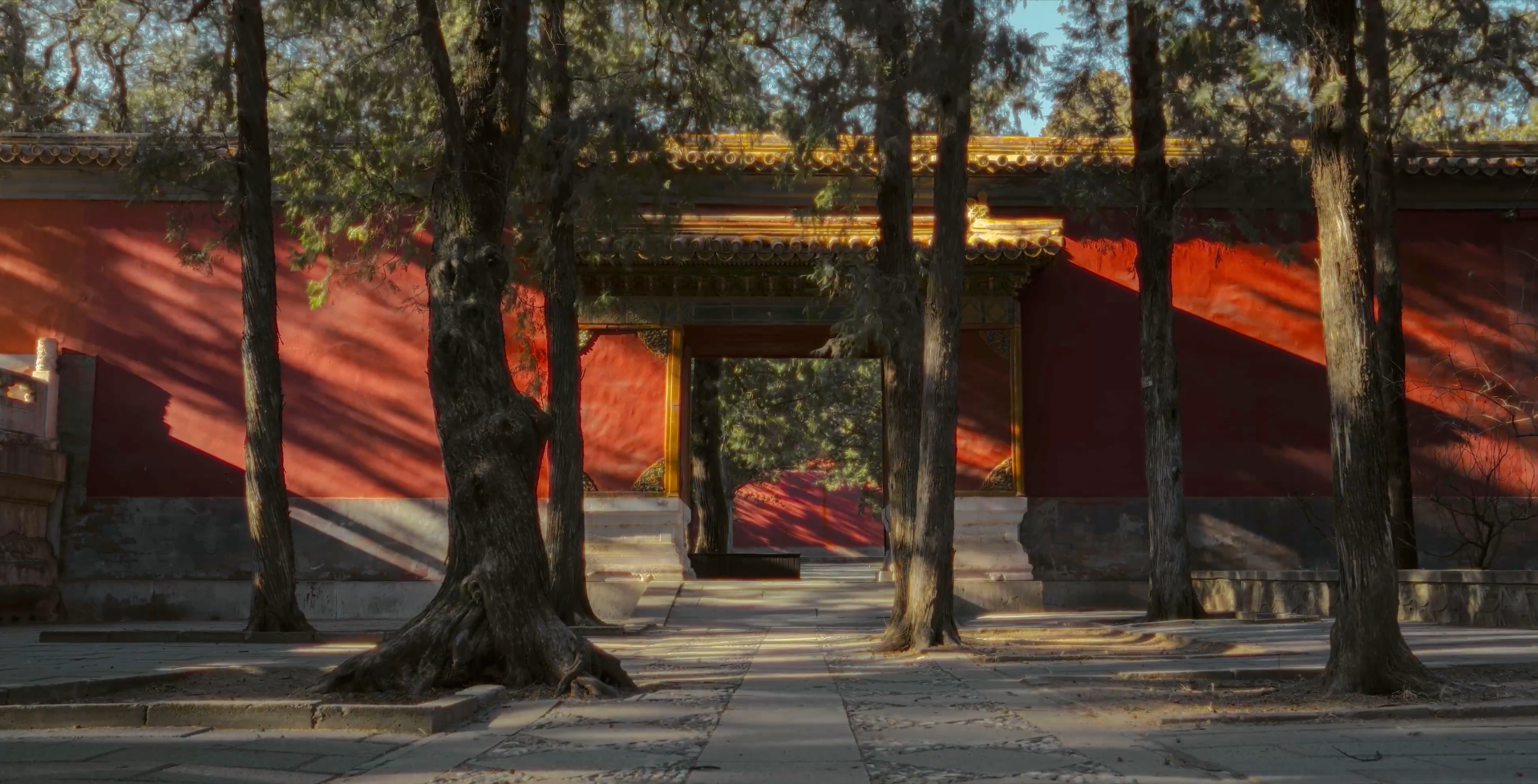
#北京。 #中國 #China #Beijing | #紫禁城 #ForbiddenCity #June2023 | #ForbiddenCityDairies #星球研究所 # Planet Research Institute #MingDynastyTombs Travelling into #MingDynasty walking down living history mystery solving…

The Ming Tombs are located at the foot of Tianshou Mountain in Changping District , Beijing China, People’s Republic of China , about 50 kilometers away from Tiananmen. The Ming Tombs are located in a small basin surrounded by mountains on three sides in the east, west and north. The area around the tomb is surrounded by mountains, the central part is a plain, and there is a meandering river in front of the tomb. From the beginning of Changling in May of the seventh year of Yongle (1409) to the burial of Chongzhen, the last emperor of the Ming Dynasty, in Siling.

The Ming Tombs have a total of 13 imperial tombs, including the Changling Mausoleum of Chengzu Zhu Di, Xianling Mausoleum of Renzong Zhu Gaochi, Jingling Mausoleum of Xuanzong Zhu Zhanji, Yuling Mausoleum of Yingzong Zhu Qizhen, Xianzong Zhu Jianshenmao Mausoleum, Xiaozong Zhu Youtang’s Tai Mausoleum. The Kangling Mausoleum of Wuzong Zhu Houzhao, the Yongling Mausoleum of Sejong Zhu Houcong, the Zhao Mausoleum of Mu Zong Zhu Zaihou, and the Ding Mausoleum of Shenzong Zhu Yijun. The Qingling Mausoleum of Guangzong Zhu Changluo, and the Deling Mausoleum of Xizong Zhu Youxiao. The Siling Mausoleum of Chongzhen Emperor Zhu Youjian. In addition, there are 8 accompanying tombs, including 7 concubine (prince) tombs and 1 eunuch tomb. Its architectural form embodies the feudal rules and regulations of the Ming Dynasty. Both the emperor’s mausoleum and the rear mausoleum are covered with yellow glazed tiles. 

The Ming Tombs area covers an area of ​​40 square kilometers. It is famous for its magnificent scale, complete cemetery system, solemn and harmonious layout, beautiful and quiet scenery, and elegant and simple style.

In 1957, it was listed as the first batch of key ancient buildings and cultural relic’s protection units in Beijing. In 1961, it was listed as a national key cultural relic protection unit by the State Council of the People’s Republic of China. In 1982, the Ming Tombs and Badaling were listed as one of the national key scenic spots protection areas as a complete scenic spot. On July 3, 2003, the Ming Tombs, as an expansion project of the royal tombs of the Ming and Qing Dynasties, were approved by the 27th United Nations World Heritage Conference and included in the “World Heritage List
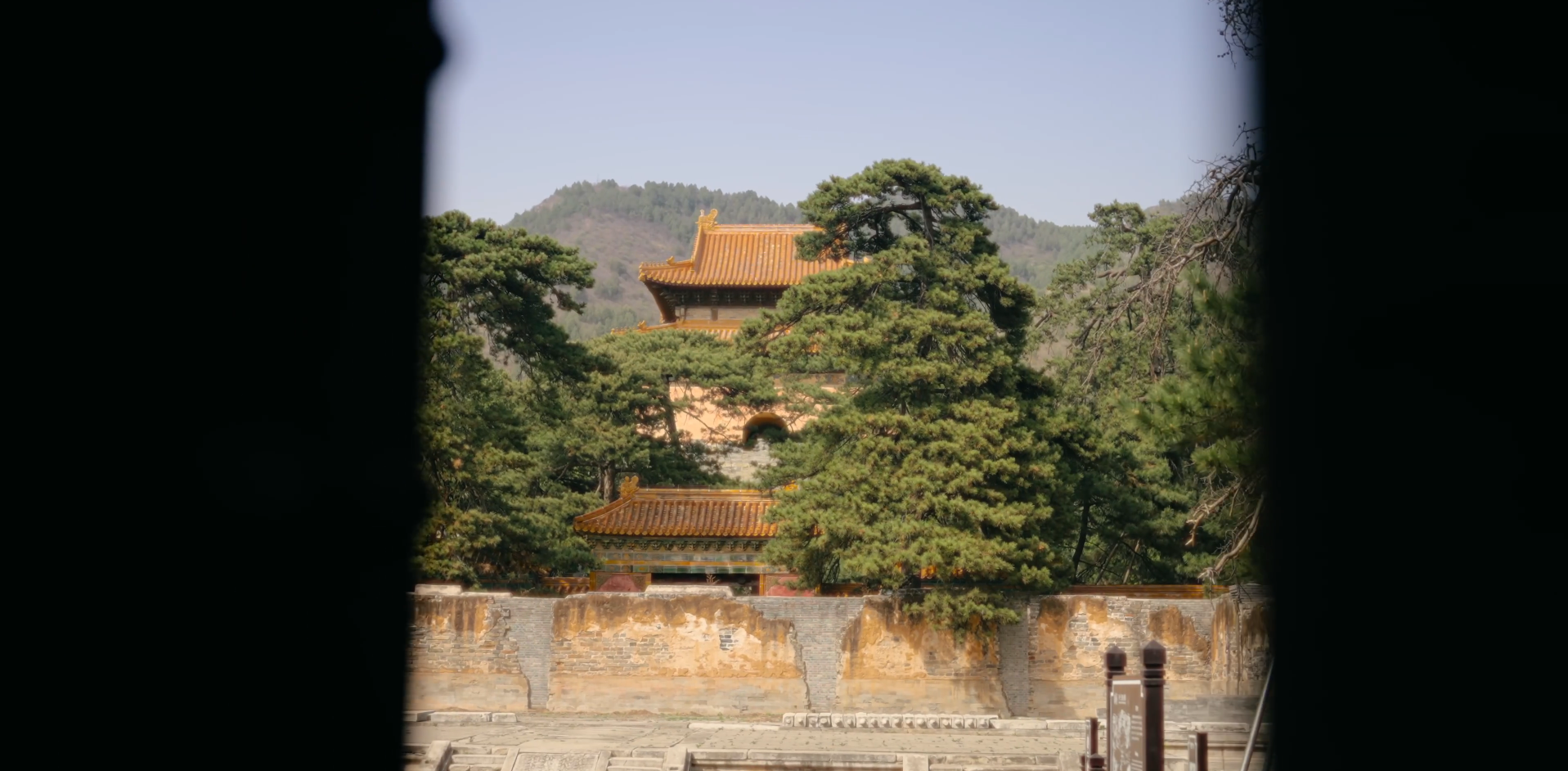
The Ming tombs are a collection of mausoleums built by the emperors of the Ming dynasty of China. The first Ming emperor’s tomb is located near his capital Nanjing. However, the majority of the Ming tombs are located in a cluster near Beijing and collectively known as the Thirteen Tombs of the Ming dynasty. 

The Ming dynasty, officially the Great Ming, was an imperial dynasty of China, ruling from 1368 to 1644 following the collapse of the Mongol-led Yuan dynasty. The Ming dynasty was the last imperial dynasty of China ruled by the Han people, the majority ethnic group in China…

Enjoy the cool air! I should be the first science popularization master who entered the Ming Tombs at night.

This is the largest and most complete royal cemetery in China, and the resting place of 13 emperors of the Ming Dynasty. When the hustle and bustle of the day fades away, this cemetery has more vicissitudes of history. The purpose of this trip is to find the answer to a question.


Regardless of whether it is the imperial tombs of the Han and Tang Dynasties, the imperial tombs of the Song Dynasty, or the imperial tombs of the Qing Dynasty, they were either severely damaged or completely looted. But why is it that only the Ming Tombs are relatively intact above and below ground? 明圣圣陵Why can survive to this day ?

Walk! Go down to the imperial mausoleum to solve the mystery that has been covered in dust for many years…
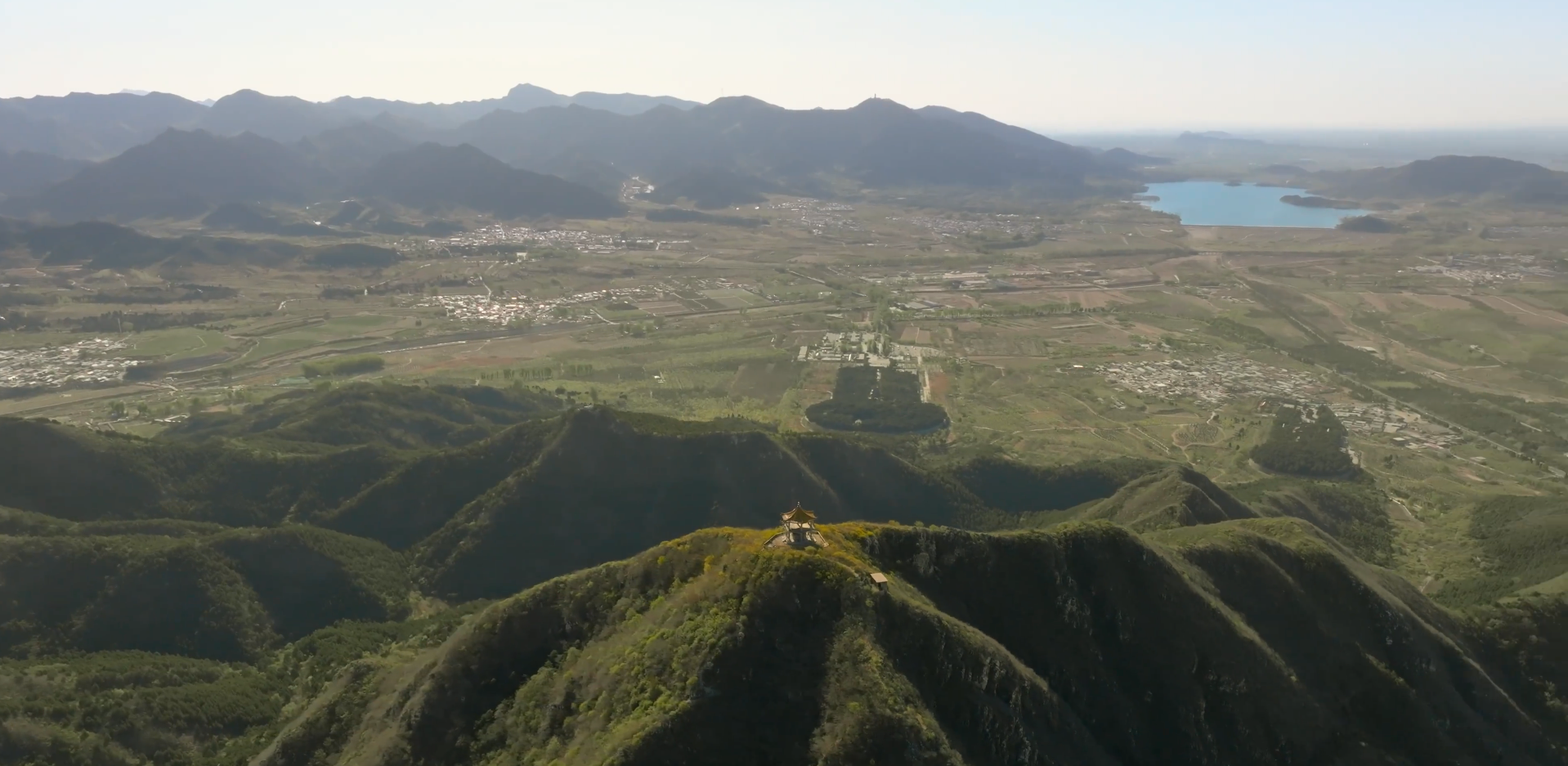
 The Ming Tombs are located in Changping District, 50km northwest of Beijing, and are the general name of the tombs of 13 emperors of the Ming Dynasty. The mausoleum area covers an area of ​​80km2, and it is the relatively complete mausoleum building and the tomb group with the most buried emperors in the world today.
  The construction of the Ming Tombs began in the seventh year of Ming Yongle (1409) and ended in the early Qing Dynasty, which lasted more than 200 years. According to the order of the construction time of the mausoleum, they are: Changling (Tomb of Emperor Yongle), Xianling (Tomb of Emperor Hongxi), Jingling (Tomb of Emperor Xuande), Yuling (Tomb of Emperor Zhengtong (that is, Emperor Tianshun)), Maoling (Tomb of Emperor Tianshun) Chenghua Emperor’s Tomb), Tailing (Hongzhi Emperor’s Tomb), Kangling (Zhengde Emperor’s Tomb), Yongling (Jiajing Emperor’s Tomb), Zhaoling (Longqing Emperor’s Tomb), Dingling (Wanli Emperor’s Tomb), Qingling (Taichang Emperor’s Tomb) Emperor’s Mausoleum), Deling (Tianqi Emperor’s Mausoleum), Siling (Chongzhen Emperor’s Mausoleum). In addition to the 13 emperors buried in the mausoleum area, there are also 23 empresses, 1 imperial concubine and dozens of palace officials who were buried. In addition, there are 7 concubine graves in the mausoleum area (East Well, West Well, Tomb of Concubine Wangui, Mourning Tomb, Tomb of Four Concubines and Two Princes, Tomb of Concubine Xian, Tomb of Concubine Zheng and Tombs of Concubines Erli, Liu, and Zhou) ) and a eunuch’s burial tomb (Wang Chengen’s tomb), as well as various buildings such as palaces and gardens serving the emperor’s mausoleum. City walls were built at 10 natural mountain passes (Dongshan Pass, Zhongshan Pass, Zhazikou, Xishan Pass, Desheng Pass, Yanzi Pass, Zhuishi Pass, Xianzhuang Pass, Huiling Pass, and Laojuntang Pass) around the mausoleum. , Barrier walls and other defensive facilities to protect the safety of the mausoleum area.
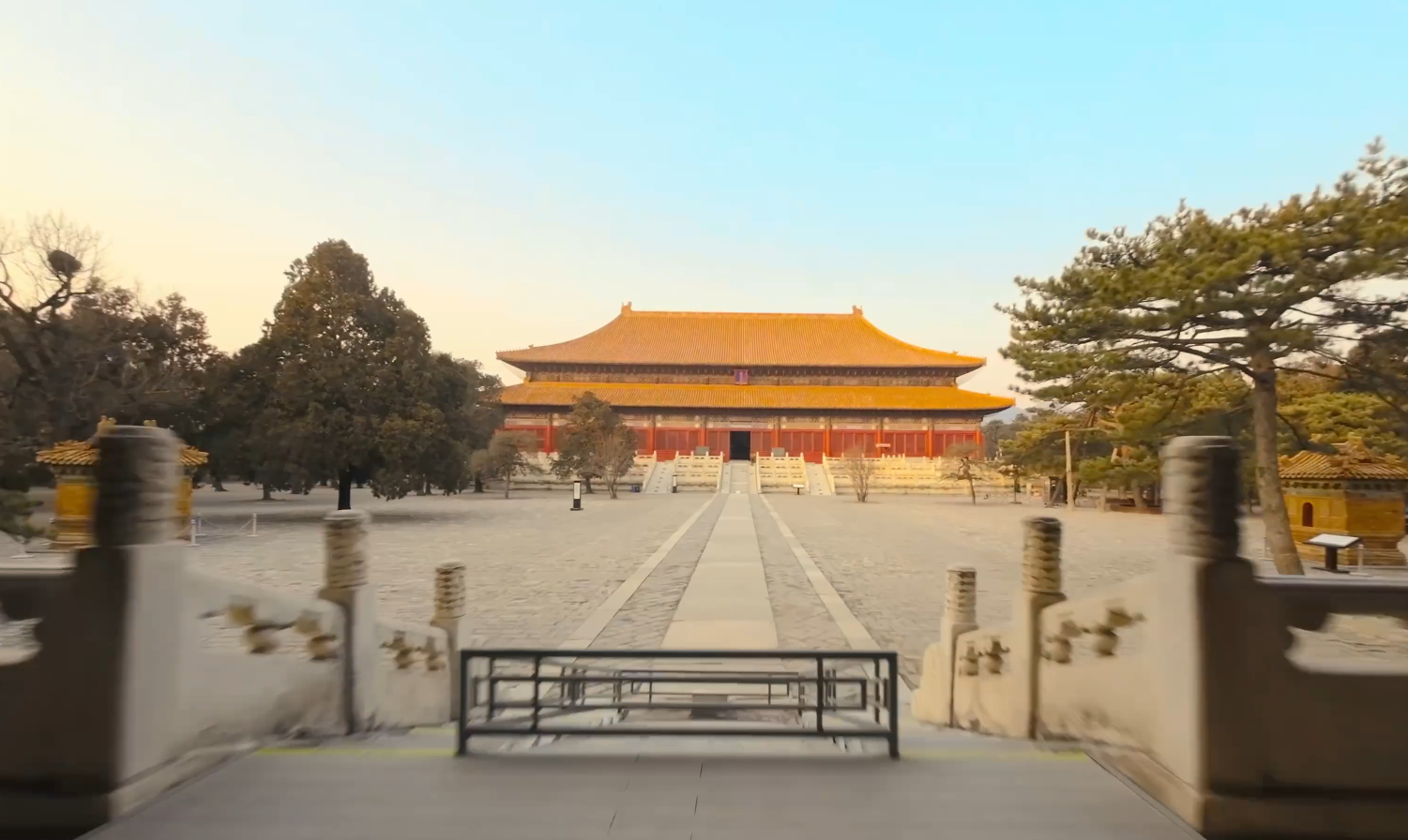

  The construction of the imperial mausoleum of the Ming Dynasty was divided into several steps: the selection of the mausoleum site, the formulation of regulations, and the preparation of materials for construction. The selection of the mausoleum site is the primary link in the construction of the mausoleum. Generally, firstly, the first and second-rank officials of the DPRK will lead the Fengshui surveyors to follow the theory of Fengshui, “the shape of the mountain from the outside, and the land veins from the inside”. The emperor, if necessary, draws a picture, pastes a description, and finally decides by the emperor.
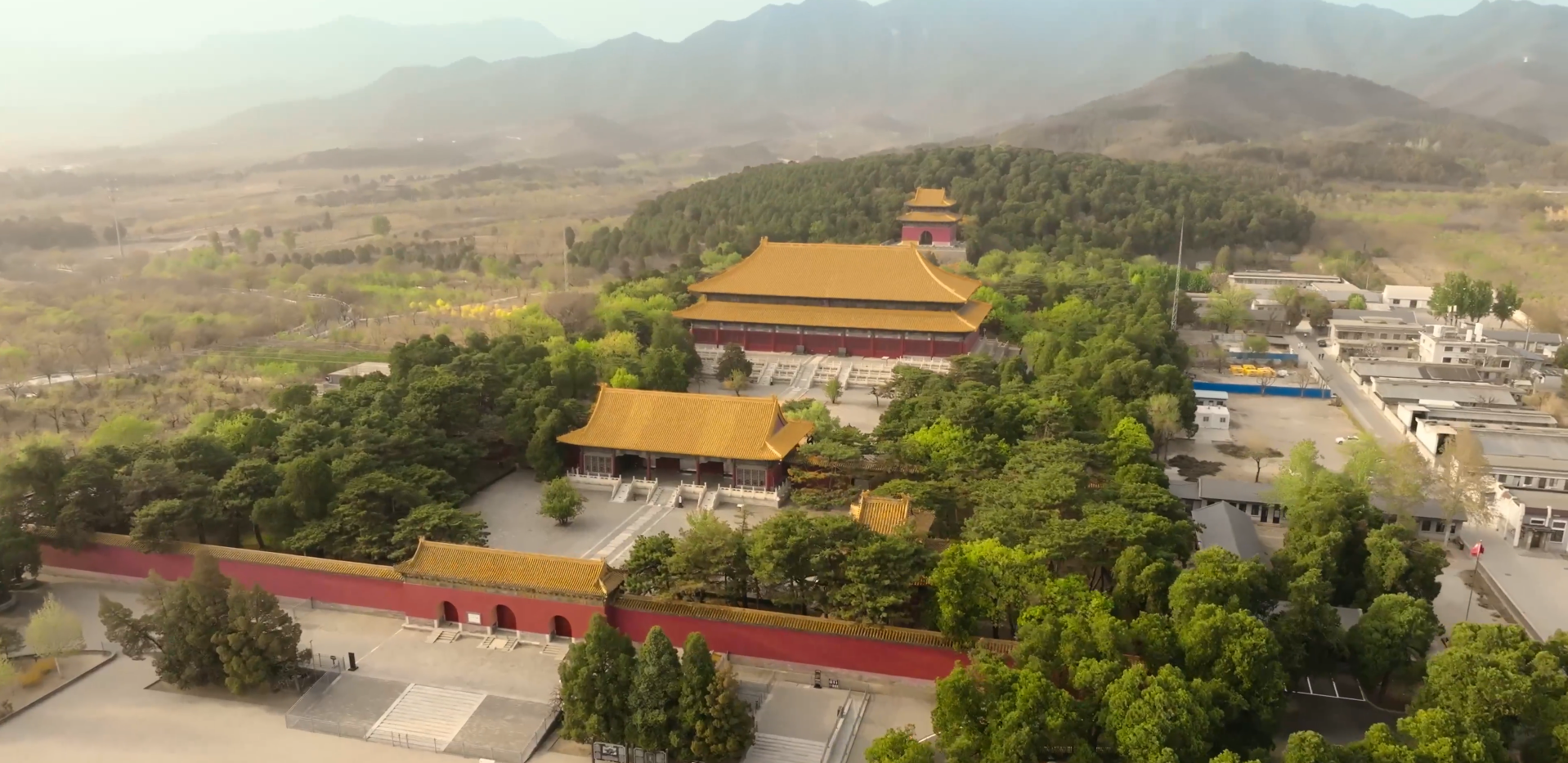

  After Cheng Zu Zhu Di proclaimed himself emperor, he planned to move the capital from Nanjing to Beijing. In the sixth year of Yongle in the Ming Dynasty (1408), Zhu Di ordered Zhao Yan, Minister of Rites, to lead Jiangxi warlock Liao Junqing and others to visit the mausoleum near Beijing. After more than a year, the auspicious soil for thousands of years was finally found in the Huangtu Mountain in Changping. Zhu Di then sealed Huangtu Mountain as Tianshou Mountain, and decreed to encircle the area with a radius of 80 li as the forbidden area of ​​the mausoleum.


  The layout of the tombs of the Ming Tombs is not in accordance with the “Zhou Li” method of left and right, but with the respected ones in the main veins and the humble ones in the secondary veins (remaining veins). Changling is the first tomb of the Ming Tombs. It is located in the middle of the main peak of Tianshou Mountain, and other tombs are arranged around it. Among the Ming Tombs, Changling is the largest, followed by Yongling and Dingling, and Siling is the smallest. Mausoleum construction methods can be divided into three types: one is the mausoleum built by the emperor during his lifetime, which is large in scale and richly decorated (such as Changling Tomb, Yongling Mausoleum, and Ding Tomb); The posthumous edict of “building a mausoleum” may be affected by the burial period and national power, and the scale is small and relatively simple (such as Xianling and Jingling); the third is that the emperor will not have time to build the mausoleum during his lifetime, and the next dynasty will build it after the change of dynasty (such as Siling).
  The Ming Tombs are famous all over the world for their majestic scale, complete cemetery system, solemn and harmonious layout, beautiful and quiet scenery, and elegant and simple style. In 1957, it was listed as the first batch of key ancient buildings and cultural relics protection units in Beijing. In 1961, it was listed as a national key cultural relics protection unit. In 1982, the Ming Tombs and Badaling were listed as one of the national key scenic spots protection areas as a complete scenic spot. On July 3, 2003, the Ming Tombs, as an expansion project of the royal tombs of the Ming and Qing Dynasties, were approved by the 27th United Nations World Heritage Conference and included in the “World Heritage List”.

Images and visuals are from their respectives..

#北京。 #中國 #China #Beijing | #紫禁城 #ForbiddenCity #July2022 | #ForbiddenCityPress #ForbiddenCityPublishingHouse – #ForbiddenCityPuzzle game Sherlocking during #MingDynasty #MysteryPalace .. You as a Ming Dynasty  Agent official  ..

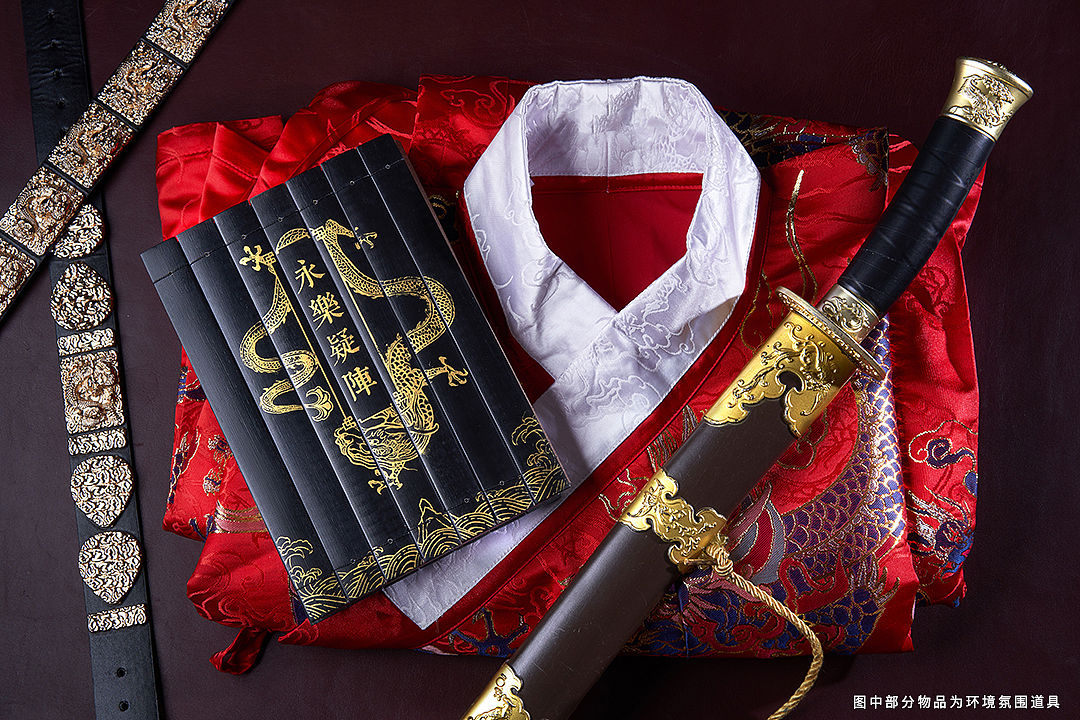
Set to be release on November 2022 is the most awaited Forbidden City is the new interactive puzzle book “Mystery Palace Emperor Yongle Mystery” in the Forbidden City’s……. The “Mystery Palace” series will be available to readers within this year …… Following the “Mystery Palace·Ruyi Linlang Picture Book” and “Mystery Palace·Gold List Title”, Mystery Palace·Yongle Mystery Focusing on the history of the Ming Dynasty, bringing a new puzzle-solving experience with creative handwritten notes. The book contains more than 40 kinds of accessories and hands-on mechanisms, such as theme maps, Jinyiwei props, underground palace models, palace car cursors, rotary chucks, and auspicious beasts, as well as hundreds of Ming Dynasty knowledge points and hearty puzzle solving. The premise is designed to take you as a Ming Dynasty spy, to solve the historical mystery when the Forbidden City was built during the half way of the Ming Dynasty as the Capital is relocated from Nanjing to Beijing during Ming Dynasty Emperor Yongle era.

The Forbidden City Publishing House and the Mystery House interactive puzzle game book “Mystery Palace”. The last time we met was in 2020, so everyone has been waiting for a long time.

Over the past two years,  the Forbidden City  Publishing House  have overcome many difficulties in design and production, insisted on polishing the third work of Mystery Palace, and finally brought you a new work in the “Mystery Palace” series in 2022 – “Mystery Palace Yongle Doubt”.

From the word “Yongle”, it can be seen that the plot of this work has been traced back to the early Ming Dynasty from the Qing Dynasty of the first two works. The Forbidden City has experienced more than 600 years of trials and hardships since Zhu Di, the founder of the Ming Dynasty, built the Imperial Palace in Beijing in the eighteenth year of Yongle (1420). During the 491 years, 24 emperors dealt with government affairs and daily life here, 14 in the Ming Dynasty and 10 in the Qing Dynasty.

What did this large-scale palace complex look like at first? What thrilling stories happened during the construction process? What kind of palaces can we still have a glimpse of the spirit of the Ming Dynasty palaces? The Ming Dynasty was full of mystery to the Forbidden City. Therefore, we choose to focus the story of the new mystery palace to the early years of the Ming Dynasty, and unfold a historical picture of the Forbidden City when it was built.

Continuing the tradition of the Mystery Palace, we have spared no effort to pursue the historical truth in the grand narrative with the help of the buildings, cultural relics and historical materials preserved in the Palace Museum, and to create and restore the moving details that have been buried in the world, and strive to bring readers a different reading and experience. gaming experience.

In the spring of the nineteenth year of Yongle, the first month of Jiazishuo.

After Jingnan, Ming Chengzu Zhu Di finally completed the construction of the Forbidden City in the nineteenth year of his ascension to the throne. On this day, the sound of “Long Live” sounded from the square of Fengtian Temple, and the rolling sound crashed into the towering crimson palace wall, turned into a mountain and tsunami, and floated to the sky with the palace’s elegant music. The three-storey white marble Sumeru Tower holds up the three halls of Fengtian, Huagai, and Jinshen, making them look like palace towers in the sky above the clouds, overlooking all living beings in the world. The clear glazed tiles shone with ten thousand points of golden light, like dragon scales.

In the Fengtian Hall, Zhu Di was receiving congratulations from civil and military officials and foreign envoys. After more than ten years of construction, Beijing has finally officially become the new capital of the Ming Dynasty.

However, just behind this solemn Dingdu Chaohe, there is a hidden force that makes the current situation turbulent. Emperor Yongle’s move to move the capital has long been criticized in the court. The corvée and the consumption of money and grain for the construction of the new capital have aroused opposition again and again. Determining the cabinet, setting up the East Factory, and guarding the guards in the Forbidden City… All of this shows that this palace is not infallible.

One day, Dr. Qin Tianjian’s bronze figurine deduction caused a huge wave with one stone. High officials in the DPRK, wealthy businessmen, and even the embassies of Fanbang were entangled in it. An unspeakable force pointed directly to the Forbidden City at the beginning of its construction.

Are they going to attack the palace?

Did Emperor Yongle know the truth of the incident?

What bloody memories did the original red wall and yellow tiles imprint?

How did justice and evil compete on the top of the Forbidden City?

And you, as a thousand households of Jinyiwei, will use your wisdom and courage to solve the original mystery of the Forbidden City!

“Mystery Palace Yongle Mystery” is the third work in the “Mystery Palace” series of interactive puzzle game books jointly developed by Forbidden City Publishing House and Mystery House. We hope that the new works can bring you a refreshing look and feel. Therefore, different from the four-hole wire-bound book of the previous two works, the new work adopts a brand-new physical book design, presenting the content in the form of a detective handbook.

When you open this book, you can see a dazzling array of props, exquisite illustrations, ingenious structures, and imaginative designs. For example, more than 40 kinds of accessories such as various maps, Jinyiwei props, underground palace models, palace car cursors, rotary chucks, and auspicious beasts are stored in it, which is like a historical treasure book in hand.

In this work, as a Jin Yiwei, you need to conduct reasoning and exploration through the only clues in your hand. Your field of vision will gradually enlarge from the Forbidden City when it was first built, and you can go over the palace walls to observe Beijing City in the early Ming Dynasty. Compared to today, the Forbidden City and Beijing City at that time brought a fresh puzzle-solving experience. Maps of maps, pages of institutions, continuous plot triggers, exciting choices and judgments… These will guide you to approach the truth step by step. Remember, you are only approaching. If you want to decipher the truth, you must gain wisdom and courage ‘s blessing.

The Chi kiss fragments at the crime scene were manually restored to find out the truth.
Simulate the trajectory of various transport vehicles in the palace and find the most suspicious one!
Can it be too late?
Then light up the stars in the sky, and it will point you in your direction.
There are more mechanisms in the physical book waiting for you to experience.

“Mystery Palace Yongle Suspicion” continues the characteristic gameplay of the “Mystery Palace” series of physical books + APP, such as the classic game features such as controlling the protagonist’s story direction, hiding branch lines, and unlocking different endings. At the same time, we have upgraded and innovated the online gameplay. The reasoning system that was well received in the previous work will be further developed in the new work, and this time, as Jinyiwei, you will face even more exciting challenges!

If you travel back to the Ming Dynasty and become a thousand households of Jinyiwei, can you find the real murderer?
Restoring the interior furnishings of the scene with the only clues in hand.

Can the bustling Canal Wharf in the early Ming Dynasty be able to identify the real culprit at a glance among the three religions, nine streams, various people, etc.?

Do you think it’s just that? There are more game eggs and hidden plots waiting for you to crack. The knowledge entries of each mystery series are a must-have highlight of the game!

Friends who can’t come to the Forbidden City in the short term don’t have to worry. When you have the opportunity to visit the Forbidden City later, bring this book to start a real-life game that only belongs to you, and solve the puzzles while visiting the Forbidden City.

Offline exploration gameplay is also an important part of the Mystery Palace series of works. There is a hidden treasure map hidden somewhere in the book. Once found and cracked, it will open a hidden chapter independent of the main story. In this chapter, you can come to the Forbidden City with a treasure map to solve the puzzles on the spot. You will work with a character in the story to find a treasure hidden in the Forbidden City that traverses ancient and modern times. After completing the hidden quest, you can affix an exclusive stamp through a fun ritual! Another major feature of the Mystery series is the creative principle of faithfulness to history.

How to restore the architectural layout of the Forbidden City in the early Ming Dynasty and show its beauty when it was first built is the most challenging part of our creation of “Mystery Palace·Yongle Doubt”. We tried our best to look for clues from historical materials, including official documents such as “Shilu” and “Huidian”. Relevant works, and even the archaeological results of the Forbidden City in recent years, have been fully utilized, and the interpretation of dual evidence has been applied to the creation of games.

The above is to try to present to the readers the appearance of the Forbidden City 600 years ago to the greatest extent. The historical background in the grand narrative is real, the historical labels of specific characters are real, and the historical details of the death are reasonable.

The costumes of the Ming Dynasty are also the content that “Mystery Palace Yongle Suspicion” wants to focus on. There are many kinds of costumes of the characters in the story, such as Jinyiwei Feiyu suits, imperial uniforms of the internal official supervision system, and exotic costumes of the Fanbang embassy. In addition to referring to official fanbooks such as “Exit and Enter the Police”, “Ming Xuanzong Xingle”, “Ming Xianzong’s Lantern Festival”, “Xu Xianqing’s Traces”, “Job Tribute” and other official fanbooks, we also compared and studied a large number of scattered Ming people. Portraits strive to give readers a sense of history in character design and character portraits.

In addition, considering that readers need to “walk through the streets” during the investigation process and deal with the personnel of major institutions, we have conducted in-depth research on many places and institutions during the Yongle period, such as caves and workshops full of kilns. The Liulichang, the big wood factory where the wood is piled up, the Jinyiweizhao prison where the prisoners are tried, and the Huitong Pavilion that manages the affairs of Fanbang, etc., add real details to the story as much as possible, so that readers can be immersed in the scene and increase the fun of the experience.

The majestic Forbidden City has a history of more than 600 years, from the imperial palaces of the Ming and Qing dynasties to the open museums. During this long period of time, the Forbidden City is not static, and its beautiful image that has been passed down to this day is the result of a series of reconstructions, expansions, burning and reconstruction. Its changes are the embodiment of the extraordinary wisdom and perseverance of countless skilled craftsmen. Here, we cite more than 150 historical facts about the architectural changes of the Forbidden City extracted by predecessors to show inheritance and immortality.

As the imperial palace of the Ming and Qing dynasties, the Forbidden City has been undergoing changes in the long history. The “Forbidden City Architectural Chronology” in the book can be traced back to the construction of the Beijing Palace by Emperor Zhu Di of the Ming Dynasty in 1406, down to the abdication of Emperor Xuantong in 1912. Edited and written by the older generation of Forbidden City experts, it contains more than 150 historical facts, ranging from the completion of the Fengtian Temple to the lightning strike on the northwest corner pillar of Xihuamen.

Imagines credits are of the Forbidden City –Imperial Palace –Beijing – China- People’s Republic of China also from the Series Weibo北京卫视上新了故宫 Treasures in the Forbidden City…

#北京。 #中國 #China #Beijing | #紫禁城 #ForbiddenCity #August2021|#ForbiddenCityMoments #ChineseArtworks #ForbiddenCityImages from rain to clear Beijing skies like mirroring walking from past to present. #AGallery

On the weeks of the prior August 2021 on the week of 30th July 2021 in which unprecedentedly super Thunderstorms incoming typhoon that been hitting flooding parts of China – People’s Republic of China.. In which setting flooding in Henan province of Zhengzhou in which the whole country from various provinces provides assistance making from all walks of life into heroes…

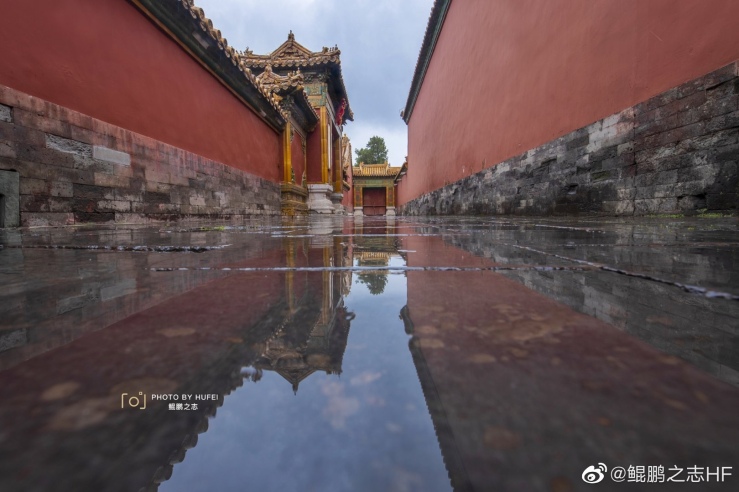
As the amountings of thunderstorms rain, raining overcast over Beijing in which provides a photographic mirroring timeless grounds of the 601年 Forbidden city after it rain is like a bright mirror and the reflections reflected in the shadow of the clouds above are particularly charming’s as if travelling through past and present beautifully …

As Beijing rain subsides the long rainy season finally washed out the blue sky and white clouds. Began to wash the eyes away of dusty skies creating painting a Chinese Paintings of those six hundred years ago   …  

…… it’s the second decade from the turn of the century in Beijing the Capital of China also the People’s Republic of China, in which is also the year 2020 of the year rat, marking its six hundred years anniversary of the Forbidden city that marks the transitional point of in between the middle of the Ming Dynasty (1368- 1644) transitionally from Nanjing to Beijing towards the Qing Dynasty (1636-1644-1911) …. The Imperial Palace seen so many countless seasonally transitional equinoxes but further its six hundred years is iconic, but it’s five hundred ninety nine years it marks it Autumn Equinox…. In which it only took twelve years to build the same of the Daming Palace of The Tang Dynasty Xian Imperial Capital only it was least twenty times larger……  

Imagines visuals credit are from Weibo respectives also the Forbidden city –Imperial Palace –Beijing – China- People’s Republic of China…

#北京。 #中國 #China #Beijing | #紫禁城 #ForbiddenCity #November2020 | #北京卫视上新了故宫The new Series of Treasures in the Forbidden City on #BeijingSatelliteTV #BeijingTV for the season three # 李沁 #LiQin #邓伦 #聂远 – Exploring Adventuring the works of #SuShi #SuDongpo Emperor Qianlong’s Lanting Pavilion; a stream of clouds interprets the spirit of #Suzi….

On 7th November 2020 Beijing Television -iQyi Streaming of the北京卫视上新了故宫 Treasures in the Forbidden City in which it stream the third season of A Guzheng- Guqin plays the legacy of the great sage of the Tang Dynasty in which recreates a scene of a jug of wine creates the mood of Emperor Qianlong’s Lanting Pavilion; a stream of clouds interprets the spirit of Suzi throughout ancient and modern times. In which airing streaming  on 7th November 2020  on 20:30 Hong Kong – Beijing Time 北京卫视@爱奇艺#上新了皇宫 The third season, follow the new product developer 邓伦, 聂远, 李沁, 千古风流人物——Su Shi from the Palace Museum The theme painting and calligraphy special exhibition, feel the open-minded life of Su Dongpo….. In which featured.. In which it has been finally restored after it has been viewed for more than two hundred years.. …

From September 1st to October 30th 2020, 千古风流人物#-A special exhibition of paintings and calligraphy on the theme of Su Shi from the Palace Museum is on display in Wenhua Hall. ……This time the Palace Museum held an exhibition with cultural relics as a carrier to show Su Shi’s artistic attainments and personality style. This is the first time that Su Shi is a well-known writer and artist in ancient my country. Because of its elegant life taste and open-minded attitude towards life, it exudes a unique personality charm. His art, thoughts and even the taste of life have had a profound impact on later generations, and he himself has become a highly admired model of literati….

Featuring Li Qin is a Chinese actress and singer. Born on September 27, 1990, she also is known by the name Sweet Li. As a child, Li Qin trained in Wuxi, Shaoxing, and Kunqu operas. She graduated from Shanghai Theatre Academy in 2008 with a major in Chinese traditional opera. She made her acting debut in the 2010 television drama “The Dream of Red Mansions.”

Chinese calligrapher, gastronome, painter, pharmacologist, poet, politician, and writer of the Song dynasty. A major personality of the Song era, Su was an important figure in Song Dynasty politics, aligning himself with Sima Guang and others, against the New Policy party led by Wang Anshi.

Su Shi is widely regarded as one of the most accomplished figures in classical Chinese literature, having produced some of the most well-known poems, lyrics, prose, and essays. Su Shi was famed as an essayist, and his prose writings lucidly contribute to the understanding of topics such as 11th-century Chinese travel literature or detailed information on the contemporary Chinese iron industry. His poetry has a long history of popularity and influence in China, Japan, and other areas in the near vicinity……

Su Shi is widely regarded as one of the most accomplished figures in classical Chinese literature, having produced some of the most well-known poems, lyrics, prose, and essays. Su Shi was famed as an essayist, and his prose writings lucidly contribute to the understanding of topics such as 11th-century Chinese travel literature or detailed information on the contemporary Chinese iron industry. His poetry has a long history of popularity and influence in China, Japan, and other areas in the near vicinity……

Su Shi’s pursuit of life aesthetics has had a profound impact on later generations of literati. His elegant life style and open-minded attitude towards life have made Su Shi a model respected and admired by scholars in the past. His life was ups and downs, legendary, and left a lot of anecdotes. Due to the admiration of Su Shi by later generations, many anecdotes have also been attached to Su Shi. Scholars and doctors in the Northern Song Dynasty were popular in tasting antiques, and Su Shi and his friends Wang Xu, Li Gonglin, Mi Fu and company…. was all famous for their appreciation of ancient times. When the wind of antique appreciation resumed in the late Ming Dynasty, there appeared a kind of paintings with the theme of “Dongpo Pingu”. Qiu Ying’s “Dongpo Pingutu” opened one of his “Character Story Atlas”. The picture depicts a scene of three scribes tasting antique calligraphy and painting together in the courtyard. One of them has a dress similar to that of Su Shi. The title of the painting may be “Dongpo Pingu”


What happens when I meet the Forbidden City on Mid-Autumn Festival …? …The “three autumn and nine months, mid-autumn and eight months”. The fifteenth day of the eighth lunar month is exactly the midpoint of the seven, eight, and nine months of autumn. At this time, the sky is high and the clouds are light, the water plants are lush, the fruits are ripe, and the bright moon in the night reflects the Chinese people’s interest in the Mid-autumn Festival With special feelings and sentiments, the moon has naturally become the eternal theme of the Mid-Autumn Festival.

“The romantic characters of the ages are like Women and men walking out of poetry and painting. Ben Miao will pretend to pass by and listen to the poetry of the Forbidden City.”…. It must be Su Shi’s poetic beauty, plus the developers… 邓伦… 聂远…. 李沁 In the beautiful scenery of the Forbidden City, the charm becomes more and more [心] The picture of them chanting Su Shi’s poems ..

In this year’s 2020, the second decade from the turn of the century in Beijing the Capital of China also the People’s Republic of China, in which is also the year of the rat, marking its six hundred years anniversary of the Forbidden city that marks the transitional point of in between the middle of the Ming Dynasty (1368- 1644) transitionally from Nanjing to Beijing towards the Qing Dynasty (1636-1644-1911) …. The Imperial Palace seen so many countless seasonally transitional equinoxes but further its six hundred years is iconic, but it’s five hundred ninety nine years it marks it Autumn Equinox…. In which it only took twelve years to build the same of the Daming Palace of The Tang Dynasty Xian Imperial Capital only it was least twenty times larger…

In which coming back to season three is 北京卫视上新了故宫 Treasures in the Forbidden City … in which during September 2020 this month film for the Trendy Documentary show started film in Beijing with the same host of cast but company of new host celebrities from all walks of life…..

 ” 北京卫视上新了故宫 Treasures in the Forbidden City ” is the Chinese Beijing Palace Museum and Beijing TV station produced, co-produced Huazhuan Wen of Springfield’s cultural film and television production season broadcast programs. originally planned three quarters will be produced quarterly 10, it is the third season aired Forbidden City built 600 anniversary of the foundation of the 95 anniversary of the National Palace Museum. In the first quarter since November 9, 2018, every Friday at 21:05 Beijing TV and iQIYI broadcast simultaneously , and on January 11, 2019 ending.

Imagines credits are of the Forbidden city –Imperial Palace –Beijing – China- People’s Republic of China also from the Series Weibo北京卫视上新了故宫 Treasures in the Forbidden City…

#北京。 #中國 #China #Beijing | #紫禁城 #ForbiddenCity #October2020 | #北京卫视上新了故宫The new Series of Treasures in the Forbidden City on #BeijingSatelliteTV #BeijingTV for the season three with more intriguing adventuring mysteries solving with featuring guest #AGallery …….


In this year’s 2020, the second decade from the turn of the century in Beijing the Capital of China also the People’s Republic of China, in which is also the year of the rat, marking its six hundred years anniversary of the Forbidden city that marks the transitional point of in between the middle of the Ming Dynasty (1368- 1644) transitionally from Nanjing to Beijing towards the Qing Dynasty (1636-1644-1911) …. The Imperial Palace seen so many countless seasonally transitional equinoxes but further its six hundred years is iconic, but it’s five hundred ninety nine years it marks it Autumn Equinox…. In which it only took twelve years to build the same of the Daming Palace of The Tang Dynasty Xian Imperial Capital only it was least twenty times larger…

In which coming back to season three is 北京卫视上新了故宫 Treasures in the Forbidden City … in which during September 2020 this month film for the Trendy Documentary show started film in Beijing with the same host of cast but company of new host celebrities from all walks of life…..among the core production of the 北京卫视上新了故宫 Treasures in the Forbidden City is spin off series that relates to the parent series in which is the Summer Palace, the Great Wall, the Temple of Heaven also the Historical site that located around the Beijing’s central axis ….. in which  season three will air on 24th October 2020 at Nine in the evening streaming continuing with two seasons featuring with new guest exploring adventuring in the forbidden city 张鲁一 , 魏晨 , 聂远 雷佳音 , 李沁 , 何穗 ,郭京飞 celebrating that adventuring six hundred years of Forbidden City historically through time and space …..

” 北京卫视上新了故宫 Treasures in the Forbidden City ” is the Chinese Beijing Palace Museum and Beijing TV station produced, co-produced Huazhuan Wen of Springfield’s cultural film and television production season broadcast programs. originally planned three quarters will be produced quarterly 10, it is the third season aired Forbidden City built 600 anniversary of the foundation of the 95 anniversary of the National Palace Museum. In the first quarter since November 9, 2018, every Friday at 21:05 Beijing TV and iQIYI broadcast simultaneously , and on January 11, 2019 ending.

The show was awarded the right to be recorded in the Forbidden City in Beijing. The opening was made by Shan Jixiang , the director of the Palace Museum, who made a guest appearance and recommended a cultural and creative theme to the show.

In the first quarter by two artists Deng Lun and Monday around playing in “the new Institute,” as the Forbidden City cultural and creative new product development staff of the Palace Brothers, by the second quarter of Zhang Lu a take over the role of Monday Wai. After receiving the task issued by the dean, the brothers of the Forbidden City divided their troops into two groups to collect information, explored the unopened areas of the Forbidden City up close with the program guests, and accompanied the Forbidden City experts to search for the secrets of the Forbidden City, solicit creative designs that fit the relevant themes , and invite designs. Teachers and college students develop cultural innovations.

Each episode will focus on a historical figure and explore the clues of the character’s life in the Forbidden City. In some scenes, there are interspersed short dramas , passing through the “new” and “old”, showing the situation of the court characters at that time. The actors are in the play. The props used and the costumes worn are all restored based on research.

In each episode, different flying guests will appear on stage, including tranquility , Cai Shaofen , Wang Likun and others, most of whom have played roles in costume dramas.

Imagines credits are of the Forbidden city –Imperial Palace –Beijing – China- People’s Republic of China also from the Series Weibo北京卫视上新了故宫 Treasures in the Forbidden City…