正好遇见你 #HiProducer is an intangible cultural heritage urban drama directed by Gao Han , starring Guo Xiaodong , Zhang Nan , Li Xiaoran , Zhang Bo , Zheng Kai , Sun Yihan , Niu Zifan , Sheng Langxi , and Wu Qianyu .
The series tells the story of a variety show team with literary director Yu Zazao and young cultural relics expert Tao Tang as the core, working together to launch a cultural TV program in order to show the beauty of Chinese civilization. The series covers 35 episodes in which is produce by Huanyu Film and Television in collaboration streaming with iQyi and Tencent Video ….. Majority of the Production is done in Suzhou for its modern setting among with the Chinese Cultural Traditional Heritages recreation is done at Hengdian, Subo studios…
Behind the Scenes of the production shooting process…. During the filming, the crew was allowed to enter the Suzhou Museum for on-site shooting, but in order to protect cultural relics, most of the cultural relics appearing in the play are imitation props. In the early stage of filming, the drama team found historians of relevant cultural relics, searched a large number of documents to repeatedly compare the status and details of real cultural relics, and invited professional relics masters to copy them, so as to achieve the effect of false ones. The biggest one is the filigree inlay technology, which represents the highest level of imperial crafts. When making the Jin Ou Yonggu Cup props in the filigree inlay unit, the drama crew carried out a one-to-one replica in strict accordance with historical data, which took a full two months…
Main Cast
Guo Xiao Dong as Liao Muyun
Zhang Nan as Yu Zaizao
Li Xiao Ran as Wang Xining
Jaco Zhang Bo as Tao Tang
Zheng Kai as Gu Shiyong
Annie Sun Yi Han as Yuan Jiaying
Niu Zi Fan as Xie Yao
Joy Sheng Lang Xi as Shu Rong
Karena Ng as Zhuang Yiyi
Li De Long as A Xun
Synopsis Gu Shiyong, CEO of Palace Culture Film and Television Production Company, is determined to create a new large-scale cultural variety show “Inheritance”. He strongly invites Tao Tang, a young cultural relic expert, Mu Zongyun, a well-known director, and Wang Xining, a senior host. However, just when the program was ready to start, the young female director Yu Zazao suddenly parachuted into the company and joined the program group, disrupting the overall plan of the program and being strongly rejected by everyone. Surprisingly, Yu Zazao is calm and witty, dares to break the rules, and has inexhaustible inspiration like a genius. With her help, the originally scattered production team became unprecedentedly cohesive. Everyone worked together, starting from the historical relics of the Forbidden City, devoted themselves to excavating the core memory of the nation, promoting historical and traditional culture, and solving the problem of non-genetic inheritance. In the end, “Inheritance” stood out from many homogeneous programs and became a great success. Yu Zazao also successfully healed his soul and gained a complete friendship and career..
Episode 1
Gu Shiyong, CEO of Heming Zhongrun Film and Television Company, is determined to create a large-scale cultural variety show “Inheritance” that promotes traditional Chinese culture. He strongly invites young cultural relics expert Tao Tang and well-known director Mu Zongyun to participate. Tao Tang is personable and modest Youli, who accidentally became popular on the Internet and became a well-known male god-level cultural relic expert, but he himself is very disgusted with the creation tendency of “over-entertainment of historical cultural relics”. Although he accepted the invitation of his friend Gu Shiyong to become a program consultant, Stay on the sidelines for the show. Mu Zongyun has profound artistic attainments, has his own unique vision and aesthetics, and does not easily compromise for the world. In order to recruit talents, the three immediately started the recruitment of program directors. The talent Yu Zazao, who was specially introduced by Gu’s father, participated in the application together with many interviewers. Gu Shiyong was very disgusted with the behavior of “going through the back door” and did not intend to hire him. Unexpectedly, Yu Zaizao has outstanding professional ability, excellent on-the-spot response, and experience in working at the grassroots level. His outstanding performance left the interviewers speechless. Although Gu Shiyong still has a bad impression of Yu Zaizao, he also Unwilling to lose a talent, he had no choice but to take Yu Zazao under his command temporarily.
Images and Visuals are from of their respectives …
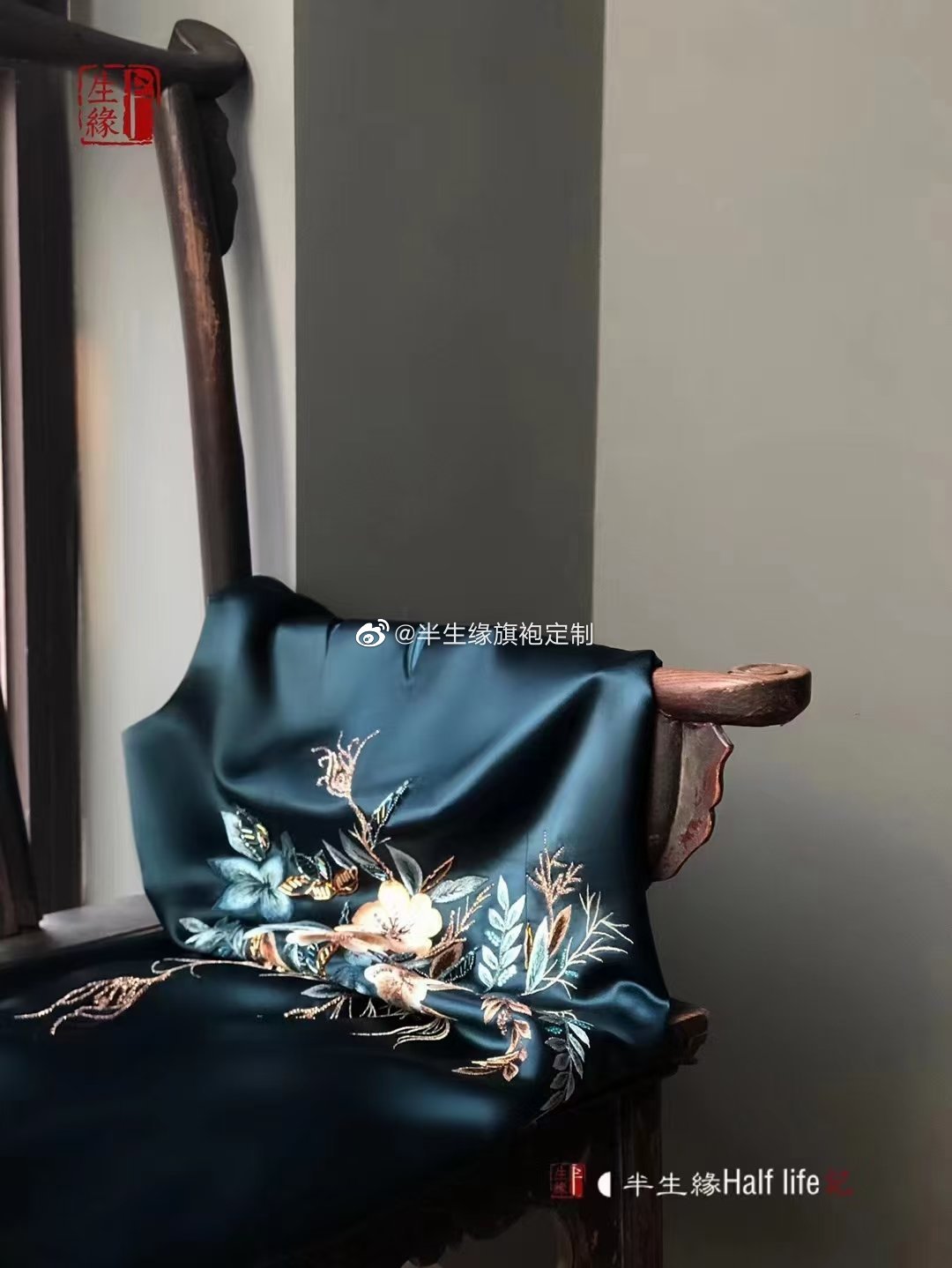
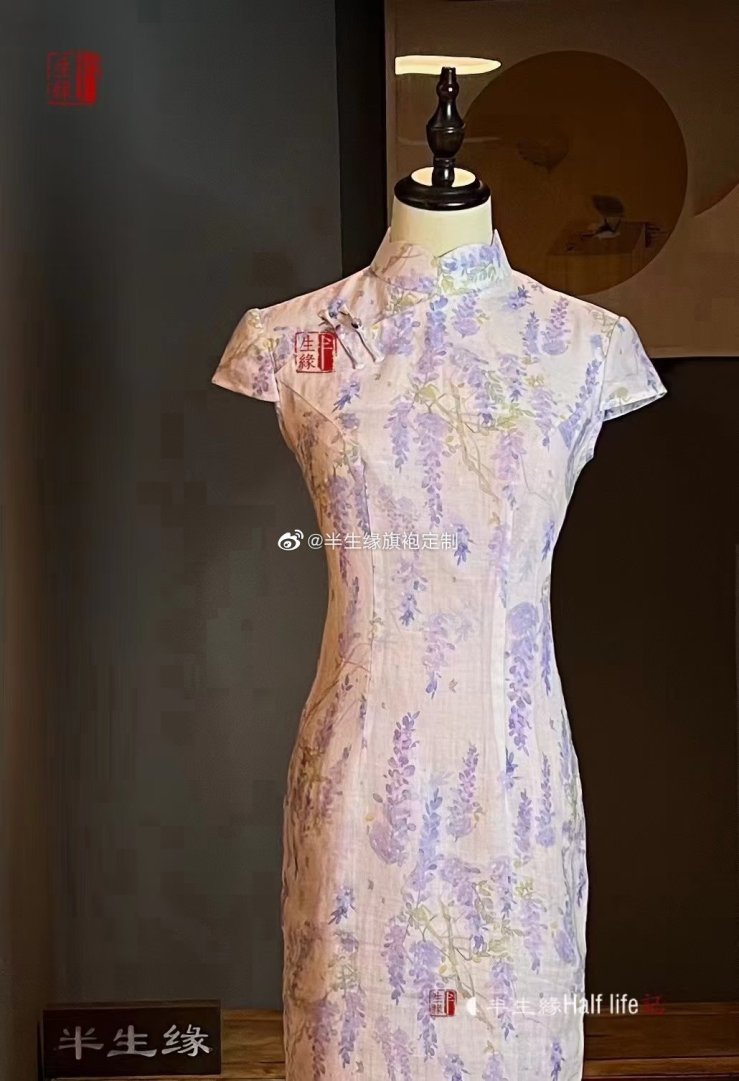
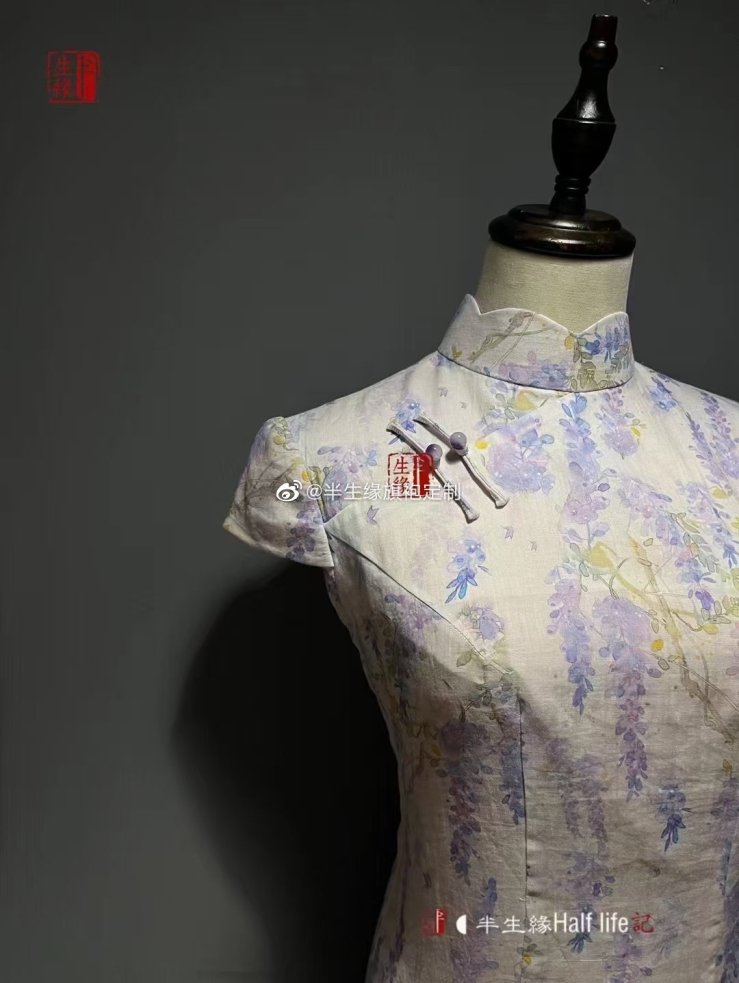
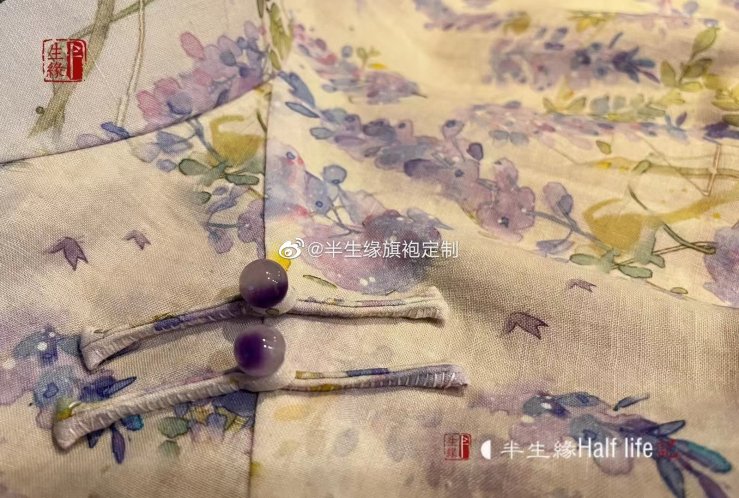
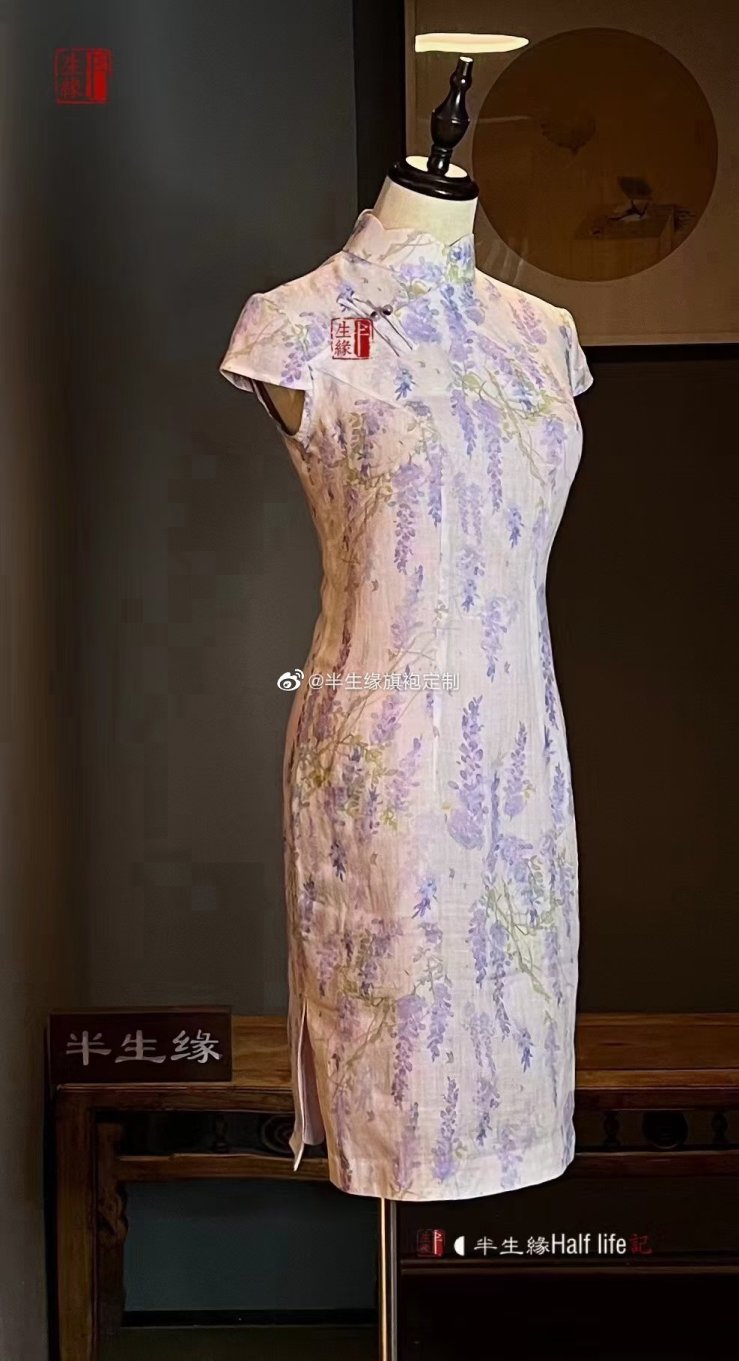
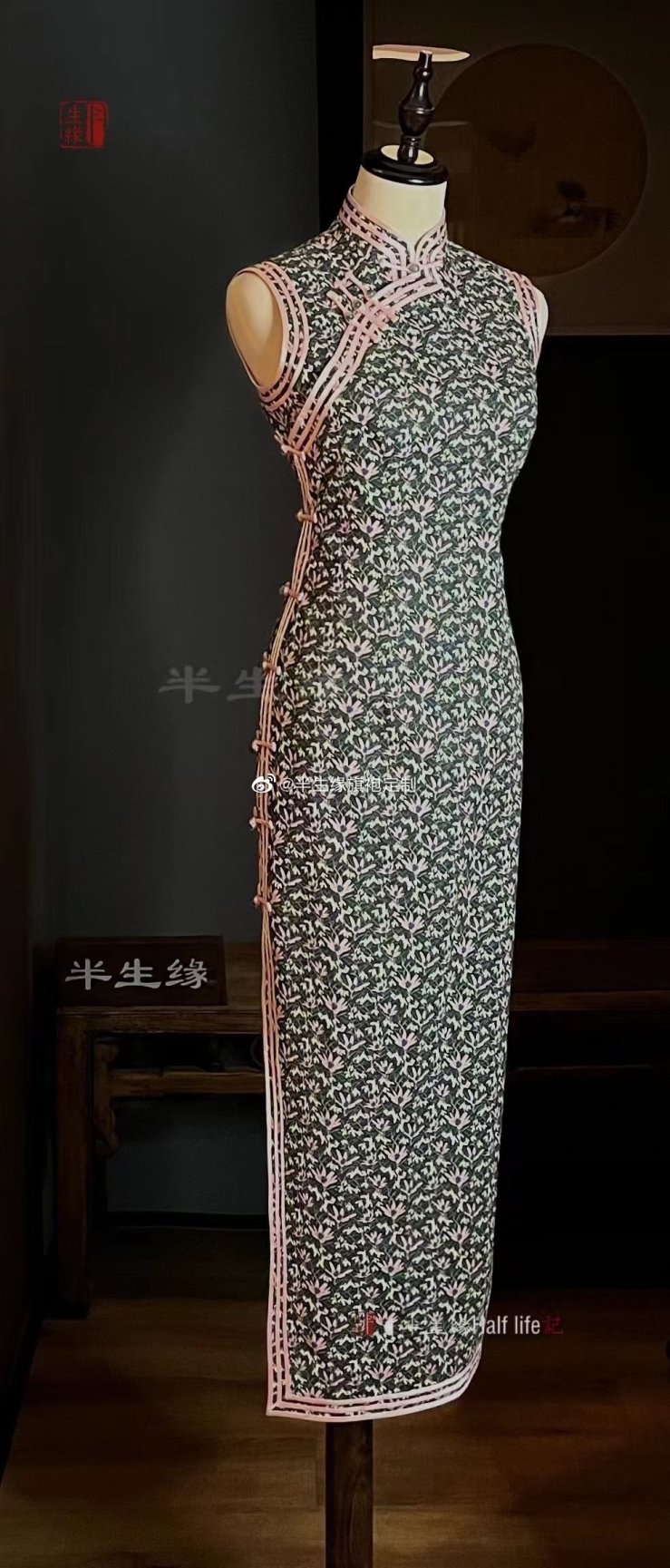
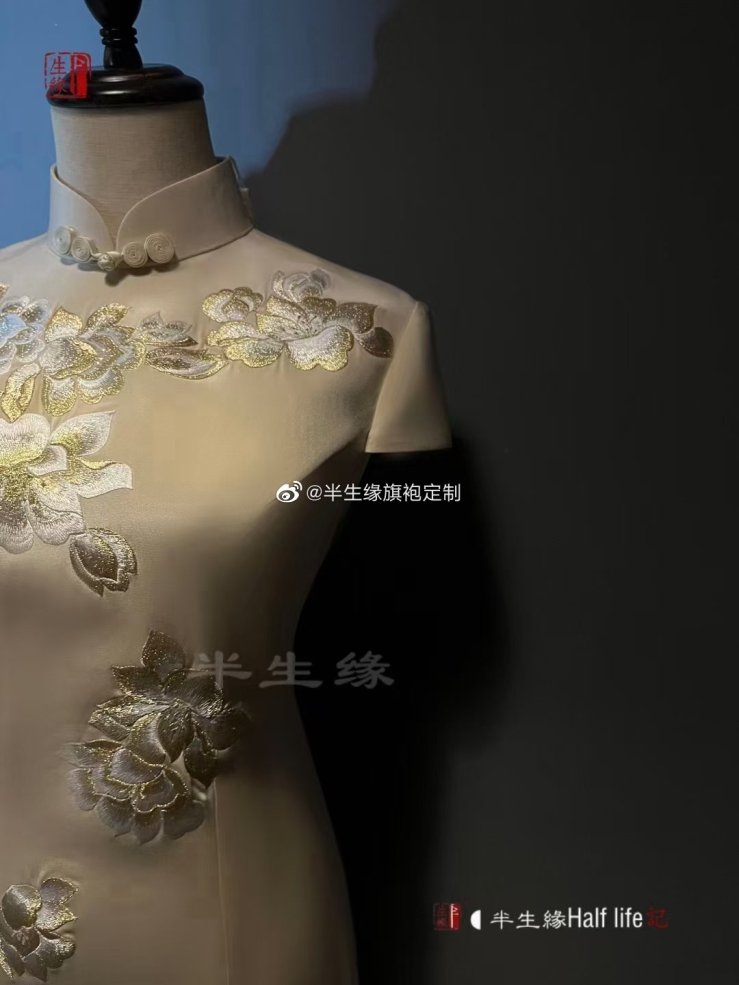
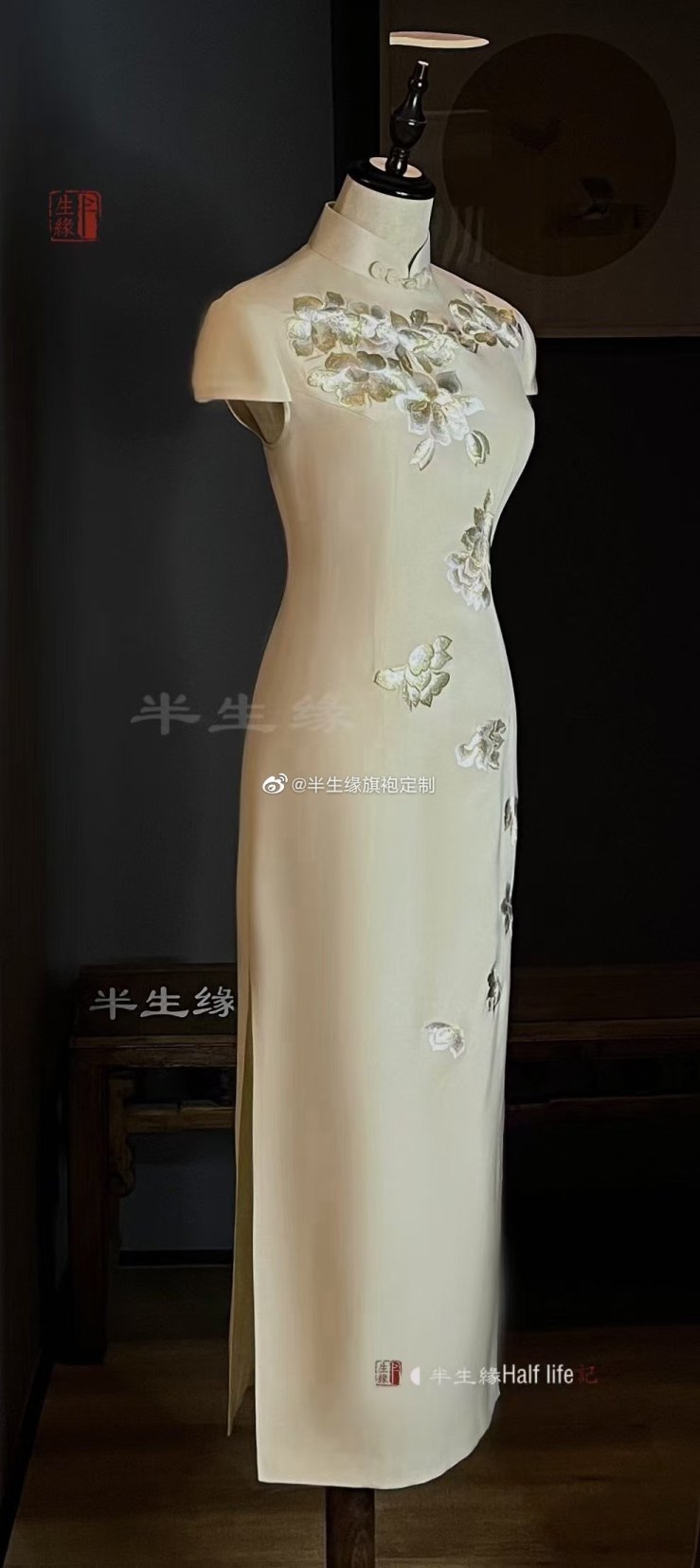
Located in an ancient post-modern Three Thousand plus years old ultra Megatroplis city Xian City, Shaanxi Province – China – People’s Republic of China, 半生缘旗袍定制 Half Life Cheongsam – Xi’an Banshengyuan Clothing Co., Ltd. Innovatingly Post Modern Qipao- Cheongsam located in Southeast corner of Futao Museum, No. 99 Furong West Road, Yanta District, Xi’an located the east entrance opposite Qujiang Book City – Banshengyuan Qipao Living Museum is located in Xi’an. It is a local wedding dress brand. Since its establishment, the brand has been committed to becoming a well-known brand in Xi’an. …. in which innovatively bringing a New Chinese style cheongsam-Qipao high-end brand-Embroiderer…….it is committed to the high-end private specialization of Chinese Shanghai style cheongsam… in which each dress is customised towards the wear’s in which tailoring takes least in between 20-60 days depending on the extremely level of detailing of brocade in which using the most finest heavy silks are hand sewn and crafted …..
Collection 3rd June 2023 – 6th June 2023
“Ice Blue” has a touch of cool blue with a flowing tenderness as if washed by moonlight, fresh, pleasing, playful , romantic, and indifferent beauty
Banshengyuan®️ original design “bamboo” element
“Floating clouds condense smoke, sparse knots leave snow and frost” A cheongsam, with the charm of bamboo dyed bamboo, light into my heart Wearing bamboo, the breeze slowly crosses….
Banshengyuan®️ original hand-painted elements..
“Crowning Tingting” curling Tingting, the beautiful and moving cherry blossoms are floating, and the cherry blossoms are like snow in the morning and evening , but the snow can’t describe one ten-thousandth of his demeanor; the cherry blossoms are like clouds, but the colors are even more evocative.
“Splendid Fate” Splendid youth, burgundy is the romance that belongs only to women. Romantic in temperance, wishing for vegetation, lowering eyebrows and calmly wishing for yourself, be kind to the time…
“Sea of Clouds Undyed” is intellectual, elegant, and still waters run deep. pure. concise. soft. free. Wearing all white, quiet and far away.
“Magnolia Pavilion” is as clean as a lotus and not dyed as a white cloud, as beautiful as a fairy , elegant and soft, and the fragrance is far overflowing from the clothes, graceful and graceful…
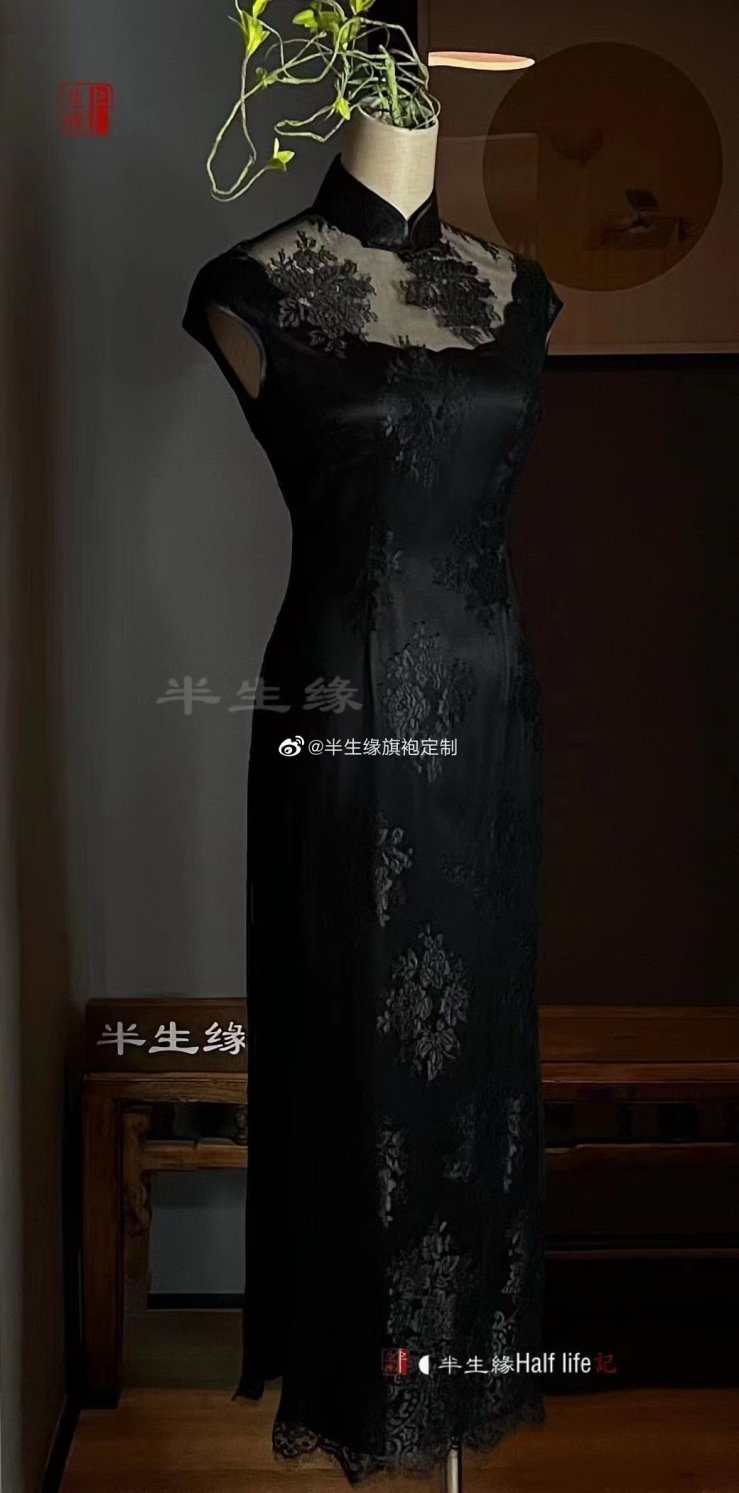
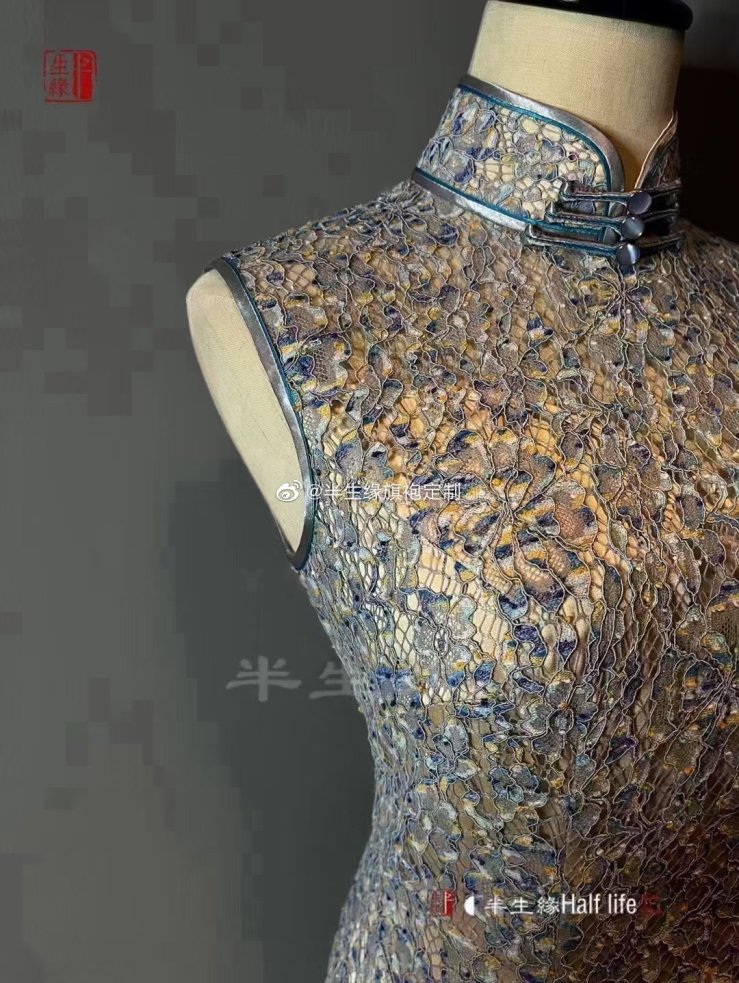
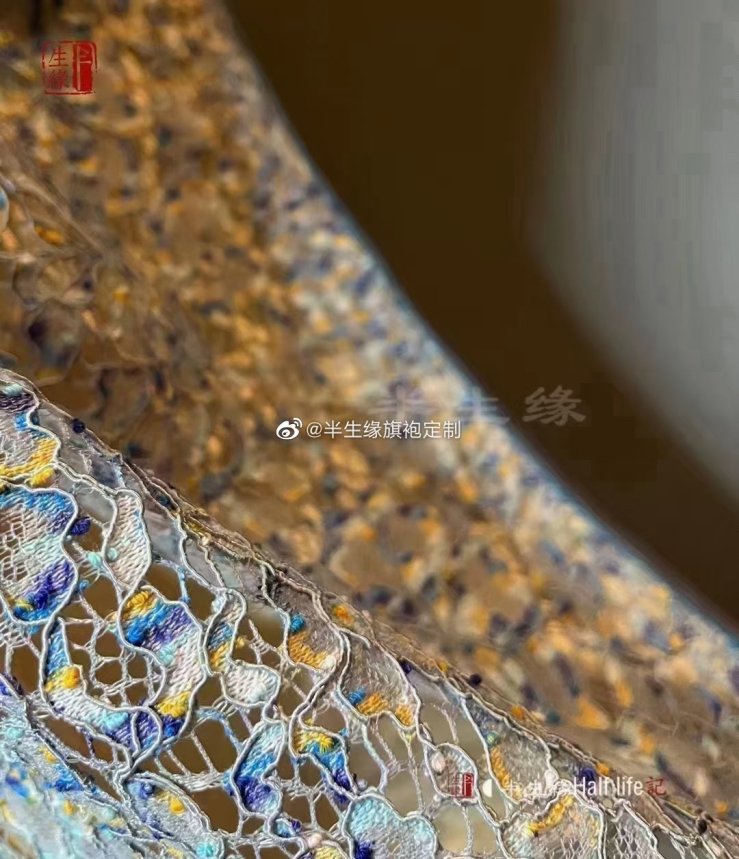
“Years · Soft Wind” original imported gold lace cheongsam
“Sea of Clouds Qing Ning” Waking up in the morning light and enjoying the breeze in the valley is the most suitable for wearing white is a state of mind that is indifferent to the world….
“Can” I believe that I was born like a bright summer flower that never fades and is as charming as fire. At every age, I am a flower full of elegance and tenderness….
Half Life Life|Guest photos share the beauty of a girl’s life, her body is graceful and beautiful , and more importantly, she has a soul that is good at thinking…
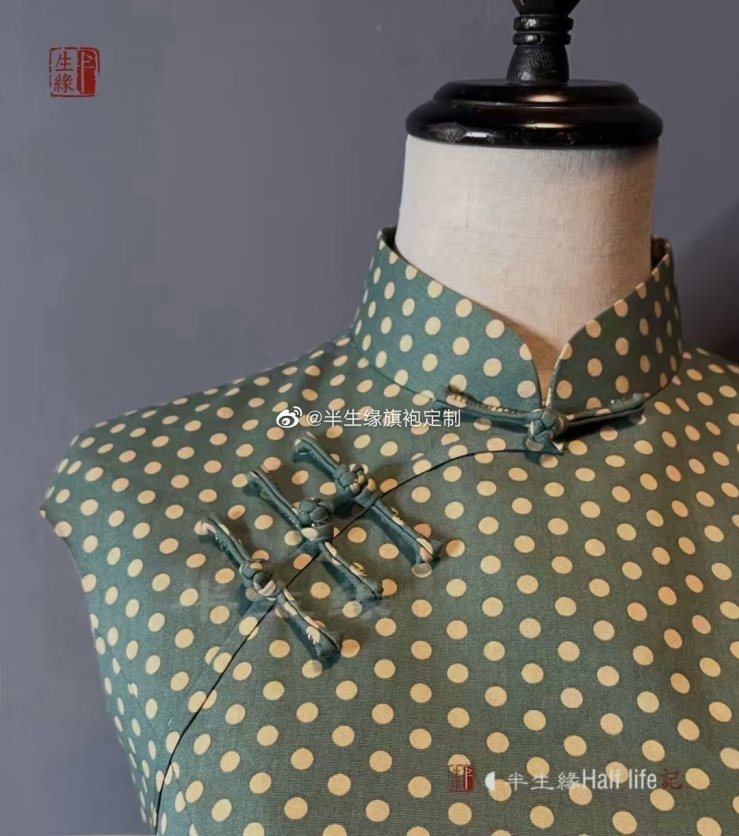
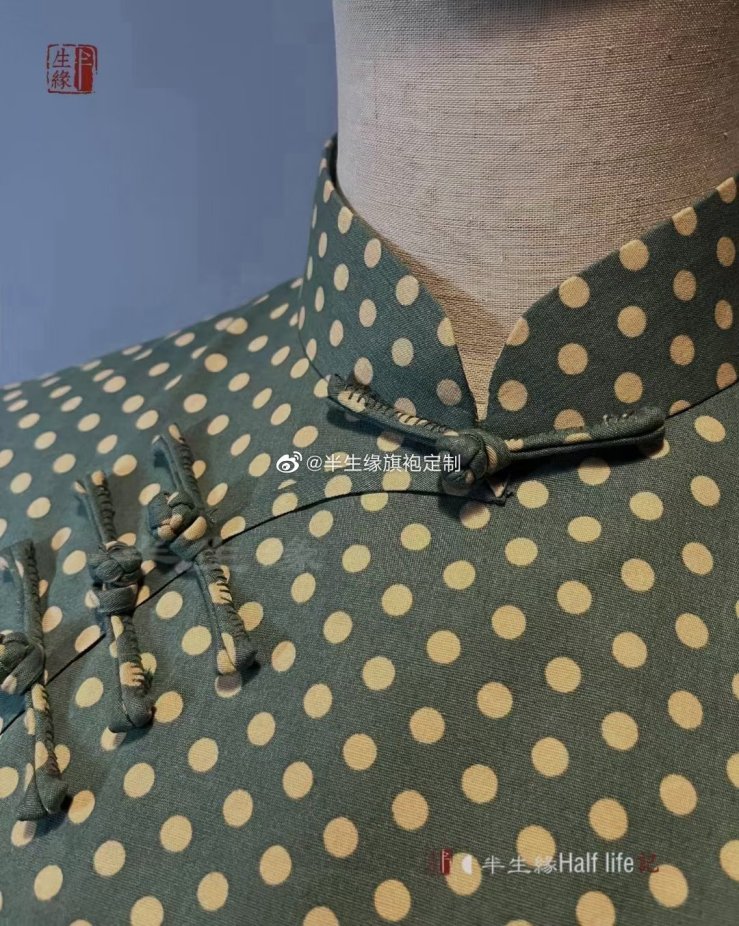
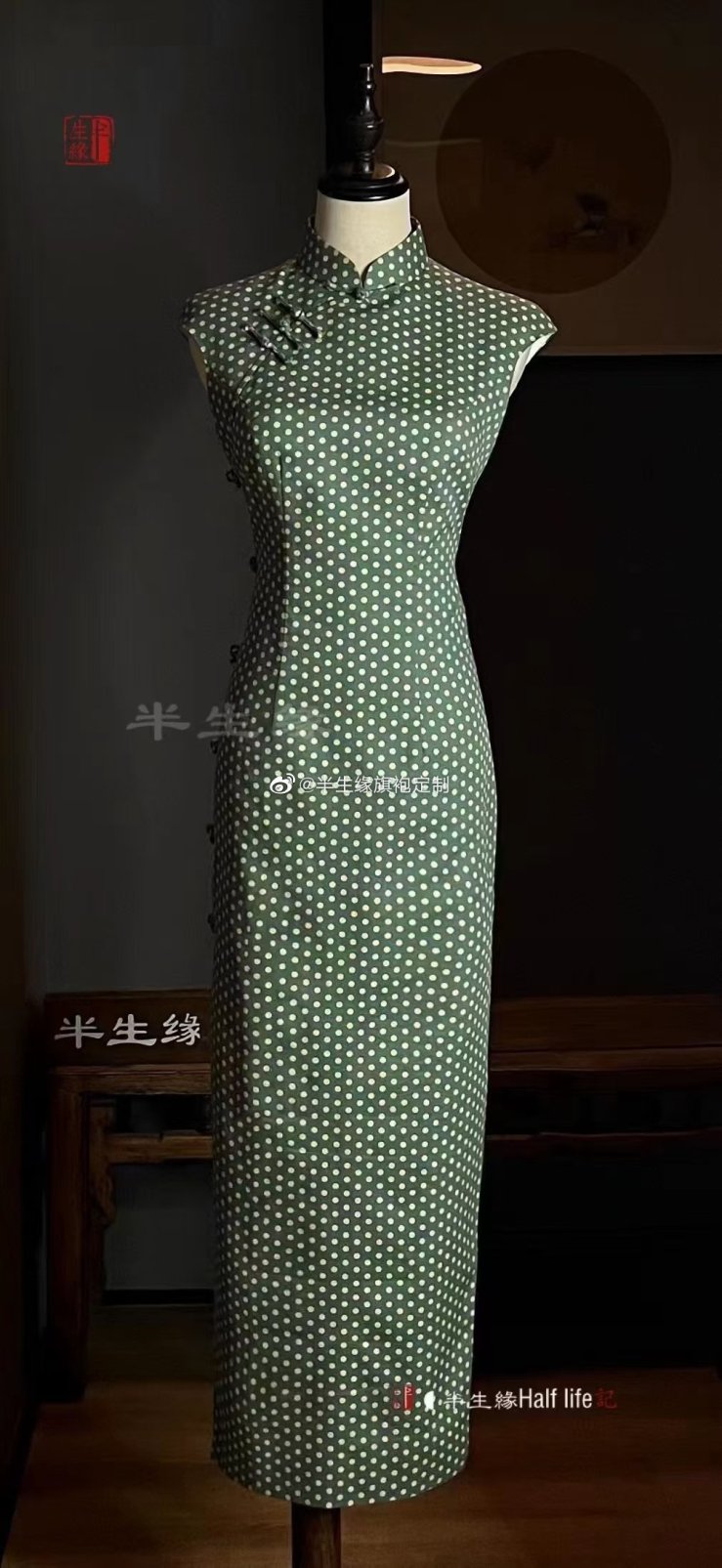
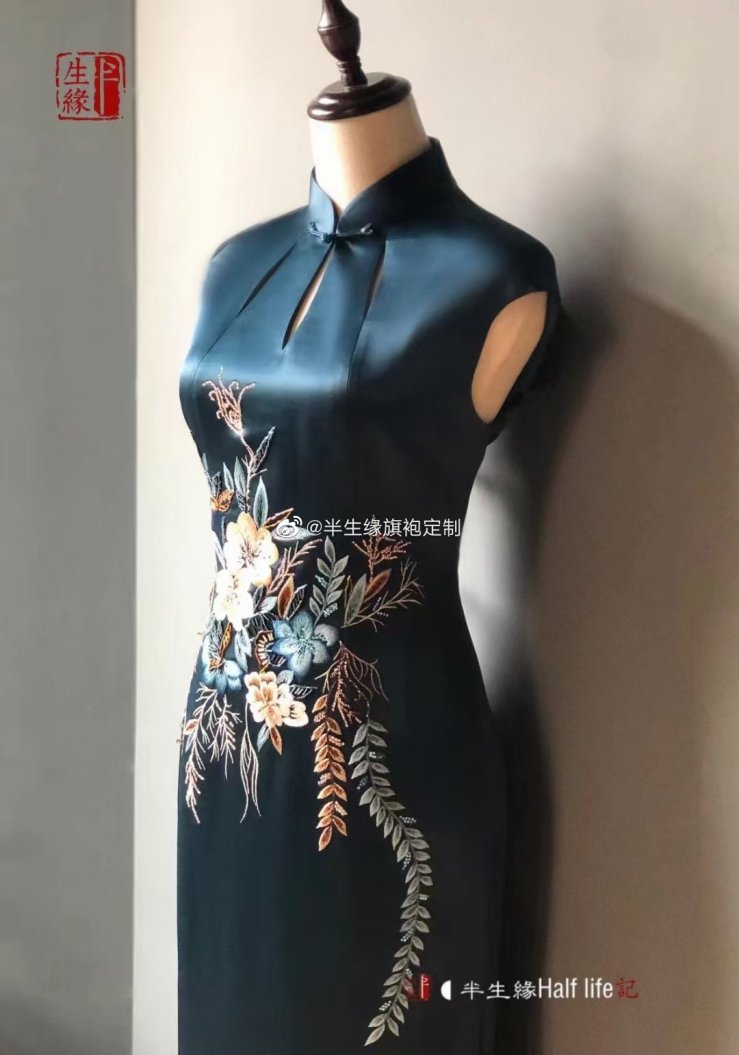
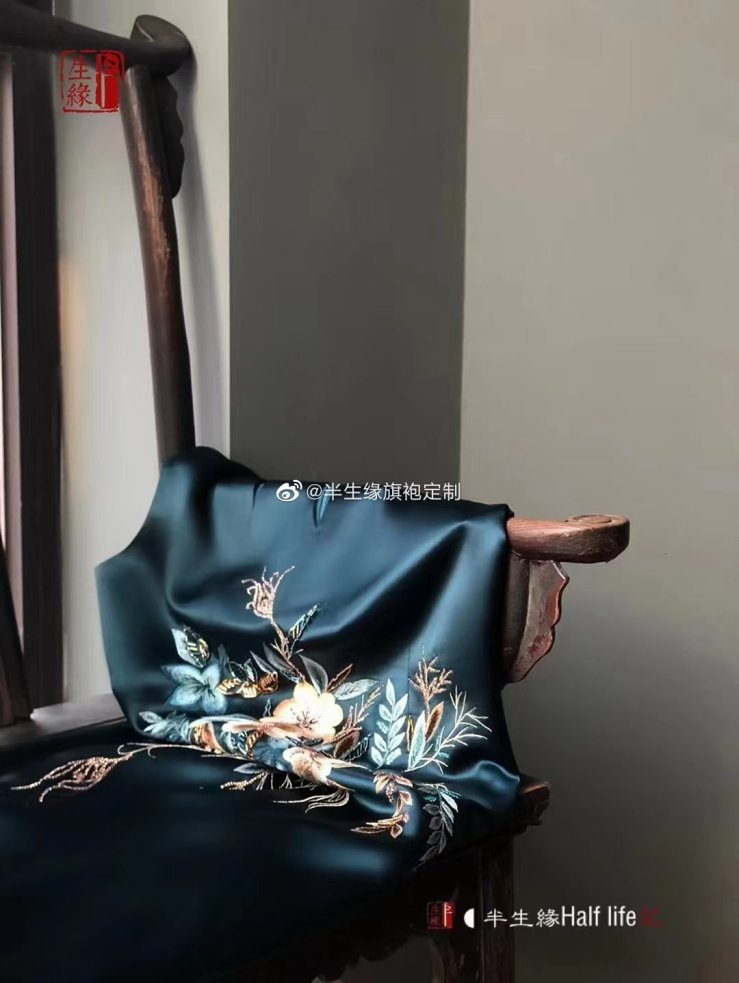
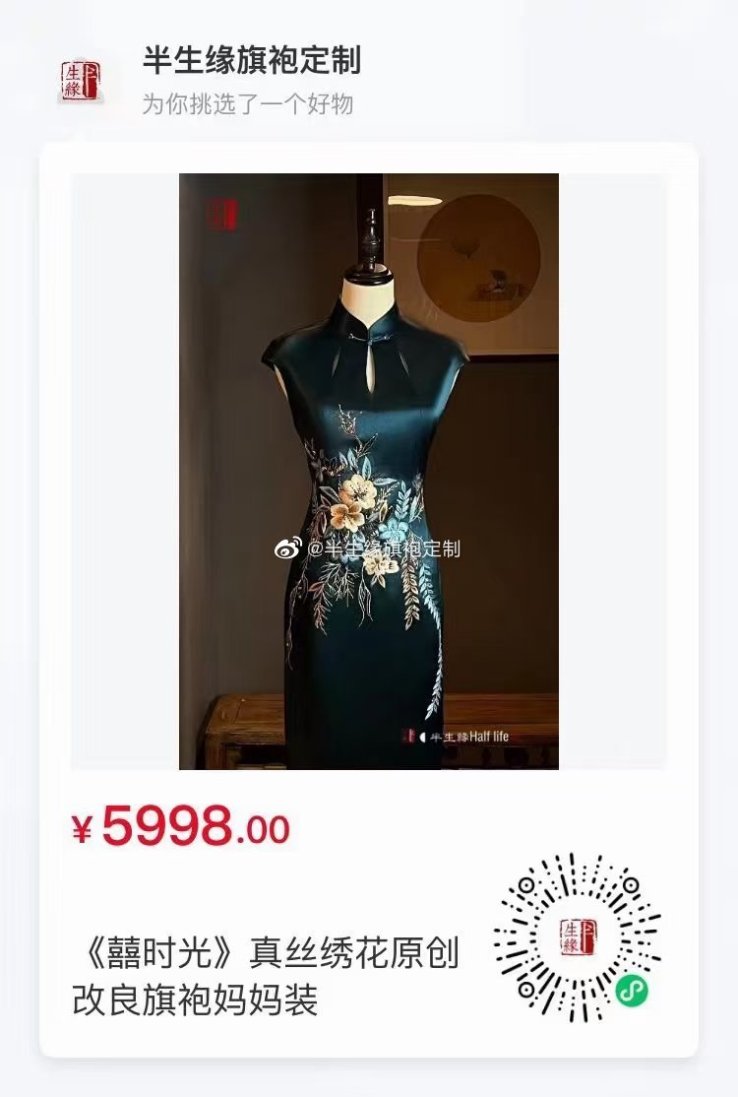
“Hand-painted Spring” The dark green cheongsam is full of retro literature and art. It is a forest-like green with a vigorous momentum and a hope of life. It can make people feel tranquil and simple, as gentle as the breeze blowing over the grass, which makes people unconsciously. Sinking into the color that symbolizes life…
“Zhi Jian” gray, the most beautiful color is gorgeous and elegant, but extremely low-key . Its gorgeousness comes from the indifference and indisputability of washed lead. Gray is the darkest color and the most dusty color. It is the boundary of all colors. Can contain everything, smooth everything but can be stunning and moving in the right embellishment and always keep a low profile…
“Flowers Blooming on Moshang” silk jacquard cheongsam dress must be in love with something just like time’s love for plants and trees. When nature looks like art, it is beautiful. At this moment, the flowers are gentle and the heart is gentle on the body, which is the time of the collection.
“Indigo Daisy” Mountain-soaked indigo daisy with smoke in the water, willow swaying flowers in the verdant and lush colors of the night and day, and the green sash flowing dark green, with a strong and full vitality, deep and restrained, full of aura, dyed with a bit of poetic beauty and vigor….
“Zijin” silk cotton printing and dyeing cheongsam “Qingqing Zijin, leisurely my heart” natural color, extracted from vegetation, dyed in the fabric, the natural poetic flavor is preserved, and the temperature of handmade has a sense of tranquility and life . words, but affection always….
“Smoke and Rain” rain cloud ash stains the Chinese-style top with an extra touch of tenderness, making the already cold and green ash instantly softer , elegant and gentle, with a delicate temperament…..
Banshengyuan®️ designer originally produced
white, which is one of the most minimalist aesthetic colors, and it symbolizes purity, simplicity and elegance. And white fabric is an indispensable . It not only has a fashionable appearance, but also can convey a fresh and bright feeling, so that you can feel a little cool in the hot summer.
Banshengyuan®️ designer’s original product “Deer Drinking Stream” The valley in midsummer has green bamboos and clear springs with thick shades, a little rest for the soul, and a heart in the mountains. There are mountain springs as companions and deer as friends.
Banshengyuan®️ designer’s original product “Shadow” is swaying in the shadows of the trees, and the whole person can’t help but relax along with it, stretching into the most natural and casual appearance in the summer shade…
Banshengyuan Life|Guest photo sharing
“Lanmeng” black is a colorful dream, well versed in the embroidered and free skirt in the cheongsam , it is more suitable for quietness…
Banshengyuan®️’s original design produced “Burning its Blossoms” , the peach blossoms, burning its flower bud sleeves, like the morning sun, the blooming flowers with a glint of light, burning the son of its flowers to return home, IKEA has countless beautiful things and wishes The future is beautiful and accompanied by holding the hand of the child, and growing old together with the child….
Banshengyuan®️’s original design produced “ Ningxiang” spring water is clear in the sky, painting boats listening to rain and sleeping beside people like moon, bright wrists condensing double snow pink cheongsam, flower season-like cardamom years interpret the softness of women….
Banshengyuan®️ original design produced “Four Seasons Blossoms” flowers bloom in four seasons, life is just like delicate pink , full and beautiful scenery in four seasons, there is always fragrance
Banshengyuan®️ original design produced “Listen to the Sea Breeze Cream Blue” silk jacquard flower buckle cheongsam…
QIPAO 旗袍 Cheongsam …. In which from historically Shenyang is the birth place of the Qing Dynasty 1636-1912plus …. In which Qipao is termed for Qing Dynasty Clothing that the Manchu ethnic adoptively wore…… in which the Shenyang Palace Museum was an imperial palace towards two Qing Dynasty emperors. Previously two years ago During the event it which was an eight day forums, with exhibitions also related workshops illustrating the birth place of the Old Capital of Cheongsam where the Qing Dynasty- Qipao was inspired from..
Before that Shanghai 1930’s Qipao-Cheongsam revolution, the Manchurian Cheongsam was the fashion of choice of the Qing Dynasty (1636-1912) throughout as it standardised that style during the dynasty… Replacing the previous clothing standard Han Fu – Han Dynasty clothing style, in which also is form fitting towards the women’s silhouette but with a higher degree of freedom of flare of personal, individual style…
Qipao-Cheongsam is uniquely hand crafted tailored Chinese dress to the customer’s various measurements… in which you can still have them brought of the rack in which is accustomed to the standard measurements… in which you can tell which is western influenced with the back zipped in which the Eastern traditional Chinese Tailors would have the side zipped of the Qipao dress due it interrupts the flow of the pattern work at the back of the dress.. Also it creates a continuous seamless back look… after as the measurements are translated drafted onto the silk or the customer desired accustomed fabric of choice, from the measurements book with the associated look of the design elements with additional accessories the sexiness of Qipao lies subtlety.. Measuring, patterning, cutting, and button making are crucial, in where passion and art comes together in tailoring
In which traditionally Qipao- Cheongsam dresses are worn for from straight forwardly every day towards after work evening wear in without having to change to another set of wardrobe dressing only to accessories for the required occasion… … in which the Qipao dress pattern silhouette is design for the lady’s figure in which accentuating the silhouette without giving away too much of what’s underneath in retaining…. its timeless classic silhouettes in which are designed to be worn every day, from work, evening, casually towards to the weekend… with sleek simple, elegant, sexy intelligent sophistication in which are easy to be accessorised with any pieces of clothing in your current or upcoming wardrobe…
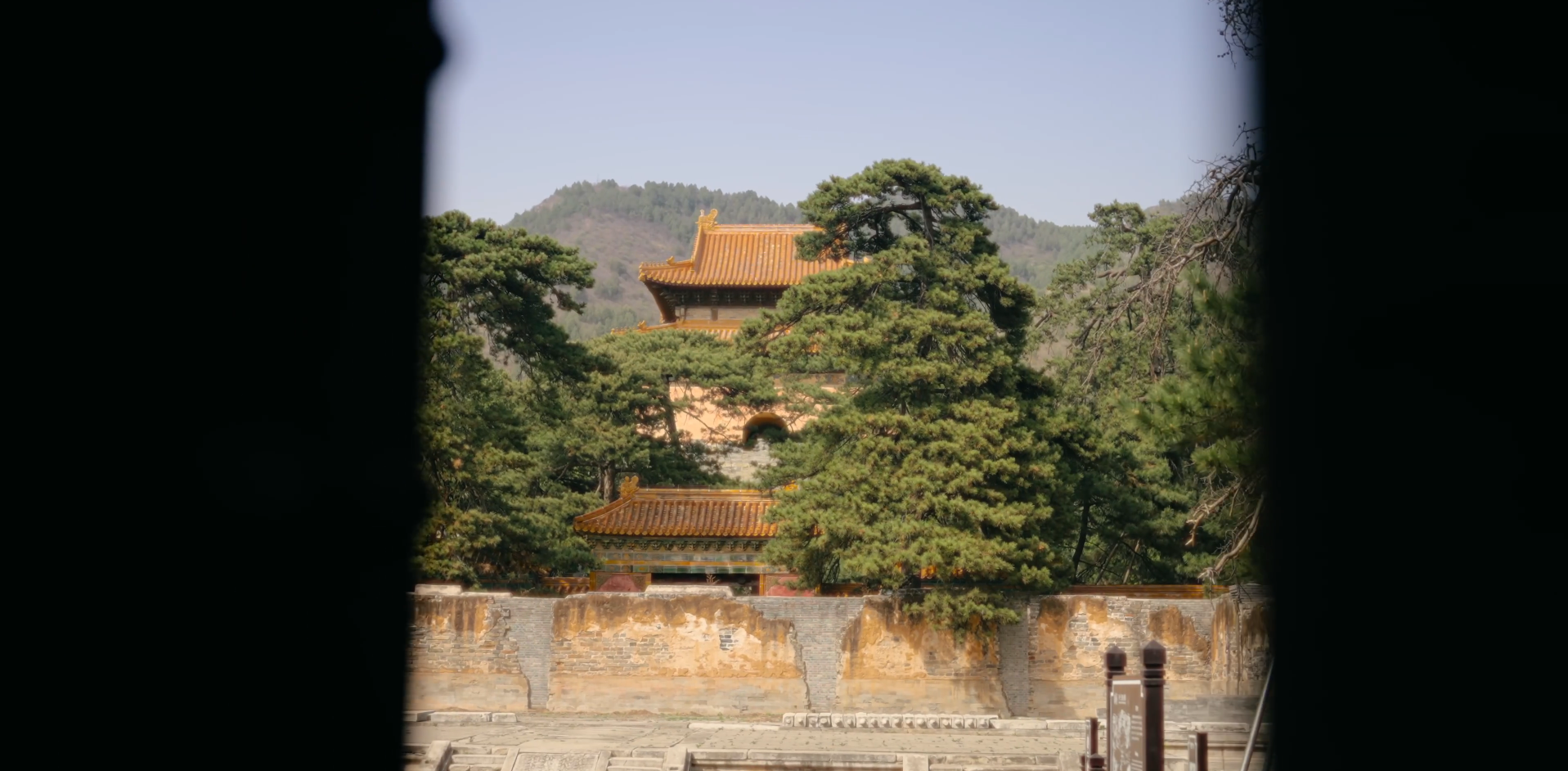
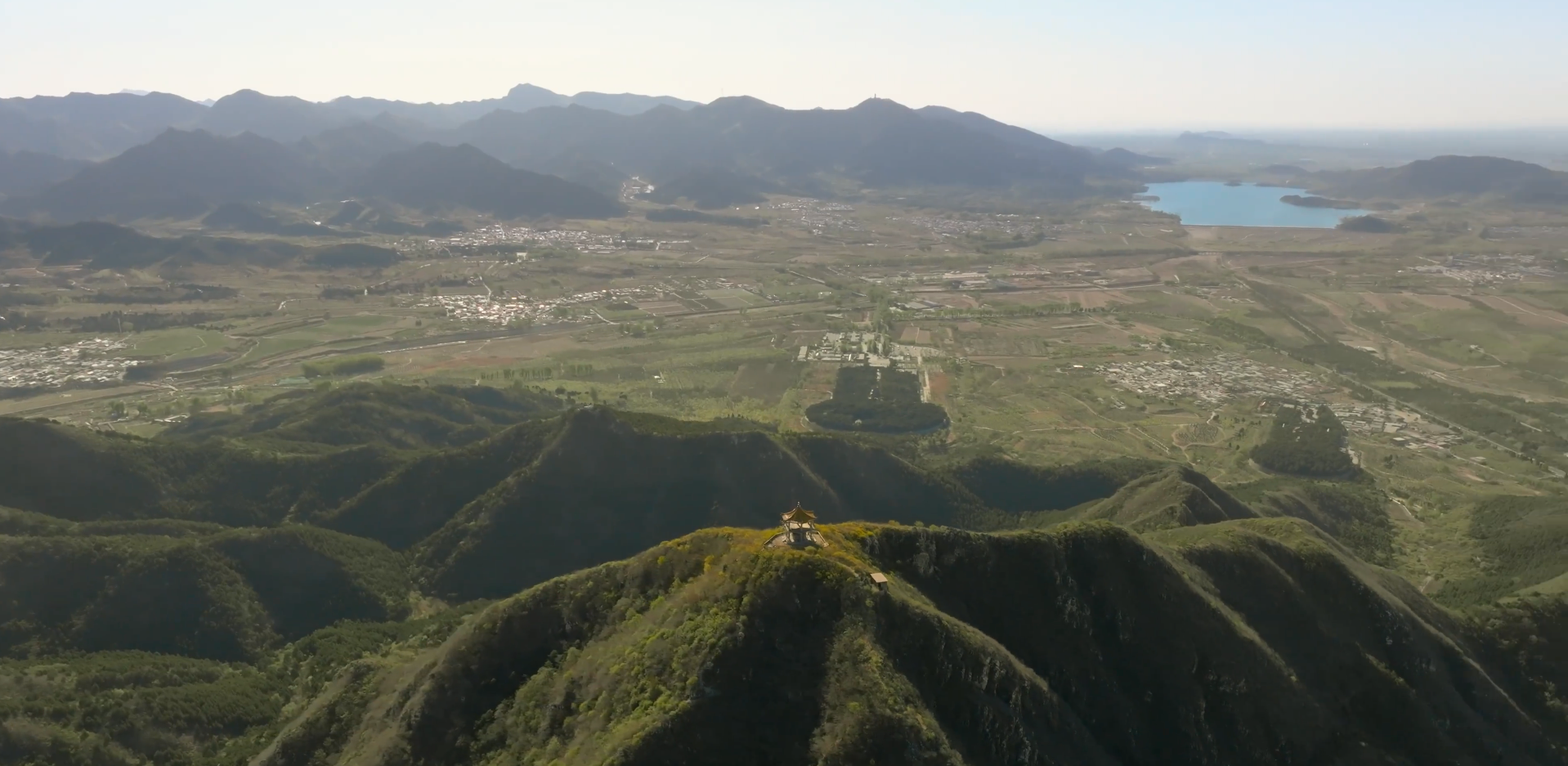
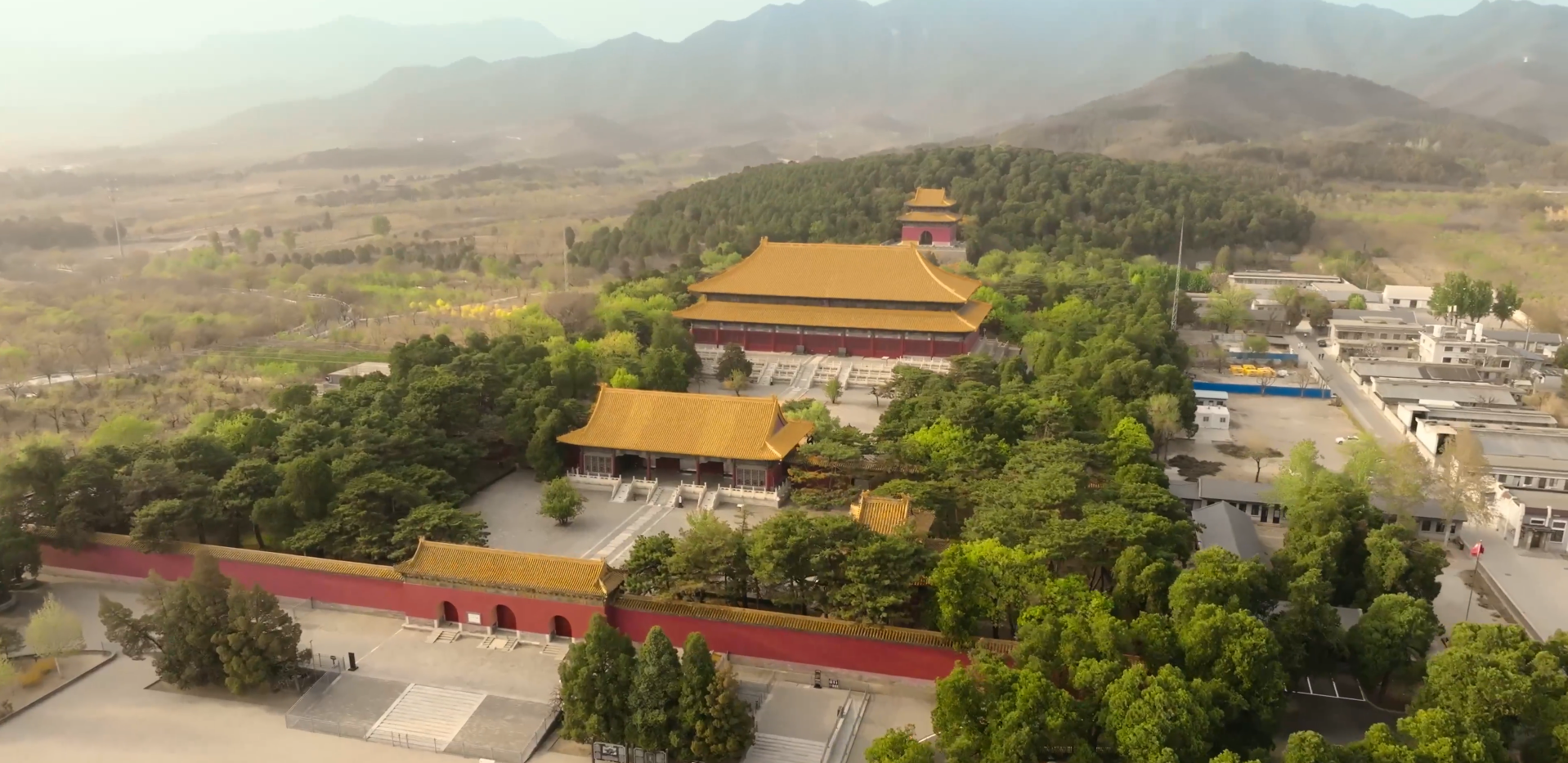
The Ming Tombs are located at the foot of Tianshou Mountain in Changping District , Beijing China, People’s Republic of China , about 50 kilometers away from Tiananmen. The Ming Tombs are located in a small basin surrounded by mountains on three sides in the east, west and north. The area around the tomb is surrounded by mountains, the central part is a plain, and there is a meandering river in front of the tomb. From the beginning of Changling in May of the seventh year of Yongle (1409) to the burial of Chongzhen, the last emperor of the Ming Dynasty, in Siling.
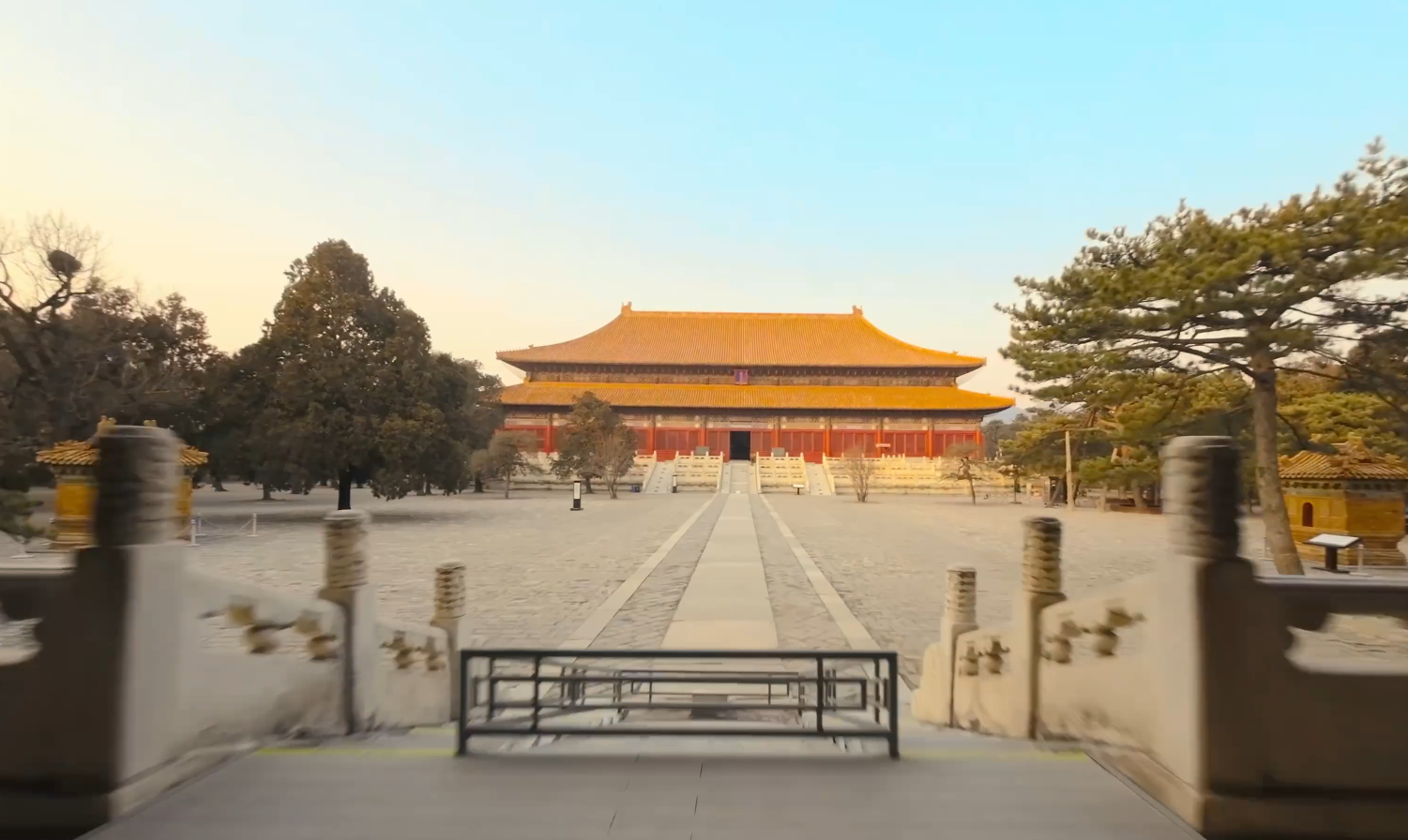
The Ming Tombs have a total of 13 imperial tombs, including the Changling Mausoleum of Chengzu Zhu Di, Xianling Mausoleum of Renzong Zhu Gaochi, Jingling Mausoleum of Xuanzong Zhu Zhanji, Yuling Mausoleum of Yingzong Zhu Qizhen, Xianzong Zhu Jianshenmao Mausoleum, Xiaozong Zhu Youtang’s Tai Mausoleum. The Kangling Mausoleum of Wuzong Zhu Houzhao, the Yongling Mausoleum of Sejong Zhu Houcong, the Zhao Mausoleum of Mu Zong Zhu Zaihou, and the Ding Mausoleum of Shenzong Zhu Yijun. The Qingling Mausoleum of Guangzong Zhu Changluo, and the Deling Mausoleum of Xizong Zhu Youxiao. The Siling Mausoleum of Chongzhen Emperor Zhu Youjian. In addition, there are 8 accompanying tombs, including 7 concubine (prince) tombs and 1 eunuch tomb. Its architectural form embodies the feudal rules and regulations of the Ming Dynasty. Both the emperor’s mausoleum and the rear mausoleum are covered with yellow glazed tiles.
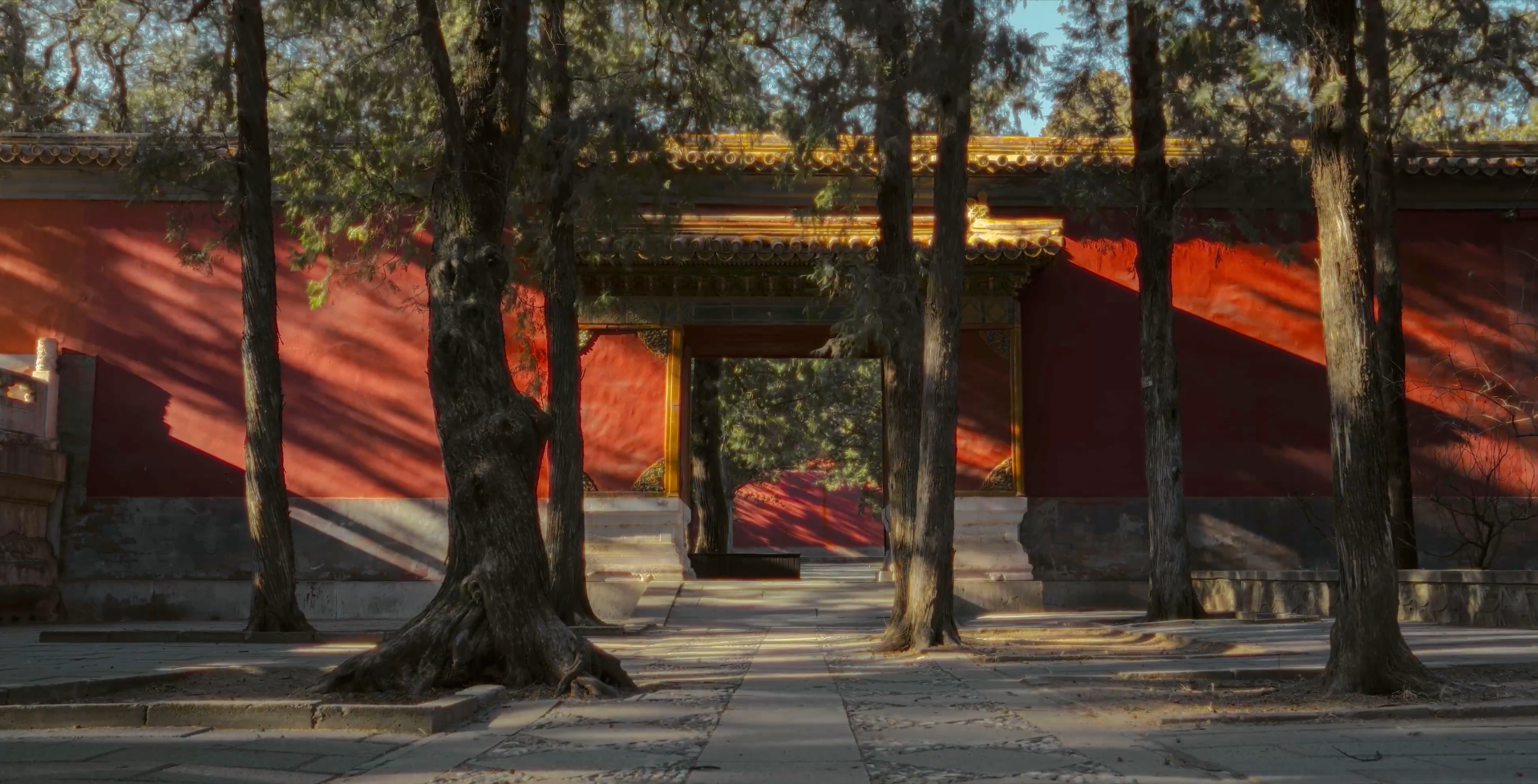
The Ming Tombs area covers an area of 40 square kilometers. It is famous for its magnificent scale, complete cemetery system, solemn and harmonious layout, beautiful and quiet scenery, and elegant and simple style.
In 1957, it was listed as the first batch of key ancient buildings and cultural relic’s protection units in Beijing. In 1961, it was listed as a national key cultural relic protection unit by the State Council of the People’s Republic of China. In 1982, the Ming Tombs and Badaling were listed as one of the national key scenic spots protection areas as a complete scenic spot. On July 3, 2003, the Ming Tombs, as an expansion project of the royal tombs of the Ming and Qing Dynasties, were approved by the 27th United Nations World Heritage Conference and included in the “World Heritage List
The Ming tombs are a collection of mausoleums built by the emperors of the Ming dynasty of China. The first Ming emperor’s tomb is located near his capital Nanjing. However, the majority of the Ming tombs are located in a cluster near Beijing and collectively known as the Thirteen Tombs of the Ming dynasty.
The Ming dynasty, officially the Great Ming, was an imperial dynasty of China, ruling from 1368 to 1644 following the collapse of the Mongol-led Yuan dynasty. The Ming dynasty was the last imperial dynasty of China ruled by the Han people, the majority ethnic group in China…
Enjoy the cool air! I should be the first science popularization master who entered the Ming Tombs at night.
This is the largest and most complete royal cemetery in China, and the resting place of 13 emperors of the Ming Dynasty. When the hustle and bustle of the day fades away, this cemetery has more vicissitudes of history. The purpose of this trip is to find the answer to a question.
Regardless of whether it is the imperial tombs of the Han and Tang Dynasties, the imperial tombs of the Song Dynasty, or the imperial tombs of the Qing Dynasty, they were either severely damaged or completely looted. But why is it that only the Ming Tombs are relatively intact above and below ground? 明圣圣陵Why can survive to this day ?
Walk! Go down to the imperial mausoleum to solve the mystery that has been covered in dust for many years…
The Ming Tombs are located in Changping District, 50km northwest of Beijing, and are the general name of the tombs of 13 emperors of the Ming Dynasty. The mausoleum area covers an area of 80km2, and it is the relatively complete mausoleum building and the tomb group with the most buried emperors in the world today. The construction of the Ming Tombs began in the seventh year of Ming Yongle (1409) and ended in the early Qing Dynasty, which lasted more than 200 years. According to the order of the construction time of the mausoleum, they are: Changling (Tomb of Emperor Yongle), Xianling (Tomb of Emperor Hongxi), Jingling (Tomb of Emperor Xuande), Yuling (Tomb of Emperor Zhengtong (that is, Emperor Tianshun)), Maoling (Tomb of Emperor Tianshun) Chenghua Emperor’s Tomb), Tailing (Hongzhi Emperor’s Tomb), Kangling (Zhengde Emperor’s Tomb), Yongling (Jiajing Emperor’s Tomb), Zhaoling (Longqing Emperor’s Tomb), Dingling (Wanli Emperor’s Tomb), Qingling (Taichang Emperor’s Tomb) Emperor’s Mausoleum), Deling (Tianqi Emperor’s Mausoleum), Siling (Chongzhen Emperor’s Mausoleum). In addition to the 13 emperors buried in the mausoleum area, there are also 23 empresses, 1 imperial concubine and dozens of palace officials who were buried. In addition, there are 7 concubine graves in the mausoleum area (East Well, West Well, Tomb of Concubine Wangui, Mourning Tomb, Tomb of Four Concubines and Two Princes, Tomb of Concubine Xian, Tomb of Concubine Zheng and Tombs of Concubines Erli, Liu, and Zhou) ) and a eunuch’s burial tomb (Wang Chengen’s tomb), as well as various buildings such as palaces and gardens serving the emperor’s mausoleum. City walls were built at 10 natural mountain passes (Dongshan Pass, Zhongshan Pass, Zhazikou, Xishan Pass, Desheng Pass, Yanzi Pass, Zhuishi Pass, Xianzhuang Pass, Huiling Pass, and Laojuntang Pass) around the mausoleum. , Barrier walls and other defensive facilities to protect the safety of the mausoleum area.
The construction of the imperial mausoleum of the Ming Dynasty was divided into several steps: the selection of the mausoleum site, the formulation of regulations, and the preparation of materials for construction. The selection of the mausoleum site is the primary link in the construction of the mausoleum. Generally, firstly, the first and second-rank officials of the DPRK will lead the Fengshui surveyors to follow the theory of Fengshui, “the shape of the mountain from the outside, and the land veins from the inside”. The emperor, if necessary, draws a picture, pastes a description, and finally decides by the emperor.
After Cheng Zu Zhu Di proclaimed himself emperor, he planned to move the capital from Nanjing to Beijing. In the sixth year of Yongle in the Ming Dynasty (1408), Zhu Di ordered Zhao Yan, Minister of Rites, to lead Jiangxi warlock Liao Junqing and others to visit the mausoleum near Beijing. After more than a year, the auspicious soil for thousands of years was finally found in the Huangtu Mountain in Changping. Zhu Di then sealed Huangtu Mountain as Tianshou Mountain, and decreed to encircle the area with a radius of 80 li as the forbidden area of the mausoleum.
The layout of the tombs of the Ming Tombs is not in accordance with the “Zhou Li” method of left and right, but with the respected ones in the main veins and the humble ones in the secondary veins (remaining veins). Changling is the first tomb of the Ming Tombs. It is located in the middle of the main peak of Tianshou Mountain, and other tombs are arranged around it. Among the Ming Tombs, Changling is the largest, followed by Yongling and Dingling, and Siling is the smallest. Mausoleum construction methods can be divided into three types: one is the mausoleum built by the emperor during his lifetime, which is large in scale and richly decorated (such as Changling Tomb, Yongling Mausoleum, and Ding Tomb); The posthumous edict of “building a mausoleum” may be affected by the burial period and national power, and the scale is small and relatively simple (such as Xianling and Jingling); the third is that the emperor will not have time to build the mausoleum during his lifetime, and the next dynasty will build it after the change of dynasty (such as Siling). The Ming Tombs are famous all over the world for their majestic scale, complete cemetery system, solemn and harmonious layout, beautiful and quiet scenery, and elegant and simple style. In 1957, it was listed as the first batch of key ancient buildings and cultural relics protection units in Beijing. In 1961, it was listed as a national key cultural relics protection unit. In 1982, the Ming Tombs and Badaling were listed as one of the national key scenic spots protection areas as a complete scenic spot. On July 3, 2003, the Ming Tombs, as an expansion project of the royal tombs of the Ming and Qing Dynasties, were approved by the 27th United Nations World Heritage Conference and included in the “World Heritage List”.
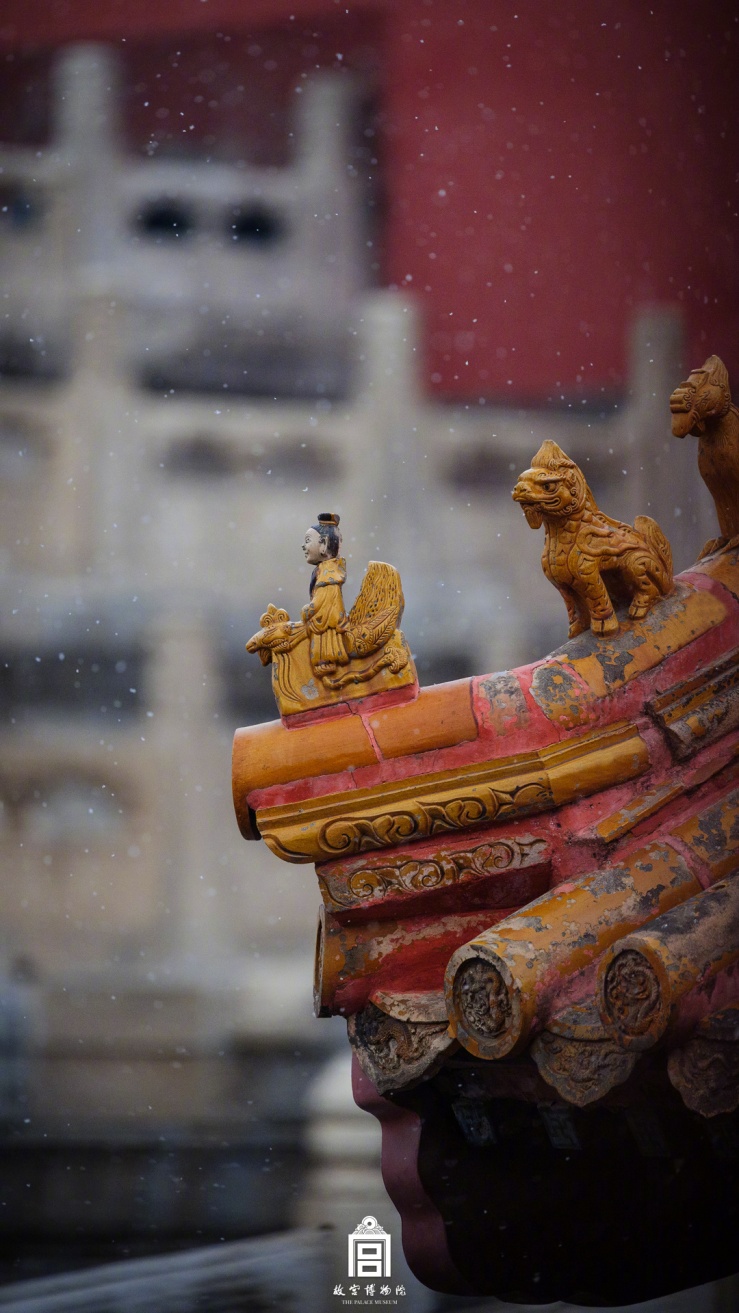
The Forbidden City Palace Museum Beijing, China, People’s Republic of China holds a large-scale on the afternoon of June 1st, the 2023 孩子,圆你宫宫梦 public welfare project jointly initiated by the Forbidden City – Palace Museum and the Beijing Palace Museum Cultural Relics Protection Foundation was officially launched. The project will promote the popularization and dissemination of Chinese excellent traditional culture among young people through book donation, teaching support, summer camps and other activities, so that children can sow seeds and set sail for their dreams. The Palace Museum and the Beijing Palace Museum Cultural Relics Protection Foundation wish all young people a happy holiday. Let us light up our dreams, grow together, and realize our dreams together…
In the afternoon of Children’s Day on June 1, the children came to the Forbidden Academy to learn Chinese ink painting with Mr. Wang Jing, the director of the Calligraphy Editing Office of 宫宫Publishing House , who wrote it by himself The bookmark is given as a gift to children, hoping to encourage children to live up to their youth, and to be the champion in the future. In addition, President Zhang Hongwei sent notebooks around the Forbidden City to the children as a commemoration of this trip to the Forbidden City
Located in an ancient post-modern Three Thousand plus years old ultra Megatroplis city Xian City, Shaanxi Province – China – People’s Republic of China, 半生缘旗袍定制 Half Life Cheongsam – Xi’an Banshengyuan Clothing Co., Ltd. Innovatingly Post Modern Qipao- Cheongsam located in Southeast corner of Futao Museum, No. 99 Furong West Road, Yanta District, Xi’an located the east entrance opposite Qujiang Book City – Banshengyuan Qipao Living Museum is located in Xi’an. It is a local wedding dress brand. Since its establishment, the brand has been committed to becoming a well-known brand in Xi’an. …. in which innovatively bringing a New Chinese style cheongsam-Qipao high-end brand-Embroiderer…….it is committed to the high-end private specialization of Chinese Shanghai style cheongsam… in which each dress is customised towards the wear’s in which tailoring takes least in between 20-60 days depending on the extremely level of detailing of brocade in which using the most finest heavy silks are hand sewn and crafted …..
Collection 22nd April 2023 – 25th May 2023
“Qilixiang” summer ramie cheongsam Banshengyuan®️ designer original product
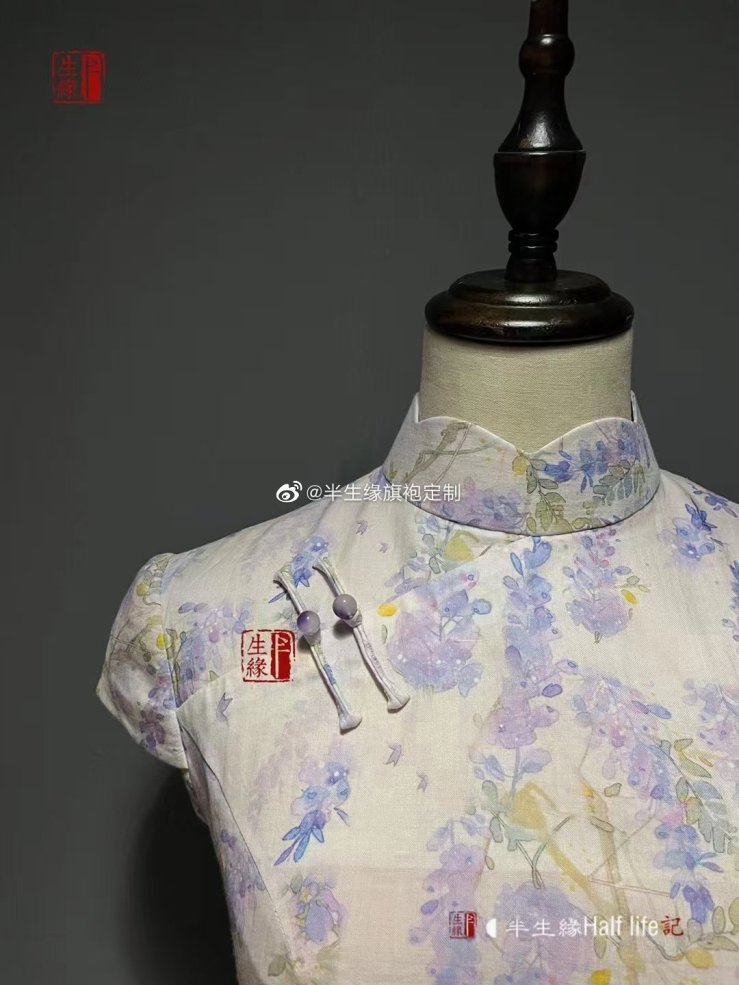
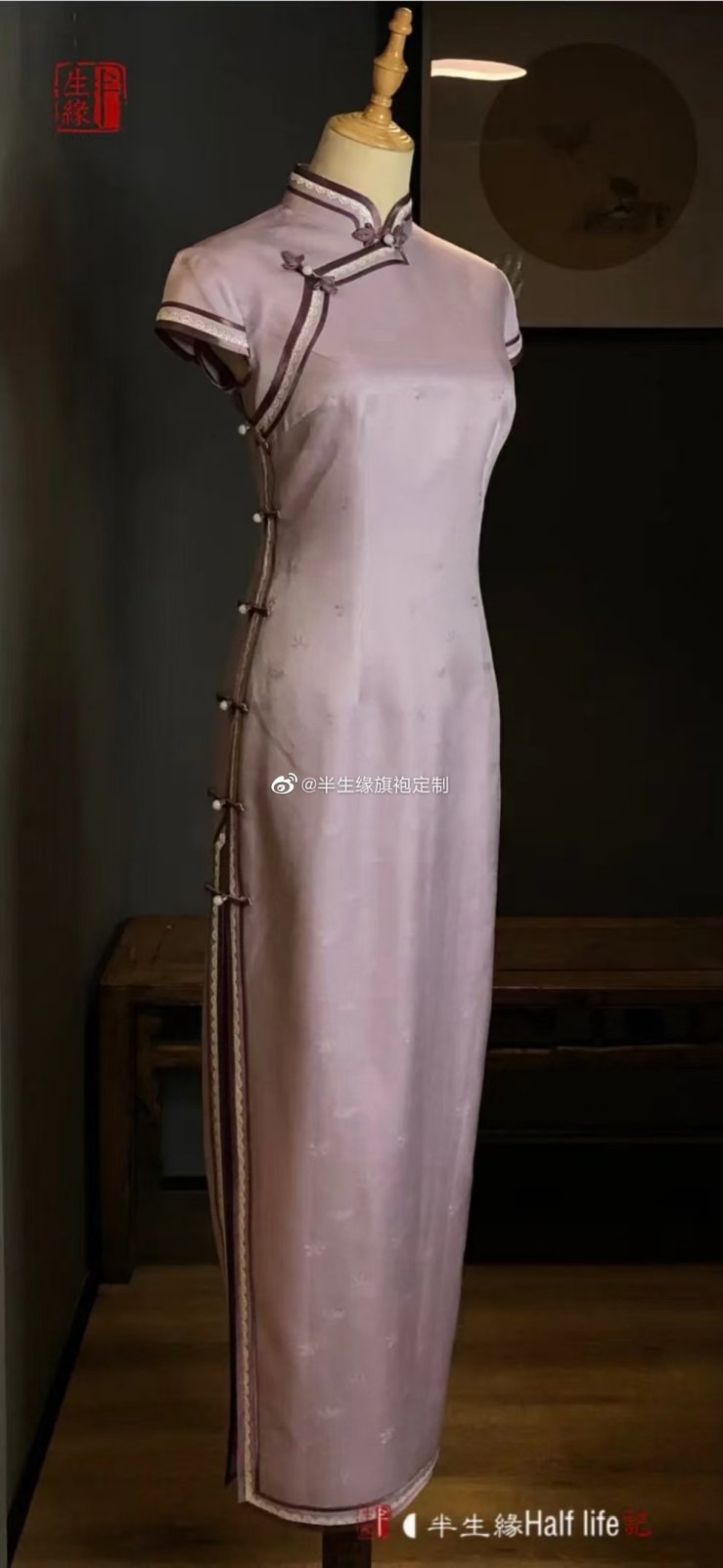
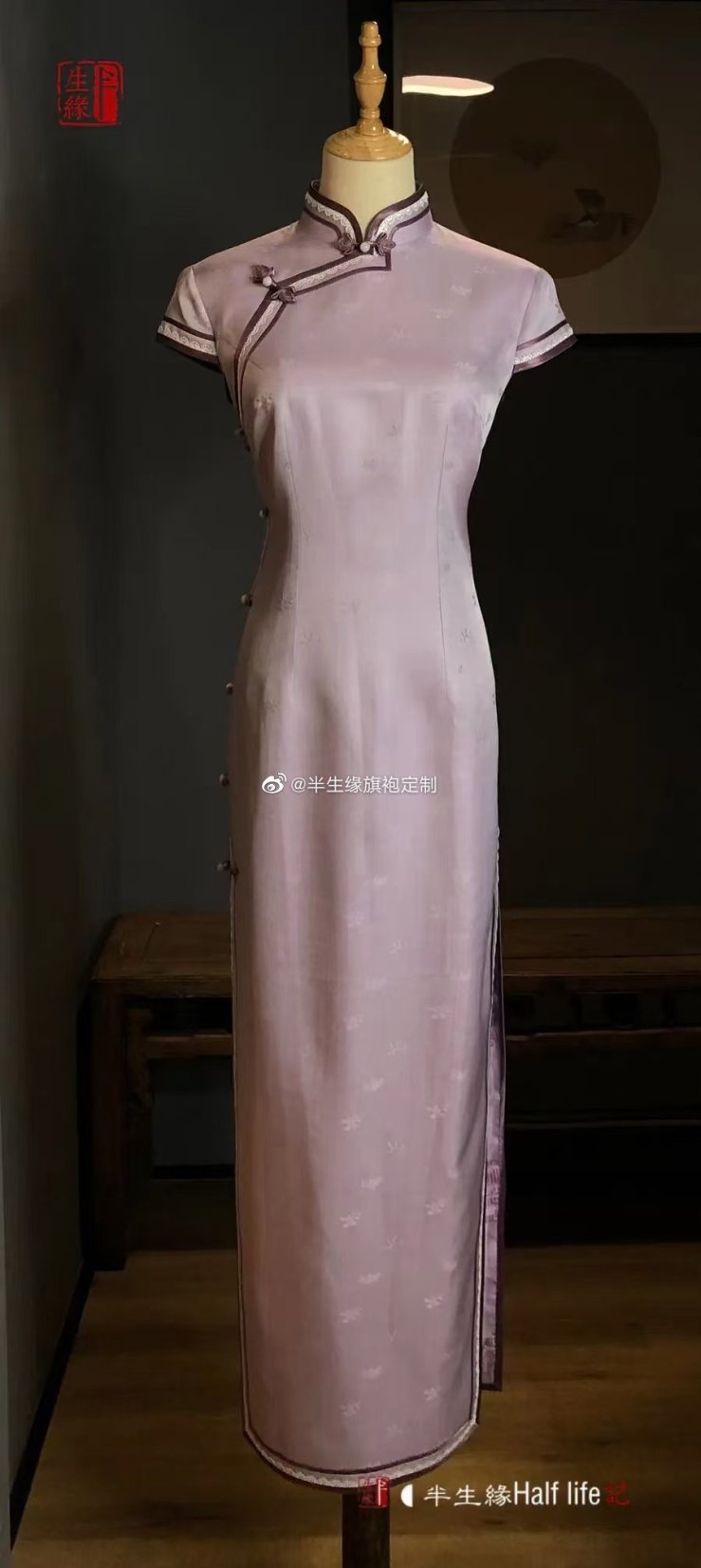
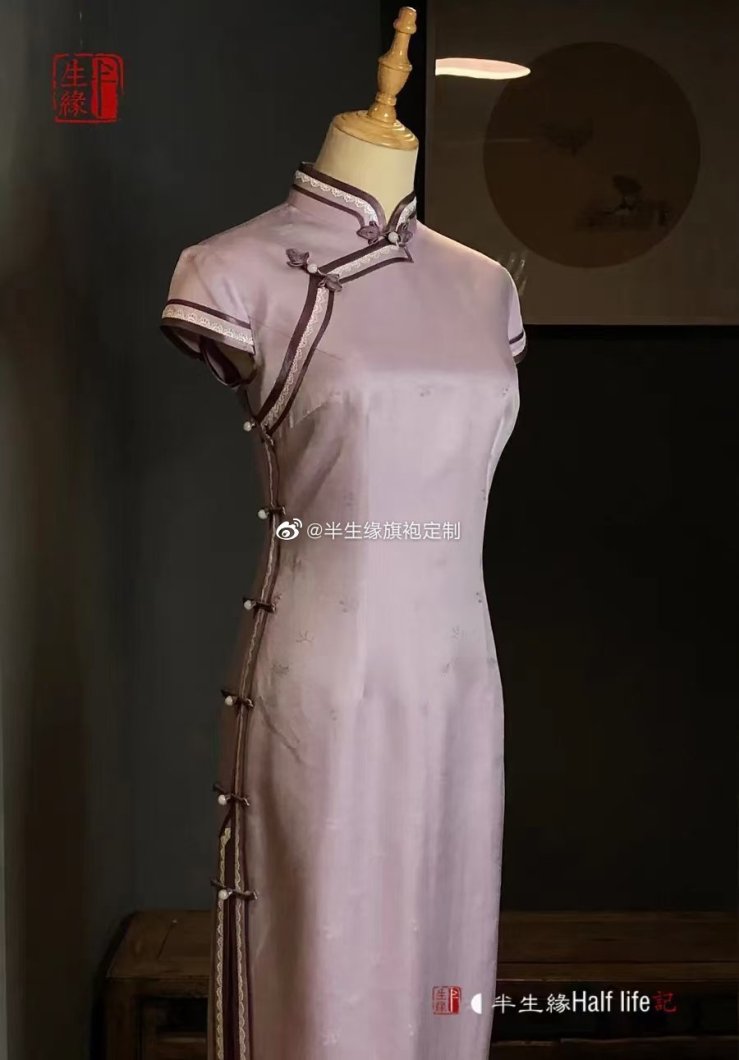
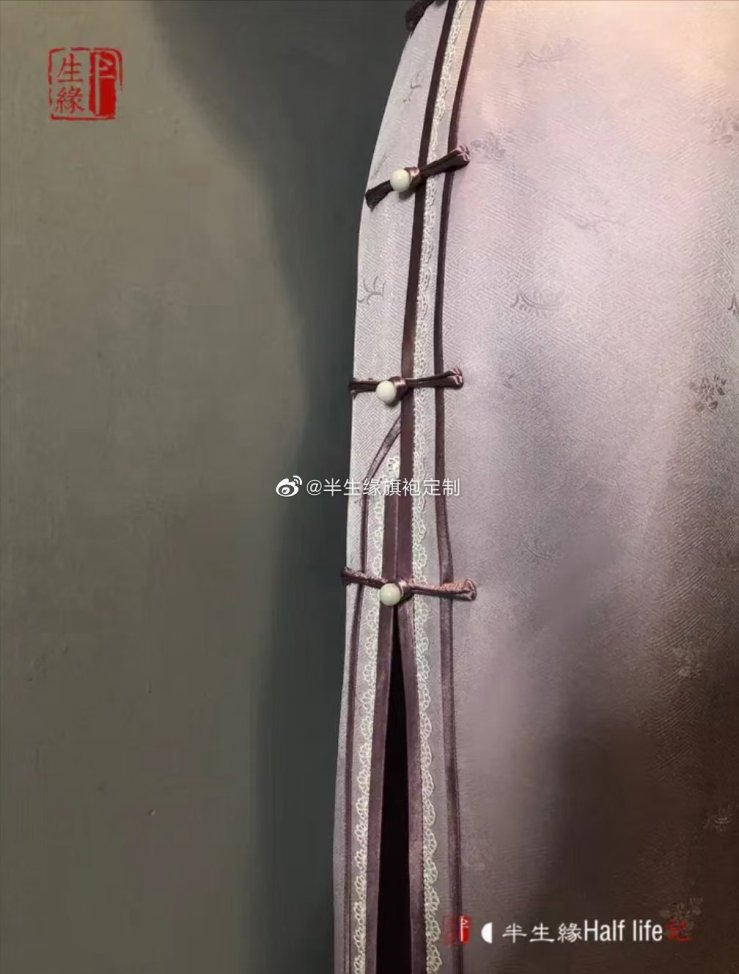
“Ziyunyan” the purple Luo softly weaves exquisite flowers quietly in the depths of time. The same color is hand-piped and the hand-made buttons are sweet and depend on each other like a poem like a song
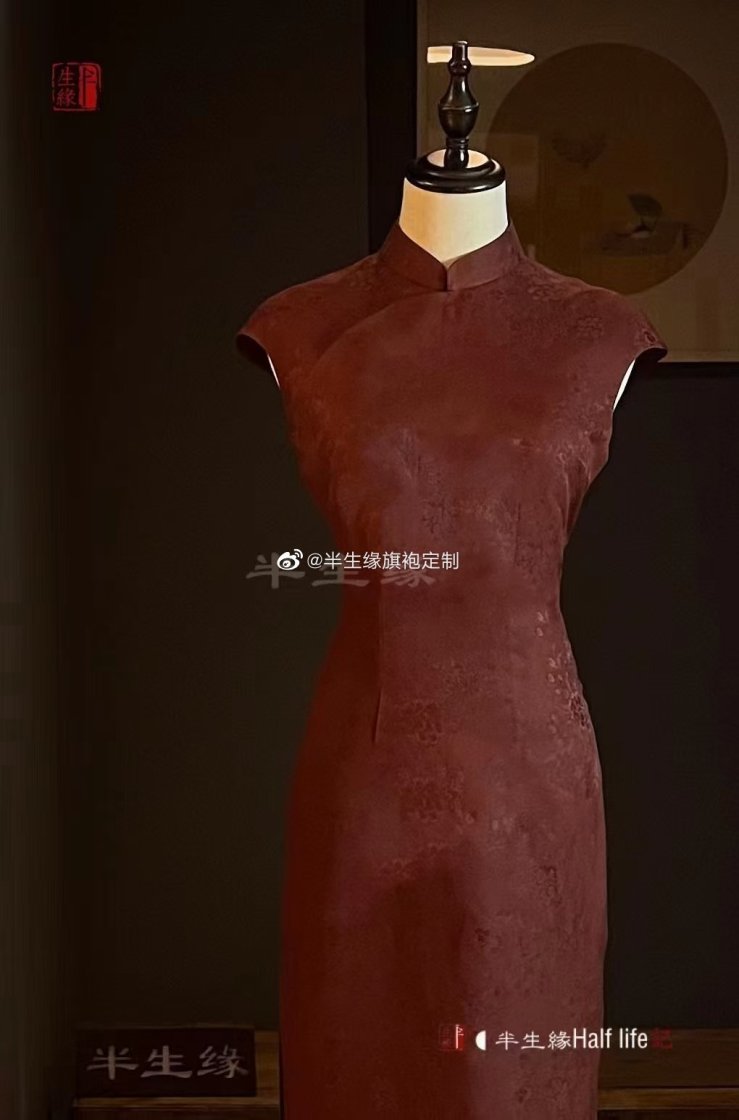
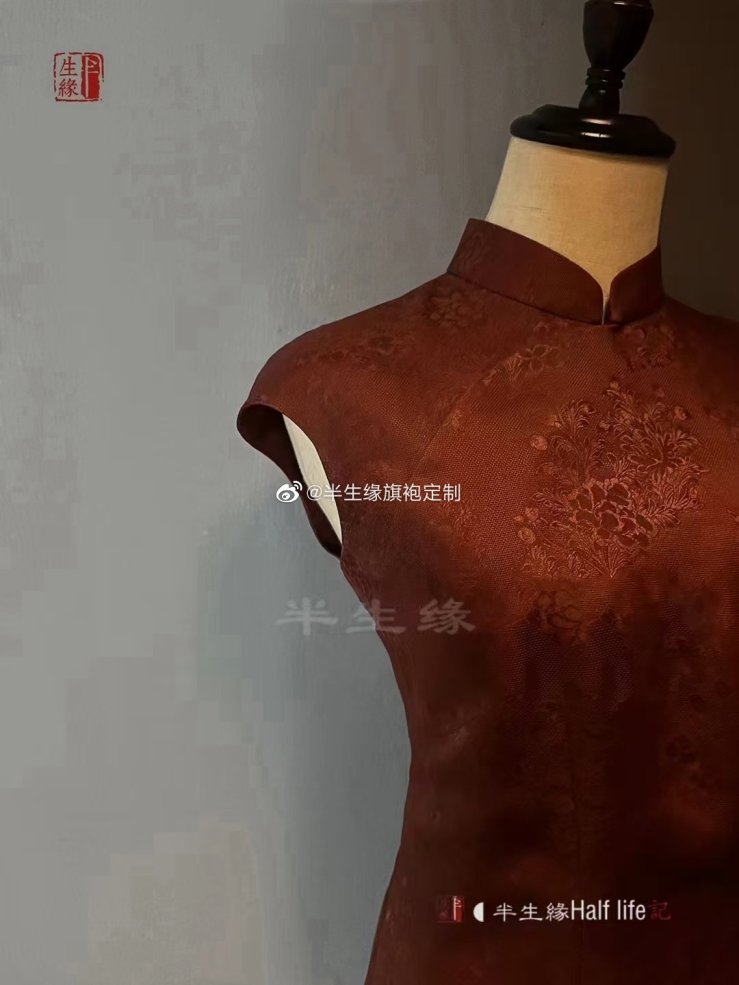
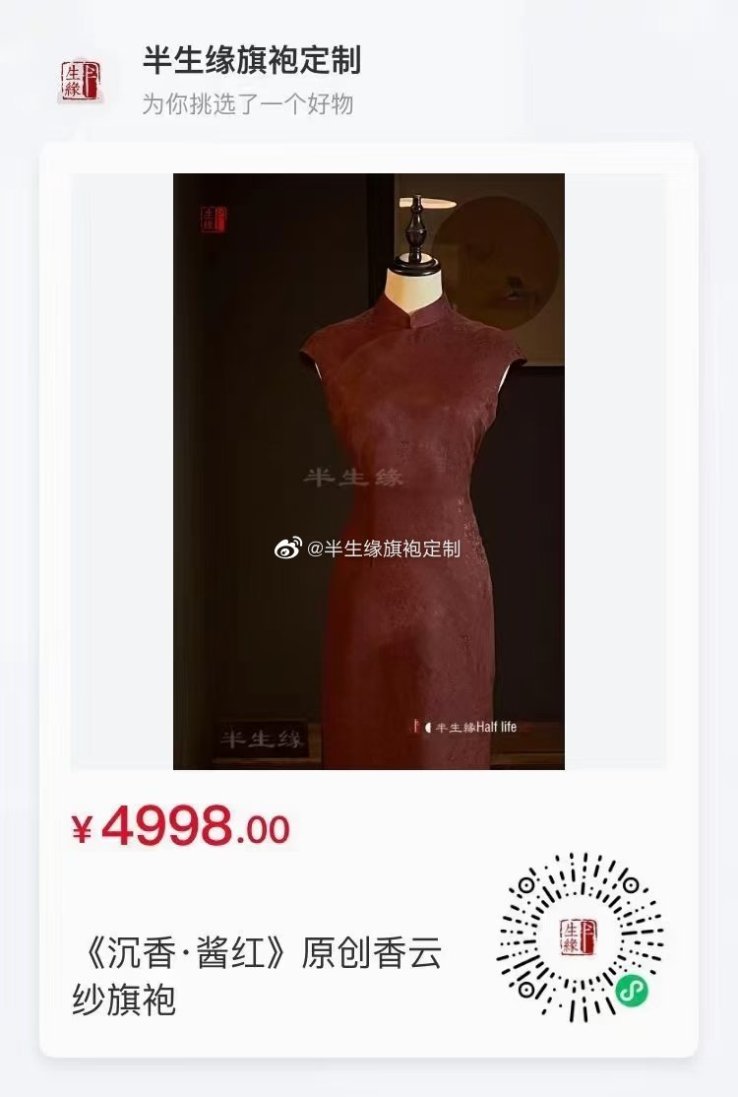
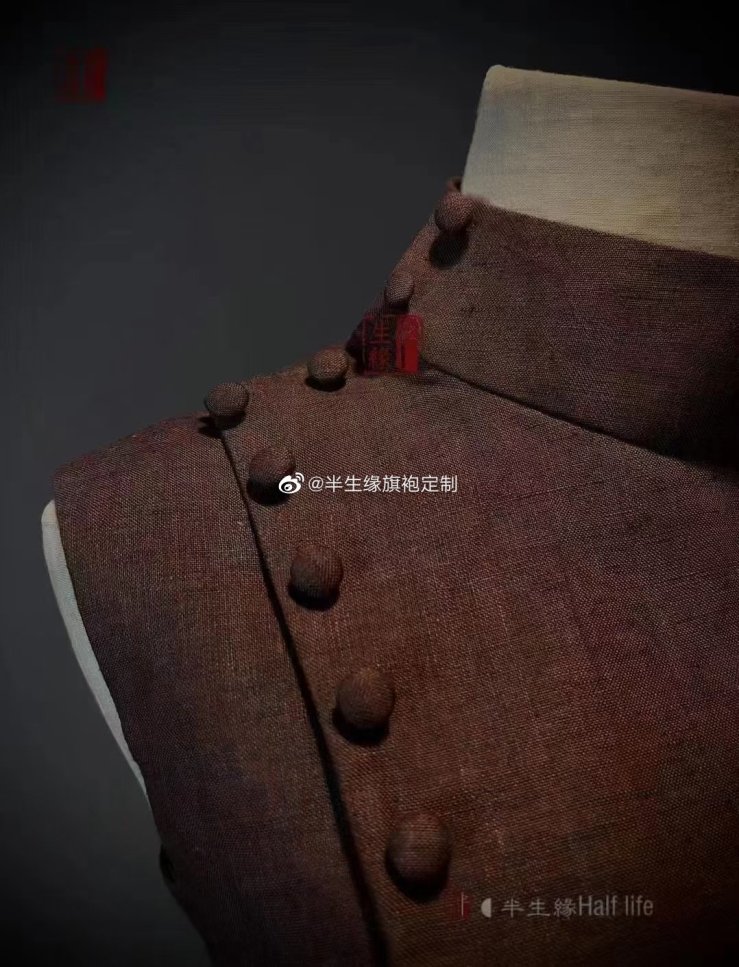
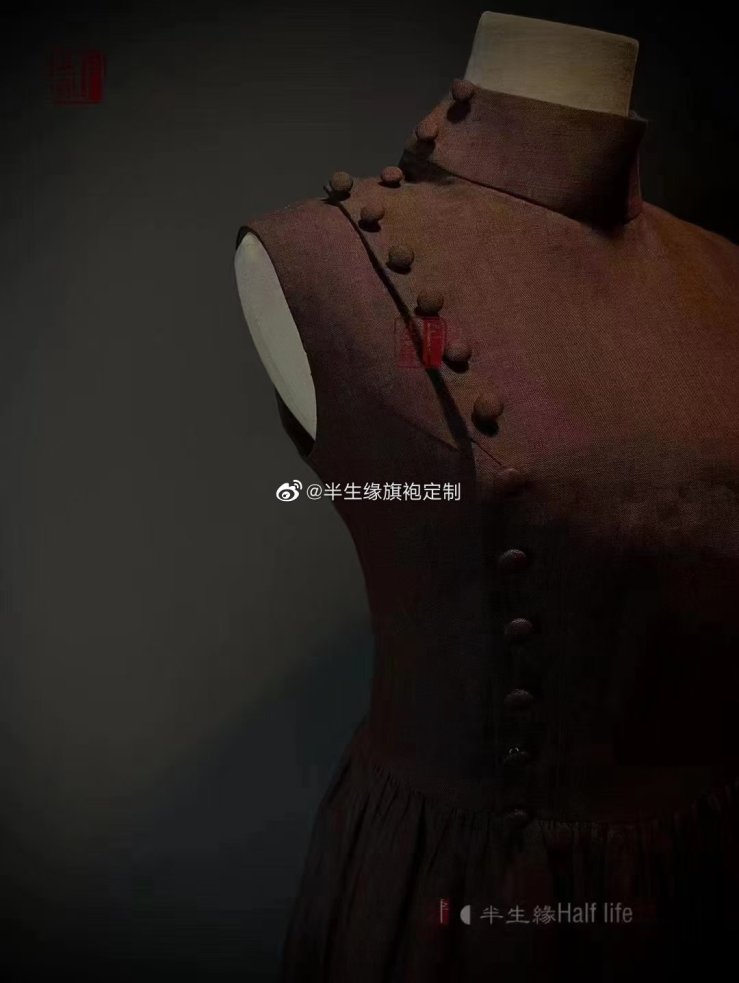
“Agarwood Sauce Red” Banshengyuan®️ original designer produced agarwood from time to time, retro sauce red with a taste of time, a corner of flowers is the oriental beauty precipitated by time Elegant and noble, warm and quiet
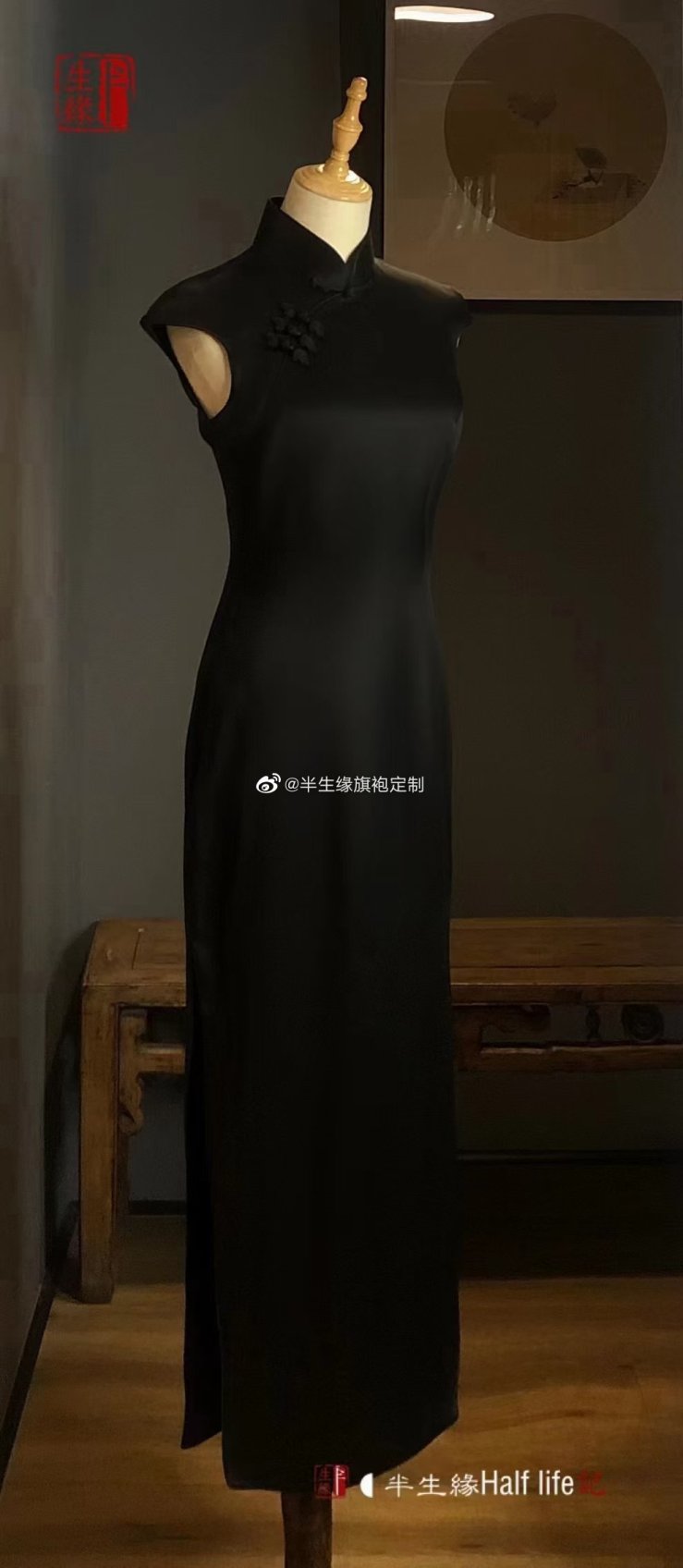
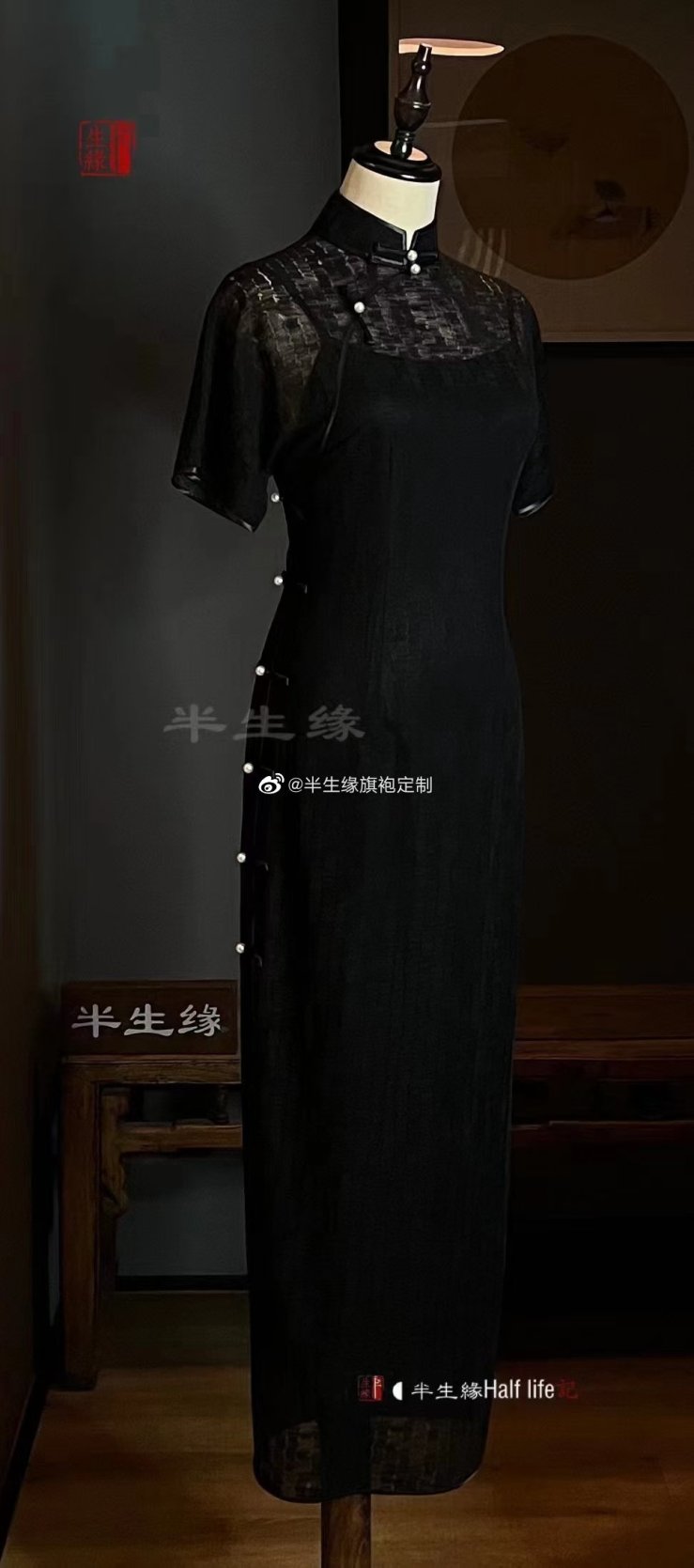
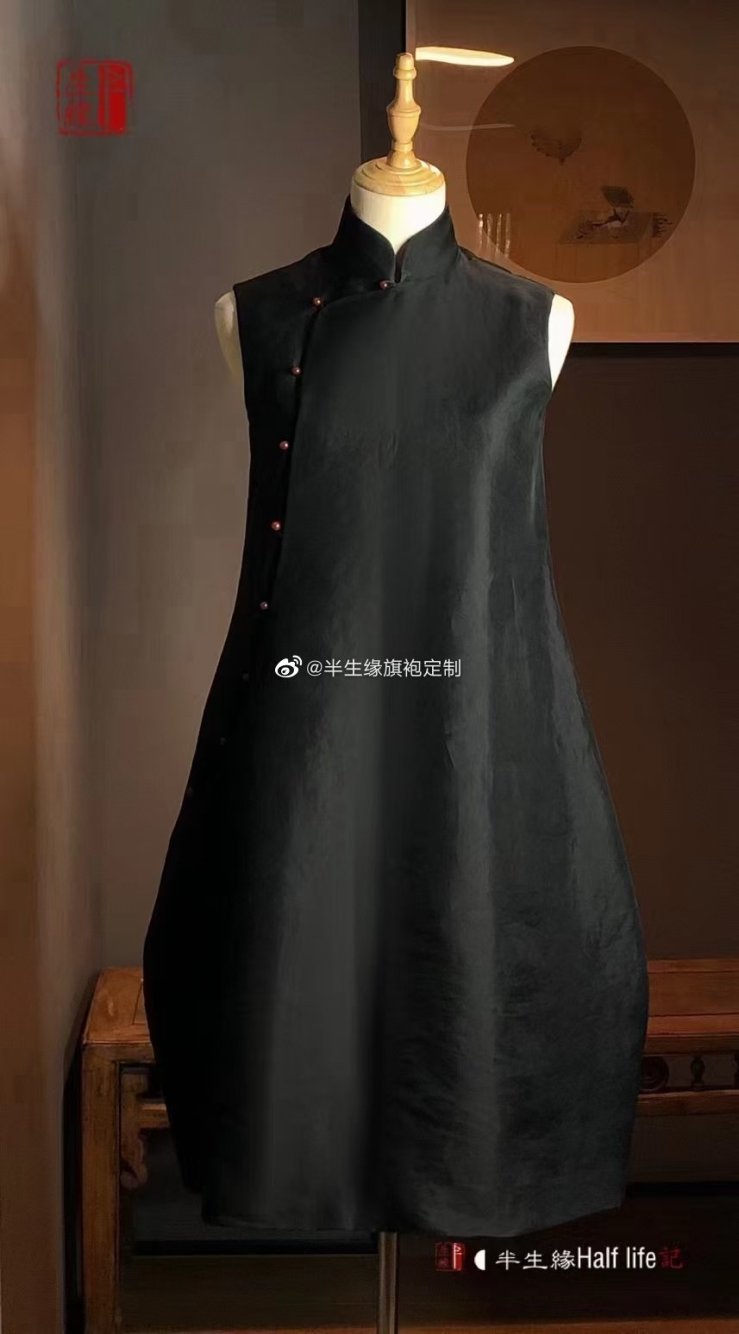
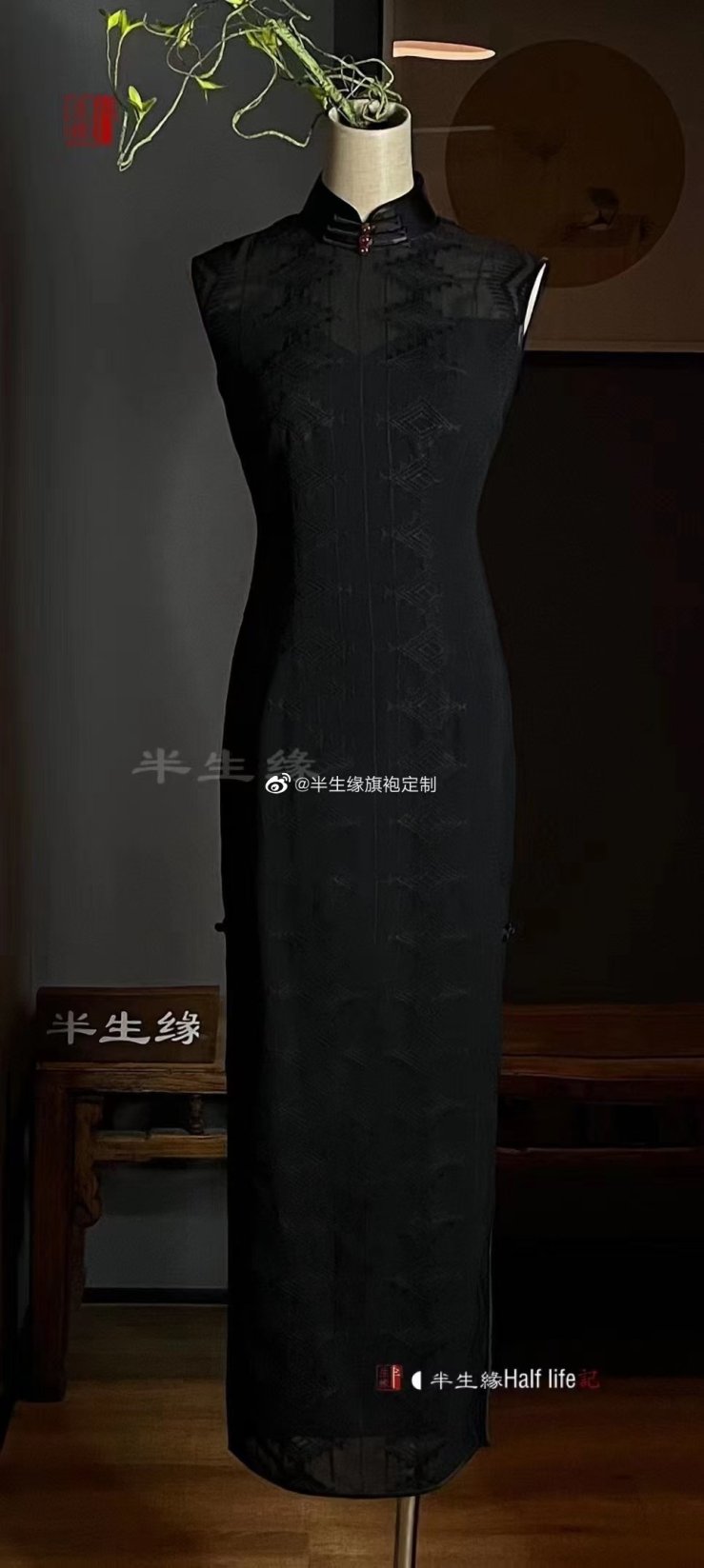
Banshengyuan®️ Chinese-style little black dress A little black dress is always effortless and high-end . Under black, it is calm and free and easy, and the aura is low-key and self-disciplined. Here, find your Chinese-style little black dress.
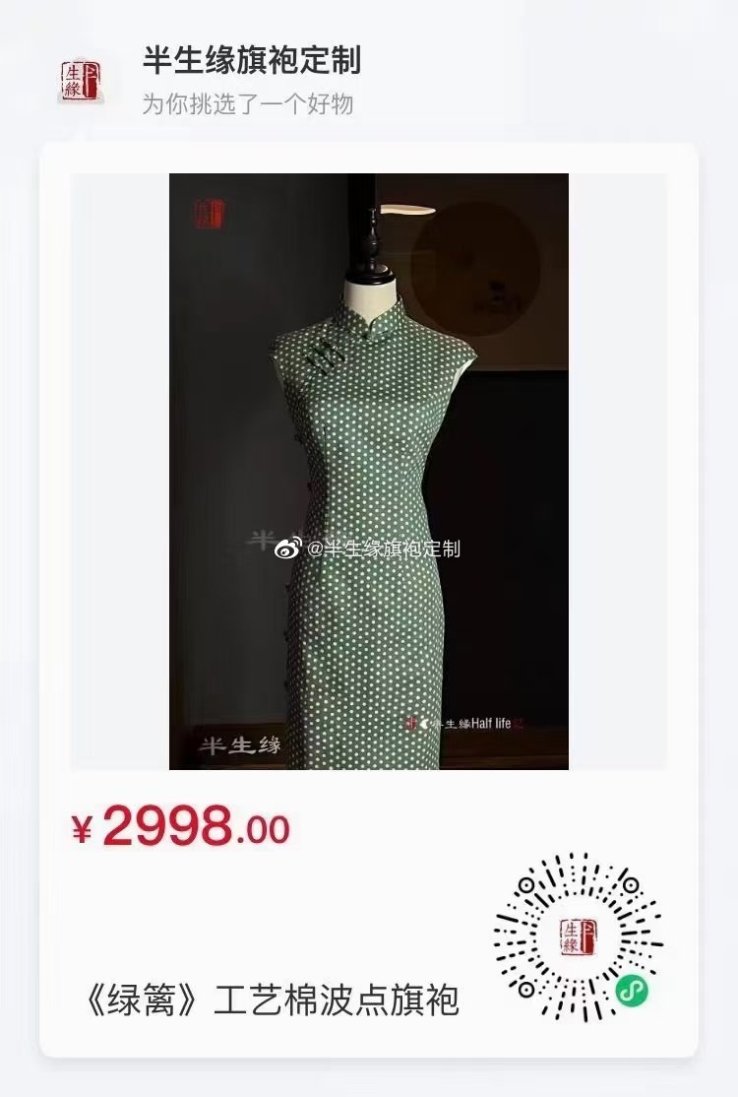
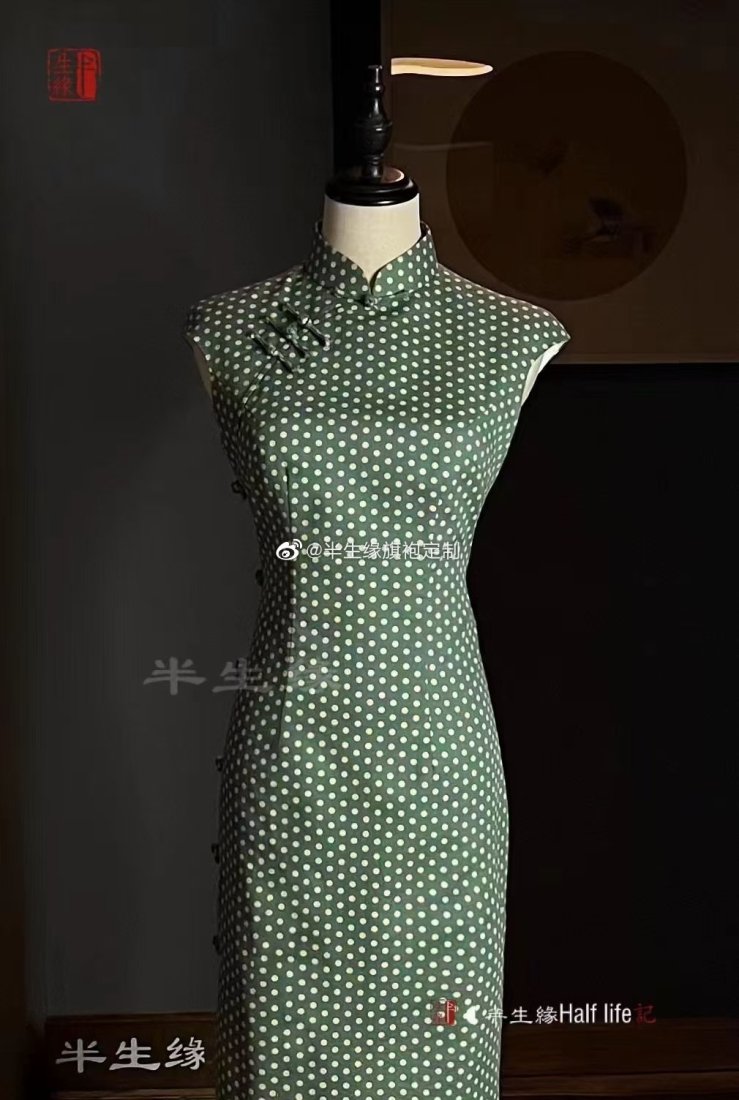
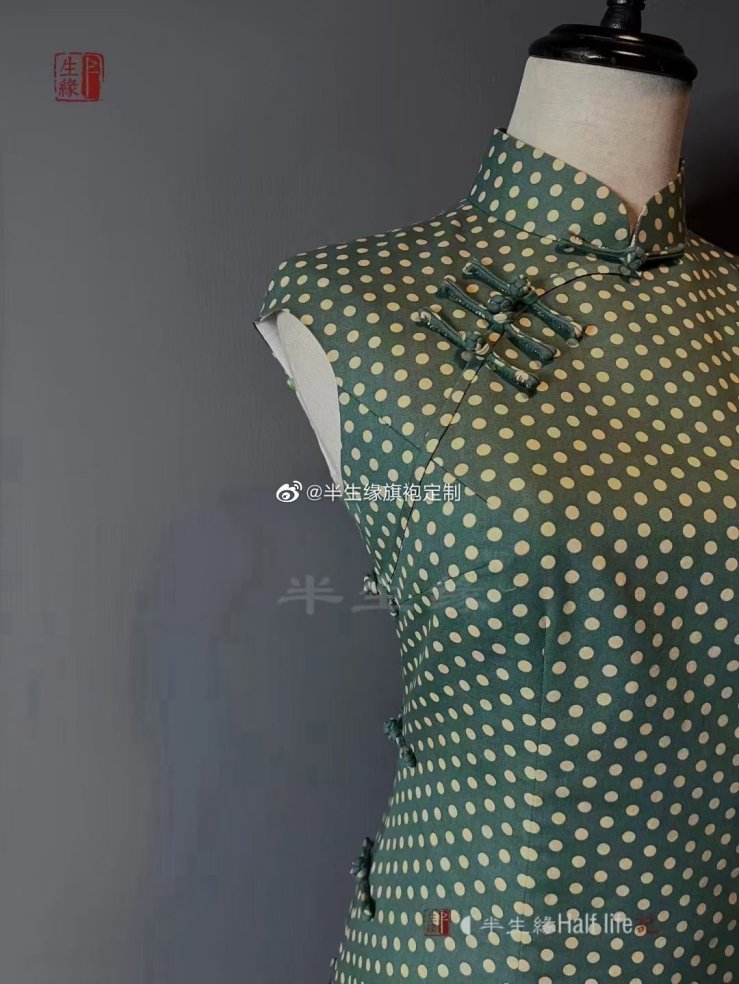
“Green Fence” is only this green is the forest full of morning light.
Originally produced by the designer of Half Life®️
“Green Fence” is only this green is the forest full of morning light.
Originally produced by the designer of Half Life®️
“Green Fence” is only this green is the forest full of morning light.
Originally produced by the designer of Half Life®️
“Knowing Summer” Yarn-dyed linen Chinese dress The day I saw you walking in the mountains and forests, the linen dress rang through my heart when the wind blew . Since then, I have loved nature and been loyal to “linen” cloth clothes.
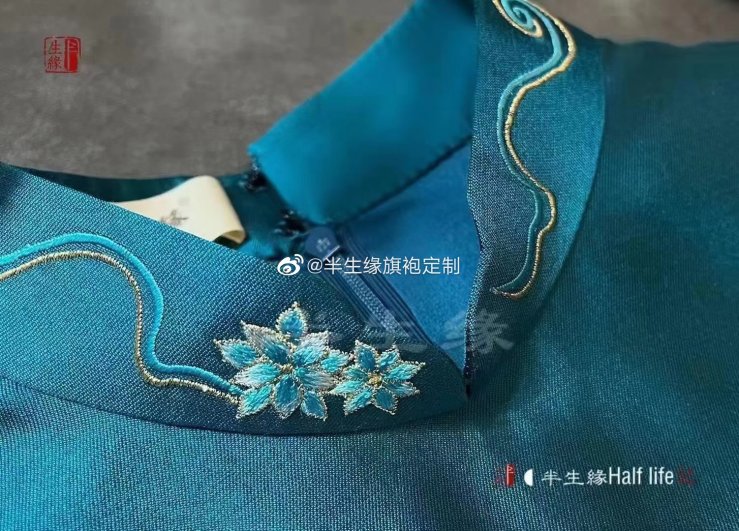
“Lan Xi” The mountains are covered with haze, the haze has the wind, the wind is light, the waves are scattered, and the river is full of stars. The blue is blue. You are beautiful and a person is as startled as a bird.
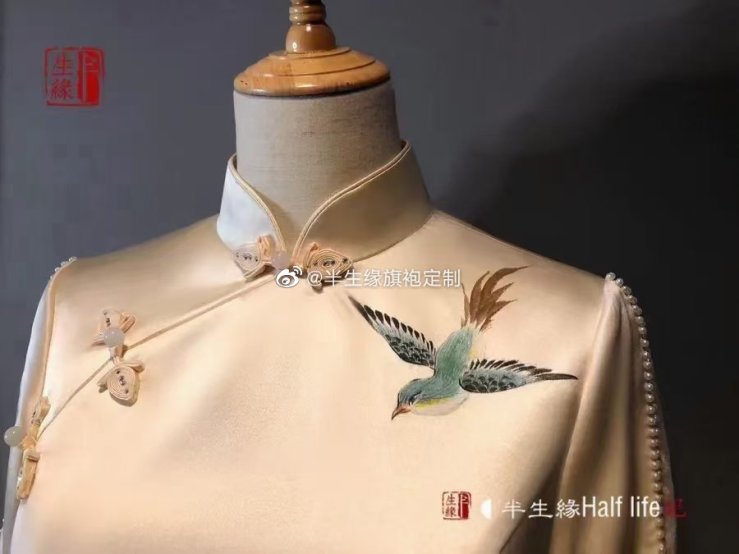
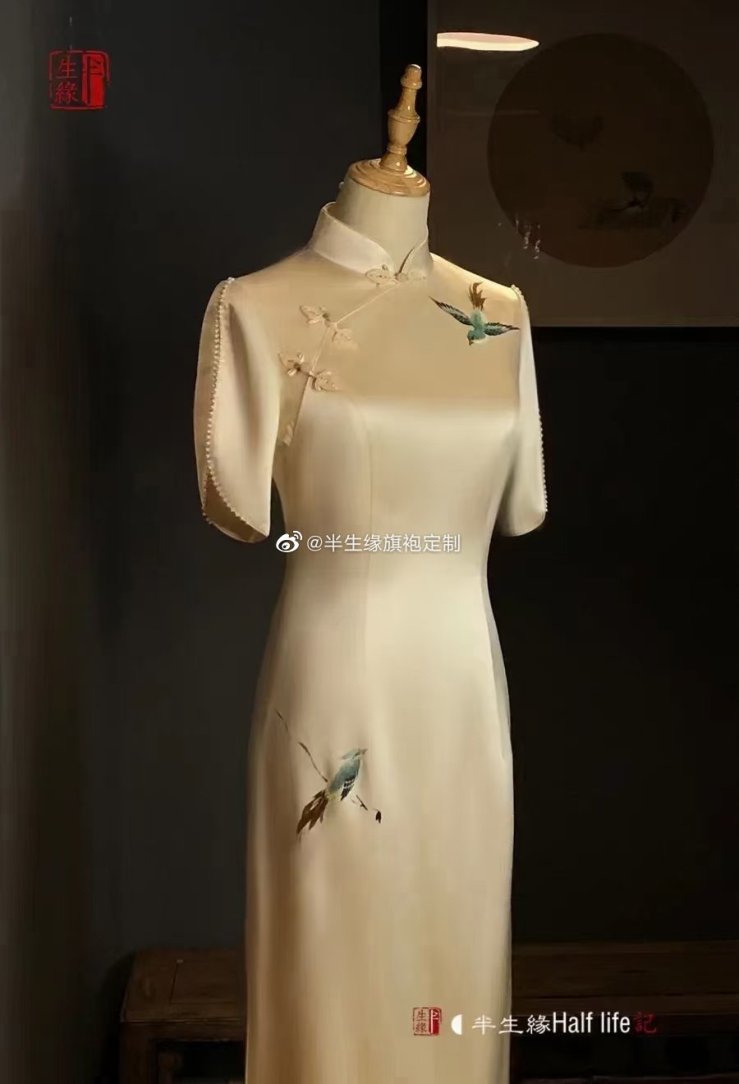
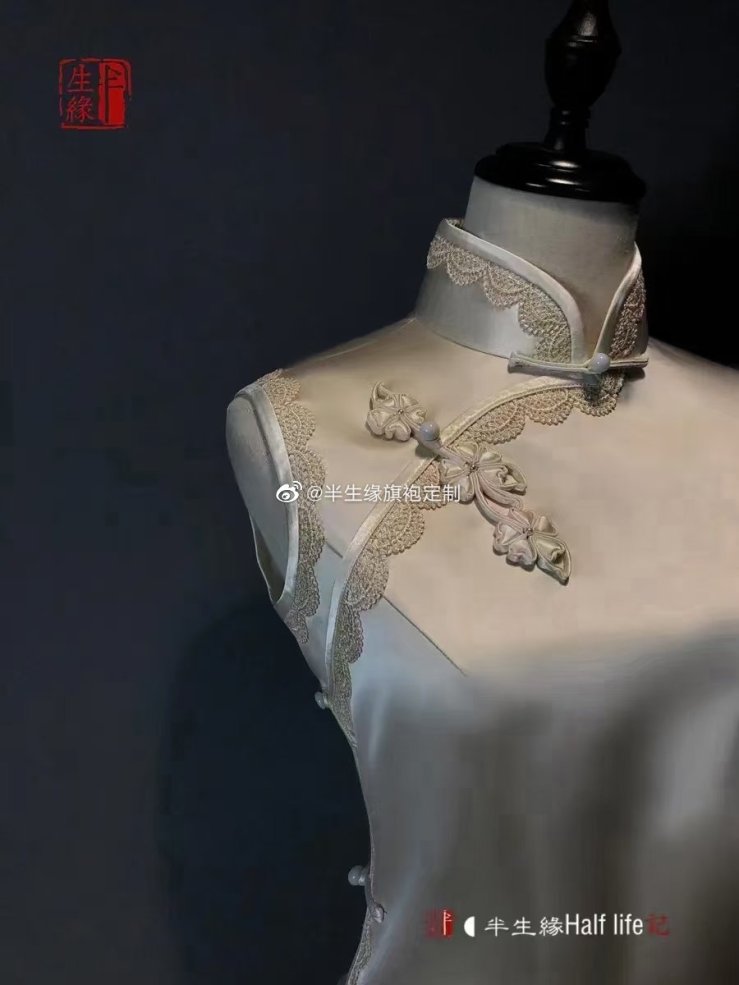
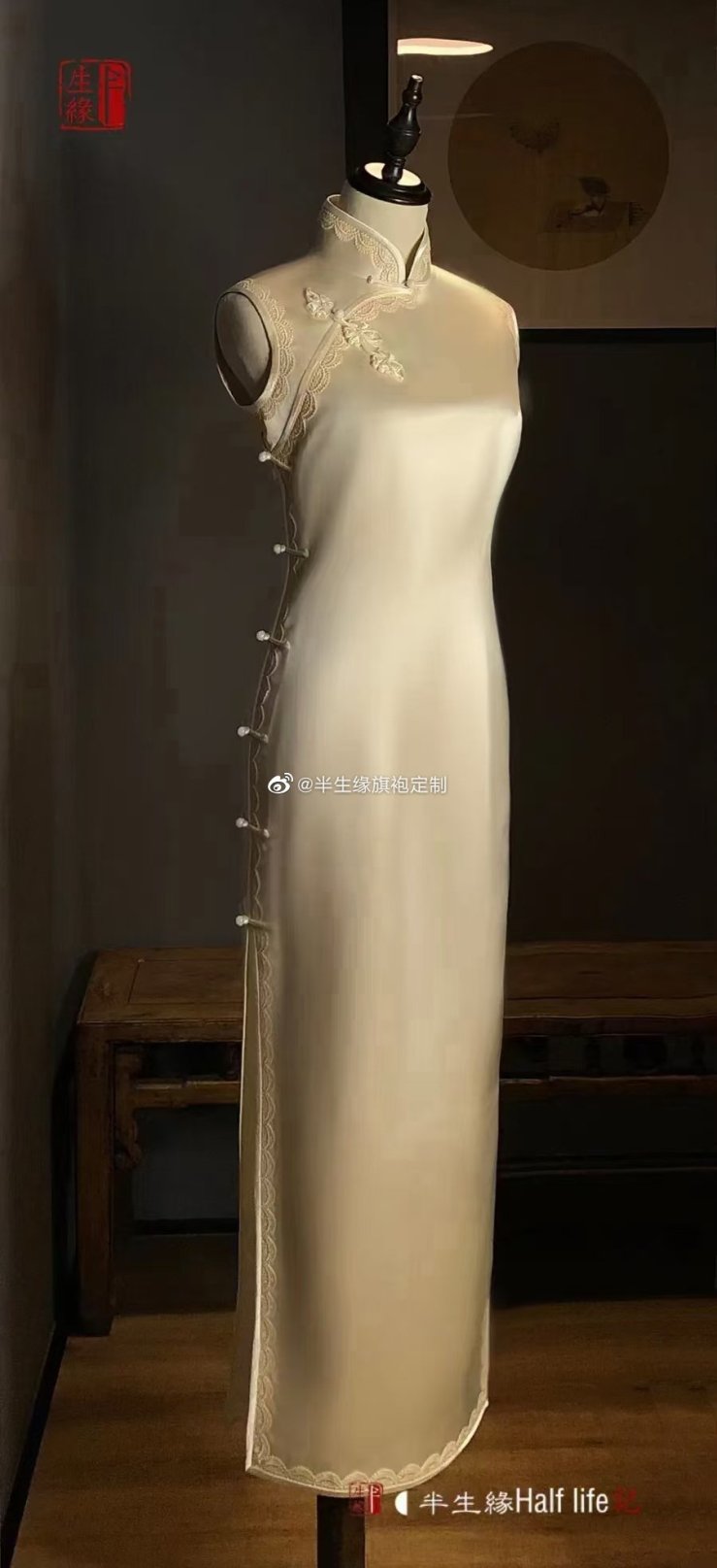
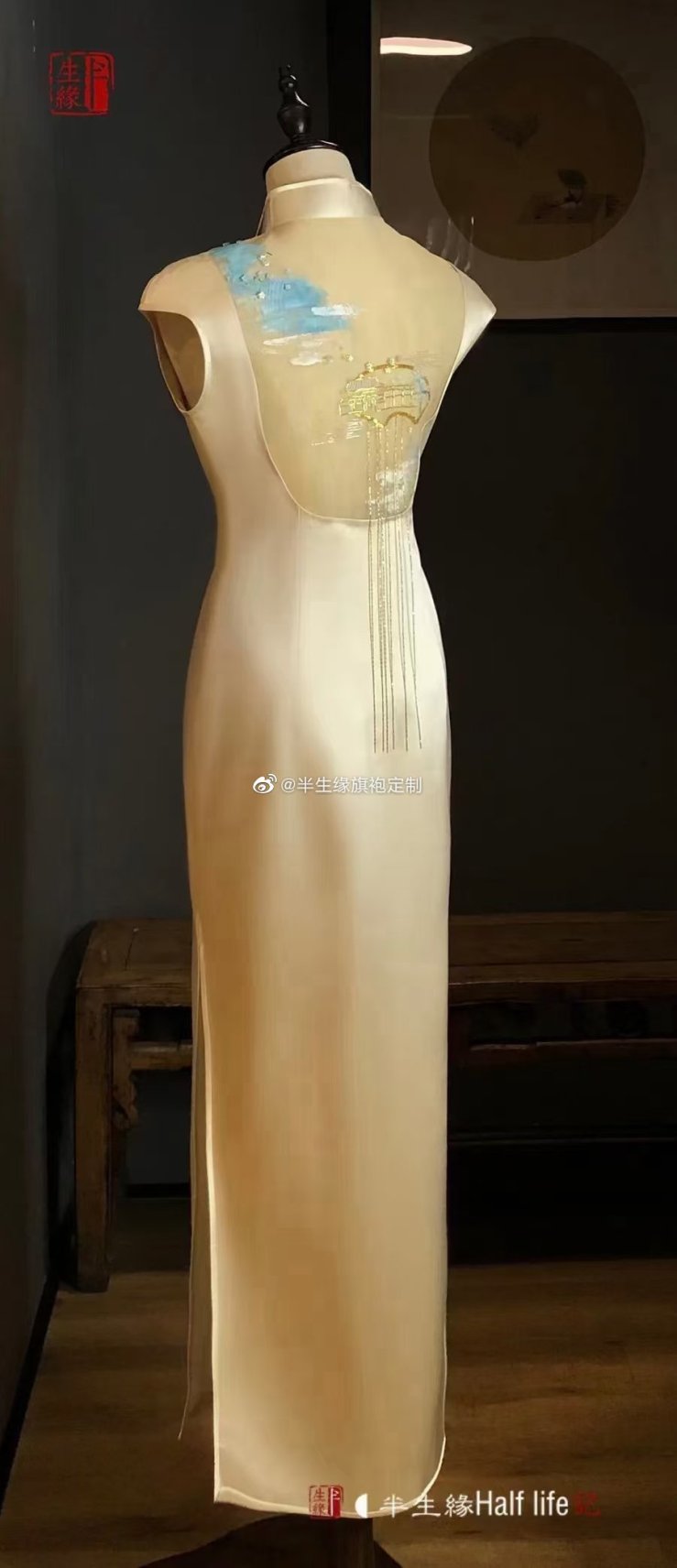
Gentle light champagne color Chinese style dress The essence of color is noble and romantic Three-dimensional tailoring Slim fit and whitening
Half Life ®️ original designer
“Zimo” summer cool lace half life fate ®️ designer custom fabric limited production
Suxi time, the beauty precipitated by slow cooking over the years is more refined, retro blue, low-key and elegant . Flowers are blooming on the waist step by step, and flowers bloom all the way. I hope that the time will be clear and the years can be expected….
“Soft Words” Banshengyuan®️ designer’s original fashion is perishable, and the style will last forever…..
QIPAO 旗袍 Cheongsam …. In which from historically Shenyang is the birth place of the Qing Dynasty 1636-1912plus …. In which Qipao is termed for Qing Dynasty Clothing that the Manchu ethnic adoptively wore…… in which the Shenyang Palace Museum was an imperial palace towards two Qing Dynasty emperors. Previously two years ago During the event it which was an eight day forums, with exhibitions also related workshops illustrating the birth place of the Old Capital of Cheongsam where the Qing Dynasty- Qipao was inspired from..
Before that Shanghai 1930’s Qipao-Cheongsam revolution, the Manchurian Cheongsam was the fashion of choice of the Qing Dynasty (1636-1912) throughout as it standardised that style during the dynasty… Replacing the previous clothing standard Han Fu – Han Dynasty clothing style, in which also is form fitting towards the women’s silhouette but with a higher degree of freedom of flare of personal, individual style…
Qipao-Cheongsam is uniquely hand crafted tailored Chinese dress to the customer’s various measurements… in which you can still have them brought of the rack in which is accustomed to the standard measurements… in which you can tell which is western influenced with the back zipped in which the Eastern traditional Chinese Tailors would have the side zipped of the Qipao dress due it interrupts the flow of the pattern work at the back of the dress.. Also it creates a continuous seamless back look… after as the measurements are translated drafted onto the silk or the customer desired accustomed fabric of choice, from the measurements book with the associated look of the design elements with additional accessories the sexiness of Qipao lies subtlety.. Measuring, patterning, cutting, and button making are crucial, in where passion and art comes together in tailoring
In which traditionally Qipao- Cheongsam dresses are worn for from straight forwardly every day towards after work evening wear in without having to change to another set of wardrobe dressing only to accessories for the required occasion… … in which the Qipao dress pattern silhouette is design for the lady’s figure in which accentuating the silhouette without giving away too much of what’s underneath in retaining…. its timeless classic silhouettes in which are designed to be worn every day, from work, evening, casually towards to the weekend… with sleek simple, elegant, sexy intelligent sophistication in which are easy to be accessorised with any pieces of clothing in your current or upcoming wardrobe…