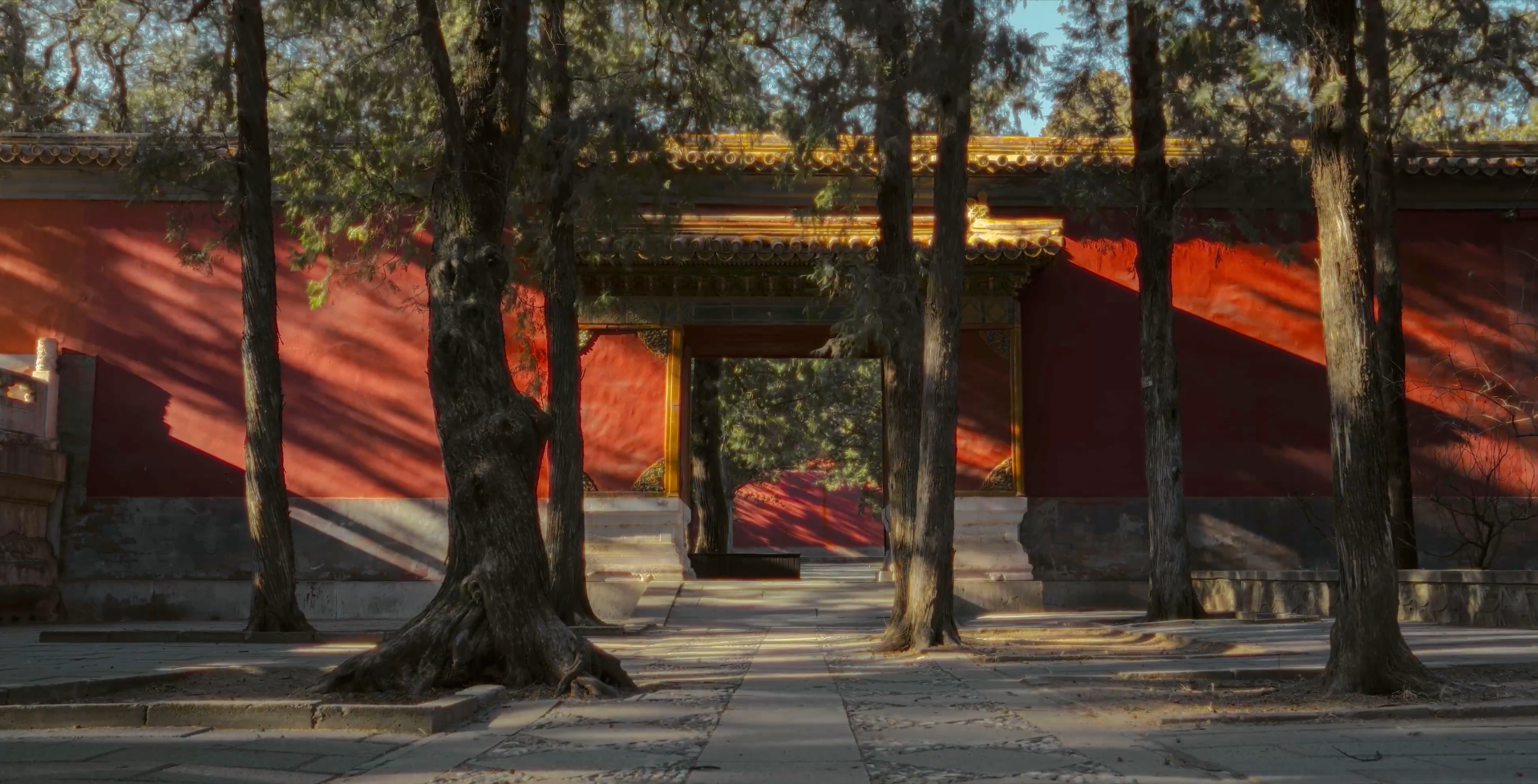
#北京。 #中國 #China #Beijing | #紫禁城 #ForbiddenCity #June2023 | #ForbiddenCityDairies #星球研究所 # Planet Research Institute #MingDynastyTombs Travelling into #MingDynasty walking down living history mystery solving…

The Ming Tombs are located at the foot of Tianshou Mountain in Changping District , Beijing China, People’s Republic of China , about 50 kilometers away from Tiananmen. The Ming Tombs are located in a small basin surrounded by mountains on three sides in the east, west and north. The area around the tomb is surrounded by mountains, the central part is a plain, and there is a meandering river in front of the tomb. From the beginning of Changling in May of the seventh year of Yongle (1409) to the burial of Chongzhen, the last emperor of the Ming Dynasty, in Siling.

The Ming Tombs have a total of 13 imperial tombs, including the Changling Mausoleum of Chengzu Zhu Di, Xianling Mausoleum of Renzong Zhu Gaochi, Jingling Mausoleum of Xuanzong Zhu Zhanji, Yuling Mausoleum of Yingzong Zhu Qizhen, Xianzong Zhu Jianshenmao Mausoleum, Xiaozong Zhu Youtang’s Tai Mausoleum. The Kangling Mausoleum of Wuzong Zhu Houzhao, the Yongling Mausoleum of Sejong Zhu Houcong, the Zhao Mausoleum of Mu Zong Zhu Zaihou, and the Ding Mausoleum of Shenzong Zhu Yijun. The Qingling Mausoleum of Guangzong Zhu Changluo, and the Deling Mausoleum of Xizong Zhu Youxiao. The Siling Mausoleum of Chongzhen Emperor Zhu Youjian. In addition, there are 8 accompanying tombs, including 7 concubine (prince) tombs and 1 eunuch tomb. Its architectural form embodies the feudal rules and regulations of the Ming Dynasty. Both the emperor’s mausoleum and the rear mausoleum are covered with yellow glazed tiles. 

The Ming Tombs area covers an area of ​​40 square kilometers. It is famous for its magnificent scale, complete cemetery system, solemn and harmonious layout, beautiful and quiet scenery, and elegant and simple style.

In 1957, it was listed as the first batch of key ancient buildings and cultural relic’s protection units in Beijing. In 1961, it was listed as a national key cultural relic protection unit by the State Council of the People’s Republic of China. In 1982, the Ming Tombs and Badaling were listed as one of the national key scenic spots protection areas as a complete scenic spot. On July 3, 2003, the Ming Tombs, as an expansion project of the royal tombs of the Ming and Qing Dynasties, were approved by the 27th United Nations World Heritage Conference and included in the “World Heritage List
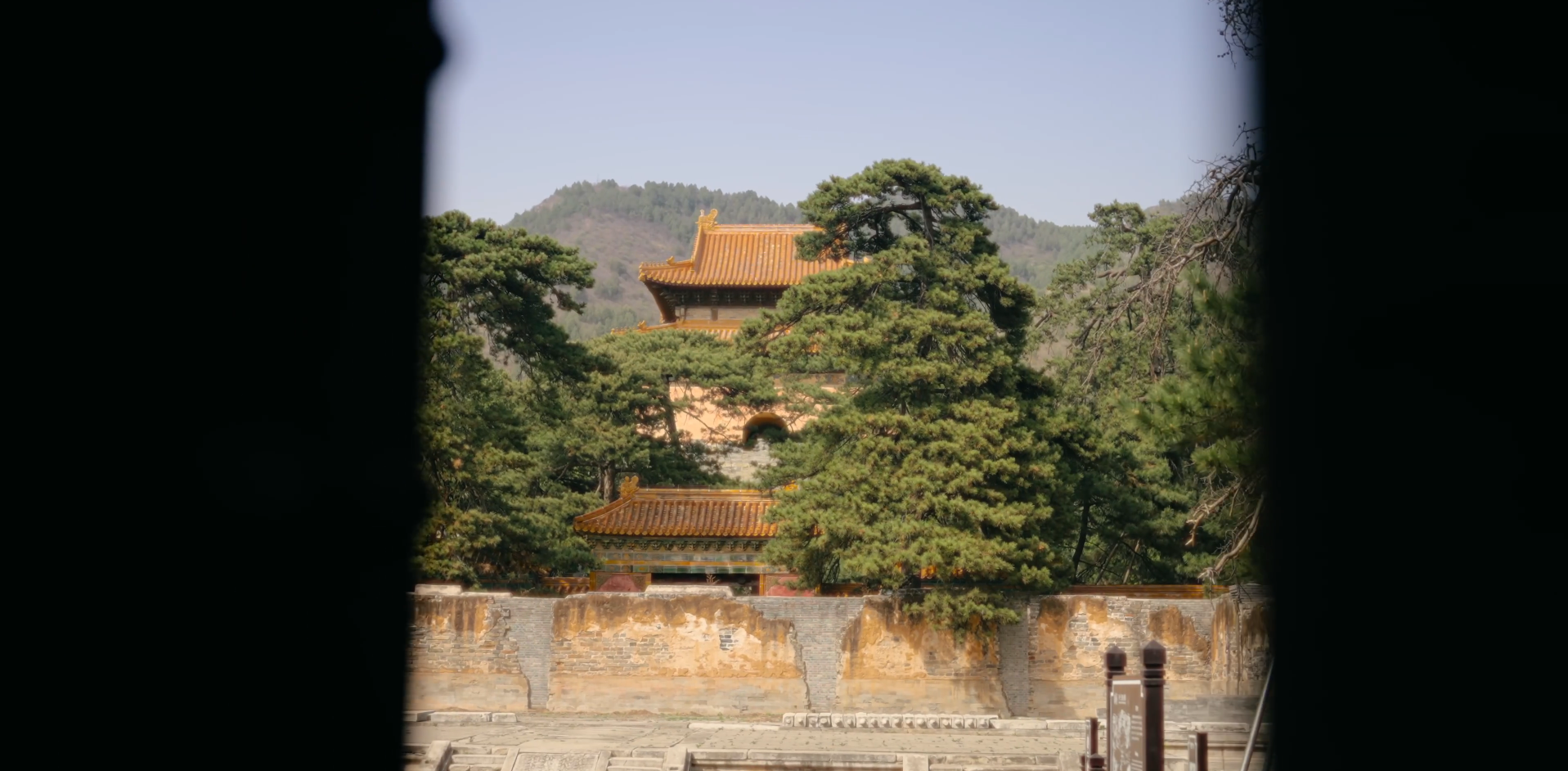
The Ming tombs are a collection of mausoleums built by the emperors of the Ming dynasty of China. The first Ming emperor’s tomb is located near his capital Nanjing. However, the majority of the Ming tombs are located in a cluster near Beijing and collectively known as the Thirteen Tombs of the Ming dynasty. 

The Ming dynasty, officially the Great Ming, was an imperial dynasty of China, ruling from 1368 to 1644 following the collapse of the Mongol-led Yuan dynasty. The Ming dynasty was the last imperial dynasty of China ruled by the Han people, the majority ethnic group in China…

Enjoy the cool air! I should be the first science popularization master who entered the Ming Tombs at night.

This is the largest and most complete royal cemetery in China, and the resting place of 13 emperors of the Ming Dynasty. When the hustle and bustle of the day fades away, this cemetery has more vicissitudes of history. The purpose of this trip is to find the answer to a question.


Regardless of whether it is the imperial tombs of the Han and Tang Dynasties, the imperial tombs of the Song Dynasty, or the imperial tombs of the Qing Dynasty, they were either severely damaged or completely looted. But why is it that only the Ming Tombs are relatively intact above and below ground? 明圣圣陵Why can survive to this day ?

Walk! Go down to the imperial mausoleum to solve the mystery that has been covered in dust for many years…
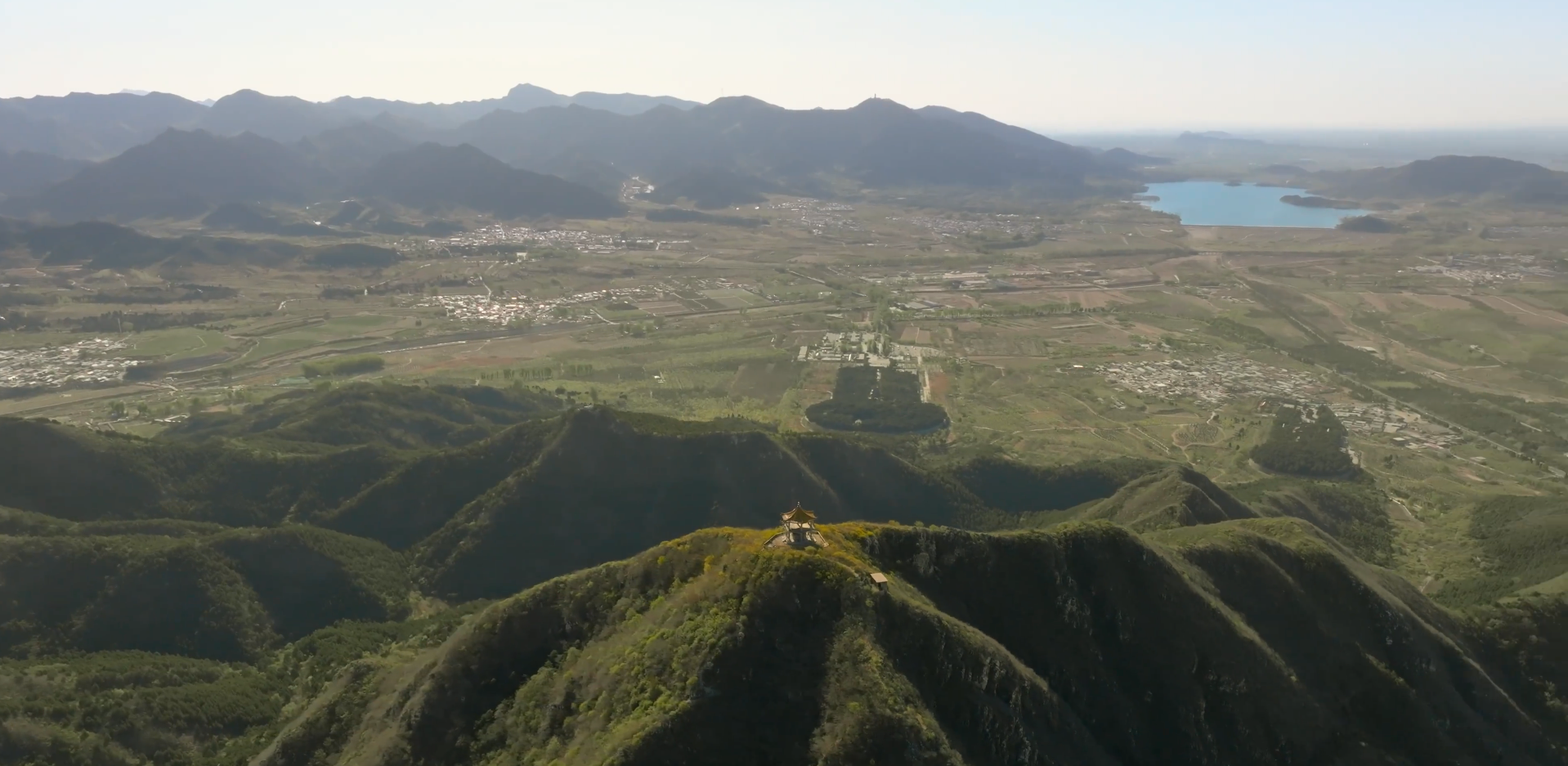
 The Ming Tombs are located in Changping District, 50km northwest of Beijing, and are the general name of the tombs of 13 emperors of the Ming Dynasty. The mausoleum area covers an area of ​​80km2, and it is the relatively complete mausoleum building and the tomb group with the most buried emperors in the world today.
  The construction of the Ming Tombs began in the seventh year of Ming Yongle (1409) and ended in the early Qing Dynasty, which lasted more than 200 years. According to the order of the construction time of the mausoleum, they are: Changling (Tomb of Emperor Yongle), Xianling (Tomb of Emperor Hongxi), Jingling (Tomb of Emperor Xuande), Yuling (Tomb of Emperor Zhengtong (that is, Emperor Tianshun)), Maoling (Tomb of Emperor Tianshun) Chenghua Emperor’s Tomb), Tailing (Hongzhi Emperor’s Tomb), Kangling (Zhengde Emperor’s Tomb), Yongling (Jiajing Emperor’s Tomb), Zhaoling (Longqing Emperor’s Tomb), Dingling (Wanli Emperor’s Tomb), Qingling (Taichang Emperor’s Tomb) Emperor’s Mausoleum), Deling (Tianqi Emperor’s Mausoleum), Siling (Chongzhen Emperor’s Mausoleum). In addition to the 13 emperors buried in the mausoleum area, there are also 23 empresses, 1 imperial concubine and dozens of palace officials who were buried. In addition, there are 7 concubine graves in the mausoleum area (East Well, West Well, Tomb of Concubine Wangui, Mourning Tomb, Tomb of Four Concubines and Two Princes, Tomb of Concubine Xian, Tomb of Concubine Zheng and Tombs of Concubines Erli, Liu, and Zhou) ) and a eunuch’s burial tomb (Wang Chengen’s tomb), as well as various buildings such as palaces and gardens serving the emperor’s mausoleum. City walls were built at 10 natural mountain passes (Dongshan Pass, Zhongshan Pass, Zhazikou, Xishan Pass, Desheng Pass, Yanzi Pass, Zhuishi Pass, Xianzhuang Pass, Huiling Pass, and Laojuntang Pass) around the mausoleum. , Barrier walls and other defensive facilities to protect the safety of the mausoleum area.
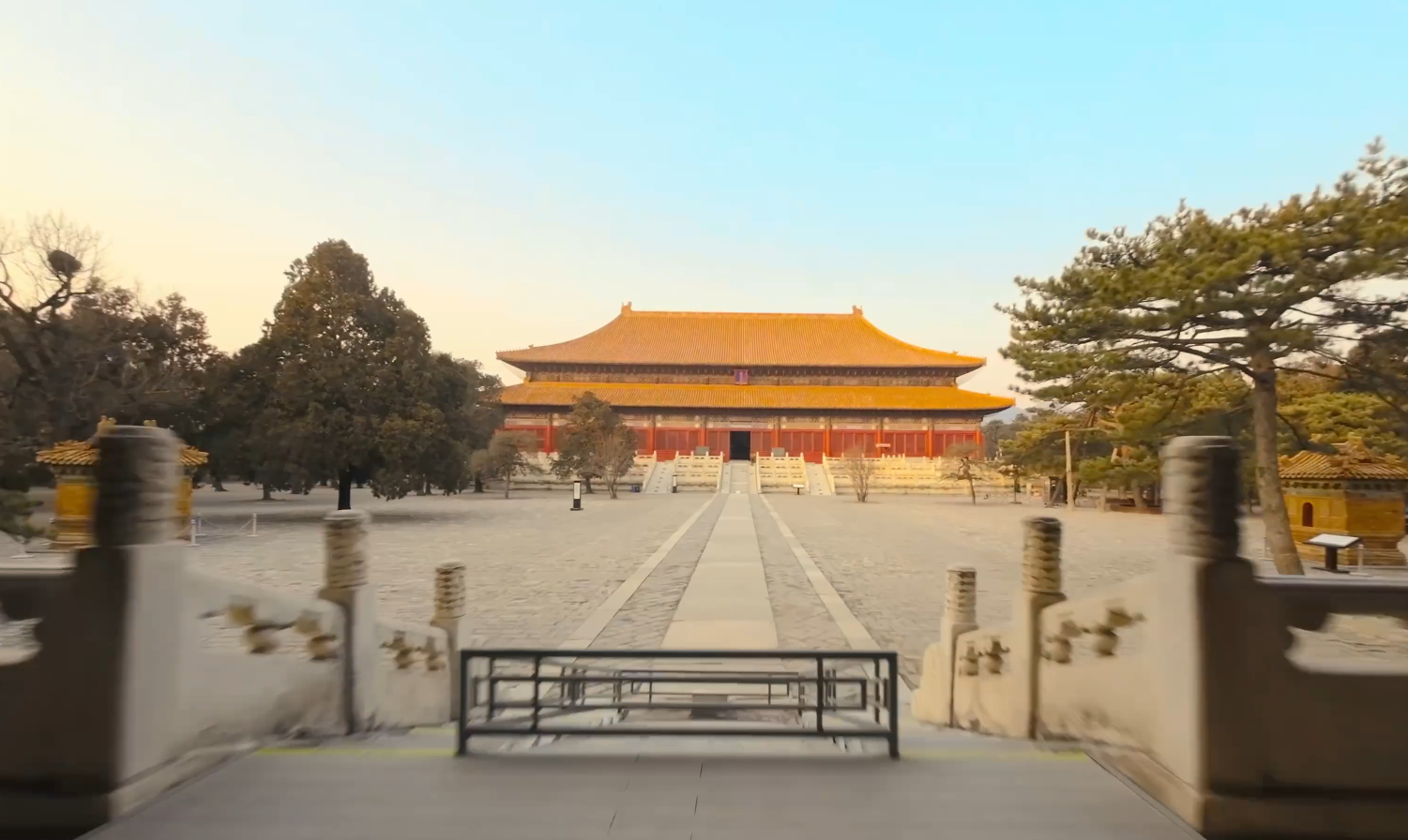

  The construction of the imperial mausoleum of the Ming Dynasty was divided into several steps: the selection of the mausoleum site, the formulation of regulations, and the preparation of materials for construction. The selection of the mausoleum site is the primary link in the construction of the mausoleum. Generally, firstly, the first and second-rank officials of the DPRK will lead the Fengshui surveyors to follow the theory of Fengshui, “the shape of the mountain from the outside, and the land veins from the inside”. The emperor, if necessary, draws a picture, pastes a description, and finally decides by the emperor.
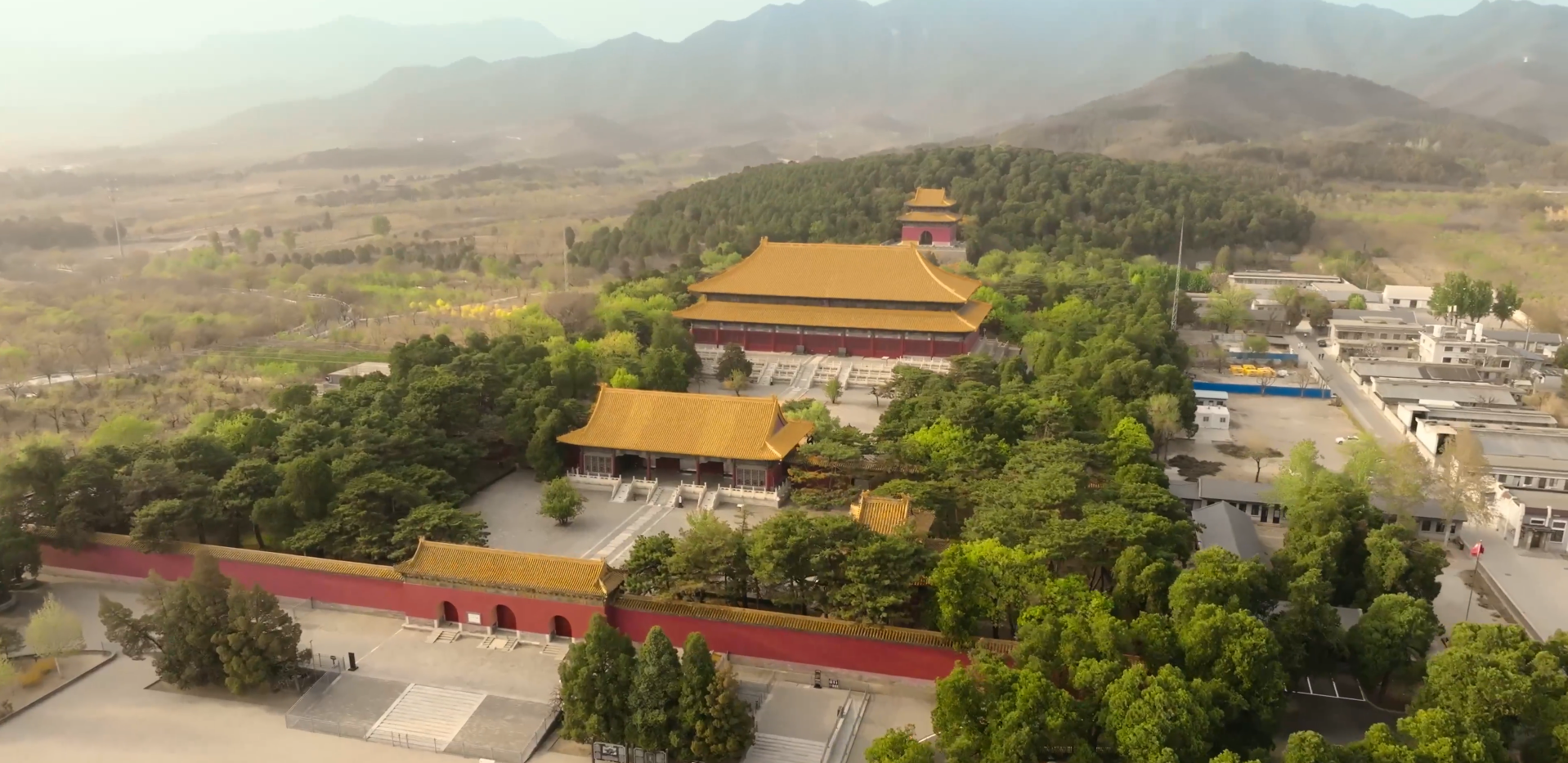

  After Cheng Zu Zhu Di proclaimed himself emperor, he planned to move the capital from Nanjing to Beijing. In the sixth year of Yongle in the Ming Dynasty (1408), Zhu Di ordered Zhao Yan, Minister of Rites, to lead Jiangxi warlock Liao Junqing and others to visit the mausoleum near Beijing. After more than a year, the auspicious soil for thousands of years was finally found in the Huangtu Mountain in Changping. Zhu Di then sealed Huangtu Mountain as Tianshou Mountain, and decreed to encircle the area with a radius of 80 li as the forbidden area of ​​the mausoleum.


  The layout of the tombs of the Ming Tombs is not in accordance with the “Zhou Li” method of left and right, but with the respected ones in the main veins and the humble ones in the secondary veins (remaining veins). Changling is the first tomb of the Ming Tombs. It is located in the middle of the main peak of Tianshou Mountain, and other tombs are arranged around it. Among the Ming Tombs, Changling is the largest, followed by Yongling and Dingling, and Siling is the smallest. Mausoleum construction methods can be divided into three types: one is the mausoleum built by the emperor during his lifetime, which is large in scale and richly decorated (such as Changling Tomb, Yongling Mausoleum, and Ding Tomb); The posthumous edict of “building a mausoleum” may be affected by the burial period and national power, and the scale is small and relatively simple (such as Xianling and Jingling); the third is that the emperor will not have time to build the mausoleum during his lifetime, and the next dynasty will build it after the change of dynasty (such as Siling).
  The Ming Tombs are famous all over the world for their majestic scale, complete cemetery system, solemn and harmonious layout, beautiful and quiet scenery, and elegant and simple style. In 1957, it was listed as the first batch of key ancient buildings and cultural relics protection units in Beijing. In 1961, it was listed as a national key cultural relics protection unit. In 1982, the Ming Tombs and Badaling were listed as one of the national key scenic spots protection areas as a complete scenic spot. On July 3, 2003, the Ming Tombs, as an expansion project of the royal tombs of the Ming and Qing Dynasties, were approved by the 27th United Nations World Heritage Conference and included in the “World Heritage List”.

Images and visuals are from their respectives..

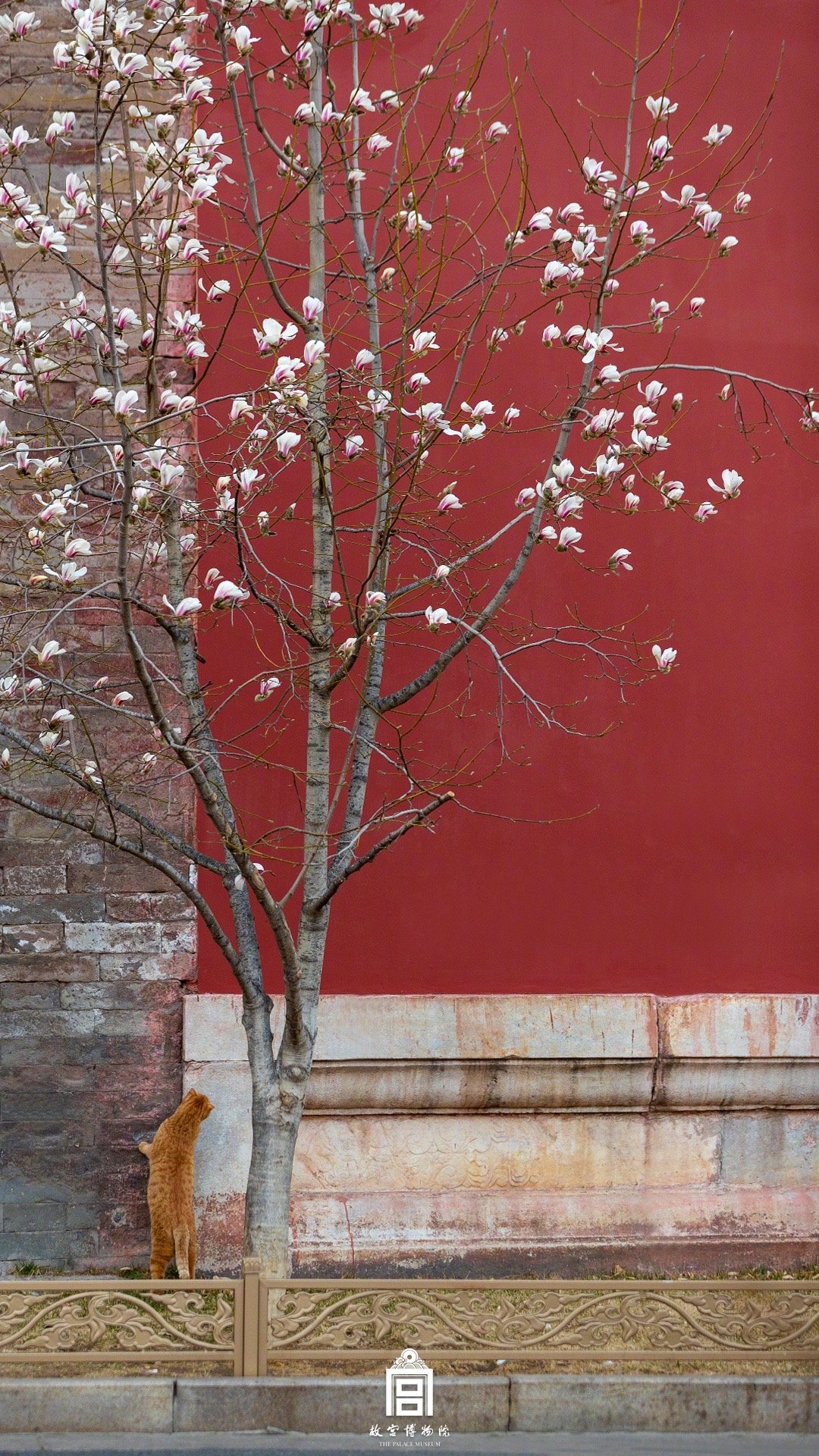
#北京。 #中國 #China #Beijing | #紫禁城 #ForbiddenCity #March2023 | #ForbiddenCityDairies #spring #ArbourDay – The weather is warmer blossoms and Magnolia is Blooming 12th March 2023 #AGallery …

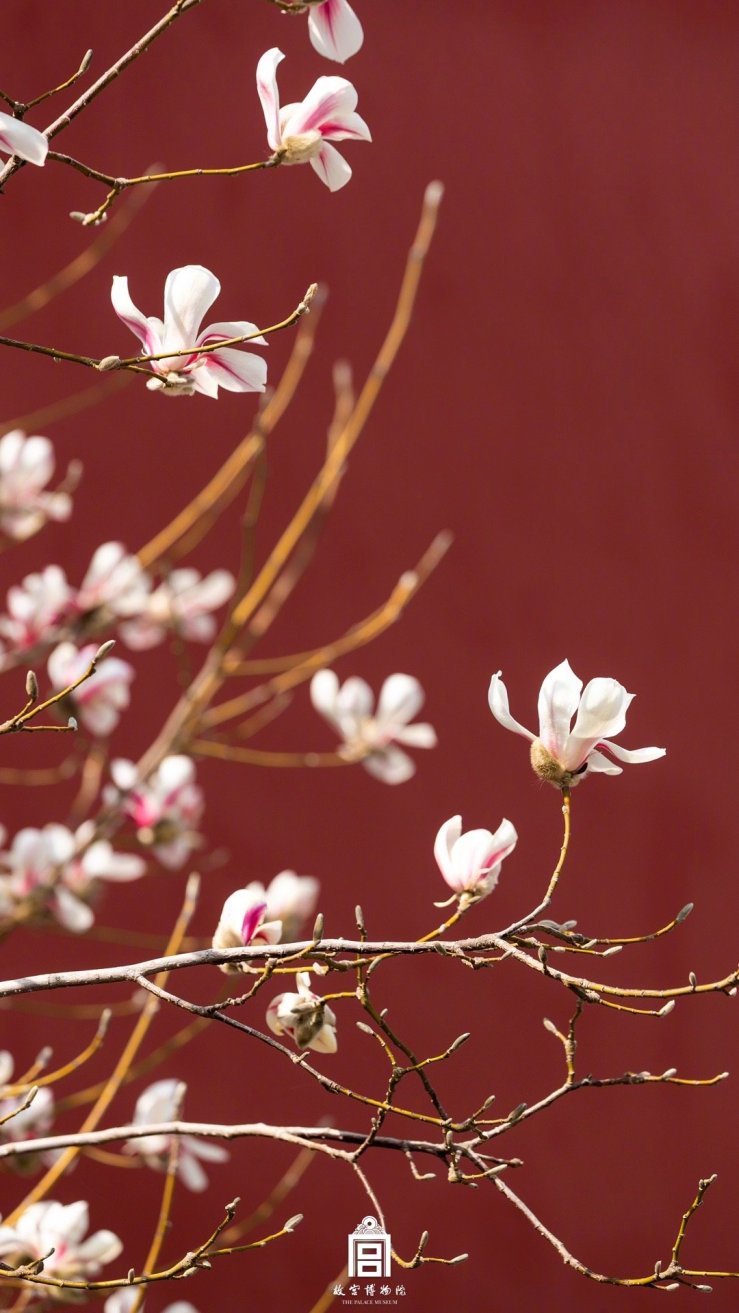
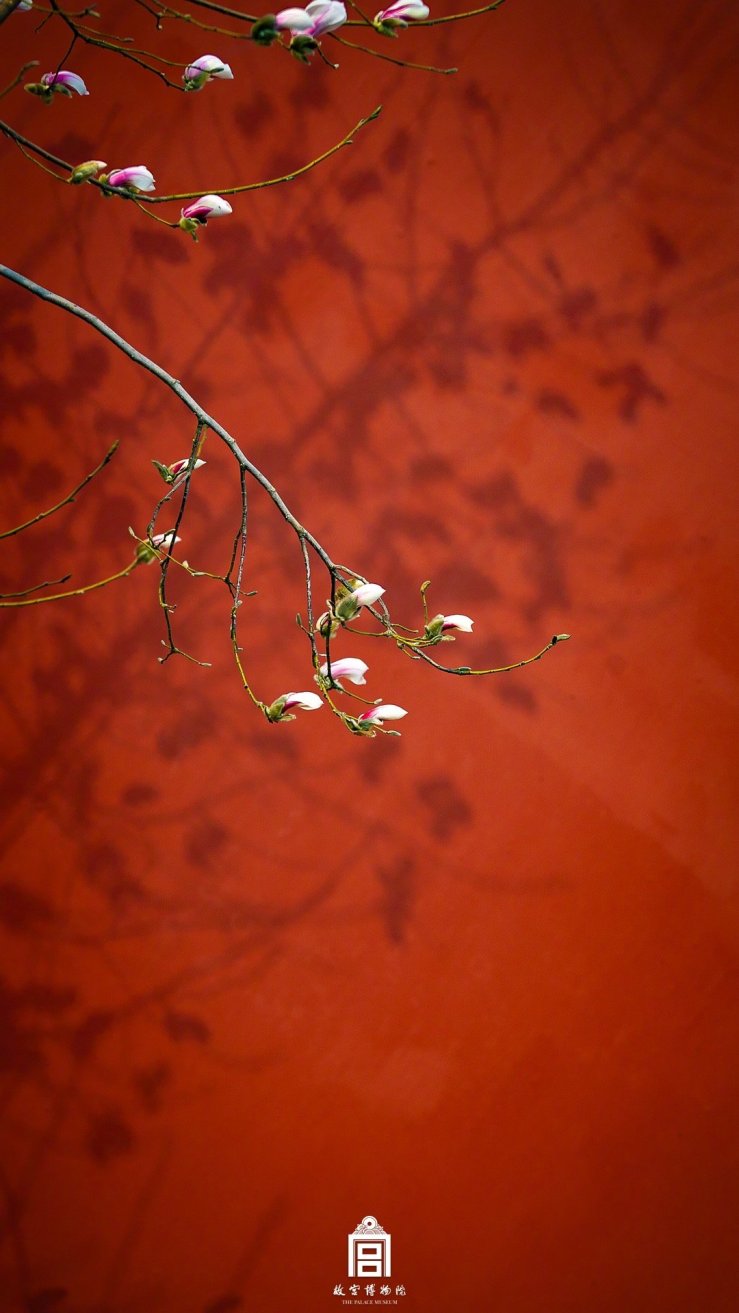
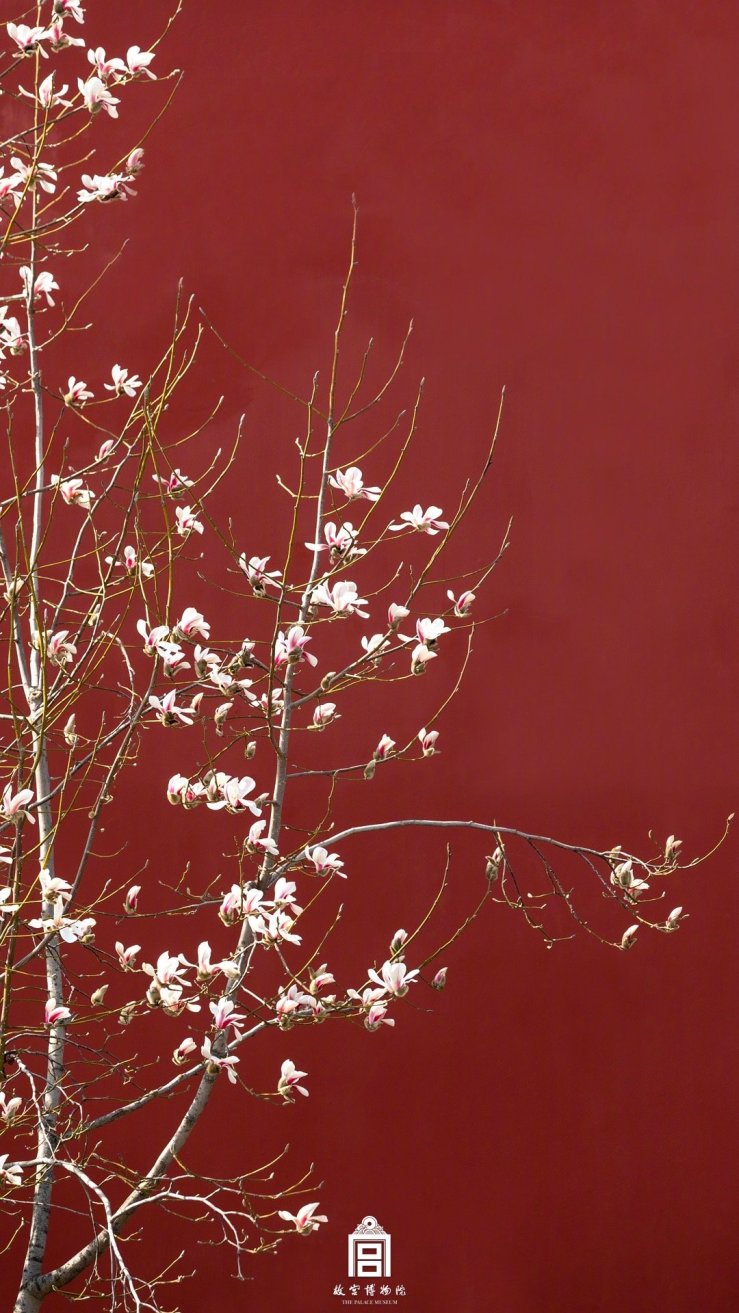
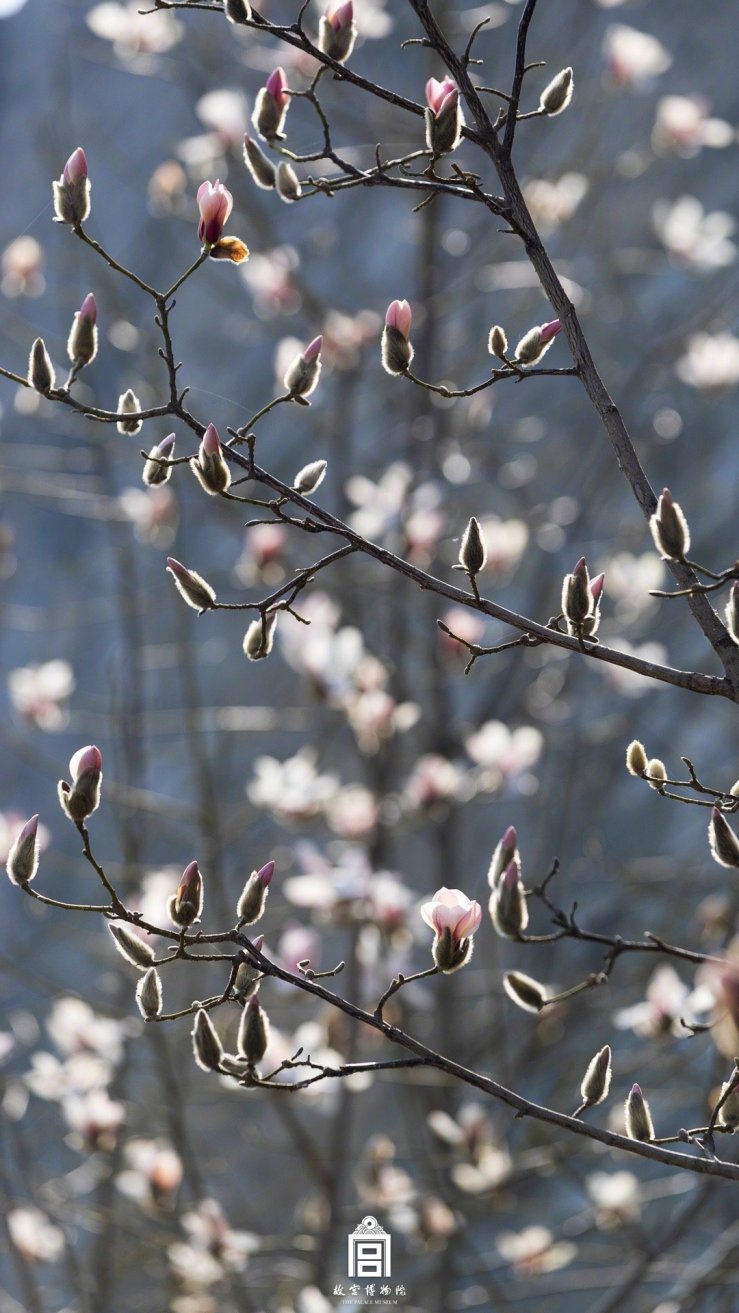
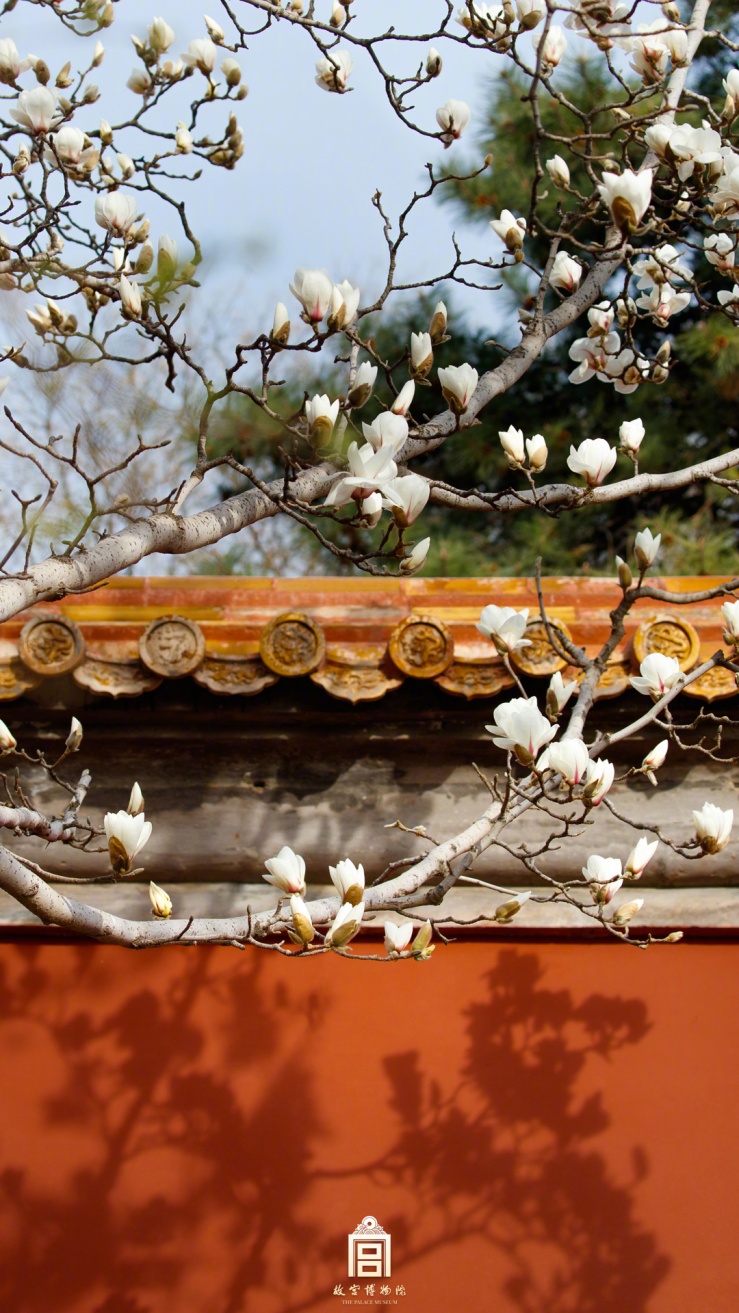
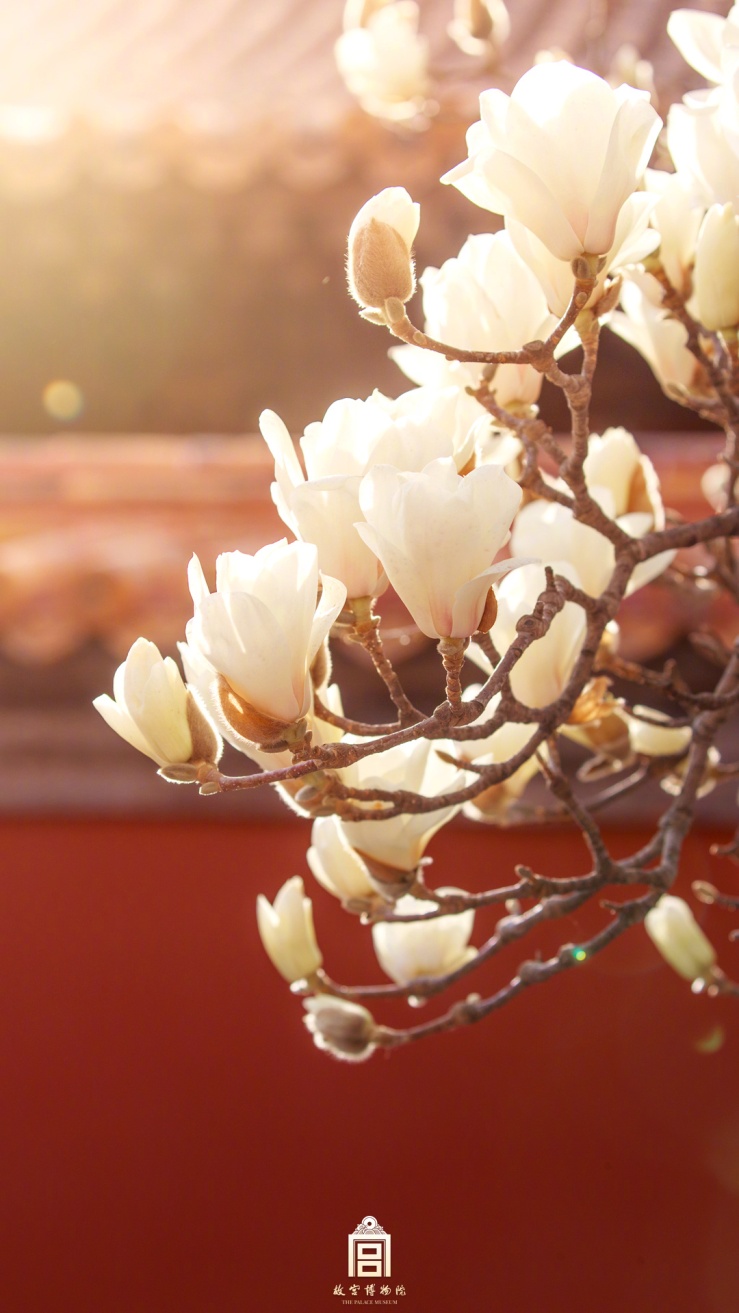
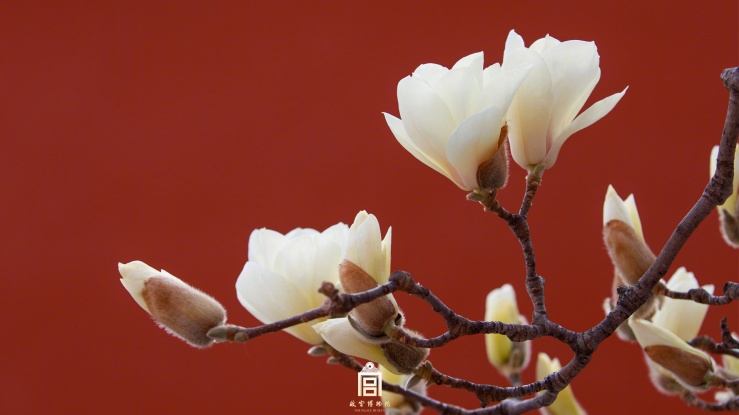
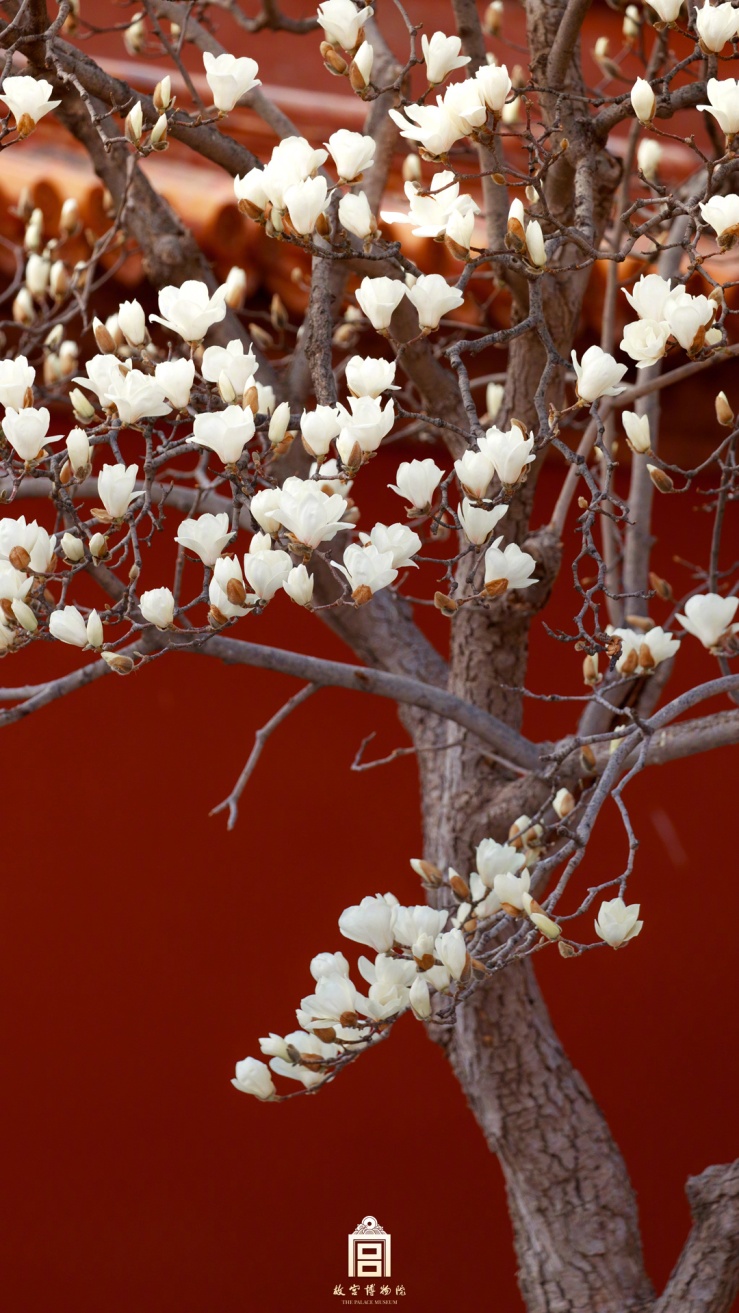
Arbor Day is on 12th  March  Sunday  2023 on China, People’s Republic of China it was This resolution established the Arbor Day (植树节), also March 12, and stipulated that every able-bodied citizen between the ages of 11 and 60 should plant three to five trees per year or do the equivalent amount of work in seedling, cultivation, tree tending, or other services  the suggestion of Deng Xiaoping Since a century ago, China has established Arbor Day to promote nationwide afforestation and forest protection….. The weather is getting warmer, and the magnolia is blooming. The pink and white flowers are like pairs of immature little hands, holding us the breath of spring
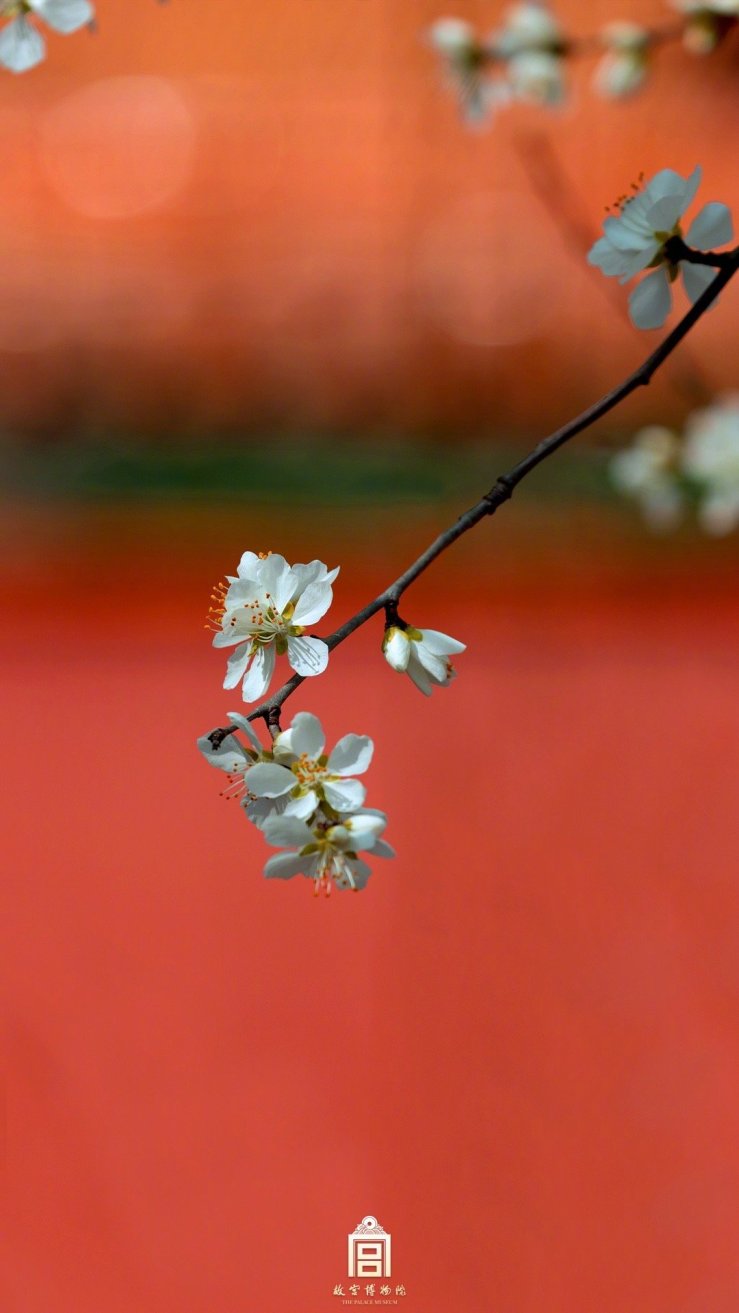
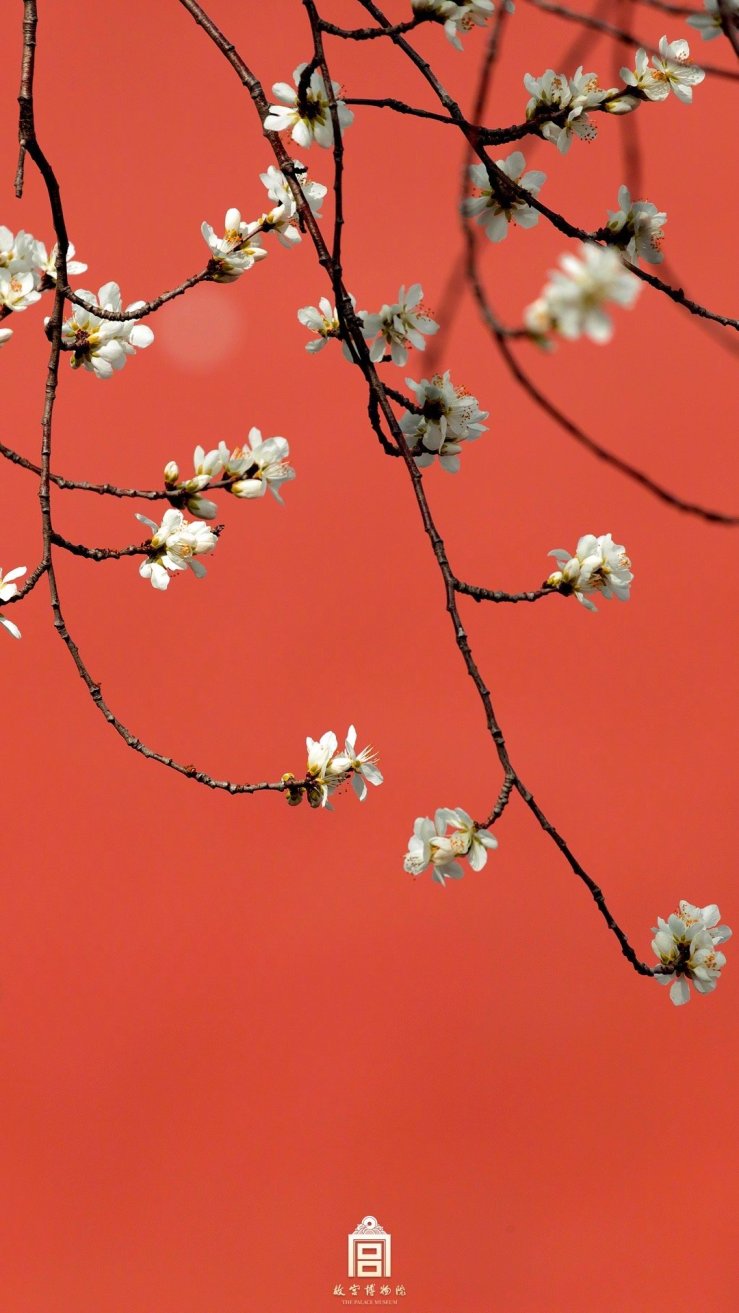
Arbour Day, in  the Forbidden City’s environmental protection and carbon reduction cultural and creative program welcoming the spring  with the refreshing the colour-contrasting Chinese Paintings naturally painted of mountain peach white and palace wall red, which will fill the screens with the breath of spring.

The spring breeze is blowing, and the weather is getting warmer. Spring is here in Beijing, and the magnolia flowers in the Forbidden City are blooming! Against the background of red walls and green tiles, the blue sky and white clouds are picturesque, beautiful and fragrant. Come on guys! Take a look at the majestic Forbidden City and see the beautiful magnolia flowers Beijing

In Chunhui, under the red wall, Magnolia is about to usher in its full bloom period! Let’s spend a weekend together

Images and visuals are from – Forbidden City –Palace Museum Beijing- China –People’s Republic of China…..

#北京。 #中國 #China #Beijing | #紫禁城 #ForbiddenCity #May2022 | #ForbiddenCityMoments #ForbiddenCityPress #ForbiddenCityBookStore #ForbiddenCityBooks The Forbidden City 100 #ForbiddenCityArchitecture ancient A little bit of color hidden in the Forbidden City….

Currently on 16th May 2022 on Beijing – China – People’s Republic of China in a critical month period during the critical period of Beijing’s epidemic prevention and control, can those wishing to visit the Forbidden City and see exhibitions have to be sealed again in which the announcement was made on the 11th May 2022 the Forbidden City Palace Museum Management “Dear audience: According to the latest situation of epidemic prevention and control in Beijing, in order to further reduce the risk of social spread of the epidemic caused by the flow of people, the Palace Museum will be temporarily closed from May 12, 2022 until further notice. Thank you for your understanding and cooperation….!

On 23rd May 2022 showing A little bit of color hidden in the Forbidden City…. Today, I will “walk” around the Forbidden City with you to find the beautiful colours hidden in the Forbidden City…

​​The Forbidden City is temporary closed. I believe many friends who like the Forbidden City and the Forbidden City exhibition will regret not being able to come to the Forbidden City, but don’t worry, the official website of the Forbidden City will definitely make everyone’s eyes shine, and you may find a lot of things that you haven’t discovered before. Little details….

Today, I will “walk” around the Forbidden City with you to find the beautiful colours hidden in the Forbidden City~

Pastel peach pattern straight neck bottle

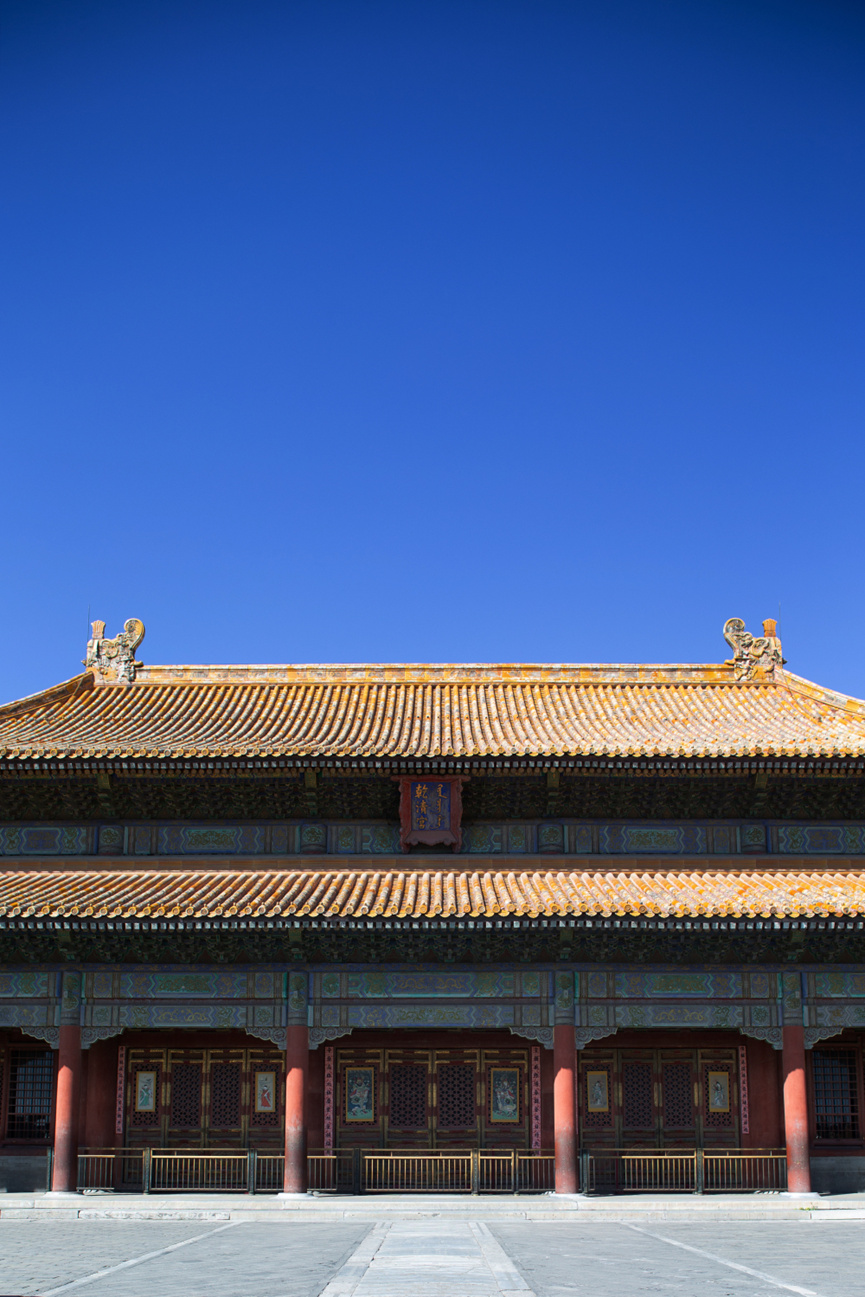
Speaking of the colours in the Forbidden City, we must mention the Hall of Supreme Harmony….. This hall, commonly known as the “Golden Luan Hall”, is located in a prominent position on the main axis of the north and south of the Forbidden City. . In the 41st year of Jiajing (1562), it was renamed Huangji Hall. Finally, in the second year of Shunzhi in the Qing Dynasty (1645), it was officially renamed the “Taihe Hall” as we know it now. The Hall of Supreme Harmony has been burnt down and rebuilt many times since its completion. The Hall of Supreme Harmony you see now is actually the shape after the reconstruction in the 34th year of Emperor Kangxi of the Qing Dynasty (1695).

Hall of Supreme Harmony

Speaking of the decoration of the Hall of Supreme Harmony, it is really beautiful and unique. There are dense buckets, and the indoor and outdoor beams are decorated with Hexi colored paintings. The upper part of the doors and windows is inlaid with a rhombus pattern, the lower part is embossed with a cloud-dragon pattern, and a gilt copper leaf engraved with a dragon pattern is installed at the joint. The appearance alone makes people feel that this beautiful palace is full of beautiful and solemn colours then why does the Hall of Supreme Harmony give everyone such an impression? Very important role ….

Hall of Supreme Harmony

Speaking of Hexi color painting, everyone may have heard of it, so what kind of expression is it? Hexi color painting is the highest grade of architectural color paintings in the Qing Dynasty. It consists of three parts: Fangxin, looking for head, and hoop head. With connecting herringbone curves as intervals, it is painted with dragon and phoenix patterns, and the main lines are powdered and gilded. , and the ground is lined with green and red, and the colours are gorgeous, which can be said to be “resplendent” in the true sense…..

Forbidden City architectural color painting sample

Of course, the Hexi color painting is not unique to the Hall of Supreme Harmony. The Qianqing Palace and the Hall of Mental Cultivation in the Forbidden City, the Renshou Hall and the Hall of Paiyun in the Summer Palace, and the Hall of Prayer for the New Year of the Temple of Heaven are all painted with Hexi color paintings. Why did Hexi color painting occupy such an important position in the palace architecture of the Qing Dynasty? In fact, it also has a very strong cultural background and meaning. Before the Hexi color painting came into being, the architectural color paintings mostly used religious and folk patterns as the basic themes, the application of dragon and phoenix patterns was extremely limited, and the content of the color paintings mainly implied divine power and auspiciousness. With the passage of time, the idea of ​​imperial power began to strengthen ideologically, and color paintings with the theme of the dragon pattern symbolizing imperial power began to appear to show the rank and status of the building…..

Forbidden City architectural color painting sample

Of course, in addition to its unique connotations, Hexi Caihua also has a very special decorative technique, that is, a large number of gold stickers are used. Before the appearance of Hexi color painting, the use of “gold foil” was very limited, and it was only used to embellish the prominent position of the color painting. In the Qing Dynasty, Hexi color paintings far surpassed the previous color paintings in the use of gold foil, turning gold, which is only used for embellishment, into one of the main colours, and the area is second only to the two colours of blue and green. One of the reasons for choosing gold is because of all the colours; gold is the easiest color to express luxury and solemnity.

Qianqing Palace

But what is interesting is that although the palaces of princes and ministers have strict hierarchical regulations on the application of color paintings, there is no clear hierarchical system for color paintings in the palace. However, there is a clear difference from the color painting itself, which can be seen from the category of Hexi. For example: Dragon and Seal, which are generally used in Palaces where the emperor ascends the throne, manages affairs, and lives, such as the Hall of Supreme Harmony, Qianqing Palace, etc.; Dragon and Phoenix and Seals are used in Palaces where emperors and concubines live, such as Kunning Palace, etc.; Dragon grass and seal: used for important gates and palace gates of the Imperial City and the Forbidden City. You may wish to take a closer look at these beautifully colored Hexi colored paintings and see where their corresponding palaces are located……

Kunning Palace

Imagines credits are of the Forbidden City –Imperial Palace –Beijing – China- People’s Republic of China also from the Series Weibo北京卫视上新了故宫 Treasures in the Forbidden City…

#北京。 #中國 #China #Beijing | #紫禁城 #ForbiddenCity #December 2021 |#午門 # MeridianGate  韩美林天书艺术故宫展 Han Meilin’s Art of Book in the Palace Museum ….

 “Han Meilin’s Art of Book in the Palace Museum” will be held at the main building of the Meridian Gate of the Palace Museum and the Xiyanchi Exhibition Hall from tomorrow until March 20, 2022. The exhibition uses Han Meilin’s “Book of Heaven” art as its element, and expands to various fields such as ink, ceramics, purple sand, printing and dyeing, wood carving, and iron art. According to the current epidemic prevention and control situation, and in accordance with the principles of appointment, current limit, and peak shifting, the exhibition will be admitted by appointment, with a full-day limit of 3,000 people, until the quota is full. Visitors can make real-name reservations using the second-generation ID card or passport information through the online ticketing website of the Palace Museum the WeChat account “The Palace Museum Audience Service” or the “Digital Forbidden City……

午門  MeridianGate   is the southern and largest gate of the Forbidden City in Beijing, China. Unlike the other gates of the Forbidden City, the Meridian Gate has two protruding arms on either side, derived from ancient que towers traditionally used to decorate the main entrances of palaces, temples and tombs. The gate has five arches. The three central arches are close together in the main, central section; the two flanking arches are farther apart from the three central arches, and are located between the central section and the protruding arms. The centre arch was formerly reserved for the Emperor alone; the exceptions were the Empress, who could enter it once on the day of her wedding, and the top three scholars of the triennial civil service examinations, who left the exams through the central arch. All other officials and servants had to use the four side arches.

A series of buildings form the superstructure of the gate. The central one is a pavilion of nine bays wide, with double eaves. On each of the protruding side, a 13 bays-long building with a single eave connects the two pyramidal-roofed pavilions that represented the que towers.

Its superstructure is also called the “Five Phoenix Turrets” because it is composed of five buildings…… Imperial proclamations and almanacs were issued from the gate house. ….. 

Imagines credits are of the Forbidden City –Imperial Palace –Beijing – China- People’s Republic of China also from the Series Weibo北京卫视上新了故宫 Treasures in the Forbidden City…

#北京。 #中國 #China #Beijing | #紫禁城 #ForbiddenCity #October2020 |#南昌 #V古宫#Nanchang #Jiangxi #WorldVRIndustryConference 2020 – virtually reality exhibition the #ForbiddenCityMuseum….. The Road to the Museum of the Future- Digital Forbidden City #AGallery

During the International events Calendar Nanchang Month from October 18th to October 20th 2020, the 2020 World VR Industry Conference will be held in Nanchang, Jiangxi Province –China- People’s Republic of China. The Palace Museum will bring its digital exhibition items to “Wonderful Debut”. Come to the exhibition site to enjoy the magnificent Forbidden City palace architecture and the exquisite Jingdezhen porcelain from the Palace Museum! Visit reservation entrance link On October 19th, Vice President Wang Yuegong will tell you “The Road to the Museum of the Future-The Construction and Development of the “Digital Forbidden City”” at the Cloud Summit. Let us use the power of science and technology to inherit and carry forward. Forbidden City Culture!

In which marks In this year’s 2020, the second decade from the turn of the century in Beijing the Capital of China also the People’s Republic of China, in which is also the year of the rat, marking its six hundred years anniversary of the Forbidden city that marks the transitional point of in between the middle of the Ming Dynasty (1368- 1644) transitionally from Nanjing to Beijing towards the Qing Dynasty (1636-1644-1911) …. The Imperial Palace seen so many countless seasonally transitional equinoxes but further its six hundred years is iconic, but it’s five hundred ninety nine years it marks it Autumn Equinox…. In which it only took twelve years to build the same of the Daming Palace of The Tang Dynasty Xian Imperial Capital only it was least twenty times larger…

V故宫……..你好,南昌!10月18日至10月20日,2020世界VR产业大会将于江西南昌举办。故宫博物院携数字展项“精彩亮相”,一起来展会现场欣赏壮美的紫禁城宫殿建筑与精美的故宫院藏景德镇瓷器吧!参观预约入口10月19日,王跃工副院长将于云峰会上向大家讲述《迈向未来博物馆之路——“数字故宫”的建设与发展》,让我们一起用科技的力量,传承、弘扬好故宫文化!戳这里观看峰会直播……

Imagines credits are of the Forbidden city –Imperial Palace –Beijing – China- People’s Republic of China …..