#北京。 #中國 #China #Beijing | #紫禁城 #ForbiddenCity #June2023 | #ForbiddenCityDairies #星球研究所 # Planet Research Institute #MingDynastyTombs Travelling into #MingDynasty walking down living history mystery solving…

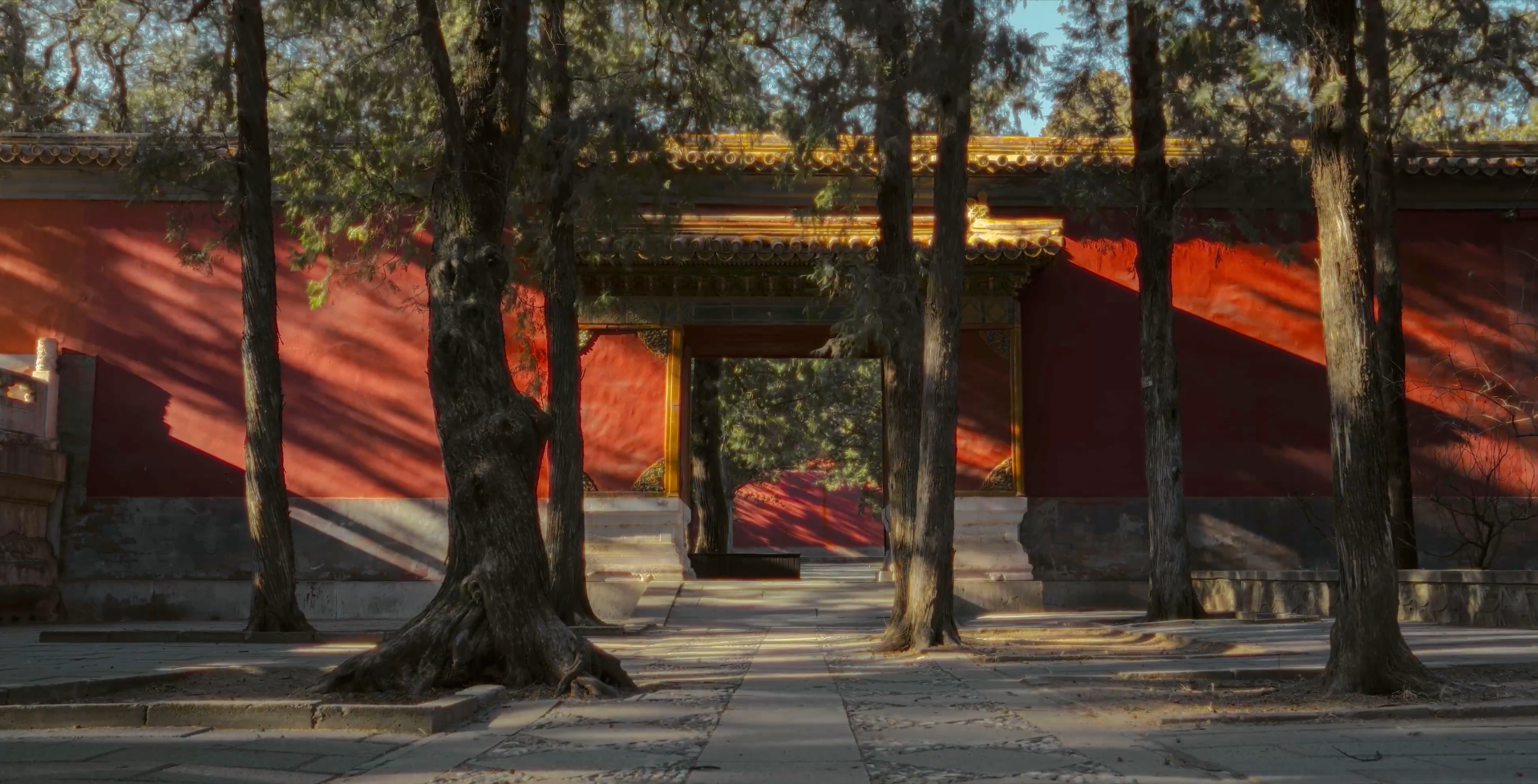
The Ming Tombs are located at the foot of Tianshou Mountain in Changping District , Beijing China, People’s Republic of China , about 50 kilometers away from Tiananmen. The Ming Tombs are located in a small basin surrounded by mountains on three sides in the east, west and north. The area around the tomb is surrounded by mountains, the central part is a plain, and there is a meandering river in front of the tomb. From the beginning of Changling in May of the seventh year of Yongle (1409) to the burial of Chongzhen, the last emperor of the Ming Dynasty, in Siling.

The Ming Tombs have a total of 13 imperial tombs, including the Changling Mausoleum of Chengzu Zhu Di, Xianling Mausoleum of Renzong Zhu Gaochi, Jingling Mausoleum of Xuanzong Zhu Zhanji, Yuling Mausoleum of Yingzong Zhu Qizhen, Xianzong Zhu Jianshenmao Mausoleum, Xiaozong Zhu Youtang’s Tai Mausoleum. The Kangling Mausoleum of Wuzong Zhu Houzhao, the Yongling Mausoleum of Sejong Zhu Houcong, the Zhao Mausoleum of Mu Zong Zhu Zaihou, and the Ding Mausoleum of Shenzong Zhu Yijun. The Qingling Mausoleum of Guangzong Zhu Changluo, and the Deling Mausoleum of Xizong Zhu Youxiao. The Siling Mausoleum of Chongzhen Emperor Zhu Youjian. In addition, there are 8 accompanying tombs, including 7 concubine (prince) tombs and 1 eunuch tomb. Its architectural form embodies the feudal rules and regulations of the Ming Dynasty. Both the emperor’s mausoleum and the rear mausoleum are covered with yellow glazed tiles. 

The Ming Tombs area covers an area of ​​40 square kilometers. It is famous for its magnificent scale, complete cemetery system, solemn and harmonious layout, beautiful and quiet scenery, and elegant and simple style.

In 1957, it was listed as the first batch of key ancient buildings and cultural relic’s protection units in Beijing. In 1961, it was listed as a national key cultural relic protection unit by the State Council of the People’s Republic of China. In 1982, the Ming Tombs and Badaling were listed as one of the national key scenic spots protection areas as a complete scenic spot. On July 3, 2003, the Ming Tombs, as an expansion project of the royal tombs of the Ming and Qing Dynasties, were approved by the 27th United Nations World Heritage Conference and included in the “World Heritage List
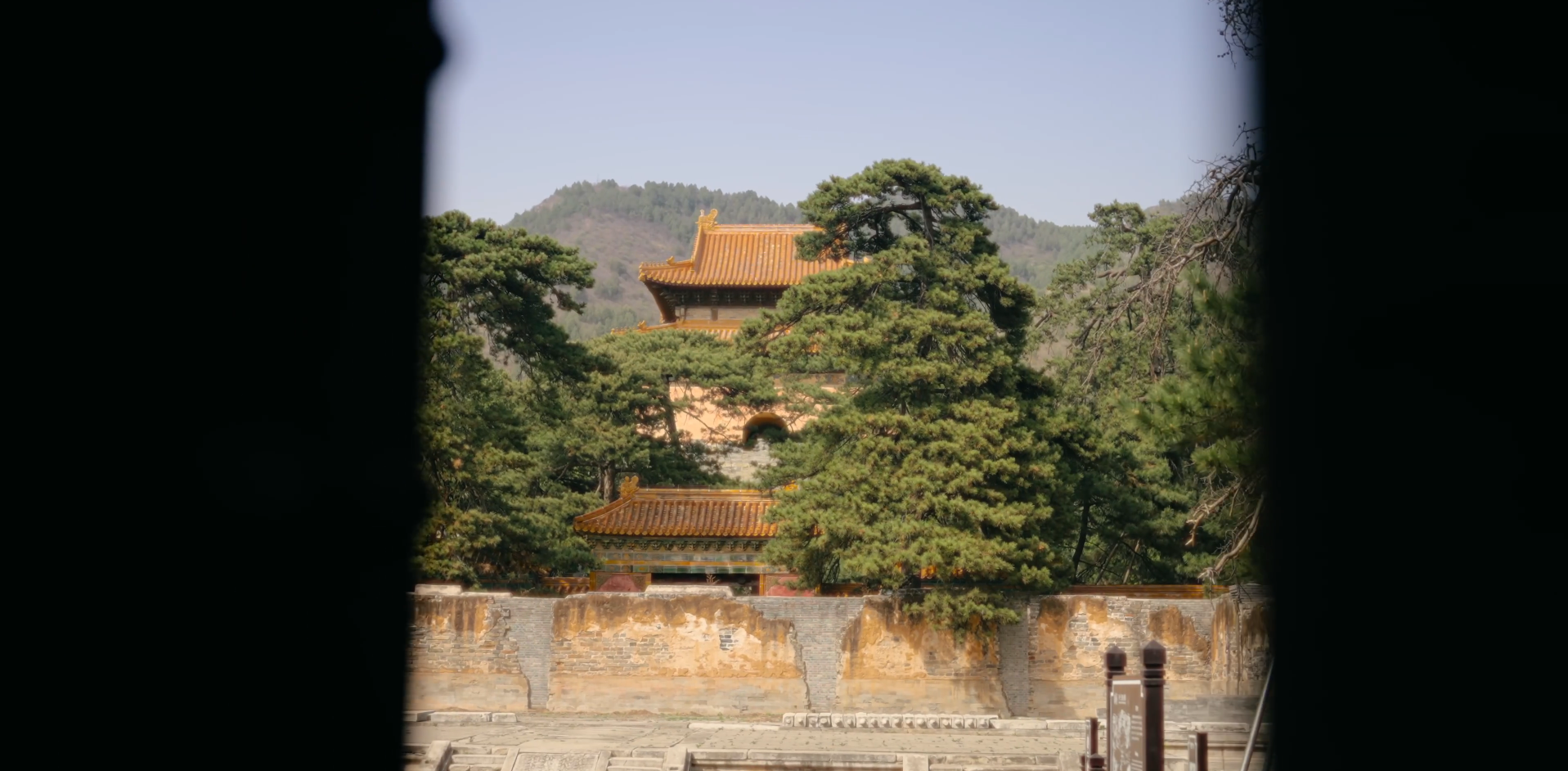
The Ming tombs are a collection of mausoleums built by the emperors of the Ming dynasty of China. The first Ming emperor’s tomb is located near his capital Nanjing. However, the majority of the Ming tombs are located in a cluster near Beijing and collectively known as the Thirteen Tombs of the Ming dynasty. 

The Ming dynasty, officially the Great Ming, was an imperial dynasty of China, ruling from 1368 to 1644 following the collapse of the Mongol-led Yuan dynasty. The Ming dynasty was the last imperial dynasty of China ruled by the Han people, the majority ethnic group in China…

Enjoy the cool air! I should be the first science popularization master who entered the Ming Tombs at night.

This is the largest and most complete royal cemetery in China, and the resting place of 13 emperors of the Ming Dynasty. When the hustle and bustle of the day fades away, this cemetery has more vicissitudes of history. The purpose of this trip is to find the answer to a question.


Regardless of whether it is the imperial tombs of the Han and Tang Dynasties, the imperial tombs of the Song Dynasty, or the imperial tombs of the Qing Dynasty, they were either severely damaged or completely looted. But why is it that only the Ming Tombs are relatively intact above and below ground? 明圣圣陵Why can survive to this day ?

Walk! Go down to the imperial mausoleum to solve the mystery that has been covered in dust for many years…
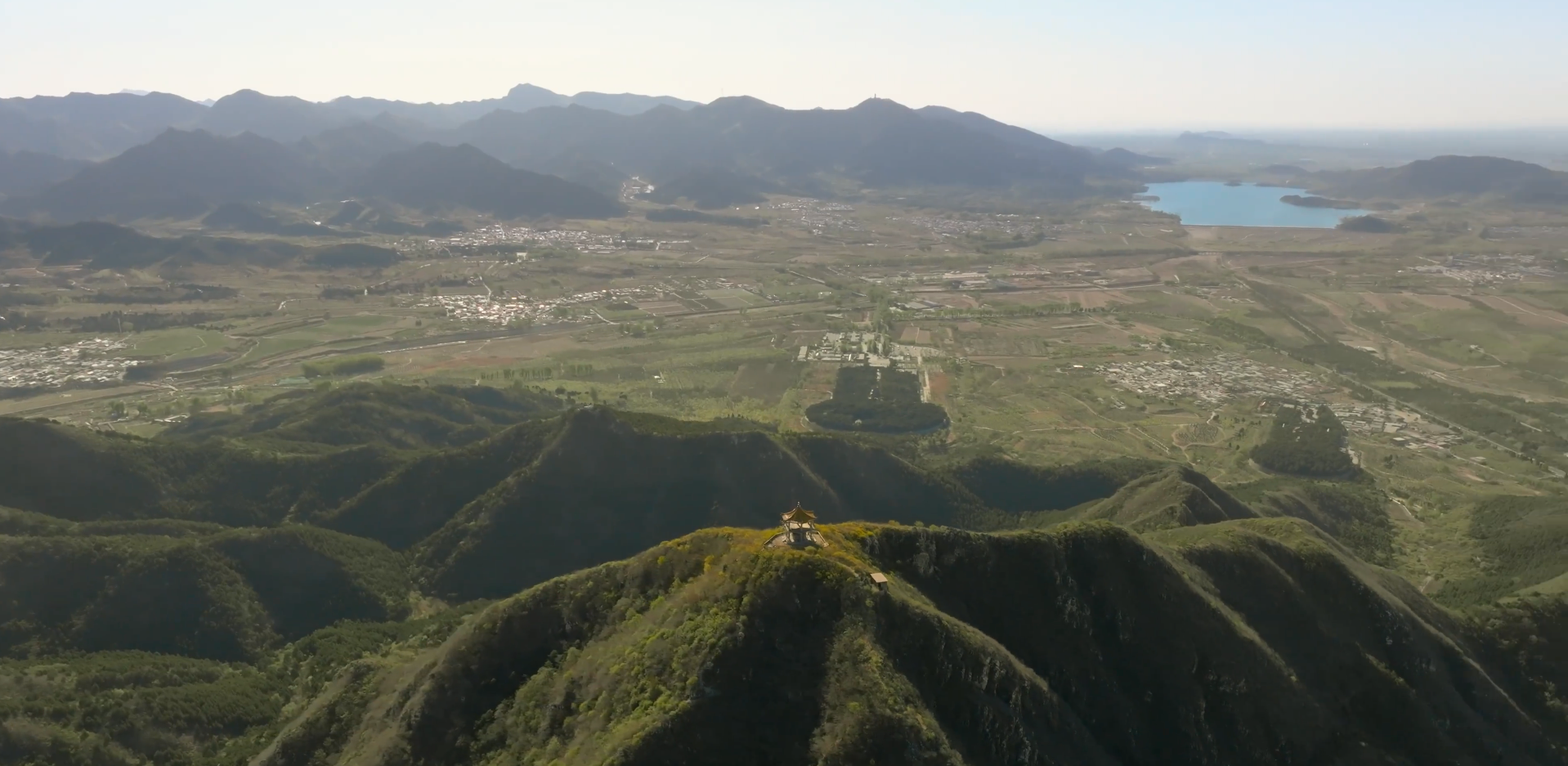
 The Ming Tombs are located in Changping District, 50km northwest of Beijing, and are the general name of the tombs of 13 emperors of the Ming Dynasty. The mausoleum area covers an area of ​​80km2, and it is the relatively complete mausoleum building and the tomb group with the most buried emperors in the world today.
  The construction of the Ming Tombs began in the seventh year of Ming Yongle (1409) and ended in the early Qing Dynasty, which lasted more than 200 years. According to the order of the construction time of the mausoleum, they are: Changling (Tomb of Emperor Yongle), Xianling (Tomb of Emperor Hongxi), Jingling (Tomb of Emperor Xuande), Yuling (Tomb of Emperor Zhengtong (that is, Emperor Tianshun)), Maoling (Tomb of Emperor Tianshun) Chenghua Emperor’s Tomb), Tailing (Hongzhi Emperor’s Tomb), Kangling (Zhengde Emperor’s Tomb), Yongling (Jiajing Emperor’s Tomb), Zhaoling (Longqing Emperor’s Tomb), Dingling (Wanli Emperor’s Tomb), Qingling (Taichang Emperor’s Tomb) Emperor’s Mausoleum), Deling (Tianqi Emperor’s Mausoleum), Siling (Chongzhen Emperor’s Mausoleum). In addition to the 13 emperors buried in the mausoleum area, there are also 23 empresses, 1 imperial concubine and dozens of palace officials who were buried. In addition, there are 7 concubine graves in the mausoleum area (East Well, West Well, Tomb of Concubine Wangui, Mourning Tomb, Tomb of Four Concubines and Two Princes, Tomb of Concubine Xian, Tomb of Concubine Zheng and Tombs of Concubines Erli, Liu, and Zhou) ) and a eunuch’s burial tomb (Wang Chengen’s tomb), as well as various buildings such as palaces and gardens serving the emperor’s mausoleum. City walls were built at 10 natural mountain passes (Dongshan Pass, Zhongshan Pass, Zhazikou, Xishan Pass, Desheng Pass, Yanzi Pass, Zhuishi Pass, Xianzhuang Pass, Huiling Pass, and Laojuntang Pass) around the mausoleum. , Barrier walls and other defensive facilities to protect the safety of the mausoleum area.
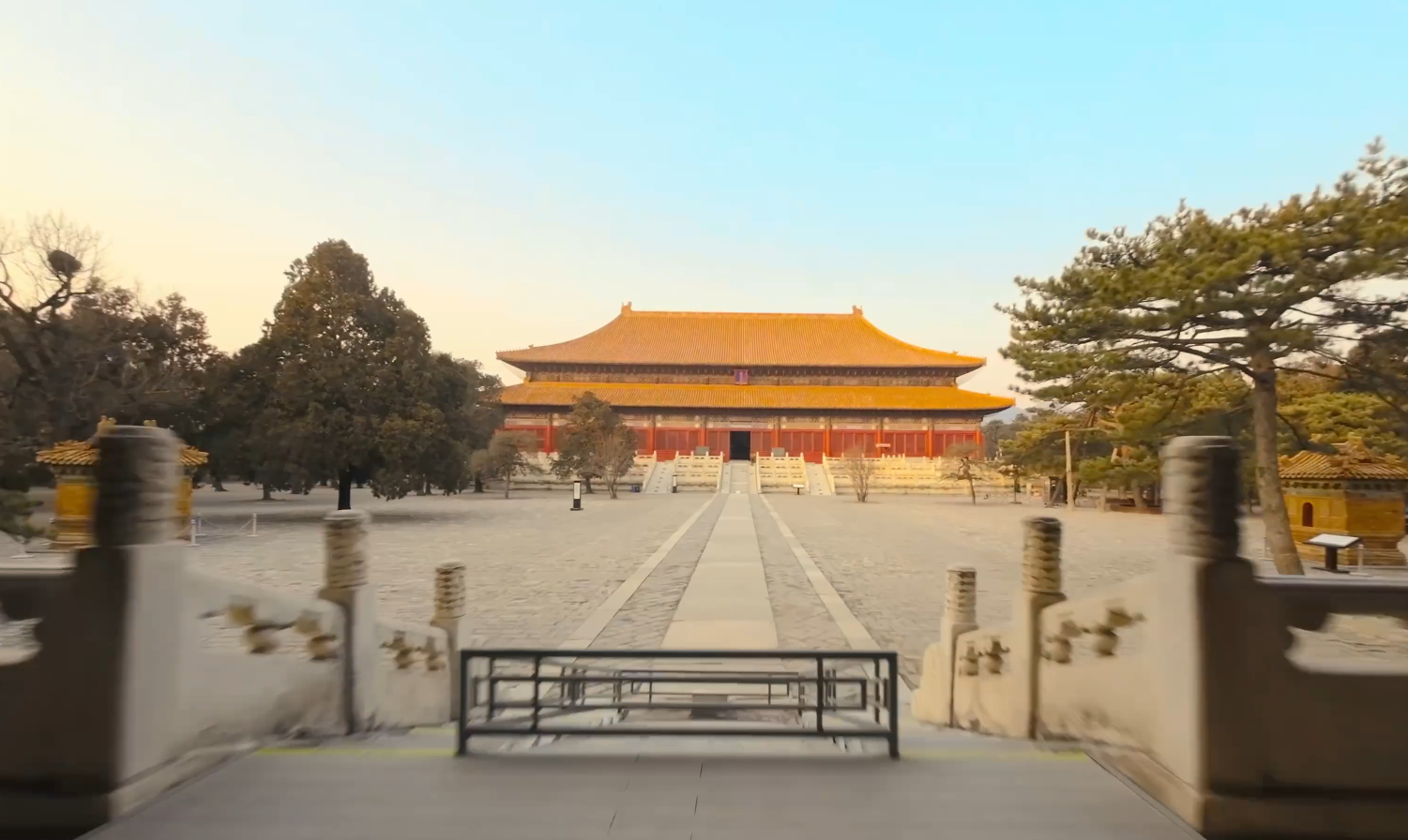

  The construction of the imperial mausoleum of the Ming Dynasty was divided into several steps: the selection of the mausoleum site, the formulation of regulations, and the preparation of materials for construction. The selection of the mausoleum site is the primary link in the construction of the mausoleum. Generally, firstly, the first and second-rank officials of the DPRK will lead the Fengshui surveyors to follow the theory of Fengshui, “the shape of the mountain from the outside, and the land veins from the inside”. The emperor, if necessary, draws a picture, pastes a description, and finally decides by the emperor.
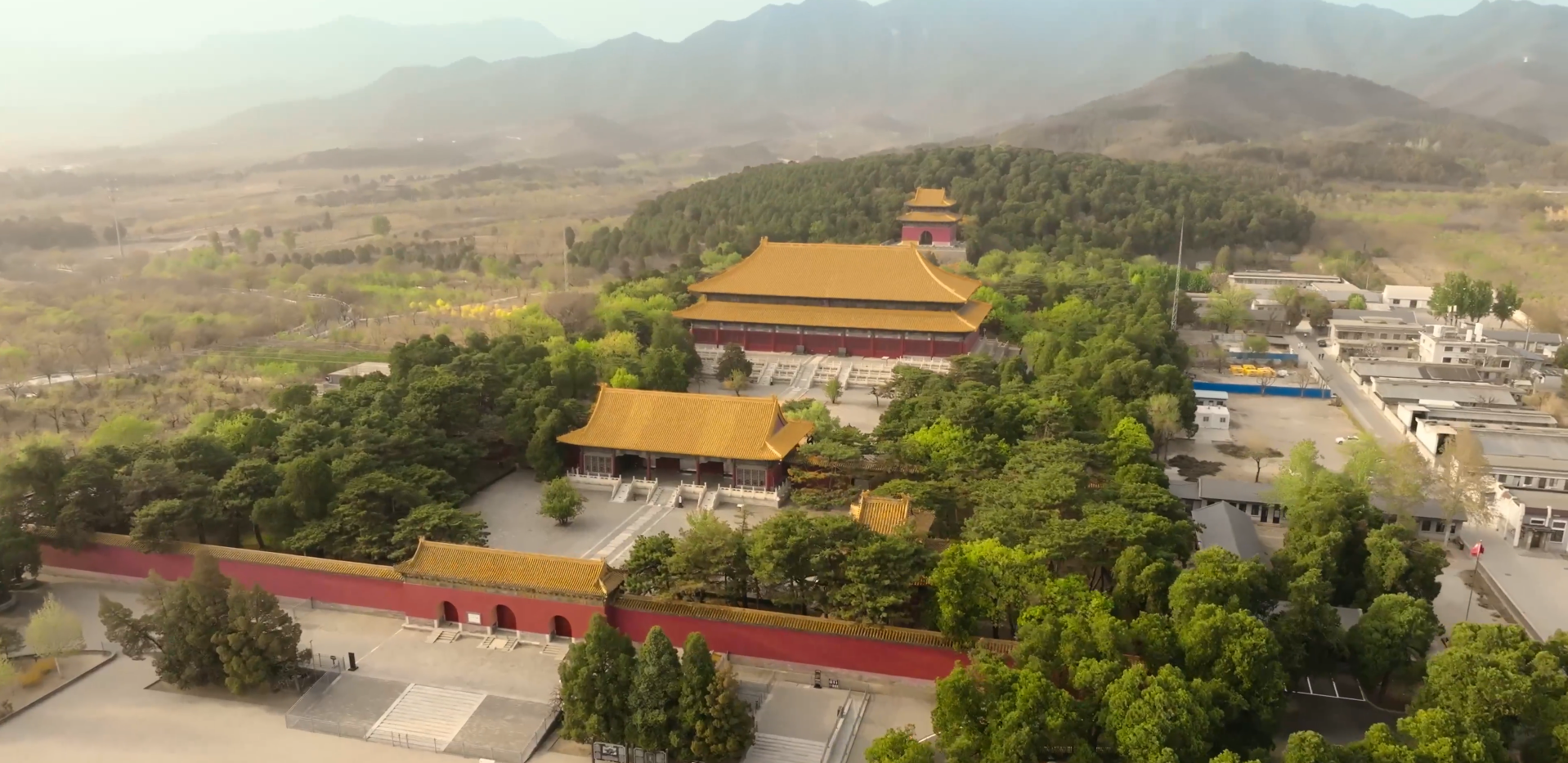

  After Cheng Zu Zhu Di proclaimed himself emperor, he planned to move the capital from Nanjing to Beijing. In the sixth year of Yongle in the Ming Dynasty (1408), Zhu Di ordered Zhao Yan, Minister of Rites, to lead Jiangxi warlock Liao Junqing and others to visit the mausoleum near Beijing. After more than a year, the auspicious soil for thousands of years was finally found in the Huangtu Mountain in Changping. Zhu Di then sealed Huangtu Mountain as Tianshou Mountain, and decreed to encircle the area with a radius of 80 li as the forbidden area of ​​the mausoleum.


  The layout of the tombs of the Ming Tombs is not in accordance with the “Zhou Li” method of left and right, but with the respected ones in the main veins and the humble ones in the secondary veins (remaining veins). Changling is the first tomb of the Ming Tombs. It is located in the middle of the main peak of Tianshou Mountain, and other tombs are arranged around it. Among the Ming Tombs, Changling is the largest, followed by Yongling and Dingling, and Siling is the smallest. Mausoleum construction methods can be divided into three types: one is the mausoleum built by the emperor during his lifetime, which is large in scale and richly decorated (such as Changling Tomb, Yongling Mausoleum, and Ding Tomb); The posthumous edict of “building a mausoleum” may be affected by the burial period and national power, and the scale is small and relatively simple (such as Xianling and Jingling); the third is that the emperor will not have time to build the mausoleum during his lifetime, and the next dynasty will build it after the change of dynasty (such as Siling).
  The Ming Tombs are famous all over the world for their majestic scale, complete cemetery system, solemn and harmonious layout, beautiful and quiet scenery, and elegant and simple style. In 1957, it was listed as the first batch of key ancient buildings and cultural relics protection units in Beijing. In 1961, it was listed as a national key cultural relics protection unit. In 1982, the Ming Tombs and Badaling were listed as one of the national key scenic spots protection areas as a complete scenic spot. On July 3, 2003, the Ming Tombs, as an expansion project of the royal tombs of the Ming and Qing Dynasties, were approved by the 27th United Nations World Heritage Conference and included in the “World Heritage List”.

Images and visuals are from their respectives..

#漢服 #HanFu #HanTraditionalClothing |#April2023 #May2023 |#FashionLookBook featuring the look of #吳謹言 #WuJinyan #CCTV Dress in #SongDynasty Era sing a Spring March for the 2023 Kaifeng Qingming Cultural Festival…….

On the 3rd April 2023 CCTV Aired a live broadcast on jointly inherit civilization and embrace spring, Spring season for the 2023 China (Kaifeng) Tomb-sweeping Culture Festival Opening festival gala “in which The 2023 China (Kaifeng) Qingming Cultural Festival is being held in Kaifeng, Henan Province, which runs from April 1 to 15. This year’s Qingming Cultural Festival consists of six major activity series featuring economic and trade promotion, cultural exchanges, sports events As one of China’s first batch of national historical and cultural cities, Kaifeng dates back to 4,100 years ago. The Yellow River culture, the Song Dynasty culture, the Grand Canal culture, and the spirit of Jiao Yulu have shaped Kaifeng’s resilient and hardworking urban character. The annual China (Kaifeng) Qingming Cultural Festival has become a window for the world to understand Kaifeng and a symbol of Kaifeng’s outreach to the world. The planning of this year’s Qingming Cultural Festival includes a series of distinctive, remarkable, and influential cultural activities as well as a rich and diverse range of mass cultural events. These will fully showcase the new era’s Qingming cultural connotation and highlight the unique charm of Kaifeng as a base for inheriting the Chinese Qingming culture…..

During the On April 2, a spring parade to celebrate the 2023 China (Kaifeng) Qingming Cultural Festival was held at the square in front of the south gate of the Dragon Pavilion Park ( or Long Ting) in Kaifeng city of Central China’s Henan province, which involved 30 parade formations and thousands of performers dressed in traditional costumes of the Song Dynasty (960-1279)

吳謹言 Wu Jinyan sang a song “Spring in March”, depicting the beauty of spring in the millennium Song Yun “At the beginning of March in Yangchun, there are clusters of beautiful flowers in the world, and people are happy from their hearts when they meet this scene.” Wu Jinyan sang “Spring March” in Song Dynasty era Han Traditional Clothing, and the lyrics and music spanned thousands of years…..

Kaifeng is a city in central China’s Henan province , People’s Republic of China, just south of the Yellow River. Rebuilt many times, the city was the Northern Song Dynasty capital from the 10th to 12th centuries. Dating to that period is the Iron Pagoda, a 55m-tall octagonal structure built in 1049.  is a prefecture-level city in east-central Henan province, China. It is one of the Eight Ancient Capitals of China, having been the capital eight times in history, and is best known for having been the Chinese capital during the Northern Song dynasty. 

Images and visuals are from their respectives

#北京。 #中國 #China #Beijing | #紫禁城 #ForbiddenCity #September2022 | #ForbiddenCityDairies the Qingming Riverside Scene is ingenious to “painting” restoration the four episodes of the Restoration of timeless untold stories …..

The four episode of our Qingming Riverside Scene is ingenious to “painting”

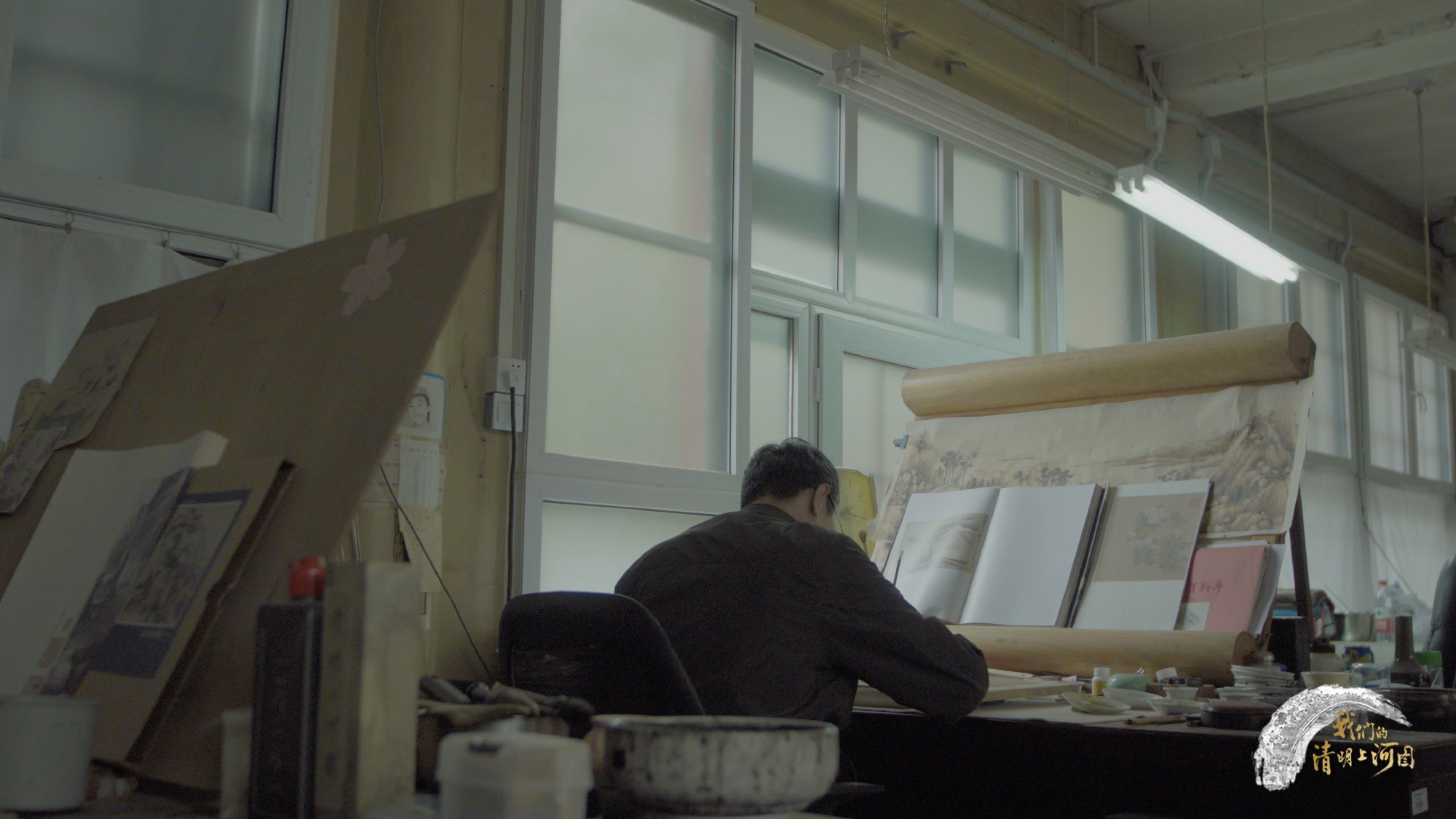
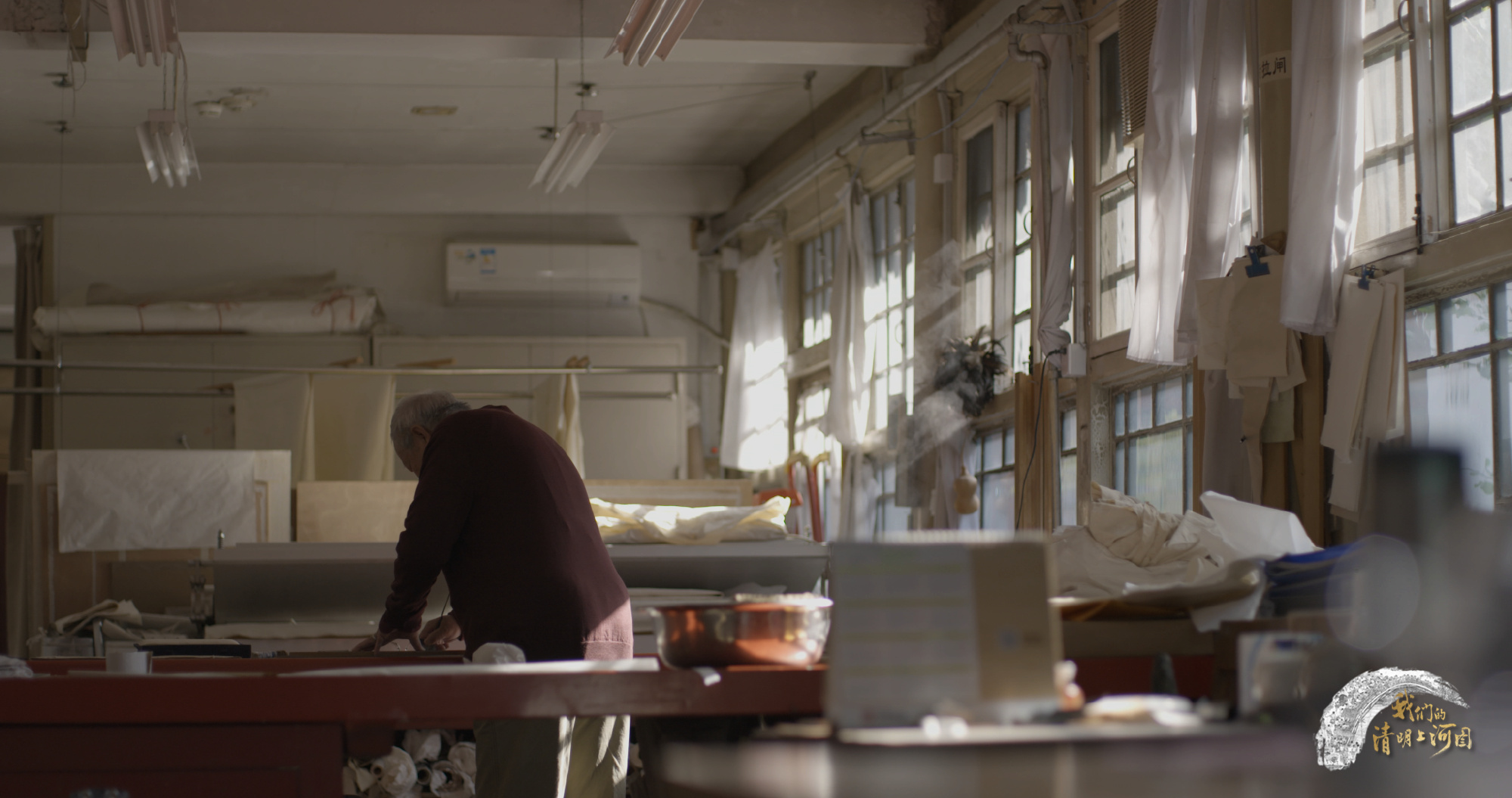
National Treasure Detective is the Premise theme of the all new restoration process techniques of the wonderful team of Forbidden City Restorers of  Copy, restore, record, and research, in the courtyard of the Forbidden City with red walls, yellow tiles, and blue bricks flying eaves, time suddenly stands still in the hands of generations of cultural relic restorers, cultural relic photographers, and cultural relic researchers, who are touching the millennium Every corner of the former Northern Song Dynasty faces history affectionately. They bury themselves deep in each work, just to keep the limited life of the cultural relics going. The documentary Our Qingming Shanghe Tu tells the legendary story of people and ancient paintings in the Forbidden City..

Documentary Our Qingming Shanghe Tu The four-episode feature film was successfully concluded this week! Copying, repairing, recording, researching, and following the documentary, we entered another story about “Along the River during Qingming Festival”, how the scenery on both sides of the Bain River thousands of years ago is preserved to this day; who uncovered the various forms of life in the Song Dynasty; from a hidden palace to a household name… After watching the documentary, what new understanding did you have about “Across the River during Qingming Festival”? in a which The Qingming festival or Ching Ming Festival, also known as Tomb-Sweeping Day in English, is a traditional Chinese festival observed by the Han Chinese of mainland China, Hong Kong, Macau, Taiwan and by the ethnic Chinese of Malaysia, Singapore, Cambodia, Indonesia, Philippines, Thailand, Vietnam and South east Asia countries..

The first episode of our Qingming Shanghe Tu is ingenious to “painting”

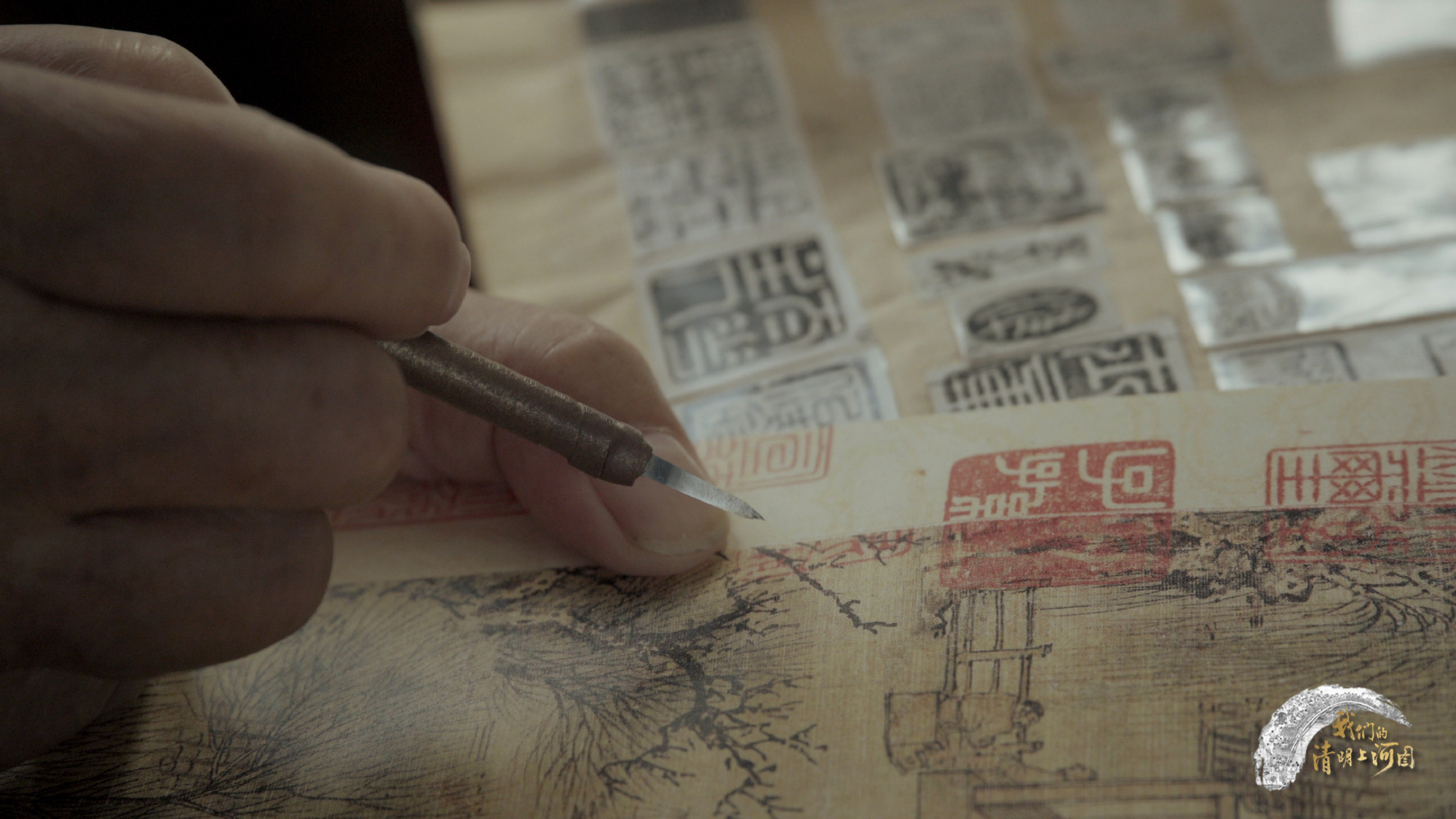
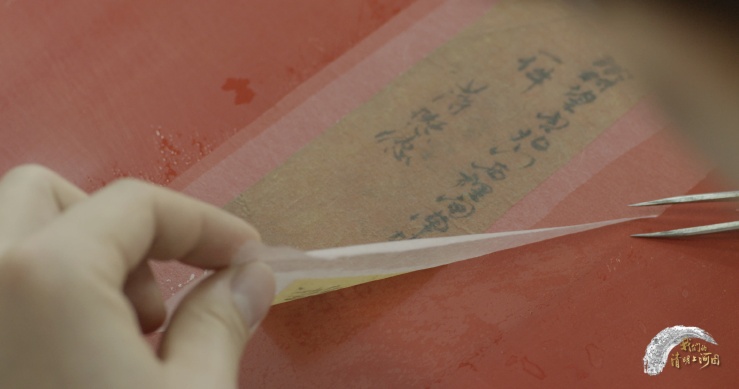
Our Qingming Shanghe Tu# In order to make the magnificent piece “Qingming Shanghe Tu” more visible to future generations, in the decades after the founding of New China, people in the Forbidden City copied ancient paintings and carved seals arduous task. A letter from home, a seal on the wall, restores this hardship. The vicissitudes of the “Across the River during Qingming Festival” complement each other with the ingenuity of the people in the Forbidden City, making the famous paintings copied in the whole volume also immortal…..

Episode 2: “Painting” at Risk

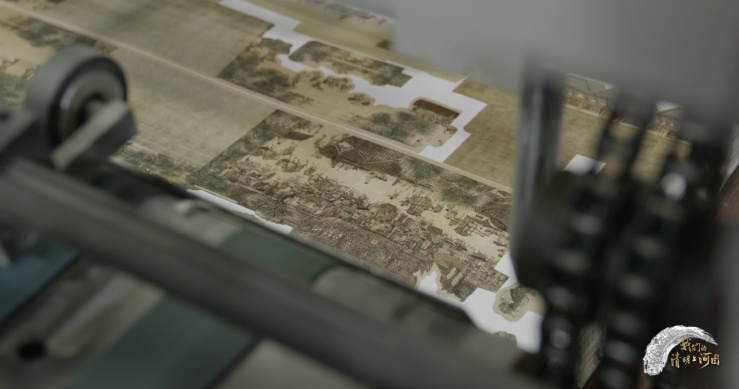
“Across the River During Qingming Festival”, which has been turbulent in history, how many steps does it take to heal the wounds? Three generations of people from the Forbidden City have gone through project initiation, consultation, discussion, and restoration to heal the scars of this famous painting. The restoration archive of “Along the River During Qingming Festival” restores the expert’s mental journey of “consulting” the ancient painting. A sticker behind the ancient painting witnesses the restoration skills of the people in the Forbidden City, as well as the stories and friendships contained in it

“Our Qingming Riverside Map” Episode 3: Changes to “Paintings” Thousands

There is a young department in the Palace Museum, dedicated to making the ancient paintings in the hidden palace gardens come to the public. The long river of history has endowed “Along the River during Qingming Festival” with a profound background, and the ever-changing technology has endowed it with vitality. Behind it lies the infinite creativity and vitality of generations of young people in the Forbidden City.

The fourth episode of “Our Qingming Riverside Scene” is a fascinating “painting”

How to crack the historical password in “Shanghe Tu at Qingming Festival”? Is it to sort out the literature, bury your head in research, or go back to Zhang Zeduan’s life path and “talk over the air” with the ancients thousands of years ago? Along two different research paths, we have entered a more vivid picture of “Along the River During Qingming Festival”, exploring emotional resonance in rational exploration.

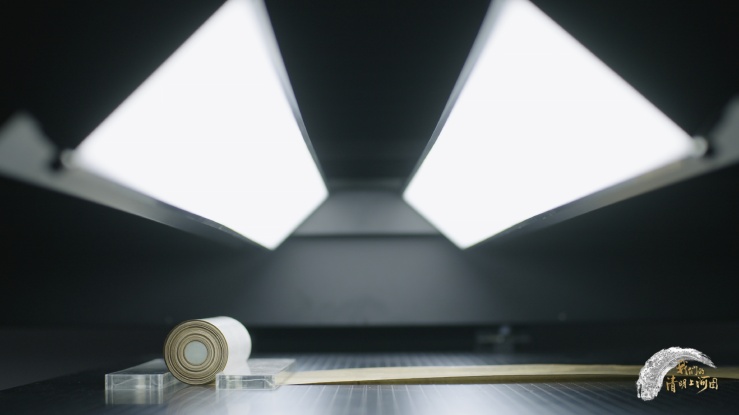
Paper has a thousand-year lifespan, and silk is preserved for 800 years. The limitation of material is the problem of the preservation of calligraphy and painting from ancient times to the present. As a silk version of “Along the River during the Qingming Festival”, it has been around for nearly a thousand years. How do people in the Forbidden City protect the ancient paintings and cultural relics from generation to generation and leave a precious legacy for future generations? Documentary Our Qingming Shanghe Tu The first episode “Ingenuity to “Painting”, tells about “copying”, this ancient but handed down ancient painting protection method, tomorrow morning at 11:30, so stay tuned!

In this year’s 2022, the second decade from the turn of the century in Beijing the Capital of China also the People’s Republic of China, marking its six hundred and Two years anniversary of the Forbidden city that marks the transitional point of in between the middle of the Ming Dynasty (1368- 1644) transitionally from Nanjing to Beijing towards the Qing Dynasty (1636-1644-1911) …. The Imperial Palace seen so many countless seasonally transitional equinoxes but further its six hundred years is iconic, but it’s five hundred ninety nine years it marks it Autumn Equinox…. In which it only took twelve years to build the same of the Daming Palace of The Tang Dynasty Xian Imperial Capital only it was least twenty times larger..

Images and visuals are from – Forbidden City –Palace Museum Beijing- China –People’s Republic of China…..