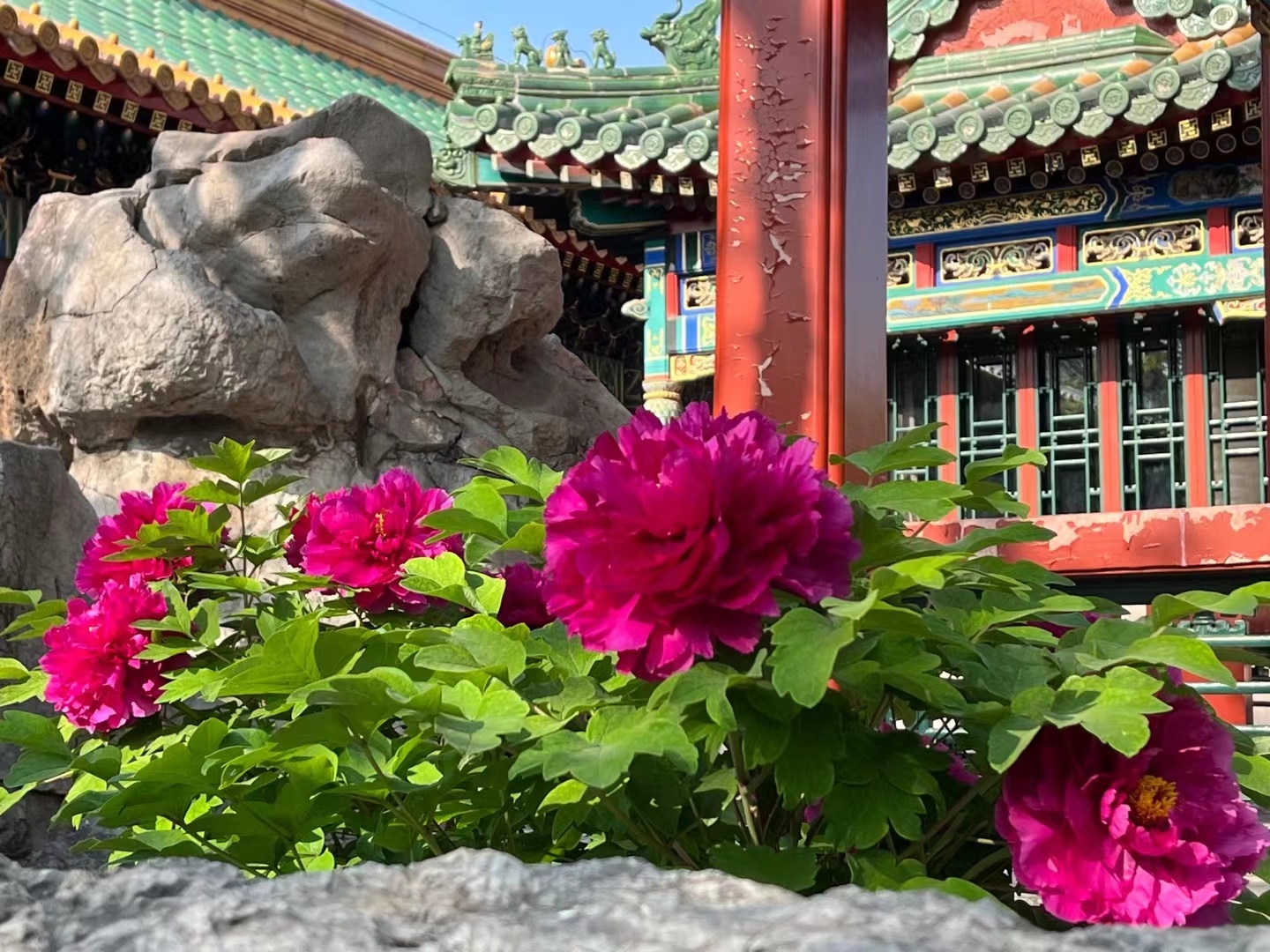
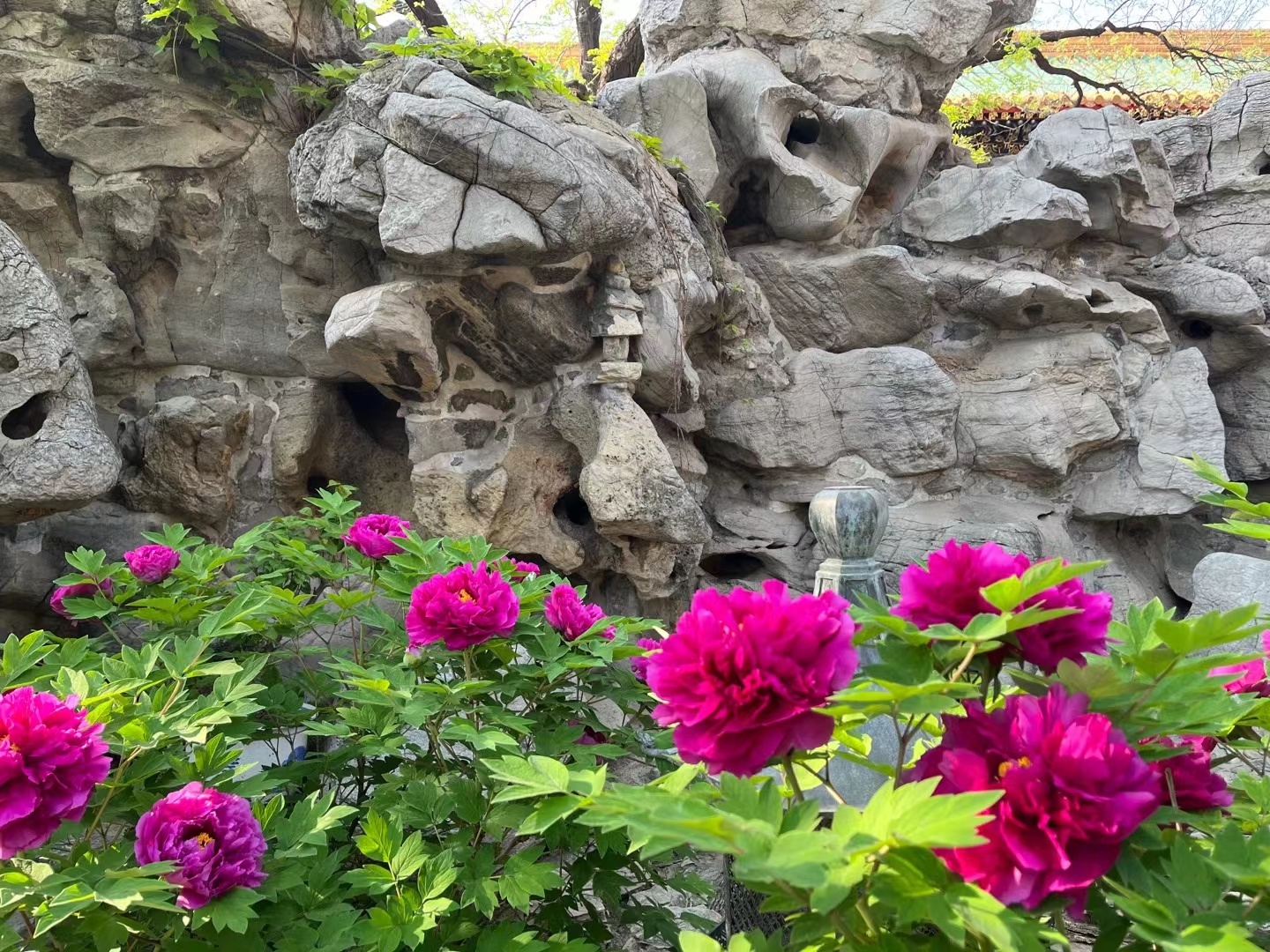
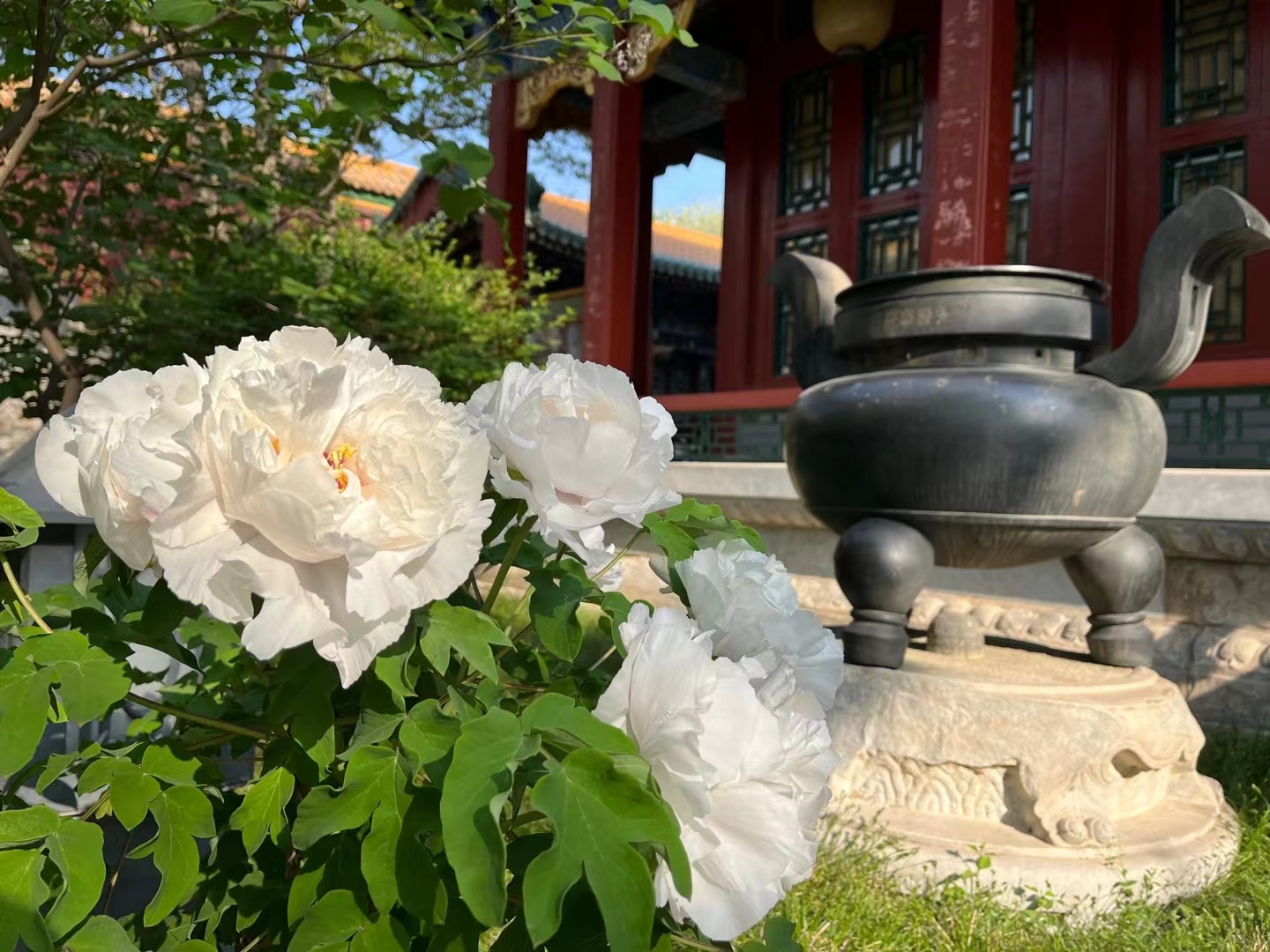
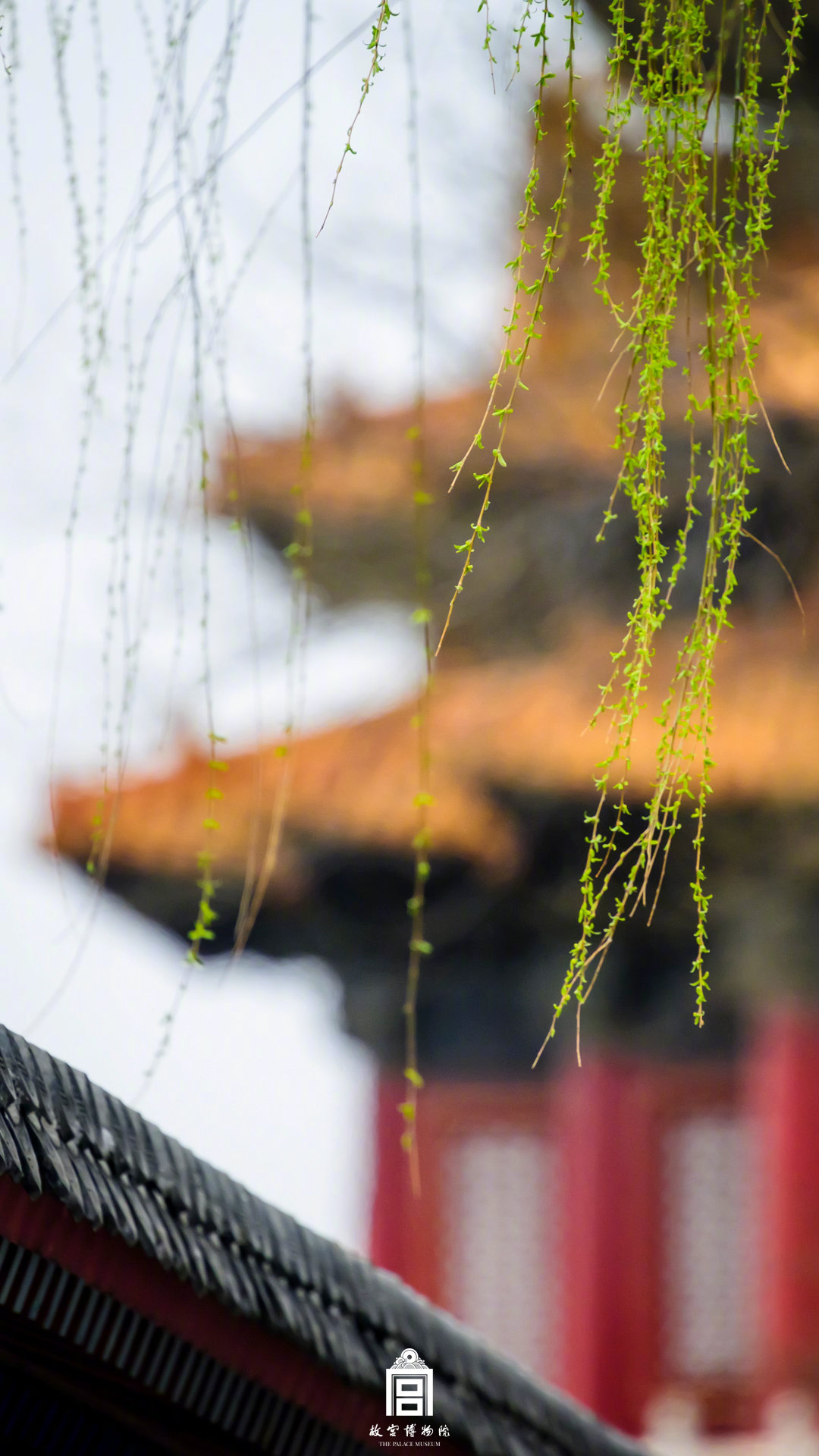
The Forbidden City Book Store which in the grounds of the Forbidden City Complex Forbidden City Hundred Excellent Books Public welfare reading activities! “The Way of the Forbidden City Architecture” is the work of Wang Zilin, an expert from the Palace Museum, to study the construction of the Forbidden City. The Forbidden City has a rich architectural language that emphasizes the principles of order, proportion and symmetry. The central axis is the backbone of the building and the pivot that supports the entire palace. The Forbidden City is upright, symmetrical and orderly, and is a “model student” of ancient Chinese official architecture. The architectural complex of the Forbidden City has a unique shape and cultural connotation rich in traditional charm.
For example, the frame structure of the Forbidden City—five gates and three dynasties, the front court and the back bed, the east and west six palaces, comes from the “Zhou Li”. The Qiankun hexagram in “Book of Changes” makes the combination of buildings have a metaphysical height and a solid foundation. For example, the plane structure of the east and west six palaces presents the three-painted hexagram, which symbolizes the Kun hexagram, while the Qianqing Palace, The names of Kunning Palace and Jiaotai Hall are directly derived from Qian Gua, Kun Gua and Tai Gua, which make the Forbidden City have the logical law of the positioning of heaven and earth and the intersection of heaven and earth. The red walls and yellow tiles constitute the color tone of the Forbidden City architecture. In traditional cognition, yellow symbolizes earth, red symbolizes fire, and earth is located in the center. Therefore, the three halls are built on earth-shaped platforms. The color is yellow, so the central emperor is called the Yellow Emperor.” According to the principle of the five elements, fire can generate soil, so the red wall symbolizes fire, and the yellow tile symbolizes soil. The building roofs in the Forbidden City include almost all the forms of ancient Chinese building roofs, such as hard hills, hanging hills, Xieshan, Hudian, Zanjian, cross ridges, double eaves, rolling tents, scorpion tops, etc. They have strict grades. The difference reflects the etiquette characteristics of that era.
In addition to deciphering the architectural language from the architecture itself, when the landscape and architecture are integrated and are no longer isolated natural landscapes, they also become part of the architectural language and shoulder the heavy responsibility of interpreting architectural ideals. The Jinshui River and Wansui Mountain in the Forbidden City are no longer natural mountains and waters in a pure sense, but have an inseparable relationship with architecture. Wansui Mountain is the backing of the Forbidden City. Without this mountain, the Forbidden City will lose its strongest barrier and become an isolated city. The Jinshui River also has this function. It not only provides water for the entire Miyagi city and ensures the water and drainage of the palace city, but also plays the role of connecting the northwest trunk with the southeast Sunda, making the Jinshui River an image of a trunk. The river of gold enables the communication between heaven and earth and the connection between mountains and lakes….
中国天文日 More than 13 Hanfu – Han Traditional Clothing blogger –Vlogger Fashion designer label based in historical modern richness of two thousand and four hundred year old ultra megapolis ancient – postmodern Chaoyang District Beijing Capital of China – People’s Republic of China. She is one of many leading fashion blogger-Vlogger Designers labels fashionably trending setting Hanfu and Hand Traditional clothing also founder and design director vlogs of how to wear of her collection of sort after Chinese –Han Dynasty Clothing of Hanfu- Han ethnic Traditional clothing in which dressing traditional from various dynasties to its postmodern twentieth first century trending setting ….
On 24th April 2022, China- People’s Republic of China- CNSA –China National Space Administration throughout the China- People’s Republic of China in which on that Day it’s China National Space Day in which it is the seventh China National Space Day in which there’s promotional events across the whole nation.. in which this week there’s promotional release themes on the previously hard working campaigns in space collaboratively in which features many successfully accomplishments in between various sectors among with governmentally to commercially industrial innovative designs of space ..
In which taking the inspirations of the China Space Program Roaming the universe, looking at the stars. Aerospace Culture and Creation CASCI China Aerospace Science and Industry Corporation and the original design Guofeng clothing brand @Sanyu official Weibo dream cross-border co-branding, integrating the aerospace elements with a sense of science and technology into the design of Chinese clothing, and interpreting the romance of the universe with the beauty of Chinese clothing, as if clothed in the sea of stars. Travel in a mysterious universe.
In her recently collection for China Space Day 2022 [When China Aerospace Meets Guofeng Romance] A more than thirteen Han Traditional Clothing enthusiasts can choose a set of new products in this issue collection. Mysterious Zhurong, chasing Chongyun Feitian Jade Rabbit by fire, scouting the moon Chang’e with a sleeve, dancing like a dragon cat Takionaut with a fan, a glance at the galaxy, let us dress in Chinese clothes and go to the prosperous space dream together.
From the Western Han Dynasty “taking the big bird as two wings”, to the successfully launched rockets and satellites today, we are curious about space And exploration never stops. Those spacecraft that carry hope are also named after Chinese romantic legends. Whether it is the Yutu lunar rover exploring the moon, or the Zhurong rover heading to Mars, they all reveal our beautiful fantasy about space. In this joint series of more than 13 × Aerospace Culture and Creation CASCI, these spacecraft are integrated into Chinese clothing, showing the romantic universe belonging to the East.
[Zhurong Collection “Chasing Fire”] Golden Crow, the Sun and the Candle Dragon God gathered in the round flower, interspersed with fiery flame elements, conveying the exploration and self-transcendence of the vast starry sky. The shoulders are matched with Zhurong number embroidery stickers, unlocking multiple outfits, and two colours can be selected
[Tianwen One Collection “Lie Xing·Tianwen No. 1”]
Double-layered Beizi to create a comfortable and comfortable wearing feeling. The outer layer is printed in a gentle fog blue, which outlines the mysterious space world. Ask about embroidery, with its own fairy spirit; the suspenders and skirt are matched with gold-printed mesh, as if on tiptoe, you can travel in space by the wind. (Picture 1-5) The Golden More than 13 Aerospace Cultural and Creative CASCI co-branded costumes “Jade Rabbit · Homecoming from the Universe”, a dream of pink and purple gradients Color, as if standing on tiptoe, you can walk month by month and pick stars with your hands.
[Crow of “Huoshen·Zhurong” ]
spreads its wings and flies from the fusang tree, traversing the vast starry sky, flashing a dazzling light. The collision of orange gold and black, and the pattern of group flowers and Zhurong fire are embellished, symbolizing the flames that illuminate the world, as if wearing mysterious oriental myths on the body…
[Yutu Lunar Rover·Sleepless Moon Rabbit]
In this collection is inspired by elements the YUTU Lunar Rover happily exploring on the other side of the moon Chang’e – Luna on the 103 Meter diameter Von Karman Crater Dance, sleepless moon rabbit! In which the YUTU the Jade Rabbit never sleeps on work the important task in which only Naps in between work Sleepless Moon Rabbit is what I imagined, the little jade rabbit who never sleeps, when dancing on the moon~ So this dress will have a little dance feeling….
谷雨 Qingming breaks snow from the 5th April in which , 谷雨Grain Rain breaks frost”, Grain Rain (Journal of April 20th -4th may 2022 ) is the last solar term in spring. The arrival of Grain Rain means that the temperature will rise faster. In such a breath of spring, be sure to go out go! Grain rain, grain is born of rain!
谷雨# Today’s Grain Rain on the 20th April 2022 The late spring will turn into summer, rain produces all the grains and all things are lovely…. Rain produces all the grains, and all things spring. Grain Rain is the sixth solar term of the twenty-four solar terms and the last solar term in spring. At this time, the weather is getting warmer, the rain is increasing, and all the newly planted seedlings are eager for moisture.
It is recorded in “The Collection of the Seventy-two Hours of the Moon Order”: “In the middle of the third month, after the rain, the soil ointment pulsates, and now it rains its grains in water. Sow seeds at this time, from top to bottom.” Grain Rain, like rain, small man, light snow, heavy snow and other solar terms, is a solar term that reflects the phenomenon of precipitation, and is a reflection of the ancient farming culture on the season.
In traditional farming culture, the Grain Rain solar term links “gu” and “rain” to indicate precipitation conditions and “rain produces a hundred grains”. The most important feature of Grain Rain is the continuous spring rain, and the rain produces hundreds of grains, which reflects the agro-climatic significance of “Grain Rain”, which is the reflection of the ancient farming culture on the seasons. After the Grain Rain solar term, the temperature rises, the rainfall increases, and the humidity in the air further increases, which is very suitable for the growth of cereal crops, which is the best season for the growth of crops.
At this time, the southern part of China began to be significantly rainy, and especially in southern China, once the cold air meets the warm and humid air, it often forms a long-term rainy weather. Qinling-Huaihe is a transition area between the southern spring rain and the northern spring drought. From the vicinity of Qinling-Huaihe to the north, the spring rain decreases sharply. In the northern region, Grain Rain is a symbol of the “final frost”. There are fewer cases of cold air invading the south, but the cold air activities affecting the north have not stopped, and early thunder will occur in many places.
Grain Rain has three stages: the first stage when Ping is born; the second stage when the dove is singed and its feathers fluttered; the third stage when Dai Sheng falls to the mulberry. After Grain Rain, the rainfall increased, the duckweed began to grow, then the cuckoo began to remind people to sow, and then the hoopoe began to be seen on the mulberry tree.
During the Grain Rain solar term, you should eat more food that dispels dampness and benefits water. Since the humidity in the air gradually increases after the Grain Rain solar term, it is necessary to prevent “dampness” from invading and hurting the body. Pay attention to opening windows for ventilation, strengthening warmth, not catching a cold, getting more sunlight, and exercising appropriately. If the “dampness evil” has invaded, you can add some foods that dilute water and dampness in your daily diet, such as corn, poria, wax gourd, barley, and red bean. In addition to nourishing the liver and protecting the liver, Grain Rain health care also needs to pay attention to strengthening the spleen and stomach, because after the Grain Rain, it means that the spring is almost over, summer is coming, and the summer is mainly hot and humid. At this time, you should eat more according to your physical condition Foods that strengthen the spleen and stomach and dispel dampness, such as toona sinensis, black beans, barley, yam, crucian carp, etc., lay the foundation for summer.
Grain Rain Customs:
Drinking Grain Rain Tea. Guyu tea is the tea made from fresh tea leaves picked on the day of Guyu, and it must be picked in the morning. Guyu tea is green in color, soft in leaves, rich in vitamins and amino acids, and has a pleasant aroma. Legend has it that the tea of Guyu on this day will clear fire, ward off evil spirits, and improve eyesight. So no matter what the weather is on Guyu day, people will go to Chashan to pick some new tea and come back to drink it.
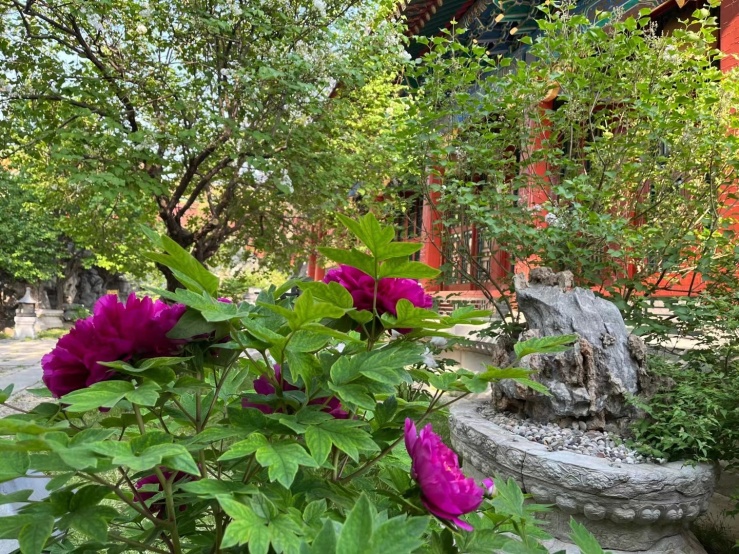
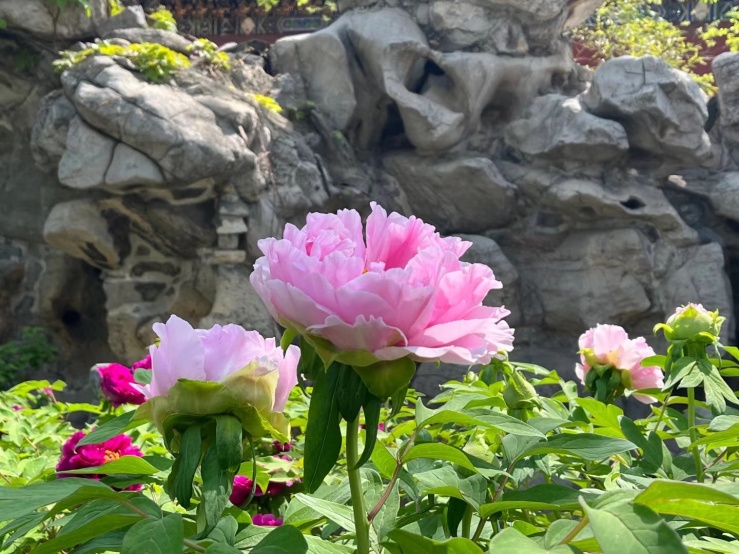
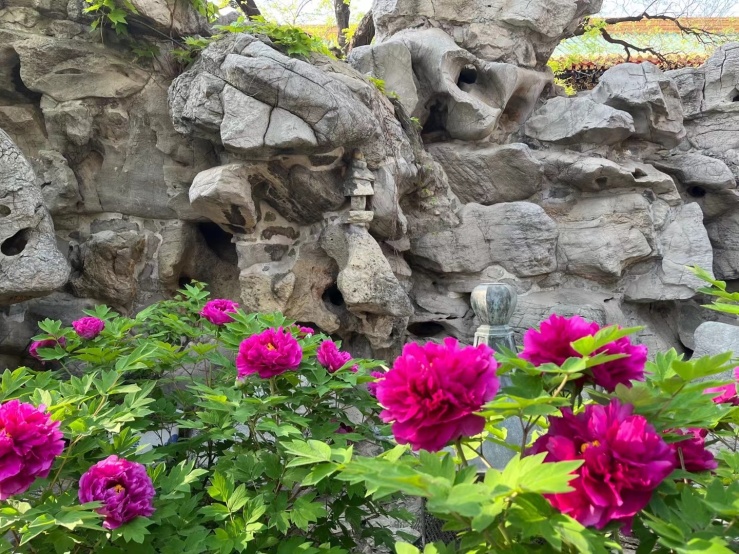
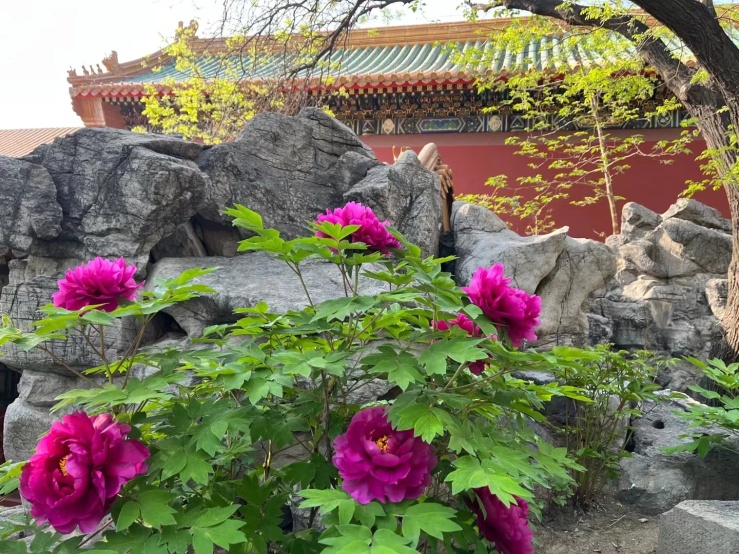
Appreciate peonies. “Seeing Peony in Three Dynasties of Grain Rain”, peony flowers are known as Grain Rain Flowers and Flowers of Fortune. Qing Gu Lu’s “Qing Jialu” said: “The merchants who built the temple and the other halls will look at the flowers in a new way. If you don’t believe that there is no national color when you meet, Jin Peng only protects the spring of Yulou.” So far, Heze in Shandong and Luoyang in Henan will be in the rain season. A peony festival is held for people to watch and play.
Festival Cangjie. Qingming festivals to the Yellow Emperor and Guyu to Cangjie are folk traditions that have been passed down for thousands of years since the Han Dynasty. According to the “Huainanzi”, the Yellow Emperor issued an edict in late spring and early summer, announcing that Cangjie had succeeded in creating Chinese characters, and there was a rain of millet that day. After Cangjie’s death, people buried him in his hometown, the north of Shiguan Town, Baishui County. A couplet was engraved on the door of the tomb: “Yusu felt the emperor in the past, and the bridge mausoleum with Wen Yongshi.” The annual Gu Yu, “Cangjie Temple Fair” It will be held as scheduled in Baishui County, Shaanxi Province.
“Eat Spring”. Before and after the Grain Rain, toona sinensis is mellow and refreshing, with high nutritional value, so there is a saying that “the toona sinensis is as tender as silk before the rain”. People say that picking and eating Chinese toon in spring is “eating spring”. Toona sinensis is generally divided into purple toon buds and green toon buds, especially the purple toon buds. Fresh toon sprouts are rich in protein, carotene and a lot of vitamin C. Its leaves, buds, roots, skins and fruits can be used as medicine, which has various effects such as invigorating the stomach and regulating qi, preventing diarrhea and moisturizing the skin.
sacrificing sea. The Grain Rain Festival is also known as the “Zhuang Xing Festival” for fishermen to go fishing. In the coastal areas of northern China, fishermen have been celebrating the Grain Rain Festival for more than 2,000 years. When the sea sacrifice time arrives, the fishermen will carry offerings to the Sea Temple and the Niangniang Temple to offer sacrifices. It is still popular in the Rongcheng area of Jiaodong today.
Go Grain Rain. In ancient times, there was a custom of “walking the Grain Rain”. On the day of Grain Rain, young women would go to the village to join their relatives, and some would come back after a walk in the wild. The meaning is to integrate with nature and strengthen the body
On 18th April 2022 it was International Day for Monuments and Sites | In the thousands of weather, the Forbidden City – Beijing – China – People’s Republic of China is guarded by them and this year’s theme is “Heritage and Climate”. Wind, frost, rain and snow, the four seasons rotate, and the lights and shadows belonging to the Forbidden City are constantly changing. Share with you the headline article “In the thousands of weather, the Forbidden City is guarded by them” (including many high-definition pictures of the Forbidden City
The theme of this year’s International Day of Monuments and Sites is “Heritage and Climate”, and we will share with you the stories of the protection of the Forbidden City under different “climates”.
In mid-March this year, the constantly loaded spring in Beijing was suddenly interrupted by a heavy snow. Changes in weather have brought a landscape of “snow” and “flowers” in the same frame to the Forbidden City.
Whether it is sunny or raining, frost or snow, the Forbidden City under thousands of weather attracts the attention of the world with its unique momentum as a world cultural heritage site.
Since ancient times, the ever-changing weather has always affected people’s lives. From farming, to dressing and commuting, many of our actions depend on observing and responding to the weather.
For the Forbidden City, the weather is not only its changing and “atmospheric” dress, but also determines its state of breathing and breathing, as well as the actions of a group of guardians.
Every crystal snow, every roar of thunder and lightning, every rain, what kind of weather-related stories are happening here?
Snow
The most eye-catching Forbidden weather is snow. It brings a “winter limited” plain silver outfit to the Forbidden City. In the winter wind hunting, jade butterflies dance in the air, and the melting snow turns into ice under the eaves.
In the winter when the Beijing Winter Olympics were successfully held, the capital was snowy. The snowflakes falling one after another fell on the city, which matched the unique surprise of “red wall and white snow”.
In addition to the picture of “Smashed and Falling Qiongfang”, a group of hurrying figures are fighting in every corner of the Forbidden City.
In order to ensure a safe and comfortable visiting experience for tourists, the Palace Museum has launched an emergency plan for opening up in snow in a timely manner according to the weather forecast.
In three days, the Forbidden City has accumulated a snow-cleared area of 900,000 square meters and transported more than 500 vehicles.
In the silver-white world, the palace walls and palaces stand majestically, and the people who are busy in it become a different embellishment.
Perseverance in the cold wind has never changed. This warmth has always been stationed in this city, accompanying everyone who comes.
Thunder
When winter comes to spring, the breeze blows away the cold air and greens the willow branches along the river bank. The flow of air brings vitality to the city and promotes the renewal of everything.
“In the second month of the month, all things are out of shock, and the shock is thunder, so it is called Jingzhe.”
Spring thunder sprouting, all things grow, but where there is thunder, it is easy to make fire. This is undoubtedly a major safety risk for wood-structured buildings.
Looking inside the palace walls, the towering three halls, turrets and other buildings were struck by lightning several times and caught fire during the Ming and Qing Dynasties, resulting in heavy losses.
In order to pray to avoid lightning, the tenth ridge beast “Xingshi” was added to the roof of the Hall of Supreme Harmony during the Kangxi period. Its shape is similar to the image of Lei Gong in myths and legends, which means controlling thunder, suppressing thunder and eliminating disasters.
In addition to the careful thought of praying for blessings, the design of the metal top connected to the down-conduct under the glazed tile also realizes a simple “lightning avoidance” function that is quite labor-intensive.
The picture shows the lightning protection roof of Zhonghe Hall
In the 1980s, with the promulgation of the National Code for Design of Lightning Protection for Buildings, the renovation of lightning protection facilities in the Forbidden City was officially put on the agenda.
The Palace Museum and the Institute of Electrical Engineering of the Chinese Academy of Sciences jointly conducted a survey to improve the lightning protection design of the Palace Museum and carry out a large number of facilities repair work according to factors such as the law of lightning strikes in the Palace Museum and the material of the building roof.
Today, the modern lightning protection system has accompanied the Forbidden City to survive many lightning strikes. The single lightning rod on the kiss, the lightning protection belt on the roof… are the “lifelines” for the city’s lightning protection and disaster prevention.
The thunder sounded, and the rain came in time. Rolling spring thunder and falling rain are another feature of the Forbidden weather.
RAIN
When it comes to the rain in the Forbidden City, people often have many associations. The little ripples of the Jinshui River and the pavilions in the mirror like the fairy palace form the beautiful picture of the Forbidden City in the rain and after the rain.
The magnificent Forbidden City complex has survived countless showers, thanks to its exquisite drainage system.
In the large and small halls, whether it is a Xieshan top, a hard top, or a pointed or helmet top, the design of various roofs follows the characteristics of high ridge and steep slope, and the purpose is to drain rainwater quickly.
On the roof, raised tube tiles and sunken slabs form “drainage channels” – tile ridges. The rainwater that falls from the sky flows down in an orderly manner along the tile ridges, collects at the dripping places of the eaves, and flows to the ground.
The water accumulated on the eaves inside the palace wall is drained out of the wall along the drain.
Thousands of chi heads on the base of the hall also dutifully “spit” the accumulated water to the ground.
Countless streams of water leaked into the sewer channel along the money eye and groove on the ground, and finally all drained into the Inner Jinshui River, completing another flow cycle.
The rainy day story of the Forbidden City is not limited to the long and complete outdoor drainage system.
The temperature and humidity of the indoor environment have a direct impact on the health and longevity of buildings and cultural relics. In 2005, the Palace Museum began to monitor the temperature and humidity of the exhibition halls, and gradually selected pilots and established a data platform. Today, the Forbidden City has already achieved comprehensive monitoring of the temperature and humidity of the exhibition halls.
At present, the Palace Museum has installed 207 monitoring equipment in 63 cultural relics buildings and warehouses, focusing on data collection of the preservation environment of indoor color paintings, decoration and ceiling decoration.
In addition to the regular temperature and humidity monitoring, there are also monitoring of carbon dioxide concentration in the exhibition halls such as Wuying Hall. In some original exhibition halls such as Kunning Palace and Chuxiu Palace, the monitoring of light is also added to prevent visible light and ultraviolet rays from affecting cultural relics. The damage caused is supported by data.
The figurative monitoring data provides accurate and powerful reference for the repair of many ancient buildings in the Forbidden City and the protection of cultural relics.
Wind, frost, rain and snow, the four seasons rotate. The thousands of lights and shadows belonging to the Forbidden City are constantly changing, but what remains unchanged is the diligent pursuit of generations of guardians for the continuation of civilization.
The humidity of the exhibition hall can be monitored in real time through the background of the monitoring system
Bathed in thousands of years of wind and rain, the ancestors formed a unique building construction wisdom in the long years ; today, modern scientific and technological means are escorting the Forbidden City .
In 2011, the Palace Museum built an automatic meteorological monitoring station. Since then, the meteorological “codes” such as precipitation, snow depth, and illumination of this ancient building complex can be measured, providing accurate data for the formulation of plans to prevent unexpected meteorological events.
When the rain ends and the sky clears, I hope that the majestic Forbidden City, which has experienced thousands of weather, will continue to write more exciting weather stories under the joint protection of you and me, and walk through the next 600 years safely!
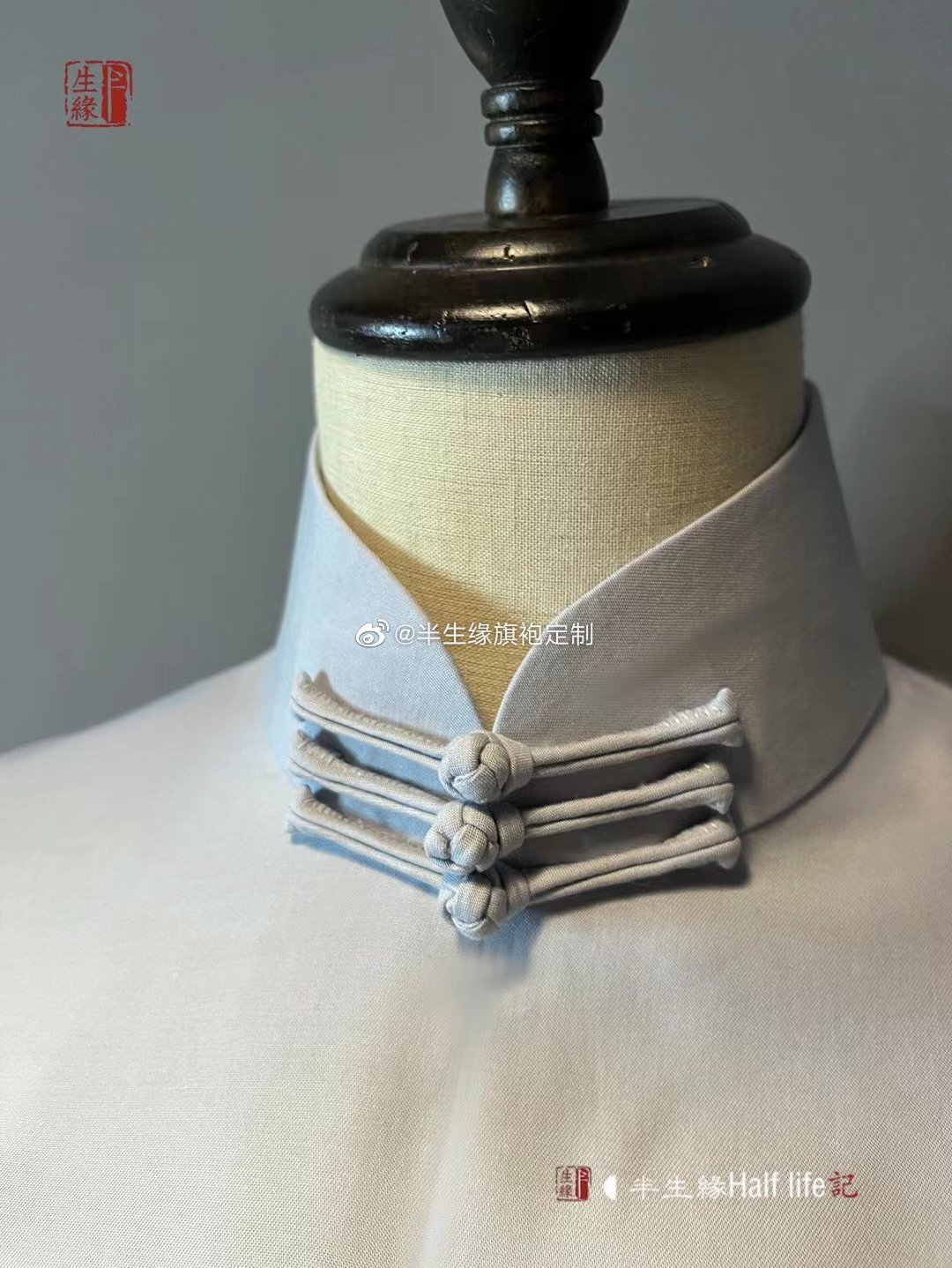
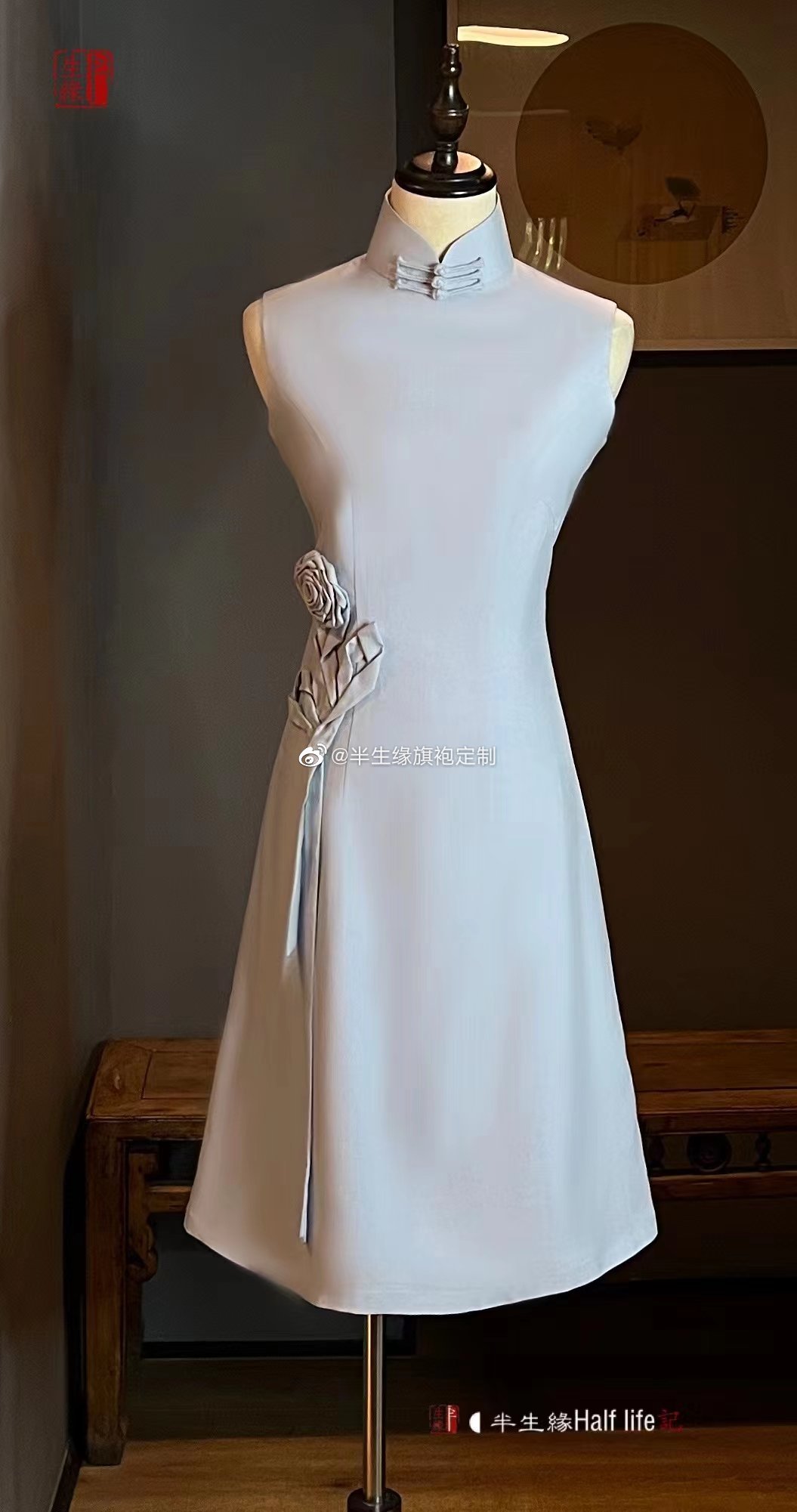
Located in an ancient post-modern Three Thousand plus years old ultra Megatroplis city Xian City, Shaanxi Province – China – People’s Republic of China, 半生缘旗袍定制 Half Life Cheongsam – Xi’an Banshengyuan Clothing Co., Ltd. Innovatingly Post Modern Qipao- Cheongsam located in Southeast corner of Futao Museum, No. 99 Furong West Road, Yanta District, Xi’an located the east entrance opposite Qujiang Book City – Banshengyuan Qipao Living Museum is located in Xi’an. It is a local wedding dress brand. Since its establishment, the brand has been committed to becoming a well-known brand in Xi’an. …. in which innovatively bringing a New Chinese style cheongsam-Qipao high-end brand-Embroiderer…….it is committed to the high-end private specialization of Chinese Shanghai style cheongsam… in which each dress is customised towards the wear’s in which tailoring takes least in between 20-60 days depending on the extremely level of detailing of brocade in which using the most finest heavy silks are hand sewn and crafted …..
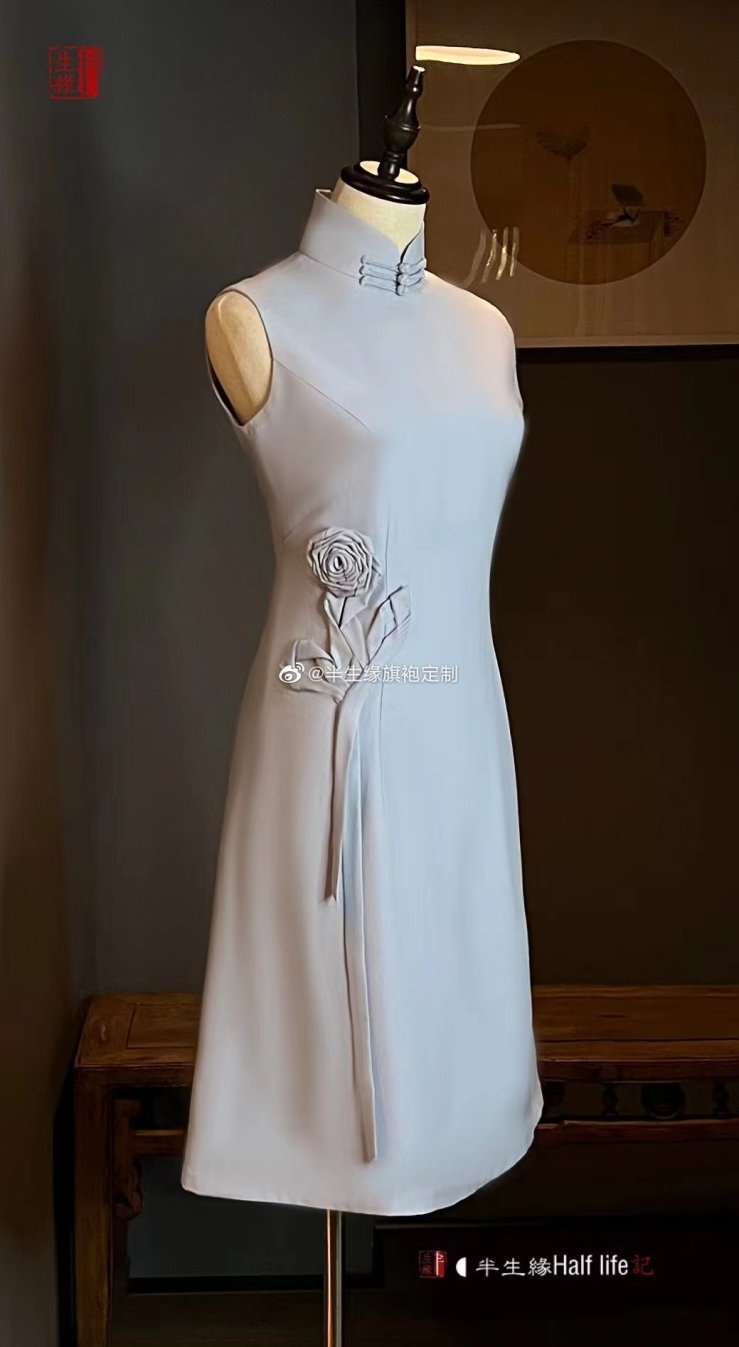
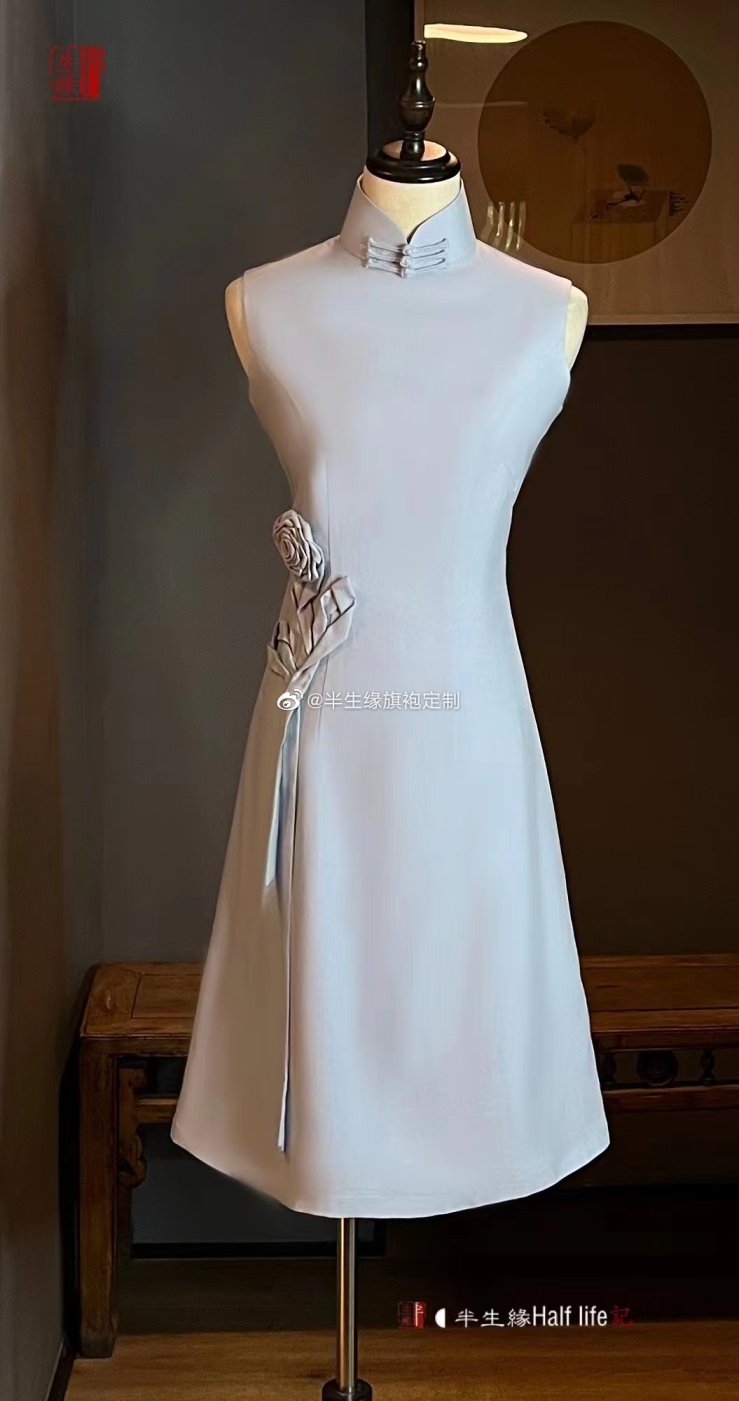
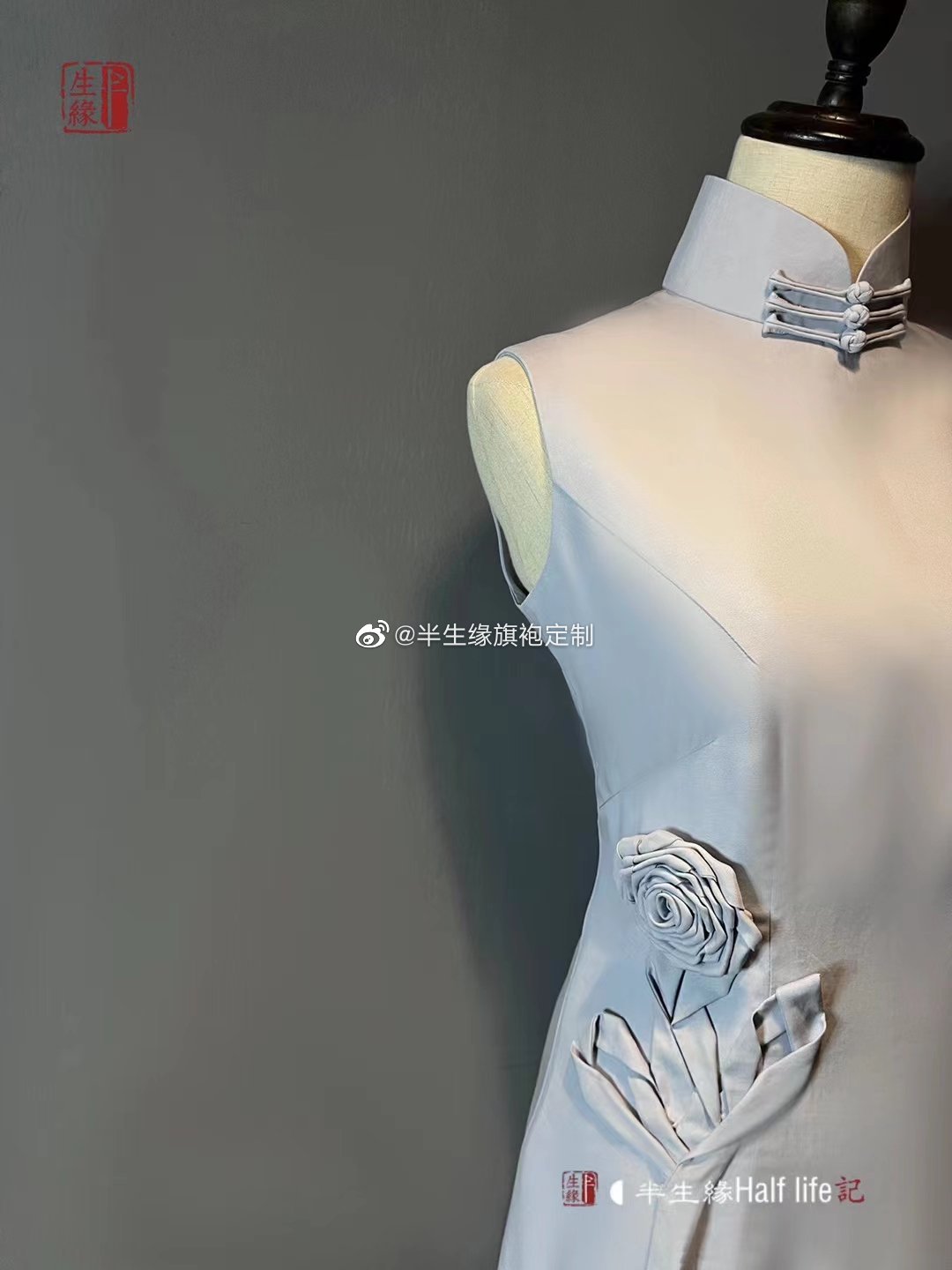
Dressed in warmingly post-modern spring white snow elegant Qipao dress with featuring for spring Summers short shoulder ribbon trimmings delicate sleeves with a postmodern delicately trims with a white pearls button pakon collar detailing the Mandarin collars with retro ancient Chinese trimming from the breast collar fitting elegant with on Chinese hand crafted embroidery youthfully cheongsam Qipao …. The Qipao itself is delicate details of pearls Pakon button marking the trimmings with a mid-length dress with a Soft Designer Original 2022 early summer…
Song –Ming Dynasties inspirations of pearls decorating the Han Traditional Clothing among with makeup aswell with Haoyue Frost white…..
Half shengyuanLife|Daily matching of new Chinese clothing 1. Chinese suits: luxurious and low-key fabrics combined with Chinese patterns to create a Chinese retro and modern suit, with a traditional stand-up collar to match The finishing touch of the buckle, the overall large outline is very design and avant-garde.
2. Slim fit: The tailored tailoring design highlights the advantages of women, continuing the slim fit version of the Chinese classical cheongsam, and on the basis of large-sized short skirt lengths, showing a bold single product silhouette, the lower body can be mixed with denim, functional , no gender and other elements, fully demonstrate the sense of fashion.
3. For accessories and shoes, you can choose canvas shoes to highlight the casual style, Martin boots to be sexy, loafer shoes to highlight the casual and comfortable style, and Mary Jane shoes to highlight the exquisite ghost horse style
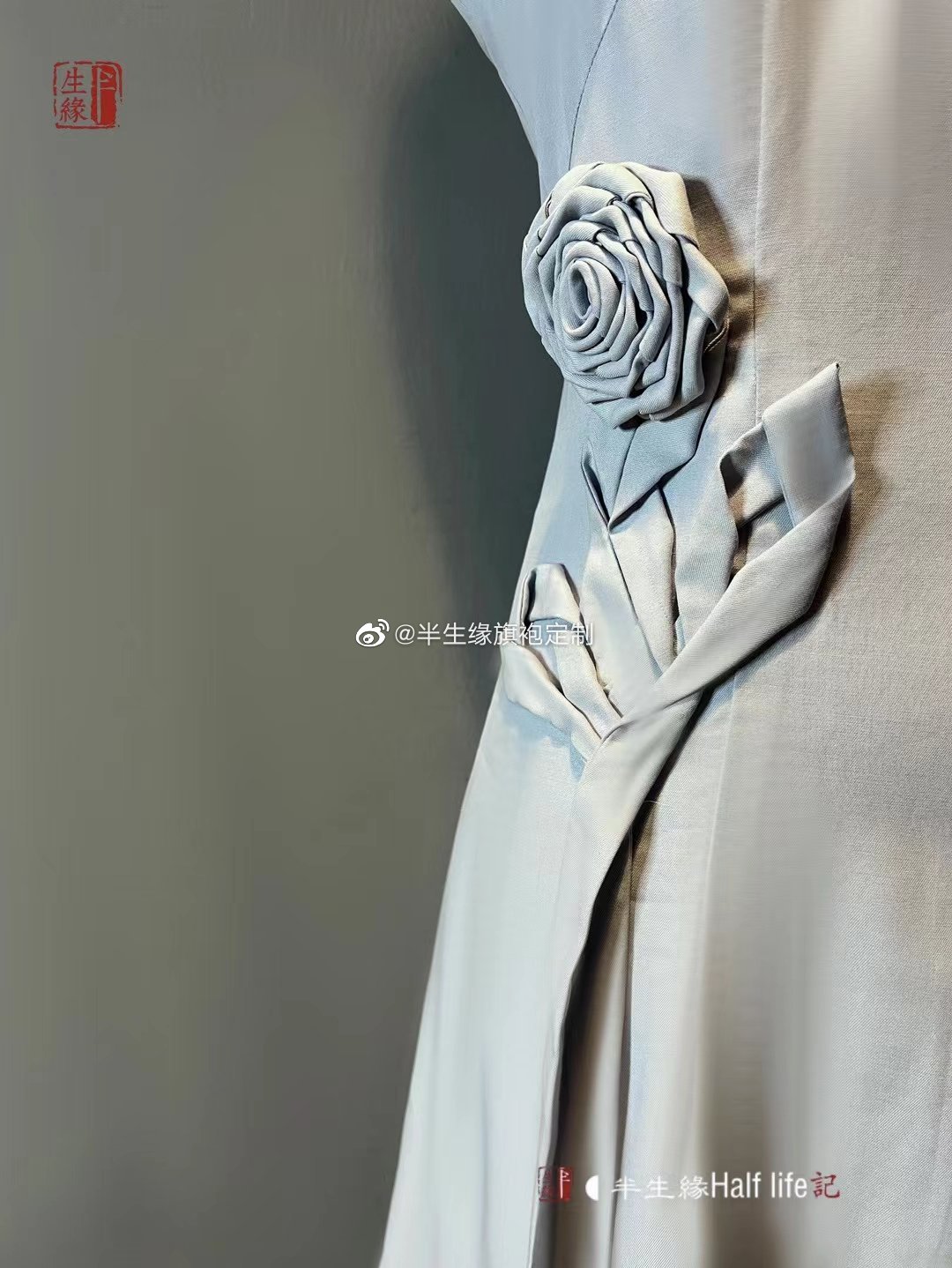
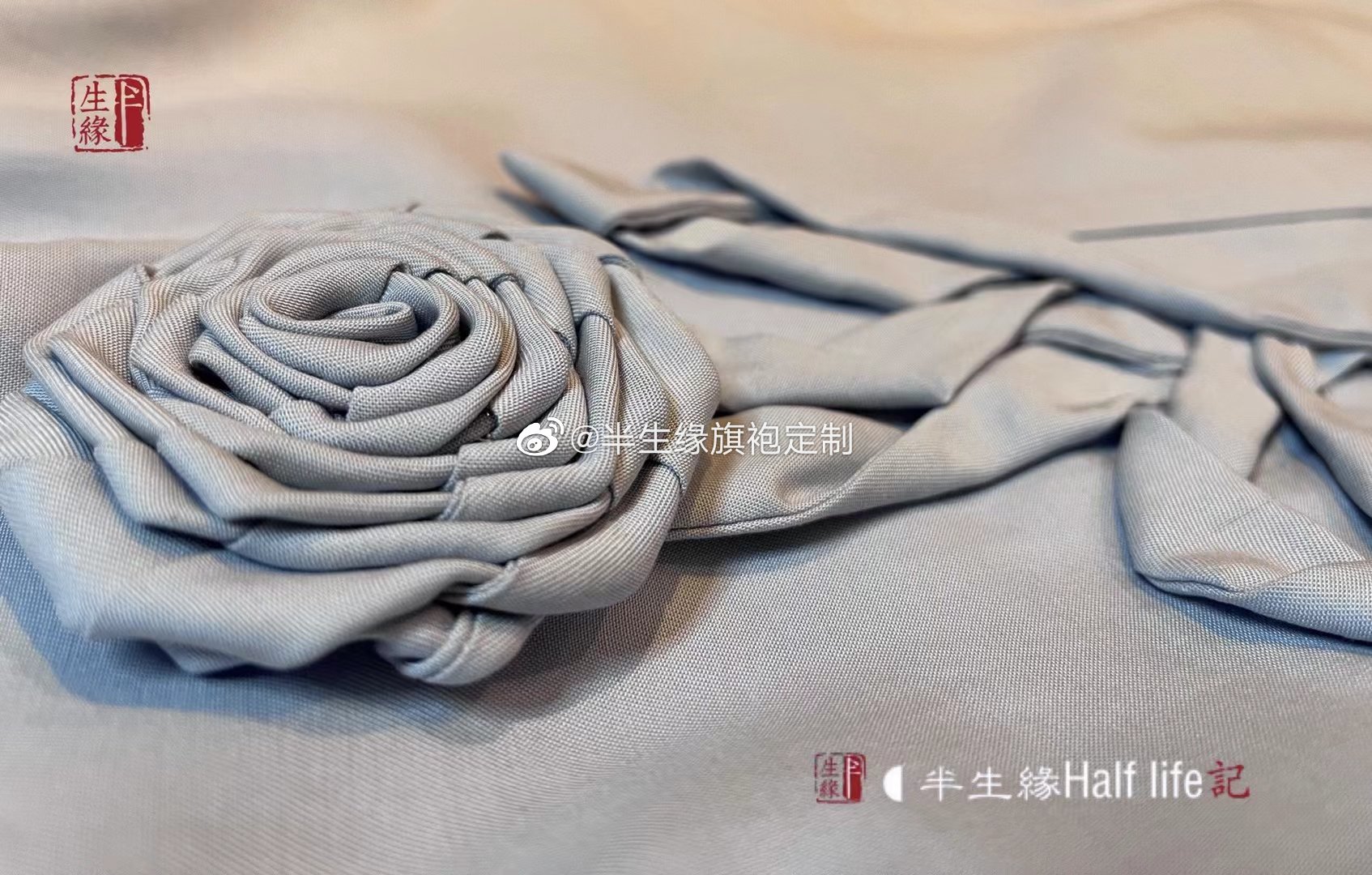
Expressing Femininity is the ultimate expression of condensed femininity of romantic literature… with romantic flower ribbon buttons assemblage. In With a beautiful detailing of slide button fixtures with ribbon buttons features in a traditional Qipao- Cheongsam design in replacement of the modern with the back zip opening in which is place with modern easy to wear in which is a non-traditional design of the silk-printed cheongsam to not comprise the details….
To be mature and gentle, to be funny and cute, add something to your girly trendy matching or contempary color jacket from your wardrobe jacket to elegantly classically of a silk jacket…. in accompany with the mid length Qipao –Cheongsam ….
….…… In which timeless gorgeous hand crafted embroidery youthfully cheongsam Qipao Chinese Qipao –Cheongsam makes a most treasured embroidery art center piece on you and after on a mannequin as your fashion art piece memorable…….
QIPAO 旗袍 Cheongsam …. In which from historically Shenyang is the birth place of the Qing Dynasty 1636-1912plus …. In which Qipao is termed for Qing Dynasty Clothing that the Manchu ethnic adoptively wore…… in which the Shenyang Palace Museum was an imperial palace towards two Qing Dynasty emperors. Previously two years ago During the event it which was an eight day forums, with exhibitions also related workshops illustrating the birth place of the Old Capital of Cheongsam where the Qing Dynasty- Qipao was inspired from..
Before that Shanghai 1930’s Qipao-Cheongsam revolution, the Manchurian Cheongsam was the fashion of choice of the Qing Dynasty (1636-1912) throughout as it standardised that style during the dynasty… Replacing the previous clothing standard Han Fu – Han Dynasty clothing style, in which also is form fitting towards the women’s silhouette but with a higher degree of freedom of flare of personal, individual style…
Qipao-Cheongsam is uniquely hand crafted tailored Chinese dress to the customer’s various measurements… in which you can still have them brought of the rack in which is accustomed to the standard measurements… in which you can tell which is western influenced with the back zipped in which the Eastern traditional Chinese Tailors would have the side zipped of the Qipao dress due it interrupts the flow of the pattern work at the back of the dress.. Also it creates a continuous seamless back look… after as the measurements are translated drafted onto the silk or the customer desired accustomed fabric of choice, from the measurements book with the associated look of the design elements with additional accessories the sexiness of Qipao lies subtlety.. Measuring, patterning, cutting, and button making are crucial, in where passion and art comes together in tailoring
In which traditionally Qipao- Cheongsam dresses are worn for from straight forwardly every day towards after work evening wear in without having to change to another set of wardrobe dressing only to accessories for the required occasion… … in which the Qipao dress pattern silhouette is design for the lady’s figure in which accentuating the silhouette without giving away too much of what’s underneath in retaining…. its timeless classic silhouettes in which are designed to be worn every day, from work, evening, casually towards to the weekend… with sleek simple, elegant, sexy intelligent sophistication in which are easy to be accessorised with any pieces of clothing in your current or upcoming wardrobe…