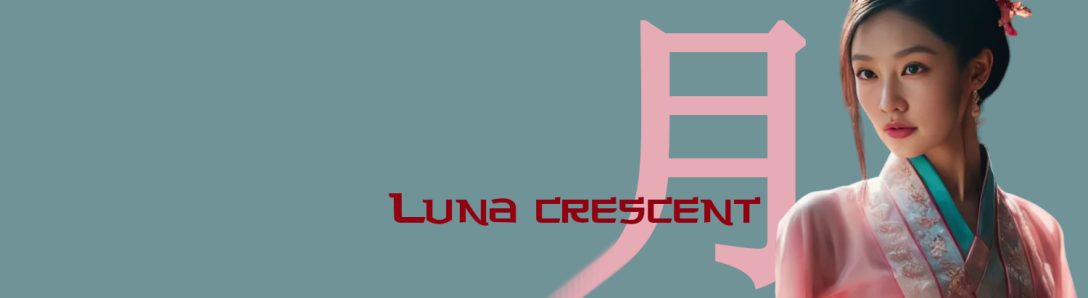
#QIPAO #旗袍 #Cheongsam |#半生缘旗袍定制 #HalfLifeCheongsamCustomization #May2022| #FashionLookBook your everyday #TraditionalChineseQipao #XianQipao #Cheongsam  #PostModernQipao  #ModernQipao Silk Spring #WhiteQipao  #EveryDayWear #WorkWear Spring  innovative elegant white moonlight pearls Yuehua flower trimmings

Located in an ancient post-modern Three Thousand plus years old ultra Megatroplis city Xian City, Shaanxi Province – China – People’s Republic of China, 半生缘旗袍定制 Half Life Cheongsam – Xi’an Banshengyuan Clothing Co., Ltd. Innovatingly Post Modern Qipao- Cheongsam located in Southeast corner of Futao Museum, No. 99 Furong West Road, Yanta District, Xi’an located the east entrance opposite Qujiang Book City – Banshengyuan Qipao Living Museum is located in Xi’an. It is a local wedding dress brand. Since its establishment, the brand has been committed to becoming a well-known brand in Xi’an. …. in which innovatively bringing a New Chinese style cheongsam-Qipao high-end brand-Embroiderer…….it is committed to the high-end private specialization of Chinese Shanghai style cheongsam… in which each dress is customised towards the wear’s in which tailoring takes least in between 20-60 days depending on the extremely level of detailing of brocade in which using the most finest heavy silks are hand sewn and crafted …..


Dressed in warmingly post-modern spring white snow elegant Qipao dress with featuring for spring Summers short shoulder ribbon trimmings delicate sleeves with a postmodern delicately trims with a white pearls collar detailing the Mandarin collars with retro ancient Chinese trimming from the breast collar fitting elegant  with on Chinese hand crafted embroidery youthfully cheongsam Qipao …. The Qipao itself is delicate details of pearls marking the trimmings with the most elegant simplistic Qing Dynasty postmodern contemporary inspirations of pearls decorating Frost white painting with embroidery Yuehua flower…..

Inspired by Chinese Embroidery Yuehua flower uses the pure white color of  inspirations of Peonies represent beauty, elegance, grace, prosperity, and strength In ancient China, because of its beauty and elegance, peonies were grown only in the royal gardens of the Emperor. In the Tang Dynasty, a woman named Wu Zhe Tian became the empress. She wanted to see some beautiful peonies but it was during the bitter coldness of winter. She ordered the flowers to blossom in cold weather but the peony refused to yield to her command. Empress Wu was so displeased that she kicked out all peonies from the royal palace. After they were exiled, peonies found a home in Luoyang, a city in the Henan province of China. The peonies flourished in Luoyang’s soil and weather. They grew even more beautiful and prosperous. The peony has always been referred to as the queen of flowers. 

Yuehua Qiao paints peonies because it is the prized flower of her city. She often takes walks in the famed peony gardens of Luoyang with her son. The spirit of the peony inspires Yuehua to be strong and to hold on to hope.

Expressing Femininity is the ultimate expression of condensed femininity of romantic literature… with romantic flower ribbon buttons assemblage. In With a beautiful detailing of slide button fixtures with ribbon buttons features in a traditional Qipao- Cheongsam design in replacement of the modern with the back zip opening in which is place with modern easy to wear  in which is a non-traditional design of the silk-printed cheongsam to not comprise the details….

To be mature and gentle, to be funny and cute, add something to your girly trendy matching or contempary color jacket from your wardrobe jacket to elegantly classically of a silk jacket…. in accompany with the mid length Qipao –Cheongsam ….

….…… In which timeless gorgeous hand crafted embroidery youthfully cheongsam Qipao Chinese  Qipao –Cheongsam makes a most treasured embroidery art center piece on you  and after on a mannequin as your fashion art piece memorable…….

QIPAO 旗袍 Cheongsam …. In which from historically Shenyang is the birth place of the Qing Dynasty 1636-1912plus ….  In which Qipao is termed for Qing Dynasty Clothing that the Manchu ethnic adoptively wore…… in which the Shenyang Palace Museum was an imperial palace towards two Qing Dynasty emperors. Previously two years ago During the event it which was an eight day forums, with exhibitions also related workshops illustrating the birth place of the Old Capital of Cheongsam where the Qing Dynasty- Qipao was inspired from..  

Before that Shanghai 1930’s Qipao-Cheongsam revolution, the Manchurian Cheongsam was the fashion of choice of the Qing Dynasty (1636-1912)   throughout as it standardised that style during the dynasty… Replacing the previous clothing standard Han Fu – Han Dynasty clothing style, in which also is form fitting towards the women’s silhouette but with a higher degree of freedom of flare of personal, individual style… 

Qipao-Cheongsam is uniquely hand crafted tailored Chinese dress to the customer’s various measurements… in which you can still have them brought of the rack in which is accustomed to the standard measurements… in which you can tell which is western influenced with the back zipped in which the Eastern traditional Chinese Tailors would have the side zipped of the Qipao dress due it interrupts the flow of the pattern work at the back of the dress..  Also it creates a continuous seamless back look…  after as the measurements are translated drafted onto the silk or the customer desired accustomed fabric of choice, from the measurements book with the associated look of the design elements with additional accessories the sexiness of Qipao lies subtlety.. Measuring, patterning, cutting, and button making are crucial, in where passion and art comes together in tailoring

 In which traditionally Qipao- Cheongsam dresses are worn for from straight forwardly every day towards after work evening wear in without having to change to another set of wardrobe dressing only to accessories for the required occasion… … in which the Qipao dress pattern silhouette is design for the lady’s figure in which accentuating the silhouette without giving away too much of what’s underneath in retaining…. its timeless classic silhouettes in which are designed to be worn every day, from work, evening,  casually  towards to the weekend… with sleek simple, elegant, sexy intelligent sophistication in which are easy to be accessorised with any pieces of clothing in your current or upcoming wardrobe…

Images and visuals are from Weibo also from半生缘旗袍定制 Half Life Cheongsam – Xi’an Banshengyuan Clothing Co., Ltd. located in Southeast corner of Futao Museum, No. 99 Furong West Road, Yanta District, Xi’an (the east entrance opposite Qujiang Book City)

#QIPAO #旗袍 #Cheongsam |#荷言旗袍 #荷言#HEYEN #May2022| #FashionLookBook your timeless Brilliant #ModernQipao #TraditionalChineseQipao #Cheongsam #PostModernQipoa #EveryDayWear #WorkWear inspirational#传家 #Legacy featured  on #吳謹言 #WuJinyan #易钟玉#YiZhongyu 

荷言旗袍 #荷言HEYEN…. Suzhou Heyan Culture Communication Co., Ltd. In which Heyan cheongsam– China – People’s Republic of China… is located in Suzhou City in which Heyan cheongsam is the first brand of Chinese Su embroidered cheongsam. Adhere to original design, Suzhou embroidery craftsmanship, and manual customization, with traditional culture as the core, and actively promote the Chinese Suzhou style cheongsam…

传家 Legacy,  Set in the late 1920s, it follows the three daughters of Shanghai department store giant Xinghua as they go head to head against each other to determine the true heir who will ensure the family’s continued prosperity.in which is set in Post Modern Qing Dynasty of 1920’s in which features as a Historical, business, Drama War in which is a story of three sisters whom   that chronicles the lives of the wealthy Yi family and three sisters who vie to inherit their father’s shopping mall business. In a time of upheaval and uncertainty, the three sisters set aside their differences to keep the business afloat and save their family throughout the chaotic times of foreign invasion among is the massive Japanese invasion of China …. Airing from 19th May 2022 with 45 episodes by Wang Wei and Bai Yunmo, starring Qin Lan , Han Geng , Wu Jinyan , Nie Yuan , Zhang Nan , Liu Jun , Miaopu and Zhang Yijie 

吳謹言 WuJinyan 易钟玉Yi Zhongyu  – Miss Yi Family. The only daughter of Mrs. Zhou, who is arrogant and domineering, a ghost girl. The biological mother and father were separated from each other in appearance, and finally died in depression, and then moved to Singapore with his grandfather to live in Singapore, where he was much loved. She inherited her father’s shrewd mind and great business talent. Returning to China and wanting to return to his mother’s business, he confronted the Yi family and accidentally became attached to Tang Fengwu….

The well-made drama of the 传家 Legacy the cheongsam on the main actors is too modern! I want every piece. Heyan HEYEN × “Heirloom” co-authored the same style of cheongsam is on sale, a cat can find it by searching for the brand name in which吳謹言 WuJinyan 易钟玉Yi Zhongyu   worn as an outdoor urban trendy setting coat  in which has been fashionable onto a trendy teal stripy classically urban every day Qipao- Cheongsam !

In the late 1920s, the Yi family, a Shanghai department store giant, encountered a succession crisis. Yi Xinghua decided to choose a family heir from among the eldest daughter Zhong Ling, the second daughter Zhong Yu, and the youngest daughter Zhong Xiu because his only son, Yi Zhongjie, gave up his career as a doctor. . Zhong Ling is a famous lady, elegant and quiet. Zhong Yu was raised by the grandfather of the Nanyang tycoon, and is shrewd and capable. Zhong Xiu studied in the United States, romantic and innocent. The three daughters have different birth mothers, different temperaments, and different growth environments. In order to inherit the Xinghua Department Store, the three of them have repeatedly made extraordinary moves to show their strengths. Yi Xinghua did not expect that Sanfeng’s return to the nest would cause an uproar, fearing that it would hurt the flesh and blood, and he was unable to choose the final heir. During the “isolated island” period in Shanghai, Yi Xinghua seized the opportunity, Xinghua Department Store prospered unprecedentedly, and half of the operating income helped the disaster victims in Shanghai. But the good times did not last long. In 1941, the Japanese invaders occupied Shanghai. Yi Xinghua was killed for supporting the anti-Japanese patriotic activities and refusing to win over the Japanese invaders. In order to realize their father’s long-cherished wish of rejuvenating the country through industry, the children of the Yi family can finally unite and overcome the difficulties together

Cool and handsome sister 吳謹言 wujinyan is here! Locking in “Heirloom” this summer, see 易中玉吴俊燕 How to unlock the skills of survival in adversity, insist on walking out of your own landscape, and live your own style

Sing a song of farewell, love is hidden in the beginning and the turning point. The episode “Farewell” of the TV series “Heirloom” sung by 罗虎ING is on the line! The singing contains warmth and strength, giving people the courage to face the thorns and waves.

Images and visuals are from Weibo also from荷言旗袍 #荷言HEYEN…. Suzhou Heyan Culture Communication Co., Ltd. In which Heyan cheongsam –  China – People’s Republic

#北京。 #中國 #China #Beijing | #紫禁城 #ForbiddenCity #May2022 | #ForbiddenCityMoments #ForbiddenCityPress #ForbiddenCityBookStore #ForbiddenCityBooks The Forbidden City 100 #ForbiddenCityArchitecture ancient Chinese architecture….

The Forbidden City Book Store which in the grounds of the Forbidden City Complex Forbidden City Hundred Excellent Books Public welfare reading activities! ” Forbidden City Hundred Excellent Books  “故宫出版社 紫禁城100 Forbidden City 100 Excellent “The Forbidden City 100” is a work carefully created by Mr. Zhao Guangchao, his design, cultural team and the Forbidden City cultural research and development team for many years. This book can firstly understand the six hundred years of history of the Forbidden City. During the Ming and Qing dynasties, a total of 24 emperors lived, lived and exercised the highest state power here. In 1911, the Qing emperor abdicated. In 1913, the Antiquities Exhibition Center was established in the outer court of the Forbidden City. In 1924, Puyi left the palace. In 1925, the Palace Museum was established ….

The Forbidden City 100 Excellent Books  is one  is “The Forbidden City 100″ is a work carefully created by Mr. Zhao Guangchao, his design, cultural team and the cultural research and development team of the Forbidden City for many years. This book can firstly understand the six hundred years more of history of the Forbidden City. During the Ming and Qing dynasties, a total of 24 emperors lived, lived and exercised the highest state power here. In 1911, the Qing emperor abdicated. In 1913, the Antiquities Exhibition was built in the Forbidden City. In 1924, Puyi left the palace. In 1925, the Palace Museum was established.

One Hundred Excellent Books in the Forbidden City The Ming Empire initially chose Fengyang as the capital, and then settled in Nanjing (1368). When Zhu Di, the third emperor of the Ming Dynasty, had just ascended the throne (1406 in the fourth year of Shui Le), he dispatched the imperial court to China. The officers collected building materials from all over the country, distributed 100,000 craftsmen, more than one million people, and built the Forbidden City in Beijing on a larger scale on the former site of the palace in the Yuan Dynasty, based on the Nanjing Palace City. In the eighteenth year of Yongle’s reign (1420), the palace city was completed, and Zhu Di immediately moved the capital from Nanjing to his own land of Longxing, and Peiping became the largest city in the country (and the world at that time) from the beginning.

The newly built Miyagi moved about 1,000 meters eastward from the ruins of the Forbidden City in the Yuan Dynasty, and moving away from today’s Beihai Park means to some extent from the Yuan people’s customs of “living by water and grass”, back to the stable farming in the Han culture. on the pattern. The new palace pushes the fate of the Yuan people’s annihilation to the position of the white tiger killed by the main Tibetan in the five elements in the west, and then uses the building materials left over from the construction of the palace, together with the soil for excavating the moat, to build a hill behind the palace (Jingshan Mountain). ), creating a barrier against the cold north wind for the originally flat Miyagi, becoming the commanding height of the Forbidden City and even the city of Beijing at that time, and also the backing of Wanshi Foundation.

“Forbidden City 100” entered the Forbidden City. Jingren Palace is one of the six east palaces that everyone is familiar with, and it retains a relatively complete appearance of the Ming Dynasty. In the early Ming Dynasty, it was called Chang’an Palace and was renamed Jingren Palace in Jiajing. The Qing Dynasty followed the old name of the Ming Dynasty. The most special feature of Jingren Palace is that there is a stone screen in the front yard that was passed down from the Yuan Dynasty (the symmetrical Yongshou Palace also has the same stone screen). Although the center of the screen is only about 2 cm thick, the patterns on both sides are different. In addition, the shape of the seated beast on Shiping is very rare in the palace, and it is exquisite and vivid. “Animal style” has existed in China since ancient times. The beauty of masonry in the Yuan and Ming dynasties and the concise style of the Qing Dynasty are placed in the same space. All of a sudden, this palace seems to have become a history of modern Chinese sculpture, and it even evokes the legendary antecedents of the masters who once lived here. Here, it was originally the birthplace of Emperor Kangxi in the early Qing Dynasty, and the palace of the legendary concubine Zhen in the late Qing Dynasty… The

owner of the Ming Dynasty: Empress Hu (Hu Shanxiang) of Xuanzong of the Ming Dynasty. Emperor Xuande favored concubine Sun Gui and Cricket, and ordered Empress Hu to resign on the grounds of “no children and many illnesses”, and placed them in Chang’an Palace (Jingren Palace) to practice Taoism, and was given the title “Jingci Immortal Master”. The owner of the Qing Dynasty: In the eleventh year of Shunzhi (1654), the 15-year-old Shunzhi Concubine Tong gave birth to the future Kangxi here. Concubine Xi (Qianlong’s biological mother, Niuhulu), who ascended the throne under Yongzheng, moved from Lama Temple to Jingren Palace. Concubine Zhen of Guangxu entered the palace with her elder sister Concubine Jin at the age of 14, and lived in the east and west side halls of Jingren Palace, and was finally drowned by order of the Empress Dowager Cixi…

Among the six east palaces, the history of Yanxi Palace can be described as troubled. When it was completed in the early Ming Dynasty, it was renamed Yanqi Palace after its initial name Changshou Palace, and was renamed Yanxi Palace in Qing Dynasty. Since its completion, the Yanxi Palace has suffered repeated fires: it was rebuilt in the 25th year of Kangxi (1686) and the 7th year of Jiaqing (1802). In the twelfth year of Daoguang (1832), a fire broke out, which burned down the entire Yanxi Palace and rebuilt it again. In the 25th year of Daoguang (1845), a fire broke out in the Yanxi Palace, leaving only the palace gate. Xianfeng five years (1855) fire, rebuilt again. In the first year of Xuantong’s reign (1909), Empress Dowager Longyu spent 4 million to build a Western-style building “Water Palace” Lingzhao Xuan (commonly known as Crystal Palace). Lay the glass, and when you’re done it’ll be a walk-in super aquarium. This move has the meaning of suppressing the anger and revival of the Qing Dynasty, but until Xuantong abdicated, the project was not completed. When Zhang Xun was restored in 1917, the northern part of Yanxi Palace was unfortunately destroyed by plane bombs. In the entire palace, only the wellhead is in line with the original location of the well pavilion, leaving the only remaining remains. In 1931, the Palace Museum built a new cultural relic warehouse, which eventually became the first reinforced concrete building in the palace. In recent years, the story of the palace has been exaggerated by the media, and the little-known Yanxi Palace has once again aroused everyone’s curiosity. In fact, the concubines living in this secluded palace are living in hardship and poverty, and it is said that they do not even have enough food, even clothes, shoes and socks. The owner of Yanxi Palace in the Ming Dynasty is unknown, and the owners of the Qing Dynasty include Kangxi Chang in Xu and two people whose emblems are unknown and promised to live here.

The biggest difference between the West Six Palaces and the East Six Palaces in “100 Forbidden City” is that Taiji Palace and Changchun Palace, Yikun Guan and Chuxiu Palace are all connected into one. It makes the whole palace area have a strong color of life, and also makes the remaining Yongshou Palace and Xianfu Palace appear dull. Today, we look at Yikun Palace and Chuxiu Palace through “Forbidden City 100”. The Yikun Palace was originally called Wan’an Palace, and was renamed Yikun Palace in the Jiajing Period of the Ming Dynasty .

Imagines credits are of the Forbidden City –Imperial Palace –Beijing – China- People’s Republic of China also from the Series Weibo北京卫视上新了故宫 Treasures in the Forbidden City…

#北京。 #中國 #China #Beijing | #紫禁城 #ForbiddenCity #April2022 | #ForbiddenCityMoments #ForbiddenCityPress #ForbiddenCityBookStore #ForbiddenCityArchitecture elements Building the #ForbiddenCityGates #午门 #MeridianGate embodiment of the integration of gates and walls in ancient Chinese architecture….

The Forbidden City Book Store which in the grounds of the Forbidden City Complex Forbidden City Hundred Excellent Books Public welfare reading activities! ” Forbidden City Hundred Excellent Books  “The Way of Architecture of the Forbidden City “ Public Reading Activity Why is the Meridian Gate a perfect embodiment of the integration of gates and walls in ancient Chinese architecture? The book “Building the Forbidden City” wrote: The Meridian Gate was built in the eighteenth year of Yongle in the Ming Dynasty (1420), and rebuilt in the eighth year of Shunzhi (1651) and the sixth year of Jiaqing (1801) in the Qing Dynasty. The plane is concave, the pier is 12 meters high, there are 3 doors in the middle, and there is an east-west tuck door on each side, which is in the shape of “light, three, dark and five”.

 A gate tower is built in the middle of the pier, with a width of 9 rooms totalling 60.05 meters, and a depth of 5 rooms totalling 25 meters. From the city wall to the ground, it is 37.95 meters high from the face to the right kiss. There are bell and drum pavilions on the left and right sides of the main building, each with 3 pavilions, and 13 corridors on each of the two wings. Quemen forms a square of more than 9,900 square meters to the south, with Jialiang on the left and a sundial on the right on the imperial road in front of the gate. There are horse roads on the inside of each of the four gate piers to the top of the city platform, and there are roads connected to facilitate defense communication. Meridian Gate is not only the highest, largest and most magnificent gate in the Forbidden City, but also a perfect embodiment of the gate-queue form of ancient Chinese architecture.

Imagines credits are of the Forbidden City –Imperial Palace –Beijing – China- People’s Republic of China also from the Series Weibo北京卫视上新了故宫 Treasures in the Forbidden City…

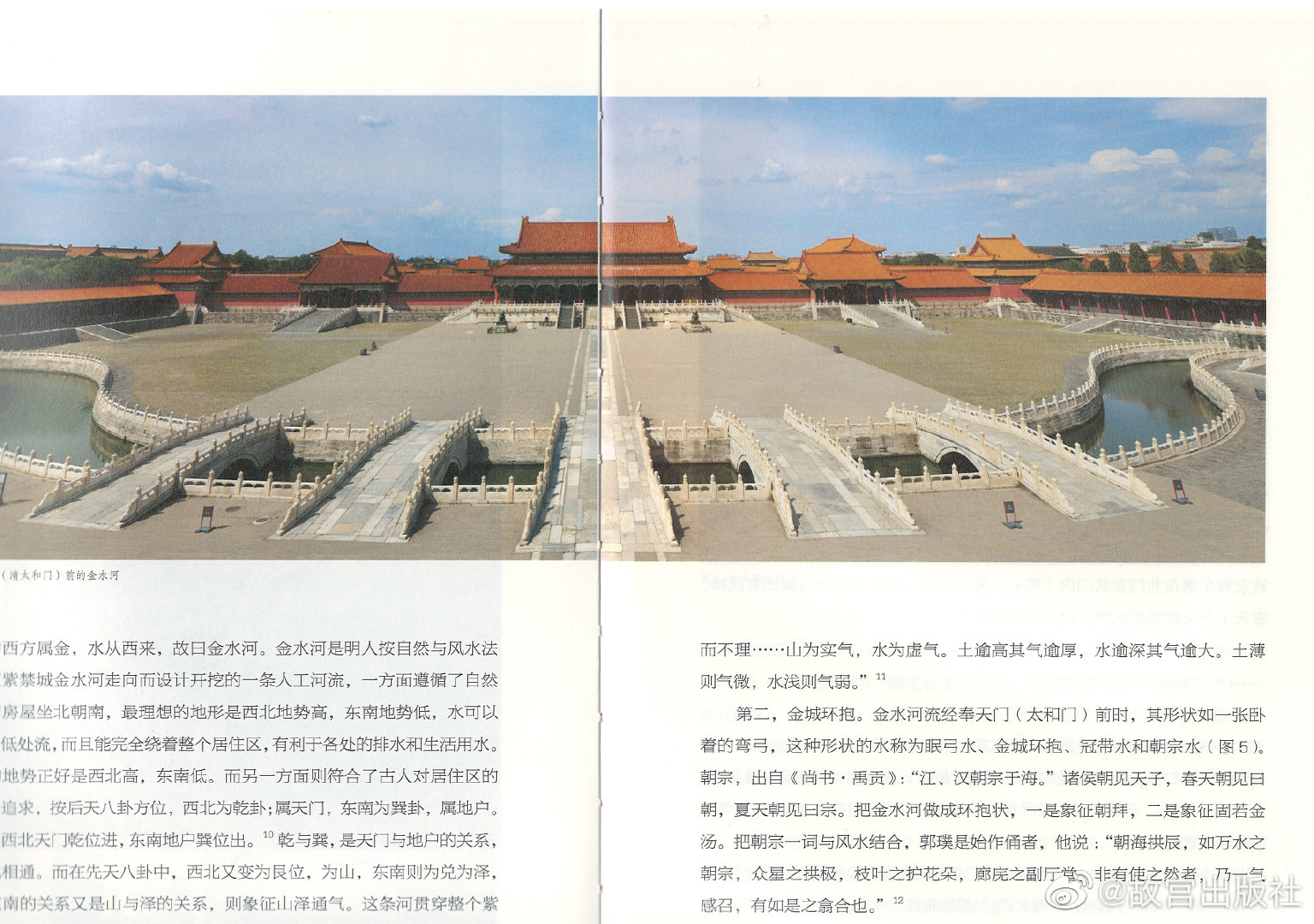
#北京。 #中國 #China #Beijing | #紫禁城 #ForbiddenCity #April2022 | #ForbiddenCityMoments #ForbiddenCityPress #ForbiddenCityBookStore the Way of the #ForbiddenCityArchitecture elements of Detailed explanation of the five-door and three-dynasty system of the Forbidden City .

The Forbidden City Book Store which in the grounds of the Forbidden City Complex Forbidden City Hundred Excellent Books Public welfare reading activities! ” Forbidden City Hundred Excellent Books  “The Way of Architecture of the Forbidden City”  with this in mind explanation of the Detailed explanation of the five-door and three-dynasty system of the Forbidden City Palace Complex  is the palace system of the Zhou Dynasty, representing orthodoxy, and it is the highest palace building level in ancient China, which has been almost inherited by all dynasties. Emperor Yongle of the Ming Dynasty transformed the city of Beijing, built the Forbidden City, and determined a new axis. However, he still followed the ancestral system and planned the Forbidden City in Beijing according to the Forbidden City in Nanjing.

Five gates and three dynasties were set up on the axis according to the “Rituals of Zhou”. During the Wanli period, the five gates were Daming Gate, Chengtian Gate, Duan Gate, Meridian Gate, and Huangji Gate, namely Fengtian Gate. The three dynasties were Huangji Hall (Fengtian Hall), Zhongji Hall (Huagai Hall), and Jianji Hall (Jinshen Hall). . When the Ming Dynasty brought chaos to order in the Yuan Dynasty, it simply razed the Yuan Dynasty to the ground, and set up five gates and three dynasties according to the orthodox thought of “Zhou Li”, indicating that the Ming Dynasty inherited the great power.


Now there is no Daming Gate, and the remaining four gates are Tiananmen, Duanmen, Meridian Gate, Taihemen, Taihe Hall, Zhonghe Hall, and Baohe Hall.


Why did the central axis of the Forbidden City move east? Where is the center of heaven and earth in the Forbidden City? What are the mysteries of the civil and military layout of Beijing City, the layout of the rear court of the Forbidden City, and the architectural methods of Emperor Qianlong that we are familiar with? With a book in hand, all doubts are solved

爱爱客国际官网

Imagines credits are of the Forbidden City –Imperial Palace –Beijing – China- People’s Republic of China also from the Series Weibo北京卫视上新了故宫 Treasures in the Forbidden City…