#北京 #中國 #China #Beijing | #紫禁城 #ForbiddenCity #December2023 | #ForbiddenCityDairies -The Palace Museum #ForbiddenCity Collections of Chinese intangible cultural heritage.  – 30th  November – 4th December 2023…..

On July 19th 2023 , the multilingual website of the Forbidden City Palace Museum- Beijing, China, People’s Republic of Chinawas officially released at the Digital Cultural Tourism Development Forum of the 2023 China Internet Civilization Conference! The website covers five languages: English, French, Russian, Japanese, and Spanish, and will meet the needs of audiences with different languages.

 The multilingual website of the Palace Museum is committed to establishing an international website that is concise, clear, easy to use for overseas audiences, and fits the construction of the modern civilization of the Chinese nation, including tour guides, information, panoramic tours, online exhibitions, collection appreciation, cultural topics, etc. Rich immersive content describing of the most detail collection that housed within the Forbidden City collection…. 

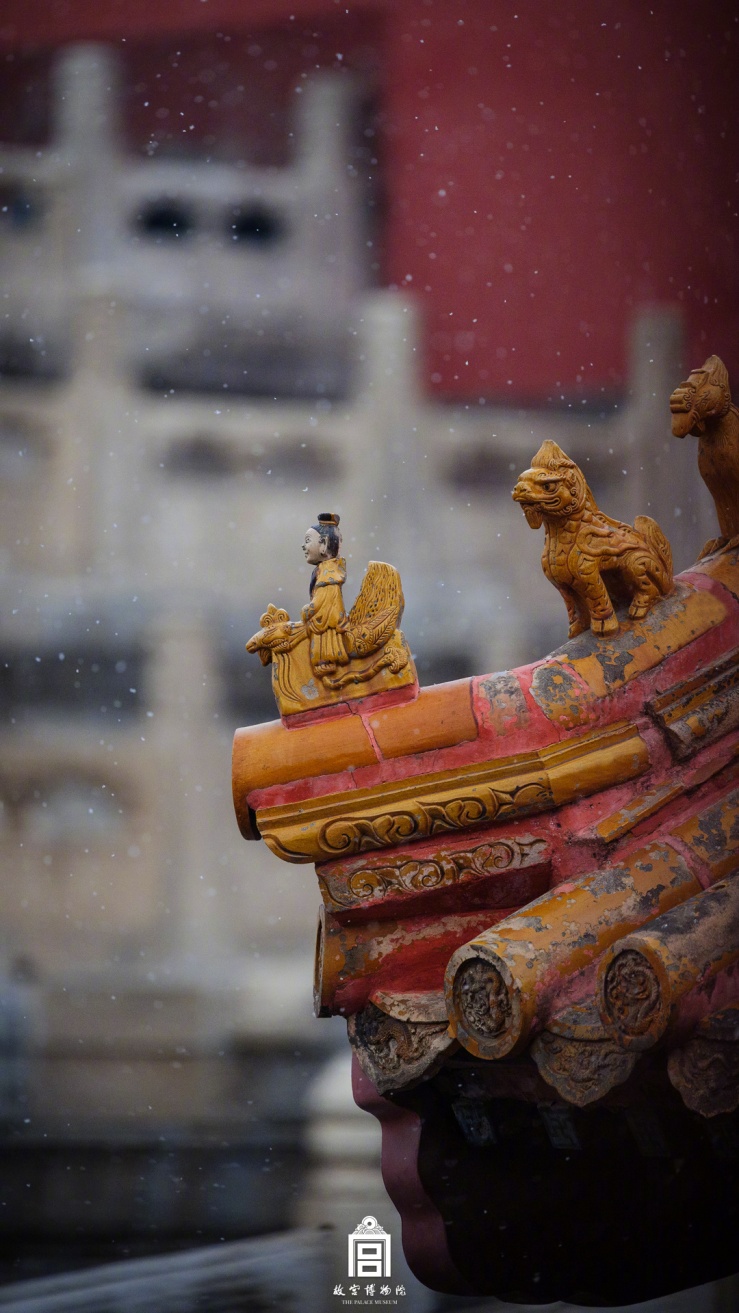
At the end of the Qing Dynasty, the Shouhuang Palace held a wedding ceremony in the wedding tent was temporarily . The wedding tent was temporarily built in the Shouhuang Hall. When the emperor and queen saluted in front of the ancestors’ holy faces, they had to change the dragon robes they wore when leaving the palace into sacrificial robes. This is the place for changing clothes. In order to build the wedding tent, the palace specially made hot samples, that is, three-dimensional models. The sample shown in this picture is still well preserved. It can be seen from the roof pattern that the diamond-shaped opening is decorated with dragon, phoenix and “囍” patterns.

清宁强英 – Exhibition of Glass Collection from the Palace Museum” jointly organized by the Palace Museum and the Guardian Art Center will open on December 23, 2023 at the Beijing Guardian Art Center. This exhibition is the fifth major special exhibition jointly launched by the Guardian Art Center and the Palace Museum. It is also the first large-scale display of Chinese and Western glass cultural relics and related research results from the 17th to the 20th centuries outside the museum. The exhibition selects more than 120 pieces (sets) of glass cultural relics collected by the Forbidden City, and uses three units: “Yao Yan Reflects Color”, “Into Fire and Flowing Gold” and “Flowing Scenery and Ningxia” to display the color, shape, shape, and color of fine glass products in all aspects. Decoration, craftsmanship and their use in courtly life. Presenting to the audience a visual feast that brings together Eastern and Western craft cultures and blends traditional and modern aesthetic styles.

Exhibition location: Guardian Art Center
Exhibition time: December 23, 2023 to March 10, 2024

Encounter Ancient Characters in the Forbidden City -Today, Xiaoji will take you to learn about the food in the oracle bone inscriptions – “millet”.
The lower part of the character ” millet ” represents the roots of the plant, the middle represents the branches, and the forks at the top represent the ears, which vividly depicts the appearance of millet.
The origin of millet is in China. It is one of the oldest crops in our country and is listed as the leader of five grains. Its seeds are light yellow and are called yellow rice after peeling. They are slightly larger than millet and can be used to make food and are often used to make wine. It is an important grain in northern my country.

1st December 2023 – In the winter of the world, the feathers are flying. The end of the year is approaching, looking back and looking forward to it. What gains and changes have you made this year? Hello December. fall in love with the forbidden city….  

Yongzheng of the Qing Dynasty, anonymous, Yinzhen Xingle scroll. The concubines took care of their husbands and raised their children, were virtuous and filial, and became a model for women all over the world to follow. This month’s content not only presents the leisure activities of the concubines in the palace, but also shows the Qing royal family’s eager desire to have descendants around their knees. This picture shows Yinzhen wearing blue casual clothes and sitting indoors with a majestic expression. The concubines stood outside neatly dressed and elegantly behaved. Even in casual occasions like the courtyard, they who have received strict palace training and regulations do not dare to talk and laugh casually in front of their husband, who is the emperor.

This month’s dailyforbidden City will launch the theme of amboozhenxin , inviting you to appreciate the different forms of bamboo among the treasures of the Forbidden City. Good night tonight comes from the Song Dynasty Baitou Cong Bamboo Illustration Page.

Qing Qianlong, Chen Mei, Yue Man Qingyou picture album page. According to Emperor Qianlong’s decree, the court painter Chen Mei drew the album “Yueman Qingyou Tu”, which shows the life of court women. This picture is one of them, depicting beauties begging for tricks under the plane trees in July. “Wanshu Miscellaneous Notes” written by Shen Bang in the Ming Dynasty said: “On July 7, a bowl of water was poured into the sun. Each of them dropped a small needle on the water surface, and slowly looked at the shadow of the sun on the bottom of the water. It could be scattered like flowers, moving like clouds, as thin as a thread, or as thick as a thread. Like vertebrae, because of the skill of divination by women.” The picture shows the women gently putting the small needle into the bowl and observing it carefully. Ingenuity was the common wish of women from all walks of life at that time, even noble ladies who had no worries about food and clothing were no exception….

Swamp tits are small in size, lively and agile in movement. Although the word “swamp” is in the name, they do not actually live in swamps. They mainly live in forest areas and often move in the canopy of coniferous forests and mixed coniferous and broad-leaved forests. , or cling to branches to feed on insects, and often go to bushes to peck at them. It is generally more common near water sources or humid forest areas. It is also found in parks, orchards and other environments in winter. The male and female swamp tits are of the same color. The top of the adult bird’s head to the back of its neck is metallic black. The cheeks, ear feathers and sides of the neck from the side of the head below the eyes are all slightly grayish white. There is a black feather at the base of the lower beak. From a distance, it looks like He has a black goatee-like beard. Except for the breeding season, swamp tits mostly gather in small groups and also mix with other tits

Qianlong of the Qing Dynasty, unknown, Hongli Weihu obtained the deer picture scroll. This scroll is the only existing painting showing the imperial concubine following the emperor on a hunt on horseback. The picture depicts the Mulan Paddock in autumn. The imperial concubine follows Qianlong Emperor Hongli, who is drawing his bow and aiming, and offers him an arrow at a critical moment. In the end, the running deer is hit by an arrow and dies with the close cooperation of “the husband sings and the wife follows”. The princess’s hairstyle and clothing in the picture all have exotic characteristics. It is speculated that she may be Rong Fei from the Uyghur ethnic group, the legendary Xiang Fei. She entered the palace at the age of 27 and was favored by Emperor Qianlong. Her living habits and religious beliefs also received the emperor’s respect and special care.

“Qiu Hong” is a famous guqin piece handed down from generation to generation. According to legend, it was composed by Guo Chuwang, a master of the Zhejiang guqin school in the Southern Song Dynasty. The whole song is divided into thirty-six sections, making it one of the longest Qin pieces after “Guangling San”. This song uses the image of Qiu Hong flying high and marching southward, embodying ideal connotations such as “huacai” and “faithfulness”. The melody is bold and simple, the rhythm is ups and downs, and the fingering tone is high and ancient, which makes people listen. Later, I had the feeling of reaching Pingsha and thousands of miles in one fell swoop.

Horizontal axis (part) of four events of the Qing Dynasty Qianlong, Anonymous, Emperor Qianlong’s Banquet. This picture shows the concubines accompanying Emperor Qianlong to attend the banquet held by Mulan Qiuyi, and watched the lively and exciting performances of the “Four Events”, namely “Horse Fraud”, “Shibang”, “Sumo” and “Jiaojun”. As the female relatives of the harem, although they cannot attend the main venue, they can still escape to the yurt camp behind the mountain and experience the same banquet atmosphere as the main venue. Whether he was hunting in the east or north, or going to the south of the Yangtze River, Emperor Qianlong would always take his concubines with him. Mountains and water, everywhere you go, there are scenery, which undoubtedly adds endless fun to the concubine’s closed inner court life…..

On the 3rd of December 2023, in China, People’s Republic of China National Constitution Day When the court meets the Forbidden City, when the rule of law and culture meet, what kind of brilliant sparks will be produced?

On December 3, the Palace Museum and the Beijing Second Intermediate People’s Court jointly held an event themed “Carrying forward the spirit of the Constitution and building a China governed by law” to welcome the 10 National Constitution Day . Hundreds of children from Jingshan School and Banchang Primary School were invited to attend the event. Take an interesting “Constitutional Education Class”. Under the leadership of the teacher, the students searched for the legal beast Haechi in the Forbidden City, learned the history of the Forbidden City along the way, and passed on the memory of the nation under the influence of culture. They listened to the lectures on the Constitution, recited its articles, made handwritten newspapers on the spot, and had discussions with the Constitution. Intimate contact and immersive experience of a journey to find the roots of traditional legal culture and a journey of exploration of the spirit of modern rule of law.

Images and visuals are from – Forbidden City –Palace Museum Beijing- China –People’s Republic of China…..

#北京。 #中國 #China #Beijing | #紫禁城 #ForbiddenCity #September2023 | #ForbiddenCityDairies -The Palace Museum #ForbiddenCity Collections of Chinese intangible cultural heritage.  Collection  15th-22nd  September 2023..

On July 19th 2023 , the multilingual website of the Forbidden City Palace Museum- Beijing, China, People’s Republic of Chinawas officially released at the Digital Cultural Tourism Development Forum of the 2023 China Internet Civilization Conference! The website covers five languages: English, French, Russian, Japanese, and Spanish, and will meet the needs of audiences with different languages.

 The multilingual website of the Palace Museum is committed to establishing an international website that is concise, clear, easy to use for overseas audiences, and fits the construction of the modern civilization of the Chinese nation, including tour guides, information, panoramic tours, online exhibitions, collection appreciation, cultural topics, etc. Rich immersive content describing of the most detail collection that housed within the Forbidden city collection… . 

From September 16th to November 5th, 2023, the ” 松图Charm – Special Exhibition of Rare Inscriptions and Inscriptions” jointly launched by the Palace Museum and the Chinese University of Hong Kong will be on display in the Wenhua Hall of the Palace Museum. There are a total of 65 exhibits (sets) from the Palace Museum and the Art Museum of the Chinese University of Hong Kong. Among them, both parties each selected 20 Song rubbings and presented them to the audience. The famous Song rubbings collected by the Palace Museum include the Huayin version of the Huashan Temple Stele of the Eastern Han Dynasty, the Li Qi version of the Jiucheng Palace Liquan Inscription of the Tang Dynasty, the Induction Stele of the Duobao Pagoda of Qianfu Temple in Xijing of the Tang Dynasty, and the Maoqin Palace version of Chunhua Pavilion in the Song Dynasty. “Ten Treasures of Beishan” collected by the Art Museum of the Chinese University of Hong Kong and ten “Prefaces to Orchid Pavilion” collected by Prime Minister Yousi of the Southern Song Dynasty will all be displayed in this exhibition. The exhibition is supported by the Beishantang Foundation, Longfor Group, and the Beijing Palace Museum Cultural Relics Protection Foundation. This exhibition is free to visit with Palace Museum tickets, and visitors can make real-name reservations through the “Forbidden City Museum” WeChat applet.

Qianlong of the Qing Dynasty, Jiang Pu, and the laurel rabbit in the moon scroll. This is a painting that is cleverly conceived and combines work and writing. The painter Jiang Pu, who was a poet during the Qianlong Dynasty, used the round shape of the moon as the outer frame of the painting to depict the quiet scenery of the Moon Palace. In the picture, the Jade Rabbit turns its head obediently and stares at the osmanthus tree. The osmanthus tree has a unique shape, with its branches naturally curved along with the round frame. The stamens of the sweet-scented osmanthus are dyed with yellow, and the bright colors not only enrich the picture, but also add warmth to the lonely moon palace.

Qing Dynasty, Li Shizhuo, with Osmanthus and Moon Rabbit. Li Shizhuo, the nephew of the painter Gao Qipei. He successively served as magistrate of the state, deputy censor of the capital, minister of Taichang Temple, etc., and was known as “Li Taichang”. His paintings of landscapes, figures, and flowers are all exquisite, with elegant brushwork and elegant colors. He once learned finger painting from Gao Qipei and was very good at using his fingers as well as his brushwork. This picture depicts a white rabbit lying among the grass, looking up at the fragrant osmanthus tree and the bright moon. Through subtle and aesthetic artistic techniques, he hinted at the beautiful and romantic legend between the Jade Rabbit, the Osmanthus Tree and the Moon Palace.

Qing, Lu Han, and Gong’e play with the moon. “Wanyue” means “watching the moon”, “appreciating the moon” and “appreciating the moon”. The moon is constantly changing in people’s eyes. As Xu Zhao of the Song Dynasty pointed out in the poem “Wan Yue”, it “is like a golden hook at first, and will be like a jade plate when it is full.” Therefore, watching the waxing and waning of the moon at night is a romantic thing, and it is also something that men, women, and children enjoy. This painting of a lady has a simple composition, depicting a young woman holding a fan in hand, leaning on a stone in the courtyard to admire the moon. The brushwork is meticulous, the colors are elegant, and the style is graceful.

On the 20 September 2023 a beautiful Beijing sunset No one is allowed to miss today’s sunset.  fall in love with the Forbidden City …..

Qing, Anonymous, Mid-Autumn Festival Jiarui Picture Scroll. This is a painting created by a Qing court painter, showing a boy and a concubine spending the Mid-Autumn Festival together. There are many characters in the whole volume, but the author combines art with life, and cleverly uses the plot and the childishness in it to condense the scattered small entertainment groups into a lively whole. At the same time, the author focused on expressing the lively and joyful emotions of children when they were playing, and combined their forms and spirits together, thus enhancing the appreciation of the painting and expressing the festive theme of the Mid-Autumn Festival.

Qing, Anonymous, Mid-Autumn Festival Jiarui Picture Scroll (Part). This part shows the author’s ingenuity in creation. He painted the back screen behind the statue into an oval, and painted on it the rabbits, Guanghan Palace, osmanthus trees, etc. that people imagined the moon palace should have, thus using the oval as both the frame of the back screen and the symbol of the moon. The outline adds extra interest to the painting.

The acceptance and demand for tea drinking has enhanced the exchanges between various regions, ethnic groups, and classes in China throughout history; tea drinking utensils and tea preparation methods are becoming increasingly similar, which is a manifestation of the deepening degree of exchanges. In “One is Two”, Emperor Qianlong is dressed in Han Chinese clothing and is sitting on a couch admiring various tea sets and utensils of different dynasties and national styles; the title in the blank space is “One is two, neither is nor separation. Confucianism and Mohism But, why worry, why think?” This shows Emperor Qianlong’s profound view on the inseparable relationship between Confucianism and Mohism.

From the gathering of treasures from past dynasties to the exchange and integration of ideas and theories, the cultural essence of different time and space is presented in the paintings, which reflects the eclectic nature of Chinese civilization and is the epitome of the evolution of the pluralistic unity of the Chinese nation….

Qing, Anonymous, Mid-Autumn Festival Jiarui Picture Scroll (Part). There are various images of rabbits in this scroll, including not only rabbit statues and paintings as works of art, but also real rabbits interacting with children. In the moon palace, docile rabbits are the gods used to make longevity medicine; in real life, they are the happy playmates of children. ​​​

Images and visuals are from – Forbidden City –Palace Museum Beijing- China –People’s Republic of China…..

#北京。 #中國 #China #Beijing | #紫禁城 #ForbiddenCity #September2023 | #ForbiddenCityDairies -The Palace Museum #ForbiddenCity Collections of Chinese intangible cultural heritage.  Collection 11th – 15th September 2023..

On July 19th 2023 , the multilingual website of the Forbidden City Palace Museum- Beijing, China, People’s Republic of Chinawas officially released at the Digital Cultural Tourism Development Forum of the 2023 China Internet Civilization Conference! The website covers five languages: English, French, Russian, Japanese, and Spanish, and will meet the needs of audiences with different languages.

 The multilingual website of the Palace Museum is committed to establishing an international website that is concise, clear, easy to use for overseas audiences, and fits the construction of the modern civilization of the Chinese nation, including tour guides, information, panoramic tours, online exhibitions, collection appreciation, cultural topics, etc. Rich immersive content describing of the most detail collection that housed within the Forbidden city collection… . 

Emperor Qianlong once wrote a poem praising crape myrtle as “always blooming with light color in summer, and also emitting light fragrance before the wind”, which is fitting.


Crape myrtle has the same pronunciation as the “Emperor Star” Ziweixing. It has been widely planted in the palace since the Tang Dynasty because of its long-lasting flowering period and bright and lovely appearance. It is also called the “official flower” because it refers to Zhongshu Province. The seventh month of the lunar calendar is a time when all the flowers are blooming. “Sunflowers pour into the sun, hostas scratch your head, crape myrtle soaks in the moon, hibiscus blooms…” Hollyhocks, crape myrtles, cockscombs, etc. have all been nominated as moonflowers by literati in different periods. . The crape myrtle flower may not be the most gorgeous and graceful among them, but it is unique because of its freshness and delicateness….

Qing, Leng Mei, Gao Qiu Wan Yue chart axis. Leng Mei was a disciple of Jiao Bingzhen, a court painter of the Kangxi Dynasty. His neat and meticulous brushwork and beautiful colors were highly appreciated by Emperor Kangxi and Emperor Qianlong. This picture depicts a scribe climbing a high pavilion and looking at the bright moon. In the lower left corner of the painting, there is Leng Mei’s self-inscription “Writing on the Mid-Autumn Festival in Gengxu”, which shows that the painting was painted during the Mid-Autumn Festival and depicts the scene of admiring the moon during the Mid-Autumn Festival. On August 15th, the autumn air is crisp and clear. The moon is not only full and bright, but also the best place to watch. At this time, people look to the moon to remember, or associate the full moon with reunion, hoping for a happy family; or they look to the autumn wind to ask if Chang’e and the Jade Rabbit are well in the moon palace.

Qianlong of the Qing Dynasty, Leng Mei, Emperor Qianlong observing the moon. The court painter Leng Mei once painted “Moon Appreciation”, which depicts the scene of elegant scholars looking at the moon in reverie during the fragrance of sweet-scented osmanthus in August. Emperor Qianlong liked this painting very much and ordered Leng Mei to replace the scribe in the original painting with himself, depicting him wearing Hanfu and admiring the moon under the laurel tree with Ruyi in his arms. During the Mid-Autumn Festival, admiring the full moon and looking forward to family reunion are beautiful wishes shared by emperors and common people.

Qianlong, Jinnong, and Yuehua scrolls of the Qing Dynasty. In traditional Chinese culture, the moon is mystical and poetic because of its distance. In ordinary paintings, it often appears as a supplementary scene, but in this painting, Jin Nong directly expresses the moon as the main subject, which can be described as unique. The whole picture is extremely simple, with only a full moon depicted. Within the moon, the author uses light ink to draw the blurry images of jade rabbits pounding medicine and osmanthus trees. Outside the moon, the author uses green, ocher, and yellow as the main colors. Through the overlapping of colors, the bright and bright light of the moon is highlighted, which shows Jin Nong’s extraordinary imagination and bold expressiveness. The inscription on the lower right side of the painting reads, “The picture of the Moonlight is sent to Mr. Shutong for appreciation, the seventy-five-year-old gold farmer”, indicating that it was a gift to a friend.

Qianlong Qing Dynasty, Chen Mei, Yue Man Qingyou Picture Album. Chen Mei, whose courtesy name was Zaidong and whose names were Dianluan and Zhiwotoutuo, was from Lou County (now Songjiang, Shanghai). In the early years of Yongzheng’s reign, he was recommended by the court painter Chen Shan and became a royal painter. His paintings studied the Northern Song Dynasty style and were influenced by the Western painting style of Lang Shining in the court. The images he created were exquisite and nuanced, with strong modeling ability and artistic expression that conveyed the spirit through form. He was deeply appreciated by Emperor Yongzheng and Emperor Qianlong. During the Qianlong Dynasty, Chen Mei drew the “Yueman Qingyou Tu” in accordance with the emperor’s decree. According to the order of the twelfth lunar month in the Chinese lunar calendar, it showed the recreational activities of the beauties in the palace and garden in each month. This picture is the first in the album. It depicts the scene of the Mid-Autumn Festival in August, when beauties ascend to the Qiong Tower to recite poems, admire the moon, and look forward to family reunions.

During the Qianlong reign of the Qing Dynasty, Dong Bangda’s “Enjoyable Illustrations of Remaining Things” in Hongli Shu’s Autumn Post Ci Volume (partial). This is a calligraphy and painting scroll with the theme of Mid-Autumn Festival and the emperor and ministers of the Qianlong Dynasty. It begins with the four words “enjoyable things” written by Emperor Qianlong, and also begins with the imperial inscription “Draft a poem for the Mid-Autumn Festival and order the Imperial Academy and others to harmonize it”. Next, Dong Bangda (a Jinshi in the 11th year of Yongzheng’s reign, from Hanlin official to Minister of Rites) painted the Mid-Autumn Festival scene of the Chengde Summer Resort, the imperial palace outside the Great Wall. The bright moon is in the sky, and there are people admiring the moon in a grass pavilion near the river. Some people set up tables to worship the moon, hoping for happiness and contentment. At the end of the volume are poems by Liang Shizheng, Minister of Household Affairs, Qian Chenqun, Minister of Justice, and Emperor Qianlong. For Emperor Qianlong, appreciating the moon was appreciating the heart. Reunion with his family was important, and harmonious relationships with his courtiers were equally important.

Images and visuals are from – Forbidden City –Palace Museum Beijing- China –People’s Republic of China…..

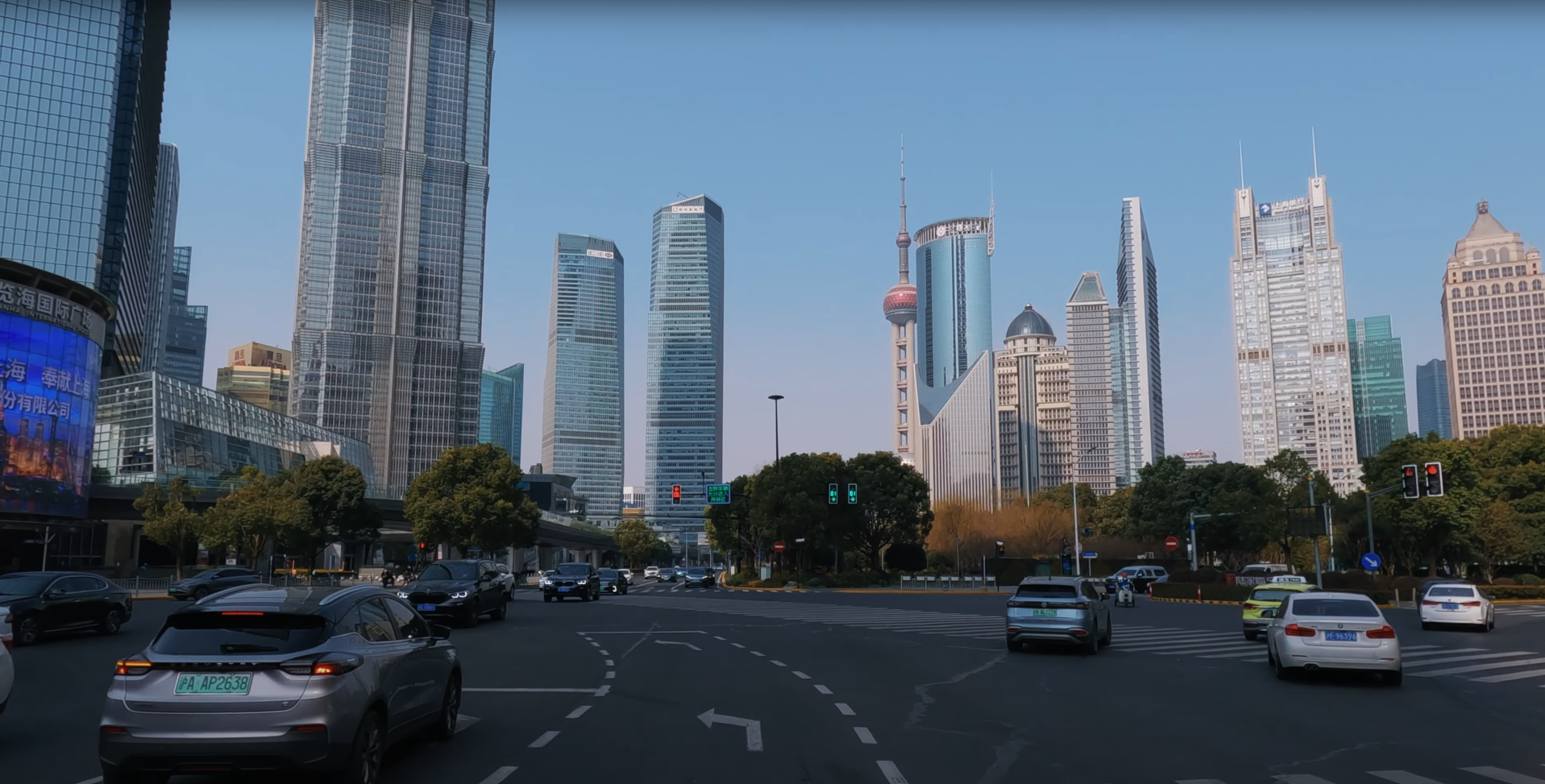
#中國 #中華人民共和國 #China #PeoplesRepublicOfChina #4KHDR #CitywalkingTour | #WalkEast #March2023 |#上海 [4K HDR] Shanghai March 2023 Driving Tour, The Most Developed City in China….

Love Shanghai, love the city and love Lujiazui!

Lujiazui is Shanghai’s glitzy financial district, known for futuristic skyscrapers like the Shanghai Tower, with its lofty observation deck, and the needle-like Oriental Pearl TV Tower, home to the Shanghai Municipal History Museum.

The area is also noted for its luxe-hotel nightlife, with European fine dining, stylish bars and posh dance clubs offering panoramic views.

Lying on the east bank of Huangpu River and facing the Bund, Lujiazui Finance and Trade Zone occupies 28 square kilometers (10.8 square miles) and is studded with around 100 high-rise buildings.

Many are landmark buildings of Shanghai, making the area a great place to experience the modern flavor of this metropolis.

Often called the ‘Wall Street of China’, Lujiazui is the largest financial zone in mainland China, with more than 400 banks and financial institutions from both home and abroad, including HSBC, Citibank, and Standard Chartered Bank.


In addition, it is home to the headquarters of over 70 international giants and about 5,000 companies engaged in trade, investment, and intermediary services. The sum of transactions in the Shanghai stock market ranks it the 2nd in the world only behind the New York Stock Exchange.

Since the reform and opening-up policy carried out in 1978, Shanghai has enjoyed a great economic boom, and Lujiazui is gradually becoming more widely known. However, few know the origin of the name (Lu Jia Zui in Chinese), which literally means Lu family dwelling on a mouth-shaped alluvial beach.

In fact, the name is associated with Lu Shen, a noted scholar of Imperial Academy in the Ming Dynasty (1368 – 1644). After Lu retired, he lived on this land until his death. Today, you can still find Lu Shen’s calligraphy in Shanghai Museum. His former residence and family cemetery are located in this area.

In Lujiazui, the charm of the city as an international metropolis is unfolded to the largest degree. One can admire the modern skyscrapers along Binjiang Avenue as well as various buildings of different architectural styles across the Huangpu River.

The four tallest landmarks of the city – the Oriental Pearl Tower, Jin Mao Tower, Shanghai World Financial Center, and Shanghai Tower are constructed next to each other. When night comes, all the buildings are decorated with shining colorful lights, presenting a gorgeous scene before your eyes. The Bund, facing this financial zone across the river, is the most wonderful place to enjoy the night view.

Oriental Pearl Tower Oriental Pearl Tower, measuring 468 meters (1,536 feet) in height, has three viewing floors. An exhibition hall, demonstrating the history of the city, is at the base of the tower. The lower sphere has a viewing hall at a height of 90 meters (295 feet), providing a wonderful position to see the Bund and the graceful scenery along the Huangpu River. Visitors can also have a panoramic view of the whole city on the transparent observatory at 259 meters (850 feet) or the Capsule Sightseeing Floor at 351 meters (1,152 feet).

Jin Mao Tower Jin Mao Tower, with a height of 420.5 meters (1,380 feet), is also a good place to view the city. The superfast elevator takes only 45 seconds to take visitors from the basement to the viewing hall on the 88th floor, providing visitors magnificent metropolitan cityscapes along Huangpu River, and views of the distinctive rosy dawn and sunset.

Shanghai World Financial Center As the tallest flat-roof building in the world, it is 492 meters (1,614 feet) high with 101 stories. Sightseeing area occupies storeys from the 94th to the 100th floor. The viewing hall on the 100th floor is at a height of 474 meters (1,555 feet). The sightseeing bridge on the 97th floor seems to be constructed in the air. It would give you an illusion that you are wandering in the sky.

Shanghai Tower At present, it is the tallest building in China, measuring 632 meters (2,073 feet) in height. The exterior of the building spirals upward to the top with one degree twist per storey to reduce the wind effect.

Walk East | Max Channel is about his walking, driving, riding running around views of China – People’s Republic of China  sharing his immersive experiences in his video hope you could have a pure view about China today, sharing  some 4K UHD videos to show pure China daily scenes for you…. BEST VIEWED ON 2160px60 with the volume up for immersive immersion..

#北京。 #中國 #China #Beijing | #紫禁城 #ForbiddenCity #February2023 | #ForbiddenCityDairies #Spring First Snowfall of the Forbidden City of the #YearOftheRabbit #AGallery …

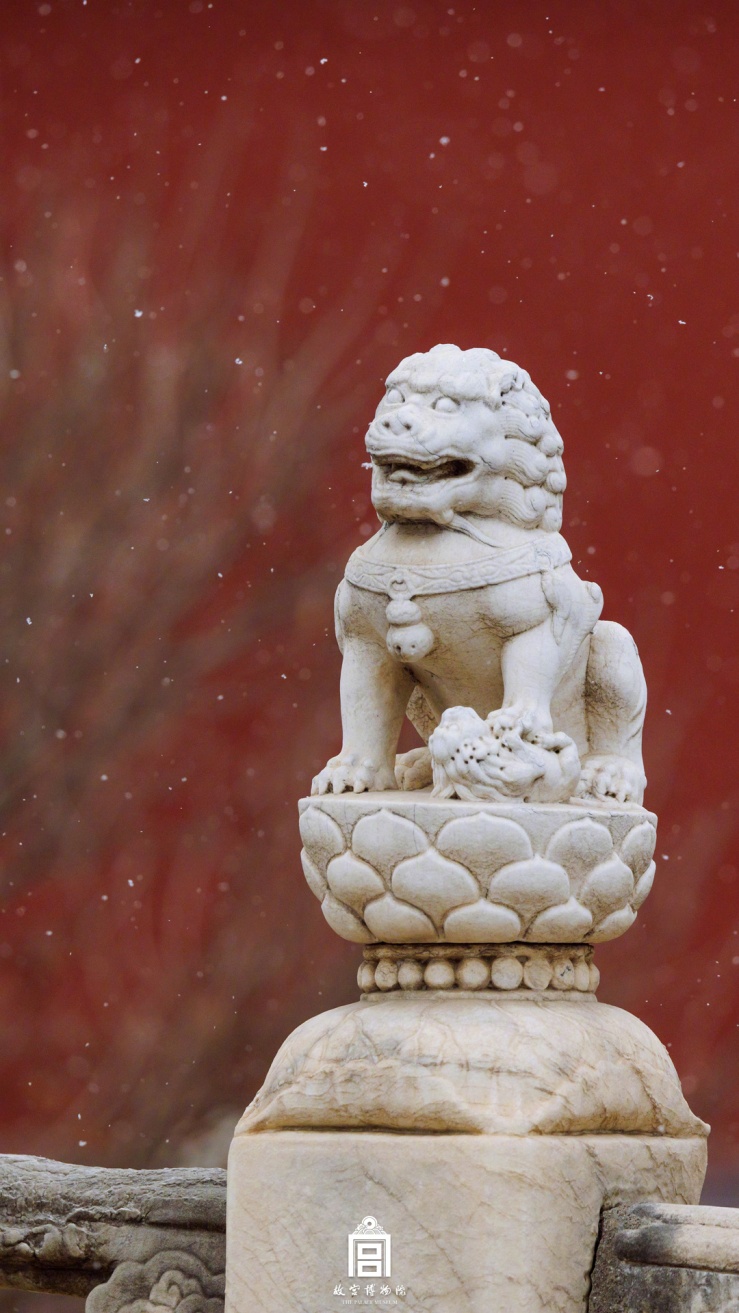
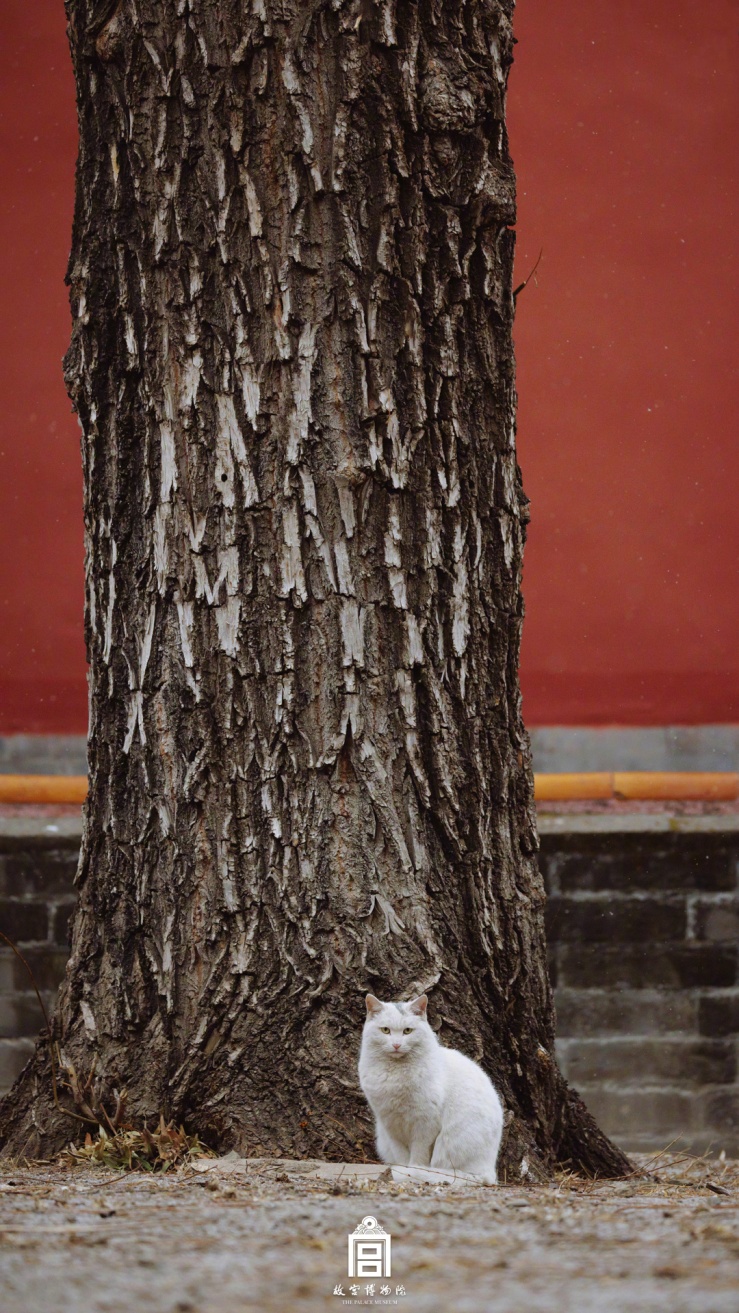
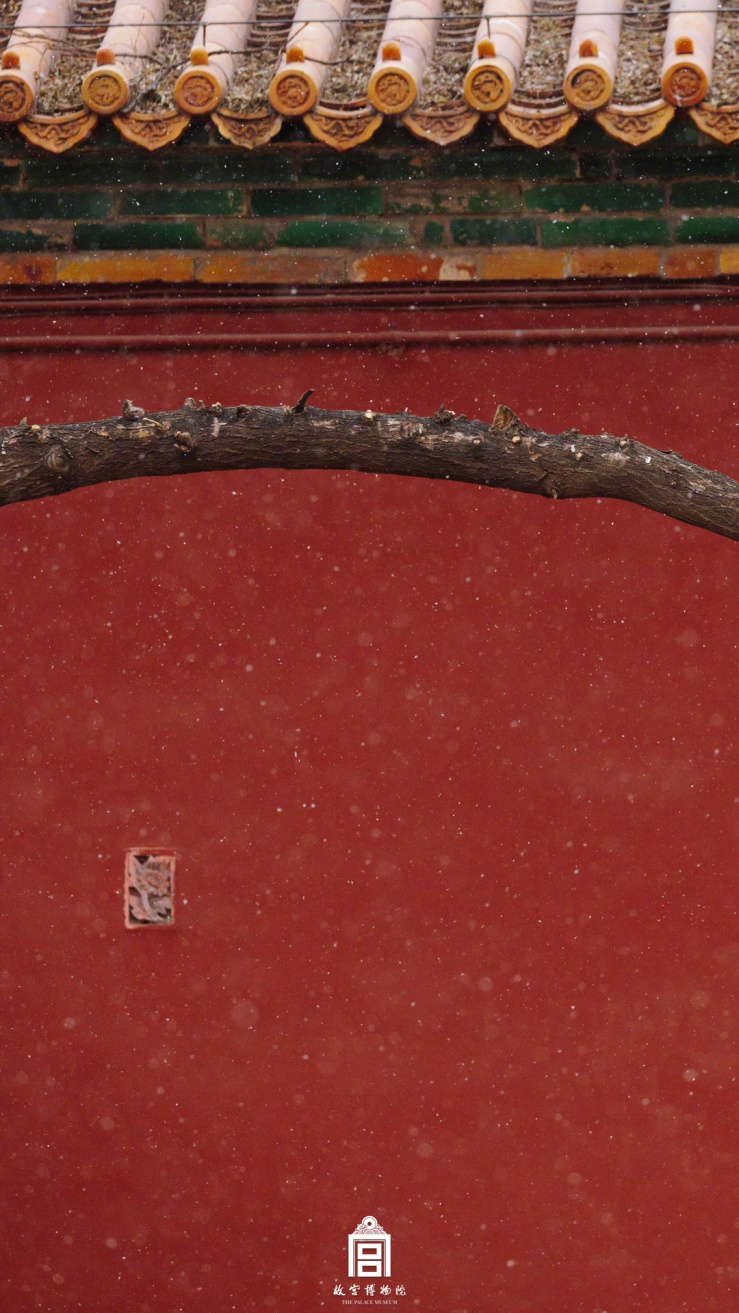
元宵喜乐 During the Lantern Festival on February 5th 2023 at the Forbidden City, Beijing, China, People’s Republic of China on the 10th February 2023 it is the first Beijing Snowfall of Spring also the Year of the Rabbit in which Beijing, China, People’s Republic of China ushered in snowy weather in forbidden city was exceptional quiet.  . Among the red walls and green tiles, green pines and ancient cypresses, falling snowflakes are dancing in the air, which is as beautiful as poetry and painting… also ushering the Snowfall on summer palace.

The Forbidden City in Beijing is the royal Imperial palace of the Ming and Qing dynasties in China. It used to be called the Forbidden City and is located in the center of the central axis of Beijing. The Forbidden City in Beijing is centered on three main halls, covering an area of ​​about 720,000 square meters, with a construction area of ​​about 150,000 square meters. There are more than 70 palaces of different sizes and more than 9,000 houses.

The Forbidden City in Beijing began construction in the fourth year of Yongle (1406), Emperor Chengzu of the Ming Dynasty. It was built on the basis of the Nanjing Forbidden City. It was completed in the eighteenth year of Yongle (1420) and became the palace of 24 emperors in the Ming and Qing dynasties. On the National Day of the 14th year of the Republic of China (October 10, 1925), the Palace Museum was officially established and opened. The Forbidden City in Beijing is 961 meters long from north to south and 753 meters wide from east to west. It is surrounded by 10-meter-high walls and a 52-meter-wide moat outside the city. There are four gates in the Forbidden City, the Meridian Gate in the south , the Shenwu Gate in the north , the Donghua Gate in the east and the Xihua Gate in the west . Each of the four corners of the city wall has a graceful turret . There is a folk saying that there are nine beams, eighteen pillars and seventy-two ridges, which describe the complexity of its structure. 

The buildings in the Forbidden City in Beijing are divided into two parts: the outer court and the inner court . The center of the Outer Dynasty is the Hall of Supreme Harmony , the Hall of Central Harmony , and the Hall of Preserving Harmony , collectively referred to as the Three Great Halls , where the state holds grand ceremonies. The left and right wings of the three halls are supplemented by two groups of buildings, the Wenhua Hall and the Wuying Hall . The center of the inner court is Qianqing Palace , Jiaotai Palace , and Kunning Palace , collectively referred to as the Housan Palace, which is the main palace where the emperor and empress live. Then there is the Royal Garden . On both sides of the Housan Palace are the East and West Sixth Palaces, which are the places where the concubines live and rest. On the east side of the East Sixth Palace is the Tianqiong Palace and other Buddhist temple buildings, and on the west side of the West Sixth Palace is the Zhongzheng Hall and other Buddhist temple buildings. In addition to the Outer Dynasty and the Inner Court, there are two parts of the Outer East Road and the Outer West Road.

Images and visuals are from – Forbidden City –Palace Museum Beijing- China –People’s Republic of China…..