Thursday, 22nd June 2023- Dragon Boat Festival 2023…. in which celebrates offering of Dragon boat racing, consumption of realgar wine and zongzi..
“also known as Tuen Ng, falls on the fifth day of the fifth lunar month. It commemorates the death of Qu Yuan, a Chinese poet and minister known for his patriotism and contributions to classical poetry and who eventually became a national hero.”
Though heartbroken to see his country being intruded, Qu Yuan never abandoned his faith and country. On May 5th(in Chinese lunar calendar), after writing down his last poem, Qu Yuan drowned himself in Miluo River(a branch of Yangtze River) as a gesture of dying along with his beloved motherland.
Why is it called Duan Wu Jie? The Dragon Boat Festival is called Duan wu Jie (端午节) in Mandarin Chinese. Duan (端) means ‘start’, while wu (午) means ‘noon’, but also ‘the fifth solar month’ in the traditional Chinese calendar (approximately June 6 – July 6), centered around the summer solstice. ‘The month of noon’ marks the middle of summer.
Where did dragon boats originate? Southern central China The use of dragon boats for racing is believed to have originated in southern central China more than 2500 years ago, in Dongting Lake and along the banks of the Chang Jiang (now called the Yangtze river).
“Crossing the waves stands out from the crowd, jumping the waves to be the first to retreat.” Dragon boat racing is a traditional folk activity of 端午节 in China. It contains the national spirit of hard work, enterprising and positive, and inherits unity and courage to move forward. national genes. The dragon boat culture has lasted for thousands of years, carrying the rich humanistic emotions of the Chinese nation, and leading us to “row” towards a better life.
How old is the Dragon Boat Festival? 2,000 years…….The Dragon Boat Festival is a traditional Chinese festival. It has a history of more than 2,000 years, and is believed to have originated during the Warring States period.
What do Dragon Boat Festival people eat during the festival? For Dragon Boat Festival the Chinese usually eat zongzi (rice dumpling) and various other foods below, depending on the region.
Zongzi — Sticky Rice Dumplings. Zongzi. …
Dagao — Glutinous Rice Cake. Dagao. …
Mianshanzi. Mianshanzi. …
Fried Cake (Jiandui) Fried Cake (Jiandui) …
Eel. …
Thin Pancakes. …
Eggs Steamed with Tea. …
Egg with Garlic.
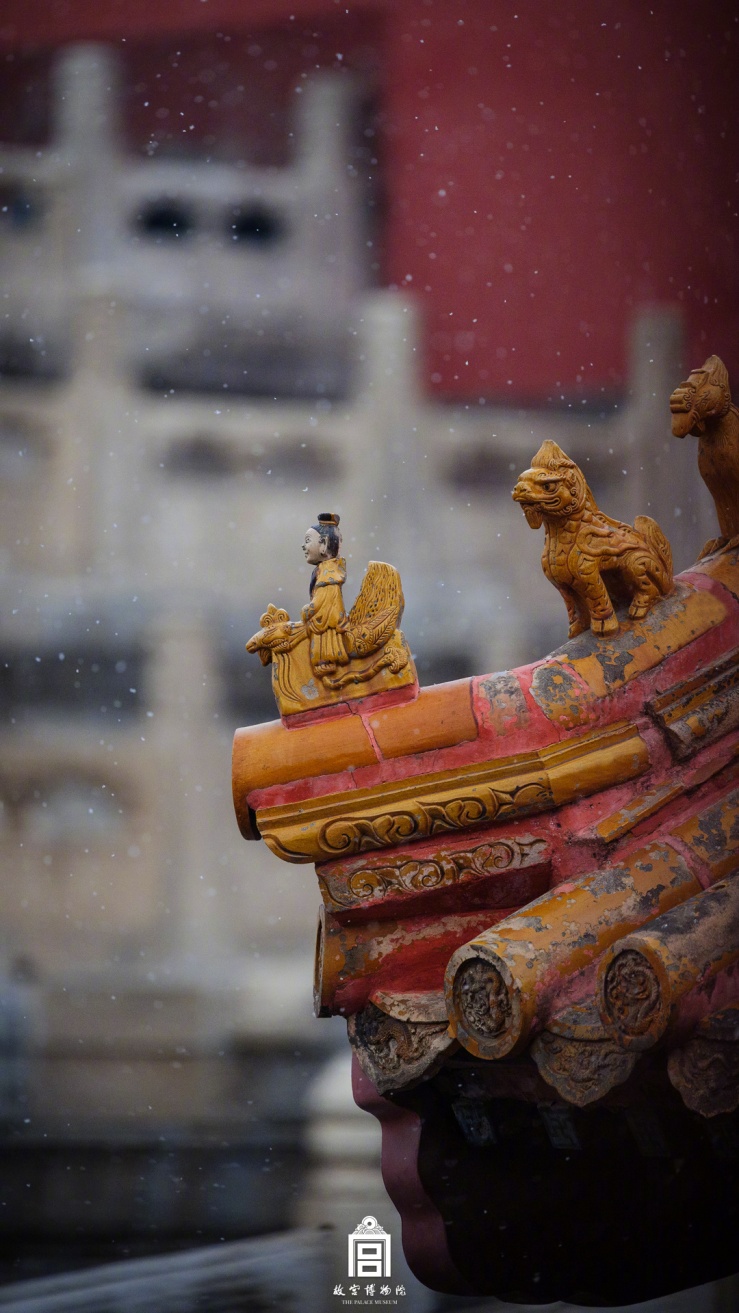
Yunxia is unpredictable, and the Forbidden City is full of weather. During the Dragon Boat Festival holiday, enjoy the auspicious clouds and the infinite sunset together…
端午安康 “Zong” has a light-year road to explore, and it has to ride the wind and waves to reach it! Rabbit Xingxing wishes everyone a healthy Dragon Boat Festival !
正好遇见你 #HiProducer is an intangible cultural heritage urban drama directed by Gao Han , starring Guo Xiaodong , Zhang Nan , Li Xiaoran , Zhang Bo , Zheng Kai , Sun Yihan , Niu Zifan , Sheng Langxi , and Wu Qianyu .
The series tells the story of a variety show team with literary director Yu Zazao and young cultural relics expert Tao Tang as the core, working together to launch a cultural TV program in order to show the beauty of Chinese civilization. The series covers 35 episodes in which is produce by Huanyu Film and Television in collaboration streaming with iQyi and Tencent Video ….. Majority of the Production is done in Suzhou for its modern setting among with the Chinese Cultural Traditional Heritages recreation is done at Hengdian, Subo studios…
Behind the Scenes of the production shooting process…. During the filming, the crew was allowed to enter the Suzhou Museum for on-site shooting, but in order to protect cultural relics, most of the cultural relics appearing in the play are imitation props. In the early stage of filming, the drama team found historians of relevant cultural relics, searched a large number of documents to repeatedly compare the status and details of real cultural relics, and invited professional relics masters to copy them, so as to achieve the effect of false ones. The biggest one is the filigree inlay technology, which represents the highest level of imperial crafts. When making the Jin Ou Yonggu Cup props in the filigree inlay unit, the drama crew carried out a one-to-one replica in strict accordance with historical data, which took a full two months…
Main Cast
Guo Xiao Dong as Liao Muyun
Zhang Nan as Yu Zaizao
Li Xiao Ran as Wang Xining
Jaco Zhang Bo as Tao Tang
Zheng Kai as Gu Shiyong
Annie Sun Yi Han as Yuan Jiaying
Niu Zi Fan as Xie Yao
Joy Sheng Lang Xi as Shu Rong
Karena Ng as Zhuang Yiyi
Li De Long as A Xun
Synopsis Gu Shiyong, CEO of Palace Culture Film and Television Production Company, is determined to create a new large-scale cultural variety show “Inheritance”. He strongly invites Tao Tang, a young cultural relic expert, Mu Zongyun, a well-known director, and Wang Xining, a senior host. However, just when the program was ready to start, the young female director Yu Zazao suddenly parachuted into the company and joined the program group, disrupting the overall plan of the program and being strongly rejected by everyone. Surprisingly, Yu Zazao is calm and witty, dares to break the rules, and has inexhaustible inspiration like a genius. With her help, the originally scattered production team became unprecedentedly cohesive. Everyone worked together, starting from the historical relics of the Forbidden City, devoted themselves to excavating the core memory of the nation, promoting historical and traditional culture, and solving the problem of non-genetic inheritance. In the end, “Inheritance” stood out from many homogeneous programs and became a great success. Yu Zazao also successfully healed his soul and gained a complete friendship and career..
Episode 2
Gu Shiyong was very satisfied with the material provided by Yu Zazao, but Tao Tang expressed strong opposition to the content about the conflict between Liu’s father and daughter, and immediately left the crew. Yu Zazao was unwilling to give up, so he chased Tao Tang to ask for an explanation. Tao Tang believed that Yu Zazao had obtained the permission to shoot, and he was not at fault from a legal point of view. Cracks are difficult to repair. Gu Shiyong was very dissatisfied with Yu Zazao’s behavior of leaving Tao Tang, and asked Yu Zazao to please return to Tao Tang, otherwise she would be let out of the show. Master Liu was furious at his daughter when he learned that his daughter Liu Jiamei asked the program group to broadcast a clip of their discord. The daughter tearfully confessed her father’s preference for her younger brother, and the two broke up unhappy. In the middle of the night, Yu Zazao and Tao Tang came to the studio and found that Master Liu was crying alone. Yu Zazao played the video of Liu Jiamei doing filigree inlay seriously to Master Liu. Master Liu saw his daughter’s enthusiasm and dedication to filigree inlay with his own eyes, and fell into deep thought. Liu Jiamei suddenly returned to the studio and bumped into her father who had not yet left. Master Liu decided to teach her daughter the technique of filigree inlay. The father and daughter finally reconciled, and Master Liu even made a bet that if his daughter can get a place in the provincial competition, he will inherit the studio to her. The program team also quietly set up recording equipment to record this warm and beautiful scene without disturbing the two.
Images and Visuals are from of their respectives …
正好遇见你 #HiProducer is an intangible cultural heritage urban drama directed by Gao Han , starring Guo Xiaodong , Zhang Nan , Li Xiaoran , Zhang Bo , Zheng Kai , Sun Yihan , Niu Zifan , Sheng Langxi , and Wu Qianyu .
The series tells the story of a variety show team with literary director Yu Zazao and young cultural relics expert Tao Tang as the core, working together to launch a cultural TV program in order to show the beauty of Chinese civilization. The series covers 35 episodes in which is produce by Huanyu Film and Television in collaboration streaming with iQyi and Tencent Video ….. Majority of the Production is done in Suzhou for its modern setting among with the Chinese Cultural Traditional Heritages recreation is done at Hengdian, Subo studios…
Behind the Scenes of the production shooting process…. During the filming, the crew was allowed to enter the Suzhou Museum for on-site shooting, but in order to protect cultural relics, most of the cultural relics appearing in the play are imitation props. In the early stage of filming, the drama team found historians of relevant cultural relics, searched a large number of documents to repeatedly compare the status and details of real cultural relics, and invited professional relics masters to copy them, so as to achieve the effect of false ones. The biggest one is the filigree inlay technology, which represents the highest level of imperial crafts. When making the Jin Ou Yonggu Cup props in the filigree inlay unit, the drama crew carried out a one-to-one replica in strict accordance with historical data, which took a full two months…
Main Cast
Guo Xiao Dong as Liao Muyun
Zhang Nan as Yu Zaizao
Li Xiao Ran as Wang Xining
Jaco Zhang Bo as Tao Tang
Zheng Kai as Gu Shiyong
Annie Sun Yi Han as Yuan Jiaying
Niu Zi Fan as Xie Yao
Joy Sheng Lang Xi as Shu Rong
Karena Ng as Zhuang Yiyi
Li De Long as A Xun
Synopsis Gu Shiyong, CEO of Palace Culture Film and Television Production Company, is determined to create a new large-scale cultural variety show “Inheritance”. He strongly invites Tao Tang, a young cultural relic expert, Mu Zongyun, a well-known director, and Wang Xining, a senior host. However, just when the program was ready to start, the young female director Yu Zazao suddenly parachuted into the company and joined the program group, disrupting the overall plan of the program and being strongly rejected by everyone. Surprisingly, Yu Zazao is calm and witty, dares to break the rules, and has inexhaustible inspiration like a genius. With her help, the originally scattered production team became unprecedentedly cohesive. Everyone worked together, starting from the historical relics of the Forbidden City, devoted themselves to excavating the core memory of the nation, promoting historical and traditional culture, and solving the problem of non-genetic inheritance. In the end, “Inheritance” stood out from many homogeneous programs and became a great success. Yu Zazao also successfully healed his soul and gained a complete friendship and career..
Episode 1
Gu Shiyong, CEO of Heming Zhongrun Film and Television Company, is determined to create a large-scale cultural variety show “Inheritance” that promotes traditional Chinese culture. He strongly invites young cultural relics expert Tao Tang and well-known director Mu Zongyun to participate. Tao Tang is personable and modest Youli, who accidentally became popular on the Internet and became a well-known male god-level cultural relic expert, but he himself is very disgusted with the creation tendency of “over-entertainment of historical cultural relics”. Although he accepted the invitation of his friend Gu Shiyong to become a program consultant, Stay on the sidelines for the show. Mu Zongyun has profound artistic attainments, has his own unique vision and aesthetics, and does not easily compromise for the world. In order to recruit talents, the three immediately started the recruitment of program directors. The talent Yu Zazao, who was specially introduced by Gu’s father, participated in the application together with many interviewers. Gu Shiyong was very disgusted with the behavior of “going through the back door” and did not intend to hire him. Unexpectedly, Yu Zaizao has outstanding professional ability, excellent on-the-spot response, and experience in working at the grassroots level. His outstanding performance left the interviewers speechless. Although Gu Shiyong still has a bad impression of Yu Zaizao, he also Unwilling to lose a talent, he had no choice but to take Yu Zazao under his command temporarily.
Images and Visuals are from of their respectives …
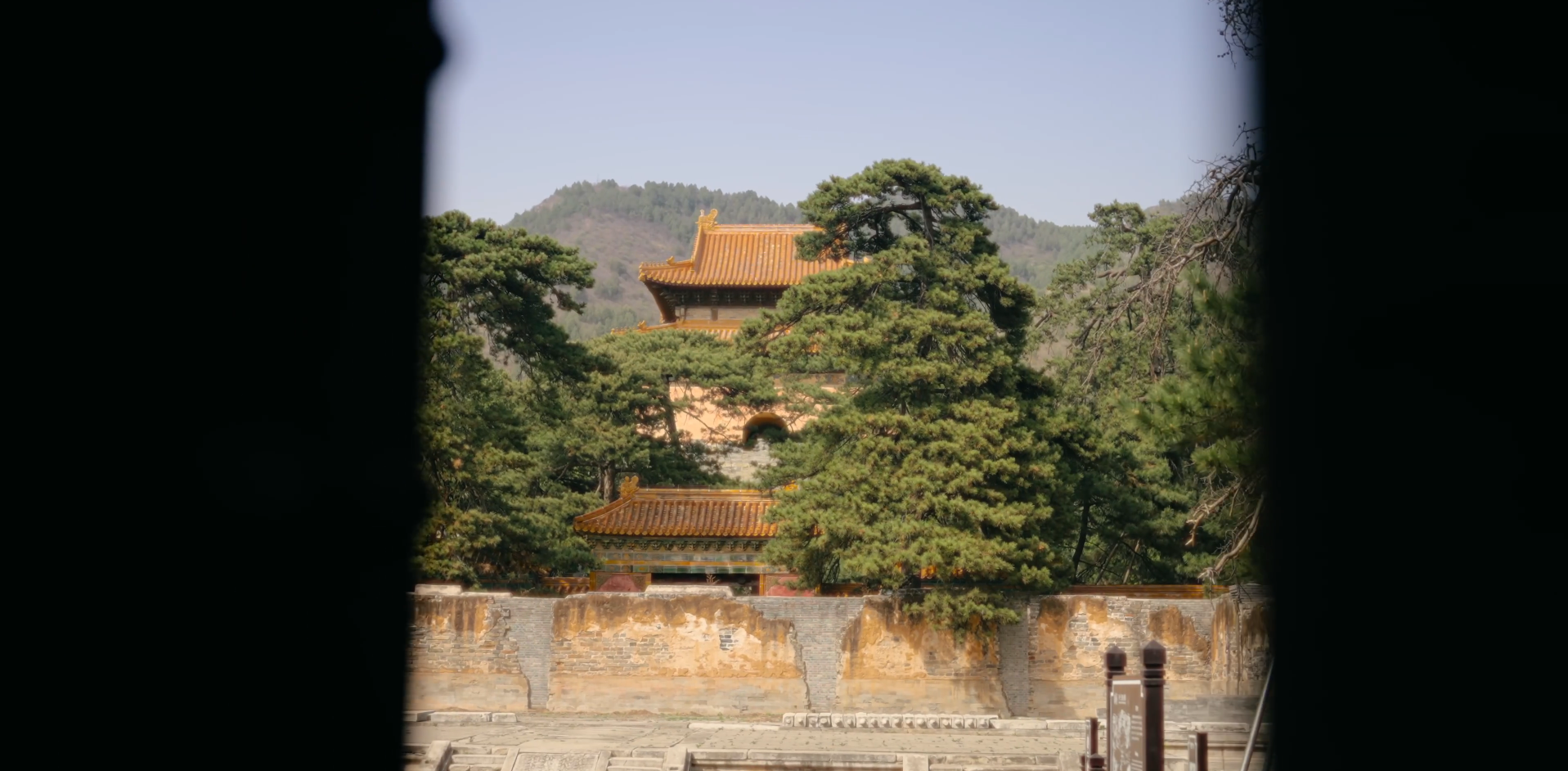
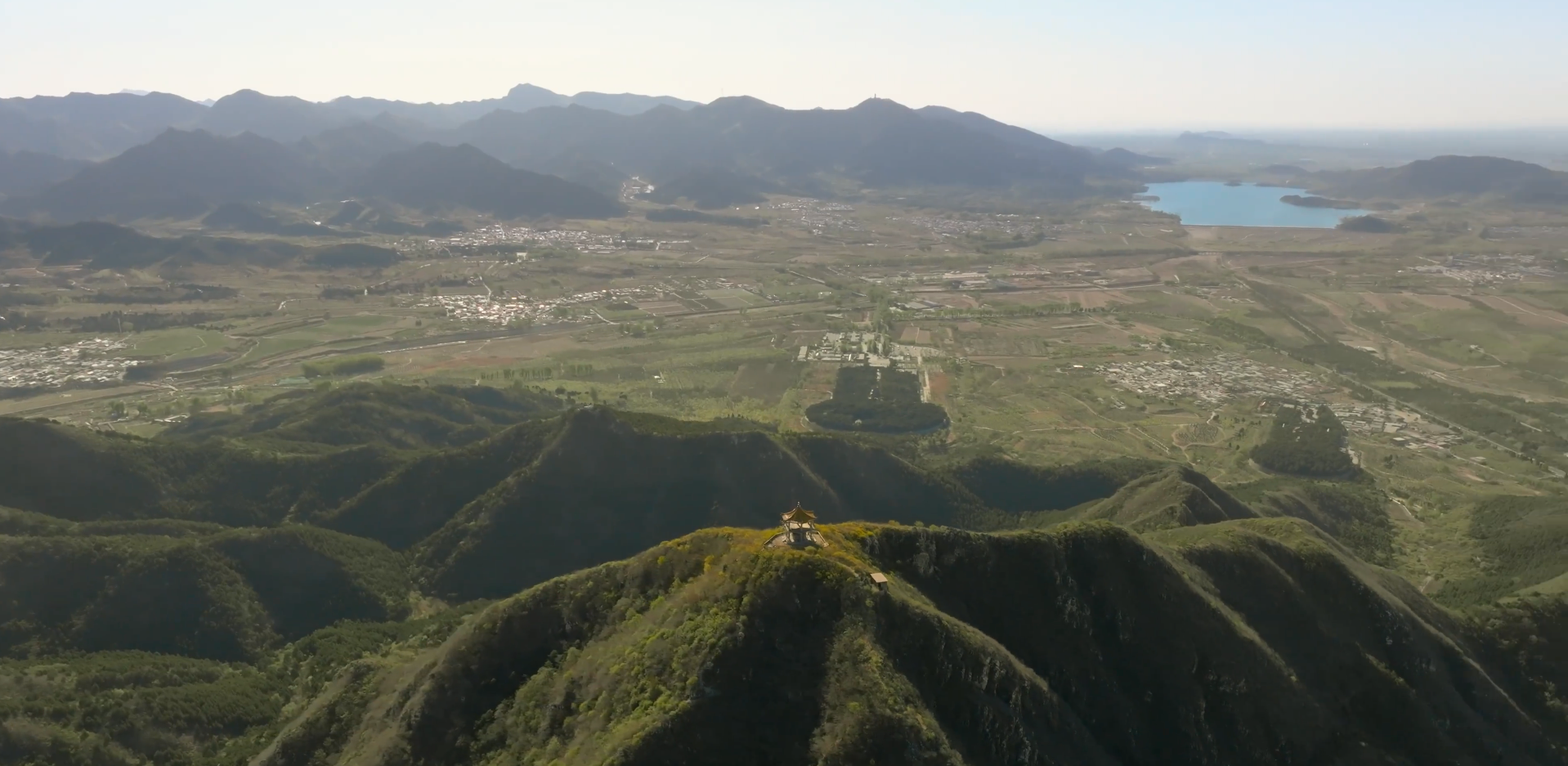
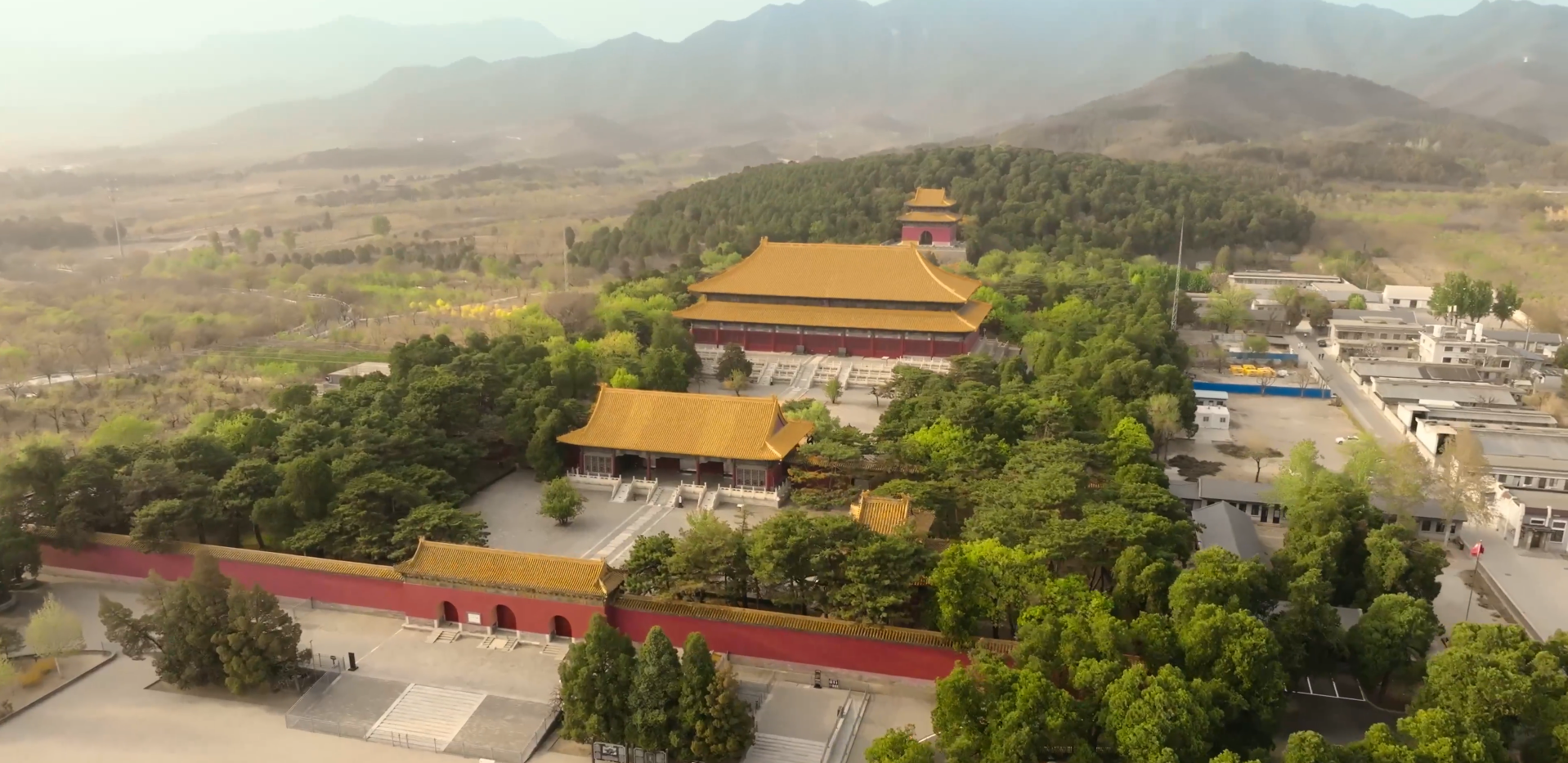
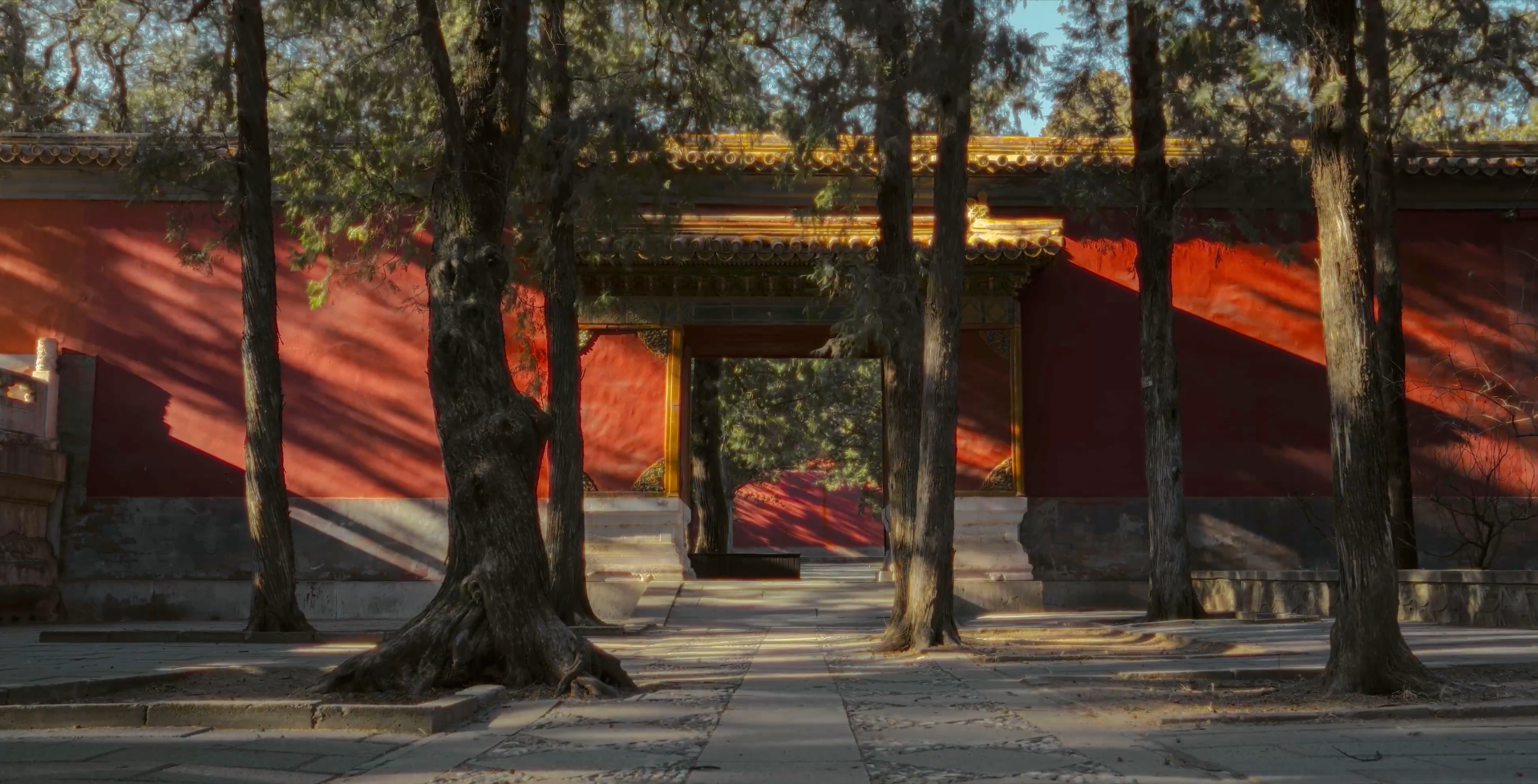
The Ming Tombs are located at the foot of Tianshou Mountain in Changping District , Beijing China, People’s Republic of China , about 50 kilometers away from Tiananmen. The Ming Tombs are located in a small basin surrounded by mountains on three sides in the east, west and north. The area around the tomb is surrounded by mountains, the central part is a plain, and there is a meandering river in front of the tomb. From the beginning of Changling in May of the seventh year of Yongle (1409) to the burial of Chongzhen, the last emperor of the Ming Dynasty, in Siling.
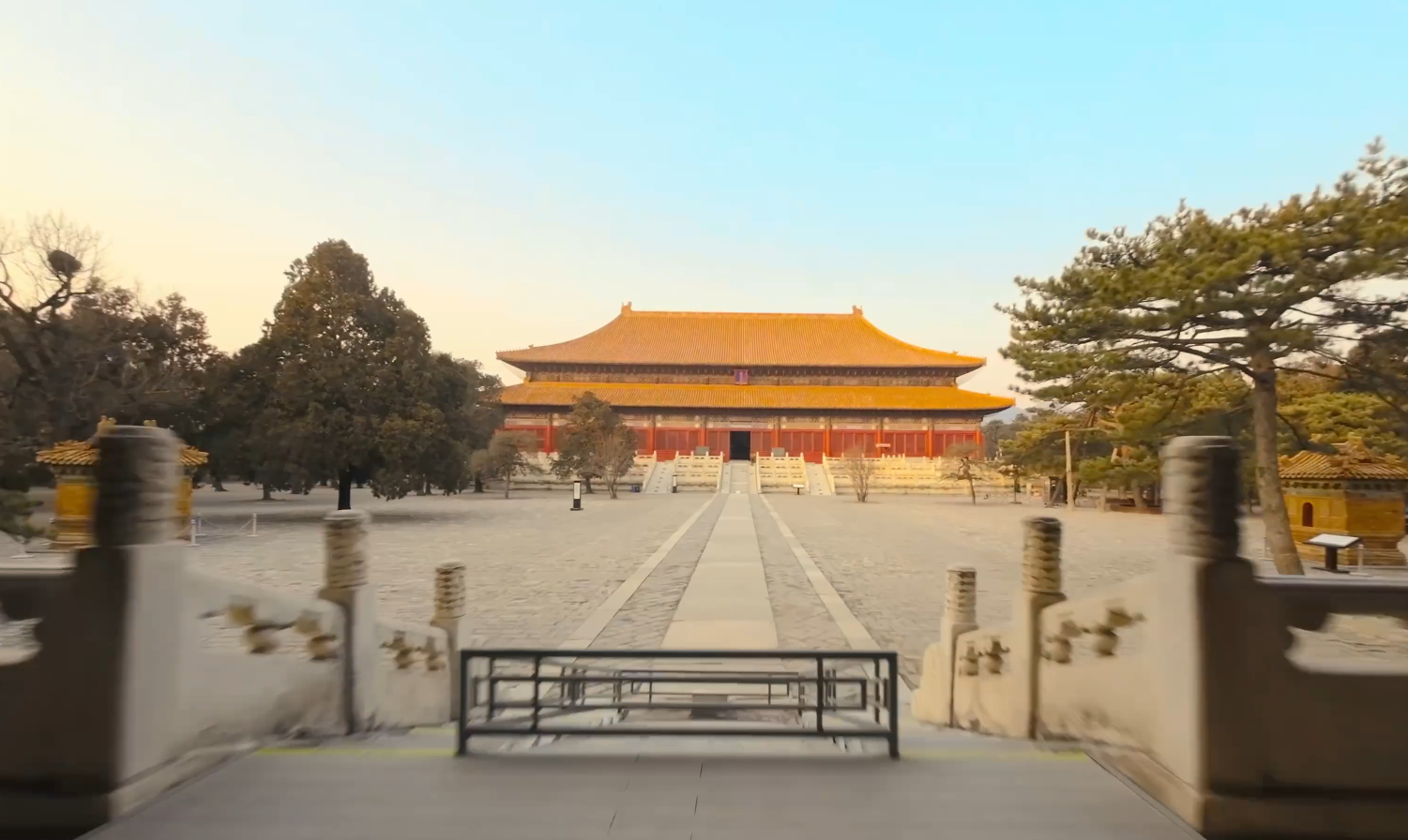
The Ming Tombs have a total of 13 imperial tombs, including the Changling Mausoleum of Chengzu Zhu Di, Xianling Mausoleum of Renzong Zhu Gaochi, Jingling Mausoleum of Xuanzong Zhu Zhanji, Yuling Mausoleum of Yingzong Zhu Qizhen, Xianzong Zhu Jianshenmao Mausoleum, Xiaozong Zhu Youtang’s Tai Mausoleum. The Kangling Mausoleum of Wuzong Zhu Houzhao, the Yongling Mausoleum of Sejong Zhu Houcong, the Zhao Mausoleum of Mu Zong Zhu Zaihou, and the Ding Mausoleum of Shenzong Zhu Yijun. The Qingling Mausoleum of Guangzong Zhu Changluo, and the Deling Mausoleum of Xizong Zhu Youxiao. The Siling Mausoleum of Chongzhen Emperor Zhu Youjian. In addition, there are 8 accompanying tombs, including 7 concubine (prince) tombs and 1 eunuch tomb. Its architectural form embodies the feudal rules and regulations of the Ming Dynasty. Both the emperor’s mausoleum and the rear mausoleum are covered with yellow glazed tiles.
The Ming Tombs area covers an area of 40 square kilometers. It is famous for its magnificent scale, complete cemetery system, solemn and harmonious layout, beautiful and quiet scenery, and elegant and simple style.
In 1957, it was listed as the first batch of key ancient buildings and cultural relic’s protection units in Beijing. In 1961, it was listed as a national key cultural relic protection unit by the State Council of the People’s Republic of China. In 1982, the Ming Tombs and Badaling were listed as one of the national key scenic spots protection areas as a complete scenic spot. On July 3, 2003, the Ming Tombs, as an expansion project of the royal tombs of the Ming and Qing Dynasties, were approved by the 27th United Nations World Heritage Conference and included in the “World Heritage List
The Ming tombs are a collection of mausoleums built by the emperors of the Ming dynasty of China. The first Ming emperor’s tomb is located near his capital Nanjing. However, the majority of the Ming tombs are located in a cluster near Beijing and collectively known as the Thirteen Tombs of the Ming dynasty.
The Ming dynasty, officially the Great Ming, was an imperial dynasty of China, ruling from 1368 to 1644 following the collapse of the Mongol-led Yuan dynasty. The Ming dynasty was the last imperial dynasty of China ruled by the Han people, the majority ethnic group in China…
Enjoy the cool air! I should be the first science popularization master who entered the Ming Tombs at night.
This is the largest and most complete royal cemetery in China, and the resting place of 13 emperors of the Ming Dynasty. When the hustle and bustle of the day fades away, this cemetery has more vicissitudes of history. The purpose of this trip is to find the answer to a question.
Regardless of whether it is the imperial tombs of the Han and Tang Dynasties, the imperial tombs of the Song Dynasty, or the imperial tombs of the Qing Dynasty, they were either severely damaged or completely looted. But why is it that only the Ming Tombs are relatively intact above and below ground? 明圣圣陵Why can survive to this day ?
Walk! Go down to the imperial mausoleum to solve the mystery that has been covered in dust for many years…
The Ming Tombs are located in Changping District, 50km northwest of Beijing, and are the general name of the tombs of 13 emperors of the Ming Dynasty. The mausoleum area covers an area of 80km2, and it is the relatively complete mausoleum building and the tomb group with the most buried emperors in the world today. The construction of the Ming Tombs began in the seventh year of Ming Yongle (1409) and ended in the early Qing Dynasty, which lasted more than 200 years. According to the order of the construction time of the mausoleum, they are: Changling (Tomb of Emperor Yongle), Xianling (Tomb of Emperor Hongxi), Jingling (Tomb of Emperor Xuande), Yuling (Tomb of Emperor Zhengtong (that is, Emperor Tianshun)), Maoling (Tomb of Emperor Tianshun) Chenghua Emperor’s Tomb), Tailing (Hongzhi Emperor’s Tomb), Kangling (Zhengde Emperor’s Tomb), Yongling (Jiajing Emperor’s Tomb), Zhaoling (Longqing Emperor’s Tomb), Dingling (Wanli Emperor’s Tomb), Qingling (Taichang Emperor’s Tomb) Emperor’s Mausoleum), Deling (Tianqi Emperor’s Mausoleum), Siling (Chongzhen Emperor’s Mausoleum). In addition to the 13 emperors buried in the mausoleum area, there are also 23 empresses, 1 imperial concubine and dozens of palace officials who were buried. In addition, there are 7 concubine graves in the mausoleum area (East Well, West Well, Tomb of Concubine Wangui, Mourning Tomb, Tomb of Four Concubines and Two Princes, Tomb of Concubine Xian, Tomb of Concubine Zheng and Tombs of Concubines Erli, Liu, and Zhou) ) and a eunuch’s burial tomb (Wang Chengen’s tomb), as well as various buildings such as palaces and gardens serving the emperor’s mausoleum. City walls were built at 10 natural mountain passes (Dongshan Pass, Zhongshan Pass, Zhazikou, Xishan Pass, Desheng Pass, Yanzi Pass, Zhuishi Pass, Xianzhuang Pass, Huiling Pass, and Laojuntang Pass) around the mausoleum. , Barrier walls and other defensive facilities to protect the safety of the mausoleum area.
The construction of the imperial mausoleum of the Ming Dynasty was divided into several steps: the selection of the mausoleum site, the formulation of regulations, and the preparation of materials for construction. The selection of the mausoleum site is the primary link in the construction of the mausoleum. Generally, firstly, the first and second-rank officials of the DPRK will lead the Fengshui surveyors to follow the theory of Fengshui, “the shape of the mountain from the outside, and the land veins from the inside”. The emperor, if necessary, draws a picture, pastes a description, and finally decides by the emperor.
After Cheng Zu Zhu Di proclaimed himself emperor, he planned to move the capital from Nanjing to Beijing. In the sixth year of Yongle in the Ming Dynasty (1408), Zhu Di ordered Zhao Yan, Minister of Rites, to lead Jiangxi warlock Liao Junqing and others to visit the mausoleum near Beijing. After more than a year, the auspicious soil for thousands of years was finally found in the Huangtu Mountain in Changping. Zhu Di then sealed Huangtu Mountain as Tianshou Mountain, and decreed to encircle the area with a radius of 80 li as the forbidden area of the mausoleum.
The layout of the tombs of the Ming Tombs is not in accordance with the “Zhou Li” method of left and right, but with the respected ones in the main veins and the humble ones in the secondary veins (remaining veins). Changling is the first tomb of the Ming Tombs. It is located in the middle of the main peak of Tianshou Mountain, and other tombs are arranged around it. Among the Ming Tombs, Changling is the largest, followed by Yongling and Dingling, and Siling is the smallest. Mausoleum construction methods can be divided into three types: one is the mausoleum built by the emperor during his lifetime, which is large in scale and richly decorated (such as Changling Tomb, Yongling Mausoleum, and Ding Tomb); The posthumous edict of “building a mausoleum” may be affected by the burial period and national power, and the scale is small and relatively simple (such as Xianling and Jingling); the third is that the emperor will not have time to build the mausoleum during his lifetime, and the next dynasty will build it after the change of dynasty (such as Siling). The Ming Tombs are famous all over the world for their majestic scale, complete cemetery system, solemn and harmonious layout, beautiful and quiet scenery, and elegant and simple style. In 1957, it was listed as the first batch of key ancient buildings and cultural relics protection units in Beijing. In 1961, it was listed as a national key cultural relics protection unit. In 1982, the Ming Tombs and Badaling were listed as one of the national key scenic spots protection areas as a complete scenic spot. On July 3, 2003, the Ming Tombs, as an expansion project of the royal tombs of the Ming and Qing Dynasties, were approved by the 27th United Nations World Heritage Conference and included in the “World Heritage List”.
The Forbidden City Palace Museum Beijing, China, People’s Republic of China holds a large-scale on the afternoon of June 1st, the 2023 孩子,圆你宫宫梦 public welfare project jointly initiated by the Forbidden City – Palace Museum and the Beijing Palace Museum Cultural Relics Protection Foundation was officially launched. The project will promote the popularization and dissemination of Chinese excellent traditional culture among young people through book donation, teaching support, summer camps and other activities, so that children can sow seeds and set sail for their dreams. The Palace Museum and the Beijing Palace Museum Cultural Relics Protection Foundation wish all young people a happy holiday. Let us light up our dreams, grow together, and realize our dreams together…
In the afternoon of Children’s Day on June 1, the children came to the Forbidden Academy to learn Chinese ink painting with Mr. Wang Jing, the director of the Calligraphy Editing Office of 宫宫Publishing House , who wrote it by himself The bookmark is given as a gift to children, hoping to encourage children to live up to their youth, and to be the champion in the future. In addition, President Zhang Hongwei sent notebooks around the Forbidden City to the children as a commemoration of this trip to the Forbidden City