“全明星片花Hi Producer” is an intangible cultural heritage urban drama directed by Gao Han, starring Guo Xiaodong , Zhang Nan , Li Xiaoran , Zhang Bo , Zheng Kai , Sun Yihan , Niu Zifan , Sheng Langxi , and Wu Qianyu .
The play tells the story of a variety show team with literary director Yu Zazao and young cultural relic’s expert Tao Tang as the core, in order to show the beauty of Chinese civilization and work together to launch a cultural TV program.The play will be broadcast on iQiyi and Tencent Video on May 20, 2023 in which is on 520 When spoken in Mandarin, the phrase “I love you” (wǒ ài nǐ) sounds very similar to 520 (wǔ èr yī). Soon, the equivalent date of May 20 transformed into a celebration of love, heavily focused around gift giving. Couples have even started getting married on 520….
Synopsis …..Director Yu Zazao (played by Zhang Nan) joined Gu Shiyong (played by Zheng Kai ) to create a large-scale cultural program “Inheritance”, and competed with Yuan Jiaying ( played by Sun Yihan ) for the position of chief editor. In order to form a high-quality program production team, Gu Shiyong also strongly invited senior host Wang Xining ( played by Li Xiaoran ) , well-known director Mu Zongyun ( played by Guo Xiaodong ) , and young cultural relics expert Tao Tang ( played by Zhang Bo ) to join. Through everyone’s hard work, “Inheritance” has finally become a phenomenon-level cultural program. Yu Zazao, who lacked empathy since childhood, gradually opened up his heart during the filming process, and finally reaped a complete friendship and career.
During the series吳謹言 #WuJinyan who played Empress Wei YingLuo -Weigiya Xiaoyichun延禧攻略 #StoryOfTheYanxiPalace… In the sixth year of Qing Dynasty Emperor Qianlong’s reign, a young girl Wei Yingluo ( played by Wu Jinyan ) entered the Forbidden City as a court lady in order to seek the truth about her elder sister’s death. After investigation, Yingluo confirmed that her sister’s death was related to the absurd prince Hong Zhou, and she was determined to seek justice. Empress Fucha (played by Qin Lan) is adept at etiquette, worried that Yingluo would go astray, and tried her best to give her warmth and help. Under the queen’s careful teaching, Wei Yingluo grew up step by step into an upright and strong court lady, she put down her hatred and lived a serious life. Unfortunately, the queen passed away, causing Yingluo to misunderstand Qianlong (Nie Yuan ) a lot. The two went from being hostile to each other to finally understanding and supporting each other.
The Forbidden City Palace Museum Beijing, China, People’s Republic of China holds a large-scale exhibition reflecting the history of ethnic relations in the Yuan, Ming and Qing dynasties, “Xiangkai Vientiane–The Forbidden City and Tibetan Cultural Relics Joint Exhibition” will be on display at the Meridian Gate on April 29th 2023 towards 30th of September 2023.
On April 28, 2023, the opening ceremony of “Auspicious Opening of Vientiane—Joint Exhibition of the Forbidden City and Tibetan Cultural Relics” was held at the Palace Museum. Wang Xudong, member of the Party Leadership Group of the Ministry of Culture and Tourism and director of the Palace Museum, Zhong Tingxiong, deputy director of the Propaganda Department of the State Ethnic Affairs Commission, Zhang Xuxia, deputy director of the General Office of the Ministry of Culture and Tourism, Lian Xiangmin, deputy director-general of the China Tibetology Research Center, protection of historical sites in China Song Xinchao, chairman of the association and former deputy director of the State Administration of Cultural Heritage, Qu Zhen, deputy secretary of the party group and director of the Tibet Autonomous Region Cultural Relics Bureau, Yang Fan, secretary of the Party Committee of the National Museum of China, Fayan, deputy director of the National Cultural Palace, Zha Xia, director of the Tibetan Culture Museum, Chinese Buddhist Master Yanjue, the president of the association, relevant departments and bureaus of the Central Propaganda Department and the Central United Front Work Department, relevant comrades in charge of cultural museums in Beijing, relevant associations, team members of the Palace Museum, and leaders of retirement homes attended the opening ceremony. Du Haijiang, Secretary of the Party Committee and Vice President of the Palace Museum, Deji Zhuoga, Deputy Secretary of the Party Group and Director of the Department of Culture of the Tibet Autonomous Region, and Yang Xun, the representative of the Xuri Charity Foundation and the vice chairman and general manager of Xuri Group Co., Ltd. Speech at the ceremony. Ren Wanping, vice president of the Palace Museum, presided over the opening ceremony of the exhibition.
“Xiangkai Vientiane-The Forbidden City and Tibetan Cultural Relics Joint Exhibition” is jointly organized by the Palace Museum and the Cultural Relics Bureau of the Tibet Autonomous Region, with special support from the Rising Sun Charity Foundation. The exhibition hall of Yanchi Building is open to the audience. Guided by General Secretary Xi Jinping’s thought that “cultural identity is the deepest level of identity, the root of national unity and the soul of national harmony”, combined with the construction of the “Four Forbidden City” system of the Palace Museum, it is a cultural and The display of the results of the Ministry of Tourism’s Tibet-aid project “Research on the Chinese Nation Community Based on the Forbidden City and Tibetan Cultural Relics” is also a large-scale comprehensive exhibition reflecting the history of ethnic relations in the Yuan, Ming, and Qing dynasties. The exhibition reflects the latest relevant scientific research achievements of the Palace Museum in the past five years, explores the cultural connotations behind the cultural relics, shows the exchanges, exchanges and integration between Tibet and the mainland and the court embodied in the cultural relics, and composes a splendid chapter of national unity and progress.
Du Haijiang, Secretary of the Party Committee and Vice President of the Palace Museum, said in his speech that the exhibition takes forging the consciousness of the Chinese nation’s community as its starting point and foothold. The emotional bond and spiritual belonging of the nation prove the necessity and forward-lookingness of forging a sense of community of the Chinese nation. For thousands of years, people of various ethnic groups in Tibet and inland have been in frequent contact with each other, helping each other, and being brothers and sisters. The Forbidden City, where the Palace Museum is located, is a witness to the exchanges, exchanges, and integration between Tibet and the mainland of the motherland, and a historical witness to the continuous formation of the consciousness of the Chinese nation community. Based on the close historical relationship between cultural relics and the interaction between cultural relics and the design of the exhibition hall, the exhibition reproduces the historical facts of exchanges, exchanges and integration between Tibet and the mainland, and restores the great process of the Chinese nation’s community consciousness from formation to consolidation in history.
Deji Zhuoga, director of the Cultural Department of the Tibet Autonomous Region, said in his speech that this exhibition is an in-depth implementation of the spirit of the 20th National Congress of the Communist Party of China and the spirit of General Secretary Xi Jinping’s important exposition on cultural relics work by the Tibet Autonomous Region and the Palace Museum. It is an important exhibition held to firmly grasp the consciousness of the community of the Chinese nation and build a common spiritual home for the Chinese nation. The exhibition showcases the long history and splendid culture of the Forbidden City and Tibet, demonstrates the extensive exchanges and in-depth integration between Tibet and other parts of the motherland, and witnesses the diverse and colorful Chinese culture. As a large area of cultural relics resources, Tibet has made all-round progress and historic achievements in promoting the protection and utilization of cultural relics in recent years. Cultural relics have played an important role in forging the consciousness of the Chinese nation community and promoting Tibet’s long-term stability and high-quality development.
Yang Xun, the representative of the Xuri Charity Foundation and the vice chairman and general manager of Xuri Group Co., Ltd., who specially supported the exhibition, said that Chinese culture is a synthesis of the cultures of all ethnic groups and a common spiritual home for people of all ethnic groups. “Prosperity in Vientiane—Joint Exhibition of Cultural Relics from the Forbidden City and Tibet” tells the moving story of exchanges, exchanges, and integration between Tibet and various ethnic groups in the mainland through cultural relics research. Glorious Sun Group has strengthened its cultural self-confidence for many years and helped the inheritance and protection of Chinese culture. This support for the exhibition is what Glorious Sun Group should and must do for the inheritance and protection of Chinese culture.
“Auspicious Blossoms – The Forbidden City and Tibetan Cultural Relics Joint Exhibition” is divided into three parts: “Flowers Blooming All Over the Road – Communication between Tibet and the Mainland”, “Flowers and Leafs – Identity and Destination” and “Spring Blossoms and Autumn Fruits – Fruitful Cultural Achievements”. The theme unit uses “flowers” to symbolize the process of integration between Tibet and various ethnic groups in the interior. The exhibition exhibited 108 pieces (sets) of cultural relics, including 13 pieces (sets) of cultural relics from various units under the Tibet Autonomous Region Cultural Relics Bureau and the Sakya Monastery Management Committee, and 95 pieces (sets) of cultural relics from the Palace Museum. In addition to the well-known calligraphy and painting exhibits such as Yan Liben of the Tang Dynasty “Bucharian Picture” and Zhao Mengfu’s “Emperor’s Danba Stele Scroll” of the Yuan Dynasty, there are also a large number of cultural relics that meet the audience for the first time, such as the “Manchu Collection” collected by the Palace Museum. The Sutra, the statue of Emperor Yongle in the Potala Palace, and the thangkas of Kublai Khan first seen in the Sakya Temple, etc., fully demonstrate the diversity of styles and artistic charm of Tibetan-themed cultural relics.
According to the protection requirements of cultural relics and reference practices, the calligraphy and painting works of the Song and Yuan Dynasties and before in the exhibition will be replaced with replicas after one month of exhibition.
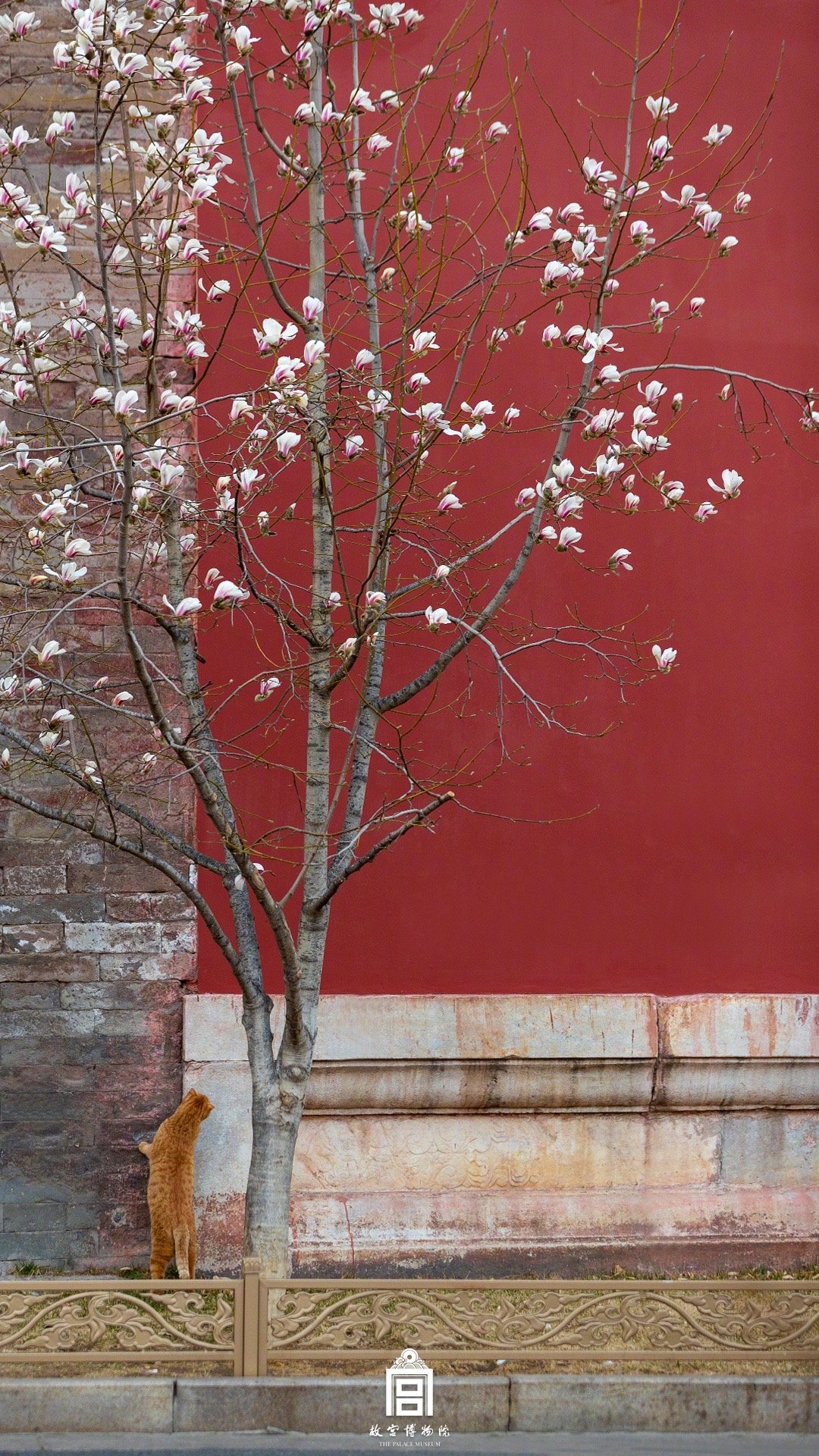
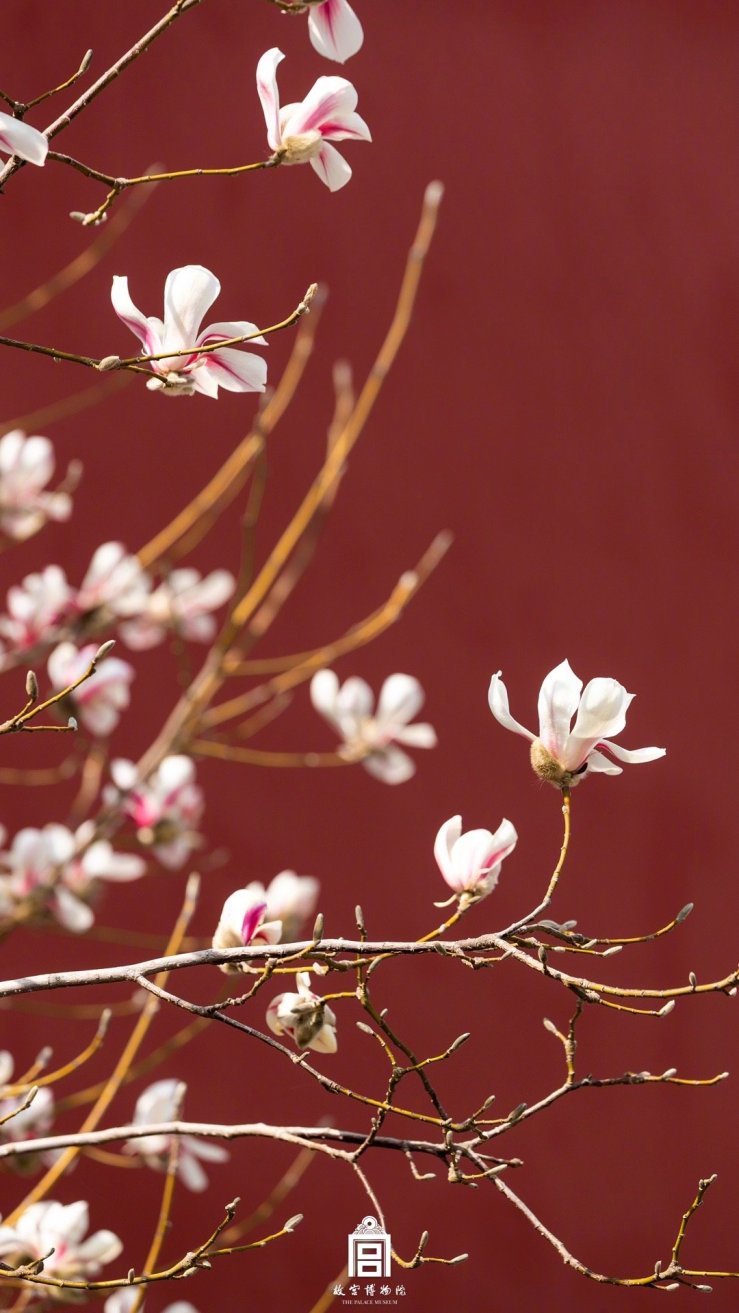
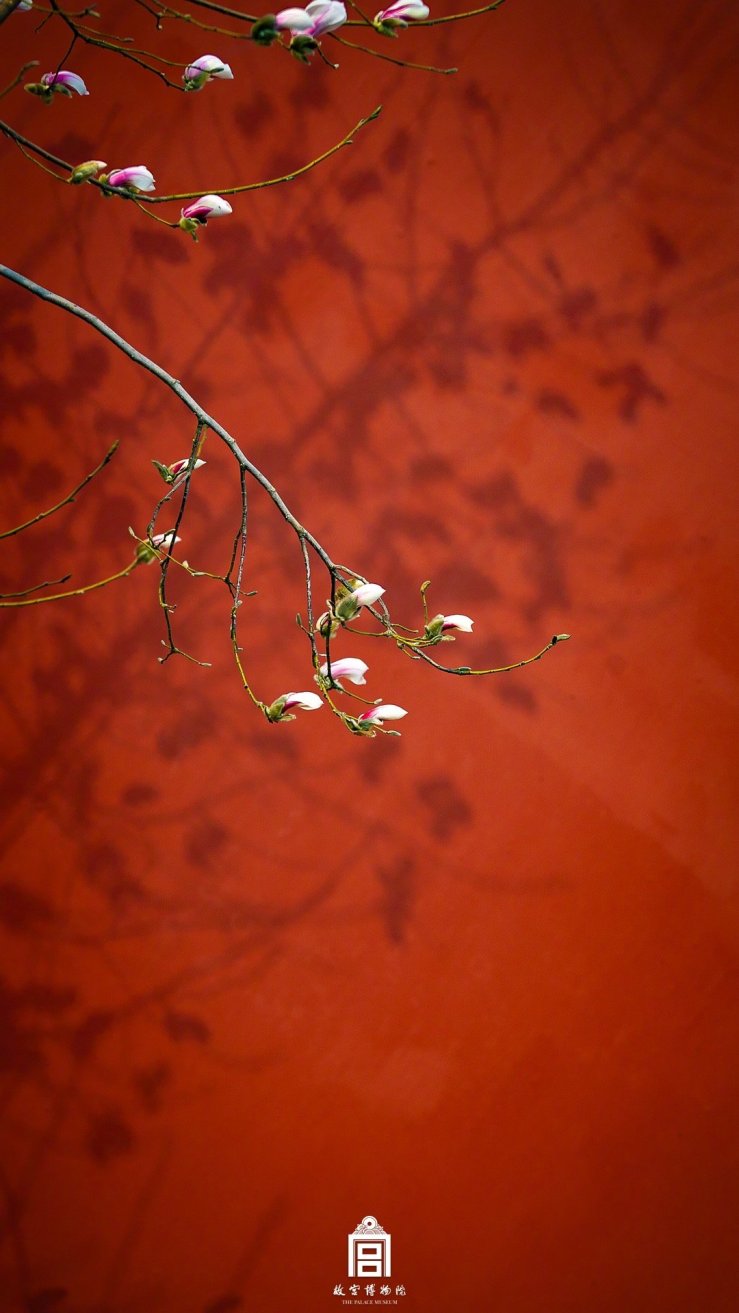
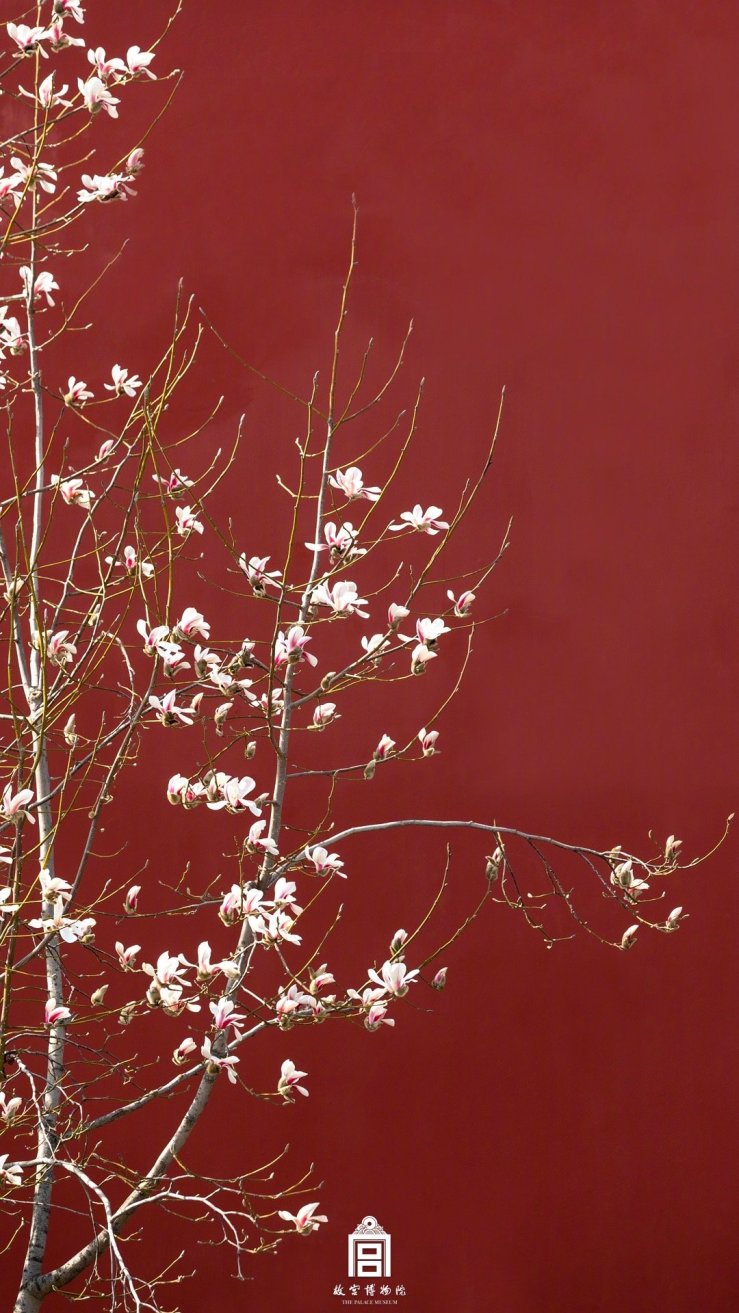
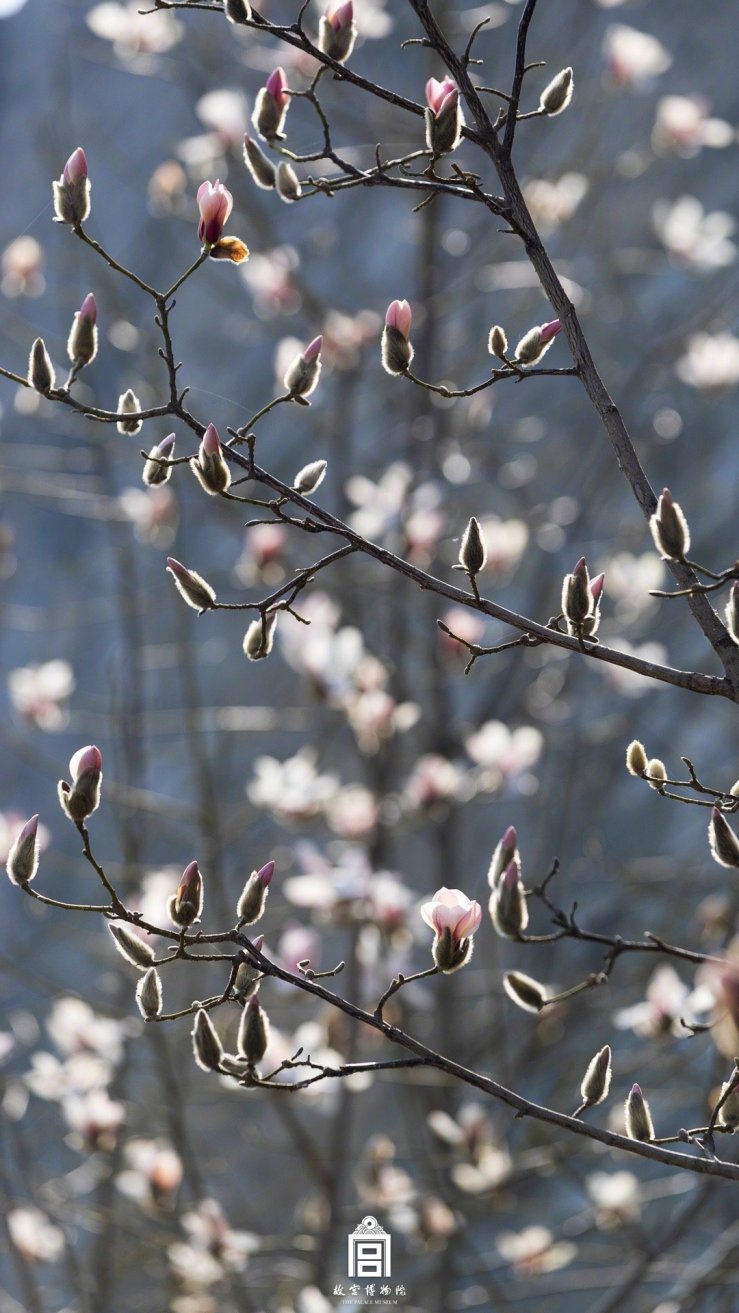
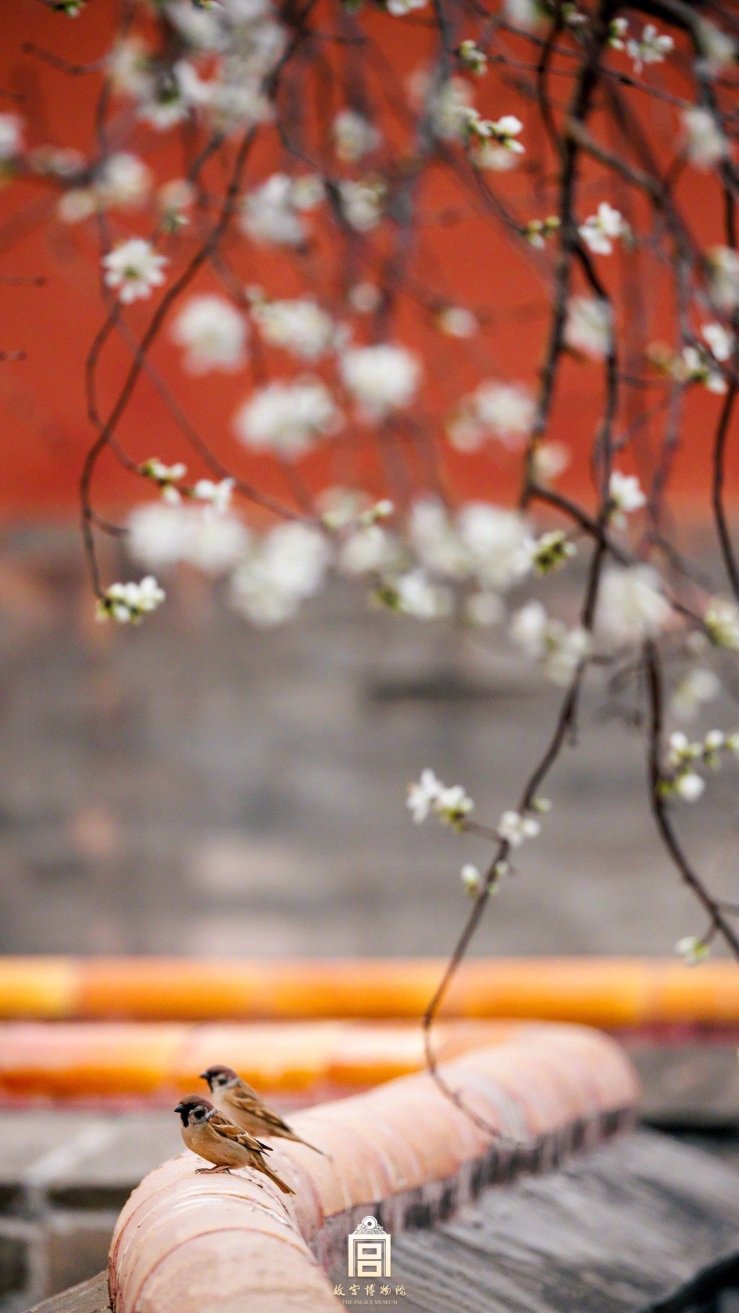
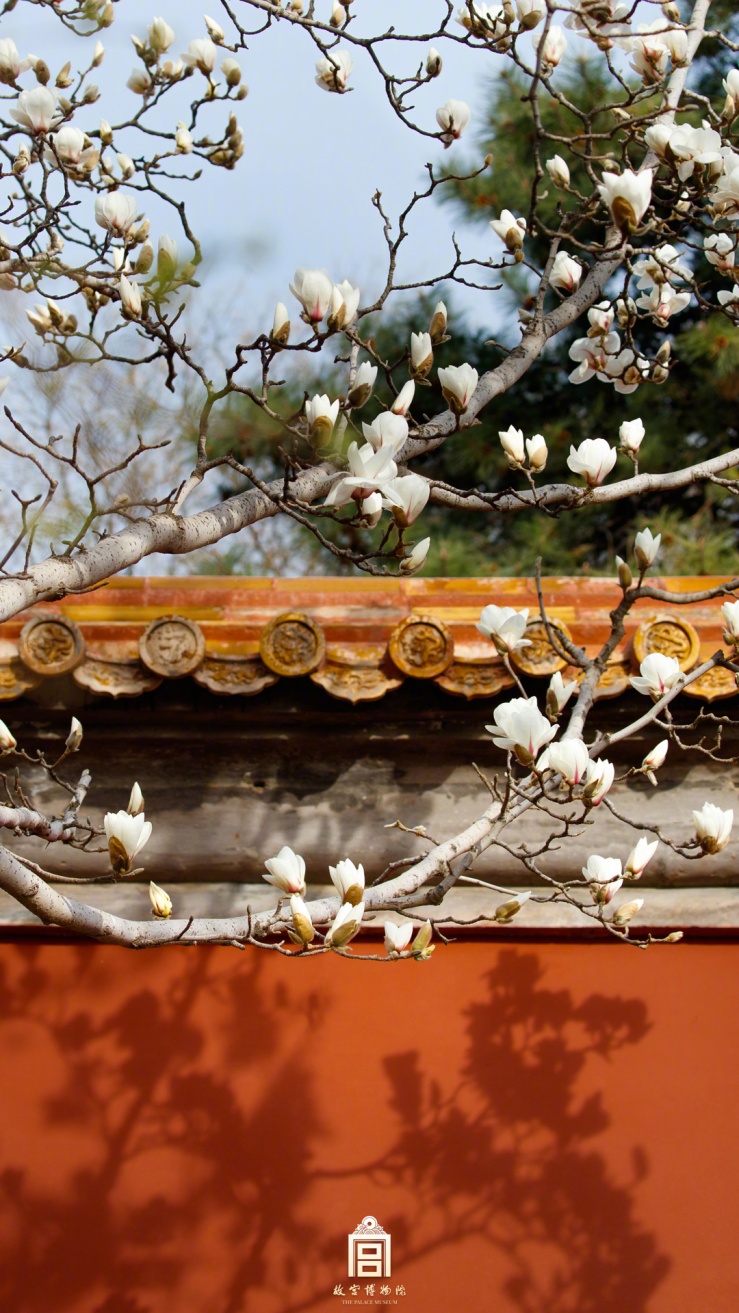
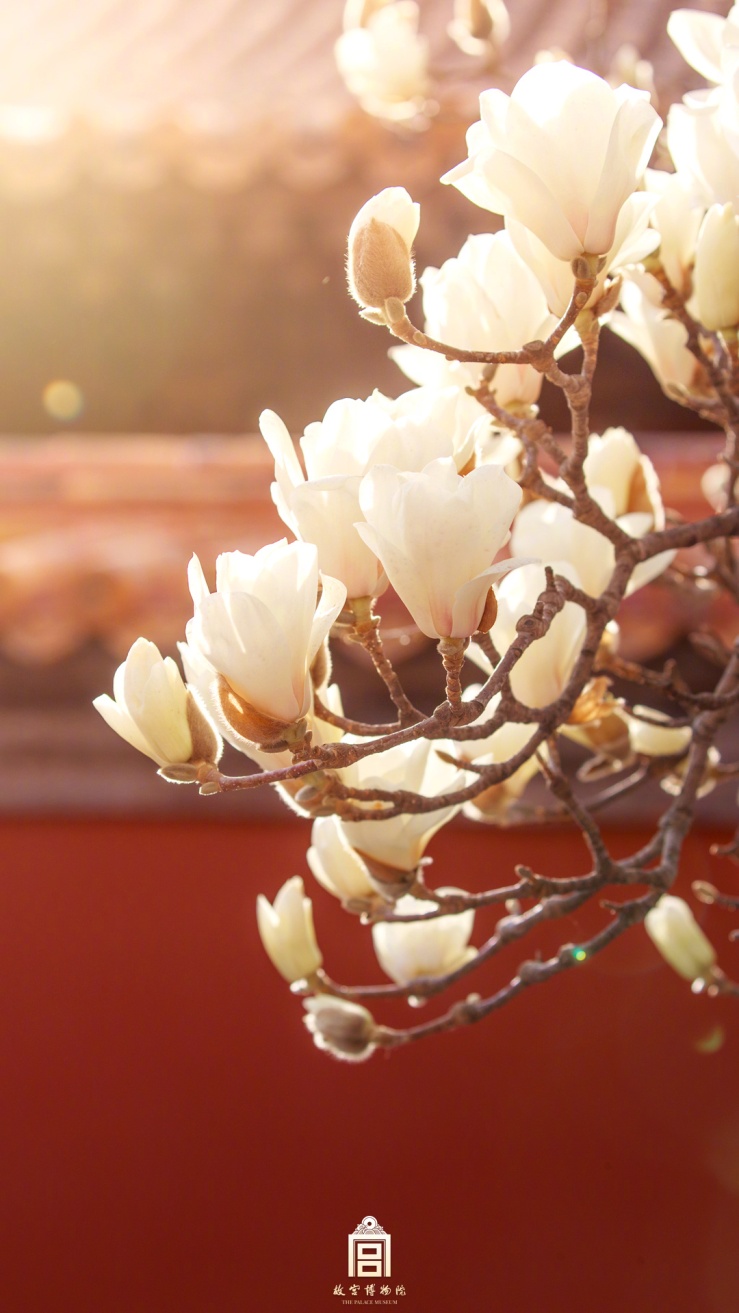
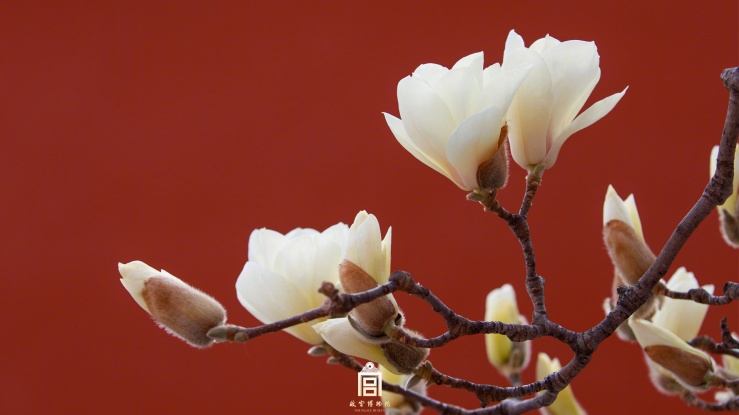
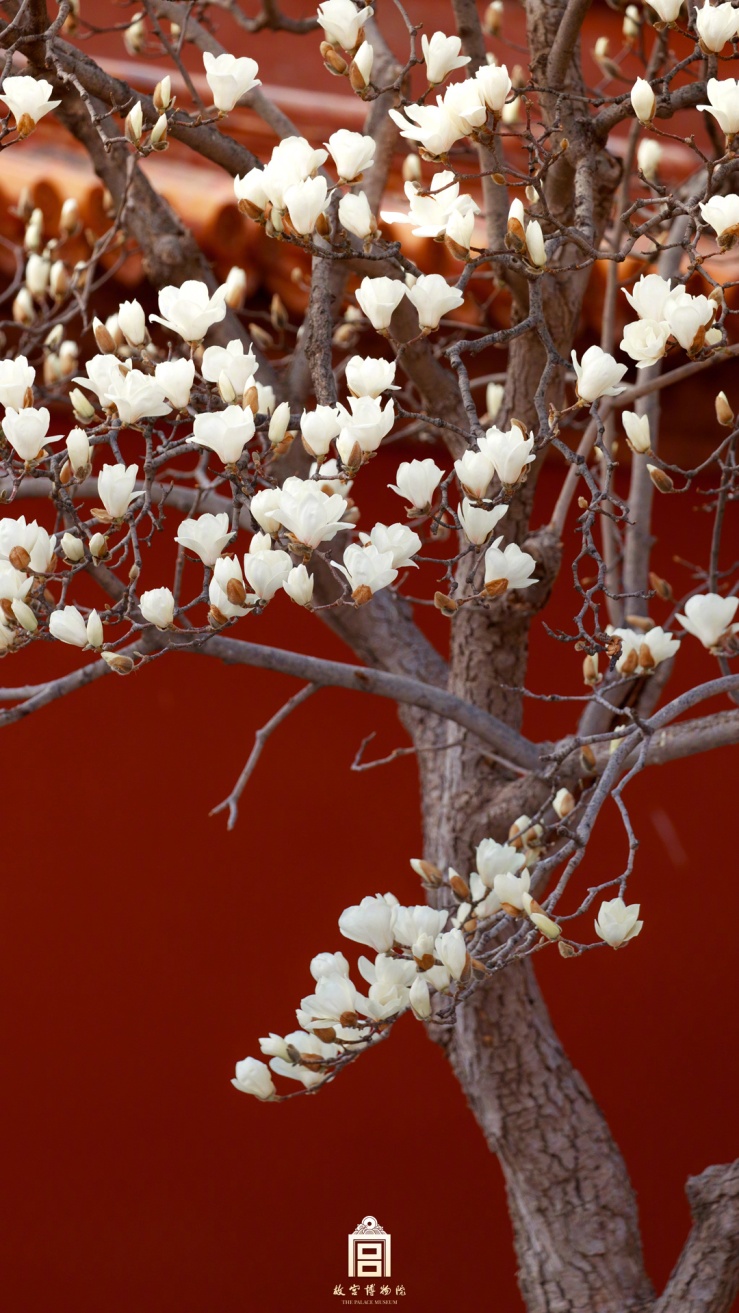
Arbor Day is on 12th March Sunday 2023 on China, People’s Republic of China it was This resolution established the Arbor Day (植树节), also March 12, and stipulated that every able-bodied citizen between the ages of 11 and 60 should plant three to five trees per year or do the equivalent amount of work in seedling, cultivation, tree tending, or other services the suggestion of Deng Xiaoping Since a century ago, China has established Arbor Day to promote nationwide afforestation and forest protection….. The weather is getting warmer, and the magnolia is blooming. The pink and white flowers are like pairs of immature little hands, holding us the breath of spring
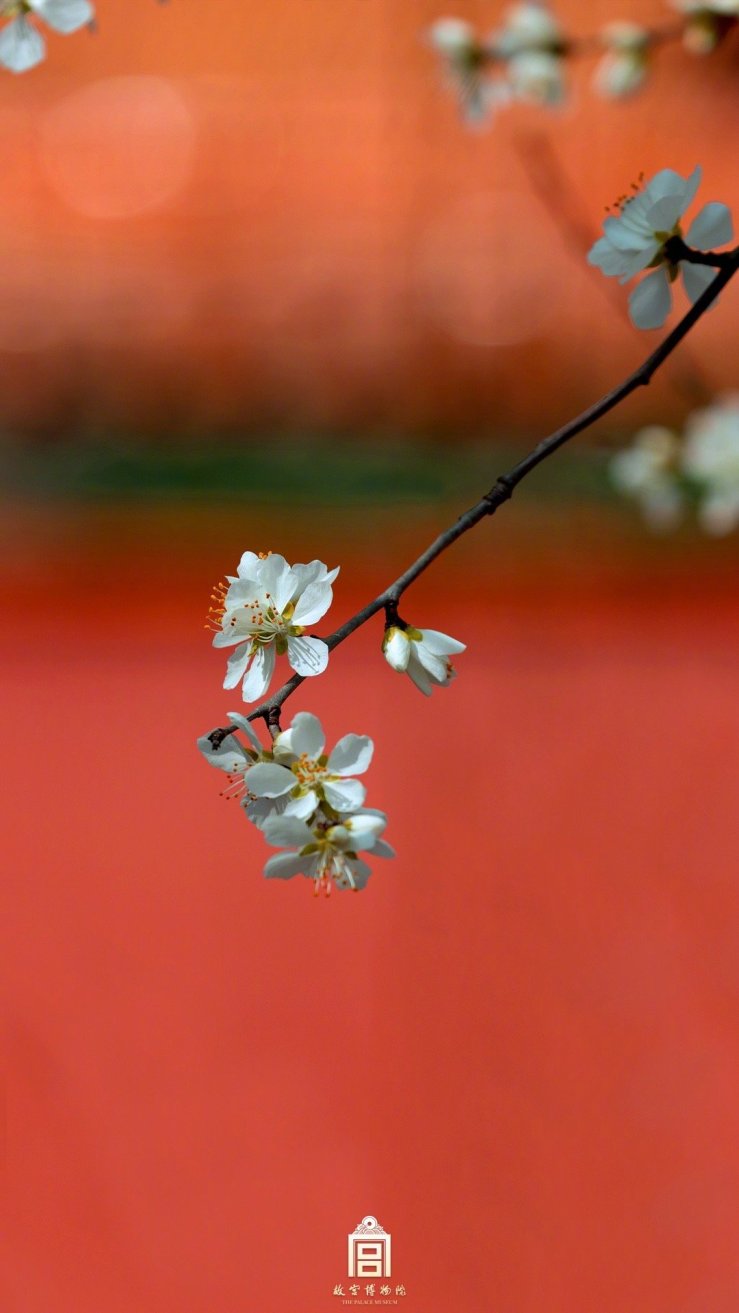
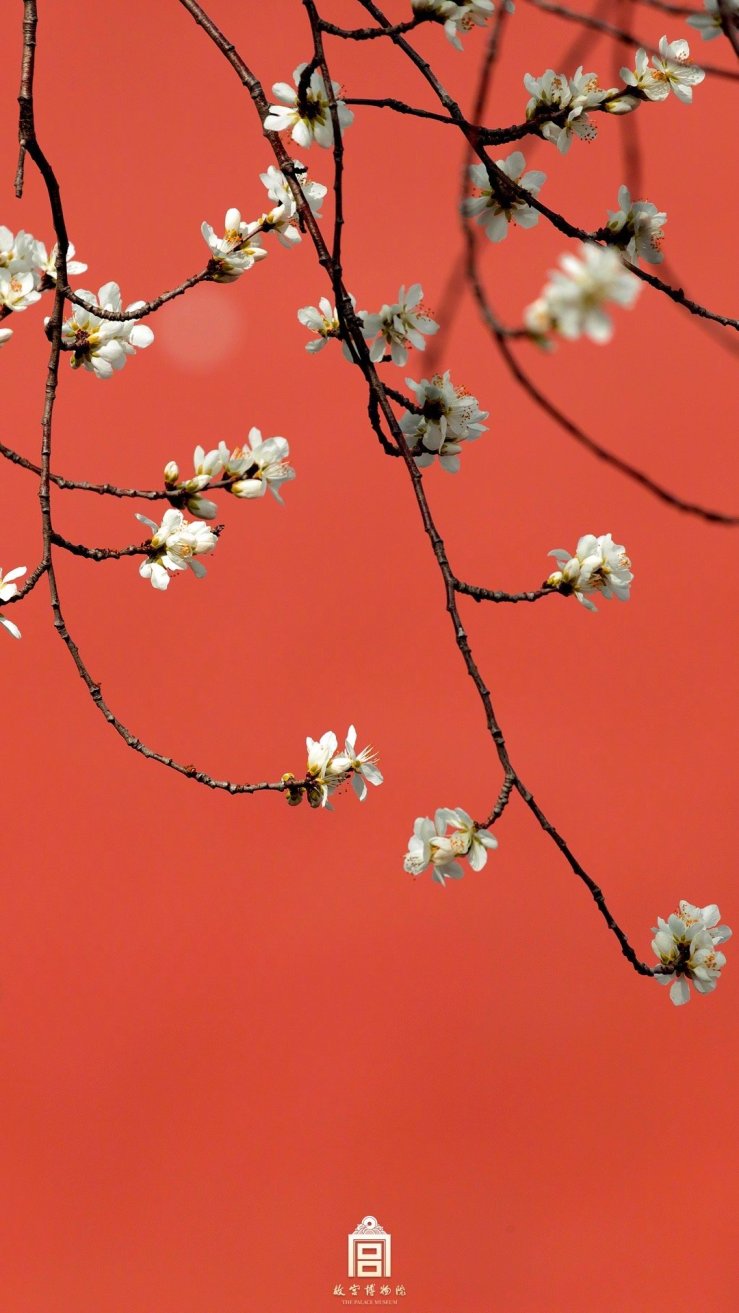
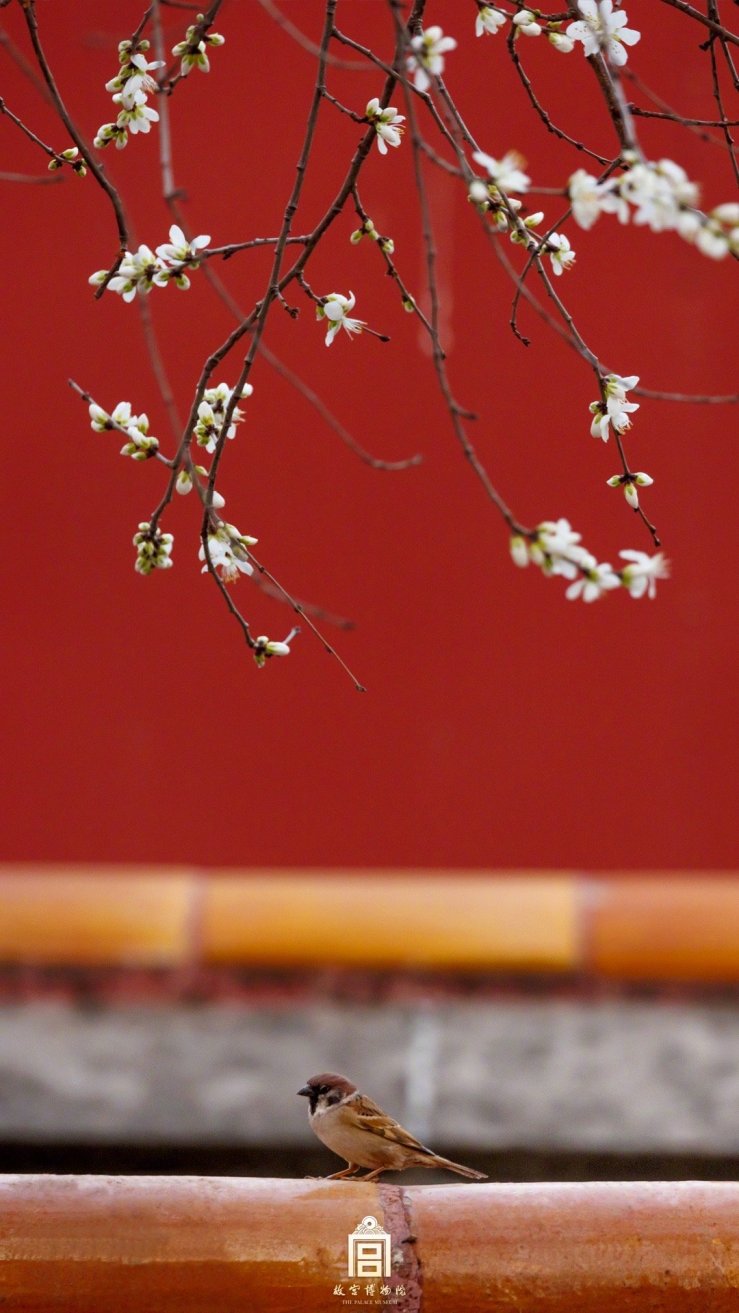
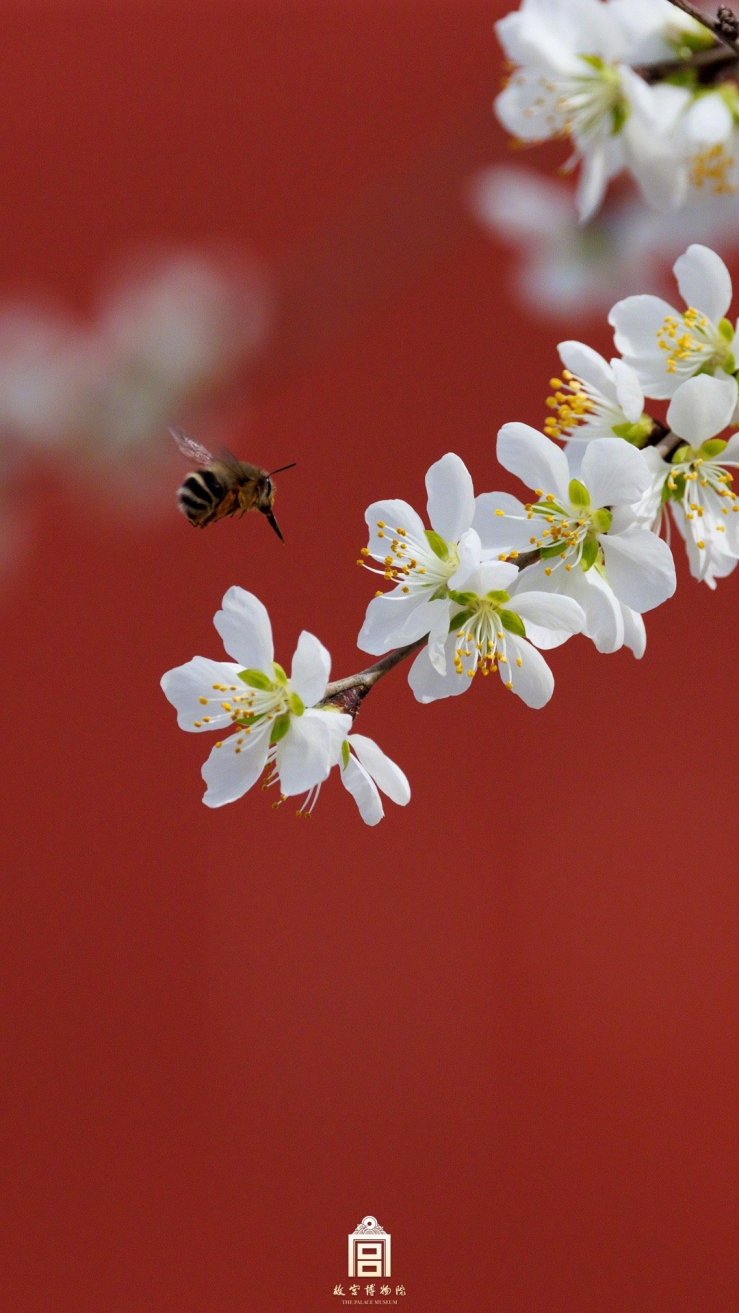
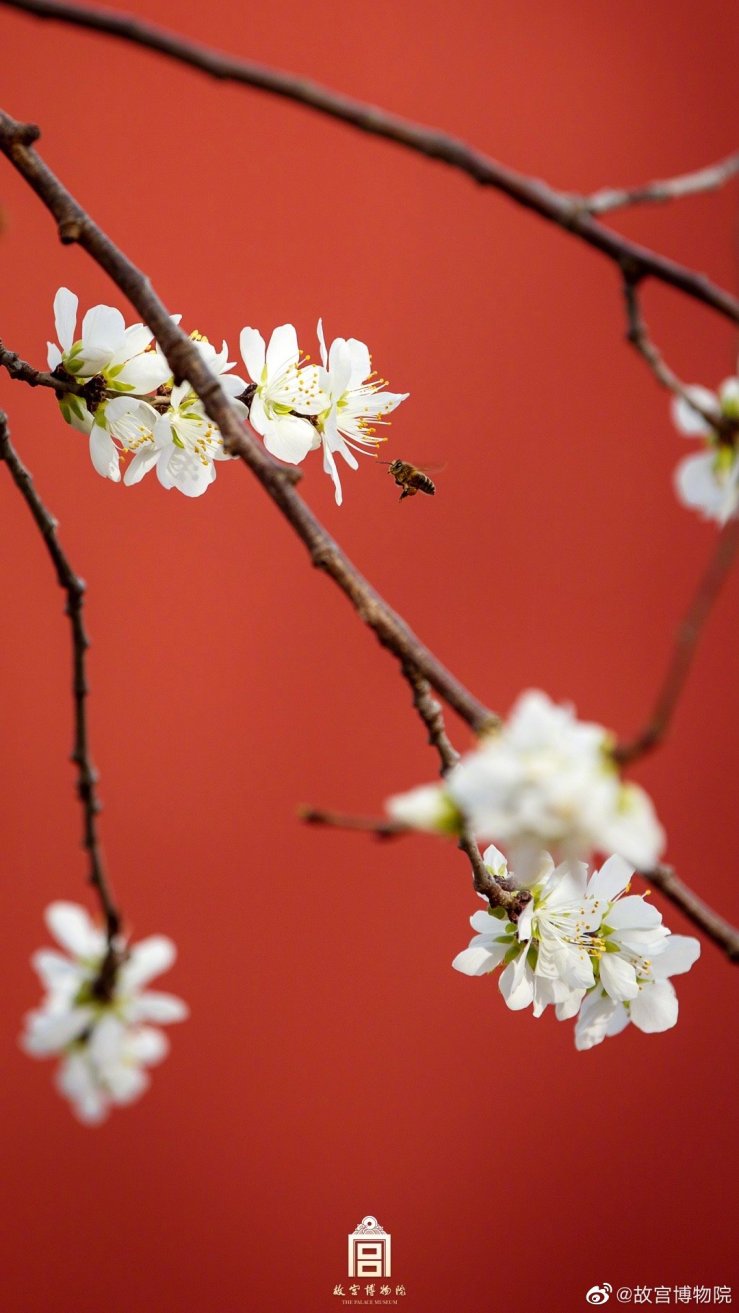
Arbour Day, in the Forbidden City’s environmental protection and carbon reduction cultural and creative program welcoming the spring with the refreshing the colour-contrasting Chinese Paintings naturally painted of mountain peach white and palace wall red, which will fill the screens with the breath of spring.
The spring breeze is blowing, and the weather is getting warmer. Spring is here in Beijing, and the magnolia flowers in the Forbidden City are blooming! Against the background of red walls and green tiles, the blue sky and white clouds are picturesque, beautiful and fragrant. Come on guys! Take a look at the majestic Forbidden City and see the beautiful magnolia flowers Beijing
In Chunhui, under the red wall, Magnolia is about to usher in its full bloom period! Let’s spend a weekend together
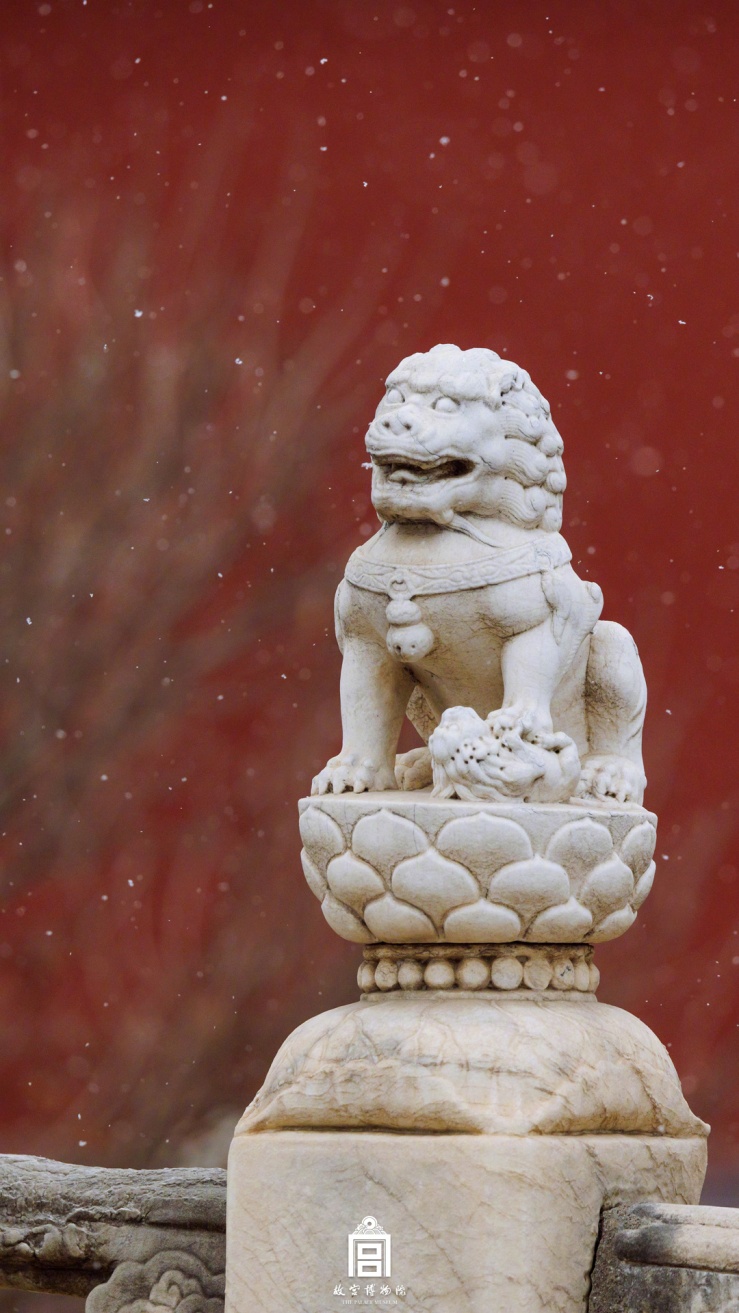
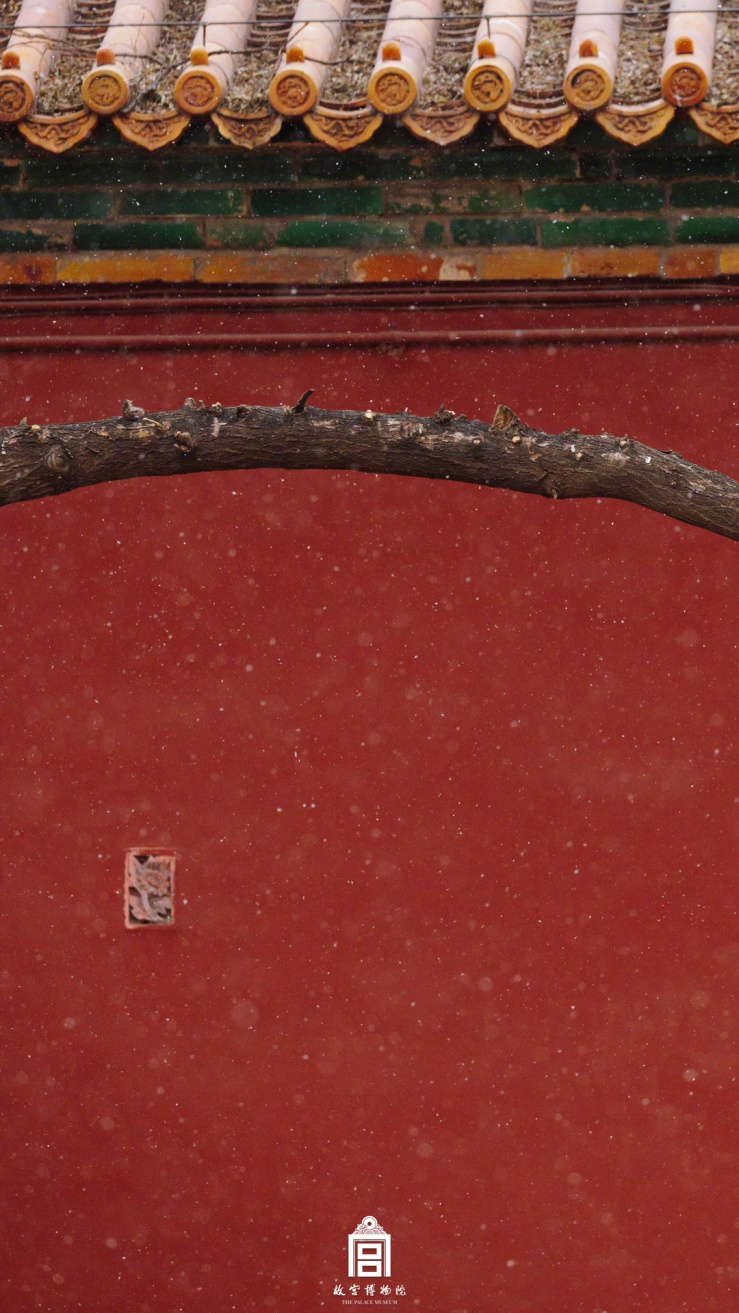
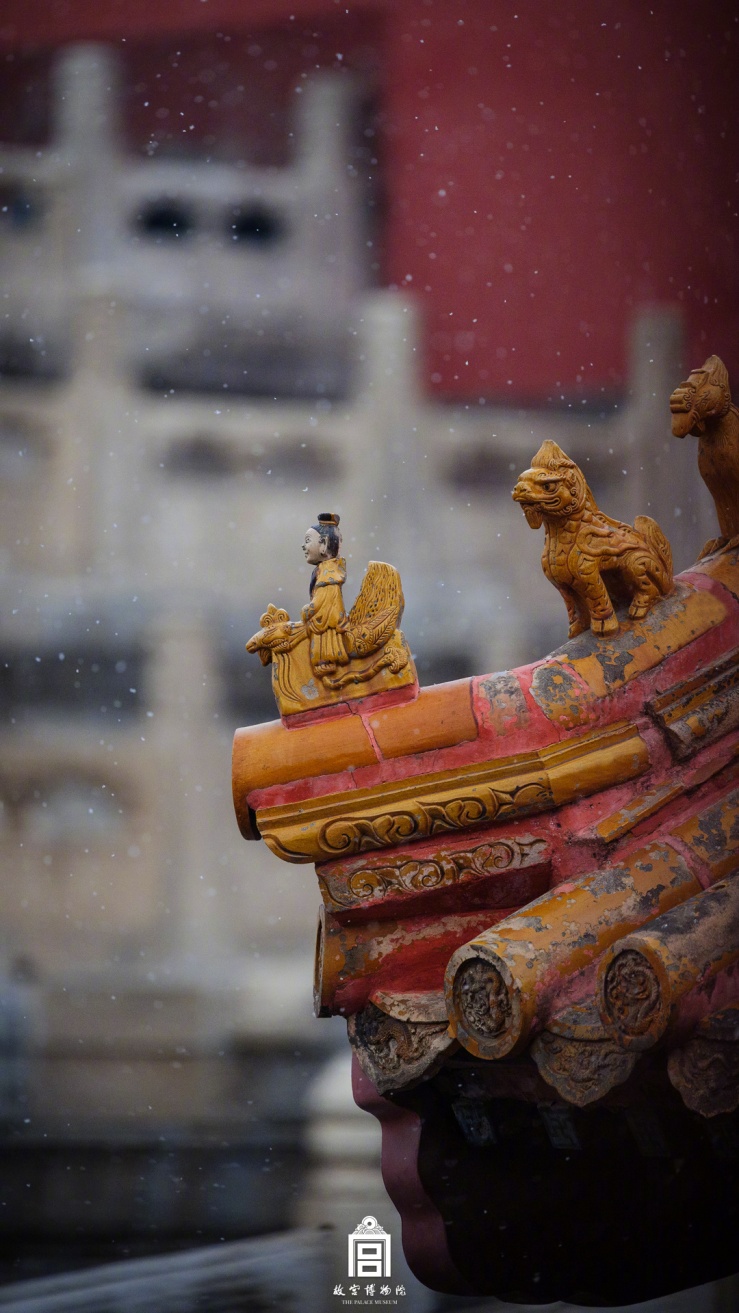
元宵喜乐 During the Lantern Festival on February 5th 2023 at the Forbidden City, Beijing, China, People’s Republic of China on the 10th February 2023 it is the first Beijing Snowfall of Spring also the Year of the Rabbit in which Beijing, China, People’s Republic of China ushered in snowy weather in forbidden city was exceptional quiet. . Among the red walls and green tiles, green pines and ancient cypresses, falling snowflakes are dancing in the air, which is as beautiful as poetry and painting… also ushering the Snowfall on summer palace.
The Forbidden City in Beijing is the royal Imperial palace of the Ming and Qing dynasties in China. It used to be called the Forbidden City and is located in the center of the central axis of Beijing. The Forbidden City in Beijing is centered on three main halls, covering an area of about 720,000 square meters, with a construction area of about 150,000 square meters. There are more than 70 palaces of different sizes and more than 9,000 houses.
The Forbidden City in Beijing began construction in the fourth year of Yongle (1406), Emperor Chengzu of the Ming Dynasty. It was built on the basis of the Nanjing Forbidden City. It was completed in the eighteenth year of Yongle (1420) and became the palace of 24 emperors in the Ming and Qing dynasties. On the National Day of the 14th year of the Republic of China (October 10, 1925), the Palace Museum was officially established and opened. The Forbidden City in Beijing is 961 meters long from north to south and 753 meters wide from east to west. It is surrounded by 10-meter-high walls and a 52-meter-wide moat outside the city. There are four gates in the Forbidden City, the Meridian Gate in the south , the Shenwu Gate in the north , the Donghua Gate in the east and the Xihua Gate in the west . Each of the four corners of the city wall has a graceful turret . There is a folk saying that there are nine beams, eighteen pillars and seventy-two ridges, which describe the complexity of its structure.
The buildings in the Forbidden City in Beijing are divided into two parts: the outer court and the inner court . The center of the Outer Dynasty is the Hall of Supreme Harmony , the Hall of Central Harmony , and the Hall of Preserving Harmony , collectively referred to as the Three Great Halls , where the state holds grand ceremonies. The left and right wings of the three halls are supplemented by two groups of buildings, the Wenhua Hall and the Wuying Hall . The center of the inner court is Qianqing Palace , Jiaotai Palace , and Kunning Palace , collectively referred to as the Housan Palace, which is the main palace where the emperor and empress live. Then there is the Royal Garden . On both sides of the Housan Palace are the East and West Sixth Palaces, which are the places where the concubines live and rest. On the east side of the East Sixth Palace is the Tianqiong Palace and other Buddhist temple buildings, and on the west side of the West Sixth Palace is the Zhongzheng Hall and other Buddhist temple buildings. In addition to the Outer Dynasty and the Inner Court, there are two parts of the Outer East Road and the Outer West Road.
元宵喜乐 During the Lantern Festival on February 5th 2023 at theForbidden City, Beijing, China, People’s Republic of China , a full moon passes through the turrets of the Forbidden City, and it is in the same frame as the ridge beast, which is too beautiful to behold. According to astronomy science experts, the Lantern Festival of the Year of the Rabbit in Guimao is “15 moons and 16 rounds”, and the full moon will appear in the early morning of the 6th. This round of the roundest Lantern Festival moon is not only the first full moon this year, but also the smallest full moon in 2023.
On this day on the 5th February 2023 on the fifteenth day of Chinese lunar new year festival is the lantern festival or known as Chinese Valentine’s Day…. in which this painting is inspired by the Hangzhou West lake storytelling of the legend of the white snake…..
The early days, young people were chaperoned in the streets in hopes of finding love. Matchmakers acted busily in hopes of pairing couples. The brightest lanterns were symbolic of good luck and hope…… Lantern Festival is one of the events they can go out and join in the celebration. And that’s when other young guys can get to meet the ladies. Therefore, the Lantern Festival is sometimes referred to as Chinese Valentine’s Day. There will also be big displays of lanterns in some major parks or open space.
Love inscribed in poems
The other evidence of the Lantern Festival being Chinese Valentine’s Day is recorded in Chinese literature. In the thousands of ancient poems passed on from the Tang and Song dynasties, many depicted ardent love for their partners.
Not only was love engraved in ancient poems, but also sceneries and the boisterous carnivals of the Lantern Festival, when the nights were as bright as the daytime with hundreds of lanterns burning.
The festive atmosphere, the performances, and the moonlight jointly created the best time for a date.
The history of the festival could be traced back to the Han Dynasty (202 B.C.-220 A.D.), and the celebrations were gradually enriched, expanded and settled in succeeding dynasties. But from the very beginning, lanterns have been an indispensable part of the day.
元宵喜乐 During the Lantern Festival on February 5, a full moon passes through the turrets of the Forbidden City, and it is in the same frame as the ridge beast, which is too beautiful to behold. According to astronomy science experts, the Lantern Festival of the Year of the Rabbit in Guimao is “15 moons and 16 rounds”, and the full moon will appear in the early morning of the 6th. This round of the roundest Lantern Festival moon is not only the first full moon this year, but also the smallest full moon in 2023.