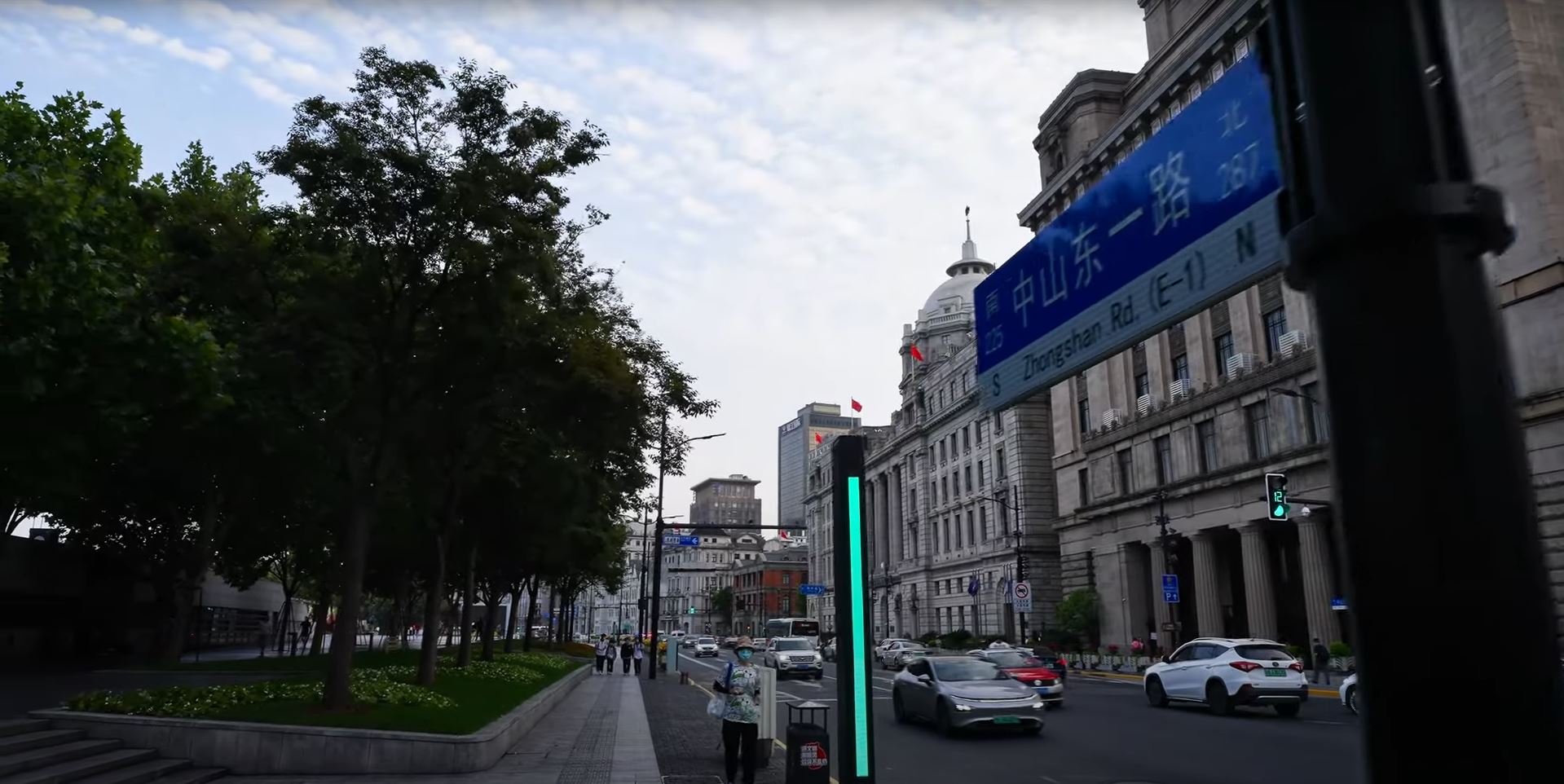
It’s late September 23rd Friday 2022 at 1640 in the Afternoon Beijing time during this month week of the Shanghai Walking through Shanghai in during the…. Walk along Zhapu Road, one of the coolest streets in Shanghai. This area is the former Shanghai International Settlement… Walking through North Sichuan Road Station Area 四川北路站地区, Wusong Road 吴淞路, Hengshui Road 衡水路, Zhapu Road 乍浦路, Zhapu Road Bridge 乍浦路桥, Huqiu Road 虎丘路, Middle Sichuan Road 四川中路, Dianchi Road 滇池路, East Zhongshan No.1 Road 中山东一路, The Bund Viewing Platform 外滩观景平台……
North Sichuan Road Station Area 四川北路站地区– Streets of Hongkou District, Shanghai North Sichuan Road is a north-south street in Hongkou District, Shanghai, with a total length of 3.7 kilometers [1] . With the North Suzhou Road as the boundary, the southern section and the northern section belong to Sichuan North Road Street There is such a description in “Shanghai Customs Miscellaneous Notes”: “North Sichuan Road dance hall, middle and low-level movie theatres, Cantonese restaurants, Cantonese teahouses, Japanese restaurants, bathrooms, brothels, European brothels, beauty salons, massage parlours and even In addition to Nanjing Road , Hengshan Road , Rongle East Road , and Fuzhou Road in Shanghai [2] , Sichuan North Road is the most prosperous, and vehicles and pedestrians are crowded day and night
East Zhongshan No.1 Road 中山东一路– A road in Huangpu District, Shanghai Zhongshan East Road is located in Huangpu District , Shanghai , north of the old city of Shanghai , outside the old city.
In fact, the side facing the river is called “wai”. For example, the bridge on the Suzhou River facing the river is called Waibaidu Bridge, and the bridge facing the river on Yangjingbang is also called “Waiyangjing Bridge”.
Before Shanghai opened as a port, the Huangputan area was sparsely populated, and the Banghe River was a barren beach overgrown with reeds. After the Opium War, the British colonists coveted Huangpu Beach, which is “favorable for trade and transportation and has room for development”. Today’s The Bund has become an image window of Shanghai’s international metropolis, a gathering place for major cultural events in Shanghai, the best place to visit in Shanghai, and a new highlight of urban landscape.
Rec Shanghai is about his walking, driving, riding running around views of China – People’s Republic of China sharing his immersive experiences in his video hope you could have a pure view about China today, sharing some 4K UHD videos to show pure China daily scenes for you I shoot in Shanghai and other locations in China. Let’s walk around China together… BEST VIEWED ON 2160px60 with the Volume turned on way up for immersiveness immersion…
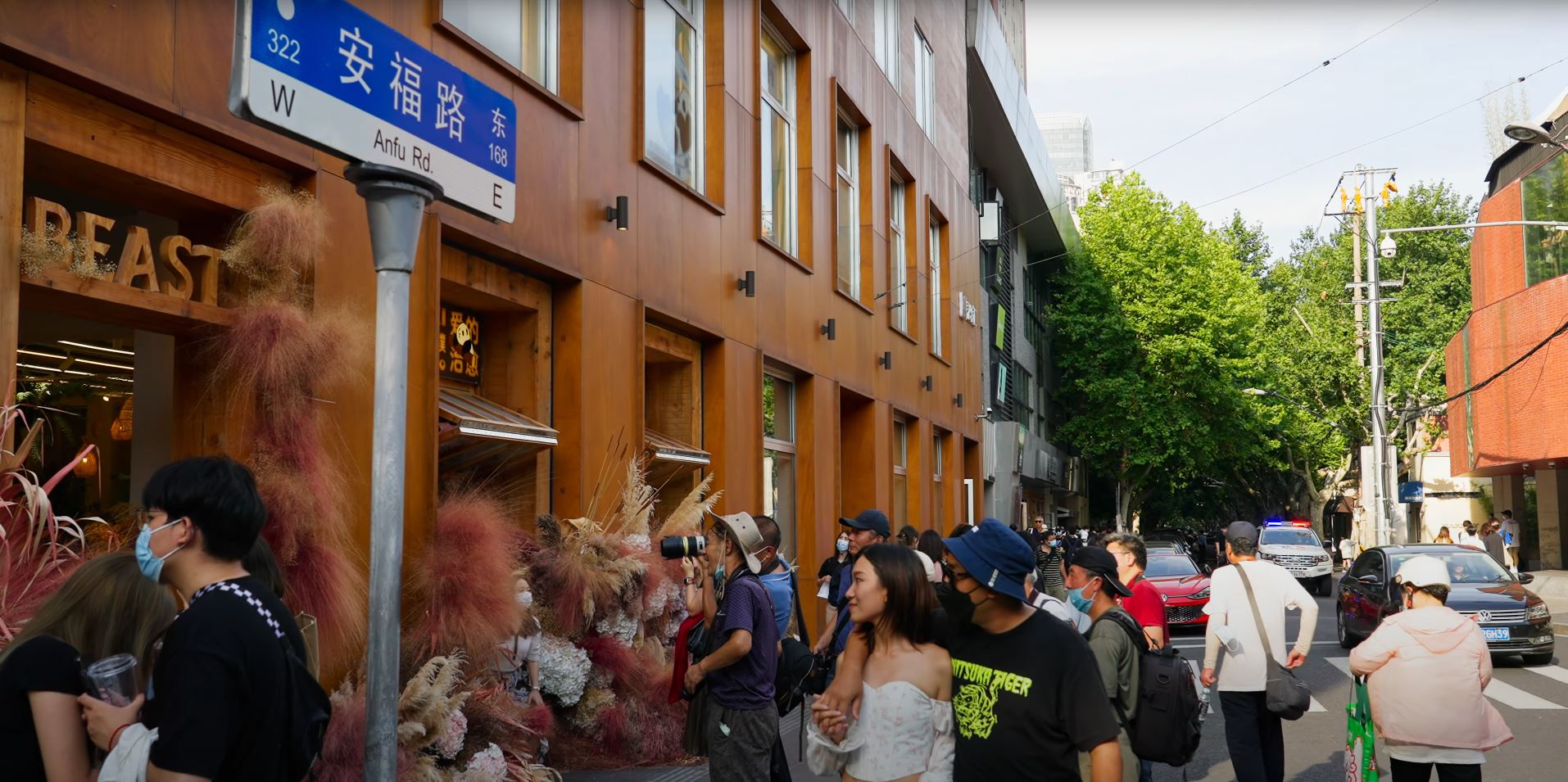
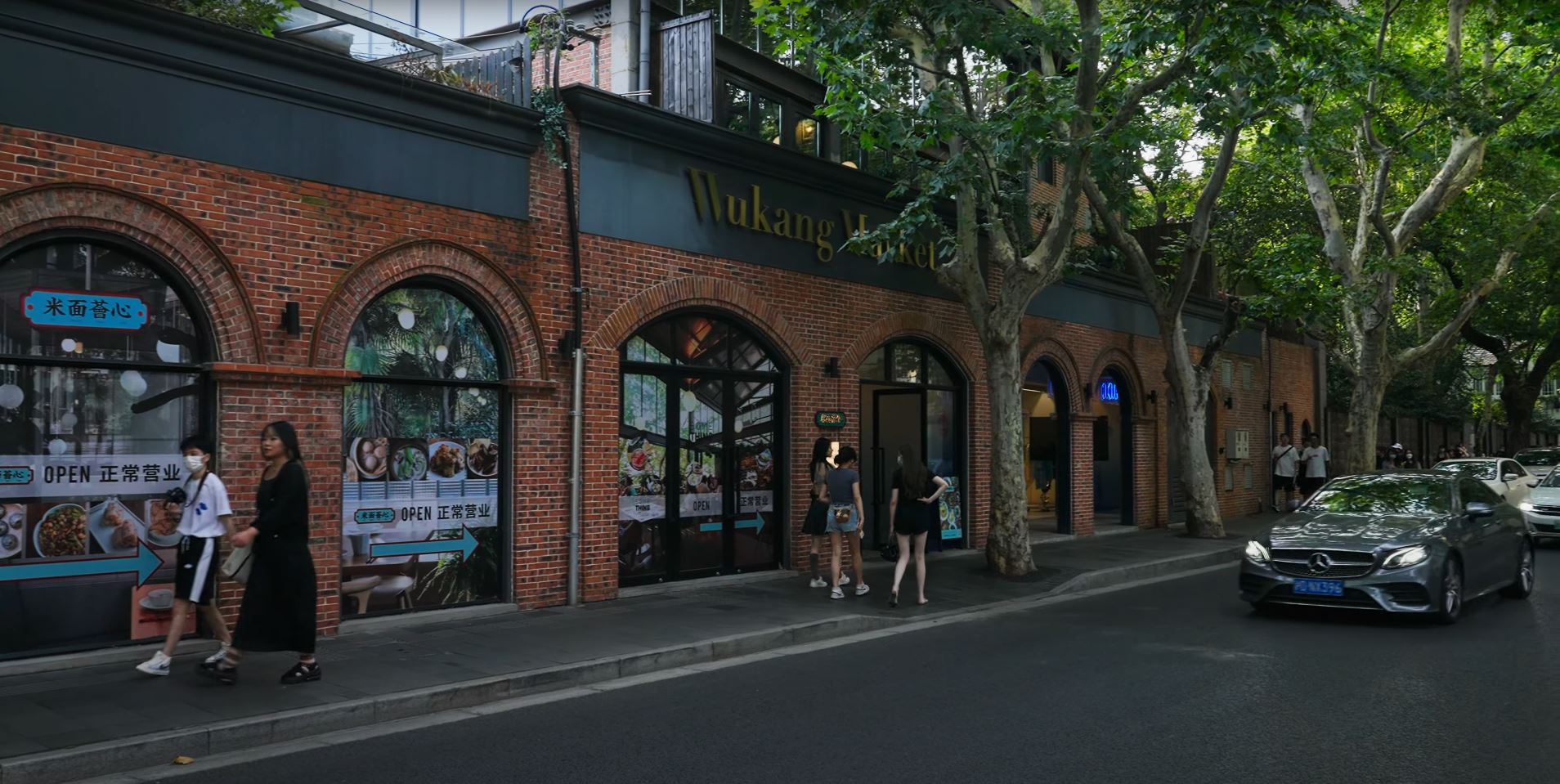
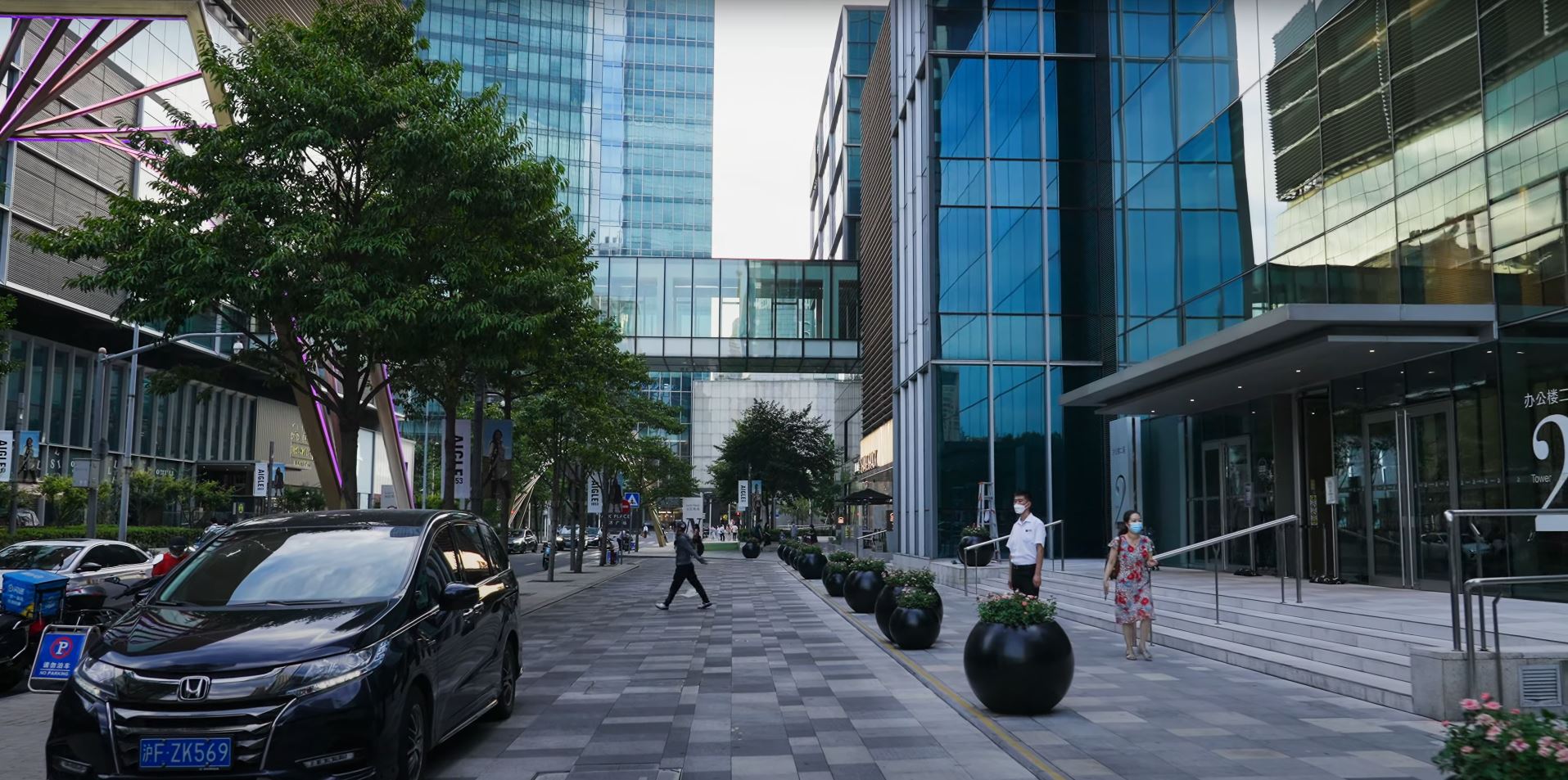
It’s late August 2022 at 1645 in the Afternoon Beijing time during this month week of the Shanghai Walking through Shanghai in during the…. Walk through three main areas of central Shanghai…. From the shopping area of Anfu Road, popular among young tourists, to the area around South Shaanxi Road Station, and finally to the area around Jing’an Temple Station…. Anfu Road x Wukang Road 安福路 x 武康路, Wuyuan Road 五原路, Middle Huaihai Road 淮海中路, IAPM Mall 上海环贸iapm商场, South Shaanxi Road 陕西南路, Nanyang Road 南阳路, Area around Jing’an Temple Station 静安寺站周边地区……
Anfu Road安福路Anfu Luis located in the northeast of Xuhui District, Shanghai. It starts from Changshu Road in the east and ends at Wukang Road in the west. It was built in 4-5 years of the Republic of China (1915-1916) and named Route Dupleix after the French admiral. In the 32nd year of the Republic of China, it changed its name to Jiangxi Anfu. Anfu Lu is located in the northeast of Xuhui District, Shanghai. It starts from Changshu Road in the east and ends at Wukang Road in the west. It is 862 meters long, 12.0 to 13.0 meters wide, and the roadway is 7.0 to 8.0 meters wide. Along the road are residences, art theatres and schools. On January 10, 2022, the Wukang Road-Anfu Road block in Xuhui District, Shanghai was selected as the first batch of national-level tourist resort……..
Wukang Road武康路Wukang Road is a road in Xuhui District , Shanghai . It is known as the “Celebrity Road” that “condenses Shanghai’s modern century history”. There are 14 outstanding historical buildings along the route, and 37 historical buildings are preserved. On June 11, 2011, Wukang Road, Xuhui District, Shanghai was selected as the third ” Famous Street of Chinese History and Culture ” approved by the Ministry of Culture and the State Administration of Cultural Heritage
Wukang Road was built in 1907. According to the Records of Geographical Names in Xuhui District , Shanghai : “The road was originally named Fu Kaisen Road, named after the American Fu Kaisen surname. In 1943, it was renamed Wukang Road and was named after the old county in Zhejiang Province.” [1-2]
In the late Qing Dynasty, Sheng Xuanhuai , a minister of the Westernization faction , was entrusted by Li Hongzhang to supervise the operation of Nanyang Public School (the predecessor of today’s Shanghai Jiaotong University). Equivalent to a 21st-century provost). After Fu Kaisen took office, in order to facilitate the travel of teachers and students, he built the road with his own salary. At first, there was no exact name. Later, because the French Concession was expanding its territory, it conflicted with the “Siming Office” of the Shanghai Ningbo Association. There were also conflicts with the United Kingdom, the United States, Russia and other countries. Fukaisen adjusted from it, and finally resolved to the satisfaction of all parties. In order to thank Fukaisen, the local people named the road Fukaisen Road. Since the professors hired by Fukaisen live in the urban area, it is much more convenient for teachers to go to work and school since the construction of this road. Therefore, it is highly praised by teachers and students. Wukang Road was originally a dirt road, with rice and vegetable gardens and farmhouses on sides, dense rivers and ponds, scattered with many graves. In 1914, Fukaisen Road was officially included in the French Concession, and Mintini, the first French consul in Shanghai, implemented the overall planning along Wukang Road in accordance with the most modern urban construction concept in the West at that time. This plan is gradually advancing to the surrounding area.
Wukang Road is 1,183 meters long and 12 to 16 meters wide. The whole road is curved and roughly runs north-south. From Huashan Road in the north, you can see Li Hongzhang ’s Lilac Garden, an important official in the late Qing Dynasty , and in the south, Huaihai Middle Road connects Tianping Road, Yuqing Road, and Soong Ching Ling’s former residence faces each other. On Wukang Road, where the phoenix trees are swirling, there are about 30 former residences of famous celebrities with a high “density”. The Spanish-style and French-Renaissance-style buildings along the route are very distinctive, making it one of the most European-style neighbourhoods in the central city of Shanghai.
Jing’an Temple Station 静安寺站周边地区…… Jing’an Temple, also known as Jing’an Ancient Temple, is located in Jing’an District , Shanghai. According to legend, its history can be traced back to the 10th year (247) of Sun Wu Chiwu of the Three Kingdoms. It was originally named Hudu Chongxuan Temple. In the first year of Xiangfu in the Song Dynasty (1008), it was renamed Jing’an Temple. In the ninth year of Jiading in the Southern Song Dynasty (1216), the temple moved from the Wusong River to the side of Lupu Feijingbang (now Nanjing West Road ), which was earlier than Shanghai. Jing’an Temple has a total construction area of 22,000 square meters. The entire temple forms a pattern of front temple and rear tower. It consists of three main buildings: Daxiong Hall , Tianwang Hall and Sansheng Hall . It is the oldest Buddhist temple in Shanghai. The temple houses the famous paintings of Bada Shanren and the cursive scroll of Wen Zhengming’s original work “Pipa Xing” . Jing’an District is also famous for its Jing’an Temple. The architectural style of Jing’an Temple is imitating the architectural style before the Ming Dynasty, and the typical representative is the shape of the bucket arch.
Jing’an Temple is the name of an interchange station between Lines 2, 7 and 14 of the Shanghai Metro. This station is located in Jing’an District, below the historic Jing’an Temple and the Jiu Guang shopping mall. It is part of the initial section of Line 2 that opened from Zhongshan Park to Longyang Road that opened on 20 September 1999; the interchange with line 7 opened on 5 December 2009 as part of that line’s initial section between Shanghai University and Huamu Road and the interchange with line 14 opened on 30 December 2021.
There are shuttle buses between Jing’an Temple and Hongqiao or Pudong airports. The shuttle bus from Pudong leaves the airport as ‘Airport Bus Line 2’ towards the ‘Airport City Terminal’ which is the official name of the Jingan Temple shuttle bus station and costs 22 ¥ as of January 2015. The ride takes about half an hour from Hongqiao Airport and 45–60 minutes depending on traffic from Pudong Airport. From Pudong the bus is usually faster and more convenient than the subway connection.
Rec Shanghai is about his walking, driving, riding running around views of China – People’s Republic of China sharing his immersive experiences in his video hope you could have a pure view about China today, sharing some 4K UHD videos to show pure China daily scenes for you I shoot in Shanghai and other locations in China. Let’s walk around China together… BEST VIEWED ON 2160px60 with the Volume turned on way up for immersiveness immersion…
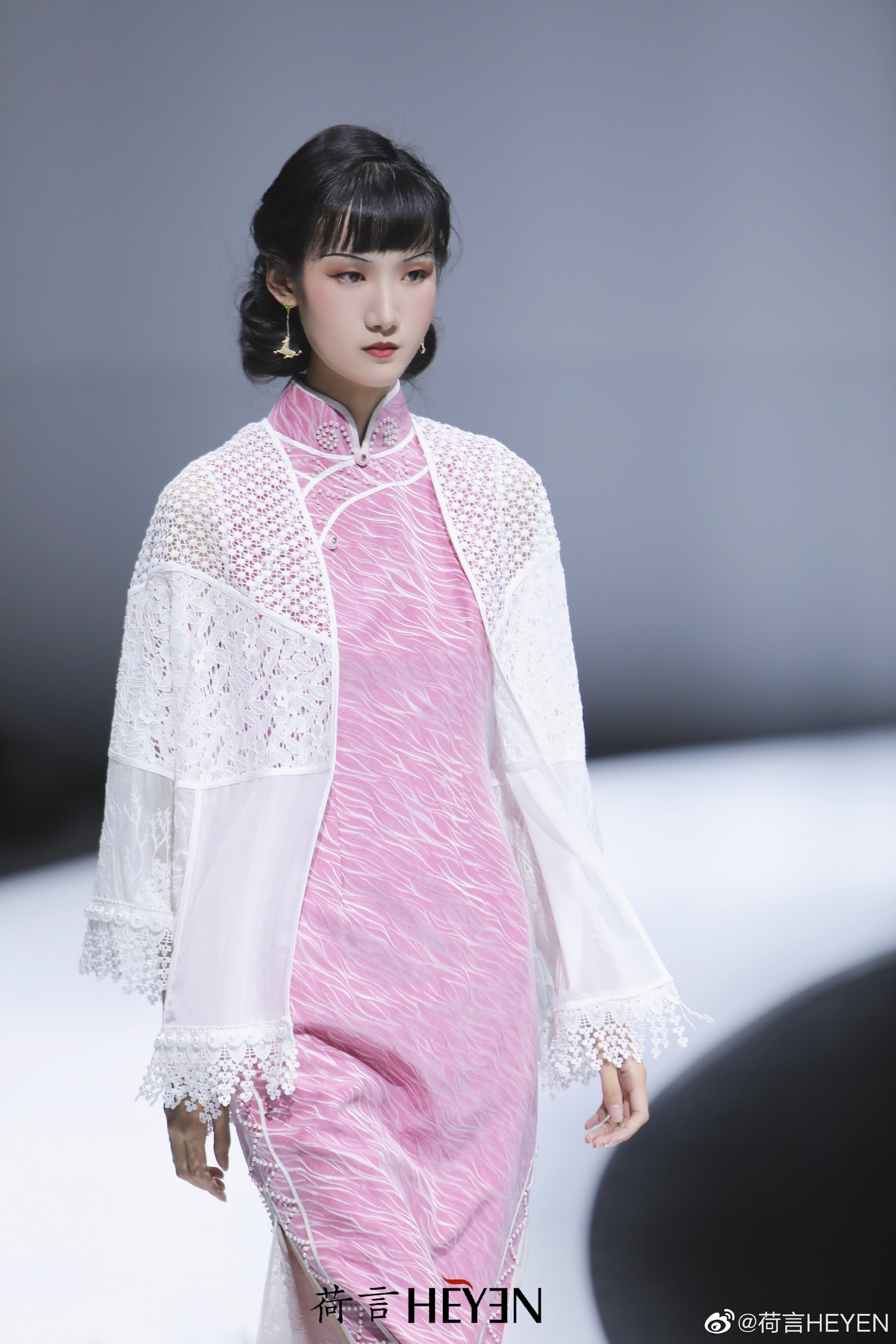
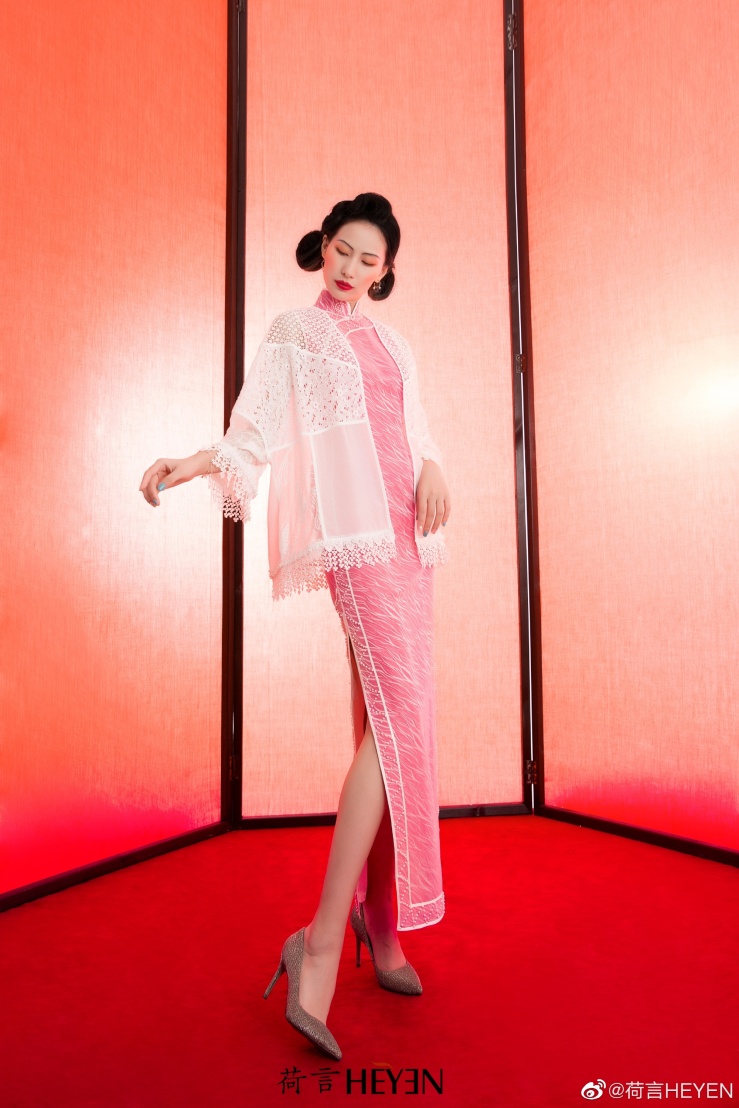
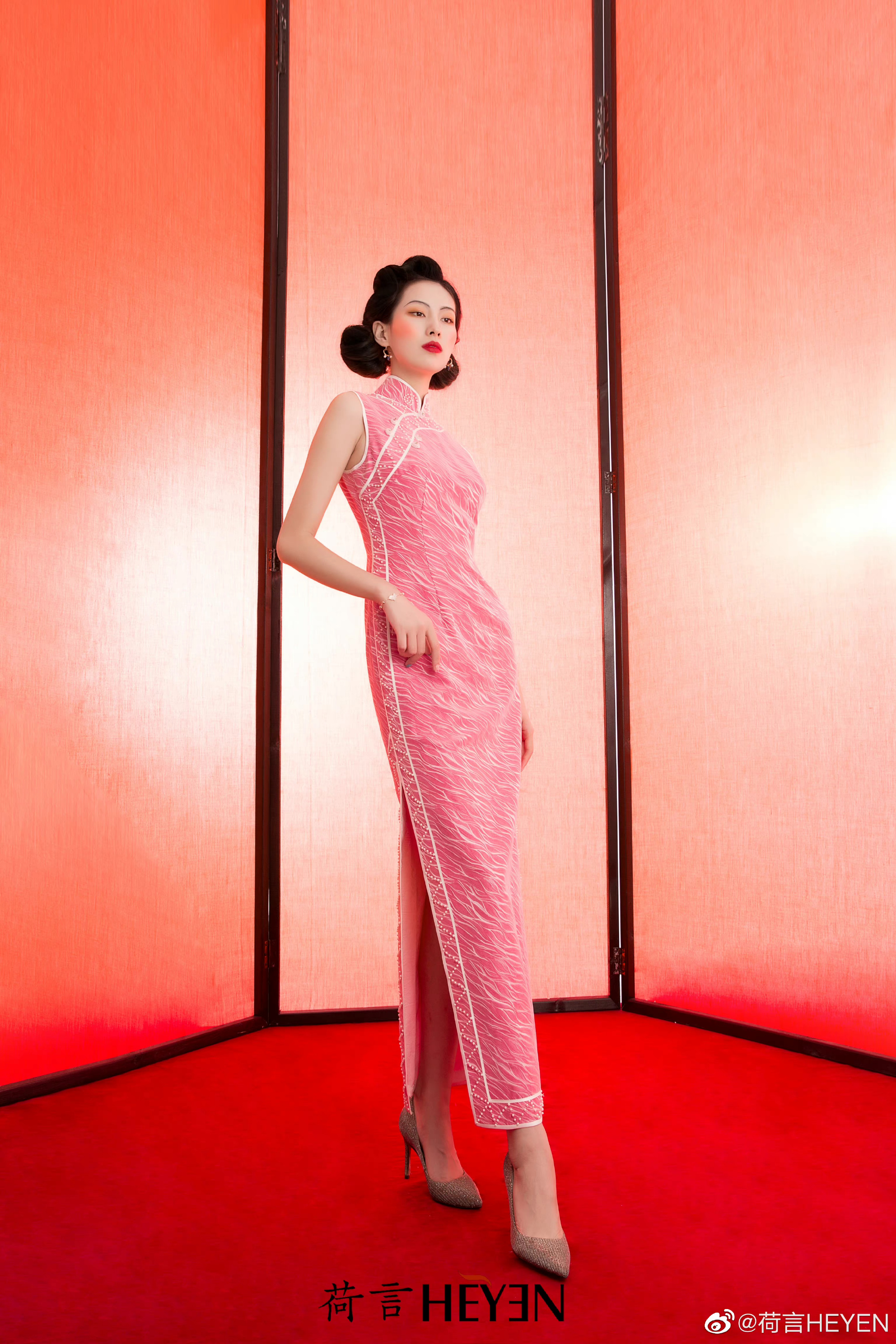
荷言旗袍 #荷言HEYEN…. Suzhou Heyan Culture Communication Co., Ltd. In which Heyan cheongsam– China – People’s Republic of China… is located in Suzhou City in which Heyan cheongsam is the first brand of Chinese Su embroidered cheongsam. Adhere to original design, Suzhou embroidery craftsmanship, and manual customization, with traditional culture as the core, and actively promote the Chinese Suzhou style cheongsam…
Featuring for the Shanghai Dragon – Shanghai Radio and Television Dragon Television Channel TV Mid-Autumn Festival Gala is singing the stunning sweet唐嫣 Tang Yan- Tiffany Tang, A mainland Chinese actress born on December 6, 1983 in Huangpu District, Shanghai, is a film and television actress in Mainland China and graduated from the undergraduate class of the Performance Department of the Central Academy of Drama. in 2001, he participated in the third Shu Lei Century Star Beauty Contest and won the championship. In 2004, she was selected as one of the “Olympic Babies” by director Zhang Yimou and participated in the closing ceremony of the Athens Olympic Games “China 8 Minutes”. In 2009, she gained attention by virtue of the costume fairy drama “The Legend of Sword and Fairy III”. On January 22, 2011, the urban romance drama “Three Thousand Gold’s of the Xia Family” starring her won the annual ratings championship of satellite TV……
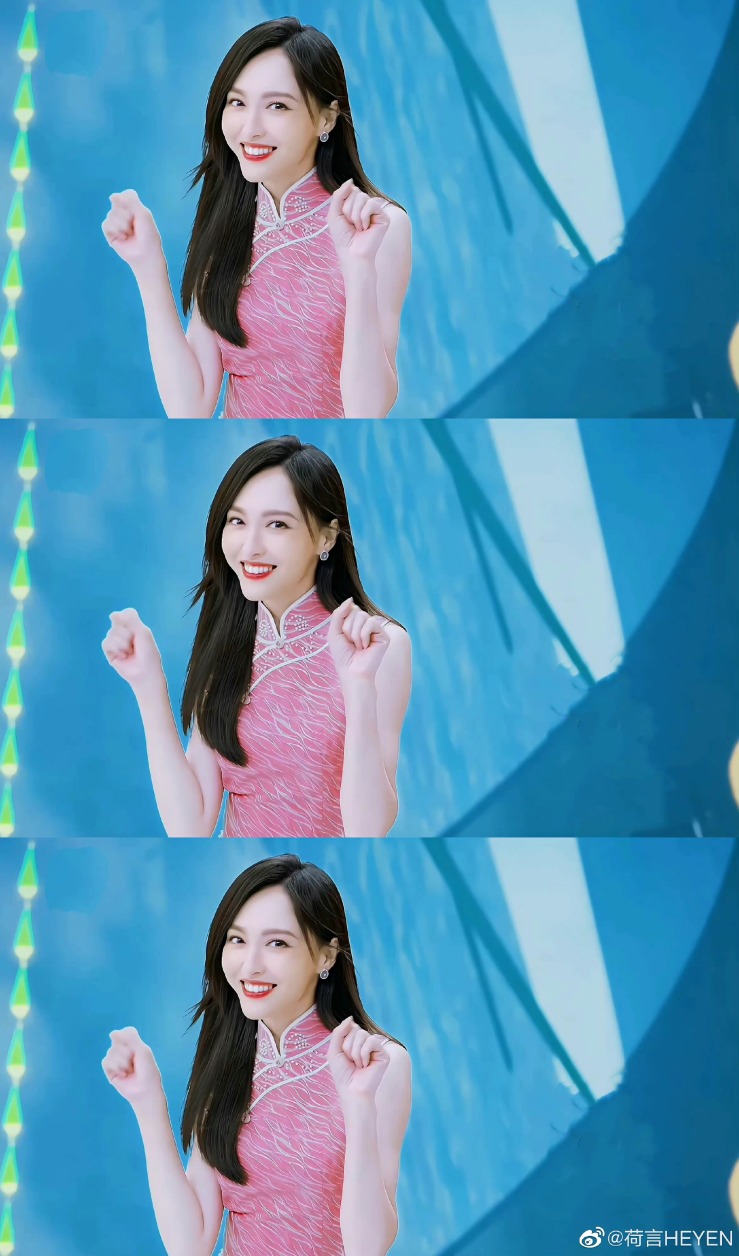
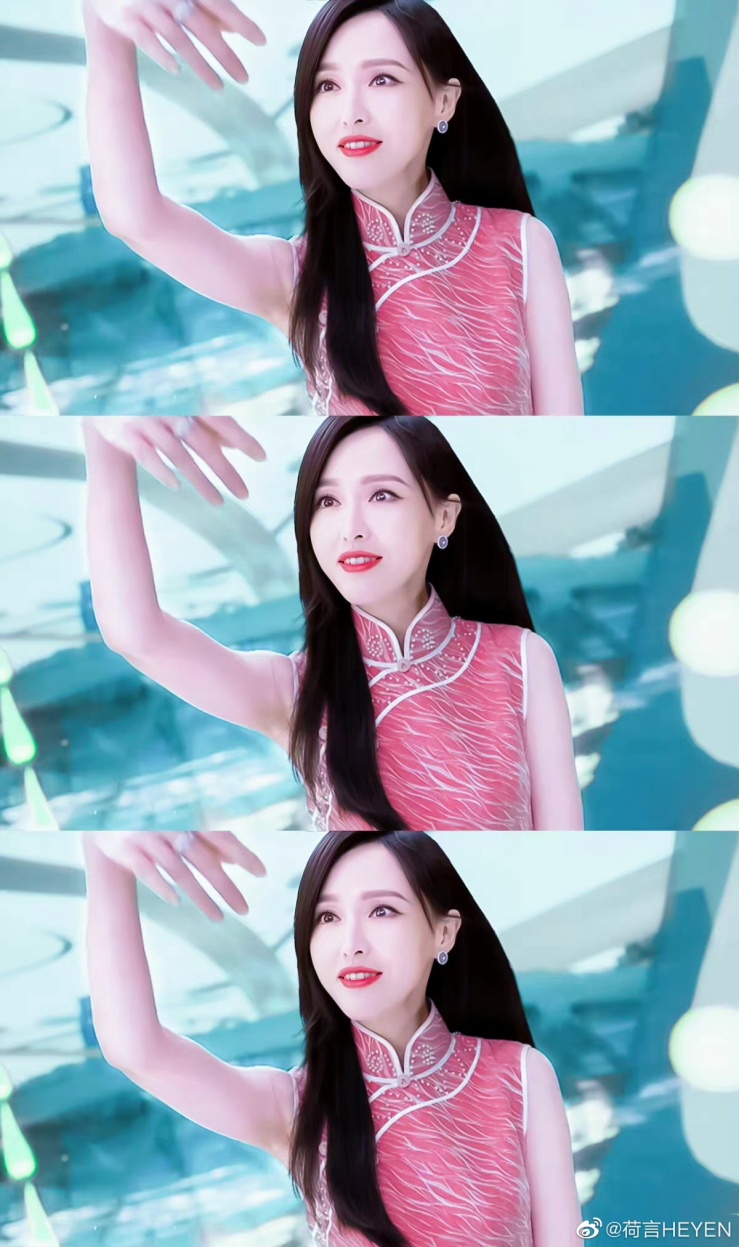
During the Shanghai Dragon TV Mid-Autumn Festival Gala she wore a stunning retro style pink Qipao dress designed by荷言旗袍 #荷言HEYEN … in which the Qipao Thanking her for choosing fashion week show style haute cheongsam “dressing table is warm”, with a beautiful smile and beautiful eyes, have you Picked such a beautiful cheongsam in which she singing the songs that she grew up on that grew up with me in a local accent, it seems that I have returned to my childhood. Traveling Suhe with me, tasting the story of Wu Yun….
Sweet pink cheongsam candy Tang Yan is here , did you watch the Dragon TV Mid-Autumn Festival party last night? Tang Yan sang “A Bridge on the Suzhou River” in Shanghai dialect, Wu Nong’s soft words, and beautiful clothes, reflecting the graceful beauty of the oriental lady to the extreme Tang Yan, the same style of high-definition cheongsam, exquisite knocking, versatile coats Knitwear, my favorite friends are welcome to tease me privately in the backstage….
Traditionally the Qipao- Cheongsam dress is fasten assemblage with ribbon buttons of pearls or silk the traditionally wearing it has a back zip in which helps to emphasis the embroidery artwork of the Qipao-Cheongsam.
With silky shoulders, neck and arm lines… the slenderness and extension of the calves and ankles… the rhythm of each step… Based on this, there is really no dress that is more suitable for showing the temperament of the goddess than “cheongsam- Qipao” expression of that is the new荷言旗袍 HEYEN modern Lacy silk with …. With a beautiful detailing of slide button fixtures in a traditional Qipao- Cheongsam design in replacement of the modern with the back zip opening in which is a non-traditional design ..
QIPAO 旗袍 Cheongsam …. In which from historically Shenyang is the birth place of the Qing Dynasty 1636-1912plus …. In which Qipao is termed for Qing Dynasty Clothing that the Manchu ethnic adoptively wore…… in which the Shenyang Palace Museum was an imperial palace towards two Qing Dynasty emperors. Previously two years ago During the event it which was an eight day forums, with exhibitions also related workshops illustrating the birth place of the Old Capital of Cheongsam where the Qing Dynasty- Qipao was inspired from..
Before that Shanghai 1930’s Qipao-Cheongsam revolution, the Manchurian Cheongsam was the fashion of choice of the Qing Dynasty (1636-1912) throughout as it standardised that style during the dynasty… Replacing the previous clothing standard Han Fu – Han Dynasty clothing style, in which also is form fitting towards the women’s silhouette but with a higher degree of freedom of flare of personal, individual style…
Qipao-Cheongsam is uniquely hand crafted tailored Chinese dress to the customer’s various measurements… in which you can still have them brought of the rack in which is accustomed to the standard measurements… in which you can tell which is western influenced with the back zipped in which the Eastern traditional Chinese Tailors would have the side zipped of the Qipao dress due it interrupts the flow of the pattern work at the back of the dress.. Also it creates a continuous seamless back look… after as the measurements are translated drafted onto the silk or the customer desired accustomed fabric of choice, from the measurements book with the associated look of the design elements with additional accessories the sexiness of Qipao lies subtlety.. Measuring, patterning, cutting, and button making are crucial, in where passion and art comes together in tailoring
In which traditionally Qipao- Cheongsam dresses are worn for from straight forwardly every day towards after work evening wear in without having to change to another set of wardrobe dressing only to accessories for the required occasion… … in which the Qipao dress pattern silhouette is design for the lady’s figure in which accentuating the silhouette without giving away too much of what’s underneath in retaining…. its timeless classic silhouettes in which are designed to be worn every day, from work, evening, casually towards to the weekend… with sleek simple, elegant, sexy intelligent sophistication in which are easy to be accessorised with any pieces of clothing in your current or upcoming wardrobe…
Images and visuals are from Weibo also from荷言旗袍 #荷言HEYEN…. Suzhou Heyan Culture Communication Co., Ltd. In which Heyan cheongsam – China – People’s Republic
The four episode of our Qingming Riverside Scene is ingenious to “painting”
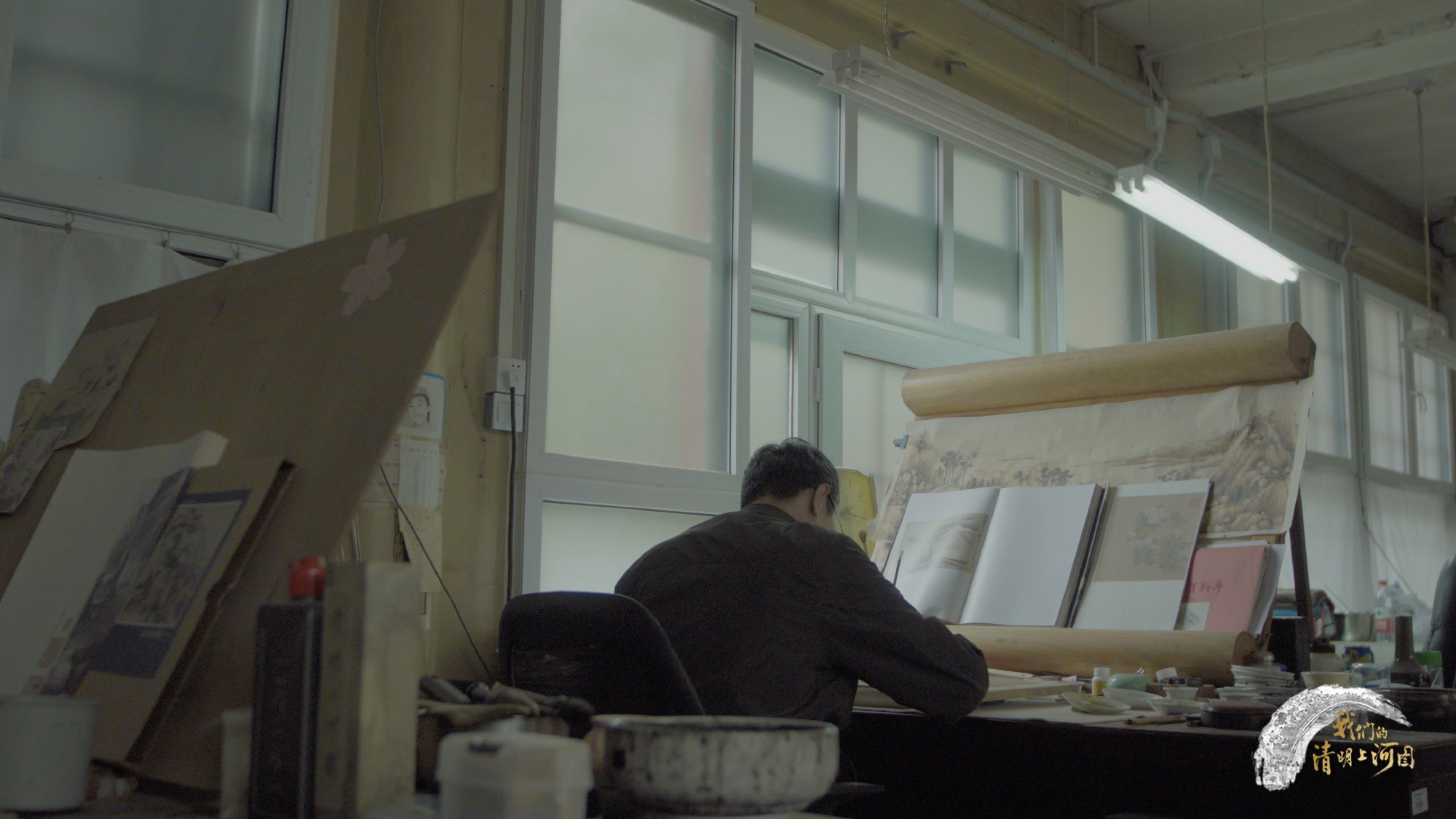
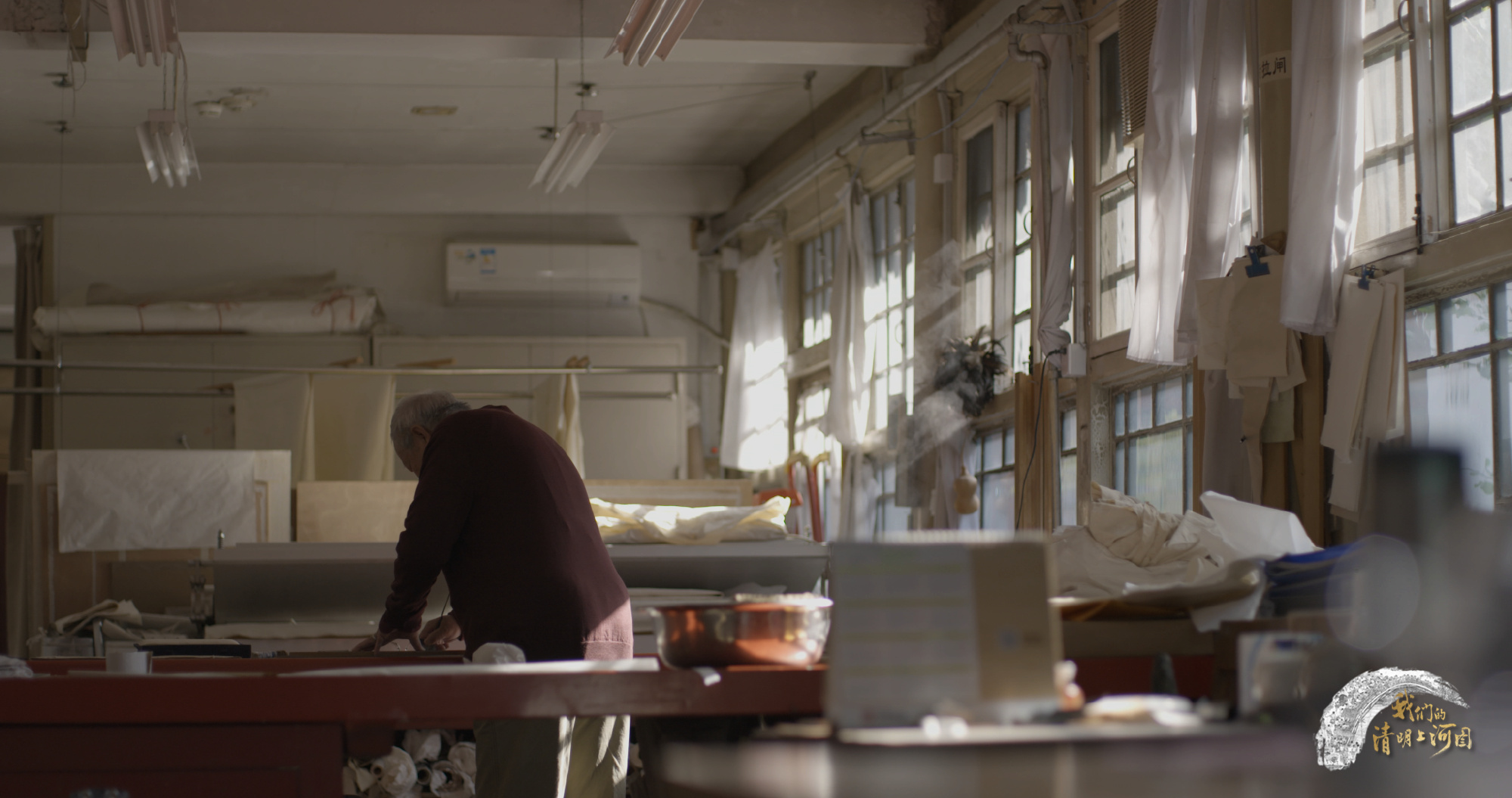
National Treasure Detective is the Premise theme of the all new restoration process techniques of the wonderful team of Forbidden City Restorers of Copy, restore, record, and research, in the courtyard of the Forbidden City with red walls, yellow tiles, and blue bricks flying eaves, time suddenly stands still in the hands of generations of cultural relic restorers, cultural relic photographers, and cultural relic researchers, who are touching the millennium Every corner of the former Northern Song Dynasty faces history affectionately. They bury themselves deep in each work, just to keep the limited life of the cultural relics going. The documentary Our Qingming Shanghe Tu tells the legendary story of people and ancient paintings in the Forbidden City..
Documentary Our Qingming Shanghe Tu The four-episode feature film was successfully concluded this week! Copying, repairing, recording, researching, and following the documentary, we entered another story about “Along the River during Qingming Festival”, how the scenery on both sides of the Bain River thousands of years ago is preserved to this day; who uncovered the various forms of life in the Song Dynasty; from a hidden palace to a household name… After watching the documentary, what new understanding did you have about “Across the River during Qingming Festival”? in a which The Qingming festival or Ching Ming Festival, also known as Tomb-Sweeping Day in English, is a traditional Chinese festival observed by the Han Chinese of mainland China, Hong Kong, Macau, Taiwan and by the ethnic Chinese of Malaysia, Singapore, Cambodia, Indonesia, Philippines, Thailand, Vietnam and South east Asia countries..
The first episode of our Qingming Shanghe Tu is ingenious to “painting”
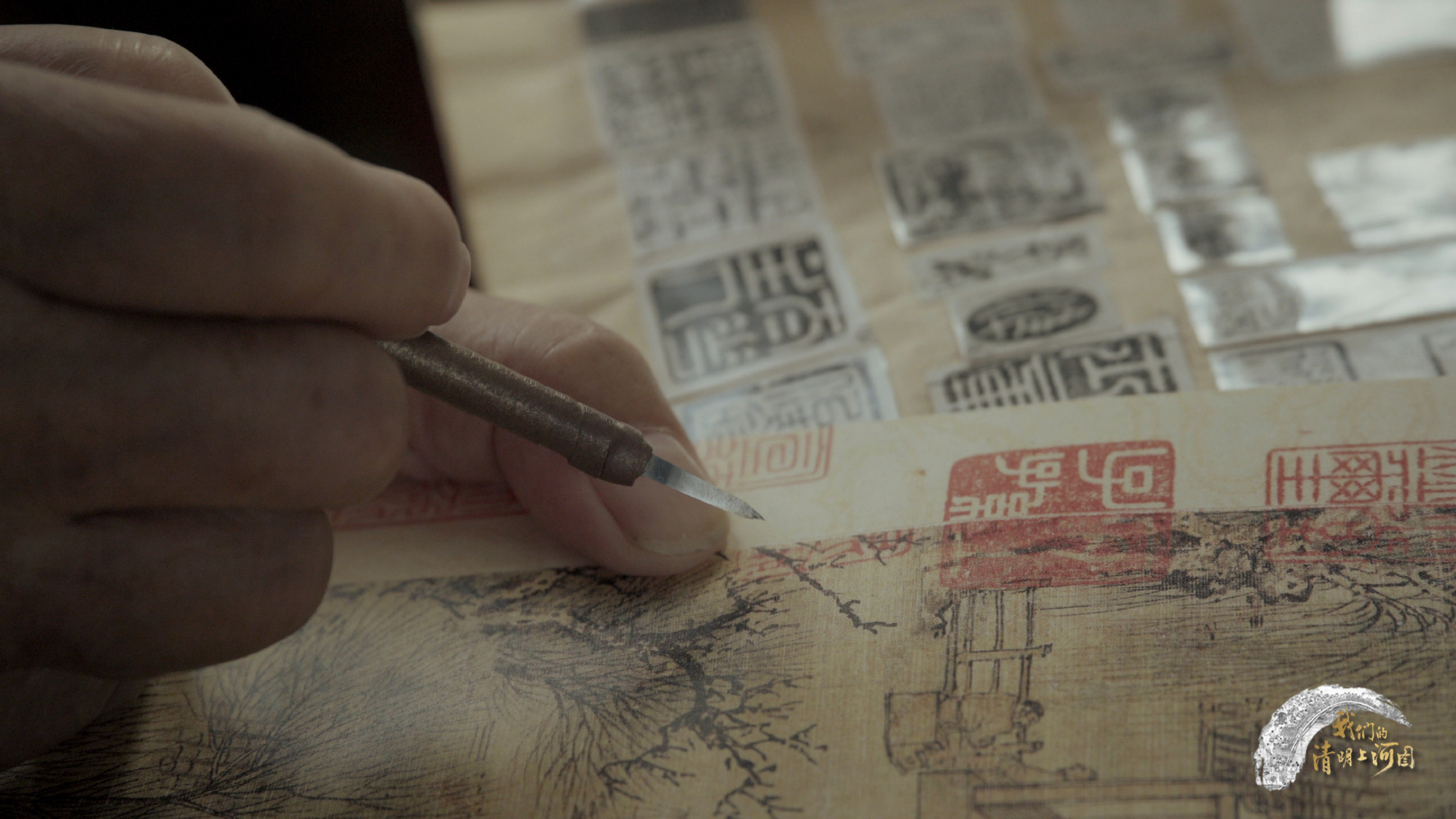
Our Qingming Shanghe Tu# In order to make the magnificent piece “Qingming Shanghe Tu” more visible to future generations, in the decades after the founding of New China, people in the Forbidden City copied ancient paintings and carved seals arduous task. A letter from home, a seal on the wall, restores this hardship. The vicissitudes of the “Across the River during Qingming Festival” complement each other with the ingenuity of the people in the Forbidden City, making the famous paintings copied in the whole volume also immortal…..
Episode 2: “Painting” at Risk
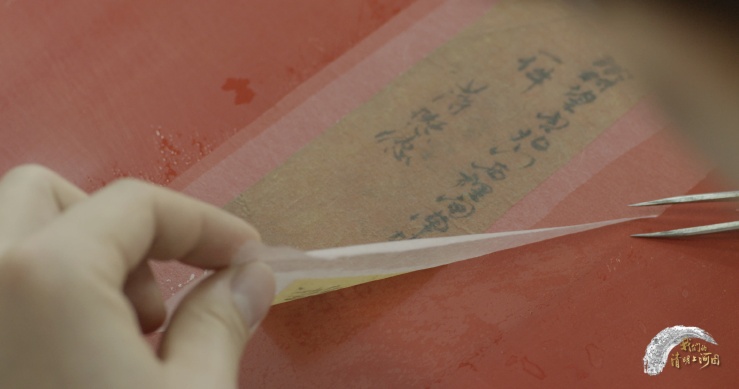
“Across the River During Qingming Festival”, which has been turbulent in history, how many steps does it take to heal the wounds? Three generations of people from the Forbidden City have gone through project initiation, consultation, discussion, and restoration to heal the scars of this famous painting. The restoration archive of “Along the River During Qingming Festival” restores the expert’s mental journey of “consulting” the ancient painting. A sticker behind the ancient painting witnesses the restoration skills of the people in the Forbidden City, as well as the stories and friendships contained in it
“Our Qingming Riverside Map” Episode 3: Changes to “Paintings” Thousands
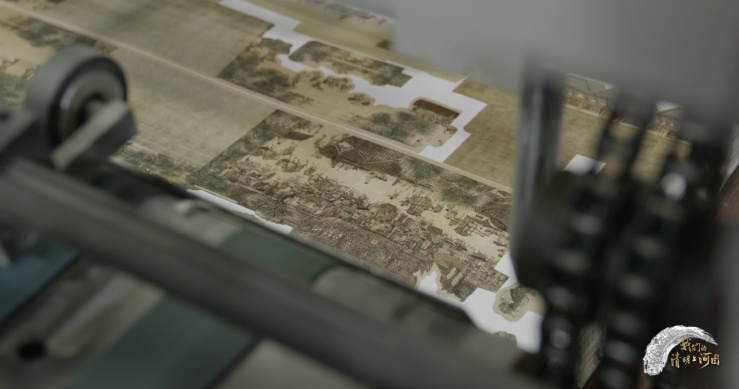
There is a young department in the Palace Museum, dedicated to making the ancient paintings in the hidden palace gardens come to the public. The long river of history has endowed “Along the River during Qingming Festival” with a profound background, and the ever-changing technology has endowed it with vitality. Behind it lies the infinite creativity and vitality of generations of young people in the Forbidden City.
The fourth episode of “Our Qingming Riverside Scene” is a fascinating “painting”
How to crack the historical password in “Shanghe Tu at Qingming Festival”? Is it to sort out the literature, bury your head in research, or go back to Zhang Zeduan’s life path and “talk over the air” with the ancients thousands of years ago? Along two different research paths, we have entered a more vivid picture of “Along the River During Qingming Festival”, exploring emotional resonance in rational exploration.
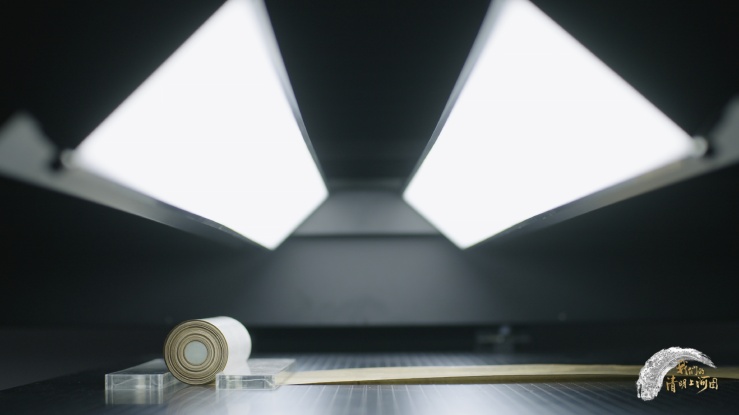
Paper has a thousand-year lifespan, and silk is preserved for 800 years. The limitation of material is the problem of the preservation of calligraphy and painting from ancient times to the present. As a silk version of “Along the River during the Qingming Festival”, it has been around for nearly a thousand years. How do people in the Forbidden City protect the ancient paintings and cultural relics from generation to generation and leave a precious legacy for future generations? Documentary Our Qingming Shanghe Tu The first episode “Ingenuity to “Painting”, tells about “copying”, this ancient but handed down ancient painting protection method, tomorrow morning at 11:30, so stay tuned!
In this year’s 2022, the second decade from the turn of the century in Beijing the Capital of China also the People’s Republic of China, marking its six hundred and Two years anniversary of the Forbidden city that marks the transitional point of in between the middle of the Ming Dynasty (1368- 1644) transitionally from Nanjing to Beijing towards the Qing Dynasty (1636-1644-1911) …. The Imperial Palace seen so many countless seasonally transitional equinoxes but further its six hundred years is iconic, but it’s five hundred ninety nine years it marks it Autumn Equinox…. In which it only took twelve years to build the same of the Daming Palace of The Tang Dynasty Xian Imperial Capital only it was least twenty times larger..
It’s Sunday 11th September 2022 its 1900 hours Evening Beijing time during this month week of the Shanghai Walking through Shanghai in during the中秋节Mid-Autumn Festival walking on the Bund at Night walking from the .. North Bund 北外滩to The Bund 外滩….
North Bund 北外滩 is a Neighbour in Shanghai, China – People’s Republic of China. located in the riverside area in the south of Hongkou District, is a plate with a solid market foundation and a fairly complete central business function in the central urban area of Shanghai .
The North Bund is west to Henan North Road and adjacent to Jing’an District (Laozha North), east to Dalian Road and connects to Yangpu District , south to Suzhou River and Huangpu District , and north to Zhoujiazui Road and Haining Road. As an extension of the Bund , it has rich cultural resources and profound historical accumulation, and its location advantage is even more unique: it faces the north and faces the water and faces the sun. The two bridges of Waibaidu Bridge and Wusong Road Bridge in the southwest are connected to the old Bund, and the south is across the river from Lujiazui Finance . The trade area faces each other, and the rolling classical buildings and the skyscrapers on the other side have a panoramic view, forming a three-legged situation with the Bund and Lujiazui, forming a golden triangle together, which contains huge development value.
The North Bund Shipping Service Agglomeration Area will be built into a corporate headquarters base, a hub for shipping elements, an international cruise passenger transportation center and a port service center, providing high-level services for Shanghai’s modern logistics and shipping industries……Home of Shanghai’s international cruise ship terminal, Bei Waitan is an upscale corporate and retail neighborhood on the banks of the Huangpu River. Amidst the glass-fronted buildings lie shopping malls, department stores and upscale apartment blocks. Tourist attractions include the Shanghai Jewish Refugees Museum, and on the other side of the river, the iconic Oriental Pearl TV Tower and Shanghai Ocean Aquarium
The Bund 外滩The Bund …located on the banks of the Huangpu River in Huangpu District , Shanghai , namely the Outer Huangpu Beach , is a Chinese historical and cultural district. Since 1844 (the 24th year of Daoguang in the Qing Dynasty ), the Bund area has been designated as the British Concession , which has become a true portrayal of Shanghai Shili Yangchang, and it is also the starting point of the old Shanghai Concession area and the entire modern city of Shanghai.
The Bund is 1.5 kilometers long, starting from Yan’an East Road in the south , to the Waibaidu Bridge on the Suzhou River in the north, the Huangpu River in the east, and the concentration of old Shanghai financial and foreign trade institutions in the west. After Shanghai became a commercial port, foreign banks, commercial banks, general associations and newspaper offices began to gather here, and the Bund became the financial center of the whole country and even the Far East . In August of the 32nd year of the Republic of China (1943), the Bund was handed over to the Wang Puppet National Government along with the Shanghai Public Concession, ending the century-long concession period .
There are 52 classical revival buildings with different styles on the Bund. It is known as the Bund International Architecture Exhibition Group . Included in the fourth batch of national key cultural relics protection units.
Rec Shanghai is about his walking, driving, riding running around views of China – People’s Republic of China sharing his immersive experiences in his video hope you could have a pure view about China today, sharing some 4K UHD videos to show pure China daily scenes for you I shoot in Shanghai and other locations in China. Let’s walk around China together… BEST VIEWED ON 2160px60 with the Volume turned on way up for immersiveness immersion…