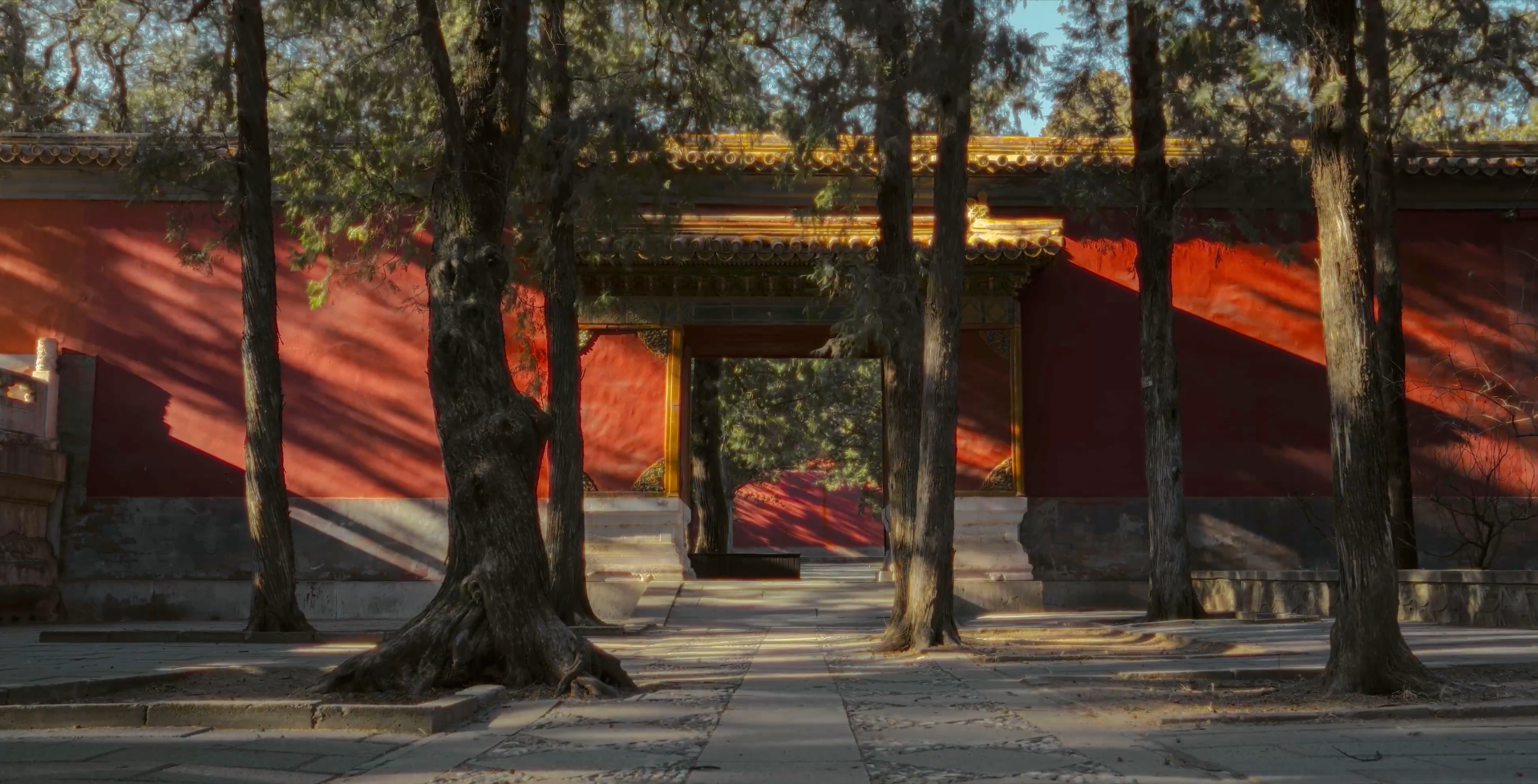
#北京。 #中國 #China #Beijing | #紫禁城 #ForbiddenCity #June2023 | #ForbiddenCityDairies #星球研究所 # Planet Research Institute #MingDynastyTombs Travelling into #MingDynasty walking down living history mystery solving…

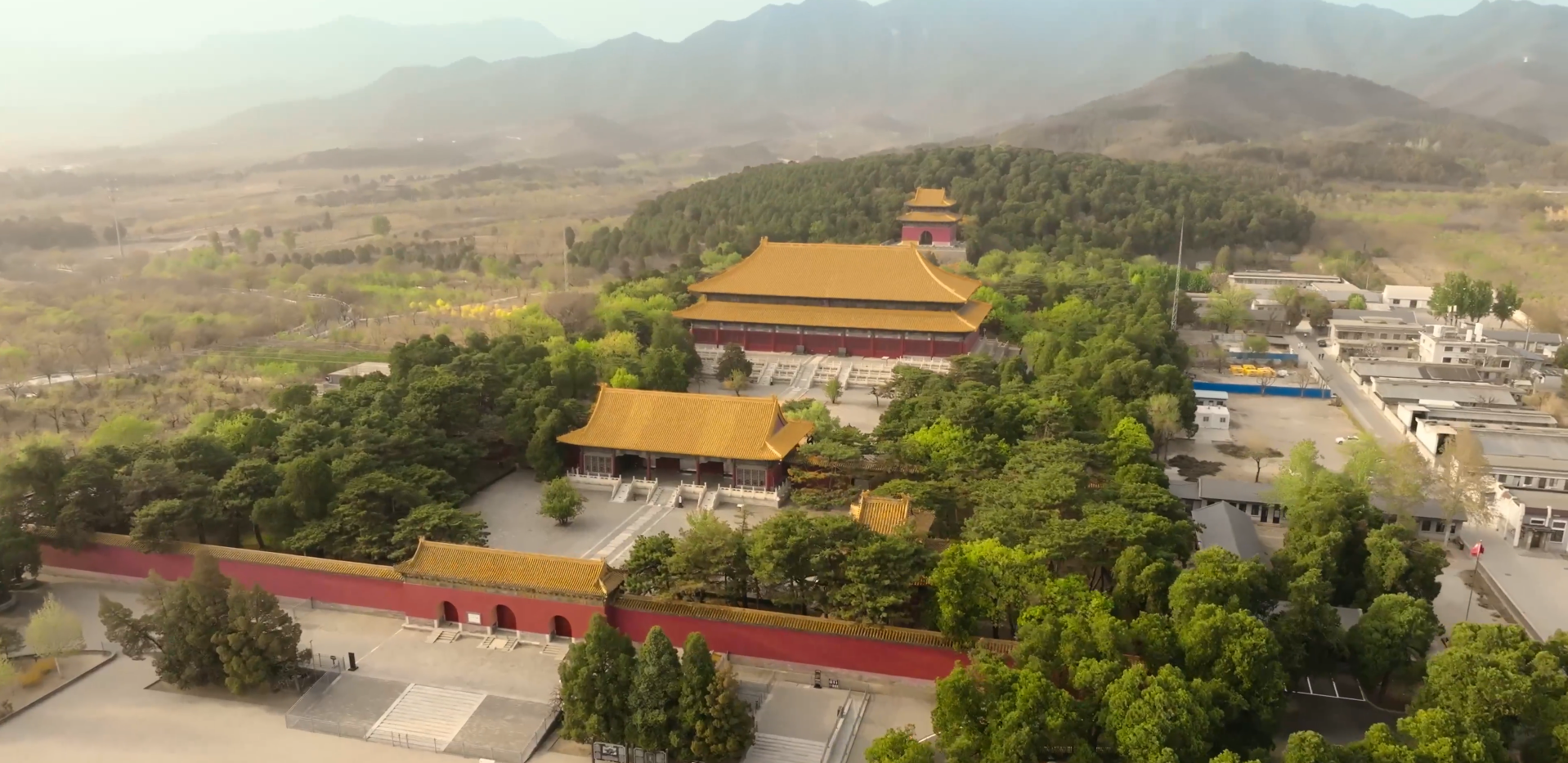
The Ming Tombs are located at the foot of Tianshou Mountain in Changping District , Beijing China, People’s Republic of China , about 50 kilometers away from Tiananmen. The Ming Tombs are located in a small basin surrounded by mountains on three sides in the east, west and north. The area around the tomb is surrounded by mountains, the central part is a plain, and there is a meandering river in front of the tomb. From the beginning of Changling in May of the seventh year of Yongle (1409) to the burial of Chongzhen, the last emperor of the Ming Dynasty, in Siling.

The Ming Tombs have a total of 13 imperial tombs, including the Changling Mausoleum of Chengzu Zhu Di, Xianling Mausoleum of Renzong Zhu Gaochi, Jingling Mausoleum of Xuanzong Zhu Zhanji, Yuling Mausoleum of Yingzong Zhu Qizhen, Xianzong Zhu Jianshenmao Mausoleum, Xiaozong Zhu Youtang’s Tai Mausoleum. The Kangling Mausoleum of Wuzong Zhu Houzhao, the Yongling Mausoleum of Sejong Zhu Houcong, the Zhao Mausoleum of Mu Zong Zhu Zaihou, and the Ding Mausoleum of Shenzong Zhu Yijun. The Qingling Mausoleum of Guangzong Zhu Changluo, and the Deling Mausoleum of Xizong Zhu Youxiao. The Siling Mausoleum of Chongzhen Emperor Zhu Youjian. In addition, there are 8 accompanying tombs, including 7 concubine (prince) tombs and 1 eunuch tomb. Its architectural form embodies the feudal rules and regulations of the Ming Dynasty. Both the emperor’s mausoleum and the rear mausoleum are covered with yellow glazed tiles. 

The Ming Tombs area covers an area of ​​40 square kilometers. It is famous for its magnificent scale, complete cemetery system, solemn and harmonious layout, beautiful and quiet scenery, and elegant and simple style.

In 1957, it was listed as the first batch of key ancient buildings and cultural relic’s protection units in Beijing. In 1961, it was listed as a national key cultural relic protection unit by the State Council of the People’s Republic of China. In 1982, the Ming Tombs and Badaling were listed as one of the national key scenic spots protection areas as a complete scenic spot. On July 3, 2003, the Ming Tombs, as an expansion project of the royal tombs of the Ming and Qing Dynasties, were approved by the 27th United Nations World Heritage Conference and included in the “World Heritage List
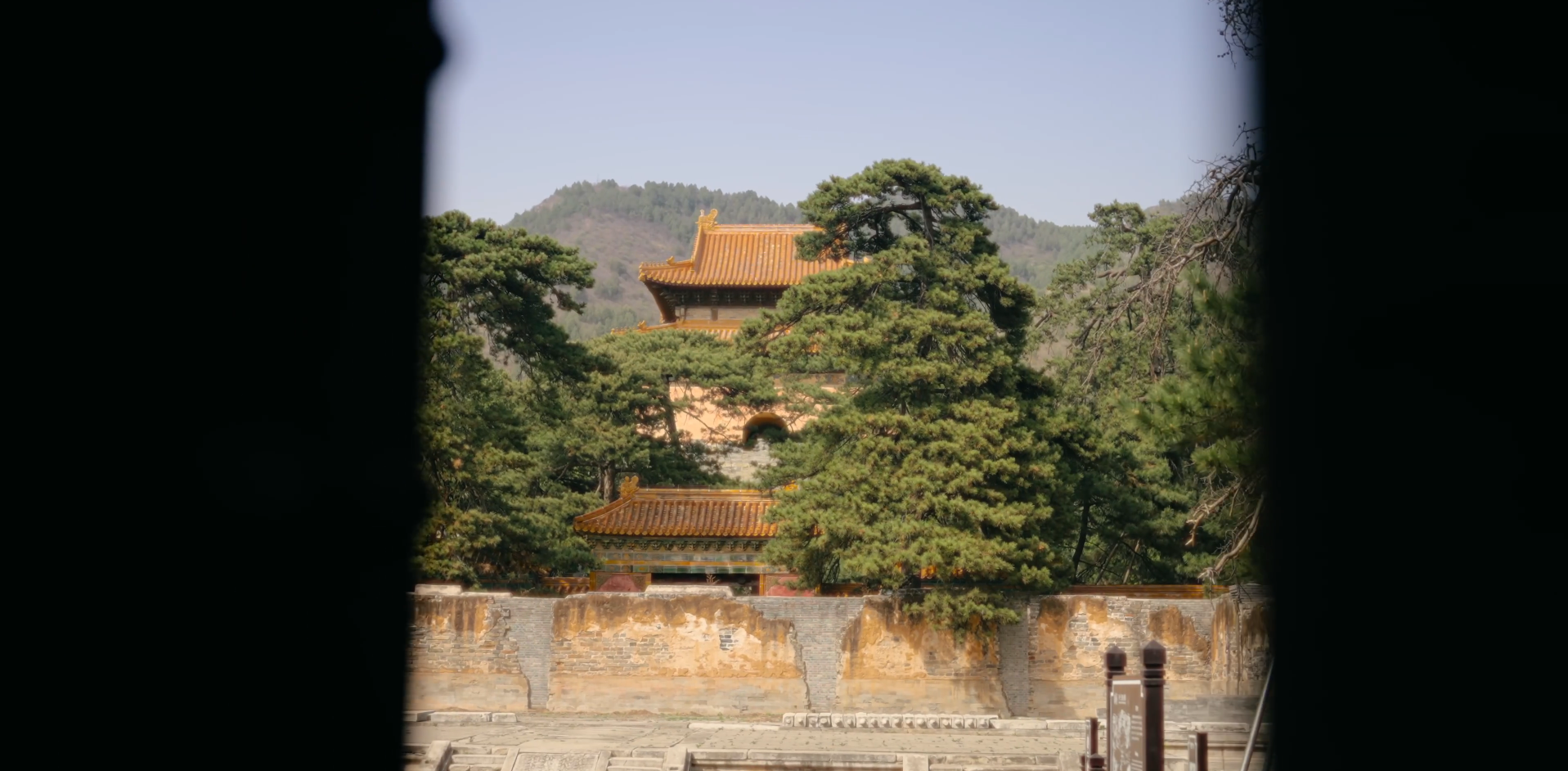
The Ming tombs are a collection of mausoleums built by the emperors of the Ming dynasty of China. The first Ming emperor’s tomb is located near his capital Nanjing. However, the majority of the Ming tombs are located in a cluster near Beijing and collectively known as the Thirteen Tombs of the Ming dynasty. 

The Ming dynasty, officially the Great Ming, was an imperial dynasty of China, ruling from 1368 to 1644 following the collapse of the Mongol-led Yuan dynasty. The Ming dynasty was the last imperial dynasty of China ruled by the Han people, the majority ethnic group in China…

Enjoy the cool air! I should be the first science popularization master who entered the Ming Tombs at night.

This is the largest and most complete royal cemetery in China, and the resting place of 13 emperors of the Ming Dynasty. When the hustle and bustle of the day fades away, this cemetery has more vicissitudes of history. The purpose of this trip is to find the answer to a question.


Regardless of whether it is the imperial tombs of the Han and Tang Dynasties, the imperial tombs of the Song Dynasty, or the imperial tombs of the Qing Dynasty, they were either severely damaged or completely looted. But why is it that only the Ming Tombs are relatively intact above and below ground? 明圣圣陵Why can survive to this day ?

Walk! Go down to the imperial mausoleum to solve the mystery that has been covered in dust for many years…
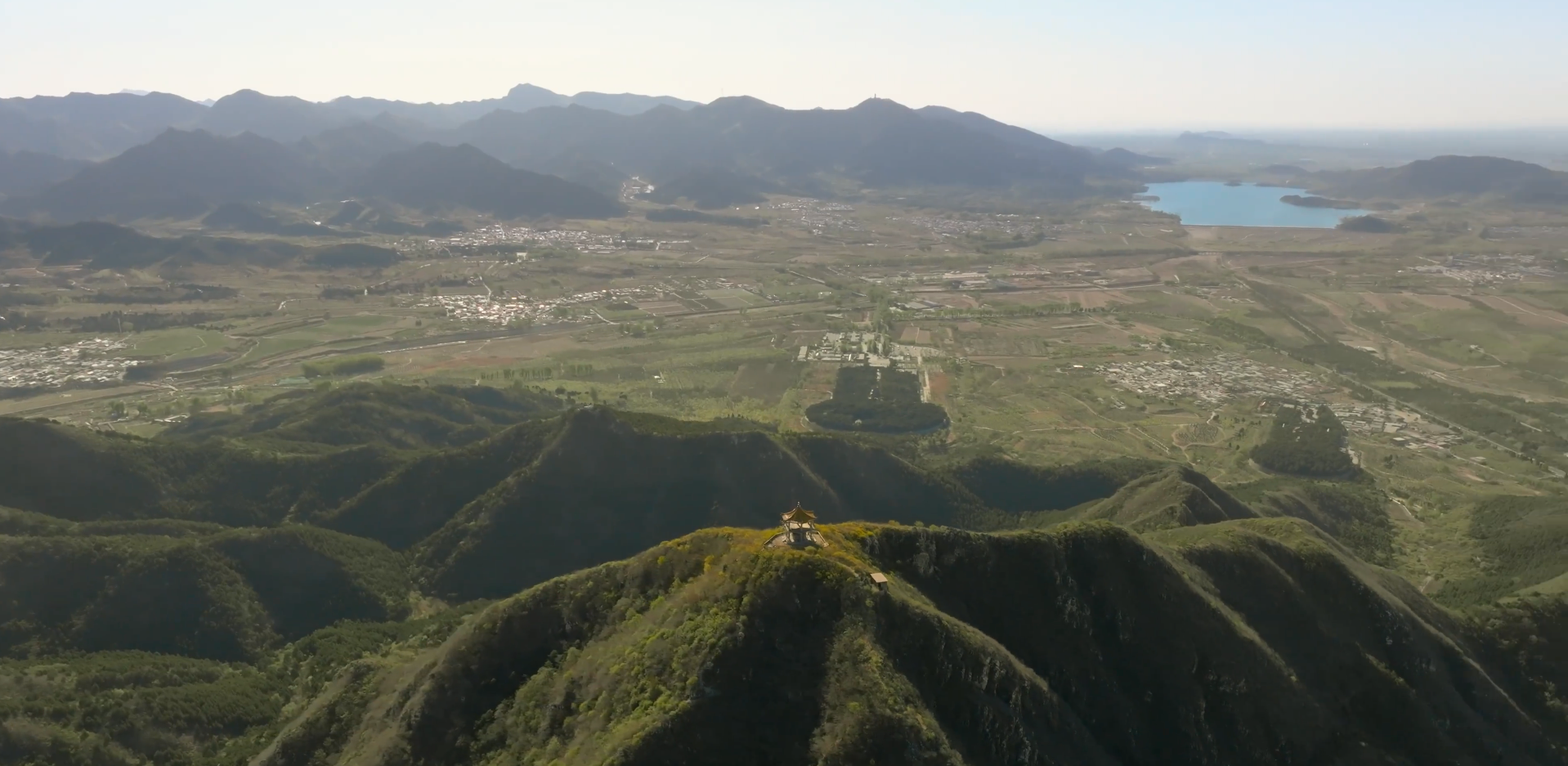
 The Ming Tombs are located in Changping District, 50km northwest of Beijing, and are the general name of the tombs of 13 emperors of the Ming Dynasty. The mausoleum area covers an area of ​​80km2, and it is the relatively complete mausoleum building and the tomb group with the most buried emperors in the world today.
  The construction of the Ming Tombs began in the seventh year of Ming Yongle (1409) and ended in the early Qing Dynasty, which lasted more than 200 years. According to the order of the construction time of the mausoleum, they are: Changling (Tomb of Emperor Yongle), Xianling (Tomb of Emperor Hongxi), Jingling (Tomb of Emperor Xuande), Yuling (Tomb of Emperor Zhengtong (that is, Emperor Tianshun)), Maoling (Tomb of Emperor Tianshun) Chenghua Emperor’s Tomb), Tailing (Hongzhi Emperor’s Tomb), Kangling (Zhengde Emperor’s Tomb), Yongling (Jiajing Emperor’s Tomb), Zhaoling (Longqing Emperor’s Tomb), Dingling (Wanli Emperor’s Tomb), Qingling (Taichang Emperor’s Tomb) Emperor’s Mausoleum), Deling (Tianqi Emperor’s Mausoleum), Siling (Chongzhen Emperor’s Mausoleum). In addition to the 13 emperors buried in the mausoleum area, there are also 23 empresses, 1 imperial concubine and dozens of palace officials who were buried. In addition, there are 7 concubine graves in the mausoleum area (East Well, West Well, Tomb of Concubine Wangui, Mourning Tomb, Tomb of Four Concubines and Two Princes, Tomb of Concubine Xian, Tomb of Concubine Zheng and Tombs of Concubines Erli, Liu, and Zhou) ) and a eunuch’s burial tomb (Wang Chengen’s tomb), as well as various buildings such as palaces and gardens serving the emperor’s mausoleum. City walls were built at 10 natural mountain passes (Dongshan Pass, Zhongshan Pass, Zhazikou, Xishan Pass, Desheng Pass, Yanzi Pass, Zhuishi Pass, Xianzhuang Pass, Huiling Pass, and Laojuntang Pass) around the mausoleum. , Barrier walls and other defensive facilities to protect the safety of the mausoleum area.
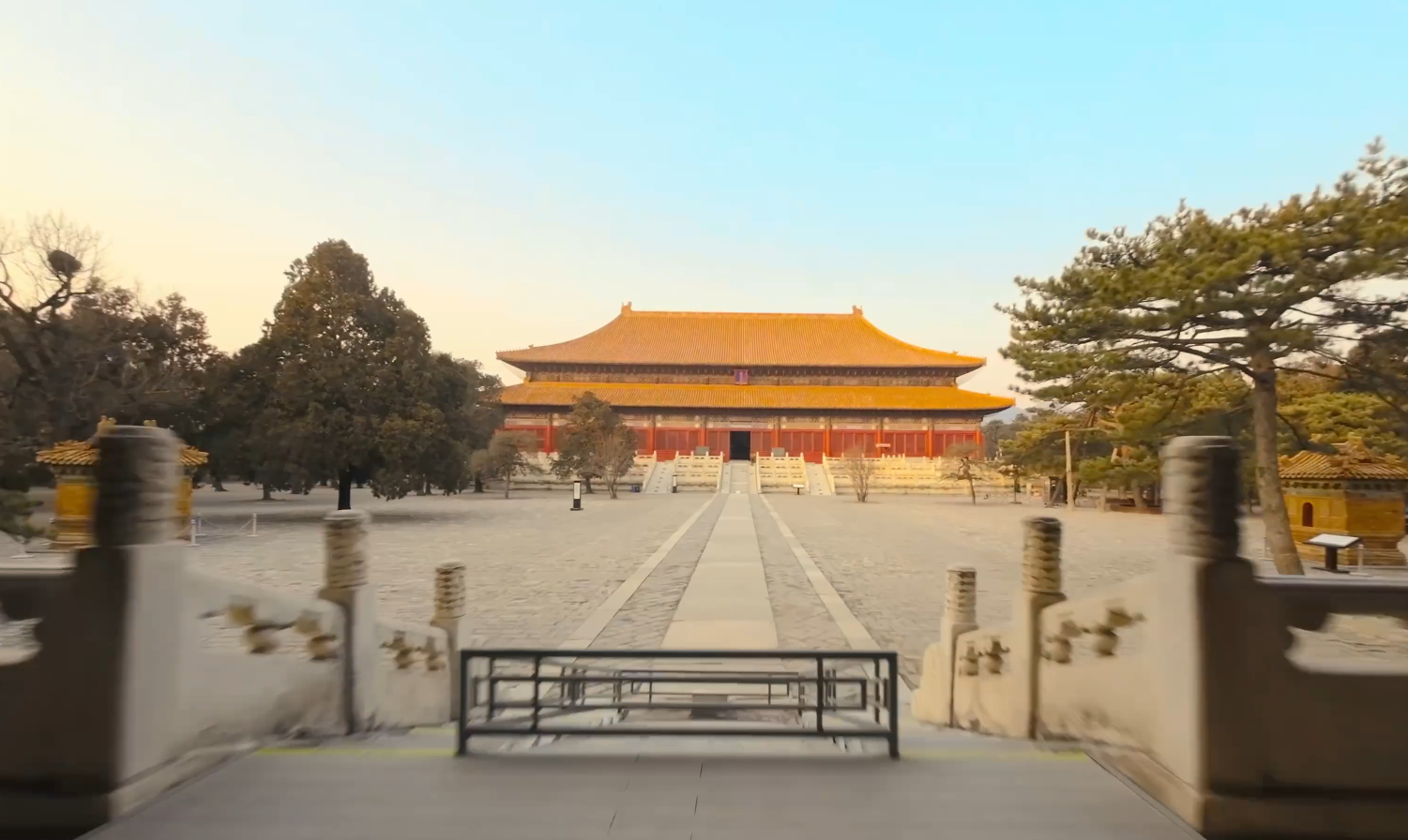

  The construction of the imperial mausoleum of the Ming Dynasty was divided into several steps: the selection of the mausoleum site, the formulation of regulations, and the preparation of materials for construction. The selection of the mausoleum site is the primary link in the construction of the mausoleum. Generally, firstly, the first and second-rank officials of the DPRK will lead the Fengshui surveyors to follow the theory of Fengshui, “the shape of the mountain from the outside, and the land veins from the inside”. The emperor, if necessary, draws a picture, pastes a description, and finally decides by the emperor.

  After Cheng Zu Zhu Di proclaimed himself emperor, he planned to move the capital from Nanjing to Beijing. In the sixth year of Yongle in the Ming Dynasty (1408), Zhu Di ordered Zhao Yan, Minister of Rites, to lead Jiangxi warlock Liao Junqing and others to visit the mausoleum near Beijing. After more than a year, the auspicious soil for thousands of years was finally found in the Huangtu Mountain in Changping. Zhu Di then sealed Huangtu Mountain as Tianshou Mountain, and decreed to encircle the area with a radius of 80 li as the forbidden area of ​​the mausoleum.


  The layout of the tombs of the Ming Tombs is not in accordance with the “Zhou Li” method of left and right, but with the respected ones in the main veins and the humble ones in the secondary veins (remaining veins). Changling is the first tomb of the Ming Tombs. It is located in the middle of the main peak of Tianshou Mountain, and other tombs are arranged around it. Among the Ming Tombs, Changling is the largest, followed by Yongling and Dingling, and Siling is the smallest. Mausoleum construction methods can be divided into three types: one is the mausoleum built by the emperor during his lifetime, which is large in scale and richly decorated (such as Changling Tomb, Yongling Mausoleum, and Ding Tomb); The posthumous edict of “building a mausoleum” may be affected by the burial period and national power, and the scale is small and relatively simple (such as Xianling and Jingling); the third is that the emperor will not have time to build the mausoleum during his lifetime, and the next dynasty will build it after the change of dynasty (such as Siling).
  The Ming Tombs are famous all over the world for their majestic scale, complete cemetery system, solemn and harmonious layout, beautiful and quiet scenery, and elegant and simple style. In 1957, it was listed as the first batch of key ancient buildings and cultural relics protection units in Beijing. In 1961, it was listed as a national key cultural relics protection unit. In 1982, the Ming Tombs and Badaling were listed as one of the national key scenic spots protection areas as a complete scenic spot. On July 3, 2003, the Ming Tombs, as an expansion project of the royal tombs of the Ming and Qing Dynasties, were approved by the 27th United Nations World Heritage Conference and included in the “World Heritage List”.

Images and visuals are from their respectives..

#北京。 #中國 #China #Beijing | #紫禁城 #ForbiddenCity #May2022 | #ForbiddenCityMoments #ForbiddenCityPress #ForbiddenCityBookStore #ForbiddenCityBooks The Forbidden City 100 #ForbiddenCityArchitecture ancient Chinese architecture….

The Forbidden City Book Store which in the grounds of the Forbidden City Complex Forbidden City Hundred Excellent Books Public welfare reading activities! ” Forbidden City Hundred Excellent Books  “故宫出版社 紫禁城100 Forbidden City 100 Excellent “The Forbidden City 100” is a work carefully created by Mr. Zhao Guangchao, his design, cultural team and the Forbidden City cultural research and development team for many years. This book can firstly understand the six hundred years of history of the Forbidden City. During the Ming and Qing dynasties, a total of 24 emperors lived, lived and exercised the highest state power here. In 1911, the Qing emperor abdicated. In 1913, the Antiquities Exhibition Center was established in the outer court of the Forbidden City. In 1924, Puyi left the palace. In 1925, the Palace Museum was established ….

The Forbidden City 100 Excellent Books  is one  is “The Forbidden City 100″ is a work carefully created by Mr. Zhao Guangchao, his design, cultural team and the cultural research and development team of the Forbidden City for many years. This book can firstly understand the six hundred years more of history of the Forbidden City. During the Ming and Qing dynasties, a total of 24 emperors lived, lived and exercised the highest state power here. In 1911, the Qing emperor abdicated. In 1913, the Antiquities Exhibition was built in the Forbidden City. In 1924, Puyi left the palace. In 1925, the Palace Museum was established.

One Hundred Excellent Books in the Forbidden City The Ming Empire initially chose Fengyang as the capital, and then settled in Nanjing (1368). When Zhu Di, the third emperor of the Ming Dynasty, had just ascended the throne (1406 in the fourth year of Shui Le), he dispatched the imperial court to China. The officers collected building materials from all over the country, distributed 100,000 craftsmen, more than one million people, and built the Forbidden City in Beijing on a larger scale on the former site of the palace in the Yuan Dynasty, based on the Nanjing Palace City. In the eighteenth year of Yongle’s reign (1420), the palace city was completed, and Zhu Di immediately moved the capital from Nanjing to his own land of Longxing, and Peiping became the largest city in the country (and the world at that time) from the beginning.

The newly built Miyagi moved about 1,000 meters eastward from the ruins of the Forbidden City in the Yuan Dynasty, and moving away from today’s Beihai Park means to some extent from the Yuan people’s customs of “living by water and grass”, back to the stable farming in the Han culture. on the pattern. The new palace pushes the fate of the Yuan people’s annihilation to the position of the white tiger killed by the main Tibetan in the five elements in the west, and then uses the building materials left over from the construction of the palace, together with the soil for excavating the moat, to build a hill behind the palace (Jingshan Mountain). ), creating a barrier against the cold north wind for the originally flat Miyagi, becoming the commanding height of the Forbidden City and even the city of Beijing at that time, and also the backing of Wanshi Foundation.

“Forbidden City 100” entered the Forbidden City. Jingren Palace is one of the six east palaces that everyone is familiar with, and it retains a relatively complete appearance of the Ming Dynasty. In the early Ming Dynasty, it was called Chang’an Palace and was renamed Jingren Palace in Jiajing. The Qing Dynasty followed the old name of the Ming Dynasty. The most special feature of Jingren Palace is that there is a stone screen in the front yard that was passed down from the Yuan Dynasty (the symmetrical Yongshou Palace also has the same stone screen). Although the center of the screen is only about 2 cm thick, the patterns on both sides are different. In addition, the shape of the seated beast on Shiping is very rare in the palace, and it is exquisite and vivid. “Animal style” has existed in China since ancient times. The beauty of masonry in the Yuan and Ming dynasties and the concise style of the Qing Dynasty are placed in the same space. All of a sudden, this palace seems to have become a history of modern Chinese sculpture, and it even evokes the legendary antecedents of the masters who once lived here. Here, it was originally the birthplace of Emperor Kangxi in the early Qing Dynasty, and the palace of the legendary concubine Zhen in the late Qing Dynasty… The

owner of the Ming Dynasty: Empress Hu (Hu Shanxiang) of Xuanzong of the Ming Dynasty. Emperor Xuande favored concubine Sun Gui and Cricket, and ordered Empress Hu to resign on the grounds of “no children and many illnesses”, and placed them in Chang’an Palace (Jingren Palace) to practice Taoism, and was given the title “Jingci Immortal Master”. The owner of the Qing Dynasty: In the eleventh year of Shunzhi (1654), the 15-year-old Shunzhi Concubine Tong gave birth to the future Kangxi here. Concubine Xi (Qianlong’s biological mother, Niuhulu), who ascended the throne under Yongzheng, moved from Lama Temple to Jingren Palace. Concubine Zhen of Guangxu entered the palace with her elder sister Concubine Jin at the age of 14, and lived in the east and west side halls of Jingren Palace, and was finally drowned by order of the Empress Dowager Cixi…

Among the six east palaces, the history of Yanxi Palace can be described as troubled. When it was completed in the early Ming Dynasty, it was renamed Yanqi Palace after its initial name Changshou Palace, and was renamed Yanxi Palace in Qing Dynasty. Since its completion, the Yanxi Palace has suffered repeated fires: it was rebuilt in the 25th year of Kangxi (1686) and the 7th year of Jiaqing (1802). In the twelfth year of Daoguang (1832), a fire broke out, which burned down the entire Yanxi Palace and rebuilt it again. In the 25th year of Daoguang (1845), a fire broke out in the Yanxi Palace, leaving only the palace gate. Xianfeng five years (1855) fire, rebuilt again. In the first year of Xuantong’s reign (1909), Empress Dowager Longyu spent 4 million to build a Western-style building “Water Palace” Lingzhao Xuan (commonly known as Crystal Palace). Lay the glass, and when you’re done it’ll be a walk-in super aquarium. This move has the meaning of suppressing the anger and revival of the Qing Dynasty, but until Xuantong abdicated, the project was not completed. When Zhang Xun was restored in 1917, the northern part of Yanxi Palace was unfortunately destroyed by plane bombs. In the entire palace, only the wellhead is in line with the original location of the well pavilion, leaving the only remaining remains. In 1931, the Palace Museum built a new cultural relic warehouse, which eventually became the first reinforced concrete building in the palace. In recent years, the story of the palace has been exaggerated by the media, and the little-known Yanxi Palace has once again aroused everyone’s curiosity. In fact, the concubines living in this secluded palace are living in hardship and poverty, and it is said that they do not even have enough food, even clothes, shoes and socks. The owner of Yanxi Palace in the Ming Dynasty is unknown, and the owners of the Qing Dynasty include Kangxi Chang in Xu and two people whose emblems are unknown and promised to live here.

The biggest difference between the West Six Palaces and the East Six Palaces in “100 Forbidden City” is that Taiji Palace and Changchun Palace, Yikun Guan and Chuxiu Palace are all connected into one. It makes the whole palace area have a strong color of life, and also makes the remaining Yongshou Palace and Xianfu Palace appear dull. Today, we look at Yikun Palace and Chuxiu Palace through “Forbidden City 100”. The Yikun Palace was originally called Wan’an Palace, and was renamed Yikun Palace in the Jiajing Period of the Ming Dynasty .

Imagines credits are of the Forbidden City –Imperial Palace –Beijing – China- People’s Republic of China also from the Series Weibo北京卫视上新了故宫 Treasures in the Forbidden City…

#北京。 #中國 #China #Beijing | #紫禁城 #ForbiddenCity #October2021|#ForbiddenCityMoments #Forbiddencities complexes throughout during Ming and Qing Dynasties …..

In this year’s 2021, the second decade from the turn of the century in Beijing the Capital of China also the People’s Republic of China, in which is also the year of the OX, marking its six hundred and one year’s anniversary of the Forbidden city that marks the transitional point of in between the middle of the Ming Dynasty (1368- 1644) transitionally from Nanjing to Beijing towards the Qing Dynasty (1636-1644-1911) …. The Imperial Palace seen so many countless seasonally transitional equinoxes but further its six hundred years is iconic, but it’s five hundred ninety nine years it marks it Autumn Equinox…. In which it only took twelve years to build the same of the Daming Palace of The Tang Dynasty Xian Imperial Capital only it was least twenty times larger..

In which during the time of the Ming Dynasty Ming Dynasty (1368- 1644) transitionally from Nanjing to Beijing there’s are many variations of the Forbidden City complexes each have similarities in architectural Design Heritages in all cases the share the same philosophy of havening the central axis in which the city is fixed towards the Northern Pole Star BeiDou – Polaris in which helps to find North as the compass points as the remaining Beijing Forbidden City designed out with all the astronomical compass points …

How many “forbidden cities” are there in China? There are Several. And their similarities and differences are shedding light on ancient mysteries as excavations uncover them…..For centuries, the Forbidden City, officially known as the Palace Museum today, has stood in the heart of Beijing and witnessed the rise and fall of dynastic power and the nation’s ongoing rejuvenation….. in a which the several sites have the same average characteristics of This roughly 720,000-square-meter compound that served as the imperial palace from 1420 to 1911 is also the world’s largest surviving palatial complex…… But the prequel to this architectural splendour, hidden about 1,000 kilometers away in Fengyang county, Anhui province, is much lesser known worldwide, although it was inscribed on the list of key heritage sites under national-level protection as early as 1982.

The Ming Dynasty (1368-1644) Zhongdu (literally, the central capital) site could be thought of as “the Forbidden City mark one the first one” the second one in Beijing Forbidden City complex is Mark two.. The 840,000-square-meter imperial city in Zhongdu is slightly bigger than its younger cousin in Beijing. Its construction began in 1369, one year after the Ming Dynasty’s founding.

Soon after Zhu Yuanzhang, who was once a poor peasant toppled the ethnic Mongolian Yuan Dynasty (1271-1368) in China and built up his own empire, he decided to make his hometown the national capital.

An ambitious urban-infrastructure project began, and the emperor later bestowed the auspicious name Fengyang (literally, a rising sun like a flying phoenix) upon his home county. The Zhongdu Forbidden city archaeologist from the Palace Museum in charge of the excavation says a much larger outer city was then planned around the palatial section.

Archaeological investigation shows the city could cover 50 square kilometers, including military facilities, temples, mausoleums and nobles’ residential areas in addition to the palatial compound…. Among the investigations have covered most areas within the Zhongdu Forbidden City, and we know the layouts of its major buildings, roads and waterways……

More other similarities among the palace compounds in Zhongdu and Beijing may become apparent as excavations of the greater area around Zhongdu proceed.

. The perspective of Zhengyangmen Wengcheng.

For instance, there’s a hill to the north of the palatial city of Zhongdu. Likewise, Jingshan Hill is just across the road from the northern exit of the Palace Museum today. Jingshan Hill was created from earth piled up while digging the moats surrounding the Forbidden City.

2. View from Tiananmen Square.

The Zhongdu site hosts counterparts of Beijing’s Forbidden City’s major outer city gates-the Eastern Prosperity Gate, the Western Prosperity Gate, the Meridian Gate and others.

3. Jingshan perspective.

And an area by the southern entrance of Zhongdu’s imperial city was cleaned up in 2018, unveiling Chengtianmen (the Gate of Accepting the Heavenly Mandate)…. There’s a similar structure in Beijing, which was renamed Tian’anmen (the Gate of Heavenly Peace) in 1651….Some local legends say there were “five dragon bridges” underground in the area, but Wu’s team found seven.The bridges also have famous counterparts in front of Tian’anmen, known as Jinshuiqiao.

4. Hongwumen, the capital of the Ming Dynasty.

Though information about Zhongdu’s city gates is clearly recorded in history, detailed information about its inner palaces is vague….. archaeological team has dug deeply in the core of the palatial city to further scrutinize connections between Zhongdu and Beijing’s Forbidden City.

5.Daming Gate in the middle of the Ming Dynasty.

The ongoing excavation is on the ruins of Zhongdu’s “Number One Palace”. Although no hints have been found to its specific historical name, its location is presumably on par with the “three great halls” in its Beijing counterpart.

6.The ancient city of the Emperor of the Ming Dynasty.

The so-called “three great halls “on the axis of the Forbidden City’s outer section include the Hall of Supreme Harmony, the Hall of Central Harmony and the Hall of Preserving Harmony. The first hall is the highest-status structure in the Forbidden City. It was only used for the most important ceremonies during the imperial era.

7. The reconstruction of the Daming Gate area of the Forbidden City in Nanjing.

“We’ve figured out the basic H-shaped layout of (Zhongdu’s) palace grounds, which is similar to the Forbidden City,”

8. Modeling and restoration of Chengtian Gate of the Forbidden City in Nanjing.

A firewall stands at the same location in the Forbidden City, but Wu explains that the wall was added during the Qing Dynasty (1644-1911), and the original layout during Ming Dynasty matched this new finding in Zhongdu.

However, there doesn’t seem to be a Forbidden City equivalent to a wall with three gates 20 meters north of Zhongdu’s “No 1 Palace”.

And even more confusing is that no structure similar to the Hall of Central Harmony has been discovered in Zhongdu.

Nanjing, which is today’s capital of Jiangsu province, became the emperor’s alternative as the national capital.

Zhu Yuanzhang ordered builders to prioritize stability instead of luxury in his “Forbidden City 2.0” there. His son, Zhu Di, the third Ming emperor, inherited that principle. Zhu Di, who previously resided in Beijing as a prince, won a civil war in 1402 and moved the national capital to his home city.

9. Modeling and restoration of the Palace City of the Forbidden City in Nanjing.

After massive construction starting from 1417 and lasting for three years, the “Forbidden City  Mark Three” in Beijing was finished, and the city became the Ming capital a year later.

However, its predecessors, including the abandoned one in Fengyang and the completed one in Nanjing, both crumbled in the following centuries, as continuous wars and social upheavals destroyed most aboveground structures…..

A summary of the three capitals of the Forbidden City in Beijing, the Forbidden City in Nanjing and the imperial city of the Ming Dynasty in the Ming Dynasty.

The reconstruction of the Nanjing Forbidden City is for reference only. It is estimated based on the actual Wuchao Gate, East and West Hua Gate and the remains of the three major halls. In order to prevent the impact on the surrounding sensitive areas, the background of the Forbidden City in Nanjing is blurred here.

1. The perspective of Zhengyangmen Wengcheng.

2. View from Tiananmen Square.

3. Jingshan perspective.

4. Hongwumen, the capital of the Ming Dynasty.

5.Daming Gate in the middle of the Ming Dynasty.

6.The ancient city of the Emperor of the Ming Dynasty.

7. The reconstruction of the Daming Gate area of the Forbidden City in Nanjing.

8. Modeling and restoration of Chengtian Gate of the Forbidden City in Nanjing.

9. Modeling and restoration of the Palace City of the Forbidden City in Nanjing.

The Three Palaces in the Ming Dynasty had a great influence on the space of the city, but due to historical reasons, only the Forbidden City in Beijing has survived, and the Forbidden City in Nanjing and Fengyang have been greatly damaged, and it is even difficult to explore many forms of organization. Here is a comparison of the Sannomiya. I hope everyone will pay more attention to the cultural heritage of Fengyang and Nanjing. It is very difficult for some sites to survive. I hope you will visit more.

Imagines visuals credit are from the Forbidden city –Imperial Palace –Beijing – China- People’s Republic of China…  also from their respectives