#漢服 #HanFu #HanTraditionalClothing | #June2023 #正好遇见你 #HiProducer | Episode Three – Four – Five – Chinese cultural Inheritance of an intangible cultural- a multiple Generational Women’s emotional storyline weaving  told throughout #TangDynasty  #ChineseEmbroidery  Kesi embroidery…….

正好遇见你 #HiProducer  is an intangible cultural heritage urban drama directed by Gao Han , starring Guo Xiaodong , Zhang Nan , Li Xiaoran , Zhang Bo , Zheng Kai , Sun Yihan , Niu Zifan , Sheng Langxi , and Wu Qianyu  .

The series tells the story of a variety show team with literary director Yu Zazao and young cultural relics expert Tao Tang as the core, working together to launch a cultural TV program in order to show the beauty of Chinese civilization. The series covers 35 episodes in which is produce by Huanyu Film and Television in collaboration streaming with iQyi and Tencent Video ….. Majority of the Production is done in Suzhou for its modern setting among with the Chinese Cultural Traditional Heritages recreation is done at Hengdian, Subo studios…

Behind the Scenes of the production shooting process….  During the filming, the crew was allowed to enter the Suzhou Museum for on-site shooting, but in order to protect cultural relics, most of the cultural relics appearing in the play are imitation props. In the early stage of filming, the drama team found historians of relevant cultural relics, searched a large number of documents to repeatedly compare the status and details of real cultural relics, and invited professional relics masters to copy them, so as to achieve the effect of false ones. The biggest one is the filigree inlay technology, which represents the highest level of imperial crafts. When making the Jin Ou Yonggu Cup props in the filigree inlay unit, the drama crew carried out a one-to-one replica in strict accordance with historical data, which took a full two months…

Main Cast

Guo Xiao Dong as Liao Muyun

Zhang Nan as Yu Zaizao

Li Xiao Ran as Wang Xining

Jaco Zhang Bo as Tao Tang

Zheng Kai as Gu Shiyong

Annie Sun Yi Han as Yuan Jiaying

Niu Zi Fan as Xie Yao

Joy Sheng Lang Xi as Shu Rong

Karena Ng as Zhuang Yiyi

Li De Long as A Xun

Synopsis Gu Shiyong, CEO of Palace Culture Film and Television Production Company, is determined to create a new large-scale cultural variety show “Inheritance”. He strongly invites Tao Tang, a young cultural relic expert, Mu Zongyun, a well-known director, and Wang Xining, a senior host. However, just when the program was ready to start, the young female director Yu Zazao suddenly parachuted into the company and joined the program group, disrupting the overall plan of the program and being strongly rejected by everyone. Surprisingly, Yu Zazao is calm and witty, dares to break the rules, and has inexhaustible inspiration like a genius. With her help, the originally scattered production team became unprecedentedly cohesive. Everyone worked together, starting from the historical relics of the Forbidden City, devoted themselves to excavating the core memory of the nation, promoting historical and traditional culture, and solving the problem of non-genetic inheritance. In the end, “Inheritance” stood out from many homogeneous programs and became a great success. Yu Zazao also successfully healed his soul and gained a complete friendship and career..

Episode 3

On the new working day, Yuan Jiaying, a gold-medal choreographer hired by Gu Shiyong with a lot of money, made his debut. The two hadn’t started their confrontation yet, but Yu Zazao became an assistant to the choreographer, assisting Yuan’s work. Yuan Jiaying misunderstood that Yu Zazao was an ordinary assistant, and ordered her to collect basic information on Kesi, and to do errands, print and order meals. Tao Tang thought that Gu Shiyong was extremely harsh, so Gu Shiyong launched an investigation report on Yu Zazao. Yu Zazao’s mother died young, and his father who was heavily indebted and his well-off aunt Yu Wangqing fought endlessly for custody. Yu Zazao still grew up with his aunt, Gu Shiyong believed that Yu Zazao had an impure heart, Tao Tang did not agree with Gu Shiyong’s point of view. Tao Tang vaguely noticed that Yu Zazao was different from ordinary people, so he began to investigate quietly. Gu Shiyong and Yuan Jiaying have a good friendship. After receiving Gu Shiyong’s call, Yuan Jiaying dropped everything and rushed here, full of confidence in joining this time. Father Gu cared about Yu Zazao’s daily life, and invited her to have dinner with Gu Shiyong and Yu Wangqing. Gu Shiyong suggested that Yu Zazao should file a complaint with Gu’s father, or resign from the company altogether. Unexpectedly, Yu Zazao rebelled against the army, but Gu Shiyong agreed on the spot to let Yu Zazao become the director of Group B. Gu’s father misunderstood that the two got along well, and Gu Shiyong became more disgusted, and even left him on the road halfway.

Episode 4

Knowing that Yu Zaizao wanted to win, Tao Tang cleverly used Kesi works to make Lin Shangying open up the chatterbox and tell the life secrets of the five generations of women in the Lin family. Lin Shangying’s great-grandmother, Lin Zhangxiu, was born in the Guangxu period. Her “Kaixiu color-mixing method” brought Kesi works to life. Lin Zhangxiu, who never married in her life, adopted a little girl, Lin Shangying’s grandmother Lin Qifeng. Sixteen-year-old Lin Qifeng is married. However, in the era of frequent wars, the husband had to leave his wife and go to the battlefield. Lin Qifeng cuts silk day after day, pinning her thoughts on her husband on every stitch and thread. The little girl next door looked at Lin Qifeng Kesi secretly, hoping that she would become her own mother, and finally got her wish. However, it was not until Lin Qifeng died that the little girl told Lin Qifeng a secret that had been hidden for decades, that is, Lin Qifeng’s husband had come to the old site to look for her after returning from the battlefield, but the little girl told Lin Qifeng Man, Lin Qifeng remarried, and this lying little girl is Lin Shangying’s mother, Lin Xuexin. Grandma Lin Qifeng didn’t blame Lin Xuexin, but passed the loom to her, hoping that one day she would be able to complete the double-sided tapestry. And Lin Shangying is not Lin Haishan’s biological mother. When going abroad in the 1980s, Haishan’s biological mother entrusted Haishan to Lin Shangying, and Lin Shangying exhausted all her efforts to train Haishan. The stories of the five generations portray a vivid picture of the times. The persistence of several women in Kesi art is moving, and their fate is also moving.

Episode 5

After the second episode of the show was broadcast, it received a lot of praise, and the popularity soared. Everyone attended the celebration banquet together, but Yu Zazao was absent. As Yu Zazao was the director of the program, Gu Shiyong did not sign her name, which completely angered Yu Zazao. Just when she was pressing Yuan Jiaying, she was stopped by Tao Tang in time. Tao Tang decided to restrain Yu Zazao’s behavior, but sought justice for her and got the right to sign. Shu Rong has a restrained personality, is used to digesting all emotions by herself, and seldom confides her heart to those around her. The shadows of her childhood and the pressure after work surrounded Shu Rong repeatedly, making her breathless. But the ex-boyfriend who once hurt Shu Rong reappeared and entangled her. Shu Rong tried to ask for help from the people around her, but she lacked the courage and was almost cornered. Fortunately, Yu Zao saw the clue. In the middle of the night, Shu Rong stays alone in the office to work overtime, but is harassed by her ex-boyfriend again. Shu Rong is terrified but doesn’t know how to resist. Fortunately, Yu Zazao appears in time to stun the assailant and save Shu Rong.

What is Kesi embroidery?

Kesi is a traditional Chinese silk tapestry-making method. Kesi tapestry first appeared more than a thousand years ago in the Tang Dynasty (AD 618-907). It is famous for its detailed pictorial designs, lightness and clarity of double-sided pattern… Kesi– a style of Chinese silk weaving skill and one of Suzhou’s rare traditional crafts- is a kind of craftwork made of genuine silk. In today’s China, Suzhou is the only place Kesi skill is preserved. Kesi employs a weaving method called “passing warp thread and cutting weft thread”(Unlike continuous weft brocade, each color in

Kesi style is woven from a separate bobbin, making the method both technically demanding and time-consuming), in which the surface pattern of the fabric seems like having been carved by a knife, and then earns its name a “Kesi”.  Kesi is admired for its selected materials, gorgeous colors, and matchless workmanship. The tapestry is extremely detailed and exquisite, the pictorial designs of which are finely graded, taking on a three-dimensional appearance. Moreover, the pattern on Kesi fabric is identical when seen from its front and its back, making it a top art on par with Suzhou double-sided embroidery. At the same time, Kesi textile is able to withstand touch, scrape, and rub, far superior to other silk products in China. Kesi products are diversified, ranging from clothes, shoes and hats, ribbon bands and quilt covers in daily life to album of paintings and calligraphy, vertical hanging scrolls, traditional paintings hanging in the middle of the main hall, etc.

Images and Visuals are from of their respectives …

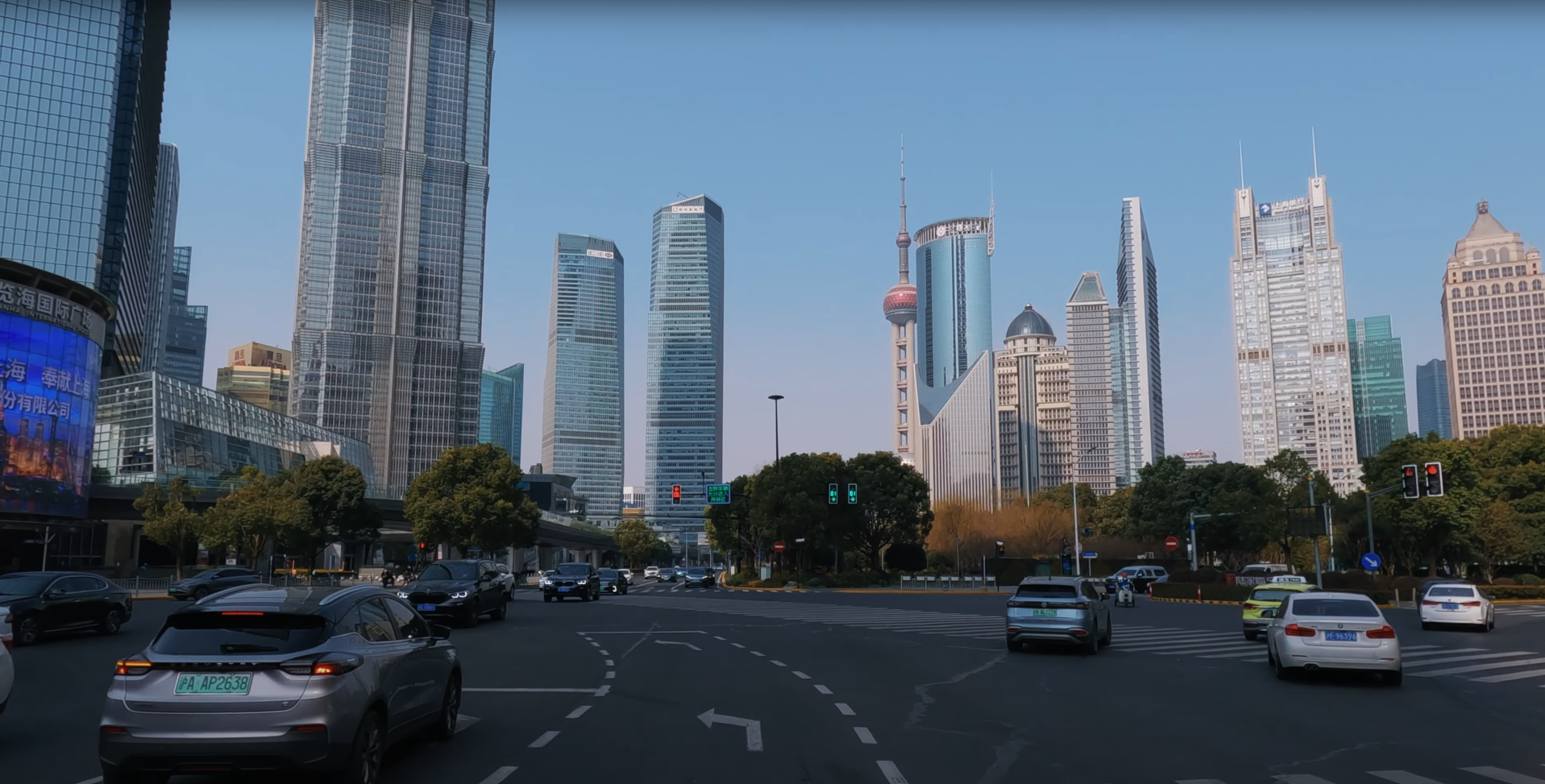
#中國 #中華人民共和國 #China #PeoplesRepublicOfChina #4KHDR #CitywalkingTour | #WalkEast #March2023 |#上海 [4K HDR] Shanghai March 2023 Driving Tour, The Most Developed City in China….

Love Shanghai, love the city and love Lujiazui!

Lujiazui is Shanghai’s glitzy financial district, known for futuristic skyscrapers like the Shanghai Tower, with its lofty observation deck, and the needle-like Oriental Pearl TV Tower, home to the Shanghai Municipal History Museum.

The area is also noted for its luxe-hotel nightlife, with European fine dining, stylish bars and posh dance clubs offering panoramic views.

Lying on the east bank of Huangpu River and facing the Bund, Lujiazui Finance and Trade Zone occupies 28 square kilometers (10.8 square miles) and is studded with around 100 high-rise buildings.

Many are landmark buildings of Shanghai, making the area a great place to experience the modern flavor of this metropolis.

Often called the ‘Wall Street of China’, Lujiazui is the largest financial zone in mainland China, with more than 400 banks and financial institutions from both home and abroad, including HSBC, Citibank, and Standard Chartered Bank.


In addition, it is home to the headquarters of over 70 international giants and about 5,000 companies engaged in trade, investment, and intermediary services. The sum of transactions in the Shanghai stock market ranks it the 2nd in the world only behind the New York Stock Exchange.

Since the reform and opening-up policy carried out in 1978, Shanghai has enjoyed a great economic boom, and Lujiazui is gradually becoming more widely known. However, few know the origin of the name (Lu Jia Zui in Chinese), which literally means Lu family dwelling on a mouth-shaped alluvial beach.

In fact, the name is associated with Lu Shen, a noted scholar of Imperial Academy in the Ming Dynasty (1368 – 1644). After Lu retired, he lived on this land until his death. Today, you can still find Lu Shen’s calligraphy in Shanghai Museum. His former residence and family cemetery are located in this area.

In Lujiazui, the charm of the city as an international metropolis is unfolded to the largest degree. One can admire the modern skyscrapers along Binjiang Avenue as well as various buildings of different architectural styles across the Huangpu River.

The four tallest landmarks of the city – the Oriental Pearl Tower, Jin Mao Tower, Shanghai World Financial Center, and Shanghai Tower are constructed next to each other. When night comes, all the buildings are decorated with shining colorful lights, presenting a gorgeous scene before your eyes. The Bund, facing this financial zone across the river, is the most wonderful place to enjoy the night view.

Oriental Pearl Tower Oriental Pearl Tower, measuring 468 meters (1,536 feet) in height, has three viewing floors. An exhibition hall, demonstrating the history of the city, is at the base of the tower. The lower sphere has a viewing hall at a height of 90 meters (295 feet), providing a wonderful position to see the Bund and the graceful scenery along the Huangpu River. Visitors can also have a panoramic view of the whole city on the transparent observatory at 259 meters (850 feet) or the Capsule Sightseeing Floor at 351 meters (1,152 feet).

Jin Mao Tower Jin Mao Tower, with a height of 420.5 meters (1,380 feet), is also a good place to view the city. The superfast elevator takes only 45 seconds to take visitors from the basement to the viewing hall on the 88th floor, providing visitors magnificent metropolitan cityscapes along Huangpu River, and views of the distinctive rosy dawn and sunset.

Shanghai World Financial Center As the tallest flat-roof building in the world, it is 492 meters (1,614 feet) high with 101 stories. Sightseeing area occupies storeys from the 94th to the 100th floor. The viewing hall on the 100th floor is at a height of 474 meters (1,555 feet). The sightseeing bridge on the 97th floor seems to be constructed in the air. It would give you an illusion that you are wandering in the sky.

Shanghai Tower At present, it is the tallest building in China, measuring 632 meters (2,073 feet) in height. The exterior of the building spirals upward to the top with one degree twist per storey to reduce the wind effect.

Walk East | Max Channel is about his walking, driving, riding running around views of China – People’s Republic of China  sharing his immersive experiences in his video hope you could have a pure view about China today, sharing  some 4K UHD videos to show pure China daily scenes for you…. BEST VIEWED ON 2160px60 with the volume up for immersive immersion..

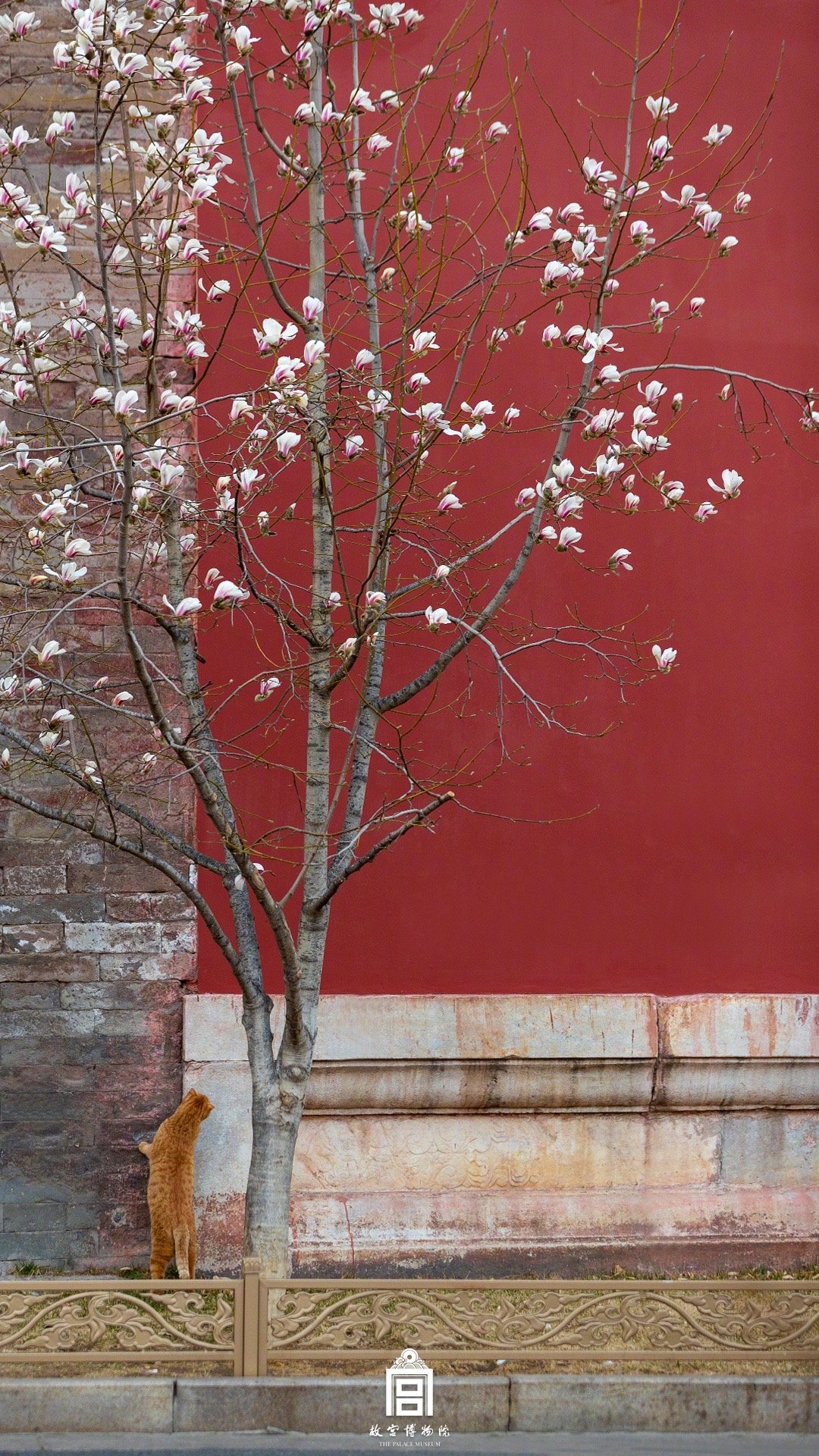
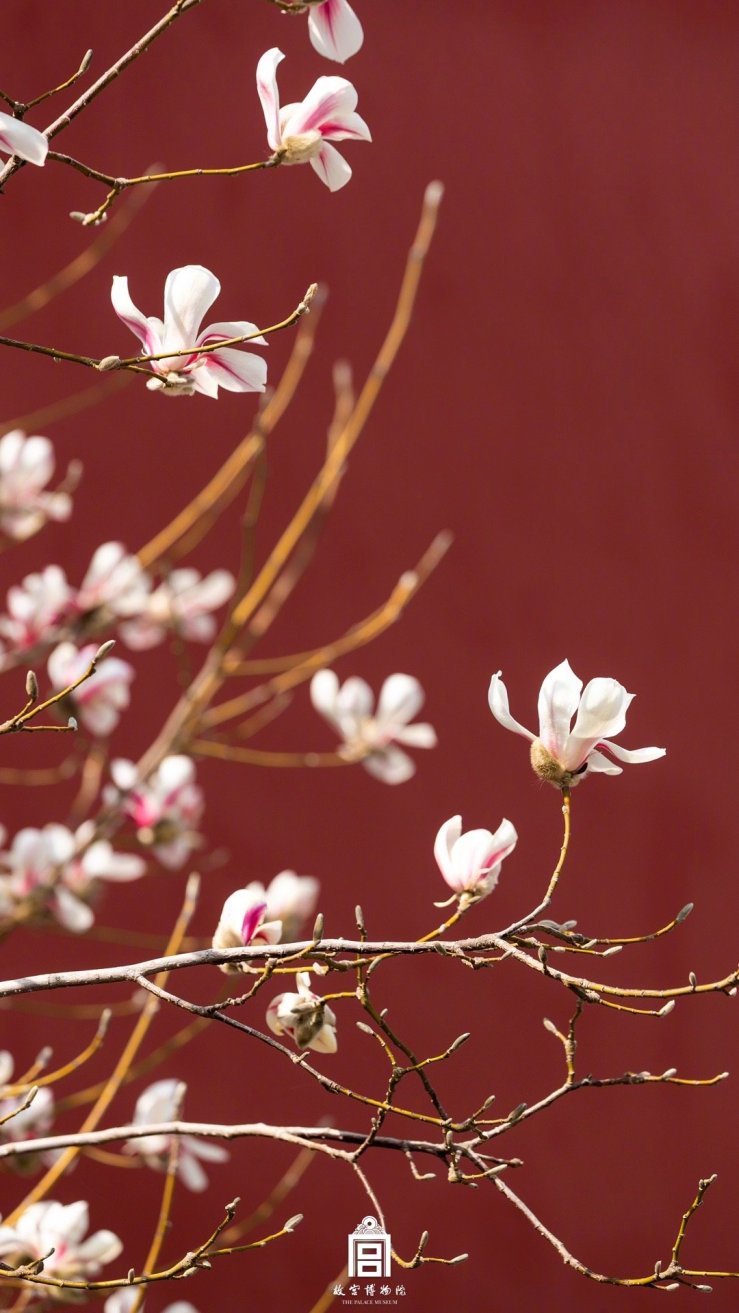
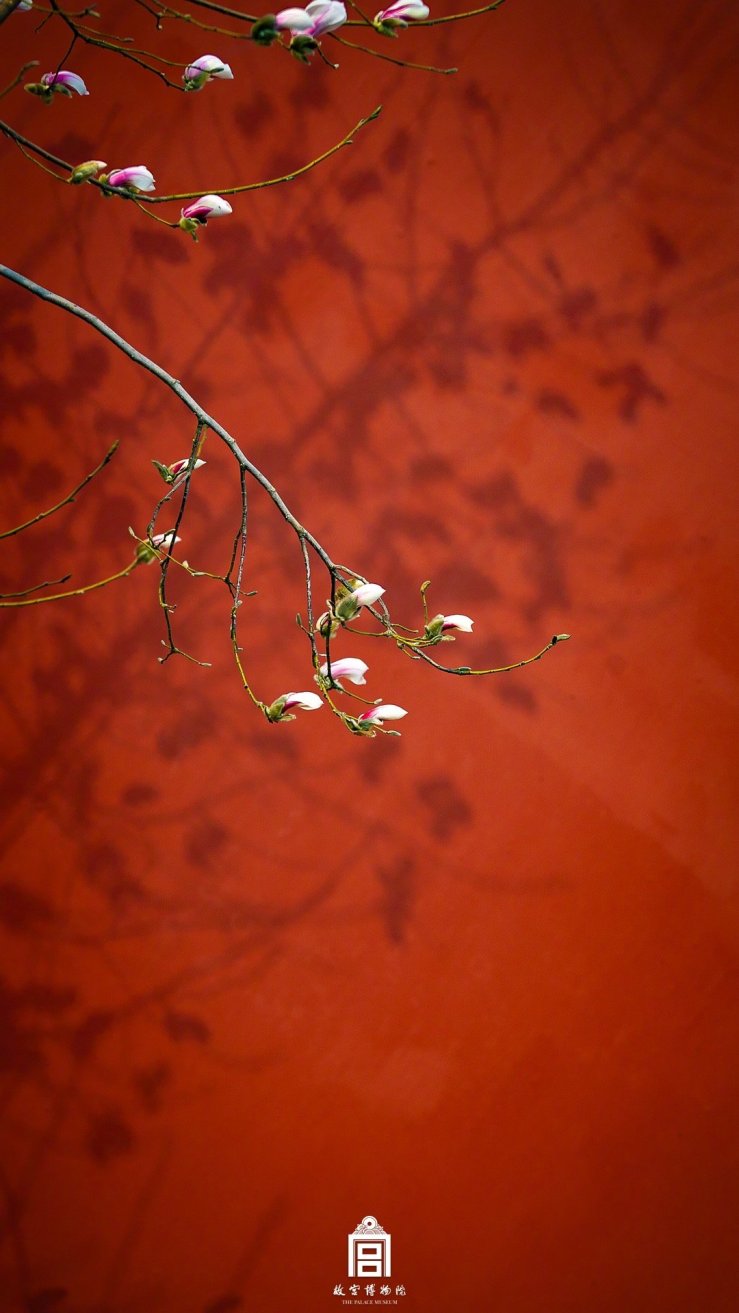
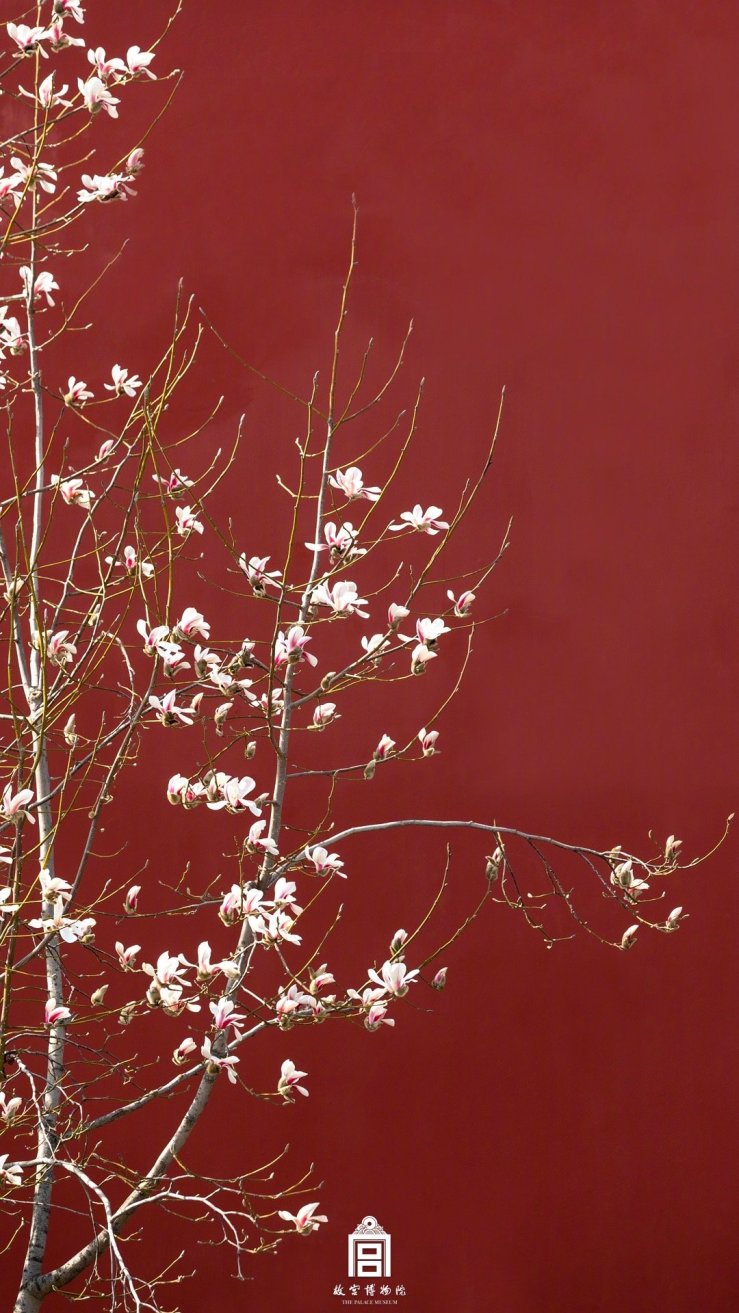
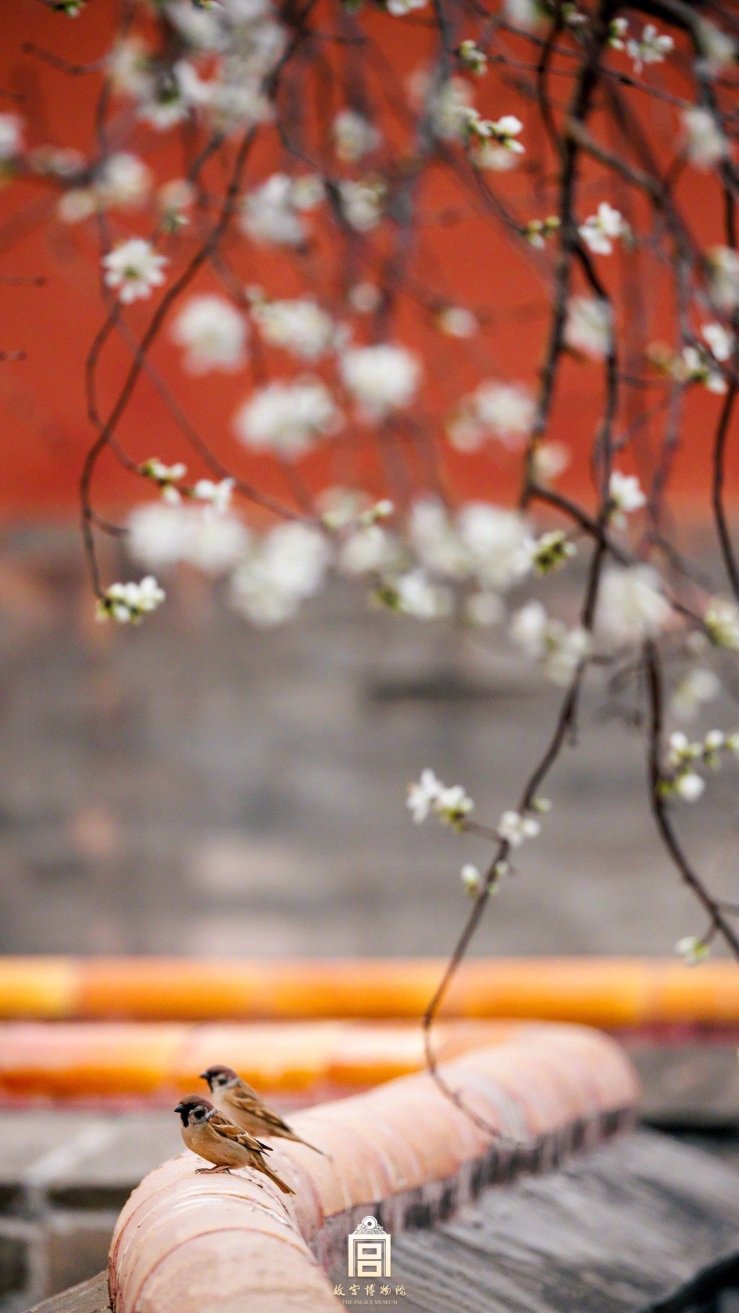
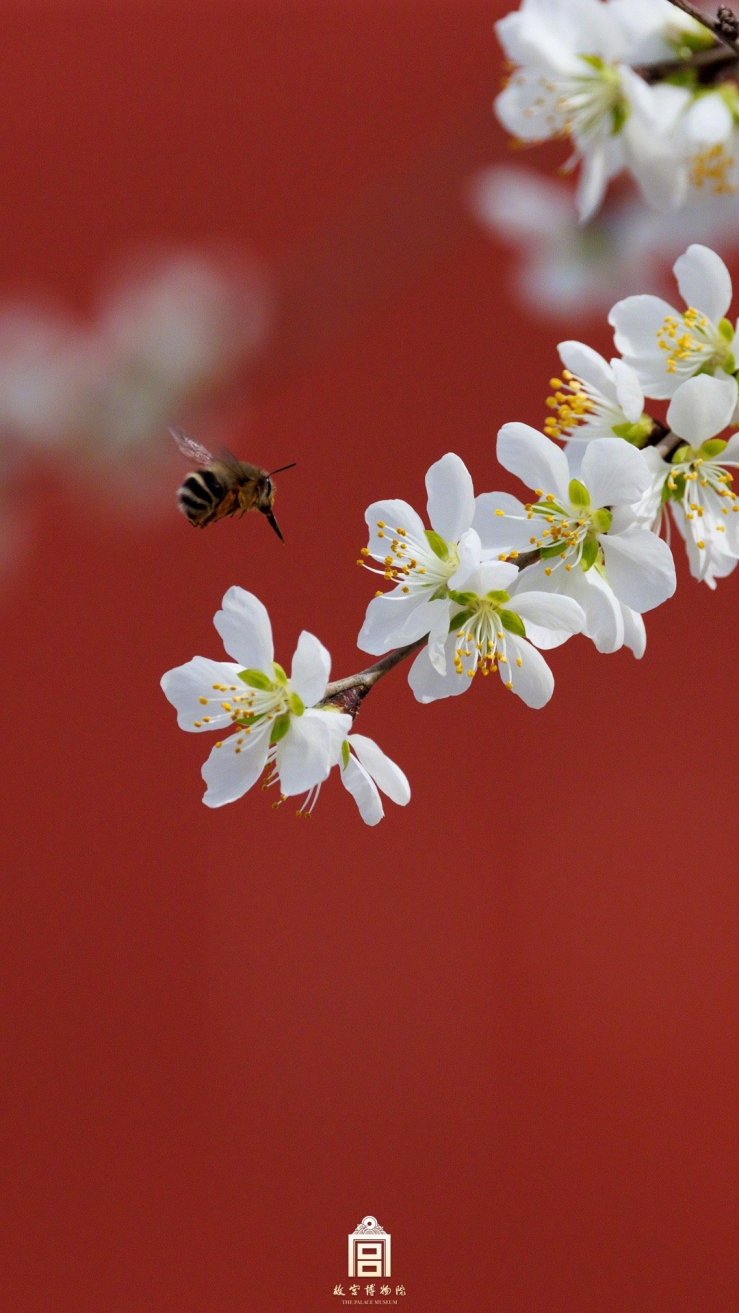
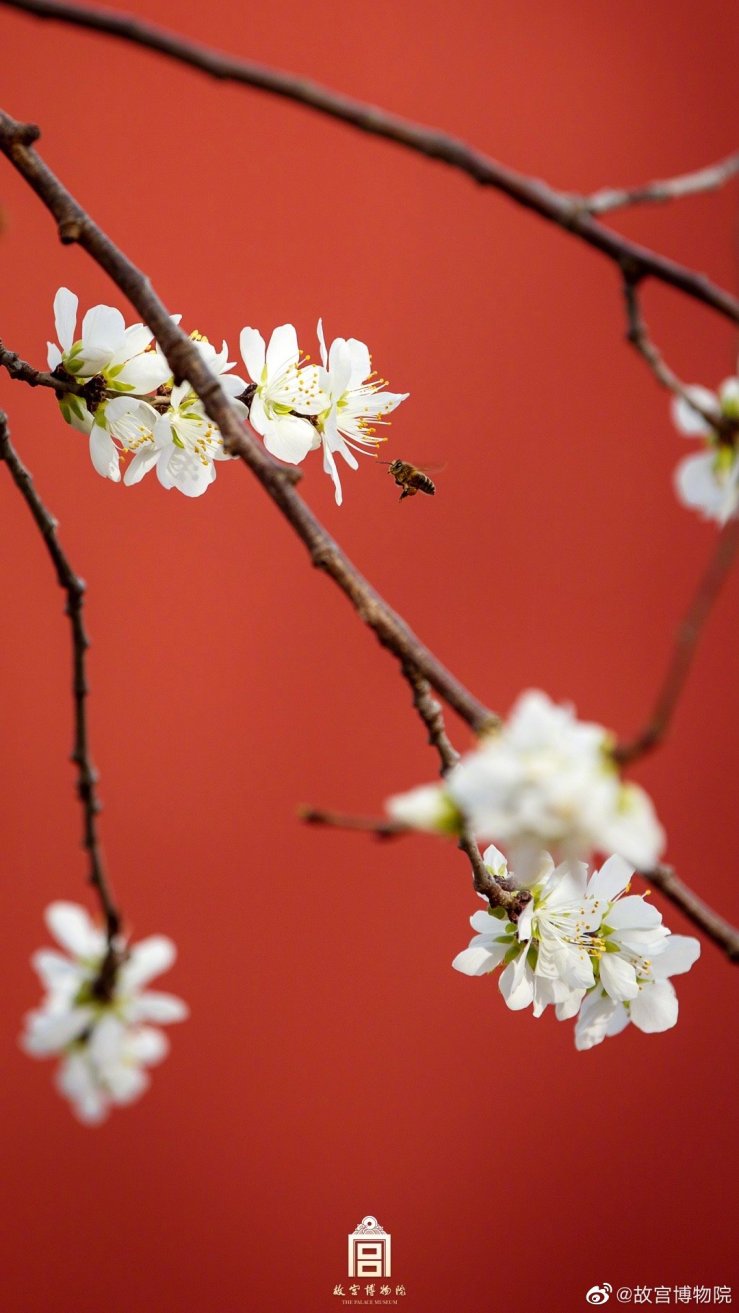
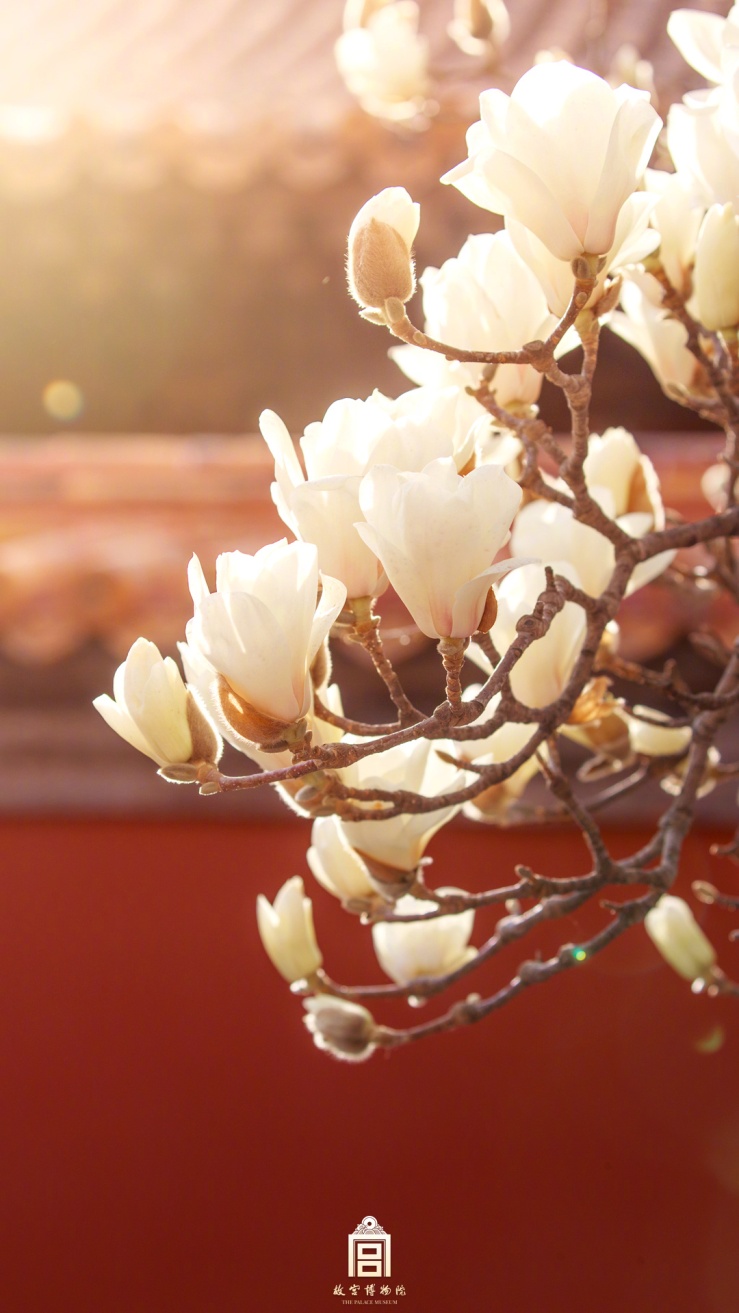
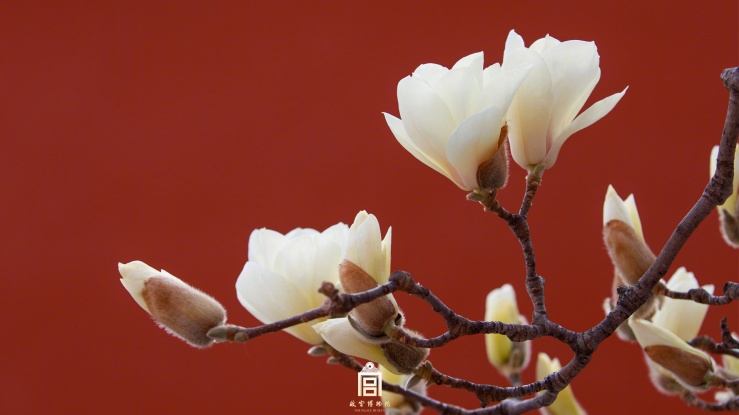
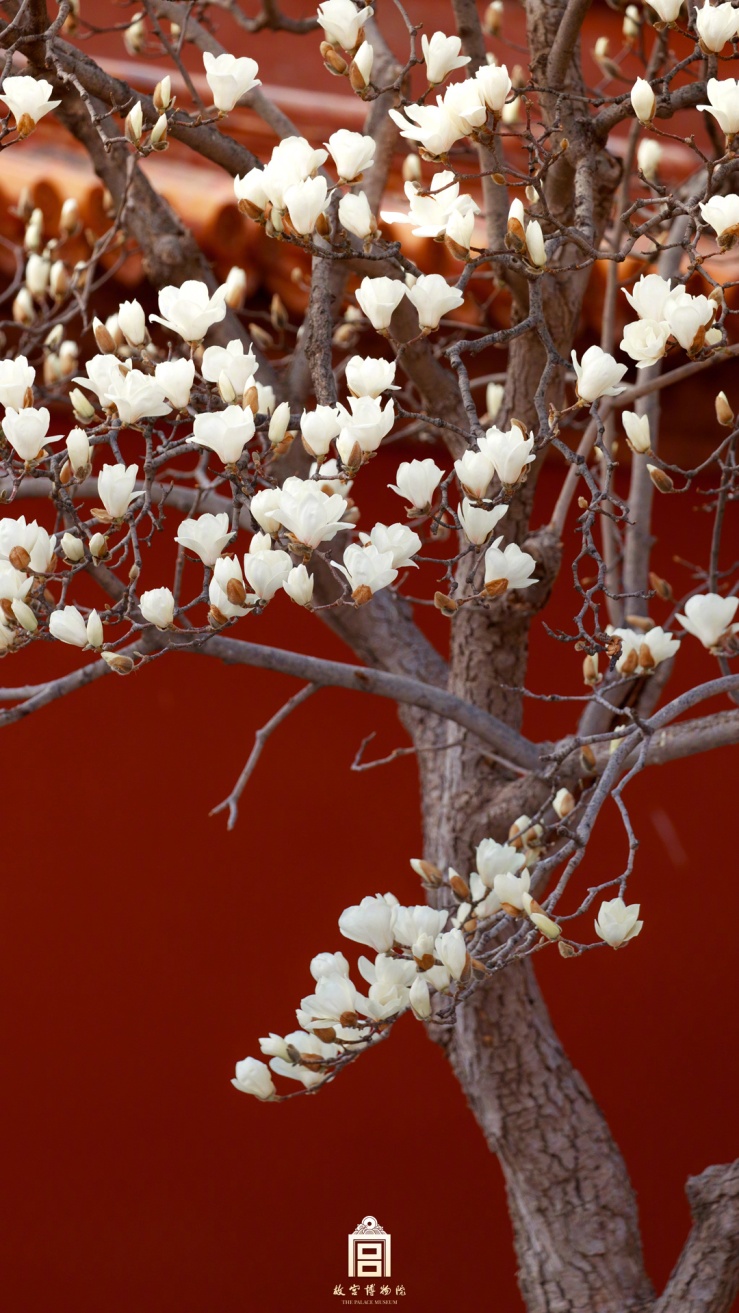
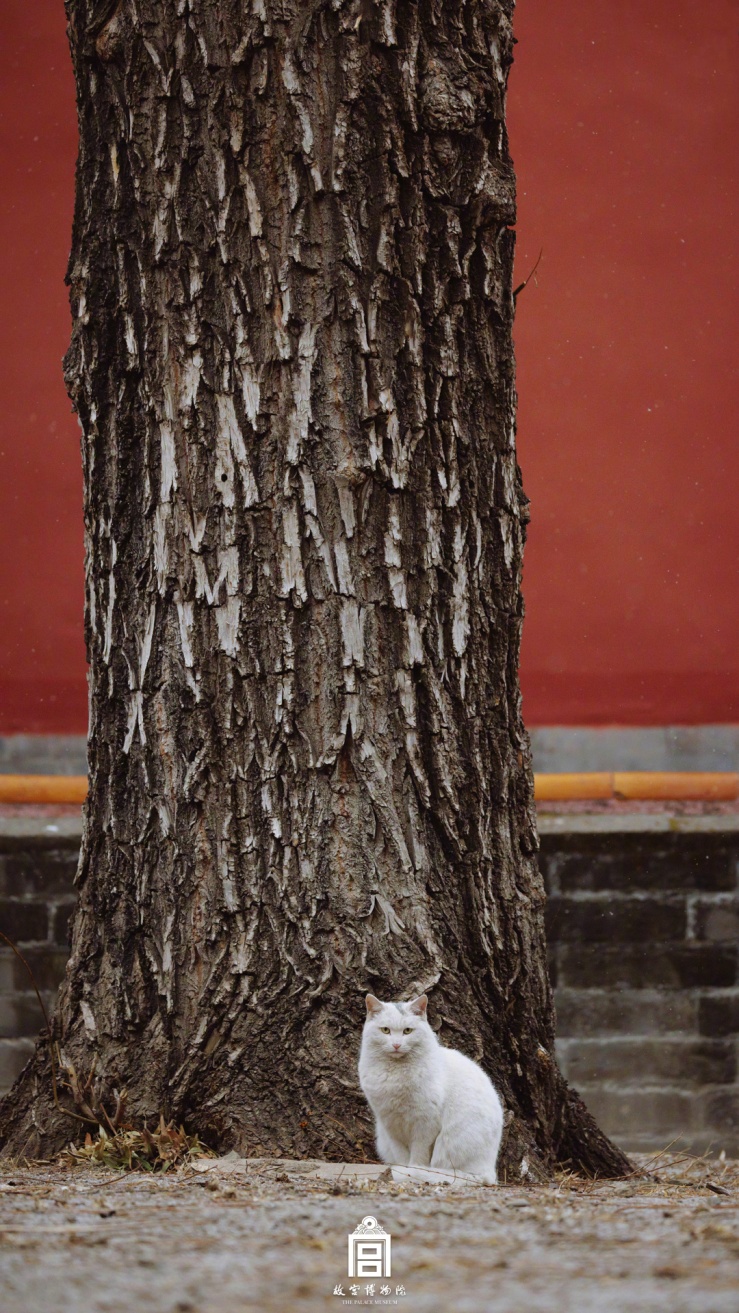
#北京。 #中國 #China #Beijing | #紫禁城 #ForbiddenCity #March2023 | #ForbiddenCityDairies #spring #ArbourDay – The weather is warmer blossoms and Magnolia is Blooming 12th March 2023 #AGallery …

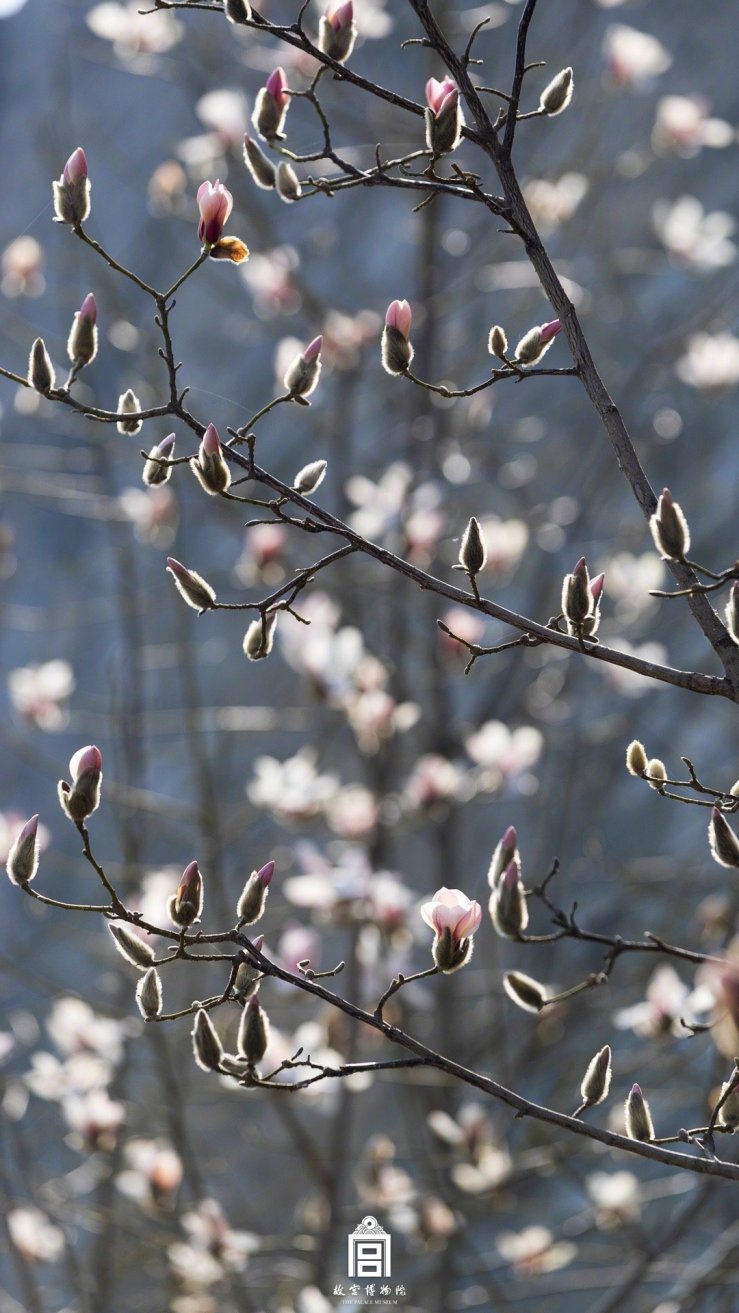
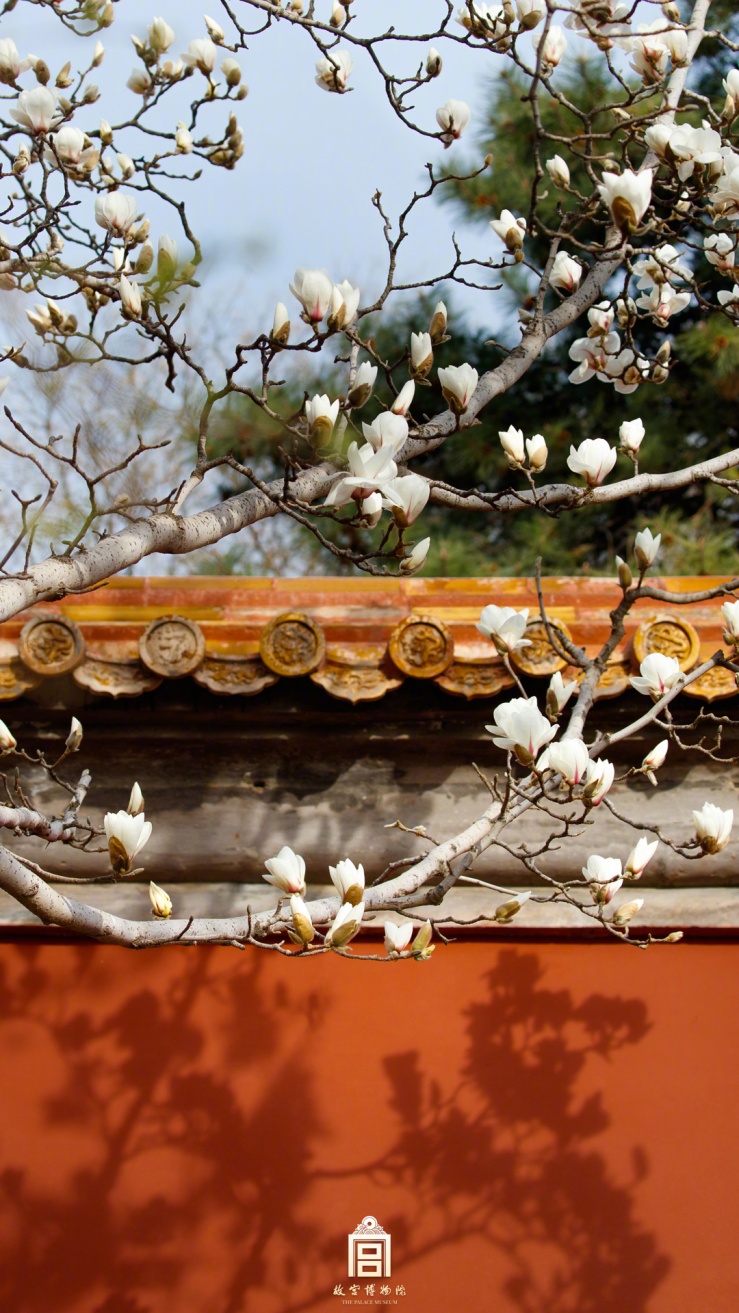
Arbor Day is on 12th  March  Sunday  2023 on China, People’s Republic of China it was This resolution established the Arbor Day (植树节), also March 12, and stipulated that every able-bodied citizen between the ages of 11 and 60 should plant three to five trees per year or do the equivalent amount of work in seedling, cultivation, tree tending, or other services  the suggestion of Deng Xiaoping Since a century ago, China has established Arbor Day to promote nationwide afforestation and forest protection….. The weather is getting warmer, and the magnolia is blooming. The pink and white flowers are like pairs of immature little hands, holding us the breath of spring

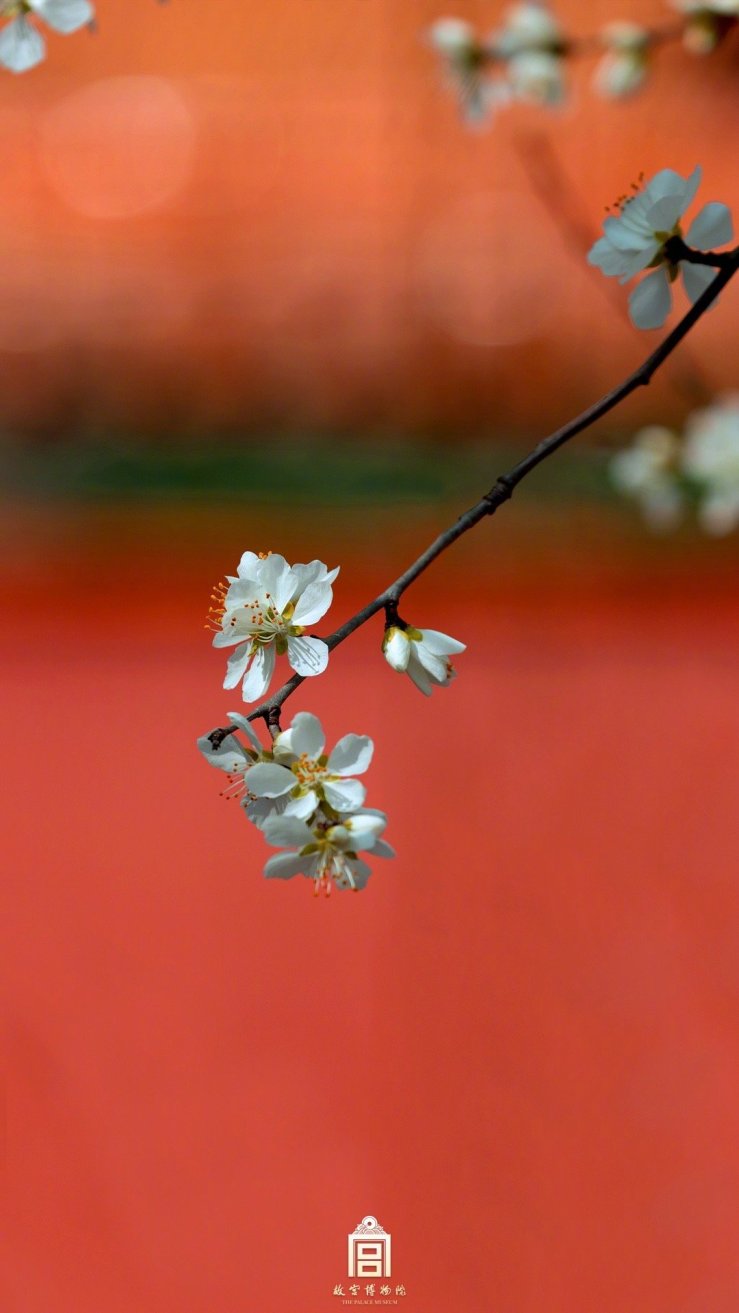
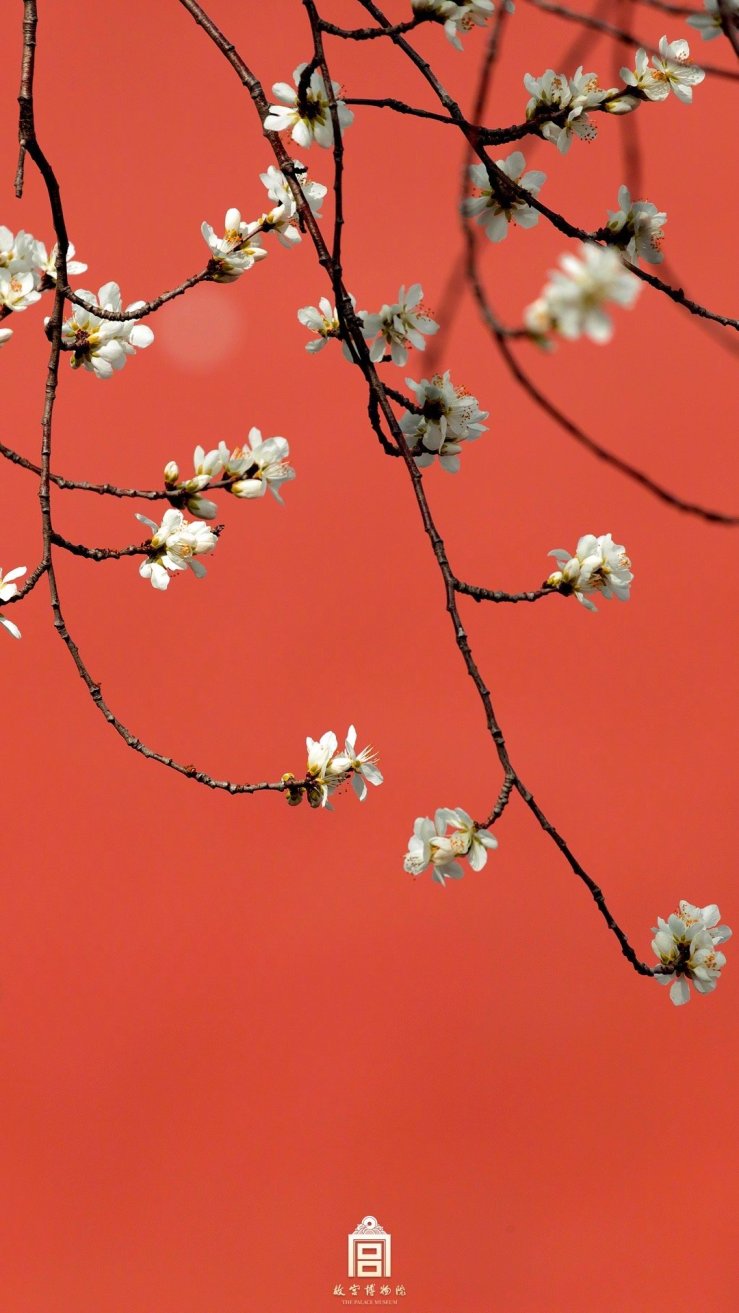
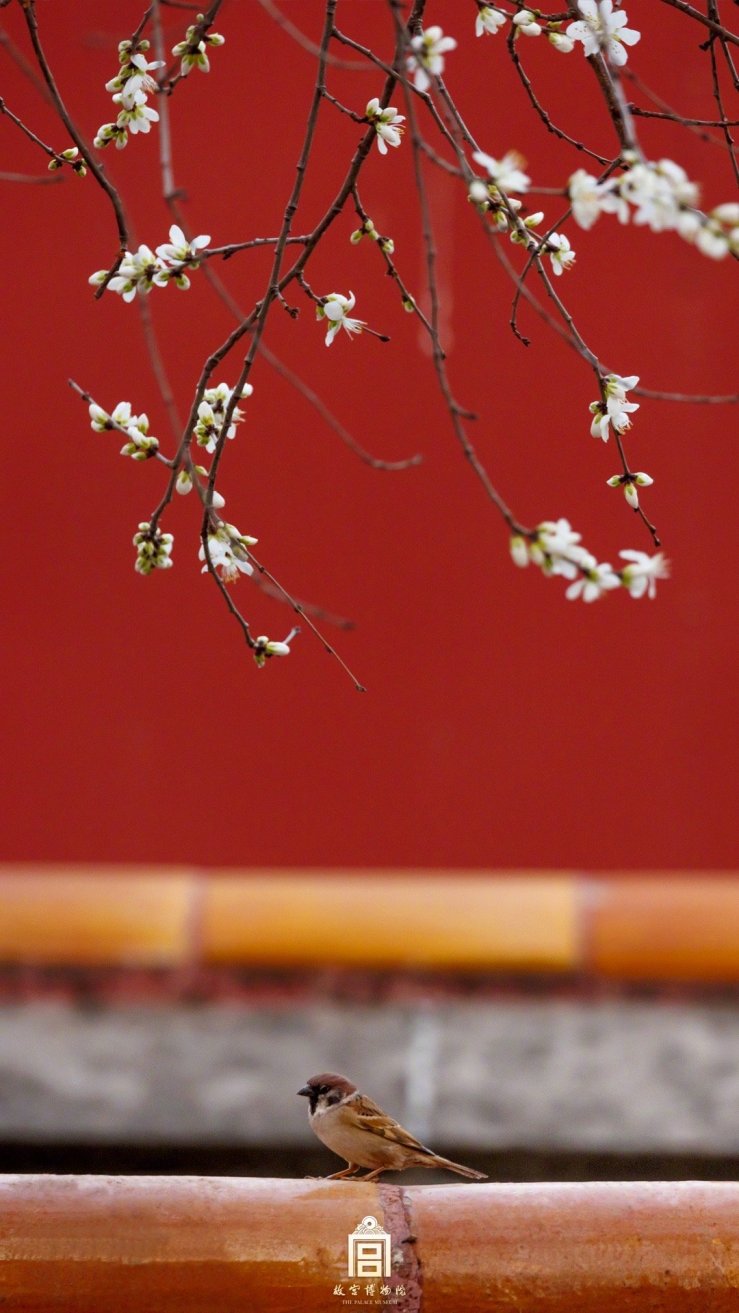
Arbour Day, in  the Forbidden City’s environmental protection and carbon reduction cultural and creative program welcoming the spring  with the refreshing the colour-contrasting Chinese Paintings naturally painted of mountain peach white and palace wall red, which will fill the screens with the breath of spring.

The spring breeze is blowing, and the weather is getting warmer. Spring is here in Beijing, and the magnolia flowers in the Forbidden City are blooming! Against the background of red walls and green tiles, the blue sky and white clouds are picturesque, beautiful and fragrant. Come on guys! Take a look at the majestic Forbidden City and see the beautiful magnolia flowers Beijing

In Chunhui, under the red wall, Magnolia is about to usher in its full bloom period! Let’s spend a weekend together

Images and visuals are from – Forbidden City –Palace Museum Beijing- China –People’s Republic of China…..

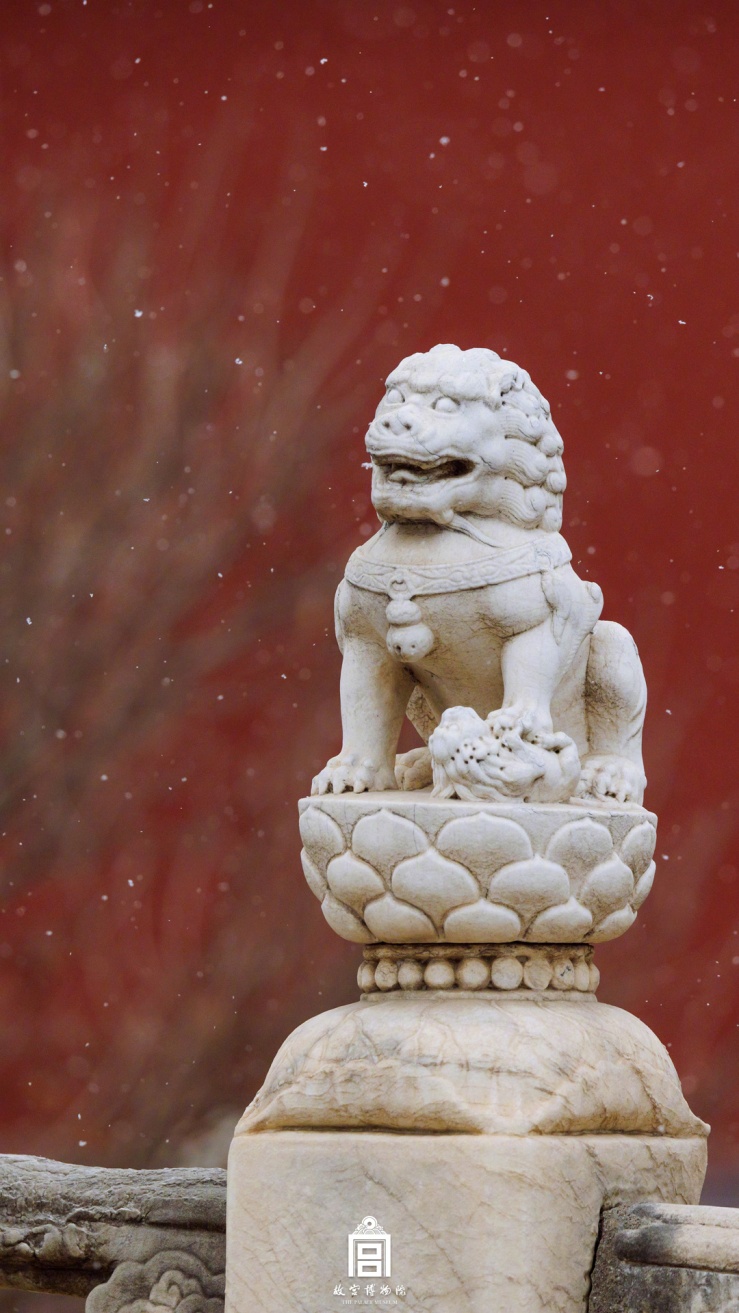
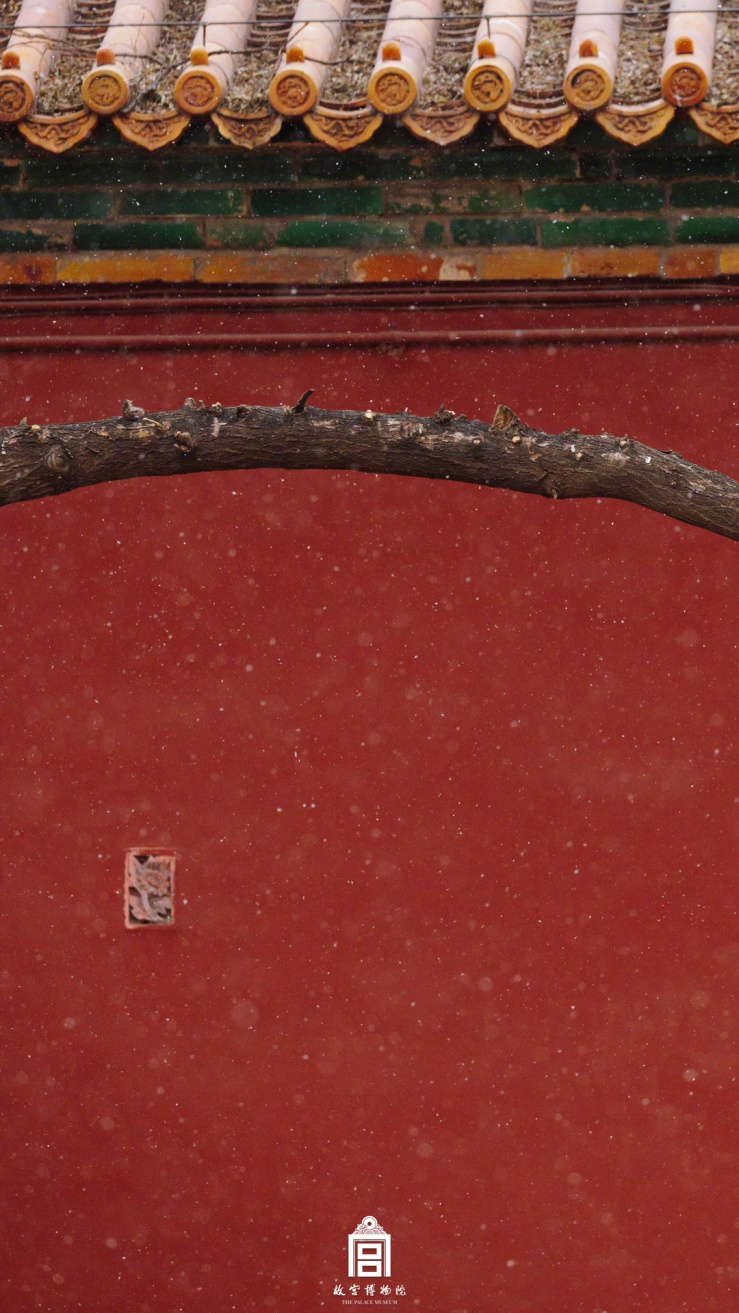
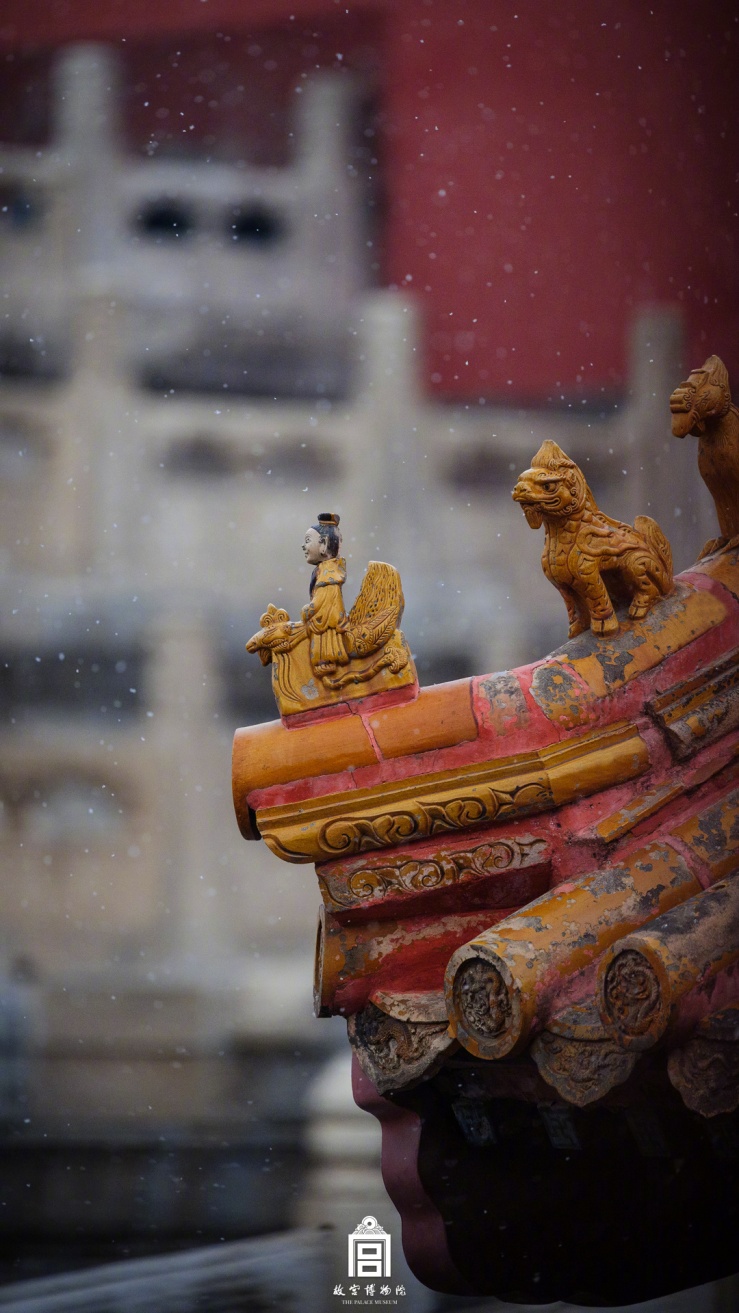
#北京。 #中國 #China #Beijing | #紫禁城 #ForbiddenCity #February2023 | #ForbiddenCityDairies #Spring First Snowfall of the Forbidden City of the #YearOftheRabbit #AGallery …

元宵喜乐 During the Lantern Festival on February 5th 2023 at the Forbidden City, Beijing, China, People’s Republic of China on the 10th February 2023 it is the first Beijing Snowfall of Spring also the Year of the Rabbit in which Beijing, China, People’s Republic of China ushered in snowy weather in forbidden city was exceptional quiet.  . Among the red walls and green tiles, green pines and ancient cypresses, falling snowflakes are dancing in the air, which is as beautiful as poetry and painting… also ushering the Snowfall on summer palace.

The Forbidden City in Beijing is the royal Imperial palace of the Ming and Qing dynasties in China. It used to be called the Forbidden City and is located in the center of the central axis of Beijing. The Forbidden City in Beijing is centered on three main halls, covering an area of ​​about 720,000 square meters, with a construction area of ​​about 150,000 square meters. There are more than 70 palaces of different sizes and more than 9,000 houses.

The Forbidden City in Beijing began construction in the fourth year of Yongle (1406), Emperor Chengzu of the Ming Dynasty. It was built on the basis of the Nanjing Forbidden City. It was completed in the eighteenth year of Yongle (1420) and became the palace of 24 emperors in the Ming and Qing dynasties. On the National Day of the 14th year of the Republic of China (October 10, 1925), the Palace Museum was officially established and opened. The Forbidden City in Beijing is 961 meters long from north to south and 753 meters wide from east to west. It is surrounded by 10-meter-high walls and a 52-meter-wide moat outside the city. There are four gates in the Forbidden City, the Meridian Gate in the south , the Shenwu Gate in the north , the Donghua Gate in the east and the Xihua Gate in the west . Each of the four corners of the city wall has a graceful turret . There is a folk saying that there are nine beams, eighteen pillars and seventy-two ridges, which describe the complexity of its structure. 

The buildings in the Forbidden City in Beijing are divided into two parts: the outer court and the inner court . The center of the Outer Dynasty is the Hall of Supreme Harmony , the Hall of Central Harmony , and the Hall of Preserving Harmony , collectively referred to as the Three Great Halls , where the state holds grand ceremonies. The left and right wings of the three halls are supplemented by two groups of buildings, the Wenhua Hall and the Wuying Hall . The center of the inner court is Qianqing Palace , Jiaotai Palace , and Kunning Palace , collectively referred to as the Housan Palace, which is the main palace where the emperor and empress live. Then there is the Royal Garden . On both sides of the Housan Palace are the East and West Sixth Palaces, which are the places where the concubines live and rest. On the east side of the East Sixth Palace is the Tianqiong Palace and other Buddhist temple buildings, and on the west side of the West Sixth Palace is the Zhongzheng Hall and other Buddhist temple buildings. In addition to the Outer Dynasty and the Inner Court, there are two parts of the Outer East Road and the Outer West Road.

Images and visuals are from – Forbidden City –Palace Museum Beijing- China –People’s Republic of China…..

#北京。 #中國 #China #Beijing | #紫禁城 #ForbiddenCity #February2023 | #ForbiddenCityDairies #中國元宵節 #元宵節 #ChineseLanternFestival #YearOftheRabbit with a distance smaller first #FullMoon illuminating the Forbidden City like an ancient Chinese lantern..   

元宵喜乐 During the Lantern Festival on February 5th 2023 at the Forbidden City, Beijing, China, People’s Republic of China , a full moon passes through the turrets of the Forbidden City, and it is in the same frame as the ridge beast, which is too beautiful to behold. According to astronomy science experts, the Lantern Festival of the Year of the Rabbit in Guimao is “15 moons and 16 rounds”, and the full moon will appear in the early morning of the 6th. This round of the roundest Lantern Festival moon is not only the first full moon this year, but also the smallest full moon in 2023. 

On this day on the 5th February 2023 on the fifteenth day of Chinese lunar new year festival is the lantern festival or known as Chinese Valentine’s Day…. in which this painting is inspired by the Hangzhou West lake storytelling of the legend of the white snake…..

The early days, young people were chaperoned in the streets in hopes of finding love. Matchmakers acted busily in hopes of pairing couples. The brightest lanterns were symbolic of good luck and hope…… Lantern Festival is one of the events they can go out and join in the celebration. And that’s when other young guys can get to meet the ladies. Therefore, the Lantern Festival is sometimes referred to as Chinese Valentine’s Day. There will also be big displays of lanterns in some major parks or open space.

Love inscribed in poems

The other evidence of the Lantern Festival being Chinese Valentine’s Day is recorded in Chinese literature. In the thousands of ancient poems passed on from the Tang and Song dynasties, many depicted ardent love for their partners.

Not only was love engraved in ancient poems, but also sceneries and the boisterous carnivals of the Lantern Festival, when the nights were as bright as the daytime with hundreds of lanterns burning.

The festive atmosphere, the performances, and the moonlight jointly created the best time for a date.

The history of the festival could be traced back to the Han Dynasty (202 B.C.-220 A.D.), and the celebrations were gradually enriched, expanded and settled in succeeding dynasties. But from the very beginning, lanterns have been an indispensable part of the day.

元宵喜乐 During the Lantern Festival on February 5, a full moon passes through the turrets of the Forbidden City, and it is in the same frame as the ridge beast, which is too beautiful to behold. According to astronomy science experts, the Lantern Festival of the Year of the Rabbit in Guimao is “15 moons and 16 rounds”, and the full moon will appear in the early morning of the 6th. This round of the roundest Lantern Festival moon is not only the first full moon this year, but also the smallest full moon in 2023. 

Images and visuals are from – Forbidden City –Palace Museum Beijing- China –People’s Republic of China…..